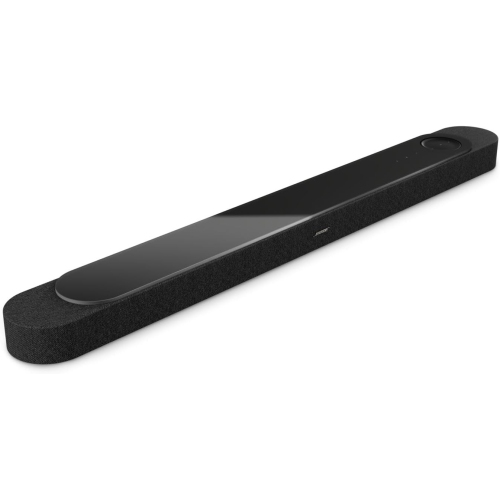
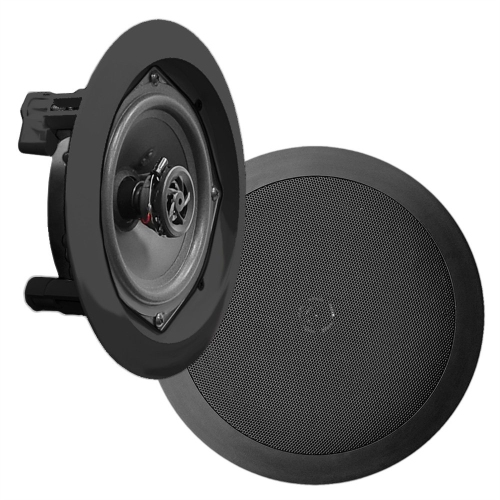
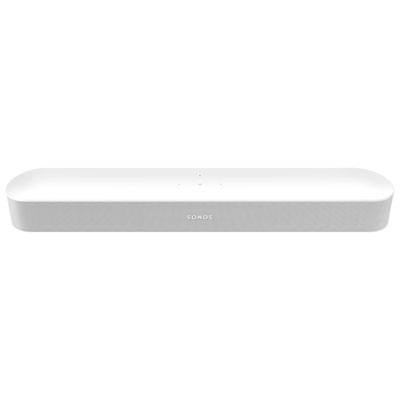
Atmos Speakers

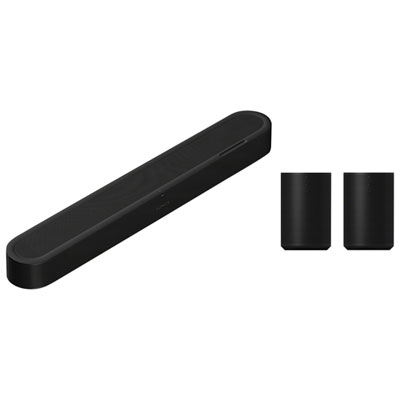
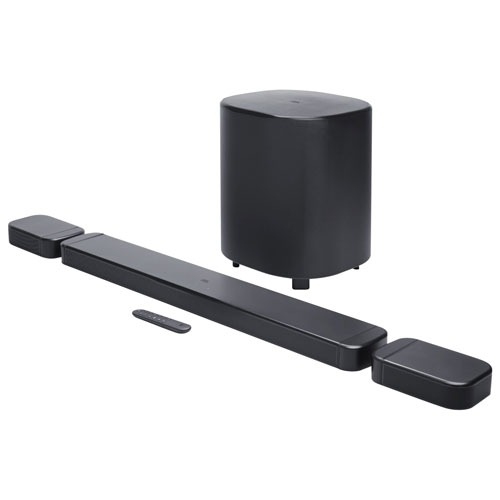
Atmos speakers add a height dimension to compatible Dolby Atmos home theatre systems, helping sound feel as though it comes from above as well as around you. Explore options for your setup, comparing speaker placement, room layout, and compatibility with your AV receiver before choosing.

Read More

Sort

Home theatre sound that reaches above ear level

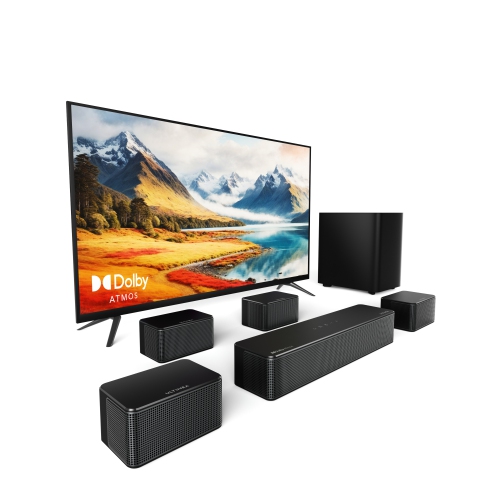
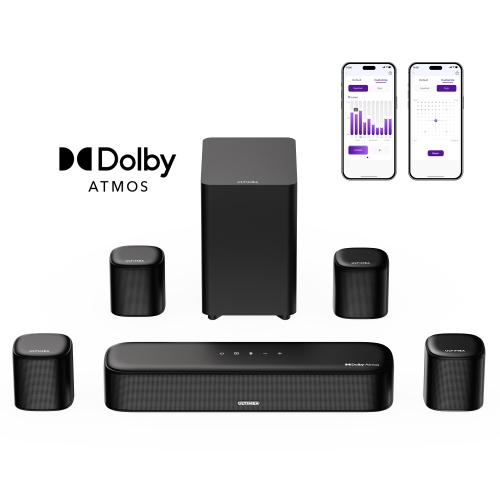
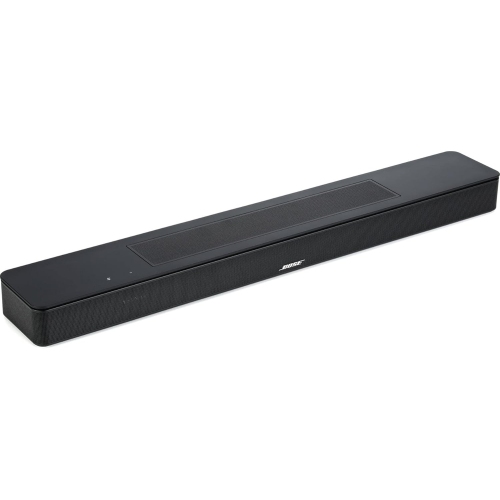
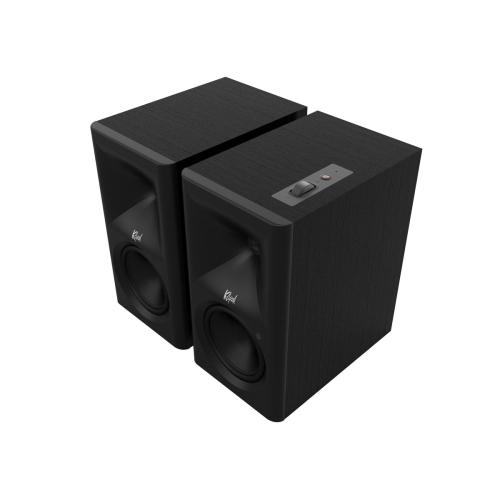
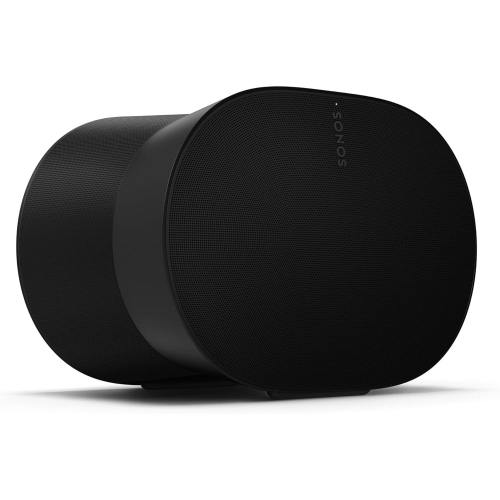
Atmos speakers add a height dimension to a home theatre system, extending sound above the listening position rather than keeping every effect at ear level. With compatible audio, processing, and amplification, they help place sounds within a three-dimensional sound field: rain can seem to fall from above, an aircraft can move overhead, and the reverberation of a concert hall can reach beyond the front speakers. The main types are in-ceiling speakers, high-mounted elevation speakers, and upward-firing modules that reflect sound off the ceiling. Each approach serves a different room layout and installation preference, from a dedicated movie room with concealed wiring to a living room where permanent changes are less practical. Height speakers work alongside the front, centre, surround, and bass channels; they do not replace the centre speaker responsible for much of a film’s dialogue or the subwoofer that handles deep bass. Common system descriptions such as 5.1.2 and 5.1.4 identify five ear-level speakers, one subwoofer channel, and either two or four height speakers. Four height speakers can provide greater front-to-back separation overhead, while two can introduce a convincing sense of height with fewer installation points. The result depends on the soundtrack as well as the equipment: some scenes use height effects prominently, while quieter scenes may use them only for subtle ambience. Movies, supported games, and immersive music mixes can all make use of this added dimension, provided the playback chain supports the appropriate format. For someone who already enjoys surround sound, Atmos speakers can be a focused addition to an established system rather than a reason to replace every component. They also suit listeners assembling a home theatre around a favourite sofa, a large screen, and regular shared movie nights, where a consistent sense of space matters as much as individual sound effects. A well-integrated setup keeps dialogue anchored to the screen while allowing movement and atmosphere to extend naturally around and above the seating area.

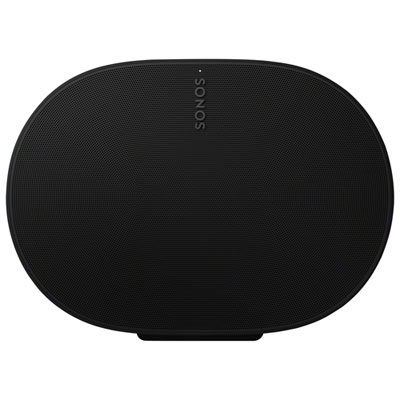
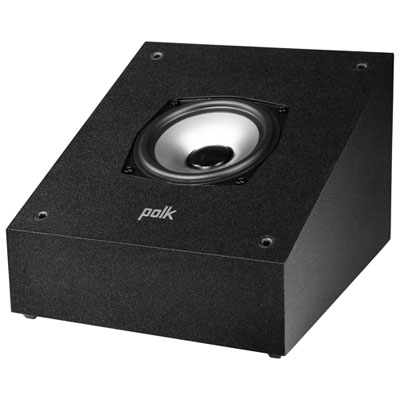
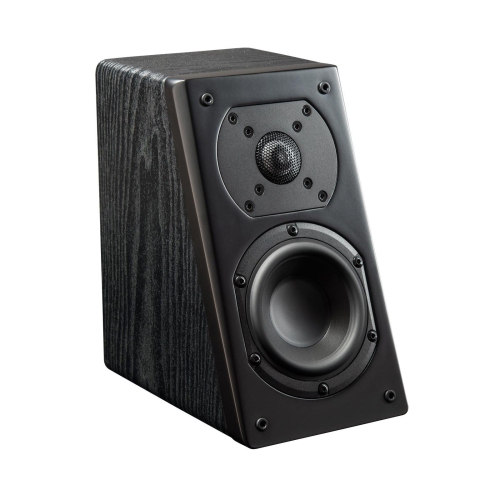
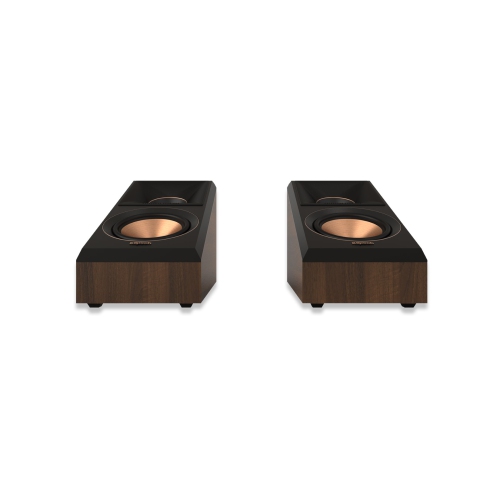
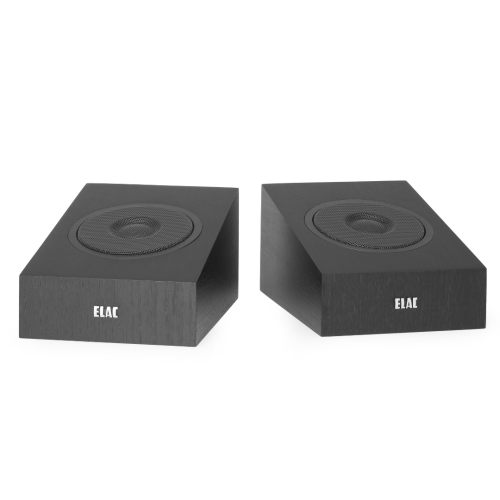
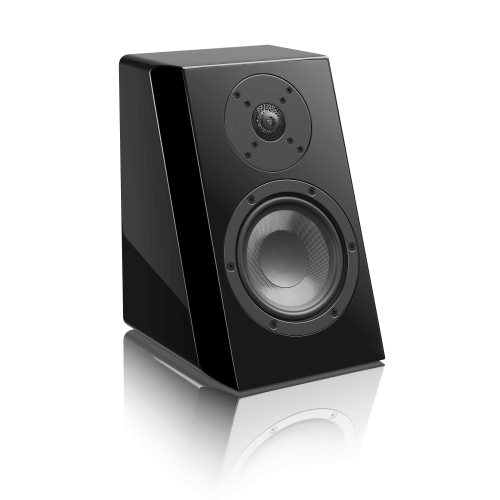
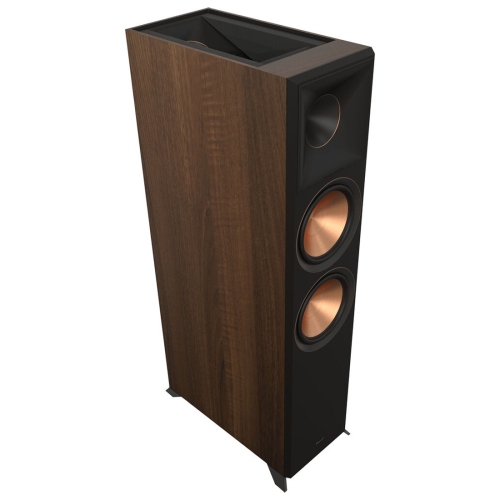
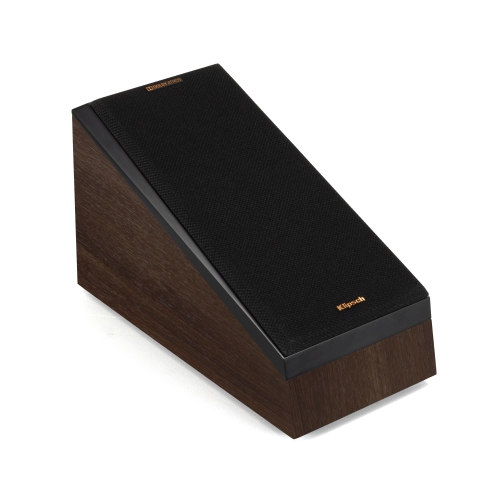
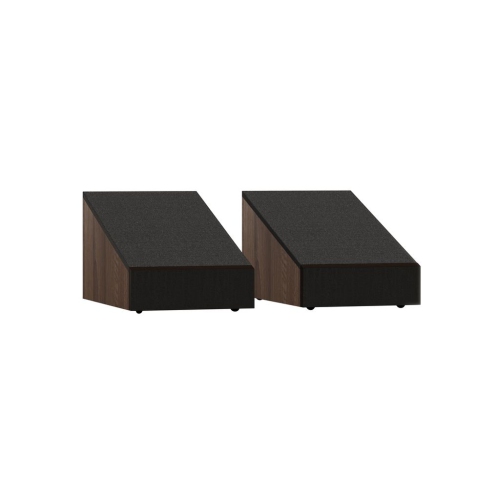
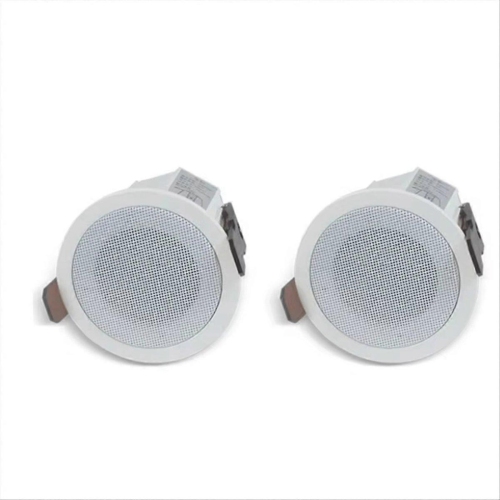
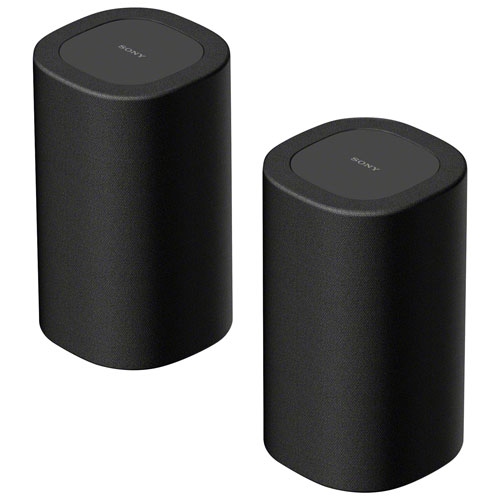
The physical design of Atmos speakers has a direct bearing on how they fit into a room. In-ceiling designs send sound from overhead and can offer precise placement when the ceiling structure permits suitable positioning. Flush grilles keep the installation visually discreet, although access for speaker cable, mounting depth, insulation clearance, and any applicable building requirements all affect suitability. In-Ceiling Speakers for Atmos suit installations where a permanent overhead layout is practical, with driver direction and sound coverage helping determine how evenly effects reach the seating area. Elevation speakers use angled cabinets mounted high on a wall or near the ceiling to direct sound towards listeners. They can be a useful alternative when ceiling cut-outs are not desirable, though secure mounting, suitable brackets, and a clear path to the seats remain important. Upward-firing speakers sit on compatible front or surround cabinets, or form part of a speaker cabinet with dedicated upward-facing drivers. Their sound reflects from the ceiling towards the listening position, making ceiling shape and surface especially significant. A flat, reflective ceiling generally supports this approach better than a vaulted, heavily textured, or sound-absorbing surface. Very high ceilings and exposed beams can also make reflected height effects less predictable. A low-profile module may blend neatly with an existing bookshelf or floor-standing speaker, but its footprint must sit securely without overhanging edges or blocking other drivers. In an open-plan room with seating spread across a wide area, broad coverage may be more useful than an effect concentrated over one chair. In a smaller, enclosed room, controlled placement can help distinguish overhead activity without making it sound detached from the rest of the system. Curtains, rugs, upholstered seating, and large bare surfaces also influence the balance of reflected and direct sound. These differences make speaker type and room geometry closely connected: the same design can behave quite differently above a central sofa than beside a listening position tucked against a rear wall. The most suitable format is therefore the one that works with the room’s structure, seating, and installation limits, rather than simply the one with the largest cabinet.
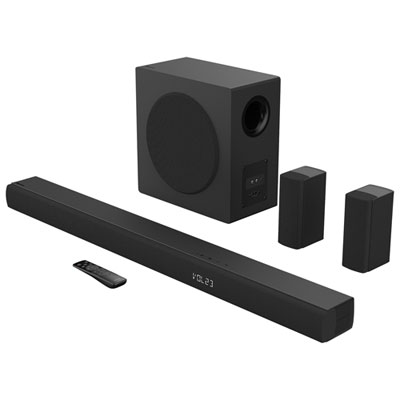
Construction, compatibility, and everyday care matter just as much as placement. Speaker cabinets may use wood-based panels or moulded materials, while drivers can incorporate paper composites, polymers, or metal; these choices contribute to weight, rigidity, and sound characteristics, but no single material guarantees better performance. Firm cabinet joints, secure mounting points, and protective grilles are practical details in a room shared with children or pets. For passive Atmos speakers, the receiver needs enough processing capability and amplified channels for the intended layout. A receiver supporting height audio does not necessarily power every possible speaker configuration, and some expanded systems require separate amplification. Speaker impedance and power-handling specifications should be compatible with the amplifier, while sensitivity can help indicate how readily a speaker reaches a given volume with a specified input. Using height speakers with a similar tonal balance to the main speakers can make moving effects sound more continuous as they travel through the room. Automatic room calibration can help adjust channel levels, timing, and equalization, although it cannot fully compensate for an obstructed driver or unsuitable ceiling reflection. Compatible source audio and playback settings are also necessary; simply adding speakers does not turn every programme into a native immersive mix. For regular care, a soft, dry cloth is generally appropriate for cabinet surfaces, subject to the manufacturer’s instructions, with liquids kept away from drivers and connections. Delicate tweeters and exposed cones should not be pressed or brushed aggressively. Wall-mounted and in-ceiling speakers benefit from secure fittings and accessible cable connections, while upward-firing designs need an unobstructed path above the driver rather than a shelf immediately overhead. As a gift for a home theatre enthusiast, height speakers are most useful when the recipient’s receiver, mounting preferences, and existing layout are known. Whether the goal is a restrained living-room installation or a more enveloping cinema space, a compatible, carefully positioned set can add scale and direction without overwhelming the room visually.
Read More

FAQ

Some products may be subject to Environmental Handling Fees (EHF) depending on your province. Learn more about EHFs.