Affordable Noise Cancelling Headphones
Sort




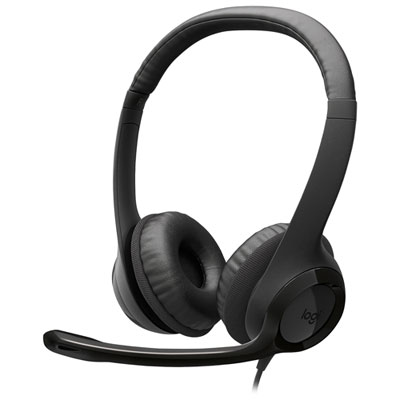
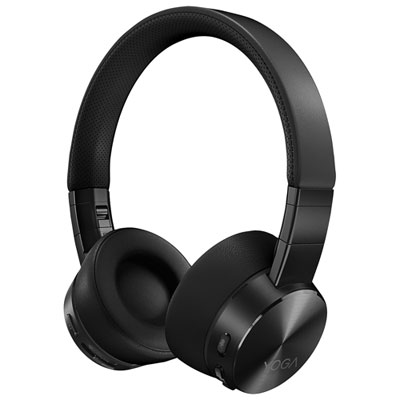
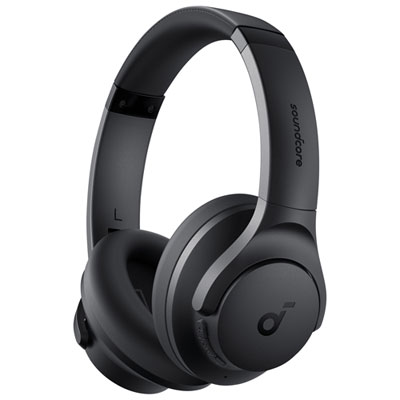
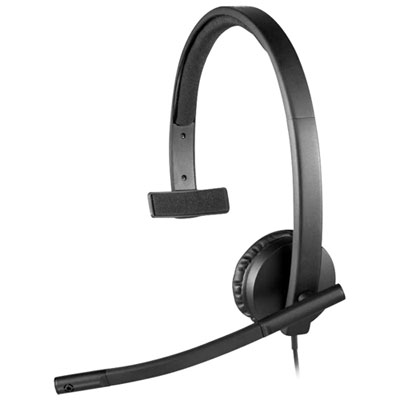


What noise cancellation can and cannot tune out
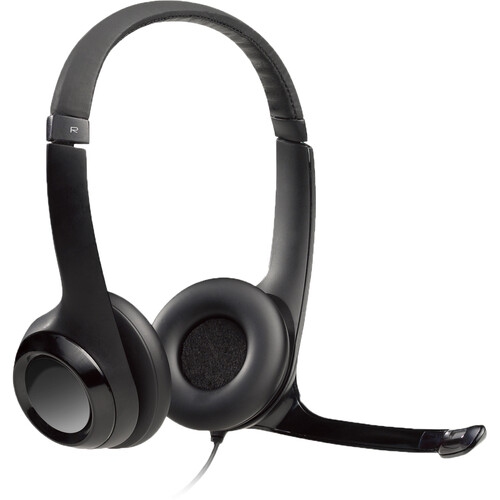
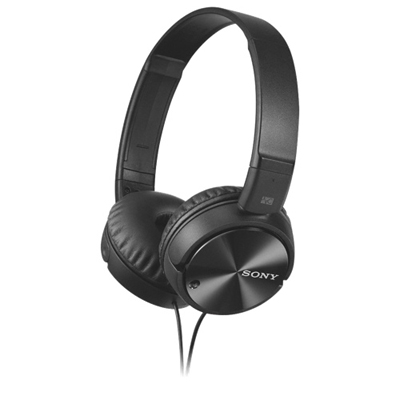
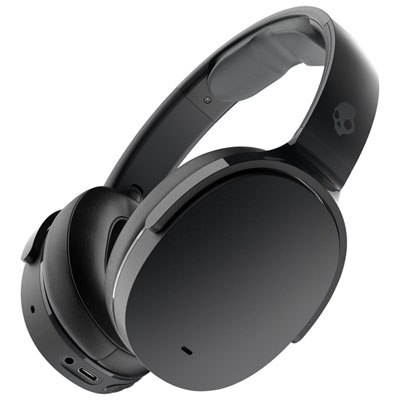
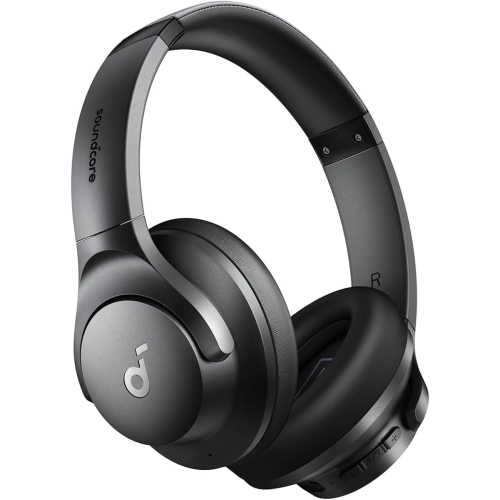
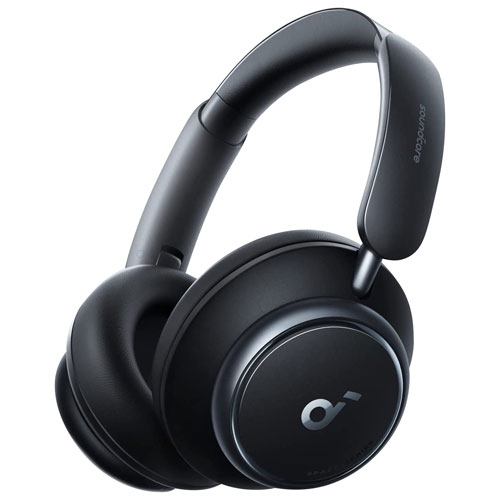
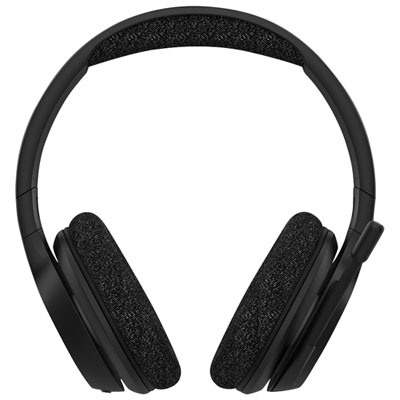
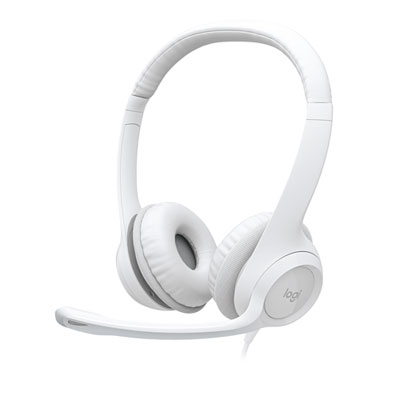
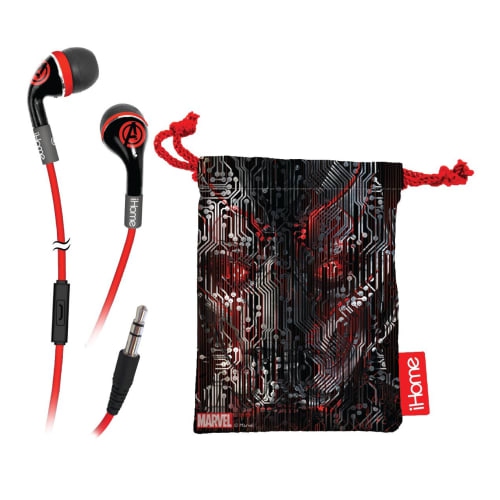
Noise cancelling headphones bring music, podcasts, and audiobooks into clearer focus when everyday background sound competes for attention. Active noise cancellation, often shortened to ANC, uses microphones and electronic processing to detect unwanted sound and generate an opposing signal that reduces what reaches the listener. It is generally most effective against steady, low-frequency sounds, such as the rumble of a train or the continuous hum of an aircraft cabin. Conversations, keyboard taps, and sudden noises may still be audible, so noise cancellation is better understood as a way to soften distractions than to create complete silence. Passive noise isolation works differently: the ear cushions or ear tips form a physical barrier that limits incoming sound. A comfortable, consistent seal helps both approaches work well together. For someone listening to a podcast on public transit, that combination can make spoken words easier to follow without constantly adjusting the volume. At home, it can take the edge off household activity during a study session or help a listener settle into an album while sharing a room. Reducing competing sound may make moderate listening levels more comfortable, but ANC does not make high volume safe or replace hearing protection designed for hazardous noise. Sound character also matters beyond noise reduction. A balanced presentation keeps dialogue intelligible and instruments distinct, while a stronger bass emphasis can give electronic music and action films more weight. Adjustable equalizer settings, where supported, provide some flexibility for different recordings and personal preferences. Transparency or ambient listening modes use microphones to bring outside sound through the headphones, making brief conversations and announcements easier to hear without removing them. These features serve different purposes, and a familiar listening routine often makes their value clear: focused listening at a desk, a quieter train journey, or a quick exchange at a service counter.
Comfort depends on more than soft padding, especially when headphones stay on through a lengthy playlist or several back-to-back meetings. Over-ear designs surround the ears, while on-ear designs rest against them; noise cancelling earbuds sit within the ear and rely on correctly sized tips for a secure seal. Each format distributes pressure differently. With over-ear headphones, ear-cup depth, cushion shape, headband adjustment, and overall weight influence how the fit feels after the first few minutes. A headband that spreads pressure across a wider area may feel more comfortable than a narrow band, while excessive clamping force can become noticeable around the jaw or temples. Glasses introduce another consideration because thick frames can interrupt the cushion seal or create pressure points behind the ears. Materials affect the experience as well. Smooth synthetic leather cushions are often easy to wipe clean, while fabric-covered surfaces can feel less enclosing but may need more attention to remove dust and lint. Lightweight plastic housings reduce carrying weight; metal reinforcement in selected areas can add rigidity, though material alone does not determine durability. Hinges, adjustment sliders, cable connections, and the way the headphones are handled all contribute to long-term wear. Fold-flat ear cups or a folding headband can make a pair easier to tuck into a work bag, but a protective case helps keep those moving parts from being pressed beneath books or other belongings. Daily care is straightforward: remove loose debris with a soft cloth, follow the manufacturer's cleaning directions, and avoid soaking cushions or allowing liquid into microphone openings and charging ports. Letting the headphones dry fully before storing them helps protect the padding and internal components. Replaceable cushions or ear tips can be useful over time because these contact surfaces tend to show wear before the rest of the headphones. For frequent listeners, a dependable fit and manageable care routine often matter as much as an impressive feature list.
Wireless connectivity and controls shape how easily noise cancelling headphones fit into an ordinary day. Bluetooth supports cable-free listening from compatible phones, tablets, and computers, while multipoint connectivity, when supported, allows connections to two devices at once. That can be helpful for someone listening from a laptop who also needs to answer calls on a phone, although switching behaviour varies between headphones and source devices. A wired connection can be useful for compatible audio equipment or travel entertainment systems, but wireless headphones do not necessarily support wired playback, and ANC may still require battery power when a cable is connected. Battery-life figures also need context: noise cancellation, listening volume, calls, and other enabled features can change how long a charge lasts. A consistent charging routine and a compatible cable are practical considerations for commuters and students who carry headphones between locations. Physical buttons offer tactile feedback without needing to look at a screen, while touch controls can provide quick access to playback, volume, and listening modes. Microphone performance deserves separate attention from ANC performance because quieter listening does not automatically mean clearer outgoing calls. Voice pickup and background-noise processing influence how well a caller can hear someone speaking, especially in a shared workspace or busy transit terminal. For films and games, audio delay can also affect the experience; compatible low-latency features or a supported wired connection may help keep sound closer to the on-screen action. These everyday details make headphones a thoughtful gift for a student who studies in shared spaces, a frequent traveller, or someone who enjoys uninterrupted time with music. Fit preferences, preferred devices, and the recipient's usual listening habits help narrow the choice more meaningfully than a long specification list alone. The Best Budget Noise Cancelling Headphones collection provides another focused selection to explore for commuting, calls, and personal listening. A pair that feels comfortable, connects reliably, and suits those routines is easier to enjoy day after day.
Top selling and popular products
-
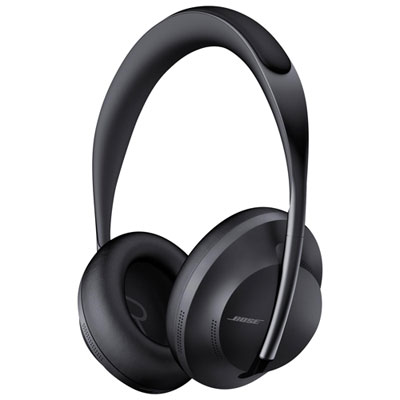 Your price for this item is $479.97
-
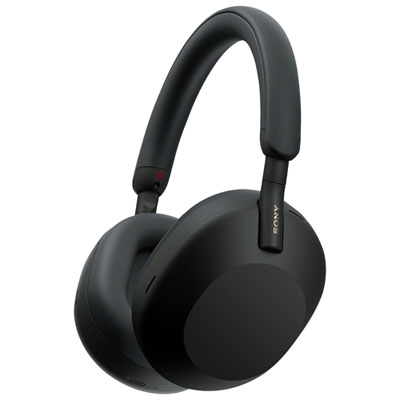 Your price for this item is $499.99
-
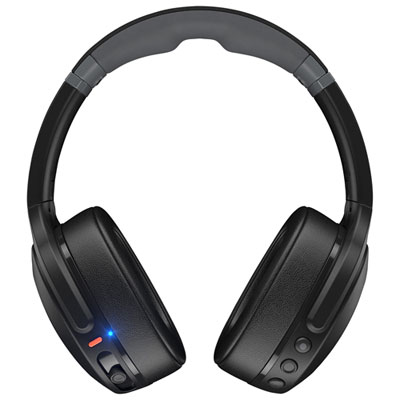 Your price for this item is $199.99
-
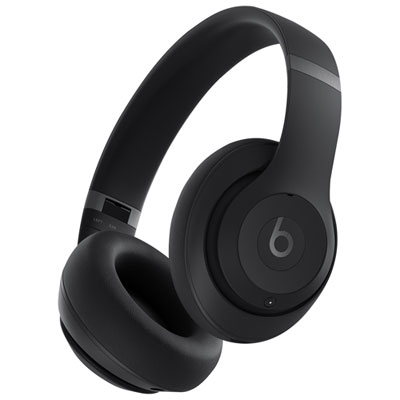 Your price for this item is $399
-
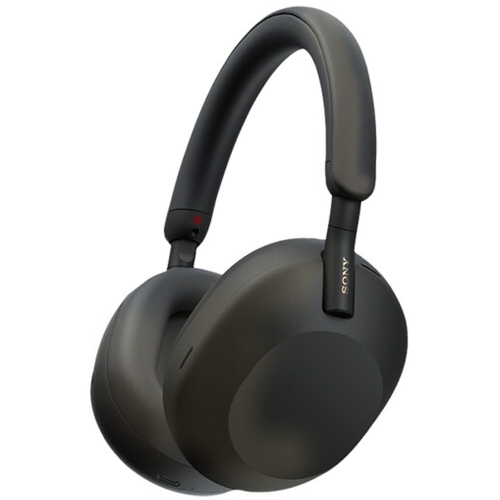 Your price for this item is $438
-
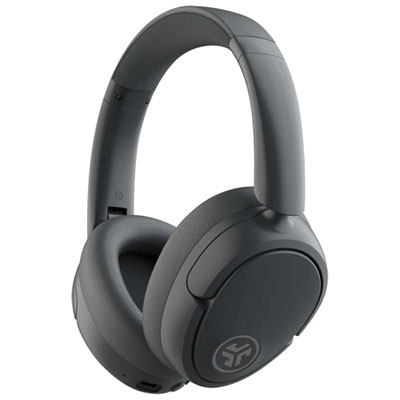 Your price for this item is $119.99
-
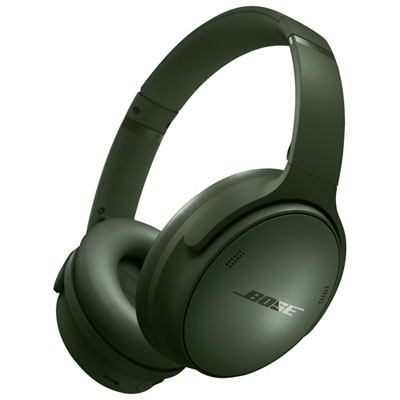 Your price for this item is $479.99
-
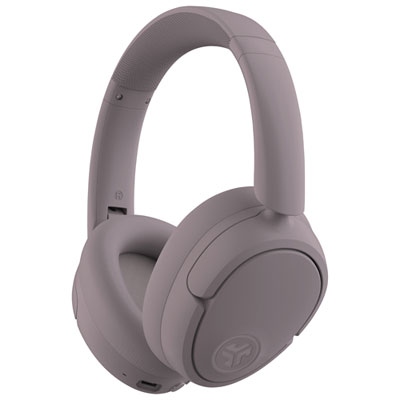 Your price for this item is $119.99
Discover more categories related to Affordable Noise Cancelling Headphones

Top Collections:
Pokemon Centers, Kindle Devices, Best Budget Office Chairs, Canon G7X Cameras, Apple iPhones 16, Samsung Galaxy Phones, Refurbished Apple Laptops, Laptops for Students, iPhone 15 Apple, Budget Smartphones
Some products may be subject to Environmental Handling Fees
(EHF) depending on your province.
Learn more about EHFs.