Affordable Headphones
Looking for high-quality headphones without breaking the bank? Look no further! Our collection of affordable headphones offers an impressive range of options to suit your audio needs and budget. Whether you're a music enthusiast, a gamer, or simply looking to enjoy your favorite podcasts, these headphones deliver exceptional sound quality and comfort without compromising on affordability. Explore our selection and discover the perfect pair that combines great value with an immersive listening experience.
Sort
![Audio-Technica ATH-M20xBT Over-Ear Sound Isolating Bluetooth Monitor Headphones - Black [Employee of bestbuy] I love these headphones simple great and great price as well](https://multimedia.bbycastatic.ca/multimedia/products/400x400/161/16192/16192675.jpg)






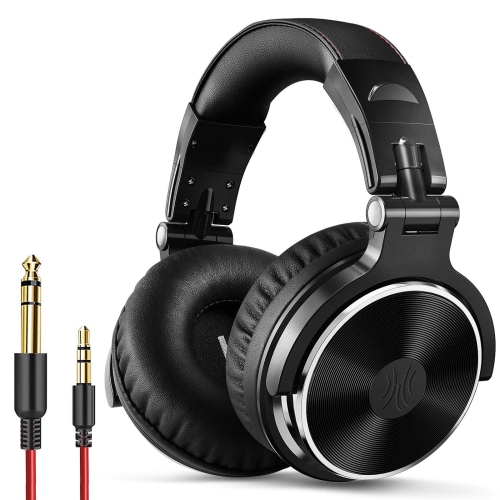
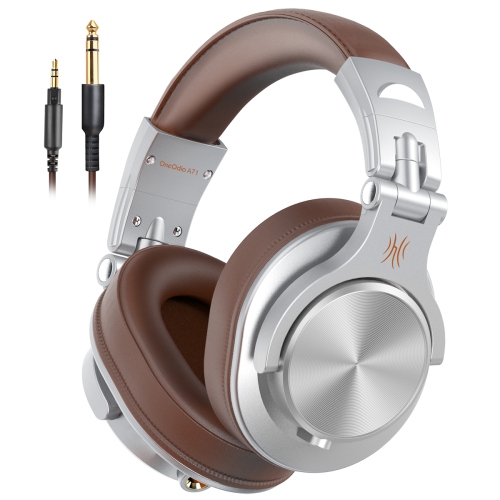
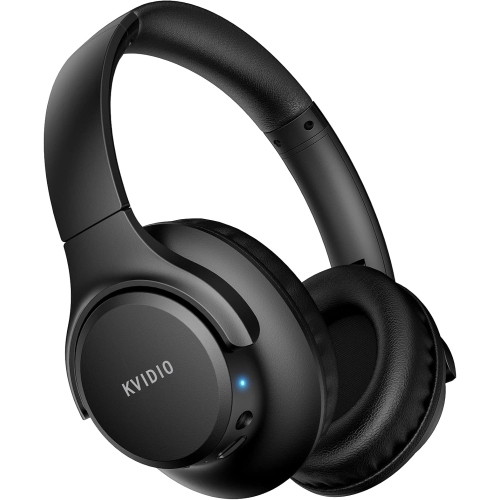

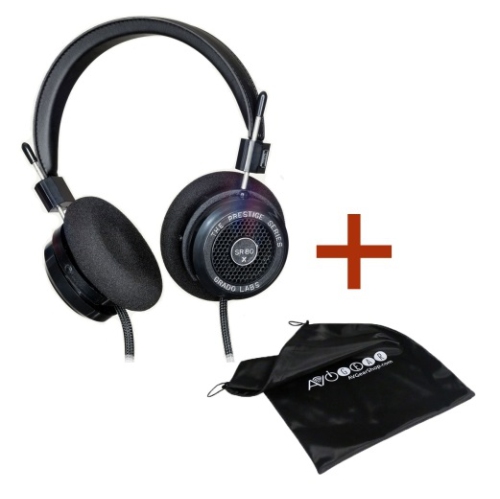

How fit and connection shape your everyday listening
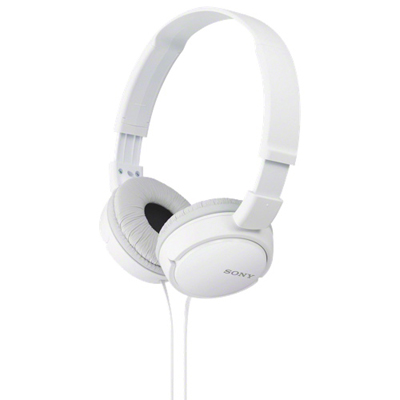
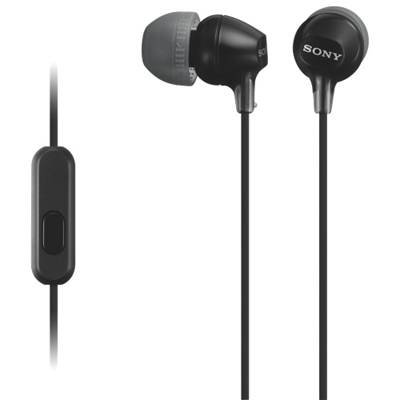
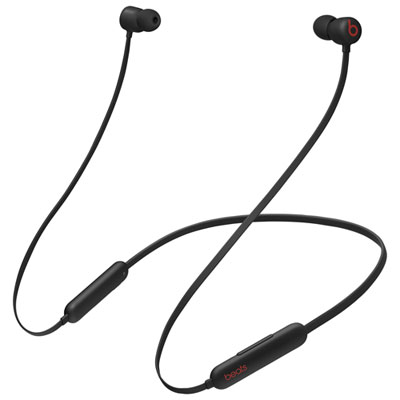
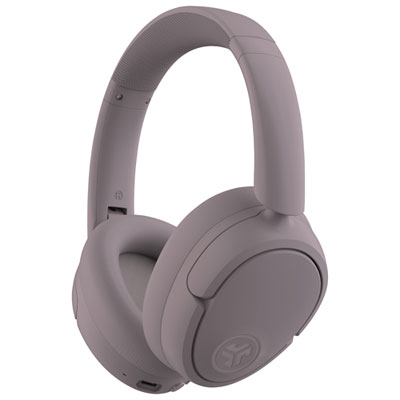
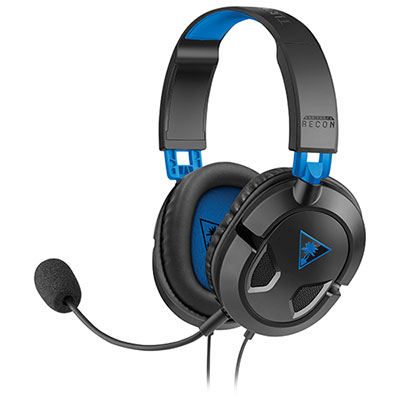
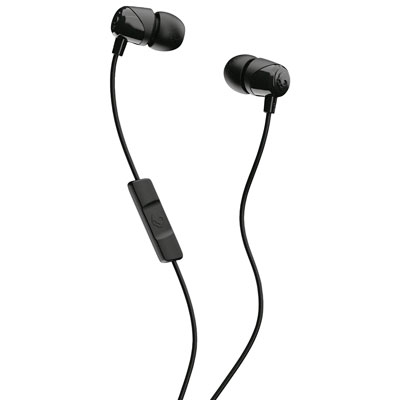
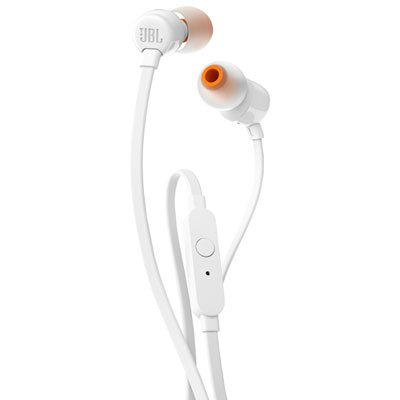
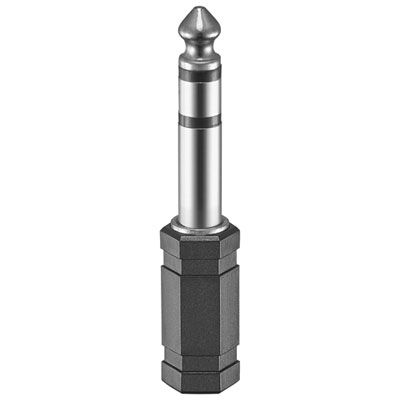
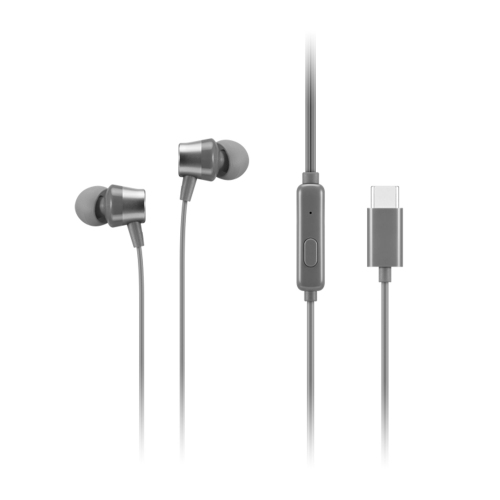
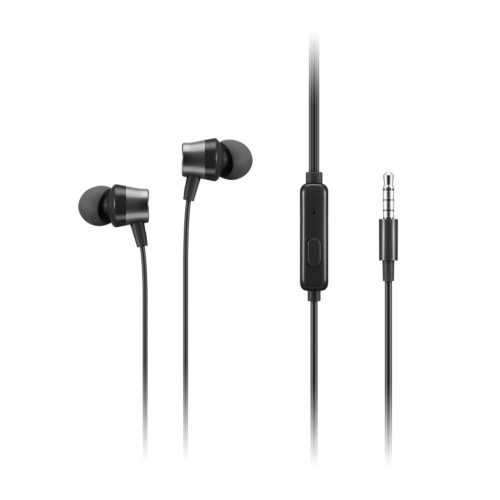
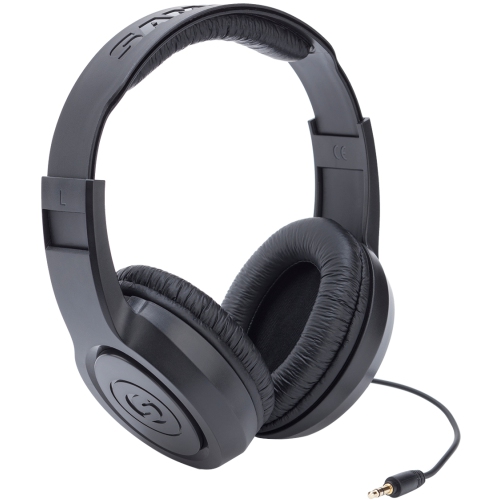
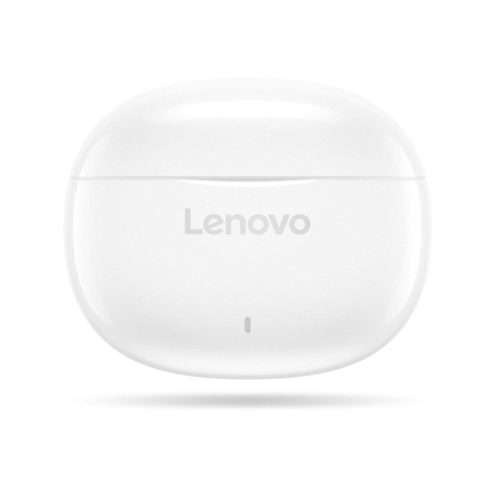
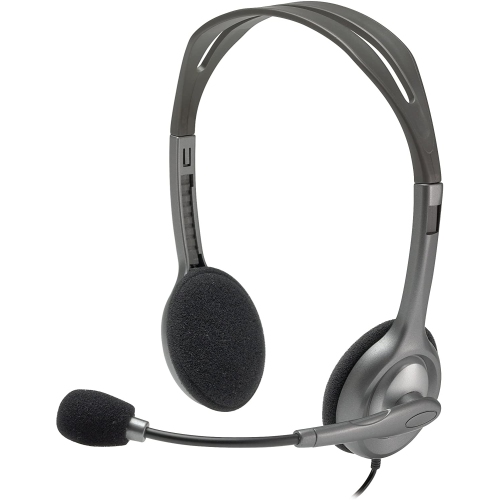
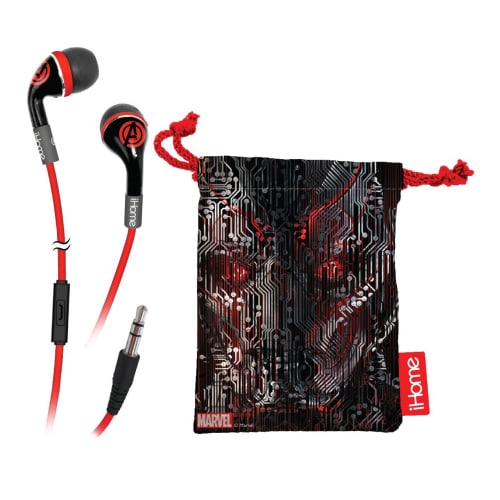
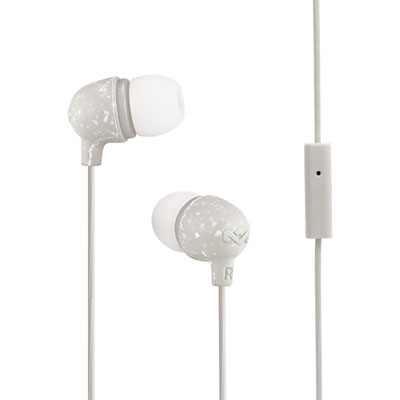
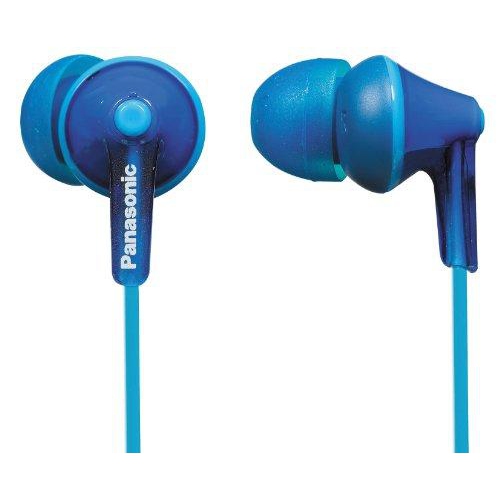
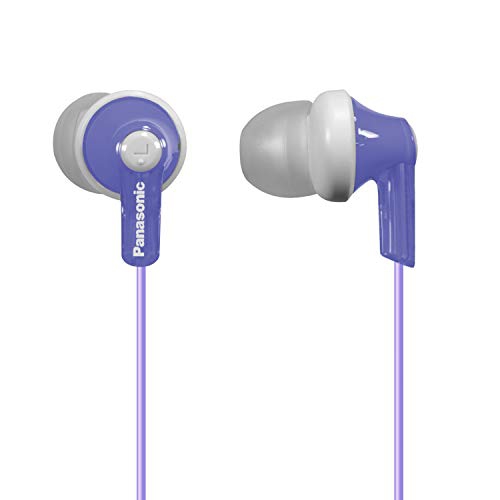
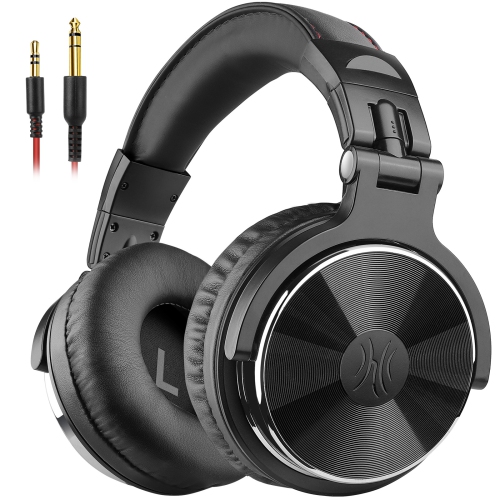
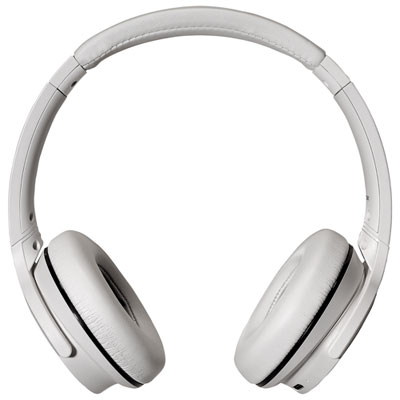
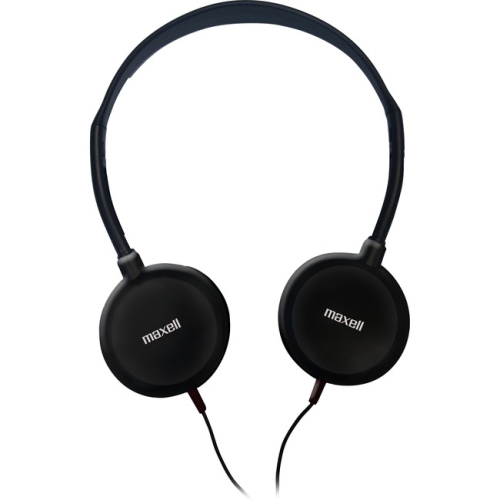
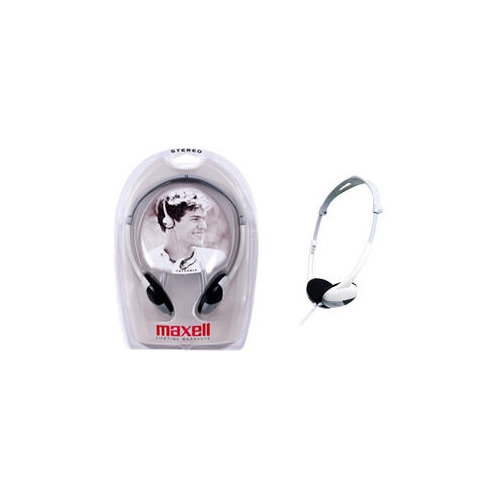
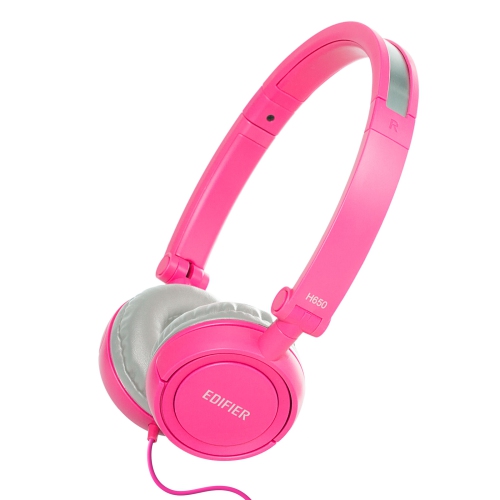
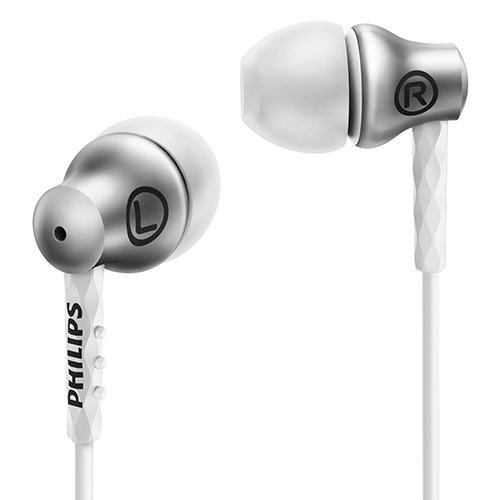
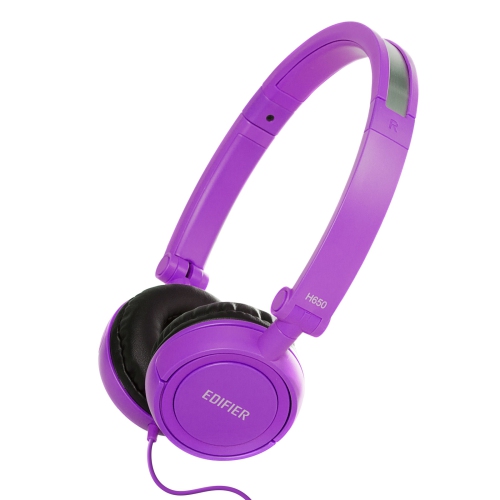
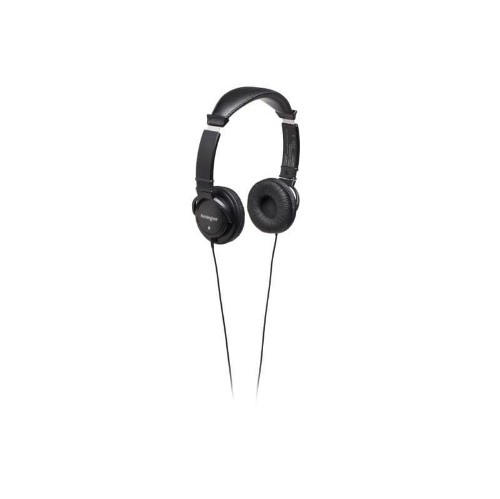
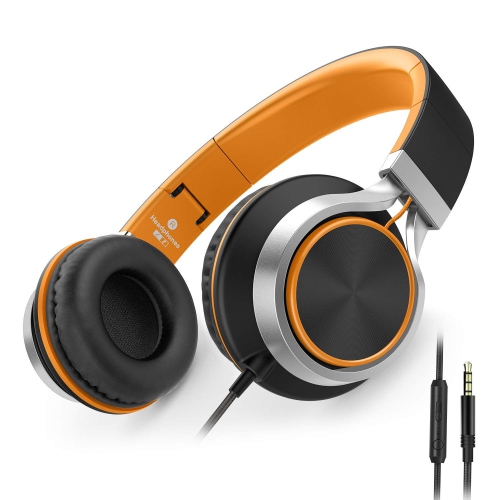
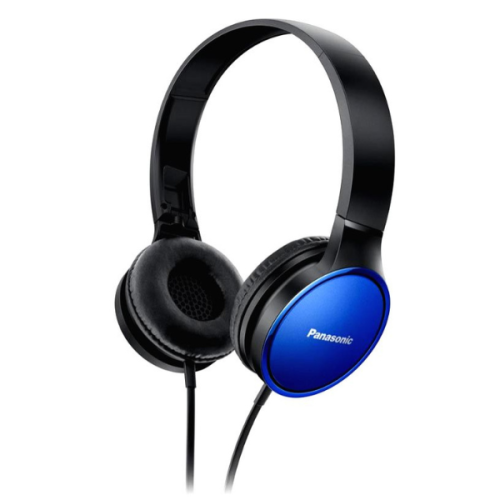
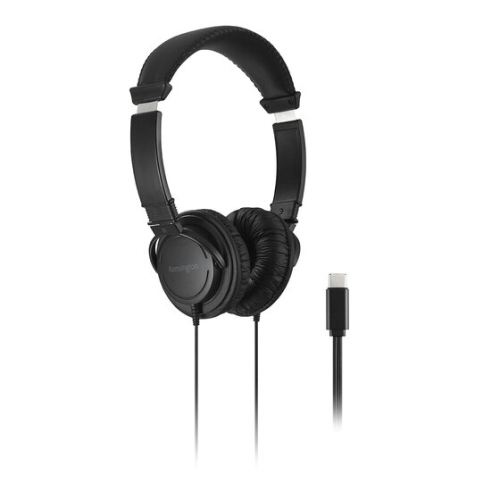
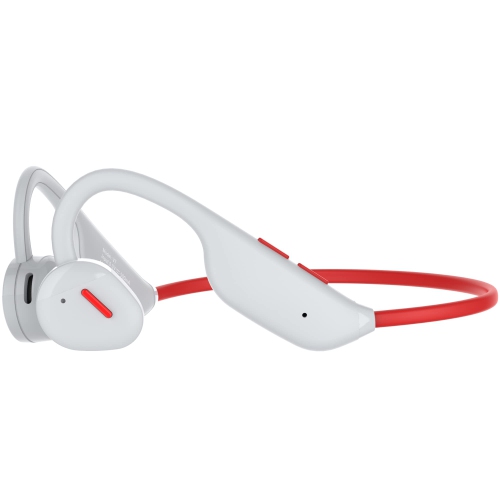
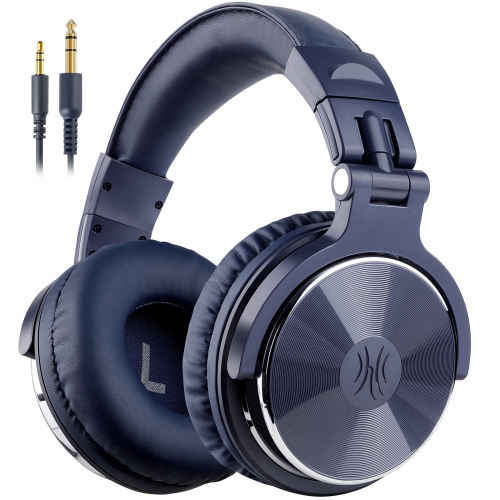
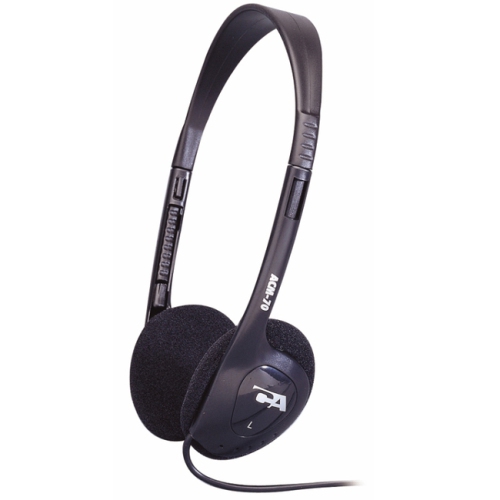
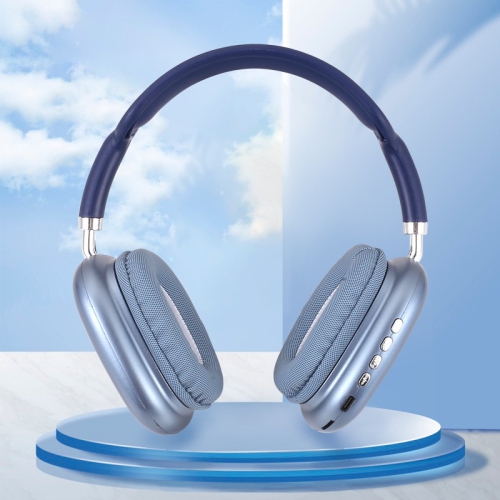
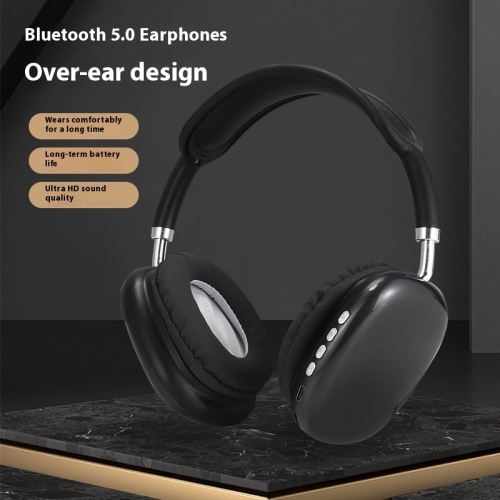
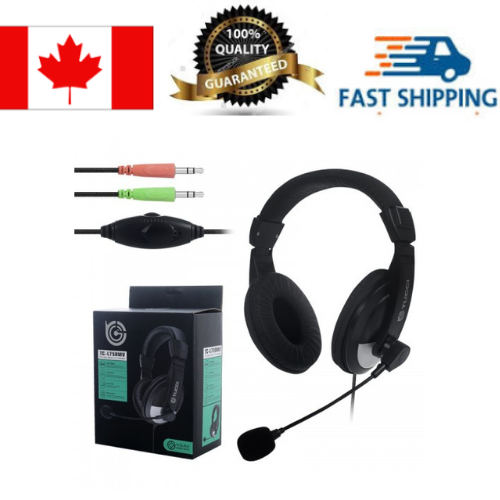
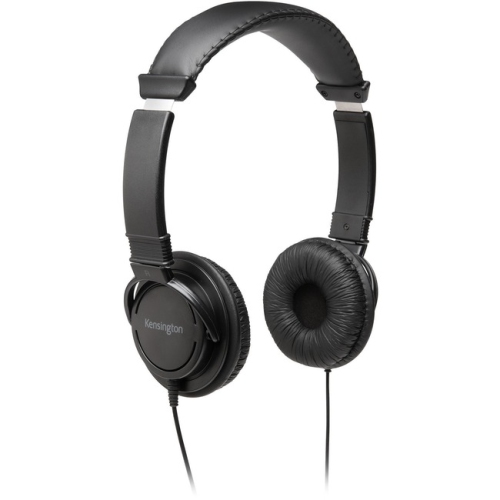
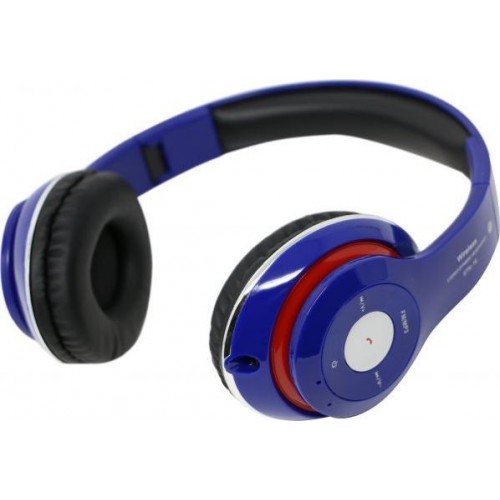
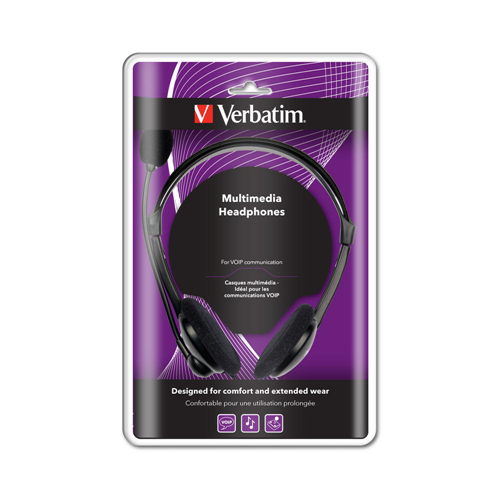
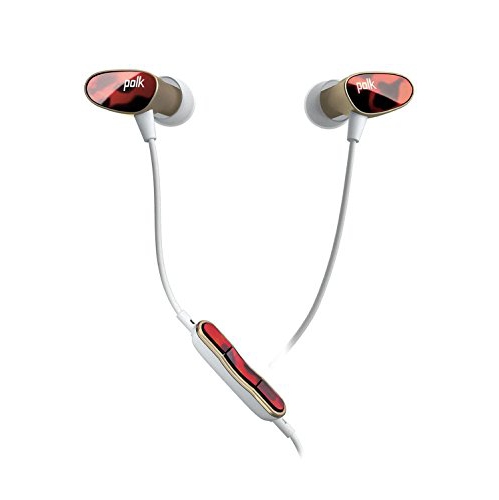
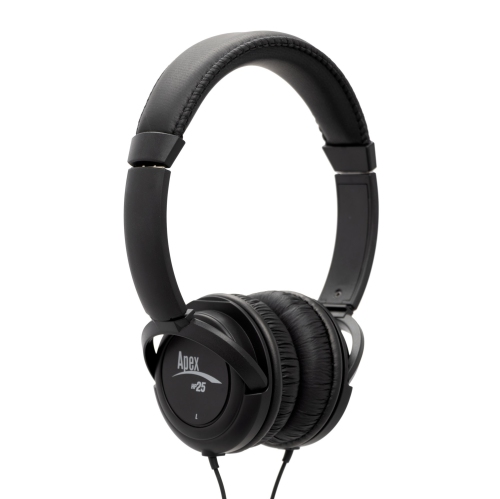
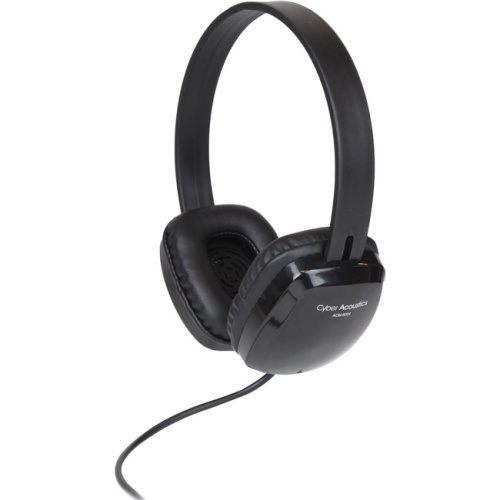
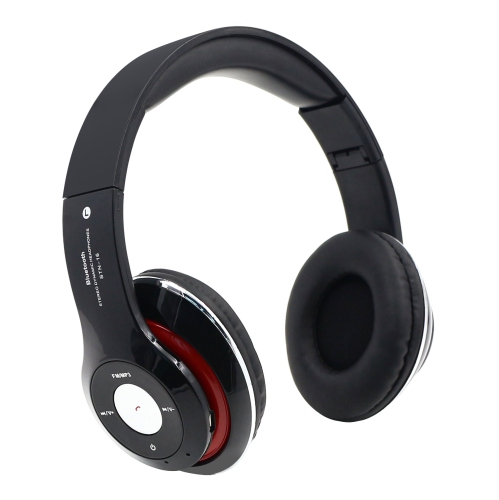
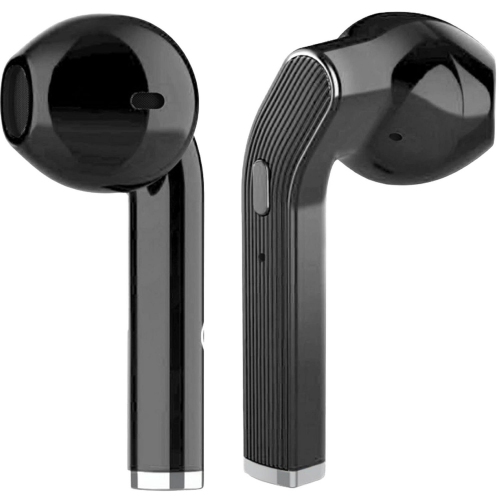
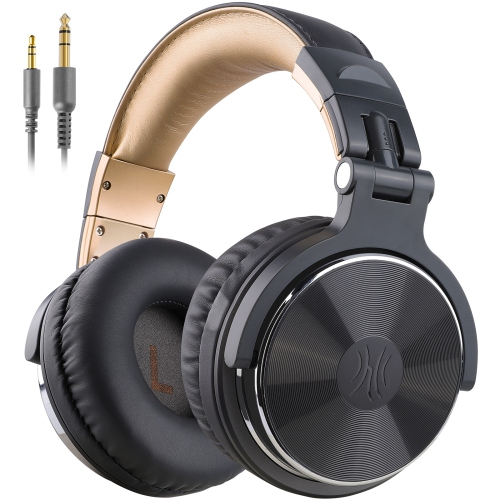
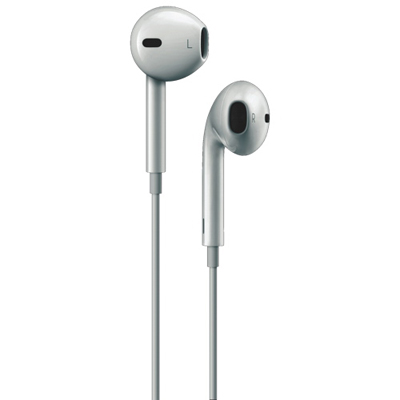
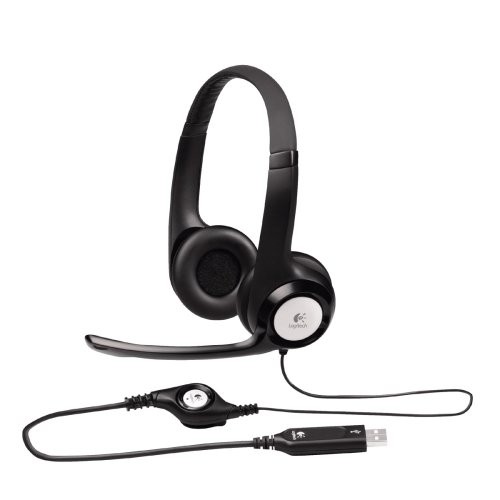
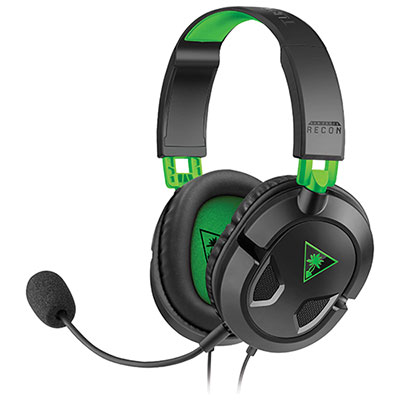
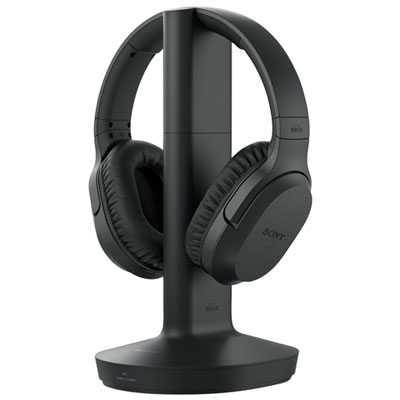
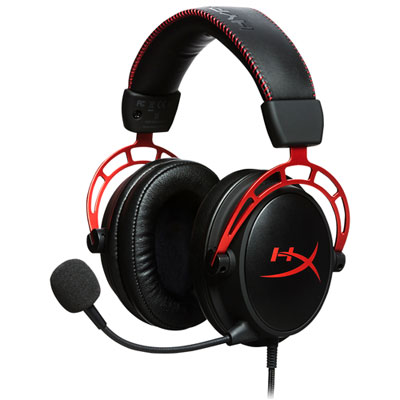
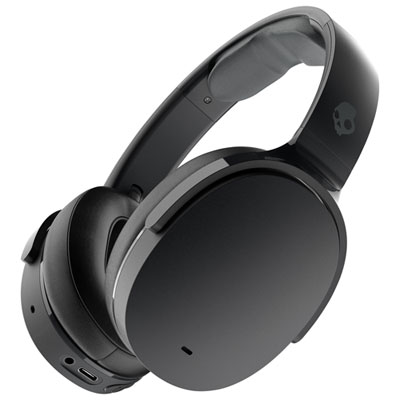
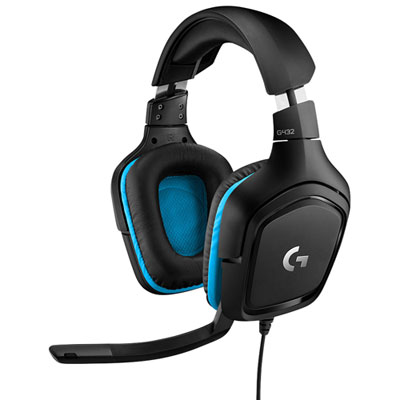
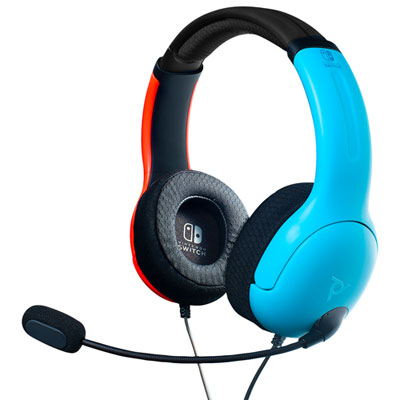
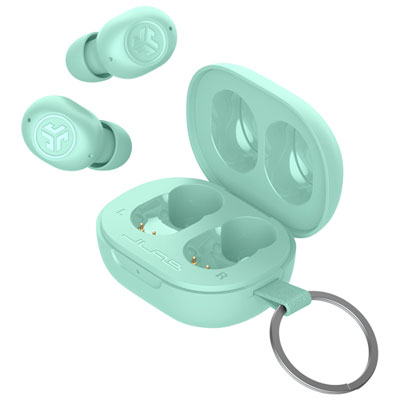
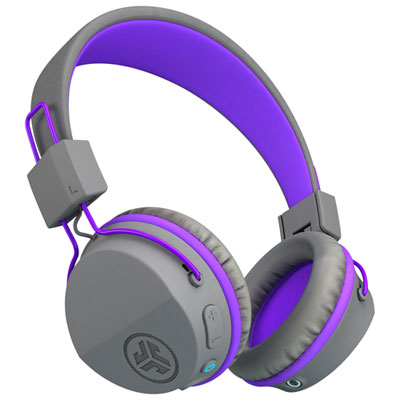
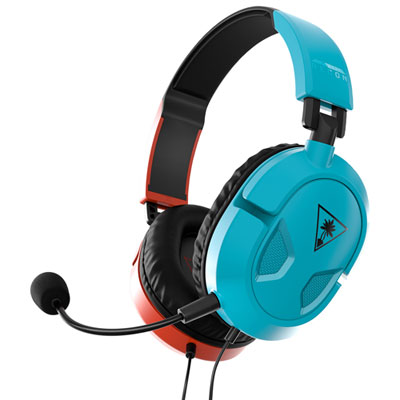
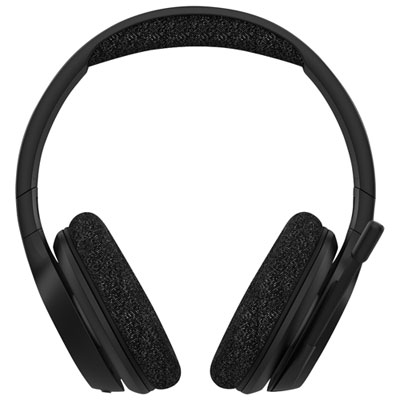
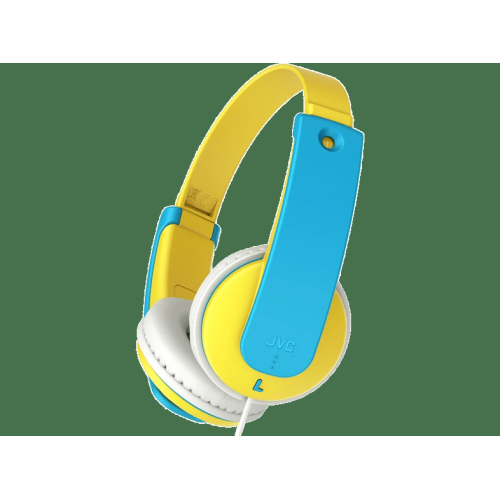
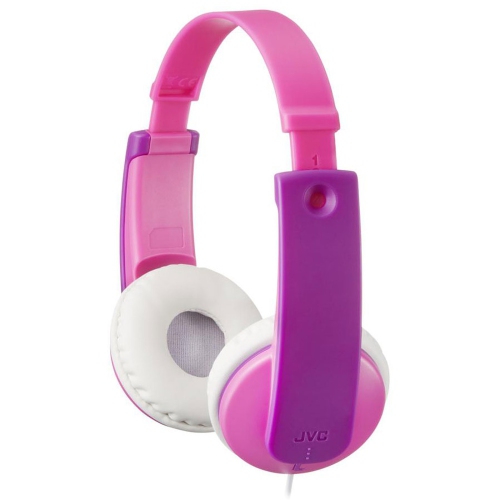
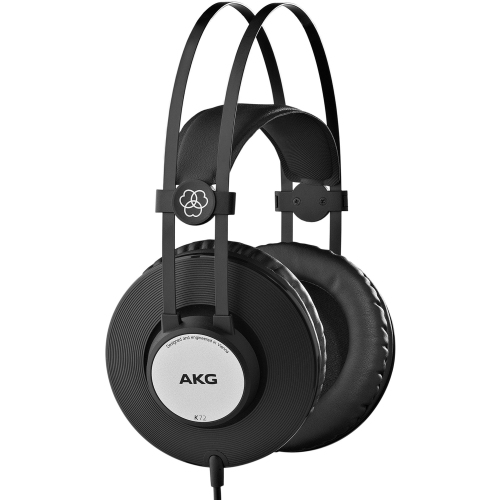
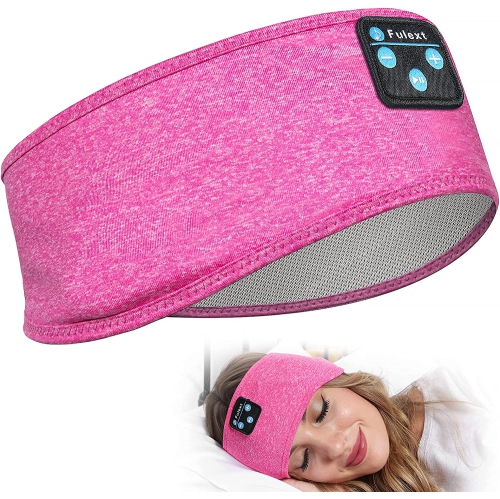
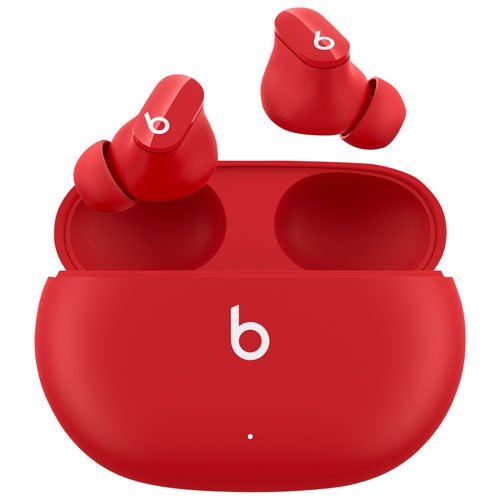
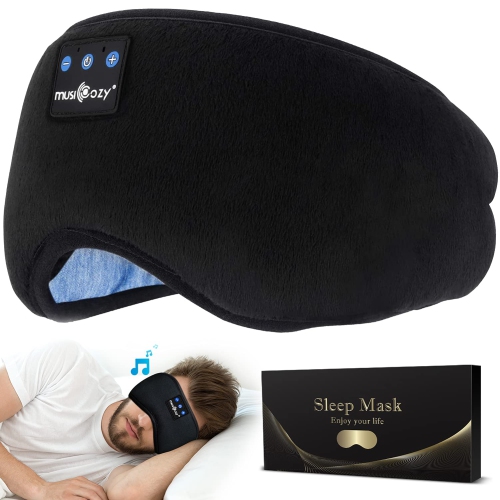
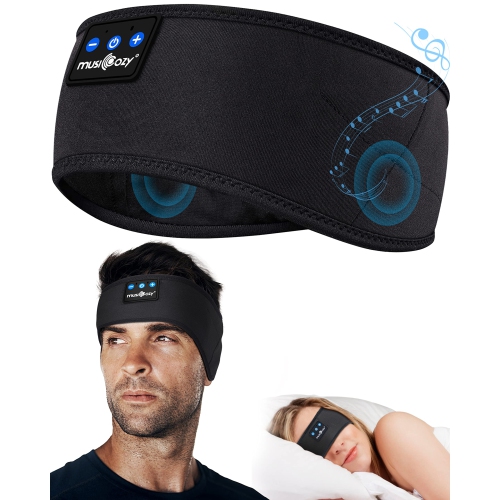
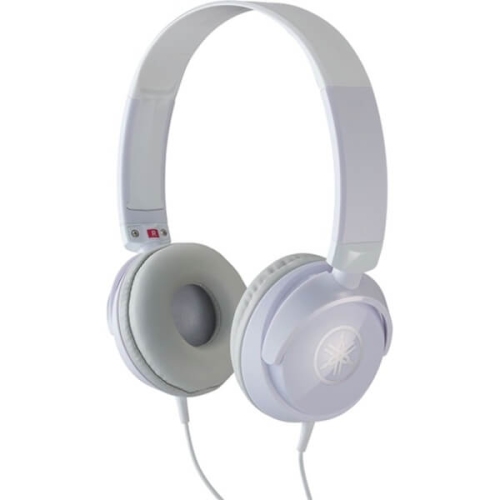
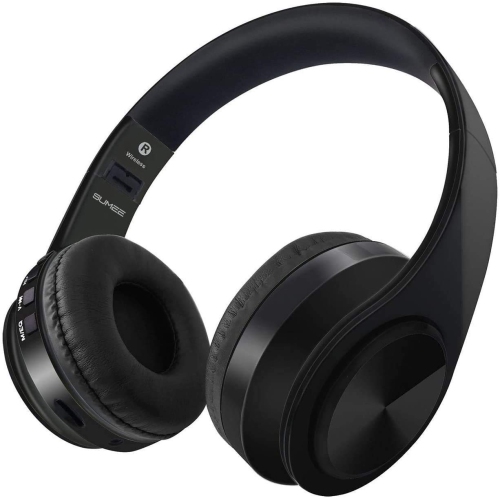
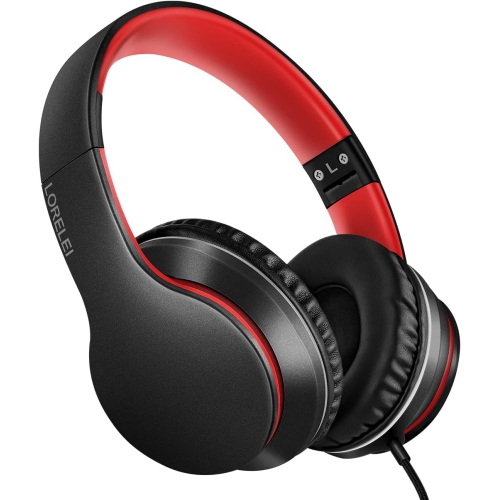
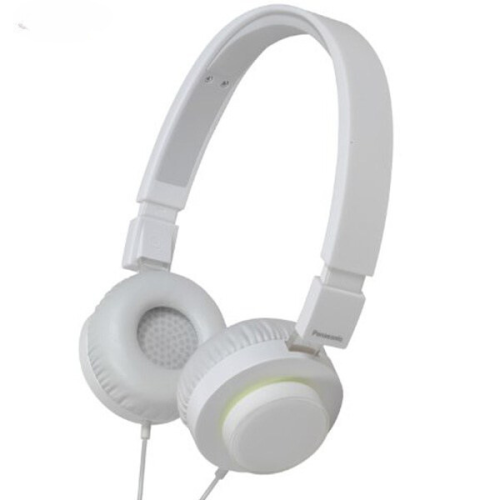
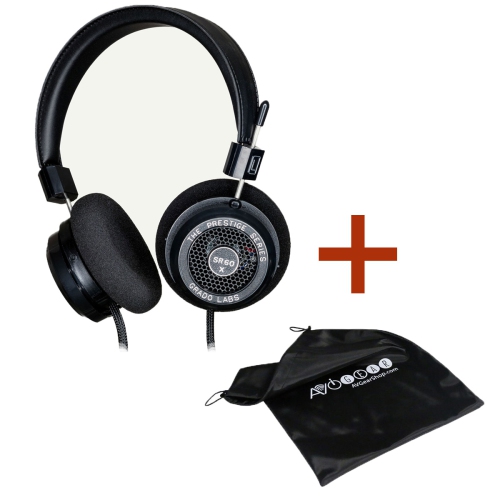
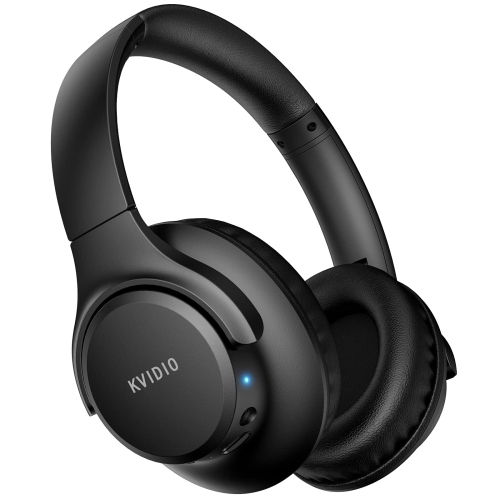
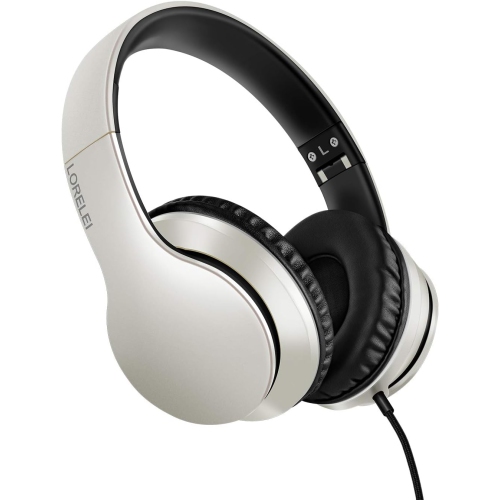
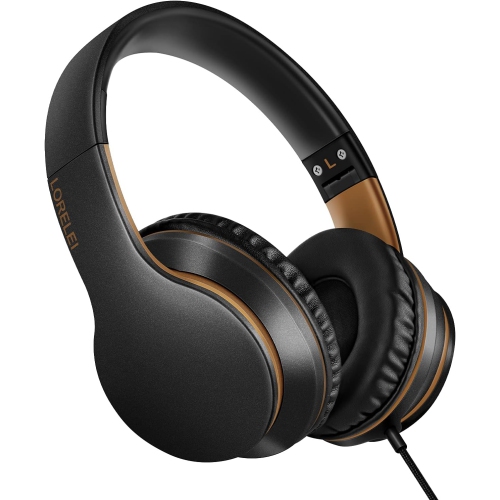
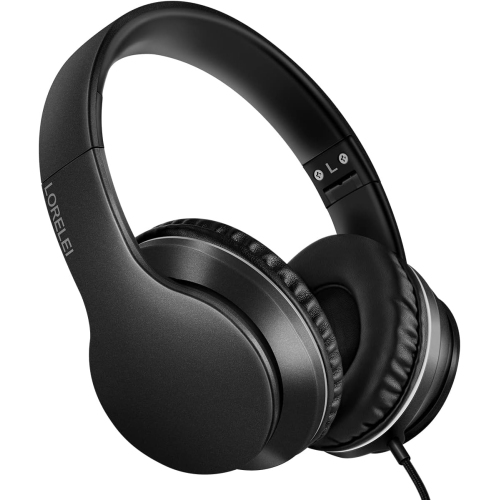
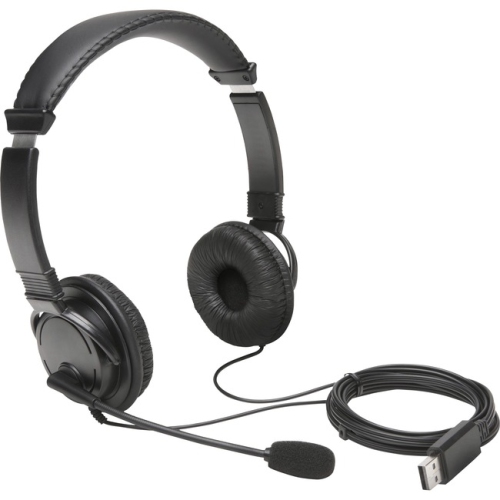
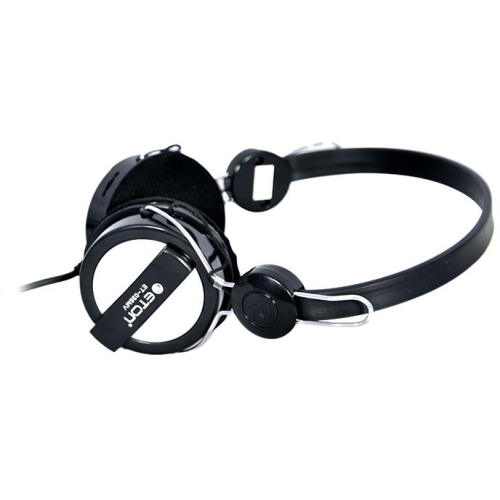
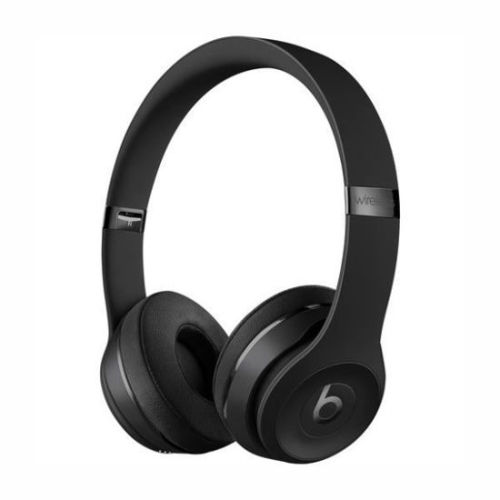
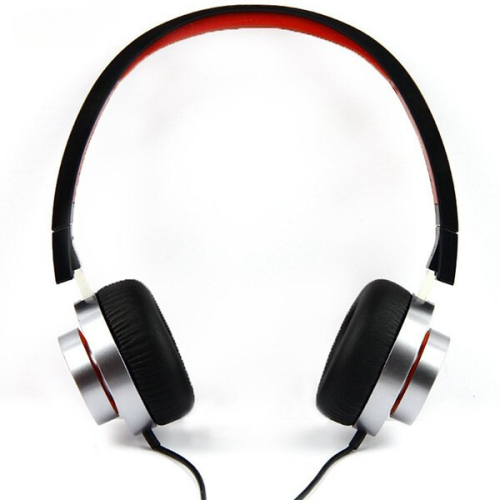
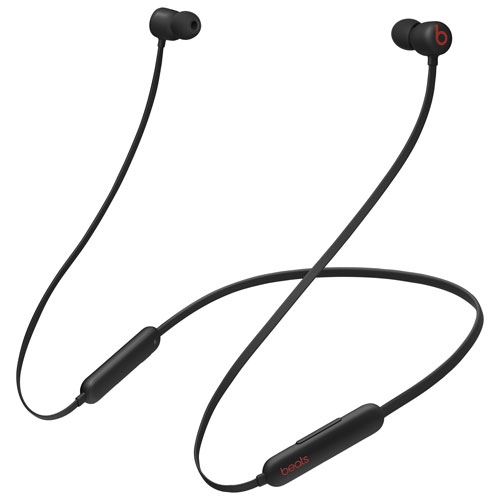
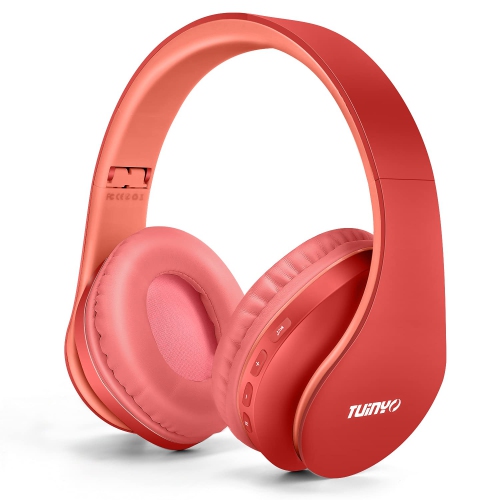
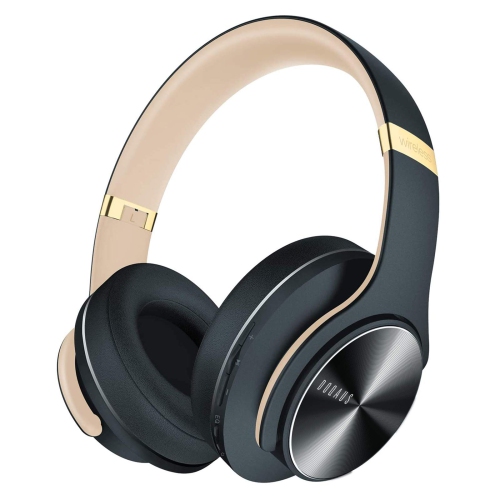
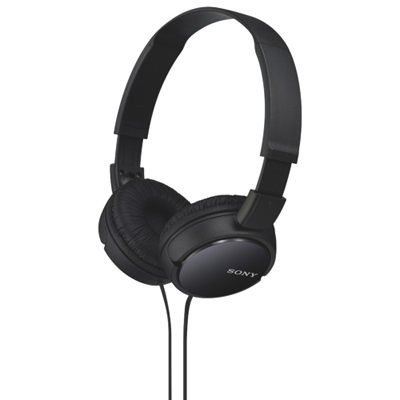
Affordable headphones cover a wide range of everyday listening needs, from following a podcast on the bus to enjoying music at a desk or watching a film without disturbing someone nearby. The main differences between headphone types are how they fit, how they connect, and how much outside sound they let through. Over-ear headphones surround the ears with cushioned cups, while on-ear headphones rest directly against them and generally have a smaller profile. In-ear designs sit inside the ear and take up little room in a bag or pocket. Each style has its own appeal: a roomy over-ear fit can suit longer listening sessions, a compact on-ear pair can be convenient between classes, and earbuds can keep a daily commute light. For listeners who prefer a headband design without larger earcups, Affordable On Ear Headphones bring that smaller wearing style into focus. Wired headphones connect directly to a compatible audio port and, for basic passive playback, do not need a charged battery. That straightforward connection can suit a shared household computer, a compatible classroom device, or a dedicated music player. Wireless headphones use Bluetooth to connect with compatible phones, tablets, and computers, leaving no cable running between the listener and the device. They can make moving around a home office or carrying a phone in a bag more convenient, although their batteries need charging. Some wireless designs also support wired listening, but an audio socket, included cable, and passive playback support are separate details that vary by model. For phones without a headphone jack, wired listening may require a compatible adapter or a supported USB connection. The most useful features depend on the routine: clear speech for lectures, comfortable ear cushions for albums, or accessible controls for pausing a podcast at a checkout. A familiar connection and an easy fit often matter more in daily use than a long list of features that rarely get used.
Comfort comes from the combination of shape, weight, cushioning, and headband pressure rather than any single material. An adjustable headband helps position the earcups correctly, while swivelling cups can follow the angle of the head and reduce uneven pressure. Over-ear cushions need enough internal space to sit around the ears comfortably; a large outer cup does not necessarily mean a spacious opening. On-ear cushions press against the ears by design, so their softness and the firmness of the headband can be especially noticeable during a full album or a lengthy video call. People who wear glasses may also feel pressure where the cushions meet the arms of their frames. Lightweight plastic housings can keep headphones easy to carry, while metal reinforcement at hinges or within a headband may add strength at frequently stressed points. Overall durability still depends on construction and handling, not simply whether a design contains metal. Smooth synthetic cushion coverings are often straightforward to wipe clean according to the care instructions, while fabric surfaces have a different feel against the skin and may need a different cleaning method. With in-ear headphones, correctly sized ear tips help create a secure seal, which affects both comfort and sound. A poor seal can make bass seem thin and allow more surrounding noise to reach the ear. Sound preferences also vary: some listeners enjoy added emphasis in the bass for rhythmic music, while others prefer a more even presentation for vocals, acoustic instruments, and spoken content. Passive noise isolation comes from the physical fit of the cups or tips. Active noise cancellation uses microphones and electronic processing to reduce certain outside sounds, often working best with steady noise such as a ventilation hum or engine rumble. It does not remove every voice or sudden sound. Transparency or ambient listening modes, where supported, pass some external sound through the headphones, helping with brief conversations without taking them off. Neither feature replaces attention to nearby traffic or other hazards.
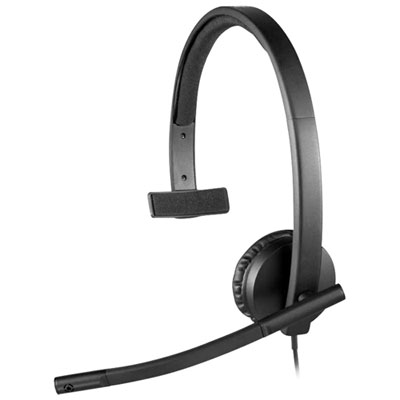
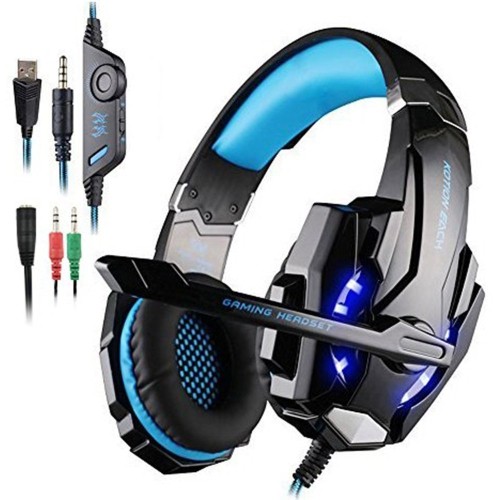
Daily use brings practical details into focus quickly. A student moving between a laptop and a phone may appreciate multipoint Bluetooth, which allows supported headphones to stay connected to more than one compatible device, though switching behaviour varies. Someone taking calls from a busy kitchen may care more about microphone clarity and an easily reached mute control. Noise cancellation for listening and noise reduction for the microphone serve different purposes, so a quieter listening experience does not automatically mean clearer speech for the person at the other end of a call. For games, instrument practice, or other activities where timing matters, a compatible wired connection avoids the Bluetooth transmission delay that can be noticeable with some wireless setups. Wireless battery-life figures depend on factors such as listening volume, calls, and active noise cancellation; earbud figures may also distinguish between one charge in the earbuds and extra charges stored in their case. Folding hinges and rotating earcups can help headphones fit into a backpack, but a protective pouch or case reduces contact with keys, chargers, and other hard objects. Cables last better when loosely coiled rather than pulled tightly around a headband, and unplugging by the connector instead of the cord helps protect the connection. Ear cushions and tips benefit from regular cleaning using the manufacturer's directions, with moisture kept away from openings and charging contacts. Replaceable cushions, tips, or detachable cables can make routine wear easier to address where the design supports them. For exercise, a secure fit and a stated sweat-resistance rating matter more than a sporty appearance; resistance to splashes should not be treated as permission to submerge headphones. As gifts, headphones can suit students, music lovers, frequent callers, and people who prefer private listening in shared spaces. The recipient's device connections, preferred wearing style, and need to hear their surroundings are useful considerations. For younger listeners, suitable sizing and volume-limiting features deserve attention, alongside adult supervision and sensible listening habits. Across ages and routines, moderate volume and regular breaks help keep listening comfortable, whether the headphones are used for a short commute or an evening audiobook.
Comfort comes from the combination of shape, weight, cushioning, and headband pressure rather than any single material. An adjustable headband helps position the earcups correctly, while swivelling cups can follow the angle of the head and reduce uneven pressure. Over-ear cushions need enough internal space to sit around the ears comfortably; a large outer cup does not necessarily mean a spacious opening. On-ear cushions press against the ears by design, so their softness and the firmness of the headband can be especially noticeable during a full album or a lengthy video call. People who wear glasses may also feel pressure where the cushions meet the arms of their frames. Lightweight plastic housings can keep headphones easy to carry, while metal reinforcement at hinges or within a headband may add strength at frequently stressed points. Overall durability still depends on construction and handling, not simply whether a design contains metal. Smooth synthetic cushion coverings are often straightforward to wipe clean according to the care instructions, while fabric surfaces have a different feel against the skin and may need a different cleaning method. With in-ear headphones, correctly sized ear tips help create a secure seal, which affects both comfort and sound. A poor seal can make bass seem thin and allow more surrounding noise to reach the ear. Sound preferences also vary: some listeners enjoy added emphasis in the bass for rhythmic music, while others prefer a more even presentation for vocals, acoustic instruments, and spoken content. Passive noise isolation comes from the physical fit of the cups or tips. Active noise cancellation uses microphones and electronic processing to reduce certain outside sounds, often working best with steady noise such as a ventilation hum or engine rumble. It does not remove every voice or sudden sound. Transparency or ambient listening modes, where supported, pass some external sound through the headphones, helping with brief conversations without taking them off. Neither feature replaces attention to nearby traffic or other hazards.
Daily use brings practical details into focus quickly. A student moving between a laptop and a phone may appreciate multipoint Bluetooth, which allows supported headphones to stay connected to more than one compatible device, though switching behaviour varies. Someone taking calls from a busy kitchen may care more about microphone clarity and an easily reached mute control. Noise cancellation for listening and noise reduction for the microphone serve different purposes, so a quieter listening experience does not automatically mean clearer speech for the person at the other end of a call. For games, instrument practice, or other activities where timing matters, a compatible wired connection avoids the Bluetooth transmission delay that can be noticeable with some wireless setups. Wireless battery-life figures depend on factors such as listening volume, calls, and active noise cancellation; earbud figures may also distinguish between one charge in the earbuds and extra charges stored in their case. Folding hinges and rotating earcups can help headphones fit into a backpack, but a protective pouch or case reduces contact with keys, chargers, and other hard objects. Cables last better when loosely coiled rather than pulled tightly around a headband, and unplugging by the connector instead of the cord helps protect the connection. Ear cushions and tips benefit from regular cleaning using the manufacturer's directions, with moisture kept away from openings and charging contacts. Replaceable cushions, tips, or detachable cables can make routine wear easier to address where the design supports them. For exercise, a secure fit and a stated sweat-resistance rating matter more than a sporty appearance; resistance to splashes should not be treated as permission to submerge headphones. As gifts, headphones can suit students, music lovers, frequent callers, and people who prefer private listening in shared spaces. The recipient's device connections, preferred wearing style, and need to hear their surroundings are useful considerations. For younger listeners, suitable sizing and volume-limiting features deserve attention, alongside adult supervision and sensible listening habits. Across ages and routines, moderate volume and regular breaks help keep listening comfortable, whether the headphones are used for a short commute or an evening audiobook.
Top selling and popular products
-
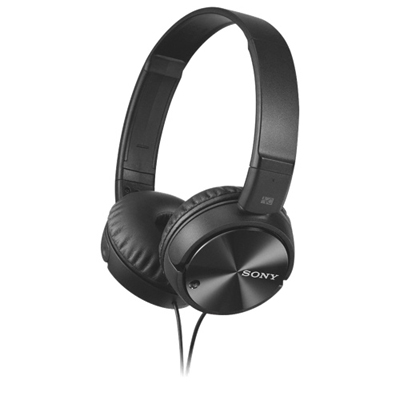 Your price for this item is $59.99
 -
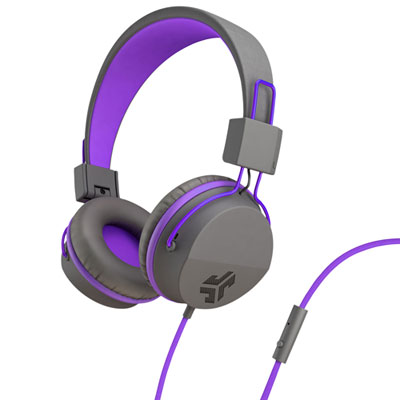 Your price for this item is $24.99
 -
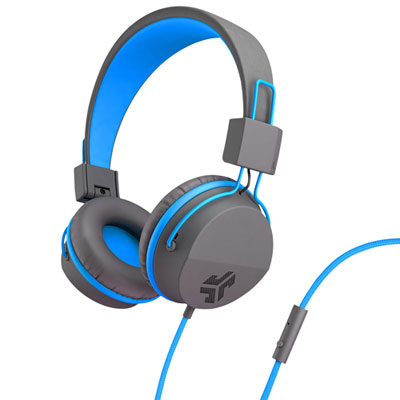 Your price for this item is $24.99
 -
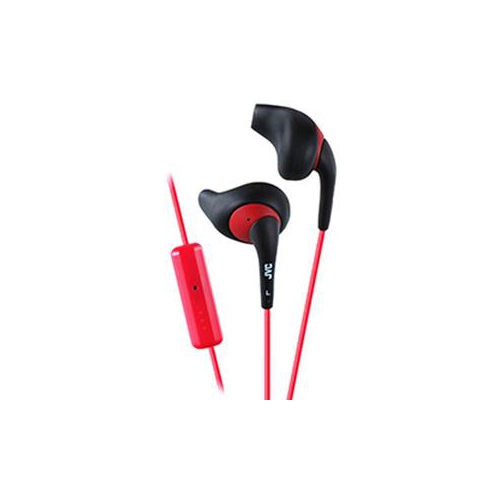 Your price for this item is $41.98
 -
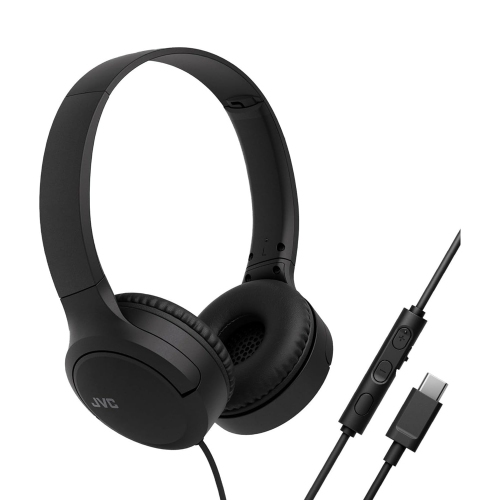 Your price for this item is $47.77
 -
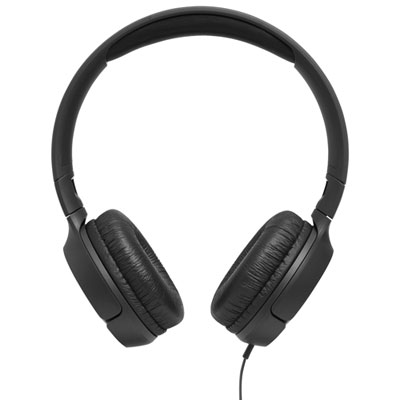 Your price for this item is $44.95
 -
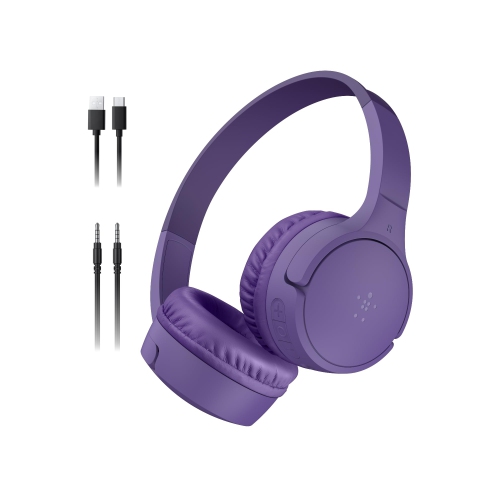 Your price for this item is $81.26
 -
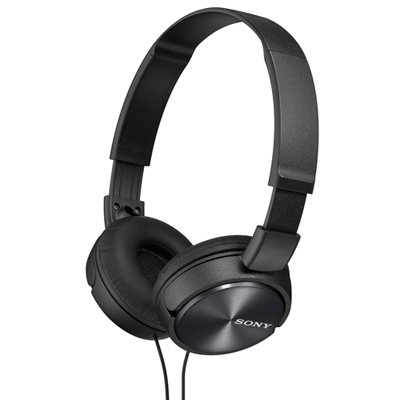 Your price for this item is $39.99
Discover more categories related to Affordable Headphones
Top Collections:
Pokemon Centers, Budget 4K TVs, Kindle Devices, Canon G7X Cameras, Apple iPhones 16, iPhone 15 Apple, Laptops for Business Work, Flip Phones, Xiaomi Phones, Refurbished Apple Laptops
Some products may be subject to Environmental Handling Fees
(EHF) depending on your province.
Learn more about EHFs.