Comfortable Headphones for Travel
Comfortable Headphones for Travel are essential for making every journey more enjoyable, whether you're commuting, flying, or exploring new destinations. Designed to provide a pleasant listening experience on the go, these headphones help you relax with your favorite music, podcasts, or audiobooks. Discover a range of options that prioritize comfort and convenience, so you can stay entertained and refreshed wherever your travels take you.
Sort

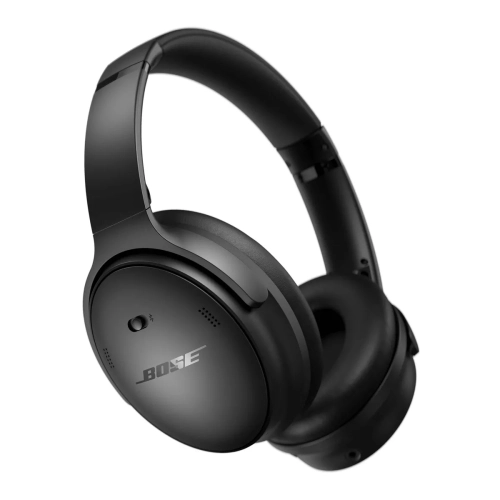
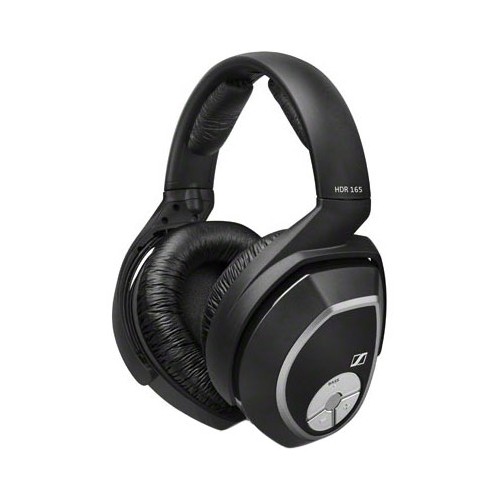


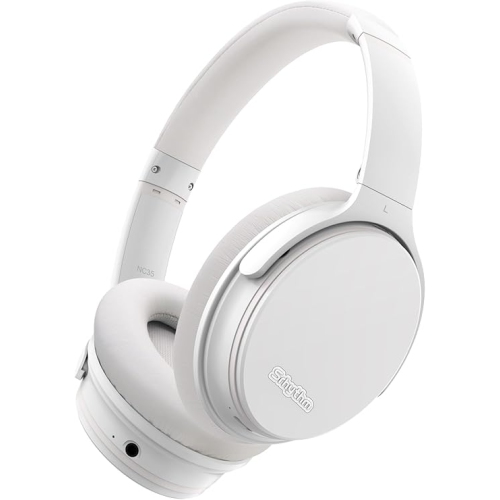


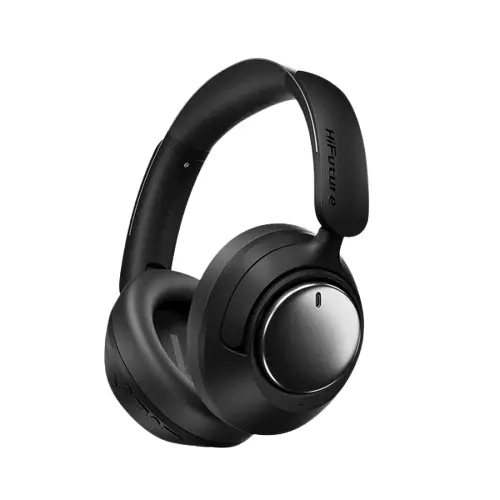






Why headphone comfort goes beyond soft ear cushions
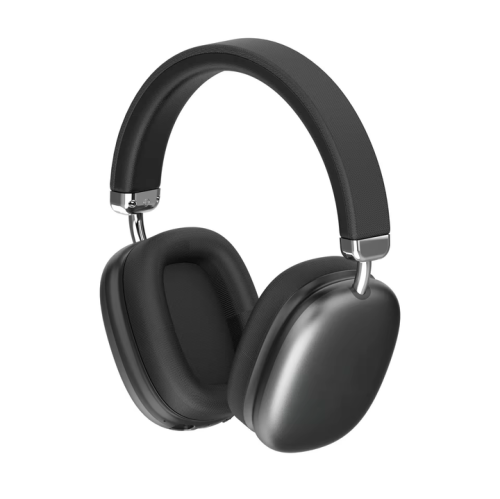
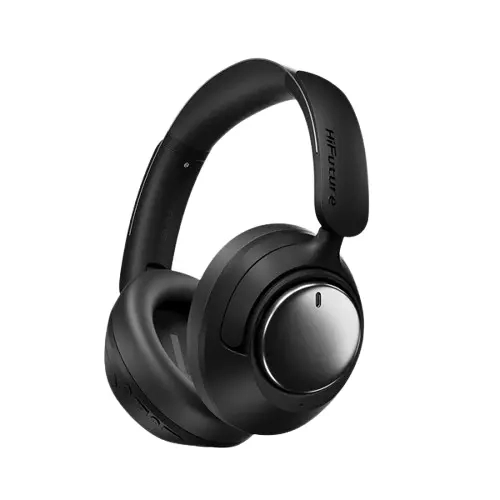
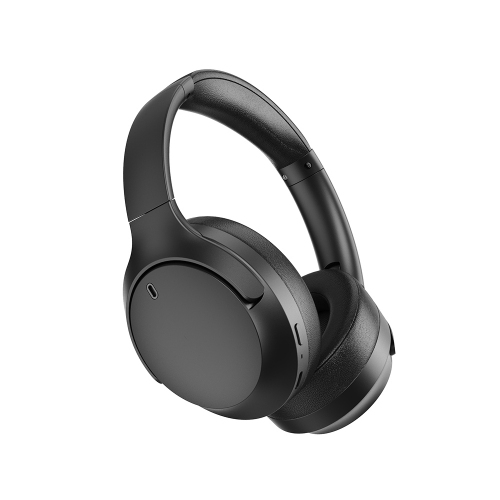
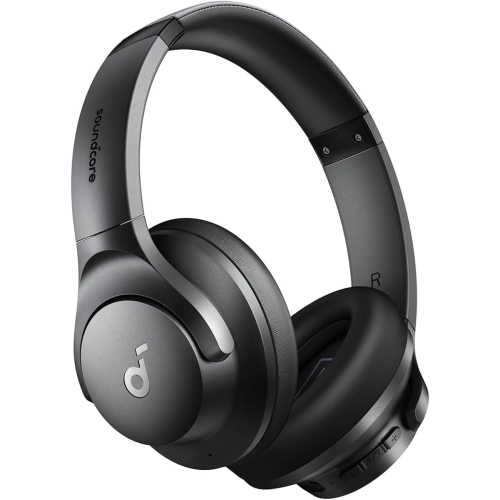
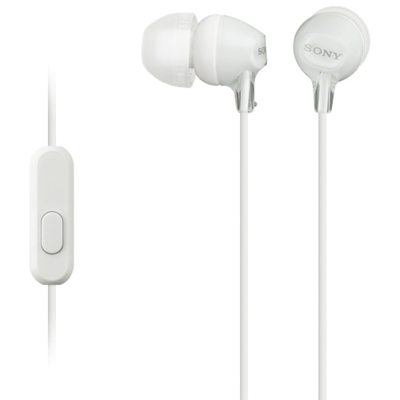
Comfortable headphones for travel combine a secure, low-pressure fit with cushioning that stays pleasant through long stretches of listening. On a flight, train journey, or daily bus ride, comfort depends on more than soft ear pads: weight, headband shape, ear cup depth, and adjustability all affect how headphones feel after the first hour. Over-ear headphones surround the ears rather than resting directly on them, giving listeners room inside the cups while helping soften outside noise. Deep cushions can be especially useful when shallower designs let the ears touch the fabric covering the drivers. Memory foam padding adapts gradually to the shape of the head, while a padded, adjustable headband helps distribute weight across the crown instead of concentrating it in one spot. A lighter design can reduce the sense of weight during extended wear, though balanced construction matters just as much as the number on a specification sheet. For glasses wearers, supple ear cushions may ease pressure where the arms of the frames pass behind the ears; the seal and comfort will still depend on the frame shape and headphone fit. On-ear headphones offer a smaller profile, but their cushions sit against the ears, which some travellers find less comfortable over a long journey. In-ear designs take up very little luggage space and leave the head free of a band. Their comfort depends heavily on choosing the right tip size, sometimes with a different size for each ear. Silicone tips are generally easy to wipe clean, while foam tips compress before expanding to create a snug seal and may need more frequent replacement. A stable fit should not require constant pushing, tightening, or readjustment. For a passenger leaning against a headrest, compact ear cups or low-profile earbuds may also interfere less with the seat or a travel pillow. The most comfortable fit leaves enough freedom to turn the head, look down at a screen, and settle into a seat without pressure becoming the main thing the listener notices.
Noise control plays an important role in travel comfort because it changes how much outside sound competes with music, films, and spoken audio. Active noise cancellation uses microphones and electronic processing to reduce certain outside sounds, with its clearest benefit often heard against steady, low-frequency noise such as the rumble inside an aircraft cabin. It does not eliminate every sound, and nearby conversations or sudden announcements may remain audible. Passive isolation comes from the physical seal of ear cushions or ear tips, so fit affects both comfort and how clearly audio comes through. Together, effective isolation and noise cancellation can make it easier to hear a podcast without turning the volume up to compete with surrounding noise. Listening at a moderate level and taking breaks remain important, even when outside sounds seem quieter. Some listeners notice a pressure-like sensation with active noise cancellation, making adjustable settings or the option to switch it off useful for longer trips. An ambient sound or transparency mode can let more outside sound through when ordering a drink or speaking with a travelling companion, although pausing playback or removing the headphones is more dependable when an announcement matters. Sound preferences also influence the experience: clear speech helps with audiobooks and dialogue, while adjustable equalizer settings can make music more enjoyable without relying on extra volume. Wireless connectivity removes a cable that might catch on an armrest or bag strap, and multipoint pairing, where supported, allows compatible headphones to stay connected to two devices, such as a phone and a laptop. Wired listening can still be valuable for seatback entertainment, but connector compatibility, any required adapter, and whether the headphones need battery power in wired mode vary by design. Battery life is most useful when considered alongside the whole journey, including transfers and time spent waiting at the gate. Published listening times depend on settings and usage, and active noise cancellation, calls, and higher volume can shorten them. Quick charging may provide extra listening time during a stop, while accessible buttons or responsive touch controls make everyday adjustments easier when a phone is tucked away.
Travel headphones also need to fit comfortably into the rest of a traveller’s routine. Folding hinges and rotating ear cups can reduce the space needed in a carry-on, while a shaped case helps protect cushions and moving parts from pressure inside a crowded bag. A soft pouch offers lighter protection against surface marks but provides less resistance to crushing. For someone moving between airport lounges, hotel rooms, and shared workspaces, a case with room for the charging cable and audio adapter keeps small essentials together. Durability depends on the construction of headbands, hinges, sliders, and cable connections as well as the finish. Flexible adjustment points should move smoothly and hold their position, and detachable cables or replaceable ear pads can make normal wear easier to manage. Cushion materials have practical differences: leatherette often wipes clean easily but can feel less breathable during extended wear, while fabric coverings may feel softer against the skin yet hold onto oils and require a different cleaning approach. Gentle care helps preserve both the finish and the fit. A soft cloth can remove surface marks, and removable ear tips should be cleaned according to the manufacturer’s directions and allowed to dry fully before reattachment. Moisture should stay away from charging ports and speaker openings, and headphones should be stored dry rather than packed beneath damp belongings. Pulling a cable by its connector instead of the cord and avoiding tightly wound bends can also reduce strain. Travellers who place equal importance on lasting construction and consistent everyday performance may find reliable headphones for travel relevant to the same priorities. Comfortable designs suit frequent flyers, rail commuters, students travelling between home and campus, and passengers who like to spend a journey with an audiobook or film. As a gift, headphones are particularly personal: the recipient’s preferred style, sensitivity to pressure, glasses, and usual devices matter more than a long feature list. Thoughtful details such as straightforward controls, manageable weight, a protective case, and cushions that suit the wearer help make headphones an easy part of the journey rather than another accessory that needs attention.
Top selling and popular products
-
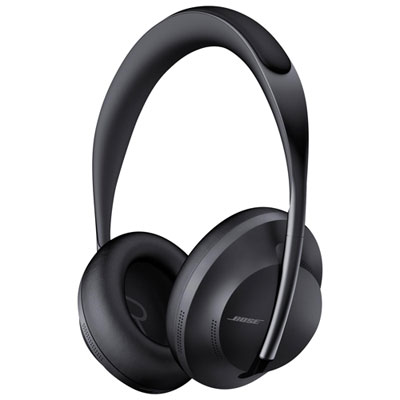 Your price for this item is $479.97
-
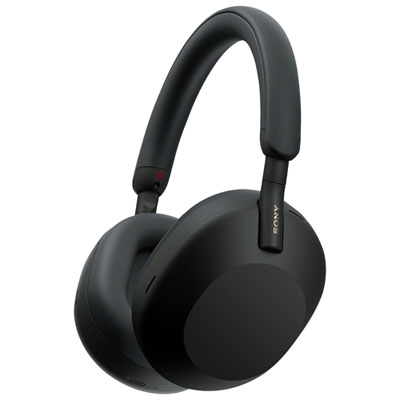 Your price for this item is $499.99
-
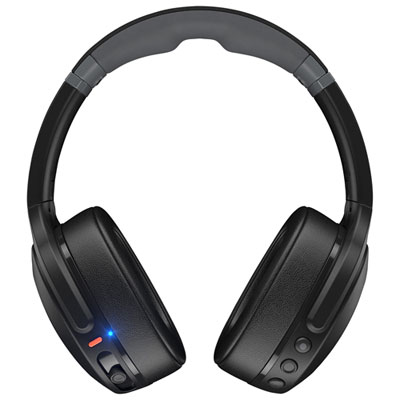 Your price for this item is $199.99
-
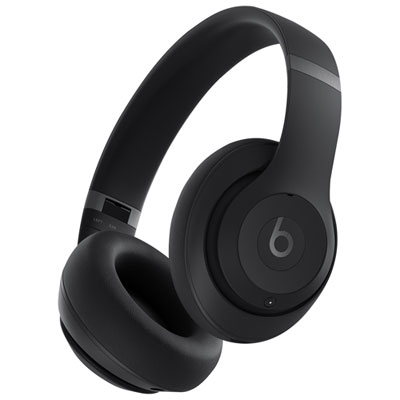 Your price for this item is $399
-
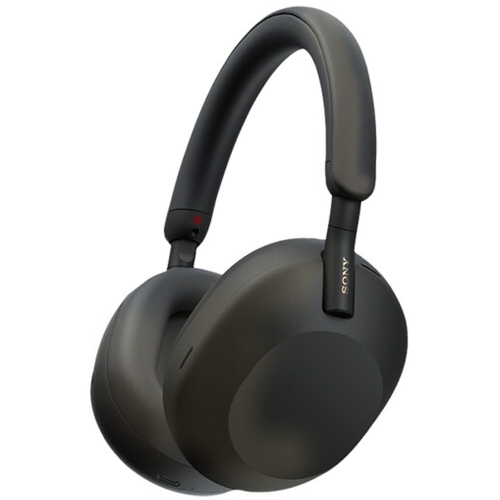 Your price for this item is $438
-
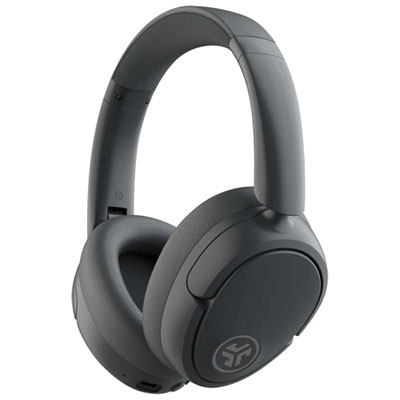 Your price for this item is $119.99
-
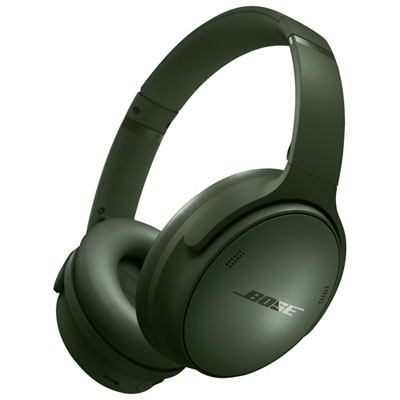 Your price for this item is $479.99
-
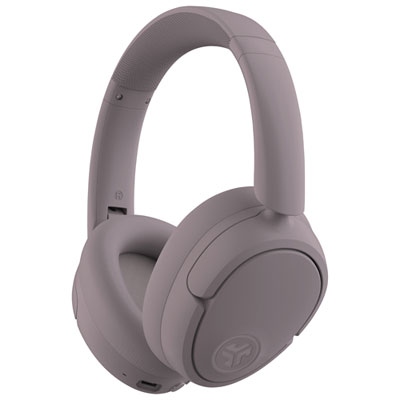 Your price for this item is $119.99
Discover more categories related to Comfortable Headphones for Travel

Top Collections:
Pokemon Centers, Kindle Devices, Best Cameras for Sports Photography, Pokémon 30th Celebration Cards, Apple iPhones 16, Canon G7X Cameras, iPhone 15 Apple, Flip Phones, Samsung Galaxy Phones, Alarm Clock
Some products may be subject to Environmental Handling Fees
(EHF) depending on your province.
Learn more about EHFs.