Headphones for Airplane Travel
Headphones for Airplane Travel are designed to help you enjoy your favorite music, movies, and podcasts while flying. Whether you're looking to relax on a long-haul journey or stay entertained during a quick trip, the right pair can make all the difference in your travel experience. Explore a wide selection of comfortable and convenient options tailored for use on airplanes, so you can immerse yourself in sound and make every flight more enjoyable.
Sort
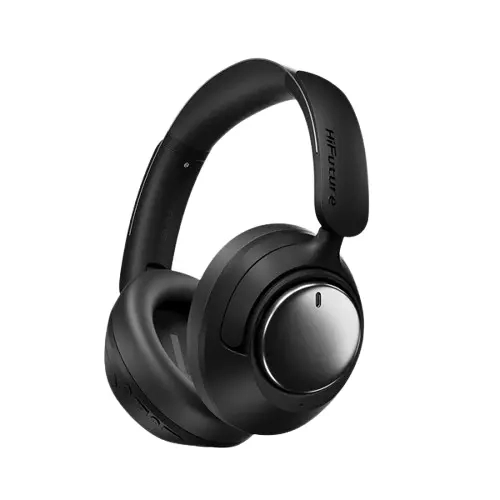
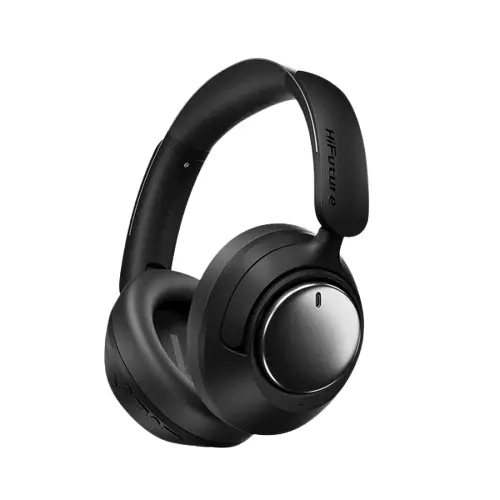

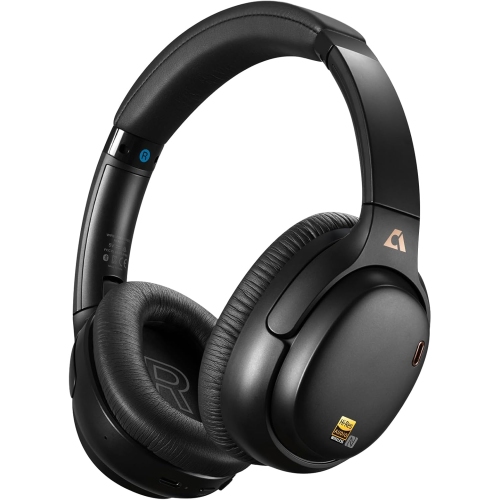


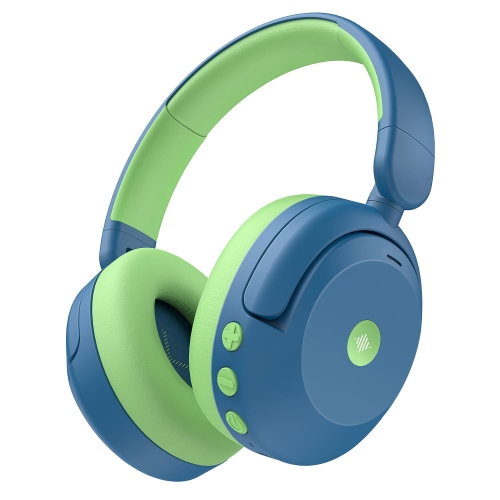
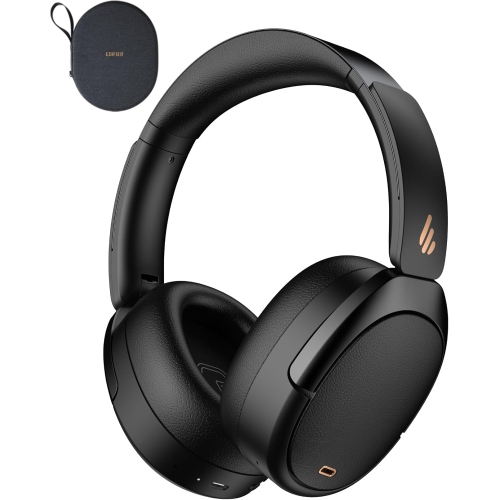


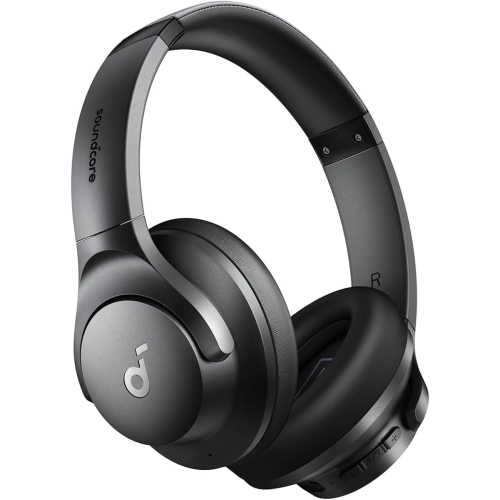

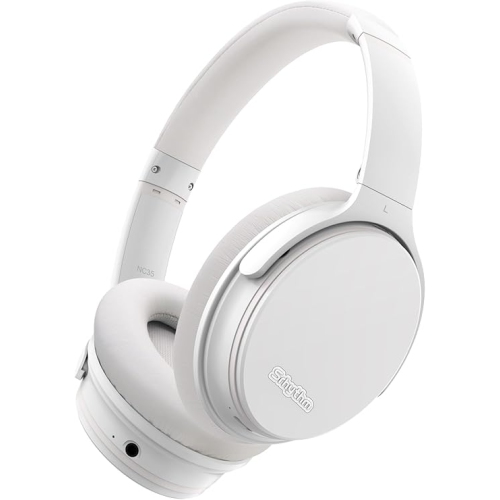

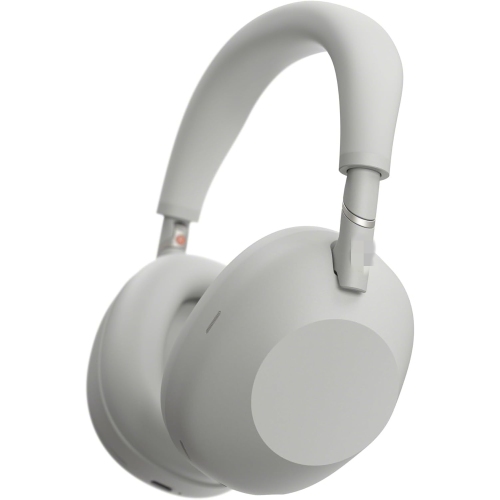
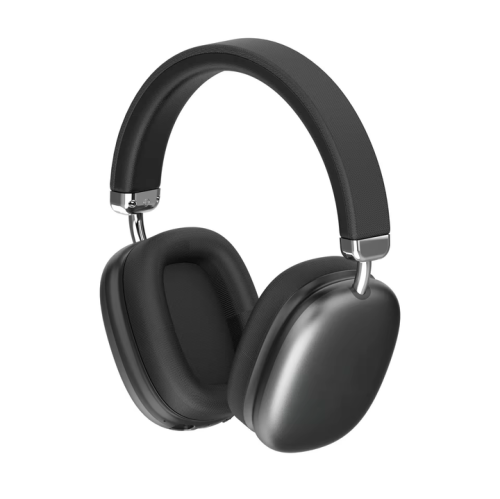

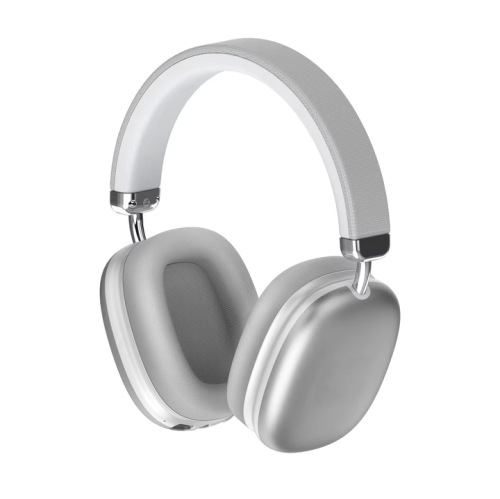


Less cabin rumble and more comfortable in-flight listening
Headphones for airplane travel bring movies, music, podcasts, and audiobooks into a busy cabin without relying on the small speakers of a phone or tablet. The most useful designs balance noise reduction, lasting comfort, battery life, and connections that suit both personal devices and seatback entertainment. Active noise cancellation, often shortened to ANC, uses microphones and audio processing to reduce surrounding sound, particularly the steady, low-frequency rumble heard during a flight. It does not create complete silence: nearby conversations, sudden sounds, and announcements may still come through. Passive isolation also matters. Enclosed earcups and well-fitting ear tips form a physical barrier that helps limit outside sound, so a secure seal can make a noticeable difference even before ANC is switched on. Together, these features can make dialogue easier to follow without turning the volume up to compete with the cabin. Over-ear headphones surround the ears with padded cushions and offer room for larger controls, while in-ear headphones take up less space and can be easier to tuck into a small personal bag. On-ear styles are another compact option, although their cushions rest directly against the ears and may feel less comfortable over several hours. For someone settling into a long film, cushioned over-ear headphones may feel reassuringly substantial; for someone travelling with only a backpack, compact earbuds may be more practical. Neither format is automatically better for every passenger, and comfort often depends more on the fit than the size. A transparency or ambient listening mode can help bring nearby speech through the headphones when speaking with a flight attendant, although removing them may still be necessary to hear clearly. Noise cancellation reduces perceived cabin noise, but it does not equalize ear pressure during takeoff or landing. Related headphones for flying offer the same travel-focused appeal: personal listening that fits into the journey, from time at the departure gate to a quiet stretch between meal services.
Fit becomes especially important when headphones stay on for much of a flight. An adjustable headband should distribute weight across the top of the head rather than concentrate it in one spot, and earcups should leave enough space around the ears without pressing them against the internal speaker covering. Clamping force helps maintain a seal, but too much pressure can become distracting during a long listening session. Passengers who wear glasses may notice that thick frame arms affect both comfort and isolation where they pass beneath the cushions. Soft foam padding and flexible earcup movement can help accommodate small differences in head shape, while swivelling cups allow the headphones to sit more naturally. Cushion coverings also affect the feel: synthetic leather generally wipes clean easily, while fabric coverings have a different texture and may need more careful cleaning. With earbuds, silicone tips are usually easy to wipe down, and foam tips compress to fit the ear canal but may require more frequent replacement. Tip size can differ between ears, so a comfortable seal need not mean using the same size on both sides. For resting against a neck pillow, low-profile earbuds may interfere less than bulky earcups, though any design can create pressure when pressed against a seat or pillow. Over-ear headphones are often more comfortable when sitting upright rather than leaning directly on one side. Controls deserve attention too. Physical buttons can be easier to locate by touch in a dim cabin, whereas touch surfaces may respond to accidental contact when adjusting a hood or pillow. Frequent business travellers, students flying between home and campus, and passengers taking occasional family trips may all value these details differently. Headphones can also make a thoughtful gift for someone who travels regularly, particularly when the format matches what they already find comfortable. For children, an appropriately sized design with volume-limiting features can be useful, but adult supervision and listening breaks remain important because those features do not guarantee a safe listening level in every situation.
Connections and battery performance determine how smoothly travel headphones move between a phone, a tablet, and an aircraft entertainment screen. Bluetooth is convenient for personal devices, but wireless pairing with seatback systems varies by aircraft and should not be assumed. A wired audio input provides another way to listen where a compatible headphone socket is provided. Some aircraft use a standard 3.5 mm connection, while others require an airline adapter; a compatible Bluetooth transmitter may be another option where permitted. A USB-C charging port does not necessarily support wired audio, and headphones with an analogue cable may still need battery power for ANC or other features. Published battery figures also depend on the listening mode, volume, and enabled features. Around 30 hours or more of stated playback with ANC enabled can provide a useful margin for a long flight and airport time, but the relevant figure is the one measured with the features that will actually be used. For wireless earbuds, playback per charge matters separately from the combined total supplied by the charging case, since recharging usually means taking the earbuds out. Quick charging can help between connections, although the required charging time and resulting playback vary. Folding hinges and flat-folding earcups make larger headphones easier to pack, while a fitted hard-shell case helps protect cushions, controls, and joints from pressure inside a carry-on. Durable travel designs benefit from sturdy adjustment points, replaceable cushions where supported, and cables that can be stored without tight bends. Keeping the cable, charging lead, and any aircraft adapter together saves searching through a bag after boarding. For routine care, follow the manufacturer’s cleaning directions, wipe contact surfaces with an appropriate soft cloth, and let them dry fully before closing the case. Liquid should not enter speaker mesh, microphones, or charging ports, and ear tips may need separate cleaning instructions. A brief fit check, a full charge, and the right connection accessories can make headphones useful well beyond the flight itself, whether listening at the gate, watching a film in the air, or unwinding after arrival.
Top selling and popular products
-
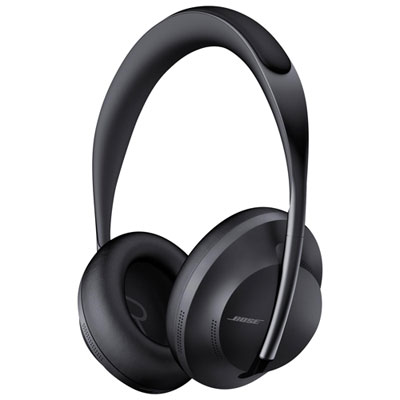 Your price for this item is $479.97
-
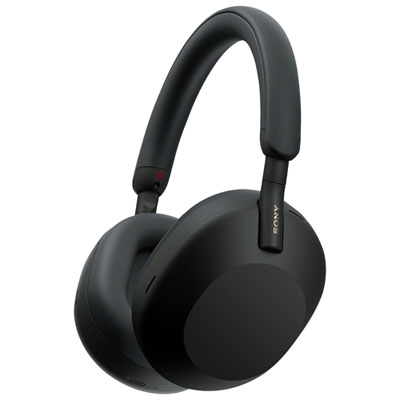 Your price for this item is $499.99
-
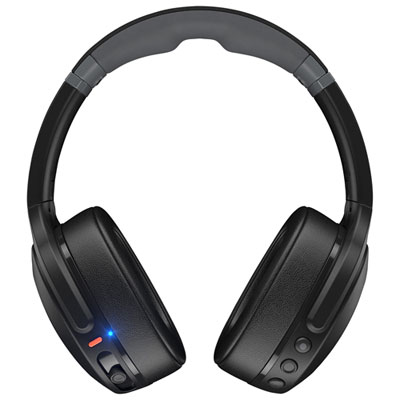 Your price for this item is $199.99
-
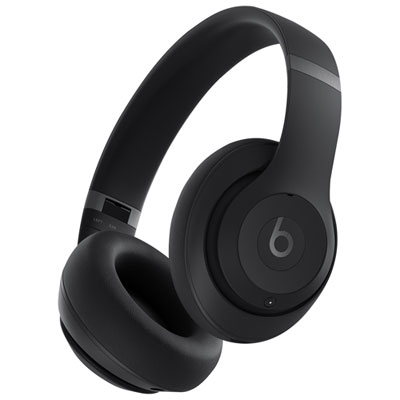 Your price for this item is $399
-
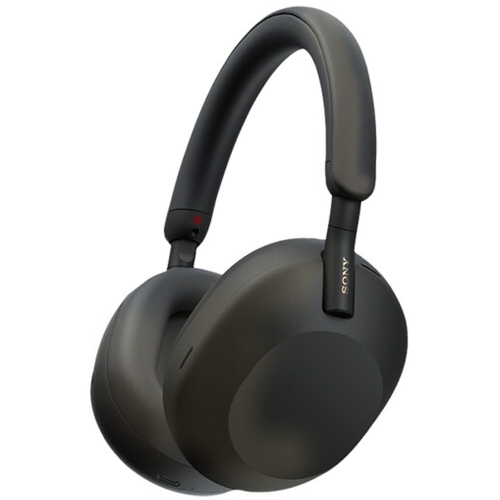 Your price for this item is $438
-
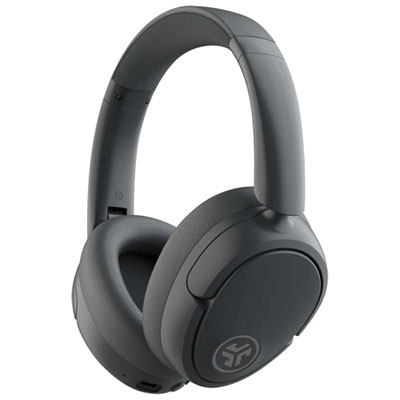 Your price for this item is $119.99
-
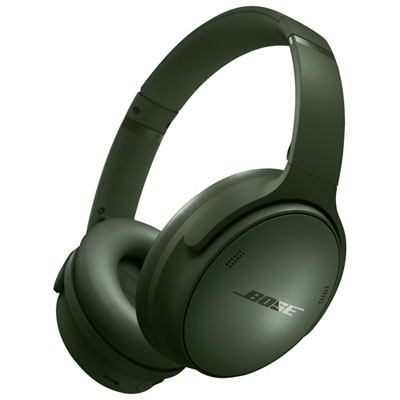 Your price for this item is $479.99
-
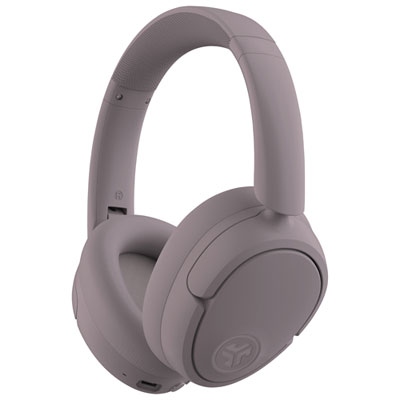 Your price for this item is $119.99
Discover more categories related to Headphones for Airplane Travel

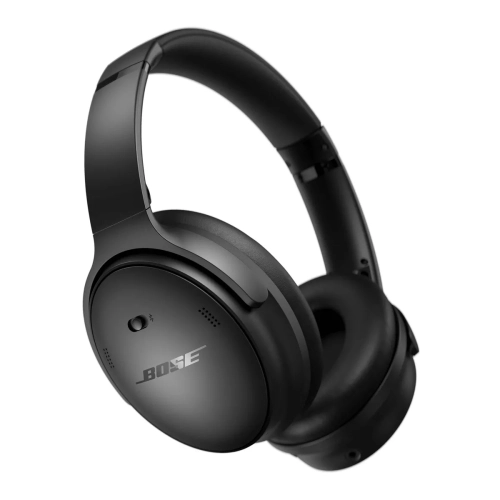

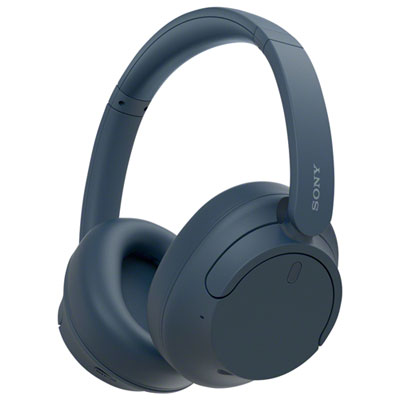
Top Collections:
Pokemon Centers, Kindle Devices, Best Cameras for Sports Photography, Pokémon 30th Celebration Cards, Apple iPhones 16, Canon G7X Cameras, iPhone 15 Apple, Flip Phones, Samsung Galaxy Phones, Alarm Clock
Some products may be subject to Environmental Handling Fees
(EHF) depending on your province.
Learn more about EHFs.