Efficient Bookshelf Speakers
If you're looking for a speaker that can fill a room with sound, but don't have a lot of space to work with, a bookshelf speaker might be the right choice. These speakers are designed to fit into tight spaces, and they're small enough to tuck away when not in use. Here are some of our favorites.
Sort
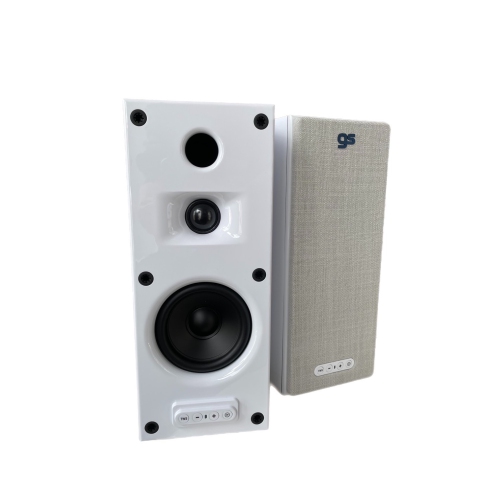
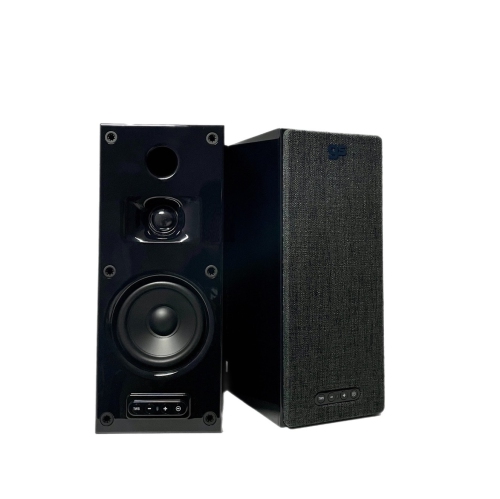

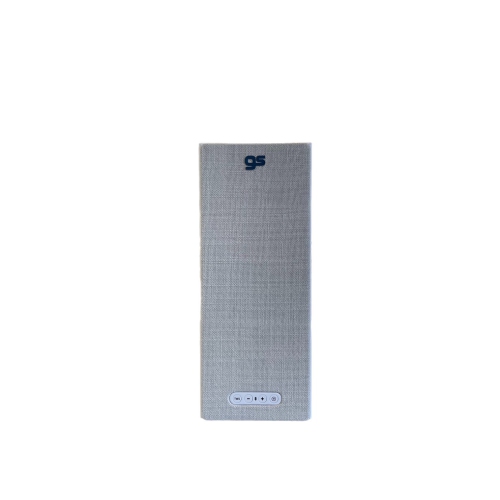
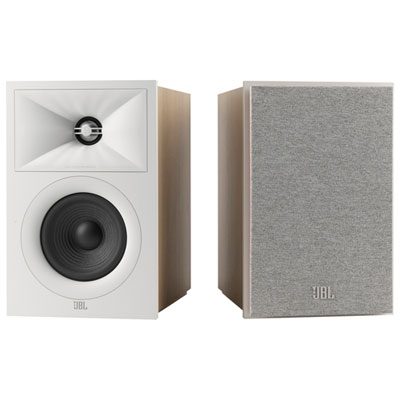
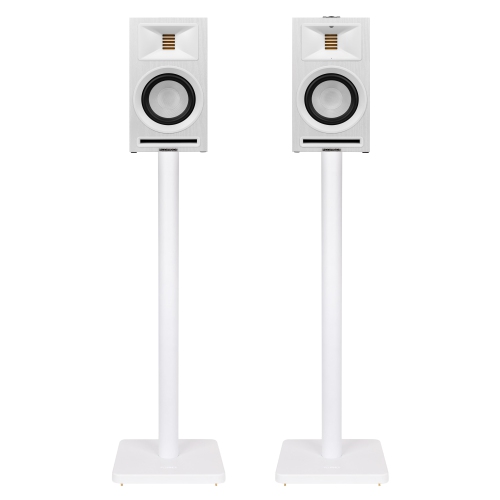
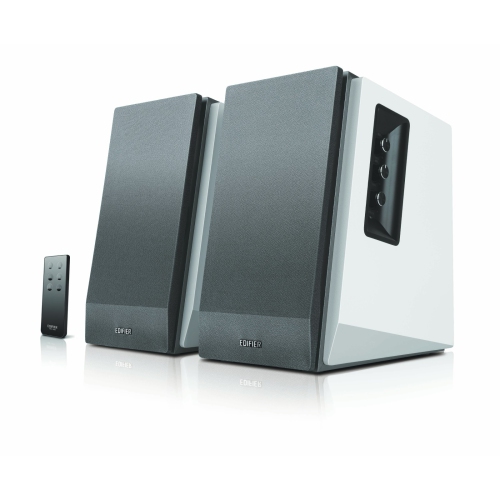
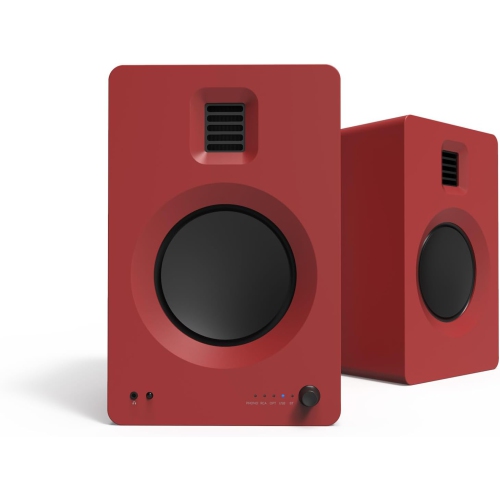
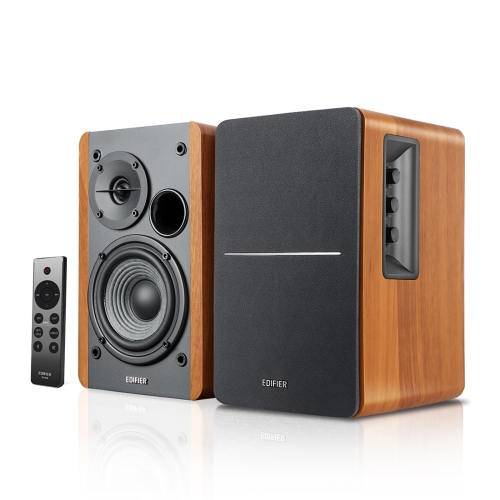


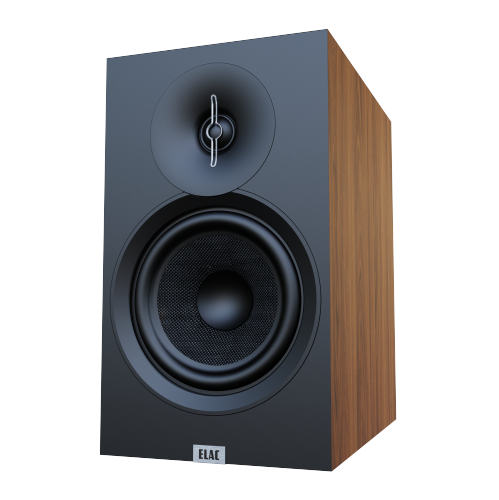
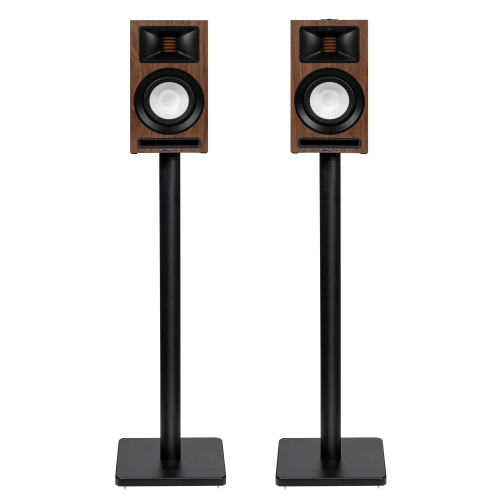
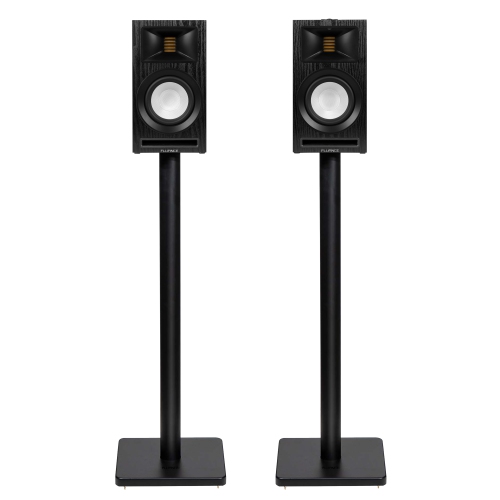
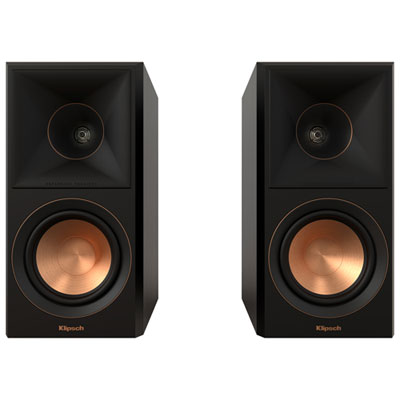
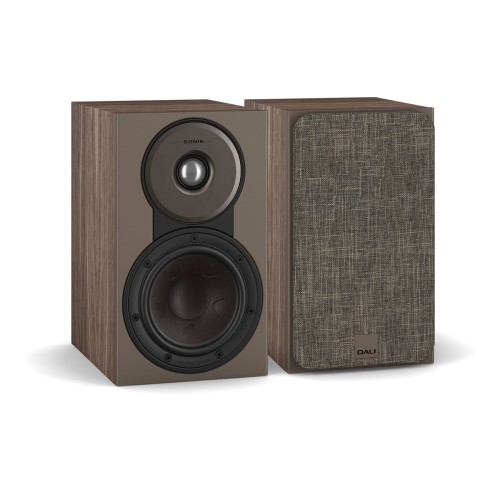
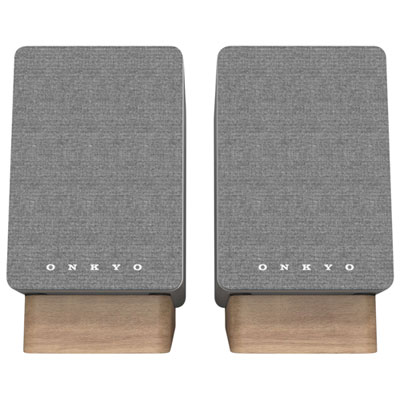
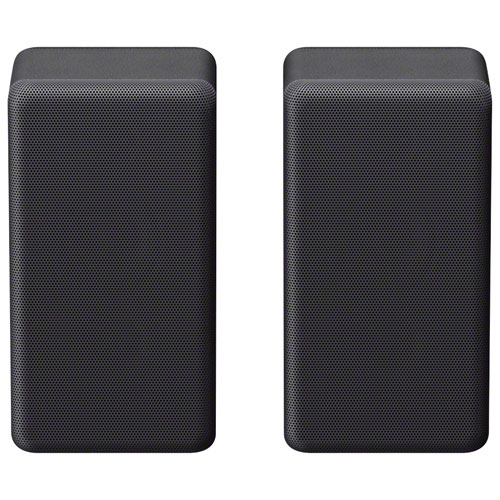


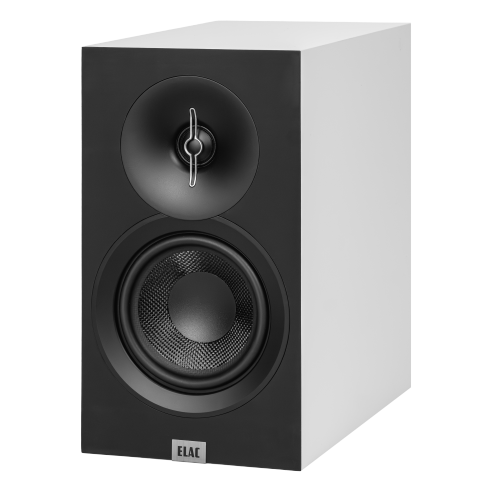

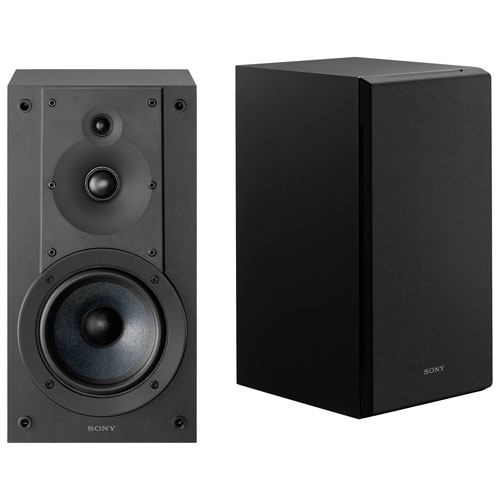
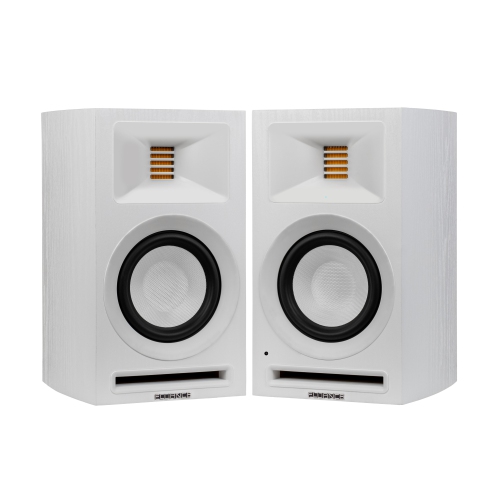
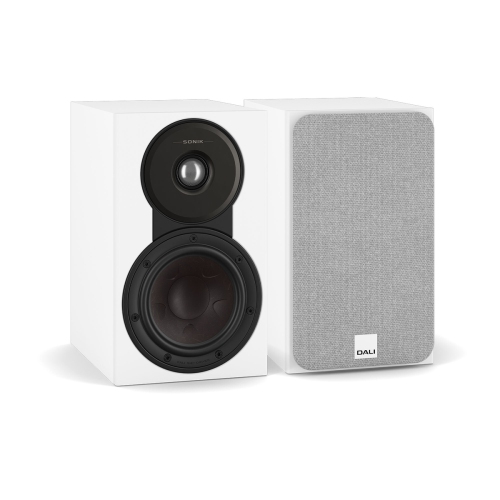
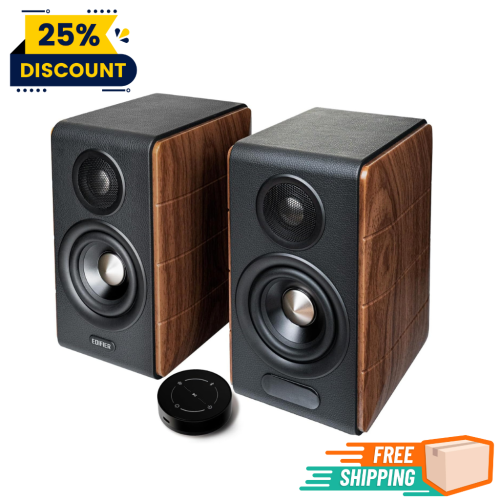
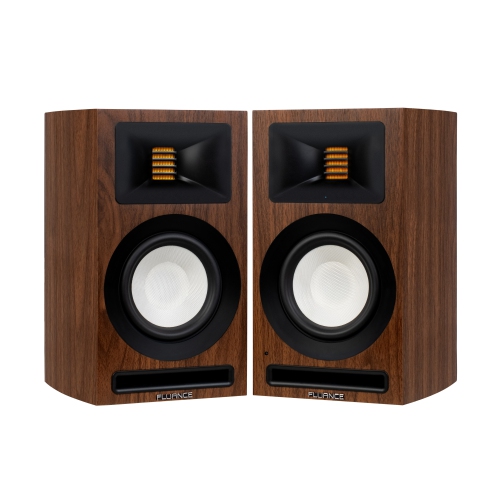
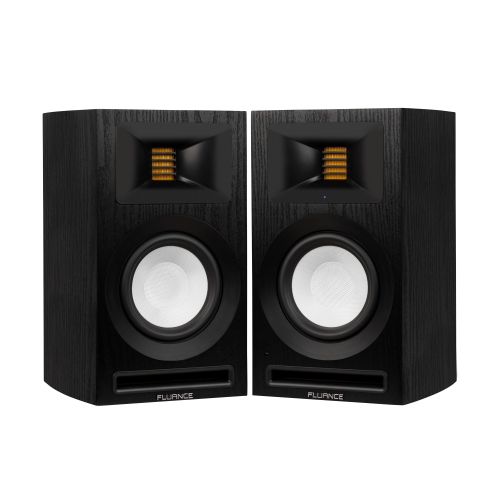

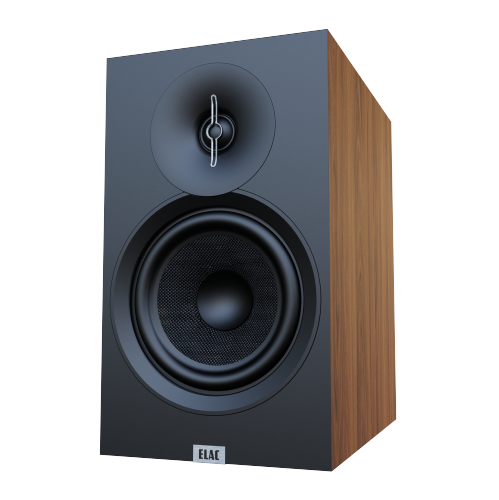
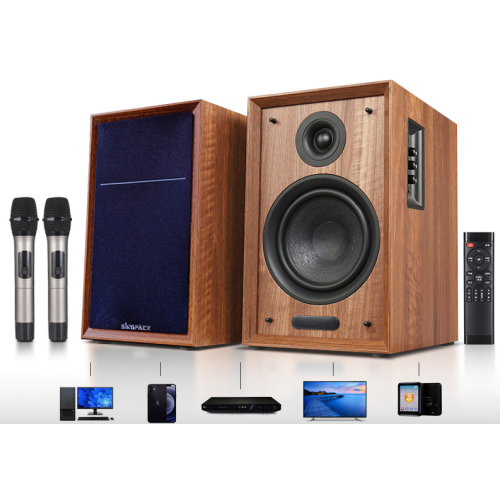
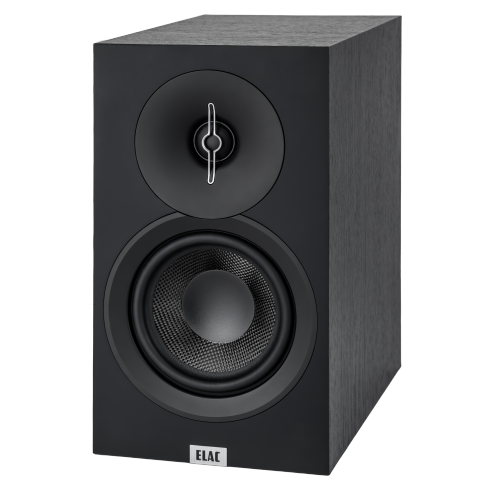

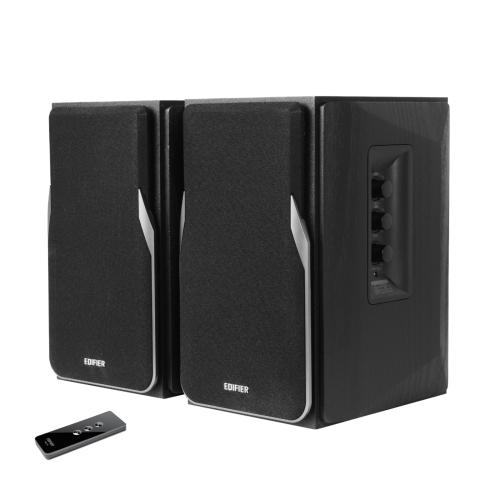
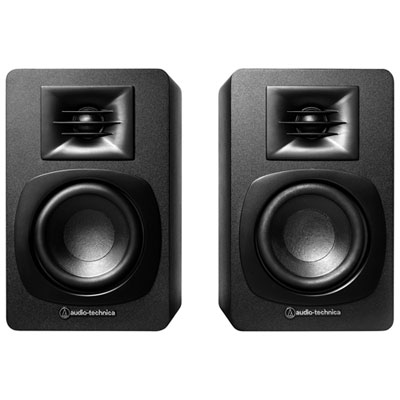
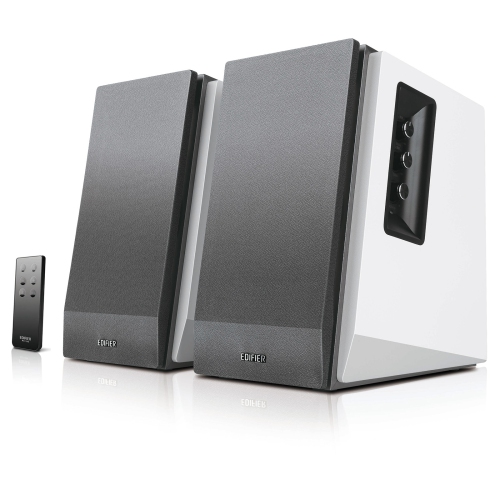

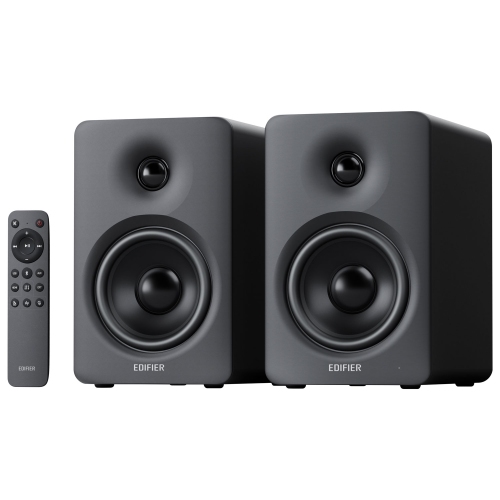


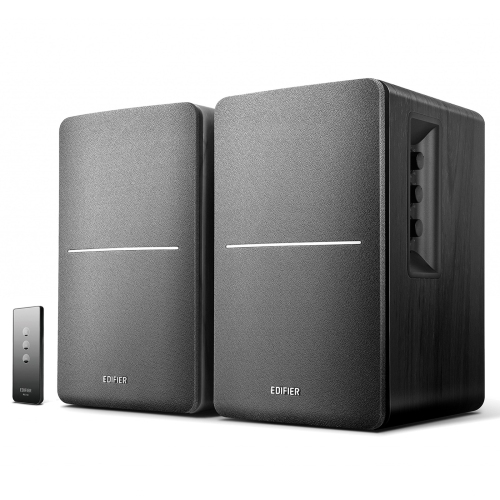
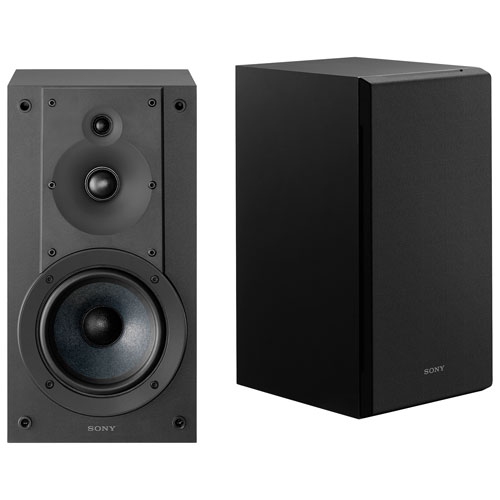
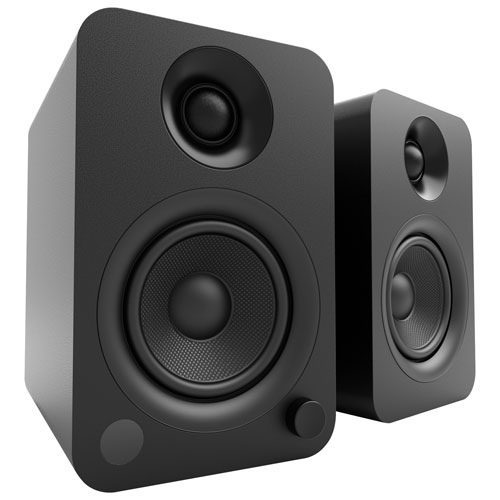
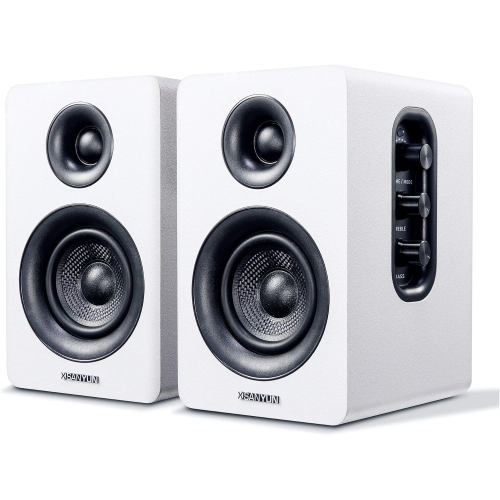
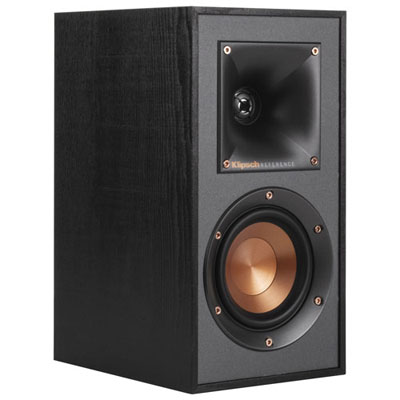
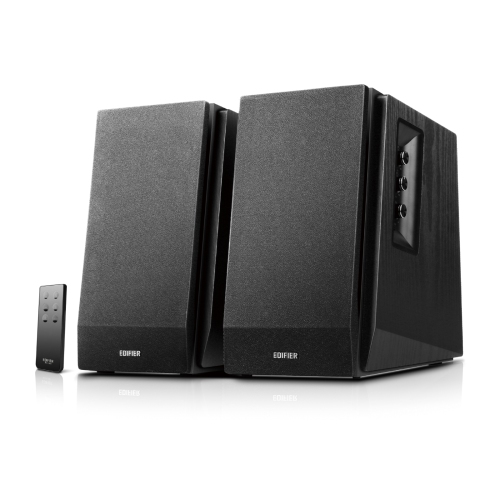
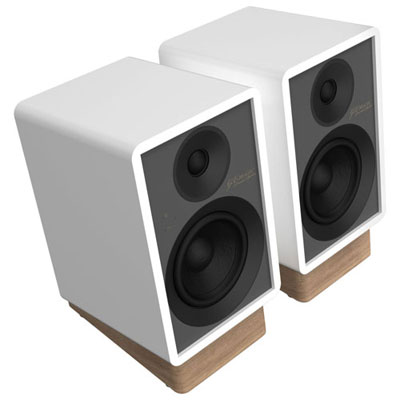
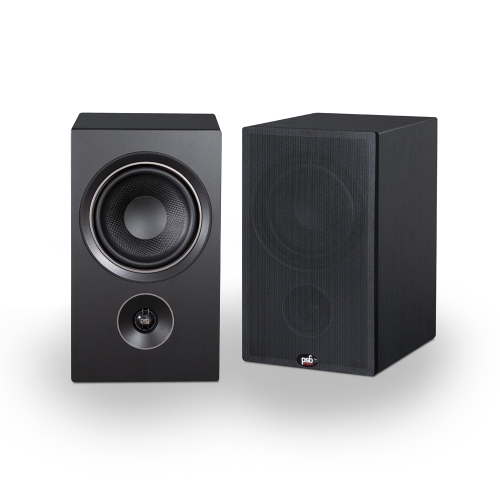
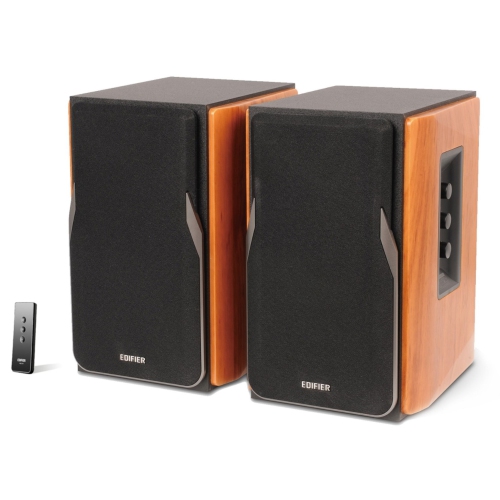

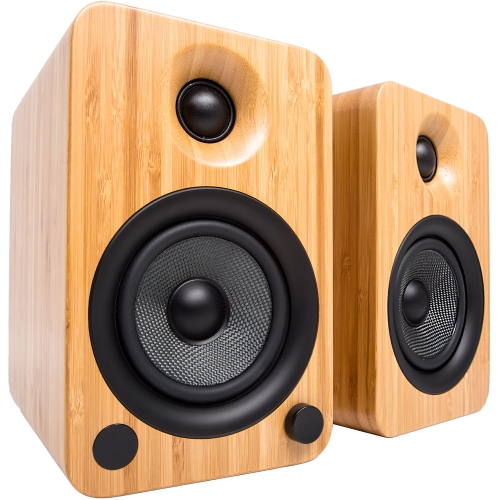
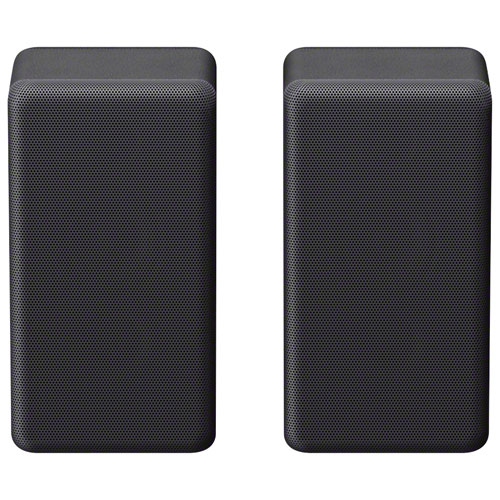
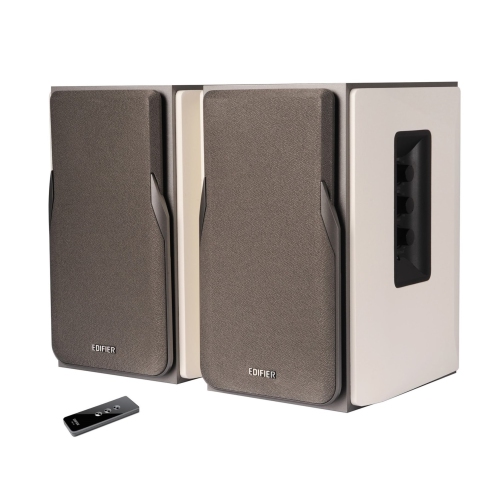
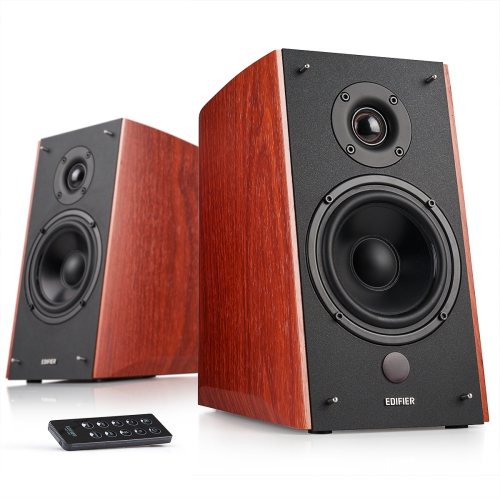
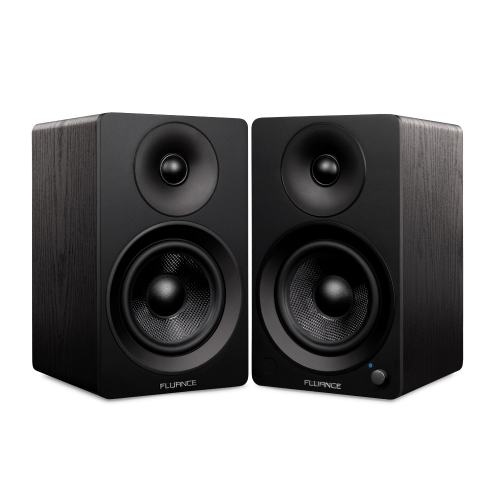

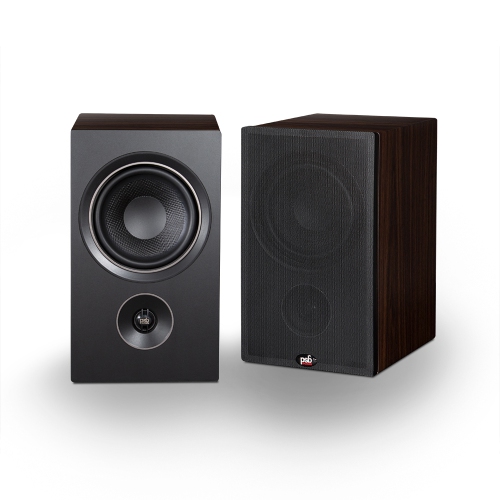
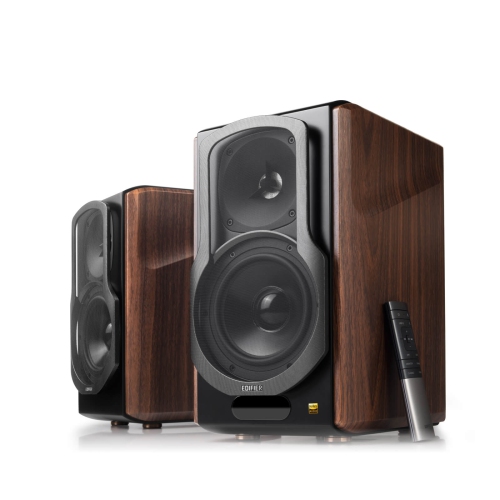
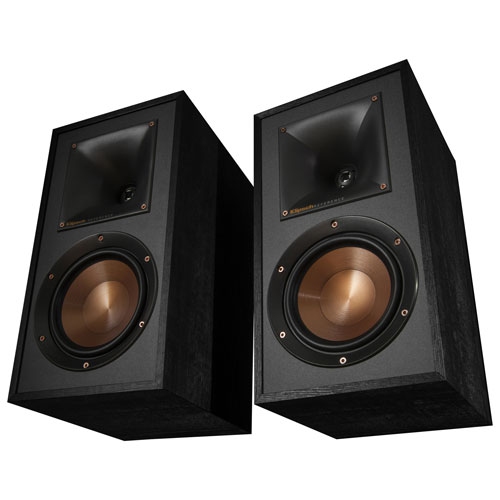
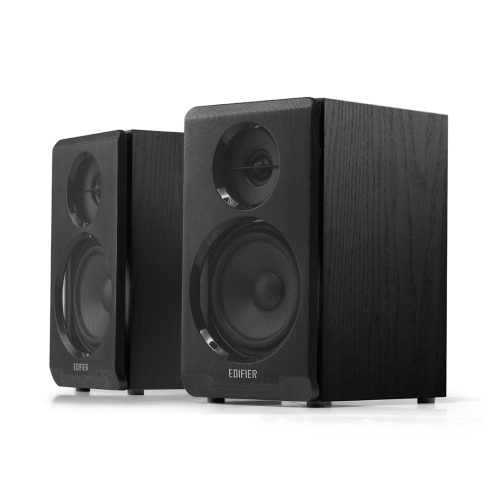

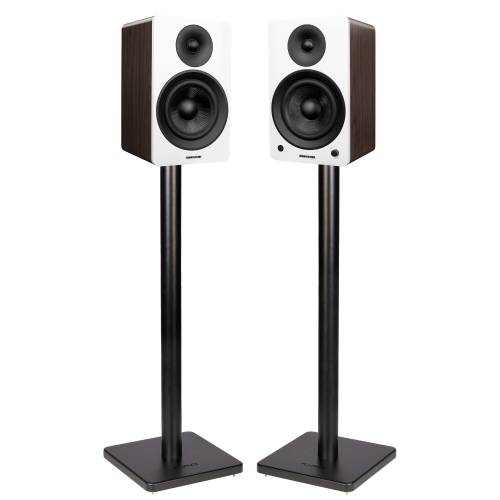
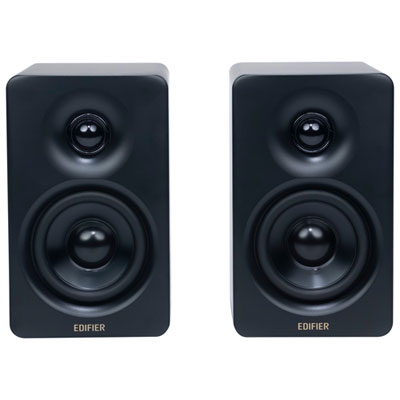
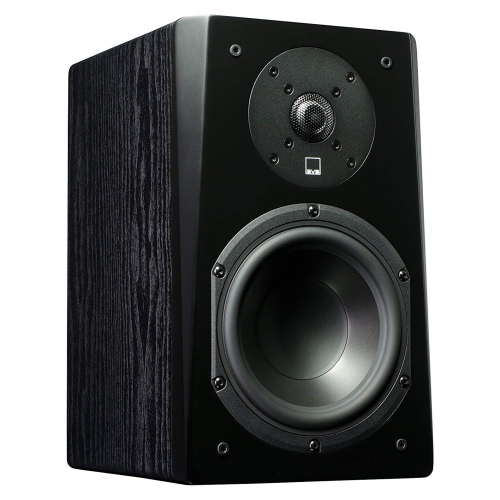

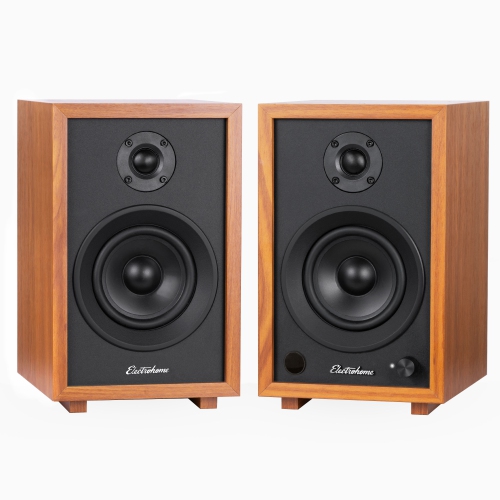
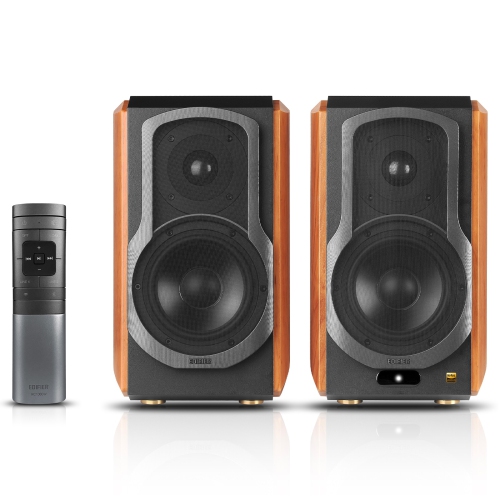

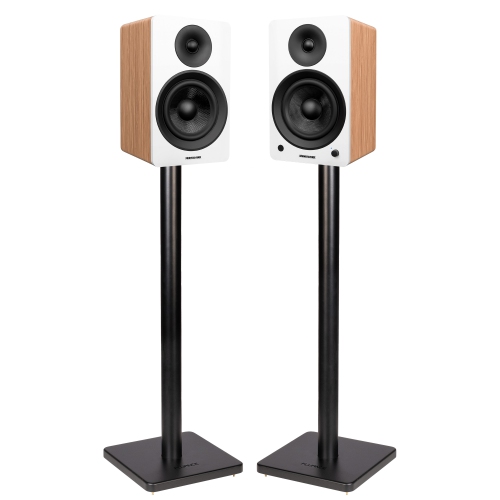
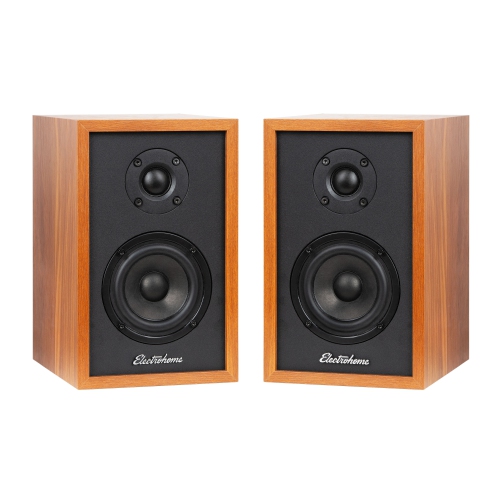
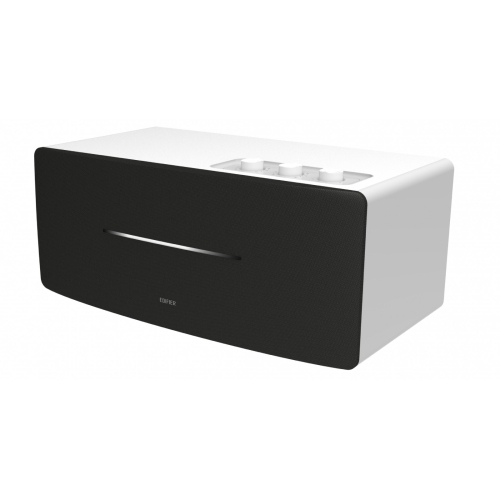

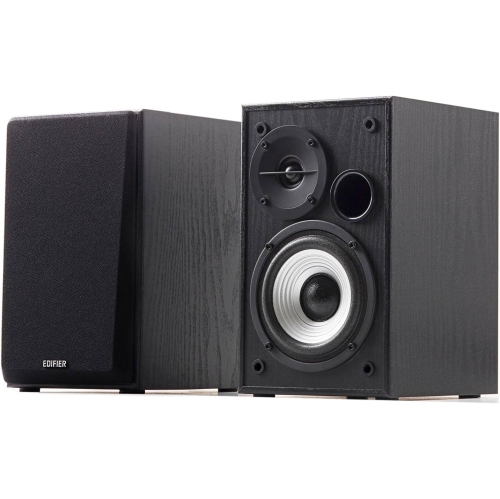
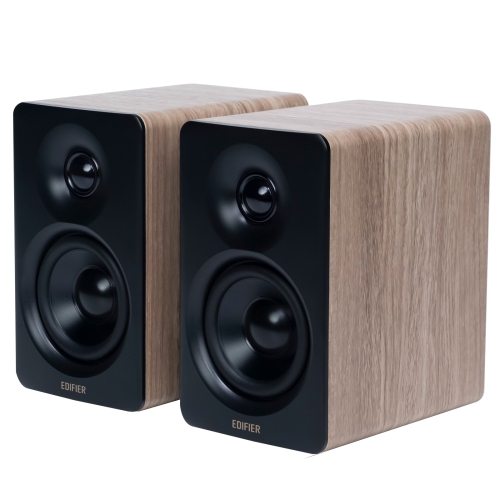

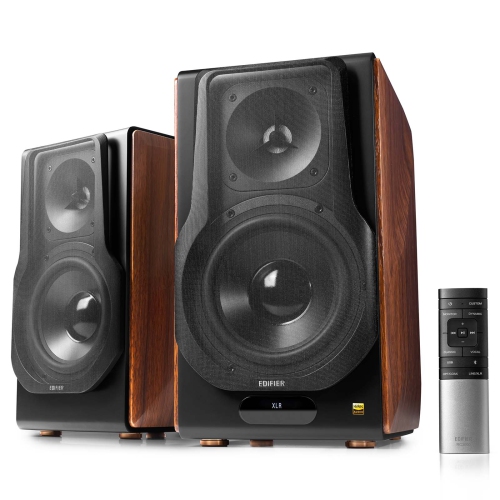
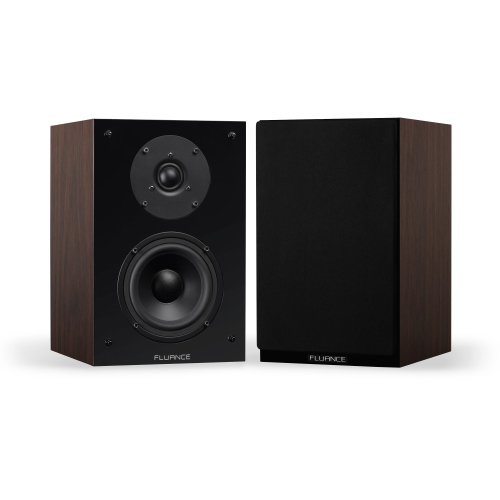
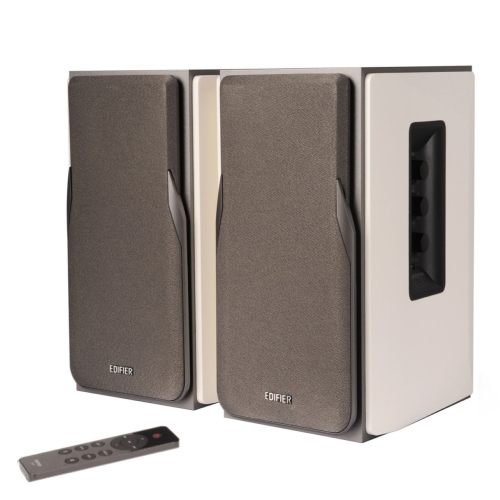
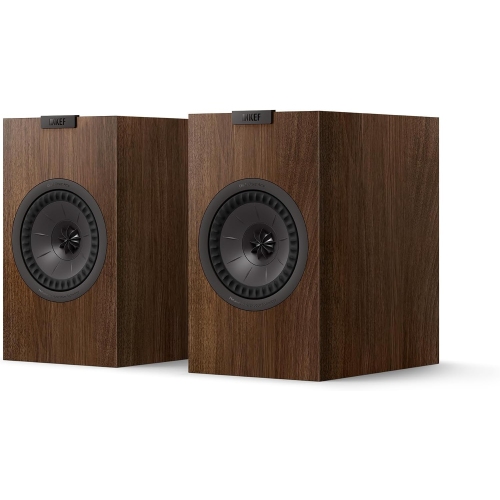
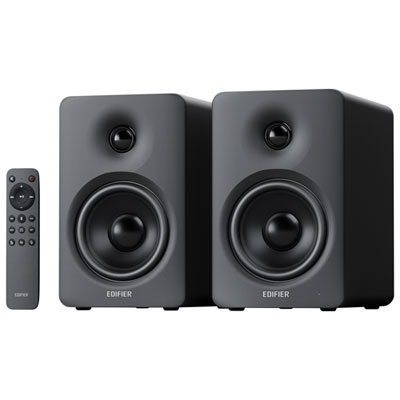
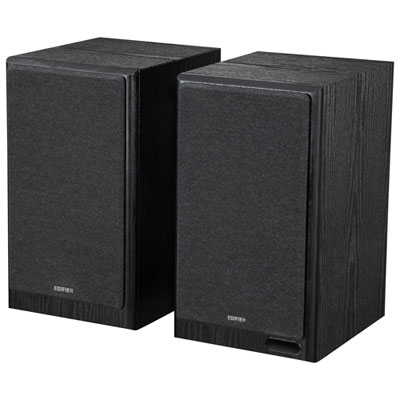
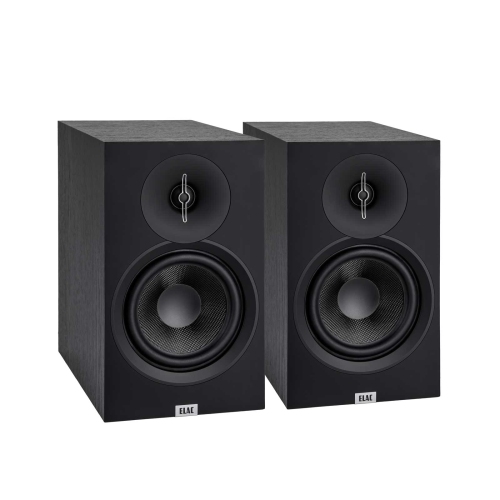
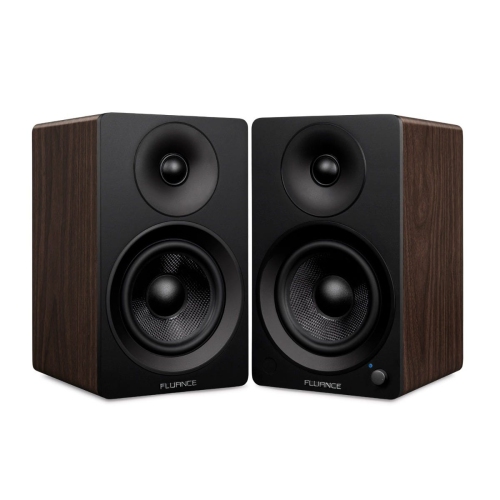
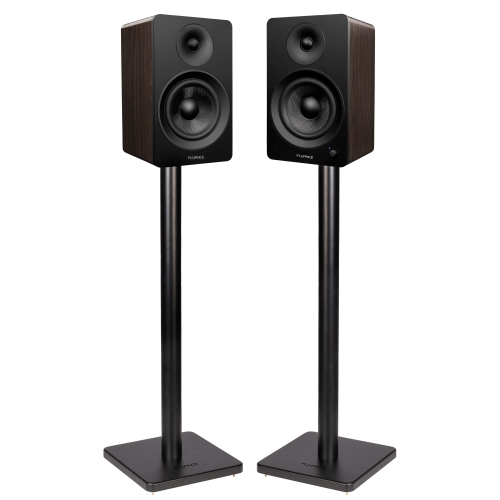
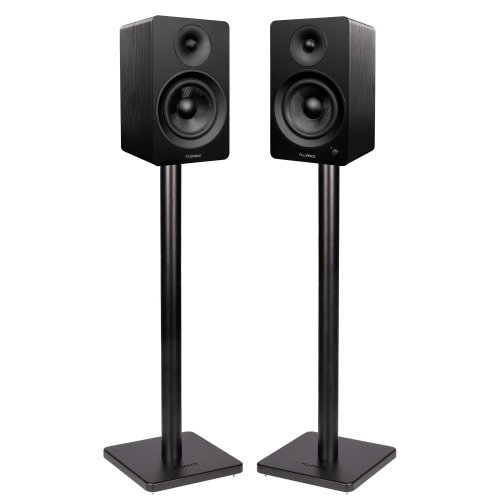

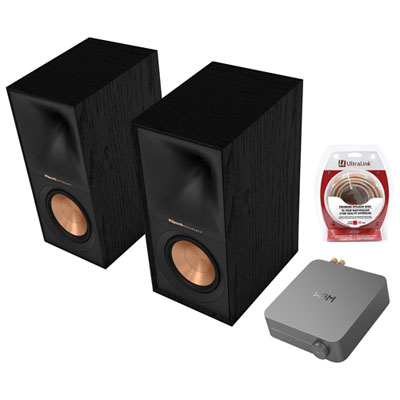
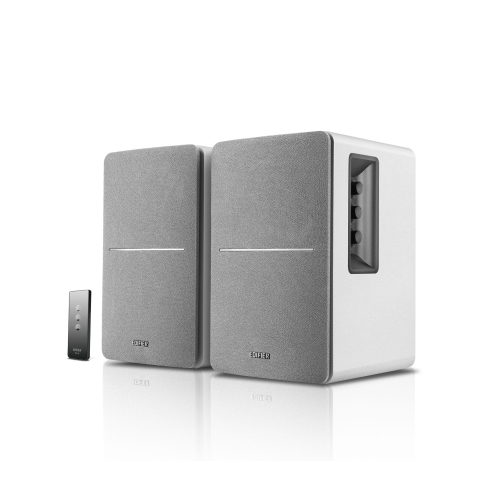

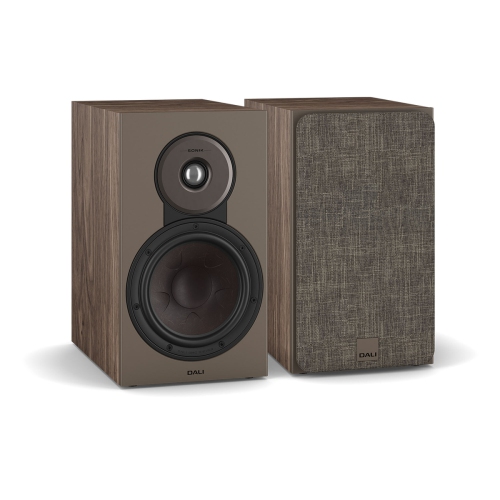
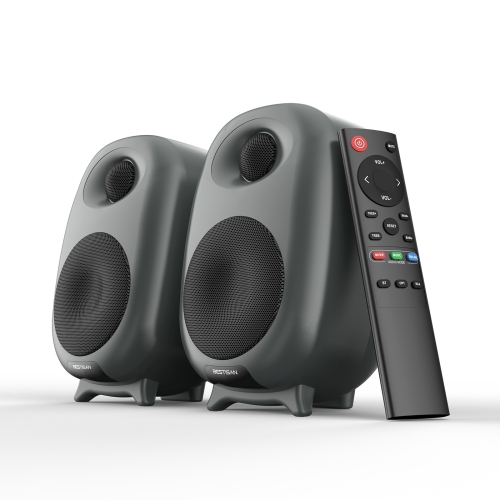
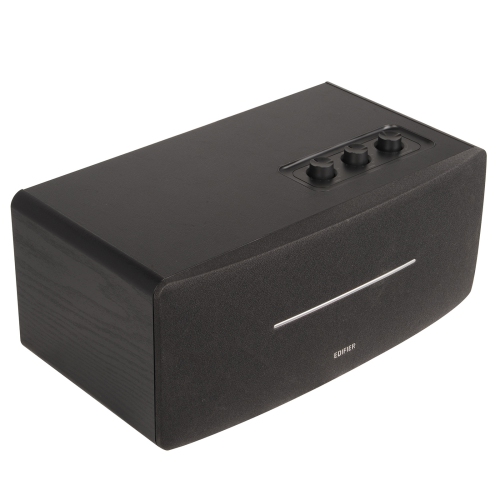
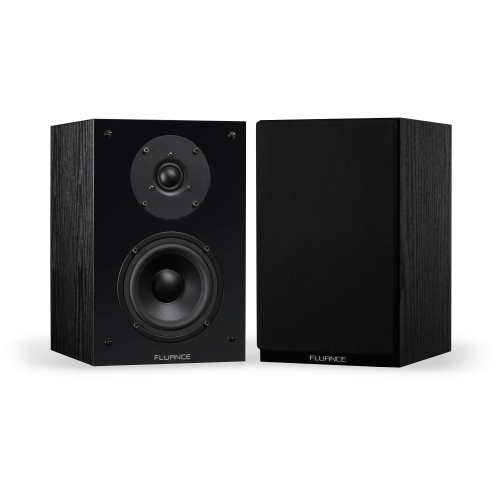
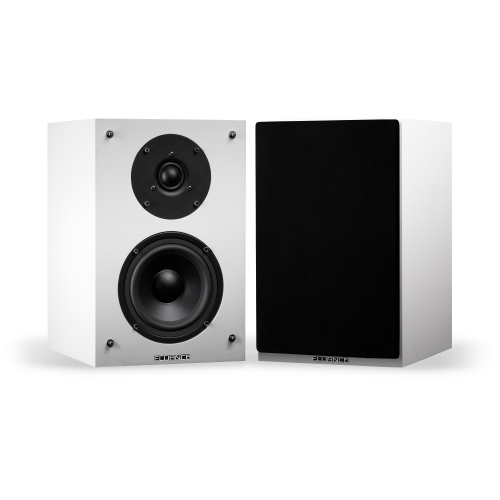
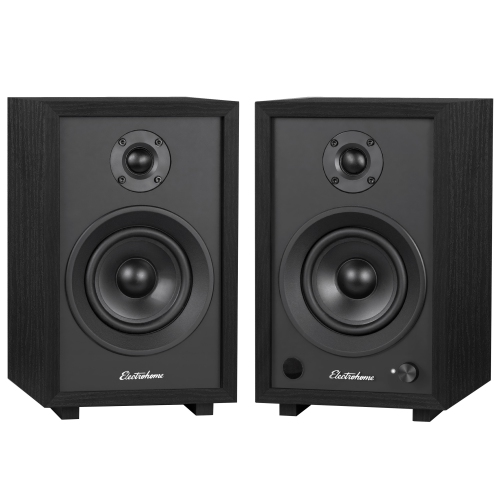
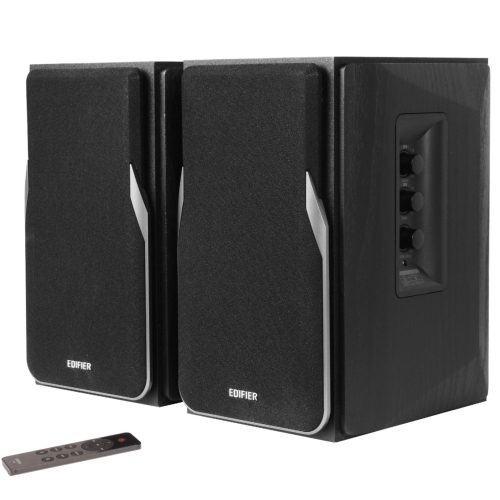
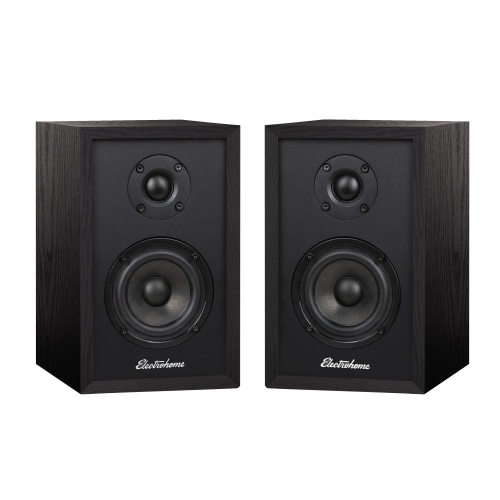


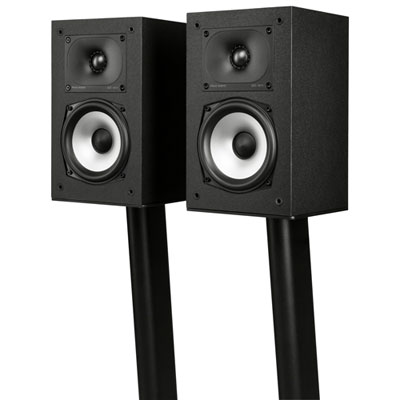
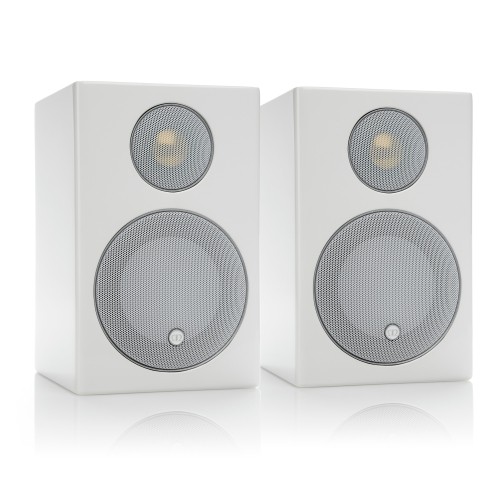
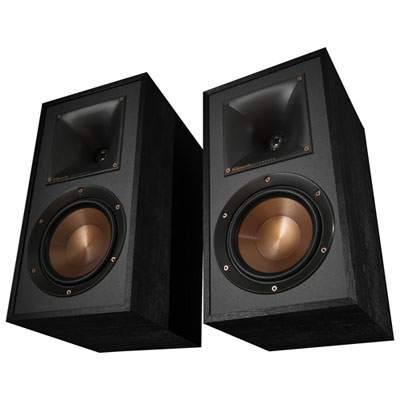
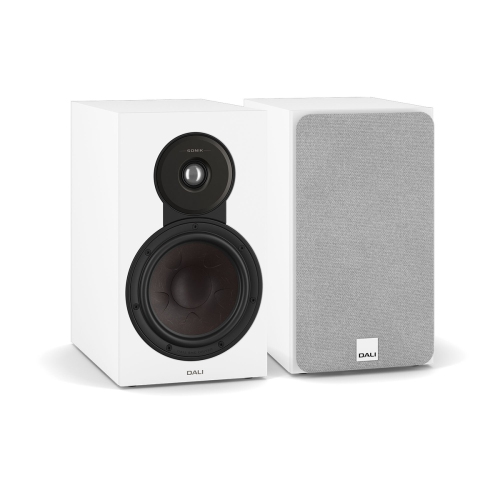
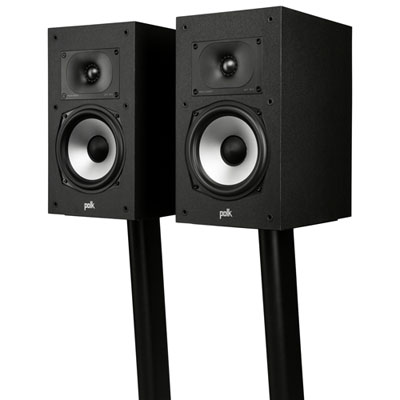
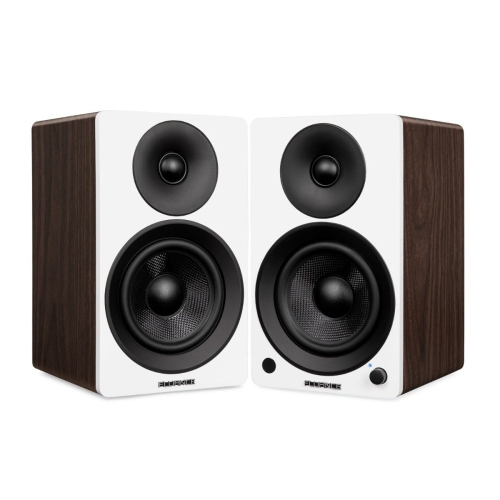
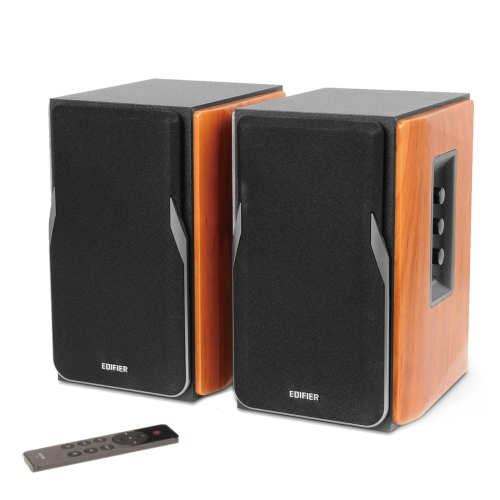


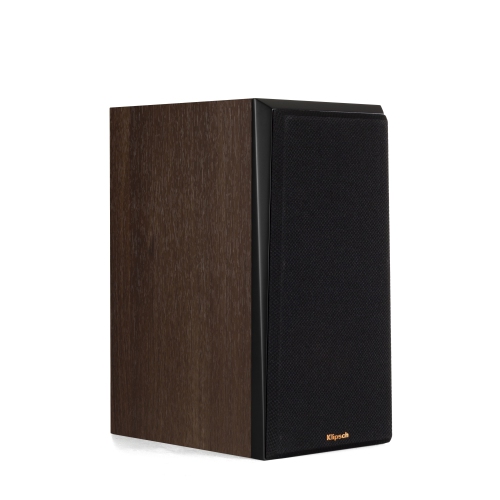

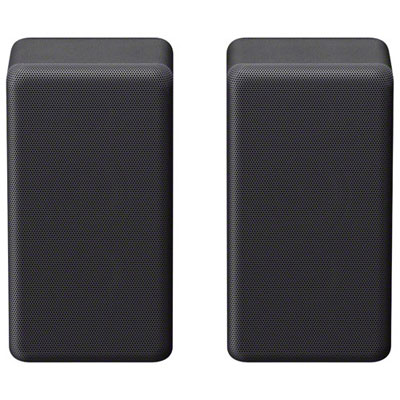
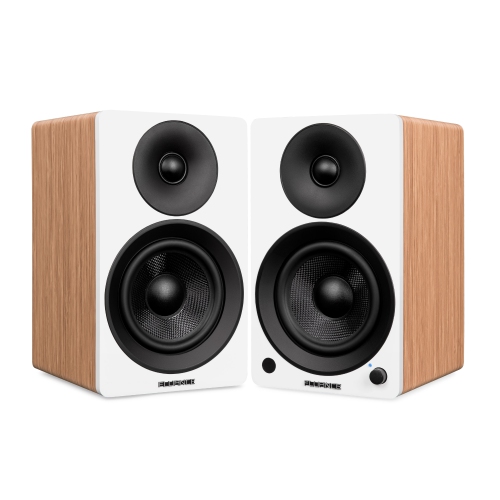
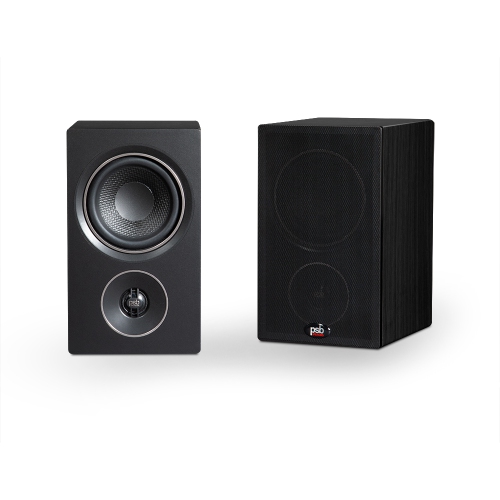
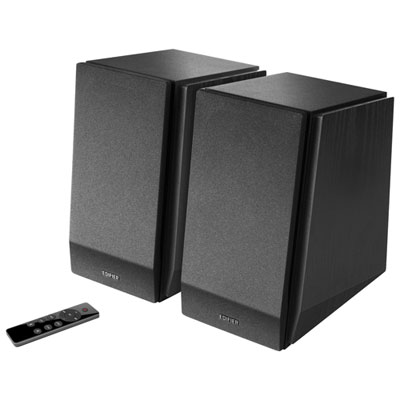
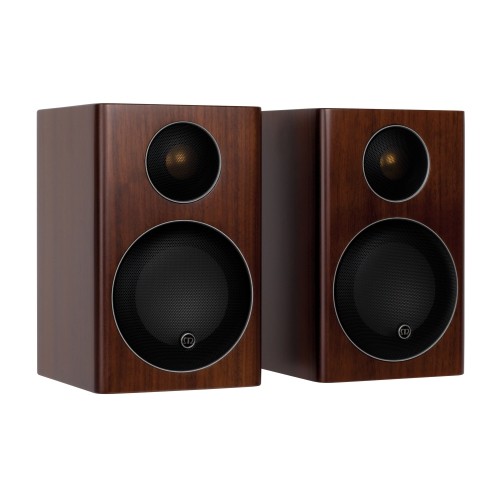
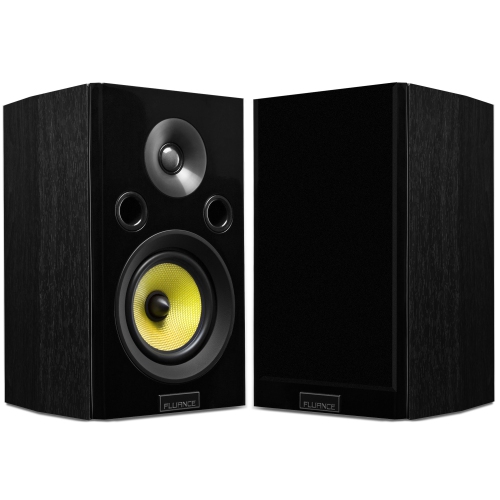


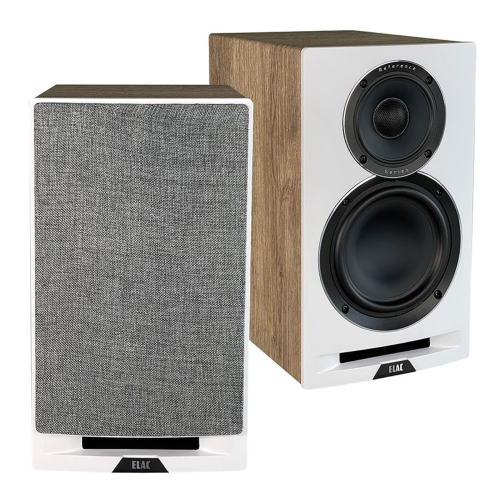
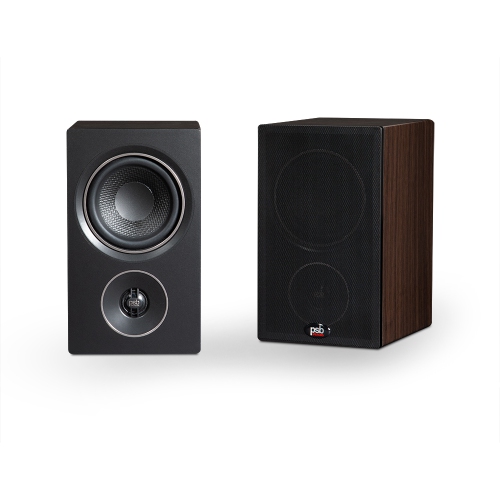
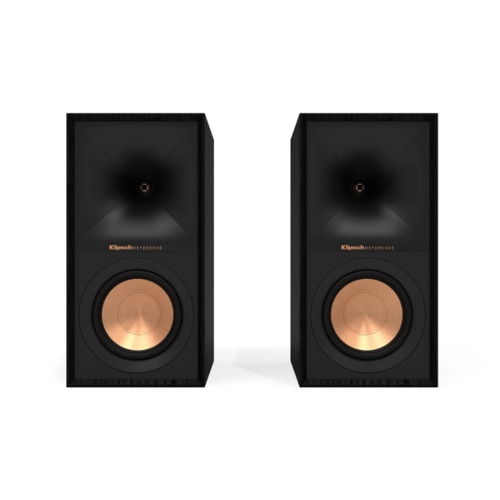


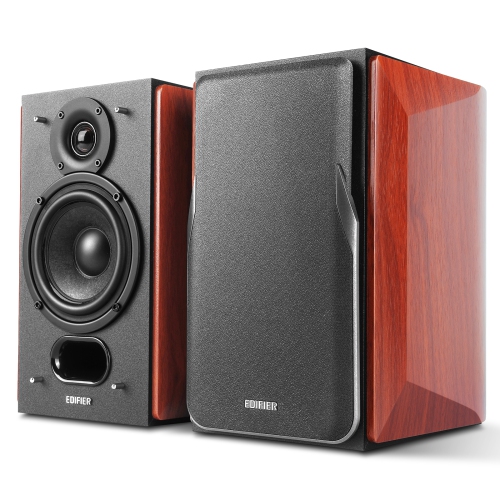
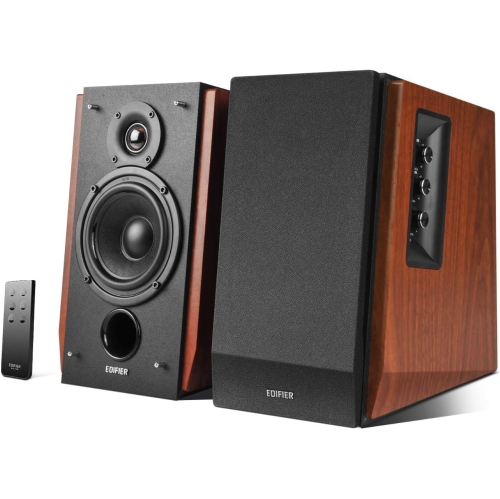
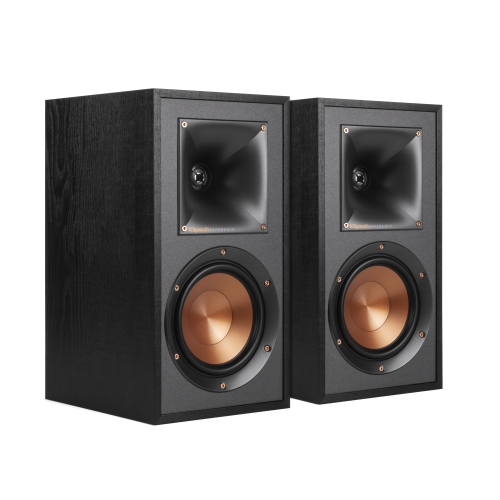
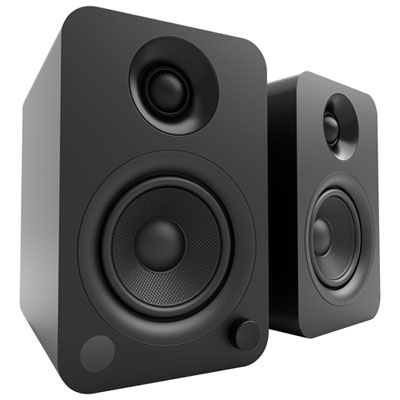
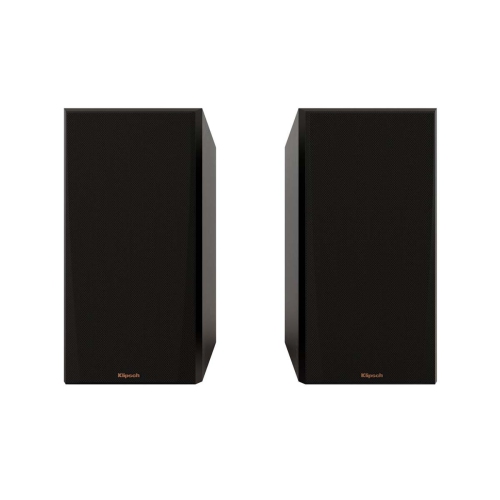
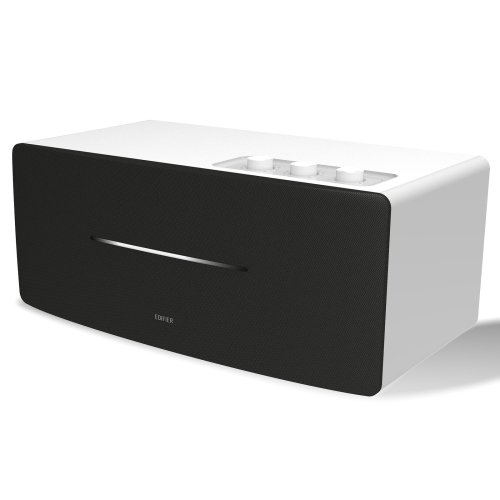
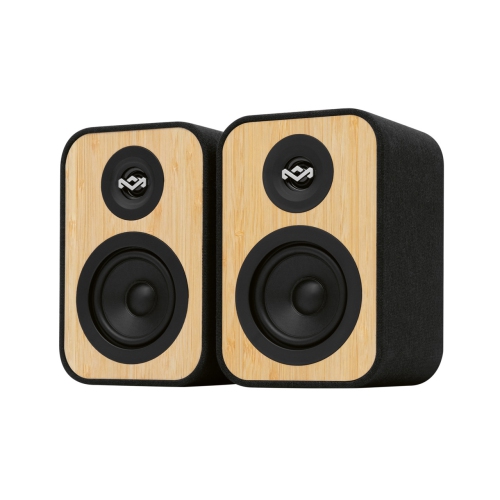
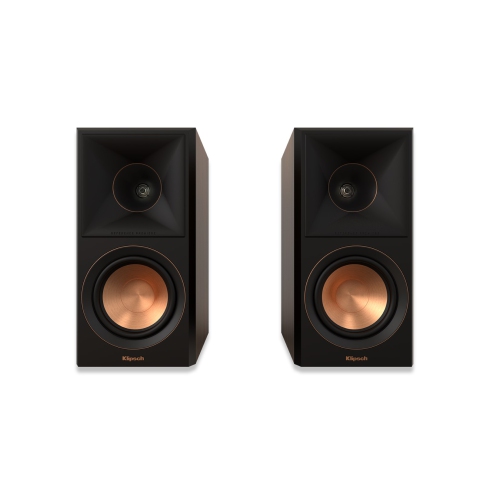
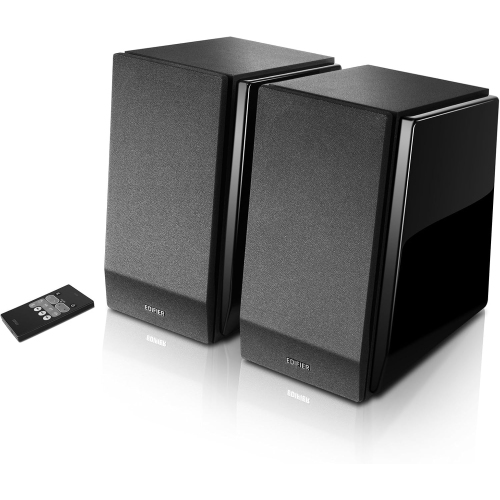

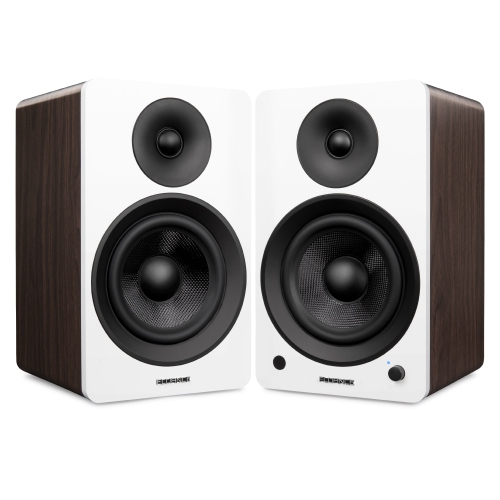
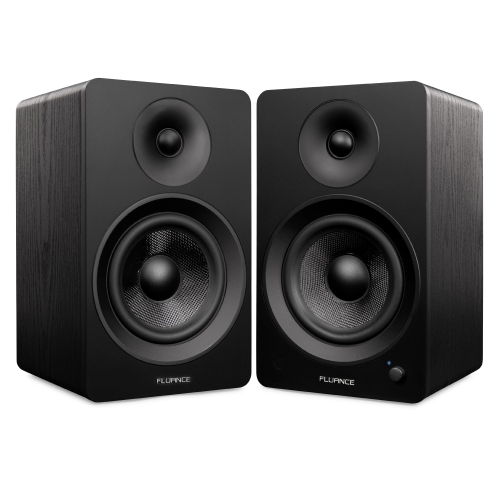
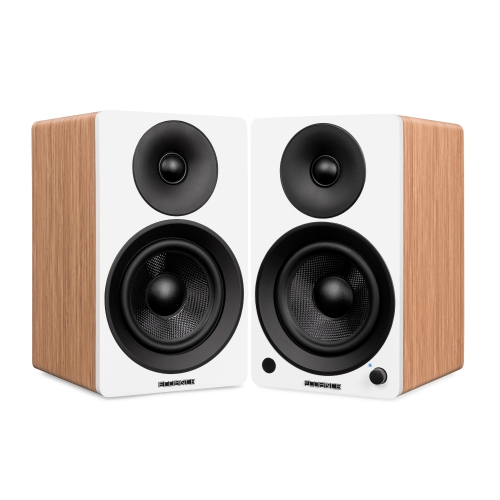
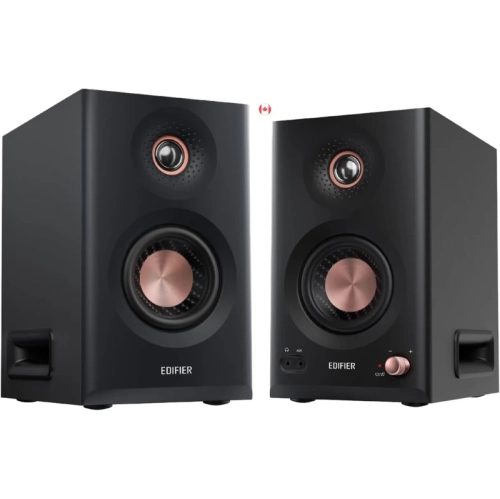
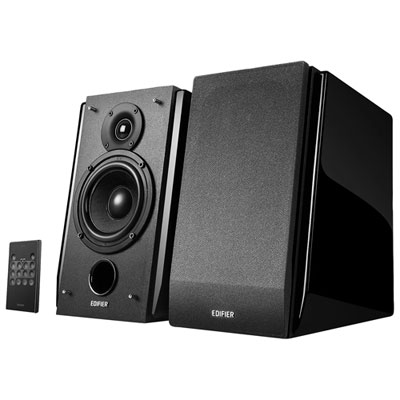
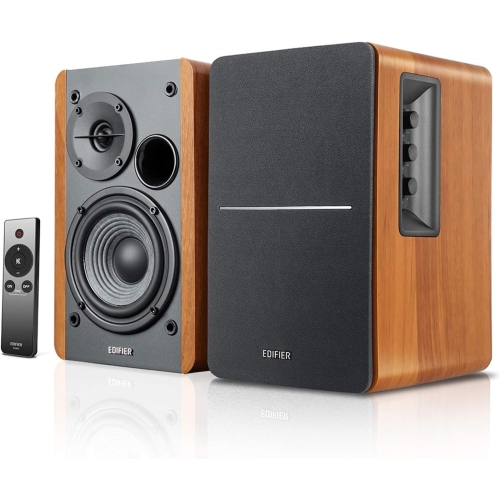
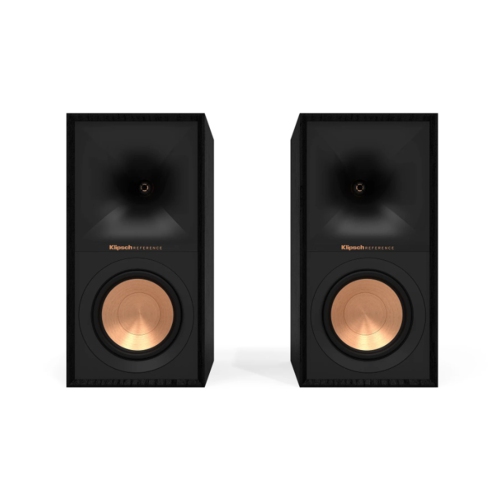
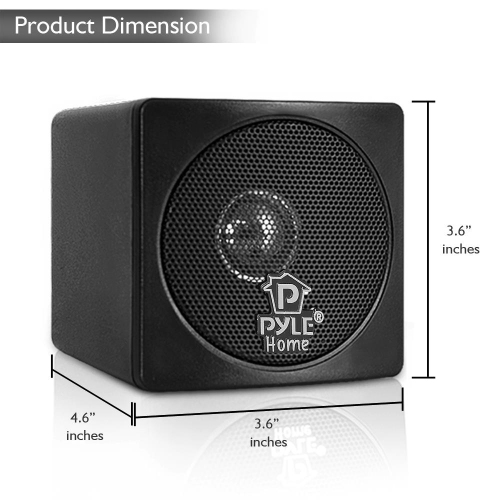

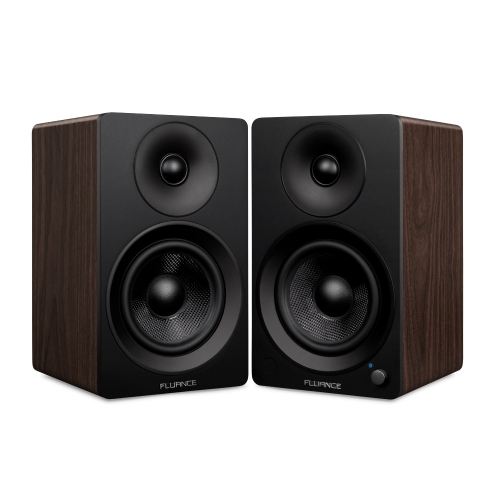
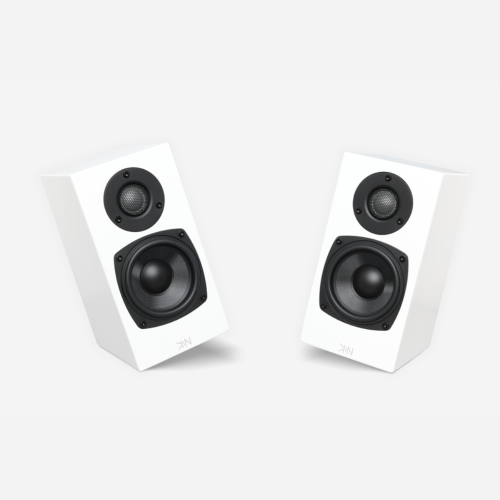


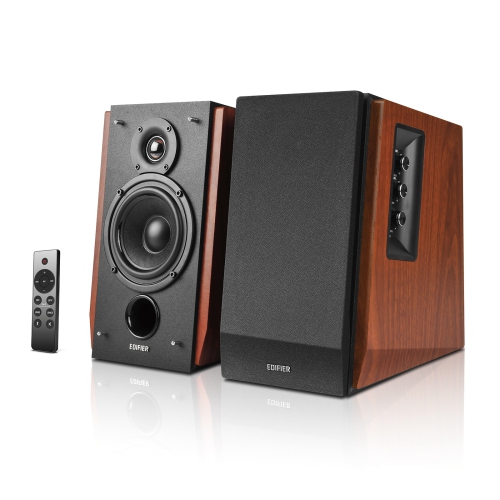
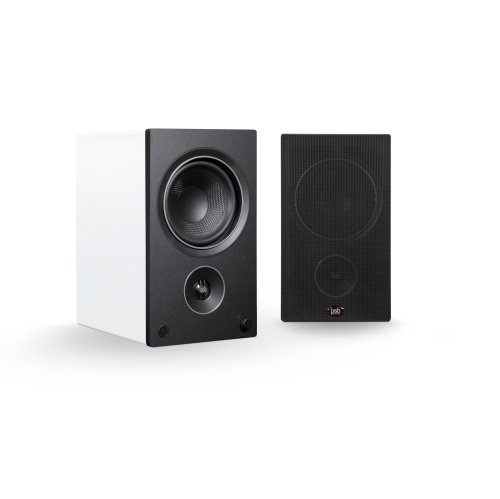
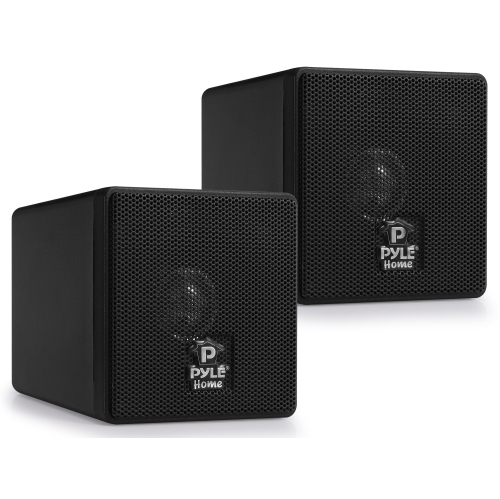

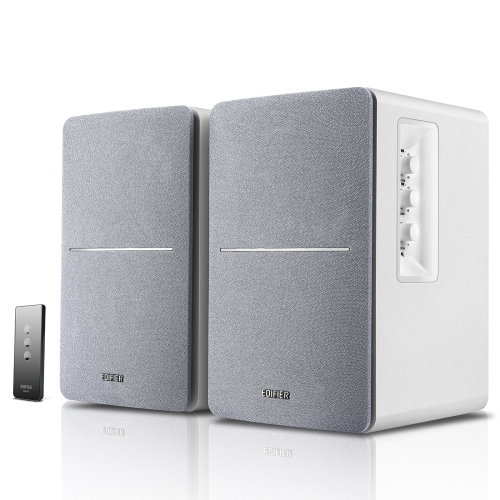
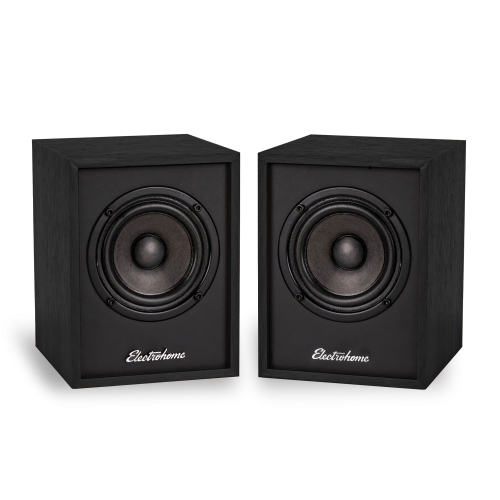
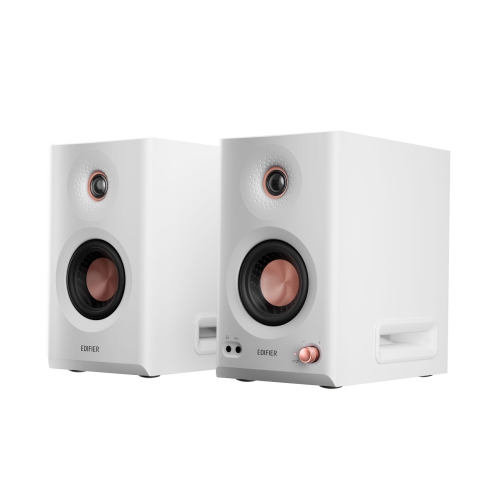
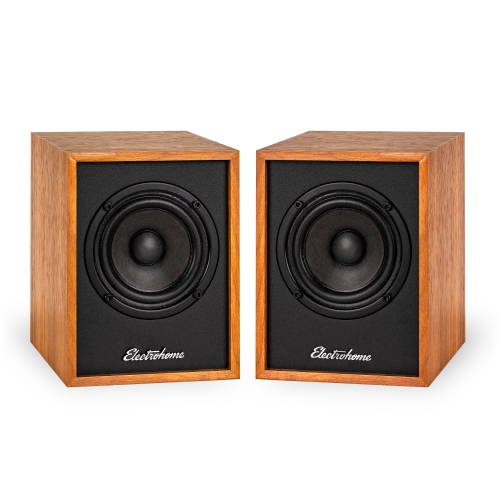

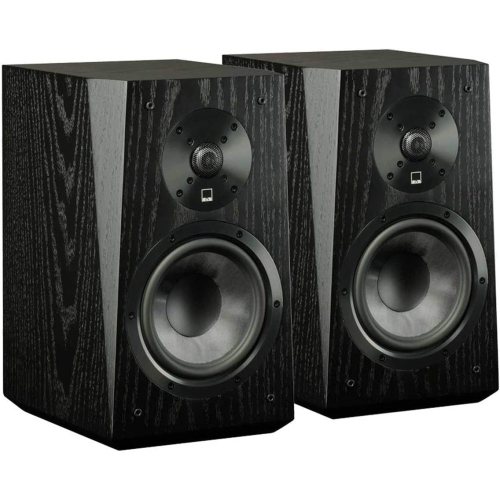
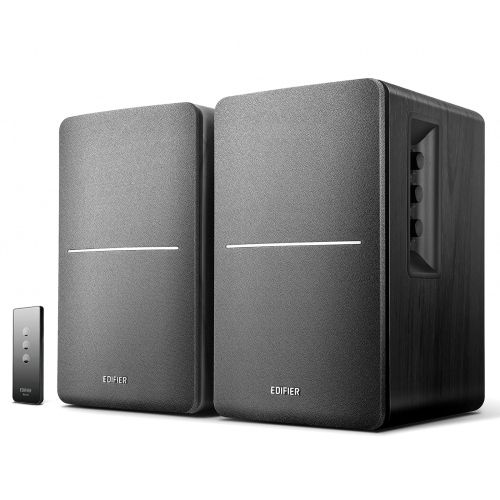


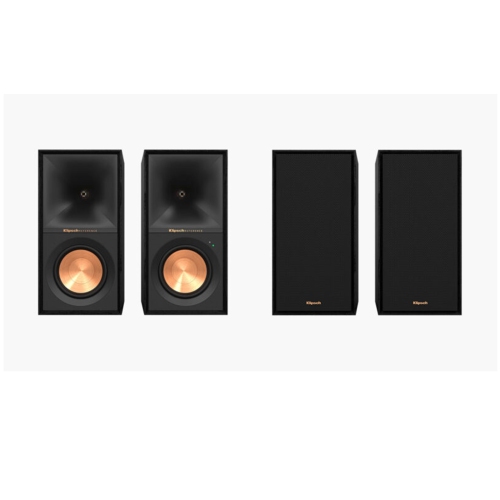
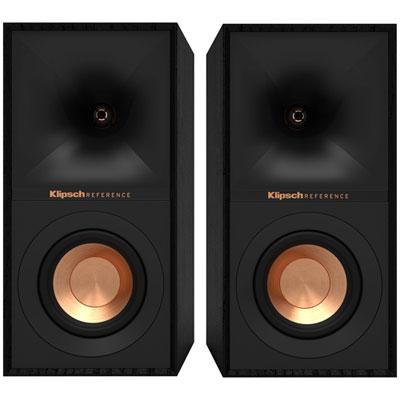



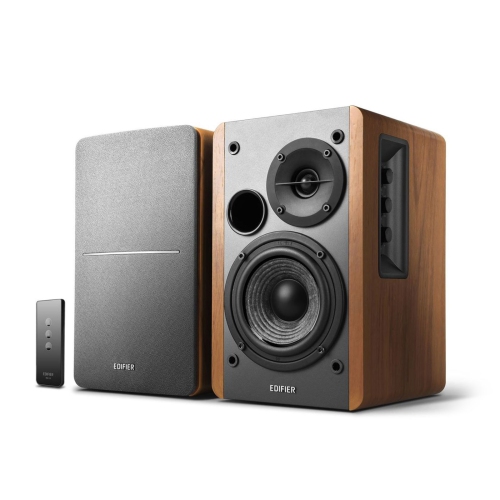
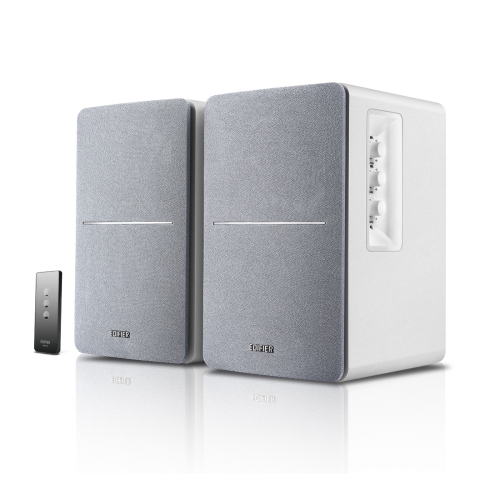

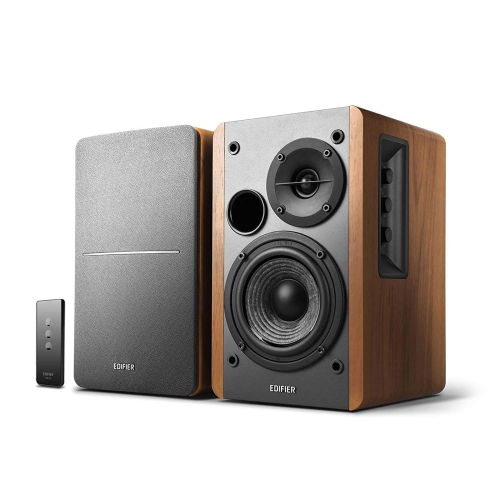
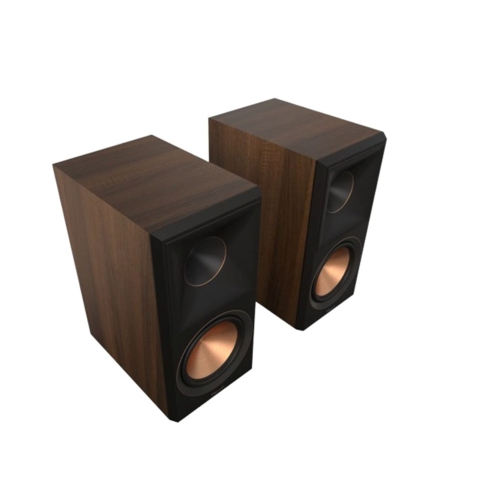
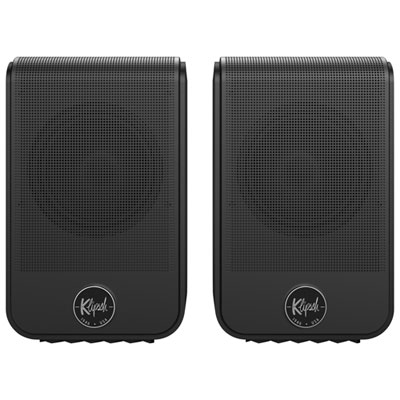
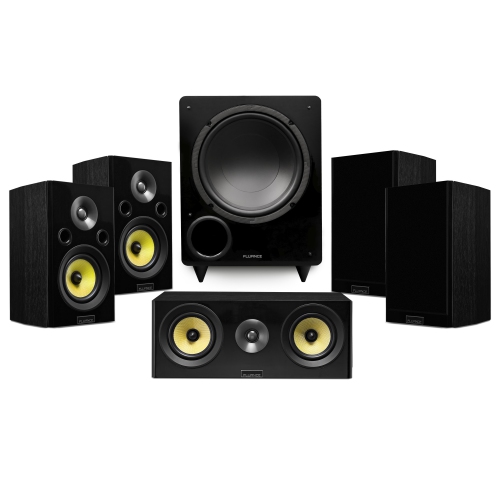

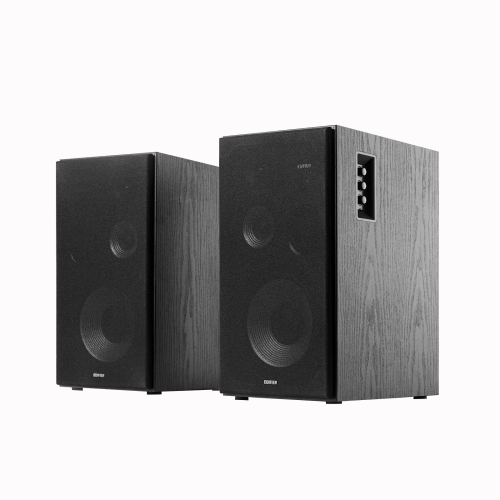

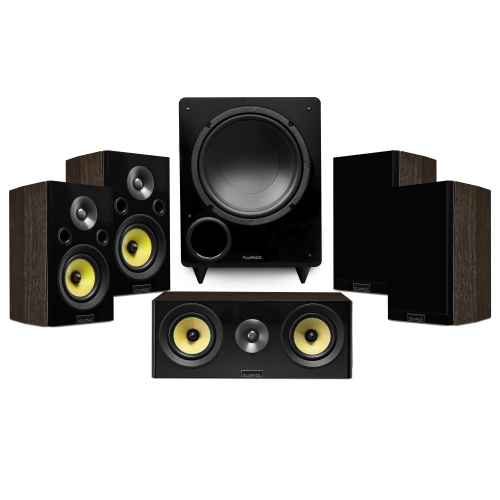


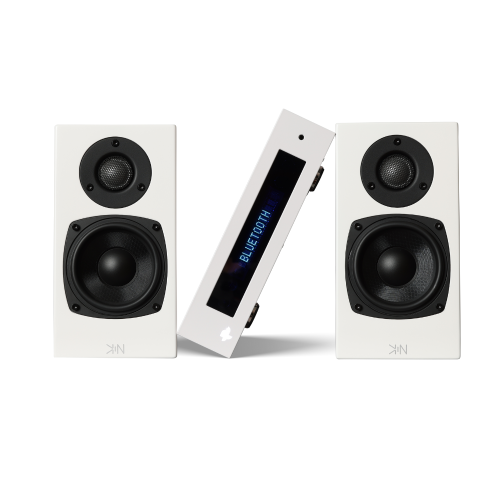
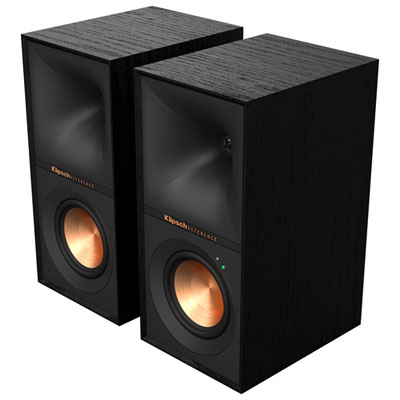
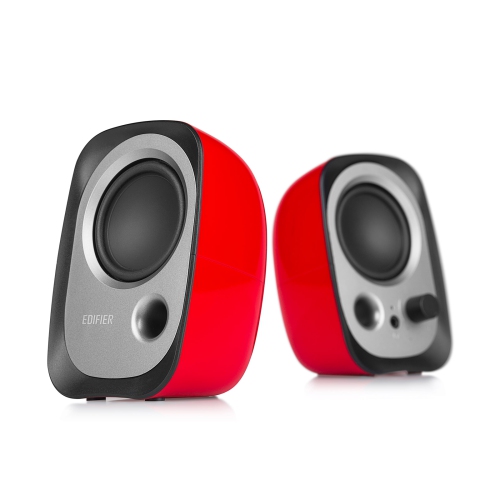
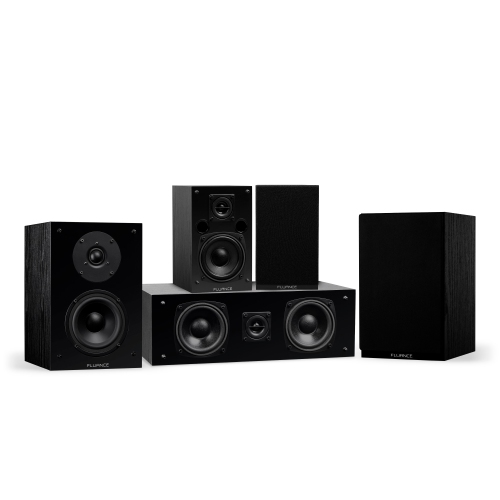
Satisfying stereo sound with less amplifier power
Efficient bookshelf speakers deliver useful listening volume from relatively little amplifier power, making them a natural fit for compact stereo systems, smaller listening spaces, and carefully matched low-power amplifiers. Often described as high-sensitivity bookshelf speakers, they can bring presence to a singer’s voice, snap to a snare drum, and weight to a piano passage without requiring a large amplifier to reach comfortable levels. Sensitivity describes the sound pressure level a speaker produces at a specified distance with a specified electrical input. A rating around 90 dB or higher is commonly considered high for a bookshelf speaker, although comparisons are meaningful only when the measurement conditions match. A specification measured at 2.83 volts and one metre is not always equivalent to one measured at one watt and one metre: at a nominal impedance of 4 ohms, 2.83 volts represents roughly two watts rather than one. That distinction matters when comparing speakers for a modestly powered system. Under comparable conditions, a speaker with a sensitivity rating 3 dB higher needs approximately half as much amplifier power to produce the same sound level. Sensitivity and efficiency are related but are not identical measurements, and neither tells the whole story about sound quality. Tonal balance, distortion, bass extension, and the way sound spreads into the room all shape the listening experience. Higher sensitivity also does not automatically mean lower electricity use for the complete system. For someone listening to acoustic music at a desk, the appeal may be an immediate, clear presentation at moderate volume; for someone sitting farther away in a living room, it may be greater output from the amplifier they already own. Bookshelf speakers remain compact by design, so even sensitive models have limits on deep bass and maximum clean volume. Their strength lies in combining manageable dimensions with satisfying stereo sound, rather than replacing every capability of a larger loudspeaker.
Amplifier matching is central to getting that performance. Passive bookshelf speakers need an external amplifier or receiver, and sensitivity should be considered alongside nominal impedance, impedance dips, and the manufacturer’s recommended amplifier range. A high sensitivity figure alone does not guarantee that a speaker will be an easy load for every amplifier. This is particularly important with low-power tube amplifiers, where the impedance behaviour of the speaker and the amplifier’s supported connections can influence both output and tonal balance. With a suitable pairing, a compact system can preserve the contrast between a quiet guitar introduction and a fuller chorus without sounding strained at normal listening levels. Listening distance makes a difference, too: speakers positioned close to a desktop chair generally need less output than the same pair playing across an open living area. Powered bookshelf speakers offer a different arrangement, with amplification built into one or both cabinets and selected for the speaker’s drivers. They can simplify a setup, but built-in amplification does not by itself establish high acoustic efficiency, and passive-speaker sensitivity ratings may not be provided or directly comparable. Connections determine how naturally either arrangement fits daily use. A passive pair can work with a compatible stereo amplifier for music or an AV receiver for television and films; powered designs may offer analogue inputs, optical audio, USB, Bluetooth, or HDMI ARC, depending on their specifications. A turntable may still need a phono preamplifier unless that function is built into the turntable, amplifier, or speakers. For television listening, compatible HDMI ARC connections can make volume control more convenient. A subwoofer can add the lowest notes for electronic music and film soundtracks, while a properly configured high-pass filter can reduce the bass demands placed on the bookshelf speakers. Listeners interested in imaging, tonal accuracy, and revealing detail can also explore Audiophile Bookshelf Speakers, where the focus extends beyond output per watt to the character and precision of music reproduction.
Cabinet construction, driver materials, and placement help determine how efficient bookshelf speakers sound and how comfortably they fit into a home. Rigid, well-braced cabinets are designed to limit unwanted vibration, with MDF and other engineered wood constructions commonly used beneath vinyl finishes, paint, or wood veneer. Woofers may use paper-based composites, woven fibres, or metal cones, while tweeters may use fabric or metal domes; each material is part of a larger design, not a reliable shortcut to judging quality. Horn-loaded tweeters and waveguides can increase output or control dispersion in particular frequency ranges, but their effect depends on the complete speaker design. Cabinet dimensions deserve attention beyond the space visible from the front. Rear terminals, cable bends, and bass ports can require additional clearance, and a speaker that fits tightly into a shelving unit may not perform as intended there. Despite the name, bookshelf speakers often work well on dedicated stands, with the tweeters near seated ear height and the two cabinets arranged at similar distances from the listening position. On a desk, isolation pads or stable desktop stands can help limit vibration transferred into the surface and bring the drivers closer to ear level. Placement near walls or in corners can increase bass output, sometimes making voices and instruments sound less distinct; the manufacturer’s placement guidance provides a useful starting point. Small changes in spacing and inward angle can sharpen the central image, making a lead vocal seem to come from between the speakers rather than from either cabinet. For everyday durability, stable supports, secure cable routing, and protective grilles are practical considerations, especially in shared spaces with children or pets. Cabinets generally need only gentle dusting with a soft, dry cloth, following the care instructions for the finish; driver surfaces should not be pressed or wiped unless the manufacturer specifically permits it. Drinks and plant pots belong elsewhere to reduce the risk of spills and marks. As a gift for a music enthusiast, an efficient passive pair is most useful when the recipient’s amplifier and available space are known, while a compatible powered pair can suit someone building a simpler listening setup. The most satisfying fit balances sensitivity with clear sound, appropriate connections, and dimensions that leave room for both the speakers and everyday life.
Top selling and popular products
-
 Your price for this item is $449.99
-
 Your price for this item is $548.98
-
 Your price for this item is $314.95
-
 Your price for this item is $449.99
-
 Your price for this item is $399.99
-
 Your price for this item is $399.99
-
 Your price for this item is $199.99
-
 Your price for this item is $949
Discover more categories related to Efficient Bookshelf Speakers
Top Collections:
Pokemon Centers, Best Cameras for Sports Photography, Kindle Devices, Samsung Galaxy Phones, Canon G7X Cameras, Pokémon 30th Celebration Cards, Refurbished Apple Laptops, iPhone 15 Apple, Laptops for Students, Budget Smartphones
Some products may be subject to Environmental Handling Fees
(EHF) depending on your province.
Learn more about EHFs.