Sony WH CH720N Over Ear Noise Cancelling Bluetooth Headphones
Discover a new level of audio experience with the Sony WH CH720N Over Ear Noise Cancelling Bluetooth Headphones. Designed for comfort and convenience, these headphones make it easy to enjoy your favorite music, podcasts, or calls wherever you go. With wireless connectivity and advanced technology, the Sony WH CH720N Over Ear Noise Cancelling Bluetooth Headphones offer a seamless listening experience at home, in the office, or on the move. Elevate your sound with headphones that combine style and performance for everyday use.
Sort
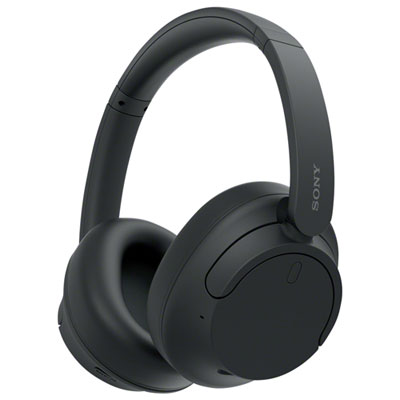
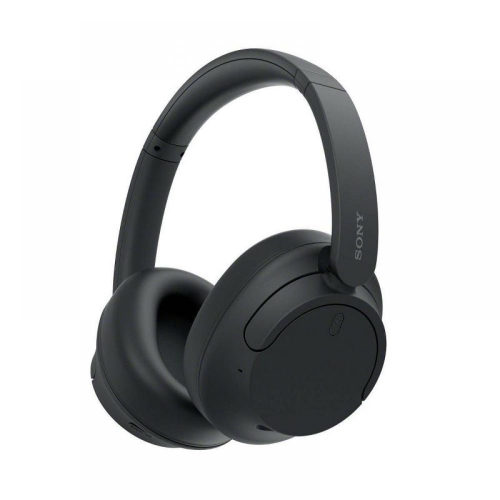
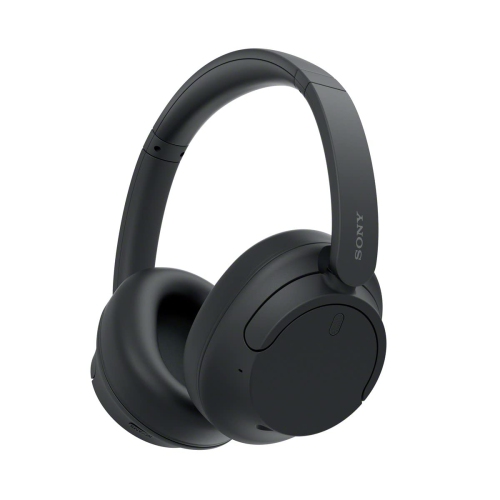
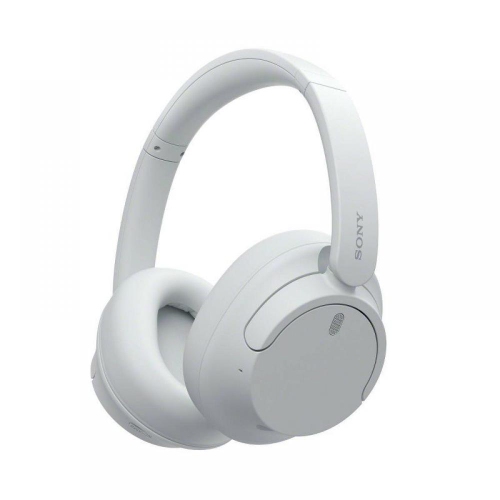

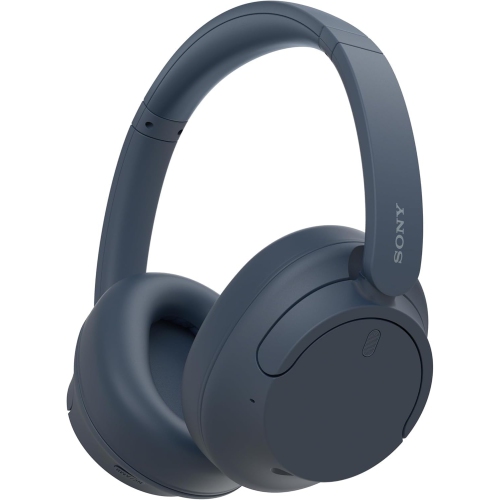
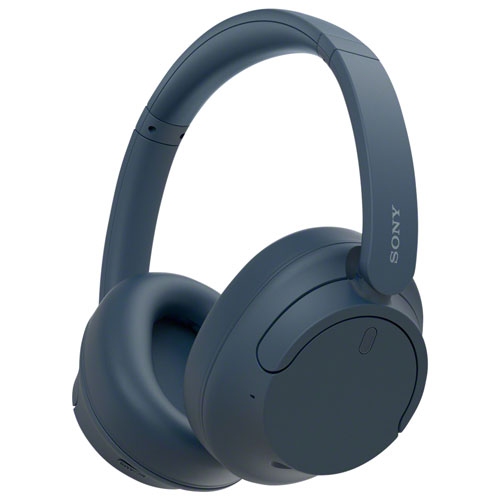

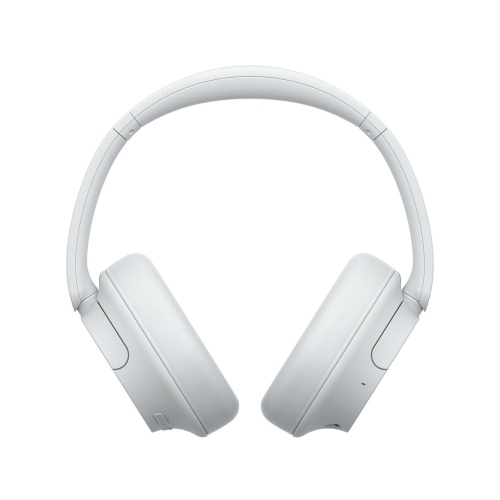
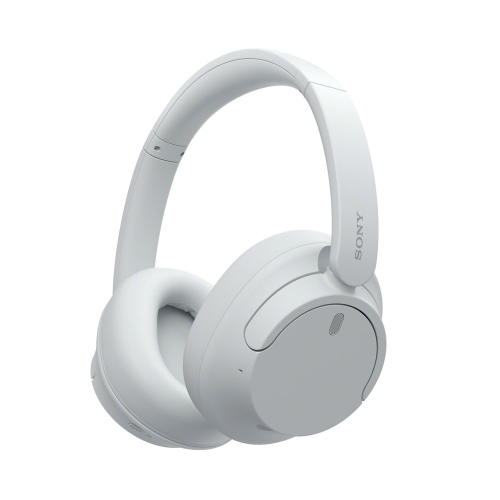
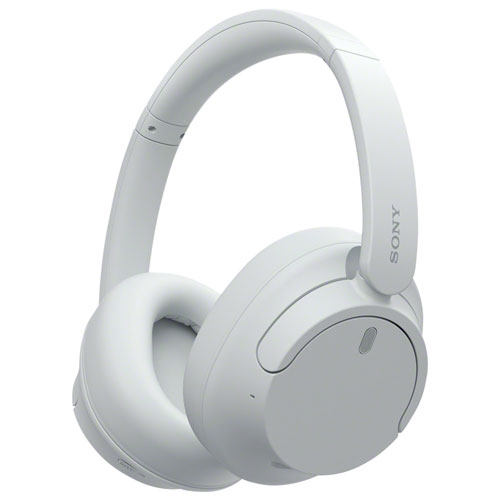


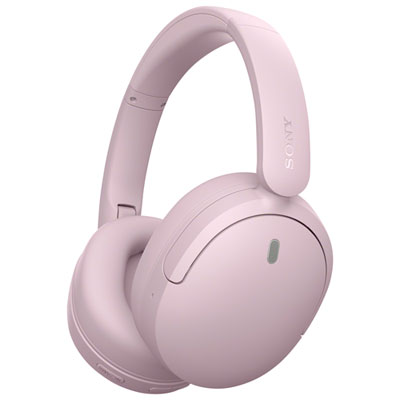

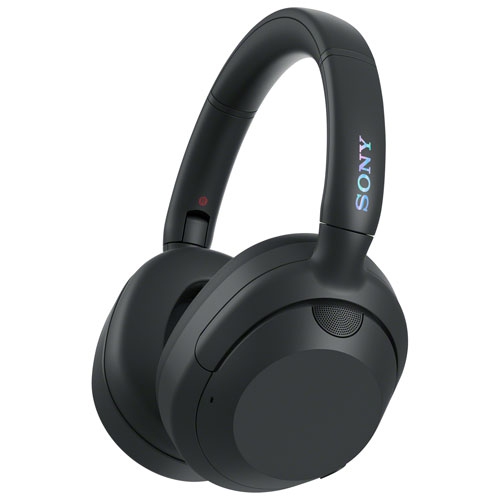
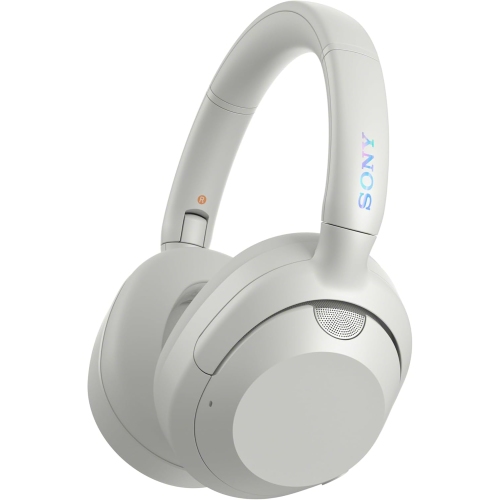

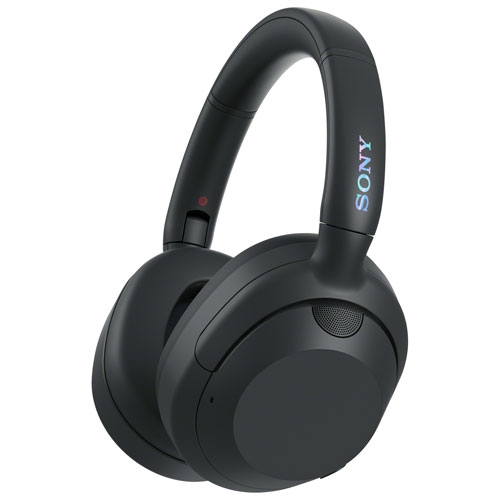
Less background noise for more comfortable everyday listening
Over-ear noise cancelling Bluetooth headphones combine cushioned earcups, wireless audio, and active noise reduction for listening at home, at work, or on the move. Their appeal is easy to understand during a bus journey, a shared-office workday, or an evening spent listening while household activity continues nearby: music, podcasts, and dialogue can be easier to follow with less competing background sound. Active noise cancelling uses microphones to detect surrounding noise and processing to help counter it before it reaches the listener. It generally works best against steady, lower-frequency sounds, such as the hum of ventilation or the rumble of a vehicle. Conversations, sudden clattering, and other irregular sounds may remain audible, so noise cancelling should not be mistaken for complete silence. The ear cushions also provide passive isolation by forming a physical barrier around the ears. A comfortable seal matters for both noise reduction and bass response; gaps around glasses, hair, or the edge of an earcup can change the result. Adjustable ambient sound modes, where included, allow some outside sound through the microphones, making it easier to hear a brief announcement or speak with someone without removing the headphones. These modes do not replace attention to traffic or other hazards. For everyday listening, a balanced sound profile can keep vocals clear without letting bass overwhelm speech or instruments. App-based equalizer controls may offer adjustments for different preferences, whether that means a little more low-end weight for a playlist or clearer voices in a spoken-word recording. Sound-enhancement processing may also alter the presentation of compressed audio, although the result depends on the recording, settings, and individual taste. Effective isolation can make listening comfortable at a lower volume, but sensible volume levels and regular breaks still matter. The most useful listening setup is one that makes familiar audio enjoyable without requiring constant adjustments as the day moves between quieter rooms and busier shared spaces.
Bluetooth connectivity removes the cable between the headphones and a compatible phone, tablet, or computer, leaving more freedom to stand up from a desk or reach into a bag. Connection features deserve attention because they shape daily convenience as much as sound quality does. Multipoint pairing, when supported, allows headphones to maintain connections with two devices, such as a work laptop and a personal phone. This can simplify moving from a video meeting to a phone call, though it does not necessarily mean two audio sources can play at once, and switching behaviour varies by device and software. A companion app may provide access to noise cancelling levels, ambient sound settings, equalizer adjustments, and firmware updates; the core Bluetooth connection and the app’s extra functions are separate considerations. Physical buttons can be helpful when adjusting volume by touch, while clearly distinguishable controls reduce the chance of skipping a track when trying to pause it. For calls, microphone placement and voice processing influence how clearly speech reaches the person at the other end. Listening noise cancellation and microphone noise reduction perform different jobs: one reduces what the wearer hears, while the other aims to make the wearer’s voice easier to understand. Neither guarantees a clear conversation beside loud machinery or in a crowded café. Battery life is another practical distinction, especially for people who move between commuting, meetings, and evening entertainment without charging in between. Published playback estimates depend on settings and testing conditions; active noise cancelling, call use, playback volume, and connection choices can affect actual results. Quick charging can be useful before leaving home, but the required charging time and resulting playback time differ between designs. The charging connector, cable requirements, and any support for listening while charging are worth checking individually. Where a wired audio input is included, it may provide another connection option for compatible equipment, although microphone operation and sound features can differ from wireless use. For videos and games, audio delay also depends on the headphones, source device, and connection method.
Comfort becomes especially important when headphones stay on through a long playlist, a study session, or several back-to-back calls. A lightweight frame can reduce the feeling of weight on the head, but the shape of the headband, cushion depth, and clamping pressure matter just as much. Earcups should surround the ears without pressing them firmly against the inner lining, and the headband should adjust without creating a concentrated pressure point. People who wear glasses may prefer softer cushions that accommodate the arms without an uncomfortable squeeze. Smooth, wipeable cushion coverings are common, while plastic housings can keep weight manageable; hinges, adjustment sliders, and headband joints also deserve attention because they receive repeated handling. Some designs swivel for easier storage, but swivelling does not necessarily mean the headband folds. A protective case or pouch can help prevent scratches and keep loose objects in a bag from pressing against the earcups. Routine care is straightforward: disconnect charging cables before cleaning, wipe contact surfaces with a soft cloth as directed by the manufacturer, and keep liquid away from microphone openings, connectors, and controls. Spraying cleaner directly onto the headphones or forcing debris out with a sharp object can damage delicate parts. Cushions should be allowed to dry fully before storage, and headphones intended for everyday listening should not be assumed suitable for heavy exercise or exposure to moisture unless an appropriate resistance rating is stated. Replaceable ear cushions, access to support, and clear care information can make long-term ownership more practical. As a gift, over-ear wireless headphones can suit a student who studies in shared spaces, a commuter who enjoys audiobooks, or someone who regularly takes calls from home. Comfort and familiar controls may matter more than a long feature list, particularly for a recipient who wants simple everyday listening. Colour preference, carrying space, and compatibility with the recipient’s main devices are useful considerations too. Comfort, battery performance, and sound controls also provide useful points of comparison across the Sony Wireless Noise Cancelling collection.
Top selling and popular products
-
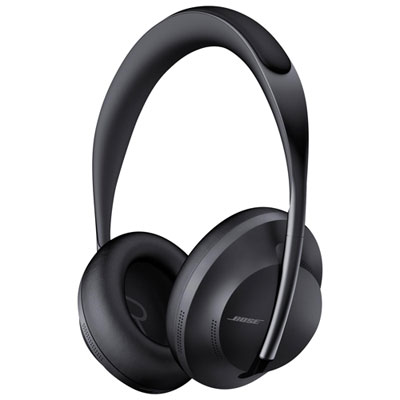 Your price for this item is $479.97
-
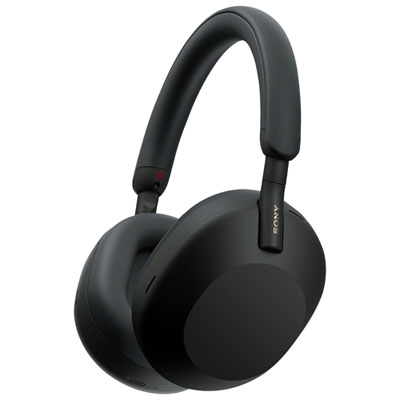 Your price for this item is $499.99
-
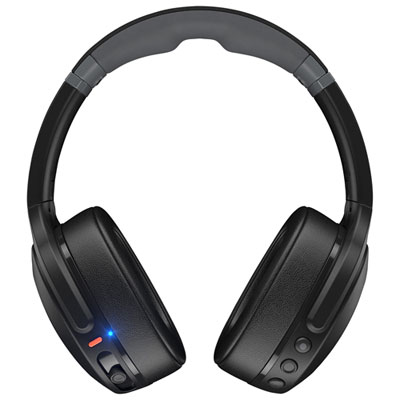 Your price for this item is $199.99
-
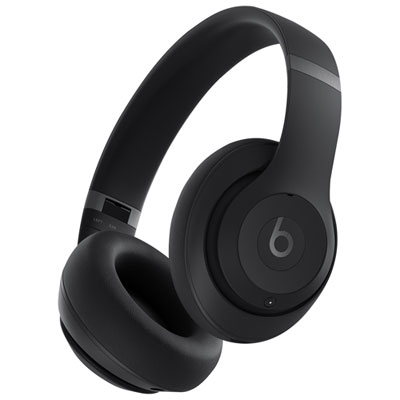 Your price for this item is $399
-
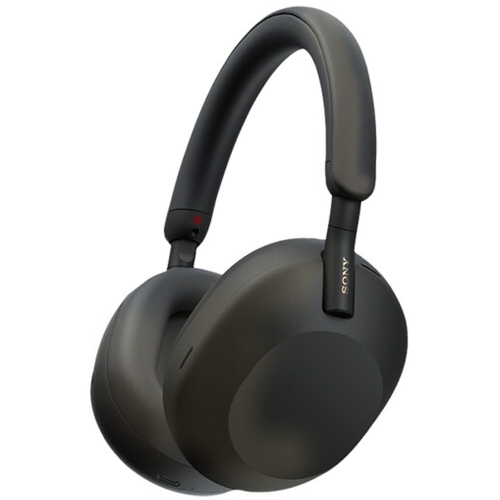 Your price for this item is $438
-
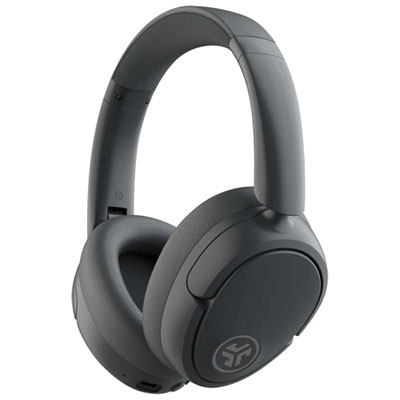 Your price for this item is $119.99
-
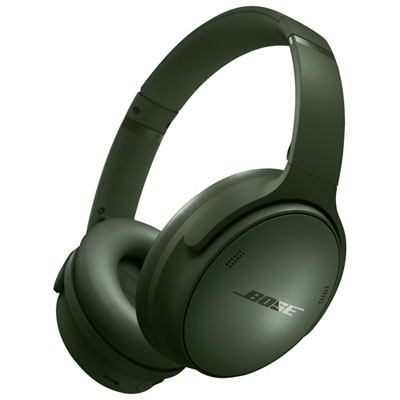 Your price for this item is $479.99
-
 Your price for this item is $119.99
Discover more categories related to Sony WH CH720N Over Ear Noise Cancelling Bluetooth Headphones

Top Collections:
Pokemon Centers, Kindle Devices, Best Cameras for Sports Photography, Pokémon 30th Celebration Cards, Apple iPhones 16, Canon G7X Cameras, iPhone 15 Apple, Flip Phones, Samsung Galaxy Phones, Alarm Clock
Some products may be subject to Environmental Handling Fees
(EHF) depending on your province.
Learn more about EHFs.