Sony Wireless Noise Cancelling
Experience a new level of audio enjoyment with Sony Wireless Noise Cancelling options, designed to elevate your listening experience whether you’re at home, in the office, or on the go. Discover a range of innovative solutions that combine convenience and performance for music lovers and professionals alike. Explore Sony Wireless Noise Cancelling selections that offer style, comfort, and advanced technology to help you stay focused and immersed in your favorite sounds. Find the perfect fit for your lifestyle and enjoy seamless connectivity with the latest in wireless audio.
Sort








How noise cancellation and fit shape everyday listening
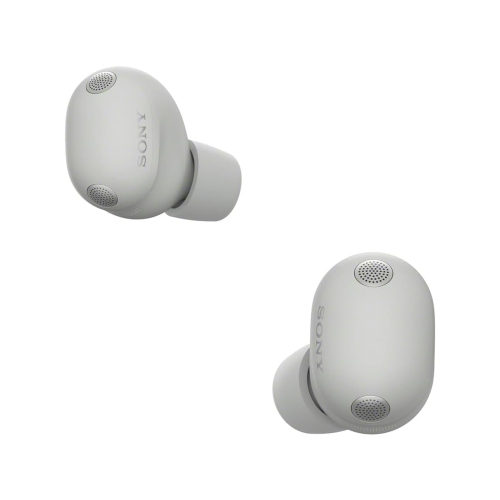
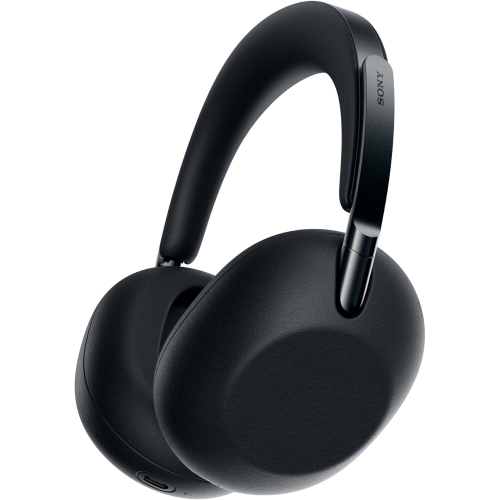
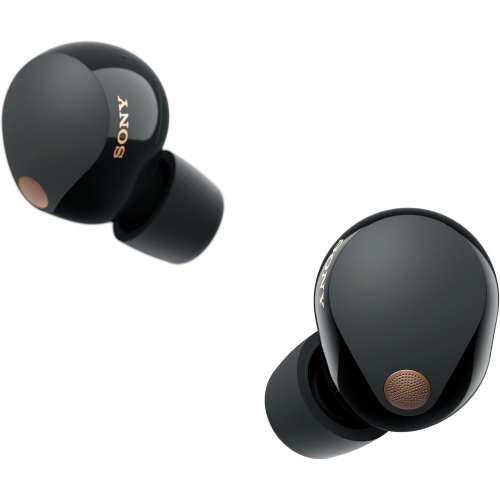
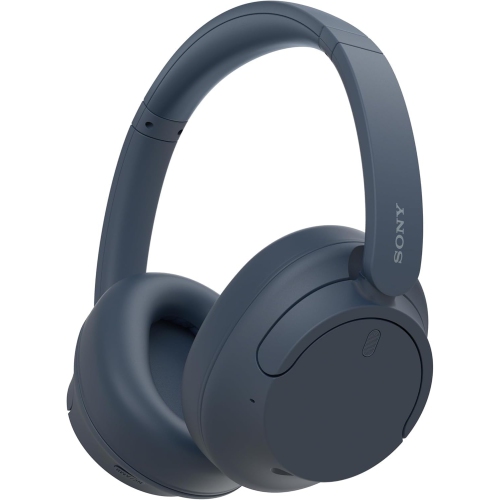
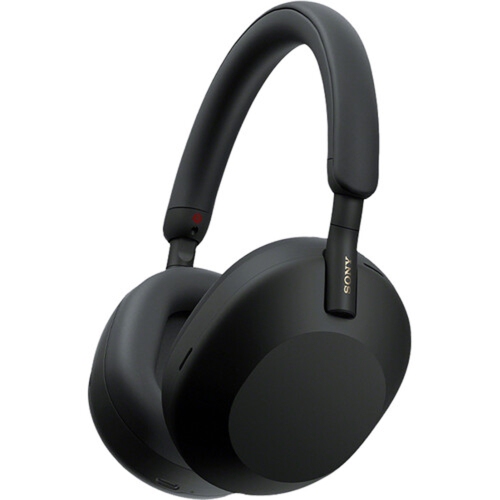
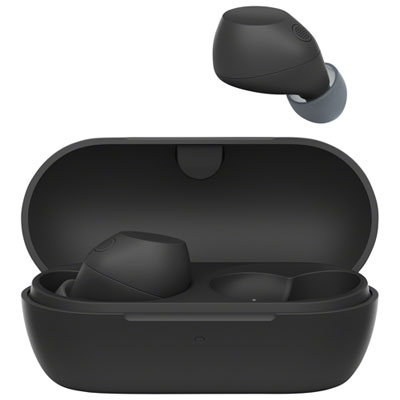
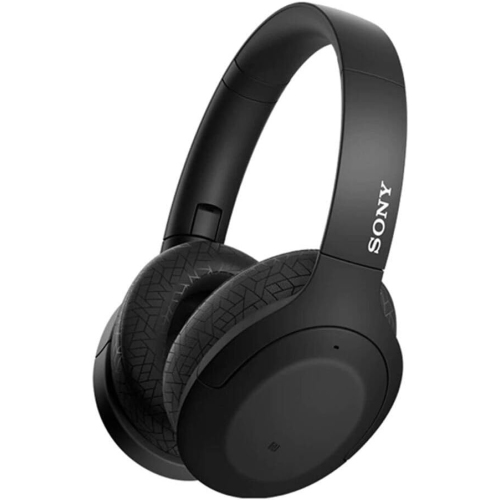
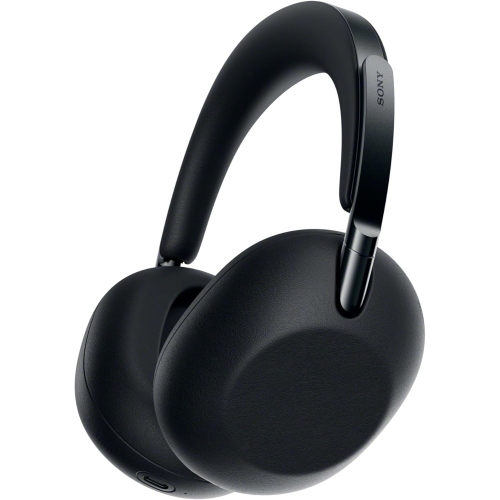
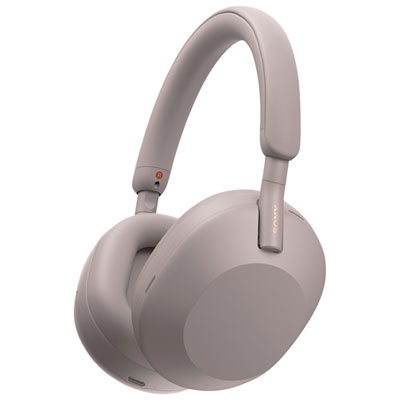
Wireless noise cancelling headphones and earbuds combine cable-free listening with technology that reduces unwanted background sound, making music, podcasts, audiobooks, and calls easier to hear without competing as much with the noise around them. Active noise cancellation uses microphones to detect external sound and electronic processing to produce an opposing sound signal. It generally works best against steady, low-frequency noise, such as the hum of an aircraft cabin or the rumble of a train, rather than eliminating every nearby conversation or sudden sound. Passive isolation plays a separate role: the ear cups or ear tips create a physical barrier that helps block sound before the electronics do their work. Together, these features can bring quieter details forward, from a singer’s intake of breath to the softer passages of a spoken-word recording. Over-ear headphones surround the ears with cushioned cups and distribute their weight across a headband, making padding, adjustment range, and clamping pressure important considerations for longer listening sessions. Glasses can affect both comfort and the seal around the ear, while ear cup depth influences whether the cushioning rests comfortably around the ear or presses against it. In-ear earbuds offer a smaller format that slips easily into a bag or pocket, with the fit depending on the shape of the earpiece and the size and material of its tips. Silicone tips are common, while compatible foam tips may provide a different feel and seal. A secure fit should feel stable without requiring uncomfortable pressure; an uneven seal can weaken bass and reduce the effectiveness of noise cancellation. The broader Noise Cancelling Wireless Headphones category includes different wearing styles, so the distinction between a cushioned over-ear fit and a compact in-ear design matters as much as the listening features. Neither style is inherently right for every listener. Someone settling into a lengthy desk session may appreciate spacious ear cups, while someone carrying only a small everyday bag may prefer earbuds with a charging case.
Everyday usefulness also depends on how wireless headphones move between activities and devices. Bluetooth provides the connection to compatible phones, tablets, and computers, while multipoint connectivity, where supported, can keep two devices connected at once. That can make the transition from a laptop playlist to an incoming phone call more convenient, although switching behaviour depends on the headphones, connected devices, and applications. For remote work or study, microphone performance deserves attention alongside listening quality. Noise cancellation for the wearer and background-noise reduction for the microphone are different functions: a quieter listening experience does not automatically mean the person at the other end of a call will hear less surrounding noise. Microphone placement and voice processing can influence how clearly speech comes through in a shared office or busy household. Controls matter in these moments, too. Physical buttons can offer a distinct press for adjusting volume or pausing playback, while touch surfaces may support taps and swipes; the most comfortable arrangement depends on dexterity and personal preference. Some designs offer an ambient sound mode that lets more outside sound through, which can help when listening for an announcement or speaking briefly with someone nearby. This feature is not a substitute for staying attentive to traffic or other hazards, and consumer noise cancelling headphones are not a replacement for certified hearing protection. Battery specifications also need context. Listening time varies with volume, noise cancellation settings, calls, and other enabled features. For earbuds, a total battery figure may include several recharges from the case rather than one uninterrupted session. Quick charging, where supported, can be useful before leaving home, but charging times and the power source required differ. App-based equalizer settings, adjustable noise control, and compatible audio formats may add flexibility, though feature support varies by device and operating system. A balanced sound profile with clear speech can suit podcasts and meetings, while adjustable bass and treble let listeners tailor music without relying solely on higher volume.
Materials, construction, and care influence how well headphones hold up to repeated use. Lightweight plastic housings help keep weight manageable, while hinges, headband sliders, ear pads, and charging-case lids are frequent contact points worth considering. A folding or swivelling design can be convenient for packing, but it still needs protection from pressure inside a crowded bag. A fitted case helps keep ear cups from being crushed and prevents small accessories from rubbing against the finish. For earbuds, returning each earpiece to its designated charging slot helps keep the pair together, while clean, dry charging contacts support reliable charging. Ear pads and tips sit against skin and can collect oils, perspiration, and residue, so routine care is part of comfortable ownership. Cleaning should follow the manufacturer’s directions, generally using a soft cloth and avoiding excess moisture around openings, microphones, and electrical contacts. Earbuds should be dry before going back into their case. Any water-resistance rating applies only under specified conditions; it should not be treated as permission to immerse the headphones or assume that the charging case has the same protection. For exercise, secure fit and an appropriate resistance rating matter more than noise cancellation alone, especially when movement could loosen an ear tip or shift an ear cup. Replaceable cushions or tips, where offered, can help restore comfort as these contact surfaces wear. For travel, a protective case and a comfortable fit may be the priorities; for a shared living space, low sound leakage and easy-to-reach controls can make daily listening less disruptive to others. Wireless noise cancelling headphones can also be a thoughtful gift for a frequent traveller, a student listening to recorded lectures, or someone who enjoys uninterrupted time with a favourite album. Wearing preference is particularly personal, so a familiar headphone style and straightforward controls can be more meaningful than a long feature list. The strongest match is a pair that feels comfortable, works smoothly with the listener’s devices, and makes the listening they already enjoy easier to fit into everyday life.
Top selling and popular products
-
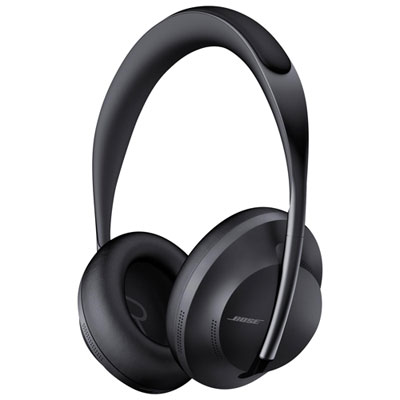 Your price for this item is $479.97
-
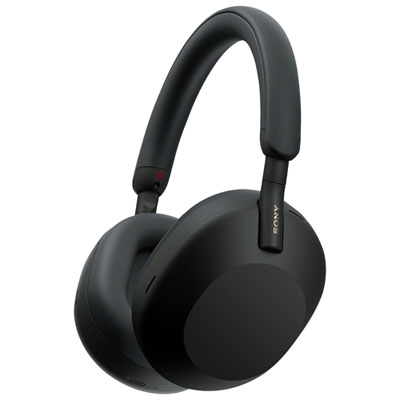 Your price for this item is $499.99
-
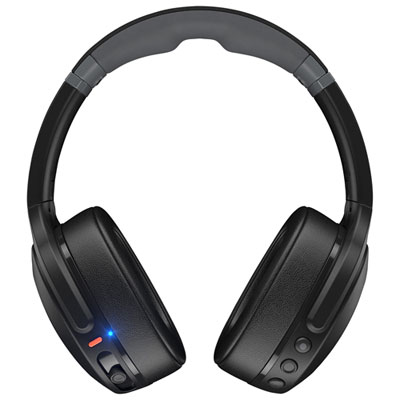 Your price for this item is $199.99
-
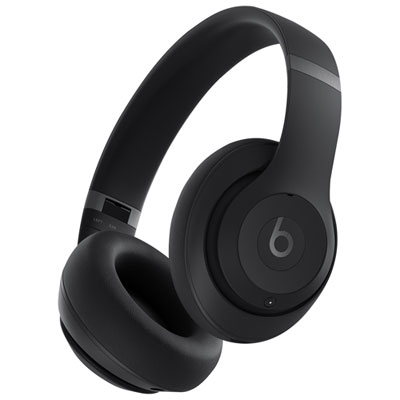 Your price for this item is $399
-
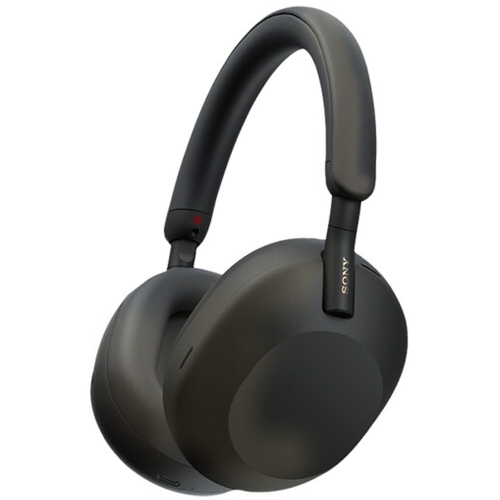 Your price for this item is $438
-
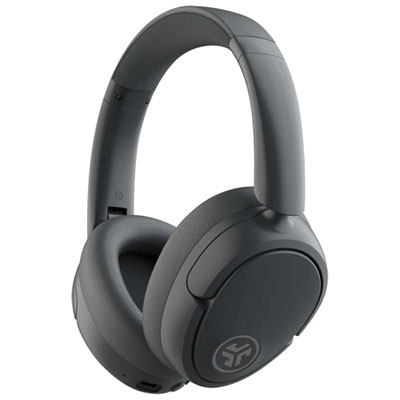 Your price for this item is $119.99
-
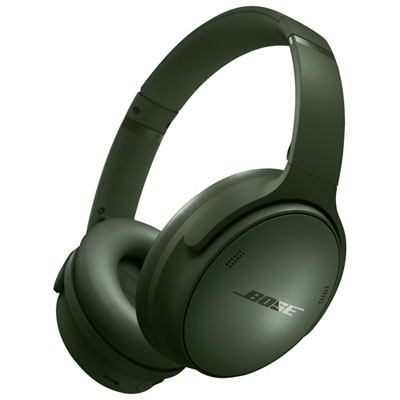 Your price for this item is $479.99
-
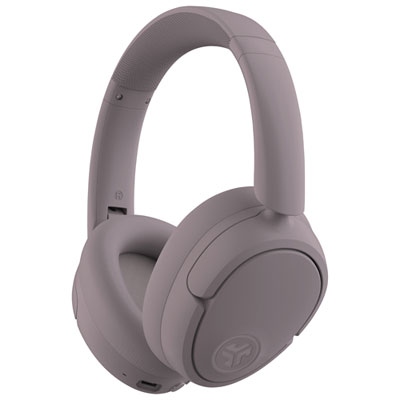 Your price for this item is $119.99
Discover more categories related to Sony Wireless Noise Cancelling


Top Collections:
Pokemon Centers, Kindle Devices, Best Cameras for Sports Photography, Pokémon 30th Celebration Cards, Apple iPhones 16, Canon G7X Cameras, iPhone 15 Apple, Flip Phones, Samsung Galaxy Phones, Alarm Clock
Some products may be subject to Environmental Handling Fees
(EHF) depending on your province.
Learn more about EHFs.