Wireless Tv Speakers for Seniors
Enhance your TV-watching experience with wireless speakers designed specifically for seniors. Say goodbye to straining to hear dialogue or missing out on the immersive sound effects of your favorite shows. These wireless TV speakers provide crystal-clear audio and are incredibly easy to set up, making them the perfect addition to any living room. Whether you're looking for a compact speaker system or a more robust setup, our collection offers a range of options to suit your needs. With the convenience of wireless connectivity, you can enjoy enhanced sound quality and clarity without the hassle of tangled cords. Upgrade your TV audio today and rediscover the joy of watching television with wireless speakers designed with seniors in mind.
Sort
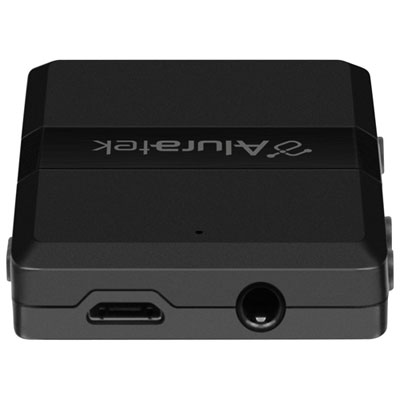
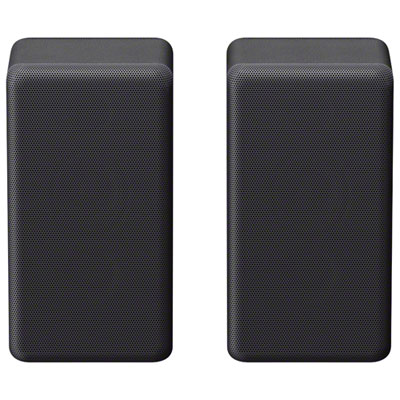
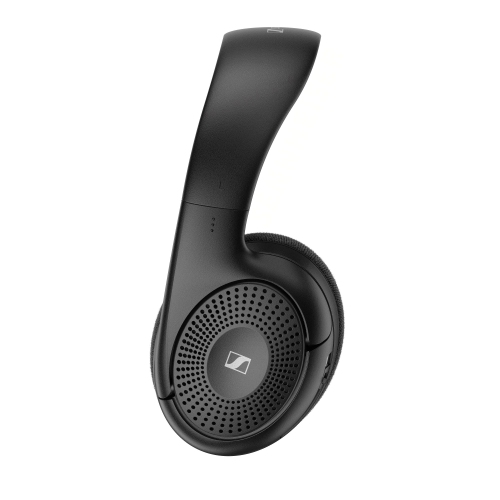
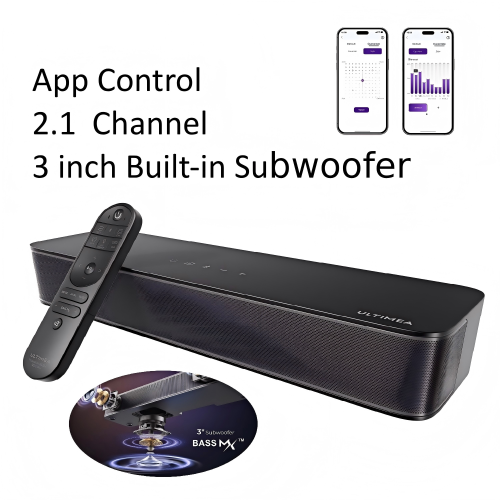

![SAMSUNG - Hw-T650/zc 3.1 340 Watt Sound Bar With Discrete Center Channel Speaker And Wireless Subwoofer (2020) [Canada Version]](https://multimedia.bbycastatic.ca/multimedia/products/500x500/172/17202/17202424.jpeg)


Clearer dialogue and simpler listening from room to room
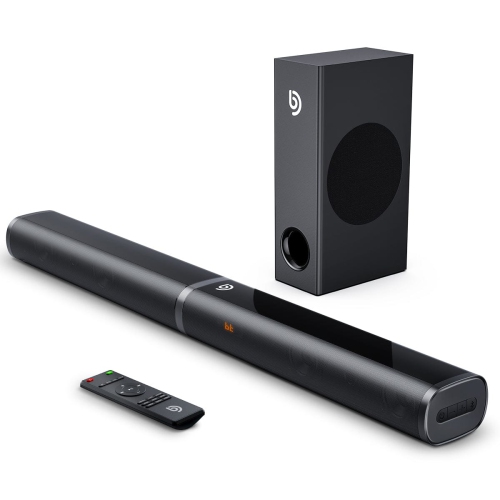
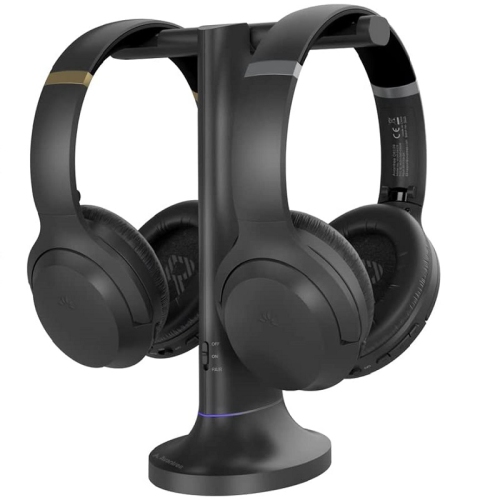
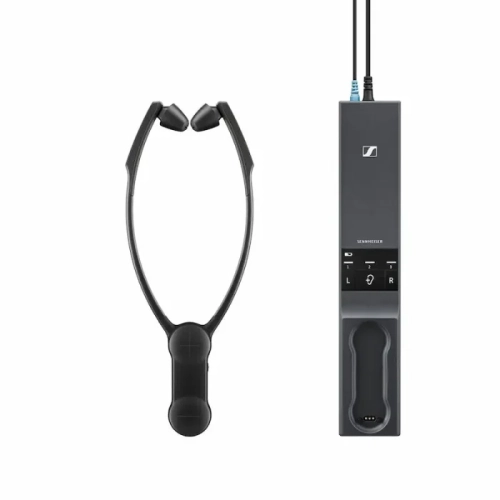
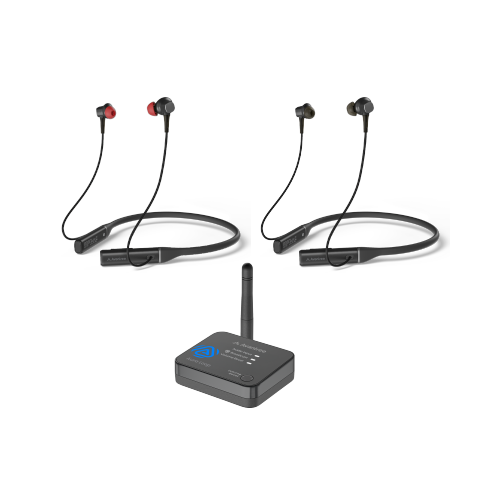
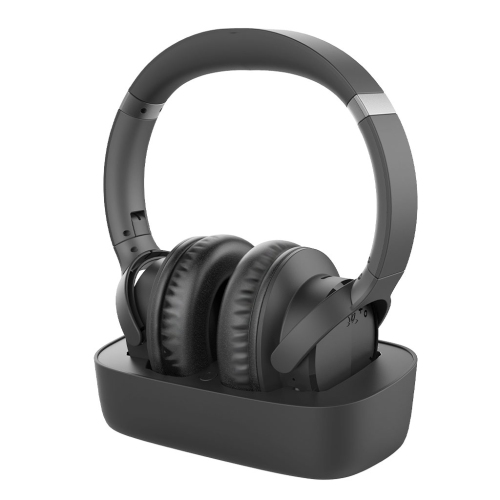
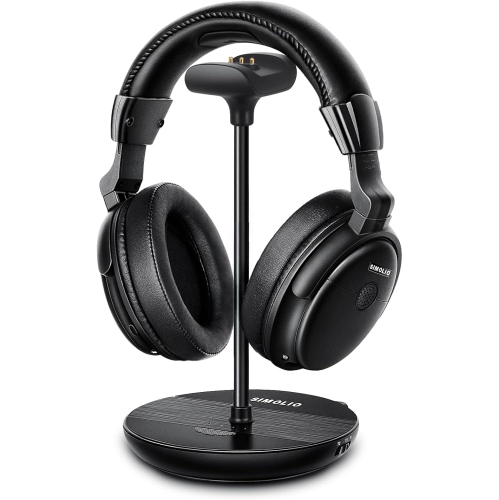
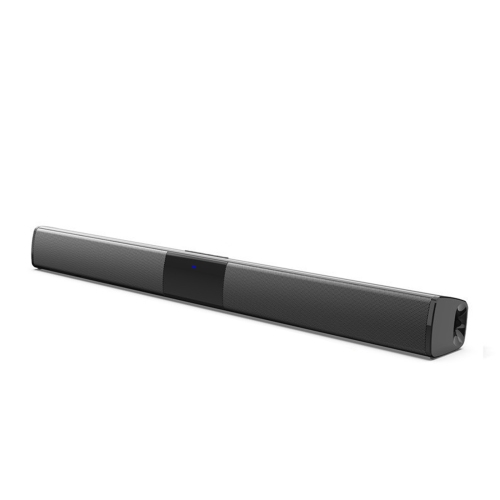
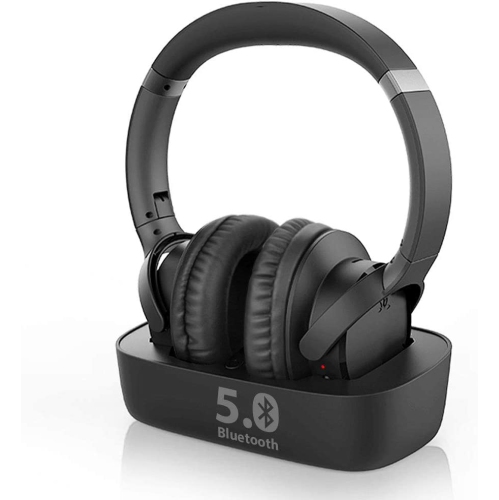
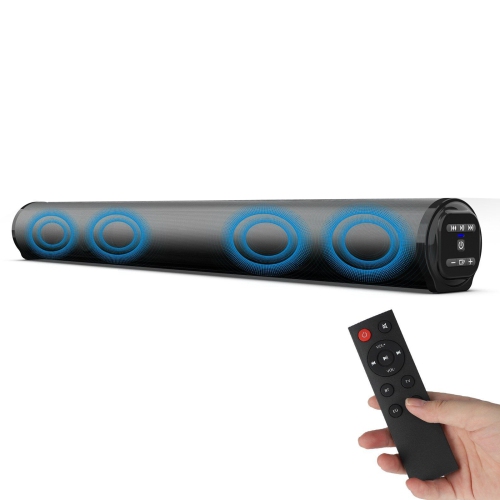
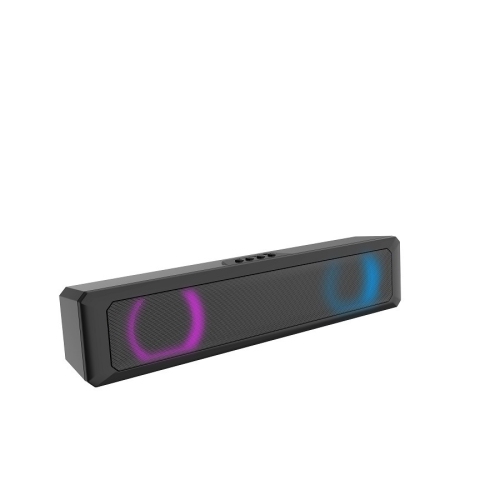
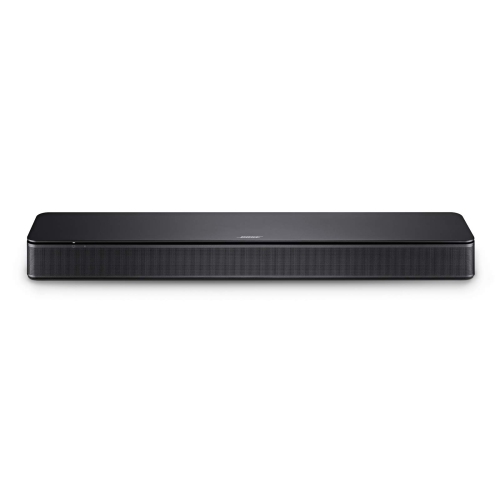
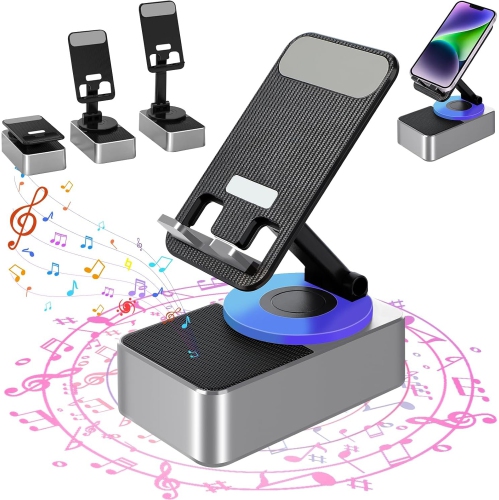
Wireless TV speakers for seniors are designed to make everyday television listening clearer, more comfortable, and easier to manage. Instead of relying only on the TV’s built-in speakers, these devices can bring dialogue closer to the listener, whether they are seated in a favourite armchair, resting in bed, or moving between the living room and kitchen. Many people find that voices become difficult to follow when music, sound effects, and background noise are mixed at the same volume. A dedicated wireless speaker may help make conversations stand out without requiring the entire television to be turned up. This can be especially useful in homes where family members have different listening preferences or where louder TV audio carries into nearby rooms. Look for features such as voice enhancement, dialogue mode, tone adjustment, and separate controls for bass and treble. These settings can make speech sound more distinct and help tailor the audio to the listener’s comfort. A personal tabletop speaker may be placed beside a chair or on a nearby side table, while a compact soundbar can provide a more central listening experience beneath the TV. Some wireless speakers are lightweight enough to carry from room to room and include a charging dock, making them convenient for regular use during the cooler months when more time is spent indoors. They can also be thoughtful gifts for a parent, grandparent, or anyone who enjoys television but finds standard TV audio hard to hear from across the room.
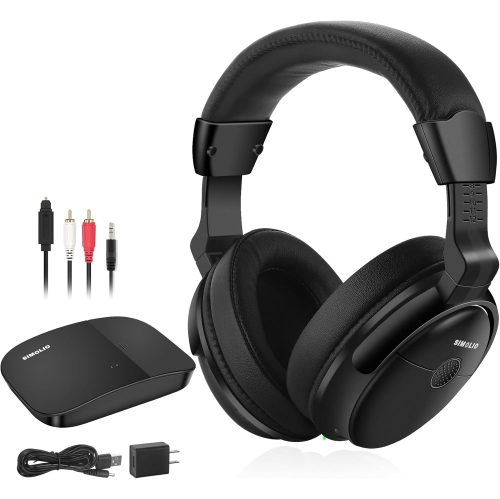
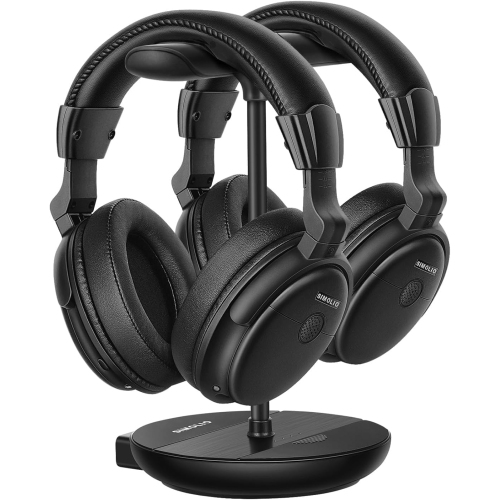
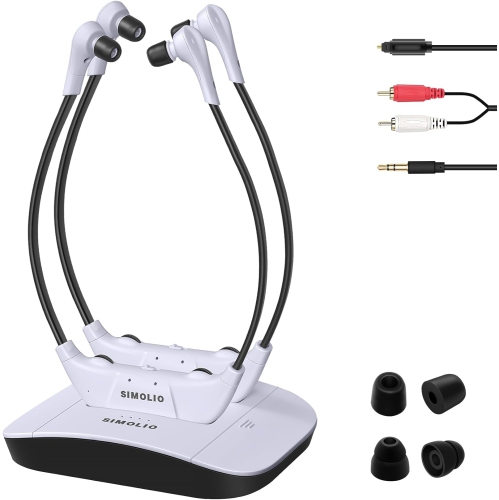
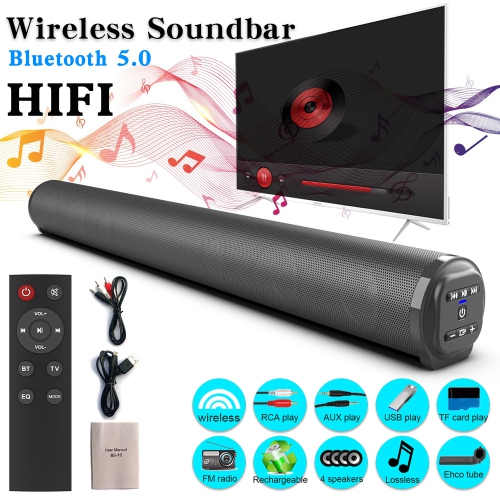
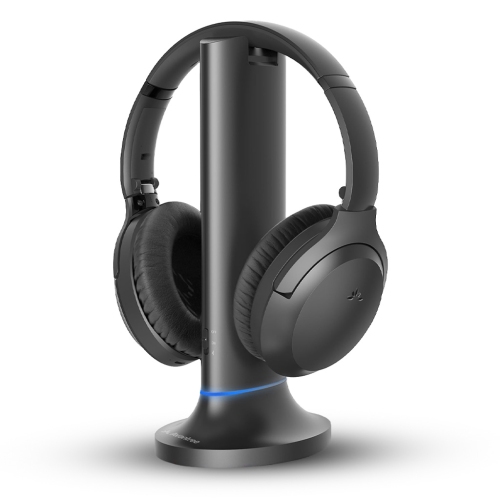
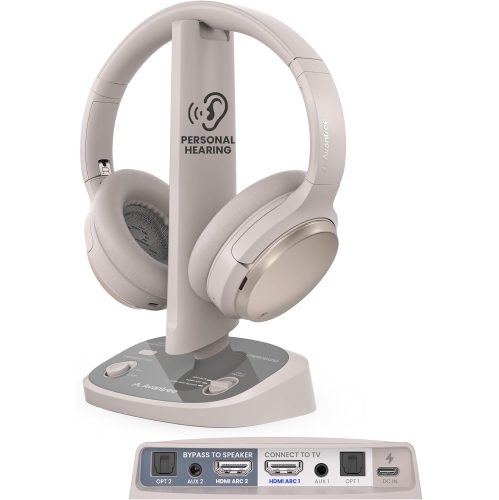
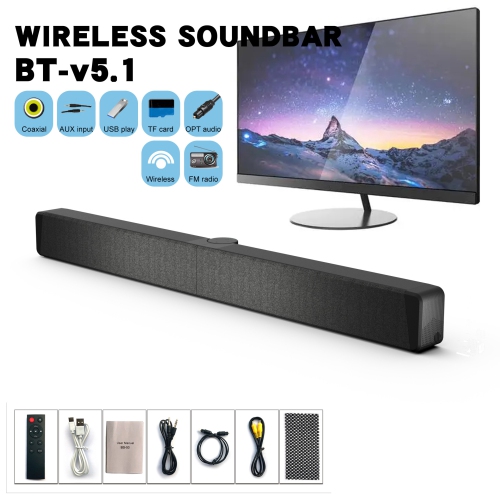
Connection type is one of the most important details to check before choosing a wireless TV speaker. Many models connect to a television through an optical audio output, while others use a headphone jack, RCA connections, or another compatible audio port. Checking the ports on the TV before buying can help avoid installation difficulties, particularly with older televisions or setups that already include a cable box, streaming device, receiver, or sound system. Some speakers use a dedicated wireless transmitter that sends audio from the TV to the speaker, while others rely on Bluetooth. A transmitter-based system can be appealing when simple operation and dependable audio synchronization are priorities, since the speaker and transmitter are designed to work together without repeated pairing. Bluetooth may be suitable for compatible TVs and can be convenient in homes where several devices are already used wirelessly, although compatibility, range, and audio delay can vary between televisions and accessories. A good wireless TV speaker should keep voices aligned with the picture, so pay attention to descriptions that mention low-latency or delay-free performance. Range is also worth considering: a shorter range may be sufficient for a chair in the same room, while a longer range can be helpful when the speaker is carried to an adjacent room. Large buttons, easy-grip knobs, clearly marked controls, and a visible power indicator can make daily use more straightforward. A separate remote may be helpful when the speaker is positioned farther away, while a large volume dial can be easier to adjust than small buttons. For listeners who use hearing aids, check whether the speaker is intended to work alongside them and whether the TV’s own speakers can remain active at the same time. Those who prefer listening directly through wearable audio may also wish to explore Headphones for Seniors To Watch TV as an alternative.
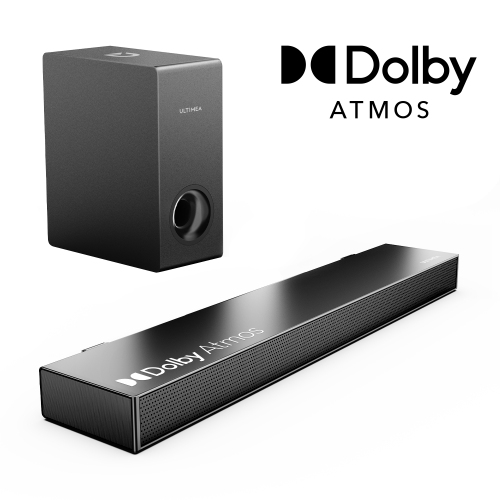
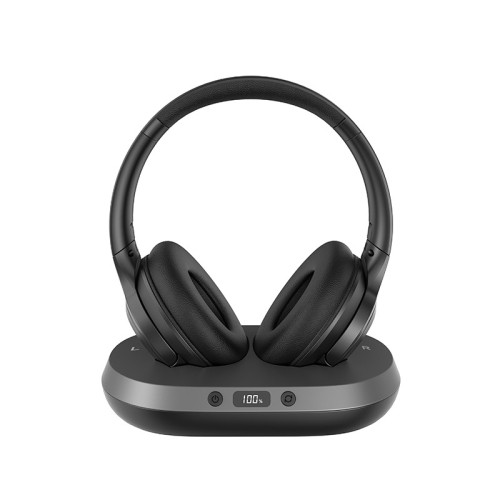
Practical design details can make just as much difference as sound features. A portable speaker with a stable base should sit securely on an end table, coffee table, or kitchen counter without being easily knocked over. A docking station can keep the unit charged between viewing sessions, while a longer battery life may be useful for extended programmes, sports broadcasts, movies, or visits to another room. Consider the size and weight of the speaker if it will be moved often, and look for a handle or an easy-to-hold shape when portability matters. A fixed soundbar may be better for someone who wants a permanent setup with fewer items to recharge, particularly when the television is mounted or positioned on a media console. Audio modes can serve different listening habits: speech or dialogue settings may emphasize vocal frequencies for news and conversation, while a wider sound profile can be enjoyable for films, concerts, and dramatic programmes. Volume range matters as well, since the lowest setting should be gentle enough for quiet viewing and the highest setting should provide enough headroom for occasional difficulty hearing. Some products offer left and right balance, mono listening, or independent volume controls, which can be useful when one ear hears more clearly than the other. Simple setup instructions, an included transmitter, and clearly labelled cables are valuable for anyone who prefers to avoid complicated home theatre equipment. When comparing wireless TV speakers for seniors, think about the listener’s room layout, television connections, daily routine, and comfort with technology. The best match is usually the one that fits naturally into the home: easy to connect, simple to adjust, comfortable to hear, and dependable enough to use for everything from morning news and afternoon shows to evening films during the cooler months.
Connection type is one of the most important details to check before choosing a wireless TV speaker. Many models connect to a television through an optical audio output, while others use a headphone jack, RCA connections, or another compatible audio port. Checking the ports on the TV before buying can help avoid installation difficulties, particularly with older televisions or setups that already include a cable box, streaming device, receiver, or sound system. Some speakers use a dedicated wireless transmitter that sends audio from the TV to the speaker, while others rely on Bluetooth. A transmitter-based system can be appealing when simple operation and dependable audio synchronization are priorities, since the speaker and transmitter are designed to work together without repeated pairing. Bluetooth may be suitable for compatible TVs and can be convenient in homes where several devices are already used wirelessly, although compatibility, range, and audio delay can vary between televisions and accessories. A good wireless TV speaker should keep voices aligned with the picture, so pay attention to descriptions that mention low-latency or delay-free performance. Range is also worth considering: a shorter range may be sufficient for a chair in the same room, while a longer range can be helpful when the speaker is carried to an adjacent room. Large buttons, easy-grip knobs, clearly marked controls, and a visible power indicator can make daily use more straightforward. A separate remote may be helpful when the speaker is positioned farther away, while a large volume dial can be easier to adjust than small buttons. For listeners who use hearing aids, check whether the speaker is intended to work alongside them and whether the TV’s own speakers can remain active at the same time. Those who prefer listening directly through wearable audio may also wish to explore Headphones for Seniors To Watch TV as an alternative.
Practical design details can make just as much difference as sound features. A portable speaker with a stable base should sit securely on an end table, coffee table, or kitchen counter without being easily knocked over. A docking station can keep the unit charged between viewing sessions, while a longer battery life may be useful for extended programmes, sports broadcasts, movies, or visits to another room. Consider the size and weight of the speaker if it will be moved often, and look for a handle or an easy-to-hold shape when portability matters. A fixed soundbar may be better for someone who wants a permanent setup with fewer items to recharge, particularly when the television is mounted or positioned on a media console. Audio modes can serve different listening habits: speech or dialogue settings may emphasize vocal frequencies for news and conversation, while a wider sound profile can be enjoyable for films, concerts, and dramatic programmes. Volume range matters as well, since the lowest setting should be gentle enough for quiet viewing and the highest setting should provide enough headroom for occasional difficulty hearing. Some products offer left and right balance, mono listening, or independent volume controls, which can be useful when one ear hears more clearly than the other. Simple setup instructions, an included transmitter, and clearly labelled cables are valuable for anyone who prefers to avoid complicated home theatre equipment. When comparing wireless TV speakers for seniors, think about the listener’s room layout, television connections, daily routine, and comfort with technology. The best match is usually the one that fits naturally into the home: easy to connect, simple to adjust, comfortable to hear, and dependable enough to use for everything from morning news and afternoon shows to evening films during the cooler months.
Top selling and popular products
-
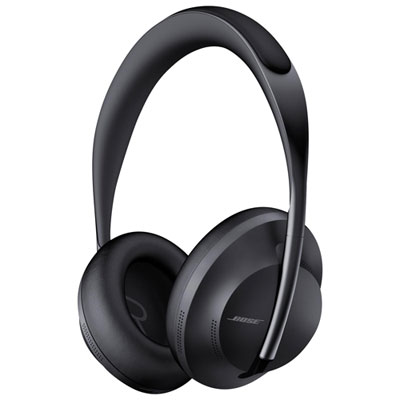 Your price for this item is $479.97
 -
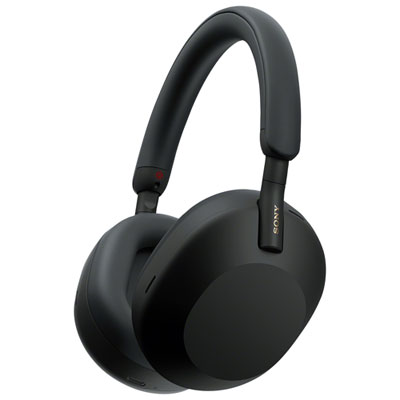 Your price for this item is $348
 -
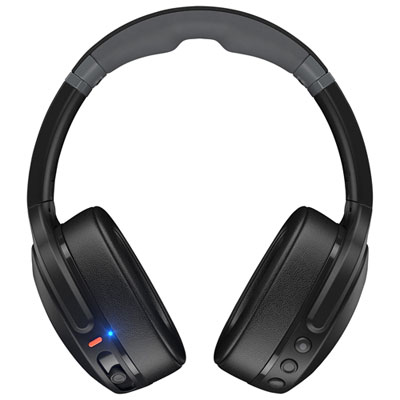 Your price for this item is $199.99
 -
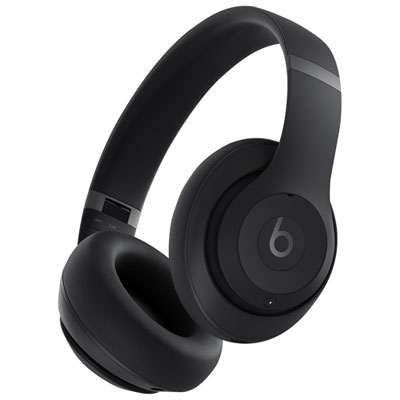 Your price for this item is $229.99
 -
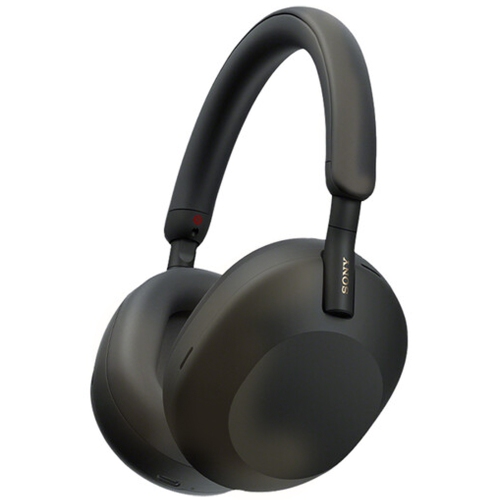 Your price for this item is $438
 -
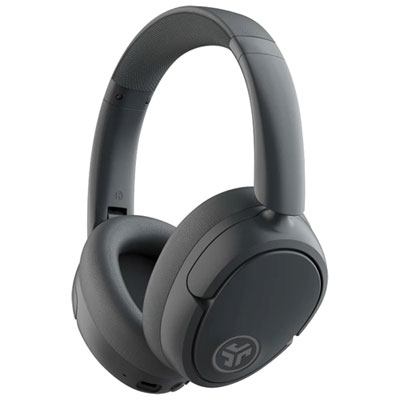 Your price for this item is $79.99
 -
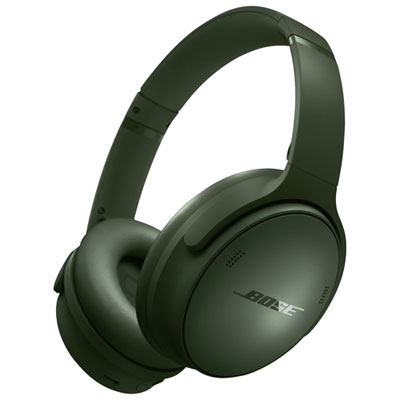 Your price for this item is $479.99
 -
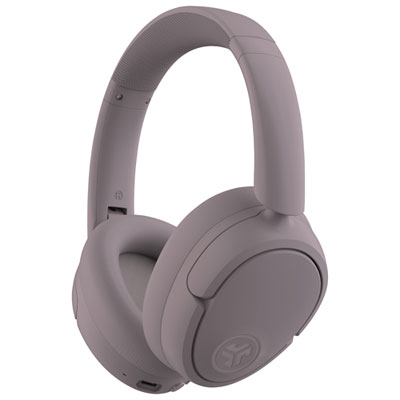 Your price for this item is $79.99
Discover more categories related to Wireless Tv Speakers for Seniors
Top Collections:
Pokemon Centers, Kindle Devices, Best Budget Office Chairs, Apple iPhones 16, Best Laptops for Writers, iPhone 15 Apple, Canon G7X Cameras, Refurbished Apple Laptops, Alarm Clock, Motorola Razr Phones
Some products may be subject to Environmental Handling Fees
(EHF) depending on your province.
Learn more about EHFs.