Headphones for Seniors To Watch TV
If you're a senior citizen who enjoys watching TV, you might be interested in headphones that allow you to listen to TV shows and movies without disturbing others in the room. These headphones are designed for use with TV sets, and they block out ambient noise so you can enjoy your favorite programs in peace. Here are some great options for senior headphones.
Sort

![HLD Wireless Bluetooth Headphones Over-Ear, [40H Playtime, Bluetooth 5.0] Foldable Stereo Wireless/wired Headphone Over Ear w Mic Deep Bass Headset](https://multimedia.bbycastatic.ca/multimedia/products/500x500/154/15462/15462444.jpeg)
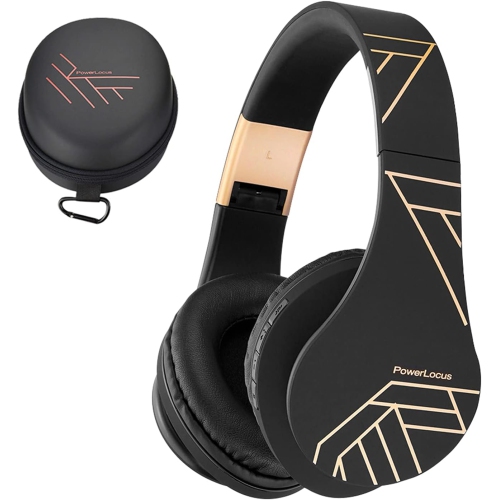
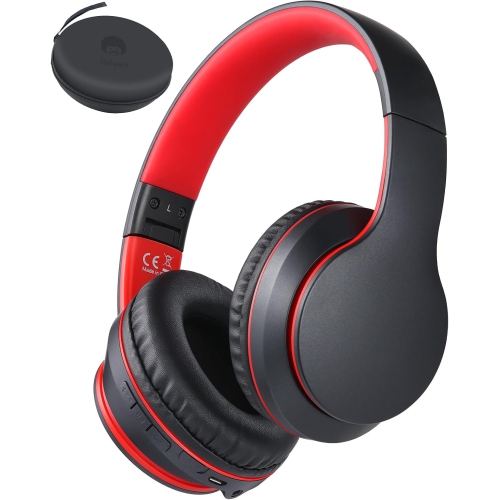
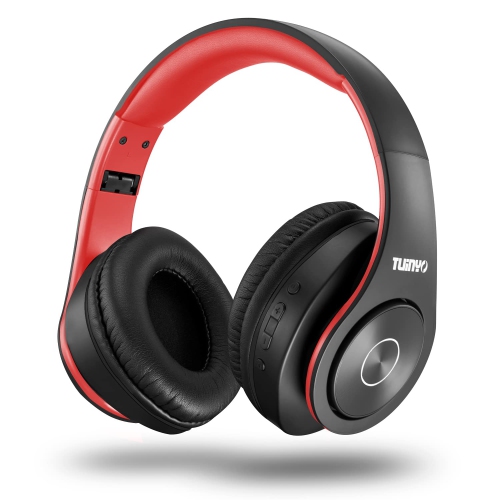
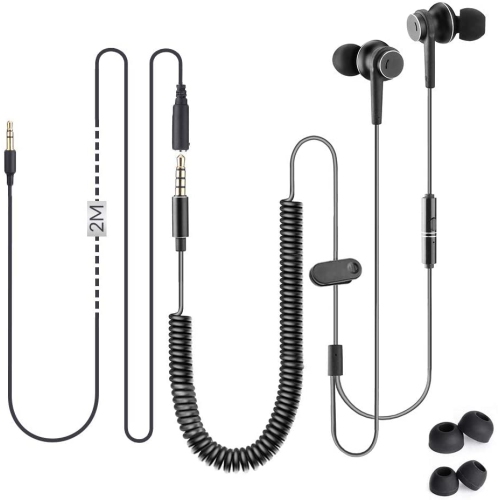
Simpler listening for clearer dialogue and shared viewing
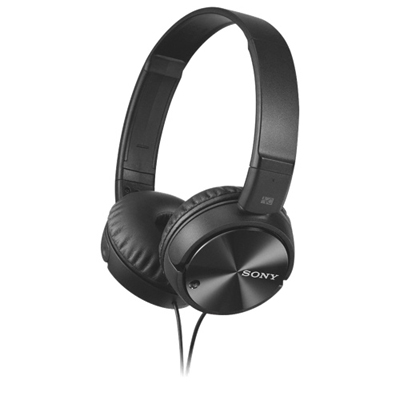
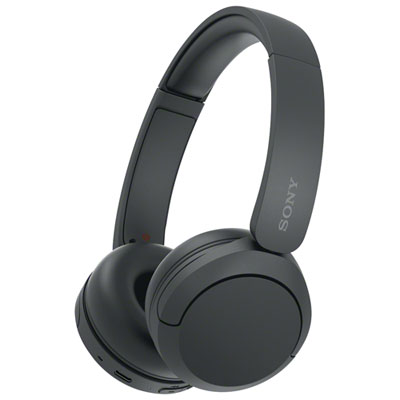
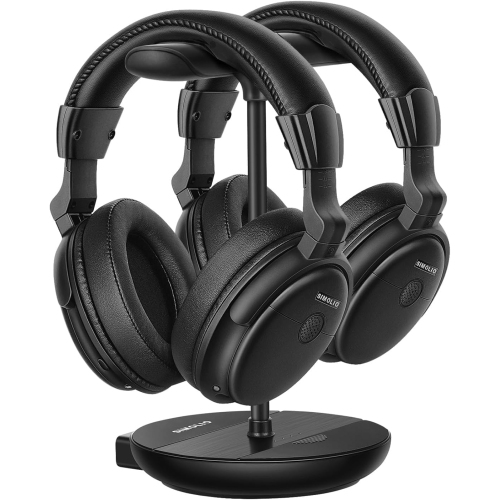
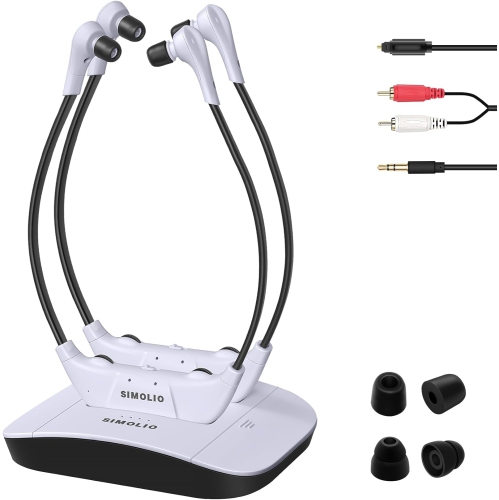
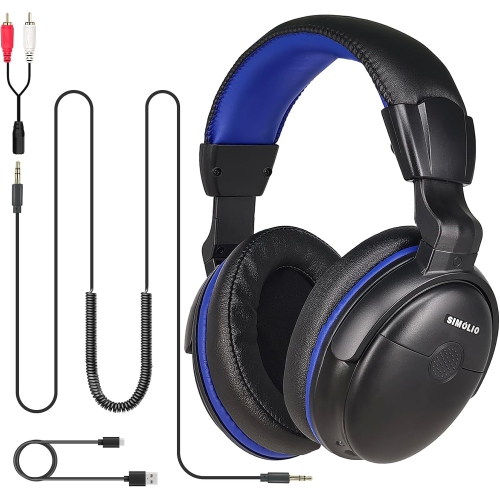
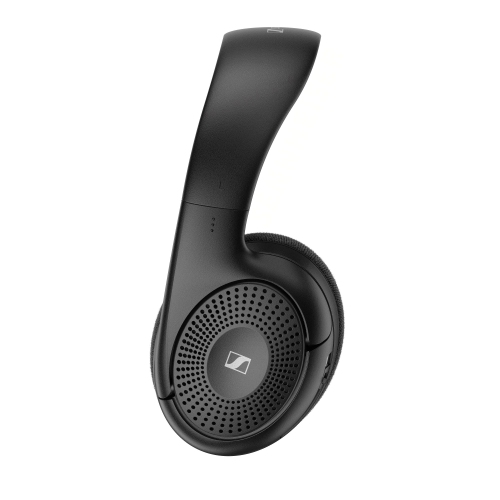
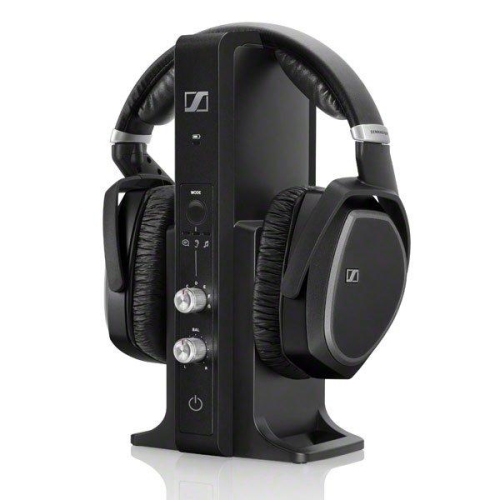
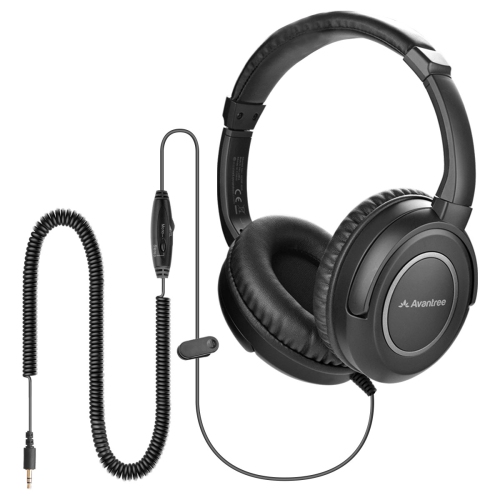
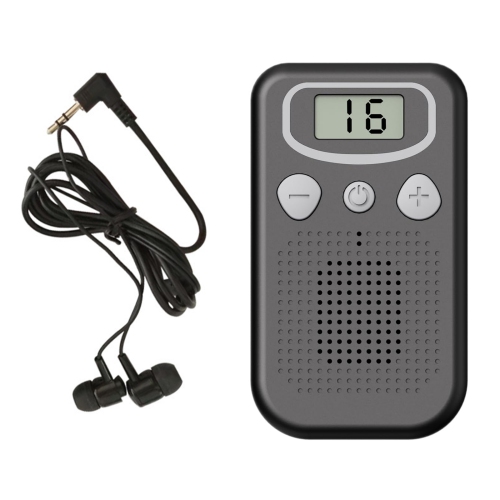
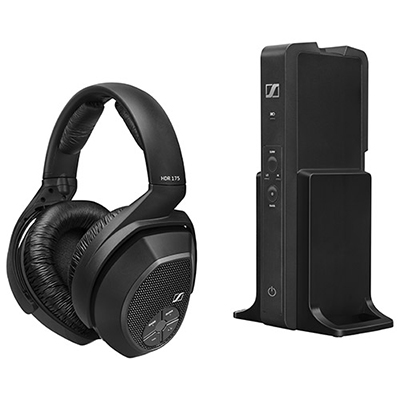
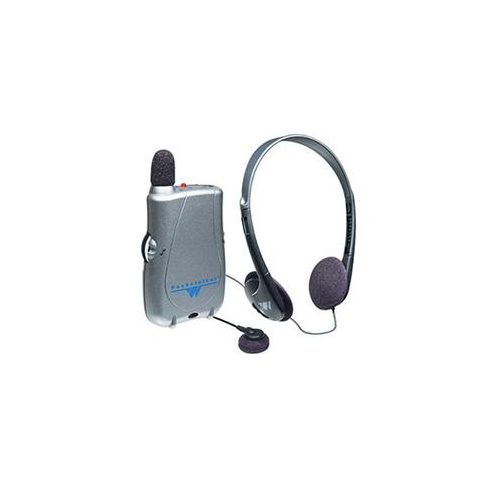
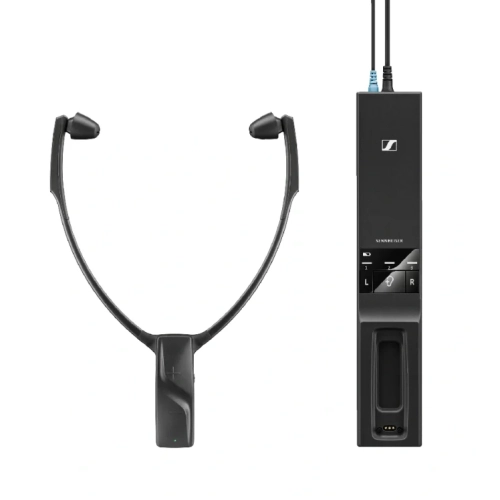
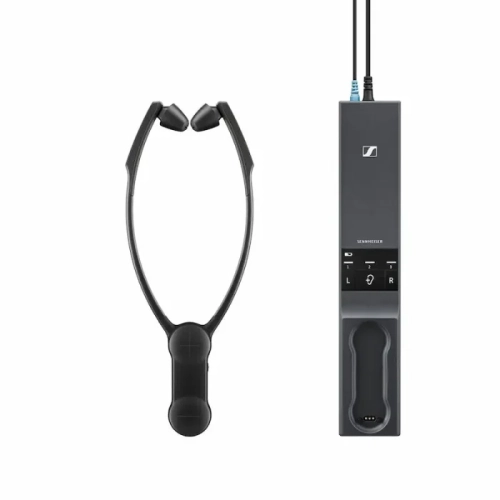
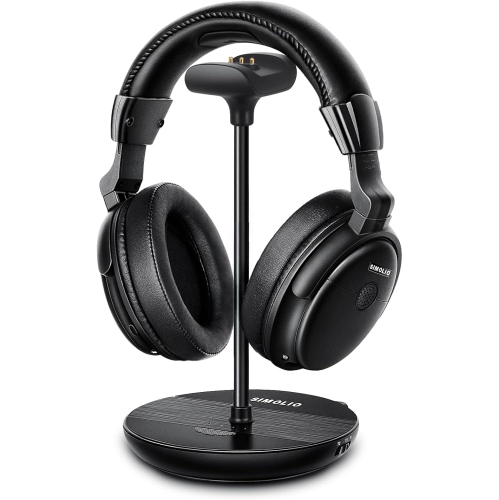
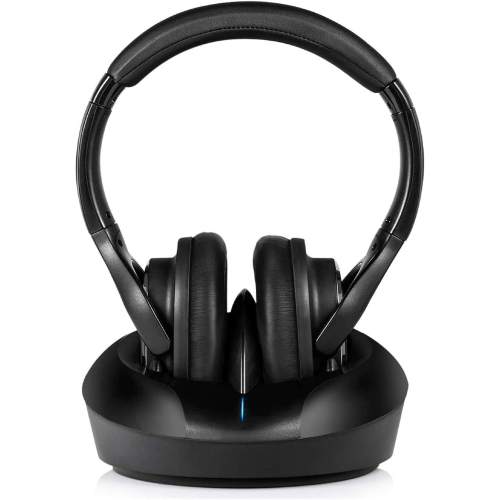
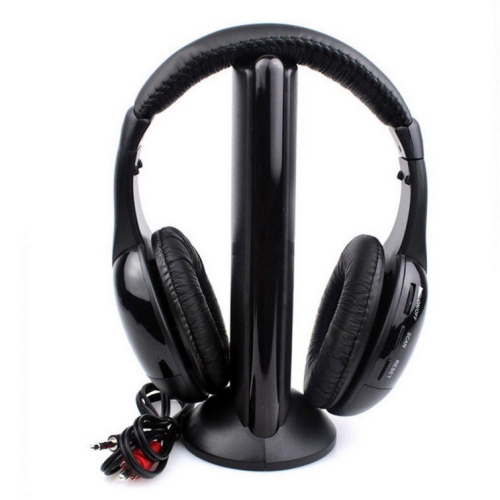
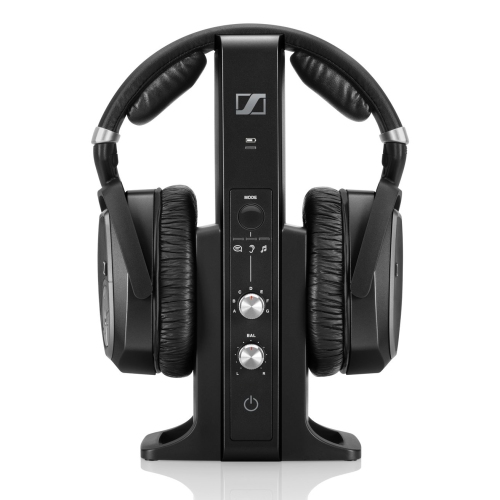
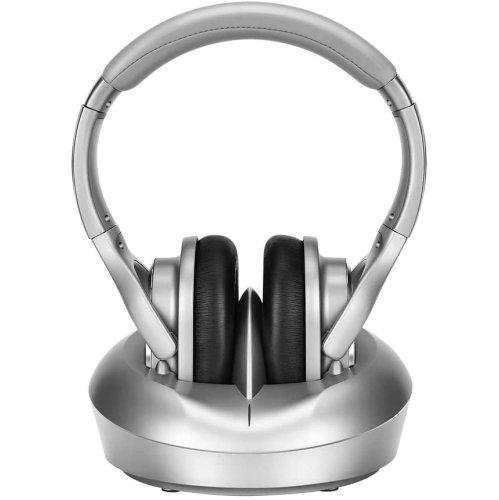
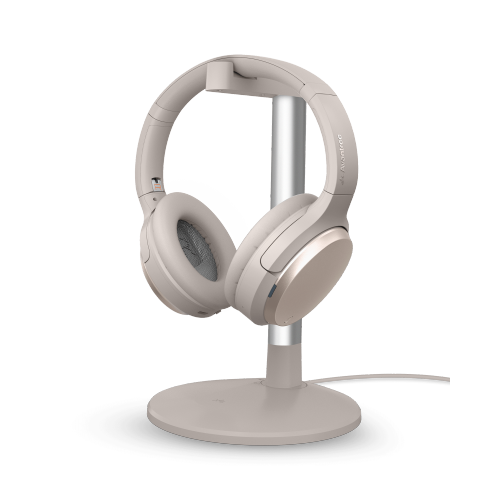
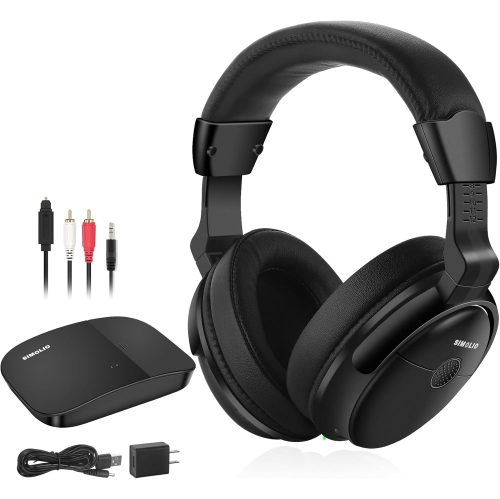
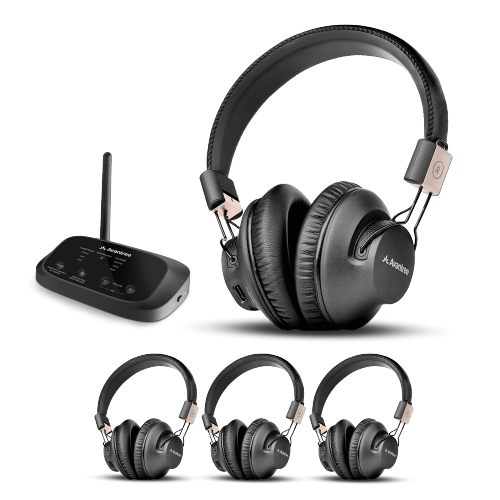
Headphones for seniors to watch TV can make evening viewing more comfortable when dialogue is difficult to follow, background sounds are distracting, or one person prefers a different volume from everyone else in the room. A dedicated TV listening system sends the television audio directly to the wearer, allowing them to adjust their own volume without raising the sound for family members, roommates, or visitors. This can be especially useful during a quiet afternoon programme, a news broadcast, a sports game, or a film with soft-spoken dialogue and dramatic music competing for attention. Many people also appreciate the added privacy and flexibility: the television can be enjoyed while someone nearby reads, rests, works, or carries on a conversation. For a wider selection of listening styles and connection types, browse Headphones for TV. When comparing options, look for a design that matches the viewer’s everyday habits rather than focusing on specifications alone. Large over-ear earcups can feel familiar and comfortable for longer viewing sessions, while lightweight under-the-chin designs may be easier to handle for people who wear glasses, have hearing aids, or prefer not to disturb their hairstyle. Soft padding, a balanced fit, and a headband that does not press too firmly can make a noticeable difference during a full-length movie. Controls should be easy to find by touch, with clearly marked volume buttons and a simple power switch. A bright indicator light may help with setup, although spoken or tactile feedback can be more useful for someone with limited vision. Consider whether the headphones can be worn comfortably while sitting in a favourite armchair, reclining on a sofa, or moving a short distance away from the television.
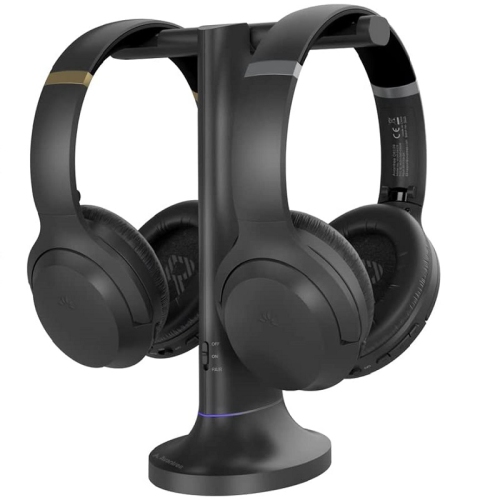
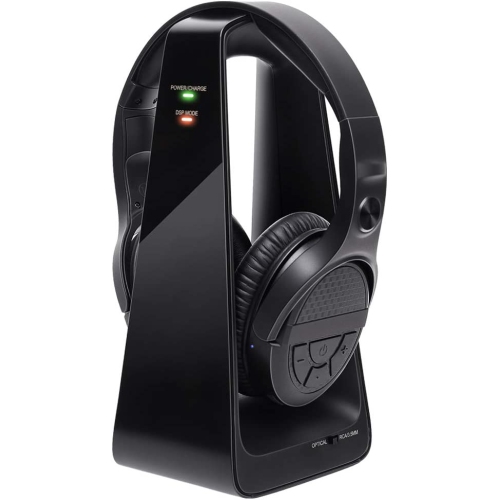
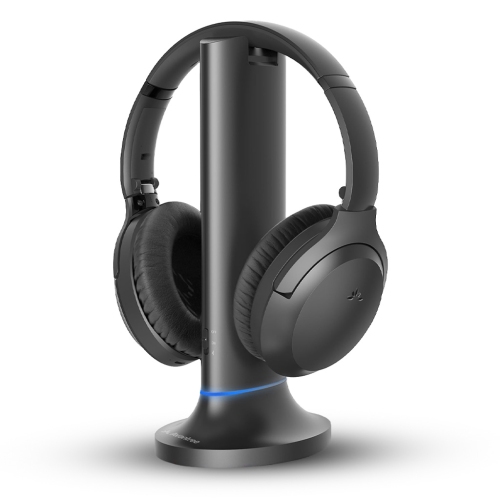
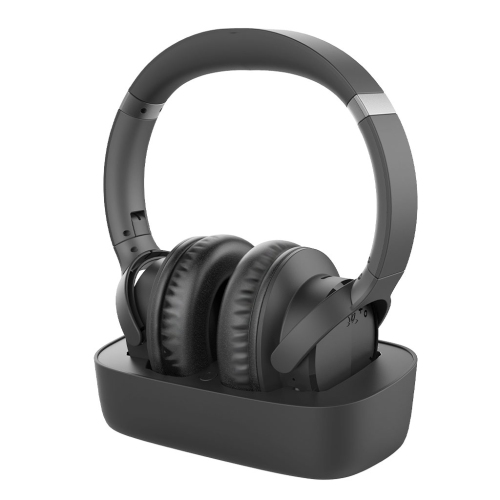
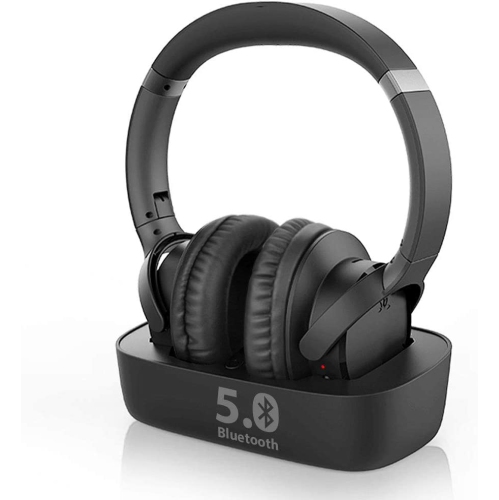
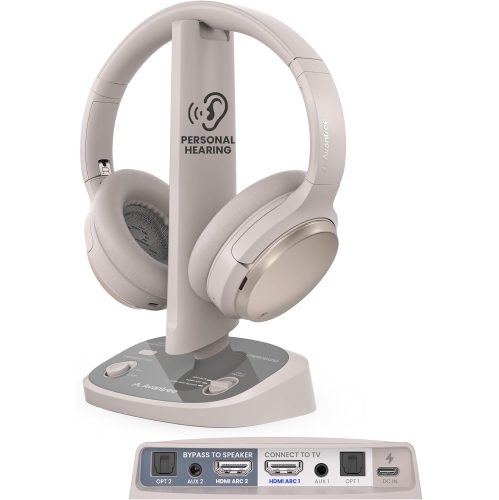
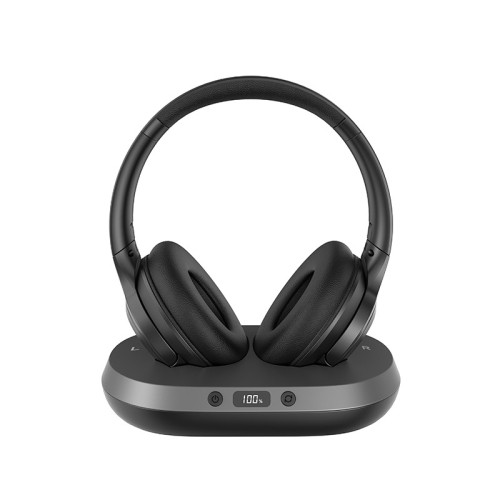
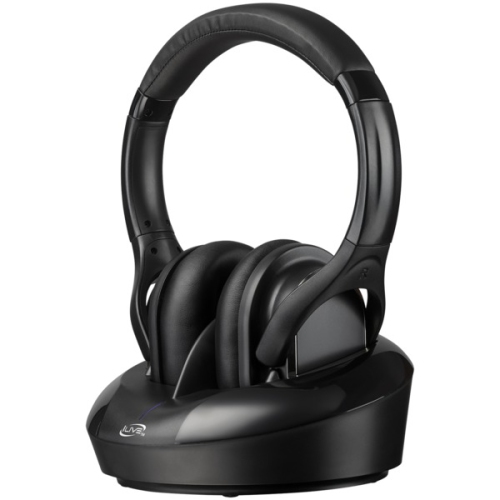
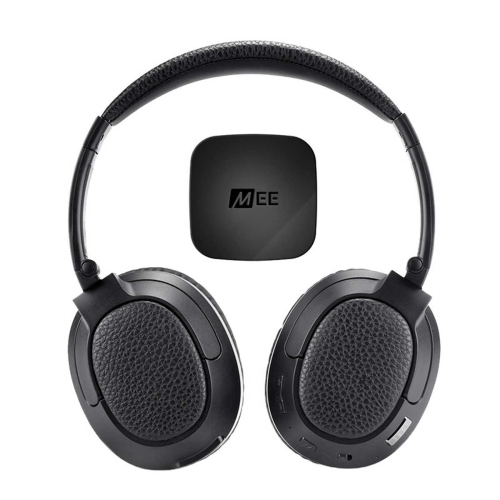
A straightforward connection is one of the most important features in senior-friendly TV headphones. Systems that include a charging dock or transmitter can be easier to use than a model that requires repeated Bluetooth pairing. With a dock, the headphones can be placed in the same location after each use, where they recharge and remain ready for the next programme. Some systems connect automatically when lifted from the base, reducing the number of steps involved. Wireless range is also worth checking, particularly in an open-plan home or when the viewer likes to walk to the kitchen without removing the headphones. Radio-frequency systems and other dedicated wireless transmitters are often designed for stable TV listening, while Bluetooth models can be convenient when the television supports the required connection. Audio delay should be kept as low as possible so that speech matches the movement of a presenter’s mouth and dialogue does not sound noticeably out of sync. Connection compatibility matters as well. Depending on the television, available inputs may include optical audio, a 3.5 mm headphone jack, RCA audio, USB power, or HDMI ARC. A suitable cable or adapter may be needed, and some televisions require an audio setting to be changed before sound reaches the transmitter. Before purchasing, check the TV’s ports and whether its built-in speakers continue playing when headphones are connected. A pass-through feature can allow both the headphones and the television’s speakers or a soundbar to operate together, which is helpful when two people want to listen at different levels. Some systems also support two headsets at once, making them practical for couples or caregivers watching together.
Clear speech features can be valuable when a viewer finds it hard to separate voices from music, crowd noise, or sound effects. Dialogue enhancement modes may bring spoken frequencies forward, while tone or balance controls can help tailor the sound to personal preference. These features are intended to improve listening comfort, but they are not a replacement for professional hearing care or properly fitted hearing aids. Anyone using hearing aids should check for potential interference, space around the ears, and compatibility with their specific devices before choosing an over-ear or under-the-chin style. Independent volume control is essential, and a broad adjustment range can be useful for households where one viewer needs only a modest increase while another prefers a stronger boost. Battery life should cover the length of a typical viewing session, with a clear indication when charging is needed. A charging base is often easier to manage than a small cable, especially when the headphones are intended as a gift for a parent, grandparent, or another family member who values simple routines. During the cooler months, these systems can be a thoughtful addition to a comfortable home entertainment setup, helping someone enjoy favourite programmes without turning up the entire room’s volume. The best choice is one that feels light, stores neatly, starts reliably, and fits naturally into the viewer’s routine from the first use.
A straightforward connection is one of the most important features in senior-friendly TV headphones. Systems that include a charging dock or transmitter can be easier to use than a model that requires repeated Bluetooth pairing. With a dock, the headphones can be placed in the same location after each use, where they recharge and remain ready for the next programme. Some systems connect automatically when lifted from the base, reducing the number of steps involved. Wireless range is also worth checking, particularly in an open-plan home or when the viewer likes to walk to the kitchen without removing the headphones. Radio-frequency systems and other dedicated wireless transmitters are often designed for stable TV listening, while Bluetooth models can be convenient when the television supports the required connection. Audio delay should be kept as low as possible so that speech matches the movement of a presenter’s mouth and dialogue does not sound noticeably out of sync. Connection compatibility matters as well. Depending on the television, available inputs may include optical audio, a 3.5 mm headphone jack, RCA audio, USB power, or HDMI ARC. A suitable cable or adapter may be needed, and some televisions require an audio setting to be changed before sound reaches the transmitter. Before purchasing, check the TV’s ports and whether its built-in speakers continue playing when headphones are connected. A pass-through feature can allow both the headphones and the television’s speakers or a soundbar to operate together, which is helpful when two people want to listen at different levels. Some systems also support two headsets at once, making them practical for couples or caregivers watching together.
Clear speech features can be valuable when a viewer finds it hard to separate voices from music, crowd noise, or sound effects. Dialogue enhancement modes may bring spoken frequencies forward, while tone or balance controls can help tailor the sound to personal preference. These features are intended to improve listening comfort, but they are not a replacement for professional hearing care or properly fitted hearing aids. Anyone using hearing aids should check for potential interference, space around the ears, and compatibility with their specific devices before choosing an over-ear or under-the-chin style. Independent volume control is essential, and a broad adjustment range can be useful for households where one viewer needs only a modest increase while another prefers a stronger boost. Battery life should cover the length of a typical viewing session, with a clear indication when charging is needed. A charging base is often easier to manage than a small cable, especially when the headphones are intended as a gift for a parent, grandparent, or another family member who values simple routines. During the cooler months, these systems can be a thoughtful addition to a comfortable home entertainment setup, helping someone enjoy favourite programmes without turning up the entire room’s volume. The best choice is one that feels light, stores neatly, starts reliably, and fits naturally into the viewer’s routine from the first use.
Top selling and popular products
-
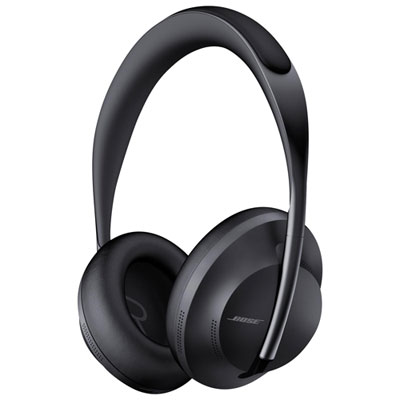 Your price for this item is $479.97
 -
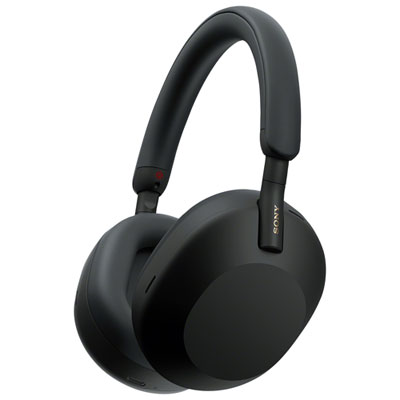 Your price for this item is $348
 -
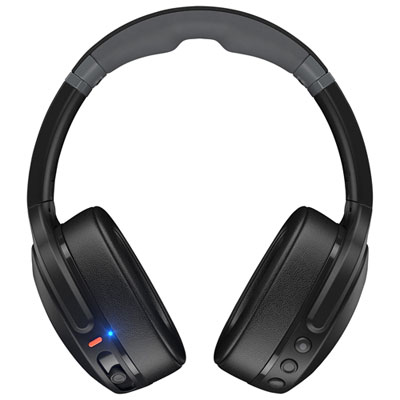 Your price for this item is $199.99
 -
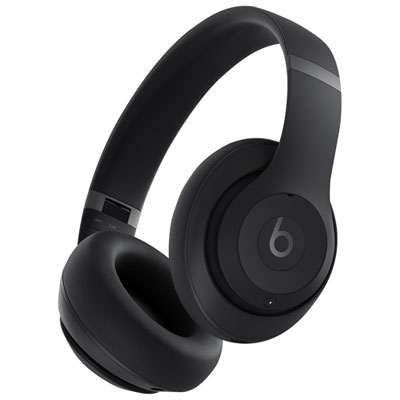 Your price for this item is $229.99
 -
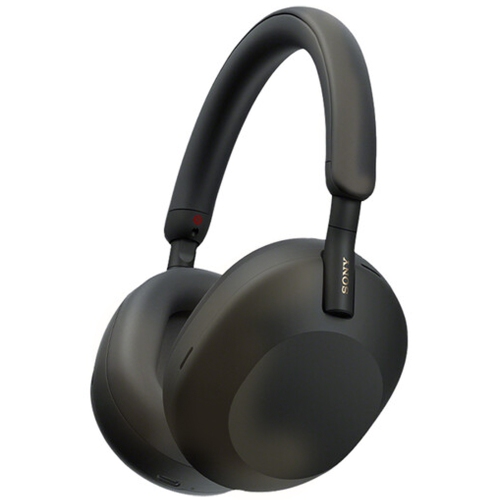 Your price for this item is $438
 -
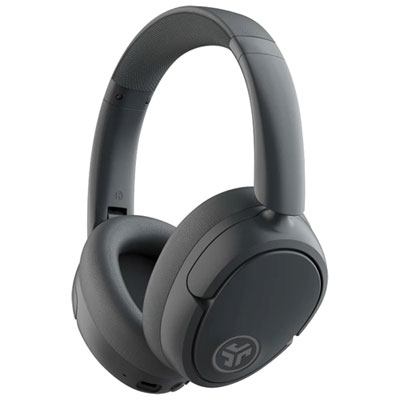 Your price for this item is $79.99
 -
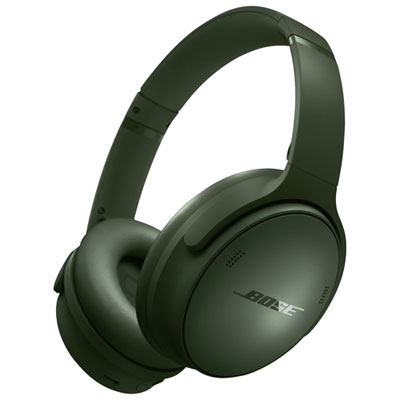 Your price for this item is $479.99
 -
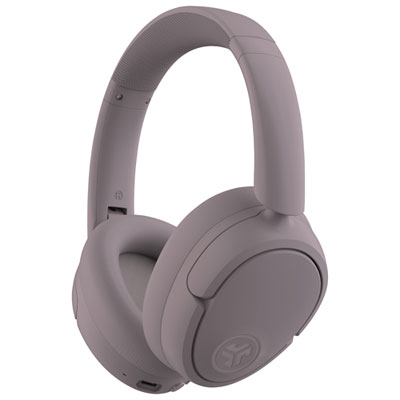 Your price for this item is $79.99
Discover more categories related to Headphones for Seniors To Watch TV
Top Collections:
Pokemon Centers, Kindle Devices, Best Budget Office Chairs, Apple iPhones 16, Best Laptops for Writers, iPhone 15 Apple, Canon G7X Cameras, Refurbished Apple Laptops, Alarm Clock, Motorola Razr Phones
Some products may be subject to Environmental Handling Fees
(EHF) depending on your province.
Learn more about EHFs.