KitchenAid Soup Blenders
KitchenAid has been one of the leaders in the kitchen appliance industry for more than 100 years. KitchenAid soup blenders are no exception. This blender is a great addition to any kitchen and can be used to make everything from smoothies to soups to sauces. Here are some great KitchenAid soup blenders available today.
Sort
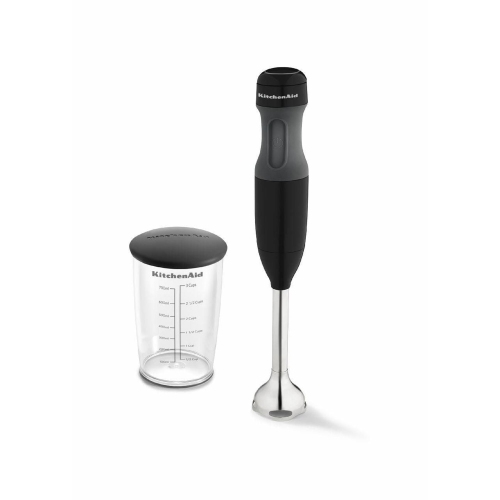
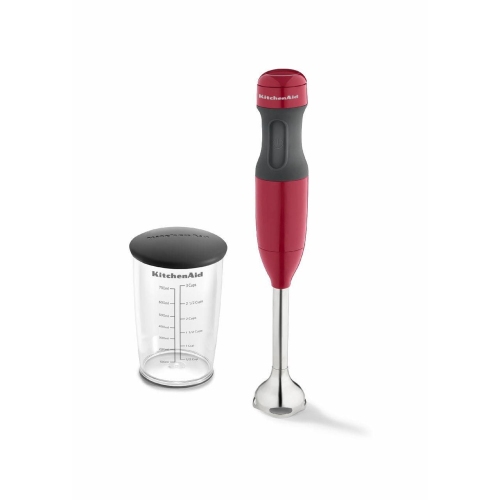
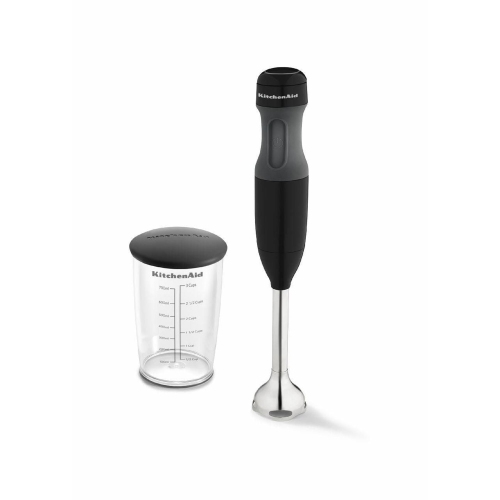
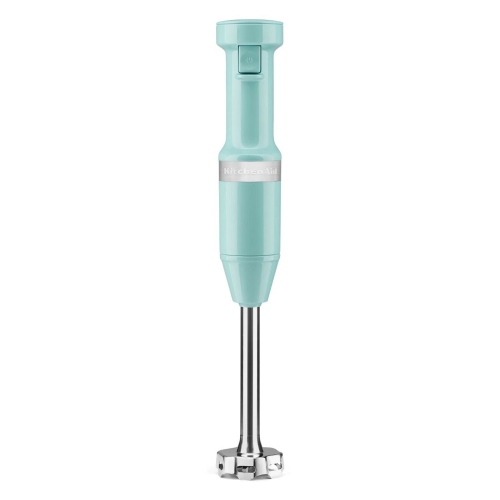
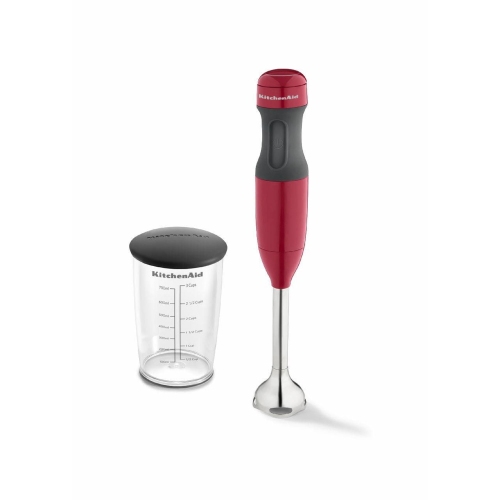
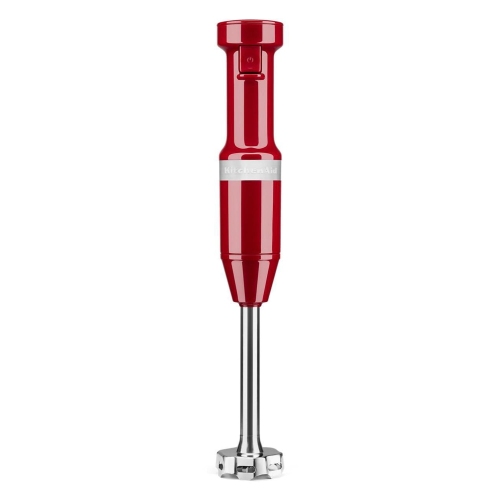
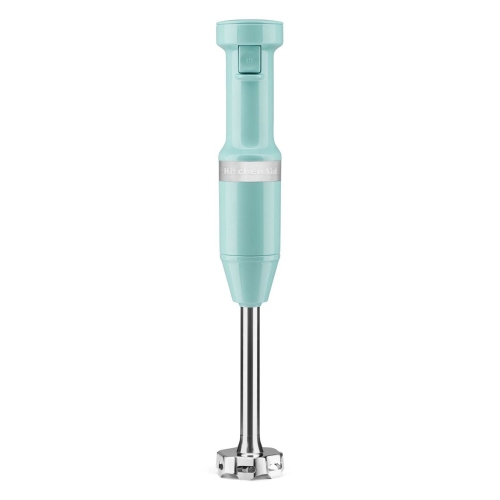
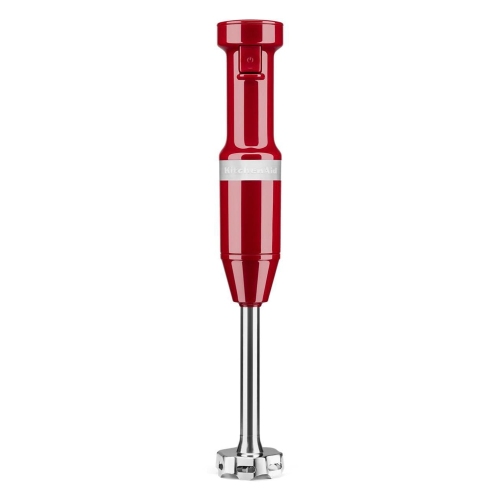
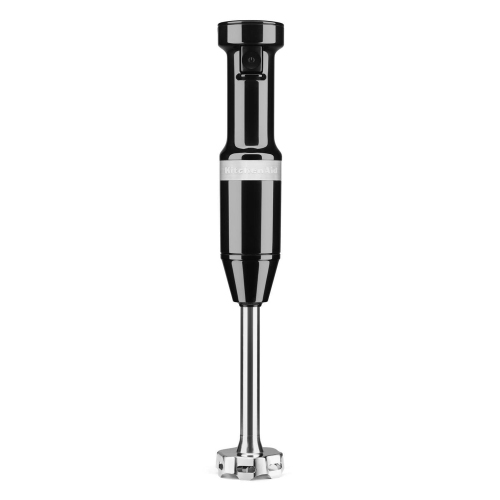
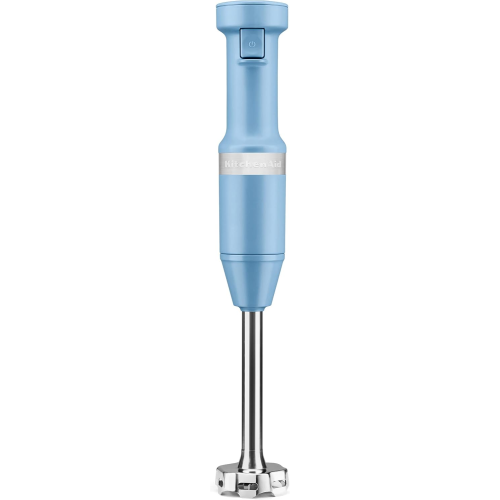
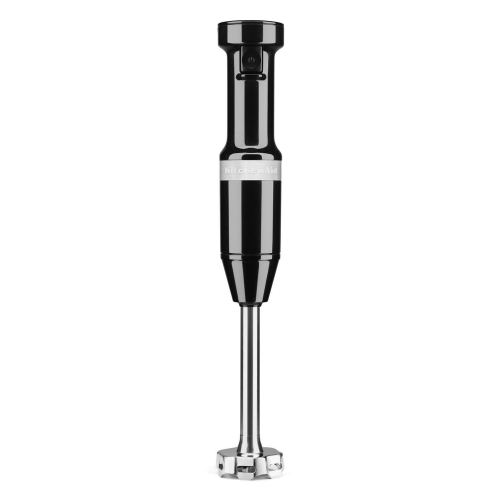
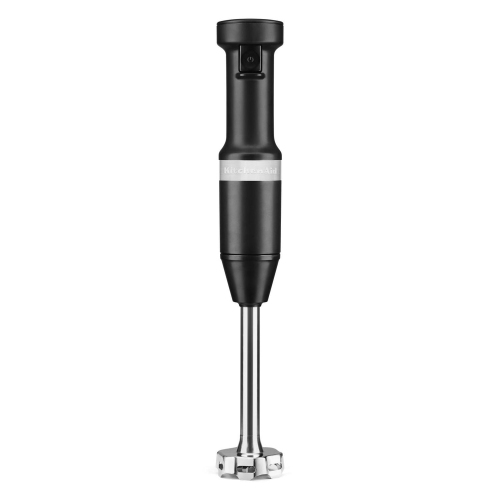
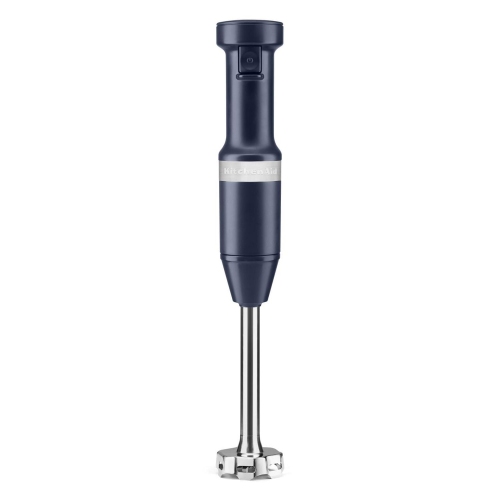
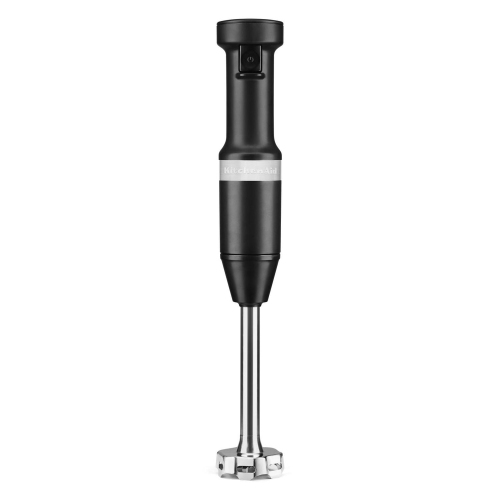
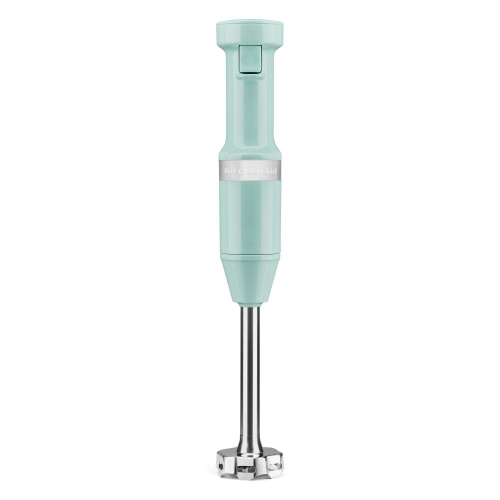
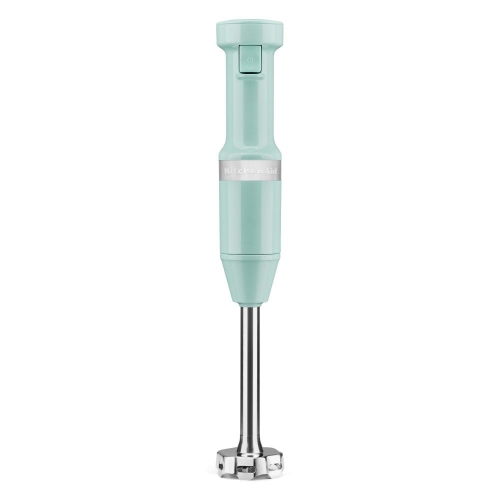
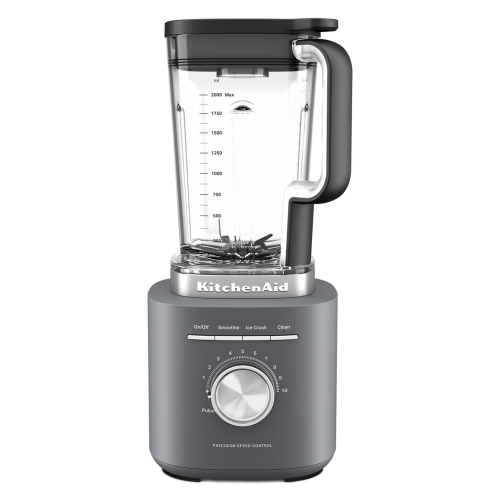
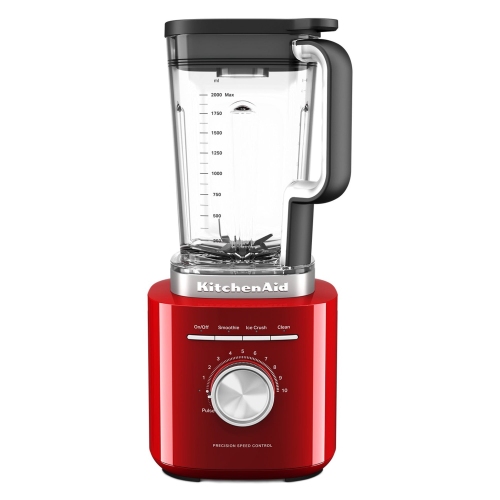
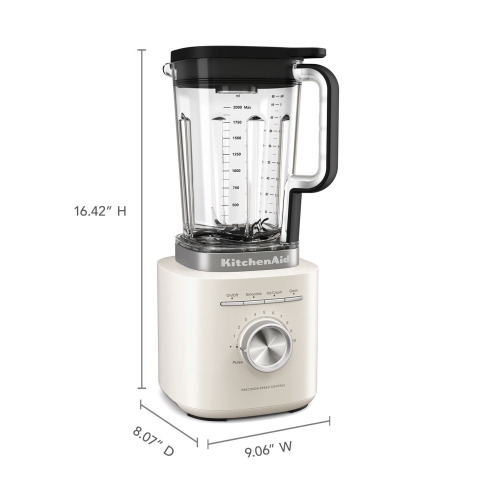
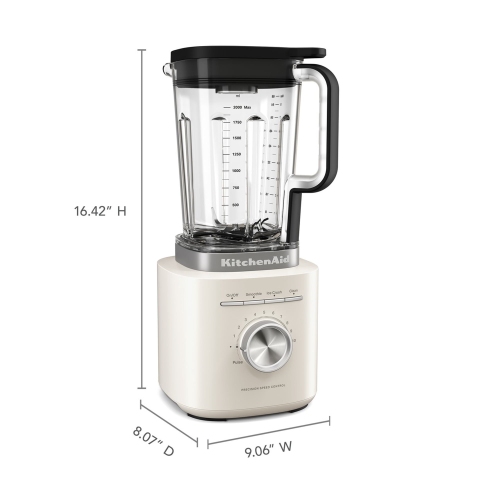
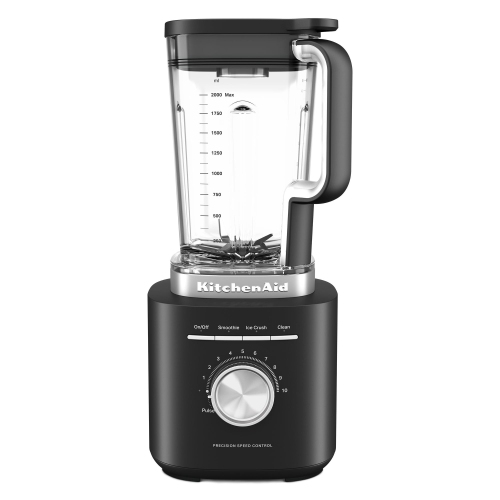
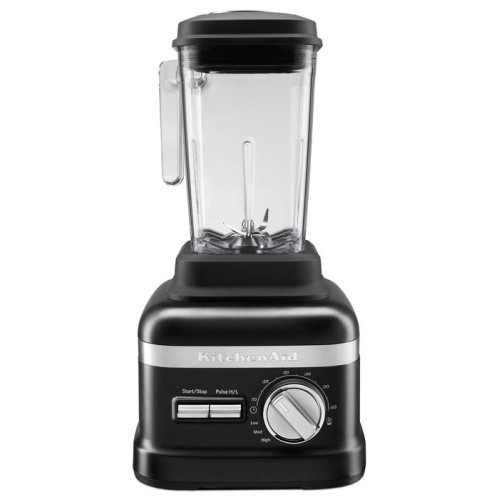
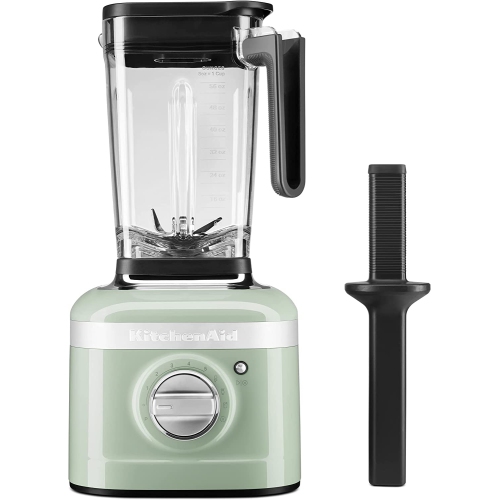
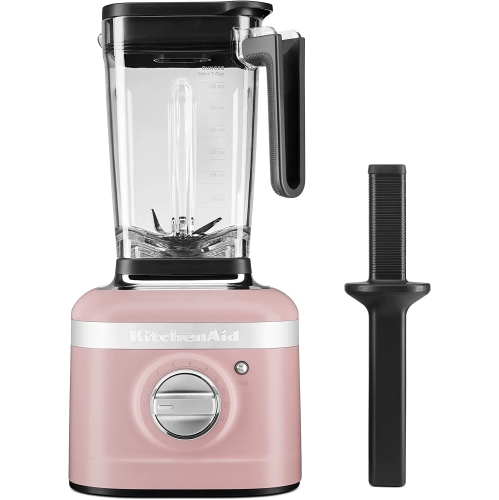
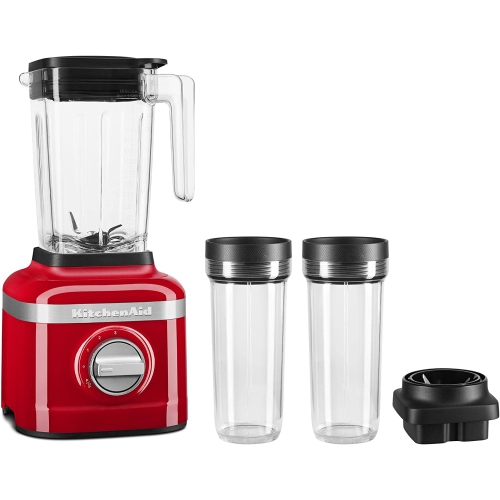
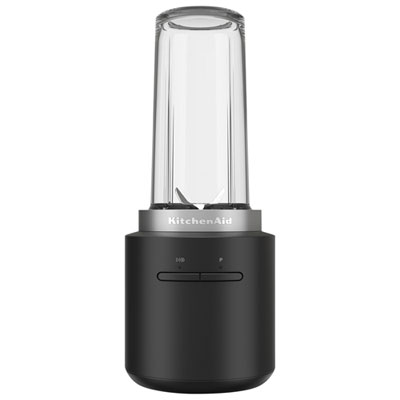
Soup texture depends on more than blending power
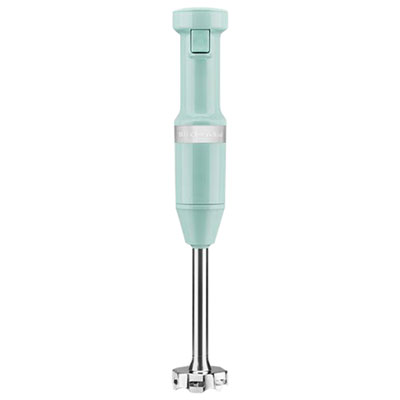
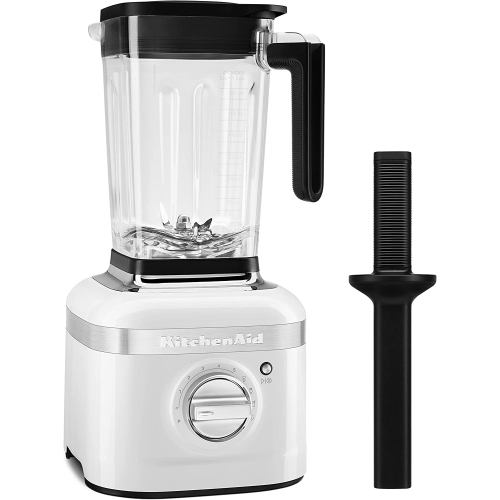
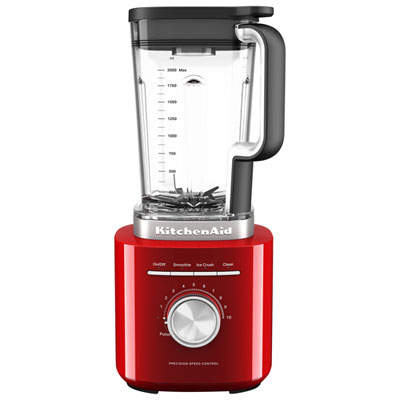
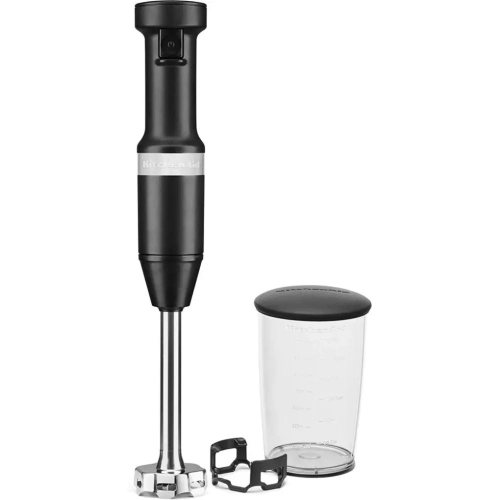
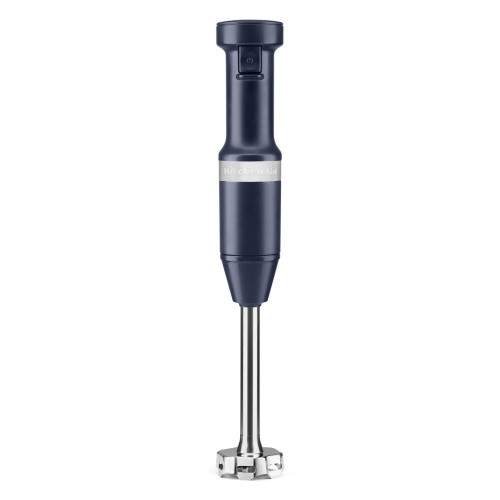
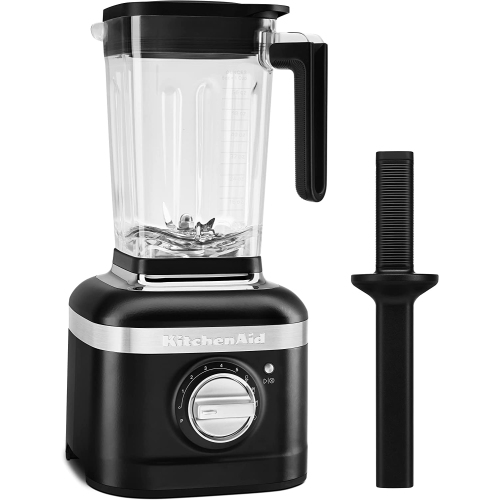
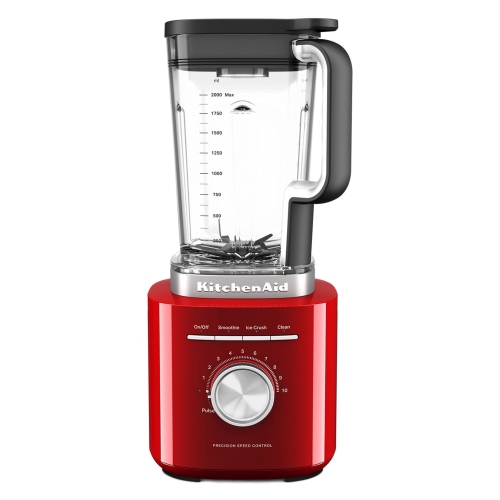
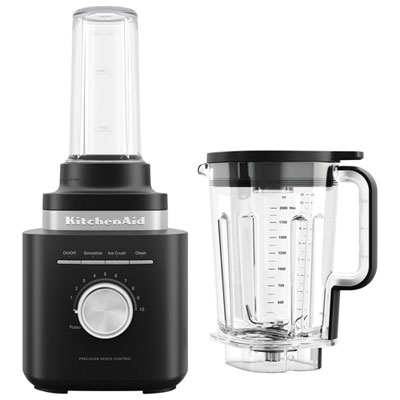
Soup blenders turn cooked vegetables, beans, and other ingredients into textures ranging from a rustic purée to a smooth, spoon-coating finish. The two main formats are countertop blenders, which process soup in a separate jug, and immersion blenders, which blend directly in a suitable pot or container. A countertop blender can suit someone who enjoys a particularly fine texture, such as a silky carrot soup or a smooth tomato base without noticeable pieces of skin. An immersion blender makes it easier to work through a pot of lentils or soften the texture of a vegetable soup without transferring the whole batch into a jug. Neither format automatically heats or cooks food. A blender approved for hot ingredients may simply process soup that has already been cooked, while certain models have a designated function that heats ingredients during blending. Even then, heating a mixture is not the same as safely cooking every raw ingredient; the appliance’s stated capabilities and recipe requirements matter. This distinction is also useful when comparing Hot Soup Blenders, since hot-liquid compatibility and built-in heating are separate features. For everyday meals, the choice often comes down to the texture desired, the size of the batch, and how much transferring feels practical. Someone preparing several portions of squash soup may appreciate a countertop jug with clearly marked measurements, while a cook who likes leaving some beans and vegetables intact may prefer the direct control of a handheld design. Variable speed settings can help refine consistency gradually rather than taking every recipe straight to a completely smooth finish. Pulse controls, where provided, offer short bursts for adjusting texture. Blending performance also depends on the ingredients and the amount of liquid: fibrous vegetables, thick bean mixtures, and tender cooked tomatoes place different demands on an appliance. A little texture can be part of the recipe rather than a limitation, particularly in soups finished with whole chickpeas, chopped herbs, or a spoonful of cooked grains.
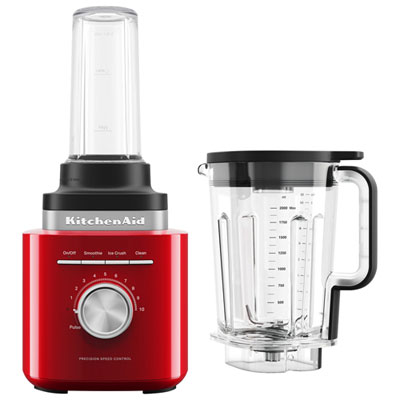
Capacity and physical fit make a noticeable difference in daily use. A jug’s total volume is not necessarily its permitted working capacity for hot soup; hot-liquid limits may be lower and should be clearly identified in the appliance documentation. A larger jug can reduce the number of batches needed, but it also takes up more room and becomes heavier when filled. Handle shape, lid removal, and the position of the pouring spout all affect how comfortably soup moves from the blender to a serving bowl or storage container. For immersion models, the blending arm needs enough reach for the intended vessel without placing the motor housing in liquid. A tall stockpot and a small saucepan call for different proportions, and the blade guard needs sufficient clearance to move without scraping or catching. Corded designs require a suitably positioned outlet and a cord kept clear of burners, while rechargeable designs introduce considerations such as charging time and runtime between charges. Materials matter as well. Glass jugs can feel substantial and resist staining, although their weight deserves consideration. Plastic jugs are often lighter, but their suitability for hot ingredients depends on their specific construction and heat rating. Stainless steel blending shafts are common on immersion designs, and any supplied pan guard should be used only as directed for the cookware involved. A metal blade guard can mark some coated surfaces if it contacts them. Durability is better assessed through the whole assembly than through motor wattage alone: secure connections, a well-fitting lid, sturdy controls, and access to replacement parts all contribute to long-term usefulness. For hot blending, a lid and venting arrangement specifically designed for that purpose are essential. Steam needs an approved escape path, and a sealed personal-blender cup should not be treated as a hot-soup container unless its manufacturer expressly permits that use. Features such as insulated jugs or preset programmes can add convenience where included, but they do not replace the stated fill limits, ingredient restrictions, or operating instructions.
Care requirements often determine how readily a blender becomes part of the cooking routine. A removable immersion shaft can make cleanup more manageable after blending directly in the pot, particularly when the blade guard has few places for thick soup to collect. Countertop jugs vary in how easily their lids, seals, and blade assemblies can be cleaned. Dishwasher suitability is component-specific rather than a promise that applies to the entire appliance, and motor bases and powered handles should never be immersed. A rinse soon after use helps prevent a film of starch, dairy, or vegetable purée from drying around blades and seals. Sharp edges still require care during cleaning, even when they sit inside a protective guard. For storage, an immersion blender may fit into a drawer or cupboard once its attachments are separated, while a countertop model needs enough clearance beneath cabinets and a stable, accessible work surface. Those details can matter as much as an extra speed setting in a compact kitchen. Beyond soup, compatible blenders may handle sauces, dressings, cooked fruit purées, or dips, although thick mixtures, frozen ingredients, and ice should only be processed when the model is designed for them. A smooth cauliflower soup for lunch, a tomato sauce for pasta, and a small batch of bean dip each benefit from different amounts of liquid and different finishing textures. This versatility can make a soup-focused blender a useful gift for someone setting up a kitchen, preparing lunches ahead, or expanding a repertoire of homemade meals. The most thoughtful fit reflects the recipient’s habits: a frequent batch cook may value capacity and easy pouring, while someone cooking smaller portions may put comfortable handling and straightforward cleanup first. Useful accessories are those that support those habits, rather than attachments that add storage demands without a clear purpose. A dependable soup blender earns its place through repeatable results, manageable care, and a format that works naturally with the pots, work surfaces, and recipes already used at home.
Top selling and popular products
-
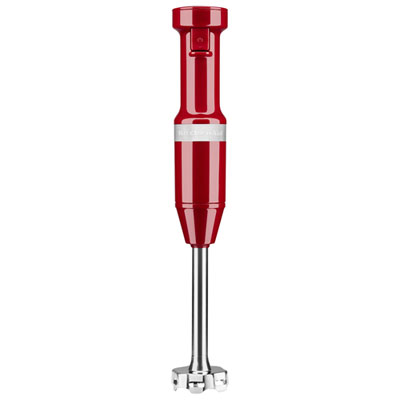 Your price for this item is $49.98
-
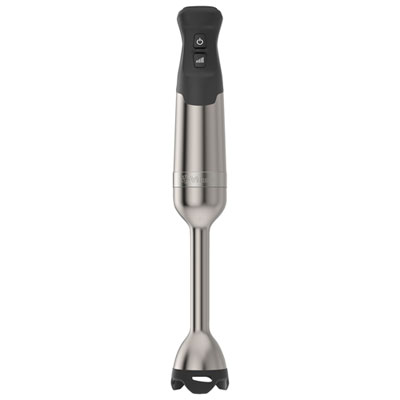 Your price for this item is $249.99
-
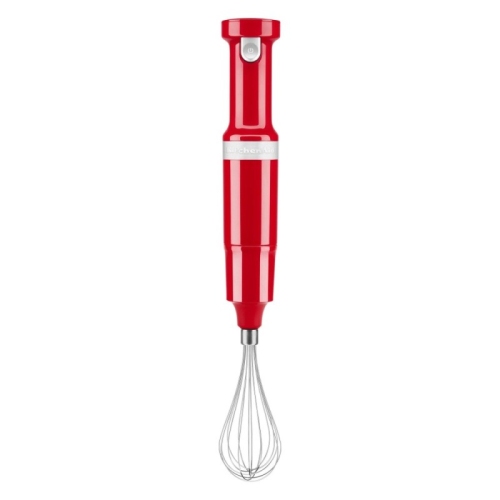 Your price for this item is $129.99
-
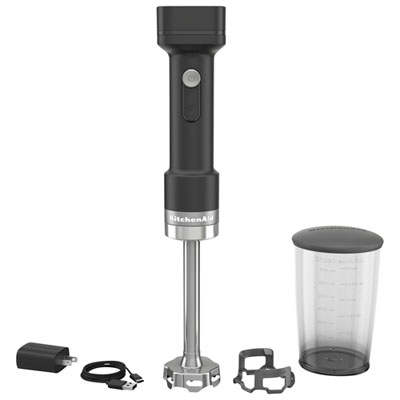 Your price for this item is $159.99
-
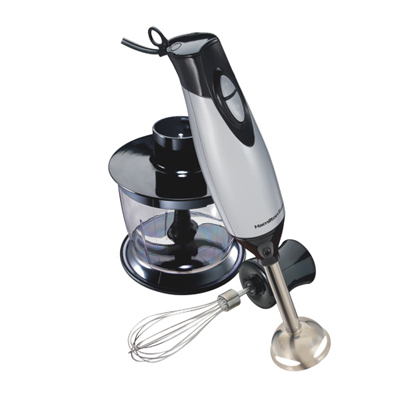 Your price for this item is $52.99
-
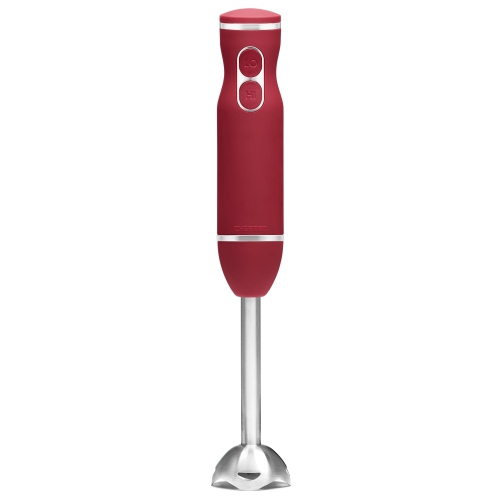 Your price for this item is $39.99
-
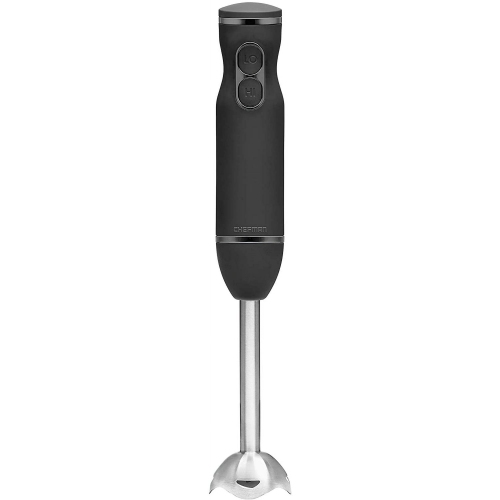 Your price for this item is $39.99
-
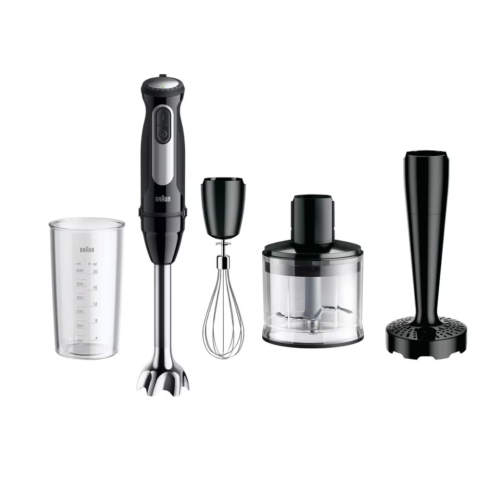 Your price for this item is $149.99
Discover more categories related to KitchenAid Soup Blenders
Top Collections:
Best Black Friday Deals This Year, Best Black Friday Deals On Electronics, Kindle Devices, Pokemon Centers, Best Black Friday Deals On Apple Products, Best Cameras for Sports Photography, Dyson Airwrap, Pokémon 30th Celebration Cards, Apple iPhone 17 Pro, Canon G7X Cameras
Some products may be subject to Environmental Handling Fees
(EHF) depending on your province.
Learn more about EHFs.