Hot Soup Blenders
Hot Soup Blender options make it easy to prepare delicious homemade soups, sauces, and more right in your kitchen. With a hot soup blender, you can blend and heat ingredients to create smooth, flavorful meals with minimal effort. Whether you're looking to whip up a quick lunch or experiment with new recipes, these versatile appliances help streamline meal preparation and add convenience to your daily routine. Explore a range of hot soup blenders designed to fit your cooking needs and elevate your culinary experience.
Sort
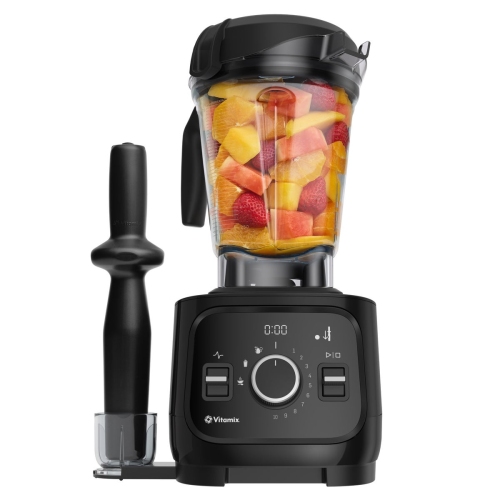
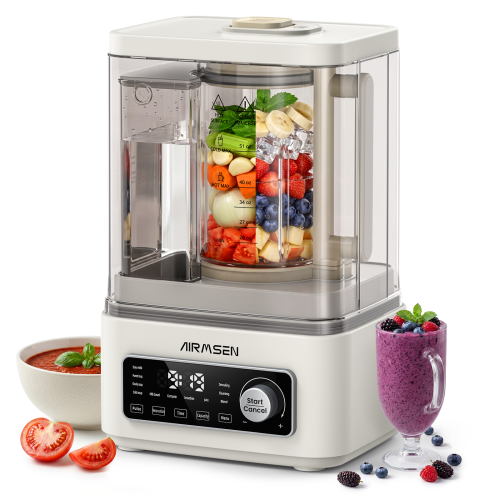
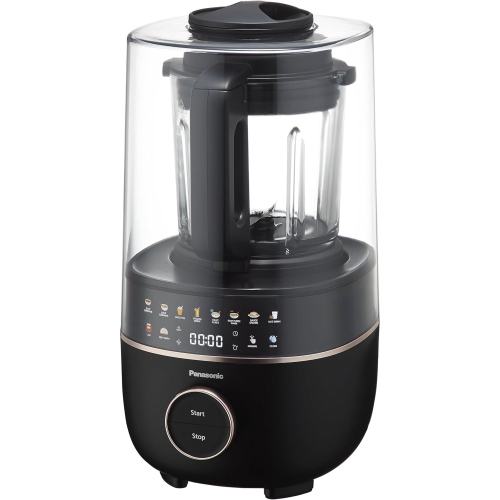
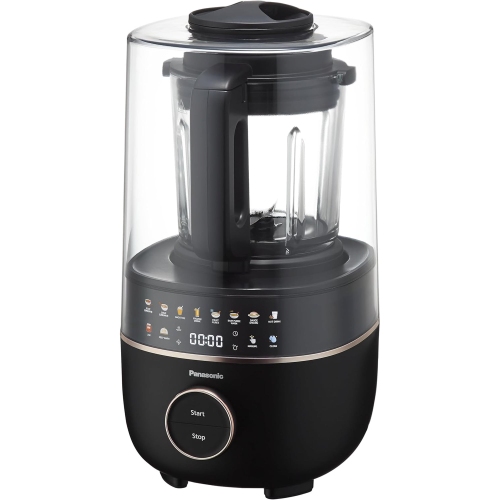
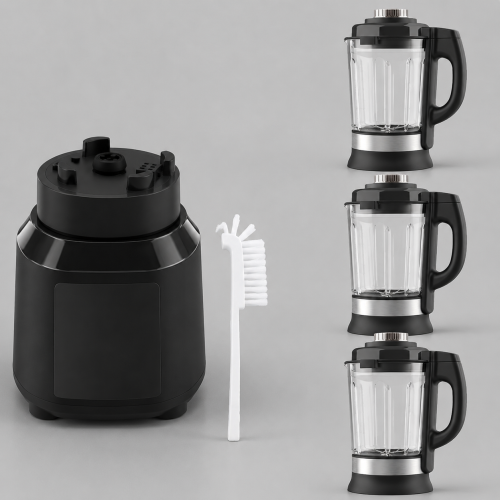
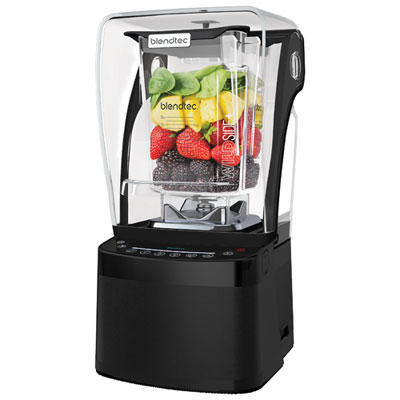
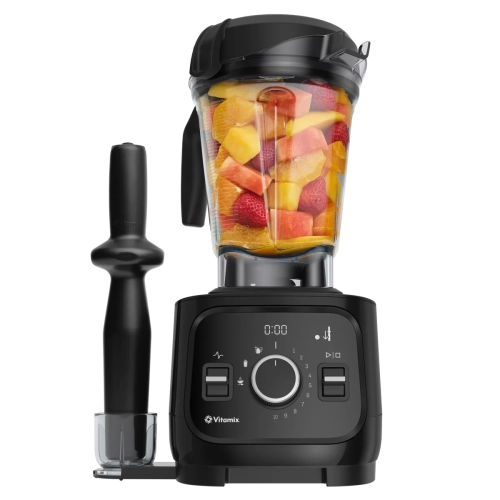
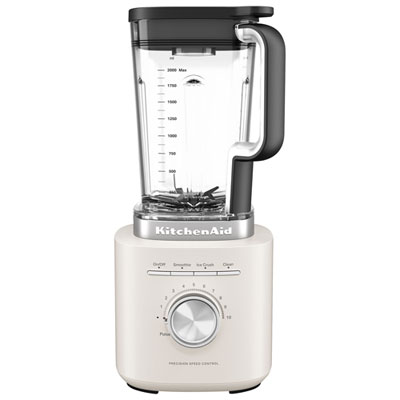
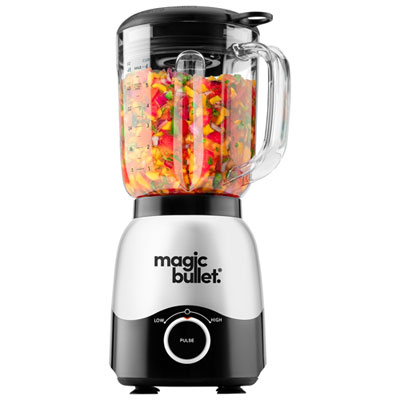
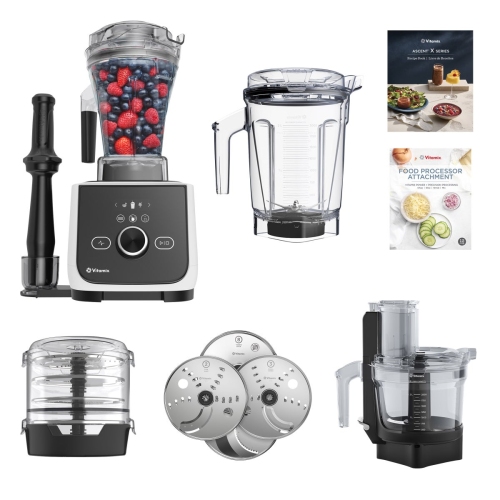
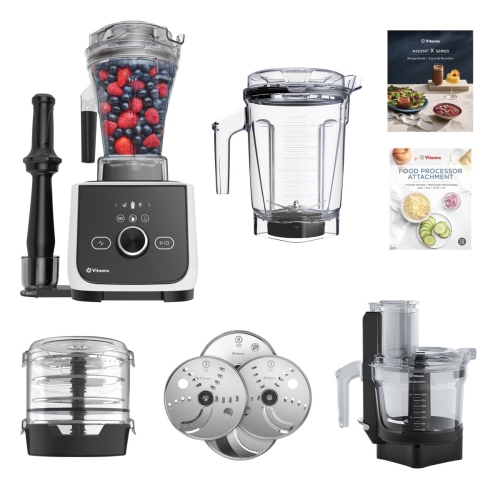
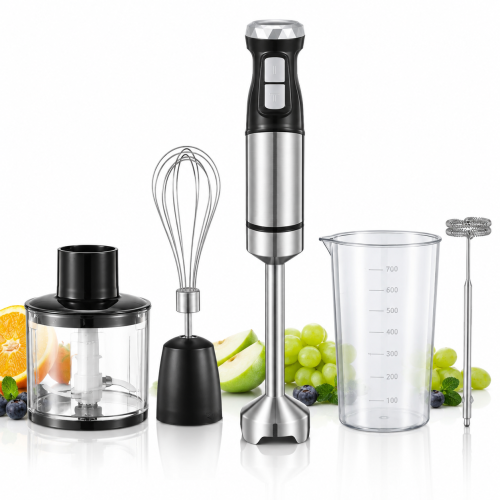
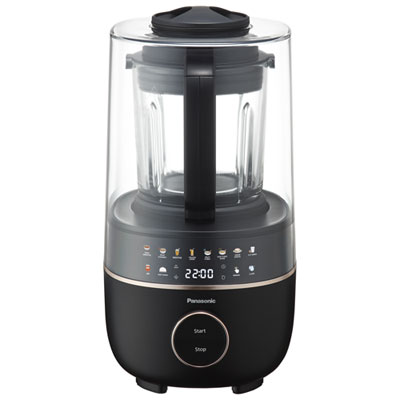
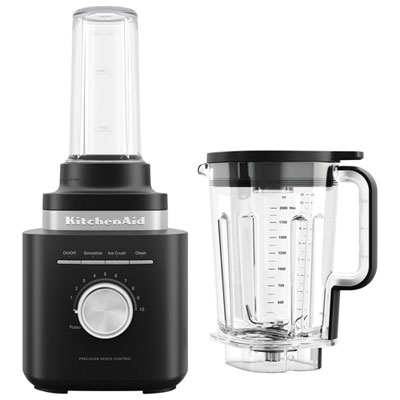
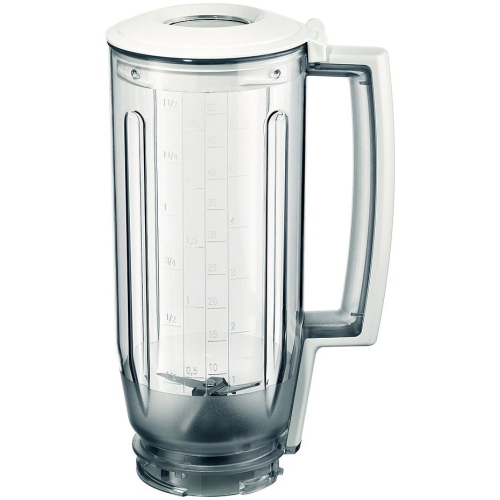
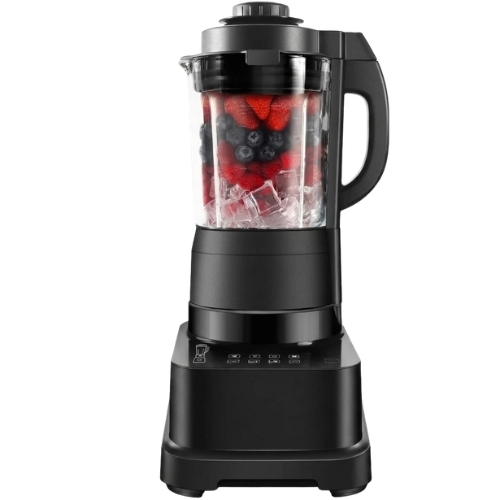
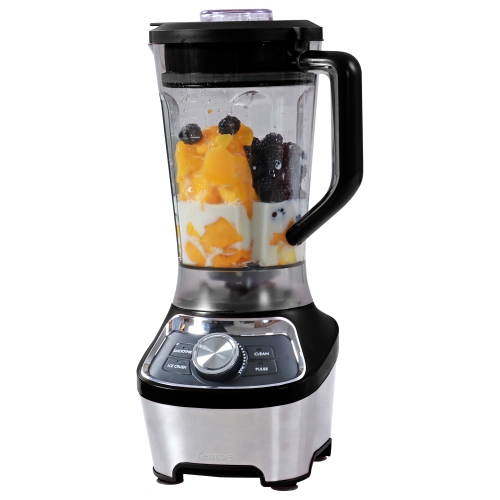
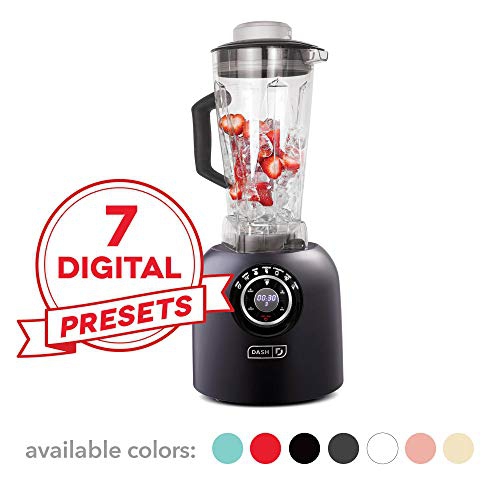
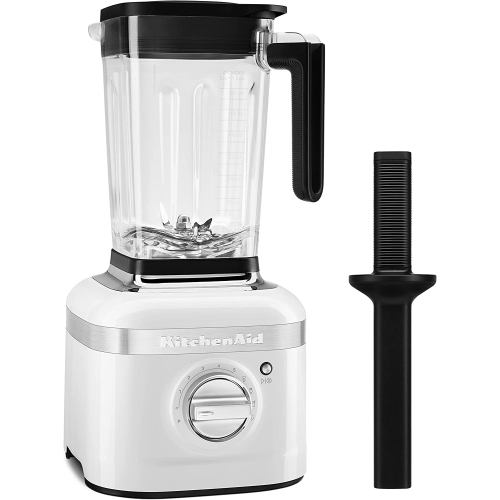
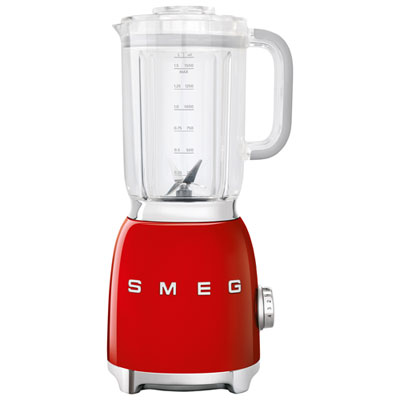
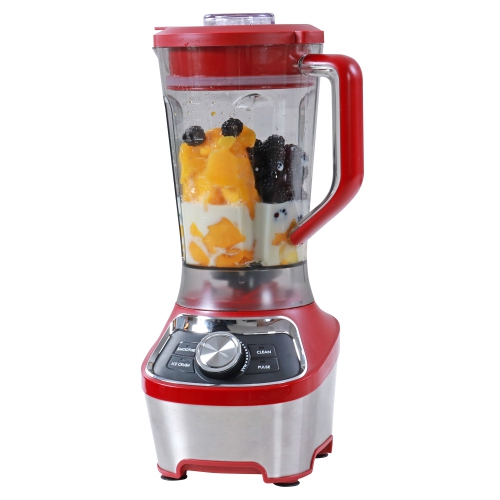
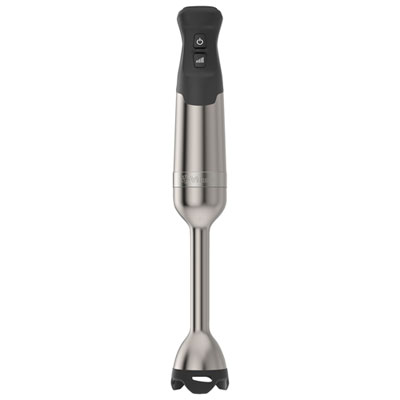
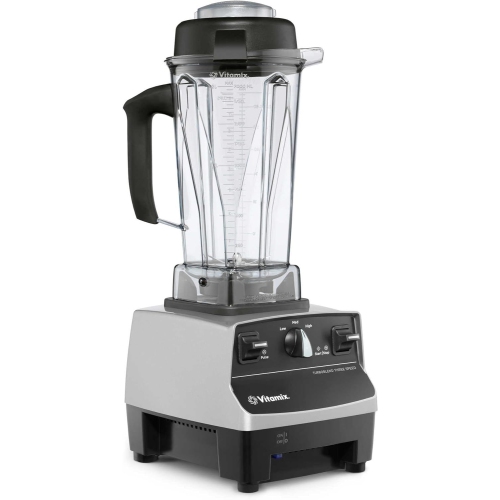
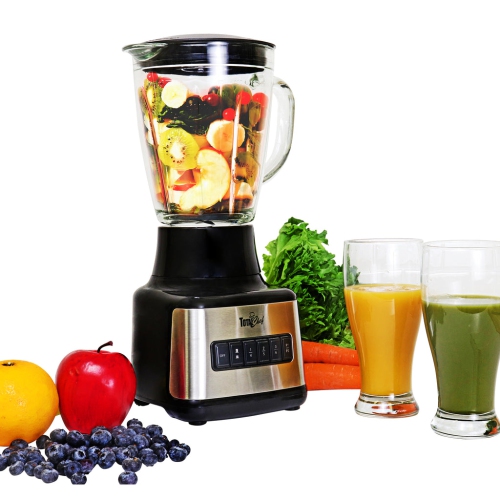
Some blenders cook soup while others only blend
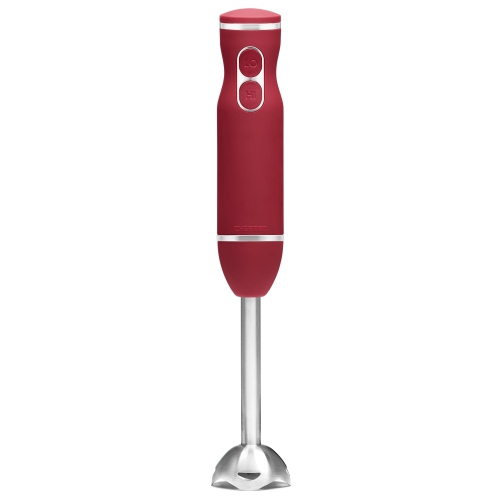
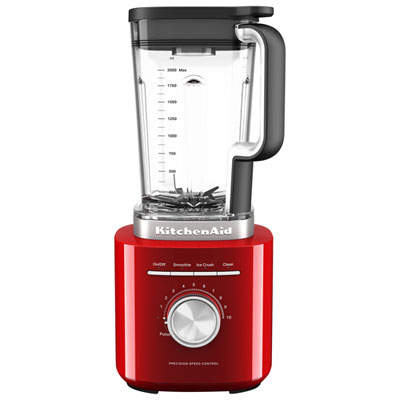
Hot soup blenders help turn vegetables, broth, legumes and other ingredients into smooth, spoonable meals, but their heating capabilities differ significantly. The main distinction is between a blender that generates heat through blade friction, an appliance with a built-in heating element, and a blender designed only to purée ingredients that have already been cooked. Certain high-speed countertop blenders use rapidly spinning blades to create enough friction to heat the contents of the jug during an extended blending cycle. This can work well for smooth soups made with suitable ingredients, although dense vegetables and ingredients that require thorough cooking may need preparation beforehand. A dedicated heated blender or soup maker uses a heating element to cook ingredients, with blending built into the process. Depending on the appliance, separate programs may produce smooth or chunky soup, allowing some texture to remain instead of puréeing everything uniformly. An immersion blender serves a different purpose: it blends directly in a saucepan or stockpot but generally does not supply heat itself. It is useful for finishing cooked potato and leek soup, breaking down tender squash, or blending only part of a lentil soup while leaving the rest intact. A soup preset alone does not establish whether an appliance cooks raw ingredients, heats through friction, or simply blends a prepared mixture; the stated functions and operating instructions determine what it can do. Likewise, motor wattage does not by itself reveal the temperature a blender can reach or whether it is approved for hot liquids. For everyday cooking, the most useful distinction is whether the appliance needs to cook the ingredients, heat a blend, or smooth out soup that is already hot. Roasted carrot soup, for example, starts with vegetables cooked separately, while a compatible heated soup maker may handle chopped raw vegetables and broth together using a designated cooking program. Ingredients such as raw meat and dried beans require their own appropriate cooking methods unless the appliance instructions explicitly support their preparation.
Capacity, jug construction and texture control all influence how comfortably a hot soup blender fits into a kitchen routine. Someone preparing lunch for one or two people may value a smaller working capacity and straightforward controls, while a household making several portions needs enough room for a practical batch. The maximum fill level for hot mixtures may be lower than the stated jug capacity, and minimum fill requirements can also affect whether a small portion blends or heats properly. Space matters beyond the footprint on the countertop: a tall jug needs clearance beneath cupboards, and a filled container should be manageable to lift, pour and wash. Heat-rated glass jugs can feel substantial and offer a clear view of the contents, but their weight and sensitivity to sudden temperature changes deserve consideration. Plastic jugs are often lighter, although suitability for hot liquids depends on the material and the manufacturer's stated limits. Stainless steel vessels offer sturdy construction but may make it harder to see the texture without stopping the appliance and opening it as directed. Across these materials, a comfortable handle, a secure lid and a controlled pouring spout can make serving much easier. Variable speed settings are useful for moving from a coarse vegetable mixture to a finer purée, while a pulse function can provide shorter bursts of blending when supported for the recipe and temperature. Smoothness also depends on the ingredients: fibrous celery, tomato skins and cooked lentils present different challenges from tender potatoes. A well-matched appliance should deliver the desired texture without relying on motor power alone. Clearly marked controls, readable fill lines and accessible programs are useful during meal preparation, particularly when several dishes are underway. Sound is another practical consideration, since high-speed blending can be noticeable in an open-plan home. Versatility may also matter for kitchens where the same appliance will prepare cold smoothies, sauces or dips, provided those uses are supported rather than assumed from its soup-making function.
Care and safe handling are especially important for appliances that combine sharp blades, hot liquids and electrical components. Hot soup should only be blended in equipment explicitly approved for that purpose, using the specified lid arrangement, fill level and operating method. Steam needs to escape as the design allows; a sealed personal blending cup is not a substitute for a hot-liquid-rated jug. When using an immersion blender, keeping the blade guard submerged helps limit splashing, and blending should follow the appliance instructions rather than taking place over an active burner. These details matter with thick soups, which can release pockets of steam as the mixture moves. Cleaning requirements vary just as much as cooking functions. Some removable jugs, lids or blade assemblies may be dishwasher-safe, while others require handwashing, especially when heating components or electrical connections are built into the vessel. An automatic cleaning cycle can loosen residue, but lid recesses, seals and areas around the blades may still need attention according to the care instructions. Motor bases and electrical connectors should not be immersed, and blades are best cleaned with an appropriate brush rather than fingers. Regular inspection of seals, lids and containers helps identify cracks, wear or damage before another batch is prepared. For households making soup frequently, easy-to-clean parts and accessible replacement components can be more useful over time than a long list of seldom-used settings. These appliances can suit home cooks who enjoy controlling seasoning and texture, people preparing several lunches at once, or anyone who prefers a smooth vegetable soup without transferring it between multiple containers. They can also make a thoughtful housewarming or wedding gift when the recipient's cooking habits and kitchen space are understood. For a broader view of appliance styles suited to these routines, explore Blenders for Soup Making. The right fit depends on how soup is prepared and served: a silky bowl poured straight from a heated jug, a roasted vegetable purée finished in a countertop blender, or a chunky pot given just a few passes with an immersion blender.
Top selling and popular products
-
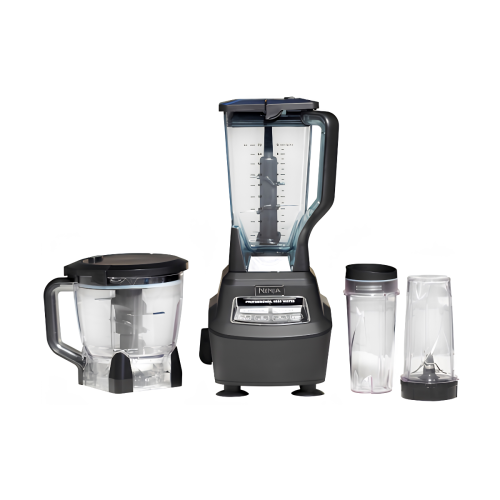 Your price for this item is $239.99
-
 Your price for this item is $79.99
-
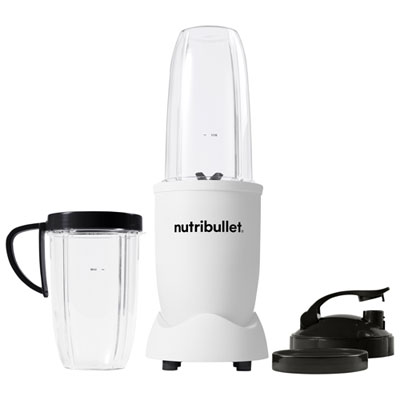 Your price for this item is $99.99
-
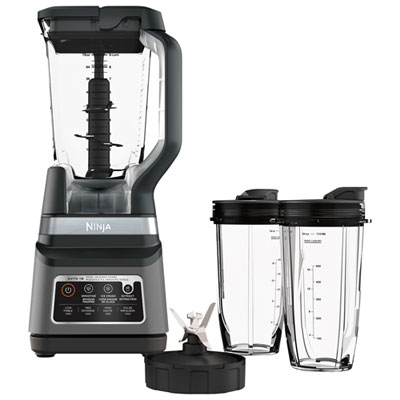 Your price for this item is $219.99
-
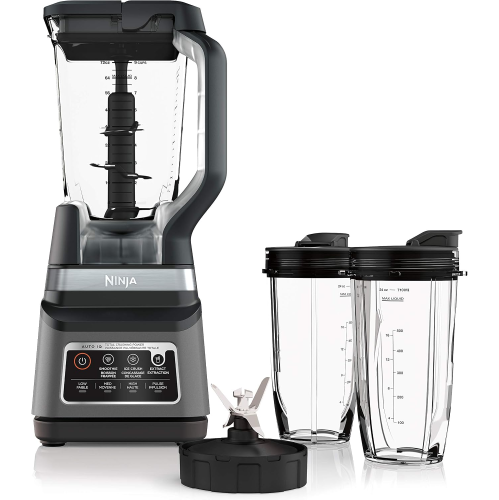 Your price for this item is $219.99
-
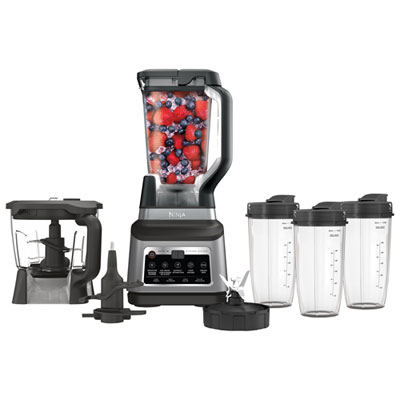 Your price for this item is $299.99
-
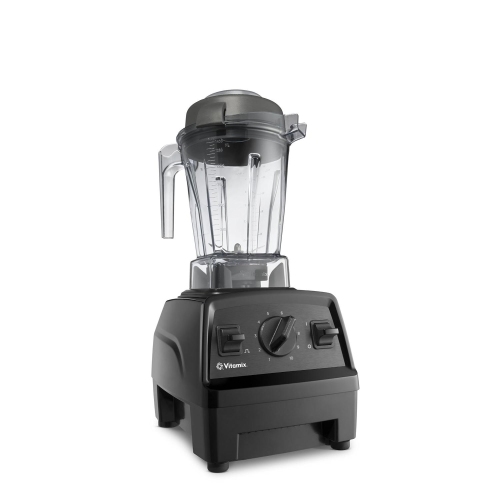 Your price for this item is $521.55
-
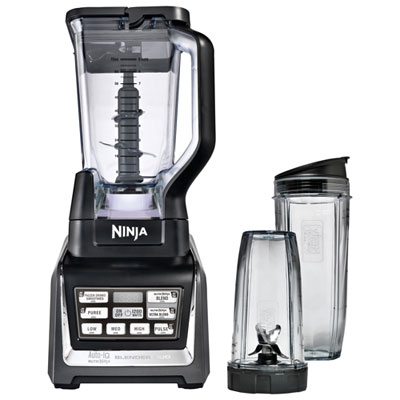 Your price for this item is $169.99
Discover more categories related to Hot Soup Blenders
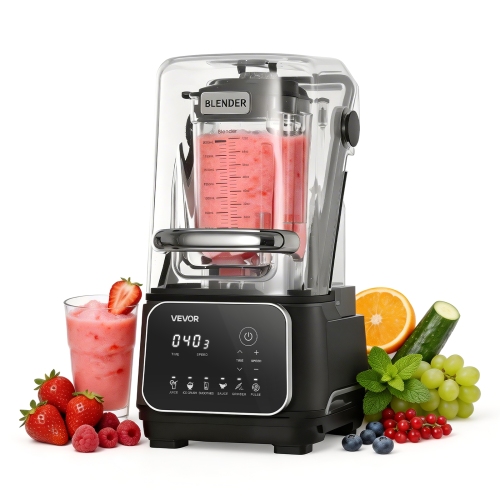
Top Collections:
Best Black Friday Deals This Year, Best Black Friday Deals On Electronics, Kindle Devices, Pokemon Centers, Best Black Friday Deals On Apple Products, Best Cameras for Sports Photography, Dyson Airwrap, Pokémon 30th Celebration Cards, Apple iPhone 17 Pro, Canon G7X Cameras
Some products may be subject to Environmental Handling Fees
(EHF) depending on your province.
Learn more about EHFs.