100 400mm Lenses
Capture the perfect shot with our wide selection of 100-400mm lenses. Whether you're a professional photographer or an avid hobbyist, these lenses offer exceptional zoom capabilities and image quality, allowing you to get up close to your subject from a distance. With a range of focal lengths and advanced features, our collection of 100–400mm lenses will elevate your photography game to new heights. Explore our inventory and find the perfect lens to enhance your creativity and capture those stunning moments with precision and clarity.
Sort
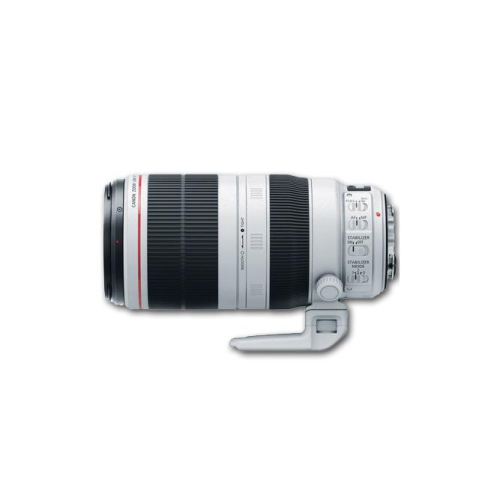
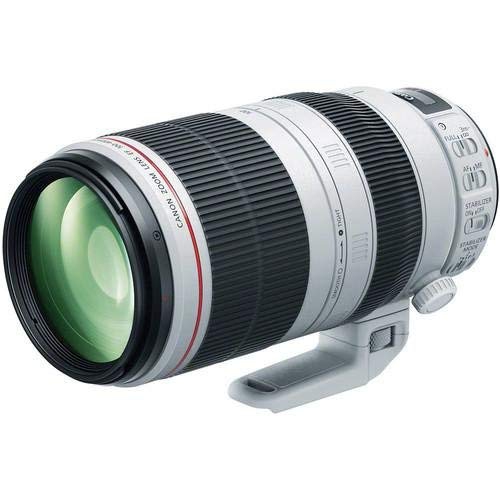
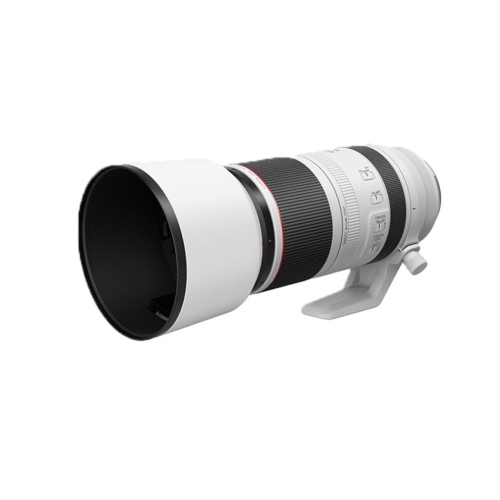
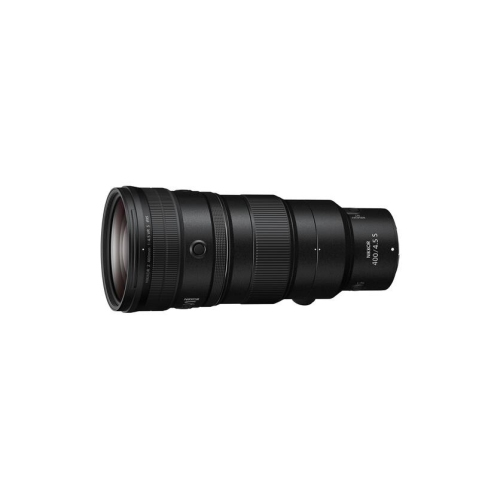
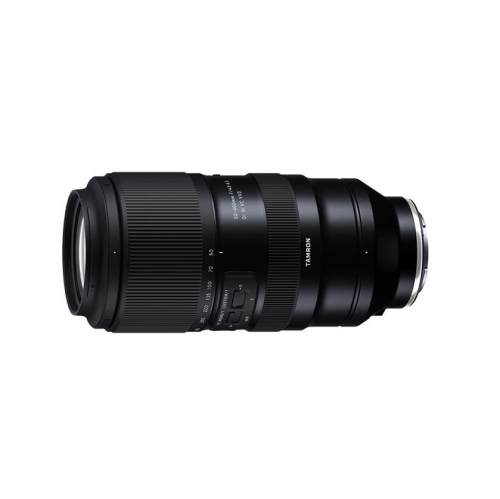
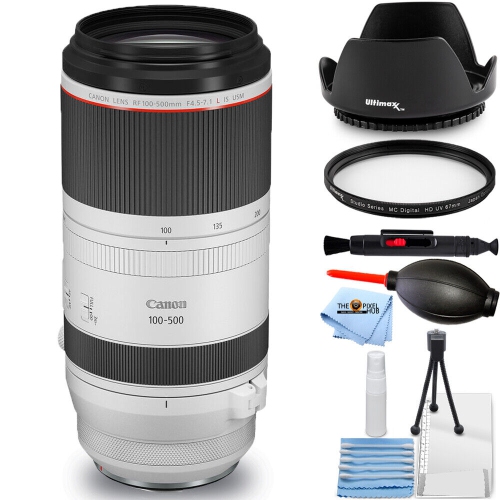
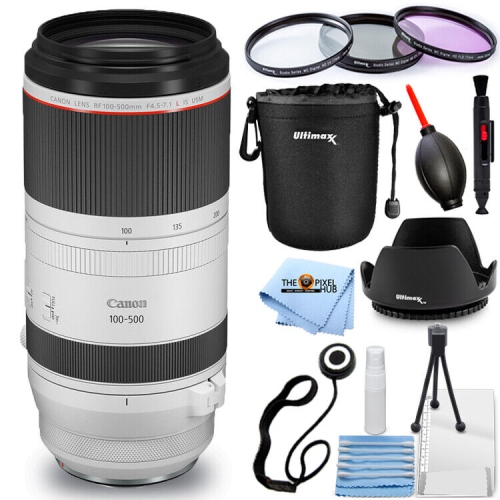
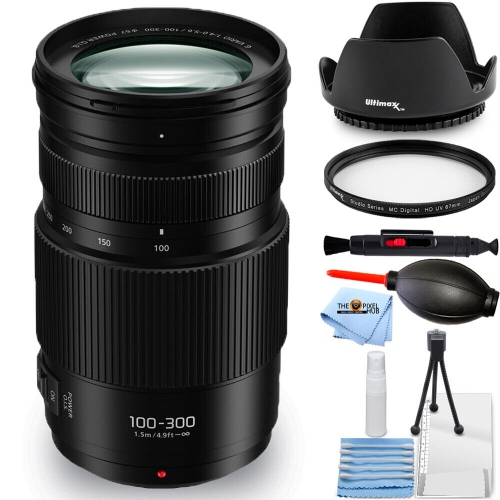
Flexible telephoto reach for distant moving subjects
100-400mm lenses are versatile telephoto zooms designed to bring distant subjects closer without requiring photographers to carry several separate lenses. At the shorter 100mm setting, they can frame people, larger animals, vehicles, details in a landscape, and action happening at a moderate distance. At 400mm, they provide the reach needed for birds in flight, field sports, motorsports, wildlife, and candid moments where moving closer is impractical or would disturb the scene. This broad focal-length range makes them a popular choice for photographers who want one lens that can adapt as the subject moves, whether that means following a fast player across a field or zooming out quickly when a bird lands nearer than expected. A 100-400mm lens can also be a practical addition to a travel kit, especially for outdoor trips where changing lenses in dust, wind, or light rain is inconvenient. Before choosing one, confirm that the mount matches the camera body. Some lenses are made for mirrorless systems, while others are designed for DSLR cameras, and an adapter may be required when combining equipment from different generations. Compatibility is about more than physical fit: autofocus performance, image stabilization, aperture control, and electronic communication can vary when adapters are involved. Sensor size also affects the effective field of view. On a full-frame camera, the lens provides its stated 100-400mm range, while an APS-C or other crop-sensor body can make the view appear tighter, offering extra apparent reach that may be useful for distant subjects. A photographer who regularly works from the sidelines, a bird hide, a hiking trail, or the edge of a lake may find this range more useful than a shorter everyday zoom, while someone photographing indoor events may prefer a brighter lens with a wider maximum aperture.
The maximum aperture is one of the most important specifications to compare. Many 100-400mm lenses use a variable aperture, meaning the widest available opening becomes smaller as the lens is zoomed toward 400mm. This design can help keep the lens more manageable, but it may require higher ISO settings or slower shutter speeds in shade, overcast conditions, and during the cooler months when daylight fades earlier. A wider aperture can make it easier to separate a subject from a busy background and freeze action, although it often comes with increased size, weight, and cost. Optical image stabilization is another valuable feature, particularly at the long end of the zoom range. At 400mm, even a small movement can make a distant subject appear blurred, so stabilization can help when photographing stationary wildlife, landscapes, or details from a viewing platform. It does not replace a fast shutter speed for moving subjects, but it can make handheld shooting more comfortable and improve results when light levels drop. Autofocus speed and tracking are especially important for sports and birds, where a subject may change direction in an instant. Look for a focusing system that responds quickly and a lens design that lets you switch between autofocus and manual focus with ease. A focus limiter can also help the camera avoid searching through the entire focusing range when the subject is relatively close or far away. Physical handling matters just as much as specifications. A lighter lens is easier to carry along a trail and more comfortable for extended handheld sessions, while a heavier professional construction may offer additional controls, a sturdier feel, and stronger resistance to dust and moisture. A rotating or removable tripod collar can improve balance on a monopod or tripod, and a secure zoom mechanism can help prevent the lens from extending while it is being carried. Check the minimum focusing distance as well if you enjoy close views of flowers, insects, textures, or outdoor details; telephoto compression can create striking images even when the subject is not extremely far away.
When selecting among 100-400mm lenses, begin with the subjects you photograph most often, then consider how you normally work. A wildlife photographer who spends hours waiting quietly may prioritize sharpness, weather sealing, tripod compatibility, and comfortable controls. A sports photographer may place greater emphasis on autofocus tracking, stabilization modes, and the ability to change focal length quickly as the action moves. Travellers and casual outdoor photographers may prefer a lighter option that fits into a camera bag without making every walk feel like a gear-hauling exercise. These lenses can also make thoughtful gifts for someone moving beyond a standard kit lens, preparing for a first wildlife trip, or learning to photograph community sports and outdoor activities. A beginner may appreciate the flexibility of framing a subject at different distances, while an experienced photographer may value a second telephoto option suited to handheld shooting. As the weather warms, a 100-400mm lens can capture birds returning to local parks, boats on open water, cyclists on winding paths, and family activities from a respectful distance. During the cooler months, it remains useful for indoor-to-outdoor transitions, autumn landscapes, illuminated outdoor scenes, and wildlife that stands out against more open surroundings. A camera bag with room for the lens, a comfortable strap, and a monopod can make longer outings easier, though many lighter models are designed for handheld use. Photographers seeking even more reach for exceptionally distant wildlife, aircraft, or field sports can also explore 800mm Lenses, while remembering that longer focal lengths typically demand more careful support and steadier technique. Whichever option suits the camera system, subject matter, and budget, the best 100-400mm lens is one that feels manageable enough to carry, focuses reliably, and provides the reach needed to tell the story unfolding beyond arm’s length.
The maximum aperture is one of the most important specifications to compare. Many 100-400mm lenses use a variable aperture, meaning the widest available opening becomes smaller as the lens is zoomed toward 400mm. This design can help keep the lens more manageable, but it may require higher ISO settings or slower shutter speeds in shade, overcast conditions, and during the cooler months when daylight fades earlier. A wider aperture can make it easier to separate a subject from a busy background and freeze action, although it often comes with increased size, weight, and cost. Optical image stabilization is another valuable feature, particularly at the long end of the zoom range. At 400mm, even a small movement can make a distant subject appear blurred, so stabilization can help when photographing stationary wildlife, landscapes, or details from a viewing platform. It does not replace a fast shutter speed for moving subjects, but it can make handheld shooting more comfortable and improve results when light levels drop. Autofocus speed and tracking are especially important for sports and birds, where a subject may change direction in an instant. Look for a focusing system that responds quickly and a lens design that lets you switch between autofocus and manual focus with ease. A focus limiter can also help the camera avoid searching through the entire focusing range when the subject is relatively close or far away. Physical handling matters just as much as specifications. A lighter lens is easier to carry along a trail and more comfortable for extended handheld sessions, while a heavier professional construction may offer additional controls, a sturdier feel, and stronger resistance to dust and moisture. A rotating or removable tripod collar can improve balance on a monopod or tripod, and a secure zoom mechanism can help prevent the lens from extending while it is being carried. Check the minimum focusing distance as well if you enjoy close views of flowers, insects, textures, or outdoor details; telephoto compression can create striking images even when the subject is not extremely far away.
When selecting among 100-400mm lenses, begin with the subjects you photograph most often, then consider how you normally work. A wildlife photographer who spends hours waiting quietly may prioritize sharpness, weather sealing, tripod compatibility, and comfortable controls. A sports photographer may place greater emphasis on autofocus tracking, stabilization modes, and the ability to change focal length quickly as the action moves. Travellers and casual outdoor photographers may prefer a lighter option that fits into a camera bag without making every walk feel like a gear-hauling exercise. These lenses can also make thoughtful gifts for someone moving beyond a standard kit lens, preparing for a first wildlife trip, or learning to photograph community sports and outdoor activities. A beginner may appreciate the flexibility of framing a subject at different distances, while an experienced photographer may value a second telephoto option suited to handheld shooting. As the weather warms, a 100-400mm lens can capture birds returning to local parks, boats on open water, cyclists on winding paths, and family activities from a respectful distance. During the cooler months, it remains useful for indoor-to-outdoor transitions, autumn landscapes, illuminated outdoor scenes, and wildlife that stands out against more open surroundings. A camera bag with room for the lens, a comfortable strap, and a monopod can make longer outings easier, though many lighter models are designed for handheld use. Photographers seeking even more reach for exceptionally distant wildlife, aircraft, or field sports can also explore 800mm Lenses, while remembering that longer focal lengths typically demand more careful support and steadier technique. Whichever option suits the camera system, subject matter, and budget, the best 100-400mm lens is one that feels manageable enough to carry, focuses reliably, and provides the reach needed to tell the story unfolding beyond arm’s length.
Top selling and popular products
-
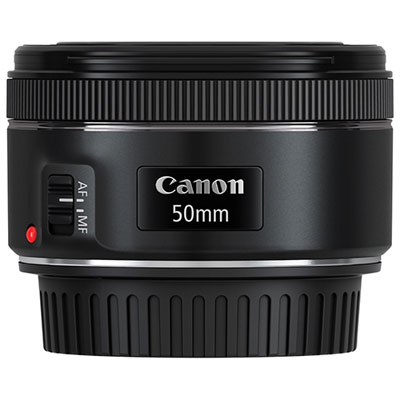 Your price for this item is $169.99
 -
 Your price for this item is $329.99
 -
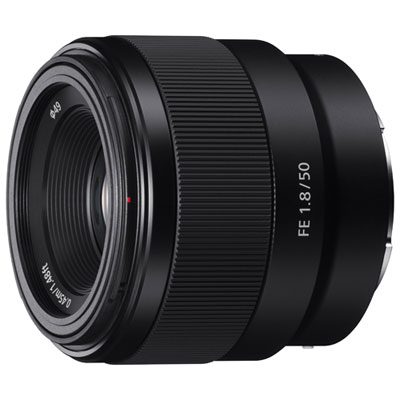 Your price for this item is $349.99
 -
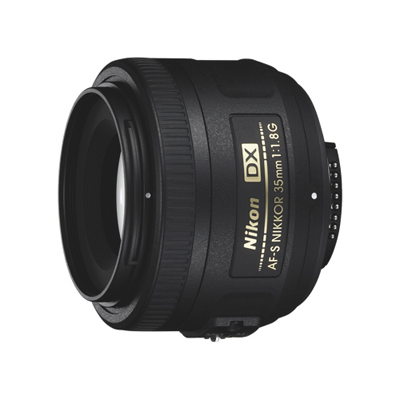 Your price for this item is $258.98
 -
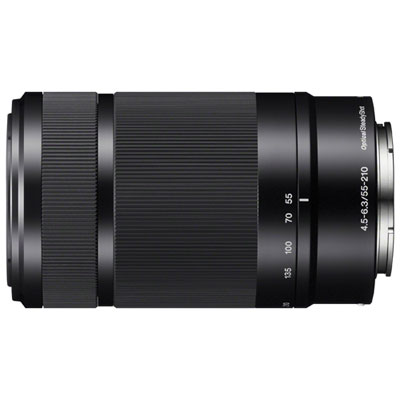 Your price for this item is $399.99
 -
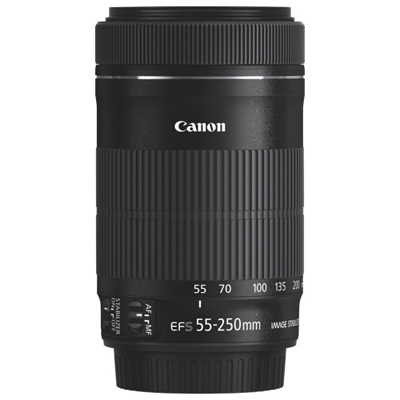 Your price for this item is $399.99
 -
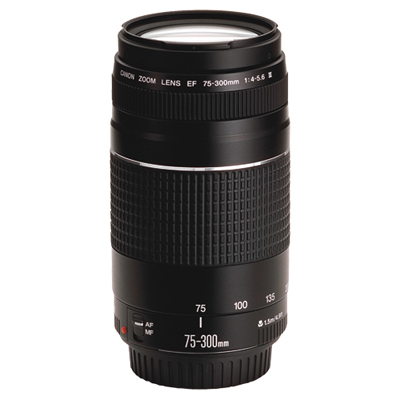 Your price for this item is $199.99
 -
 Your price for this item is $174.99
Discover more categories related to 100 400mm Lenses
Top Collections:
Pokemon Centers, Kindle Devices, Best Cell Phones Under $500, Alarm Clock, Canon G7X Cameras, iPhone 15 Apple, Laptops for Students, Budget Smartphones, iPhone 14 256GB, Best Camera Tripods Under $100
Some products may be subject to Environmental Handling Fees
(EHF) depending on your province.
Learn more about EHFs.