500mm Lenses
Capture stunning long-range shots with our collection of 500mm lenses. Designed for professional photographers and enthusiasts alike, these powerful lenses offer exceptional zoom capabilities and crystal-clear image quality. Whether you're capturing wildlife in their natural habitat or shooting sports events from a distance, 500mm lenses provide the perfect focal length to bring your subjects closer and capture every detail. They are also ideal for landscape and astrophotography, allowing you to capture stunning starry night skies and distant mountain ranges.
Sort
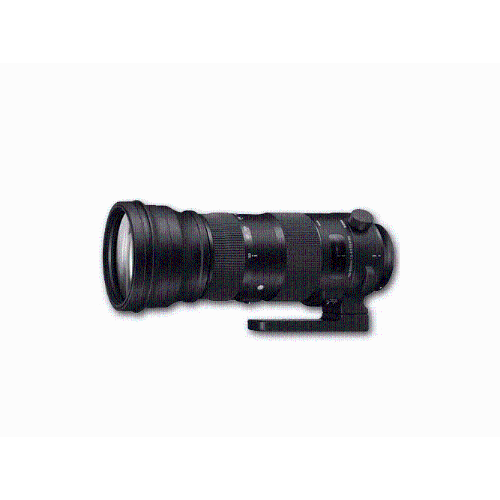
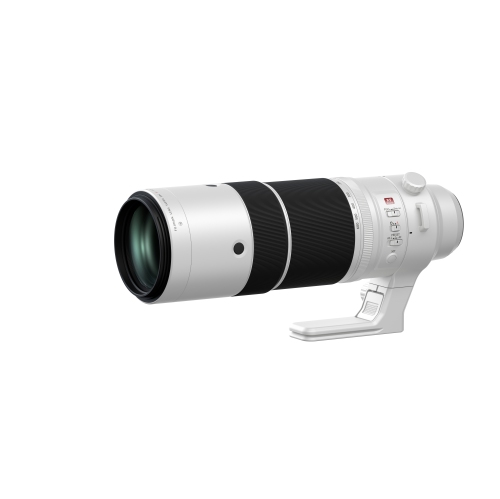
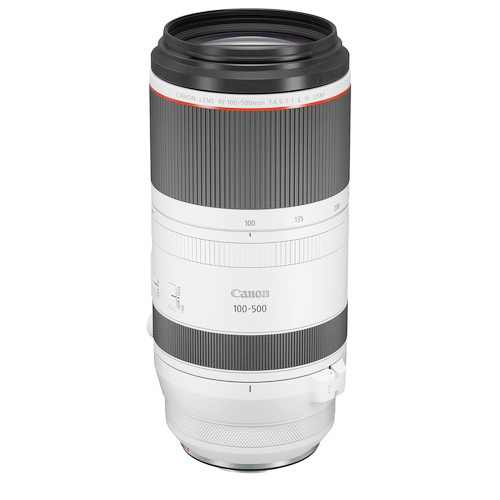
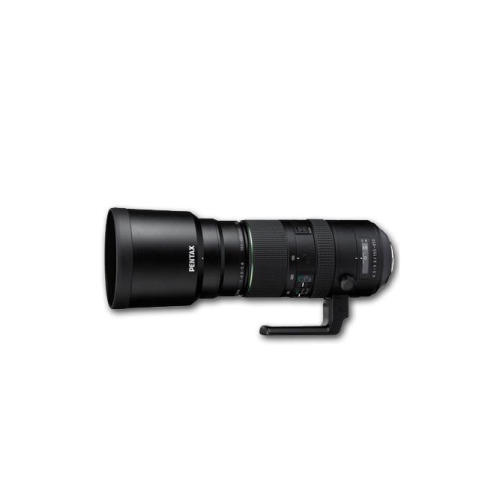
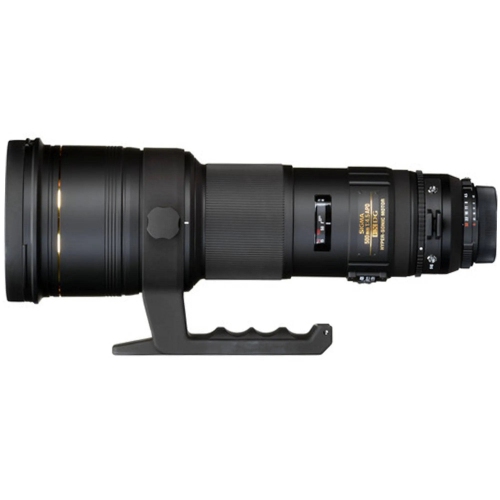
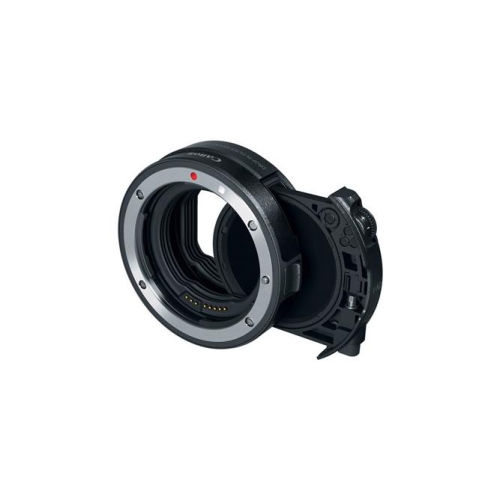
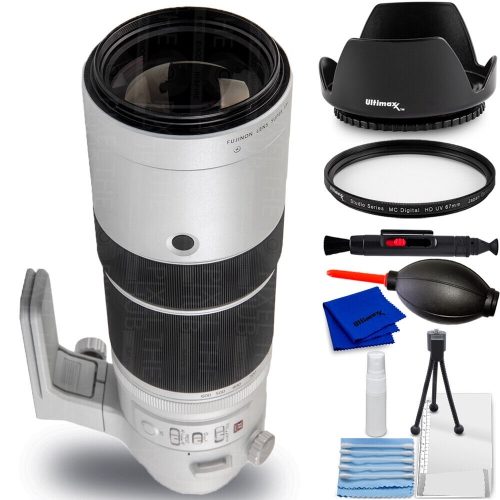
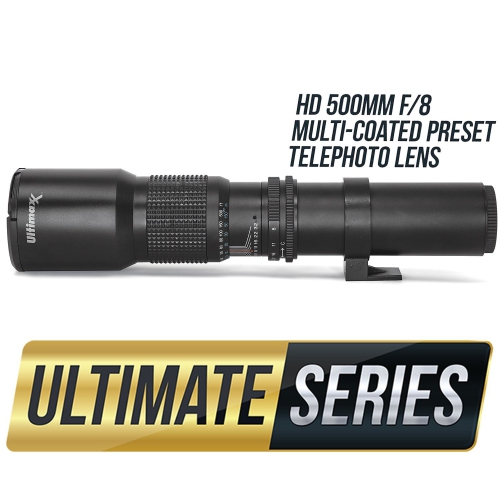
Long-range performance for wildlife, sports and aviation photography
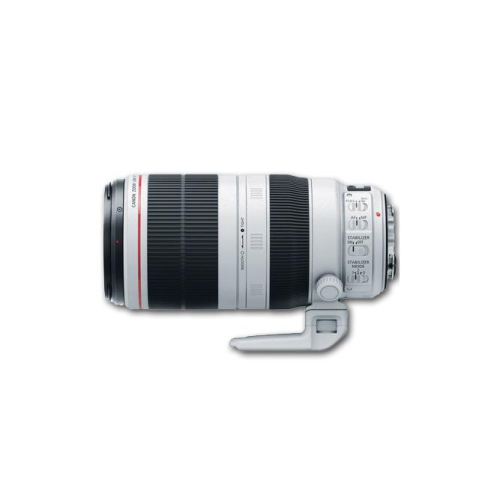
500mm lenses are super-telephoto options designed to bring distant subjects closer without requiring you to physically approach them. They are especially useful for wildlife, birds, outdoor sports, aviation, motorsports and landscape details that would otherwise appear small in the frame. A fixed 500mm lens offers one focal length and is often chosen for its strong optical performance, consistent framing and bright maximum aperture, while a telephoto zoom that reaches 500mm provides added flexibility when a subject moves closer or when you need to include more of the surrounding scene. That flexibility can make a zoom a practical choice for birding in a park, where a bird may land on a nearby branch one moment and fly to a distant treetop the next. A prime lens can be appealing for photographers who already know the working distance they prefer and want a dedicated tool for long-range images. Before choosing, check the lens mount carefully so it matches your camera or is supported by a compatible adapter. Full-frame cameras and crop-sensor cameras can both be used with 500mm lenses, but the apparent field of view changes with sensor size. On a crop-sensor camera, the lens may provide a narrower angle of view that makes distant subjects appear more tightly framed, which can be helpful for small birds or field sports. It is also important to confirm whether the lens supports the camera’s autofocus system, electronic communication, aperture control and image stabilisation features. Compatibility details can affect everything from focusing speed to how easily exposure settings can be adjusted while tracking a moving subject.
The design of a 500mm lens has a noticeable effect on how it feels in everyday use. A lighter lens can be easier to carry along a trail, set up in a blind or hold while following a bird in flight, while a larger professional-style lens may be better suited to tripod or monopod support. Weight and balance matter just as much as optical reach; a lens that feels comfortable against the camera body is easier to use for a full afternoon at a sporting event or an early-morning wildlife outing. Optical image stabilisation, when available, can help reduce the effect of hand movement and make it easier to work at slower shutter speeds, although stabilisation cannot freeze a fast-moving subject. For action, photographers often pair a long lens with a fast shutter speed and continuous autofocus so the camera can maintain focus as an athlete runs across a field or a hawk changes direction in the sky. A bright maximum aperture can help in overcast conditions, shaded woodland or during the softer light around sunrise and sunset, but it may also increase the lens’s size, weight and price. A narrower aperture can provide a more portable option and still deliver excellent results in daylight. Look for features such as weather-resistant construction when photographing near water, in light rain or during cooler months, as well as a secure tripod collar, a removable foot or a well-designed focus ring if you expect to use support equipment. Manual-focus lenses may suit patient photographers who enjoy carefully composing distant landscapes, the moon or stationary subjects, but autofocus is generally more convenient for wildlife and sports. A minimum focus distance is another useful specification: even a long lens can be limiting if it cannot focus on a subject that comes closer than expected. When comparing options, consider the complete kit rather than the lens alone, including the camera body, memory cards, spare batteries, a sturdy bag and a support system that can handle the combined weight.
A 500mm lens can become a rewarding part of a photographer’s kit when its strengths match the way they like to shoot. Wildlife photographers can use the reach to create detailed portraits while keeping a respectful distance, preserving natural behaviour and avoiding unnecessary disturbance. Bird photographers may value the ability to isolate a perched bird against a soft, uncluttered background, while those who photograph birds in flight will benefit from quick autofocus, manageable weight and a steady grip. At a sports field, the same focal length can capture expressions, movement and fine details from the sidelines or the stands, even when the action takes place at the far end of the venue. Aviation enthusiasts can use a 500mm lens to frame aircraft against a clear sky, and landscape photographers can compress distant layers of hills, buildings or autumn-coloured trees into a more graphic composition. These lenses can also make thoughtful gifts for a photographer who has moved beyond a standard kit lens and wants to explore wildlife or outdoor action, provided the recipient’s camera mount and preferred subjects are known. If the photographer often travels light, a compact zoom may be more suitable than a large fixed lens; if image quality, low-light capability and a dedicated working distance are the priorities, a prime may be the better fit. For photographers who want even greater reach for very distant subjects, explore 1000mm Lenses as another long-range category. Regardless of the design, a 500mm lens rewards preparation: learn the controls before heading out, use a shutter speed appropriate for the subject, support the lens when practical and leave enough space in the frame for moving subjects to travel into. During the cooler months, gloves with enough dexterity for camera controls, a protective cover and a padded bag can make outdoor sessions more comfortable, while the changing light of early fall and winter can create crisp scenes, strong silhouettes and beautifully isolated subjects.
The design of a 500mm lens has a noticeable effect on how it feels in everyday use. A lighter lens can be easier to carry along a trail, set up in a blind or hold while following a bird in flight, while a larger professional-style lens may be better suited to tripod or monopod support. Weight and balance matter just as much as optical reach; a lens that feels comfortable against the camera body is easier to use for a full afternoon at a sporting event or an early-morning wildlife outing. Optical image stabilisation, when available, can help reduce the effect of hand movement and make it easier to work at slower shutter speeds, although stabilisation cannot freeze a fast-moving subject. For action, photographers often pair a long lens with a fast shutter speed and continuous autofocus so the camera can maintain focus as an athlete runs across a field or a hawk changes direction in the sky. A bright maximum aperture can help in overcast conditions, shaded woodland or during the softer light around sunrise and sunset, but it may also increase the lens’s size, weight and price. A narrower aperture can provide a more portable option and still deliver excellent results in daylight. Look for features such as weather-resistant construction when photographing near water, in light rain or during cooler months, as well as a secure tripod collar, a removable foot or a well-designed focus ring if you expect to use support equipment. Manual-focus lenses may suit patient photographers who enjoy carefully composing distant landscapes, the moon or stationary subjects, but autofocus is generally more convenient for wildlife and sports. A minimum focus distance is another useful specification: even a long lens can be limiting if it cannot focus on a subject that comes closer than expected. When comparing options, consider the complete kit rather than the lens alone, including the camera body, memory cards, spare batteries, a sturdy bag and a support system that can handle the combined weight.
A 500mm lens can become a rewarding part of a photographer’s kit when its strengths match the way they like to shoot. Wildlife photographers can use the reach to create detailed portraits while keeping a respectful distance, preserving natural behaviour and avoiding unnecessary disturbance. Bird photographers may value the ability to isolate a perched bird against a soft, uncluttered background, while those who photograph birds in flight will benefit from quick autofocus, manageable weight and a steady grip. At a sports field, the same focal length can capture expressions, movement and fine details from the sidelines or the stands, even when the action takes place at the far end of the venue. Aviation enthusiasts can use a 500mm lens to frame aircraft against a clear sky, and landscape photographers can compress distant layers of hills, buildings or autumn-coloured trees into a more graphic composition. These lenses can also make thoughtful gifts for a photographer who has moved beyond a standard kit lens and wants to explore wildlife or outdoor action, provided the recipient’s camera mount and preferred subjects are known. If the photographer often travels light, a compact zoom may be more suitable than a large fixed lens; if image quality, low-light capability and a dedicated working distance are the priorities, a prime may be the better fit. For photographers who want even greater reach for very distant subjects, explore 1000mm Lenses as another long-range category. Regardless of the design, a 500mm lens rewards preparation: learn the controls before heading out, use a shutter speed appropriate for the subject, support the lens when practical and leave enough space in the frame for moving subjects to travel into. During the cooler months, gloves with enough dexterity for camera controls, a protective cover and a padded bag can make outdoor sessions more comfortable, while the changing light of early fall and winter can create crisp scenes, strong silhouettes and beautifully isolated subjects.
Top selling and popular products
-
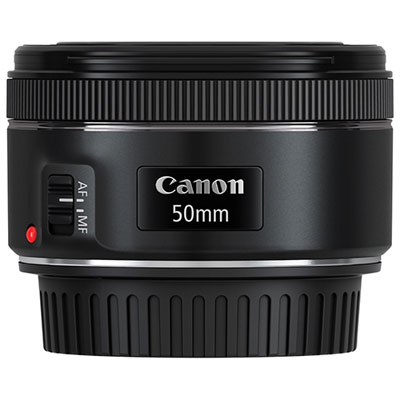 Your price for this item is $169.99
 -
 Your price for this item is $329.99
 -
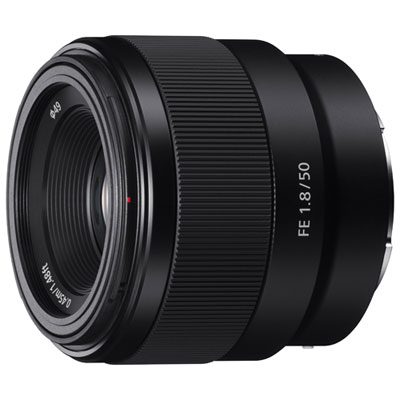 Your price for this item is $349.99
 -
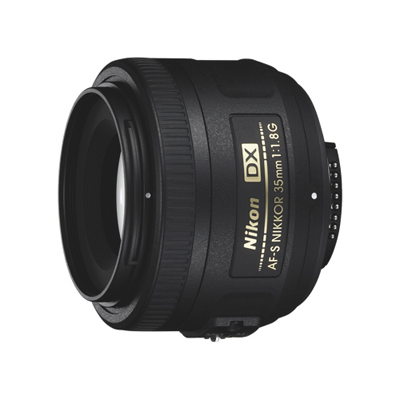 Your price for this item is $258.98
 -
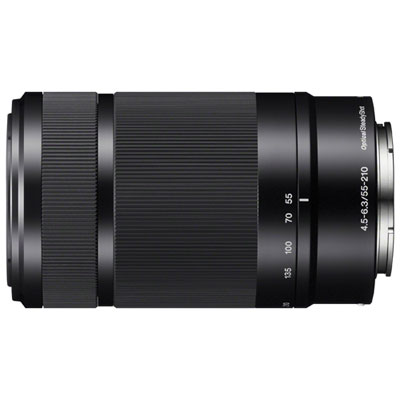 Your price for this item is $399.99
 -
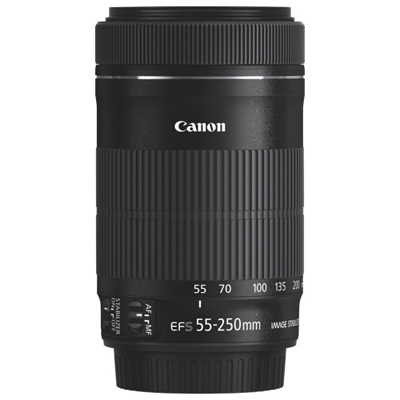 Your price for this item is $399.99
 -
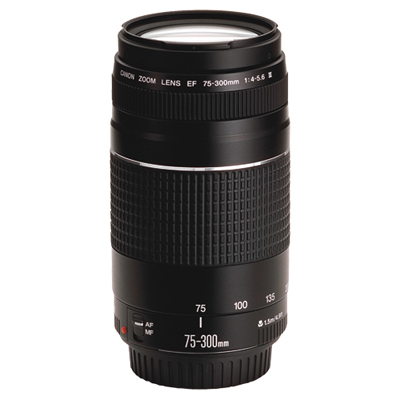 Your price for this item is $199.99
 -
 Your price for this item is $174.99
Discover more categories related to 500mm Lenses
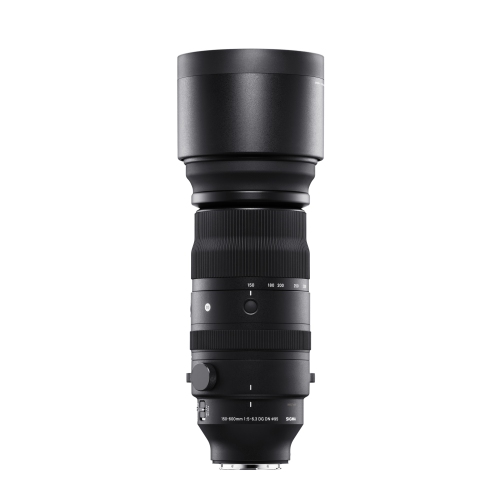
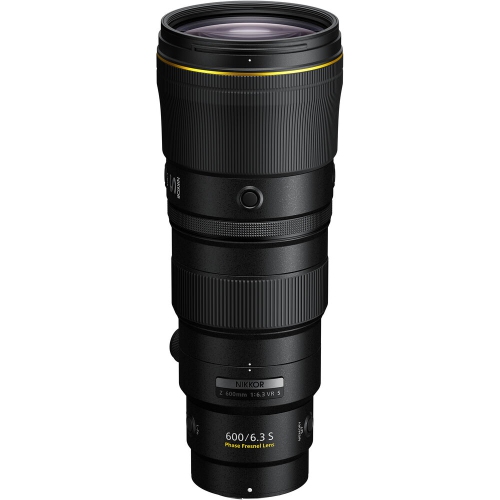
Top Collections:
Pokemon Centers, Kindle Devices, Best Cell Phones Under $500, Alarm Clock, Canon G7X Cameras, iPhone 15 Apple, Laptops for Students, Budget Smartphones, iPhone 14 256GB, Best Camera Tripods Under $100
Some products may be subject to Environmental Handling Fees
(EHF) depending on your province.
Learn more about EHFs.