55 200mm Lenses
Capture the perfect shot with our wide selection of 55-200mm lenses. Whether you're a professional photographer or an avid hobbyist, these lenses are designed to enhance your photography experience and take your skills to new heights. With their versatile focal length range, you'll have the flexibility to capture stunning close-ups and beautiful portraits with ease. Explore our collection of 55-200mm lenses and discover the perfect match for your camera, allowing you to unleash your creativity and capture every moment in exceptional detail.
Sort
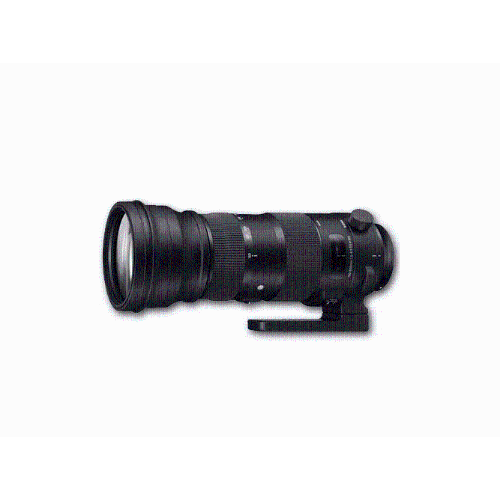

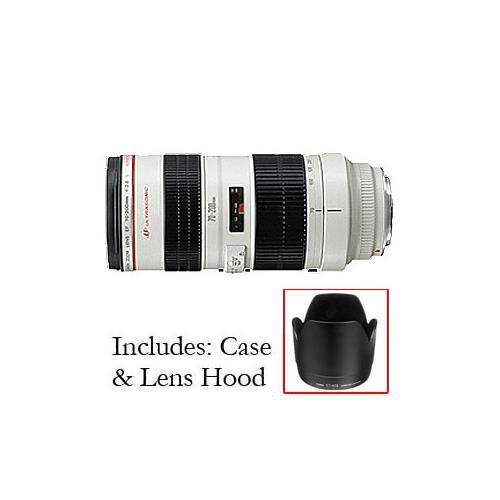
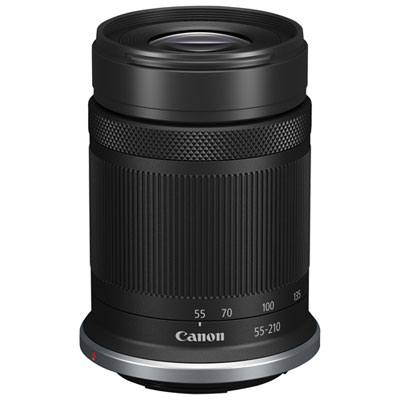
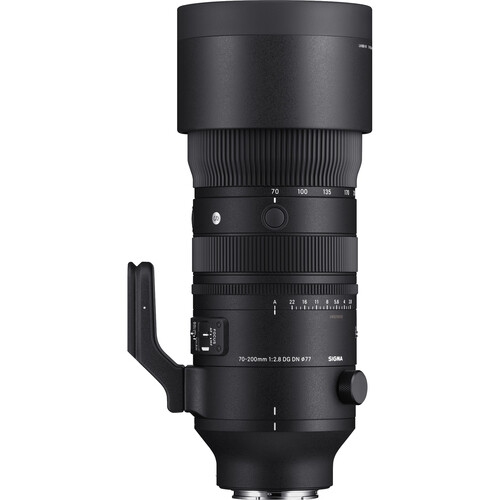
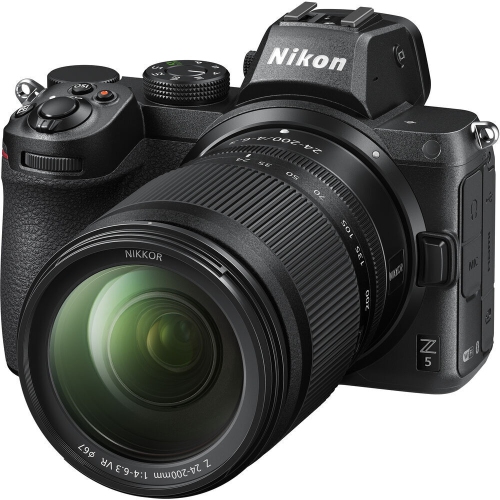
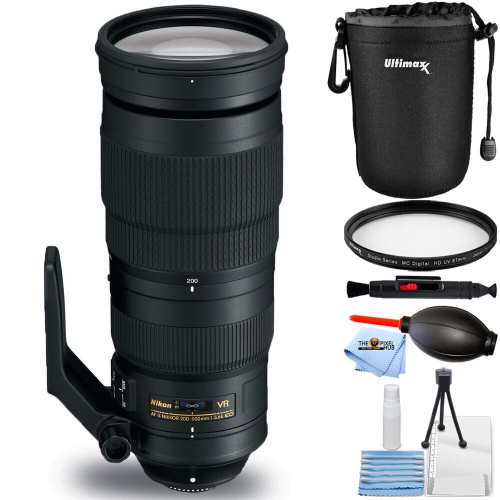
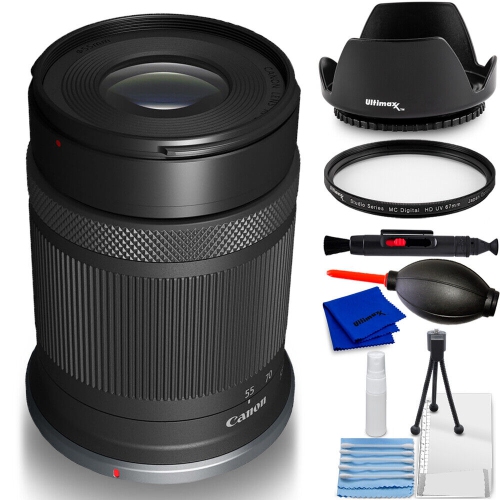
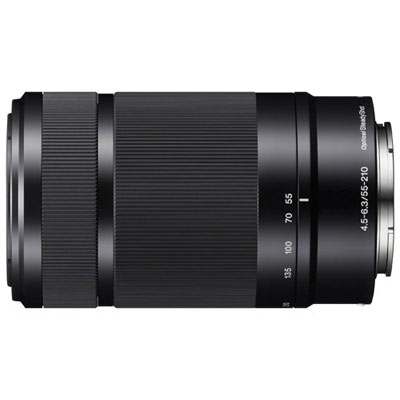
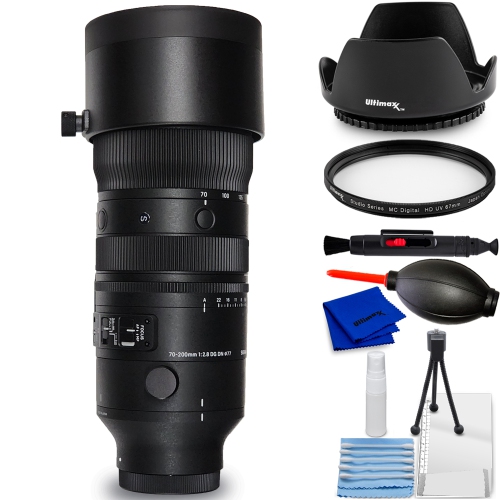
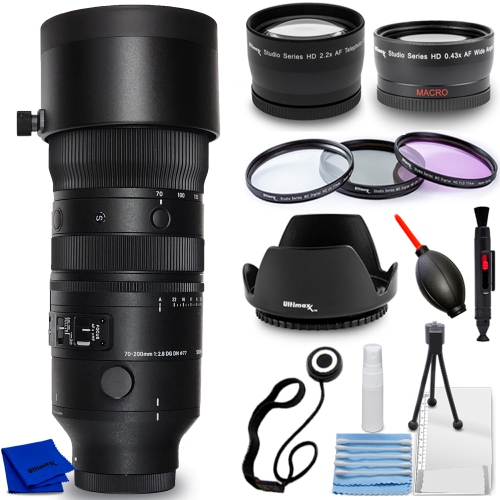
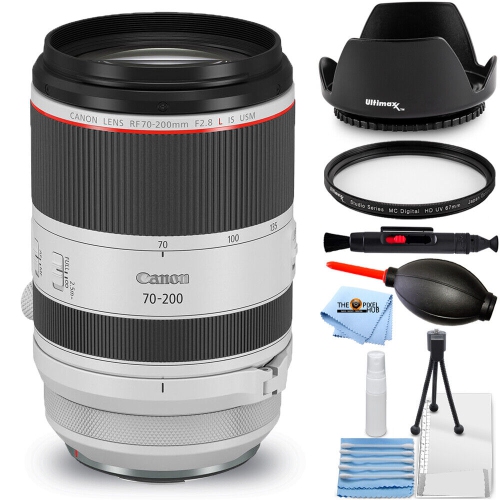
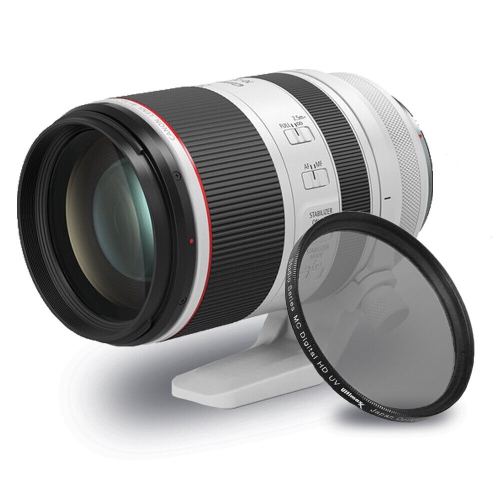
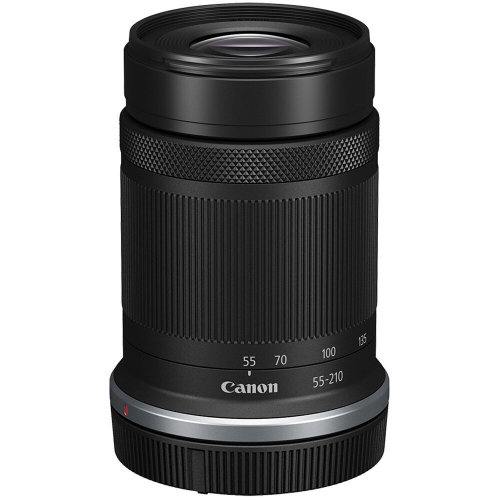
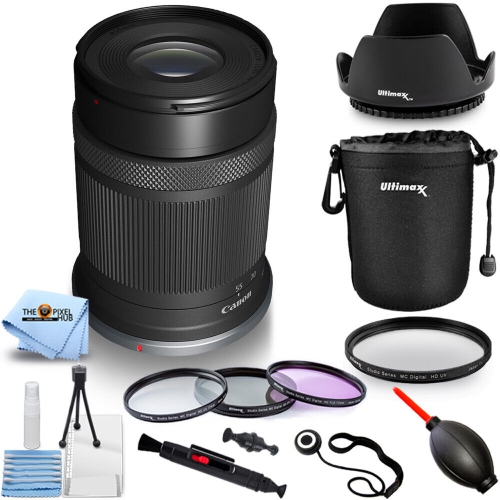
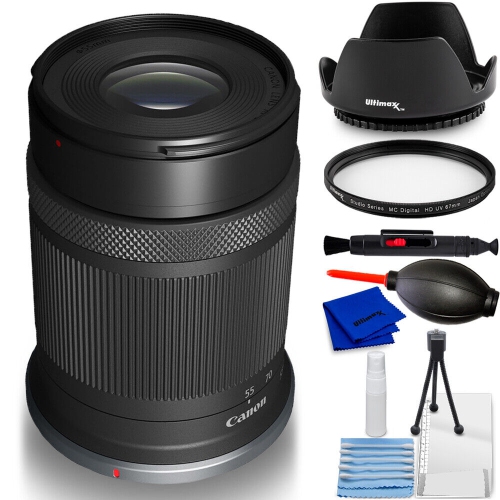
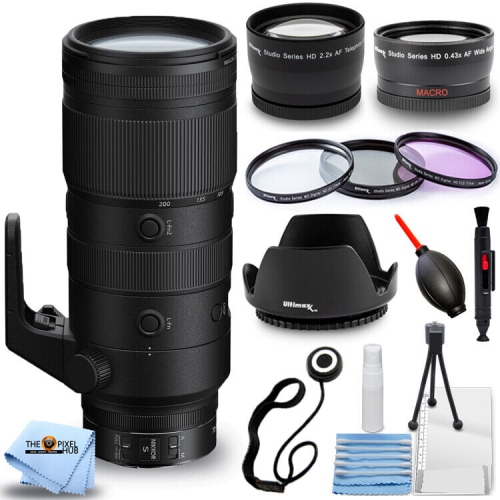
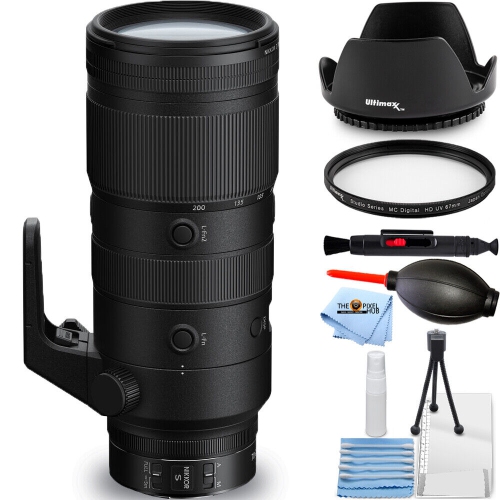
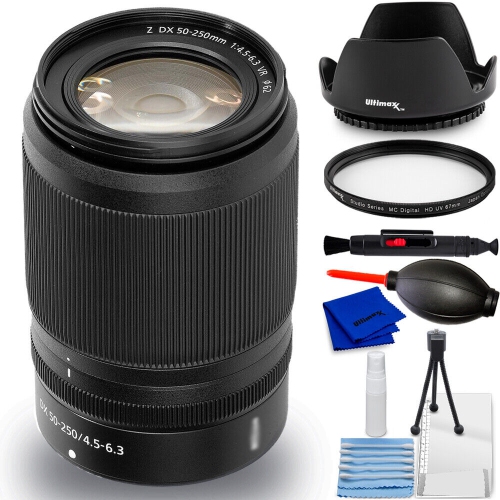
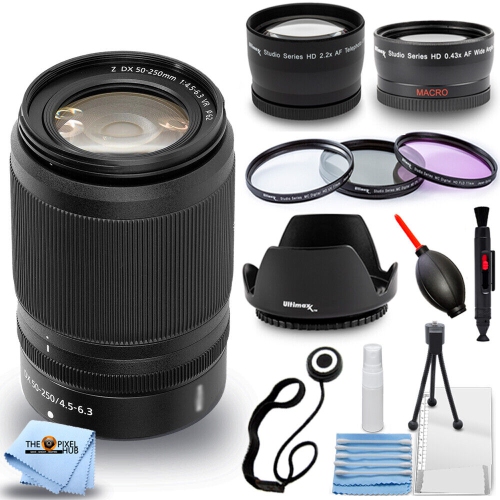
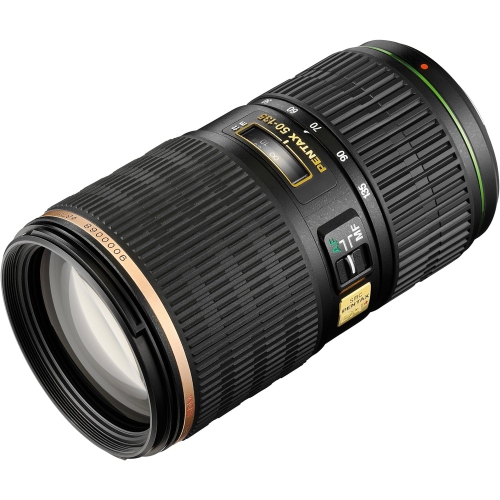
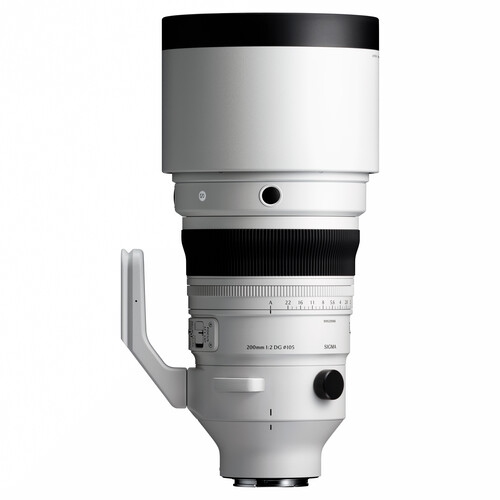
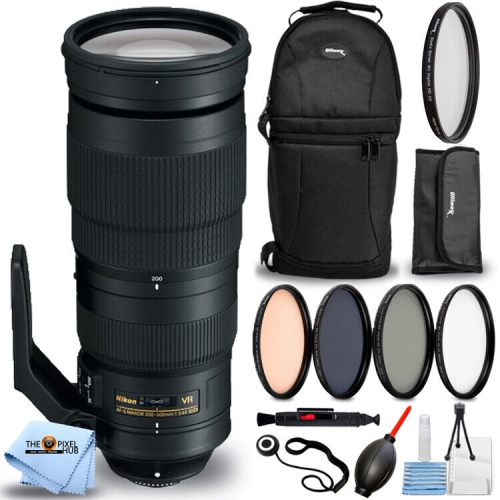
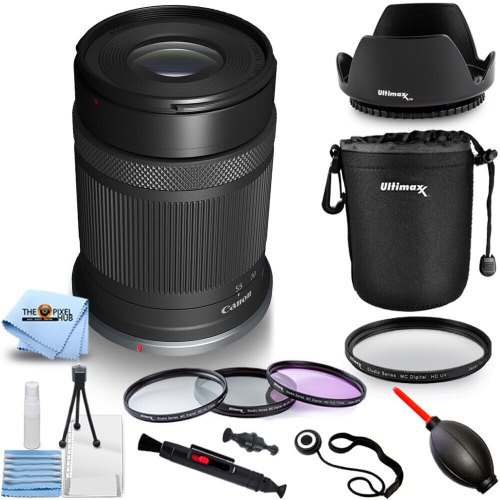
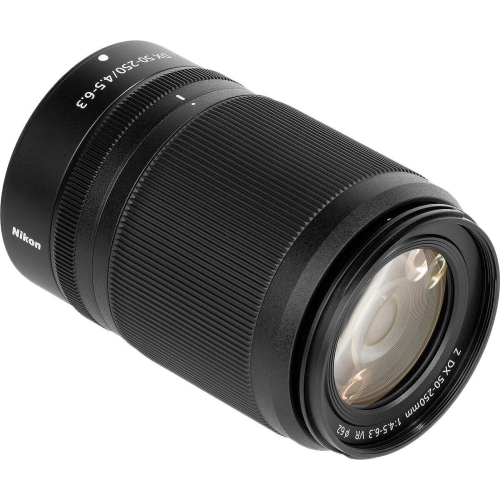
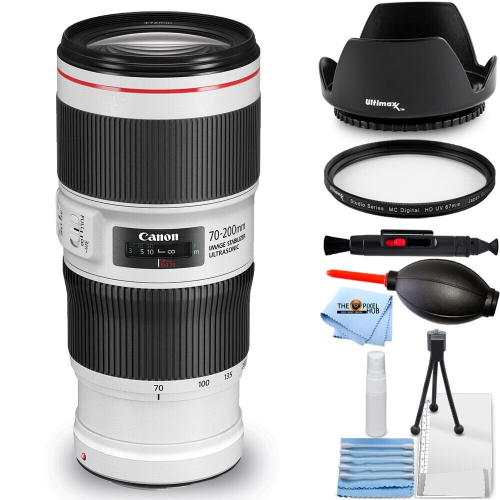
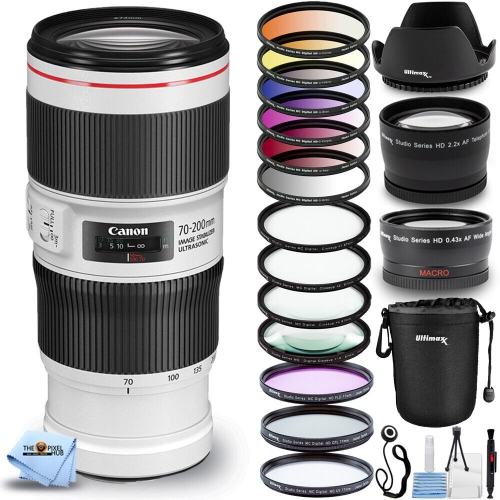
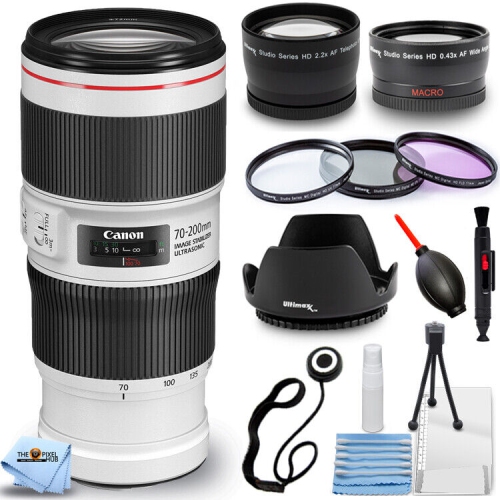
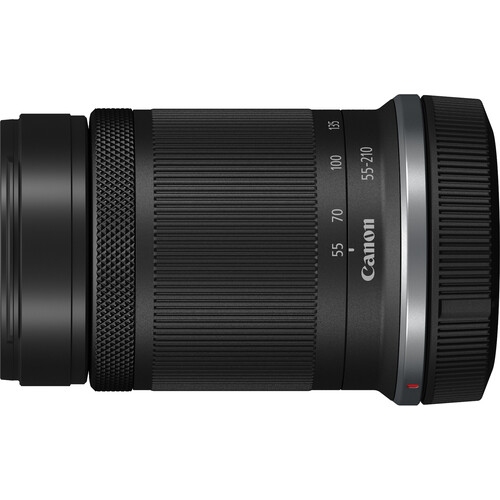
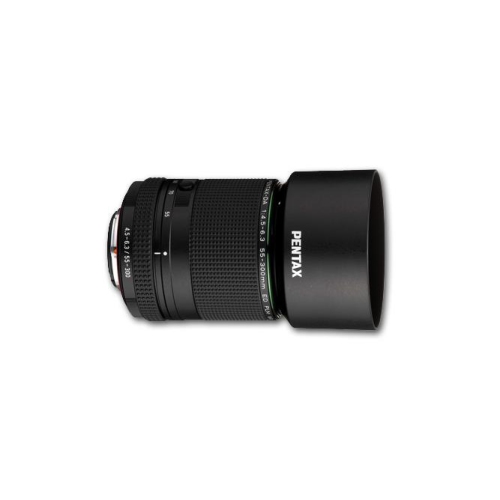
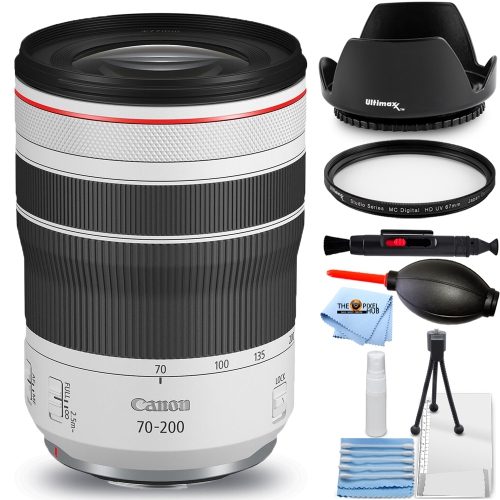
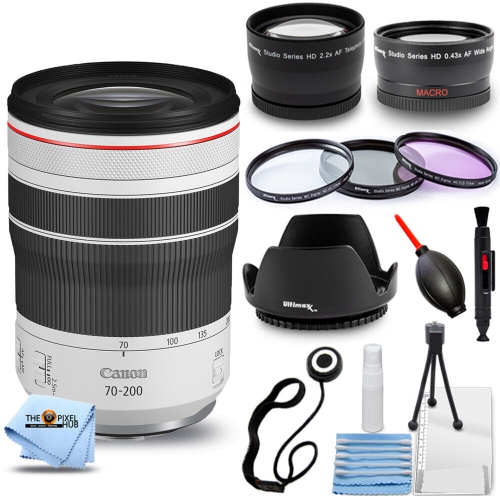
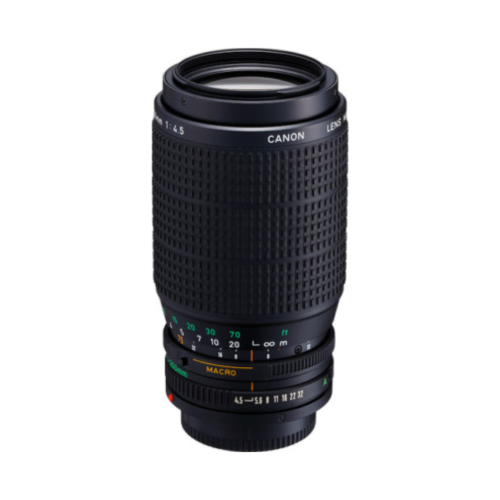
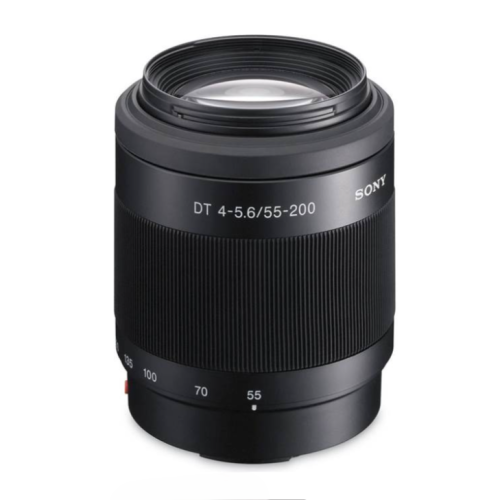
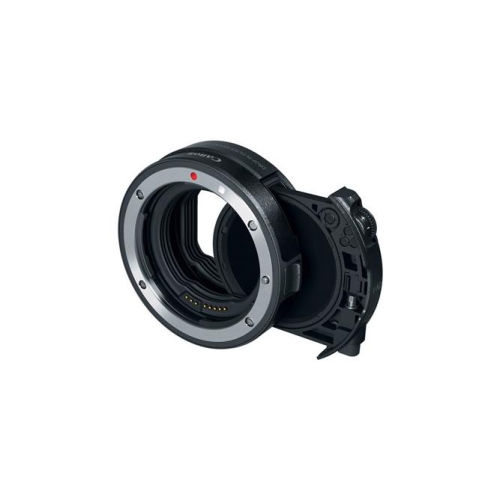
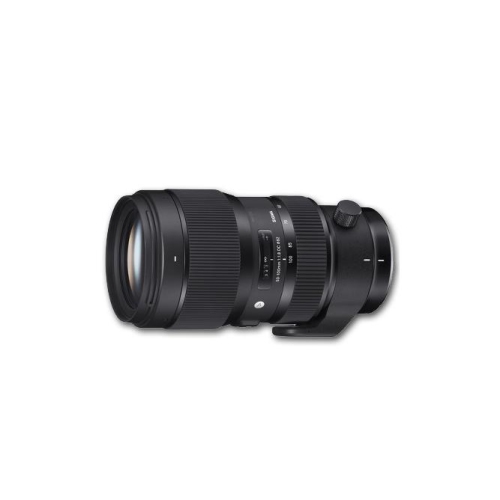
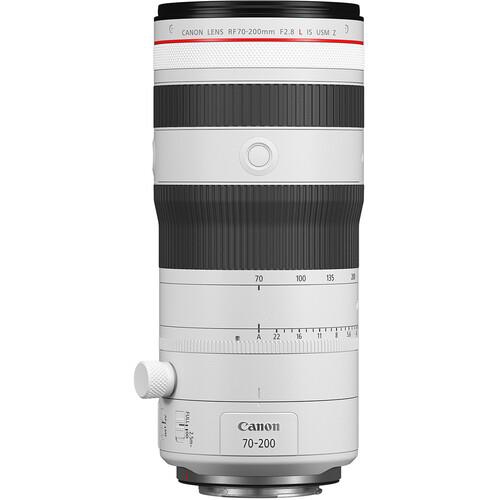
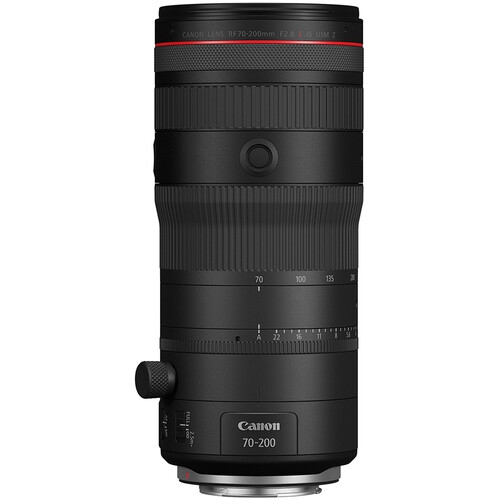
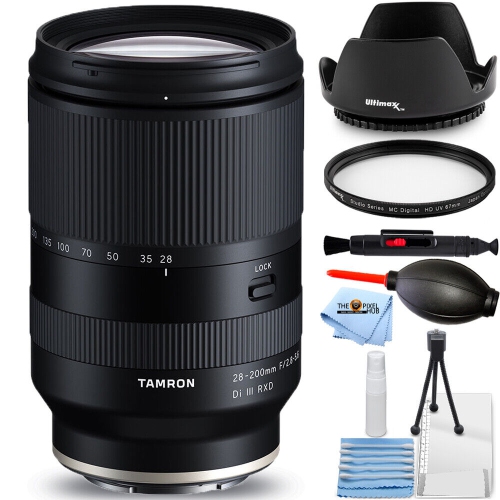
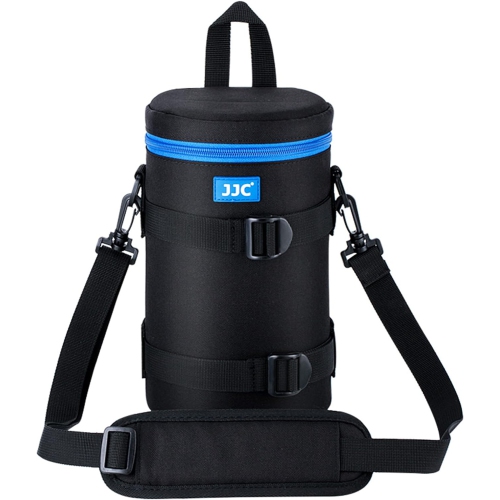
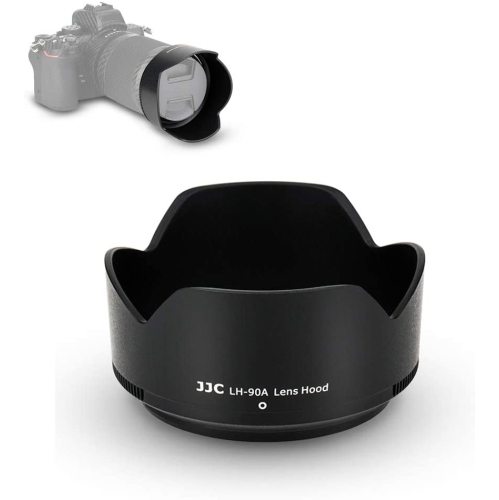
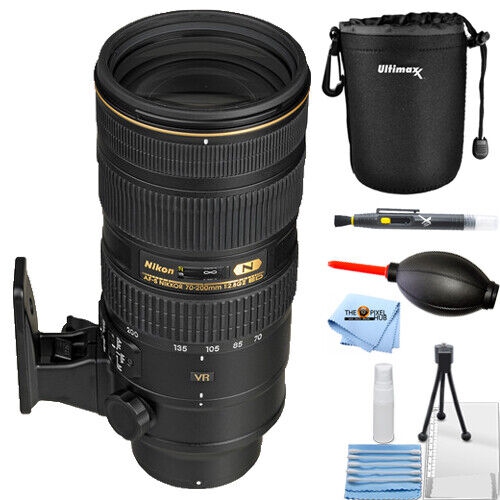
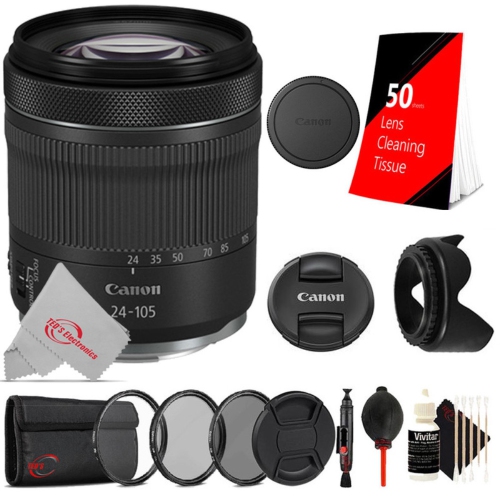
Telephoto reach for distant subjects and flexible everyday shooting
55-200mm lenses are versatile telephoto zooms for photographers who want more reach without carrying a large, heavy lens. They are commonly designed for APS-C or other crop-sensor cameras, where the narrower field of view can provide an effective range similar to approximately 82.5-300mm on a full-frame camera, depending on the camera system’s crop factor. This makes the lens a natural companion to a standard kit lens, often covering the gap between everyday wide-to-normal shooting and more distant subjects. At 55mm, it can frame people, details and street scenes with a comfortable working distance; at 200mm, it can bring a bird on a branch, a player across a field or a distant landmark noticeably closer. The extended reach is especially useful when moving nearer is impractical or would disturb the scene. Many 55-200mm lenses are compact enough for a day bag, making them appealing to travellers, families photographing outdoor activities and hobbyists building a flexible camera kit one lens at a time. They can also be a thoughtful gift for someone who already owns a camera with a standard zoom but finds that distant subjects appear too small in photographs. Before choosing one, confirm the lens mount and camera format carefully. A lens made for one mount generally cannot be attached directly to another, and a model intended for a crop-sensor body may not provide the same coverage or functionality on a full-frame camera. Camera compatibility information should be checked alongside autofocus, exposure and stabilization support so the lens works as expected with the rest of the system.
A 55-200mm zoom can suit a wide range of subjects, but its performance depends on how and where it will be used. For portraits, the longer focal lengths allow you to stand farther from your subject, which can create a flattering perspective and help separate the person from a busy background. At an outdoor gathering, for example, you can capture a natural expression from the edge of the group instead of interrupting the moment by stepping close with a camera. For sports and action, telephoto reach helps fill the frame from the sidelines, while responsive autofocus and a practical minimum focusing distance make it easier to follow moving subjects or switch quickly to nearby details. Wildlife photographers may appreciate the ability to compose from a respectful distance, although a 200mm maximum focal length is best suited to larger animals, birds nearby or situations where some cropping is acceptable. During travel, the range is useful for isolating architectural features, photographing performers, compressing layers of a landscape and picking out details that are difficult to see from the ground. Optical image stabilization, when included and supported by the camera, can help reduce the effect of hand movement when photographing at longer focal lengths or in lower light. It does not freeze a moving subject, so shutter speed remains important for action. A wider maximum aperture can help in dim conditions and produce softer background blur, while a lighter lens with a smaller variable aperture may be easier to carry for long walks. Weather resistance, zoom control, focus switches and the position of the focusing ring are also worth considering, particularly for photographers who spend time outdoors during changing conditions or cooler months.
When comparing 55-200mm lenses, start with the camera body rather than the focal length alone. Check whether the lens is made for a DSLR or mirrorless system, confirm the exact mount, and review whether autofocus, aperture control and stabilization operate with that camera model. A retractable or compact design can save space in a camera bag, while a more robust build may appeal to photographers who expect frequent use. Weight matters more than it may seem: a lens that feels manageable in a shop can become tiring when carried along a trail, through a day of sightseeing or around a child’s sporting event. Look at the closest focusing distance if you enjoy flowers, food, crafts or small details, and consider the filter size if you plan to add a protective, polarizing or other compatible filter. The maximum aperture generally changes as the lens is zoomed, so learning the stated aperture range helps set realistic expectations for indoor photography and evening scenes. A lens hood can help limit stray light and protect the front element, while a padded case or divider can make storage safer. Photographers who want a broader everyday perspective may also compare this range with 24 105mm Lenses, which typically favour wider composition and general-purpose coverage. For anyone growing beyond a basic kit lens, a 55-200mm option offers a practical way to explore portraits, sports, travel, wildlife and candid photography while keeping the camera setup relatively portable. Its strongest advantage is the freedom to frame a subject from a distance, whether that means waiting quietly for a bird to settle, capturing a grandparent’s smile from across a family gathering or finding a tightly composed detail in a wide outdoor scene.
A 55-200mm zoom can suit a wide range of subjects, but its performance depends on how and where it will be used. For portraits, the longer focal lengths allow you to stand farther from your subject, which can create a flattering perspective and help separate the person from a busy background. At an outdoor gathering, for example, you can capture a natural expression from the edge of the group instead of interrupting the moment by stepping close with a camera. For sports and action, telephoto reach helps fill the frame from the sidelines, while responsive autofocus and a practical minimum focusing distance make it easier to follow moving subjects or switch quickly to nearby details. Wildlife photographers may appreciate the ability to compose from a respectful distance, although a 200mm maximum focal length is best suited to larger animals, birds nearby or situations where some cropping is acceptable. During travel, the range is useful for isolating architectural features, photographing performers, compressing layers of a landscape and picking out details that are difficult to see from the ground. Optical image stabilization, when included and supported by the camera, can help reduce the effect of hand movement when photographing at longer focal lengths or in lower light. It does not freeze a moving subject, so shutter speed remains important for action. A wider maximum aperture can help in dim conditions and produce softer background blur, while a lighter lens with a smaller variable aperture may be easier to carry for long walks. Weather resistance, zoom control, focus switches and the position of the focusing ring are also worth considering, particularly for photographers who spend time outdoors during changing conditions or cooler months.
When comparing 55-200mm lenses, start with the camera body rather than the focal length alone. Check whether the lens is made for a DSLR or mirrorless system, confirm the exact mount, and review whether autofocus, aperture control and stabilization operate with that camera model. A retractable or compact design can save space in a camera bag, while a more robust build may appeal to photographers who expect frequent use. Weight matters more than it may seem: a lens that feels manageable in a shop can become tiring when carried along a trail, through a day of sightseeing or around a child’s sporting event. Look at the closest focusing distance if you enjoy flowers, food, crafts or small details, and consider the filter size if you plan to add a protective, polarizing or other compatible filter. The maximum aperture generally changes as the lens is zoomed, so learning the stated aperture range helps set realistic expectations for indoor photography and evening scenes. A lens hood can help limit stray light and protect the front element, while a padded case or divider can make storage safer. Photographers who want a broader everyday perspective may also compare this range with 24 105mm Lenses, which typically favour wider composition and general-purpose coverage. For anyone growing beyond a basic kit lens, a 55-200mm option offers a practical way to explore portraits, sports, travel, wildlife and candid photography while keeping the camera setup relatively portable. Its strongest advantage is the freedom to frame a subject from a distance, whether that means waiting quietly for a bird to settle, capturing a grandparent’s smile from across a family gathering or finding a tightly composed detail in a wide outdoor scene.
Top selling and popular products
-
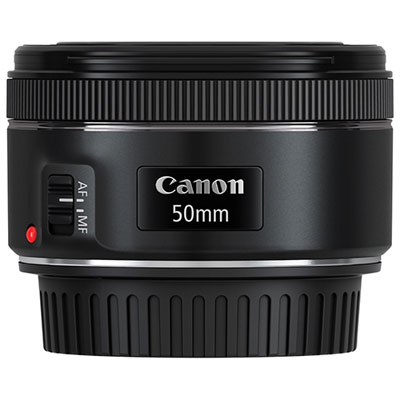 Your price for this item is $169.99
 -
 Your price for this item is $329.99
 -
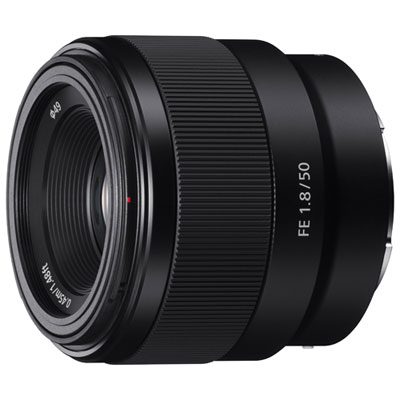 Your price for this item is $349.99
 -
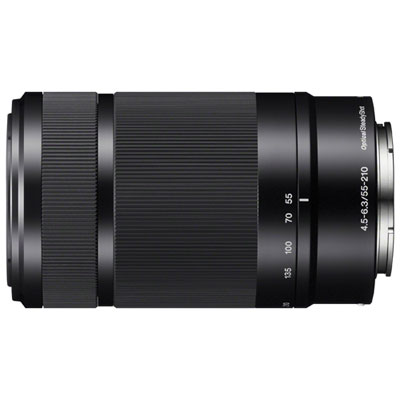 Your price for this item is $399.99
 -
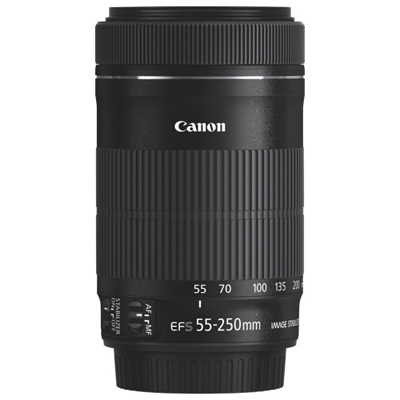 Your price for this item is $399.99
 -
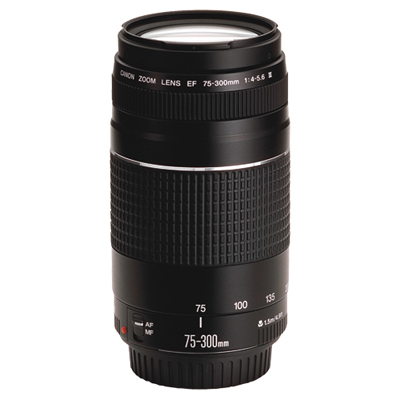 Your price for this item is $199.99
 -
 Your price for this item is $174.99
 -
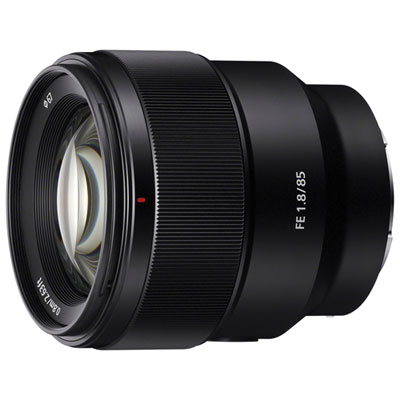 Your price for this item is $749.99
Discover more categories related to 55 200mm Lenses
Top Collections:
Pokemon Centers, Kindle Devices, Best Budget Office Chairs, Apple iPhones 16, Canon G7X Cameras, iPhone 15 Apple, Alarm Clock, Refurbished Apple Laptops, Flip Phones, Best Laptops for Writers
Some products may be subject to Environmental Handling Fees
(EHF) depending on your province.
Learn more about EHFs.