35mm Lenses for Nikon
Looking to capture stunning, high-quality images with your Nikon camera? Look no further than our range of 35mm lenses specially designed for Nikon cameras. These versatile lenses are perfect for photographers of all skill levels, allowing you to achieve sharpness, clarity, and depth in your photos like never before. Whether you're a professional photographer or an avid hobbyist, our selection of 35mm lenses for Nikon offers exceptional performance and creative possibilities. Shop from our collection today and take your photography skills to the next level.
Sort


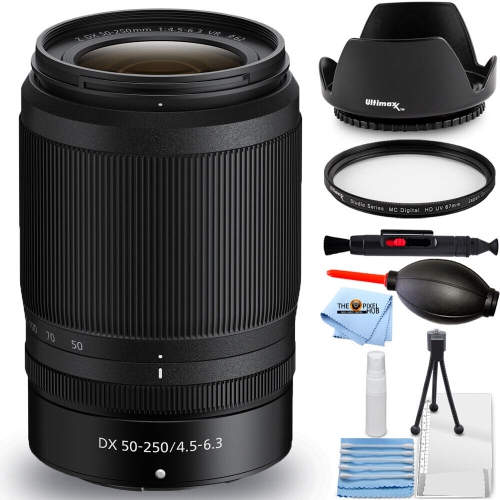

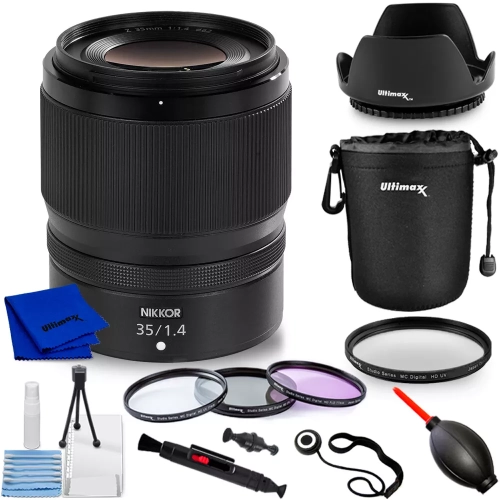
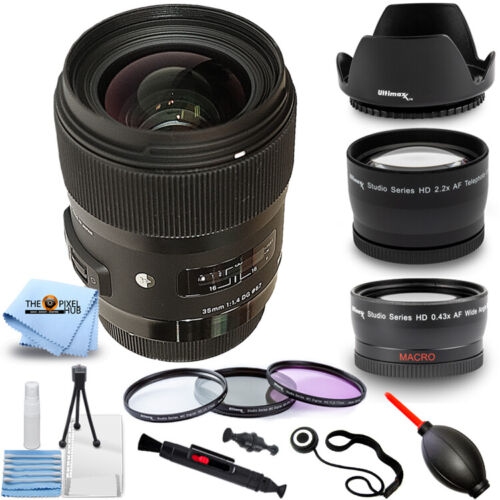
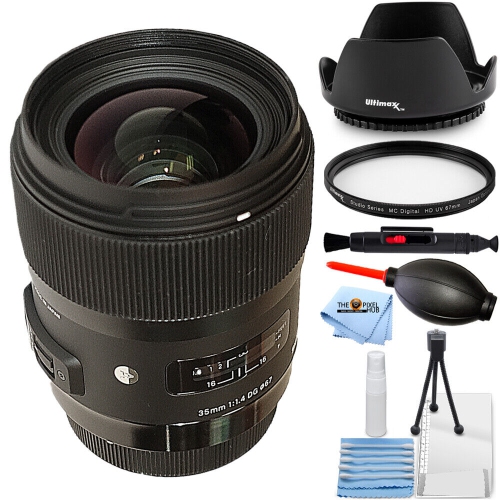
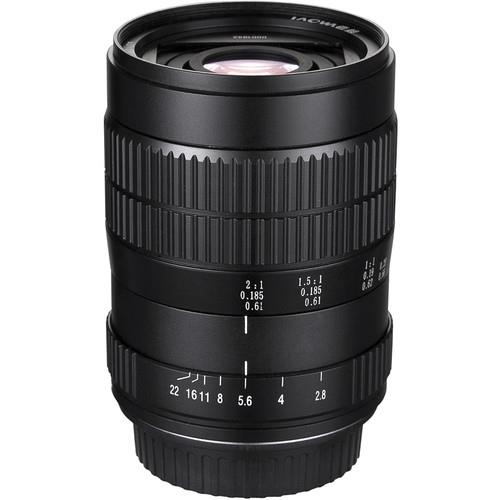
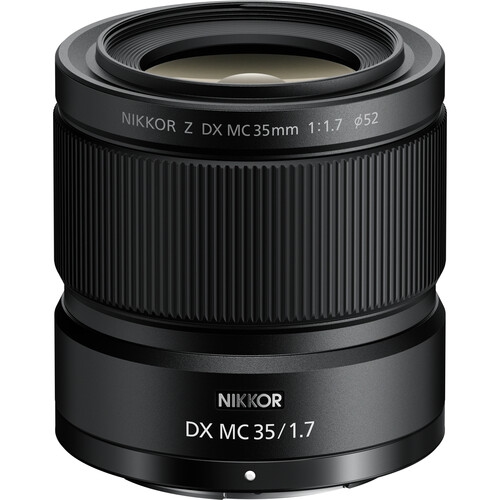
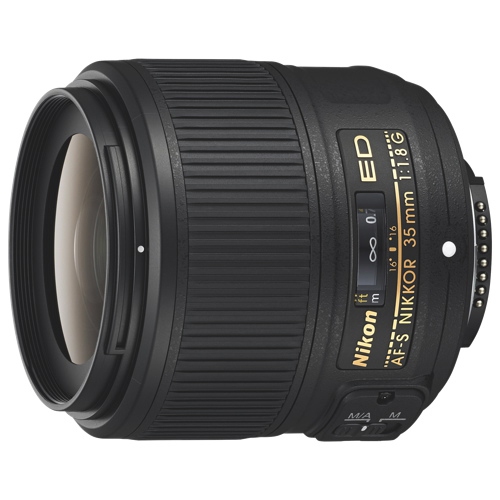
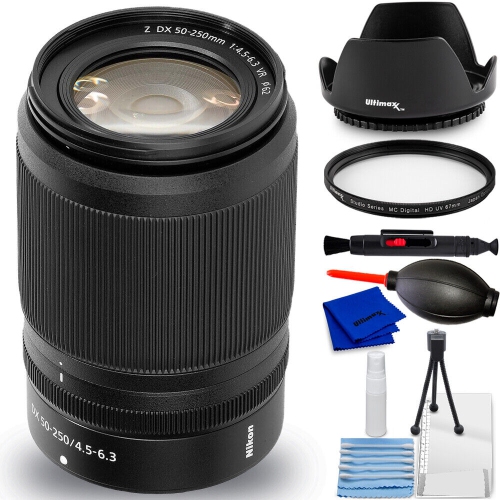
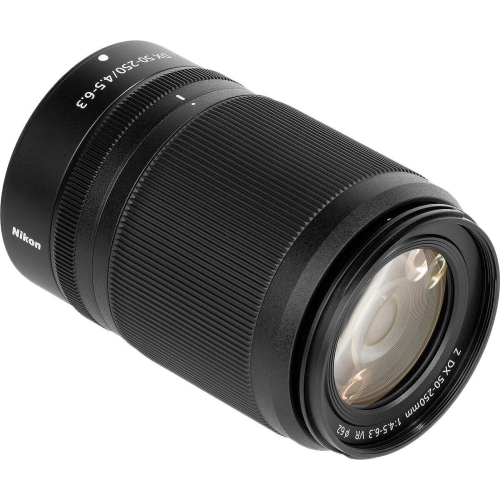
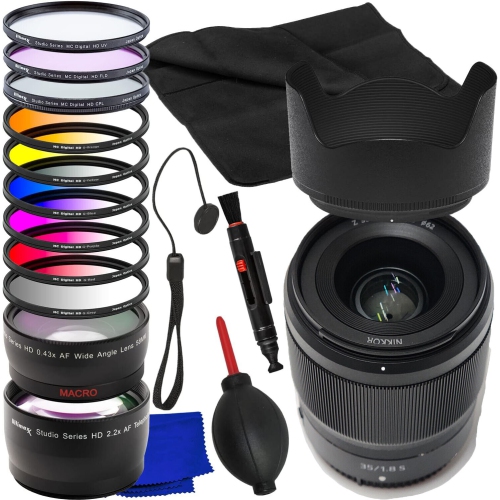
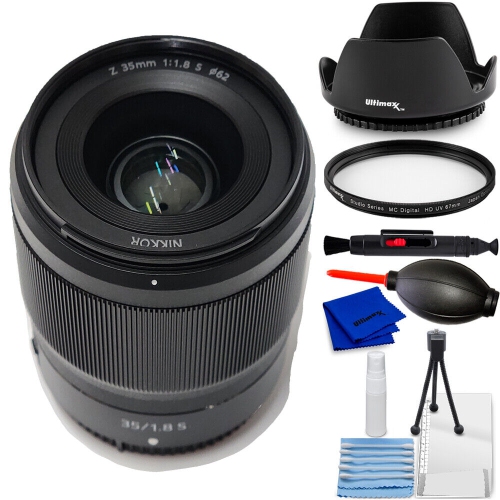
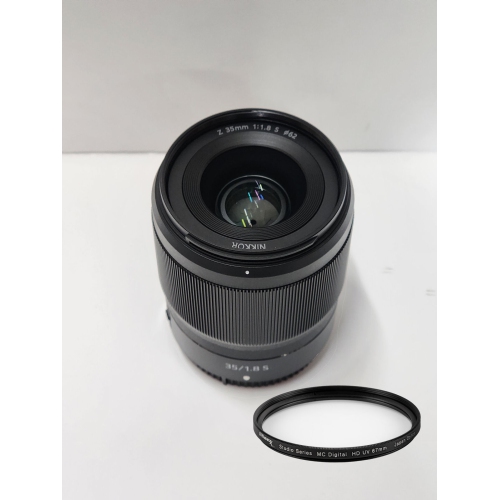
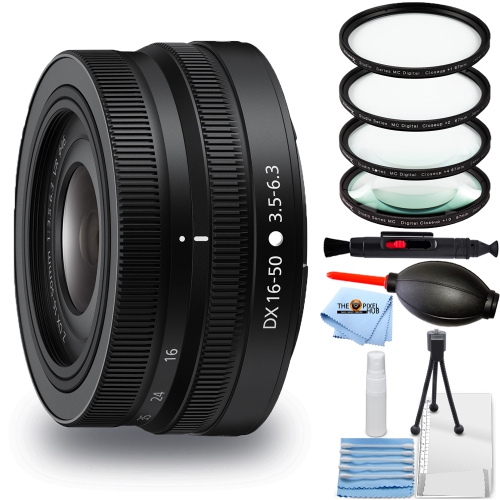
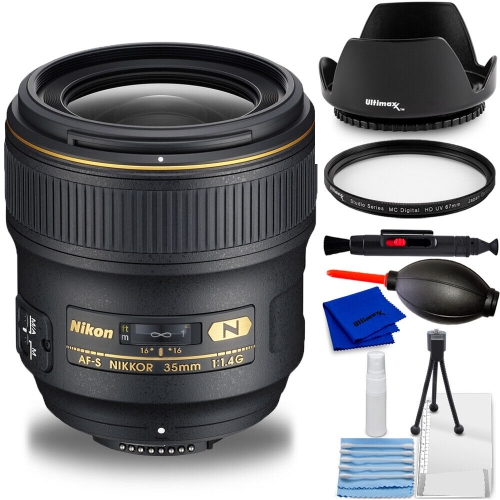
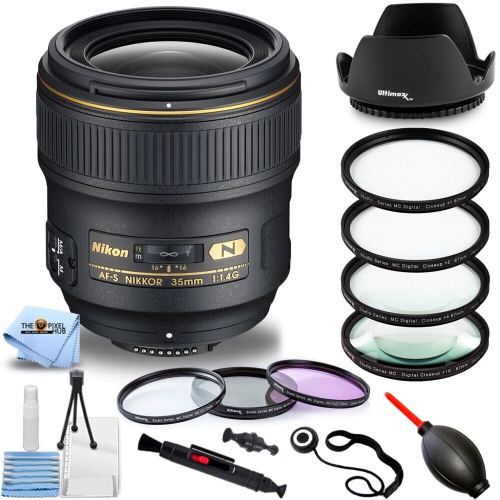
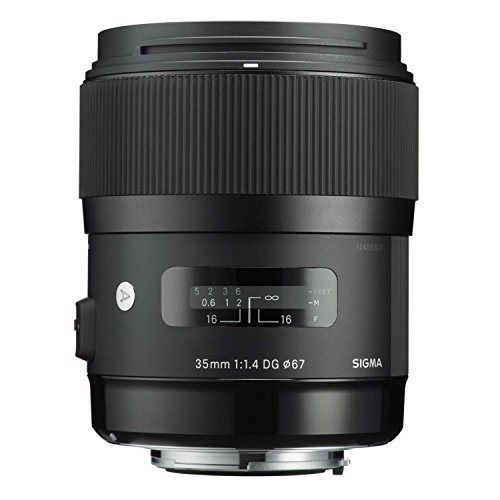
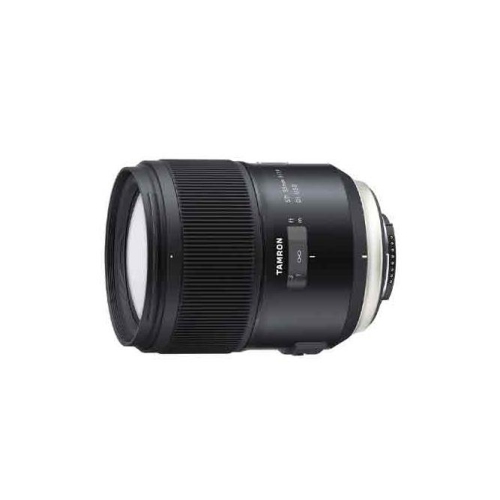
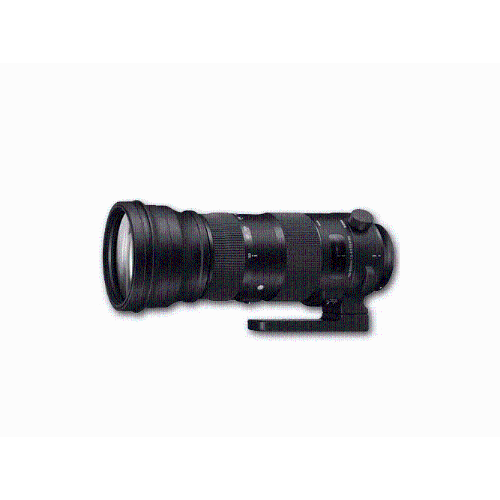
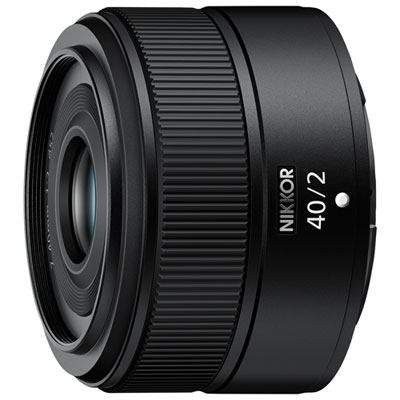
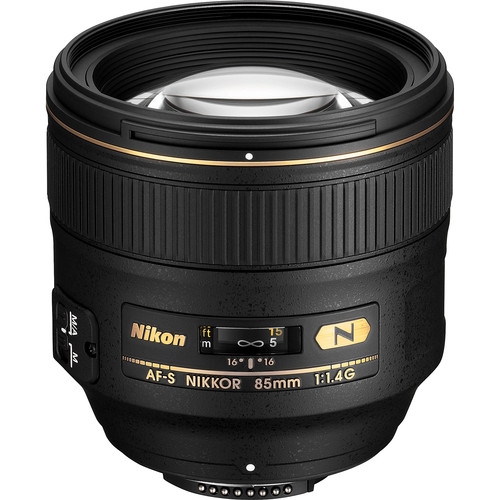
A practical perspective for portraits, travel, and everyday photography
35mm lenses for Nikon cameras are popular because they offer a practical, natural-looking perspective that works across a wide range of photography. On a full-frame camera, a 35mm focal length captures a broad view without making people or buildings appear unusually stretched, making it well suited to street photography, travel, family gatherings, documentary images, interiors, and everyday snapshots. On a DX-format camera, the same focal length provides a narrower field of view that feels closer to a traditional 50mm perspective. This makes it a comfortable choice for portraits, food photography, casual product shots, and scenes where you want your subject to stand out while still showing some of the surrounding setting. As a fixed focal-length lens, a 35mm lens also encourages you to move through a scene and consider composition from different distances. Stepping closer can make a person feel more connected to the frame, while taking a few steps back can include a doorway, café table, city street, or autumn landscape. Many photographers appreciate this straightforward way of working because it helps them develop a strong sense of framing without relying on zooming. A 35mm lens can be a useful addition for someone building a first interchangeable-lens camera kit, and it can also make a thoughtful gift for a student, traveller, family photographer, or creative hobbyist who wants to take sharper, more intentional photographs.
Compatibility is the most important consideration when comparing 35mm lenses for Nikon cameras. Start by identifying whether your camera is a DSLR or a mirrorless model, then check which mount it accepts. F-mount lenses are made for compatible DSLR cameras, while Z-mount lenses are designed for the newer mirrorless system. The lens mount must match the camera body directly, or you must confirm that an appropriate adapter is available and that it will support the functions you need, such as autofocus and exposure control. Sensor format matters as well. A lens designed for a DX sensor may not provide the same coverage on a full-frame FX camera, while a full-frame lens can often be used on a DX body with the camera applying its crop factor. When comparing options, pay close attention to the maximum aperture. A wider aperture, such as f/1.4 or f/1.8, allows more light to reach the sensor, which is helpful for evening streets, indoor gatherings, concerts, and cooler-season portraits taken near a window. Wider apertures can also produce a softer background, helping a face, flower, plate of food, or handmade project draw attention away from a busy setting. A smaller maximum aperture may still be entirely suitable for landscapes, architecture, daylight travel photography, and scenes where a greater portion of the image needs to remain sharp. Autofocus speed, focusing noise, minimum focusing distance, optical sharpness, size, and weight can influence the experience just as much as aperture. A compact lens is easy to carry on a walk through a market or along a waterfront, while a more robust design may appeal to photographers who spend long days working outdoors or frequently change between bright and dim environments. Image stabilization is another feature to review, although its usefulness depends on the camera body, subject movement, and the type of photography being done. A tripod, steady hand position, or higher shutter speed may be more relevant for some users than stabilization alone.
The best choice will depend on the camera body, the photographer’s usual subjects, and the way the lens will be carried and used. For travel, a 35mm lens can remain on the camera for an entire day, ready for a painted storefront in soft morning light, a family meal indoors, or a distant mountain framed between buildings. For street photography, its moderate wide-angle view can help include gestures, signs, and architectural details without making the scene feel exaggerated. For portraits, it works especially well when the subject is shown in context, such as a musician with an instrument, a baker in a kitchen, or a child playing in a familiar room. It can also be useful for video, where a natural perspective makes handheld footage feel connected to the surroundings. Before purchasing, compare the lens’s mount, sensor coverage, aperture, focusing system, construction, filter size, and overall dimensions with the camera and accessories already owned. Consider whether the photographer prefers a discreet, lightweight setup or values a larger design with more advanced optical features. A protective filter, lens hood, cleaning cloth, and suitable camera bag can make a practical companion gift, while a 35mm lens itself can be a memorable present for someone beginning photography or returning to it after time away. During the warmer seasons, it can capture patios, festivals, road trips, gardens, and active family days; during the cooler months, its light-gathering ability can help with indoor celebrations, evening walks, window-lit portraits, and detailed scenes around the home. Photographers who enjoy a tighter perspective for portraits and more pronounced background separation may also want to explore 85mm Lenses for Nikon. As with any camera accessory, checking the exact body compatibility and intended use before ordering helps ensure the lens feels natural in hand and performs as expected in the places where photographs are actually made.
Compatibility is the most important consideration when comparing 35mm lenses for Nikon cameras. Start by identifying whether your camera is a DSLR or a mirrorless model, then check which mount it accepts. F-mount lenses are made for compatible DSLR cameras, while Z-mount lenses are designed for the newer mirrorless system. The lens mount must match the camera body directly, or you must confirm that an appropriate adapter is available and that it will support the functions you need, such as autofocus and exposure control. Sensor format matters as well. A lens designed for a DX sensor may not provide the same coverage on a full-frame FX camera, while a full-frame lens can often be used on a DX body with the camera applying its crop factor. When comparing options, pay close attention to the maximum aperture. A wider aperture, such as f/1.4 or f/1.8, allows more light to reach the sensor, which is helpful for evening streets, indoor gatherings, concerts, and cooler-season portraits taken near a window. Wider apertures can also produce a softer background, helping a face, flower, plate of food, or handmade project draw attention away from a busy setting. A smaller maximum aperture may still be entirely suitable for landscapes, architecture, daylight travel photography, and scenes where a greater portion of the image needs to remain sharp. Autofocus speed, focusing noise, minimum focusing distance, optical sharpness, size, and weight can influence the experience just as much as aperture. A compact lens is easy to carry on a walk through a market or along a waterfront, while a more robust design may appeal to photographers who spend long days working outdoors or frequently change between bright and dim environments. Image stabilization is another feature to review, although its usefulness depends on the camera body, subject movement, and the type of photography being done. A tripod, steady hand position, or higher shutter speed may be more relevant for some users than stabilization alone.
The best choice will depend on the camera body, the photographer’s usual subjects, and the way the lens will be carried and used. For travel, a 35mm lens can remain on the camera for an entire day, ready for a painted storefront in soft morning light, a family meal indoors, or a distant mountain framed between buildings. For street photography, its moderate wide-angle view can help include gestures, signs, and architectural details without making the scene feel exaggerated. For portraits, it works especially well when the subject is shown in context, such as a musician with an instrument, a baker in a kitchen, or a child playing in a familiar room. It can also be useful for video, where a natural perspective makes handheld footage feel connected to the surroundings. Before purchasing, compare the lens’s mount, sensor coverage, aperture, focusing system, construction, filter size, and overall dimensions with the camera and accessories already owned. Consider whether the photographer prefers a discreet, lightweight setup or values a larger design with more advanced optical features. A protective filter, lens hood, cleaning cloth, and suitable camera bag can make a practical companion gift, while a 35mm lens itself can be a memorable present for someone beginning photography or returning to it after time away. During the warmer seasons, it can capture patios, festivals, road trips, gardens, and active family days; during the cooler months, its light-gathering ability can help with indoor celebrations, evening walks, window-lit portraits, and detailed scenes around the home. Photographers who enjoy a tighter perspective for portraits and more pronounced background separation may also want to explore 85mm Lenses for Nikon. As with any camera accessory, checking the exact body compatibility and intended use before ordering helps ensure the lens feels natural in hand and performs as expected in the places where photographs are actually made.
Top selling and popular products
-
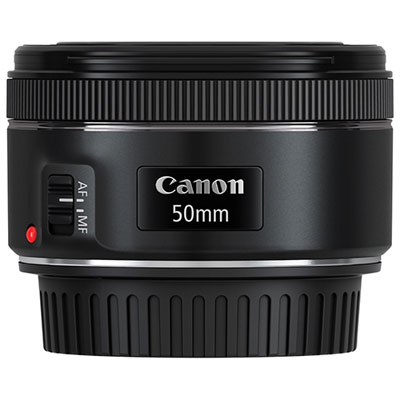 Your price for this item is $169.99
 -
 Your price for this item is $329.99
 -
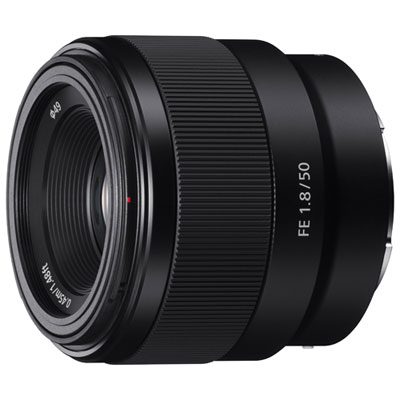 Your price for this item is $349.99
 -
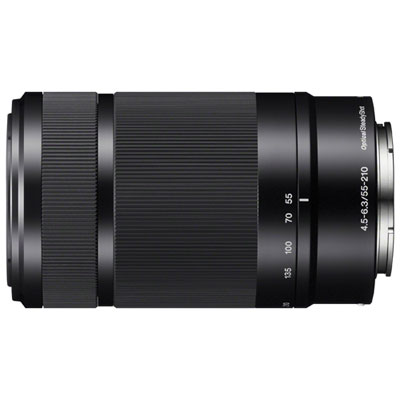 Your price for this item is $399.99
 -
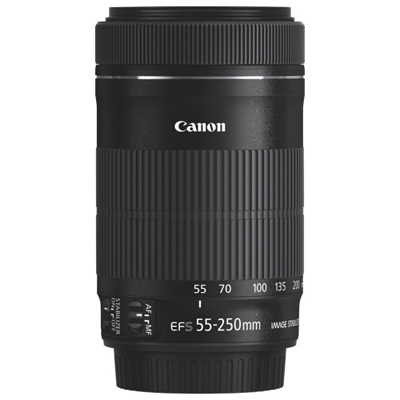 Your price for this item is $399.99
 -
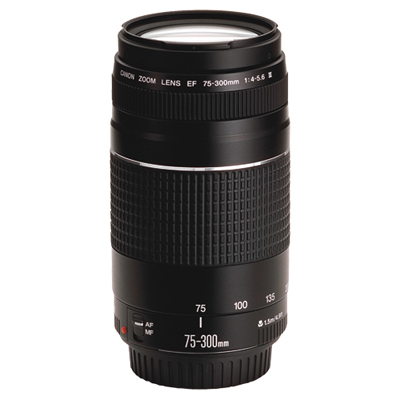 Your price for this item is $199.99
 -
 Your price for this item is $174.99
 -
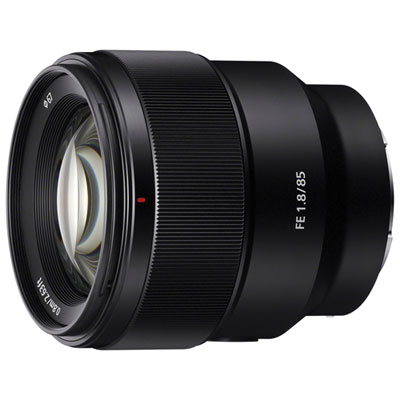 Your price for this item is $749.99
Discover more categories related to 35mm Lenses for Nikon

Top Collections:
Pokemon Centers, Kindle Devices, Best Budget Office Chairs, Apple iPhones 16, Canon G7X Cameras, iPhone 15 Apple, Alarm Clock, Refurbished Apple Laptops, Flip Phones, Best Laptops for Writers
Some products may be subject to Environmental Handling Fees
(EHF) depending on your province.
Learn more about EHFs.