Beginner Video Cameras
The best video cameras for beginners are easy to use, have a wide range of features, and produce high-quality footage. Whether you're looking for a camera to shoot home movies or a device to record your child's first steps, there are plenty of options out there. Here are some of our favorites.
Sort

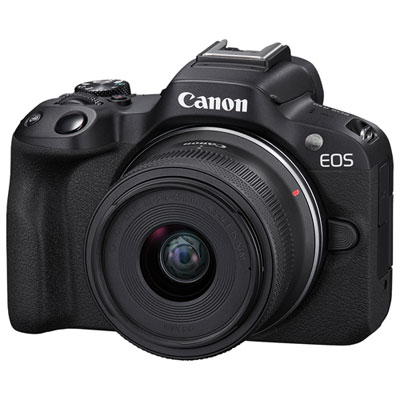
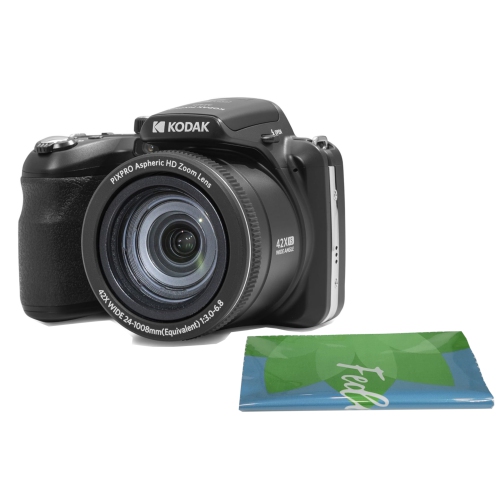
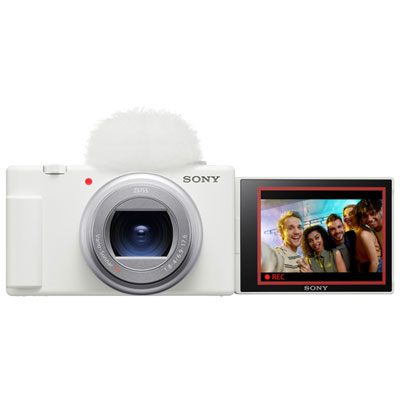
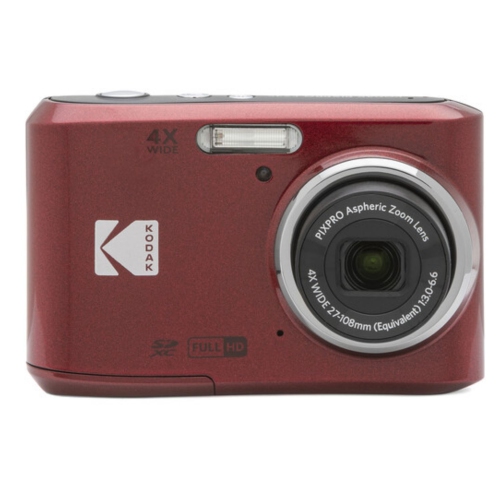

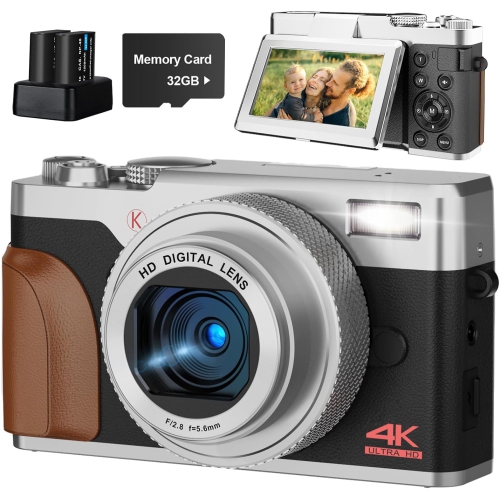
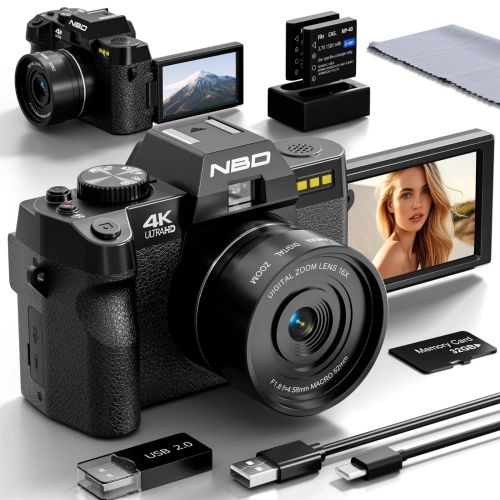
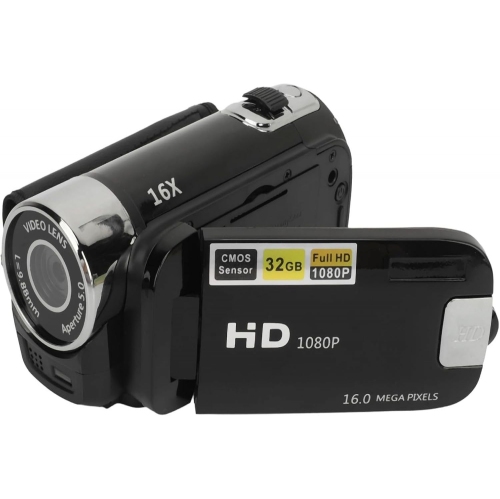

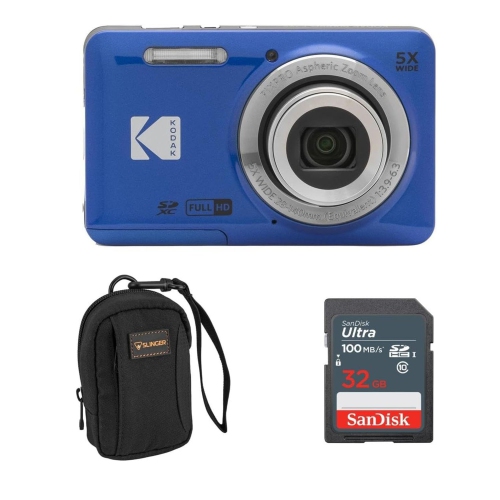
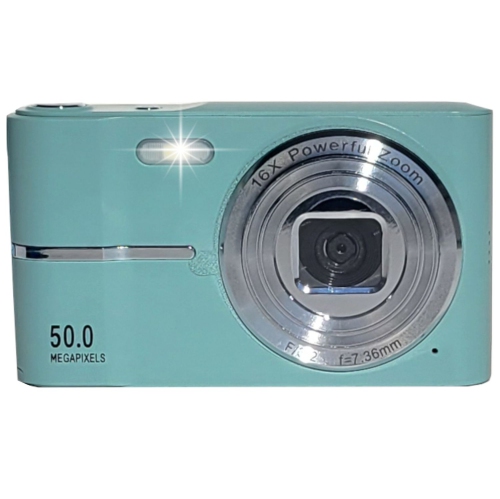
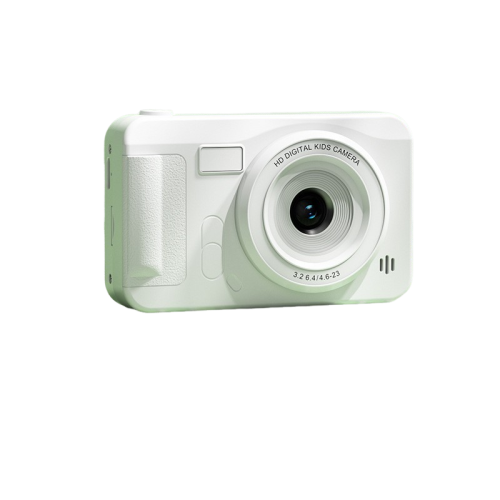
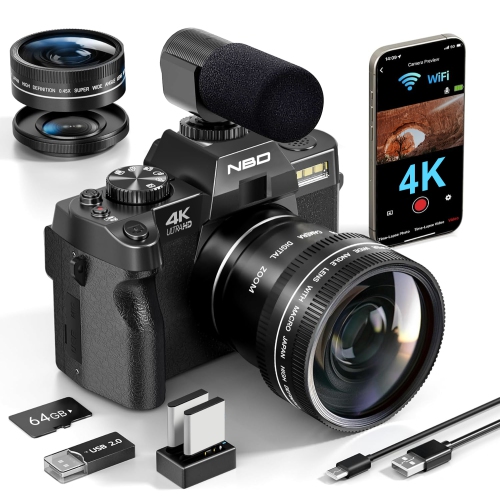
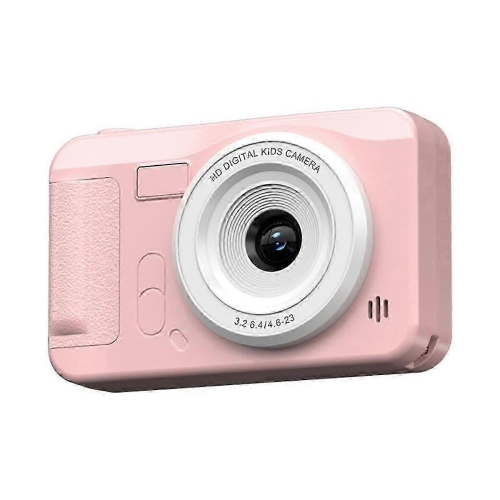
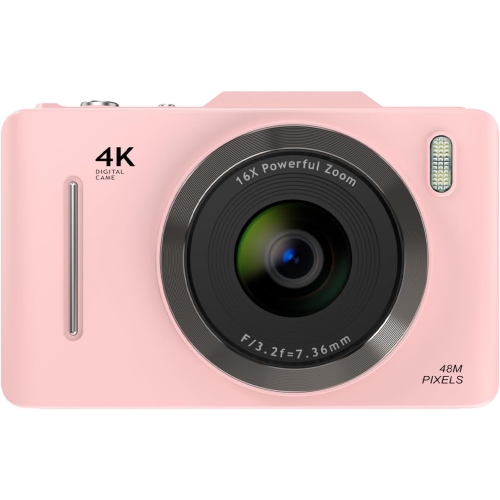
![GREEN SCENIC [White] HD Ccd Digital Camera for Students, Anti-Shake, Compact And Portable, Retro Travel Camera Card 32G Memory Card](https://multimedia.bbycastatic.ca/multimedia/products/500x500/192/19289/19289658.jpeg)
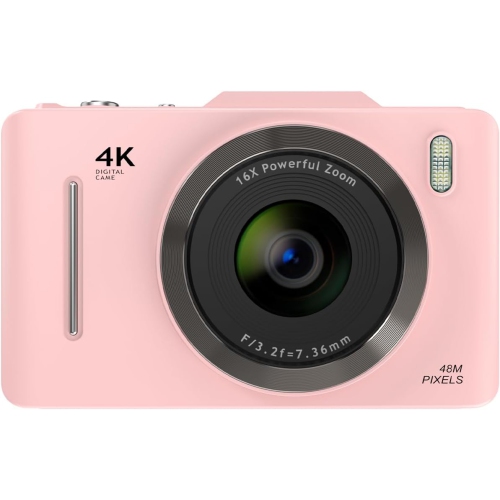
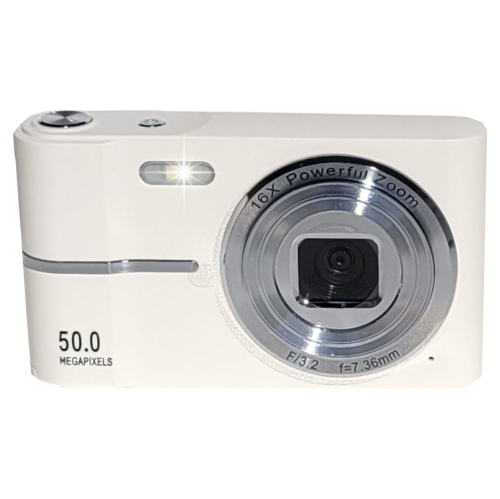
![GREEN SCENIC [Silver] HD Ccd Digital Camera for Students, Anti-Shake, Compact And Portable, Retro Travel Camera Card 32G Memory Card](https://multimedia.bbycastatic.ca/multimedia/products/500x500/192/19289/19289660.webp)
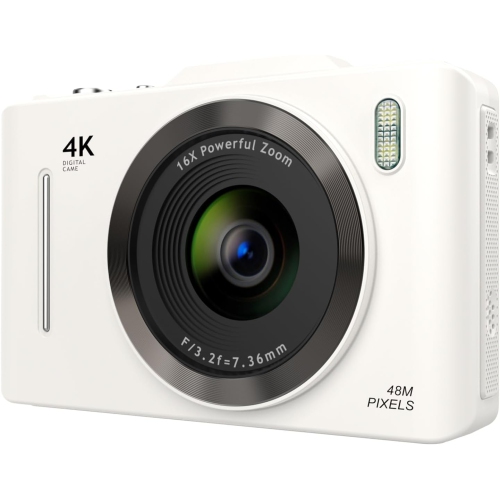
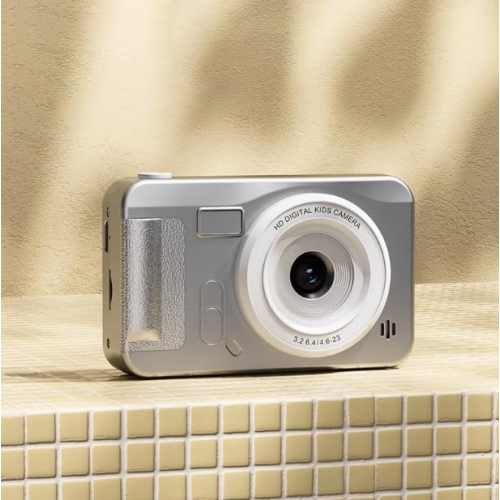
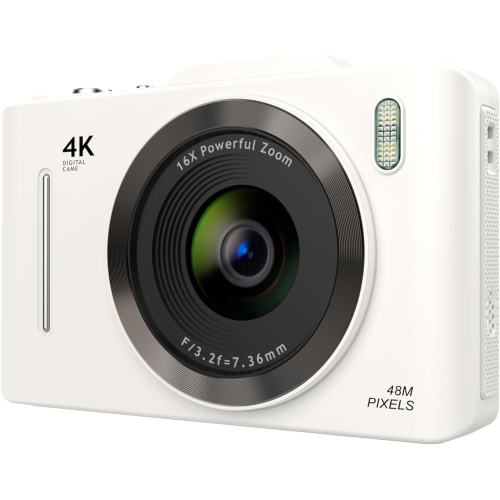
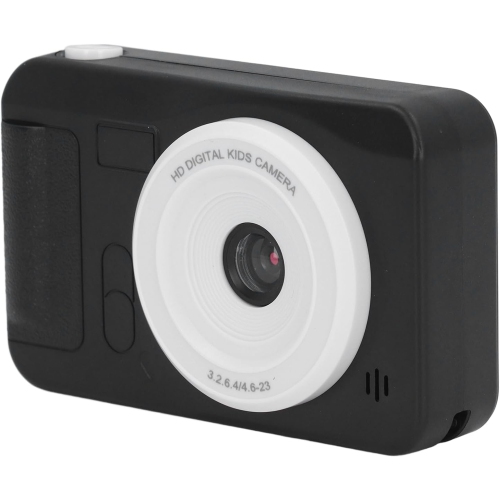
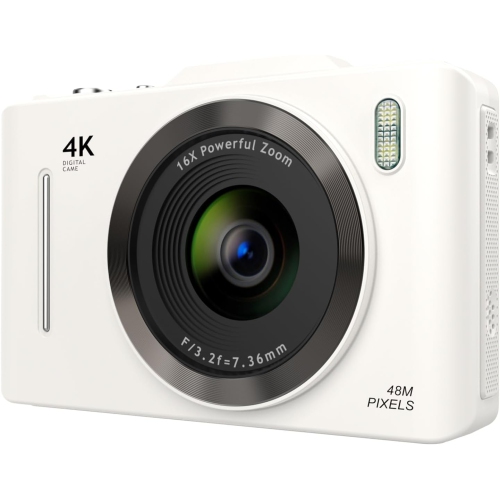

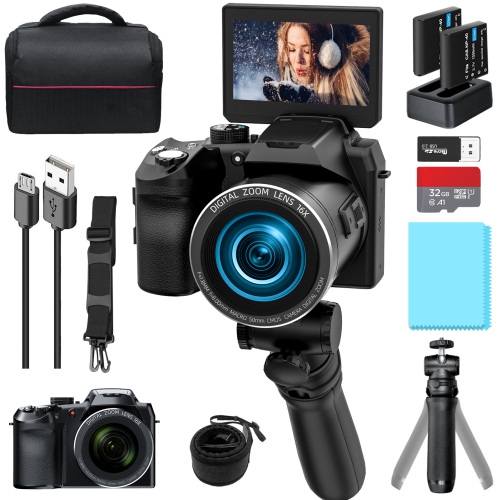
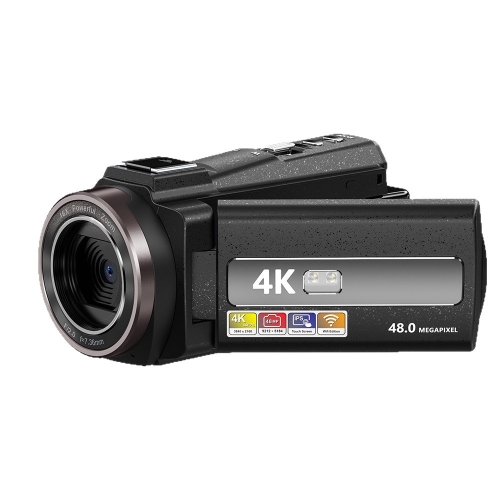
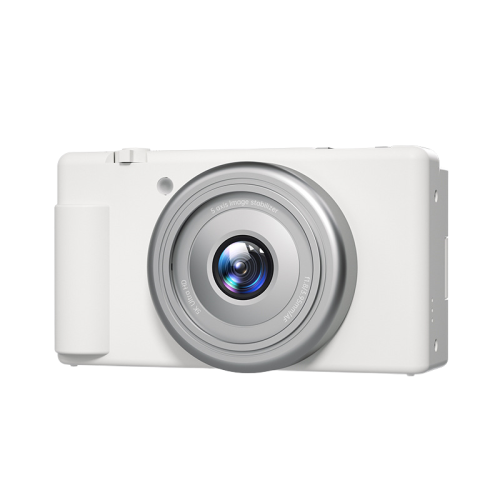
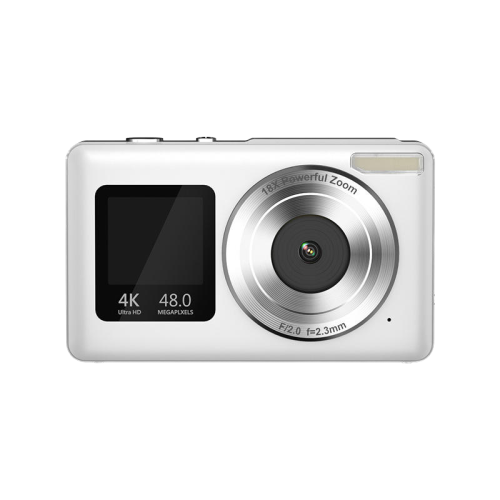
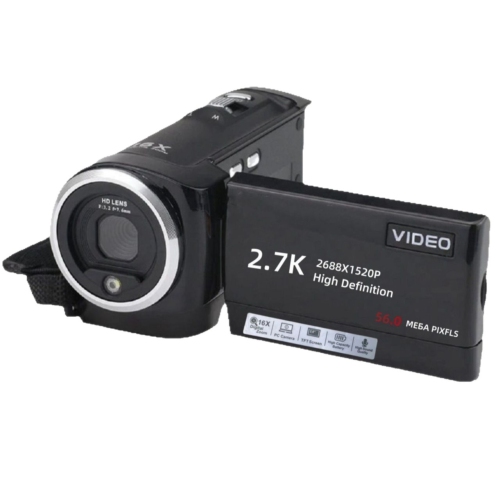
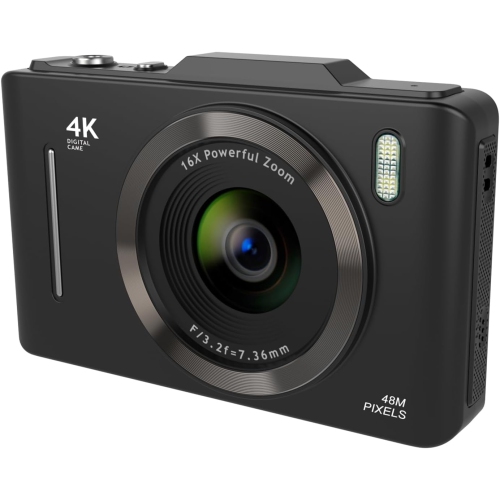
![GREEN SCENIC [256GB] HD 4K Mini Video Recorder Video Recorder Noise Reduction Sports Camera Mini Video Recorder Mini Dv Conference Video Recorder](https://multimedia.bbycastatic.ca/multimedia/products/500x500/192/19283/19283845.jpeg)
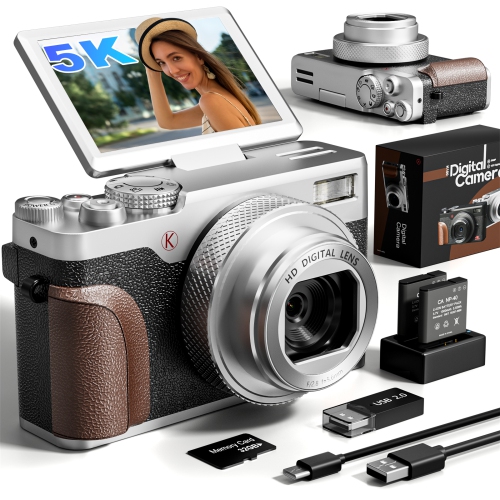
![GREEN SCENIC [128GB] HD 4K Mini Video Recorder Video Recorder Noise Reduction Sports Camera Mini Video Recorder Mini Dv Conference Video Recorder](https://multimedia.bbycastatic.ca/multimedia/products/500x500/192/19283/19283919.jpeg)
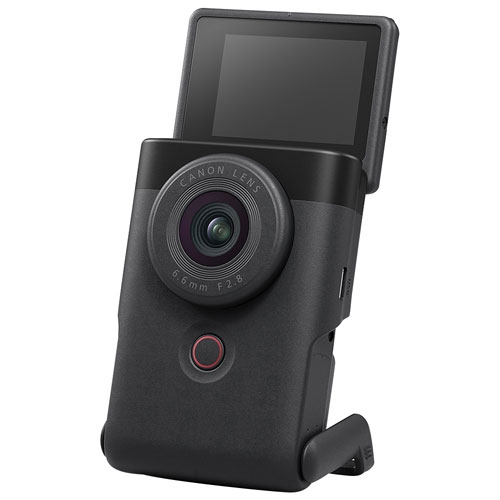
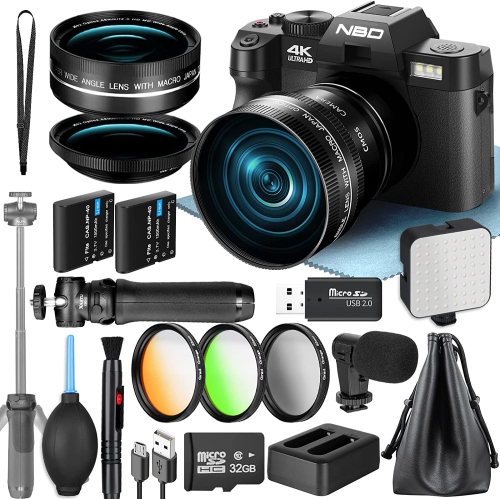
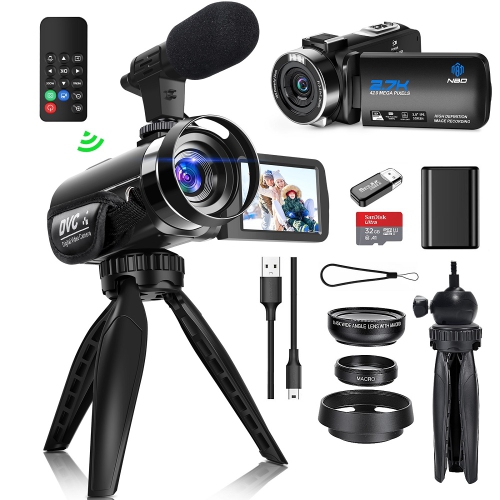
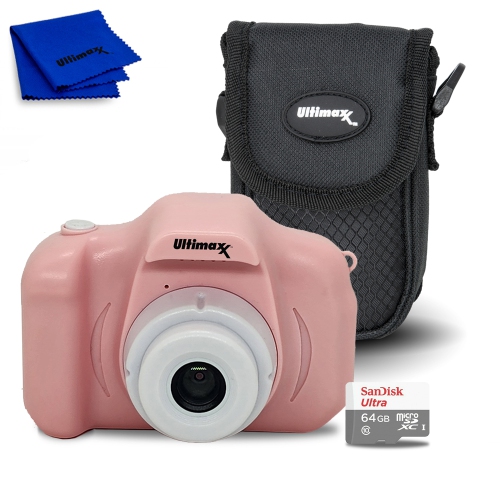
![GREEN SCENIC [512GB] HD 4K Mini Video Recorder Video Recorder Noise Reduction Sports Camera Mini Video Recorder Mini Dv Conference Video Recorder](https://multimedia.bbycastatic.ca/multimedia/products/500x500/192/19283/19283886.jpeg)
![GREEN SCENIC [64GB] HD 4K Mini Video Recorder Video Recorder Noise Reduction Sports Camera Mini Video Recorder Mini Dv Conference Video Recorder 0.66](https://multimedia.bbycastatic.ca/multimedia/products/500x500/192/19283/19283867.jpeg)
![GREEN SCENIC [32GB] HD 4K Mini Video Recorder Video Recorder Noise Reduction Sports Camera Mini Video Recorder Mini Dv Conference Video Recorder 0.66](https://multimedia.bbycastatic.ca/multimedia/products/500x500/192/19283/19283909.jpeg)
The features that make beginner video cameras easier to use
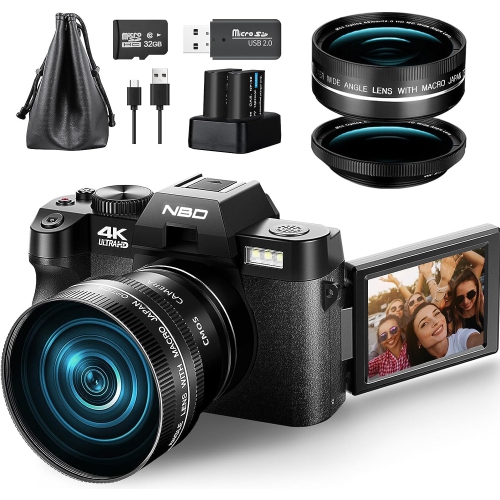
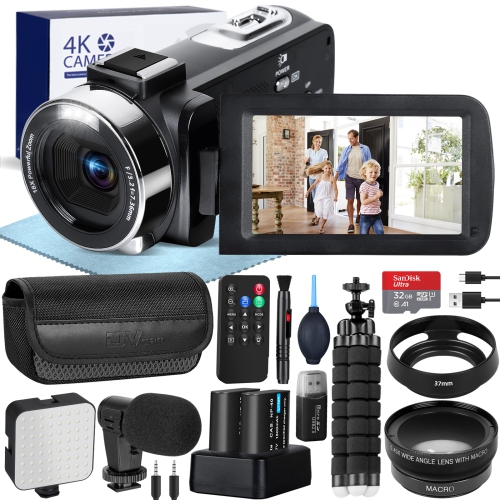
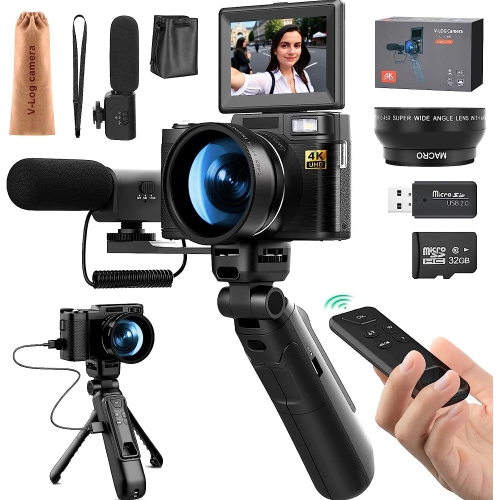
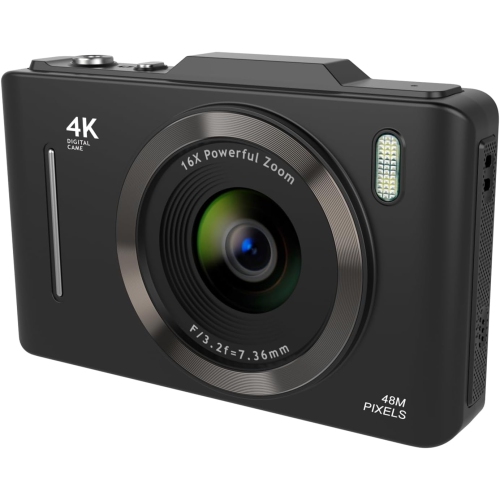
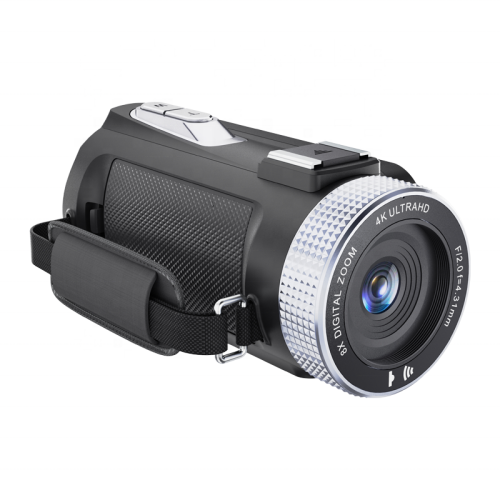
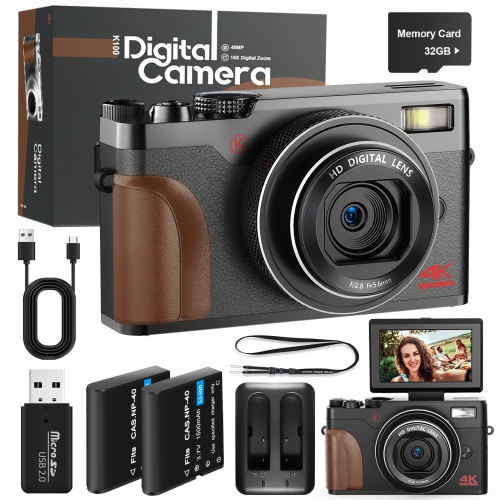
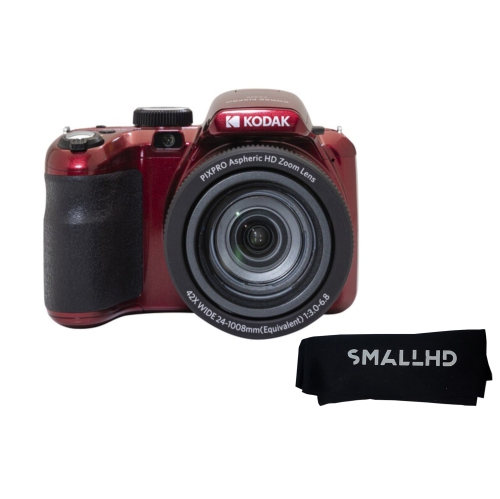
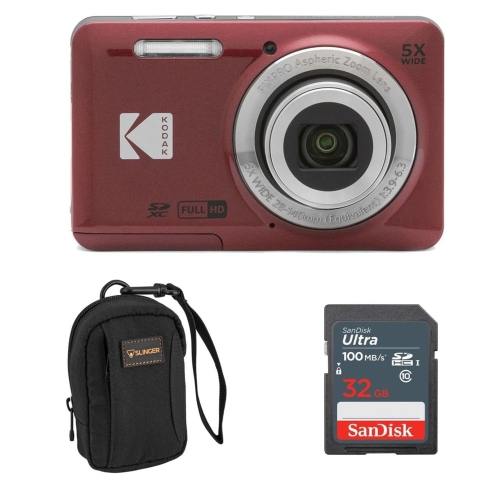
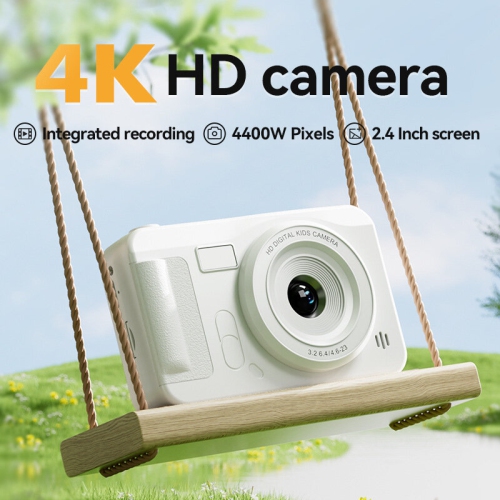
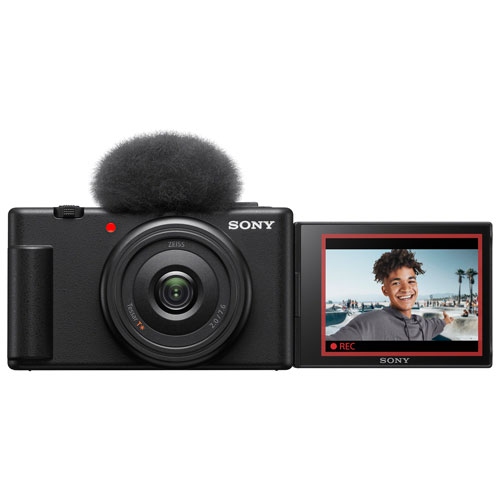
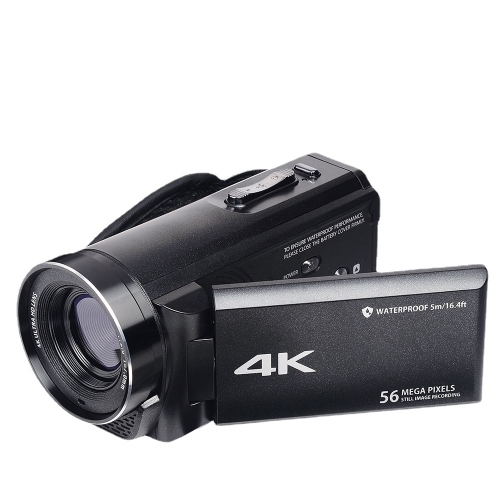
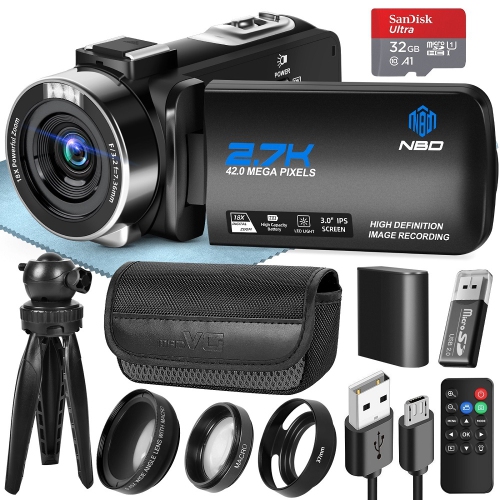
Beginner video cameras make it easier to move beyond casual phone clips and create footage with sharper detail, steadier motion, clearer sound, and more control over the final result. They can be a thoughtful gift for a student learning film, a new content creator, a parent documenting family milestones, or anyone who wants to record travel, performances, sports, and everyday memories with greater consistency. Unlike a phone, a dedicated camera is designed around video capture, with a comfortable grip, physical controls, a screen that can help with framing, and features that make longer recording sessions feel less awkward. Many entry-level models offer 4K recording for crisp detail, while Full HD remains useful when you want smaller files, quicker sharing, or longer recording times. A camera that records at 24 or 30 frames per second can give footage a familiar cinematic or lifelike appearance, while 60 frames per second is helpful for smooth action and can be slowed down during editing. Some models also offer higher frame rates for slow-motion clips, which can add impact to a child’s first skating lesson, a fast-moving game, or water splashing during a weekend adventure. If you are comparing options, browsing Entry Level Video Cameras can help narrow the selection by features, form factor, and intended use.
For beginners, ease of operation is often more valuable than a long list of advanced settings. Look for straightforward menus, dependable face and eye-detection autofocus, and a screen that tilts or flips outward so you can see yourself while recording. Autofocus that recognizes people can be especially useful for vlogging, family videos, interviews, and school projects, since it reduces the need to adjust focus manually while speaking or moving. Image stabilization is another helpful feature for handheld filming, particularly when walking through a market, following a pet, or capturing a child’s birthday celebration from across a busy room. Audio deserves just as much attention as image quality. Built-in microphones are convenient for quick clips, but a 3.5 mm microphone input allows you to connect an external microphone when voices, music, or narration need to sound more distinct. Clean sound can make the difference between a video that feels polished and one that is difficult to enjoy, even when the picture looks excellent. Consider the camera’s battery life, charging method, memory card compatibility, and recording limits as well. A spare battery or portable charger can be useful for travel days, while a large-capacity memory card helps when recording high-resolution footage. If the camera will be used for livestreaming or video calls, check whether it supports webcam functionality and whether the connection process is simple enough for a first-time user.
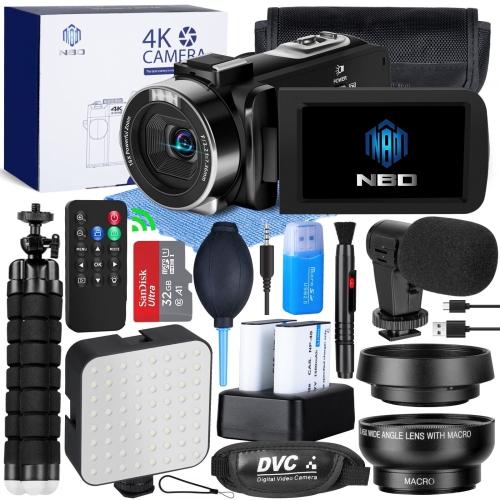
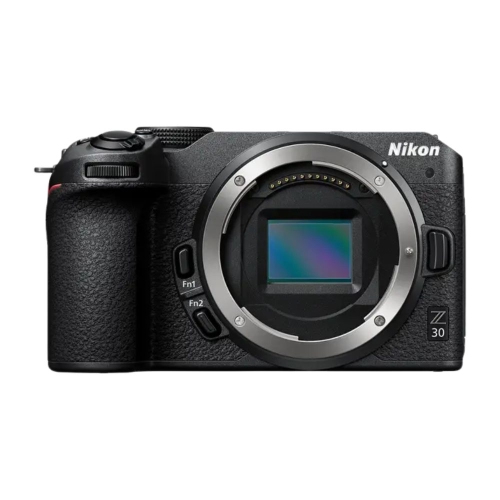
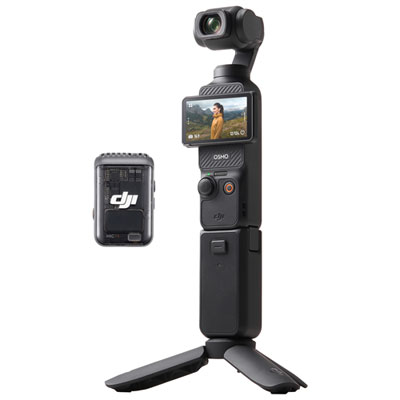
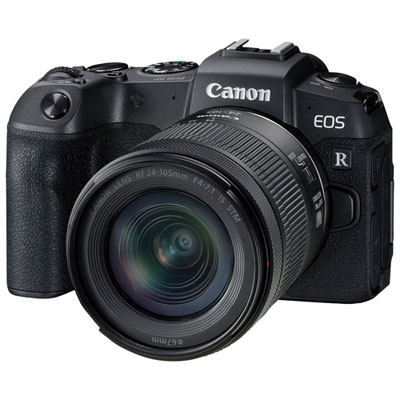
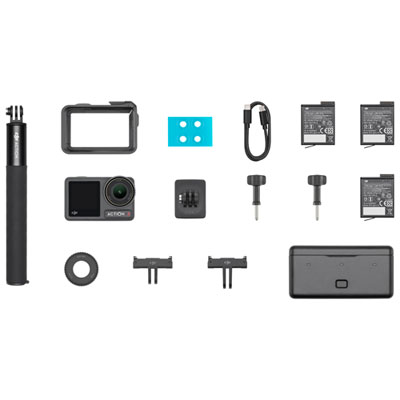
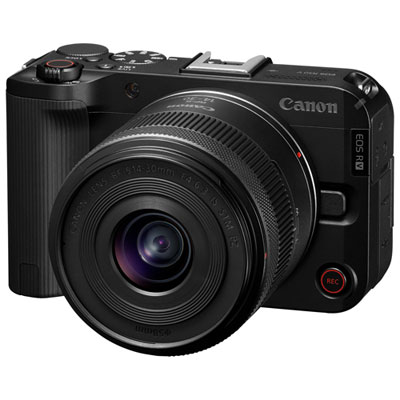
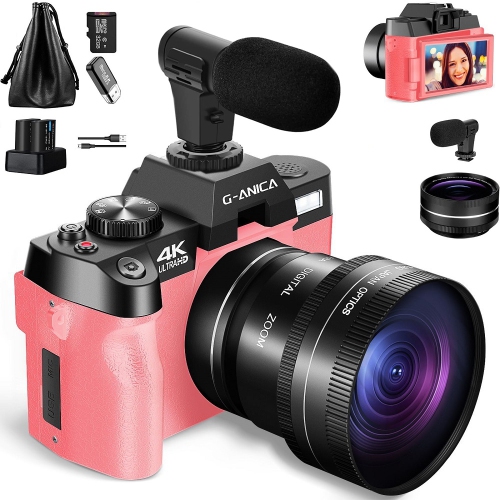
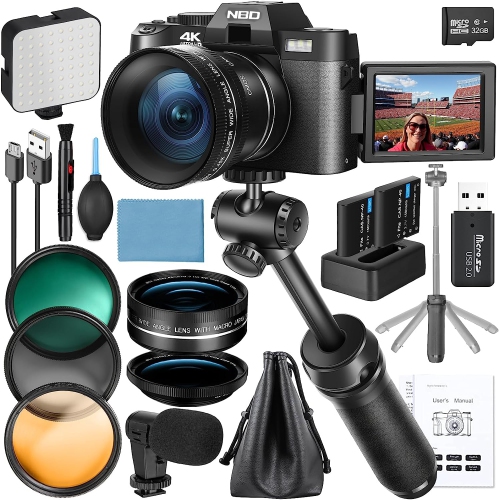
The right beginner video camera depends on what you plan to film and how you prefer to work. A compact model may suit travellers, hikers, and families who want something light enough to carry from a trailhead to a dinner table. A mirrorless-style camera with interchangeable lenses can be a strong choice for creators who want room to grow, since different lenses can change the look of a scene, bring distant subjects closer, or perform better in dim indoor spaces. A rugged action-focused camera may be better for cycling, skiing, paddling, or other activities where a small, durable body and strong stabilization matter more than a large sensor. For talking-head videos, tutorials, and livestreams, a flip-out screen, reliable autofocus, and an easy microphone connection can make setup less intimidating. For short films or artistic projects, manual exposure controls, lens flexibility, and multiple frame-rate options may be more important. Beginners should also account for the accessories that turn a camera into a complete setup: a comfortable strap, tripod, protective case, extra battery, microphone, basic lighting, and a card reader can all be practical additions. During the cooler months, a camera can capture indoor gatherings, creative projects, concerts, and warm family moments, while outdoor use in changing conditions calls for a protective bag and attention to temperature, moisture, and available light. Start with the way you expect to film most often, choose controls you will genuinely use, and leave room in the budget for storage and sound so the camera remains enjoyable rather than complicated.
For beginners, ease of operation is often more valuable than a long list of advanced settings. Look for straightforward menus, dependable face and eye-detection autofocus, and a screen that tilts or flips outward so you can see yourself while recording. Autofocus that recognizes people can be especially useful for vlogging, family videos, interviews, and school projects, since it reduces the need to adjust focus manually while speaking or moving. Image stabilization is another helpful feature for handheld filming, particularly when walking through a market, following a pet, or capturing a child’s birthday celebration from across a busy room. Audio deserves just as much attention as image quality. Built-in microphones are convenient for quick clips, but a 3.5 mm microphone input allows you to connect an external microphone when voices, music, or narration need to sound more distinct. Clean sound can make the difference between a video that feels polished and one that is difficult to enjoy, even when the picture looks excellent. Consider the camera’s battery life, charging method, memory card compatibility, and recording limits as well. A spare battery or portable charger can be useful for travel days, while a large-capacity memory card helps when recording high-resolution footage. If the camera will be used for livestreaming or video calls, check whether it supports webcam functionality and whether the connection process is simple enough for a first-time user.
The right beginner video camera depends on what you plan to film and how you prefer to work. A compact model may suit travellers, hikers, and families who want something light enough to carry from a trailhead to a dinner table. A mirrorless-style camera with interchangeable lenses can be a strong choice for creators who want room to grow, since different lenses can change the look of a scene, bring distant subjects closer, or perform better in dim indoor spaces. A rugged action-focused camera may be better for cycling, skiing, paddling, or other activities where a small, durable body and strong stabilization matter more than a large sensor. For talking-head videos, tutorials, and livestreams, a flip-out screen, reliable autofocus, and an easy microphone connection can make setup less intimidating. For short films or artistic projects, manual exposure controls, lens flexibility, and multiple frame-rate options may be more important. Beginners should also account for the accessories that turn a camera into a complete setup: a comfortable strap, tripod, protective case, extra battery, microphone, basic lighting, and a card reader can all be practical additions. During the cooler months, a camera can capture indoor gatherings, creative projects, concerts, and warm family moments, while outdoor use in changing conditions calls for a protective bag and attention to temperature, moisture, and available light. Start with the way you expect to film most often, choose controls you will genuinely use, and leave room in the budget for storage and sound so the camera remains enjoyable rather than complicated.
Top selling and popular products
-
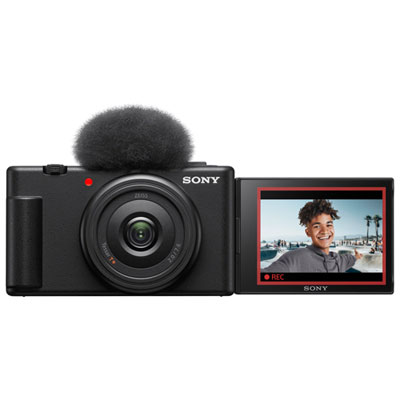 Your price for this item is $649.99
 -
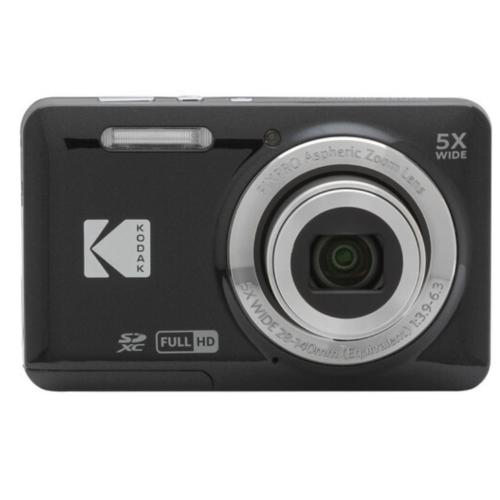 Your price for this item is $253
 -
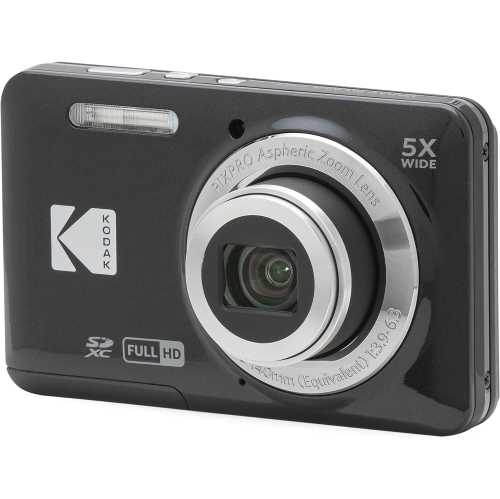 Your price for this item is $255
 -
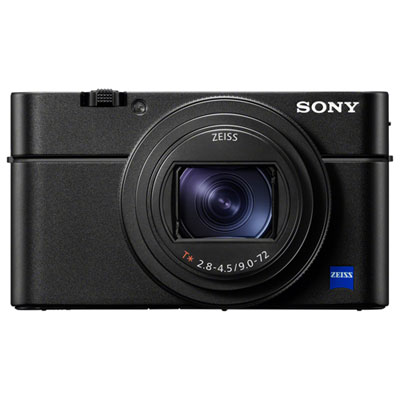 Your price for this item is $1999.99
 -
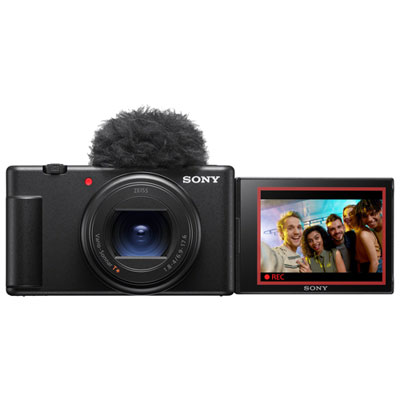 Your price for this item is $1199.99
 -
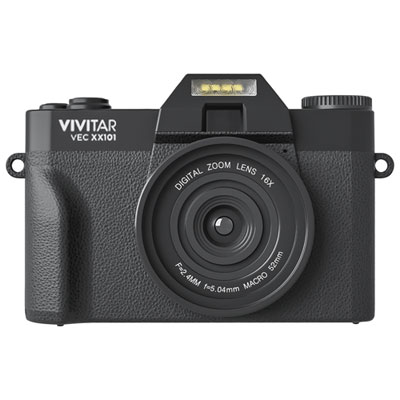 Your price for this item is $199.99
 -
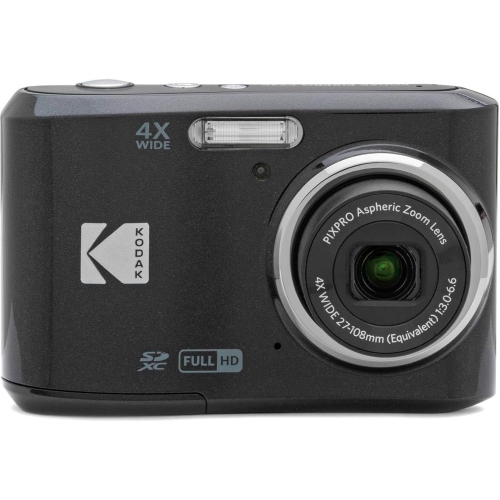 Your price for this item is $185
 -
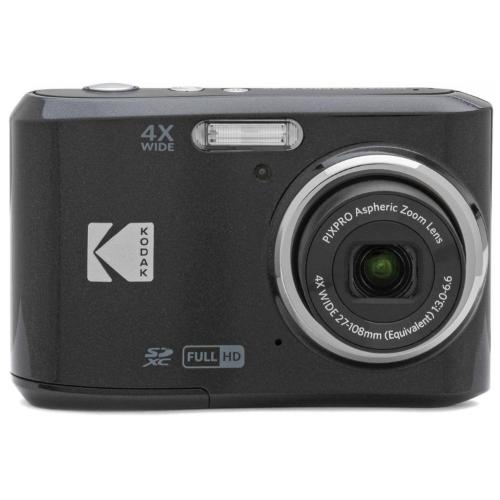 Your price for this item is $278
Discover more categories related to Beginner Video Cameras
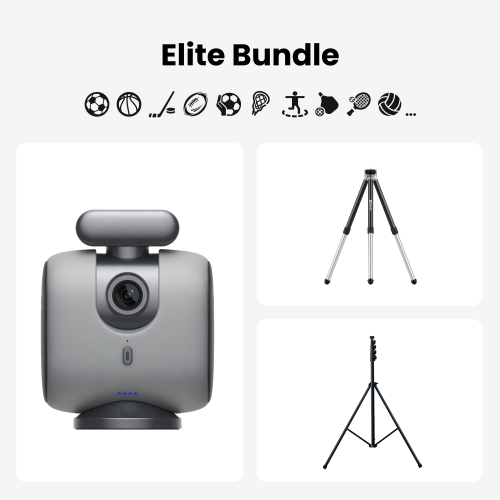
Top Collections:
Pokemon Centers, Kindle Devices, Best Budget Office Chairs, Apple iPhones 16, Best Laptops for Writers, iPhone 15 Apple, Canon G7X Cameras, Refurbished Apple Laptops, Alarm Clock, Motorola Razr Phones
Some products may be subject to Environmental Handling Fees
(EHF) depending on your province.
Learn more about EHFs.