Camera Polarizers
Capture stunning, glare-free images with camera polarizers, the essential accessory for any photography enthusiast. By reducing unwanted reflections and enhancing color saturation, camera polarizers help you achieve professional-quality shots with clarity and depth. Whether you're shooting landscapes, portraits, or still life, these versatile filters are a must-have for elevating your photography game. Explore our range of camera polarizers to find the perfect match for your lens and take your photos to the next level.
Sort


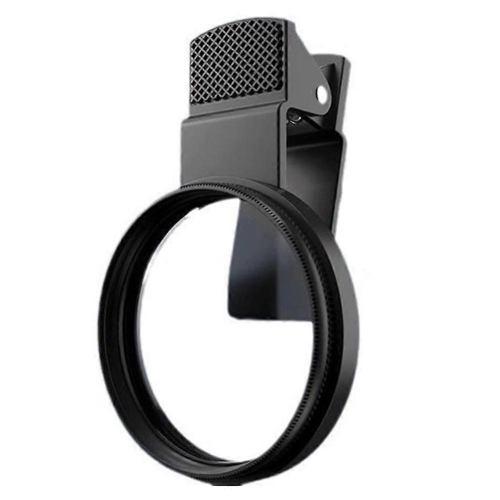
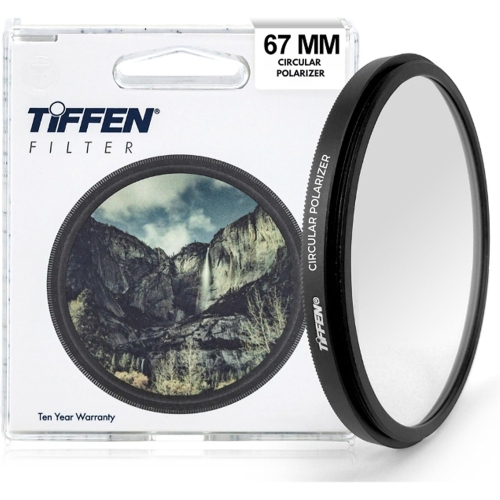


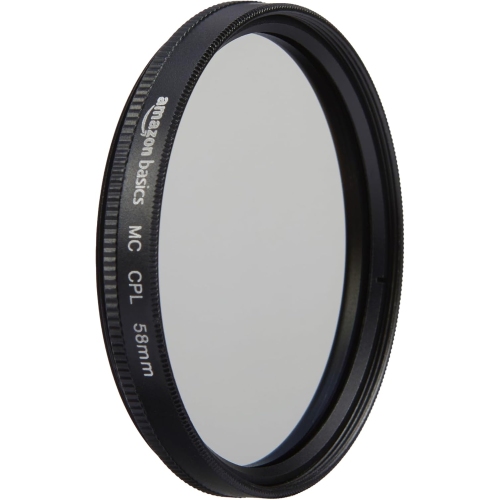


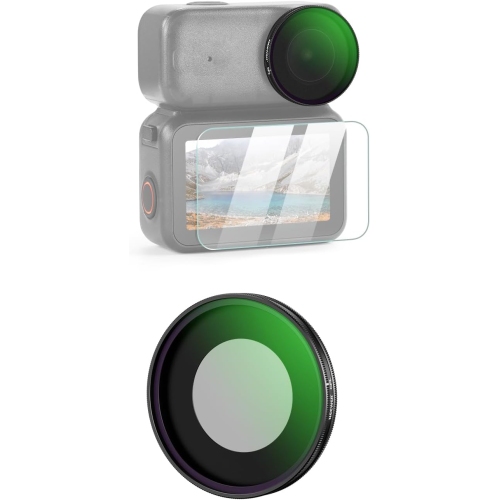
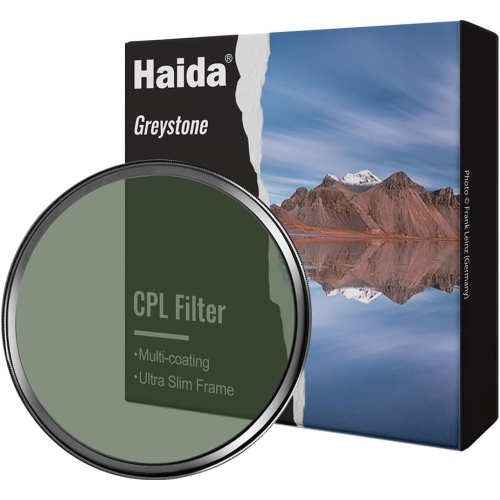


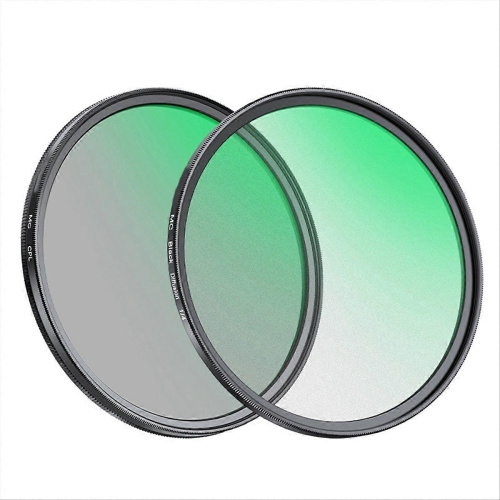


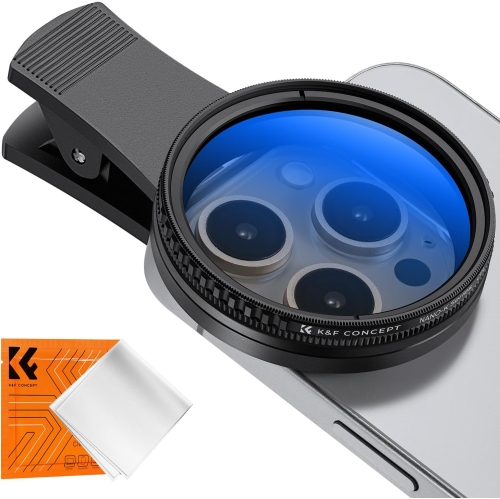
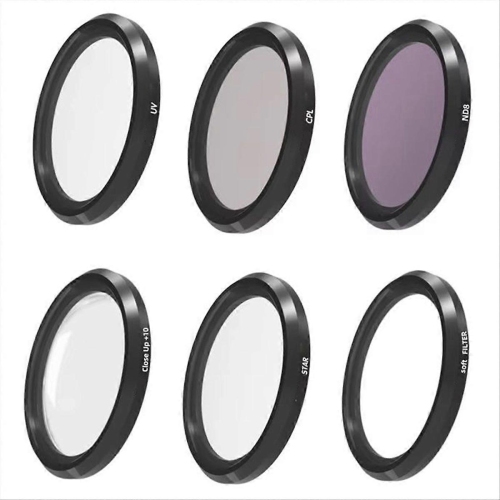

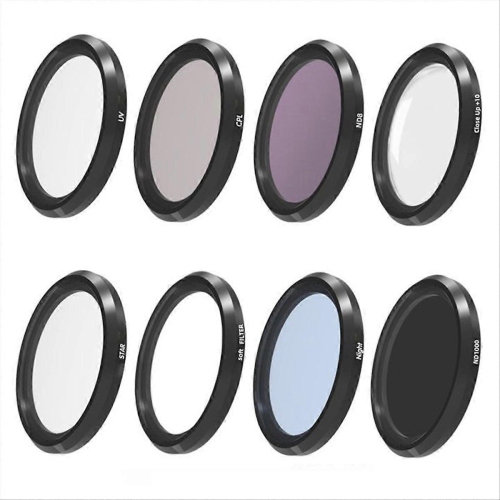
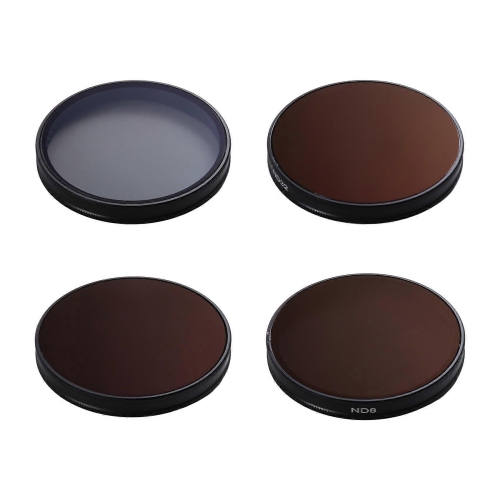
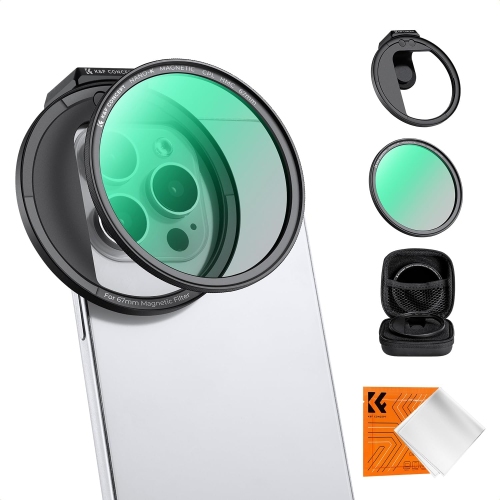
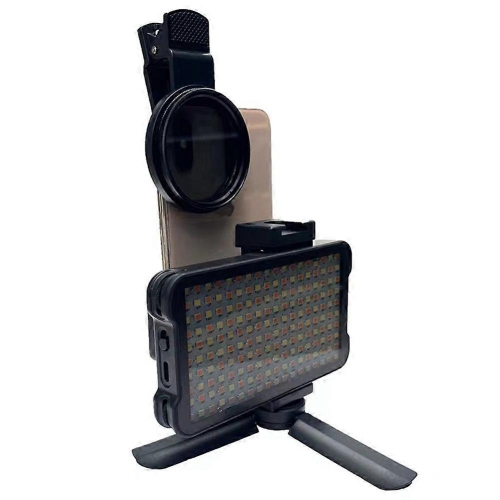
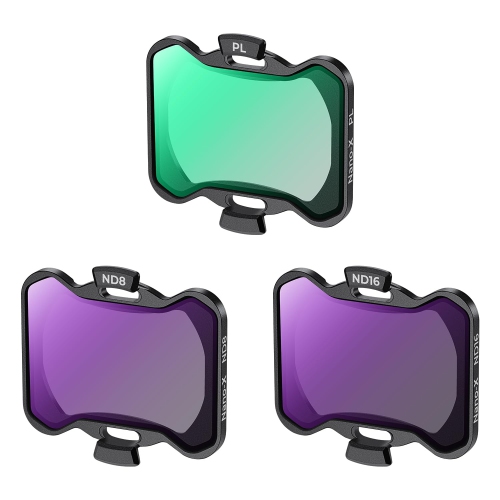
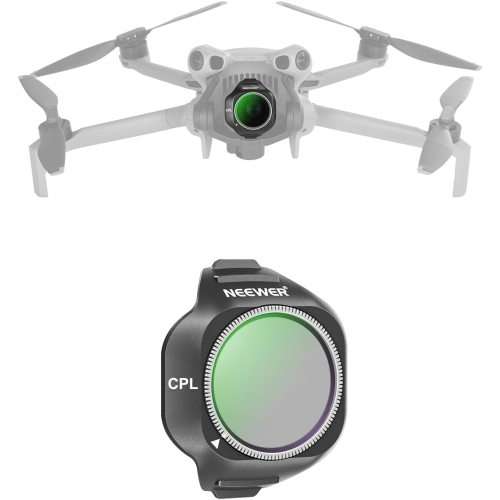
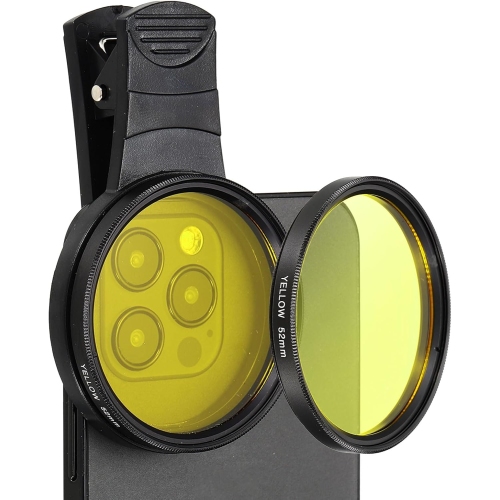
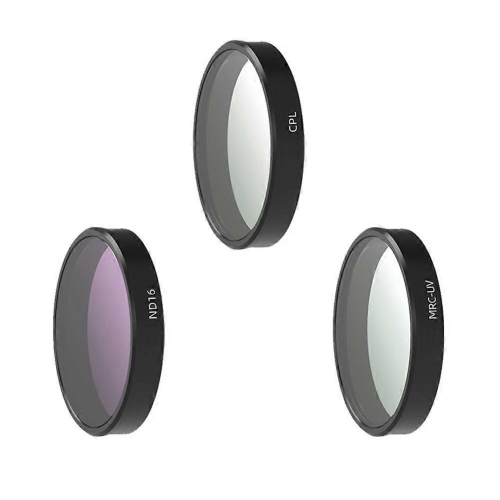
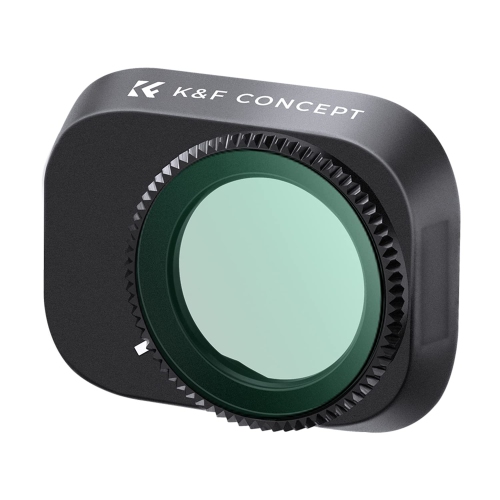

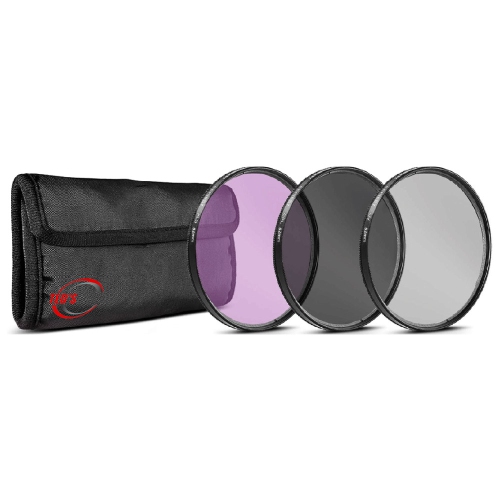



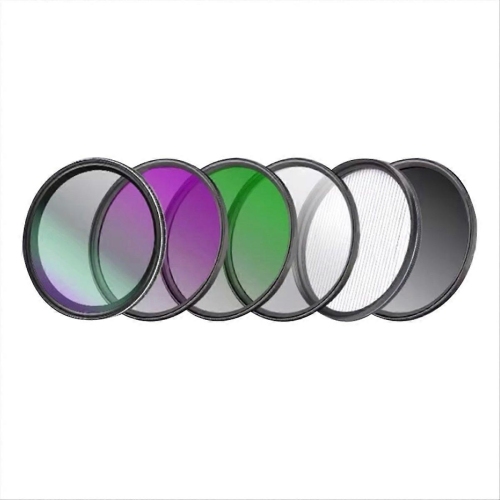


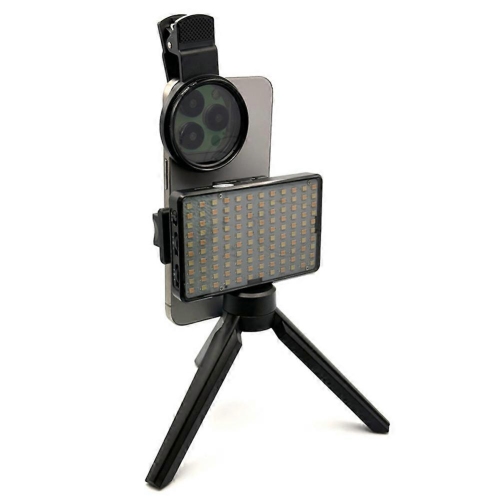
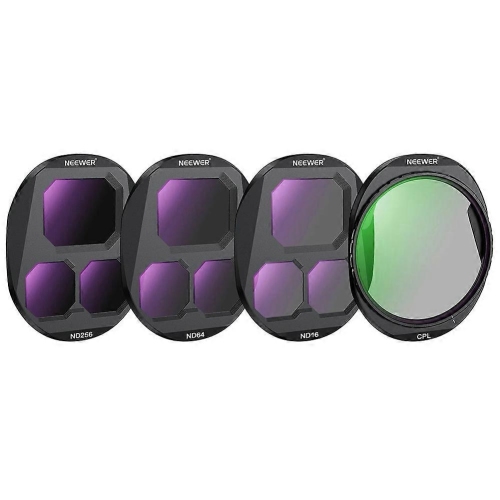
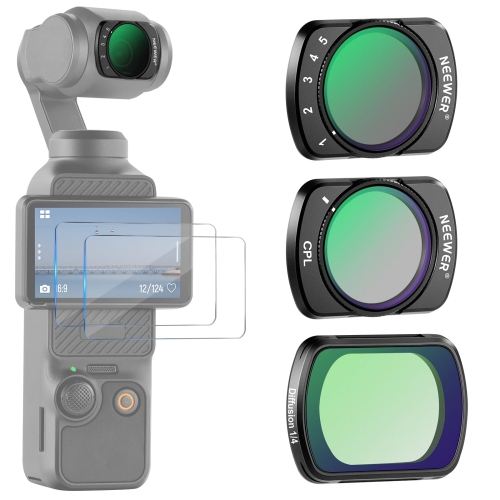
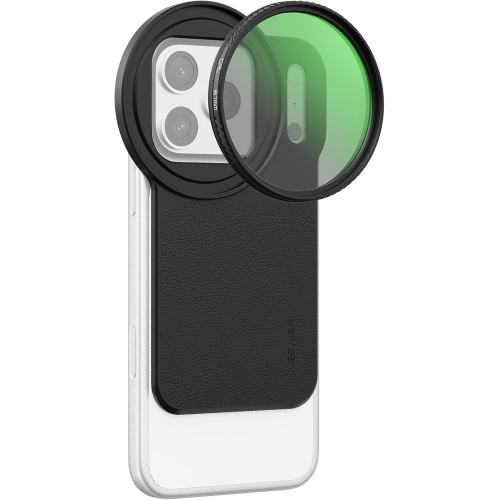



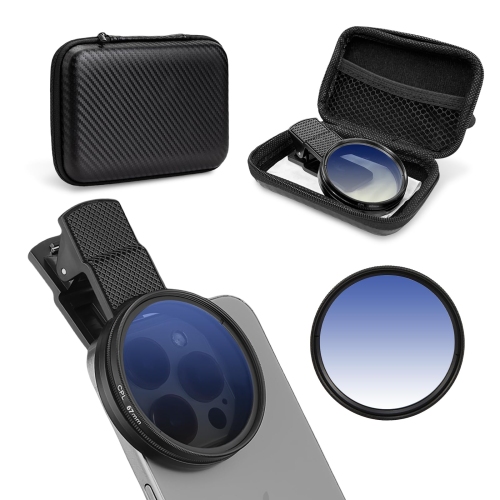



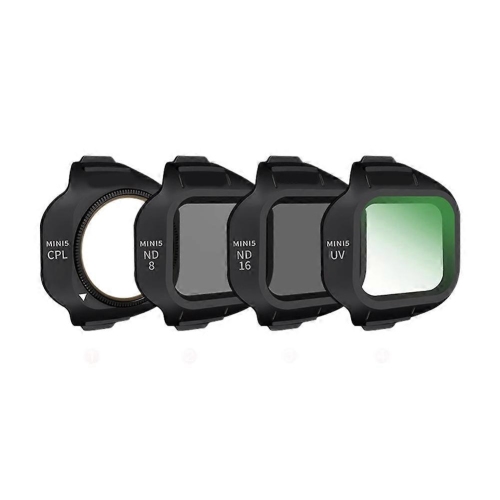








More control over glare, colour, and reflected detail
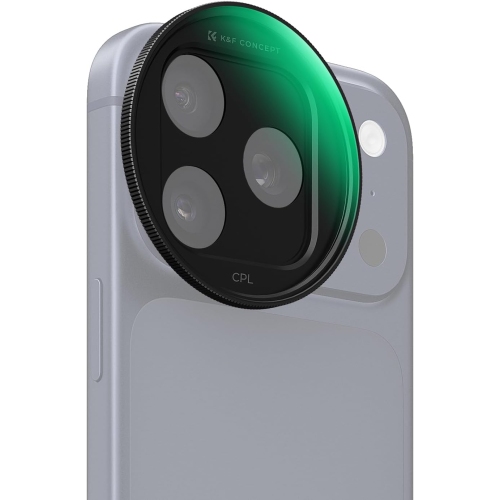
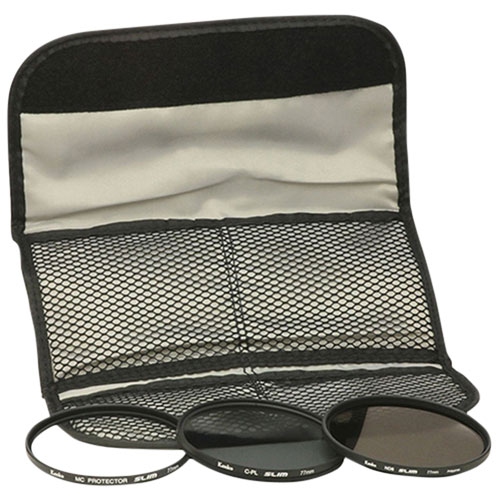
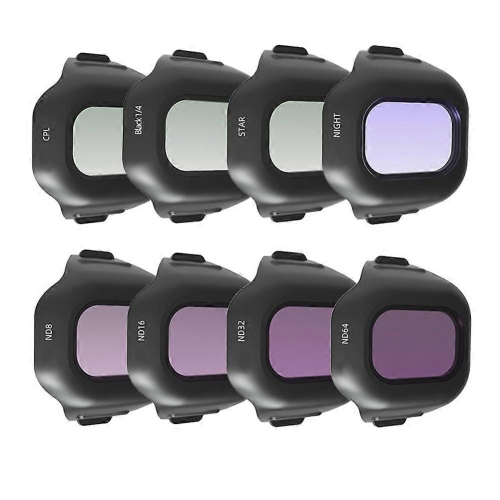
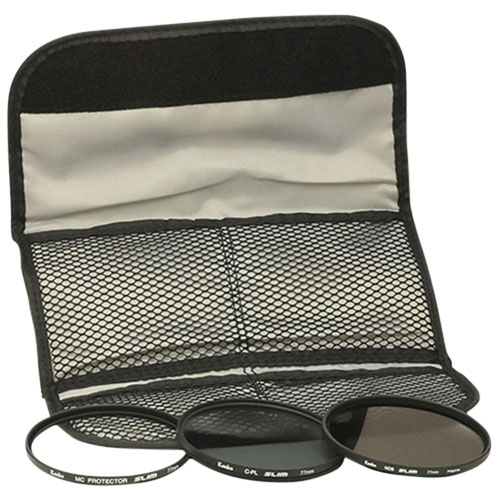
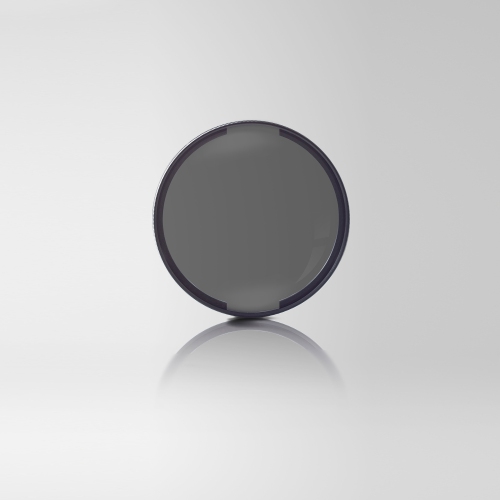
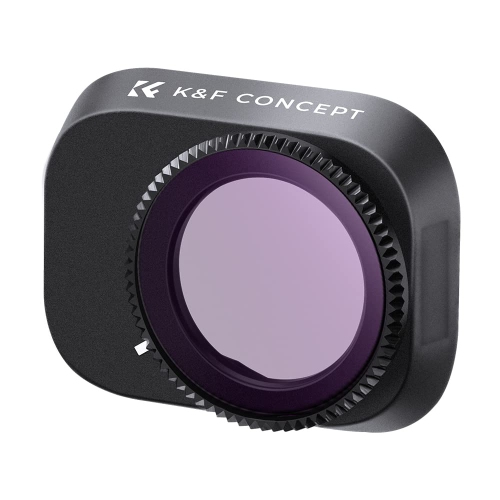
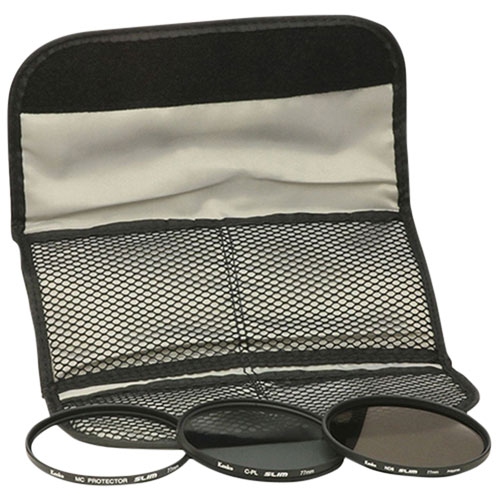
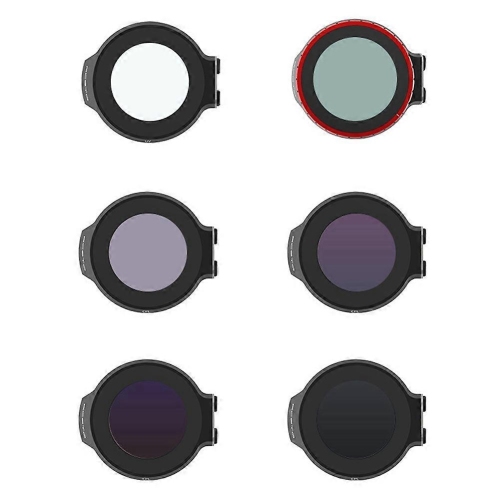
Camera polarizers are optical filters designed to give photographers more control over reflections, contrast, and colour before an image is recorded. A circular polarizer, often called a CPL, attaches to the front of a compatible camera lens and can reduce glare from non-metallic surfaces such as water, glass, painted finishes, and wet leaves. It can also deepen the appearance of a blue sky, make clouds stand out more clearly, and add richness to foliage and other natural colours. The effect is created by rotating the filter within its mount until it blocks light waves travelling in a particular direction. Unlike many adjustments made during editing, this process can reveal detail beneath surface reflections, such as stones below a shallow stream or the texture behind a bright window. The strongest result usually appears when the lens is positioned at roughly a 90-degree angle to the sun, although the effect changes with the light, subject, lens angle, and amount of available reflection. A polarizer is especially useful for landscape, travel, architecture, outdoor, and water photography, as well as everyday images made in bright conditions. During the warmer seasons, it can help manage reflections on lakes, rivers, shop windows, and sunlit roads; during the cooler months, it can add separation to overcast scenery, wet streets, and bare branches against a bright sky. It is worth noting that a CPL is different from a linear polarizer. Modern digital cameras generally require a circular polarizer because its quarter-wave plate allows autofocus and through-the-lens light-metering systems to operate properly. A linear filter may interfere with those functions on many digital camera bodies, so shoppers should look specifically for a circular polarizer when selecting a filter for a modern interchangeable-lens camera. The filter size must also match the lens’s front thread, with common measurements including 49mm, 52mm, 58mm, 67mm, 72mm, 77mm, and 82mm. The size is normally printed on the lens barrel or inside the front of the lens cap. A step-up ring can allow one larger polarizer to fit lenses with smaller thread sizes, which may be practical for photographers who use several lenses, but a filter that is too small will not attach and a filter that is too large may require an adapter. Wide-angle lenses deserve extra care, since uneven sky darkening or vignetting can appear if the filter is very thick, the lens is particularly broad, or multiple filters are stacked together. Browsing Polarizing Filters by size and specifications can make it easier to compare compatible options for a particular camera kit.
When choosing among camera polarizers, consider the lens thread size first, then look at the filter’s glass quality, coatings, frame construction, and ease of rotation. A well-made filter should turn smoothly without feeling loose, allowing the photographer to fine-tune the amount of reflection reduction while looking through the viewfinder or at the camera screen. Multi-coated glass can help limit unwanted flare, ghosting, and loss of contrast when the lens is pointed toward a bright part of the scene. Slim frames are often useful with wide-angle lenses because they reduce the chance of dark corners, while standard frames may be easier to grip and rotate, especially when wearing gloves during the cooler months. Polarizers absorb some light, so the camera may select a slower shutter speed, a wider aperture, or a higher ISO depending on the shooting mode. This is usually manageable in daylight, but it is helpful to remember when photographing moving subjects, handheld scenes, or changing light. A CPL is not meant to remove every reflection, and it has little effect on reflections from metal; its performance also changes as the camera is turned relative to the sun. The most natural-looking results often come from rotating the filter gradually rather than turning it to its strongest setting, particularly when photographing a broad sky where uneven dark patches may look distracting. Keeping the filter clean is equally important. Dust, fingerprints, and water spots become more noticeable when shooting bright skies or reflective surfaces, so the filter should be handled by its edges and stored in its protective case when it is not attached to the lens. A soft blower and suitable lens cloth can help remove particles without scratching the surface. Camera polarizers can be thoughtful gifts for photographers who are building their first interchangeable-lens kit, travellers preparing for scenic trips, outdoor enthusiasts who enjoy photographing lakes and mountains, or experienced hobbyists looking to refine the way they capture light. They are compact, easy to carry, and useful across many styles, from a quiet walk beside a pond to a detailed architectural image made through a sunlit window. For the best match, pair the intended filter diameter with the recipient’s lens, check whether a slim or standard frame is preferable, and consider whether quick attachment, advanced coatings, or a simple dependable design suits the way the photographer works. With the right fit and careful adjustment, a polarizer can become a regular part of a camera bag, helping images look clearer and more dimensional from the moment they are captured.
When choosing among camera polarizers, consider the lens thread size first, then look at the filter’s glass quality, coatings, frame construction, and ease of rotation. A well-made filter should turn smoothly without feeling loose, allowing the photographer to fine-tune the amount of reflection reduction while looking through the viewfinder or at the camera screen. Multi-coated glass can help limit unwanted flare, ghosting, and loss of contrast when the lens is pointed toward a bright part of the scene. Slim frames are often useful with wide-angle lenses because they reduce the chance of dark corners, while standard frames may be easier to grip and rotate, especially when wearing gloves during the cooler months. Polarizers absorb some light, so the camera may select a slower shutter speed, a wider aperture, or a higher ISO depending on the shooting mode. This is usually manageable in daylight, but it is helpful to remember when photographing moving subjects, handheld scenes, or changing light. A CPL is not meant to remove every reflection, and it has little effect on reflections from metal; its performance also changes as the camera is turned relative to the sun. The most natural-looking results often come from rotating the filter gradually rather than turning it to its strongest setting, particularly when photographing a broad sky where uneven dark patches may look distracting. Keeping the filter clean is equally important. Dust, fingerprints, and water spots become more noticeable when shooting bright skies or reflective surfaces, so the filter should be handled by its edges and stored in its protective case when it is not attached to the lens. A soft blower and suitable lens cloth can help remove particles without scratching the surface. Camera polarizers can be thoughtful gifts for photographers who are building their first interchangeable-lens kit, travellers preparing for scenic trips, outdoor enthusiasts who enjoy photographing lakes and mountains, or experienced hobbyists looking to refine the way they capture light. They are compact, easy to carry, and useful across many styles, from a quiet walk beside a pond to a detailed architectural image made through a sunlit window. For the best match, pair the intended filter diameter with the recipient’s lens, check whether a slim or standard frame is preferable, and consider whether quick attachment, advanced coatings, or a simple dependable design suits the way the photographer works. With the right fit and careful adjustment, a polarizer can become a regular part of a camera bag, helping images look clearer and more dimensional from the moment they are captured.
Top selling and popular products
-
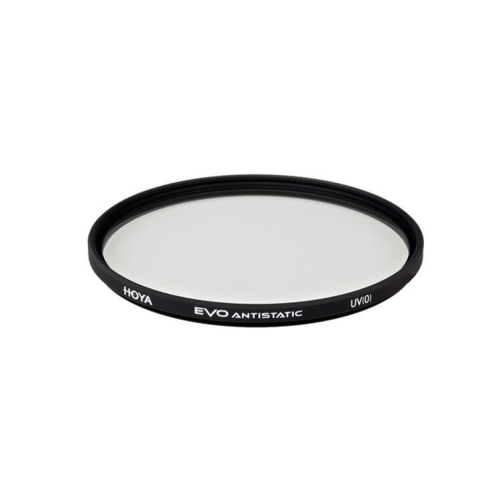 Your price for this item is $109
-
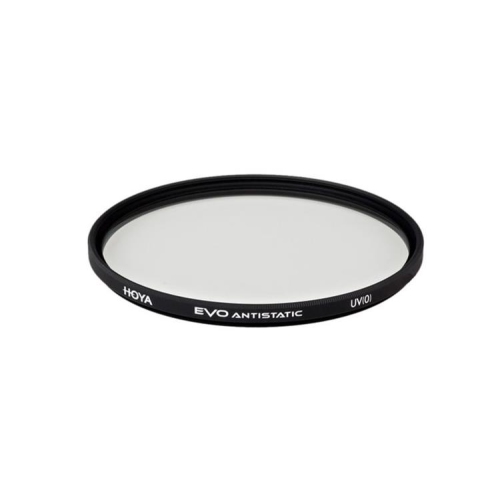 Your price for this item is $111.15
-
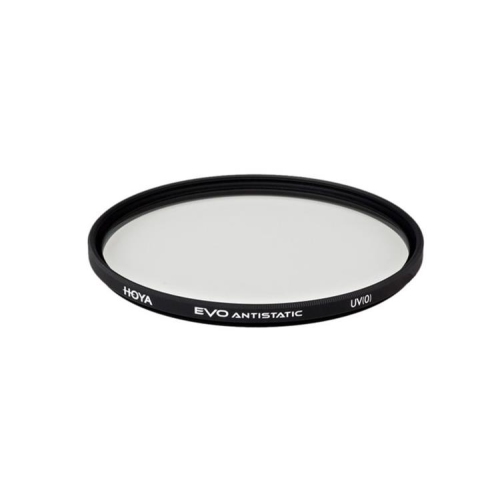 Your price for this item is $93.1
-
 Your price for this item is $89
-
 Your price for this item is $102.6
-
 Your price for this item is $69
-
 Your price for this item is $185.25
-
 Your price for this item is $139.65
Discover more categories related to Camera Polarizers


Top Collections:
Pokemon Centers, Kindle Devices, Best Cameras for Sports Photography, Pokémon 30th Celebration Cards, Canon G7X Cameras, Samsung Galaxy Phones, iPhone 15 Apple, Best Black Friday Deals On Electronics, Jackery Power Stations, Solar Generators for Home
Some products may be subject to Environmental Handling Fees
(EHF) depending on your province.
Learn more about EHFs.