Circular Polarizing Lenses
Enhance your photography skills and capture breathtaking images with circular polarizing lenses. These essential accessories are designed to minimize glare and reflections, resulting in vibrant colors, increased contrast, and improved clarity in your photos. Whether you're shooting landscapes, portraits, or wildlife, these lenses are a must-have for any photographer looking to elevate their work. Explore our wide selection of circular polarizing lenses and unlock the full potential of your camera today.
Sort


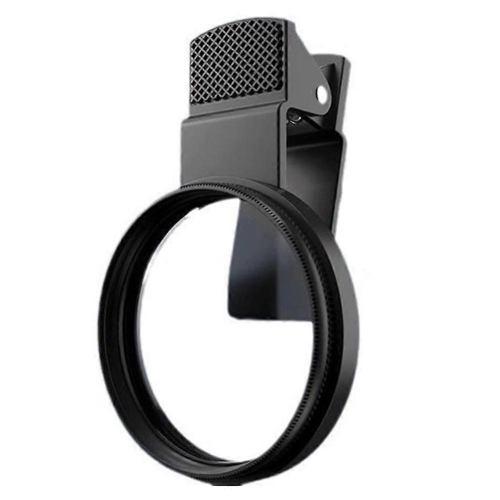
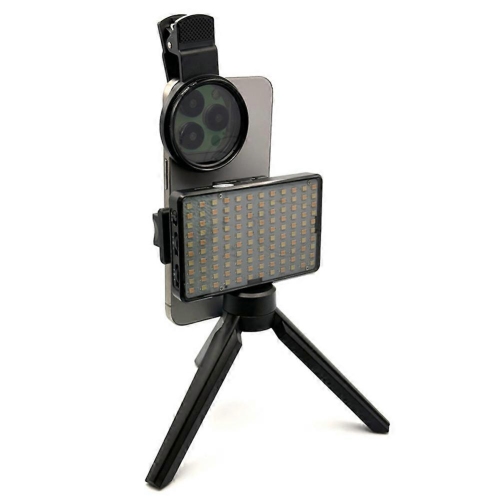
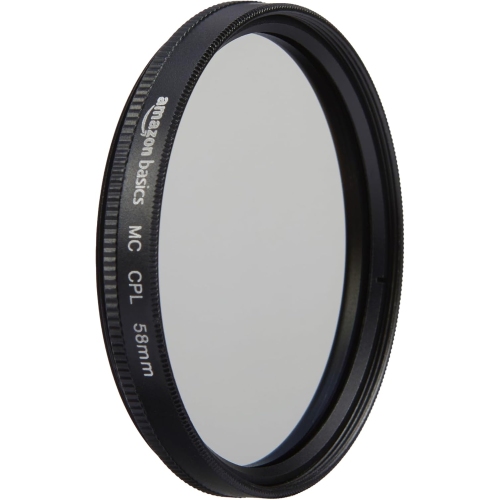

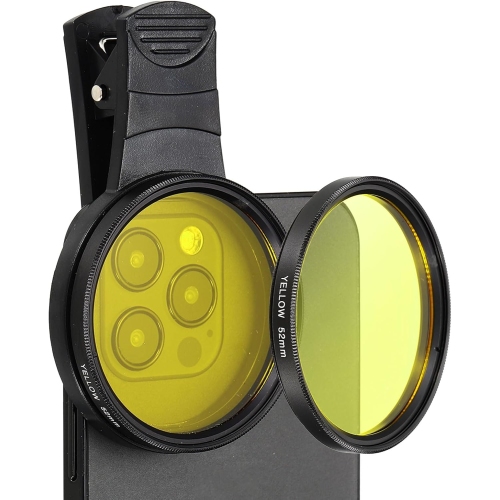
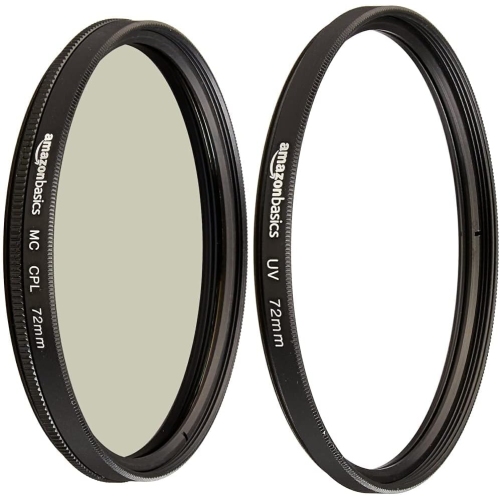

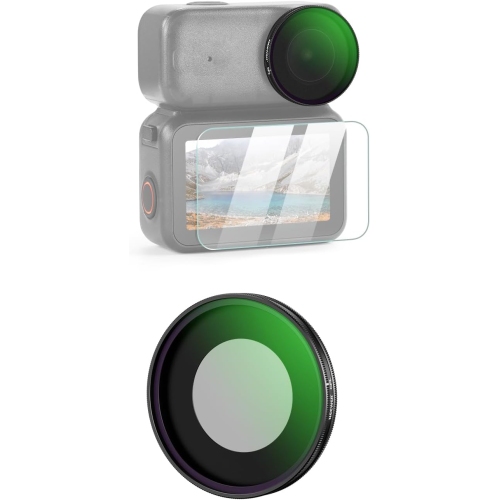
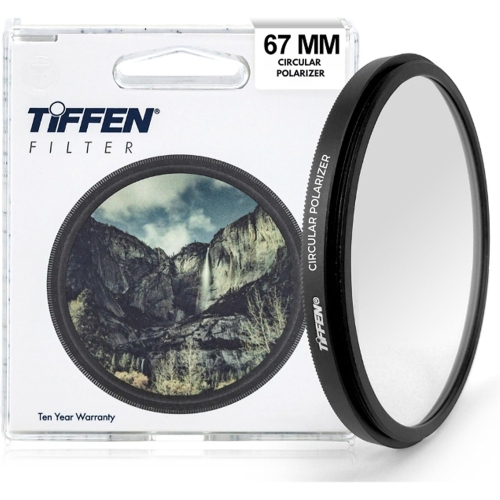
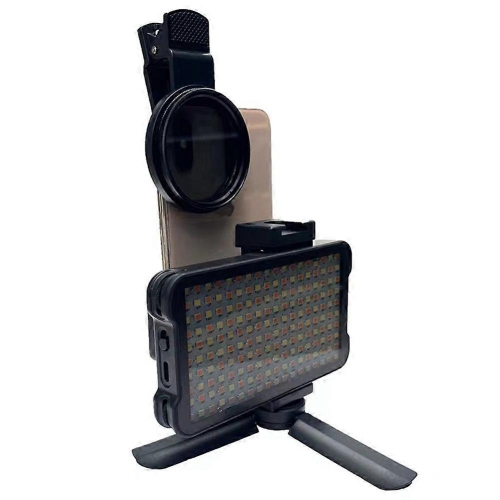
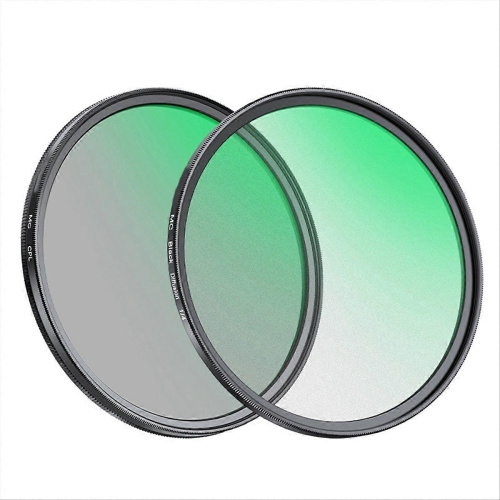
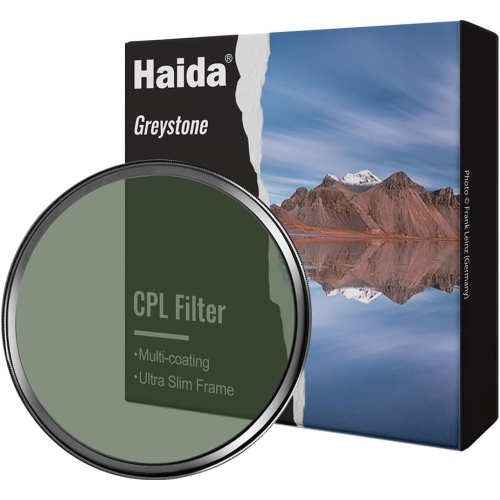
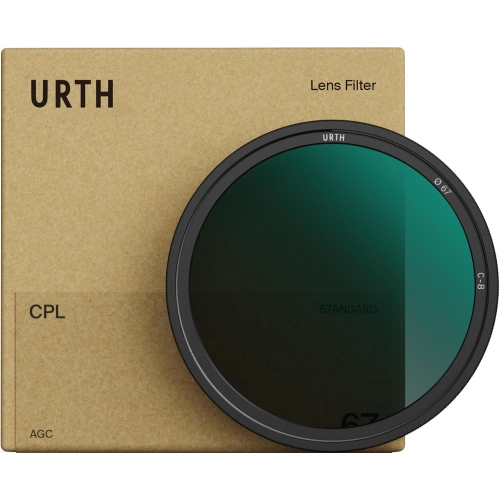


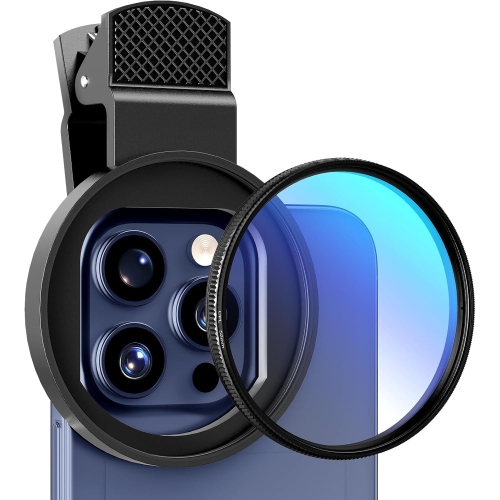
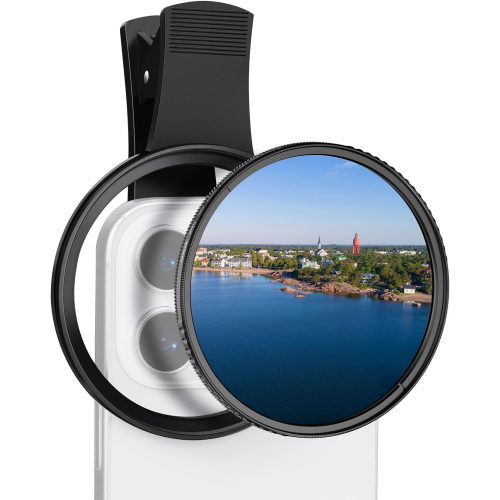

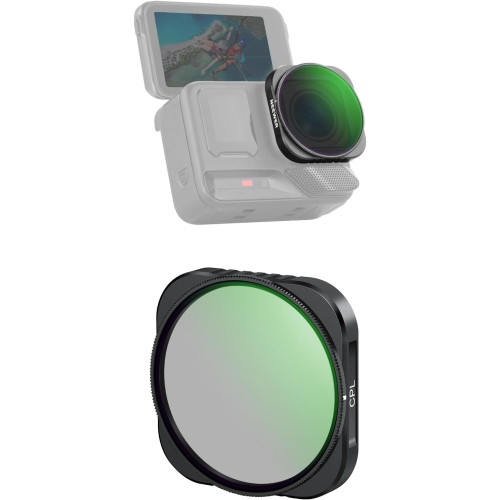


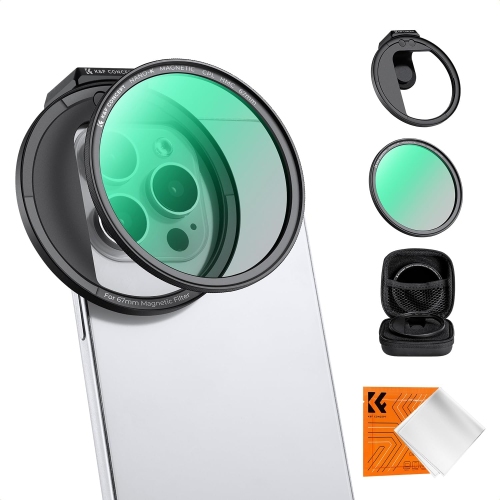
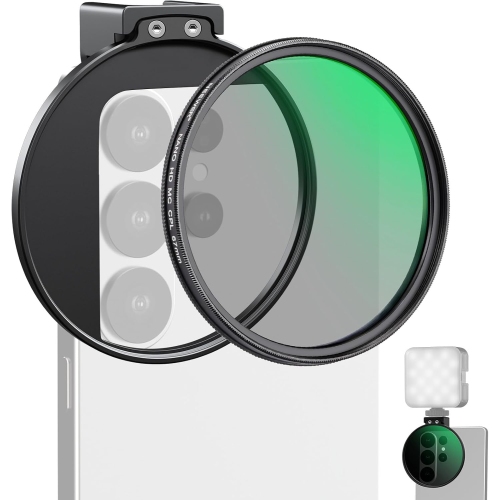


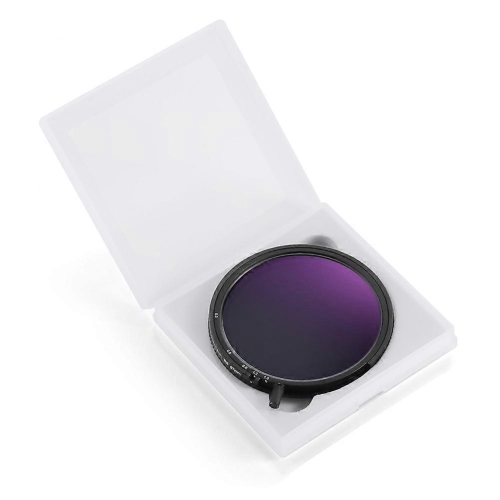
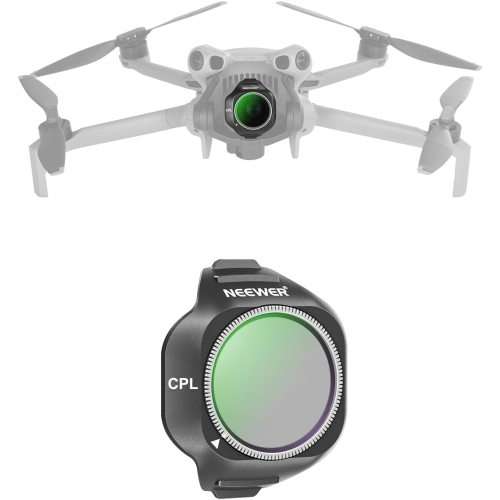


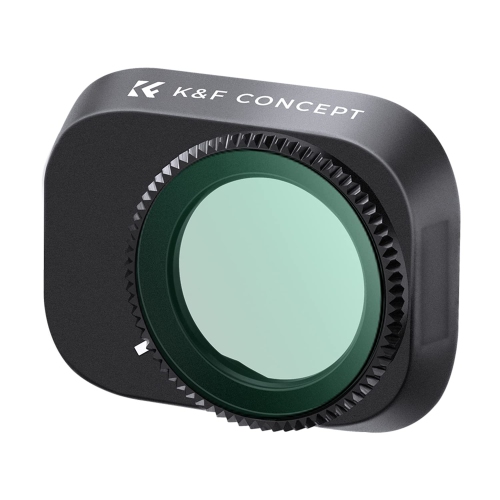
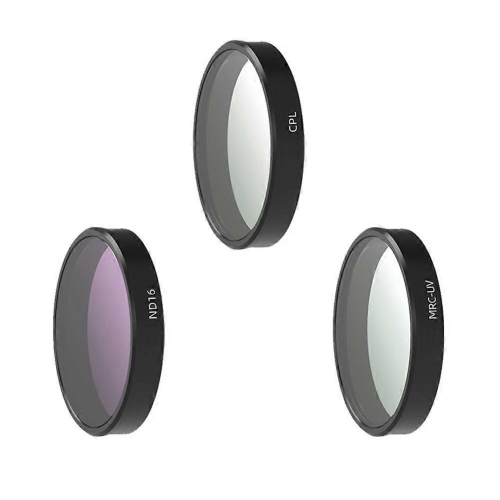


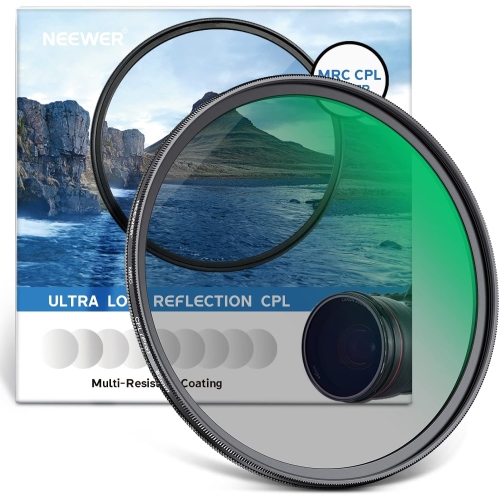

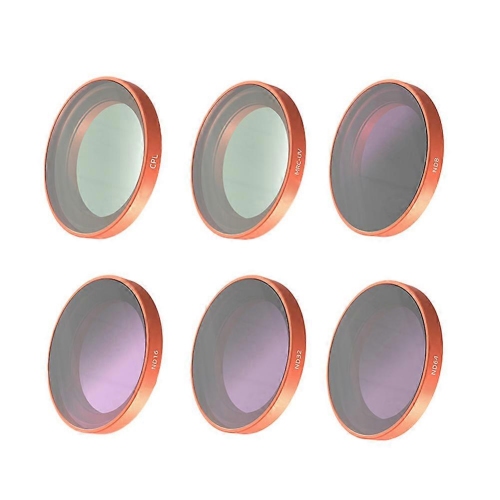

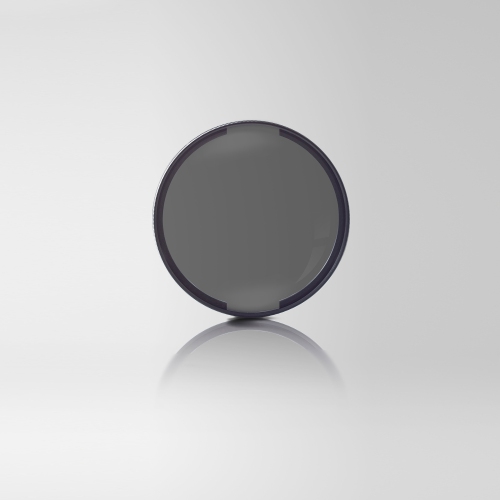


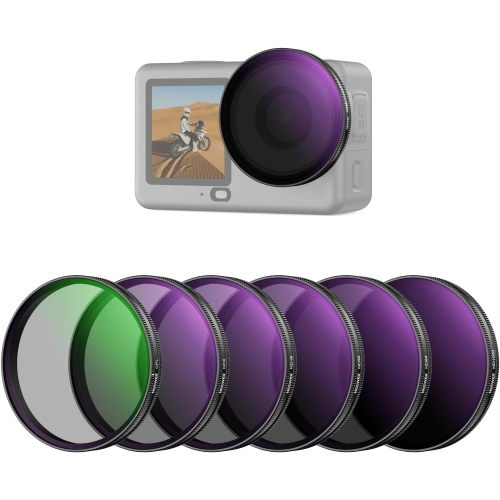

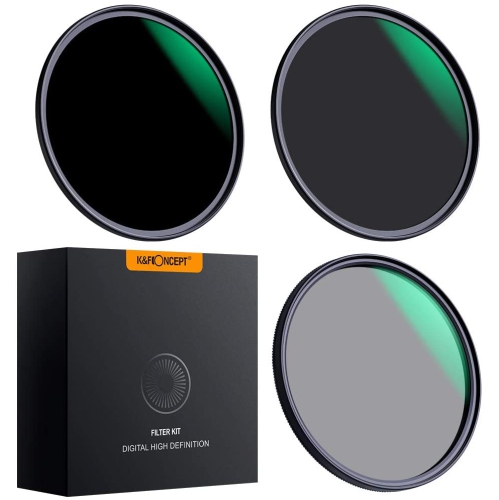
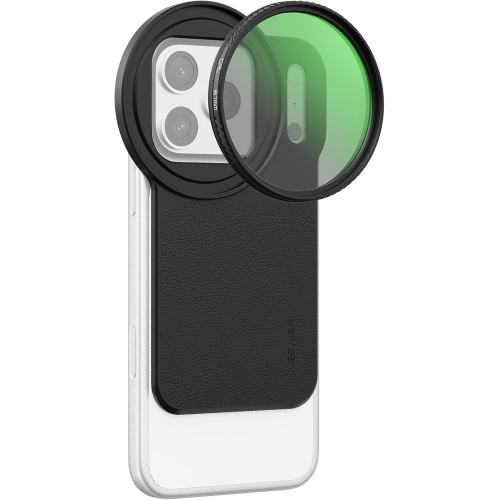


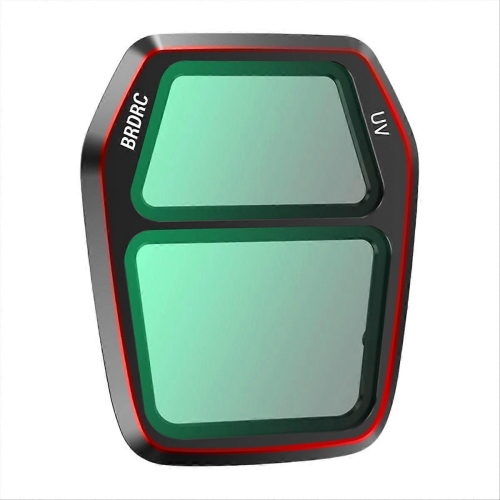
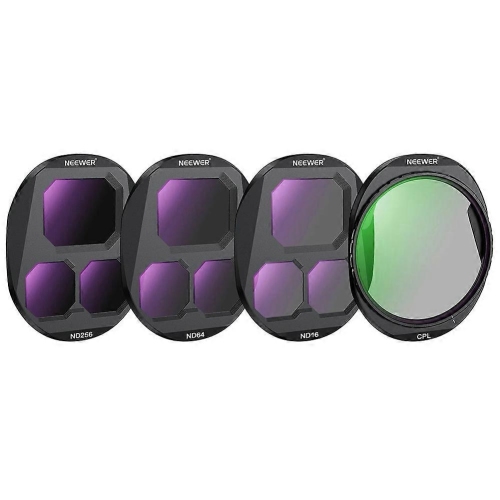

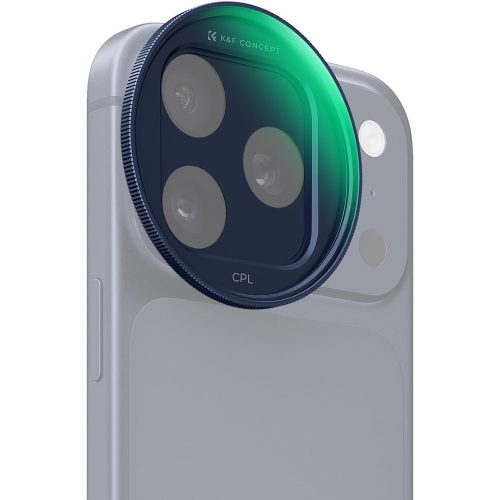
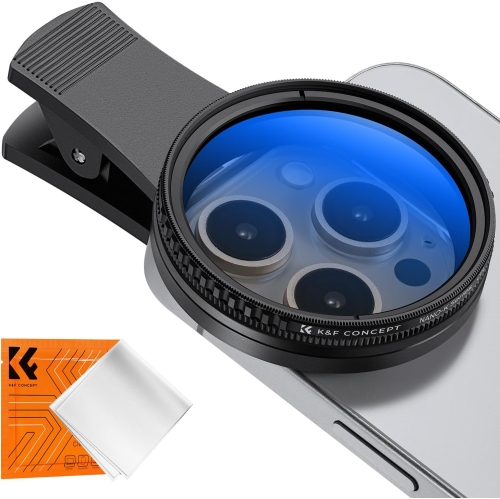
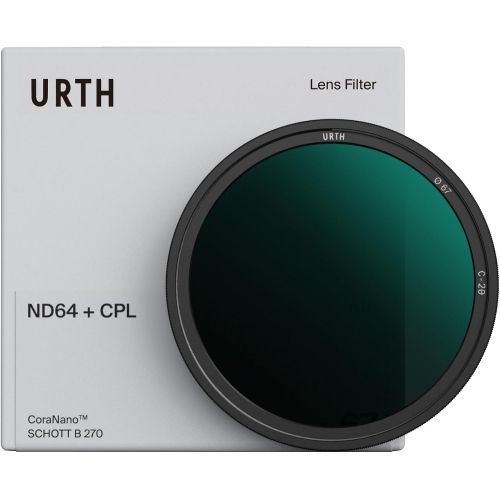
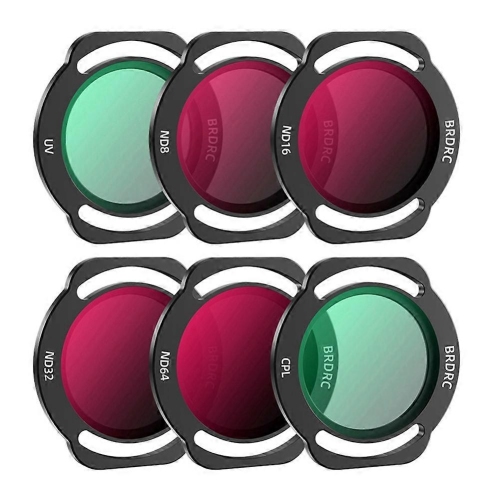

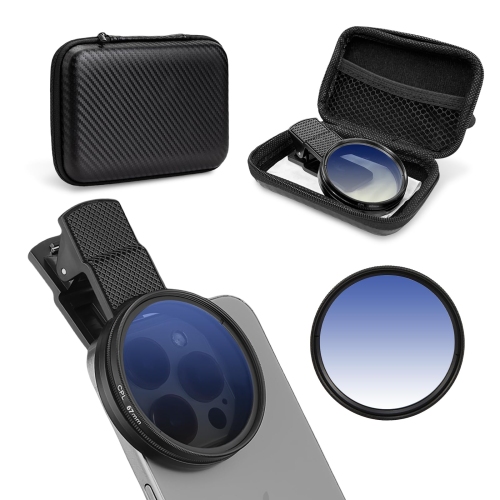
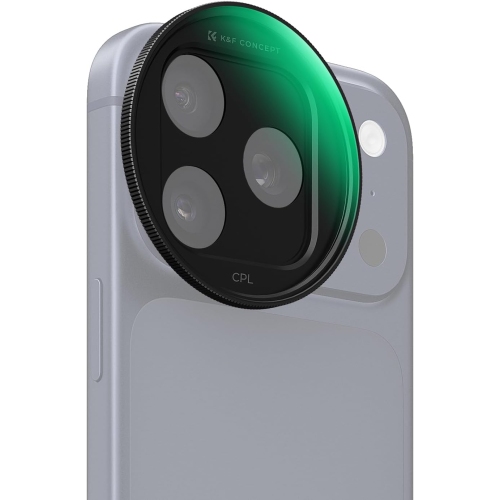

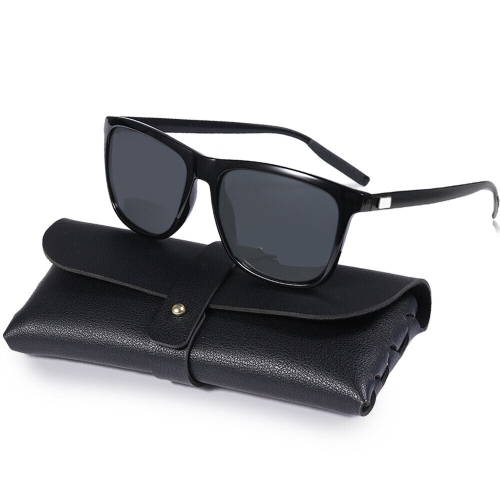

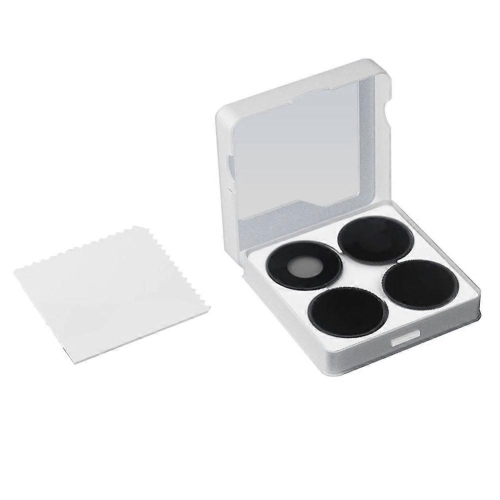

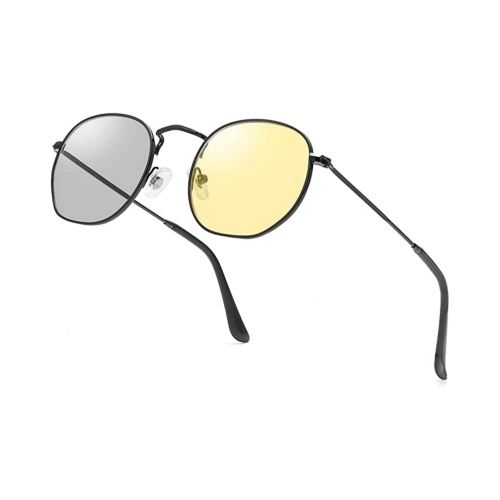
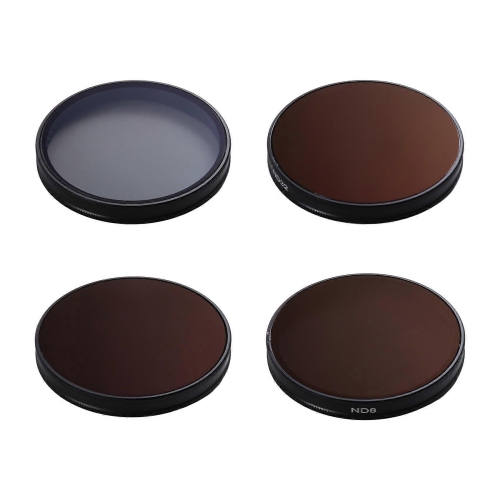


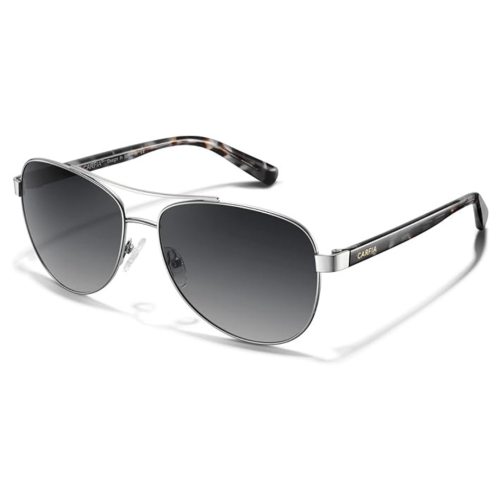

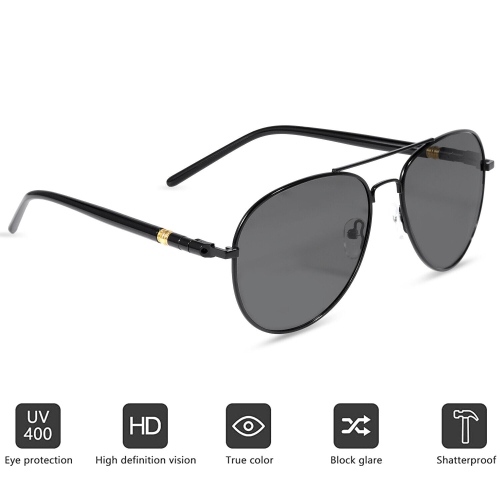
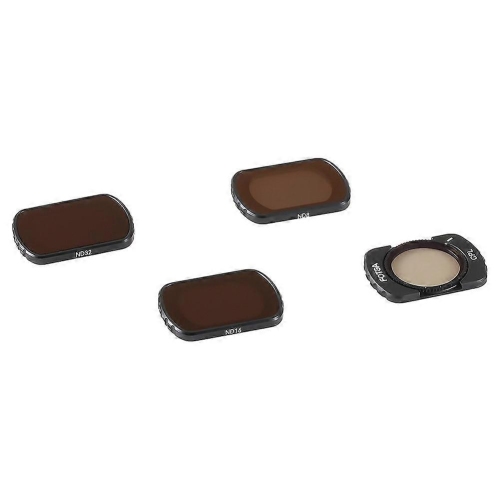
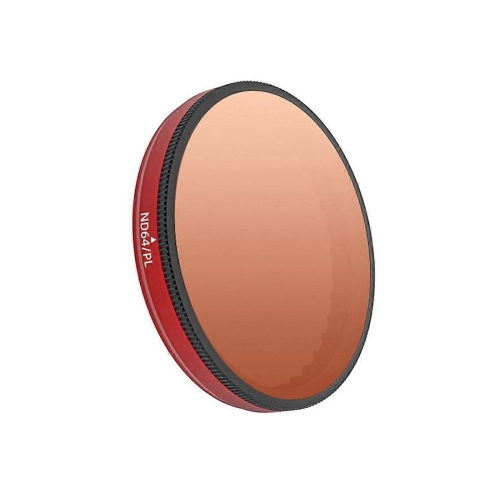

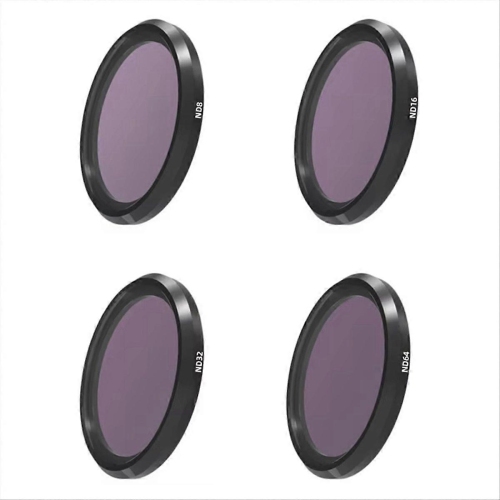


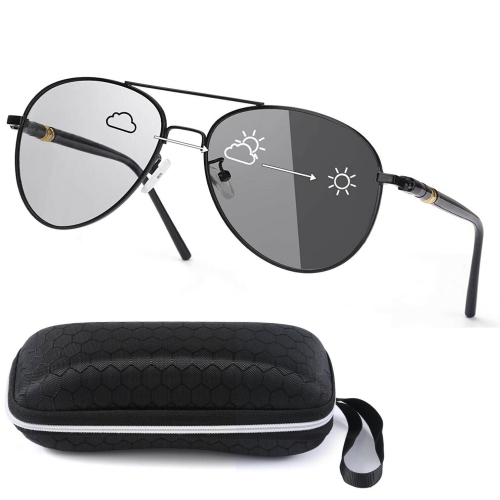
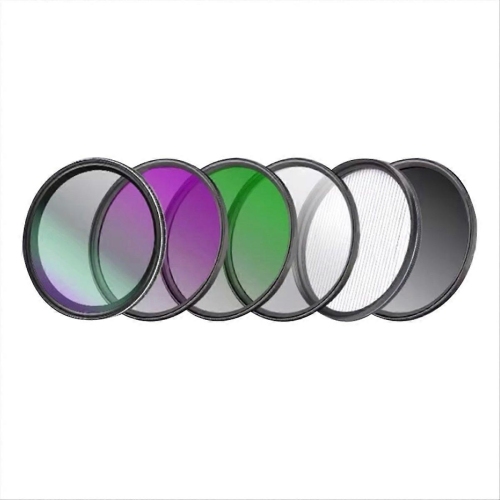

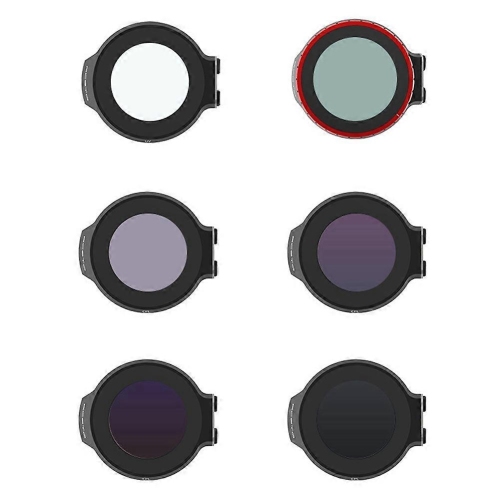
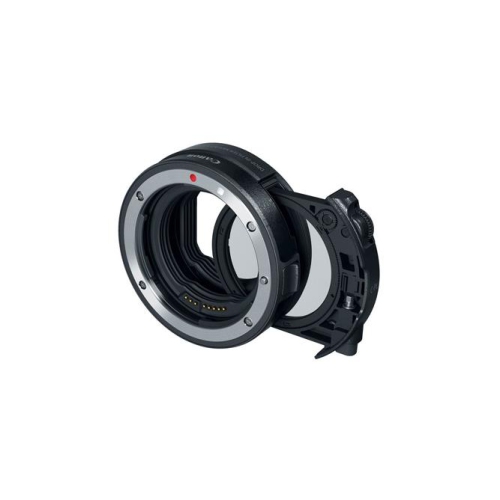
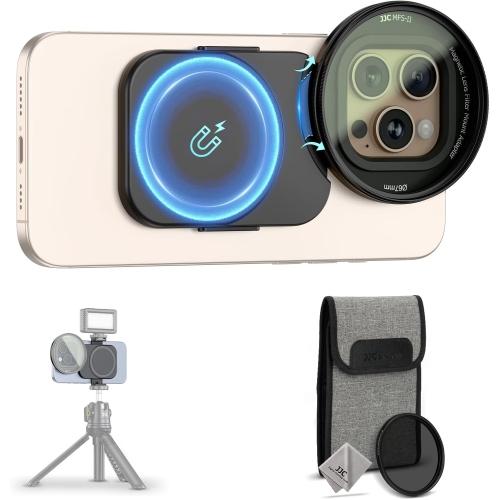
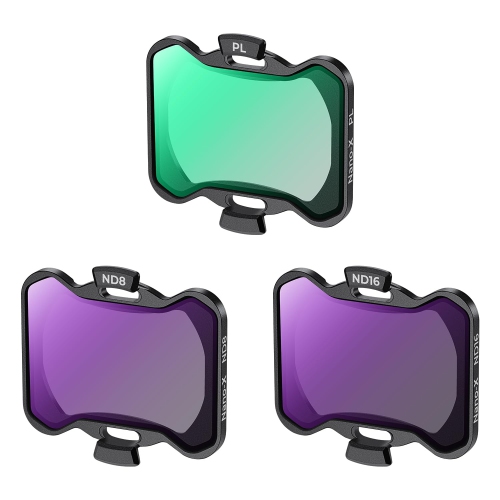
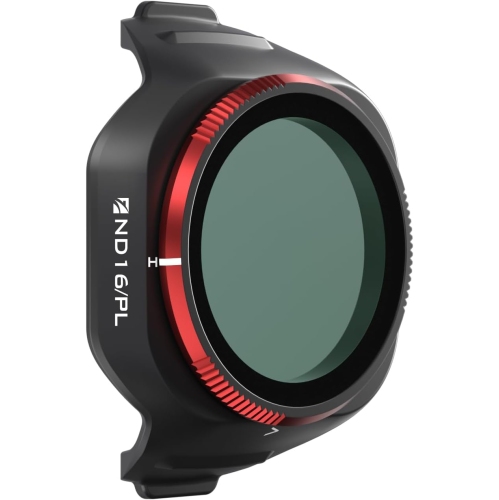
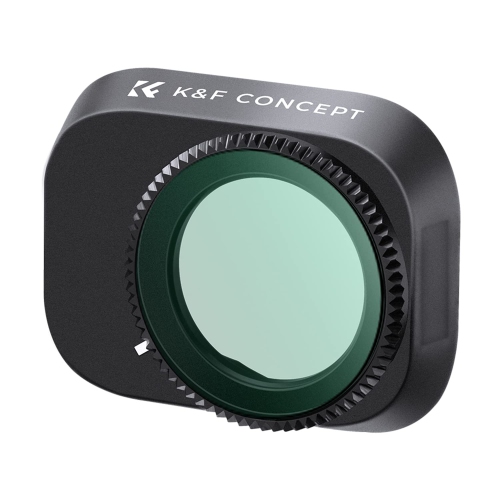

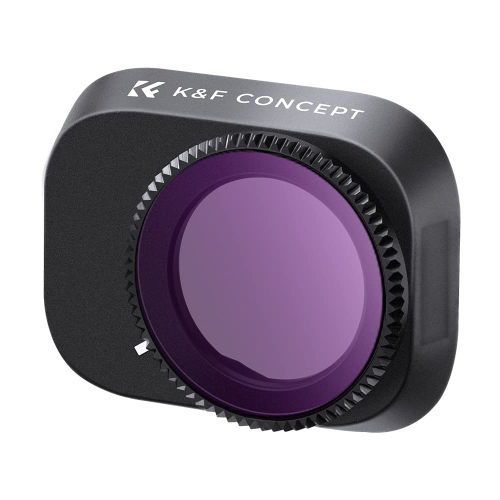
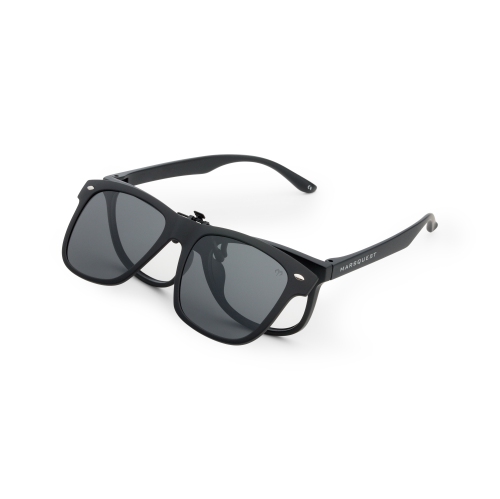
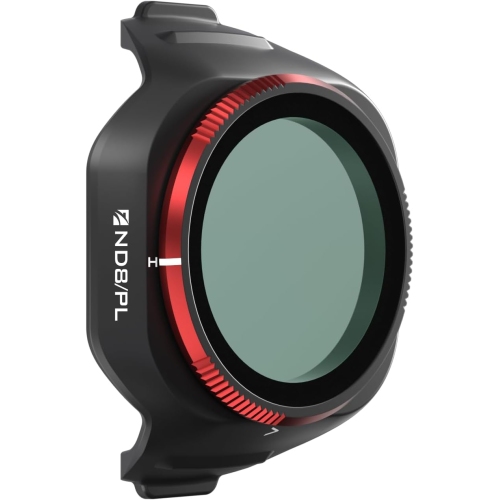
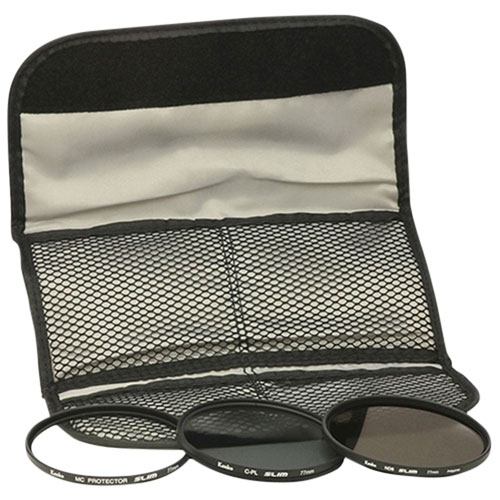
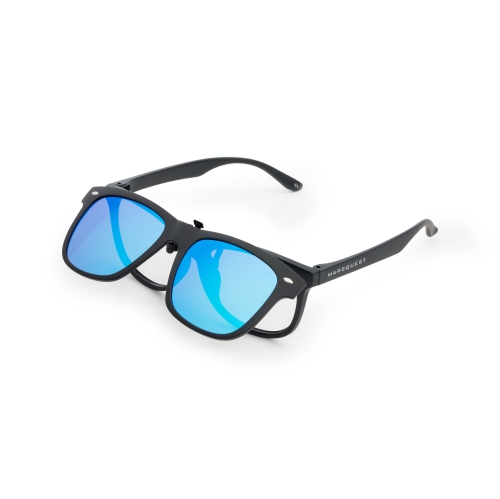
How polarized light reveals detail in outdoor photographs
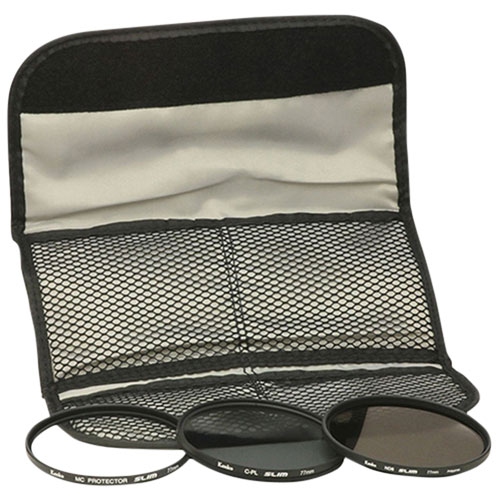
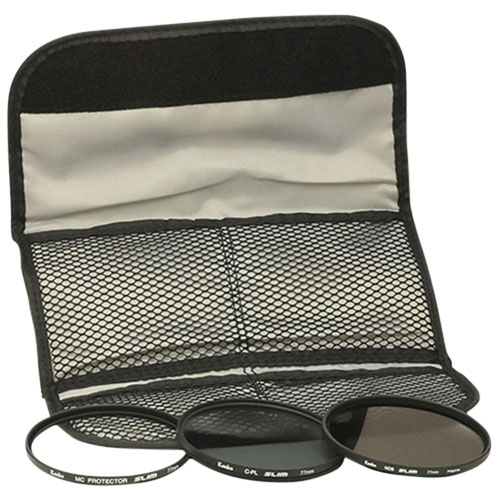
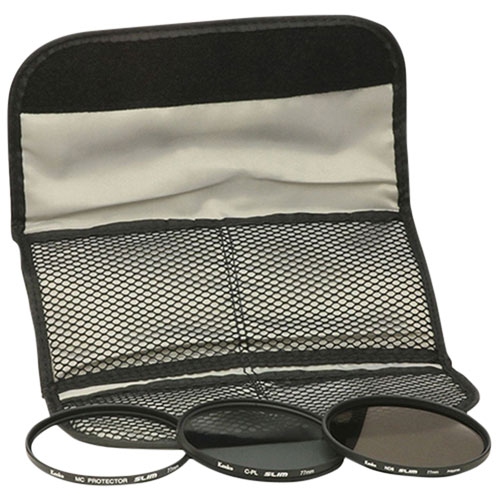
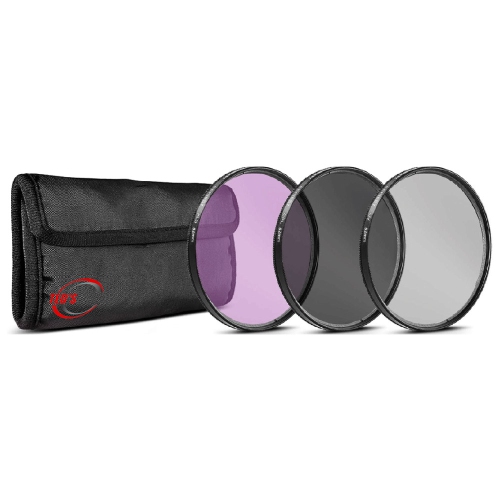
Circular polarizing lenses, also called circular polarizing filters or CPL filters, are camera accessories designed to manage reflected light and improve the appearance of photographs. They attach to the front of a compatible camera lens and use a rotating outer ring to control the amount of polarization in the scene. Unlike a clear protective filter, a circular polarizer can reduce glare from non-metallic surfaces such as water, glass, painted surfaces, wet rocks and glossy leaves. This can reveal detail that would otherwise be hidden behind bright reflections, while also making colours appear richer and contrast more pronounced. A lake may show more texture beneath its shimmering surface, foliage can look deeper and less washed out, and a bright blue sky may take on a darker, more defined tone while clouds stand out clearly. The effect is adjustable rather than simply on or off, so photographers can rotate the filter while looking through the viewfinder or at the camera screen and choose a natural balance between reflection control and brightness. Circular polarizers are especially useful for landscape, travel, architecture, outdoor portrait and nature photography. They can be handy during walks near rivers or coastlines, on scenic drives, around city buildings with reflective windows, or anywhere changing weather leaves surfaces wet and glossy. During warmer weather, they can help manage intense reflections from water and sunlit foliage; during cooler months, they can add definition to overcast landscapes, damp streets and colourful autumn scenes. For a broader selection of related accessories, explore Camera Polarizers.
When choosing a circular polarizing lens, the first consideration is the filter size. Camera lenses use different front-thread diameters, usually measured in millimetres, and the filter must match the diameter marked on the lens or listed in its specifications. A filter that is too large or too small will not attach directly, although step-up rings can sometimes allow one larger filter to be shared between lenses. Sharing may be convenient for photographers who carry several lenses, but the ring and filter combination should be checked for secure fit and possible vignetting, particularly with wide-angle lenses. Slim or low-profile designs may help reduce the chance of darkened corners, while standard frames can be easier to grip and rotate. It is also worth checking whether the filter is intended for digital camera systems and whether its optical construction supports autofocus and automatic exposure. A circular polarizer includes a quarter-wave plate behind the polarizing layer, which changes the light after it has been polarized so modern cameras can generally continue to meter and focus as expected. This is an important distinction from older linear polarizers, which may interfere with some autofocus or metering systems. Since a polarizer reduces incoming light by approximately one to two stops, the camera may select a slower shutter speed, a wider aperture or a higher ISO to maintain exposure. A tripod can be useful for landscapes in lower light, while photographers capturing movement may need to watch shutter speed carefully. The filter is most effective when the camera is pointed roughly 90 degrees from the sun, meaning the sun is to the side rather than directly behind or in front of the camera. Rotating the filter changes the intensity, and the strongest effect is not always the most realistic one; a modest adjustment often keeps skies and water looking natural.
Circular polarizing lenses can be a practical addition for beginners building a first camera kit and a thoughtful gift for someone who enjoys hiking, road trips, wildlife observation, travel photography or outdoor family events. They are compact, simple to carry and offer a visible creative effect without requiring complex editing software. A new photographer may notice the difference immediately when comparing a reflective pond, bright window or leafy path with and without the filter, making it an approachable way to learn about light and composition. Experienced photographers may appreciate having one available for scenes where glare changes from one moment to the next, such as sunlight moving across a stream or clouds passing over a mountain view. Before purchasing, confirm the recipient’s lens diameter, camera setup and preferred subjects rather than assuming one filter fits every camera. It is also helpful to consider how the filter will be stored and handled: a protective case, clean storage area and soft lens cloth can help prevent fingerprints, dust and scratches from affecting image quality. When using the filter, attach it carefully, compose the shot, rotate the ring while observing the scene, and check the corners of the frame at wider focal lengths. Avoid forcing the threads, and remove the filter when maximum brightness is more important than glare control, such as in very dim conditions or when a fast shutter speed is essential. With the right size and a little practice, a circular polarizing lens can bring out the texture of rippling water, the depth of a blue sky and the natural colour of the landscape while giving photographers more control over the light in front of them.
Top selling and popular products
-
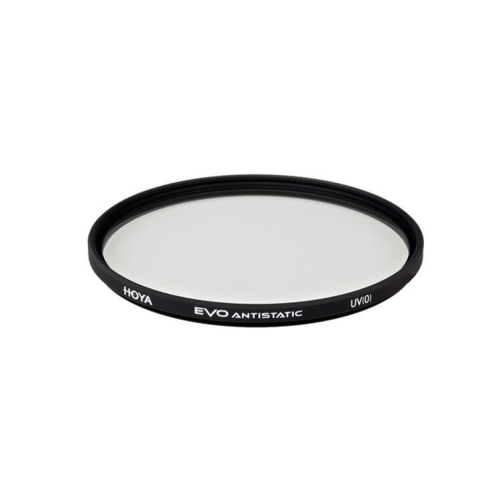 Your price for this item is $109
-
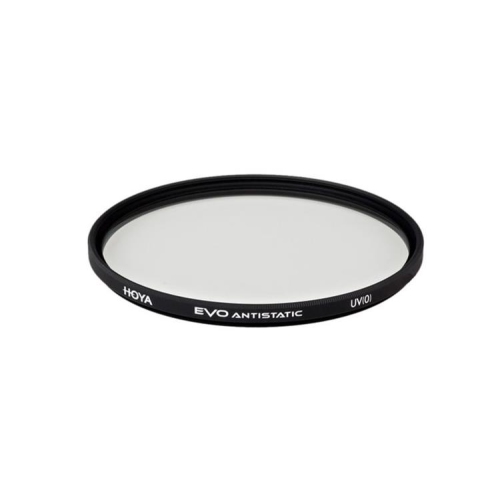 Your price for this item is $111.15
-
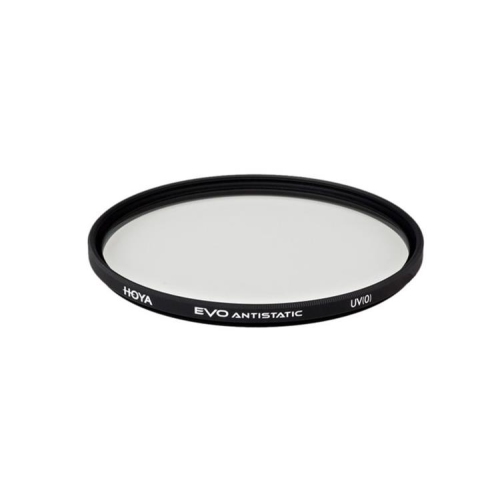 Your price for this item is $93.1
-
 Your price for this item is $89
-
 Your price for this item is $102.6
-
 Your price for this item is $69
-
 Your price for this item is $185.25
-
 Your price for this item is $139.65
Discover more categories related to Circular Polarizing Lenses
Top Collections:
Pokemon Centers, Kindle Devices, Best Cameras for Sports Photography, Pokémon 30th Celebration Cards, Canon G7X Cameras, Samsung Galaxy Phones, iPhone 15 Apple, Best Black Friday Deals On Electronics, Jackery Power Stations, Solar Generators for Home
Some products may be subject to Environmental Handling Fees
(EHF) depending on your province.
Learn more about EHFs.