Cameras Cameras
Capture every moment in stunning detail with Cameras Camera. Whether you're a photography enthusiast or just starting your journey, explore a wide selection designed to suit every style and need. Find the perfect fit for family events, travel adventures, creative projects, and more. With Cameras Camera, it's easy to discover options that help you preserve memories and express your unique perspective.
Sort





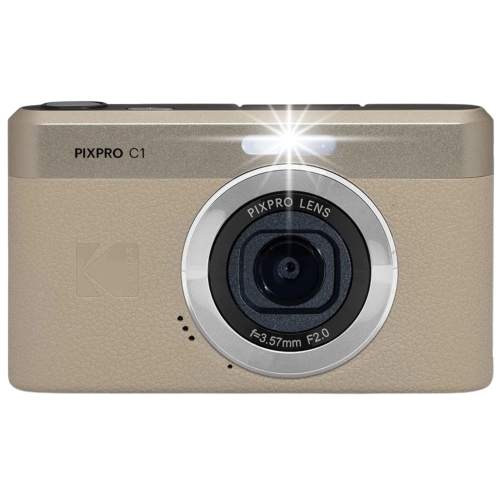


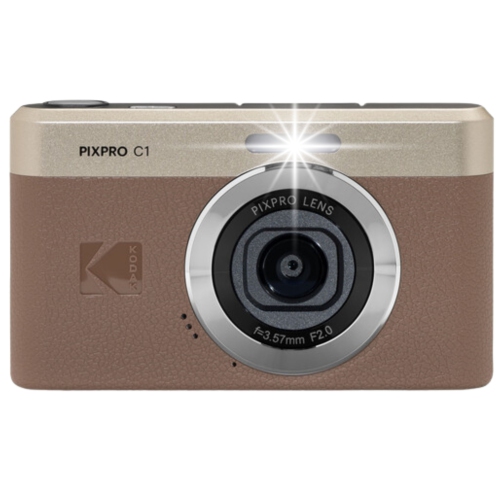

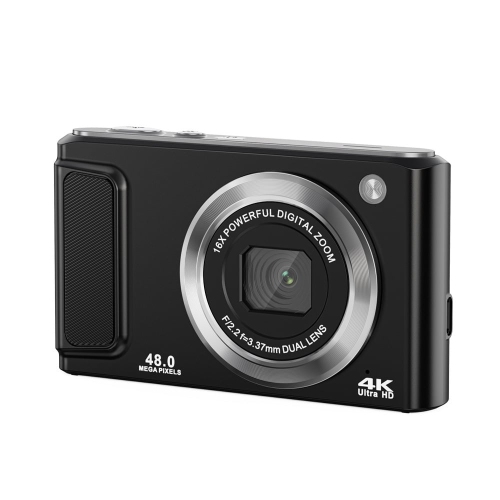
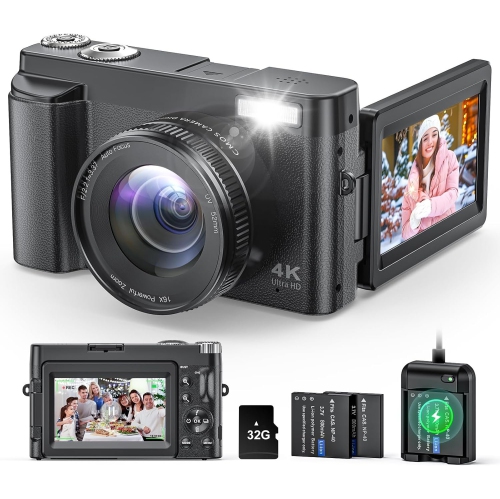


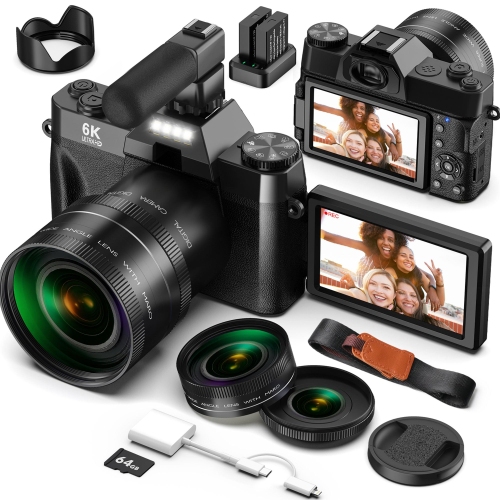

What matters beyond megapixels in your next camera
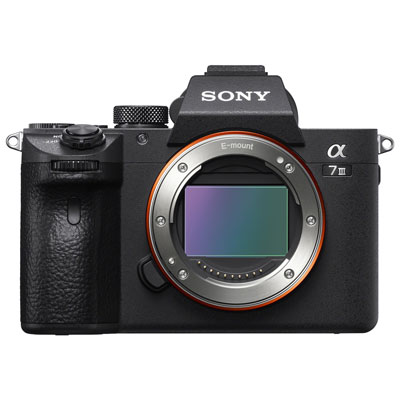
Cameras range from pocket-sized compact designs to interchangeable-lens mirrorless and DSLR systems, with instant cameras offering the added appeal of a physical print. Each type suits a different way of taking pictures, whether that means photographing a family celebration, capturing a bird perched across a trail, or creating detailed images for a portfolio. Compact cameras combine a lens and camera body in one unit, making them convenient for everyday photography and travel. Some emphasize straightforward automatic controls, while others offer manual settings, larger sensors, or a generous optical zoom range. Mirrorless cameras use an electronic viewfinder or rear screen to display the scene through the lens, often with a preview of exposure and colour adjustments before the shutter is pressed. Many offer subject-detection autofocus and capable video recording, although features vary between models. DSLR cameras use a mirror mechanism and optical viewfinder for a direct view through the lens, with physical controls that can feel reassuringly familiar to photographers who enjoy adjusting settings by hand. Both mirrorless and DSLR cameras support interchangeable lenses, allowing the same body to handle portraits, landscapes, close-ups, and distant subjects with suitable optics. Instant cameras take a different approach, producing small prints that can be passed around at gatherings, tucked into a scrapbook, or displayed beside a favourite photograph. Sensor size is another important distinction among digital cameras. Common formats include smaller compact-camera sensors, Micro Four Thirds, APS-C, and full-frame. Larger sensors can offer advantages in low-light image quality and dynamic range, though results also depend on the lens, exposure settings, and image processing. Resolution affects how much detail an image can retain when cropped or printed, but megapixels alone do not determine picture quality. A camera that focuses reliably on a moving child or preserves detail in a softly lit room may be more useful for everyday memories than one chosen solely for a high pixel count. The strongest match is a camera whose size, controls, and imaging capabilities suit the photographs it will actually be used to take.
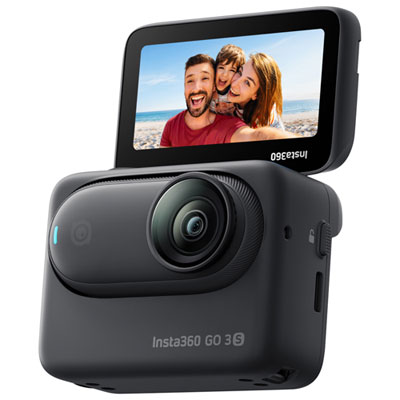
Lens choice gives interchangeable-lens cameras much of their versatility. A wide-angle lens can include the sweep of a city square or the full interior of a room, while a telephoto lens brings distant details closer without requiring the photographer to move towards the subject. Standard zoom lenses cover a practical range for daily use, from group photographs to tighter compositions, and prime lenses use a fixed focal length that can encourage a more deliberate approach to framing. A lens with a wide maximum aperture can admit more light and help separate a subject from the background, creating the softly blurred backdrop often associated with portraits. Lens mount compatibility matters because lenses are not universally interchangeable across camera systems; even when an adapter is possible, autofocus performance and other functions may differ. For moving subjects, autofocus coverage, subject tracking, and continuous shooting speed help determine how consistently a camera can capture a sharp moment. Photographing a dog running across a park places different demands on focusing than photographing a bowl of fruit beside a window. Stabilization in the camera body, lens, or both can reduce blur caused by small hand movements, particularly with slower shutter speeds, but it does not freeze a moving subject. Cameras used for video bring another set of useful features into consideration. Recording resolution, frame rates, autofocus transitions, microphone connections, and screen movement all influence the experience of filming. A screen that faces forwards can help someone frame a spoken presentation, while a microphone input allows more flexibility when recording clear dialogue. For longer recordings, battery endurance, heat management, and recording limits deserve attention alongside image quality. A tripod socket can support steady product demonstrations, tutorials, or interviews, and accessible controls make it easier to adjust exposure without interrupting the session. Wireless connections such as Wi-Fi and Bluetooth, where supported, can simplify transferring images to a compatible device or triggering the camera remotely. RAW capture gives photographers more latitude when editing exposure and colour, while JPEG files offer a convenient option for sharing finished photographs with less processing.
How a camera feels in the hand can matter as much as its specifications. A pronounced grip may provide a secure hold with a heavier lens attached, while a slim body can be easier to carry in a small bag during an afternoon outing. Button placement, dial spacing, viewfinder comfort, and the clarity of on-screen menus all influence day-to-day use. Touch controls may feel familiar to someone moving from a phone, whereas dedicated dials can appeal to photographers who like making adjustments without searching through menus. Camera bodies commonly use engineering plastics, metal alloys, or a combination of materials, balancing weight, rigidity, and durability. A substantial body is not automatically the best fit: the combined weight of the camera and lens affects how comfortable the setup remains after several hours. A well-fitted strap, padded bag, and lens cap help protect equipment during transport, while careful handling reduces the risk of knocks and scratches. Fingerprints on a lens can soften contrast, and dust on an interchangeable-lens camera’s sensor can appear as spots in photographs. Routine care includes keeping caps attached when equipment is stored, using an appropriate blower and lens-cleaning materials, and following the manufacturer’s instructions for sensor maintenance. Batteries and memory cards also shape the experience, especially when recording video or taking bursts of images; compatible card formats and suitable write speeds help support the camera’s recording functions. Appearance can be part of the appeal, too, with white cameras offering a distinctive alternative to darker finishes. Cameras can make thoughtful gifts for students developing a creative interest, travellers who enjoy documenting their experiences, parents recording family milestones, or content creators building their filming setup. The recipient’s existing lenses, preferred subjects, and comfort with manual controls are more meaningful considerations than appearance alone. For someone who values simplicity, a compact or instant camera may feel inviting from the first outing; for someone keen to explore photography more deeply, an interchangeable-lens camera offers room to develop new techniques and pursue different subjects.
Top selling and popular products
-
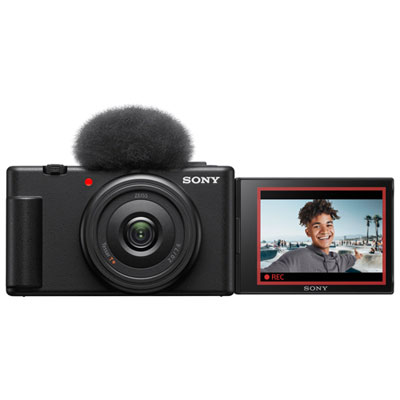 Your price for this item is $599.99
-
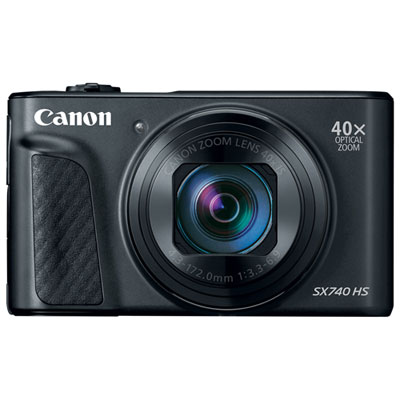 Your price for this item is $799.99
-
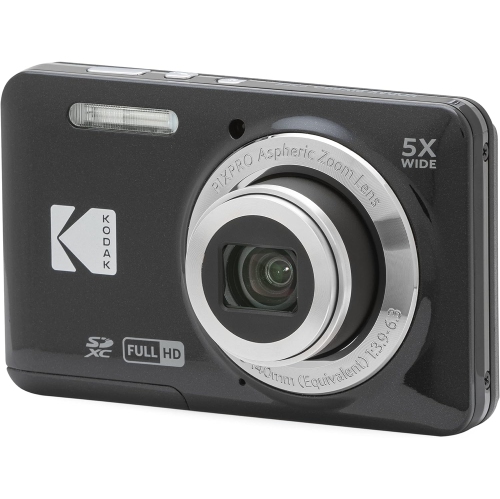 Your price for this item is $255
-
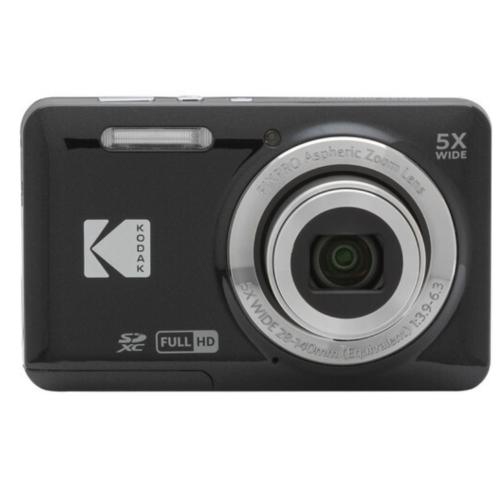 Your price for this item is $253
-
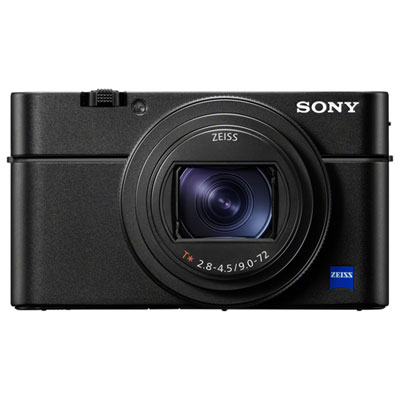 Your price for this item is $1799.99
-
 Your price for this item is $1999.99
-
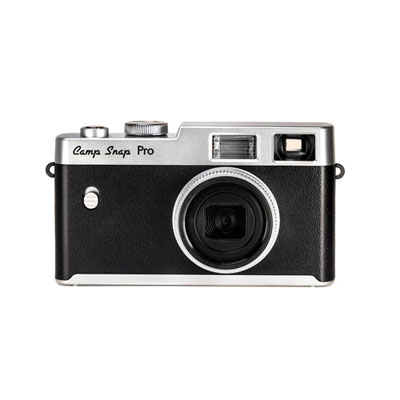 Your price for this item is $149.99
-
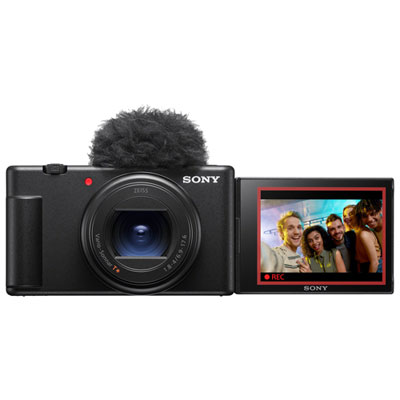 Your price for this item is $1099.99
Discover more categories related to Cameras Cameras

Top Collections:
Best Black Friday Deals This Year, Best Black Friday Deals On Electronics, Kindle Devices, Pokemon Centers, Best Black Friday Deals On Apple Products, Best Cameras for Sports Photography, Dyson Airwrap, Pokémon 30th Celebration Cards, Apple iPhone 17 Pro, Canon G7X Cameras
Some products may be subject to Environmental Handling Fees
(EHF) depending on your province.
Learn more about EHFs.