Canon Prime Lenses
Capture stunning images with this Canon Prime lens collection. Designed for professional photographers and photography enthusiasts, these prime lenses offer exceptional image quality and versatility. Whether you're capturing portraits, landscapes, or close-up shots, our lens collection delivers sharpness, clarity, and beautiful bokeh. With a wide range of focal lengths to choose from, you can find the perfect lens to suit your creative vision.
Sort
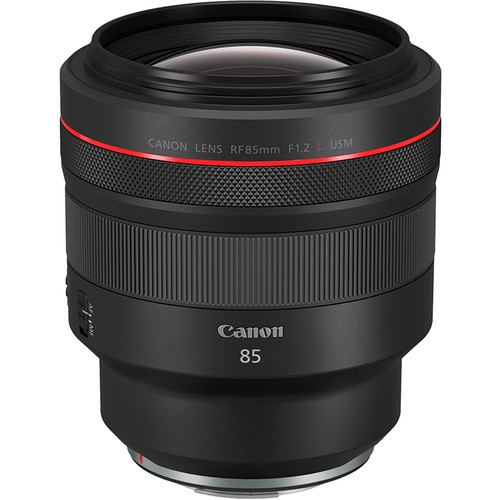
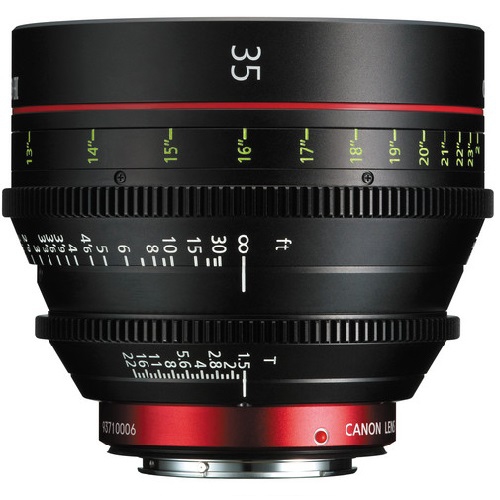
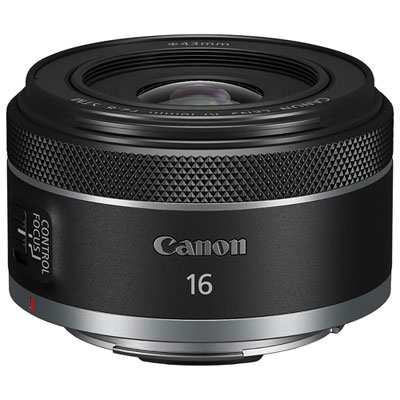
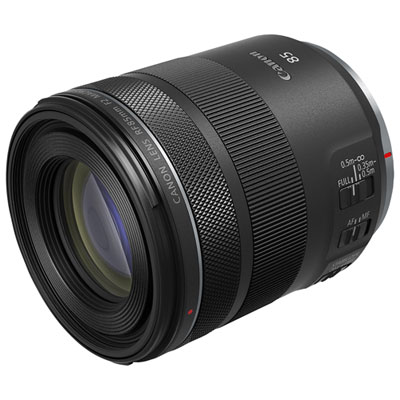
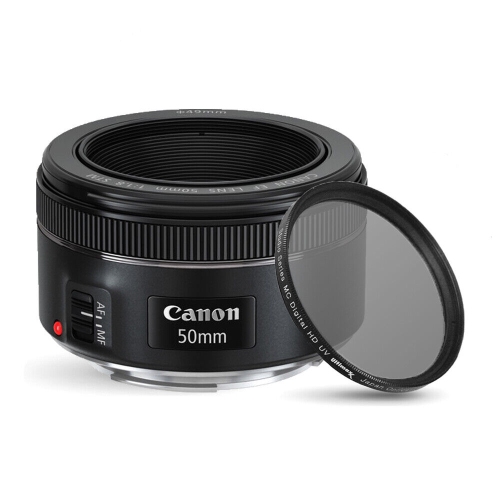
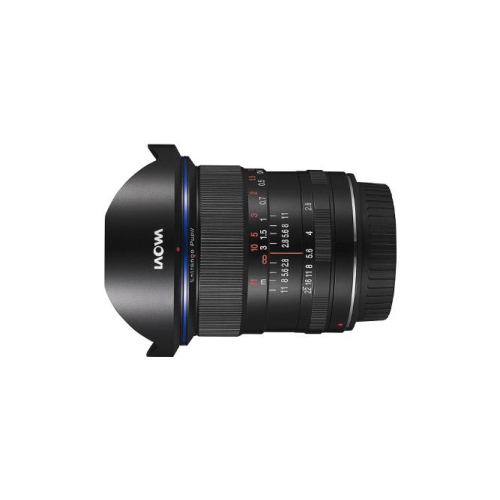
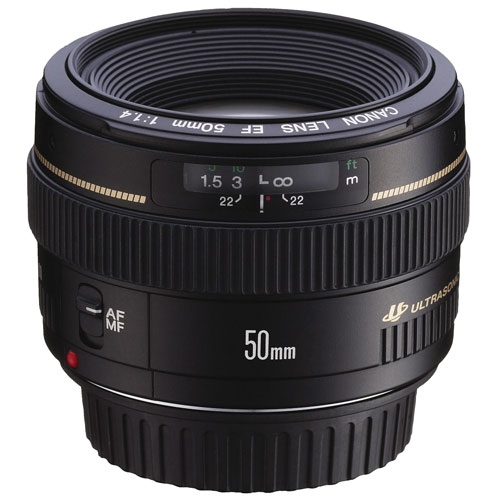
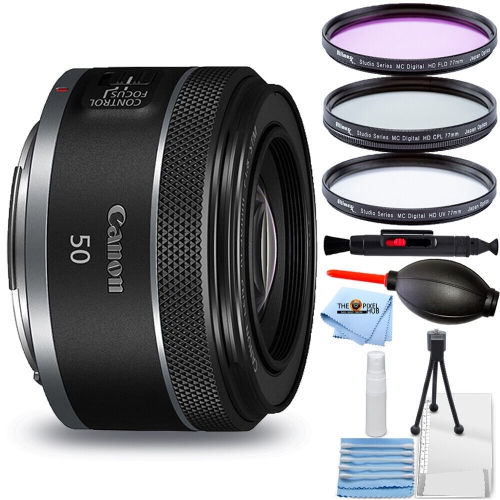
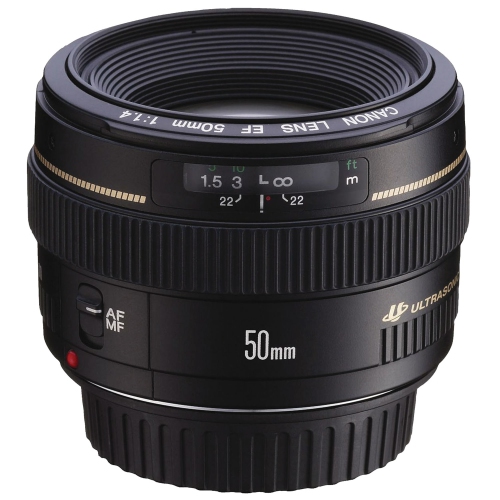
Focal length, aperture and mount shape your shooting experience
Prime lenses are a popular choice for photographers who want a focused, purposeful setup with excellent image quality and a distinctive look. Unlike zoom lenses, prime lenses use one fixed focal length, which encourages you to move around your subject and become more deliberate with composition. That simple design can also allow for a wider maximum aperture, helping you photograph in dim interiors, shaded streets, evening gatherings and other situations where a flash may not suit the mood. A wide aperture can create a soft, out-of-focus background that draws attention to a face, a handmade detail or a single moment in a busy scene. Depending on the focal length, prime lenses can be useful for portraits, travel, street photography, food photography, landscapes, family occasions and video production. A shorter focal length can capture more of a room or a sweeping view, while a standard focal length often produces a natural perspective for everyday images. Longer focal lengths can flatter facial features and separate a subject from the background, making them a natural fit for portraits, ceremonies and candid photographs from a comfortable distance. When comparing options, consider the camera mount first. A lens designed for a mirrorless system may not attach directly to a DSLR, while an older DSLR-mount lens may require a compatible adapter for use on a newer mirrorless camera. Adapters can preserve useful functions in many setups, but it is still important to confirm support for autofocus, aperture control, image stabilization and video features before purchasing. Camera format matters as well: a lens produces a different field of view on a full-frame camera than it does on a camera with a smaller sensor. Checking the manufacturer’s compatibility information and your camera’s mount can help prevent an expensive mismatch.
Maximum aperture is another key consideration. Aperture ratings such as f/1.2, f/1.4, f/1.8 or f/2 describe how much light the lens can let through, with smaller numbers generally indicating a wider opening. A wide aperture can make it easier to use faster shutter speeds in low light and can produce a shallow depth of field, although the area in focus may become very narrow. For a close portrait, the eyes may be sharp while the ears and background gradually soften; for a group photo, stopping down to a narrower aperture may help keep more faces in focus. Lenses with wider apertures can be larger, heavier and more costly, so it is worth considering how often you will actually photograph in challenging light and whether compact size is more important for your style. Autofocus performance also deserves attention, particularly for children, pets, events and moving subjects. Quiet, responsive focusing can make a noticeable difference when recording video or photographing a quiet ceremony. Manual focus rings, focus distance, minimum focusing distance and overall handling are useful details for photographers who enjoy close-up work, staged portraits or cinematic-looking footage. Built-in image stabilization may be valuable when shooting handheld at slower shutter speeds, though its usefulness depends on the camera body and the type of movement being photographed. Weather resistance, dust protection, filter size and construction can also shape the experience over time, especially for photographers who carry their equipment outdoors during cooler months or shifting weather. A compact standard prime can be an approachable everyday option for a student, traveller or family photographer, while a bright portrait prime may make a thoughtful gift for someone building a portrait portfolio, documenting a growing family or exploring photography beyond a phone camera. For photographers whose work depends on distant subjects, a collection of [Canon Professional Telephoto Lenses](https://www.bestbuy.ca/en-ca/shop/cameras-camcorders-drones/canon-professional-telephoto-lenses) may offer a more suitable direction than a short or standard prime.
Choosing a prime lens is often less about finding one lens that does everything and more about matching a focal length to the moments you most enjoy photographing. Someone who spends weekends walking through neighbourhoods may appreciate a lightweight lens that feels natural for storefronts, architecture, friends and unexpected street scenes. A portrait photographer may prefer a longer focal length that leaves comfortable space between the camera and subject, while a parent photographing children indoors may value a bright aperture and dependable autofocus. A wider prime can be especially useful for interiors, group photographs and landscapes, although very wide perspectives can stretch faces near the edges of the frame. For travel, size and weight may matter as much as optical performance; a small lens can remain on the camera instead of being left in a hotel room, ready for a café table, a quiet lane or a family gathering as daylight fades. For video, look for smooth focusing, manageable focus breathing and controls that are comfortable during longer recording sessions. It is also wise to think about the accessories already in your kit, including lens hoods, caps, protective filters, camera bags and spare batteries. The best choice should feel balanced on the camera body, with controls that are easy to reach and a weight that will not become tiring during a full day of walking or an extended event. Prime lenses can also be a rewarding gift because they invite hands-on learning: a new photographer may begin to notice light falling across a kitchen table, the separation between a subject and a distant background, or the way stepping closer changes the story within a frame. Before adding one to your kit, review the focal length, mount, sensor compatibility, aperture, focusing system, minimum focus distance, size and warranty details. Taking those practical points together makes it easier to select a lens that fits your camera, your shooting habits and the kinds of images you hope to make throughout the seasons.
Maximum aperture is another key consideration. Aperture ratings such as f/1.2, f/1.4, f/1.8 or f/2 describe how much light the lens can let through, with smaller numbers generally indicating a wider opening. A wide aperture can make it easier to use faster shutter speeds in low light and can produce a shallow depth of field, although the area in focus may become very narrow. For a close portrait, the eyes may be sharp while the ears and background gradually soften; for a group photo, stopping down to a narrower aperture may help keep more faces in focus. Lenses with wider apertures can be larger, heavier and more costly, so it is worth considering how often you will actually photograph in challenging light and whether compact size is more important for your style. Autofocus performance also deserves attention, particularly for children, pets, events and moving subjects. Quiet, responsive focusing can make a noticeable difference when recording video or photographing a quiet ceremony. Manual focus rings, focus distance, minimum focusing distance and overall handling are useful details for photographers who enjoy close-up work, staged portraits or cinematic-looking footage. Built-in image stabilization may be valuable when shooting handheld at slower shutter speeds, though its usefulness depends on the camera body and the type of movement being photographed. Weather resistance, dust protection, filter size and construction can also shape the experience over time, especially for photographers who carry their equipment outdoors during cooler months or shifting weather. A compact standard prime can be an approachable everyday option for a student, traveller or family photographer, while a bright portrait prime may make a thoughtful gift for someone building a portrait portfolio, documenting a growing family or exploring photography beyond a phone camera. For photographers whose work depends on distant subjects, a collection of [Canon Professional Telephoto Lenses](https://www.bestbuy.ca/en-ca/shop/cameras-camcorders-drones/canon-professional-telephoto-lenses) may offer a more suitable direction than a short or standard prime.
Choosing a prime lens is often less about finding one lens that does everything and more about matching a focal length to the moments you most enjoy photographing. Someone who spends weekends walking through neighbourhoods may appreciate a lightweight lens that feels natural for storefronts, architecture, friends and unexpected street scenes. A portrait photographer may prefer a longer focal length that leaves comfortable space between the camera and subject, while a parent photographing children indoors may value a bright aperture and dependable autofocus. A wider prime can be especially useful for interiors, group photographs and landscapes, although very wide perspectives can stretch faces near the edges of the frame. For travel, size and weight may matter as much as optical performance; a small lens can remain on the camera instead of being left in a hotel room, ready for a café table, a quiet lane or a family gathering as daylight fades. For video, look for smooth focusing, manageable focus breathing and controls that are comfortable during longer recording sessions. It is also wise to think about the accessories already in your kit, including lens hoods, caps, protective filters, camera bags and spare batteries. The best choice should feel balanced on the camera body, with controls that are easy to reach and a weight that will not become tiring during a full day of walking or an extended event. Prime lenses can also be a rewarding gift because they invite hands-on learning: a new photographer may begin to notice light falling across a kitchen table, the separation between a subject and a distant background, or the way stepping closer changes the story within a frame. Before adding one to your kit, review the focal length, mount, sensor compatibility, aperture, focusing system, minimum focus distance, size and warranty details. Taking those practical points together makes it easier to select a lens that fits your camera, your shooting habits and the kinds of images you hope to make throughout the seasons.
Top selling and popular products
-
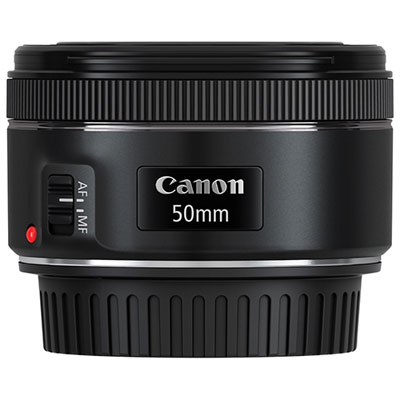 Your price for this item is $169.99
 -
 Your price for this item is $329.99
 -
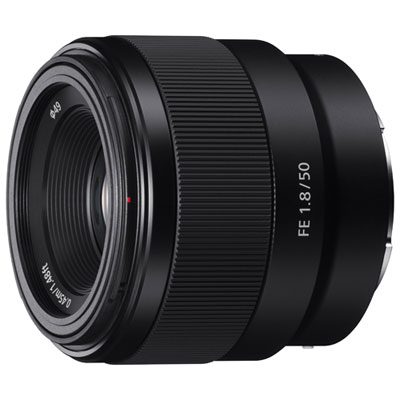 Your price for this item is $349.99
 -
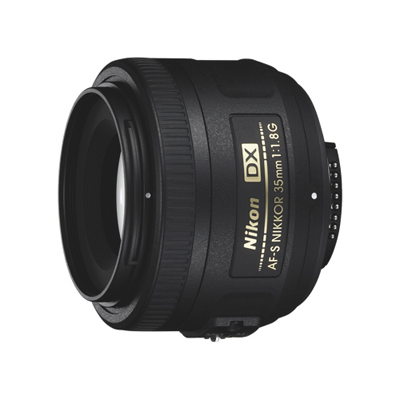 Your price for this item is $258.98
 -
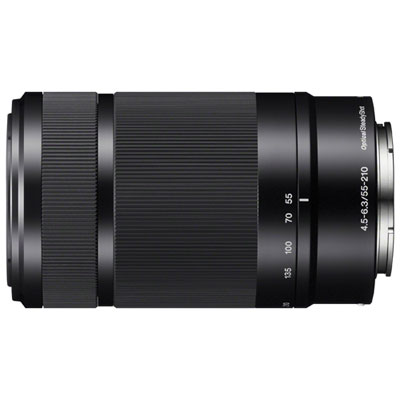 Your price for this item is $399.99
 -
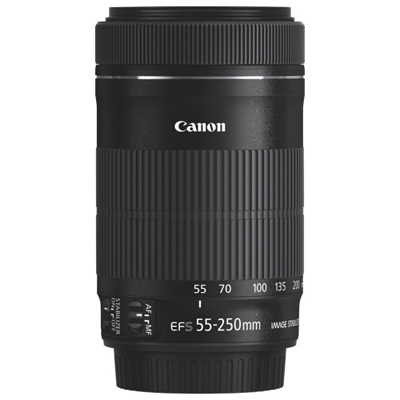 Your price for this item is $399.99
 -
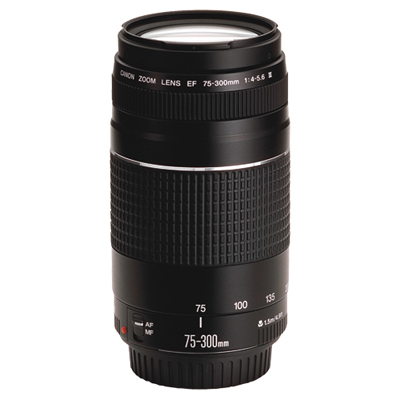 Your price for this item is $199.99
 -
 Your price for this item is $174.99
Discover more categories related to Canon Prime Lenses

Top Collections:
Pokemon Centers, Kindle Devices, Best Cell Phones Under $500, Alarm Clock, Canon G7X Cameras, iPhone 15 Apple, Laptops for Students, Budget Smartphones, iPhone 14 256GB, Best Camera Tripods Under $100
Some products may be subject to Environmental Handling Fees
(EHF) depending on your province.
Learn more about EHFs.