Canon Full Frame Lenses
Capture the true essence of your photography with our collection of full-frame lenses. Designed to bring out the best in every shot, these lenses offer exceptional image quality, sharpness, and clarity. Whether you're a professional photographer or an avid enthusiast, our range of full-frame lenses will take your creativity to new heights. With their advanced features and superior performance, you can capture stunning landscapes, portraits, and almost everything in between with ease. Explore our selection of full-frame lenses and unlock endless possibilities for your photography journey.
Sort

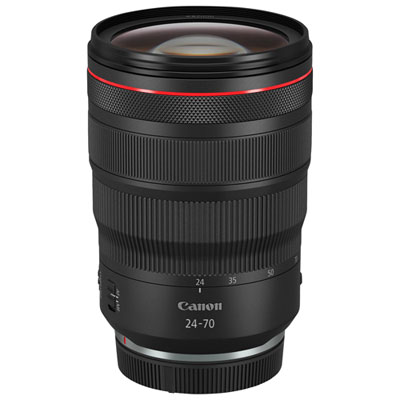
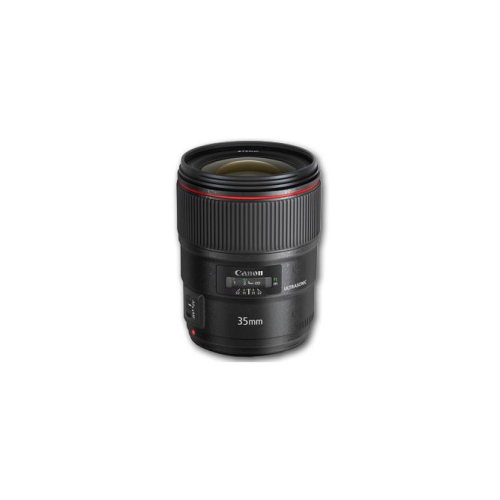
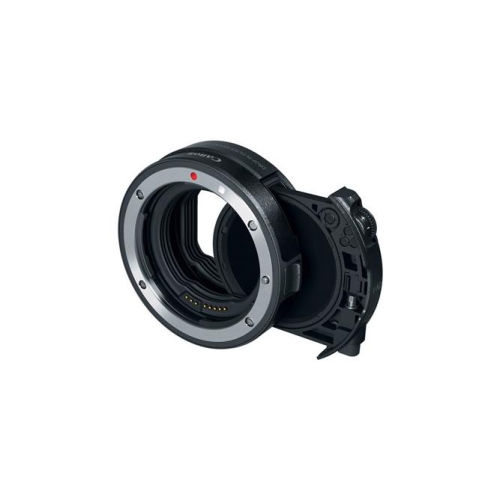
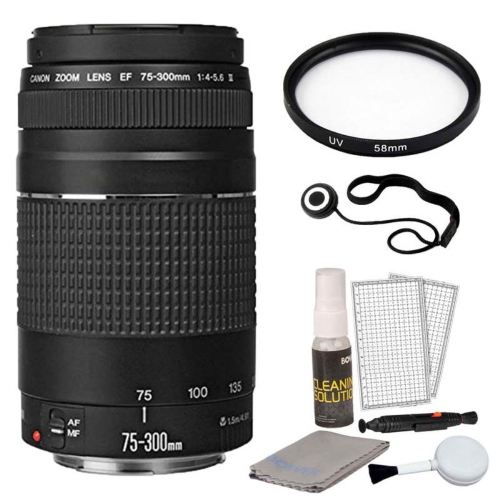
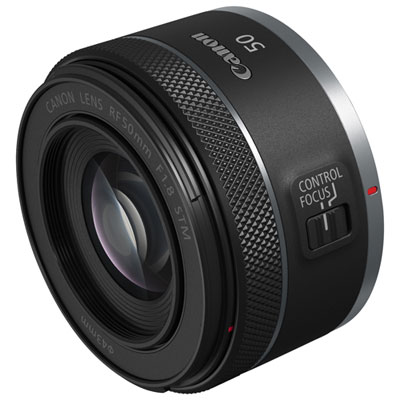
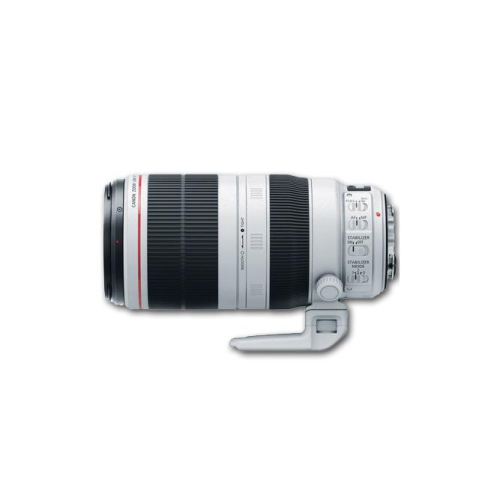
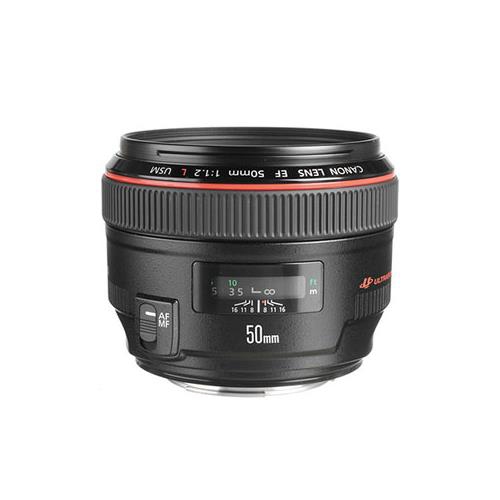
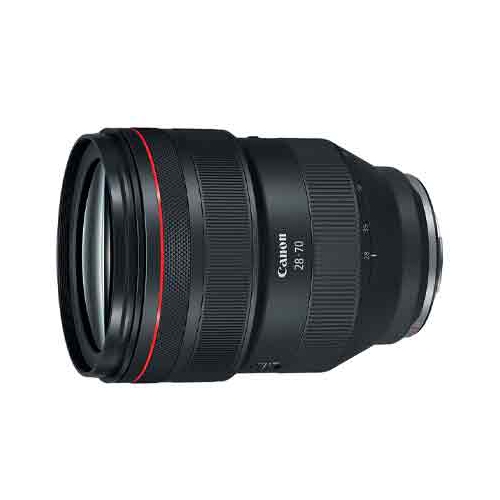
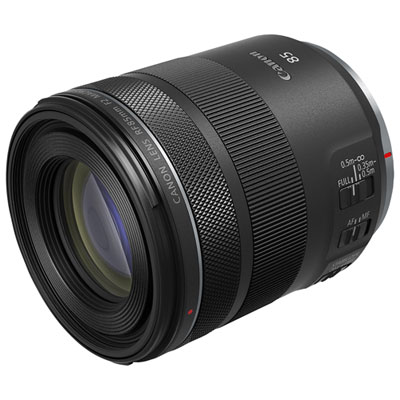
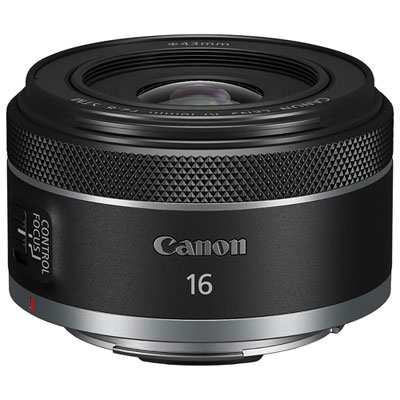
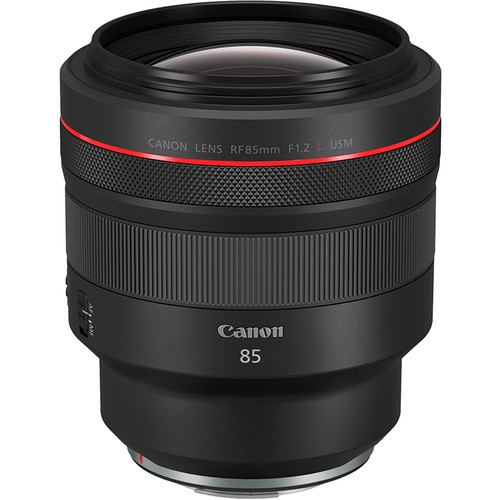
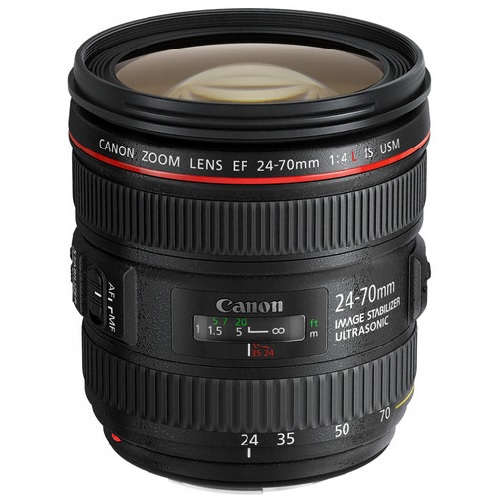
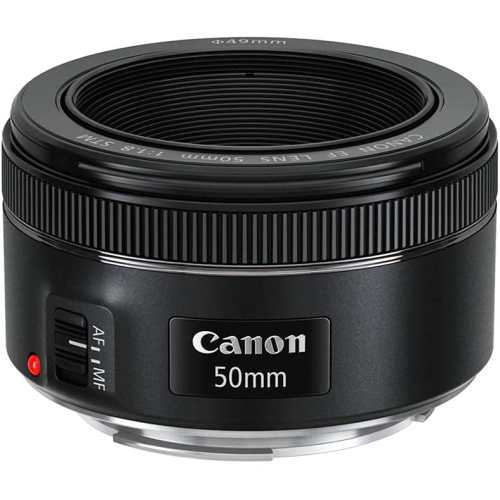
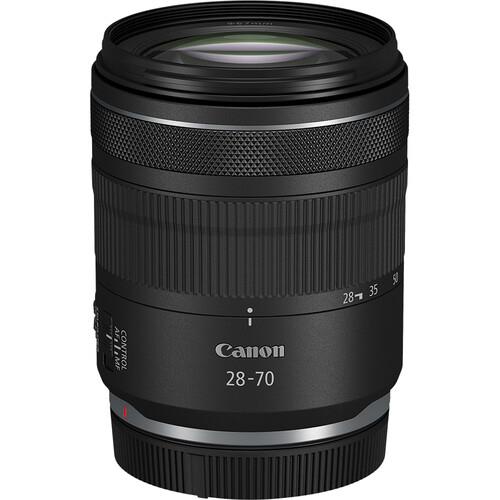
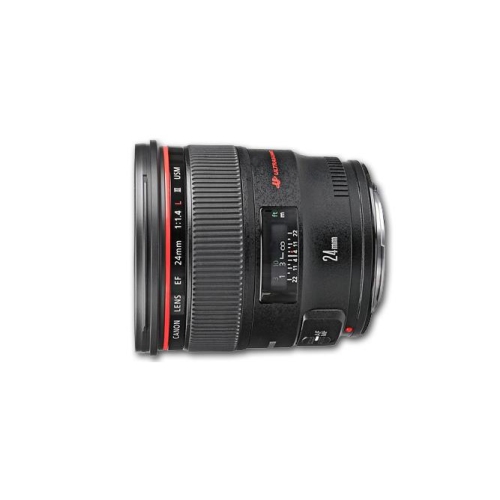
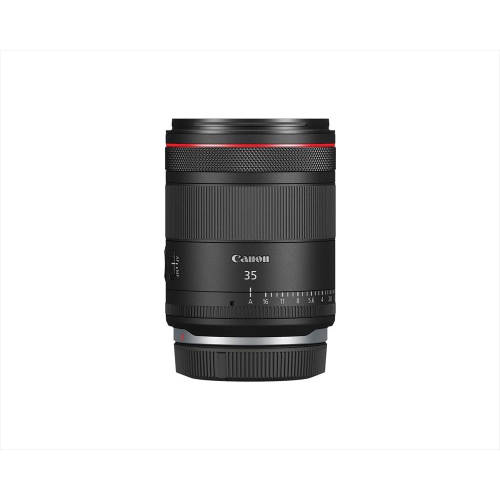

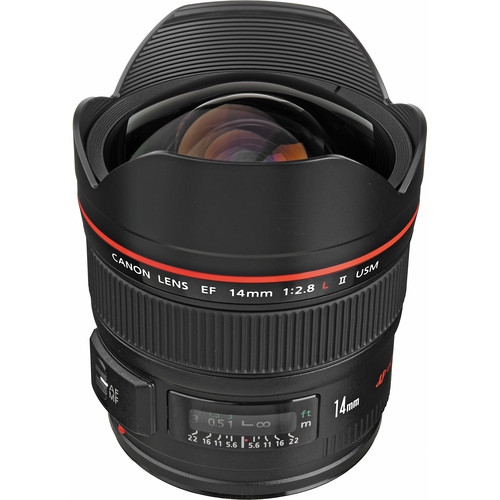
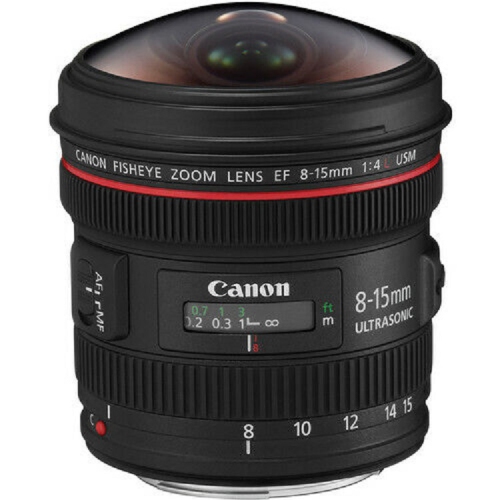

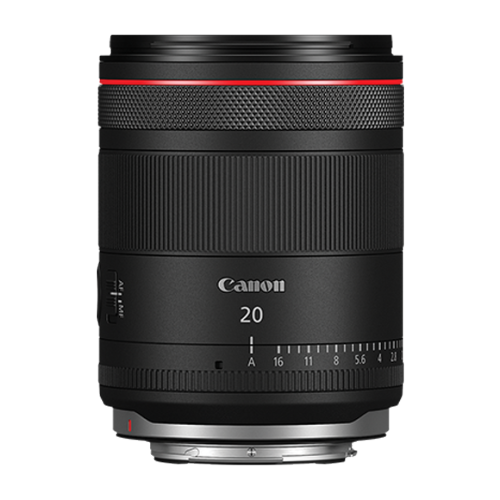
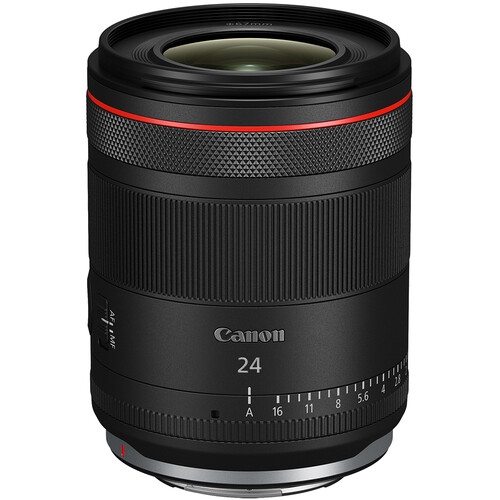
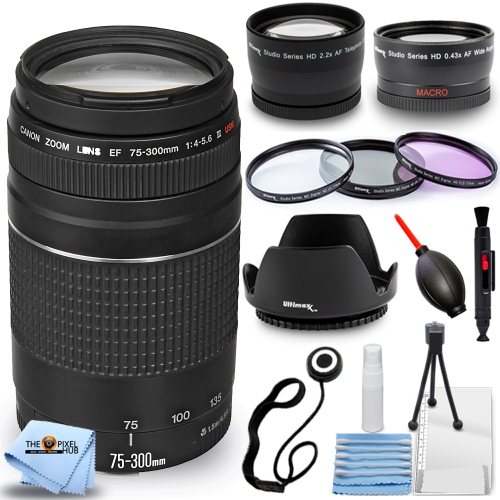
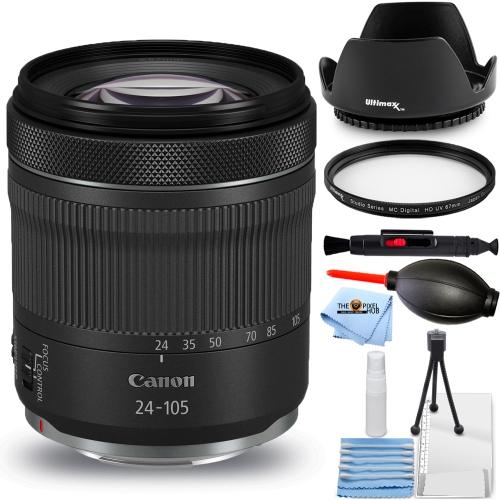
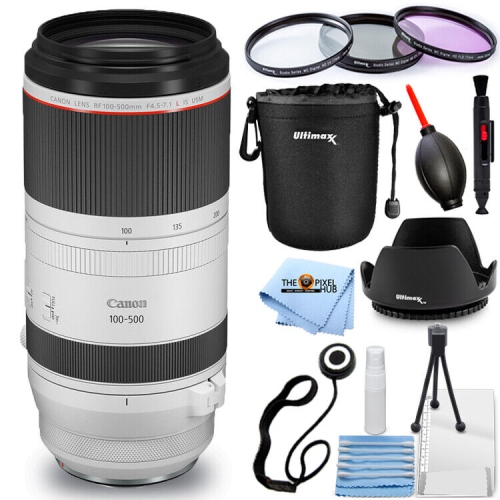

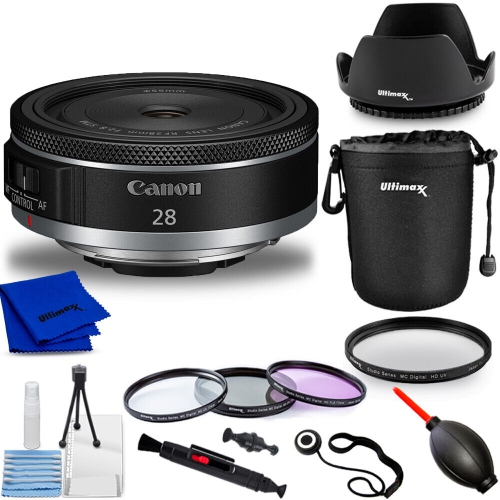
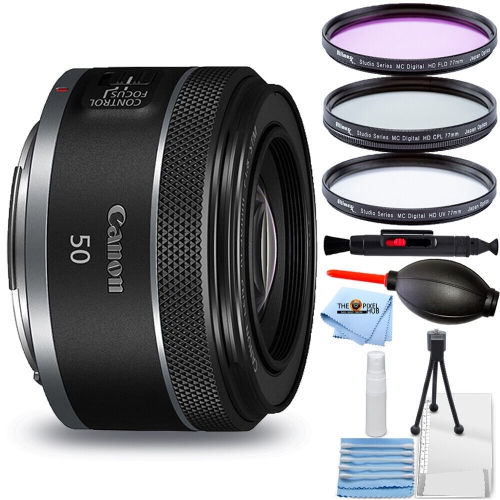
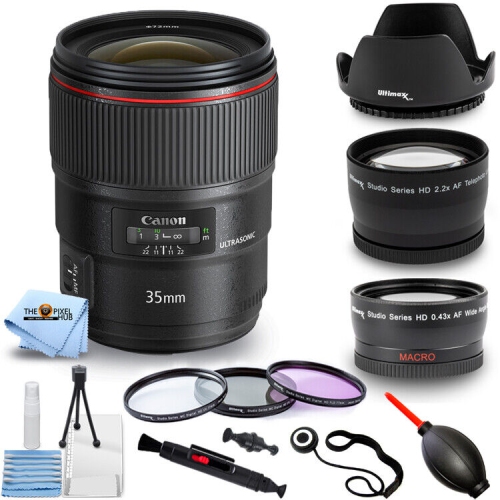
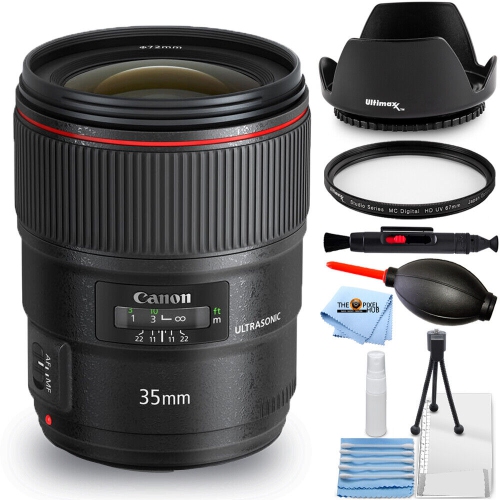
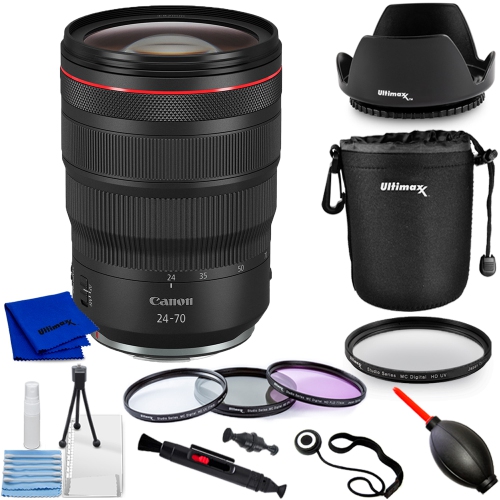
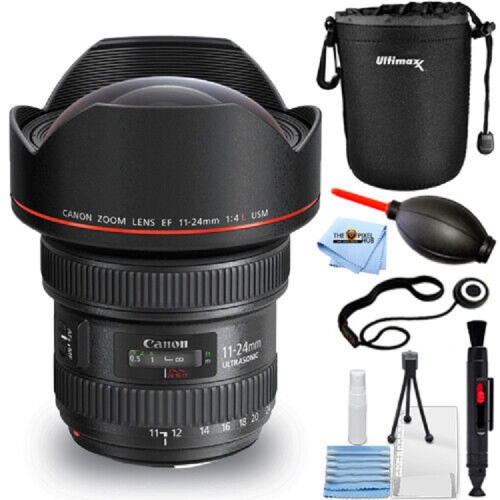
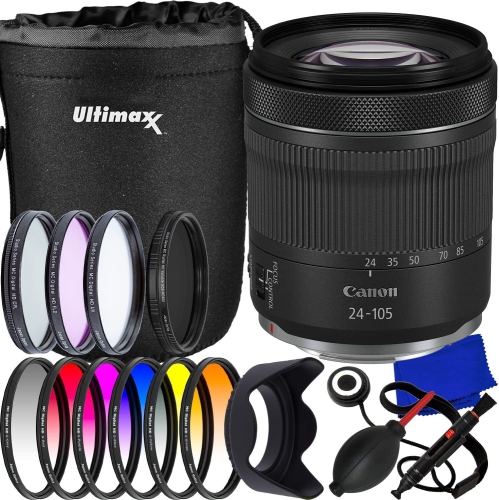
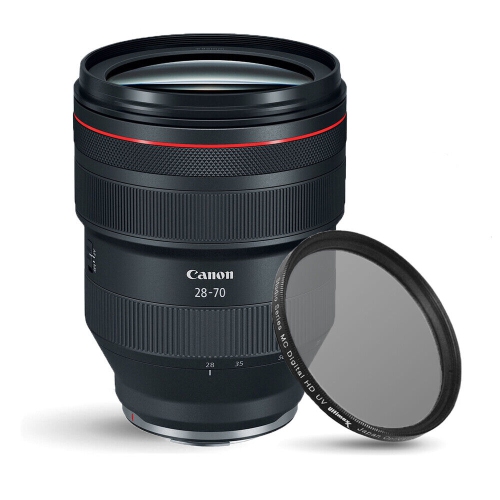
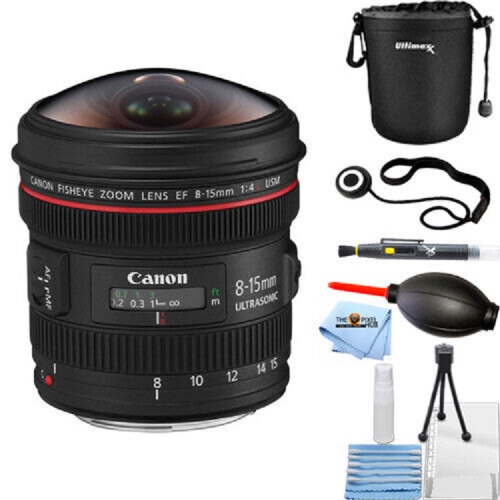
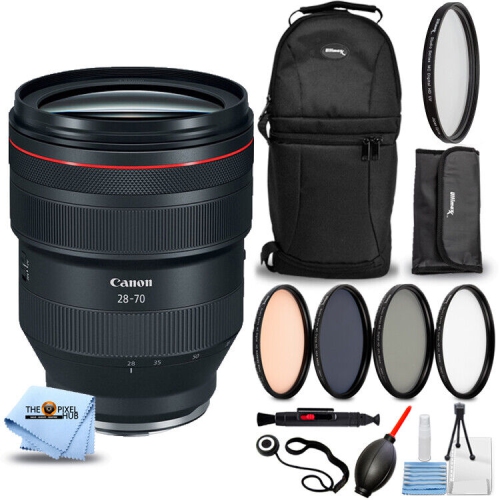
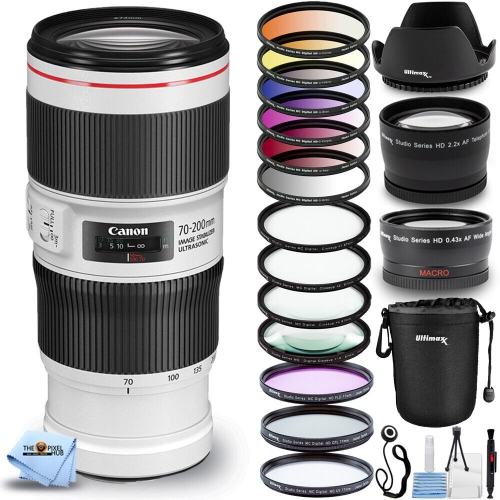
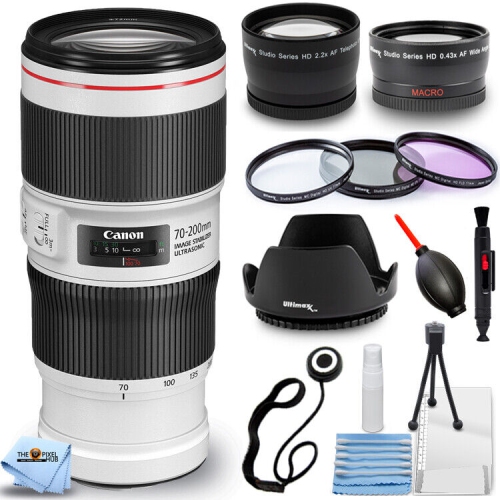
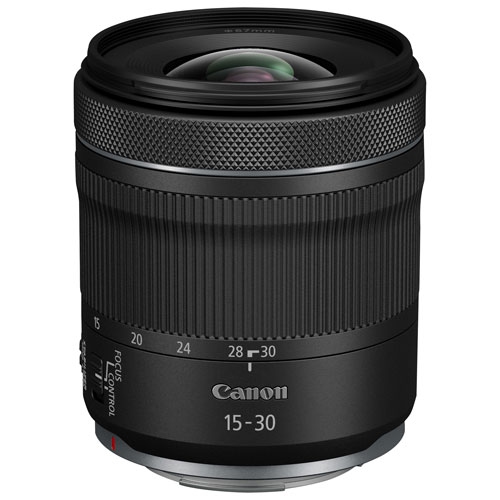
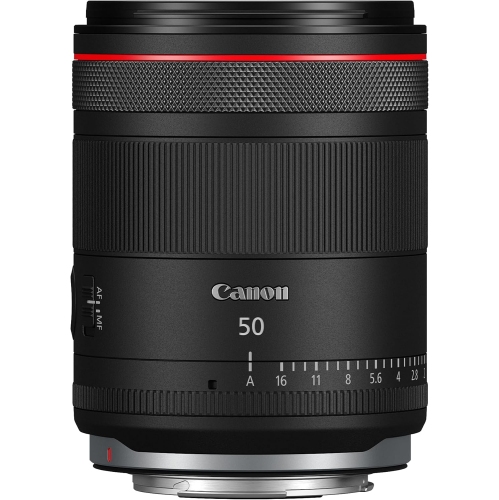
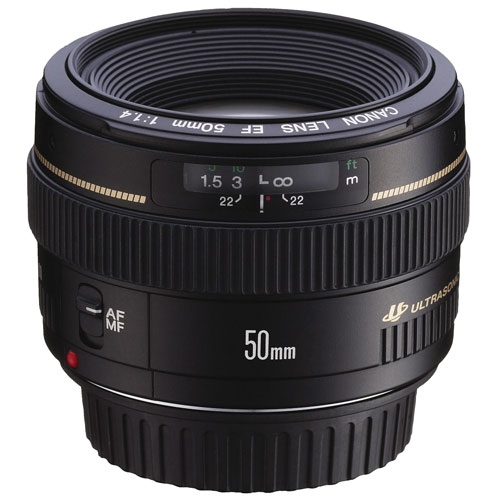
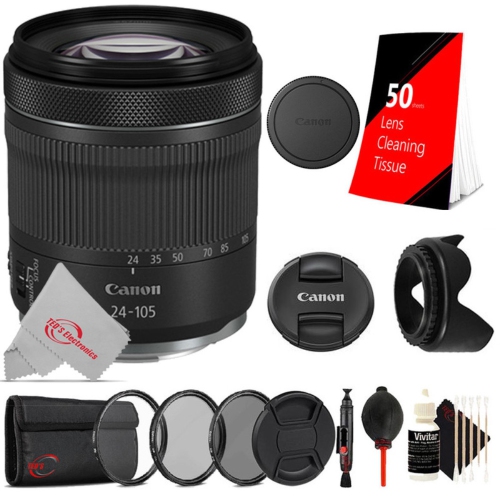
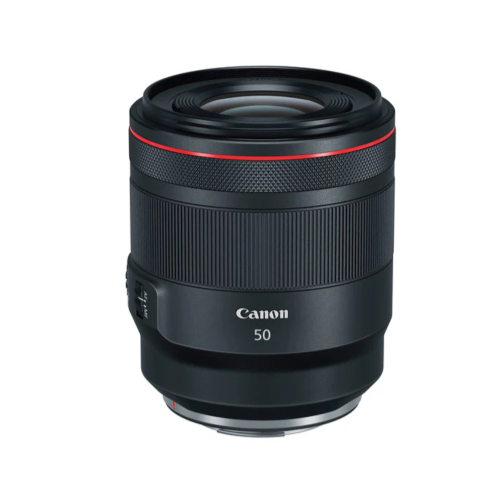
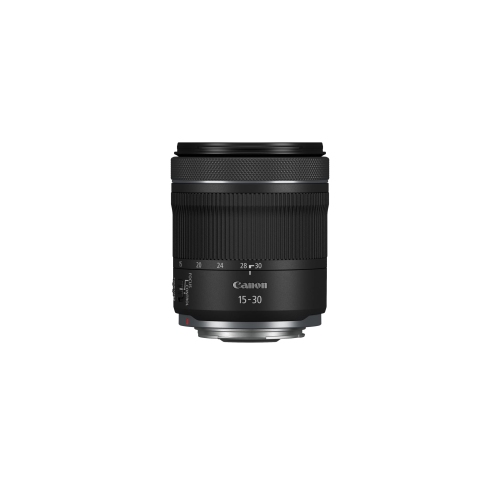
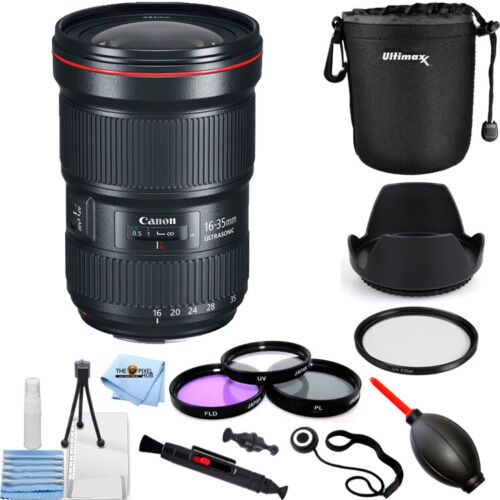
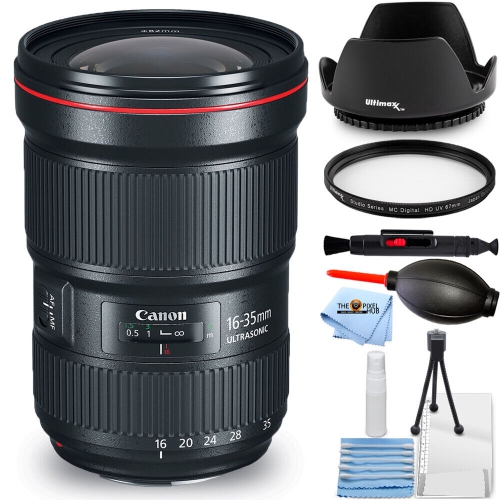
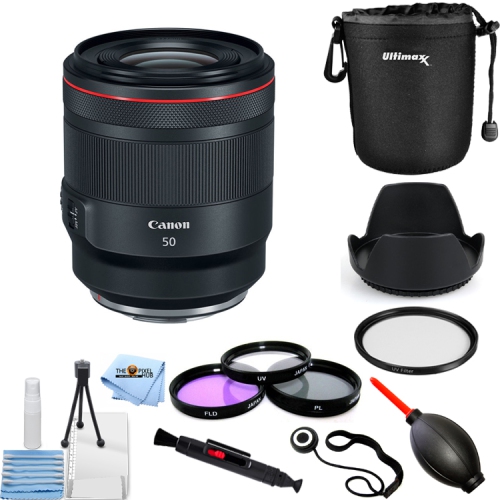
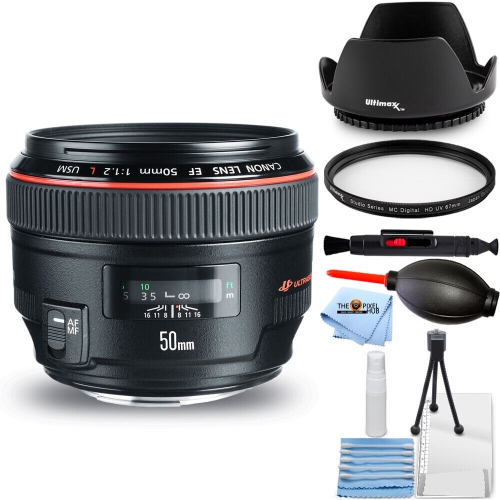
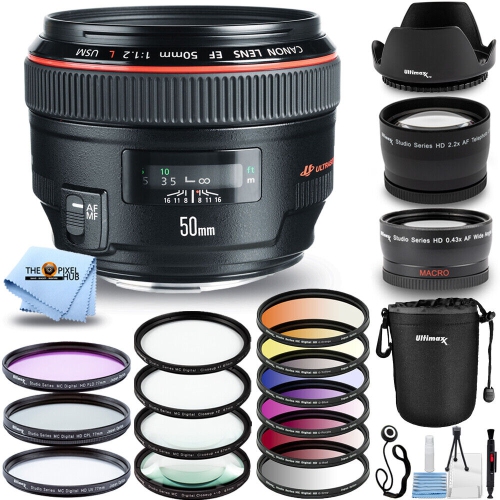
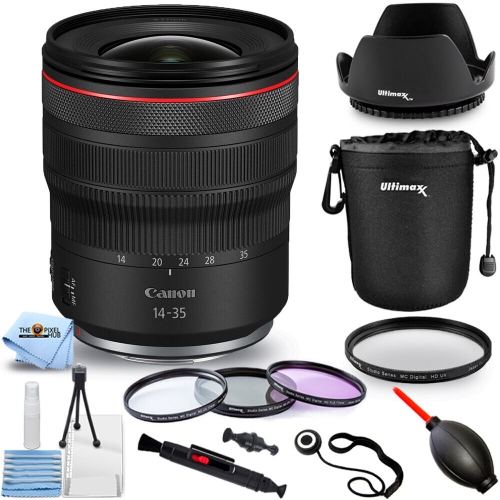
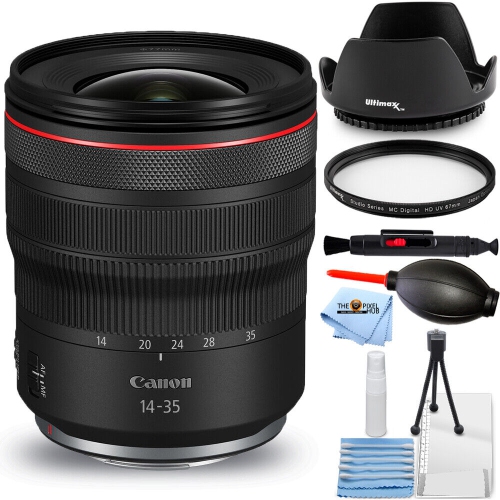
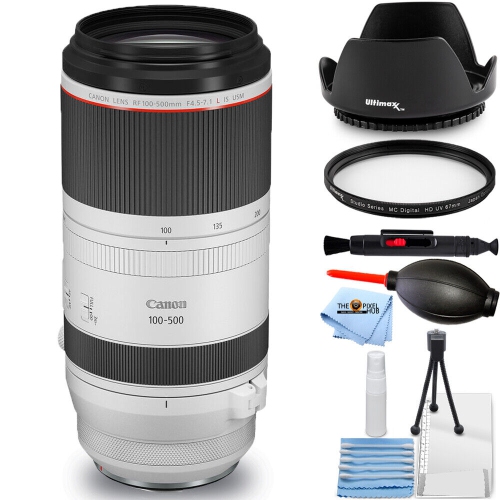
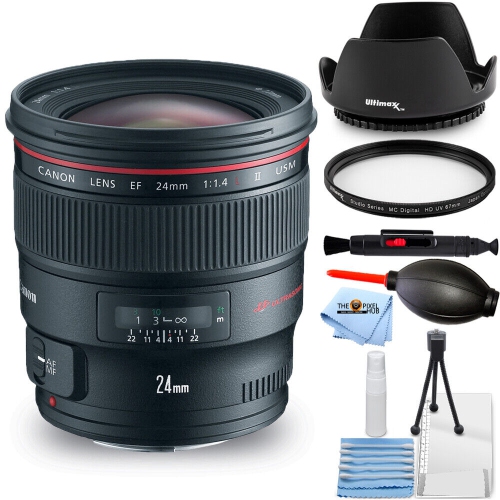
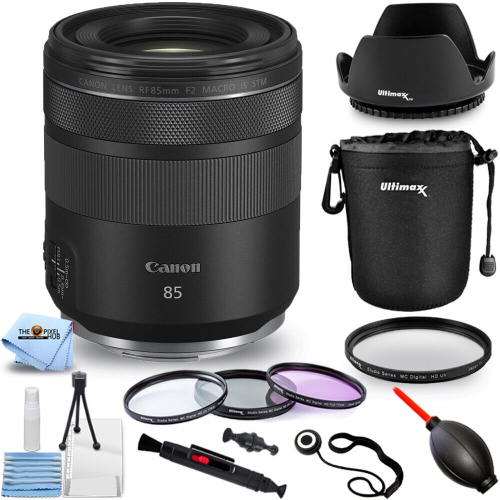
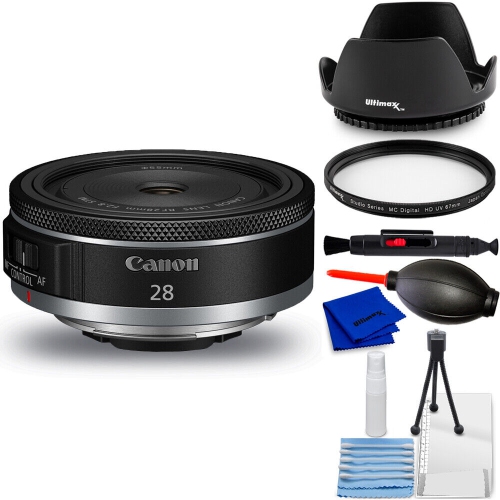
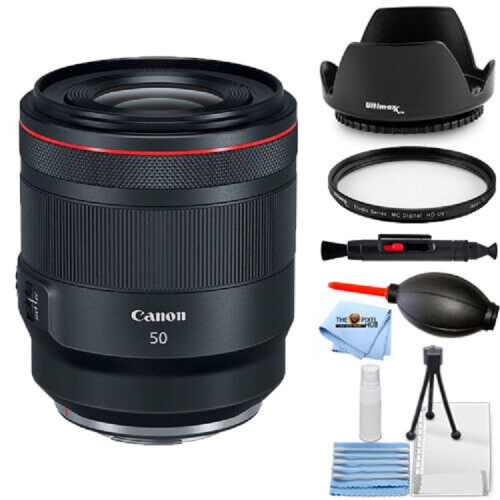
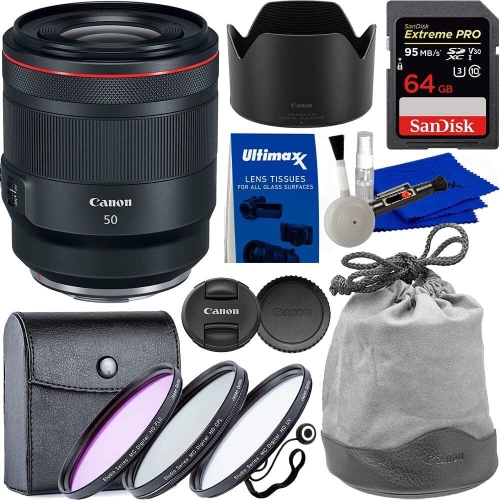
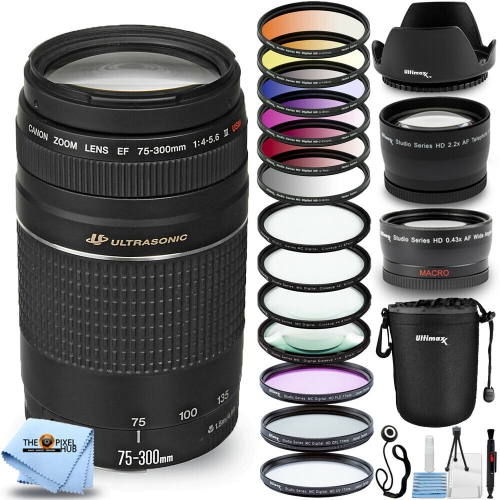
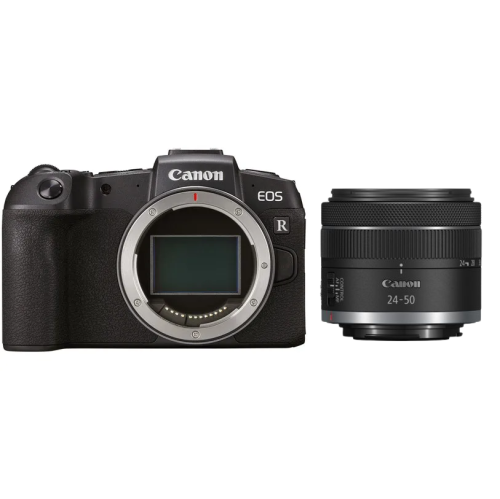
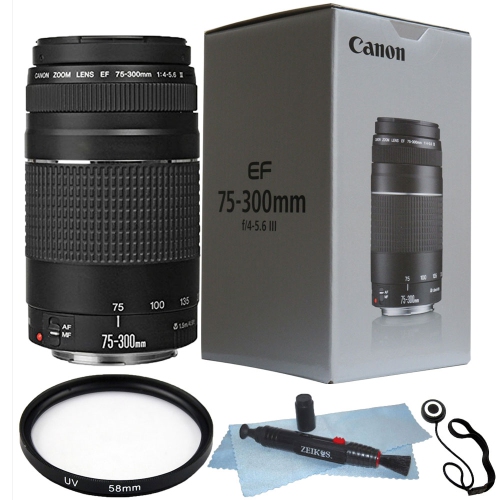
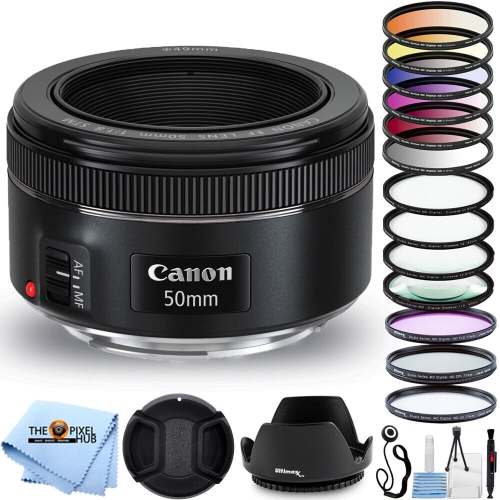
A practical guide to mounts, focal lengths, and features
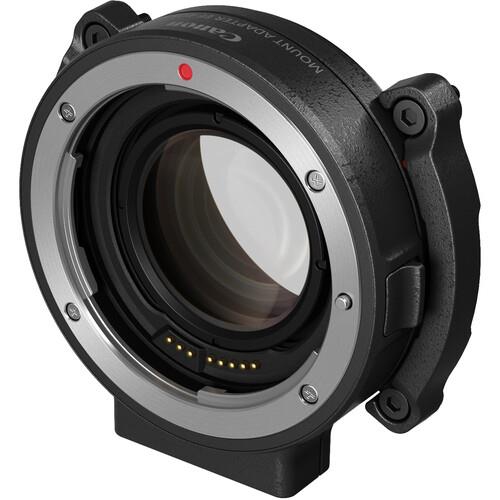
Full-frame lenses are designed to project an image circle large enough to cover a full-frame camera sensor, making them a natural choice for photographers and videographers who use full-frame mirrorless or DSLR bodies. For a Canon camera system, compatibility begins with the mount: RF lenses are made for EOS R mirrorless cameras, while EF lenses are designed for DSLR bodies and can also be used with compatible mirrorless cameras through a mount adapter. Checking the camera body and lens mount before buying helps prevent an otherwise frustrating mismatch. It is also worth confirming whether the lens supports the functions you use most, such as autofocus, in-camera correction, image stabilization, or electronic aperture control. Full-frame lenses can often be used on APS-C cameras from the same system, although the smaller sensor narrows the effective field of view. A wide lens may look closer to a standard lens, while a short telephoto may behave more like a portrait lens. This flexibility can make a full-frame lens a thoughtful gift for someone whose camera kit may grow over time, particularly when the recipient is moving from an entry-level body into more advanced photography. A lens is also a personal present: the right choice reflects how someone actually takes pictures, whether that means photographing family gatherings around a dining table, documenting weekend hikes, recording a cooking project, or building a portfolio for paid work. Before choosing, consider the photographer’s current camera, preferred subjects, comfort with carrying heavier gear, and whether they already own a general-purpose lens.
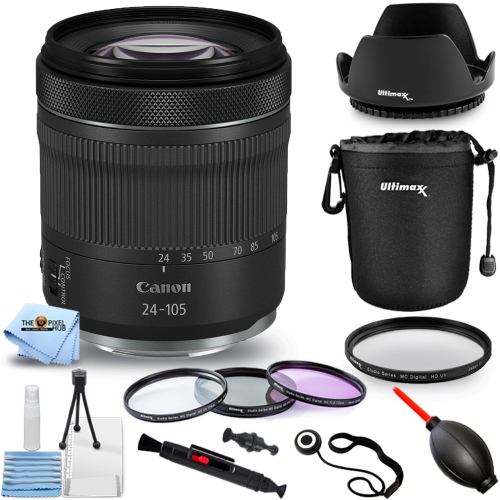
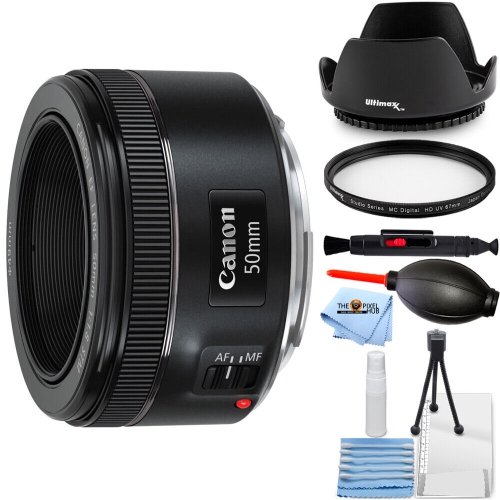
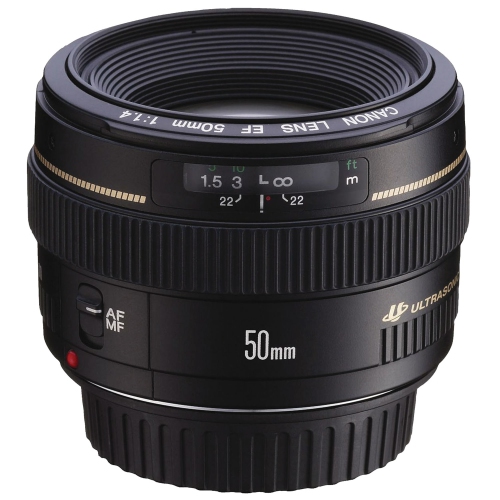
Zoom lenses are often the most practical starting point because one lens can cover several familiar viewpoints. A standard zoom is useful for travel, everyday family photography, events, interiors, and street scenes, letting the photographer move from a wider composition to a closer framing without changing lenses. This can be especially helpful during a walk through a busy market, when there is little room to step back, or at a family celebration where moments unfold quickly. A constant-aperture zoom maintains the same maximum aperture throughout its focal-length range, which simplifies exposure and provides a consistent look while zooming during video. A wider maximum aperture can help in dim rooms, create softer background blur, and provide faster shutter speeds for moving subjects, though it may add size, weight, and cost. A standard zoom with a more modest aperture may be lighter and easier to carry during travel or long days outdoors. Prime lenses, which use a fixed focal length, offer a different kind of experience. Their simple, focused perspective can encourage the photographer to move deliberately and think about composition, while a wide aperture can separate a person from a softly blurred background. A wide prime can suit architecture, landscapes, interiors, and handheld video in confined spaces; a normal prime can produce a natural perspective for portraits, food, pets, and casual storytelling; and a short telephoto prime can flatter facial features while leaving comfortable distance between photographer and subject. When photographing people, the best focal length is often the one that lets the photographer interact naturally rather than crowding the subject. During the cooler months, a fast prime can be particularly useful for indoor scenes lit by window light, lamps, or soft overhead fixtures, preserving the atmosphere without relying entirely on flash.
Photographers who spend time outdoors may also want to explore longer focal lengths for wildlife, field sports, performances, distant landscapes, and candid details. A telephoto lens brings faraway subjects closer while compressing the apparent distance between layers of a scene, turning a line of autumn trees into a richly stacked background or isolating a bird against a calm stretch of sky. Browse the selection of Canon Compatible Telephoto Lenses when reach is a higher priority than a broad everyday view. When comparing longer lenses, look at maximum aperture, optical stabilization, autofocus responsiveness, minimum focusing distance, and overall balance on the camera body. Stabilization can help reduce the effect of hand movement for still subjects, although it does not freeze a running child, flying bird, or athlete; shutter speed remains important whenever the subject is moving. For video, quiet focusing motors, smooth focus transitions, low focus breathing, and a controllable aperture can matter as much as sharpness. A lens that performs beautifully for still photography may not offer the handling needed for a carefully paced video sequence, so hybrid shooters should pay close attention to both sets of features. Practical details are equally important: a metal or reinforced construction may suit frequent professional use, while a compact lens can be the one that actually comes along on a spontaneous walk. Weather-resistant construction can add confidence when photographing in changing conditions, but it should be paired with a suitably protected camera body and sensible care. Think about filters, lens hoods, caps, carrying cases, and adapter requirements as part of the complete setup. After a few outings, the best lens is usually the one that feels intuitive, encourages experimentation, and helps the photographer respond quickly when the light shifts, a subject enters the frame, or an ordinary moment suddenly becomes worth remembering.
Zoom lenses are often the most practical starting point because one lens can cover several familiar viewpoints. A standard zoom is useful for travel, everyday family photography, events, interiors, and street scenes, letting the photographer move from a wider composition to a closer framing without changing lenses. This can be especially helpful during a walk through a busy market, when there is little room to step back, or at a family celebration where moments unfold quickly. A constant-aperture zoom maintains the same maximum aperture throughout its focal-length range, which simplifies exposure and provides a consistent look while zooming during video. A wider maximum aperture can help in dim rooms, create softer background blur, and provide faster shutter speeds for moving subjects, though it may add size, weight, and cost. A standard zoom with a more modest aperture may be lighter and easier to carry during travel or long days outdoors. Prime lenses, which use a fixed focal length, offer a different kind of experience. Their simple, focused perspective can encourage the photographer to move deliberately and think about composition, while a wide aperture can separate a person from a softly blurred background. A wide prime can suit architecture, landscapes, interiors, and handheld video in confined spaces; a normal prime can produce a natural perspective for portraits, food, pets, and casual storytelling; and a short telephoto prime can flatter facial features while leaving comfortable distance between photographer and subject. When photographing people, the best focal length is often the one that lets the photographer interact naturally rather than crowding the subject. During the cooler months, a fast prime can be particularly useful for indoor scenes lit by window light, lamps, or soft overhead fixtures, preserving the atmosphere without relying entirely on flash.
Photographers who spend time outdoors may also want to explore longer focal lengths for wildlife, field sports, performances, distant landscapes, and candid details. A telephoto lens brings faraway subjects closer while compressing the apparent distance between layers of a scene, turning a line of autumn trees into a richly stacked background or isolating a bird against a calm stretch of sky. Browse the selection of Canon Compatible Telephoto Lenses when reach is a higher priority than a broad everyday view. When comparing longer lenses, look at maximum aperture, optical stabilization, autofocus responsiveness, minimum focusing distance, and overall balance on the camera body. Stabilization can help reduce the effect of hand movement for still subjects, although it does not freeze a running child, flying bird, or athlete; shutter speed remains important whenever the subject is moving. For video, quiet focusing motors, smooth focus transitions, low focus breathing, and a controllable aperture can matter as much as sharpness. A lens that performs beautifully for still photography may not offer the handling needed for a carefully paced video sequence, so hybrid shooters should pay close attention to both sets of features. Practical details are equally important: a metal or reinforced construction may suit frequent professional use, while a compact lens can be the one that actually comes along on a spontaneous walk. Weather-resistant construction can add confidence when photographing in changing conditions, but it should be paired with a suitably protected camera body and sensible care. Think about filters, lens hoods, caps, carrying cases, and adapter requirements as part of the complete setup. After a few outings, the best lens is usually the one that feels intuitive, encourages experimentation, and helps the photographer respond quickly when the light shifts, a subject enters the frame, or an ordinary moment suddenly becomes worth remembering.
Top selling and popular products
-
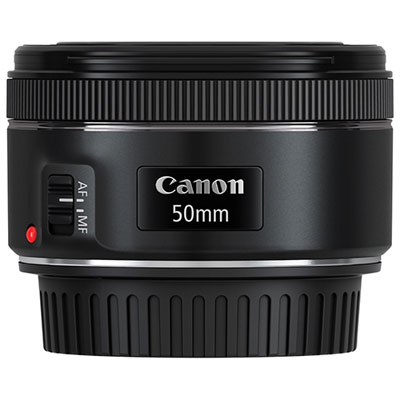 Your price for this item is $169.99
 -
 Your price for this item is $329.99
 -
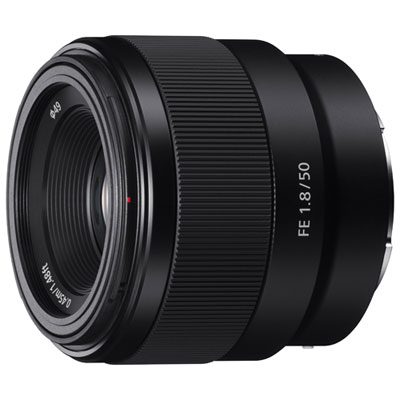 Your price for this item is $349.99
 -
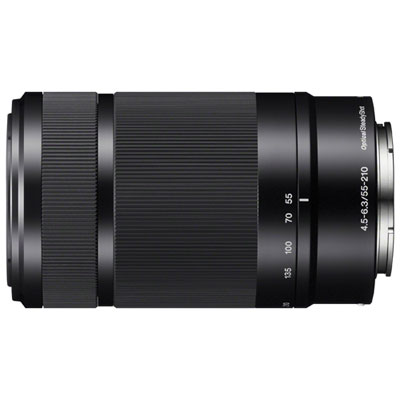 Your price for this item is $399.99
 -
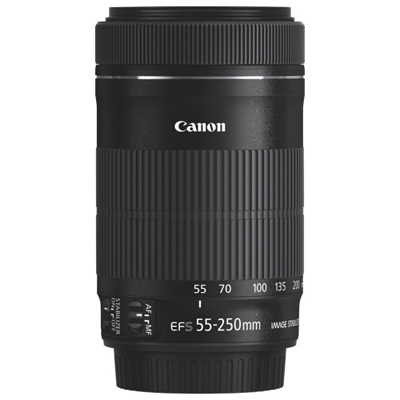 Your price for this item is $399.99
 -
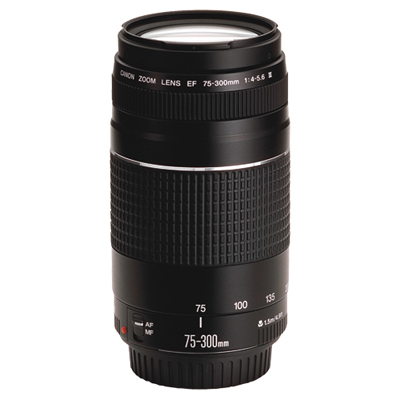 Your price for this item is $199.99
 -
 Your price for this item is $174.99
 -
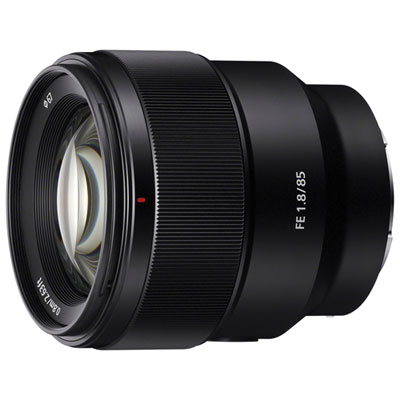 Your price for this item is $749.99
Discover more categories related to Canon Full Frame Lenses
Top Collections:
Pokemon Centers, Kindle Devices, Best Budget Office Chairs, Apple iPhones 16, Best Laptops for Writers, iPhone 15 Apple, Canon G7X Cameras, Refurbished Apple Laptops, Alarm Clock, Motorola Razr Phones
Some products may be subject to Environmental Handling Fees
(EHF) depending on your province.
Learn more about EHFs.