Glass Camera Lenses
Capture every moment with clarity and precision using a glass camera lens. Whether you're a photography enthusiast or a professional, the right lens can make all the difference in your images. Explore a wide selection of glass camera lenses designed to enhance your creative vision and elevate your shooting experience. Find options compatible with various cameras to suit your unique style and needs, ensuring stunning results every time you press the shutter.
Sort
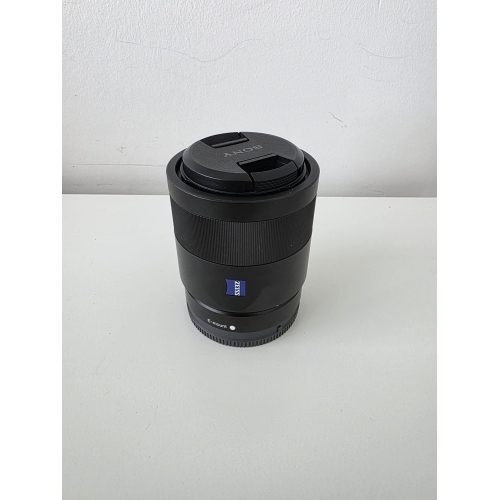

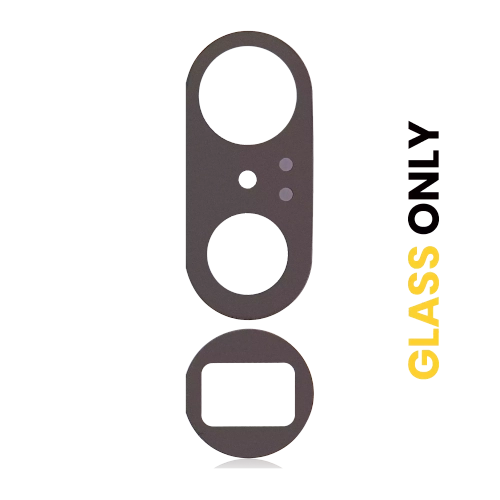
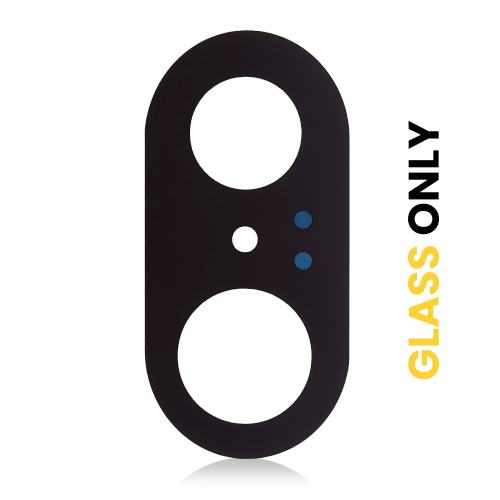
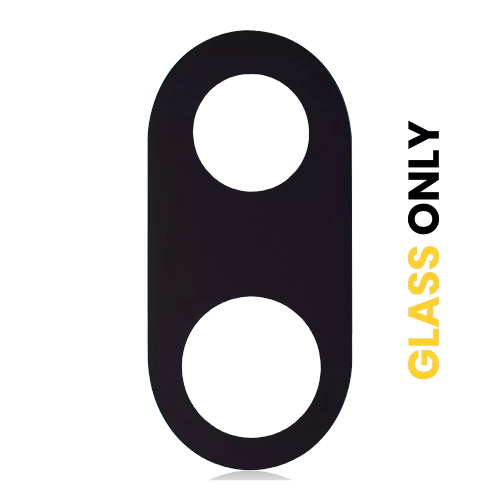
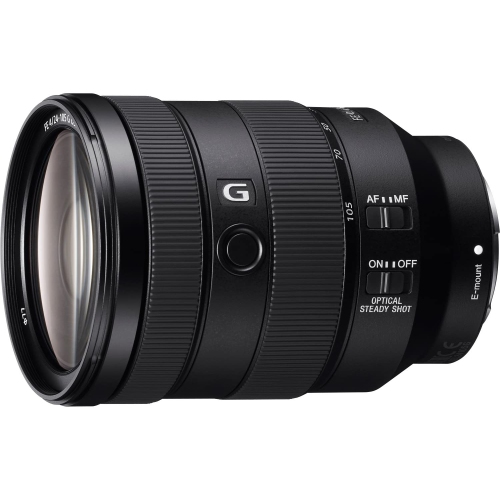

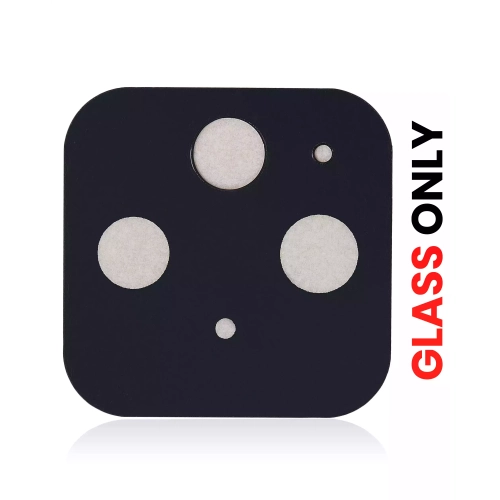
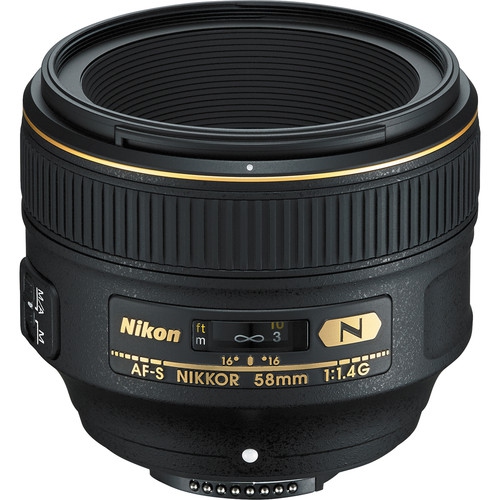
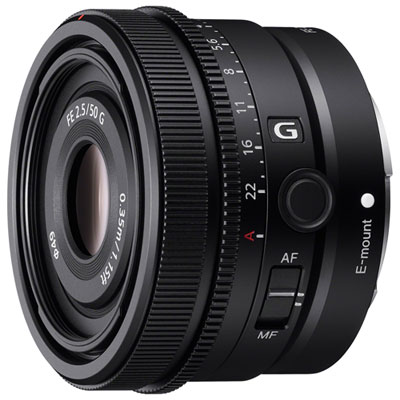
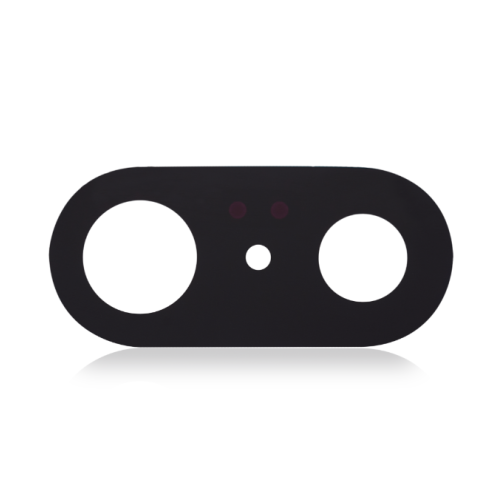
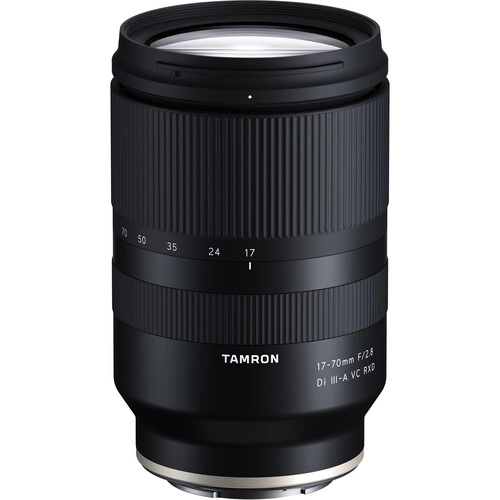
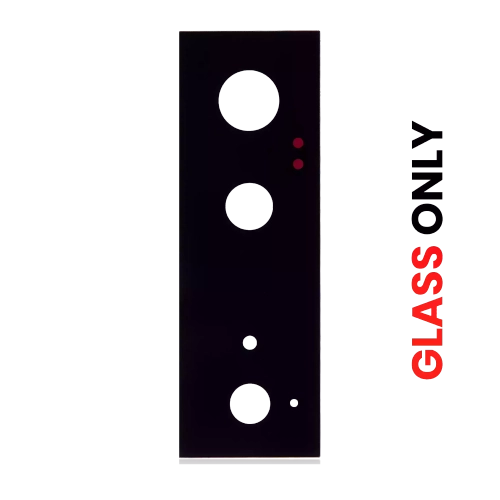
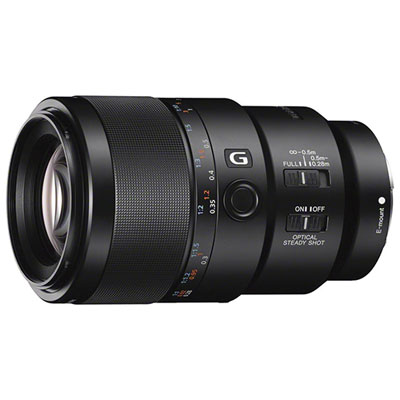
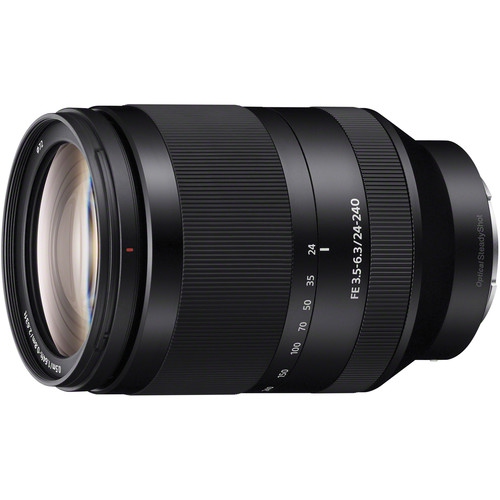
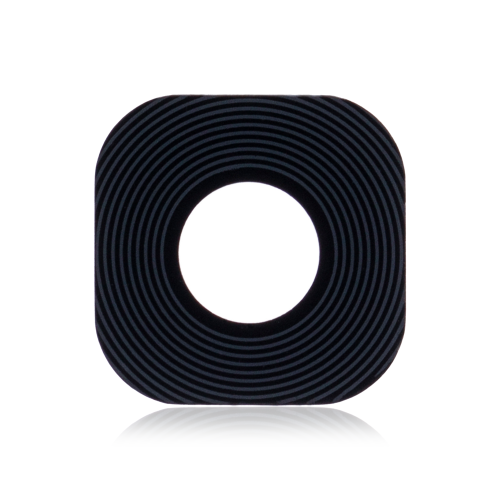
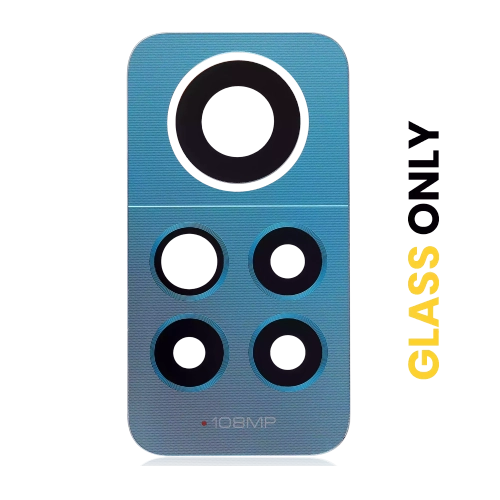

How lens design shapes sharpness and background blur
Glass camera lenses are optical assemblies that use shaped glass elements to bend and focus light onto a camera’s digital sensor or film. Their design influences sharpness, angle of view, colour rendering, and the appearance of out-of-focus areas, making the lens an important part of how a photograph looks. Most photographic lenses contain several elements arranged in groups, with each group helping to control light as it travels through the barrel. Extra-low dispersion glass can reduce coloured fringes around high-contrast edges, while aspherical elements help correct certain optical aberrations within a relatively compact design. Lens coatings reduce reflections between surfaces, helping preserve contrast when a bright window or light source sits near the frame. These features serve different purposes, and glass type alone does not determine overall image quality. Focal length and maximum aperture are equally important to the intended use. Wide-angle lenses take in more of a scene, making them useful for interiors, architecture, and photographs where the surroundings matter as much as the subject. Standard focal lengths suit everyday photography, from a meal on a café table to a candid family moment. Telephoto lenses provide tighter framing from farther away, which can be valuable for sports, wildlife, and portraits. A prime lens has a fixed focal length, often appealing to photographers who value a straightforward setup or a wide maximum aperture. A zoom lens covers a range of focal lengths, allowing framing changes without switching lenses. Macro lenses are designed for close focusing and can reveal details such as the texture of a flower petal or the engraving on a piece of jewellery. For close-up work, maximum magnification is a more useful specification than the word “macro” alone; a 1:1 reproduction ratio means the subject is projected onto the sensor at its actual size. Across these lens types, the best fit depends on the photographs being made, the camera being used, and how much equipment is comfortable to carry.
Compatibility involves more than whether a glass camera lens appears to fit the camera body. The lens mount must match, or a suitable adapter must provide the necessary connection, and the lens needs to project an image large enough to cover the camera’s sensor or film format. A lens designed for a smaller sensor may produce dark corners on a larger sensor, or require a cropped capture mode where supported. Focal length itself does not change when a lens moves between formats, but the angle of view does: a smaller sensor captures a narrower portion of the projected image. This distinction matters when comparing a wide-angle lens for an interior with a portrait lens intended for tighter framing. Aperture specifications also deserve attention. A lower maximum f-number indicates a wider opening, allowing more light to reach the sensor at a given shutter speed and potentially producing a shallower depth of field. Background blur still depends on focal length, subject distance, and the distance between the subject and background. A wide aperture can help isolate a face against a soft backdrop, while a smaller aperture can keep more of a group or detailed scene acceptably sharp. Autofocus support, aperture control, and lens-based stabilization vary by camera and lens pairing, particularly when adapters are involved. Stabilization helps reduce blur from camera movement, but it does not freeze a moving child or athlete; shutter speed remains important for those subjects. For video, quiet focusing, smooth manual focus adjustment, and limited focus breathing can make operation less distracting, although performance varies by design. Photographers working with film bodies can also explore Film Camera Lenses, with attention to mount compatibility, aperture operation, and focusing support. Older manual-focus lenses may offer a tactile shooting experience, but an adapter does not automatically add autofocus or guarantee every camera function. Clear compatibility details help distinguish a lens that simply attaches from one that supports the intended way of shooting.
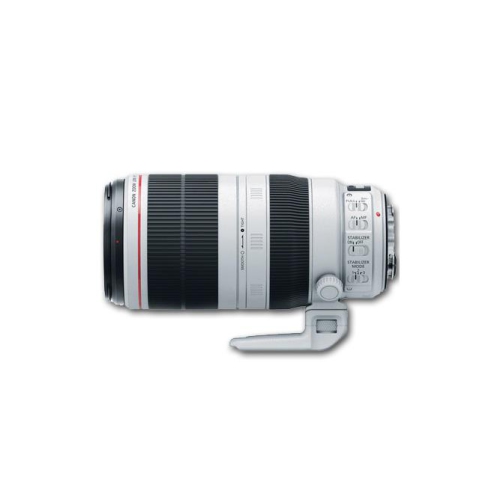
The construction and handling of a lens affect daily use just as much as its optical specifications. Optical glass sits inside a barrel that may use metal, engineered plastics, or a combination of materials; a heavier housing is not automatically a better choice for every photographer. A compact lens can make a camera easier to carry for a full day, while a larger lens may offer a wider aperture, a longer zoom range, or additional controls. Balance matters when holding the camera at eye level, especially with a long telephoto lens. A tripod collar, where provided, can help support a substantial lens without placing all of its weight on the camera connection. Focus-ring feel, switch placement, and zoom movement also influence how comfortably the lens works in practice. Durability depends partly on construction and partly on care, since precision glass and internal alignment can be damaged by impacts. Front and rear caps protect exposed surfaces during storage, and a padded compartment keeps the lens from knocking against other equipment in a bag. A lens hood can reduce stray light and offers some protection against incidental contact, but it is not a substitute for careful handling. For cleaning, loose dust is best removed with a hand-operated blower before gently wiping fingerprints with a clean lens cloth and an appropriate optical cleaning solution. Rough fabric, household cleaners, and unnecessary rubbing can damage coatings or drag grit across the surface. Screw-in filters must match the lens’s filter-thread diameter, which is different from its focal length; stacking filters can also cause darkened corners on some wide-angle setups. For a photography student, an enthusiastic hobbyist, or someone documenting family life, a compatible lens can make a thoughtful gift with a clear purpose. Knowing the recipient’s camera mount and preferred subjects is more useful than choosing by appearance alone. A well-matched lens supports the photographs they enjoy making, whether that means expressive portraits, carefully framed interiors, distant action, or intricate close-up details.
Top selling and popular products
-
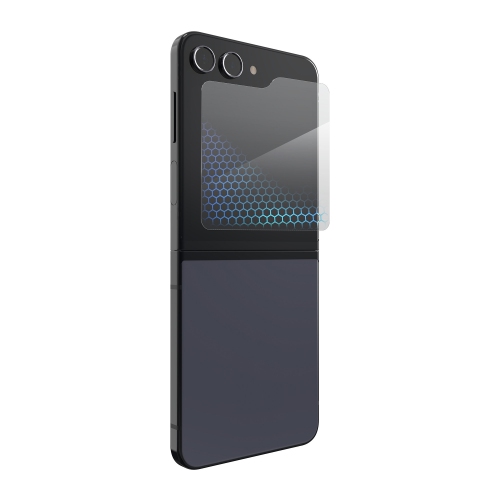 Your price for this item is $59.99
-
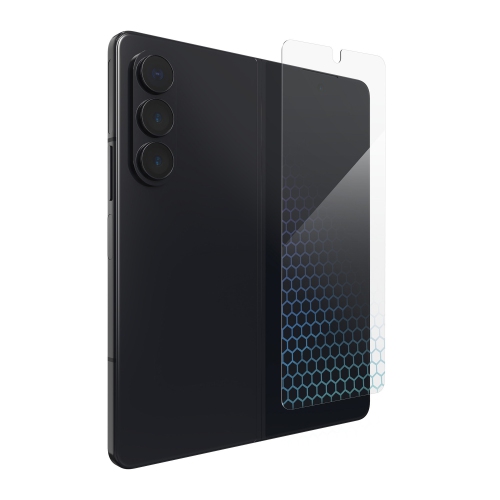 Your price for this item is $59.99
-
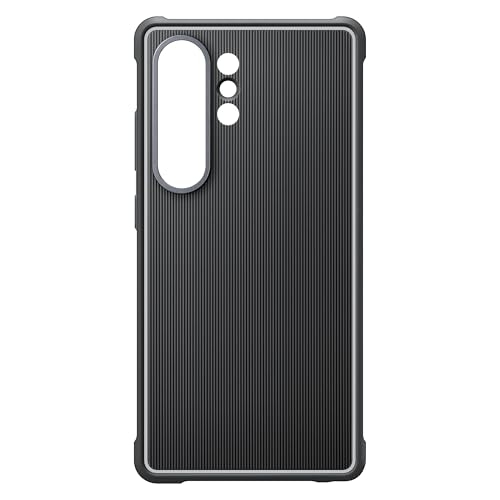 Your price for this item is $69.99
-
 Your price for this item is $52
-
 Your price for this item is $49.99
-
 Your price for this item is $14.68
-
 Your price for this item is $14.79
-
 Your price for this item is $16.79
Discover more categories related to Glass Camera Lenses
Top Collections:
Best Black Friday Deals This Year, Best Black Friday Deals On Electronics, Kindle Devices, Best Black Friday Deals On Apple Products, Best Budget Office Chairs, Best Cameras for Sports Photography, Dyson Airwrap, Canon G7X Cameras, Best Laptops for Writers, Samsung Galaxy Phones
Some products may be subject to Environmental Handling Fees
(EHF) depending on your province.
Learn more about EHFs.