Film Camera Lenses
Capture stunning images with our wide selection of film camera lenses. Whether you're a professional photographer or an avid hobbyist, our range of lenses is designed to enhance your creativity and deliver exceptional results. From wide-angle lenses for breathtaking landscapes to telephoto lenses for capturing distant subjects with precision, we have the perfect lens to suit your needs. Explore our collection and unlock endless possibilities to take your photography to new heights.
Sort
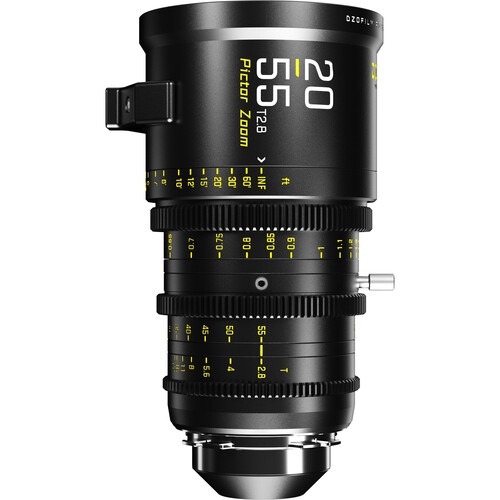
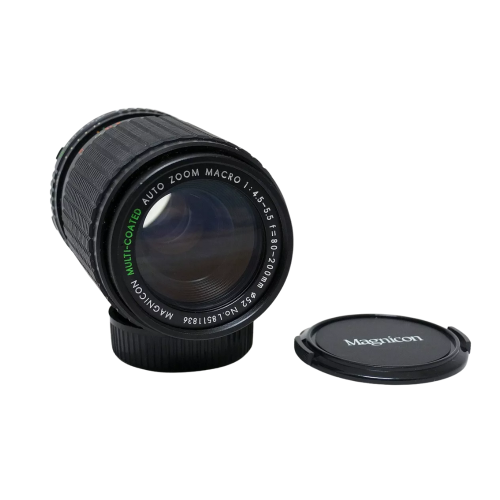
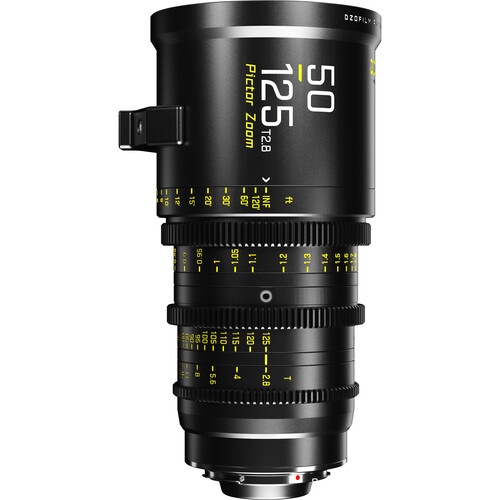
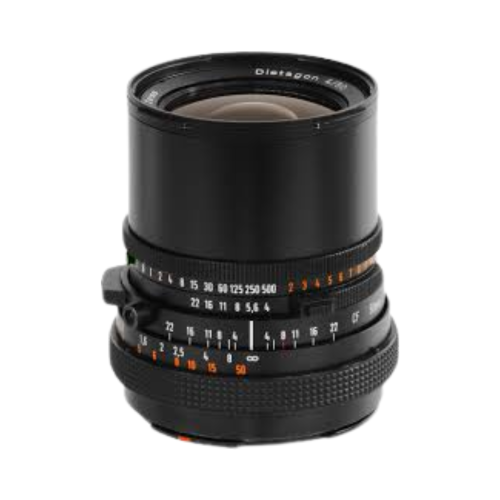
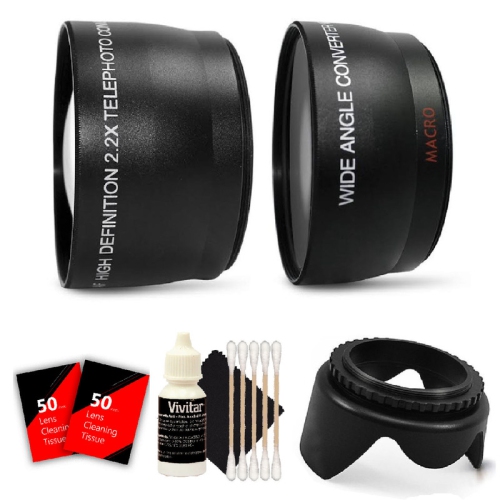
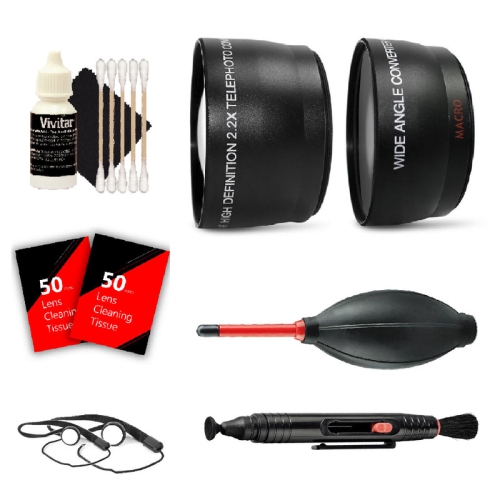
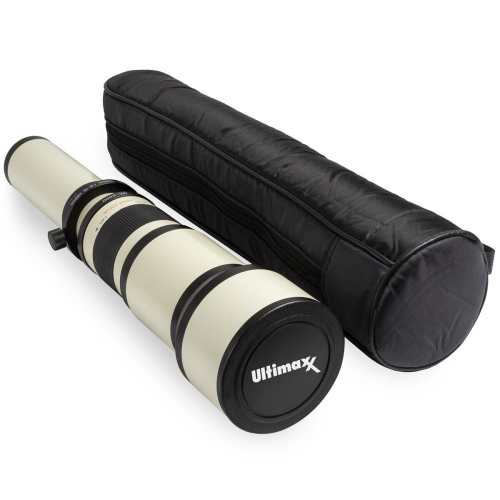
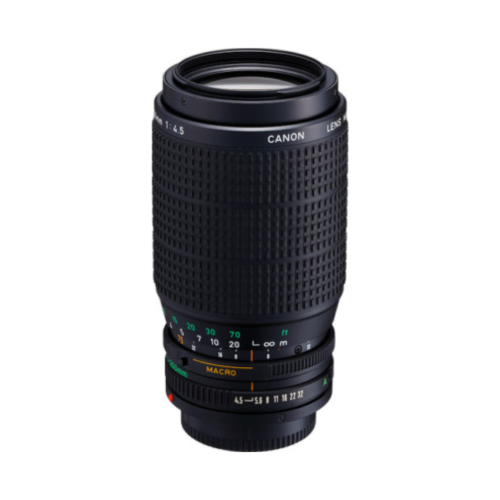
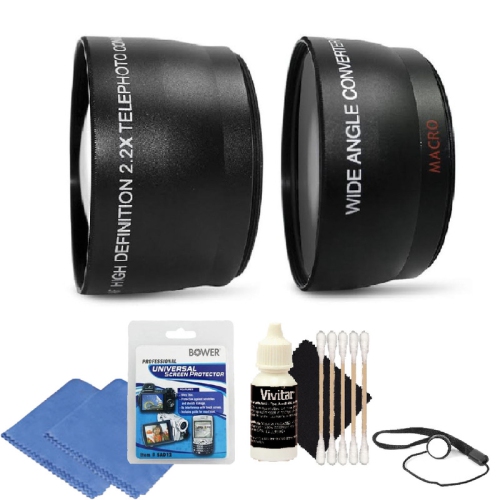
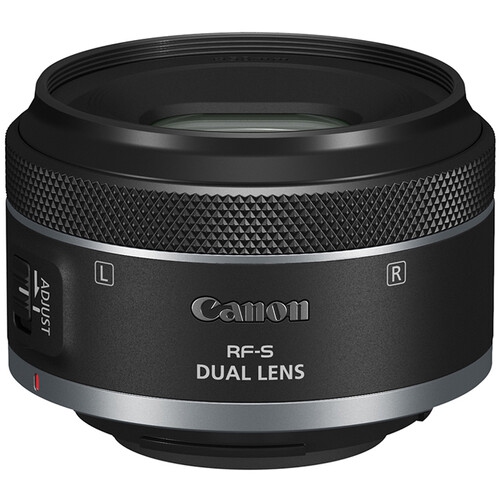
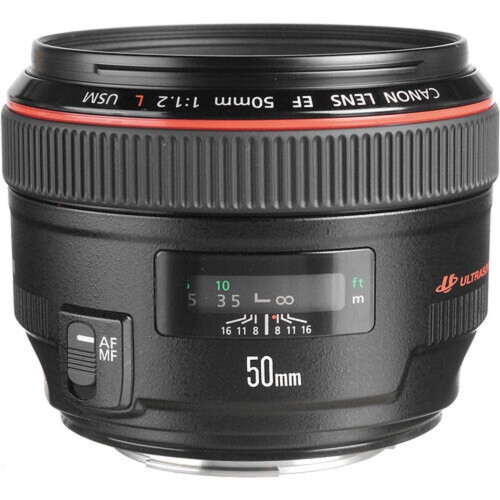
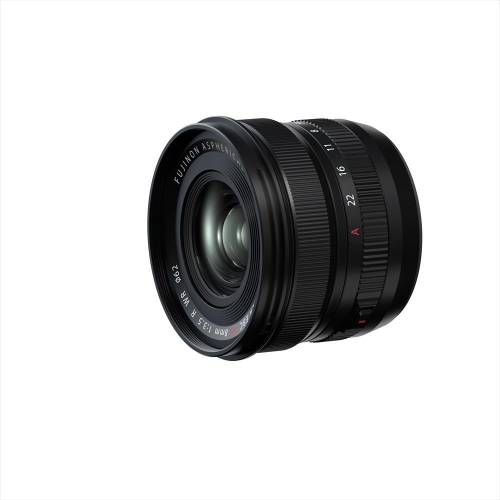
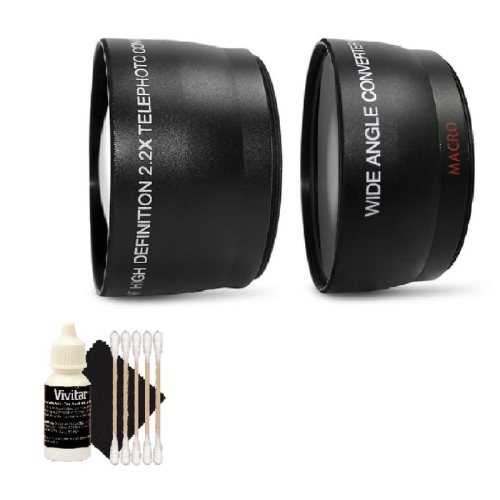
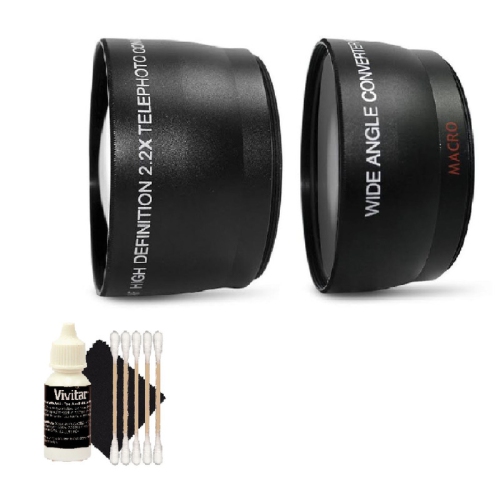
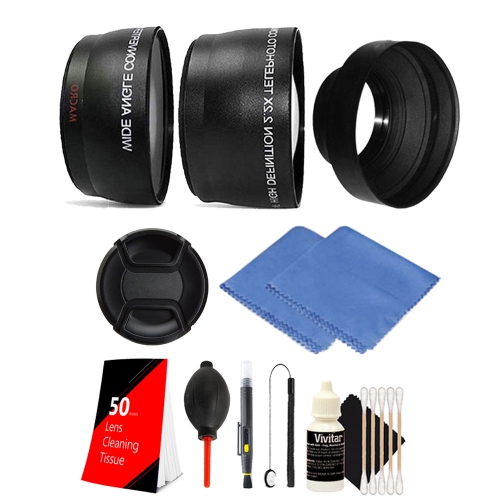
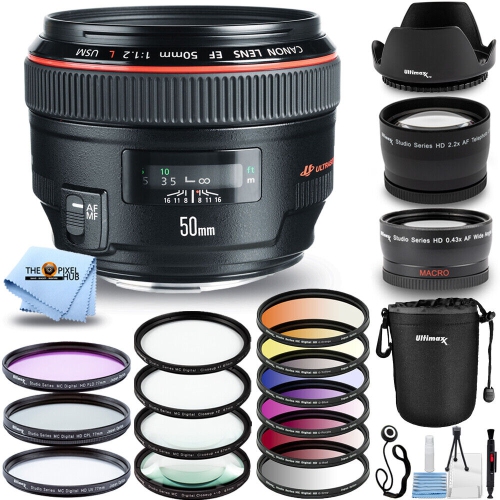
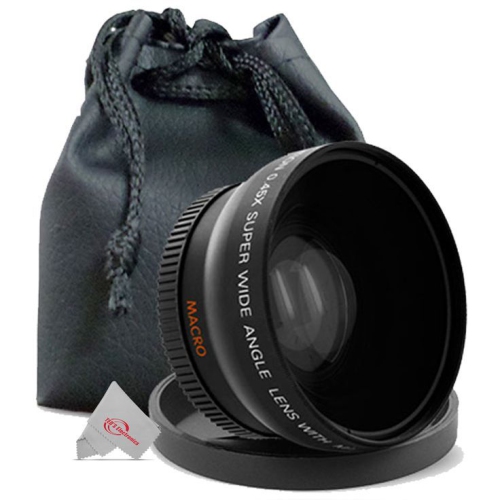
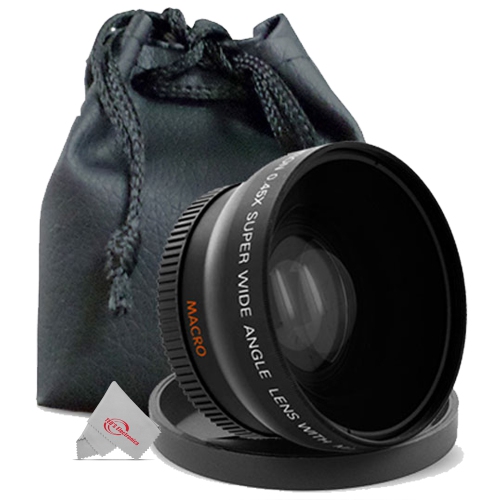
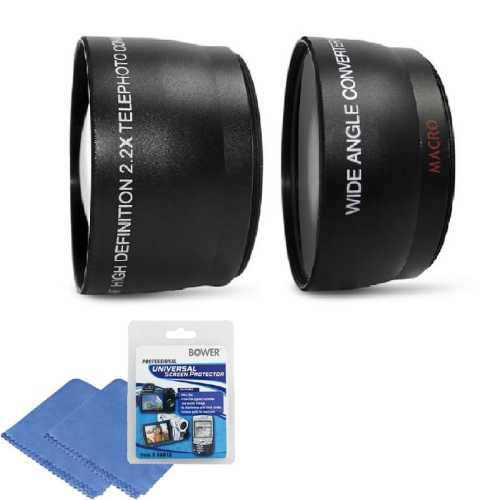
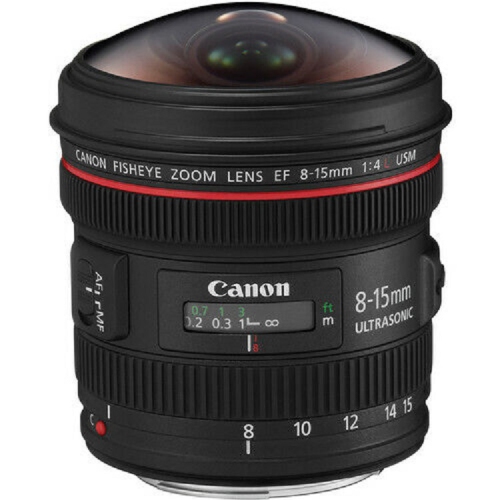
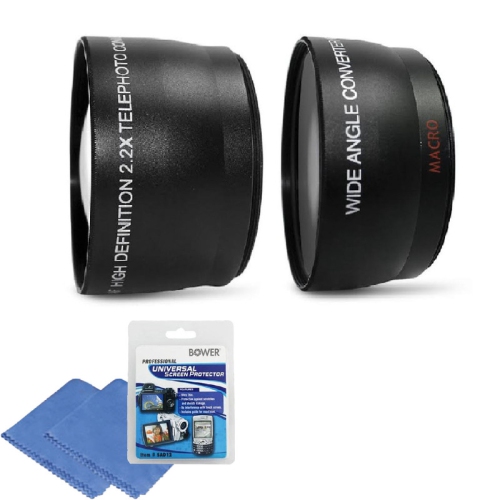
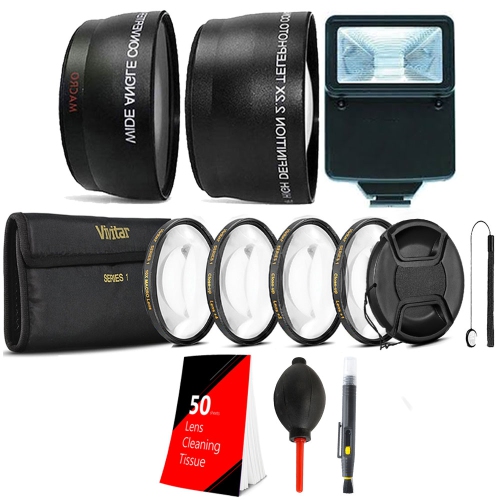
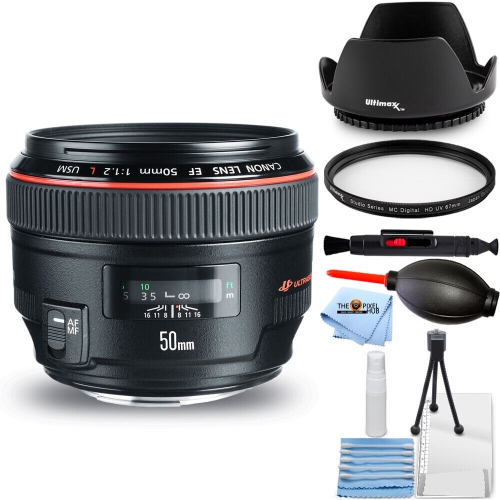
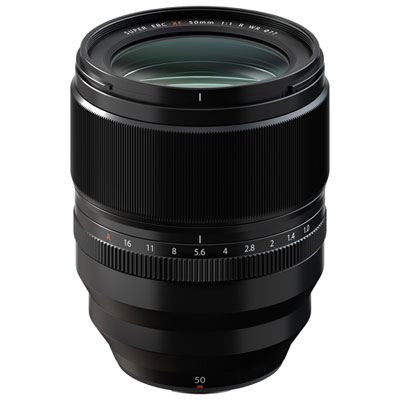
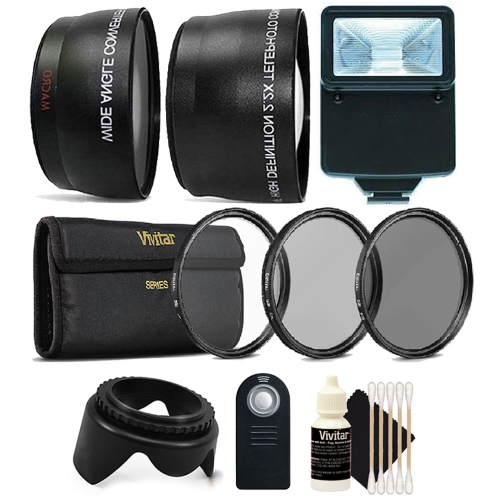
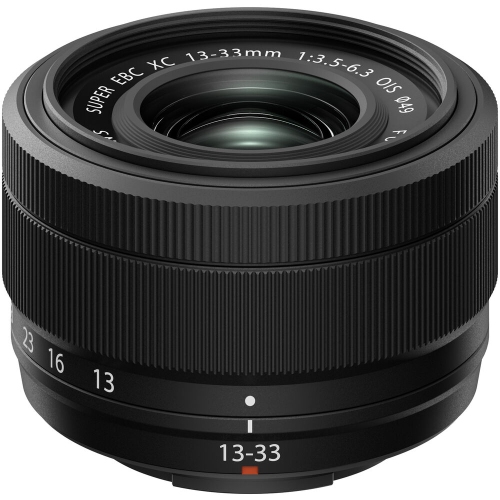
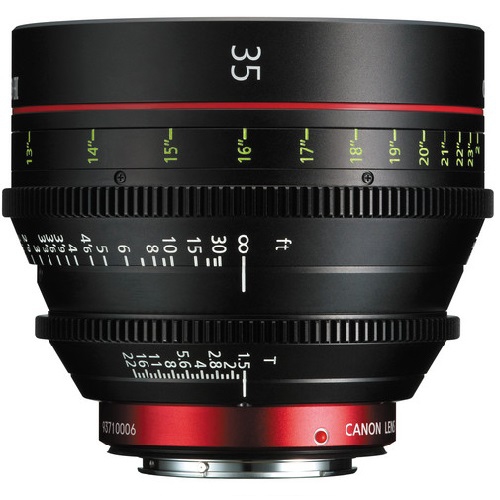
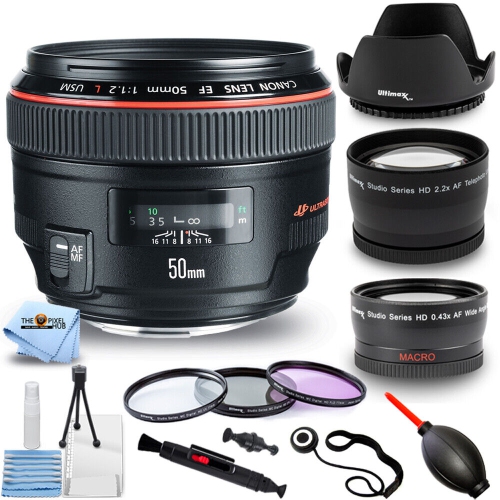
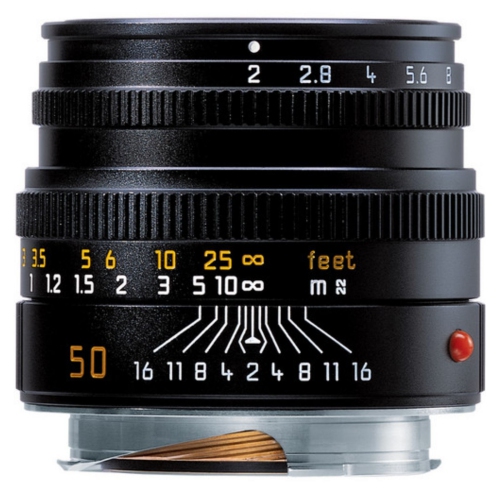
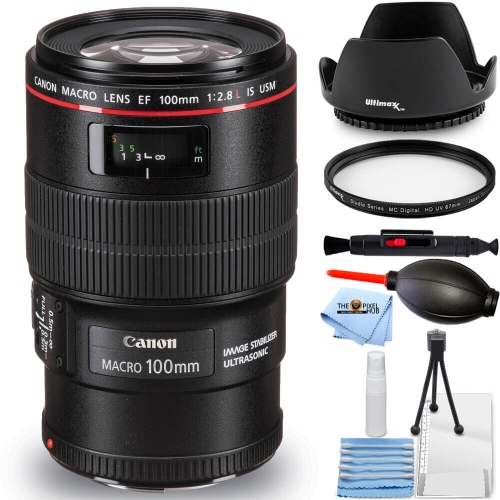
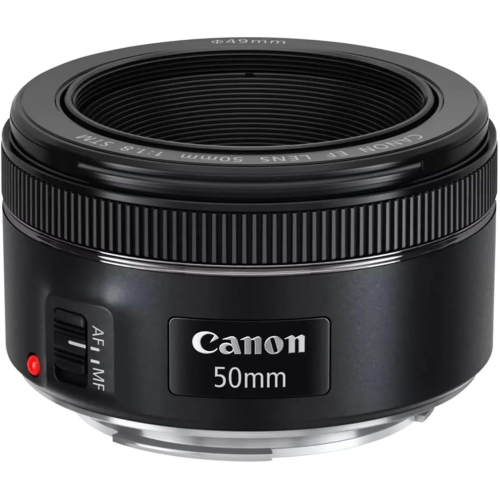
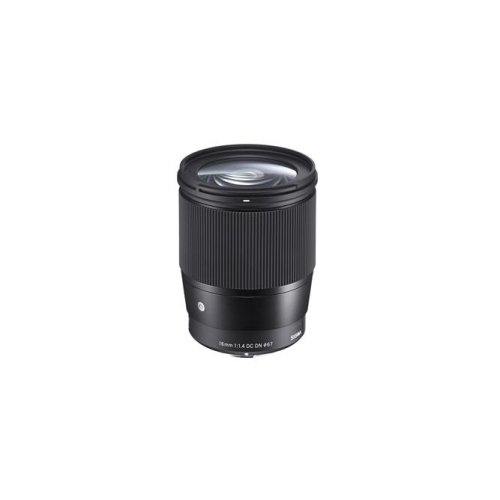
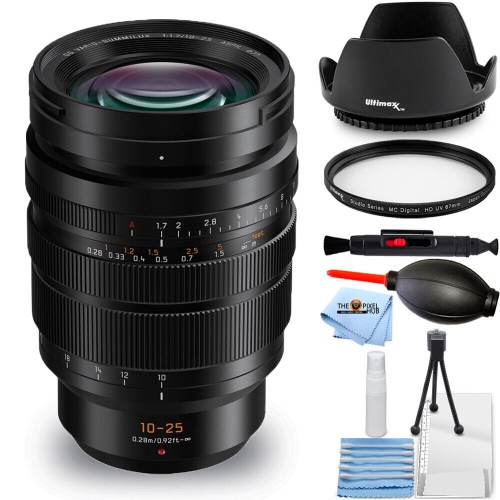
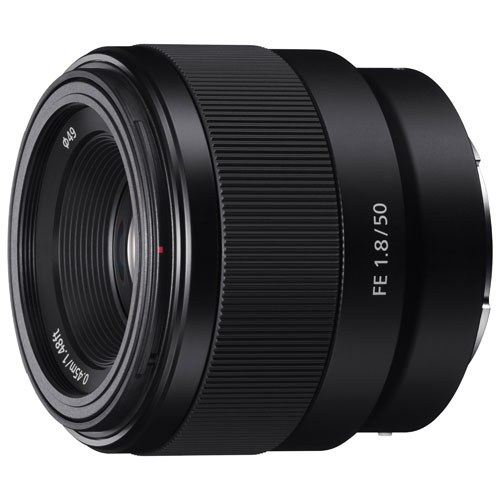
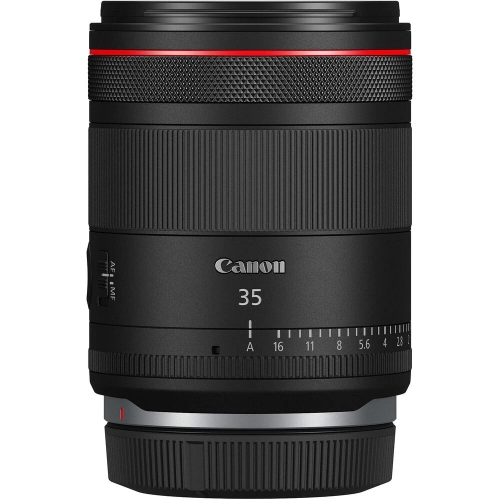
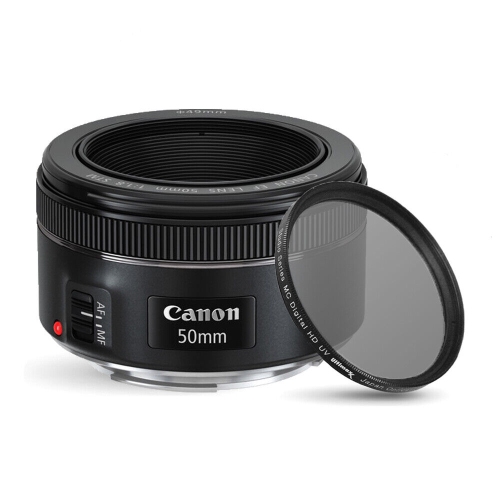
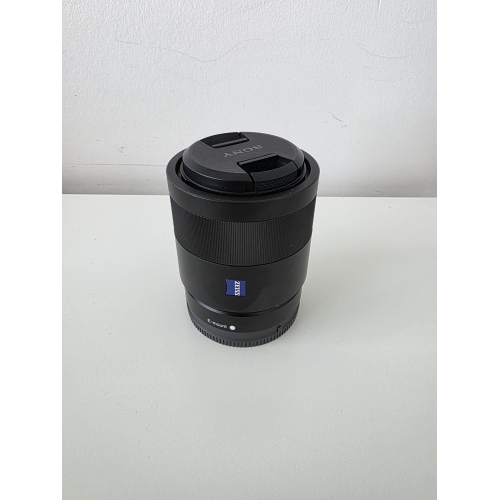
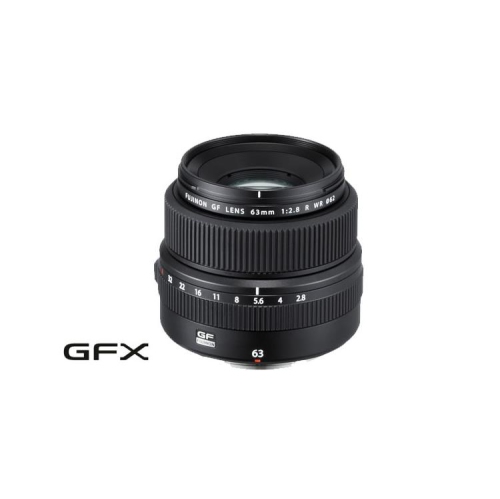

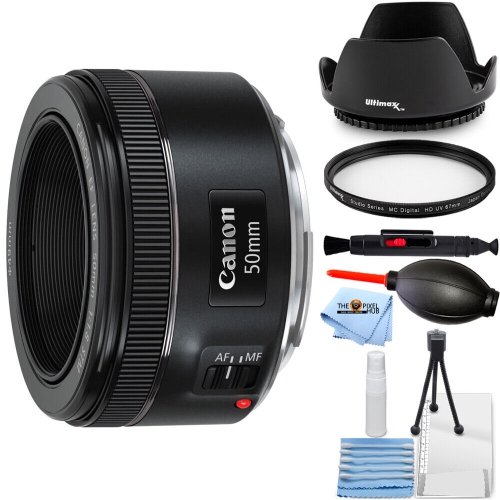
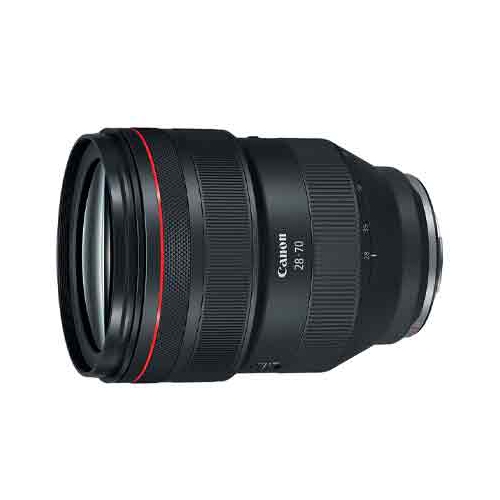
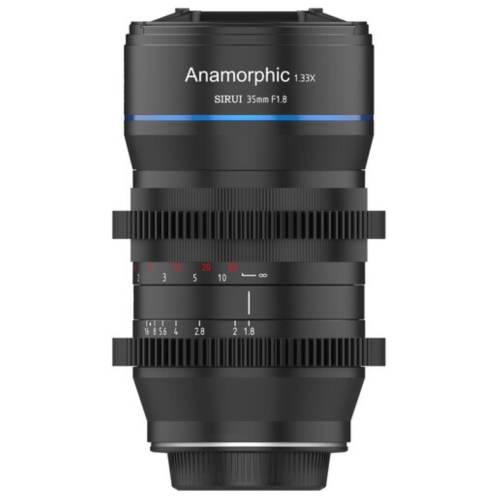
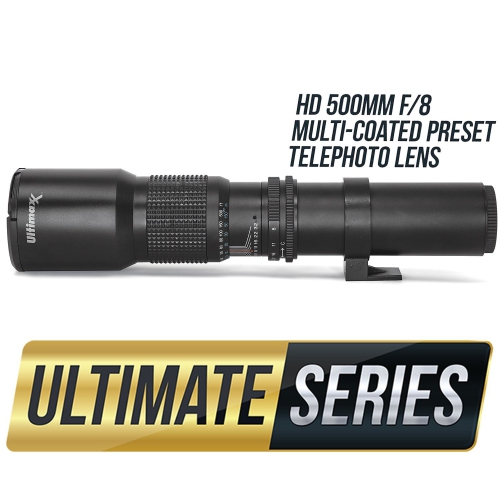
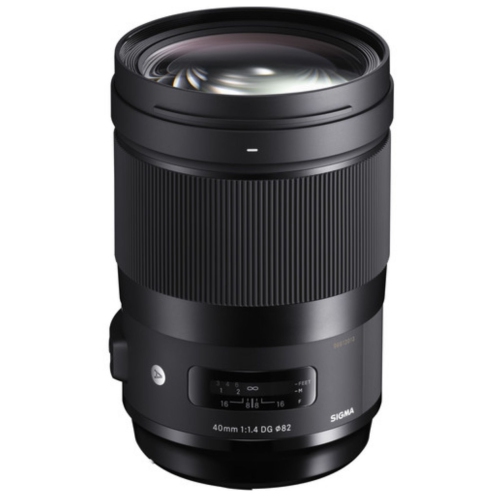
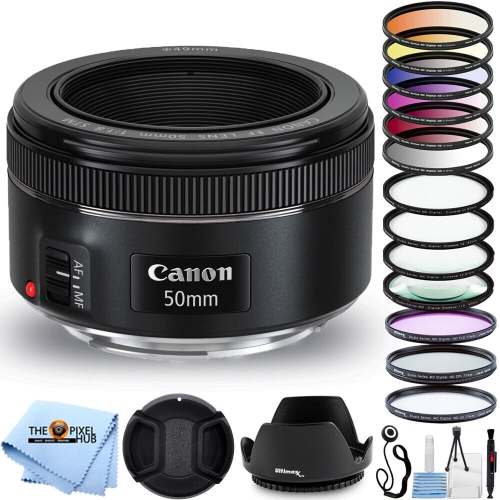
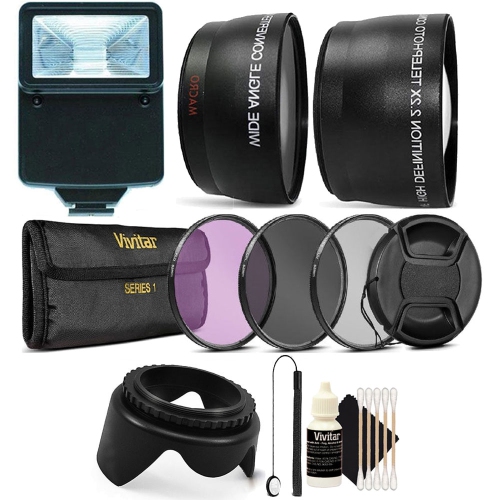

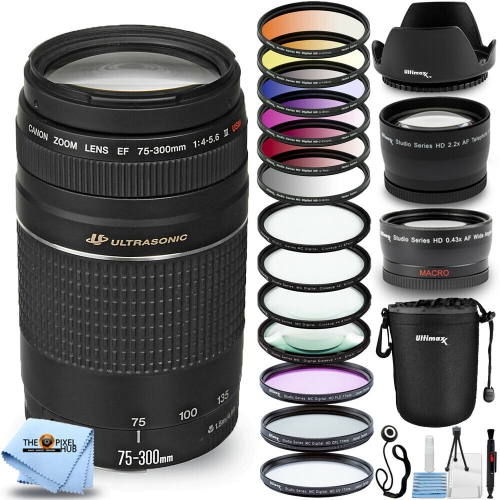
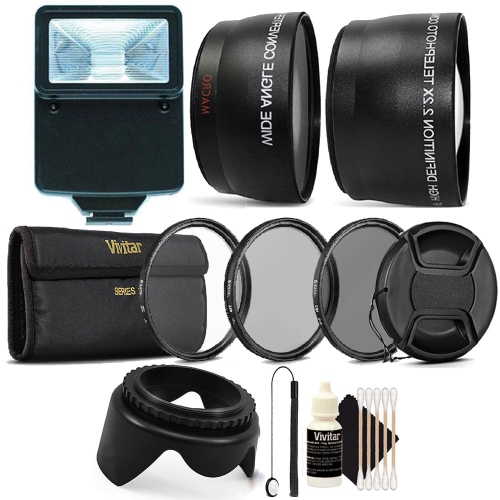

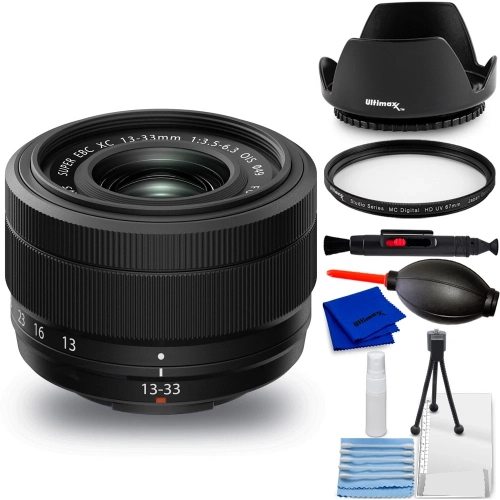
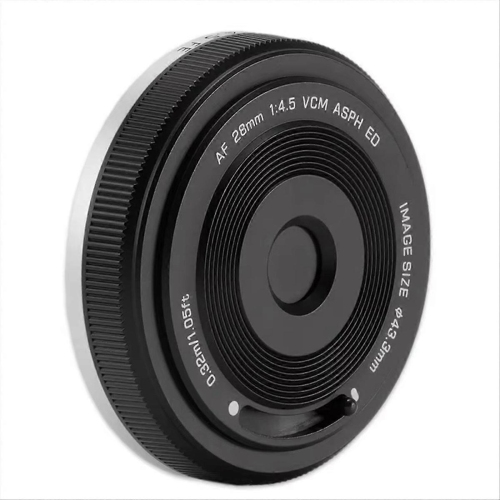
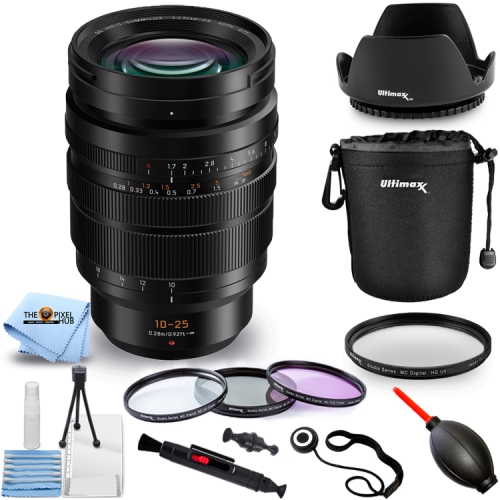
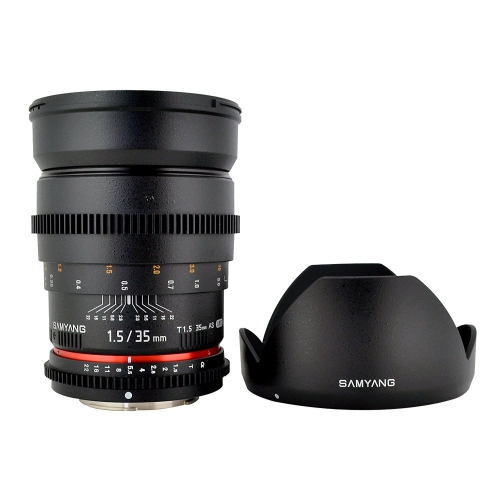
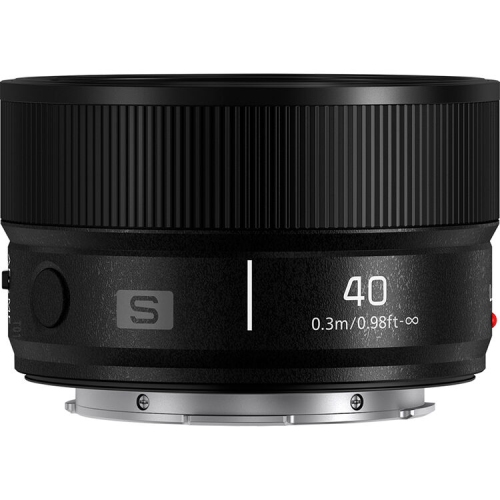
Focal length and mount shape every film photograph
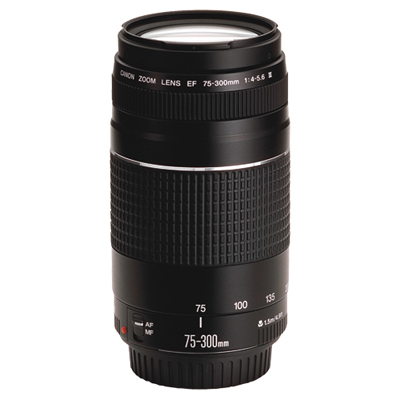
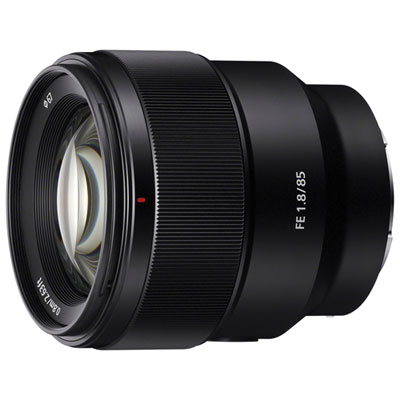
Film camera lenses are the optical heart of classic photography, directing light through the camera and focusing it onto photographic film. The right lens can change not only how much of a scene fits inside the frame, but also how a photograph feels: a wide-angle lens can make a small room seem open and expansive, a normal lens can create a balanced perspective that feels close to the way we see, and a telephoto lens can bring distant details forward while softly separating a subject from the background. Focal length is one of the most important specifications to consider. Lenses below roughly 35mm are considered wide angle and are useful for landscapes, architecture, travel photography, street scenes, interiors and group portraits where space is limited. A 50mm lens is often called a standard or normal lens because it offers a natural-looking perspective that works well for everyday photography, portraits, family gatherings and learning the fundamentals of composition. Lenses above approximately 70mm offer a narrower field of view, making them suitable for portraits, sports, performances, wildlife and other subjects that are farther away. A longer focal length can also help isolate a person against a less distracting background, which is especially useful when photographing a face in soft afternoon light or capturing a candid moment from across a room. Prime lenses have a fixed focal length, so framing requires moving closer to or farther from the subject. That simple limitation can encourage more deliberate composition, while often offering a bright maximum aperture, pleasing background blur and a compact design. Zoom lenses provide a range of focal lengths in one lens, allowing photographers to adjust the composition without changing lenses or repositioning themselves. They can be particularly practical for travel, events and changing subjects, such as a walk that moves from a narrow city lane to a broad waterfront view. When comparing film camera lenses, look closely at maximum aperture, focusing distance, focusing method and the camera mount. A wider aperture, represented by a smaller f-number, allows more light to reach the film and can make it easier to photograph indoors or during the softer light of the cooler months. It can also produce a shallower depth of field, keeping a carefully chosen subject sharp while the background gently fades away. Smaller apertures provide greater depth of field, helping keep a landscape, group of people or architectural scene in focus from front to back. Manual focus is common with classic film photography and can become part of the process itself: turning the focus ring, checking the viewfinder and waiting for the exact moment can make each frame feel considered rather than hurried.
Compatibility deserves careful attention before choosing a lens. Film cameras use specific lens mounts, and a lens must match the camera body or be used with a suitable adapter designed for that system. Mount compatibility affects whether the lens attaches securely and whether functions such as aperture control, metering or automatic focusing remain available. Adapters can sometimes connect a classic lens to a modern digital camera body, making it possible to explore the distinctive rendering of older optics across different types of photography, but compatibility is not universal and electronic functions may be limited. It is also worth checking whether the lens is intended for a full-frame film format or another film size, as this can affect the image circle and the resulting field of view. Filters and accessories may also influence a purchase. A lens with a standard filter thread can accept items such as a polarizing filter for managing reflections or a protective clear filter, provided the accessory size matches the lens. Photographers who enjoy close-up details should check the minimum focusing distance, while those who work outdoors may value a reliable hood to reduce stray light and flare. Film camera lenses can be a thoughtful gift for someone returning to photography, building a darkroom-inspired hobby or exploring the slower pace of analogue image-making. They can also complement a camera already passed down through a family, helping its owner photograph old neighbourhoods, family celebrations, road trips and changing landscapes with a different perspective. As the weather warms, a compact wide-angle lens can be useful for garden gatherings, cycling routes and open-air scenes; during the cooler months, a bright normal or portrait lens can make indoor photography more comfortable without relying on a flash. Beginners often appreciate a standard prime lens because it teaches the relationship between distance, perspective and composition, while experienced photographers may enjoy adding a specialised wide-angle or telephoto option to expand an existing kit. Anyone selecting a lens as a gift should confirm the camera’s exact mount, film format and preferred style of photography first. For shoppers still choosing the camera body that will accompany a lens, the collection of Film Cameras for Classic Photography can provide useful context. Whether used for carefully composed portraits, spontaneous street photographs or quiet scenes discovered on a weekend walk, a well-matched film camera lens gives each roll its own visual character and invites the photographer to pay attention to light, distance and timing.
Compatibility deserves careful attention before choosing a lens. Film cameras use specific lens mounts, and a lens must match the camera body or be used with a suitable adapter designed for that system. Mount compatibility affects whether the lens attaches securely and whether functions such as aperture control, metering or automatic focusing remain available. Adapters can sometimes connect a classic lens to a modern digital camera body, making it possible to explore the distinctive rendering of older optics across different types of photography, but compatibility is not universal and electronic functions may be limited. It is also worth checking whether the lens is intended for a full-frame film format or another film size, as this can affect the image circle and the resulting field of view. Filters and accessories may also influence a purchase. A lens with a standard filter thread can accept items such as a polarizing filter for managing reflections or a protective clear filter, provided the accessory size matches the lens. Photographers who enjoy close-up details should check the minimum focusing distance, while those who work outdoors may value a reliable hood to reduce stray light and flare. Film camera lenses can be a thoughtful gift for someone returning to photography, building a darkroom-inspired hobby or exploring the slower pace of analogue image-making. They can also complement a camera already passed down through a family, helping its owner photograph old neighbourhoods, family celebrations, road trips and changing landscapes with a different perspective. As the weather warms, a compact wide-angle lens can be useful for garden gatherings, cycling routes and open-air scenes; during the cooler months, a bright normal or portrait lens can make indoor photography more comfortable without relying on a flash. Beginners often appreciate a standard prime lens because it teaches the relationship between distance, perspective and composition, while experienced photographers may enjoy adding a specialised wide-angle or telephoto option to expand an existing kit. Anyone selecting a lens as a gift should confirm the camera’s exact mount, film format and preferred style of photography first. For shoppers still choosing the camera body that will accompany a lens, the collection of Film Cameras for Classic Photography can provide useful context. Whether used for carefully composed portraits, spontaneous street photographs or quiet scenes discovered on a weekend walk, a well-matched film camera lens gives each roll its own visual character and invites the photographer to pay attention to light, distance and timing.
Top selling and popular products
-
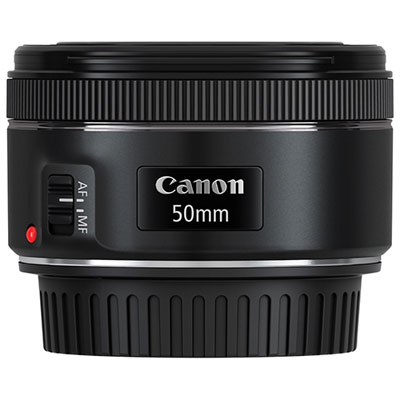 Your price for this item is $169.99
 -
 Your price for this item is $329.99
 -
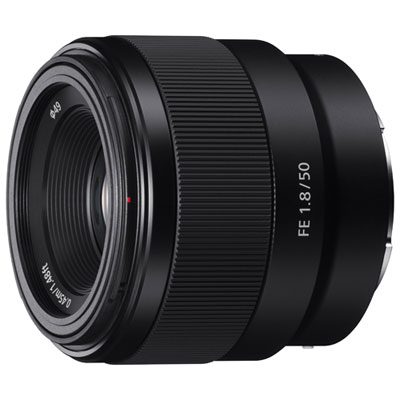 Your price for this item is $349.99
 -
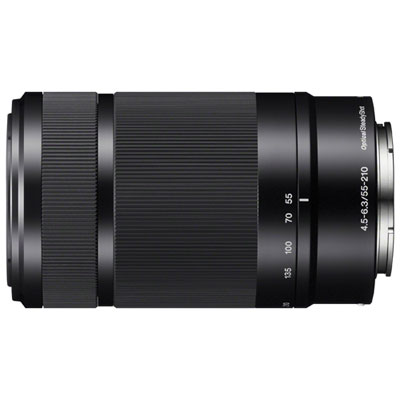 Your price for this item is $399.99
 -
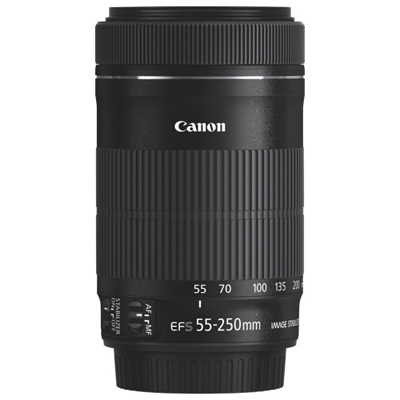 Your price for this item is $399.99
 -
 Your price for this item is $199.99
 -
 Your price for this item is $174.99
 -
 Your price for this item is $799.99
Discover more categories related to Film Camera Lenses
Top Collections:
Pokemon Centers, Best Cameras for Sports Photography, Kindle Devices, Samsung Galaxy Phones, Canon G7X Cameras, Pokémon 30th Celebration Cards, Refurbished Apple Laptops, iPhone 15 Apple, Laptops for Students, Budget Smartphones
Some products may be subject to Environmental Handling Fees
(EHF) depending on your province.
Learn more about EHFs.