White Camera Lenses
Explore a wide selection of White Camera Lens options designed to complement your photography gear and elevate your shooting experience. Whether you’re capturing stunning landscapes, detailed portraits, or dynamic action shots, these lenses offer a sleek, modern look that pairs seamlessly with your camera body. Browse various focal lengths and styles to find the perfect White Camera Lens for your creative needs and take your photography to the next level.
Sort
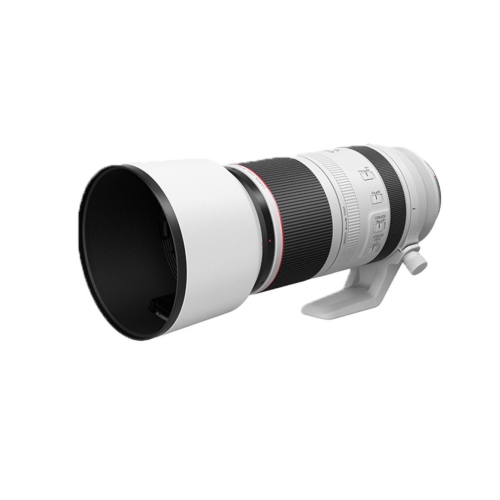
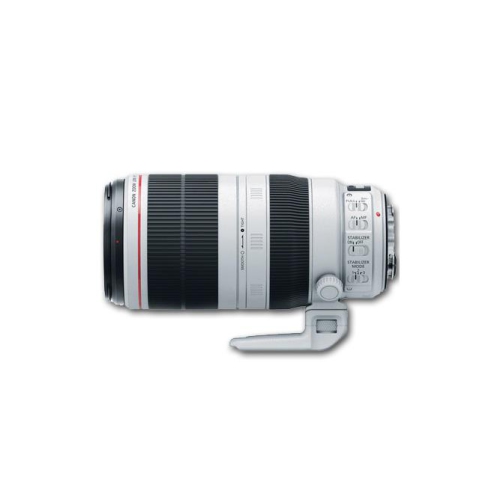
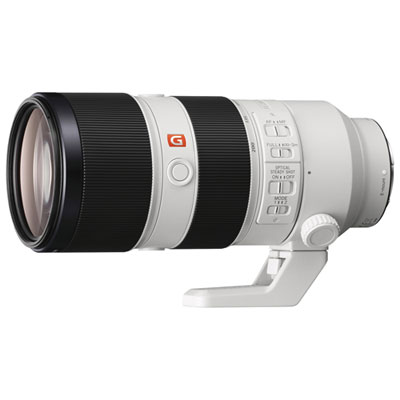
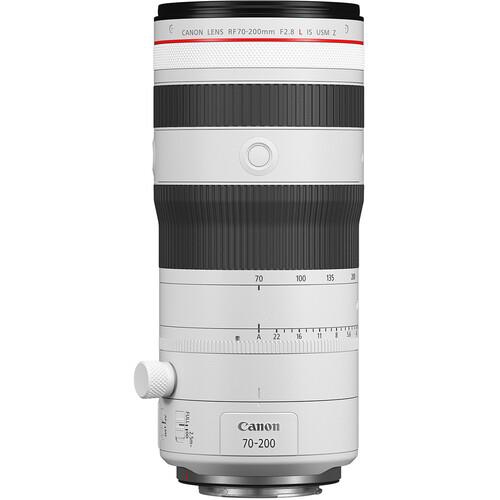
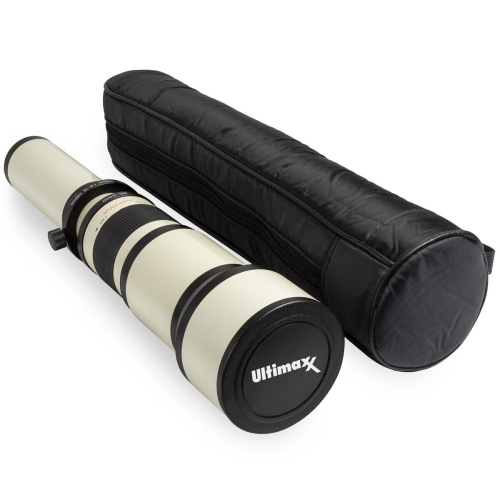
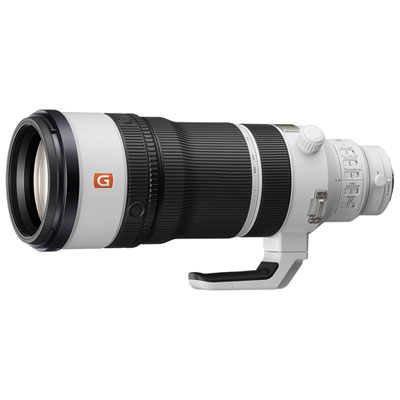


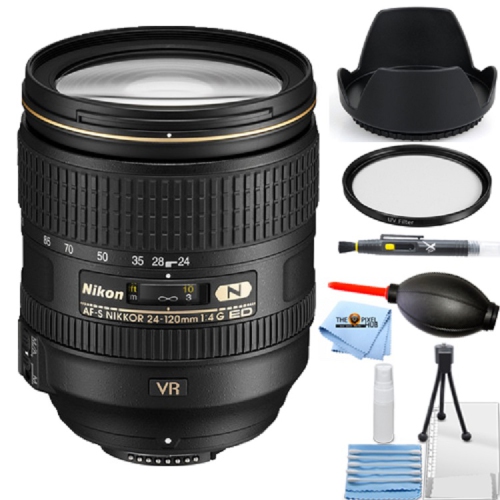
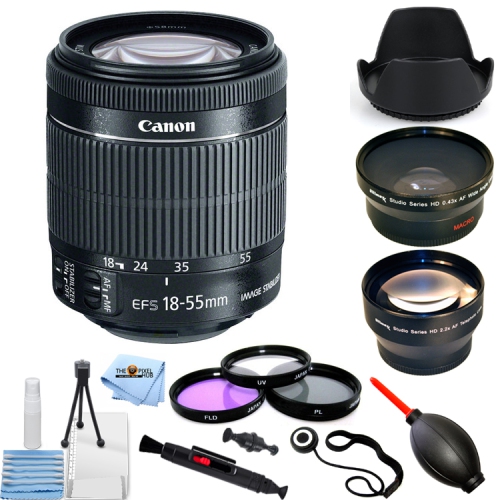
What a white lens barrel does and doesn’t change
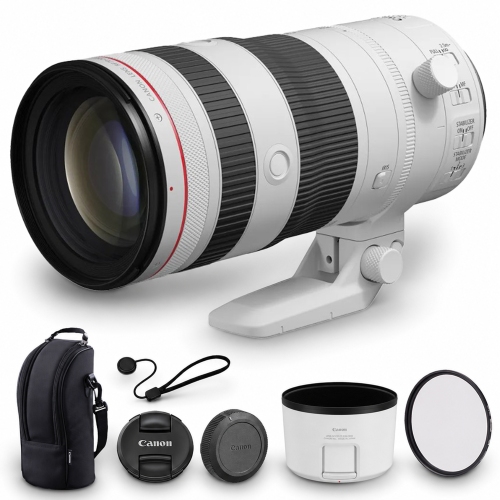
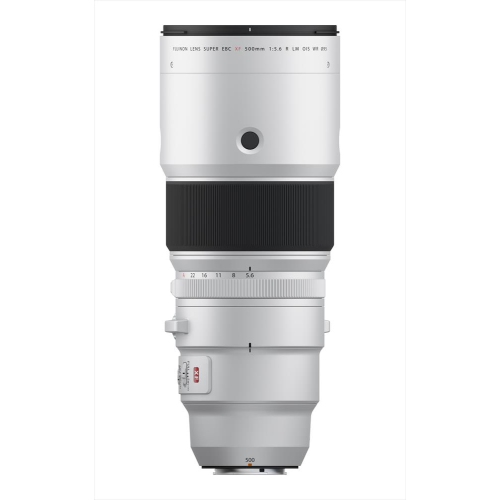
White camera lenses are interchangeable photographic lenses with white or off-white exterior barrels, rather than lenses that add a white tint to photographs. Their distinctive appearance is often associated with long telephoto designs, but a white finish can also appear on smaller prime lenses and other lens types. On some telephoto lenses, the pale exterior has a practical role: it reflects sunlight and can help reduce heat absorption in the barrel. Certain designs also use specialized heat-reflective coatings, although the effect depends on the materials and construction of the individual lens. Colour alone does not indicate optical quality, protective sealing, or professional-grade performance. A white lens still produces images through its optical elements, aperture mechanism, and focusing system, just as a lens with a darker exterior does. Sharpness, contrast, distortion, and background blur depend on those components and their design, not the colour of the housing. For photographers, the appeal may be partly functional and partly visual, whether the lens is mounted on a compact mirrorless body or a larger camera used beside a playing field. White barrels may be made from metal, engineered plastics, or a combination of materials, with rubberized rings providing grip for focusing and zoom adjustments. Metal components can contribute rigidity, while engineered plastics can help keep weight manageable; neither material tells the whole story about durability. The quality of the mount, moving sections, internal supports, and exterior finish all matter. Smoothly turning rings, clearly marked controls, and a comfortable balance on the camera are meaningful details during regular use. A pale finish can make dust, marks, and scuffs more noticeable, but visible wear on the barrel is not necessarily evidence of damage to the optics. The lens’s condition and capabilities remain more important than its colour.
Compatibility determines whether a white camera lens will work with a particular camera. The lens mount must match the camera system, and a similar-looking connection is not enough to establish a proper fit. Sensor coverage matters too: a lens designed for a smaller sensor may not cover a full-frame sensor completely, even when attachment is possible. Some camera bodies accommodate this by cropping the image, which changes the usable field of view and may reduce the recorded resolution. Adapters can support certain combinations, but autofocus, electronic aperture control, stabilization, and other functions may behave differently depending on the equipment involved. Beyond compatibility, focal length shapes what a lens is suited to photographing. A long telephoto lens can frame a distant athlete tightly or isolate a bird on a branch without requiring the photographer to move closer. A shorter focal length gives a broader view, making it easier to include a room, a group of people, or the surroundings around a subject. Zoom lenses allow framing adjustments from one position, while prime lenses use a fixed focal length and may offer a compact build or a wide maximum aperture. Those characteristics vary by design rather than by barrel colour. For portraits, a wide aperture can help separate a face from a softly blurred background, though subject distance and focal length also affect that result. For action, responsive autofocus and an appropriate shutter speed are especially useful when a subject changes direction unexpectedly. Optical stabilization, when included, helps reduce blur caused by camera movement, but it does not freeze a moving subject. Close-focusing distance is another practical detail: a lens that fills the frame with a distant subject may not focus closely enough for a small object on a table. These differences explain why white camera lenses can serve very different purposes, from family photography and creative portraits to sports, wildlife, and distant details. The finish is a shared visual feature, not a single photographic category.
Size and handling become particularly noticeable when a lens stays on the camera for an extended session. A large white telephoto lens may offer useful reach, but its weight and length affect how comfortably it can be carried, supported, and packed. A tripod collar, where included, allows support closer to the lens’s centre of gravity rather than placing the entire load on the camera body. On a monopod beside a court or a tripod aimed at a distant subject, that balance can make framing more manageable. Smaller lenses suit photographers who prefer a less bulky setup for everyday outings, family gatherings, or casual portraits. For another size-focused selection, Small Camera Lenses provides a useful comparison when portability is a priority. Protective care is broadly the same regardless of barrel colour. Front and rear caps help protect exposed glass and the mount during transport, while a padded compartment keeps the lens from knocking against other equipment. A fitted hood can reduce stray light entering the lens and offer some protection against incidental contact, but it is not a substitute for careful handling. Loose grit is best removed with a suitable blower before the glass is gently cleaned with lens-safe materials; wiping a dusty surface directly can drag particles across it. The exterior finish also benefits from gentle cleaning rather than abrasive rubbing or harsh household cleaners. Protective sealing varies by design and does not make a lens suitable for immersion. Mount contacts should remain clean and dry, and the lens should be supported securely during changes, especially when its weight exceeds that of the camera body. For a photography enthusiast receiving a white lens as a gift, the most useful match depends on their exact camera mount, existing focal lengths, and favourite subjects. Someone photographing distant action has different needs from someone taking close portraits at home. A finish they enjoy is a welcome detail, but dependable compatibility and a suitable shooting purpose are what make the lens a lasting part of their kit.
Top selling and popular products
-
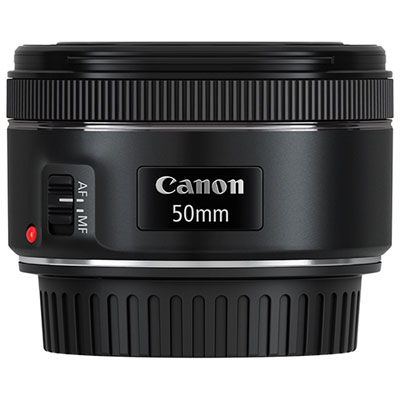 Your price for this item is $169.99
-
 Your price for this item is $279.99
-
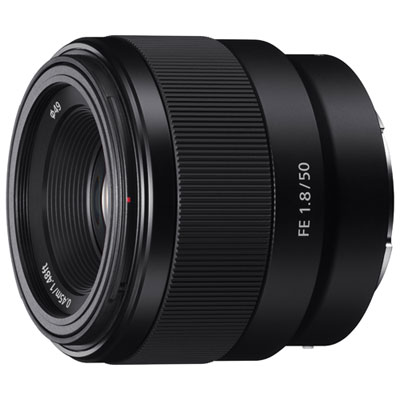 Your price for this item is $299.99
-
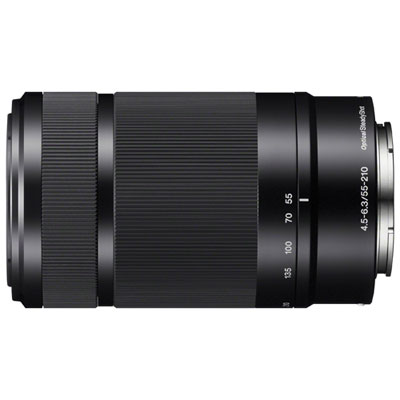 Your price for this item is $399.99
-
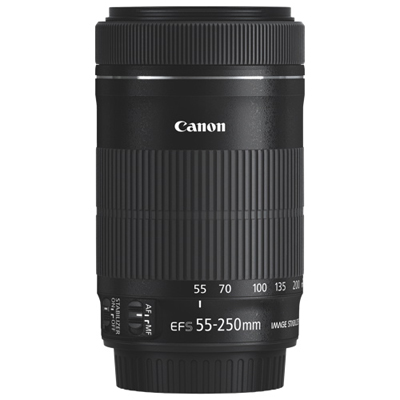 Your price for this item is $399.99
-
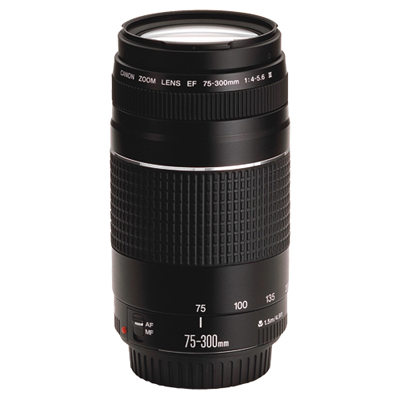 Your price for this item is $199.99
-
 Your price for this item is $539.99
-
 Your price for this item is $174.99
Discover more categories related to White Camera Lenses
Top Collections:
Best Black Friday Deals This Year, Best Black Friday Deals On Electronics, Kindle Devices, Best Black Friday Deals On Apple Products, Best Budget Office Chairs, Best Cameras for Sports Photography, Dyson Airwrap, Canon G7X Cameras, Best Laptops for Writers, Samsung Galaxy Phones
Some products may be subject to Environmental Handling Fees
(EHF) depending on your province.
Learn more about EHFs.