Lens Kits
Enhance your photography skills with our wide selection of lens kits. Whether you're a professional photographer or an amateur enthusiast, these versatile kits are designed to take your shots to the next level. With a range of options to suit different camera models and shooting styles, you'll find the perfect lens kit to capture stunning landscapes, portraits, and everything in between. Explore our collection and unlock your creative potential with high-quality lenses that deliver exceptional clarity, precision, and detail.
Sort
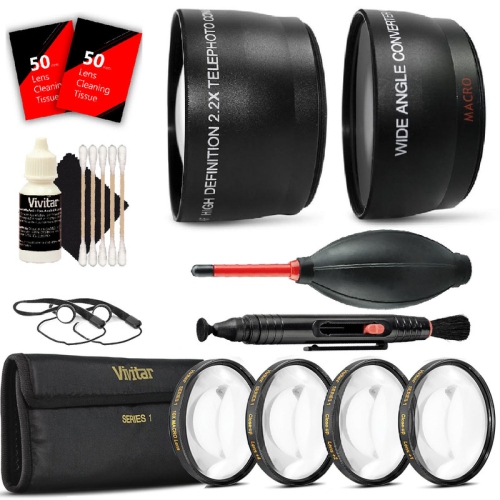
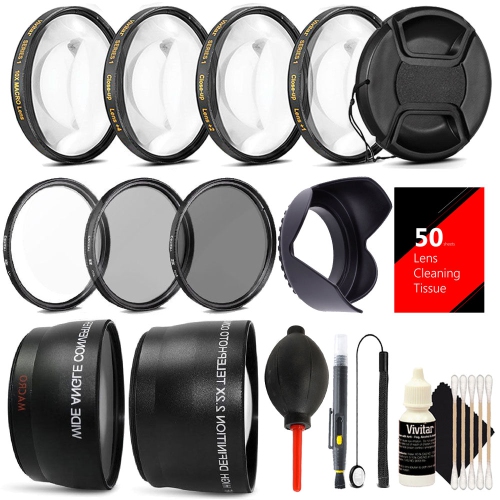
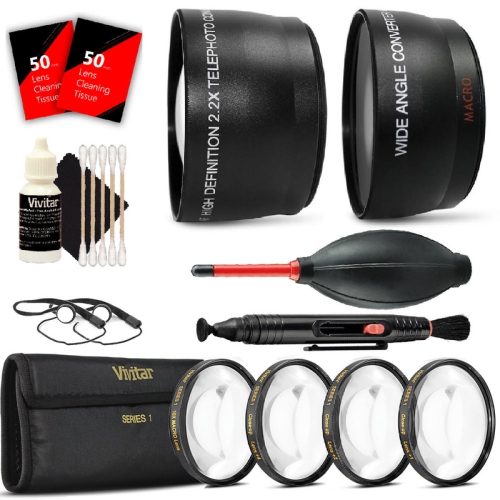
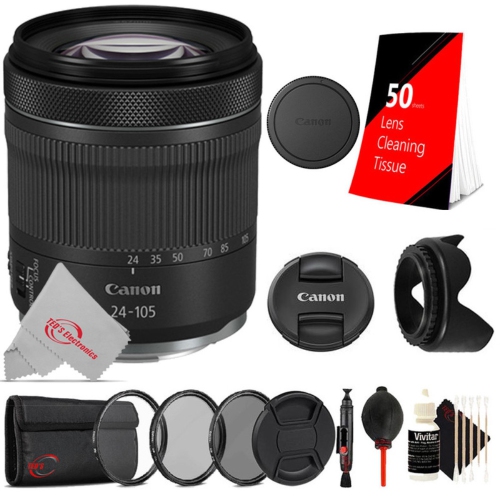
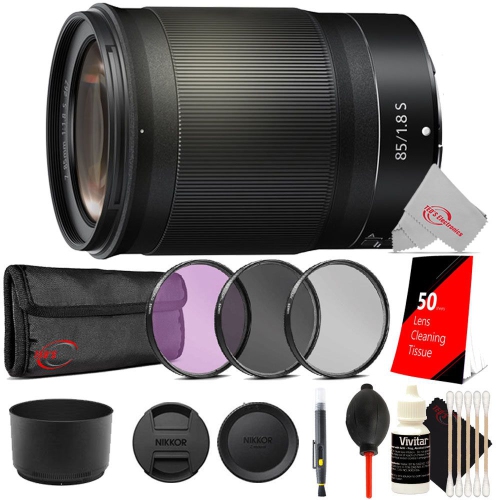
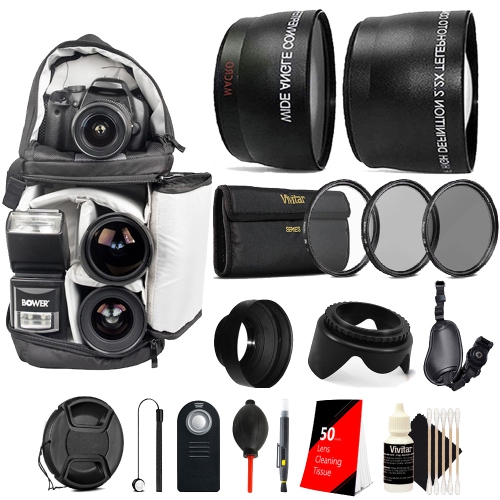
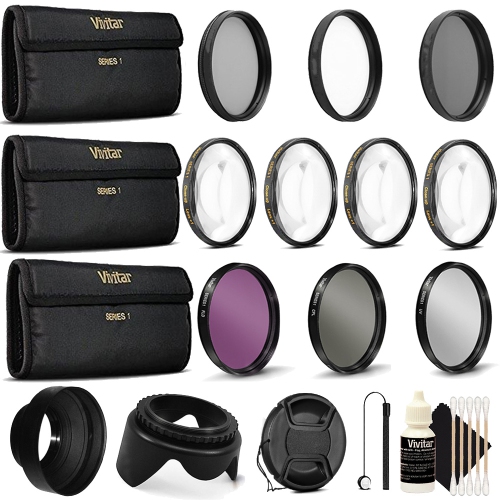

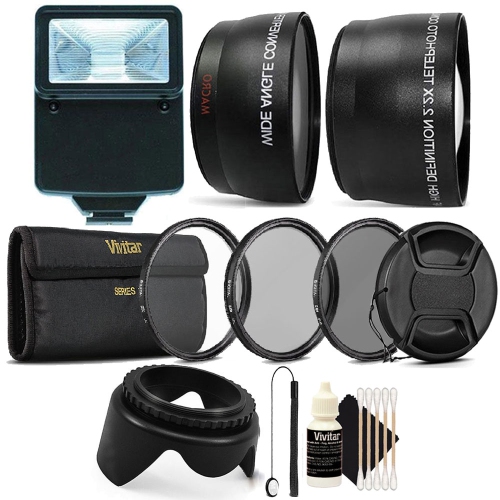
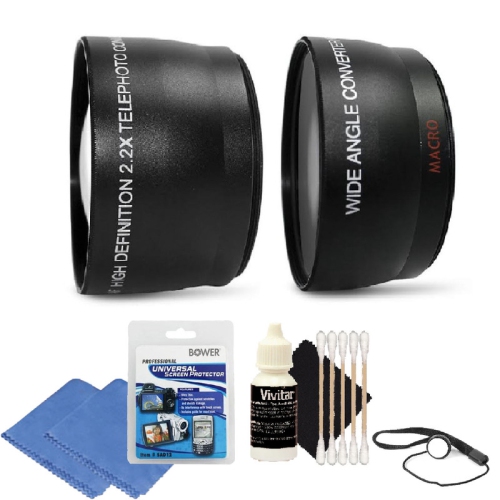
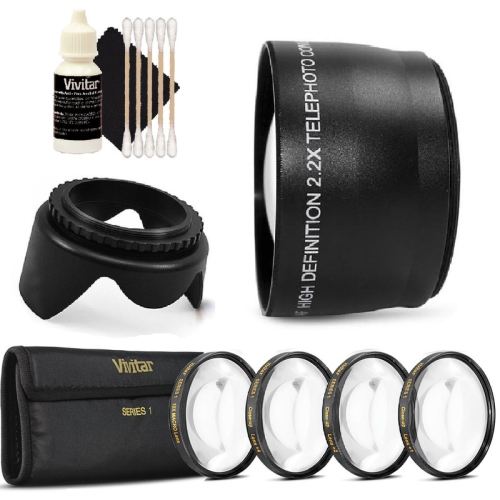
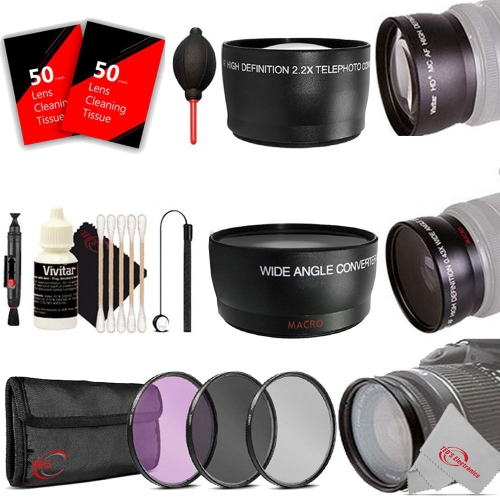
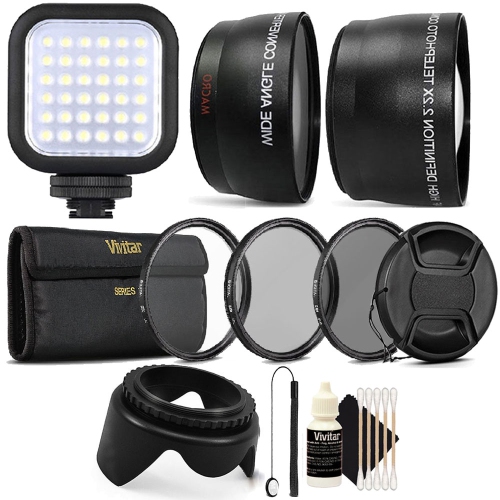
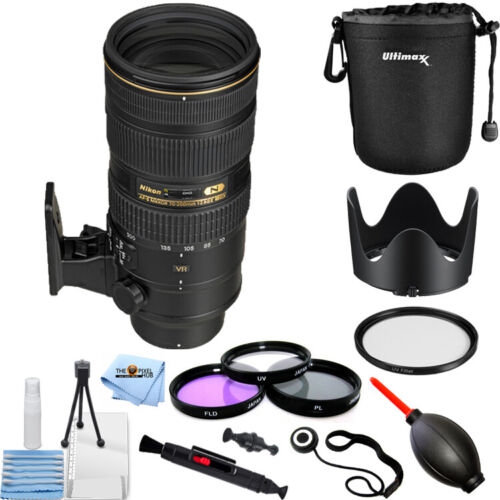
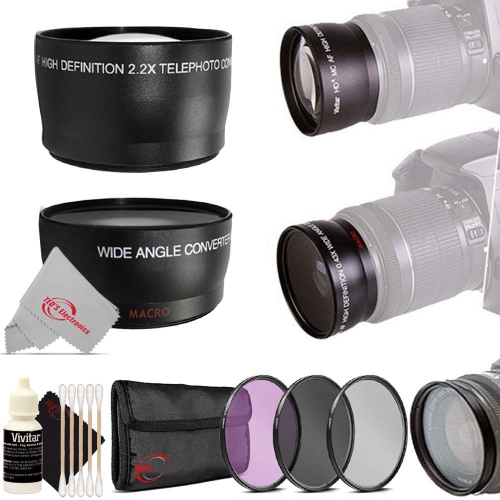
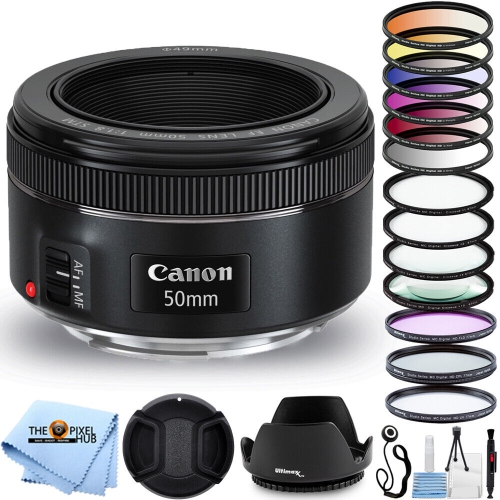
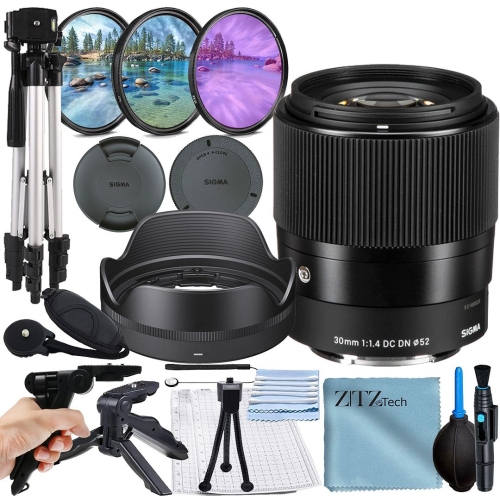
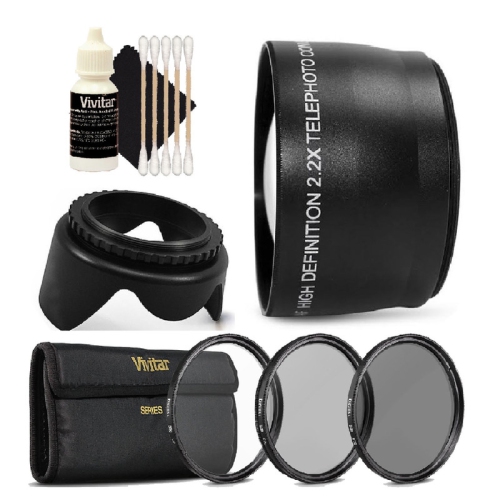
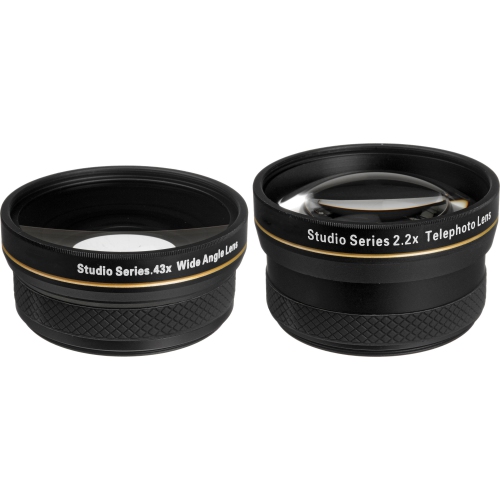
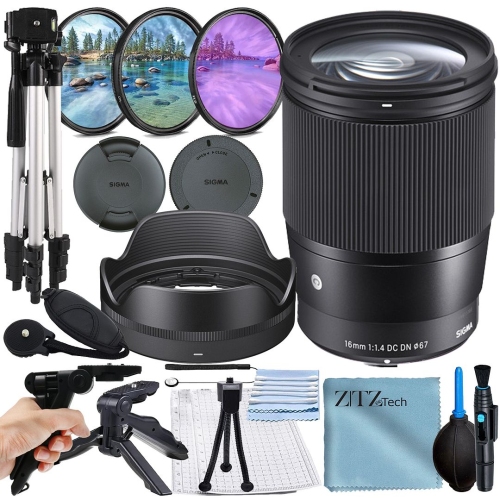
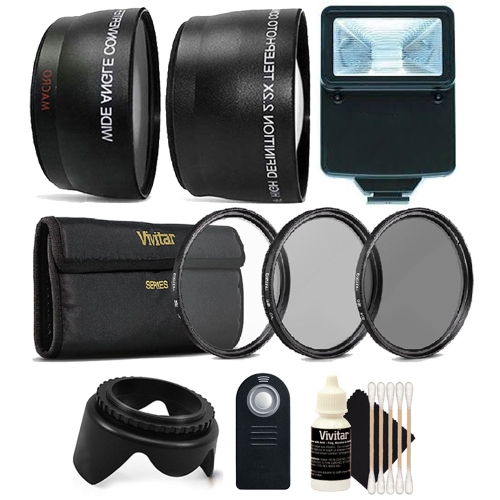
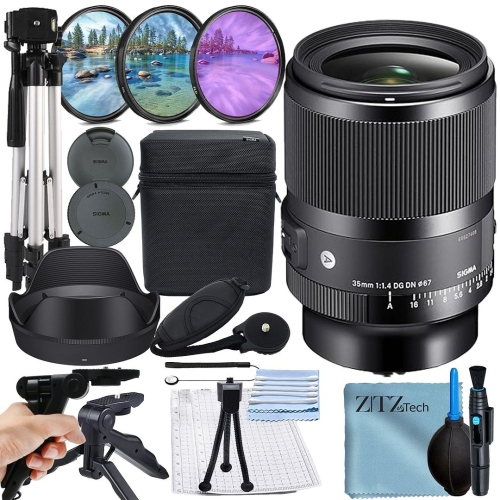
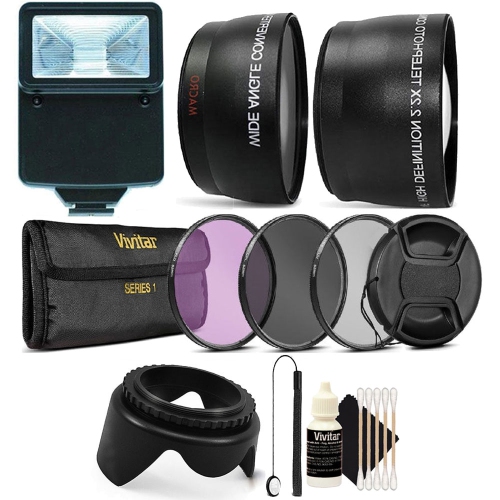

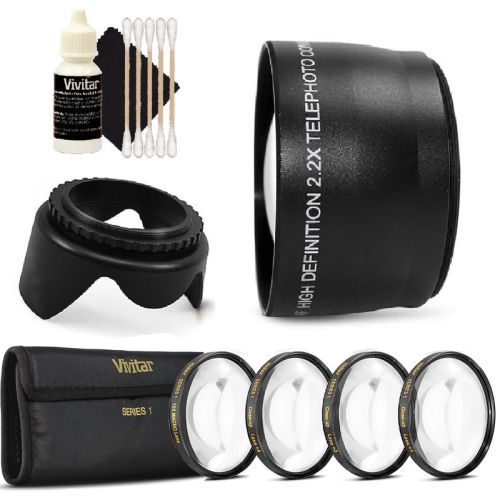
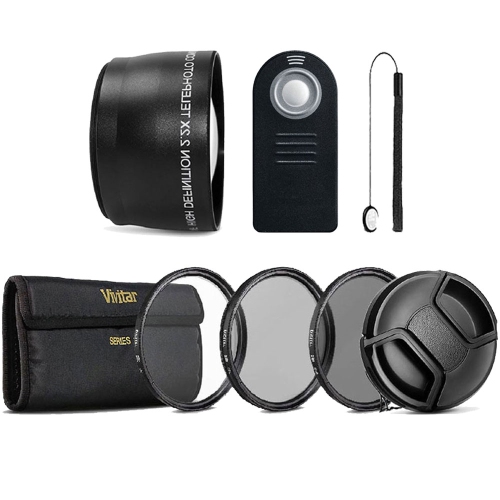
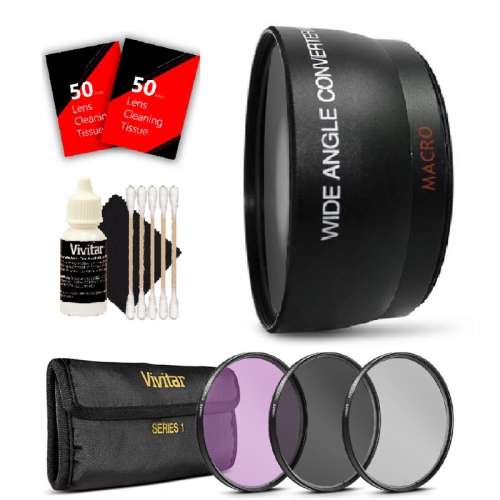
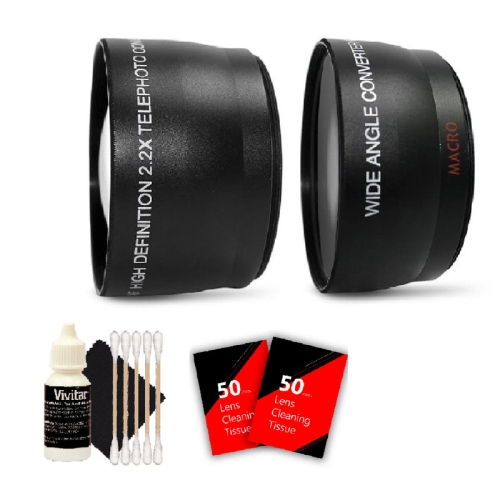
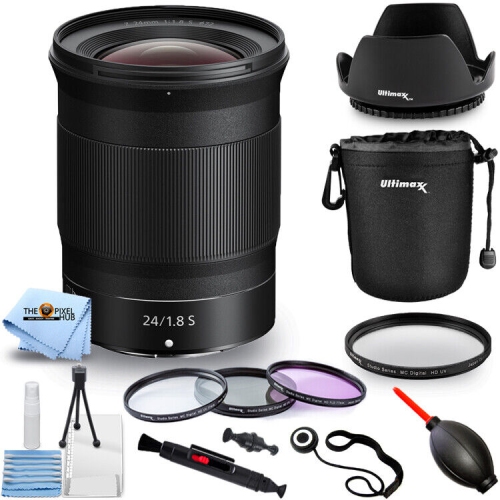
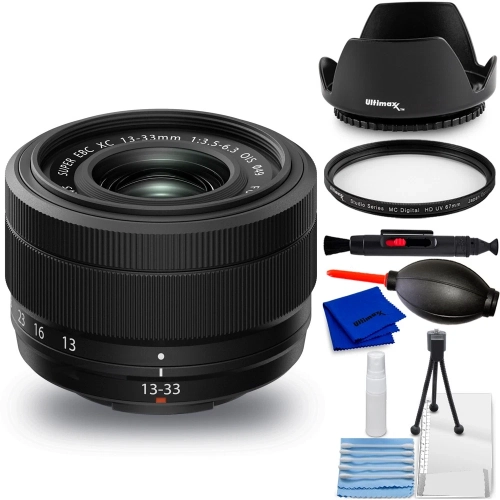
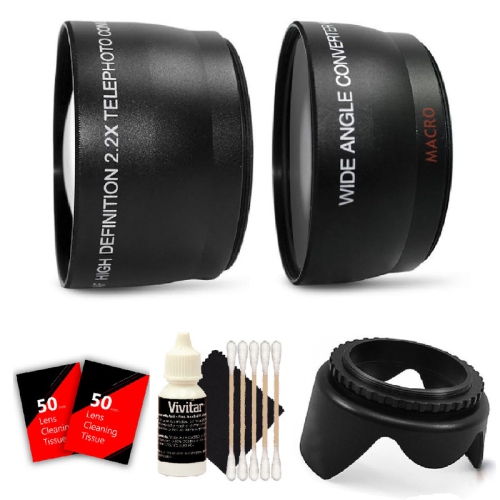
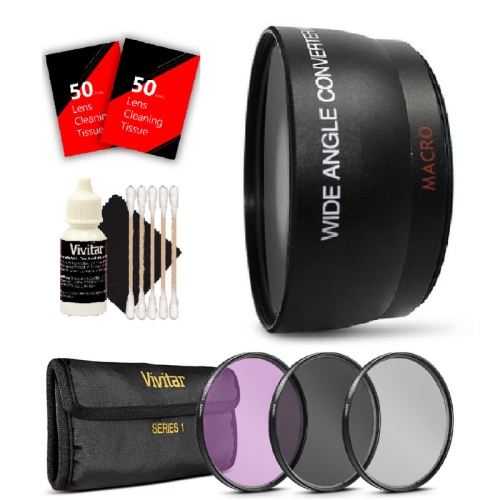
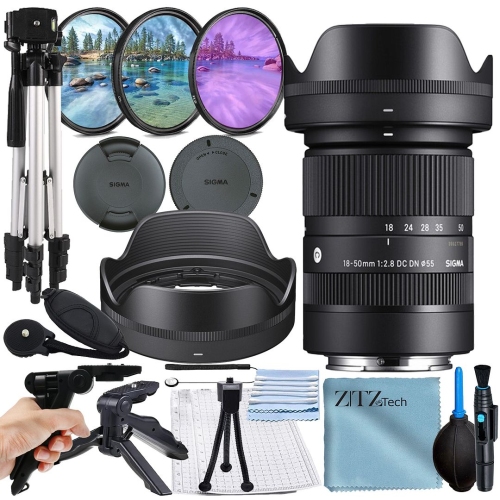
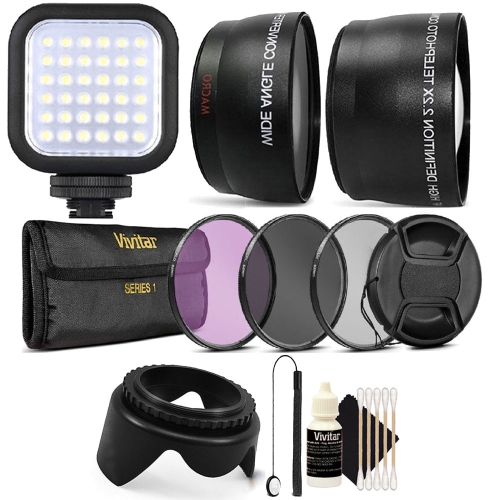

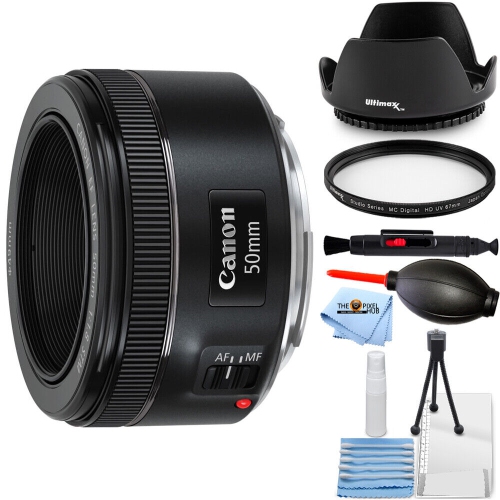

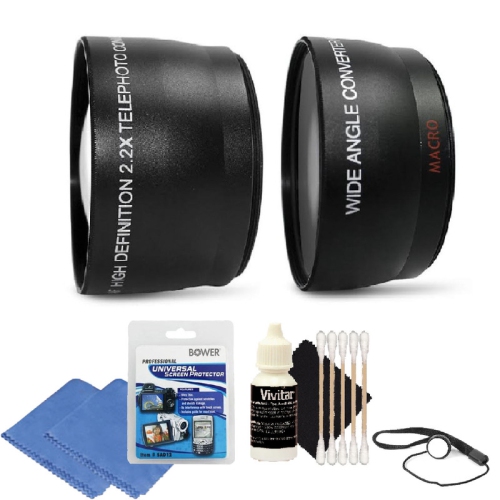
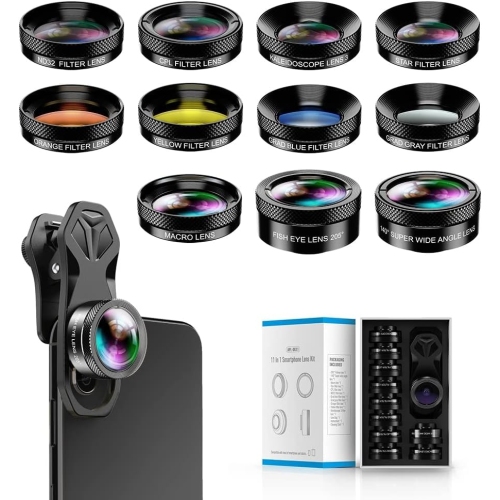

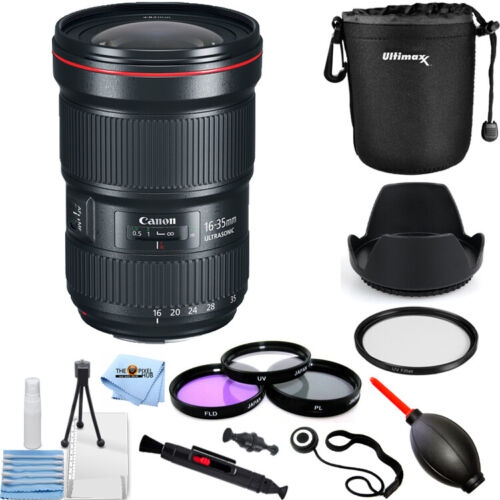

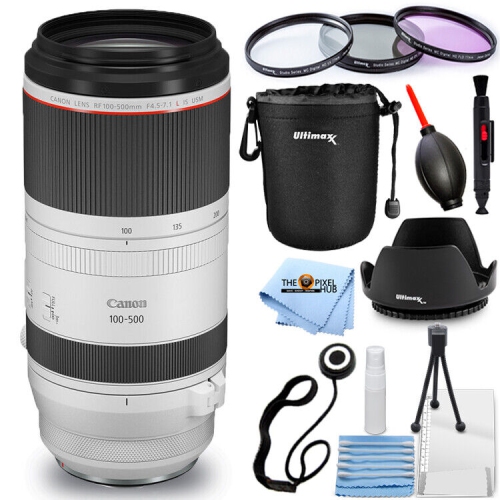
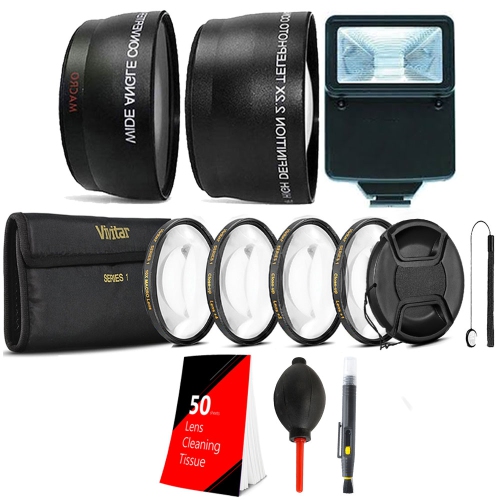
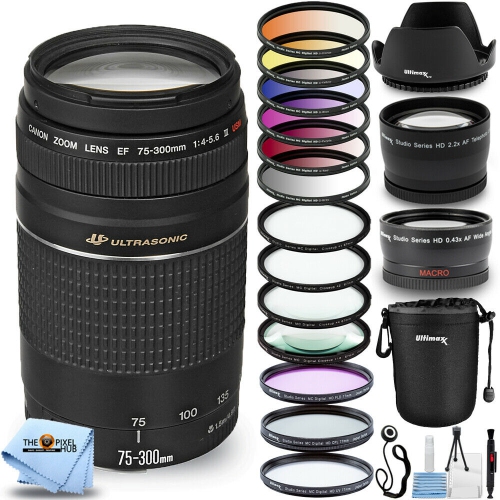
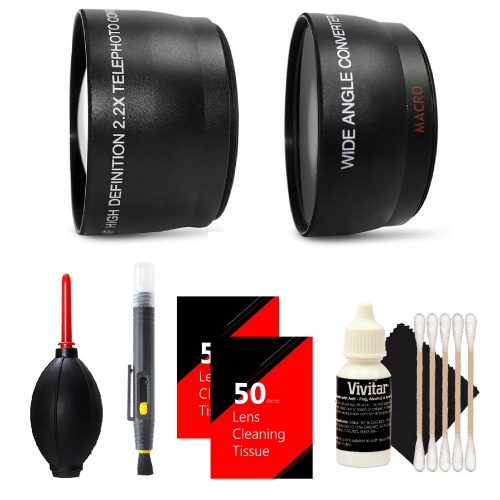
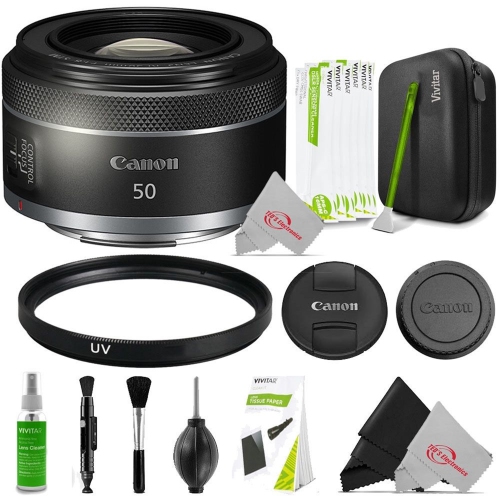
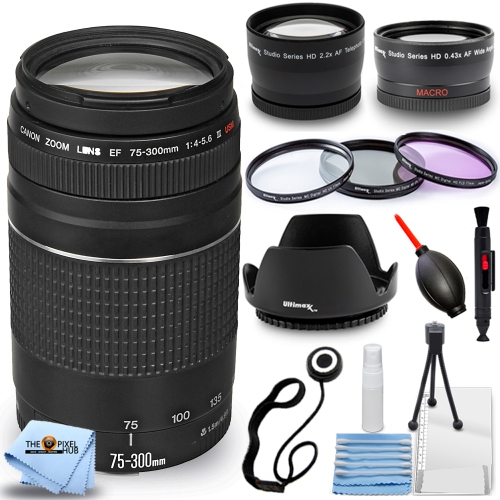
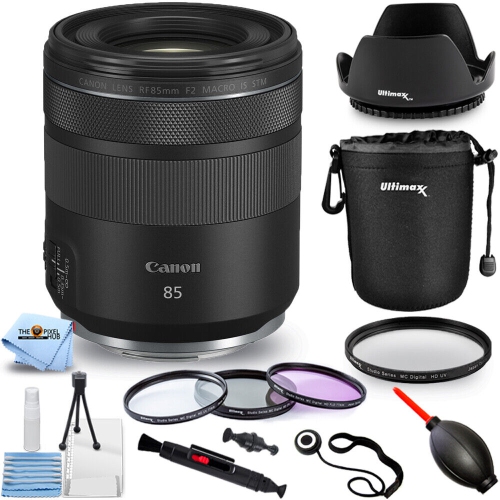
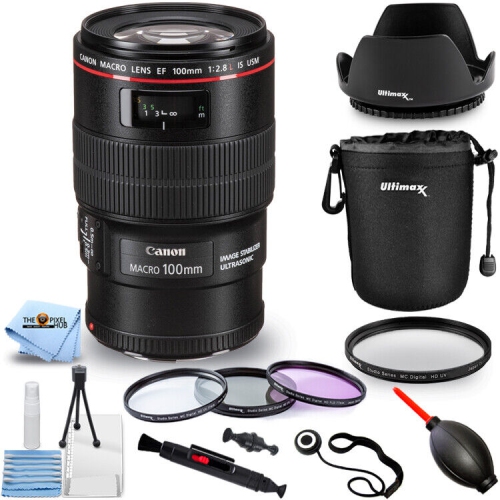
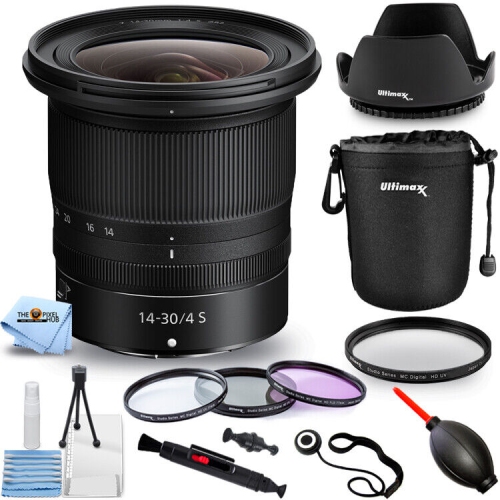
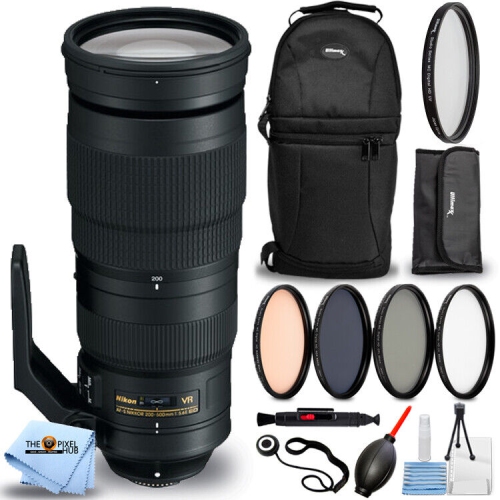
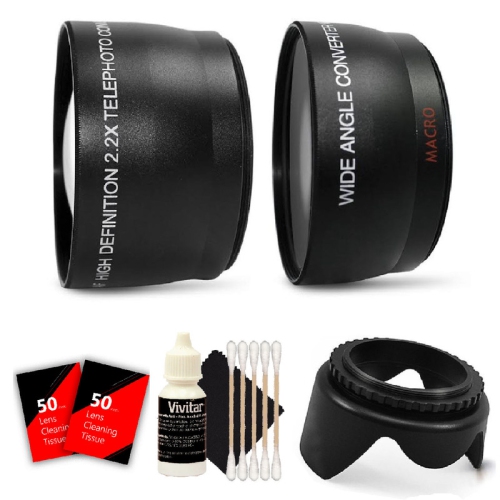
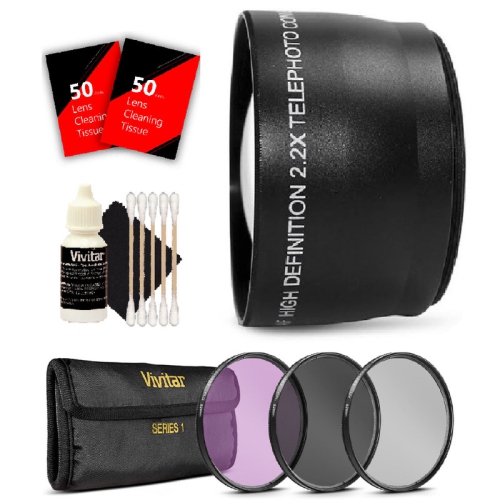
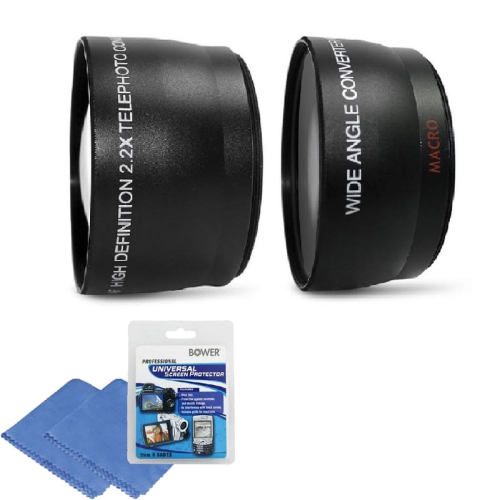
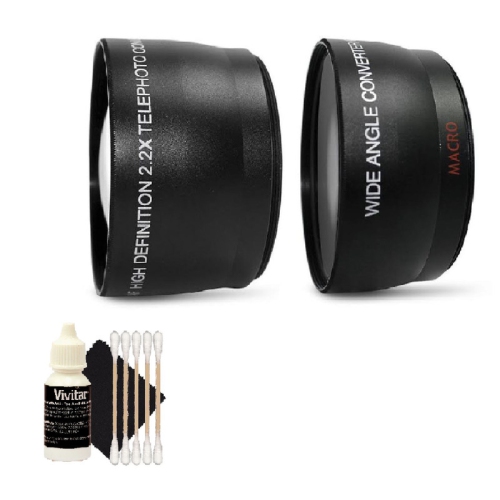
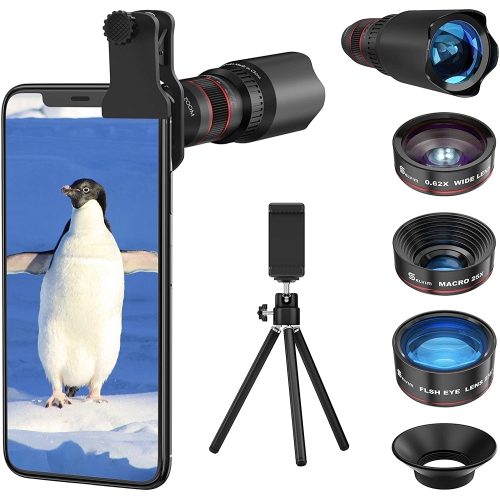
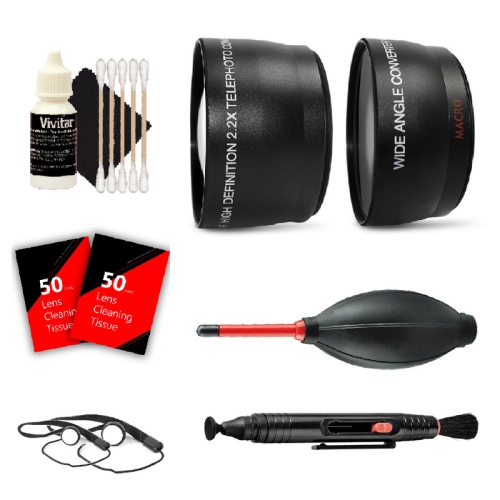

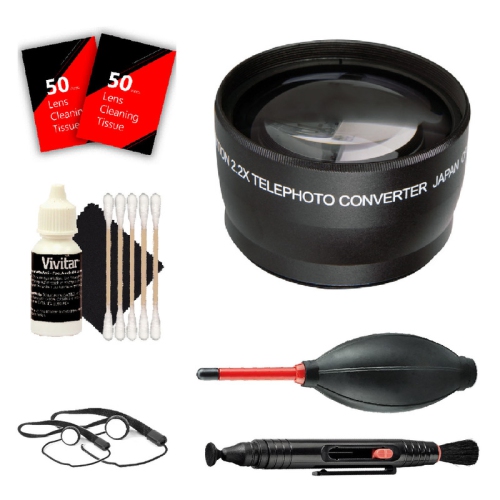
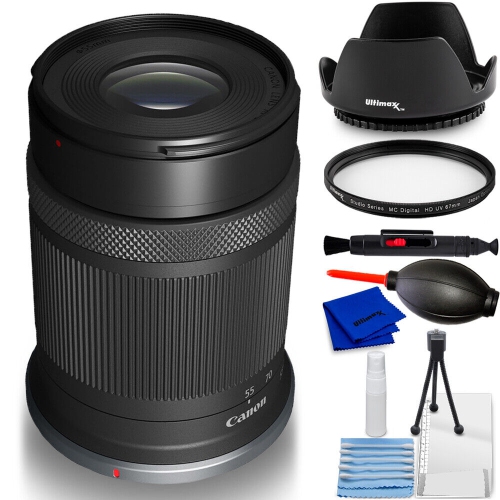
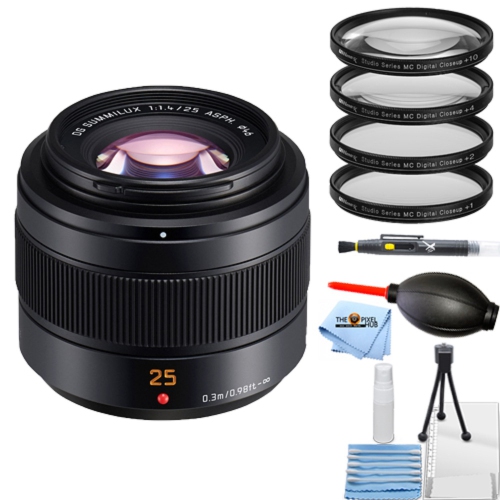
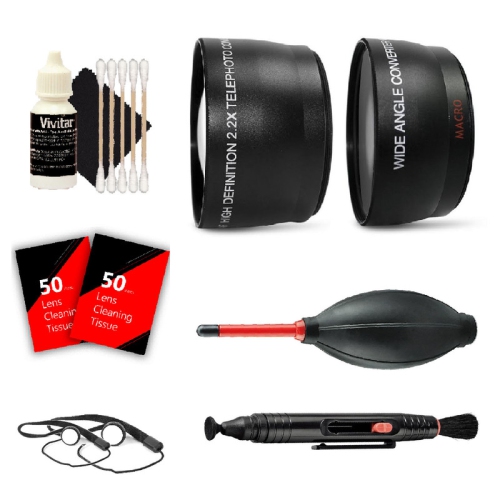
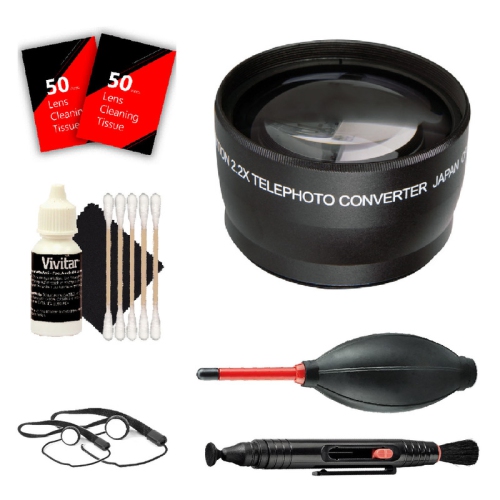
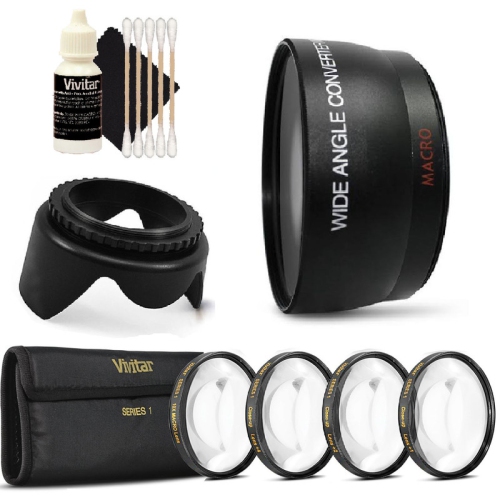
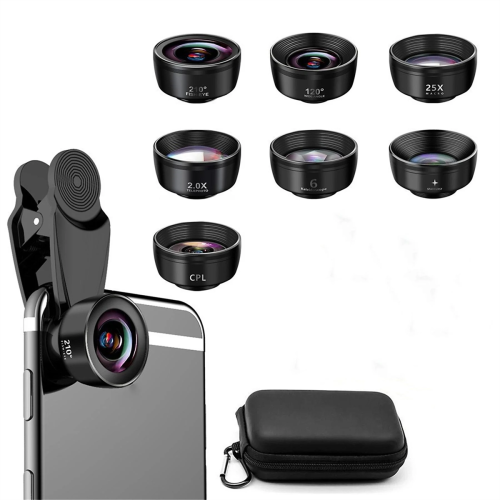
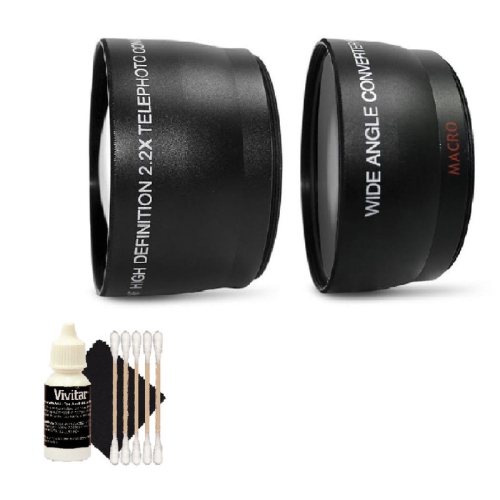

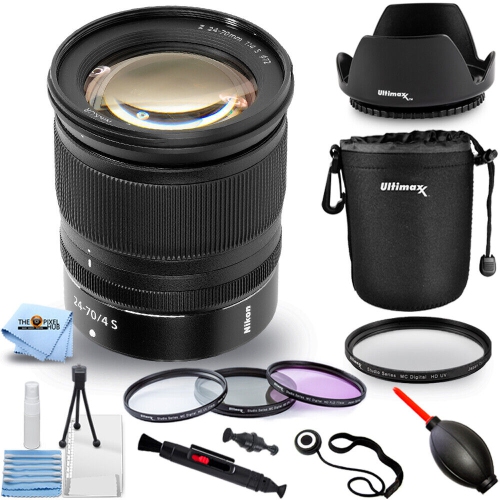
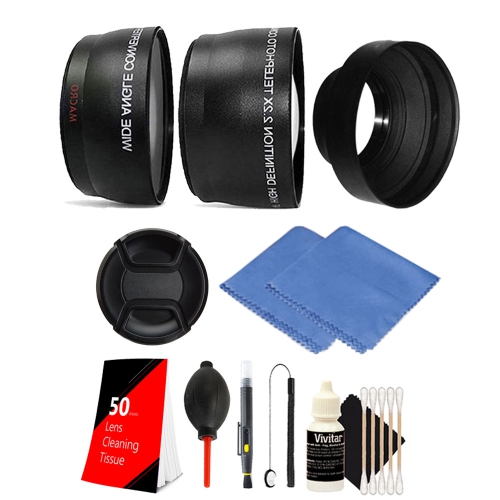
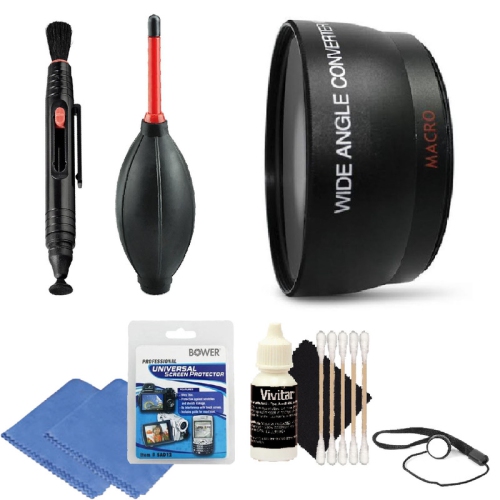
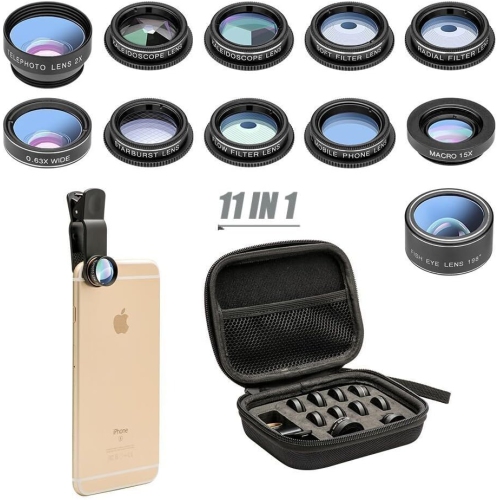
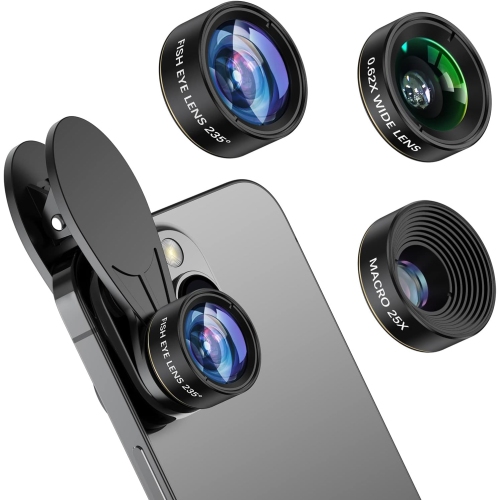
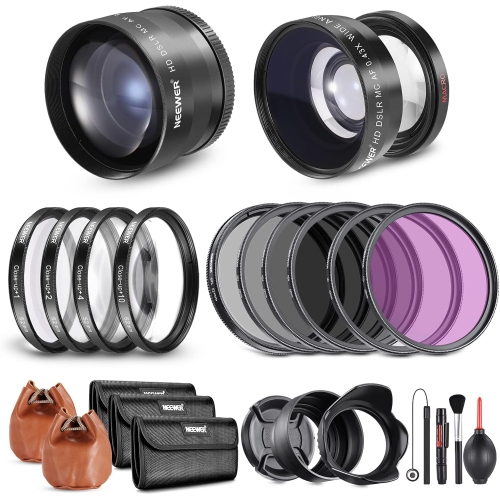
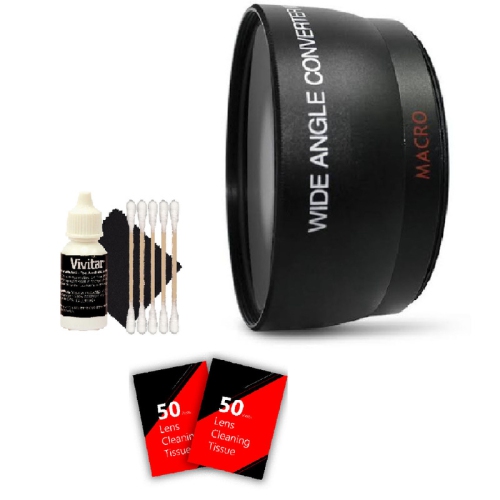
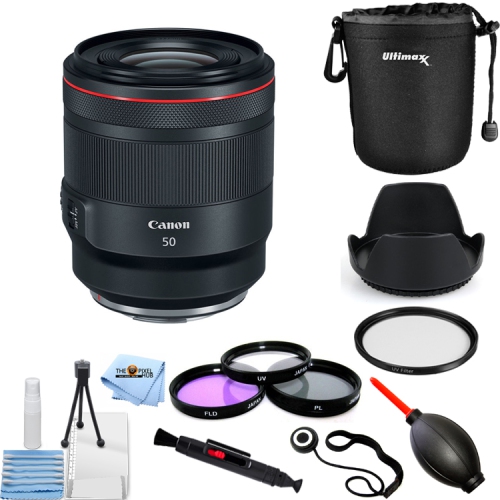
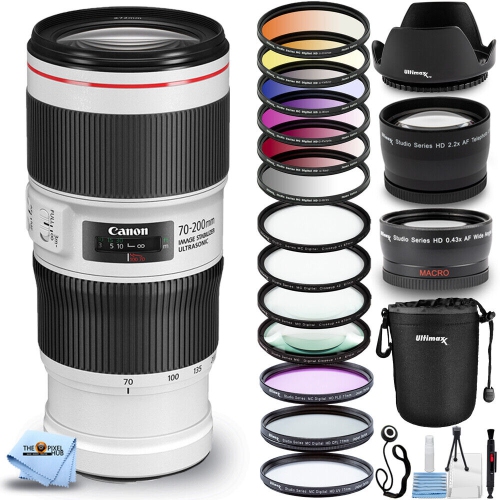

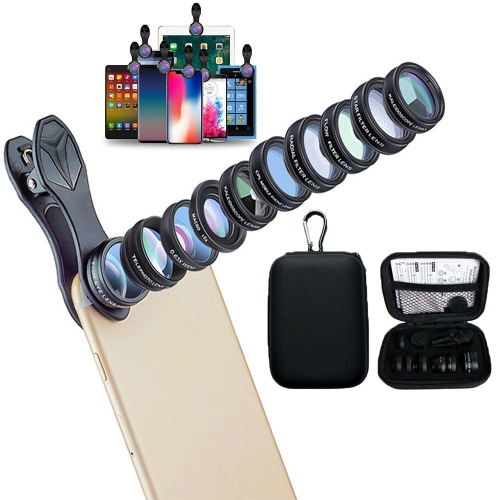
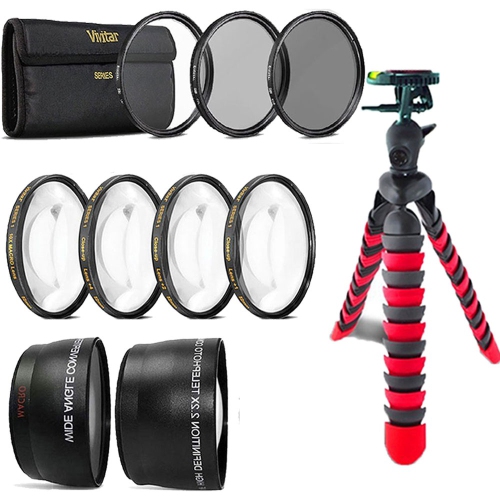
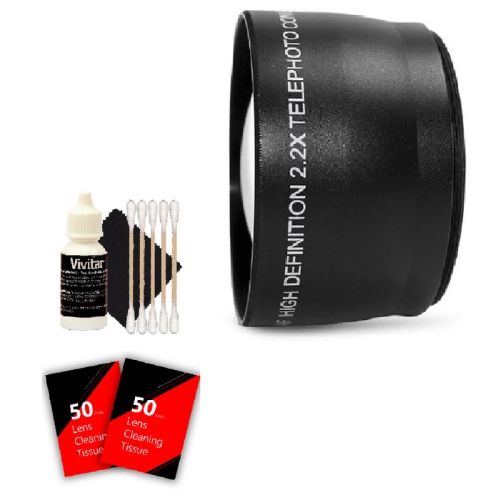

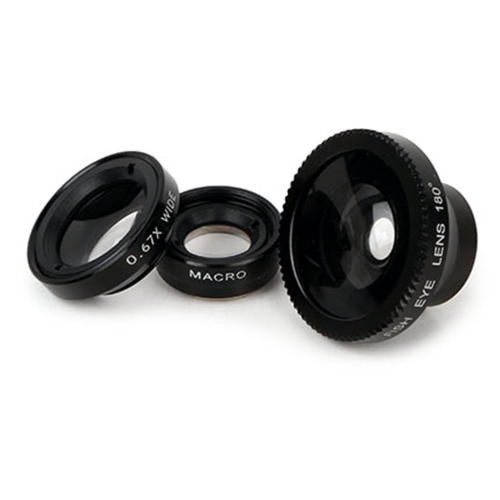
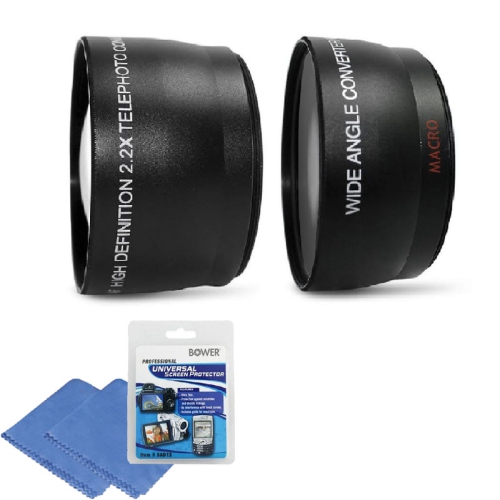
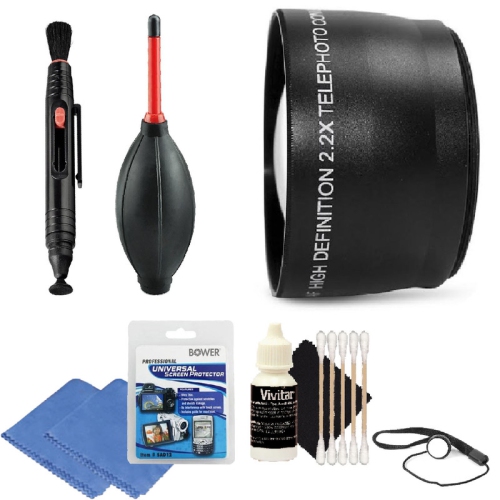
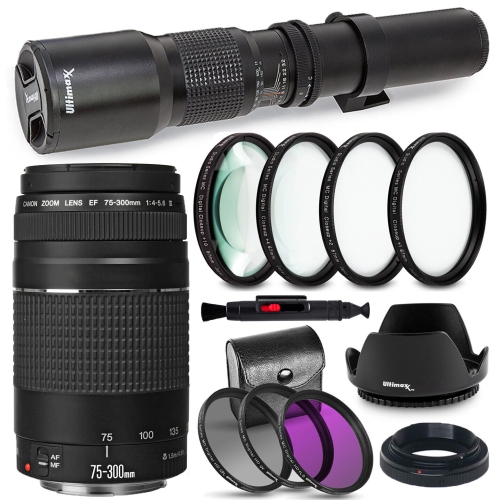
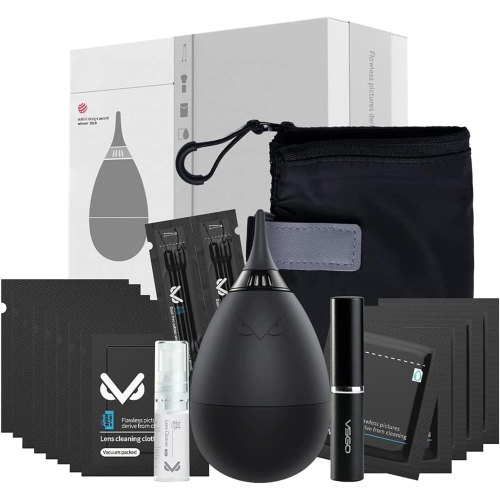

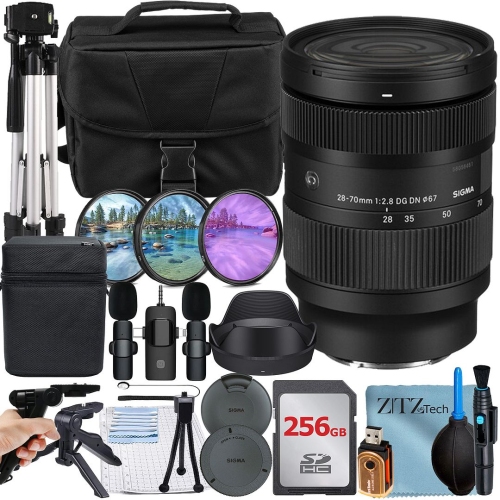
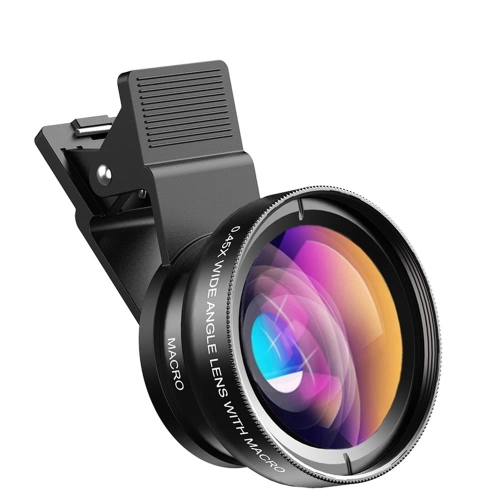
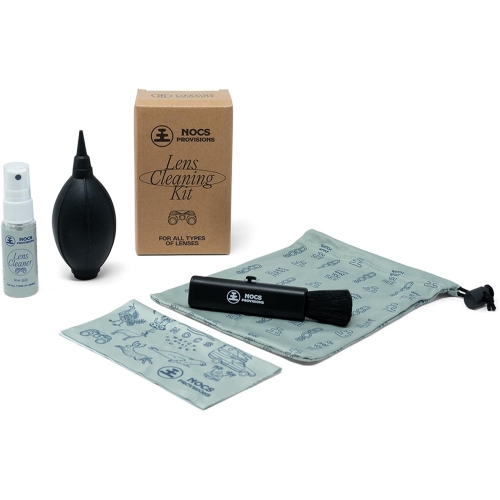
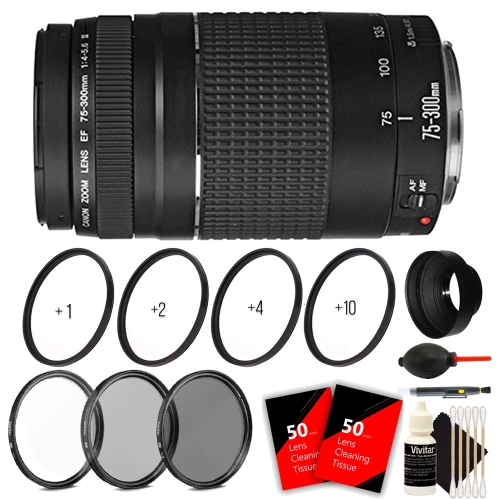

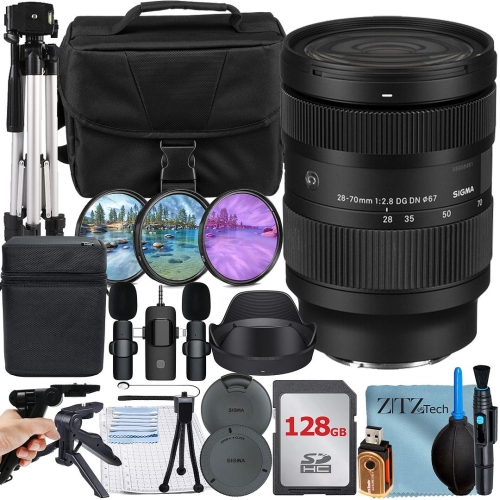


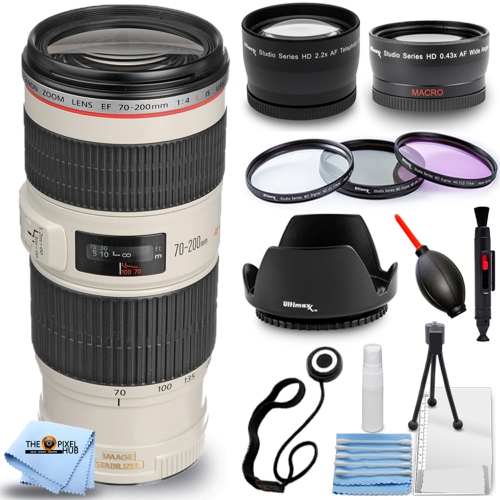
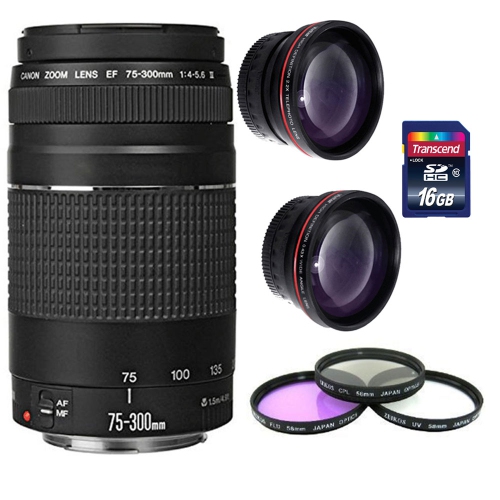

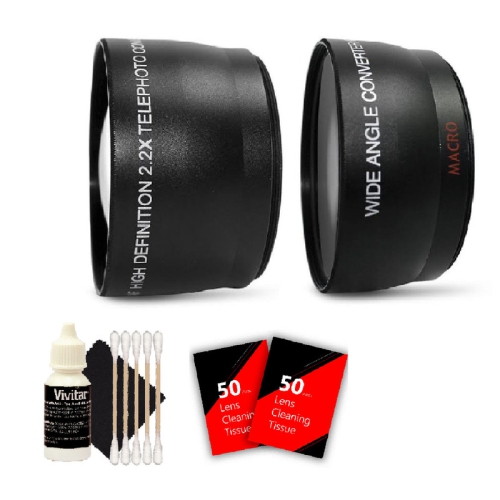

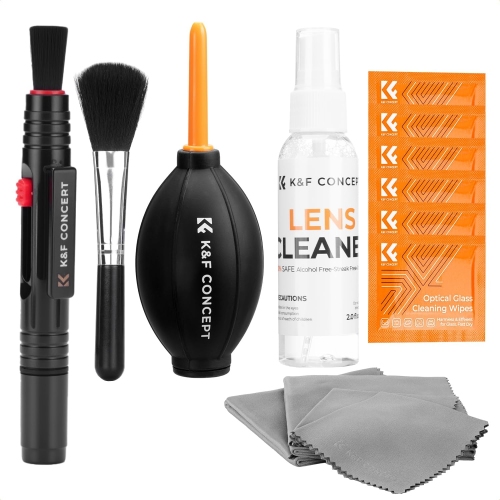
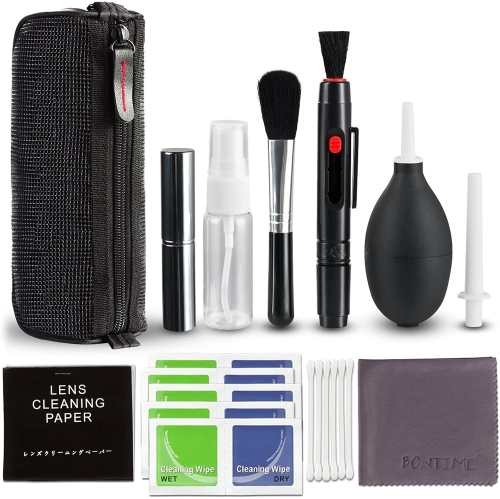
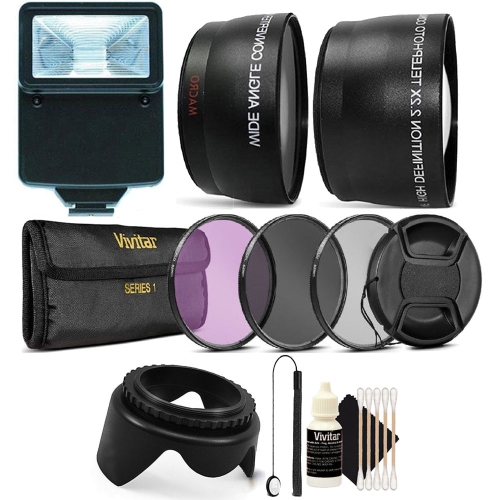
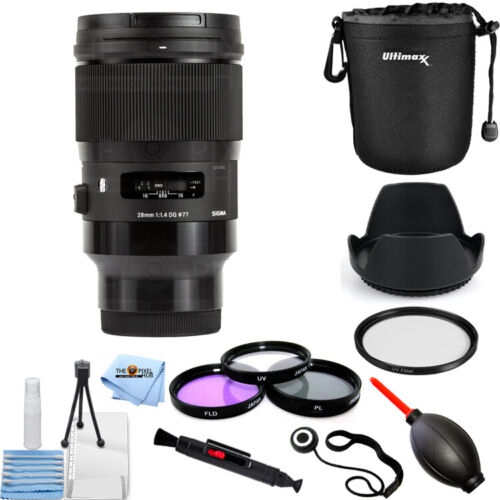
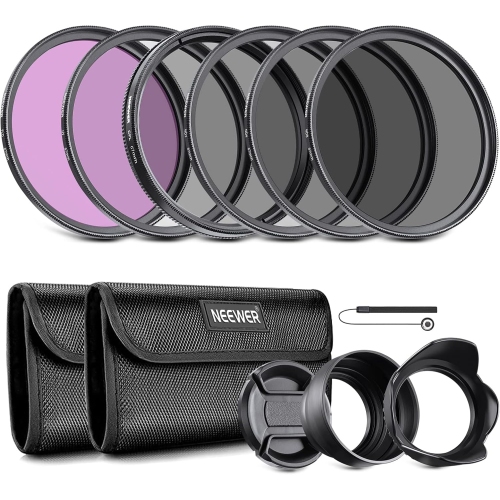
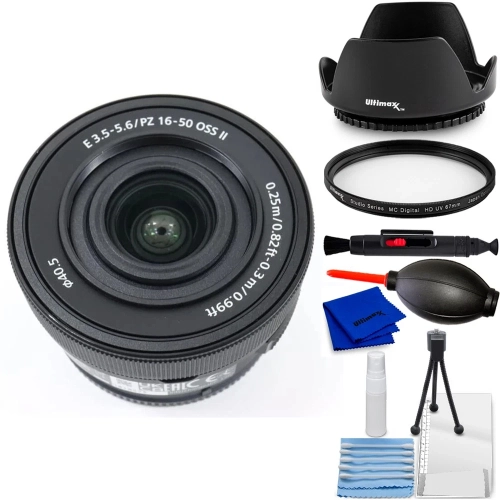
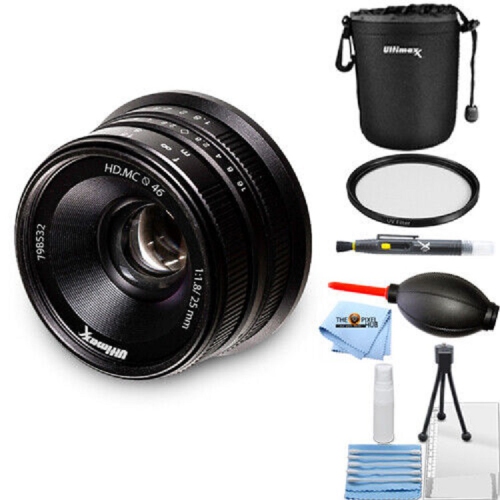
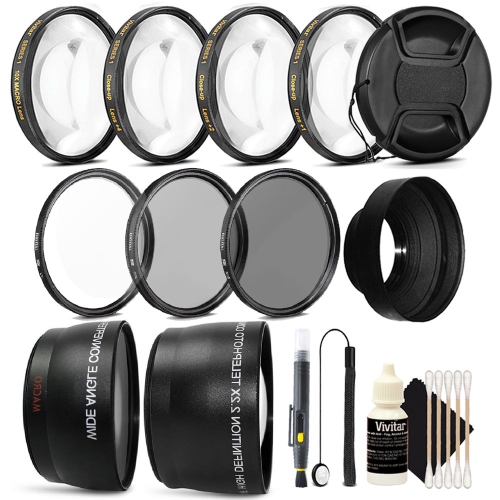
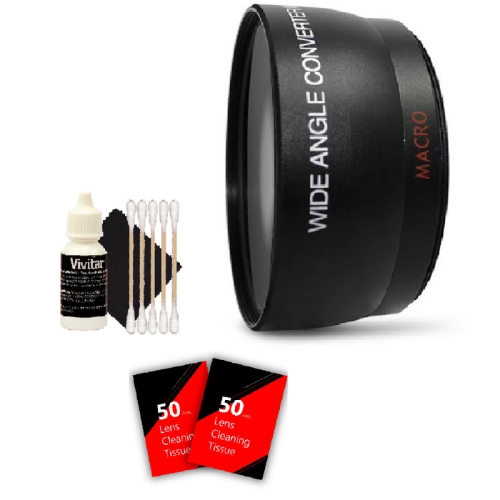
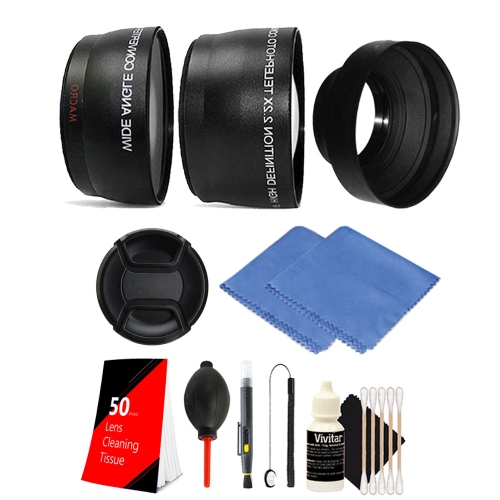
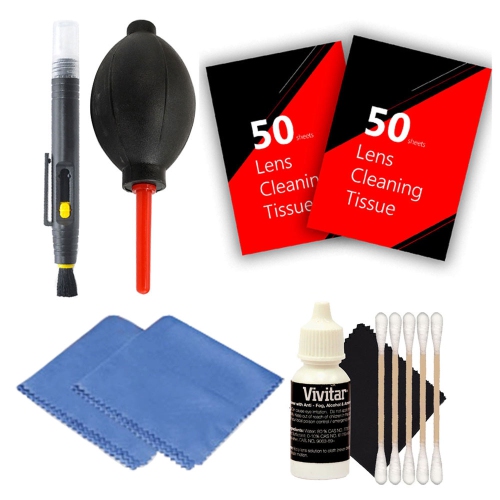
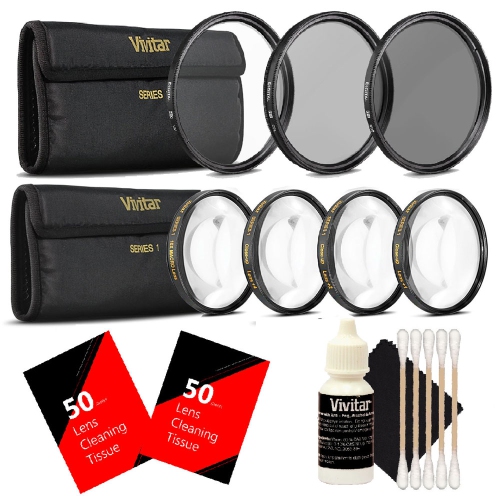
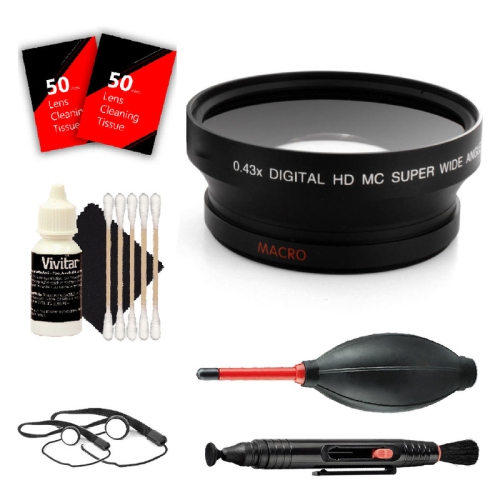
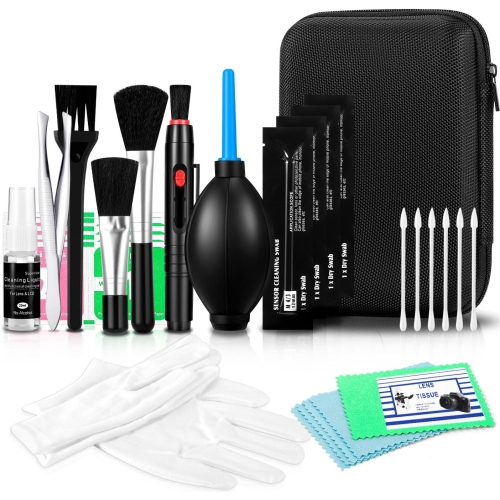
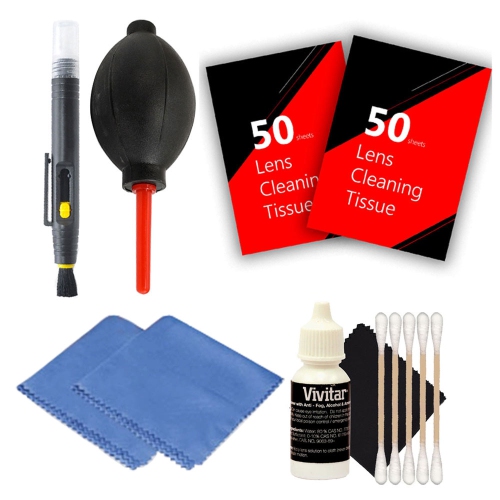
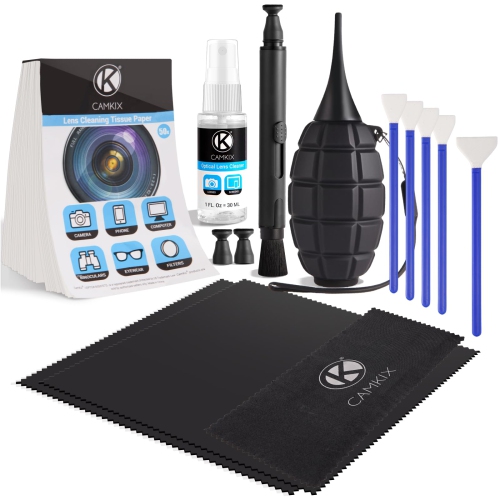
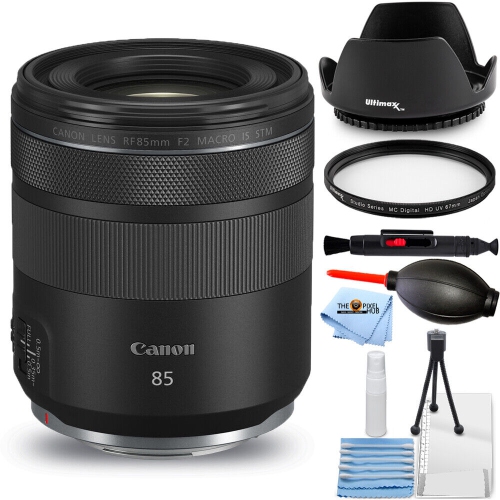
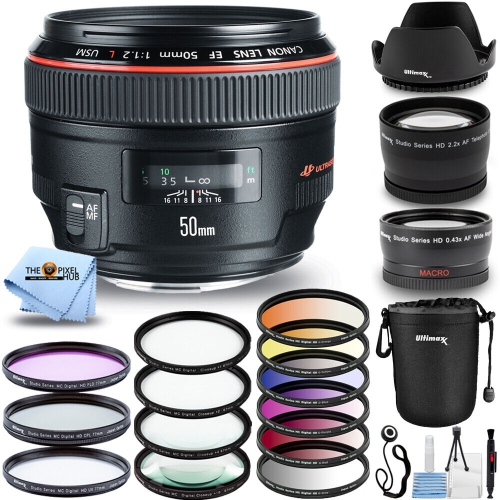

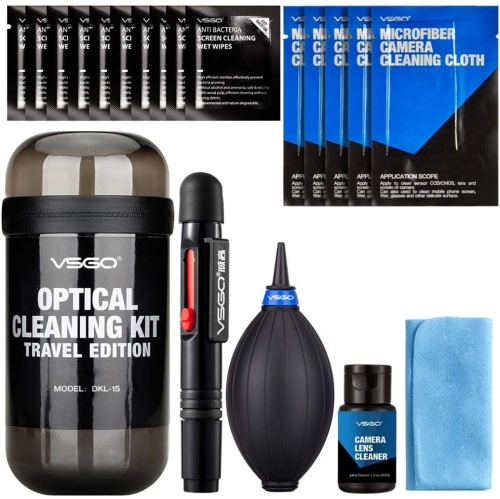


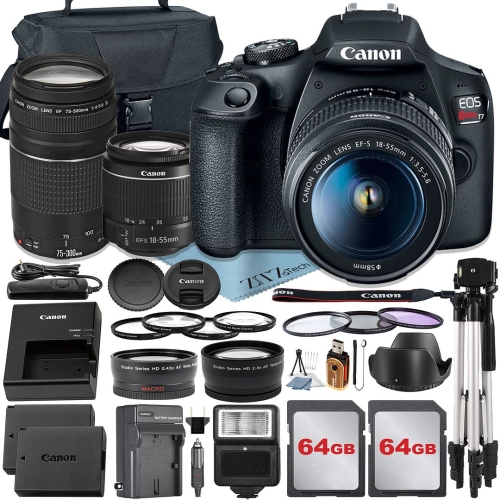
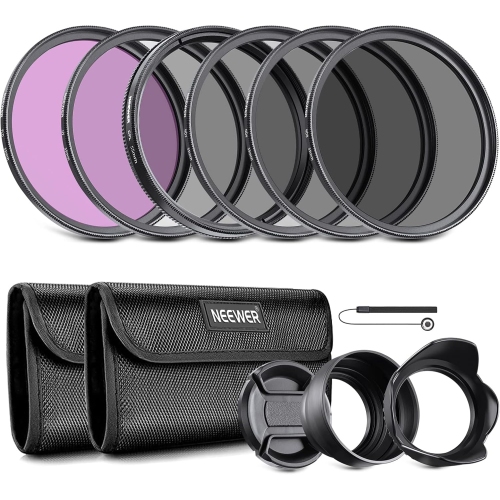
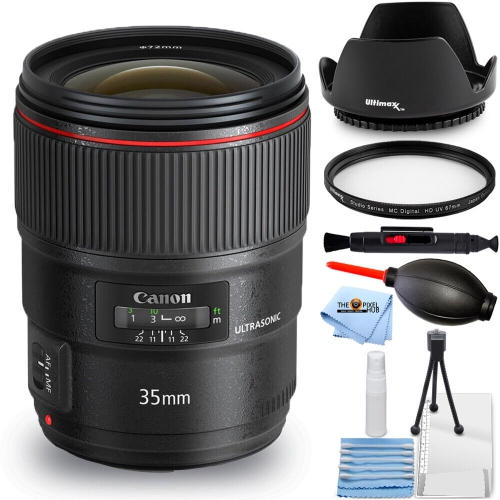

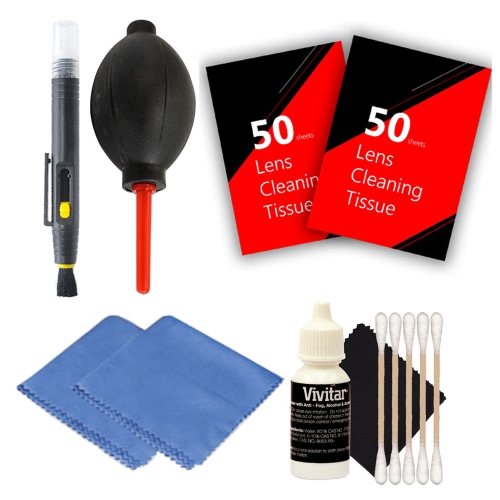
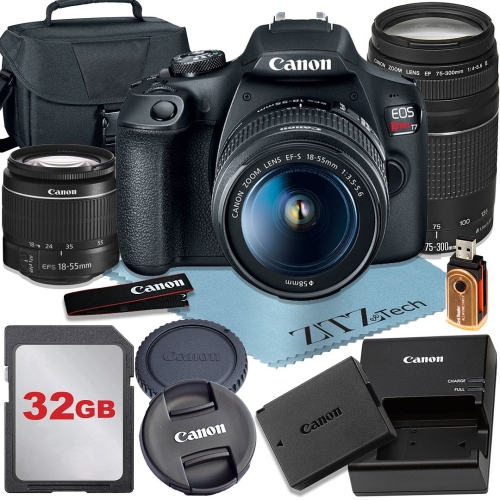
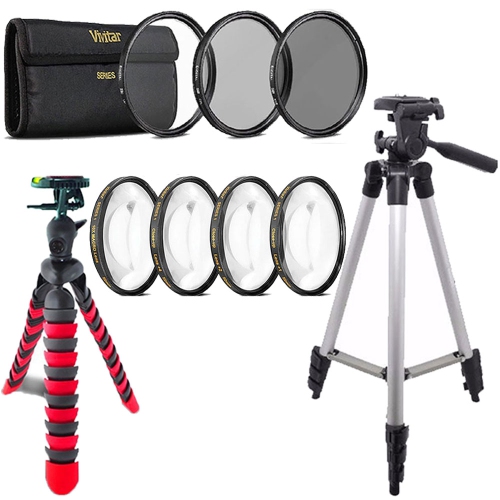
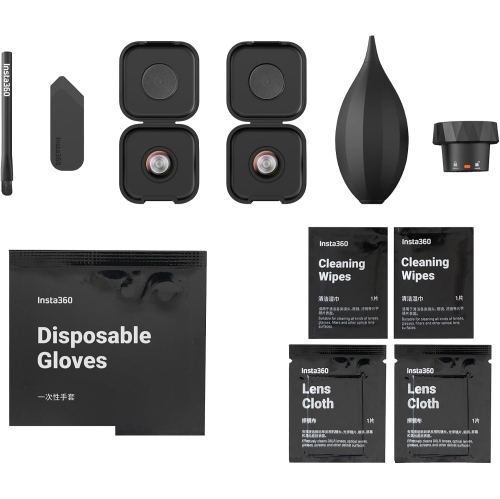
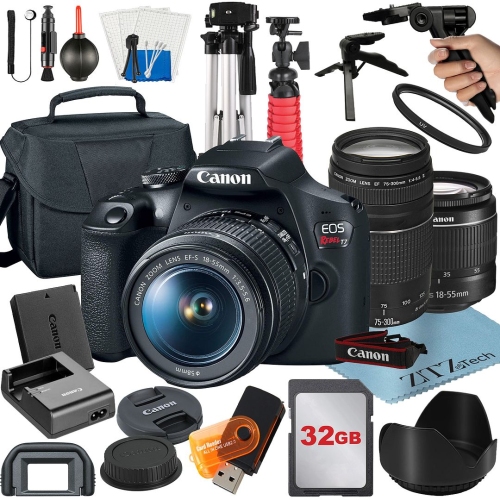
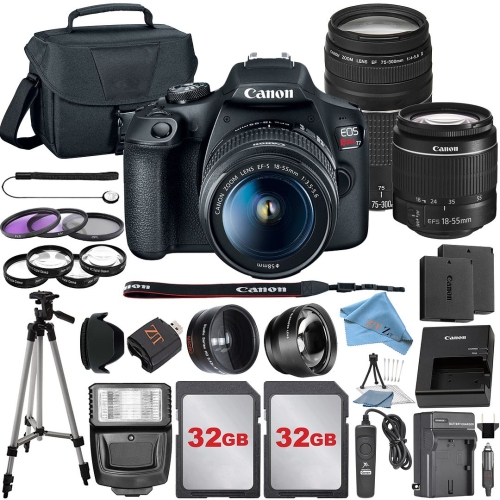
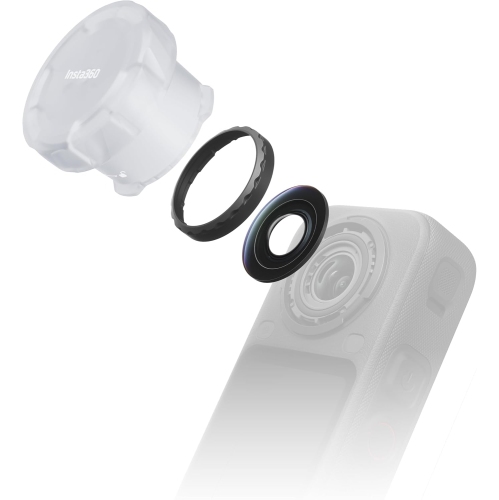
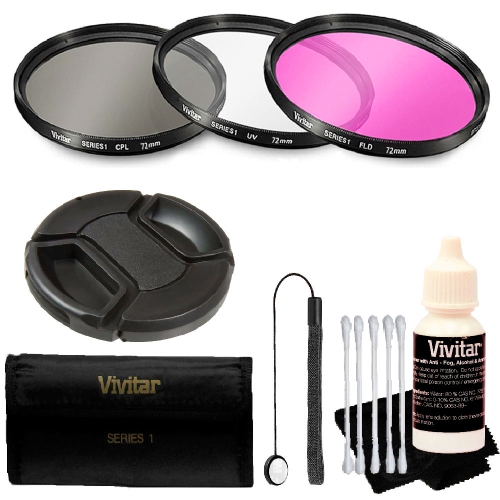
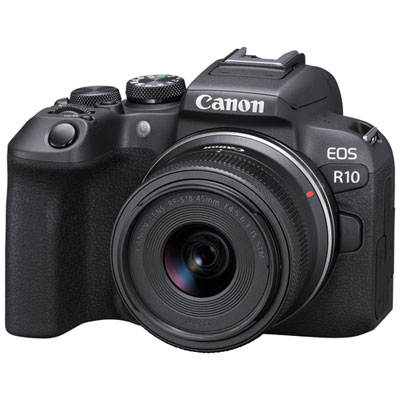
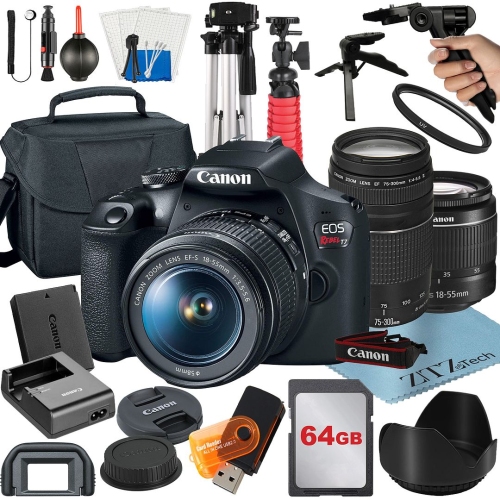
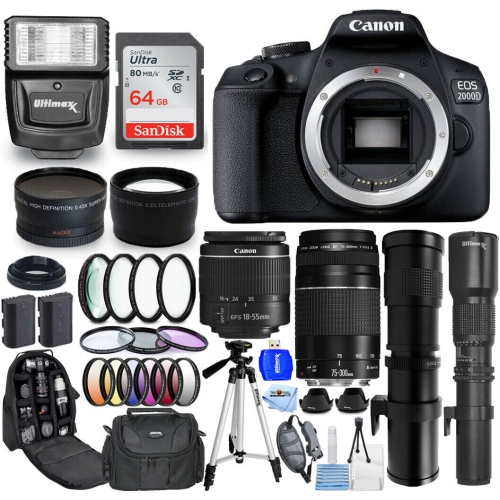
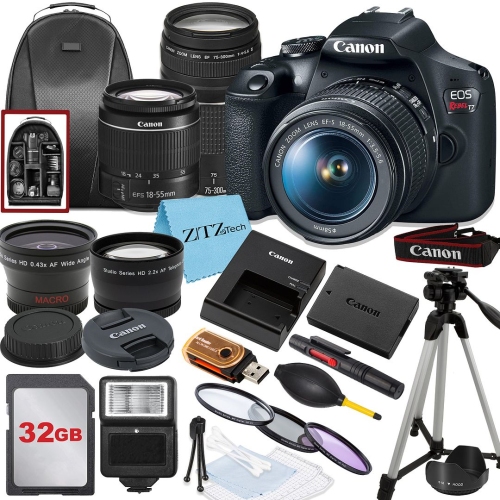
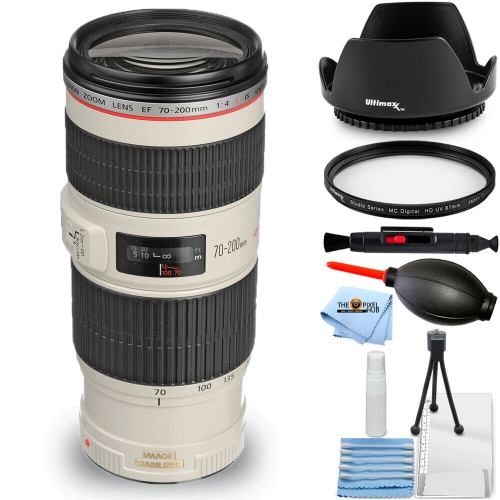
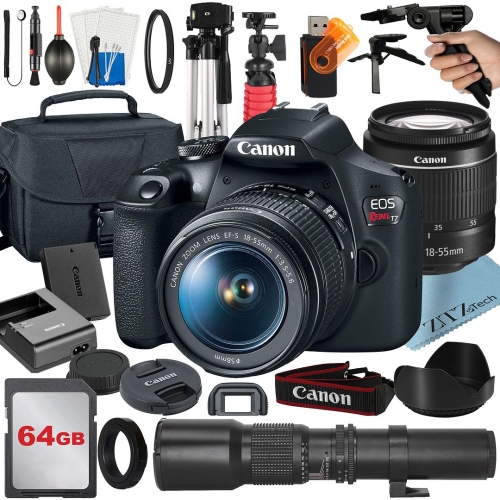
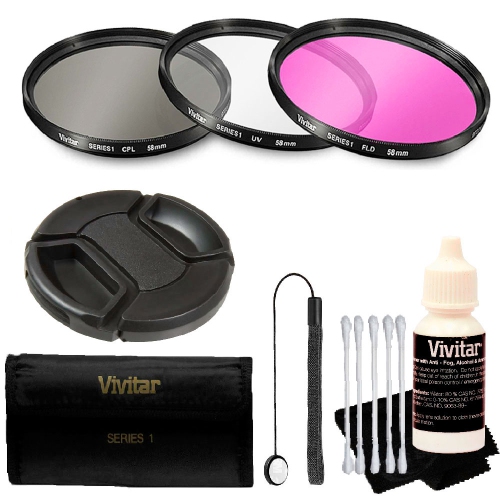
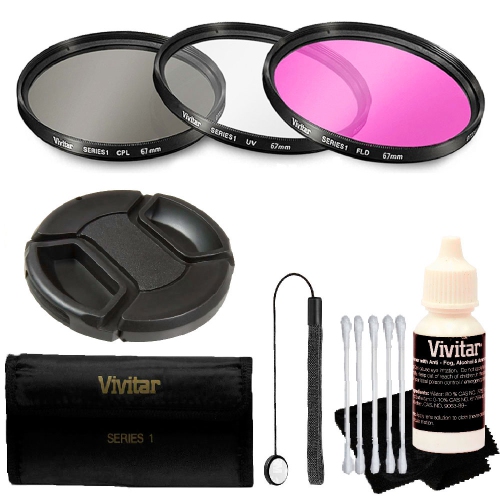

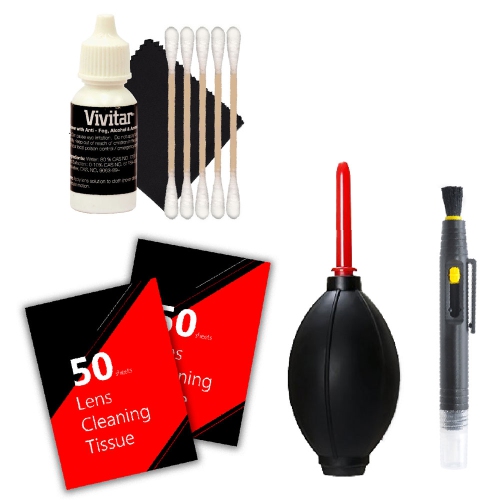
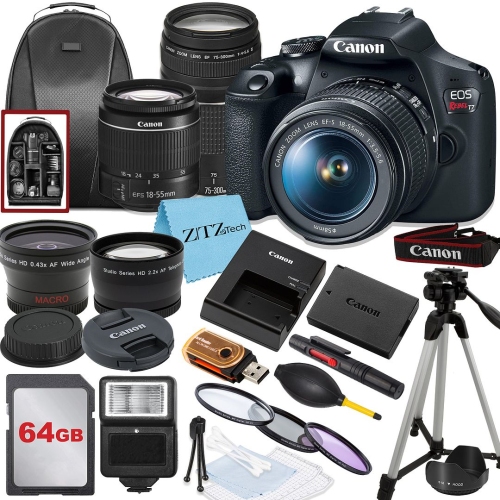

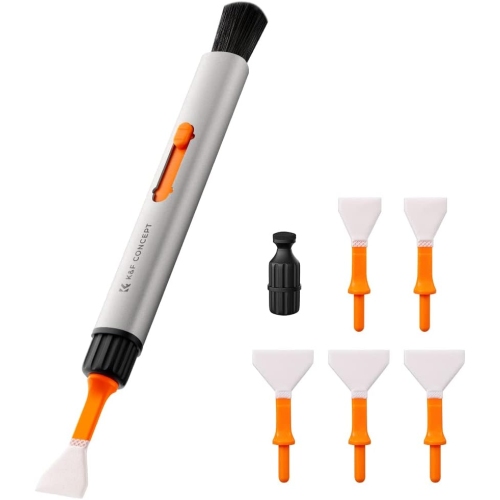
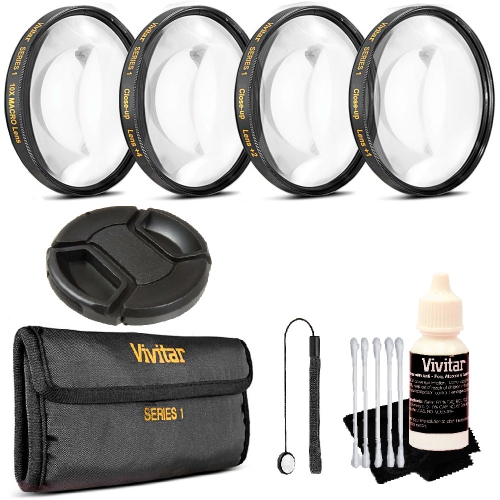
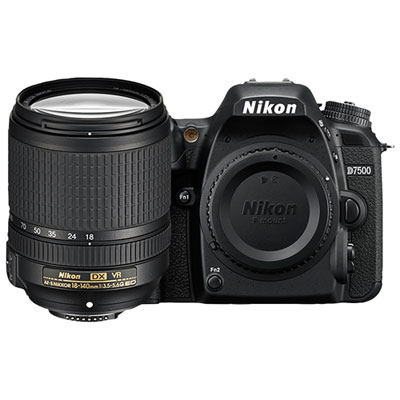
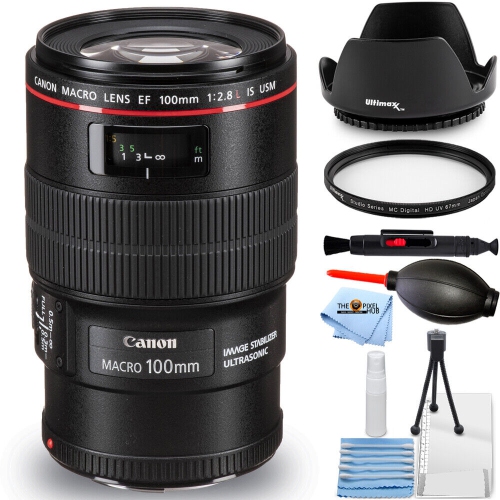
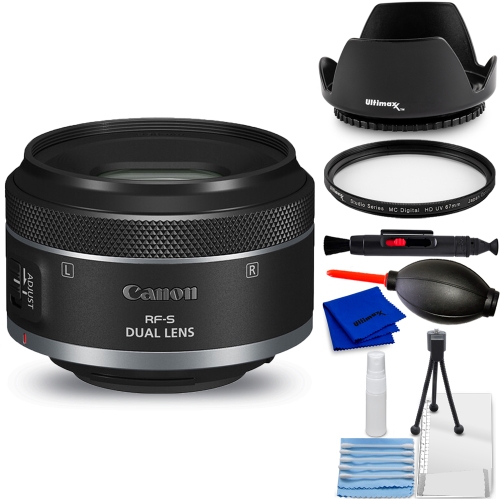

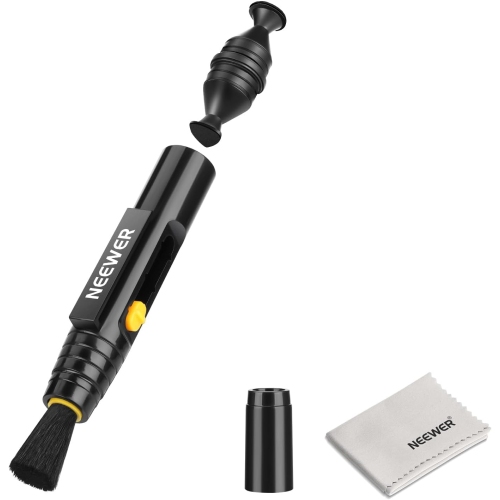
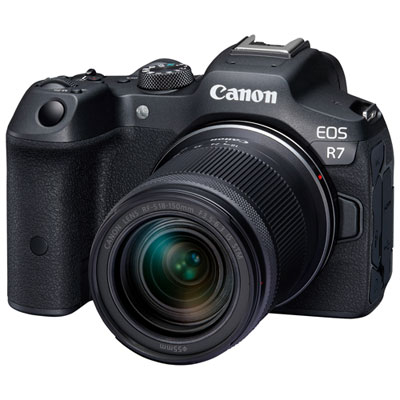
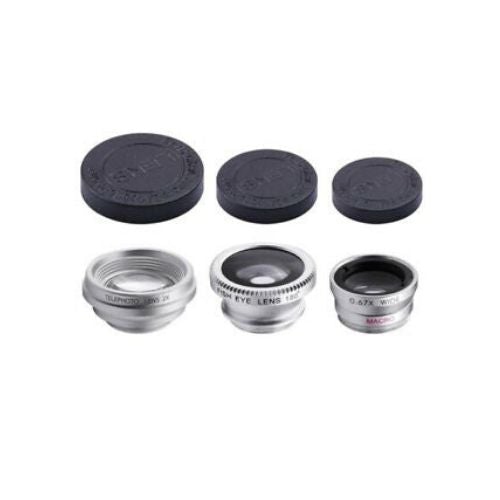
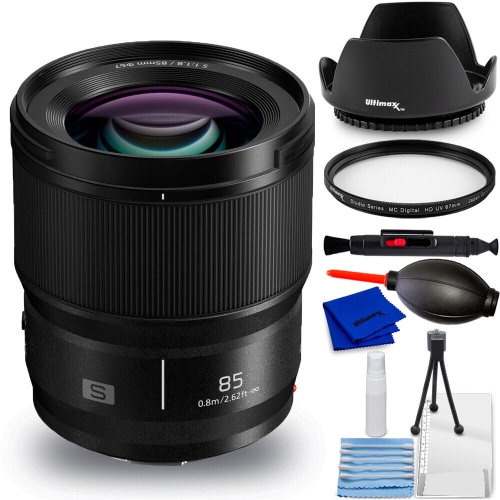
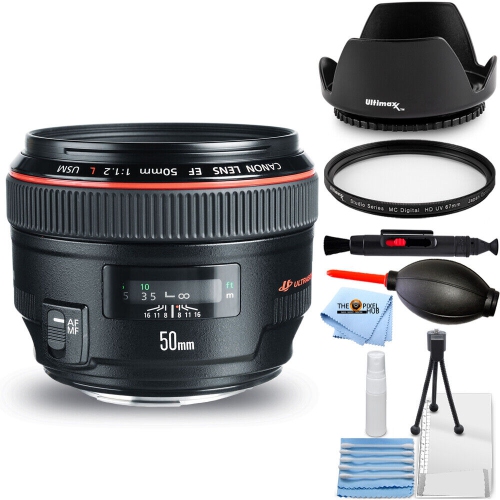
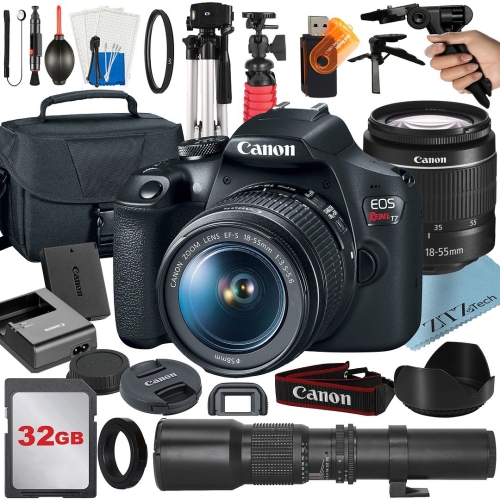
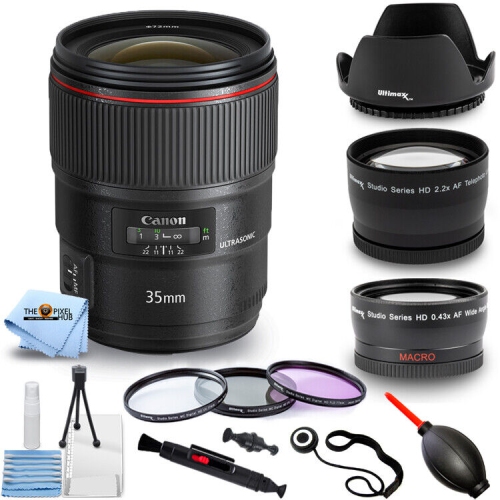
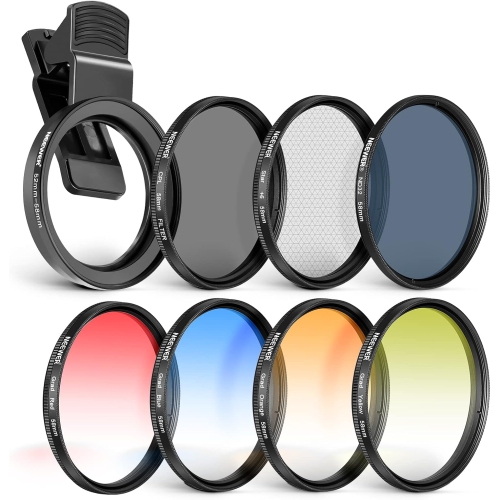

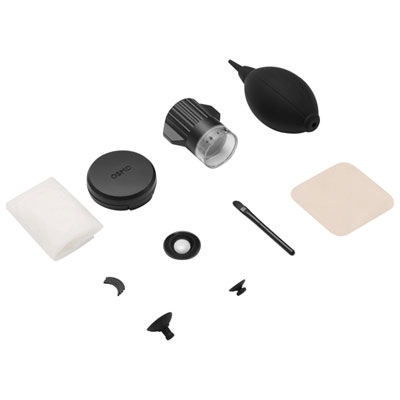
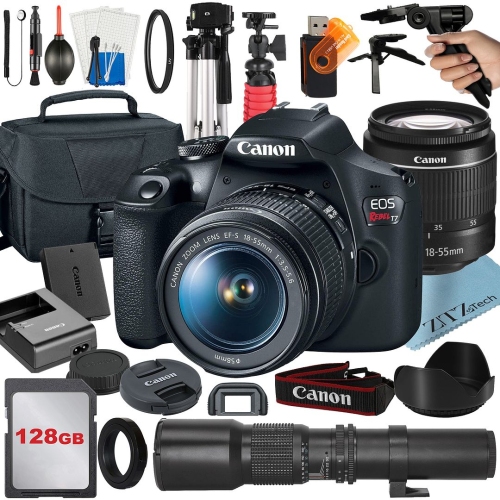
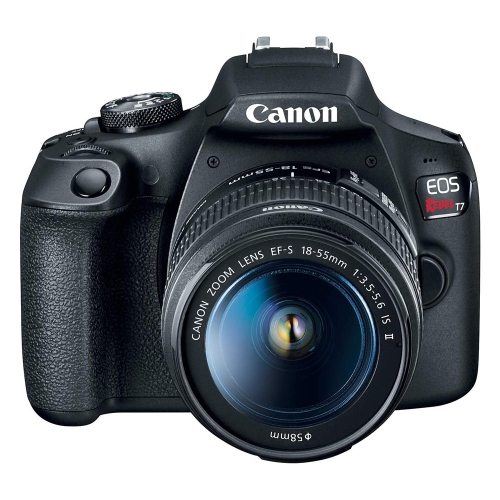
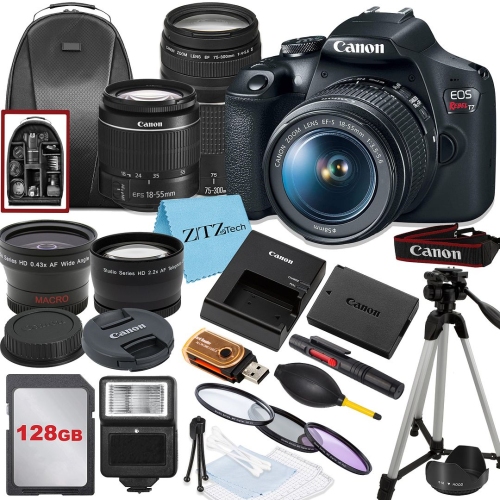
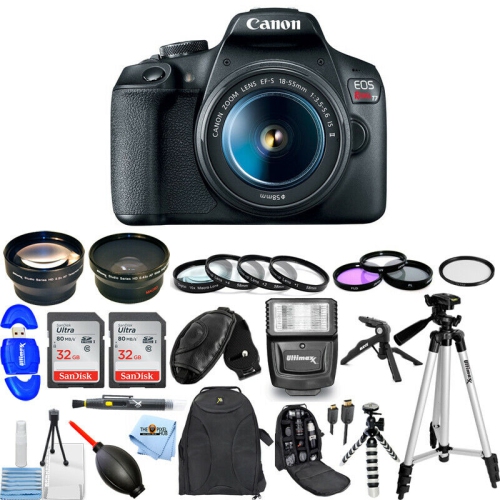
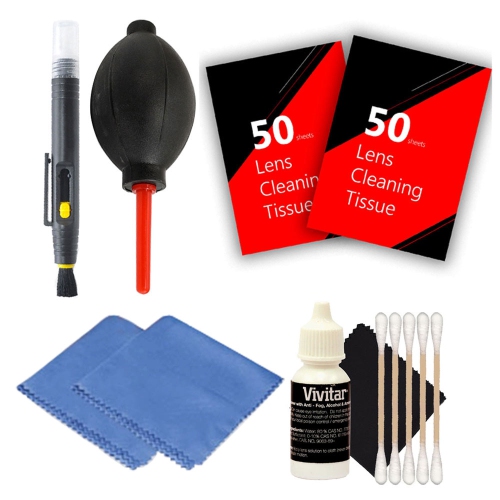

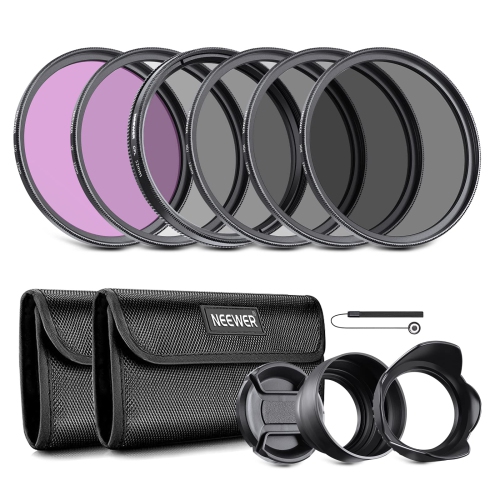
What each lens adds to your photography
Lens kits bring together photographic lenses and, depending on the package, accessories that support different ways of taking pictures or recording video. A kit can make it easier to cover everyday scenes, close-up details, portraits, and distant subjects without relying on a single focal length. Some combinations centre on a versatile zoom lens, while others pair lenses with distinct purposes, such as a wide-angle view for interiors and a longer reach for outdoor events. The useful distinction is what each lens adds to the photographs being made. A wide-angle lens can include the sweep of a room or a group gathered around a table, while a telephoto lens allows tighter framing when moving closer is impractical. Standard focal lengths suit everyday photography, offering a comfortable view of people, objects, and familiar surroundings. Prime lenses have a fixed focal length and often appeal to photographers who value a compact setup or a wide maximum aperture. Zoom lenses offer adjustable framing from one position, which is helpful when photographing a performance, following a child across a playground, or moving between wide scenes and individual details on a trip. Macro lenses are designed for close focusing and can reveal fine textures in jewellery, flowers, or small handmade objects; a lens described as having a close-up function does not necessarily provide the same magnification as a dedicated macro lens. For video, the way a lens focuses and changes its field of view can matter as much as its focal range. Smooth focus transitions, quiet autofocus operation, and manageable weight can all contribute to a more practical recording setup. A useful lens kit therefore reflects the subjects and working distances that matter most, rather than simply offering the greatest number of pieces. Beginners may appreciate a straightforward combination that covers daily photography, while experienced photographers may want a complementary lens that fills a clear gap in their existing equipment.
Compatibility is central to choosing a lens kit because physical fit and electronic support are separate considerations. A camera lens must match the camera’s lens mount or use an appropriate adapter, and an adapter does not automatically preserve every function. Autofocus, aperture control, image stabilization, and communication between the lens and camera can vary with the combination. Lenses intended for DSLR cameras and those designed for mirrorless cameras are not interchangeable merely because they come from the same camera system. Sensor coverage also matters: a lens designed for a smaller sensor may not cover the full image area of a full-frame camera, while a full-frame lens used on a smaller sensor produces a narrower field of view than it does on full frame. This changes framing, not the lens’s actual focal length. Aperture is another useful point of comparison. A wider maximum aperture admits more light and can help separate a subject from the background, although the amount of background blur also depends on focal length, subject distance, and sensor size. Some zoom lenses maintain the same maximum aperture throughout their zoom range; others have a maximum aperture that becomes smaller as the lens is zoomed in. Image stabilization can help reduce blur caused by camera movement during handheld shooting, but it does not freeze a moving subject. Autofocus performance is particularly relevant for sports, pets, and active children, while accessible manual focus controls can be valuable for close-up work or carefully planned video shots. Handling deserves equal attention. A large lens may balance well on a substantial camera body but feel front-heavy on a smaller one. Lens length, weight, focus-ring placement, and the space needed inside a camera bag affect how comfortably a kit can be carried and used. Filter thread sizes should be checked separately from lens mounts, since filters attach to the front of a lens and must fit that opening.
Optical quality and build quality both contribute to a lens kit’s long-term usefulness. Camera lenses commonly combine optical glass with metal or engineered polymer components, and the choice of outer material alone does not determine image quality or durability. The precision of the lens assembly, the strength of the mount, and the feel of moving parts are also important. Optical coatings help control reflections that can reduce contrast or create flare, especially when a bright light appears in or near the frame. Lens hoods can help limit stray light and offer some protection against incidental contact, provided they are the correct shape and size for the lens. Front and rear caps protect exposed surfaces during storage and transport, while a padded compartment keeps lenses from knocking against other equipment. Care is usually straightforward but benefits from a gentle approach: loose dust can be removed with a suitable blower before an optical cleaning cloth is used, and lens-safe cleaning fluid should be applied to the cloth rather than poured directly onto the glass. Household cleaners and rough fabrics can damage coatings or leave residue. Changing lenses in a clean place and keeping rear caps close at hand helps reduce dust reaching the camera’s interior. A dry storage space and a bag that supports each lens securely are useful habits for equipment that travels regularly. For someone assembling a complete photography setup, Camera Kits provide a related category to consider alongside separate lens combinations, with the camera body and included components assessed together. Lens kits can also make thoughtful gifts for photography students, travellers, family documentarians, and people developing an interest in video, provided the recipient’s exact camera mount and existing lenses are known. A complementary focal range is generally more useful than duplicating equipment already in the bag. The lasting value of a kit lies in how naturally its lenses fit the owner’s subjects, camera, and preferred way of shooting.
Top selling and popular products
-
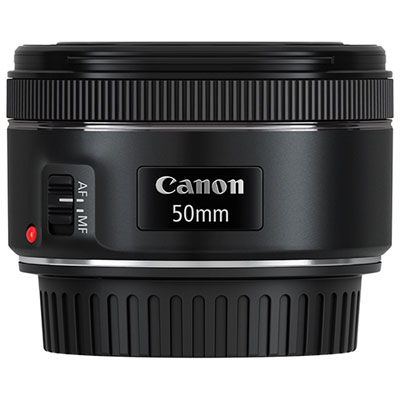 Your price for this item is $169.99
-
 Your price for this item is $279.99
-
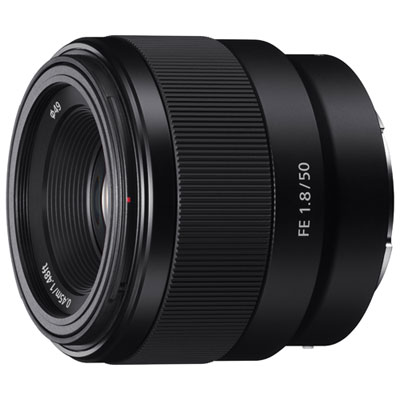 Your price for this item is $299.99
-
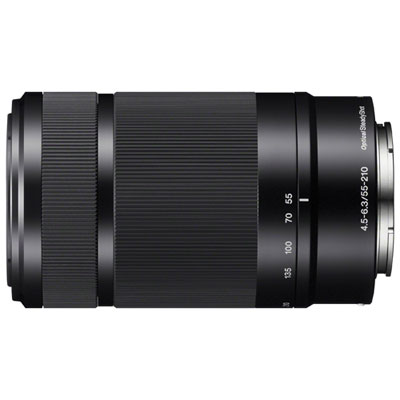 Your price for this item is $399.99
-
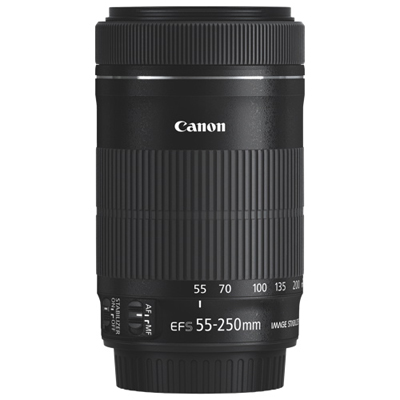 Your price for this item is $399.99
-
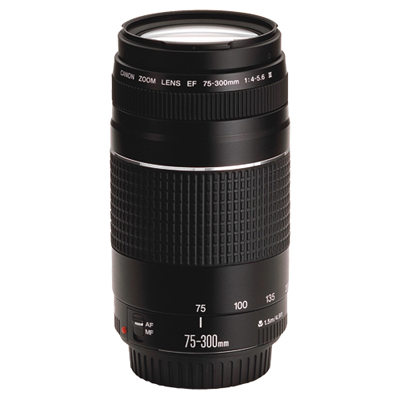 Your price for this item is $199.99
-
 Your price for this item is $539.99
-
 Your price for this item is $174.99
Discover more categories related to Lens Kits

Top Collections:
Best Black Friday Deals This Year, Best Black Friday Deals On Electronics, Kindle Devices, Pokemon Centers, Best Black Friday Deals On Apple Products, Best Cameras for Sports Photography, Dyson Airwrap, Pokémon 30th Celebration Cards, Apple iPhone 17 Pro, Canon G7X Cameras
Some products may be subject to Environmental Handling Fees
(EHF) depending on your province.
Learn more about EHFs.