Lenses for Low Light
Capture stunning shots in low-light conditions with our selection of lenses designed to enhance your photography skills. Whether you're a professional photographer or an avid hobbyist, these lenses are specifically crafted to deliver exceptional image quality and clarity, even in challenging lighting situations. Elevate your photography and capture every moment with precision using our quality lenses for low-light.
Sort
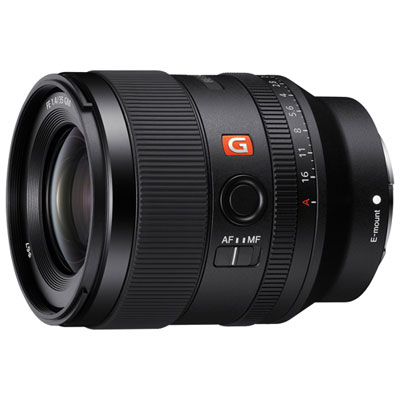
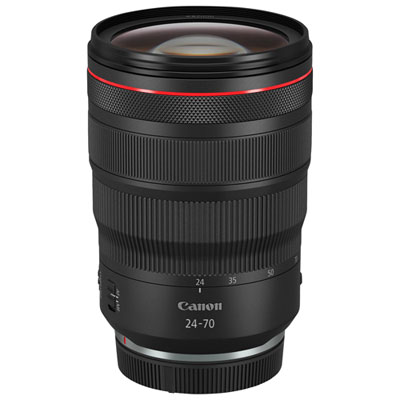
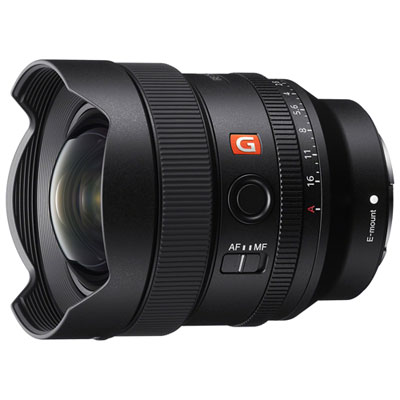

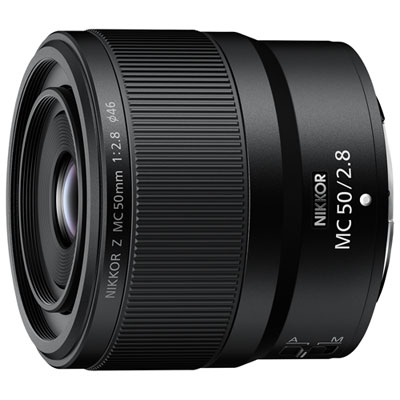
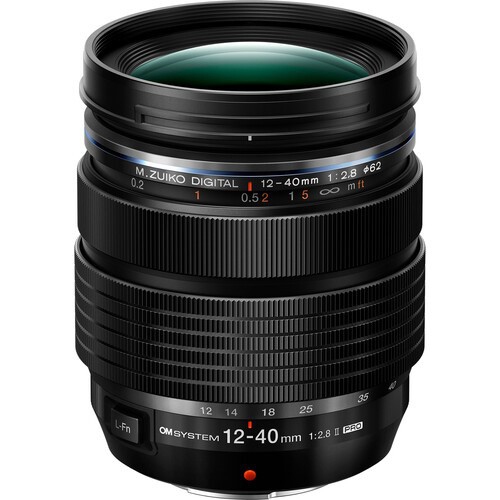
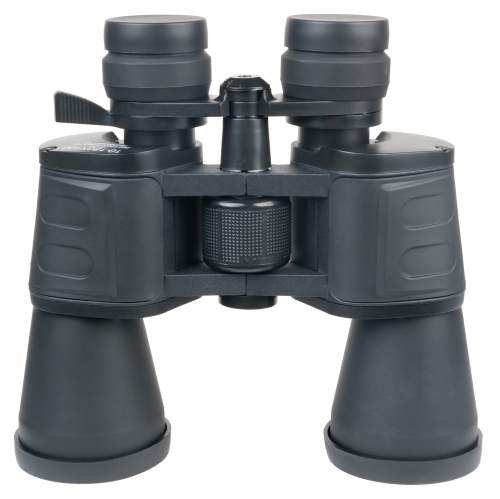
Bright apertures help preserve detail and atmosphere after dark
Lenses for low light are designed to help cameras capture brighter, cleaner images when available light is limited. The most important specification to consider is the maximum aperture, represented by the smallest f-number on the lens. A lens rated at f/1.8, f/1.4, or f/1.2 can allow substantially more light to reach the camera sensor than a lens with a narrower maximum aperture, making it easier to photograph indoor scenes, evening streets, concerts, gatherings, and softly lit rooms without relying as heavily on a flash. More light can also help maintain faster shutter speeds, which is useful for freezing movement and reducing blur when photographing people, pets, children, or performers. A wide aperture may allow a camera to use a lower ISO setting as well, helping preserve detail and reduce the grainy appearance that can occur in dark conditions. Prime lenses are often popular for this type of photography because their fixed focal lengths can combine a bright aperture with a compact design and strong optical performance. Standard or normal-length primes can feel natural for everyday portraits, family photographs, and indoor scenes, while wide-angle options are useful for architecture, landscapes at dusk, rooms, and night-time city views. Telephoto lenses with wide apertures can help isolate distant subjects against a softly blurred background, although they may be larger and more expensive. When choosing among lenses for low light, compare the focal length, maximum aperture, focusing system, image stabilization, physical size, and compatibility with the camera body rather than relying on aperture alone.
Camera mount compatibility is essential. A lens must match the mount on the camera, and its coverage should suit the camera’s sensor format. Full-frame lenses can often be used on full-frame or compatible cropped-sensor cameras, while lenses designed specifically for APS-C or Micro Four Thirds bodies may not cover a larger sensor. Sensor size also changes the effective field of view, so the same focal length can appear wider or more telephoto depending on the camera. Photographers using Nikon cameras may want to explore the dedicated selection of Low Light Nikon Lenses, while owners of other systems should look for the correct mount and sensor compatibility before adding a lens to their kit. Autofocus performance is another practical consideration, especially for candid moments, indoor sports, events, and moving subjects. A lens with quiet, responsive focusing can be helpful for both photography and video, while a manual-focus lens may appeal to experienced users who prefer precise control or are creating cinematic footage. Video shooters may also want to look for smooth focus rings, low focus breathing, geared controls, and an aperture design that supports gradual exposure changes. Image stabilization can provide additional help when photographing stationary subjects at slower shutter speeds, but it cannot fully replace a wide aperture when the subject is moving. A bright lens can be particularly valuable during the cooler months, when daylight fades earlier and indoor activities become more common. It can bring out the glow of lamps, shop windows, street lighting, and candles while preserving the atmosphere that makes a scene feel personal instead of overly illuminated.
The creative effect of a wide aperture is just as important as its low-light performance. At f/1.2, f/1.4, or f/1.8, the depth of field can become very shallow, leaving a sharply focused face or detail against a softly blurred background. This look works beautifully for portraits, food photography, close-up details, and evening scenes, but it also requires careful focusing. When photographing a person, focusing on the nearest eye can make the image feel crisp and engaging, while small changes in distance may place the eyes or other important details outside the sharp area. Stopping the lens down to a higher f-number can bring more of the scene into focus when photographing groups, interiors, or subjects at varying distances. Zoom lenses provide flexibility when moving closer is difficult, and some variable-aperture zooms offer a wider maximum aperture at shorter focal lengths; checking the aperture range can help determine whether zooming out will provide a brighter setting. A lens for low light can make a thoughtful gift for a photography student, a traveller who enjoys evening street scenes, a family member documenting celebrations, or a video creator working in small spaces. It can also be a practical addition for someone who already owns a camera body and wants to expand beyond a basic kit lens. Before purchasing, confirm the camera mount, sensor format, focal length, aperture, filter size, minimum focus distance, autofocus or manual-focus operation, and whether the lens is intended primarily for still photography or video. Consider how it will be carried as well: a lightweight prime can be convenient for walks and spontaneous photographs, while a larger bright zoom may suit planned shoots where versatility matters. With the right match between lens, camera, subject, and shooting style, low-light photography can retain the rich contrast of a twilight landscape, the warm expression of a family gathering, or the fine detail of a night-time performance without losing the mood of the setting.
Camera mount compatibility is essential. A lens must match the mount on the camera, and its coverage should suit the camera’s sensor format. Full-frame lenses can often be used on full-frame or compatible cropped-sensor cameras, while lenses designed specifically for APS-C or Micro Four Thirds bodies may not cover a larger sensor. Sensor size also changes the effective field of view, so the same focal length can appear wider or more telephoto depending on the camera. Photographers using Nikon cameras may want to explore the dedicated selection of Low Light Nikon Lenses, while owners of other systems should look for the correct mount and sensor compatibility before adding a lens to their kit. Autofocus performance is another practical consideration, especially for candid moments, indoor sports, events, and moving subjects. A lens with quiet, responsive focusing can be helpful for both photography and video, while a manual-focus lens may appeal to experienced users who prefer precise control or are creating cinematic footage. Video shooters may also want to look for smooth focus rings, low focus breathing, geared controls, and an aperture design that supports gradual exposure changes. Image stabilization can provide additional help when photographing stationary subjects at slower shutter speeds, but it cannot fully replace a wide aperture when the subject is moving. A bright lens can be particularly valuable during the cooler months, when daylight fades earlier and indoor activities become more common. It can bring out the glow of lamps, shop windows, street lighting, and candles while preserving the atmosphere that makes a scene feel personal instead of overly illuminated.
The creative effect of a wide aperture is just as important as its low-light performance. At f/1.2, f/1.4, or f/1.8, the depth of field can become very shallow, leaving a sharply focused face or detail against a softly blurred background. This look works beautifully for portraits, food photography, close-up details, and evening scenes, but it also requires careful focusing. When photographing a person, focusing on the nearest eye can make the image feel crisp and engaging, while small changes in distance may place the eyes or other important details outside the sharp area. Stopping the lens down to a higher f-number can bring more of the scene into focus when photographing groups, interiors, or subjects at varying distances. Zoom lenses provide flexibility when moving closer is difficult, and some variable-aperture zooms offer a wider maximum aperture at shorter focal lengths; checking the aperture range can help determine whether zooming out will provide a brighter setting. A lens for low light can make a thoughtful gift for a photography student, a traveller who enjoys evening street scenes, a family member documenting celebrations, or a video creator working in small spaces. It can also be a practical addition for someone who already owns a camera body and wants to expand beyond a basic kit lens. Before purchasing, confirm the camera mount, sensor format, focal length, aperture, filter size, minimum focus distance, autofocus or manual-focus operation, and whether the lens is intended primarily for still photography or video. Consider how it will be carried as well: a lightweight prime can be convenient for walks and spontaneous photographs, while a larger bright zoom may suit planned shoots where versatility matters. With the right match between lens, camera, subject, and shooting style, low-light photography can retain the rich contrast of a twilight landscape, the warm expression of a family gathering, or the fine detail of a night-time performance without losing the mood of the setting.
Top selling and popular products
-
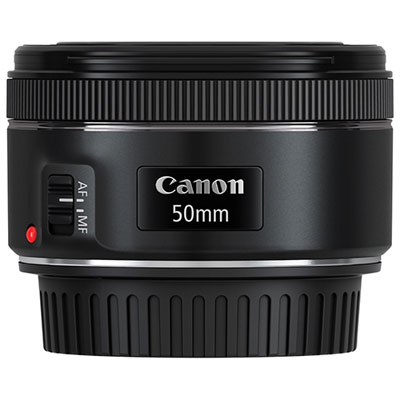 Your price for this item is $169.99
 -
 Your price for this item is $329.99
 -
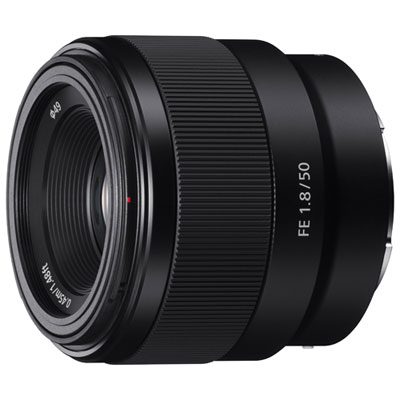 Your price for this item is $349.99
 -
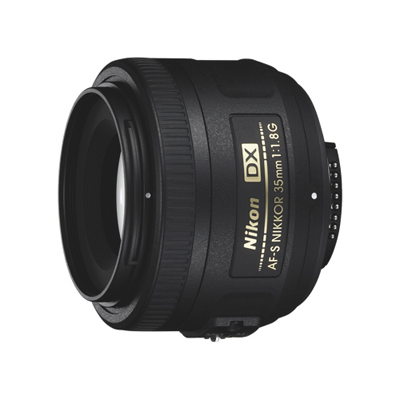 Your price for this item is $258.98
 -
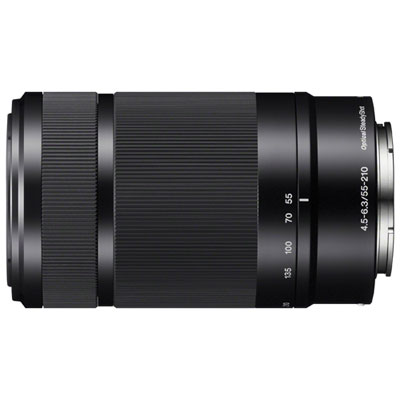 Your price for this item is $399.99
 -
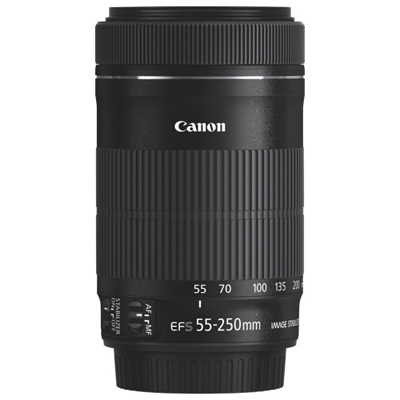 Your price for this item is $399.99
 -
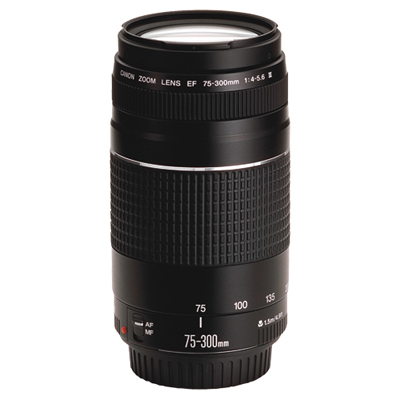 Your price for this item is $199.99
 -
 Your price for this item is $174.99
Discover more categories related to Lenses for Low Light
Top Collections:
Pokemon Centers, Kindle Devices, Best Cell Phones Under $500, Alarm Clock, Canon G7X Cameras, iPhone 15 Apple, Laptops for Students, Budget Smartphones, iPhone 14 256GB, Best Camera Tripods Under $100
Some products may be subject to Environmental Handling Fees
(EHF) depending on your province.
Learn more about EHFs.