Lightweight Film Cameras for Travel Photography
Lightweight film cameras for travel photography offer an easy way to capture memorable moments while on the go. Their compact design makes them convenient to pack, ensuring you can document every adventure without extra bulk. Whether exploring city streets or scenic landscapes, these cameras provide a reliable option for travelers who appreciate the art of analog photography. Discover models that combine portability with classic film appeal, perfect for your next journey.
Sort
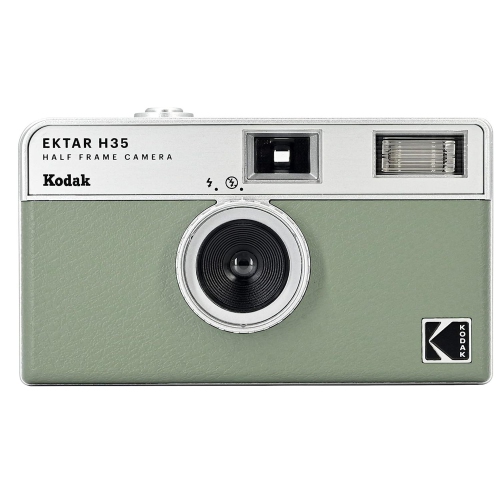

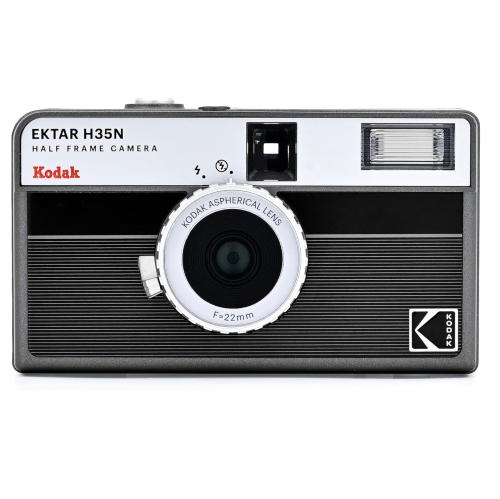
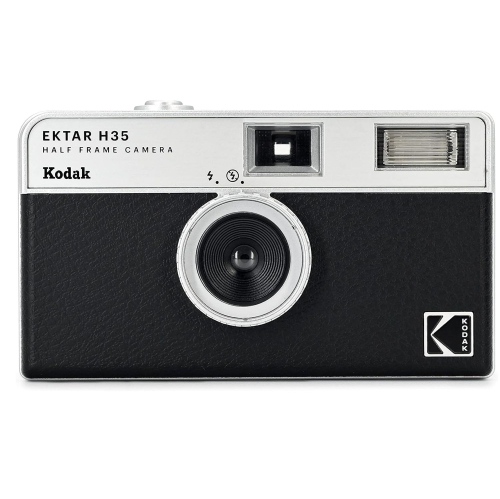
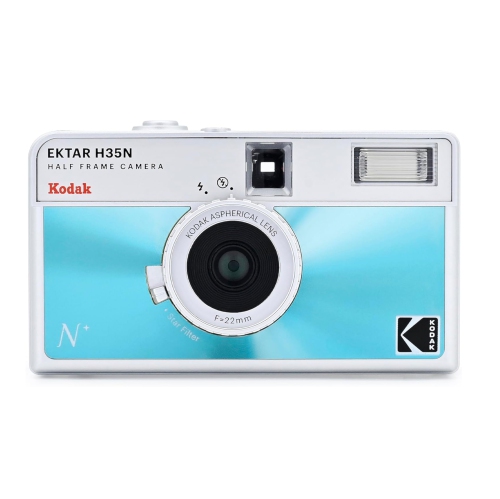
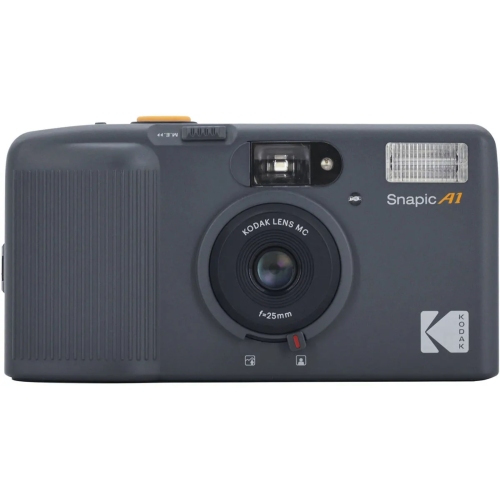
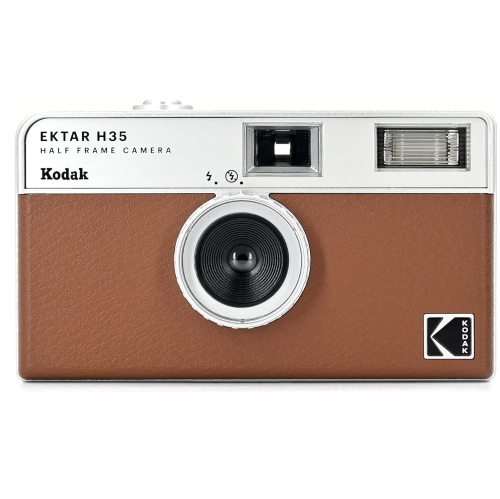
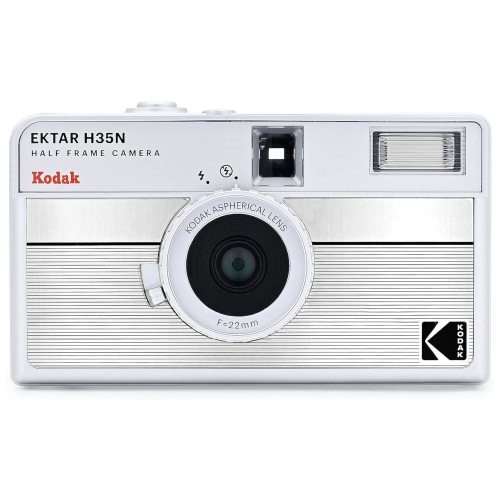
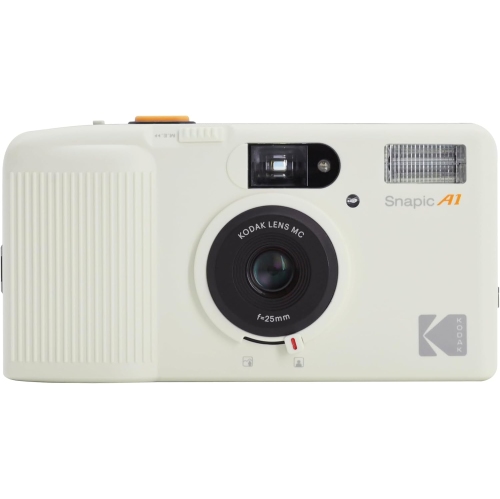
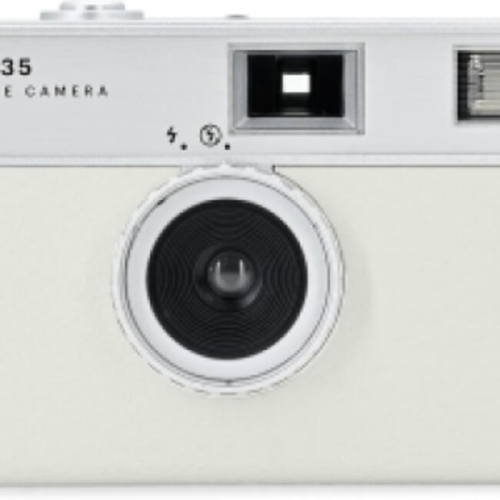
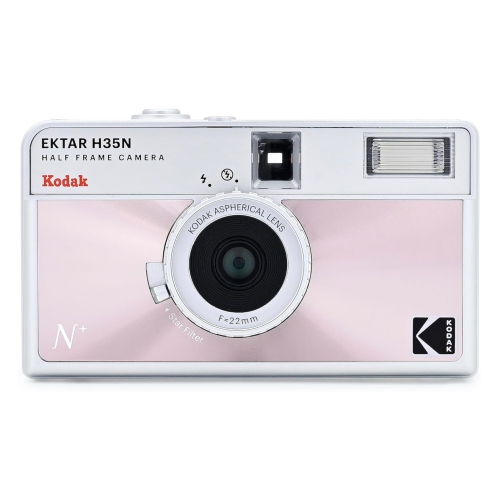
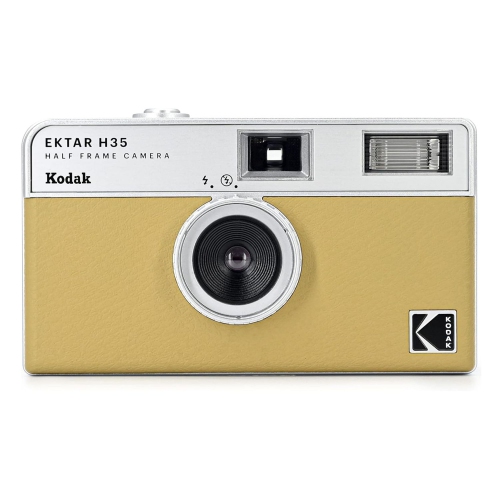
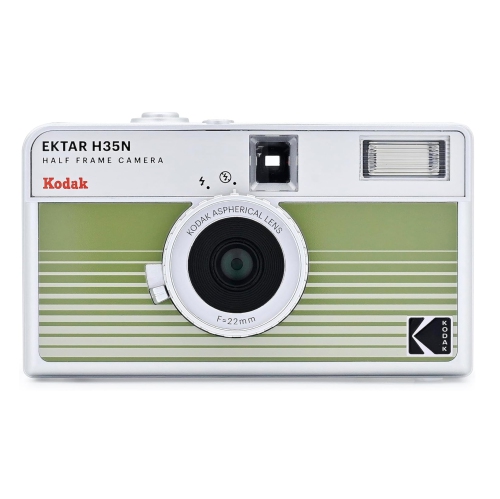
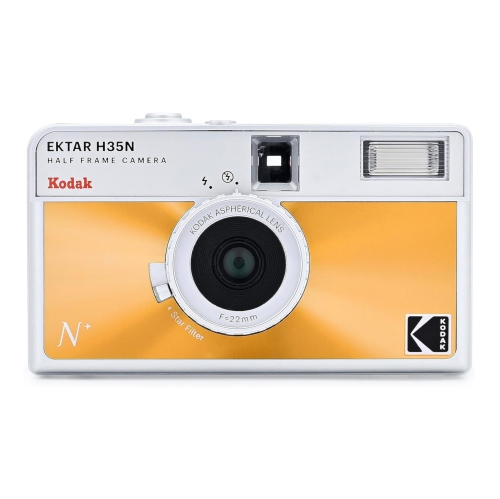
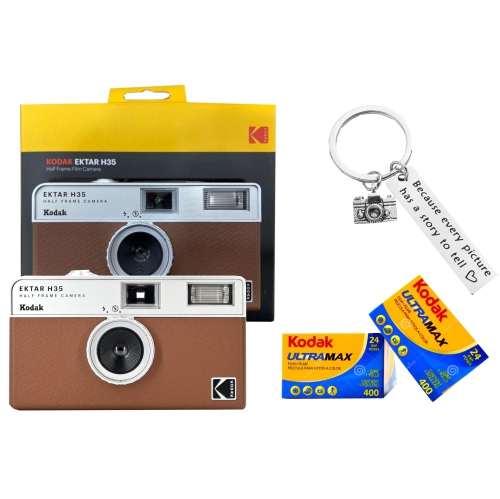
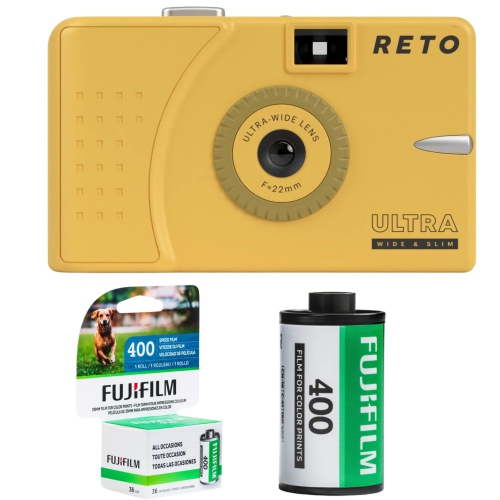
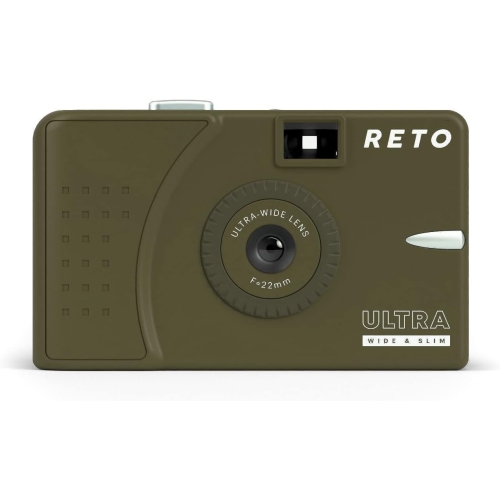

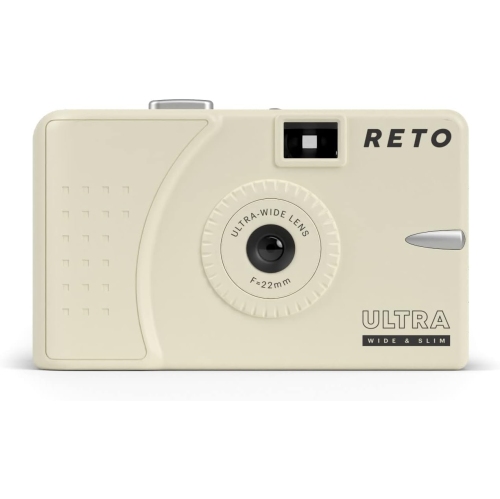
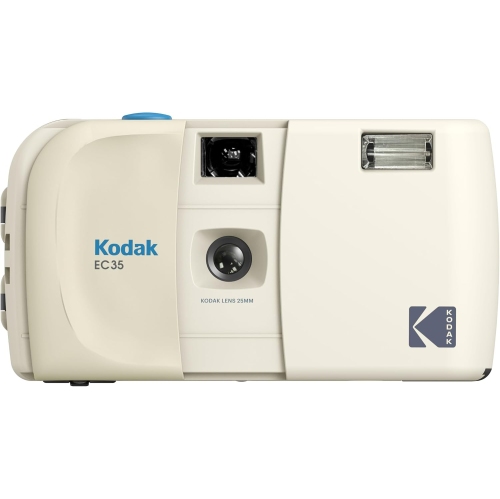
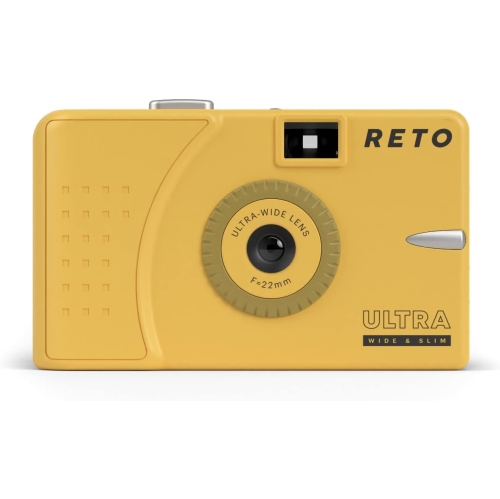
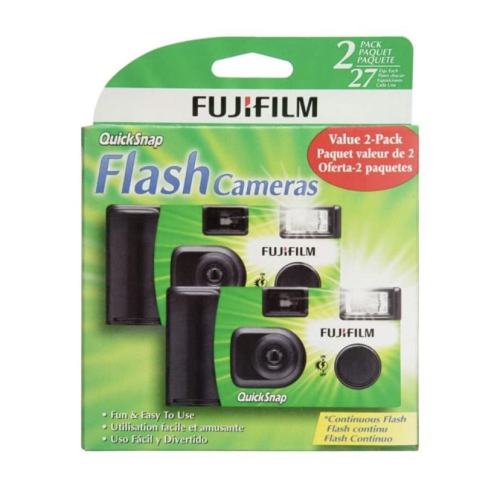
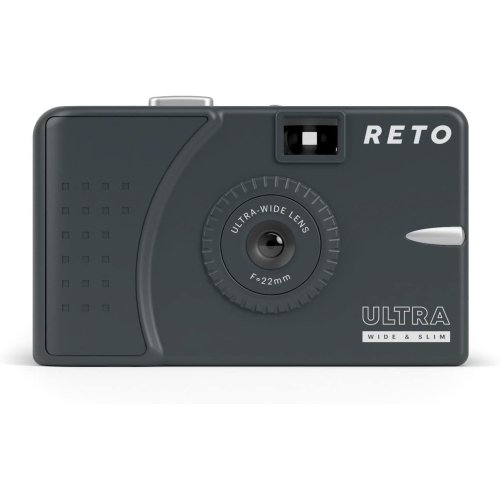
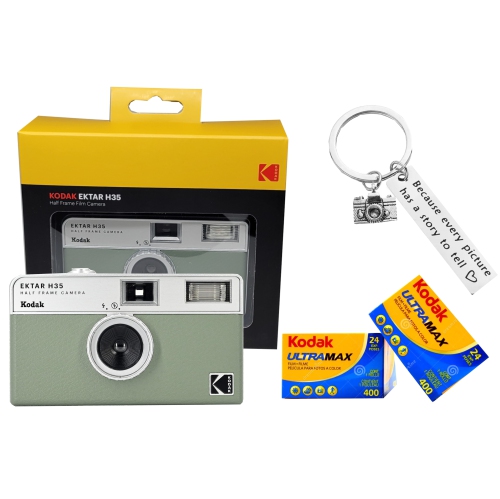
Film character meets the freedom of travelling light
Lightweight film cameras for travel photography combine easy carrying with the distinctive grain, colour and tonal character of photographs made on film. Their appeal is practical as well as visual: a camera that fits comfortably in a small shoulder bag or jacket pocket is easier to bring along for a walk through a market, a museum visit or an afternoon exploring unfamiliar streets. Compact 35mm cameras are a familiar choice because they use a widely established film format and often combine a built-in lens, optical viewfinder and straightforward controls in a single body. Half-frame cameras make smaller exposures on 35mm film, allowing more photographs per roll, with a trade-off in the detail available for larger prints or substantial cropping. Compact rangefinder and single-lens reflex designs can offer different focusing experiences and more control, although interchangeable lenses and additional accessories may increase the overall carrying weight. Instant film cameras provide a physical print shortly after an exposure, but their dimensions and film packs can make them less pocket-friendly than some 35mm designs. Within the broader category of Lightweight Travel Cameras, film models suit travellers who enjoy composing through a viewfinder and waiting to see a finished roll rather than reviewing every photograph immediately. The most useful dimensions are those of the complete camera as carried, including its lens, strap and any protruding grip or lens cover. A slim body may slip into a day bag neatly, while a more pronounced grip can feel steadier during a quick photograph from a lookout or busy pavement. Plastic-bodied cameras can keep weight low, while metal components may add rigidity and a more substantial feel; neither material alone determines durability. Secure battery doors, sound film-door hinges and a lens cover that stays in place matter during repeated packing and unpacking. For travellers who already carry a phone, a small film camera offers a separate photographic experience without necessarily requiring a dedicated camera bag.
Lens design and focusing behaviour shape how a travel film camera feels in everyday use. A moderately wide fixed lens can include a building and its surroundings or capture friends around a café table without requiring much room to step back. A longer focal length frames distant details more tightly, while a zoom provides flexibility at the possible expense of a larger body, a more complex mechanism or a smaller maximum aperture at some settings. The focal length of the lens is separate from the film format: a camera that takes 35mm film does not necessarily have a 35mm lens. Automatic point-and-shoot designs can simplify exposure and focusing, making them approachable for casual travellers and people returning to film after years of phone photography. Other compact cameras use zone focusing, where the photographer selects an approximate subject distance, or fixed focus, where sharpness depends on staying within the lens’s intended distance range. These differences become noticeable when photographing a nearby meal, a companion across a table or a street scene stretching into the distance. Minimum focusing distance is particularly relevant for small details, since a pocket-sized camera is not automatically capable of close-up photography. Exposure controls also vary considerably. Some cameras read the film cartridge’s DX coding to set sensitivity automatically, while others require a manual ISO setting or work within a limited range of film sensitivities. Film speed belongs to the loaded roll and generally remains the same until that roll is finished, unlike the easily changed ISO setting on a digital camera. A built-in flash can help with nearby subjects in dim interiors, but its reach is limited and flash use may be restricted in galleries or performance spaces. Battery requirements deserve equal attention: manual film winding does not necessarily mean the shutter, meter or flash operates without power. Clear controls and a readable frame counter can make a simple camera more enjoyable than a feature-heavy model whose settings are awkward to check while walking.
Comfortable carrying and sensible care help a lightweight film camera remain a reliable travel companion. A wrist strap keeps a small body close at hand, while an adjustable neck or crossbody strap can distribute the weight more comfortably during longer outings. Strap attachment points should feel secure, and the camera should rest without swinging into railings or other objects. A lightly padded pouch can separate it from keys, chargers and loose objects inside a bag; padding adds some bulk, but protects exposed controls and lens surfaces from everyday knocks. Dust and grit are best kept away from the film compartment and moving lens parts, and a soft brush or blower can remove loose particles before a suitable lens cloth touches the glass. On cameras fitted with foam light seals, their condition matters because deteriorated seals can allow unwanted light onto the film. Opening the back before a roll has been fully rewound can also spoil photographs, so a clear rewind indicator or familiar winding mechanism is especially useful when a trip involves frequent changes of location. Unprocessed film needs consideration during airport travel because security scanners can affect it; hand-inspection procedures vary by airport and security authority. Beyond the camera itself, the experience includes developing the film and choosing prints, scans or both. Scans make travel photographs easier to organize and share, while physical prints turn small moments into something that can be displayed or tucked into an album. Keeping exposed rolls separate from unused ones helps prevent confusion, particularly when several rolls record similar stops along a journey. These cameras can suit students exploring analogue photography, experienced photographers wanting a lighter companion and travellers who enjoy making deliberate pictures of people and places. As a gift, a straightforward camera is most useful when its controls, film format and processing needs match the recipient’s interest and experience. The appeal lies less in having a camera for every possible situation than in having one that feels comfortable to carry, understandable to operate and enjoyable to use throughout a trip.
Top selling and popular products
-
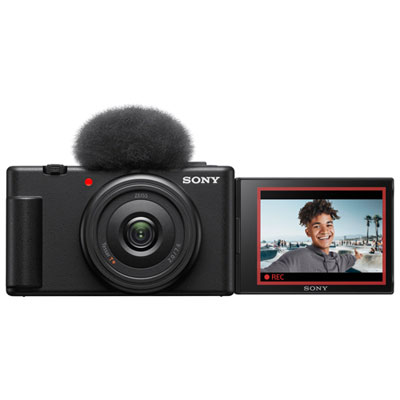 Your price for this item is $599.99
-
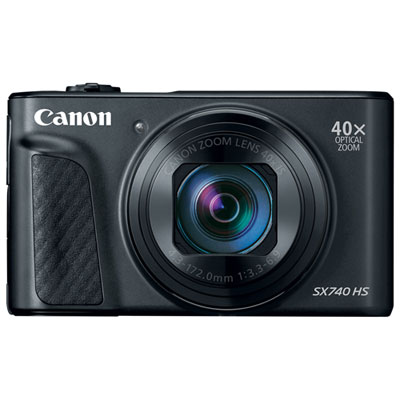 Your price for this item is $799.99
-
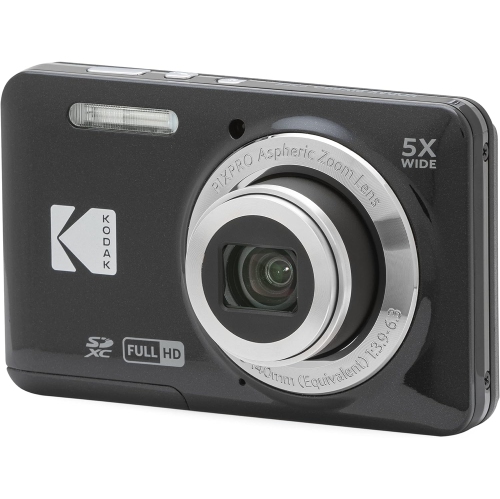 Your price for this item is $255
-
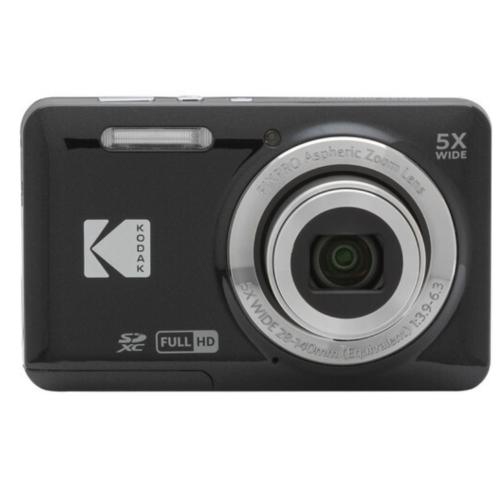 Your price for this item is $253
-
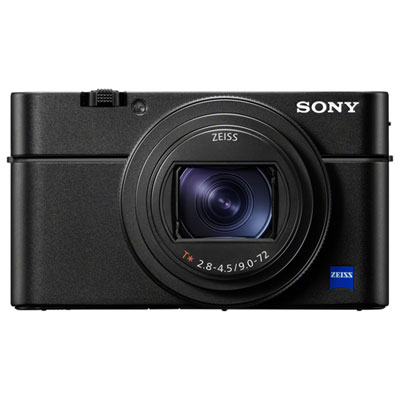 Your price for this item is $1799.99
-
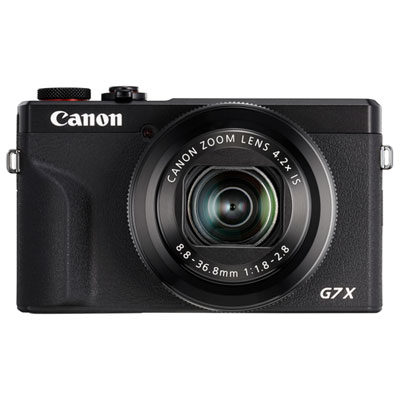 Your price for this item is $1999.99
-
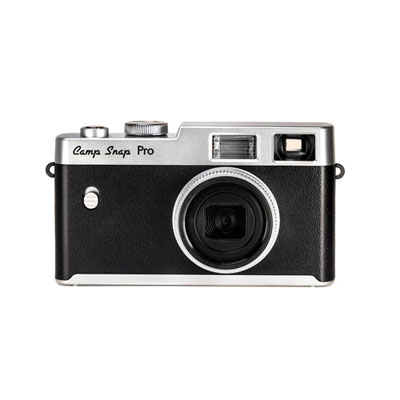 Your price for this item is $149.99
-
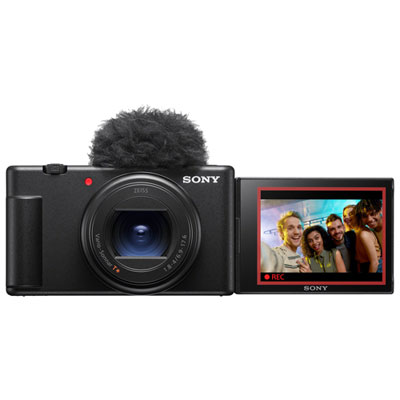 Your price for this item is $1099.99
Discover more categories related to Lightweight Film Cameras for Travel Photography
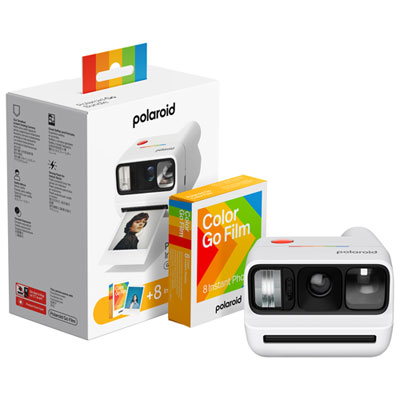
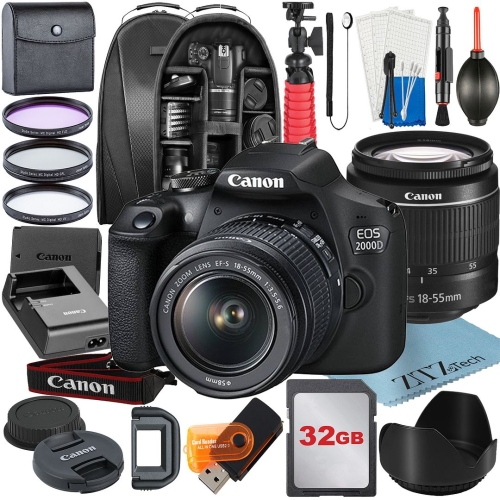
Top Collections:
Best Black Friday Deals This Year, Best Black Friday Deals On Electronics, Kindle Devices, Pokemon Centers, Best Black Friday Deals On Apple Products, Best Cameras for Sports Photography, Dyson Airwrap, Pokémon 30th Celebration Cards, Apple iPhone 17 Pro, Canon G7X Cameras
Some products may be subject to Environmental Handling Fees
(EHF) depending on your province.
Learn more about EHFs.