Lightweight DSLR Cameras for Travel
If you're looking for a lightweight camera that can capture great photos and videos on the go, you've come to the right place. These cameras are compact and easy to carry, so you can always bring them with you. They're also durable and built to last. Here are some great options.
Sort
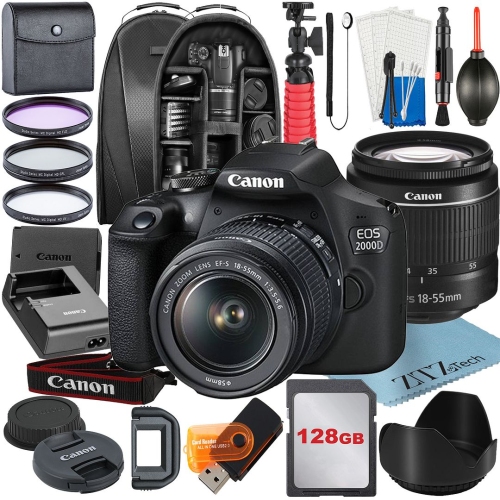
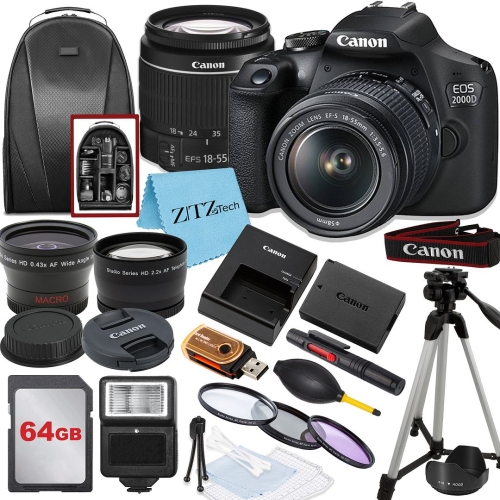
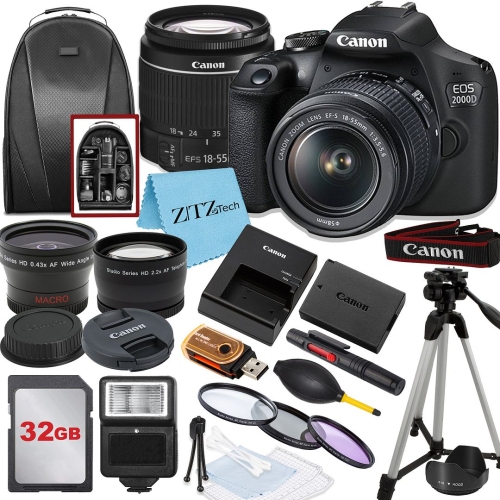
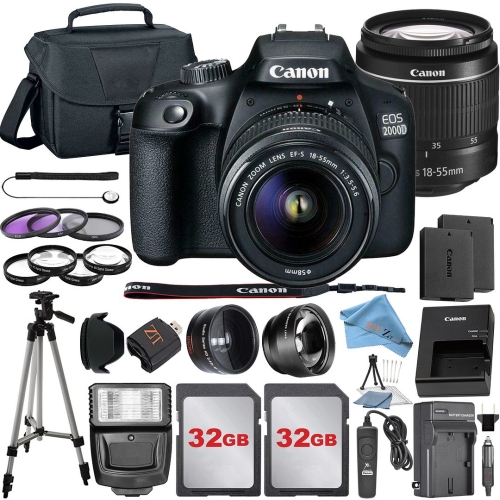
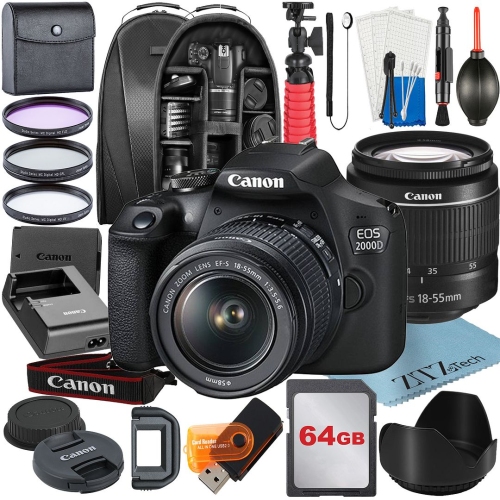
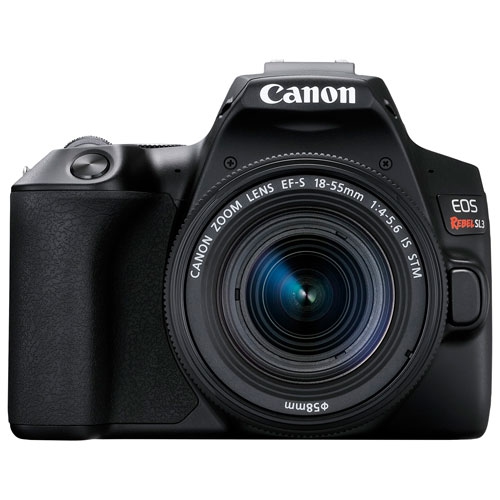
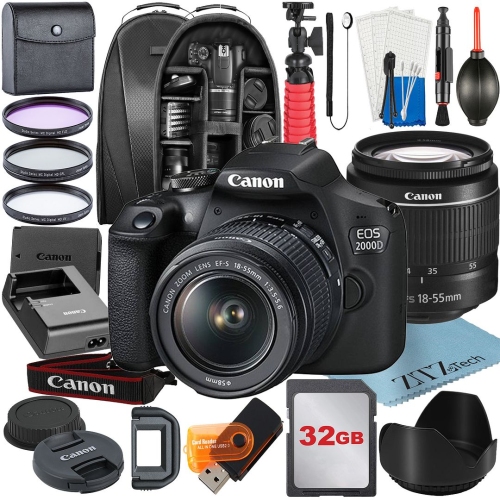
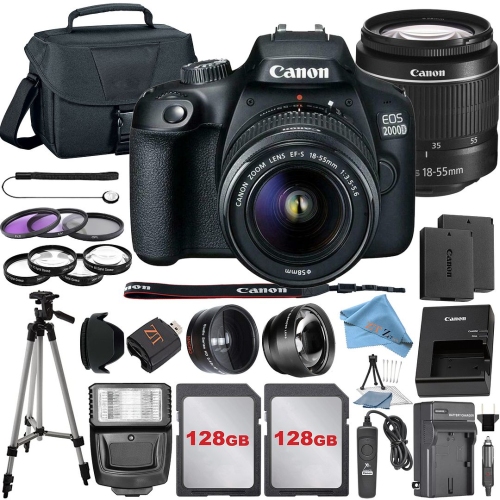
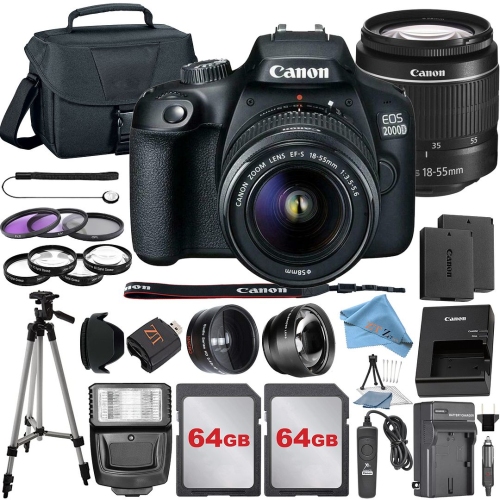
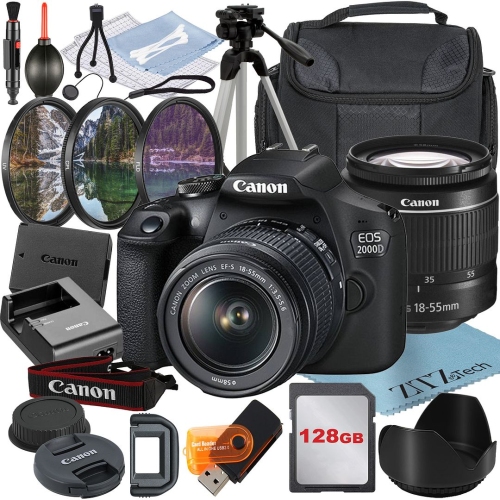
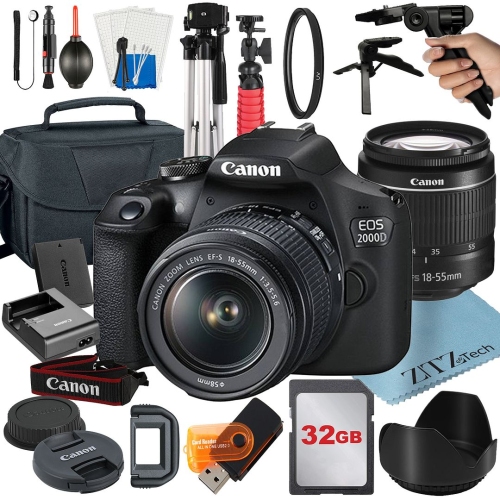
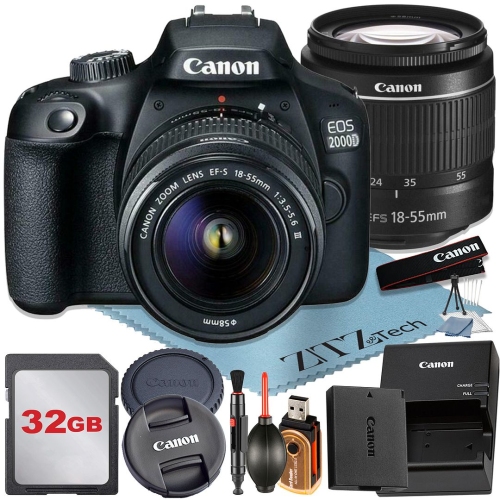
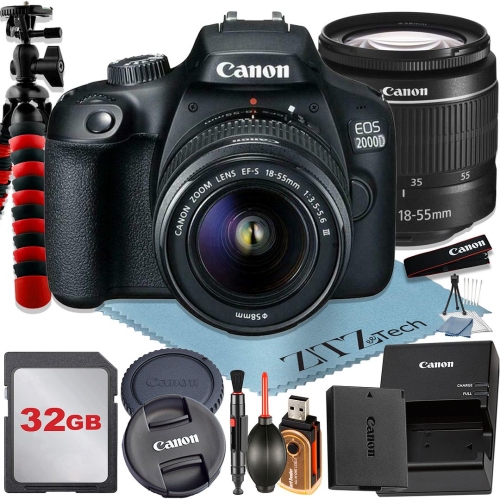
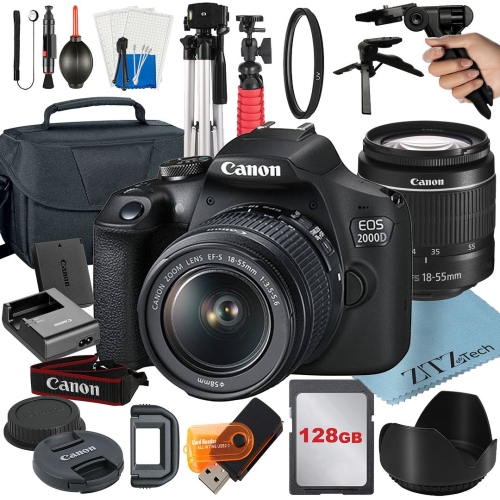
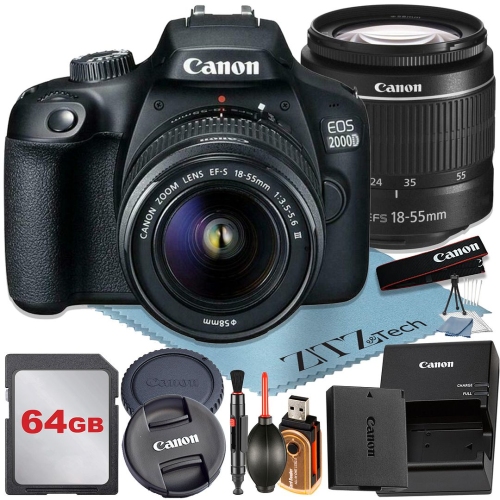
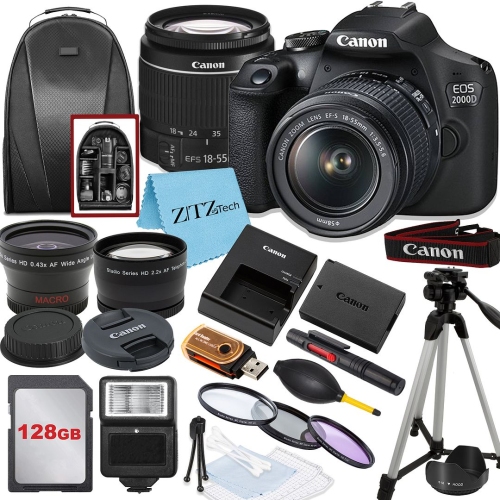
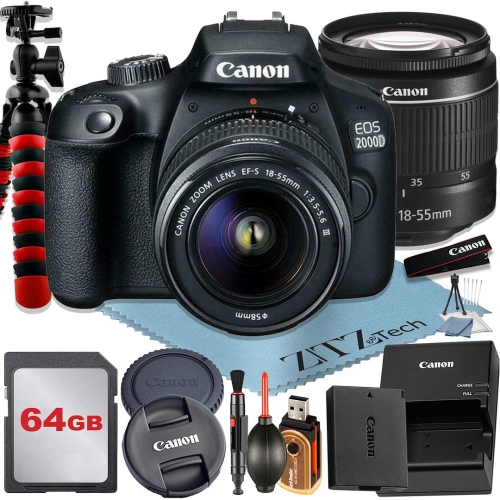
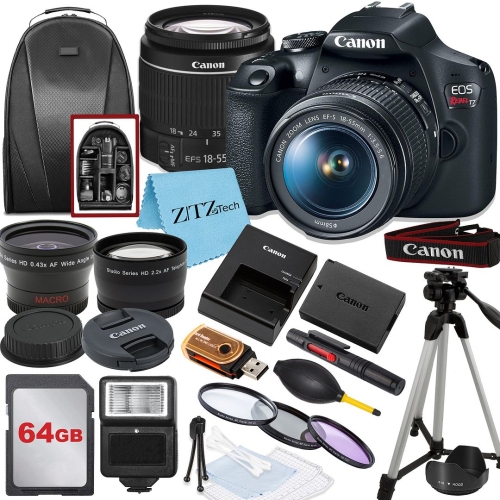
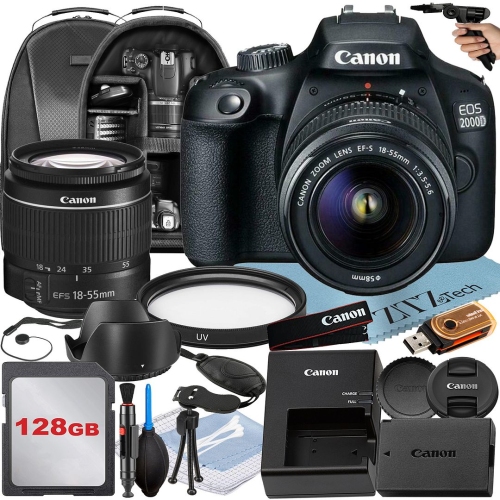
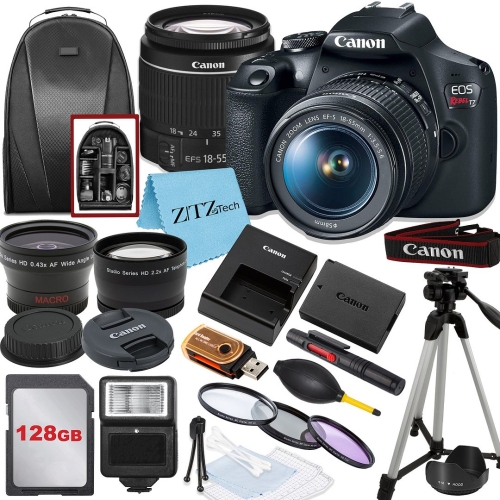
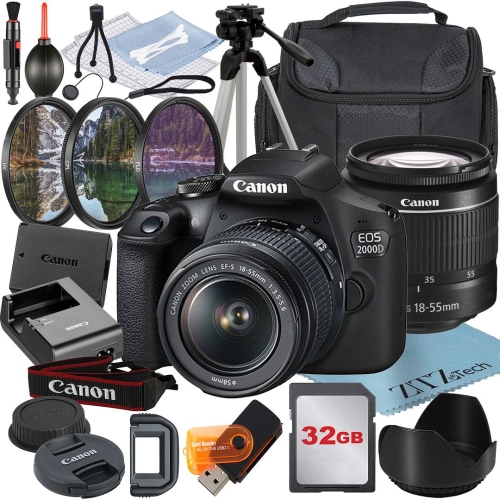
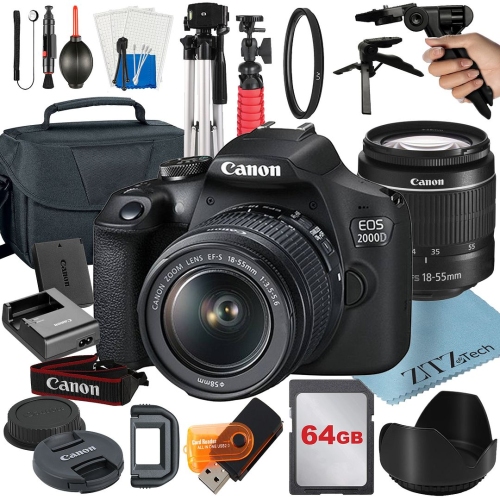
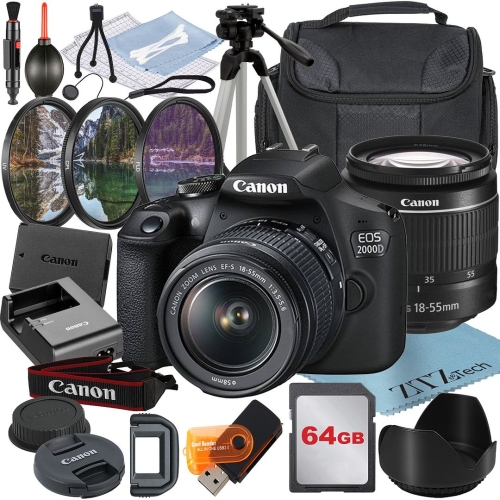
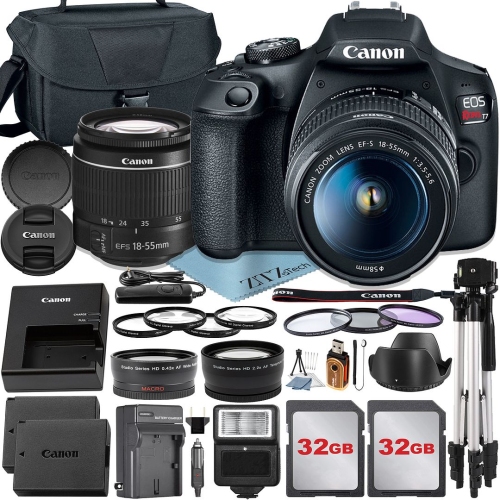
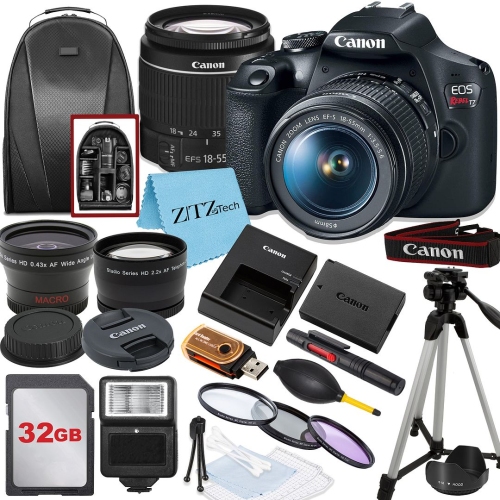
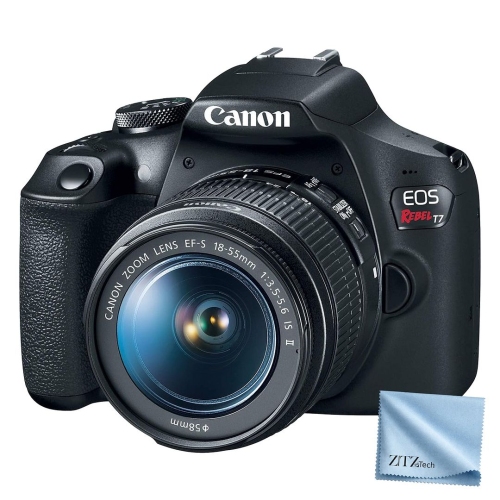
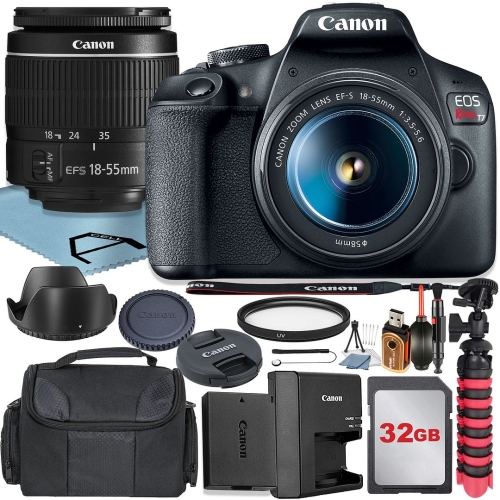
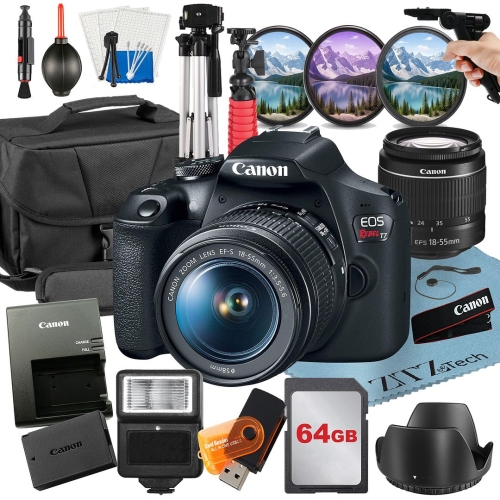
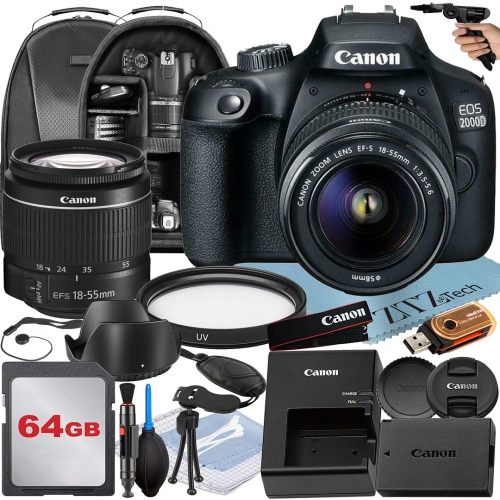
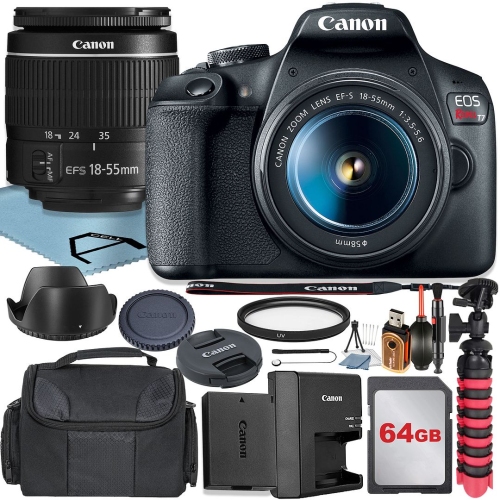
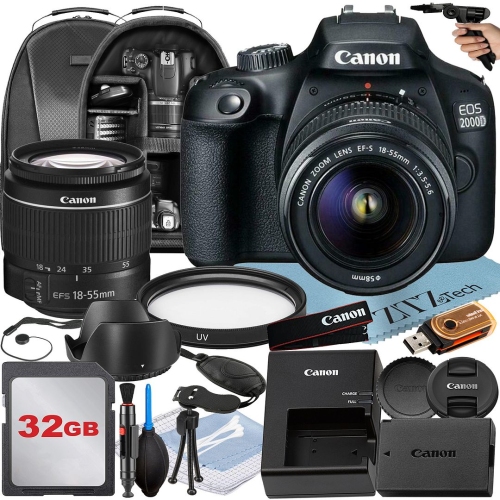
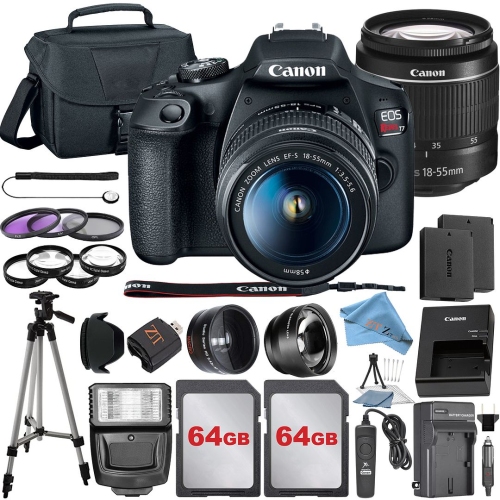
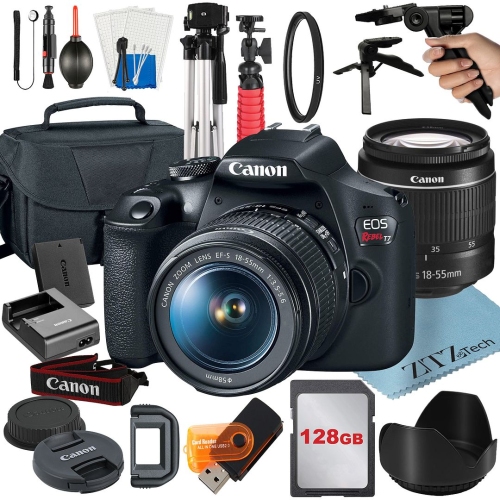
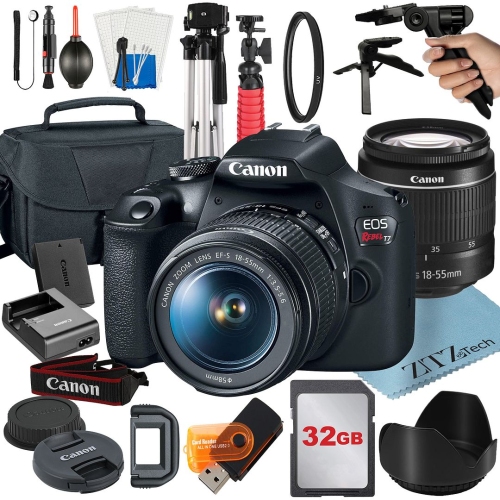
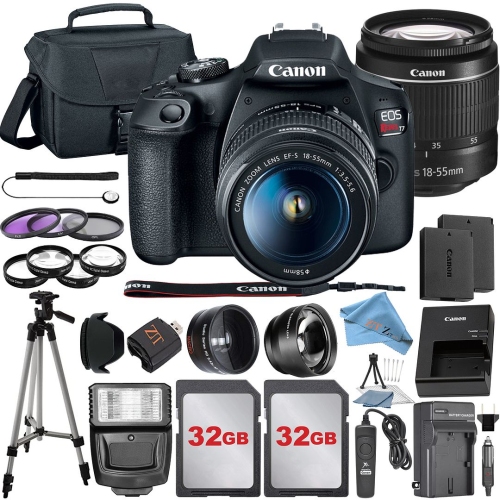
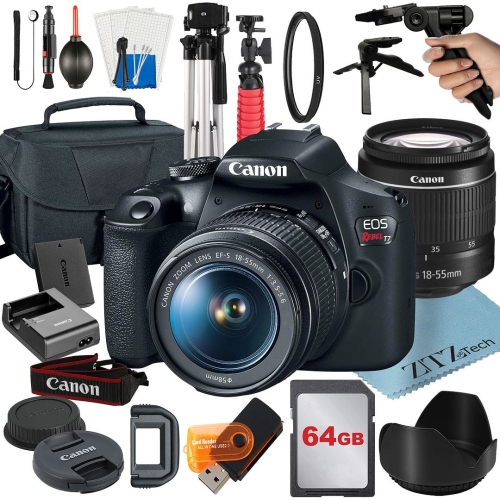
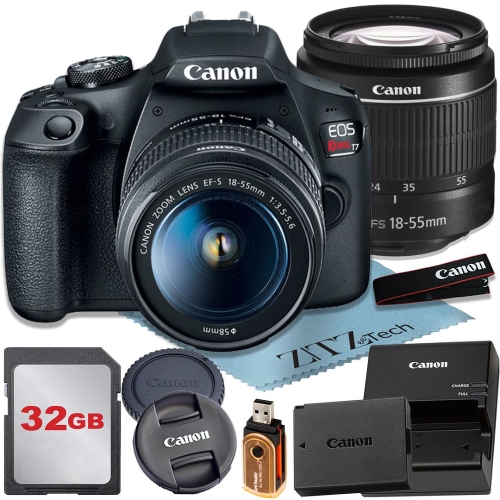
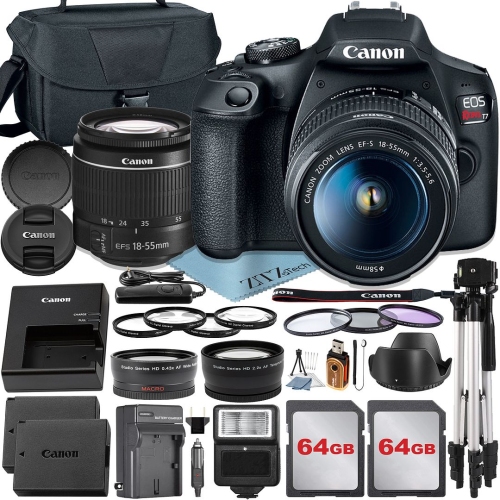
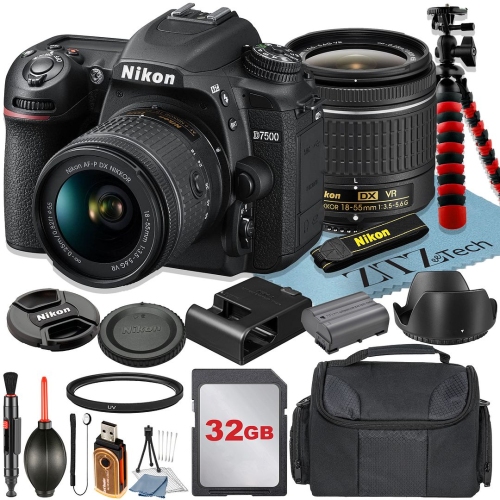
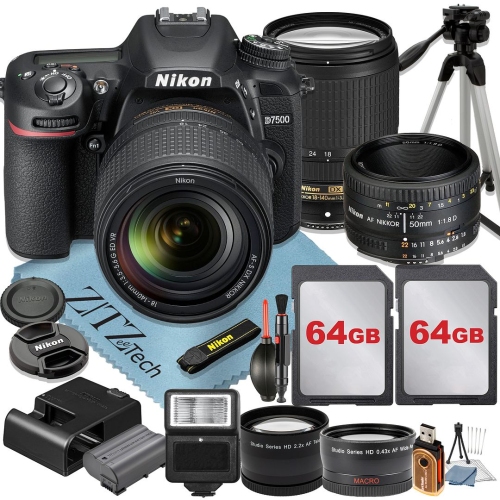
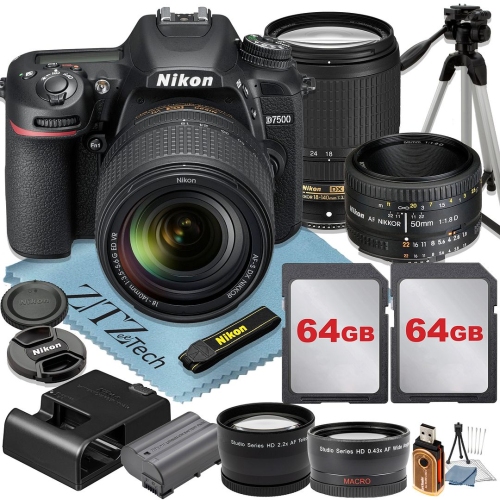
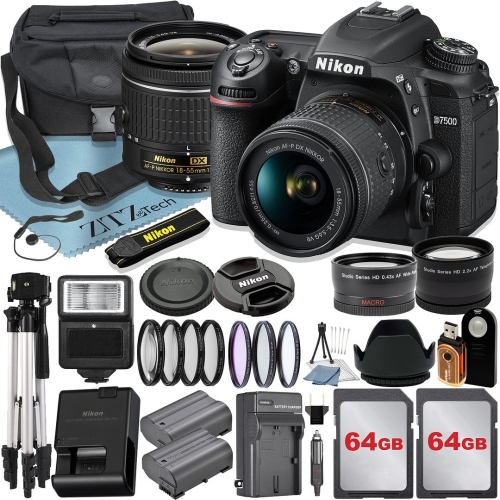
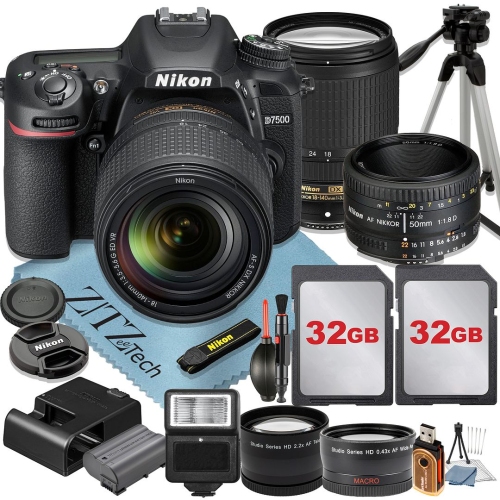
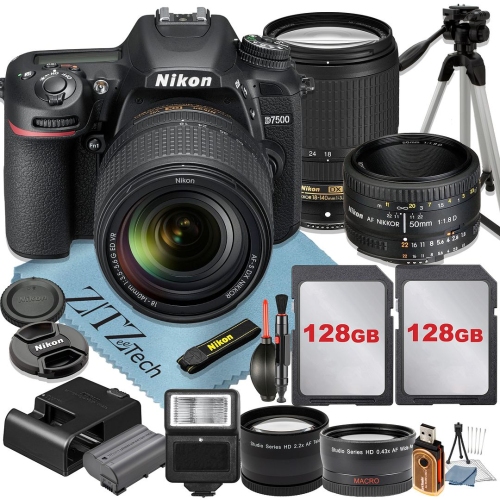
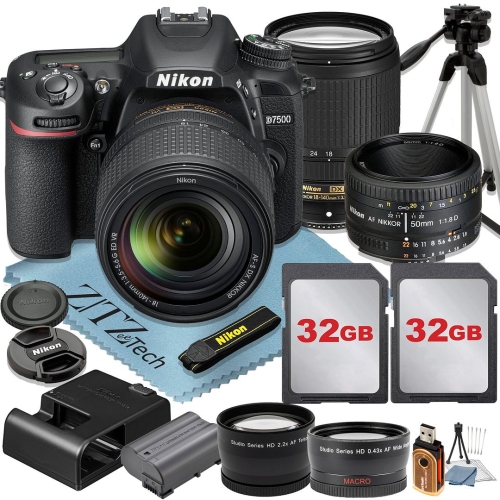
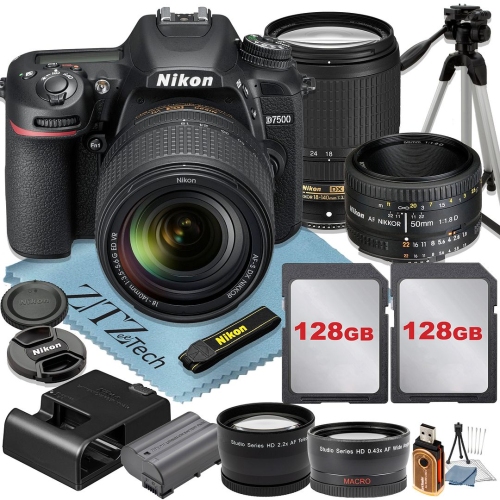
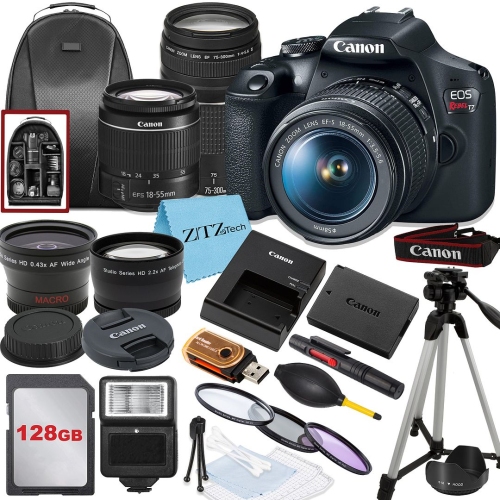
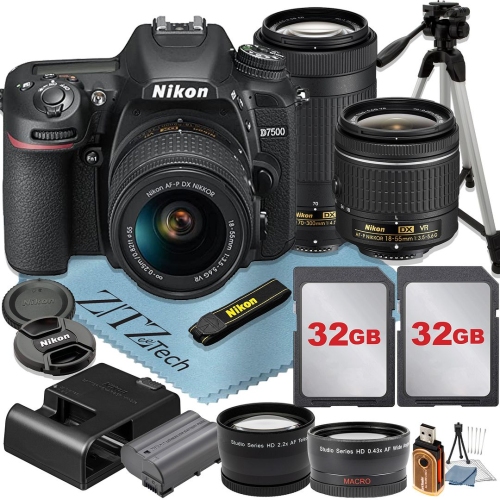
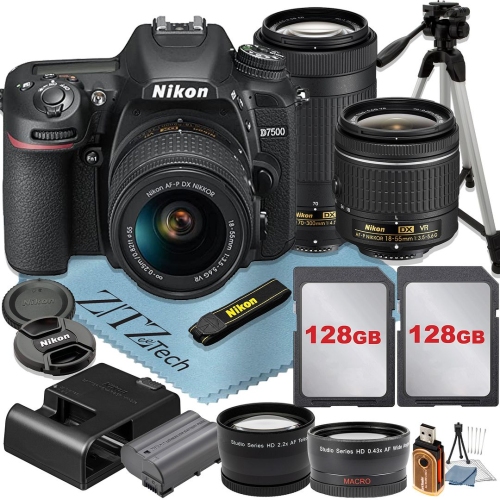
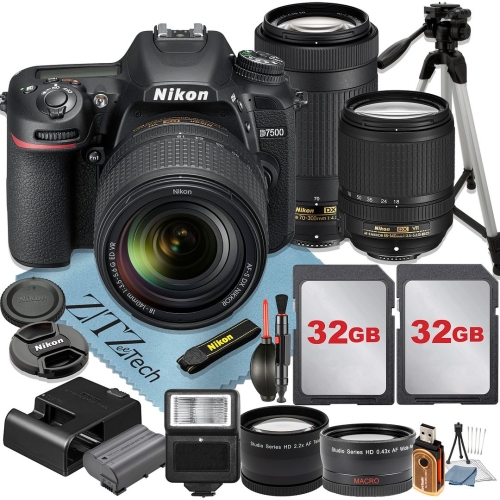
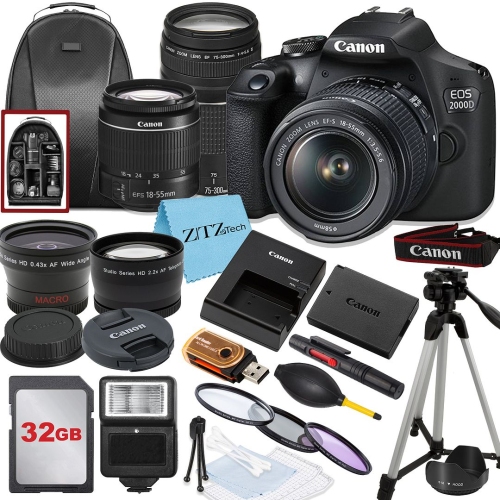
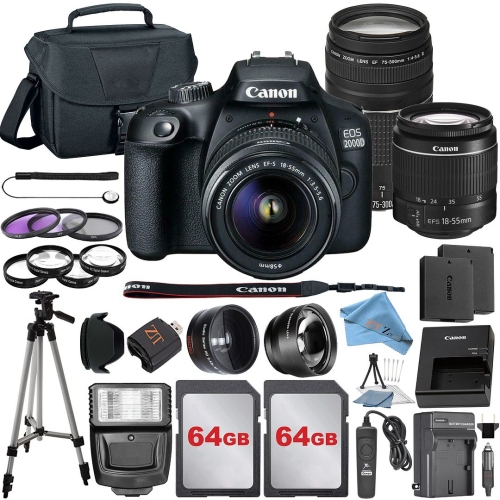
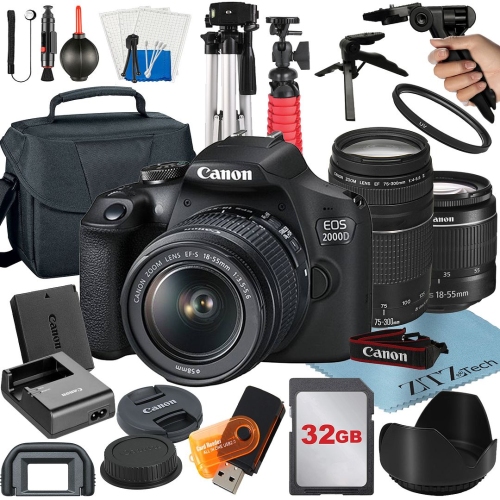
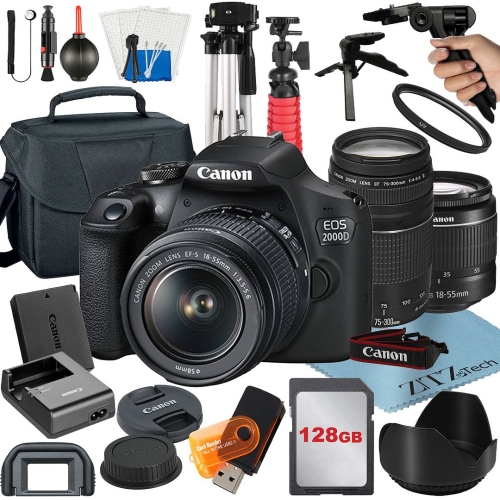
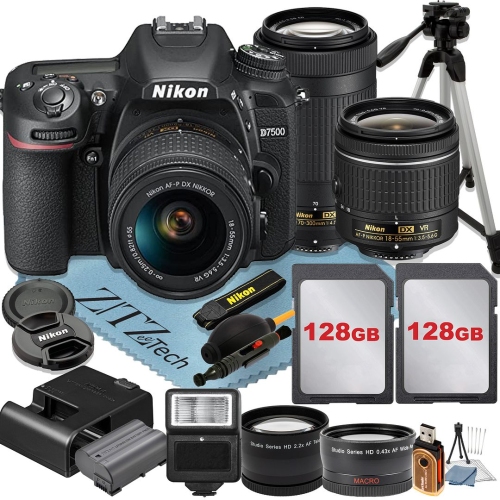
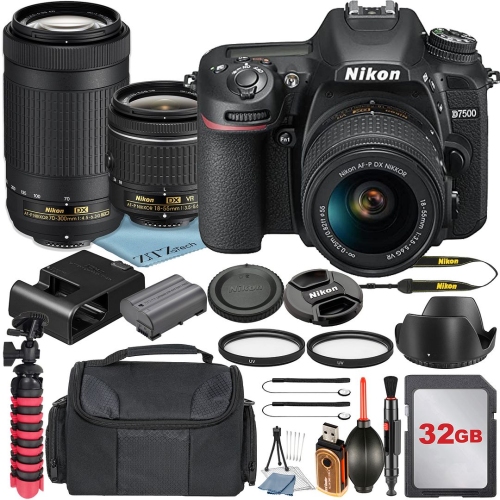
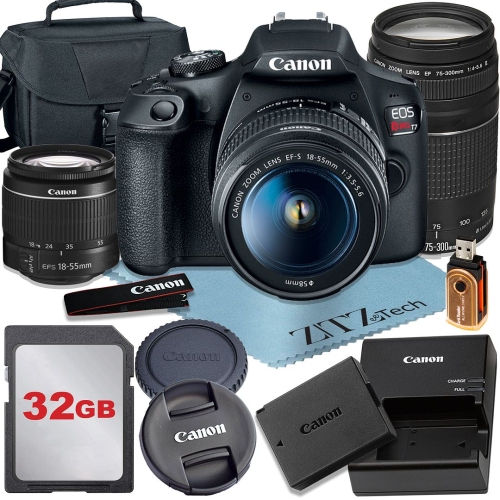
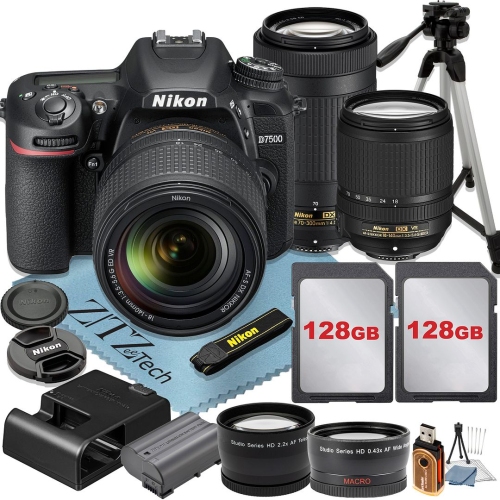
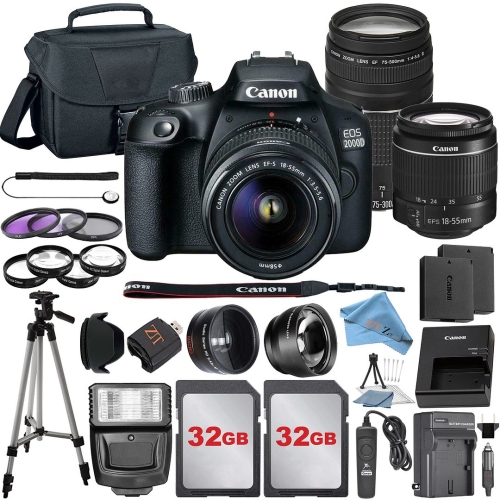
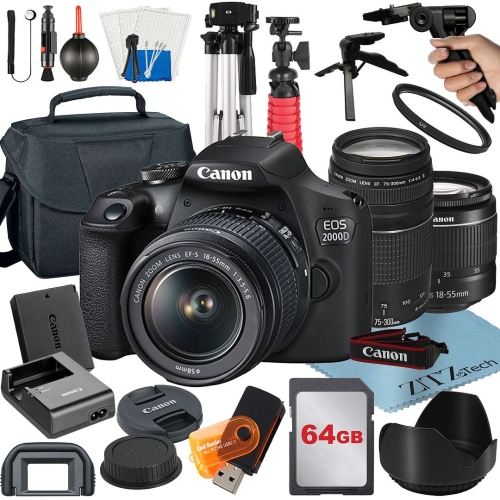
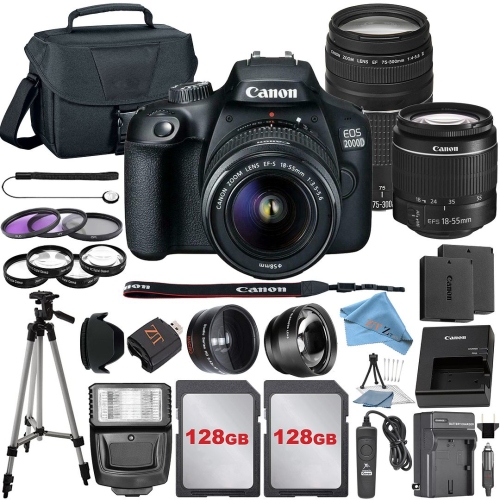
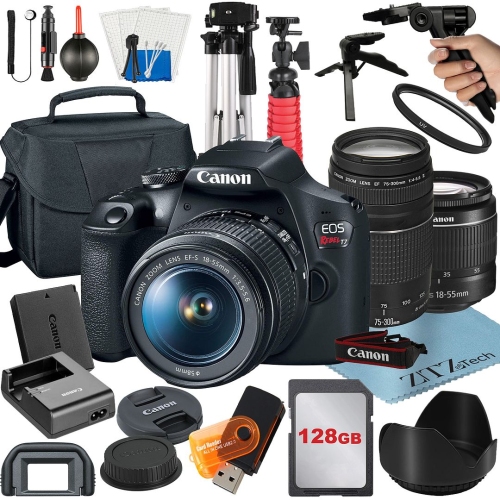
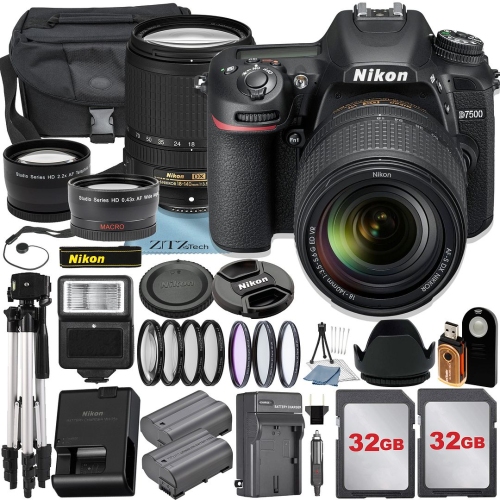
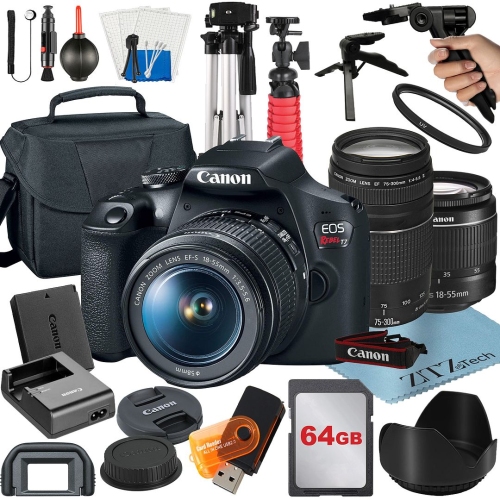
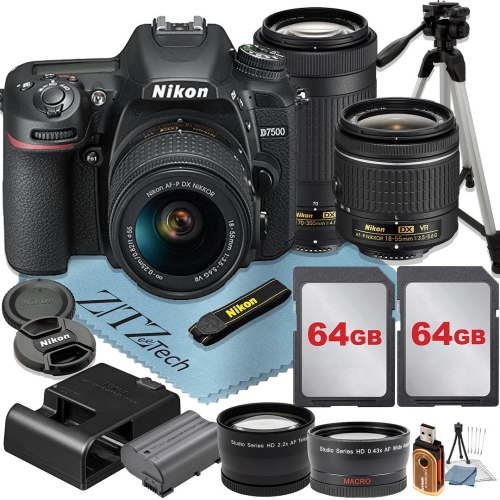
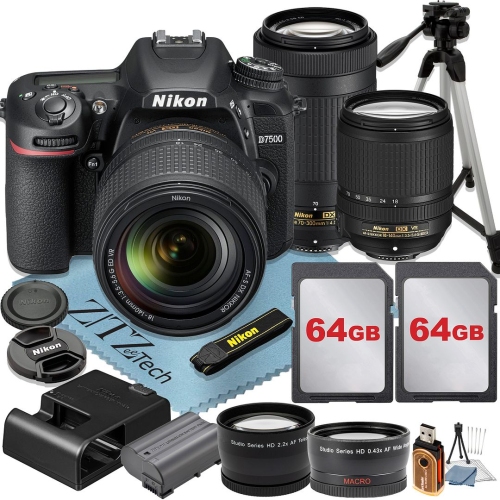
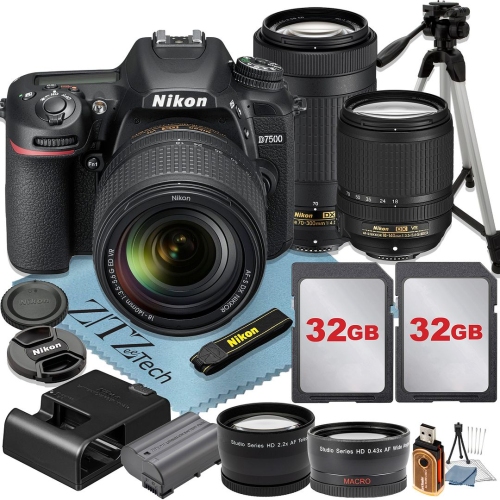
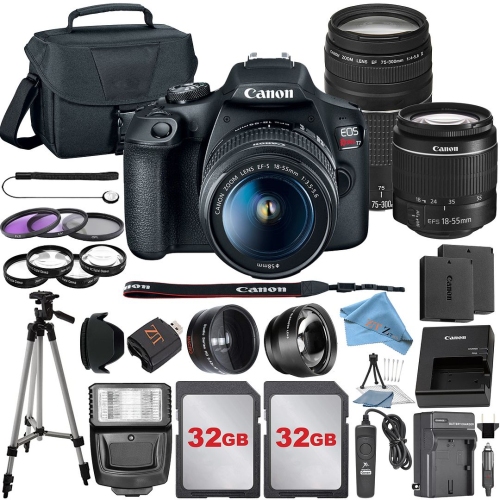
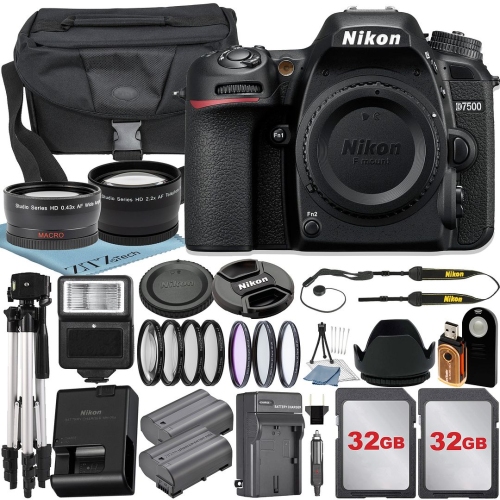
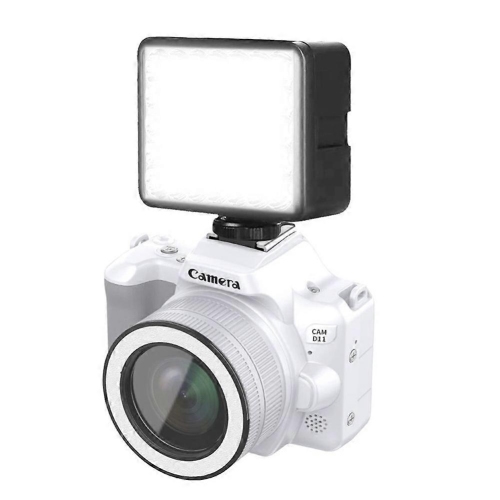
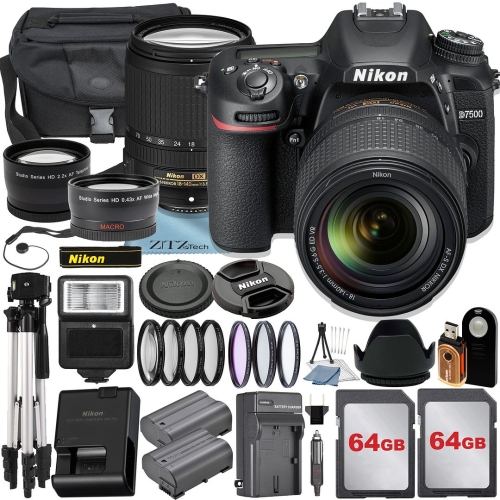
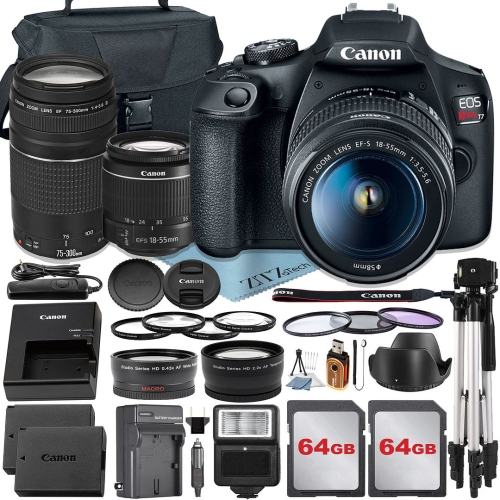
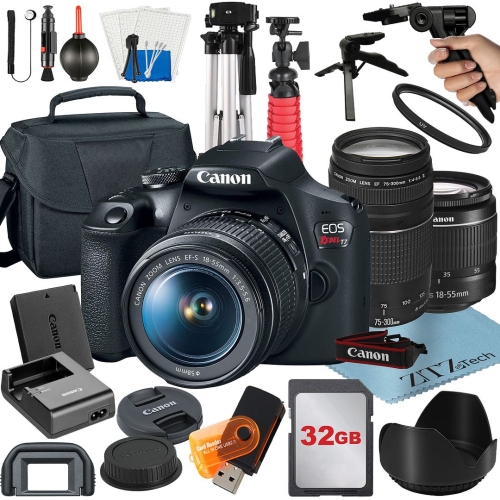
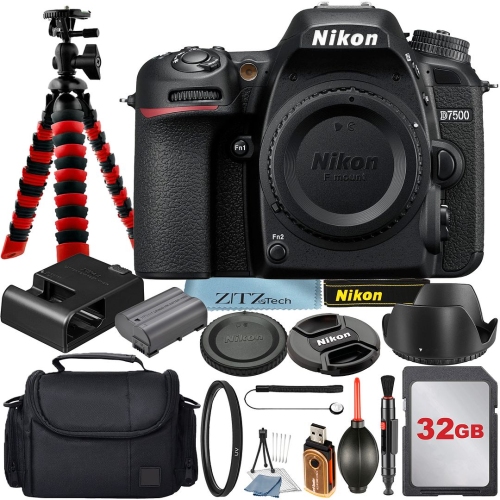
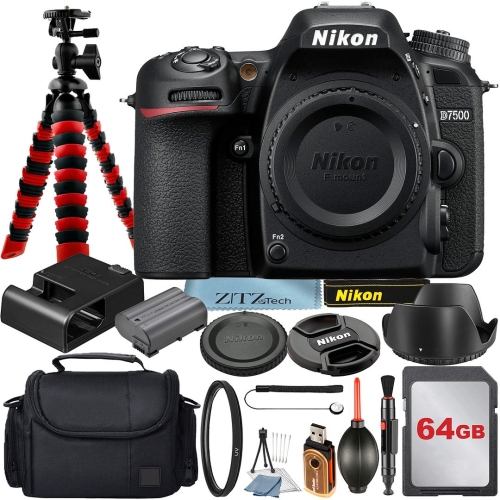
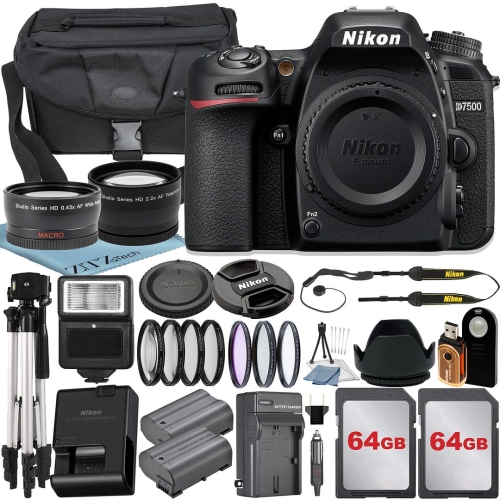
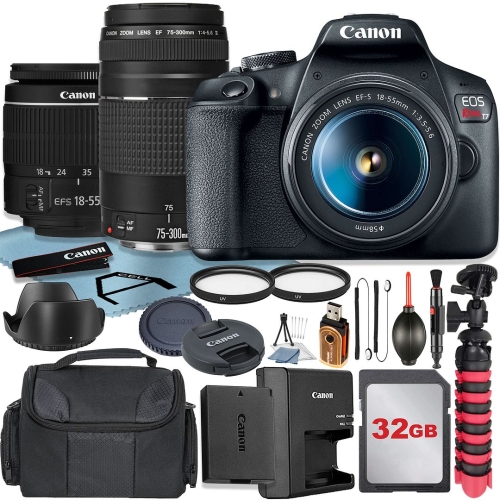
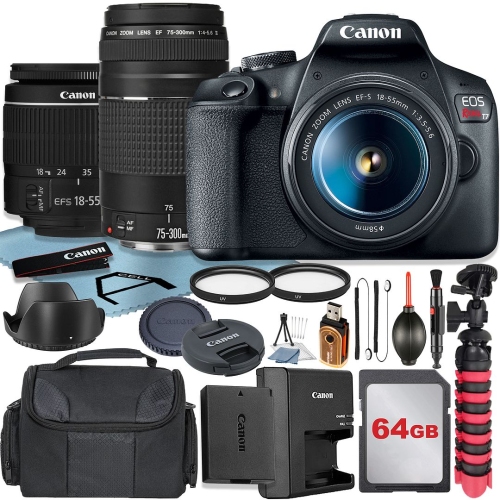
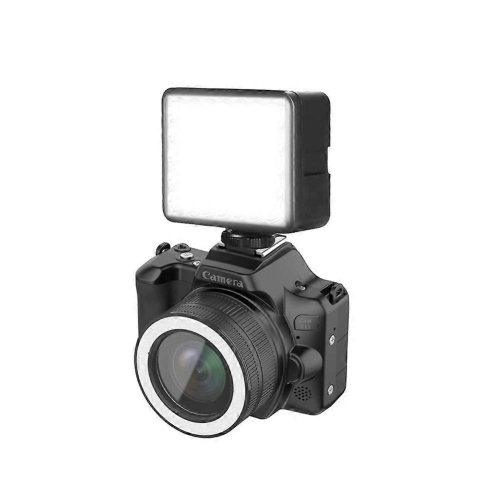
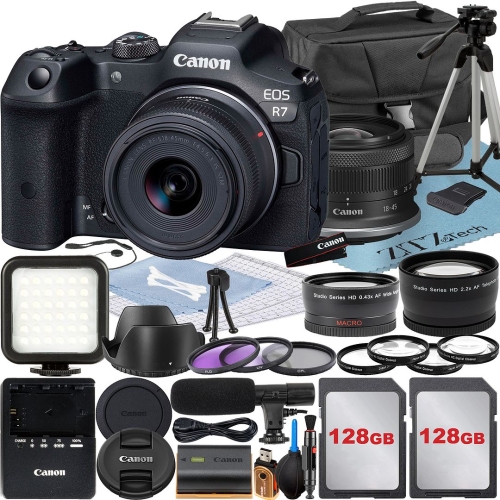
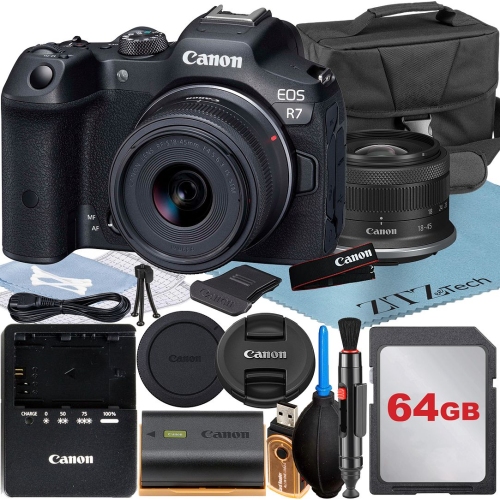
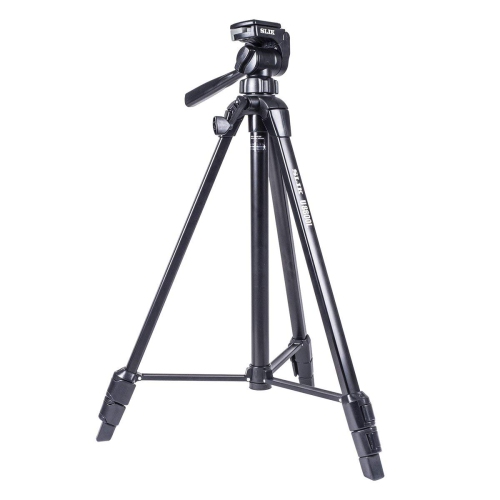
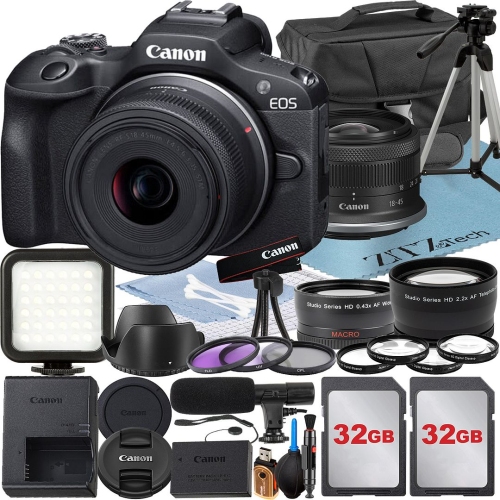
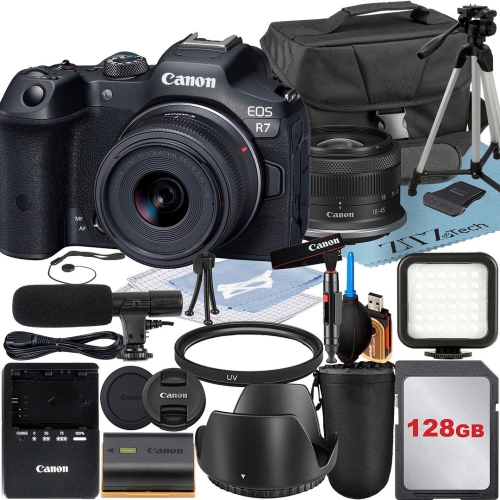
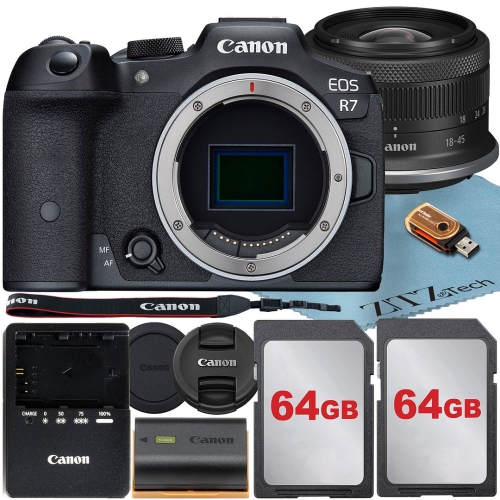
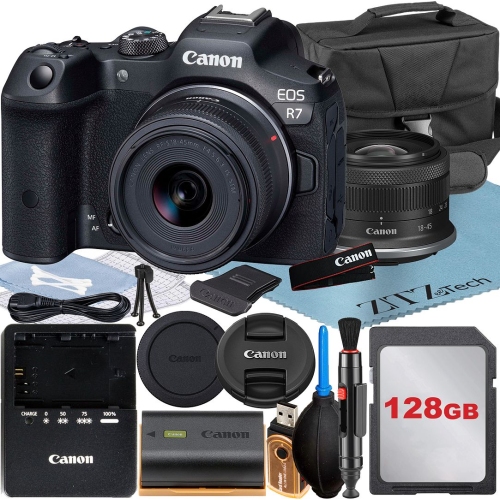
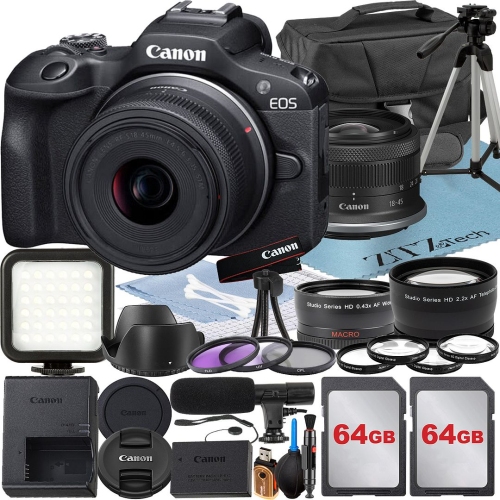
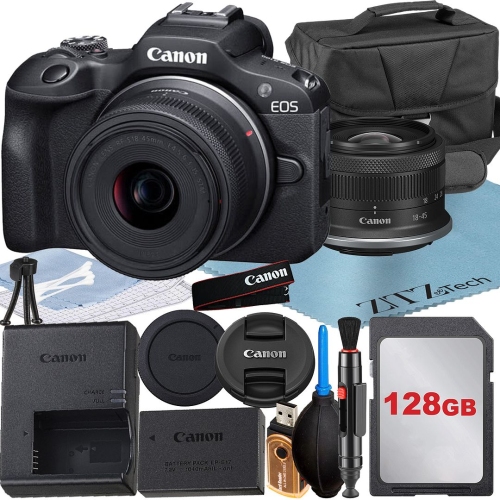
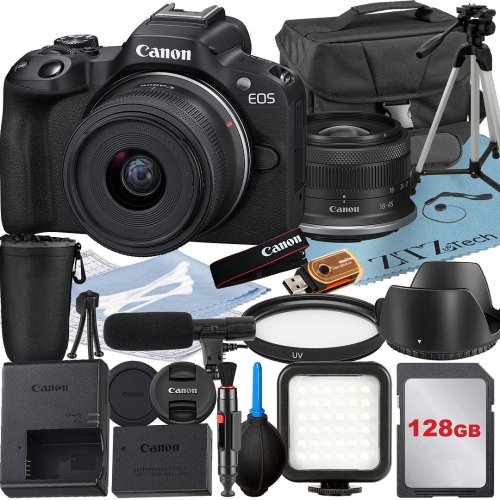
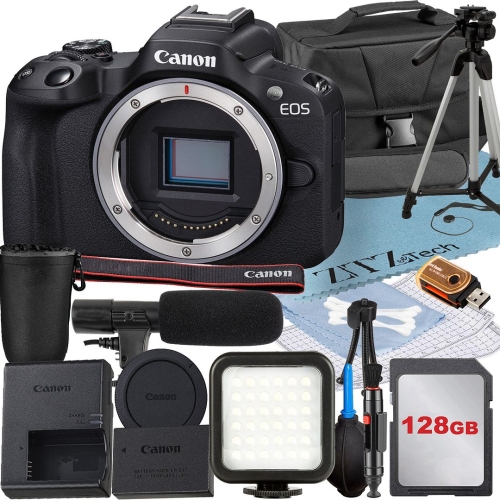
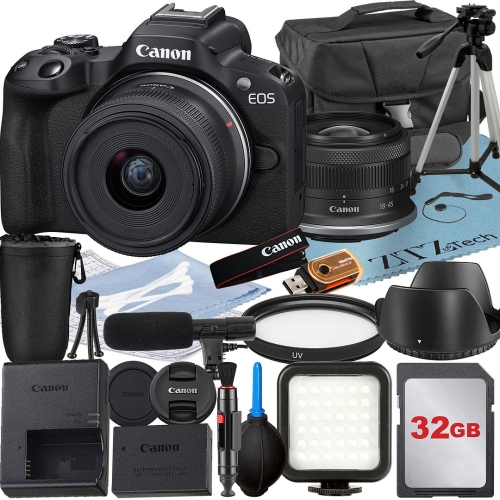
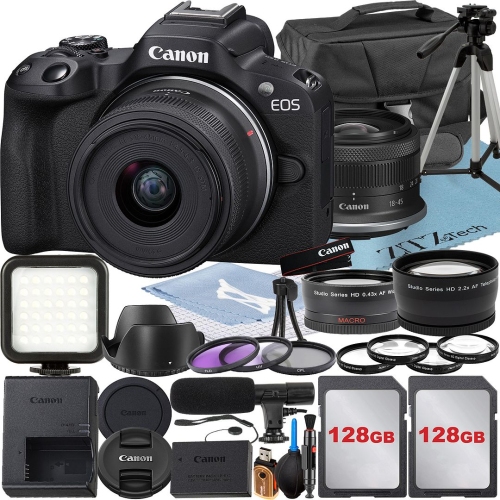
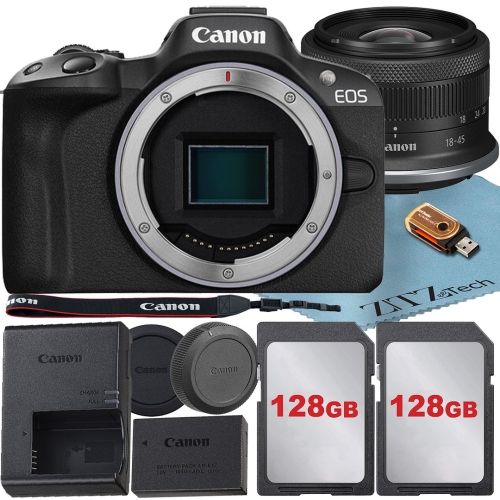
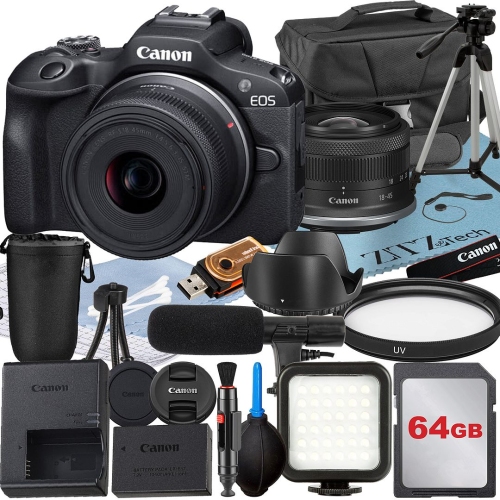
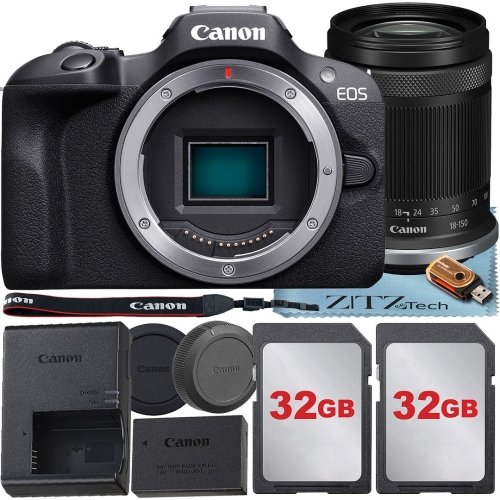
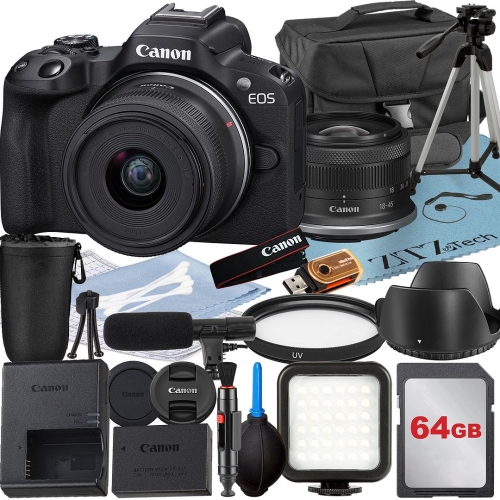
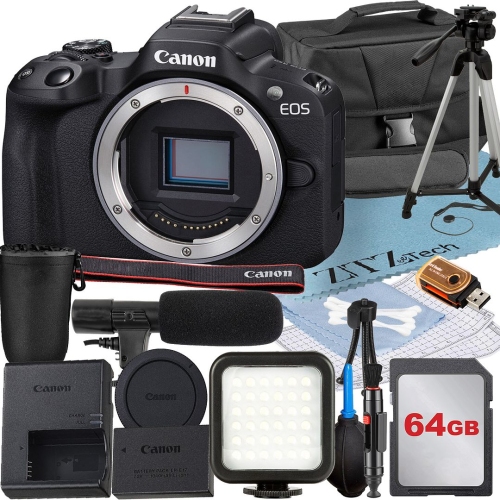
Travel-ready performance without the burden of extra weight
Lightweight DSLR cameras for travel make it easier to bring serious photographic capability without turning every outing into a packing exercise. A compact interchangeable-lens camera can be a strong companion for city breaks, road trips, family visits, hiking routes and destination celebrations, especially when you want more control than a smartphone provides. Look for a body that feels comfortable in your hand, with clearly placed controls, a bright viewfinder and a grip that remains secure when you are shooting one-handed. Weight matters, but so does balance: a camera can be light on its own yet feel cumbersome once a large lens, spare battery and memory card are added. APS-C sensors are popular for travel because they offer a useful blend of image quality, low-light performance and compact dimensions, while full-frame sensors can provide stronger detail and depth in dim interiors, evening streets and wide landscapes. Smaller sensor formats can also help reduce the overall size of the camera and lenses, making them appealing for travellers who plan to walk for hours. Consider the kind of images you naturally notice while away from home. A standard zoom lens is versatile for markets, architecture, portraits and scenic overlooks, while a compact prime lens can be a lighter choice for street photography, indoor gatherings and softly lit restaurants. A telephoto zoom is useful for wildlife, distant landmarks and candid moments, though its added length and weight may not suit every carry-on or day bag. For travellers who prefer a traditional DSLR optical viewfinder, the direct view through the lens can feel immediate and natural; those open to newer interchangeable-lens designs may also appreciate the smaller bodies, electronic viewfinders and advanced autofocus found in compact mirrorless cameras.
Travel photography often involves changing light and quick-moving subjects, so performance details deserve as much attention as size. Image stabilization can help produce sharper handheld photos at slower shutter speeds, which is valuable when photographing a candlelit interior, a twilight skyline or a quiet street after rain. Autofocus systems with subject detection can make it easier to follow children, pets, birds or passing cyclists, while a responsive burst mode helps capture a fleeting expression or a flag lifting in the wind. If video is part of your plans, review the available resolution and frame rates, microphone support, autofocus behaviour during recording and the position of the screen. A tilting or fully articulating display can be helpful for low-angle architecture, overhead food photography and self-recorded clips, while a microphone input is worth considering for travel diaries or interviews. Battery life is another practical detail: a camera that lasts through a full day of sightseeing will be less demanding than one that requires frequent charging, but carrying a spare battery or compact charger is still wise. Check whether the camera supports USB charging, Bluetooth or Wi-Fi for transferring photos, and whether the memory card format matches the cards and readers you already own. Weather resistance can provide added reassurance during a coastal walk, an unexpected shower or a dusty trail, although no camera should be exposed to conditions beyond its stated rating. Before choosing a kit, check the complete packed weight, lens compatibility, battery availability and accessory costs. A lightweight body paired with one carefully chosen lens may be more useful than a larger bundle that spends most of the trip in a suitcase.
These cameras can suit beginners who want to learn exposure and composition, experienced photographers looking for a lighter second body, and families documenting shared journeys from several different perspectives. Manual controls such as shutter speed, aperture and ISO let you shape the look of an image: freeze a performer mid-step, blur moving water into a smooth ribbon or brighten a portrait made in the shade. Automatic and scene modes remain useful when a moment unfolds quickly, so a camera can grow with the person using it rather than demanding advanced knowledge from the first day. For a gift, a lightweight camera can be especially thoughtful for a graduate, newlywed couple, frequent traveller or creative family member who enjoys taking photos but has outgrown a phone. A practical gift bundle might include a comfortable strap, a padded compact bag, an extra battery, a memory card and a small tabletop tripod, provided each accessory is compatible with the chosen camera. Think about how the recipient travels: someone who spends weekends exploring urban neighbourhoods may prefer a small body and a compact prime lens, while a nature enthusiast may value reach, stabilization and weather protection. Keep space for the ordinary moments that become the most meaningful later—the first coffee on a balcony, a child watching waves from a pier, worn boots beside a trail marker or warm light falling across an unfamiliar room. For travellers drawn to the character and deliberate pace of analogue photography, Lightweight Film Cameras for Travel Photography offers another way to explore the same journeys. Whichever style fits best, prioritize a camera that feels inviting enough to carry, simple enough to reach for quickly and capable enough to preserve both grand views and small details during the warmer and cooler parts of the travel season.
Travel photography often involves changing light and quick-moving subjects, so performance details deserve as much attention as size. Image stabilization can help produce sharper handheld photos at slower shutter speeds, which is valuable when photographing a candlelit interior, a twilight skyline or a quiet street after rain. Autofocus systems with subject detection can make it easier to follow children, pets, birds or passing cyclists, while a responsive burst mode helps capture a fleeting expression or a flag lifting in the wind. If video is part of your plans, review the available resolution and frame rates, microphone support, autofocus behaviour during recording and the position of the screen. A tilting or fully articulating display can be helpful for low-angle architecture, overhead food photography and self-recorded clips, while a microphone input is worth considering for travel diaries or interviews. Battery life is another practical detail: a camera that lasts through a full day of sightseeing will be less demanding than one that requires frequent charging, but carrying a spare battery or compact charger is still wise. Check whether the camera supports USB charging, Bluetooth or Wi-Fi for transferring photos, and whether the memory card format matches the cards and readers you already own. Weather resistance can provide added reassurance during a coastal walk, an unexpected shower or a dusty trail, although no camera should be exposed to conditions beyond its stated rating. Before choosing a kit, check the complete packed weight, lens compatibility, battery availability and accessory costs. A lightweight body paired with one carefully chosen lens may be more useful than a larger bundle that spends most of the trip in a suitcase.
These cameras can suit beginners who want to learn exposure and composition, experienced photographers looking for a lighter second body, and families documenting shared journeys from several different perspectives. Manual controls such as shutter speed, aperture and ISO let you shape the look of an image: freeze a performer mid-step, blur moving water into a smooth ribbon or brighten a portrait made in the shade. Automatic and scene modes remain useful when a moment unfolds quickly, so a camera can grow with the person using it rather than demanding advanced knowledge from the first day. For a gift, a lightweight camera can be especially thoughtful for a graduate, newlywed couple, frequent traveller or creative family member who enjoys taking photos but has outgrown a phone. A practical gift bundle might include a comfortable strap, a padded compact bag, an extra battery, a memory card and a small tabletop tripod, provided each accessory is compatible with the chosen camera. Think about how the recipient travels: someone who spends weekends exploring urban neighbourhoods may prefer a small body and a compact prime lens, while a nature enthusiast may value reach, stabilization and weather protection. Keep space for the ordinary moments that become the most meaningful later—the first coffee on a balcony, a child watching waves from a pier, worn boots beside a trail marker or warm light falling across an unfamiliar room. For travellers drawn to the character and deliberate pace of analogue photography, Lightweight Film Cameras for Travel Photography offers another way to explore the same journeys. Whichever style fits best, prioritize a camera that feels inviting enough to carry, simple enough to reach for quickly and capable enough to preserve both grand views and small details during the warmer and cooler parts of the travel season.
Top selling and popular products
-
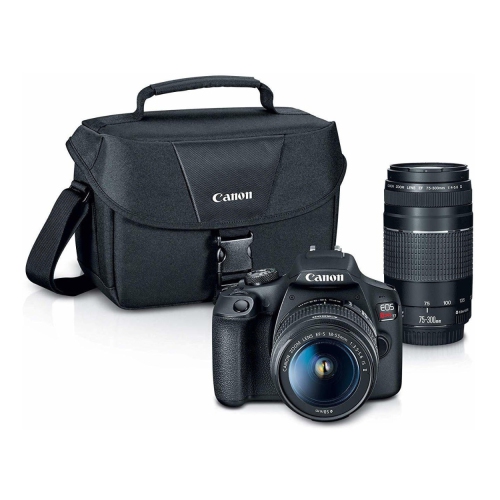 Your price for this item is $1039.95
 -
 Your price for this item is $799.99
 -
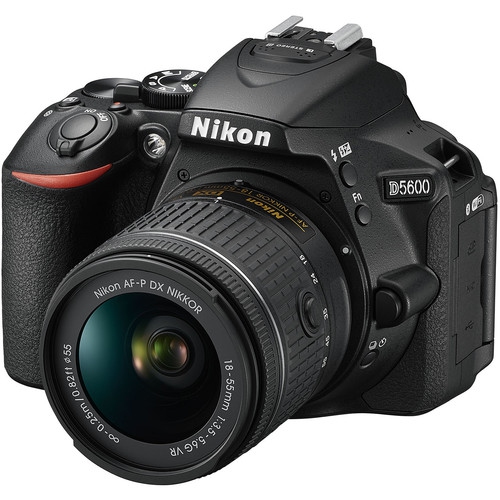 Your price for this item is $1309.95
 -
 Your price for this item is $1199.95
 -
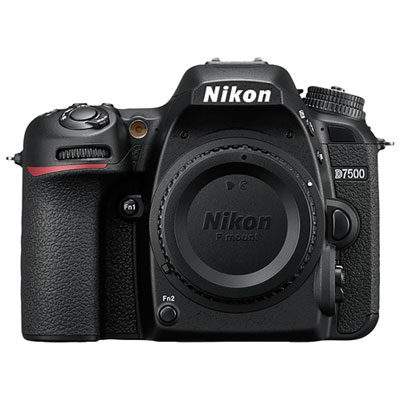 Your price for this item is $879.99
 -
 Your price for this item is $1909.95
 -
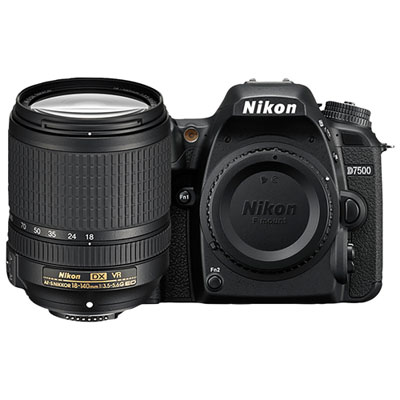 Your price for this item is $1279.99
 -
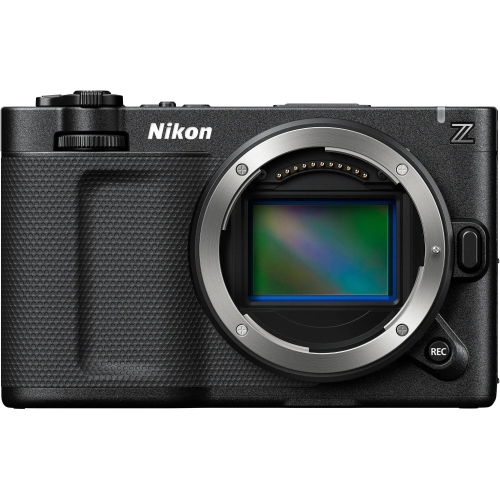 Your price for this item is $2889.99
Discover more categories related to Lightweight DSLR Cameras for Travel
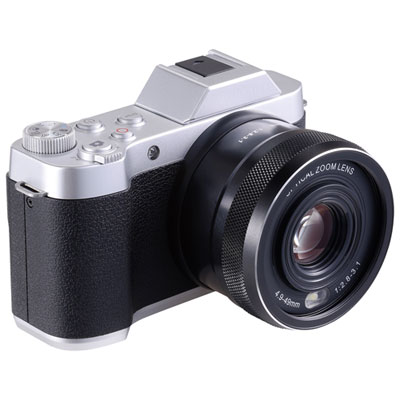
Top Collections:
Pokemon Centers, Best Cameras for Sports Photography, Kindle Devices, Samsung Galaxy Phones, Canon G7X Cameras, Pokémon 30th Celebration Cards, Refurbished Apple Laptops, iPhone 15 Apple, Laptops for Students, Budget Smartphones
Some products may be subject to Environmental Handling Fees
(EHF) depending on your province.
Learn more about EHFs.