Lightweight Travel Cameras
Lightweight Travel Cameras are designed to help you capture every moment of your adventures without adding extra bulk to your bag. Perfect for vacations, weekend getaways, or daily explorations, these cameras offer easy portability and convenience. Browse a wide selection of Lightweight Travel Cameras at Best Buy and find the ideal companion for your next journey.
Sort
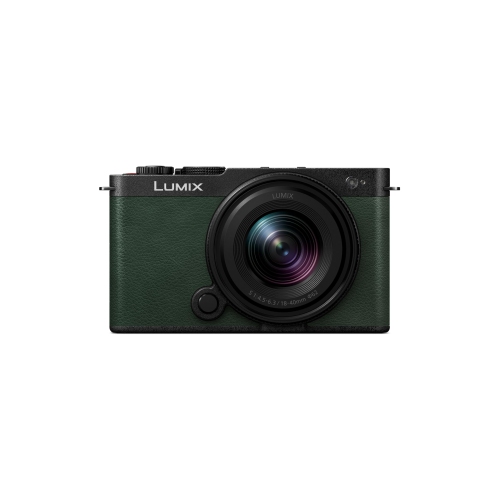
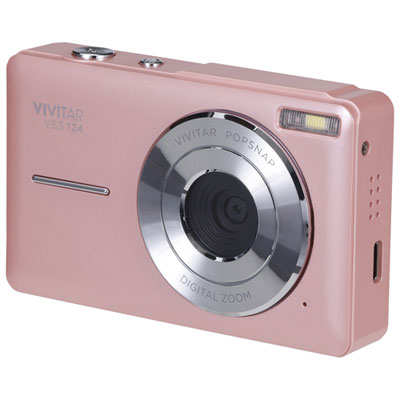

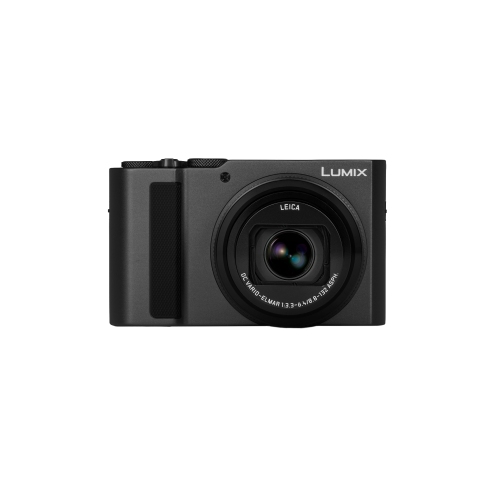
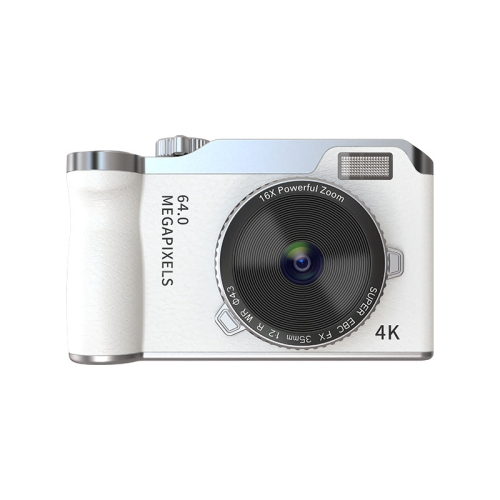
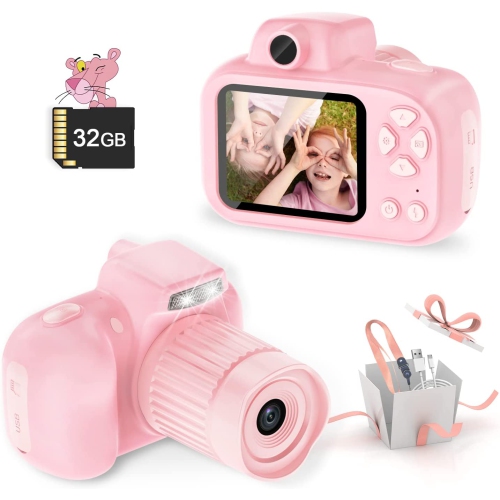
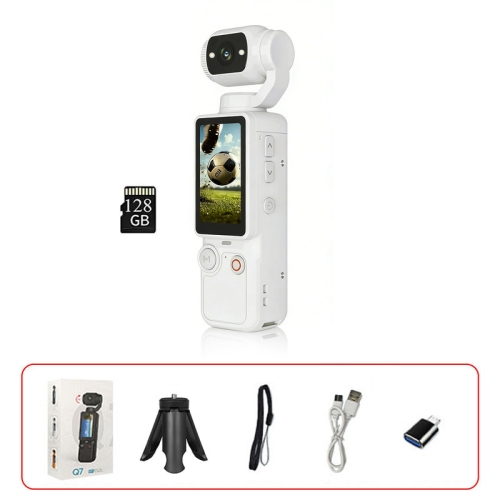
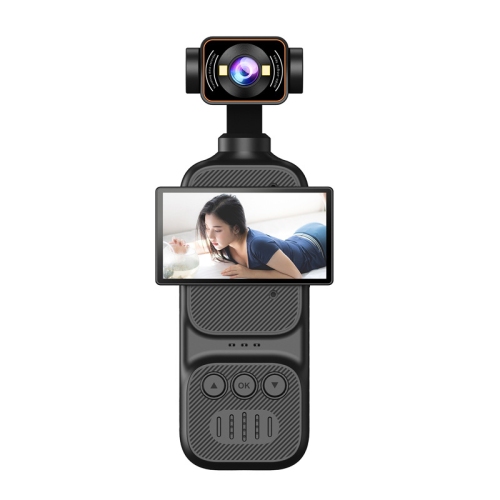
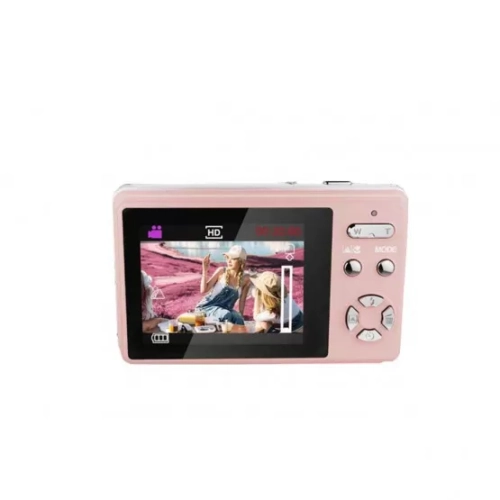
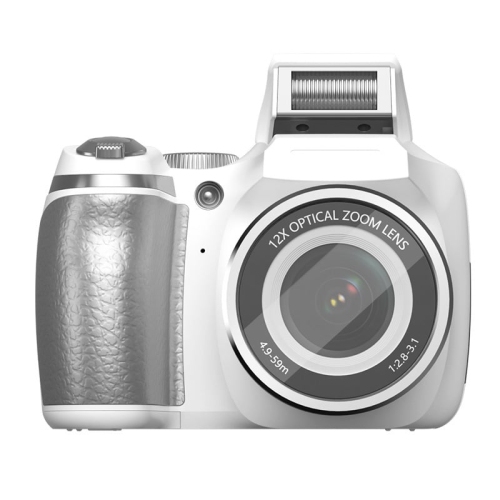
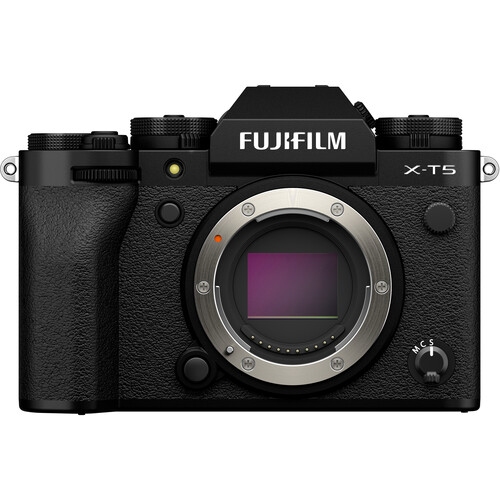
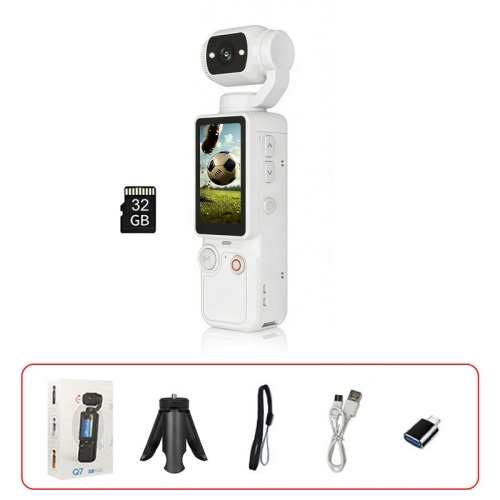
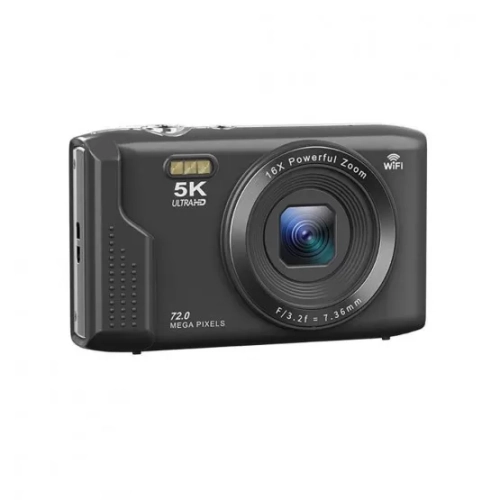
What matters beyond a camera’s size and weight
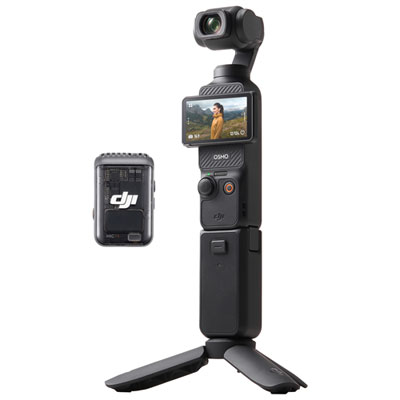
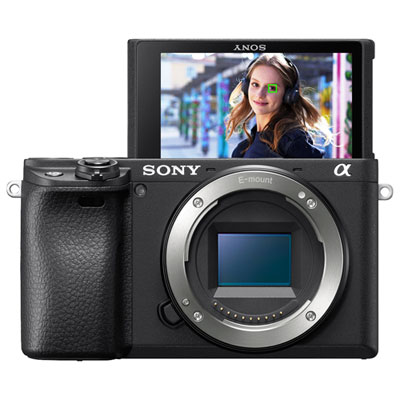
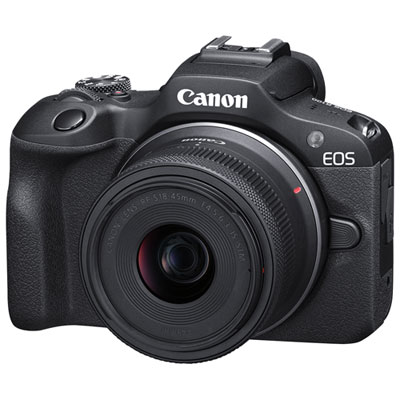
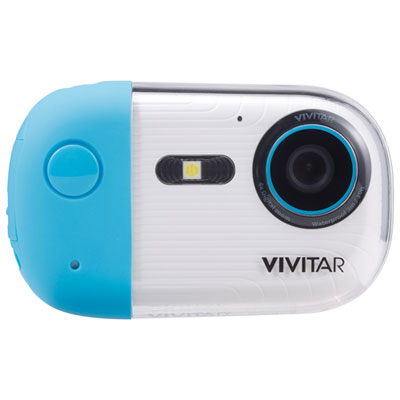
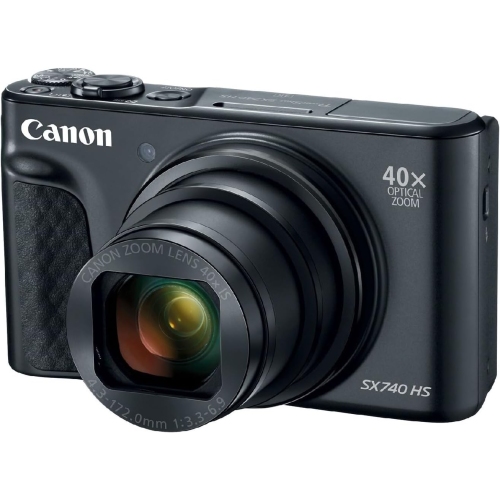
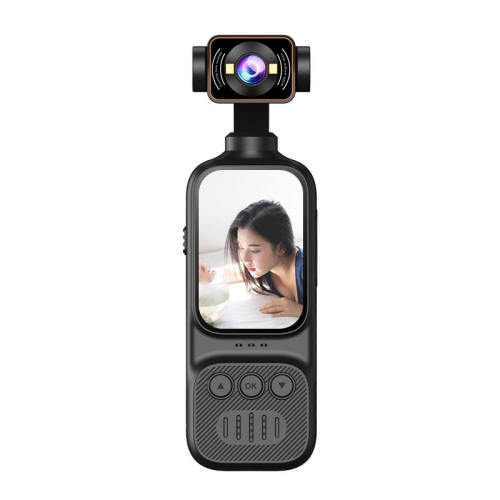
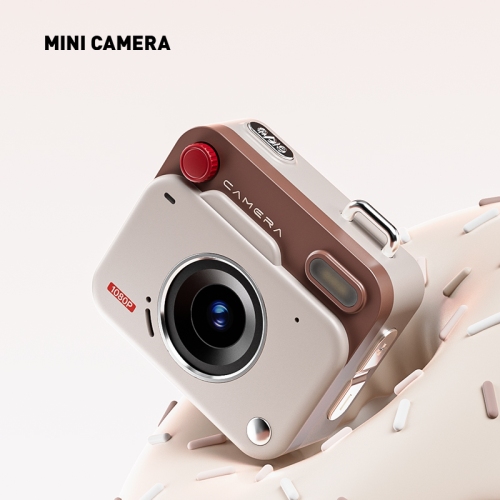
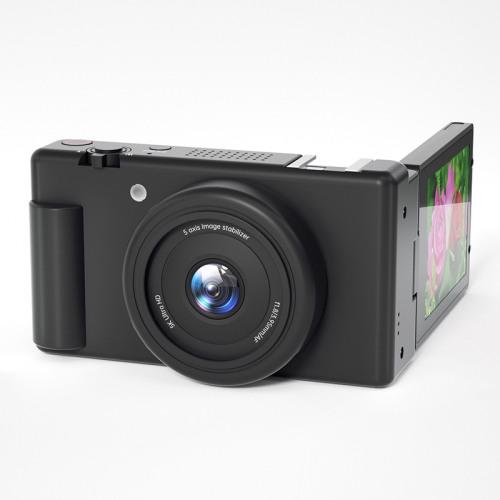
Lightweight travel cameras balance portability, image quality, useful lens reach, and straightforward handling, making them practical companions for everything from a weekend city break to a longer trip with limited luggage space. The most useful size is one that feels comfortable to carry throughout the day, whether tucked into a jacket pocket, secured in a small shoulder bag, or worn on a wrist strap. Pocket-sized compact cameras keep the lens and body together in a single unit, while compact mirrorless cameras offer interchangeable lenses and more room to adapt a setup to different subjects. Small action cameras serve a different purpose, capturing wide-angle views and hands-free footage when mounted securely to suitable equipment. Each format involves a trade-off: a longer zoom may add bulk, a larger sensor can require larger lenses, and an exceptionally small body may leave less space for controls or a substantial grip. For travel, the weight of the complete setup matters more than the camera body alone. A lens, spare battery, strap, and protective case can noticeably change how a camera feels after several hours of walking. Image quality also depends on more than the megapixel count. Sensor size, lens quality, autofocus performance, and image processing all contribute to detail, colour, and the ability to handle scenes with bright highlights and deep shadows. Larger sensors generally offer more flexibility in dim interiors and when creating a softly blurred background, though results also depend on the lens and settings. A compact zoom camera can be especially convenient for moving between a broad view of a town square and a closer frame of architectural details without changing lenses. A small mirrorless setup with a modest lens can appeal to travellers who enjoy more creative control without carrying a large camera bag. For family trips, solo sightseeing, and everyday discoveries between planned stops, portability has a simple advantage: a camera that is easy to carry is more likely to be within reach when something memorable happens.
Lens coverage and handling shape how a lightweight camera fits into a trip. A wide-angle view helps fit a building, a group of friends, or a narrow interior into the frame, while telephoto reach brings distant details closer without requiring the photographer to move. Optical zoom changes the framing through the lens; digital zoom generally crops or processes the image and can reduce visible detail. Equivalent focal-length ranges make lens coverage easier to compare across cameras with different sensor sizes, while a zoom multiplier alone does not reveal how wide the view begins. A bright maximum aperture can help in dim settings, although some zoom lenses let in less light as they extend. Optical or in-body image stabilization can reduce blur from small hand movements, especially at longer focal lengths, but it cannot freeze a moving subject. Responsive autofocus and subject tracking are useful when photographing children crossing a plaza or performers moving across a stage. Comfort matters just as much during ordinary use: a secure grip, clearly marked buttons, and a screen that remains easy to view can make quick adjustments feel natural. A tilting screen helps with photographs taken near ground level or above a crowd, while a viewfinder provides another way to compose and brace the camera. Travellers who record video may value 4K resolution, dependable autofocus, and stabilization, but resolution alone does not determine the result. Frame rates, recording limits, microphone options, and the field of view used during recording can also affect how footage looks and sounds. Some stabilization modes crop the image, which matters when filming at arm’s length or in a tight space. Simple automatic modes suit quick snapshots, while accessible exposure controls and RAW capture offer flexibility for photographers who enjoy editing. JPEG files are convenient for sharing, and wireless transfer through Wi-Fi or Bluetooth can help move selected images to a compatible phone, depending on the camera’s supported features.
Practical construction and sensible care help a small travel camera remain dependable beyond a single trip. Bodies may combine durable plastics, metal panels, and textured grip surfaces, with differences in weight, handling, and resistance to everyday knocks. A snug protective case keeps the camera from rubbing against keys or other hard objects inside a bag, while a well-fitted strap adds security when leaning over a railing or stepping onto a busy train. Rugged models can offer additional protection, but resistance ratings and handling limits vary; a tough exterior should not be treated as permission to ignore the manufacturer’s care instructions. Lens caps, a soft brush, and a clean microfibre cloth help keep fingerprints and grit from affecting photographs. Loose dust is best removed before gently wiping a lens, and a camera should be switched off before a lens change to reduce the chance of attracting particles to exposed internal components. Storage and power deserve space in the travel setup, too. Battery life varies with screen use, video recording, wireless connections, and other settings, so a spare battery can be useful during a full day away from a charging point. USB charging is convenient where supported, though cable, charger, and power-bank compatibility should be checked rather than assumed. Memory cards need to meet the camera’s capacity and speed requirements, particularly for higher-quality video, and keeping a second copy of important photographs reduces reliance on a single card. Travellers comparing portable formats can also explore Lightweight Digital Cameras for a broader view of small-camera options. As a gift, a lightweight travel camera can suit a student heading abroad, a relative planning a long-awaited journey, or someone who wants a dedicated camera for everyday outings. The most comfortable match reflects how that person likes to take pictures: uncomplicated point-and-shoot operation, an adaptable lens system, or a compact way to record movement. A manageable size, reassuring grip, and controls that feel intuitive can make the camera a welcome part of the trip rather than another piece of luggage.
Top selling and popular products
-
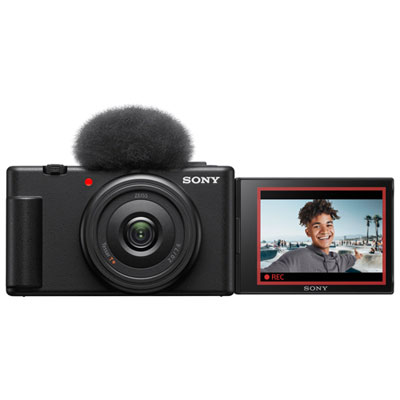 Your price for this item is $599.99
-
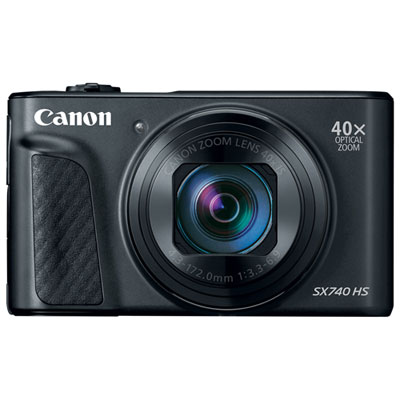 Your price for this item is $799.99
-
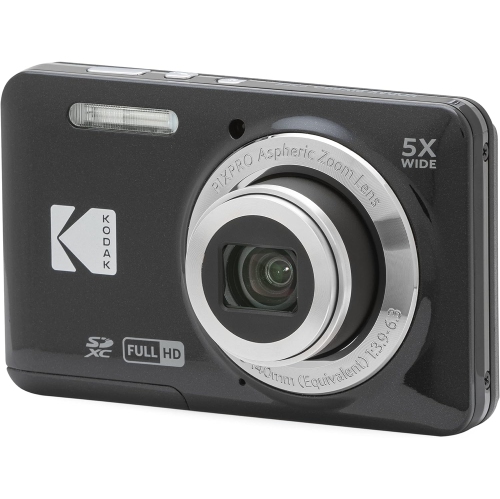 Your price for this item is $255
-
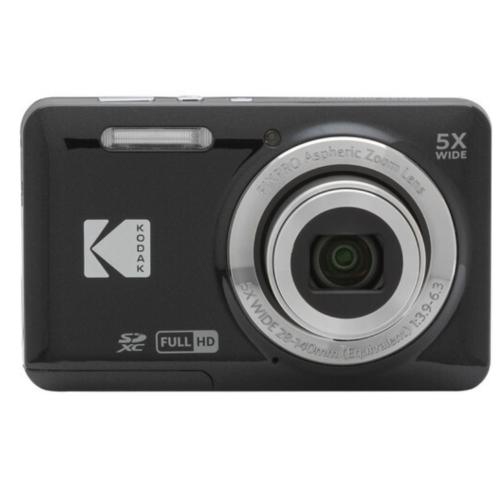 Your price for this item is $253
-
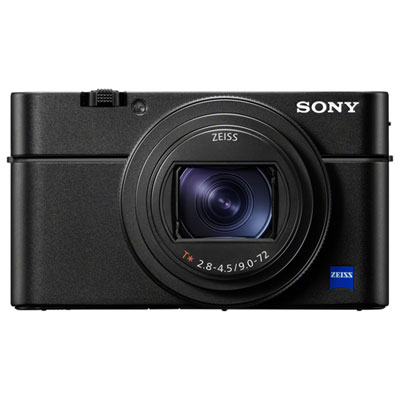 Your price for this item is $1799.99
-
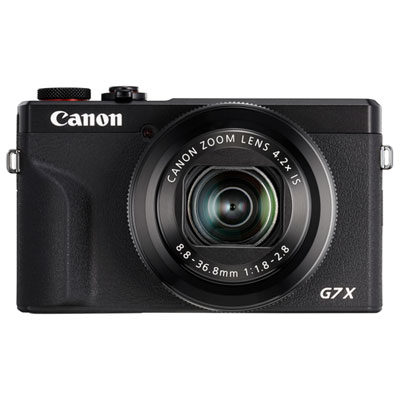 Your price for this item is $1999.99
-
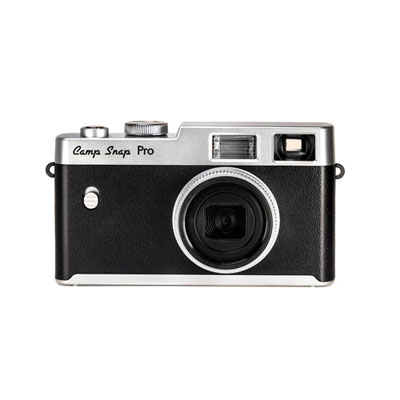 Your price for this item is $149.99
-
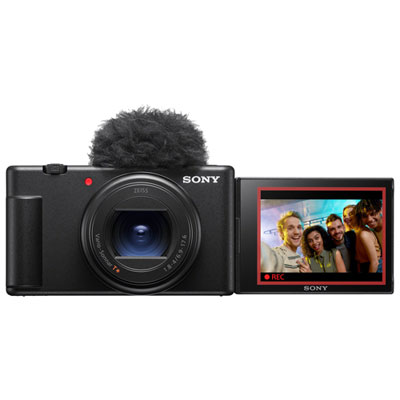 Your price for this item is $1099.99
Discover more categories related to Lightweight Travel Cameras
Top Collections:
Best Black Friday Deals This Year, Best Black Friday Deals On Electronics, Kindle Devices, Pokemon Centers, Best Black Friday Deals On Apple Products, Best Cameras for Sports Photography, Dyson Airwrap, Pokémon 30th Celebration Cards, Apple iPhone 17 Pro, Canon G7X Cameras
Some products may be subject to Environmental Handling Fees
(EHF) depending on your province.
Learn more about EHFs.