Lightweight Travel Tripods
If you're a photographer who likes to travel, but doesn't want to carry around a big tripod, you might consider a lightweight travel tripod. These tripods are small enough to fit in your luggage. Here are some great lightweight travel tripods available today.
Sort

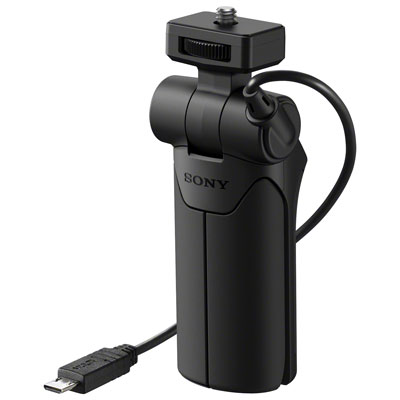
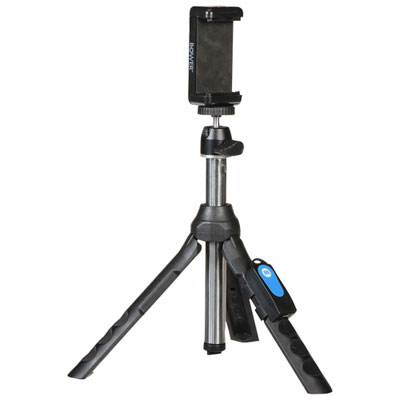
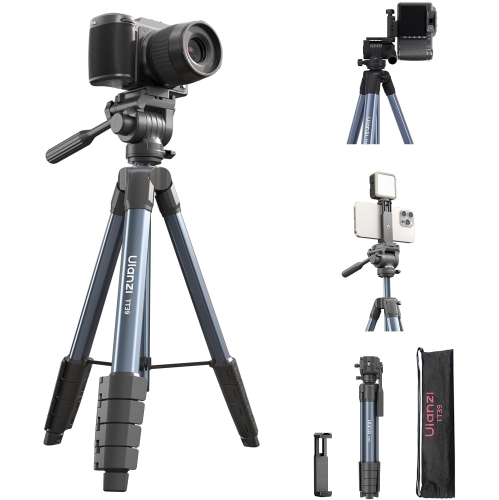
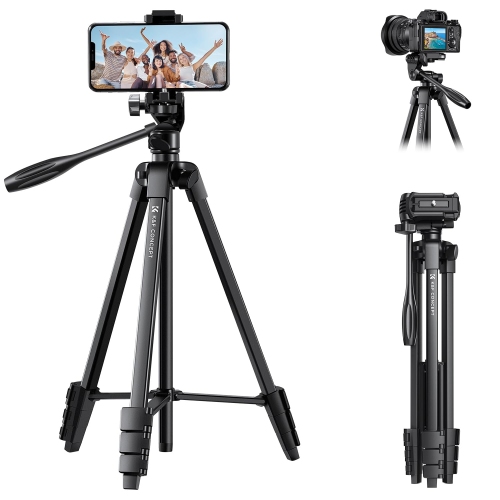
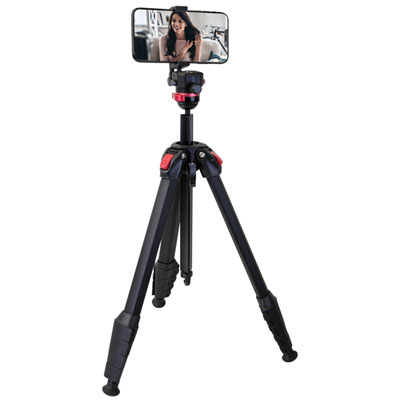
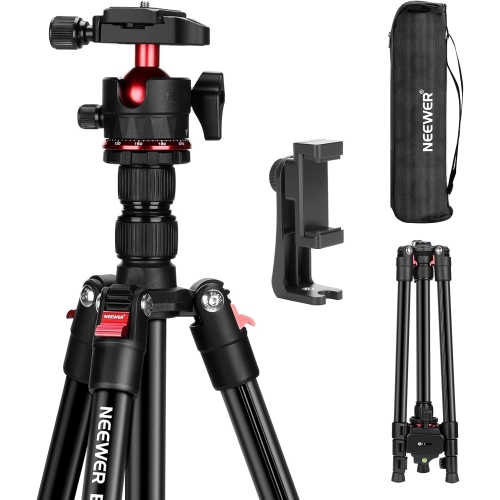
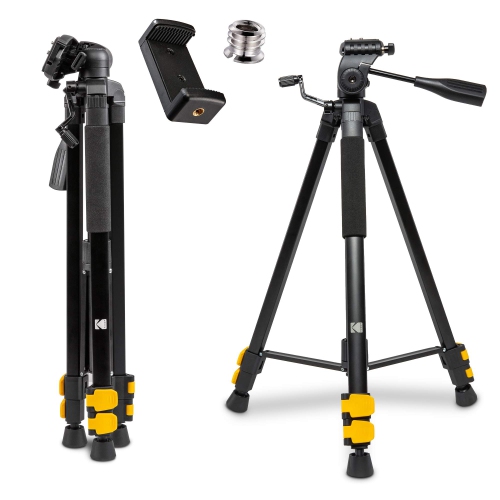
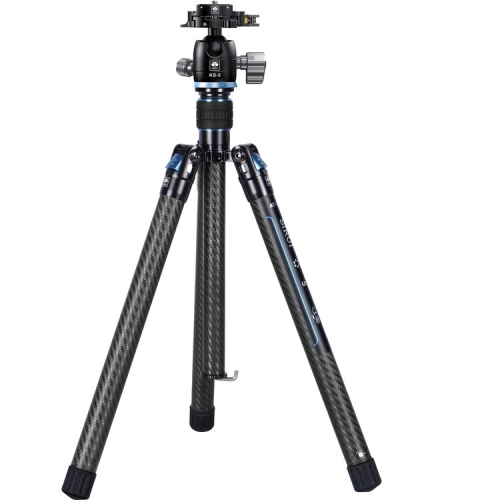
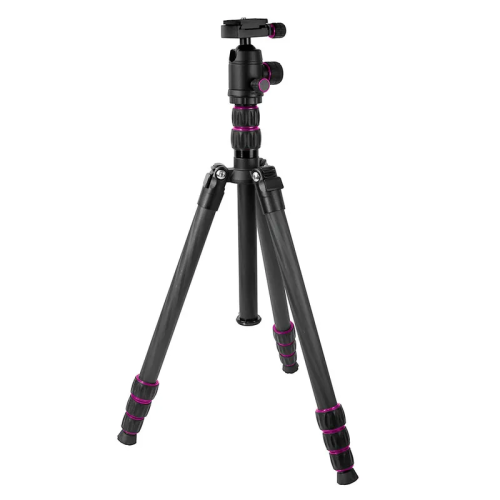
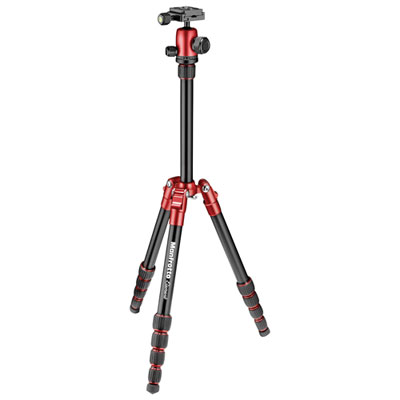

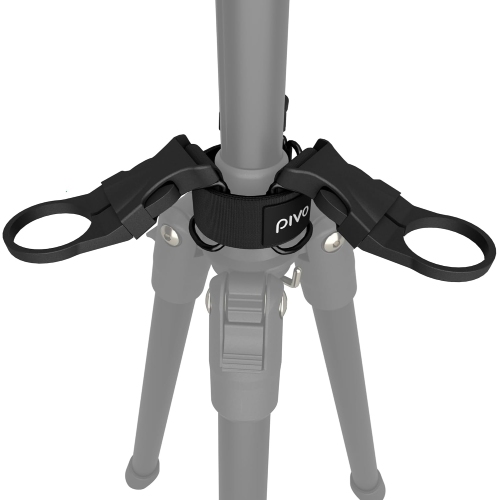
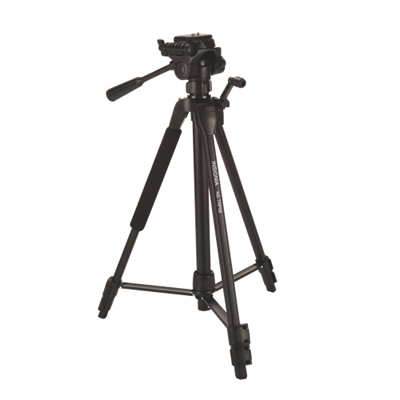
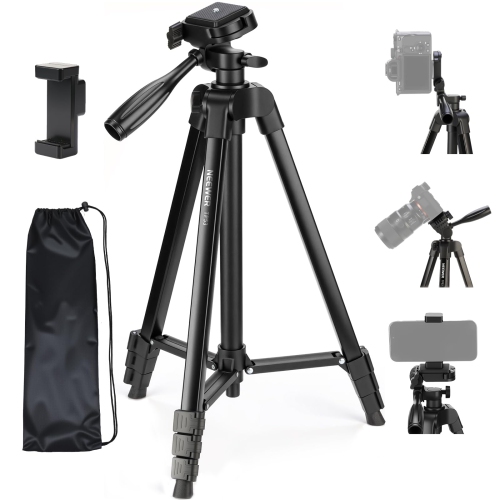
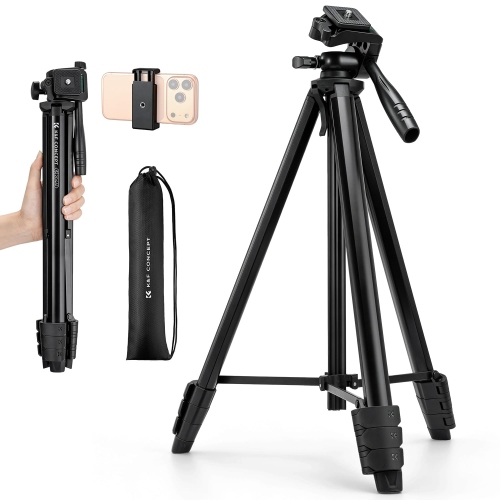
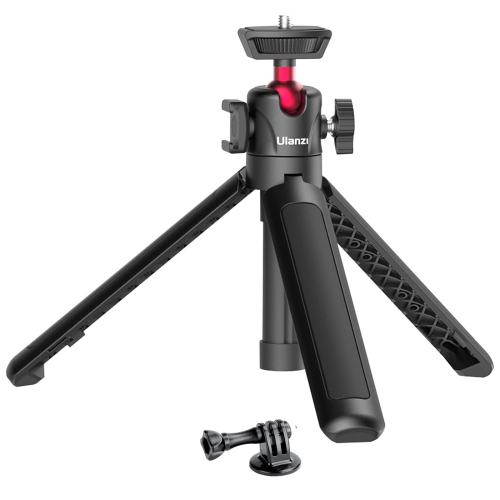
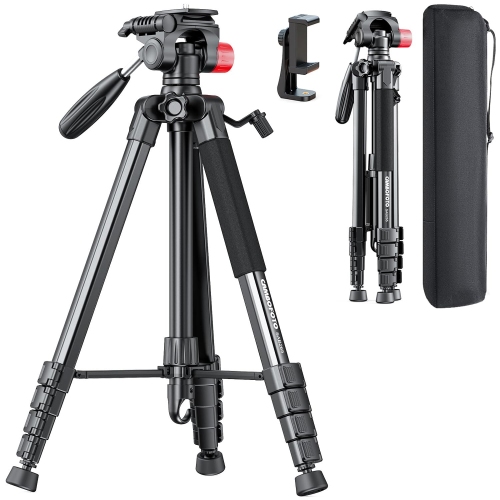
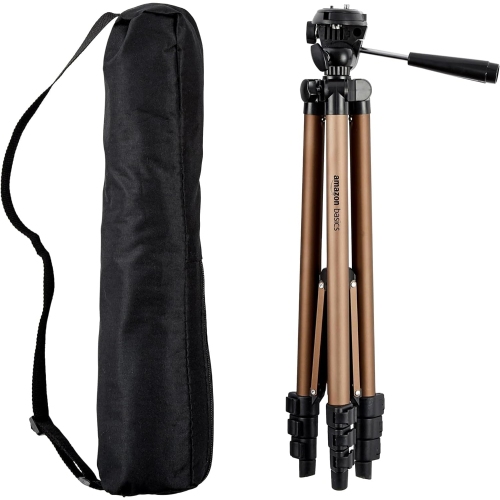
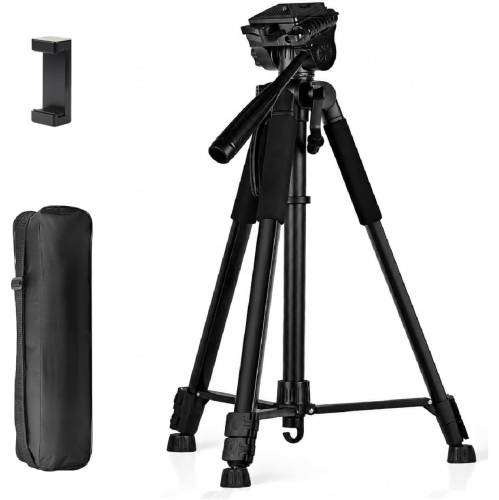
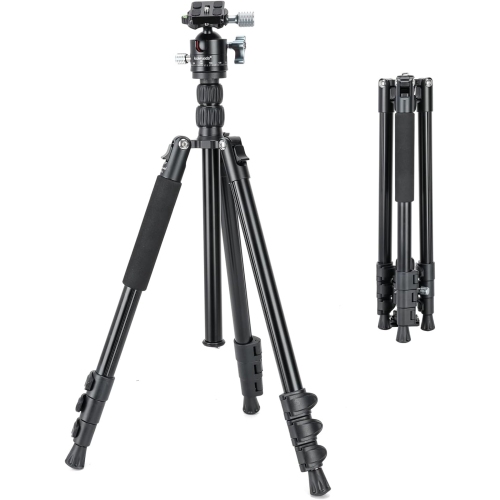
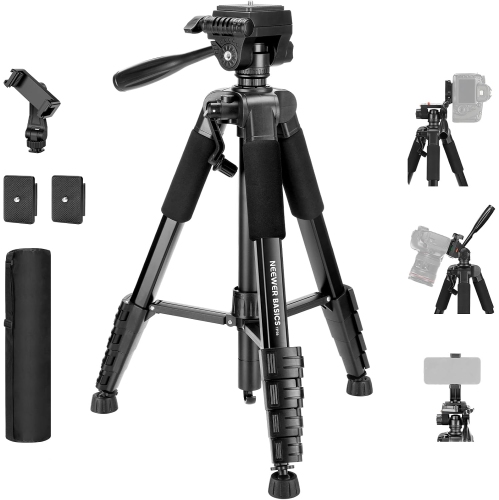
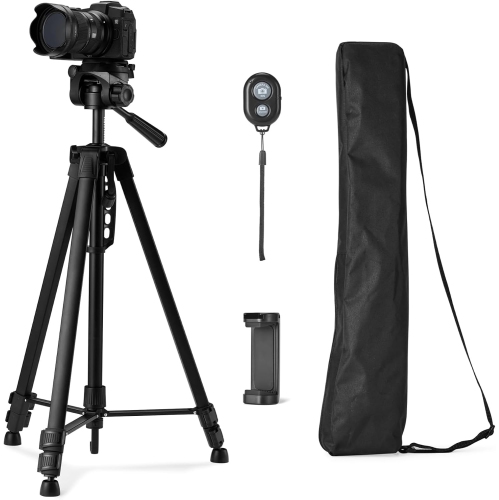
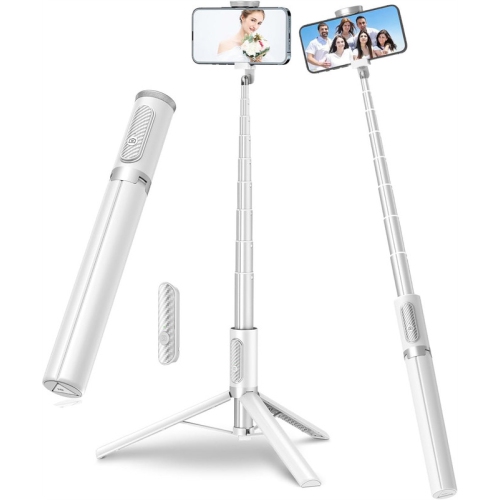
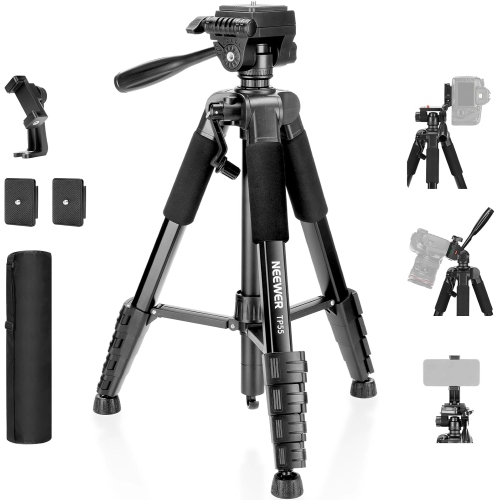
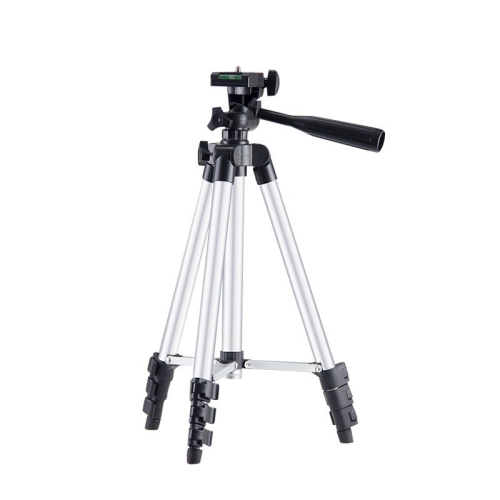
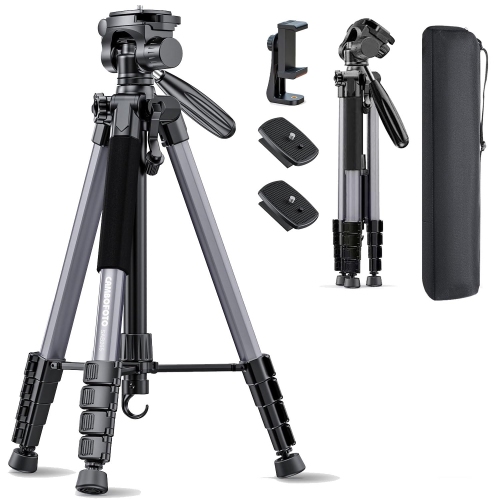
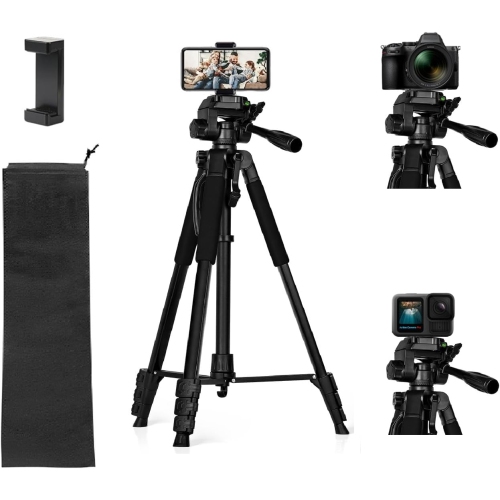
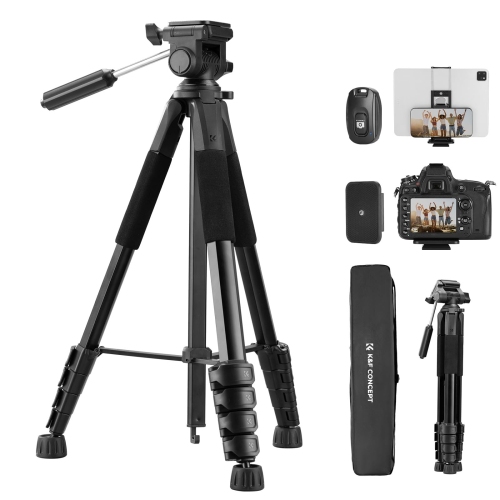
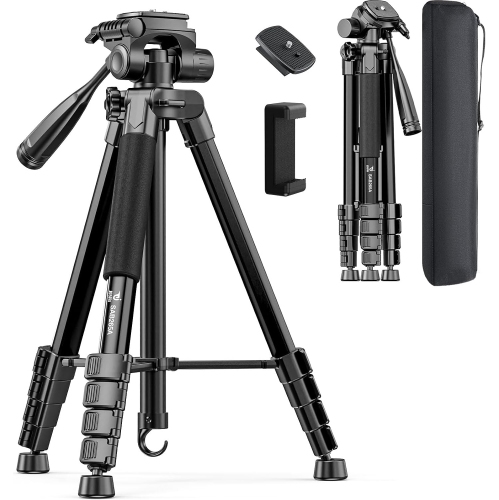
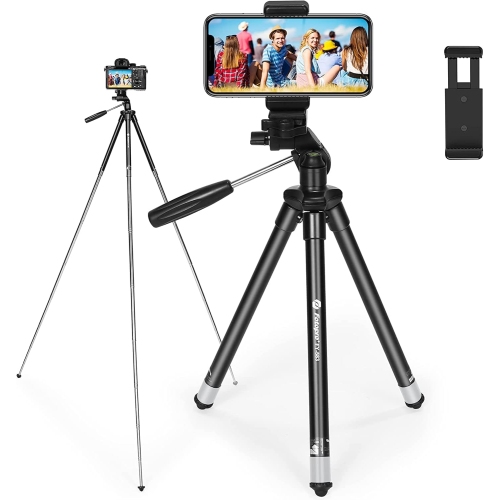
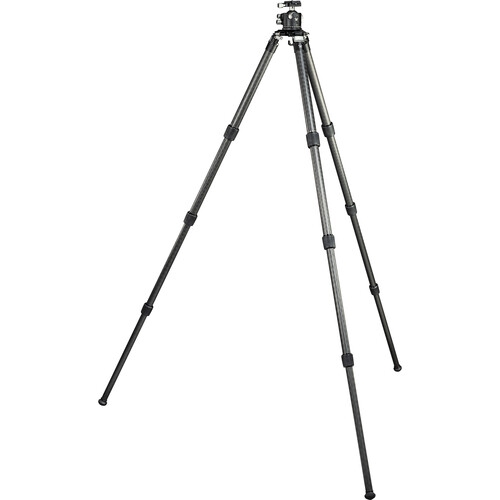
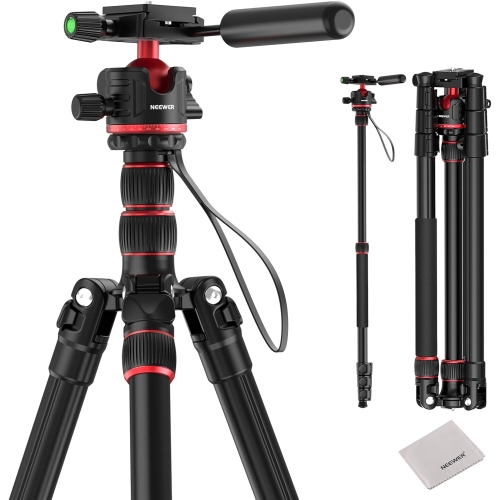
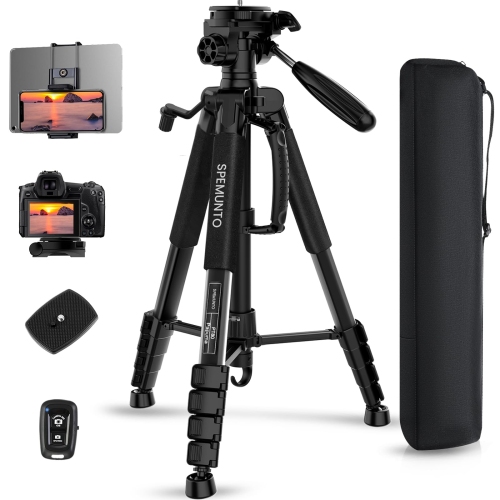

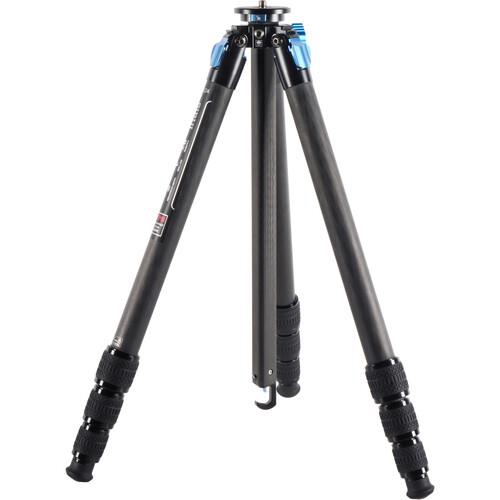
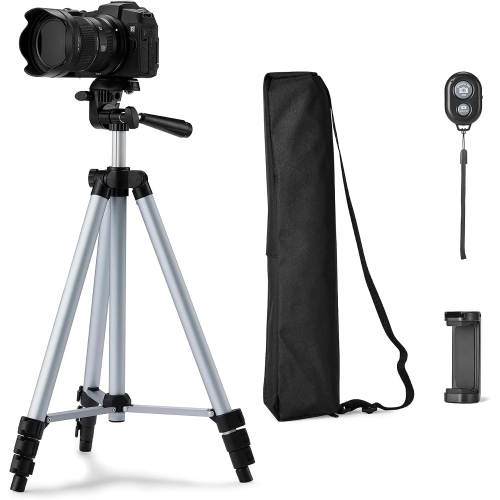
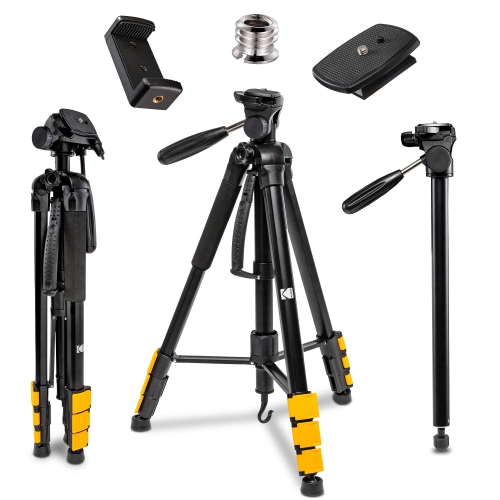
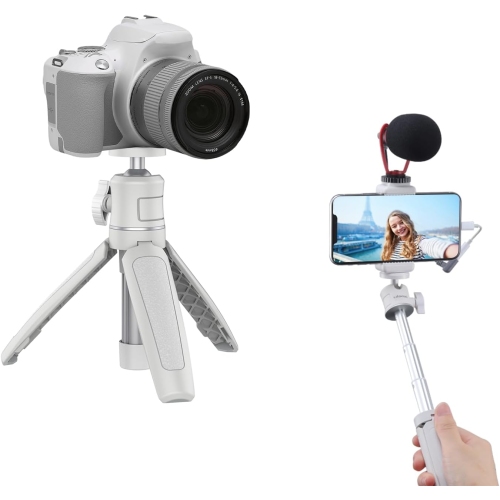
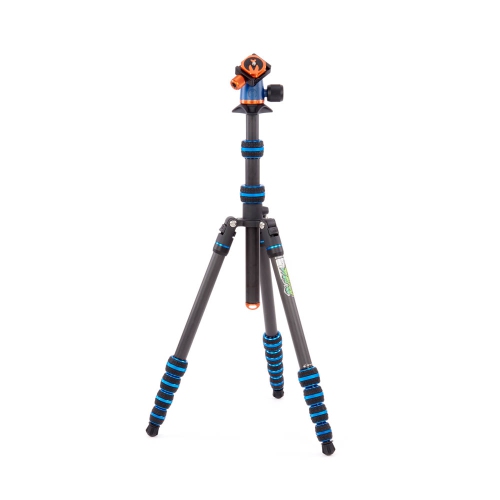
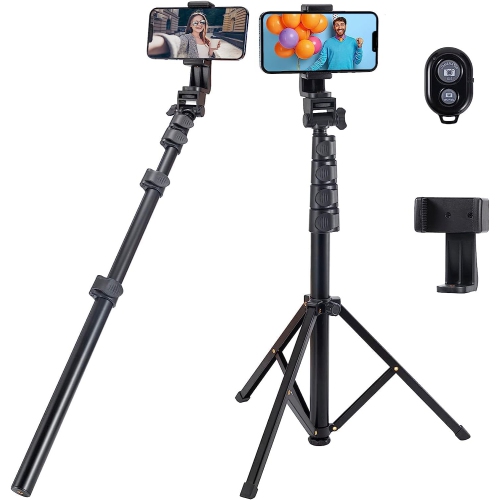
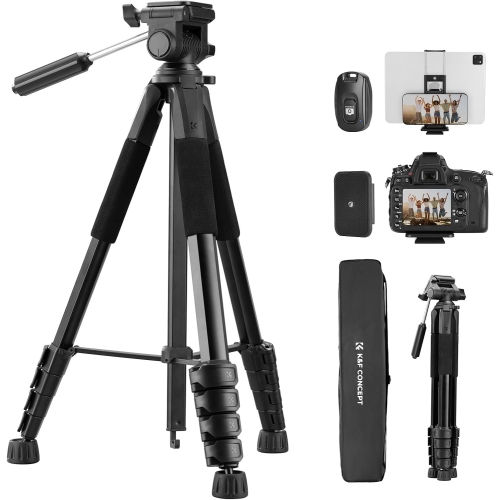
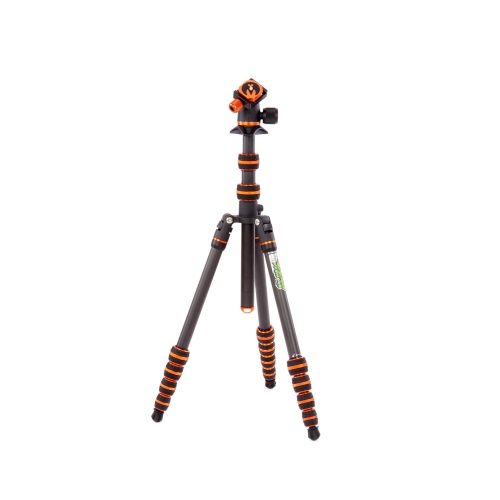
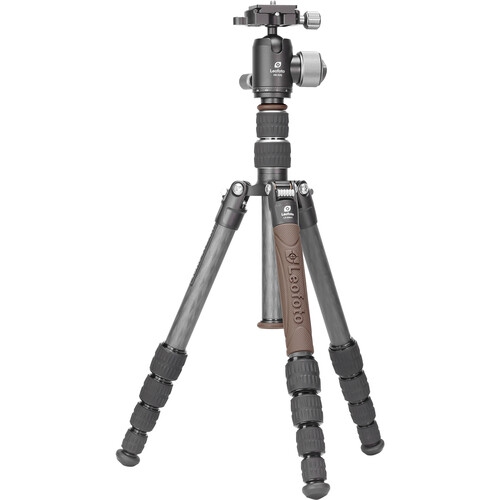
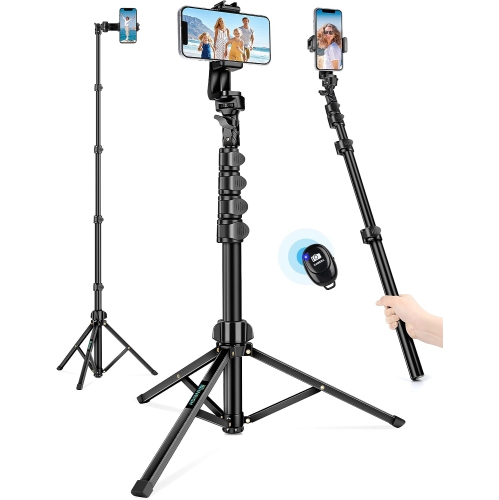
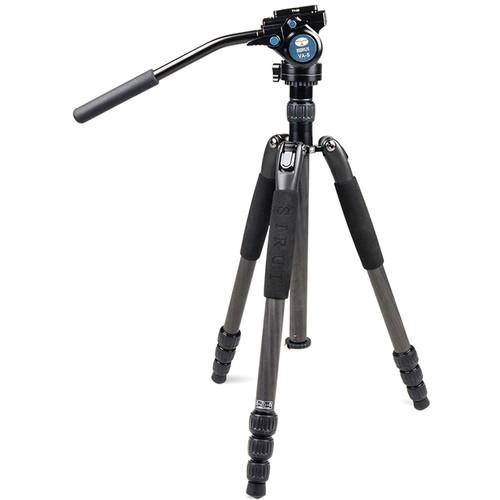
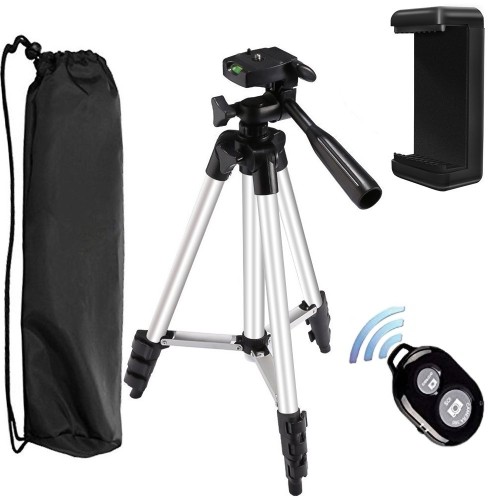
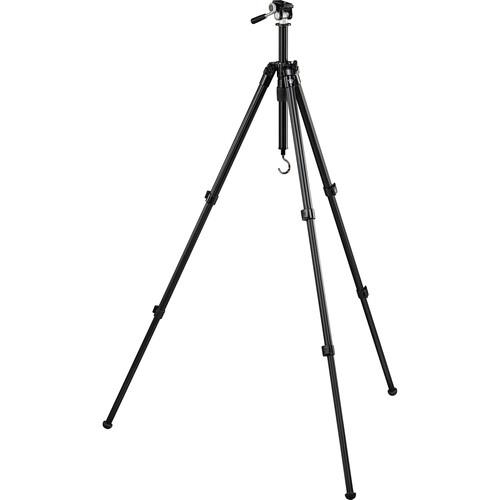
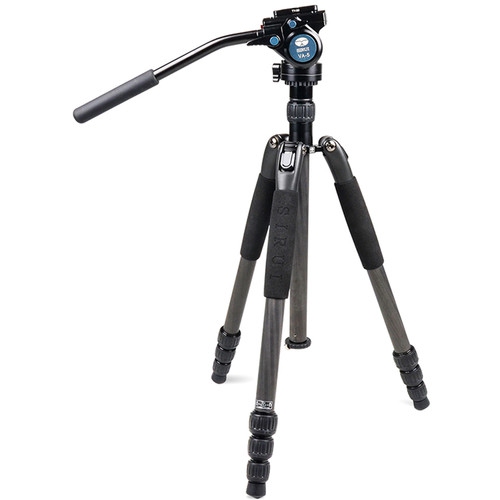
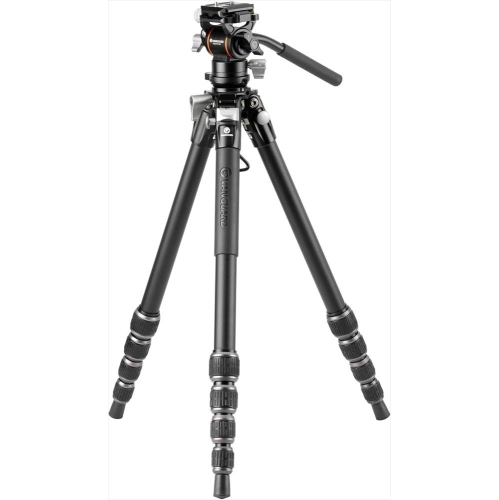
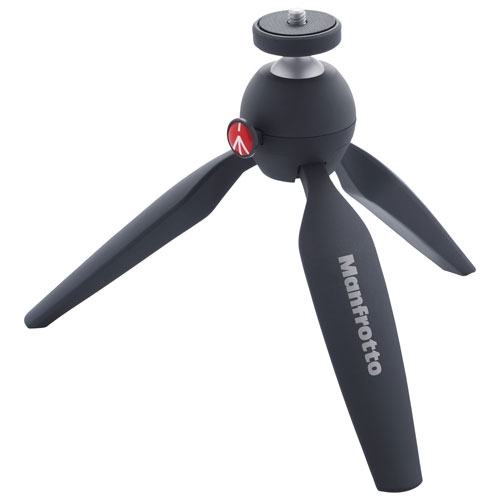
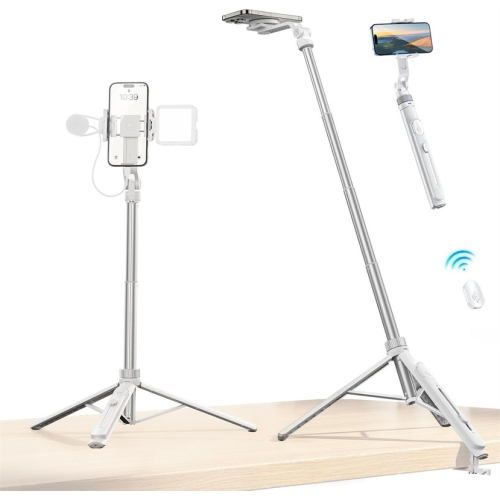
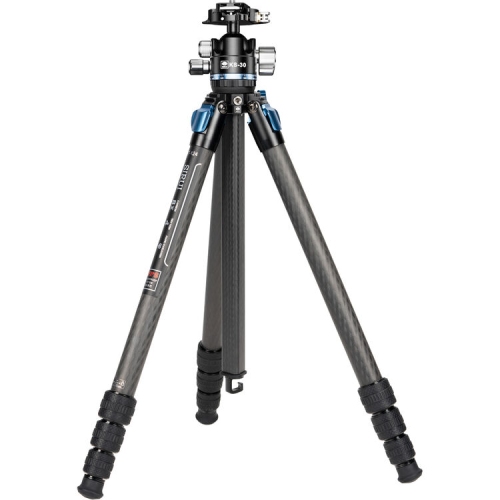
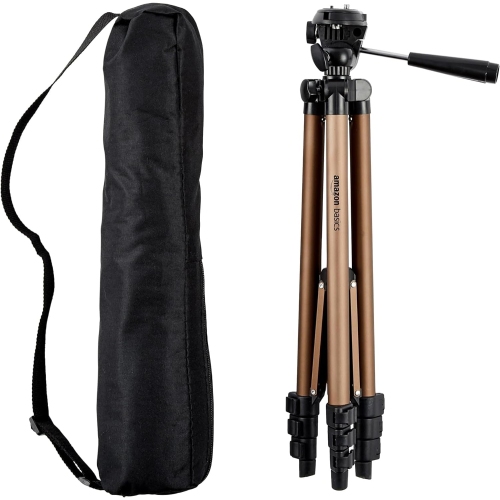
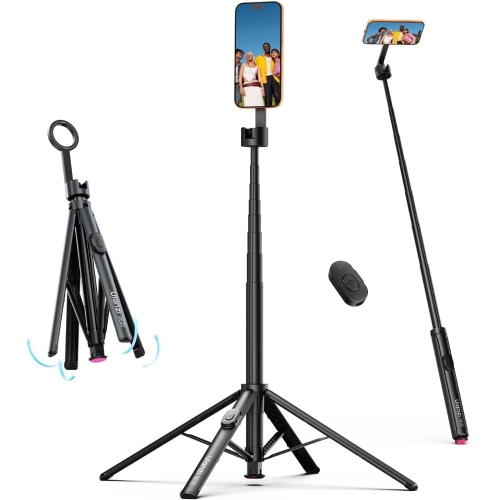


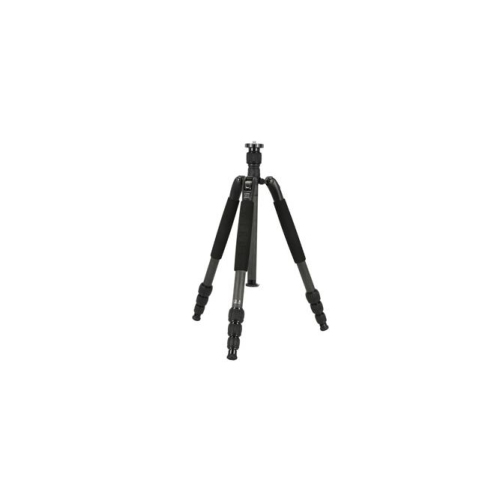
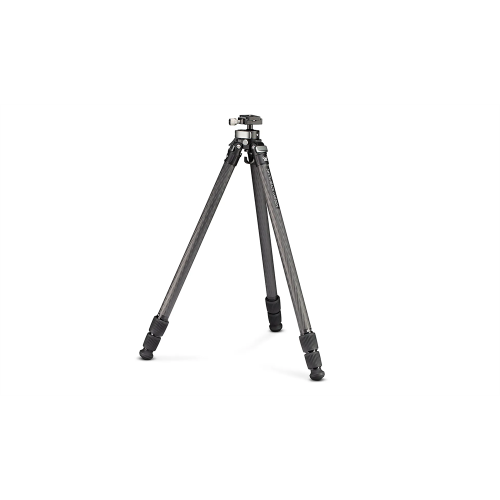
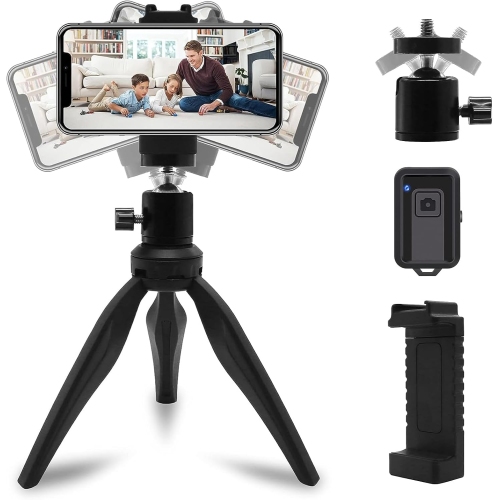
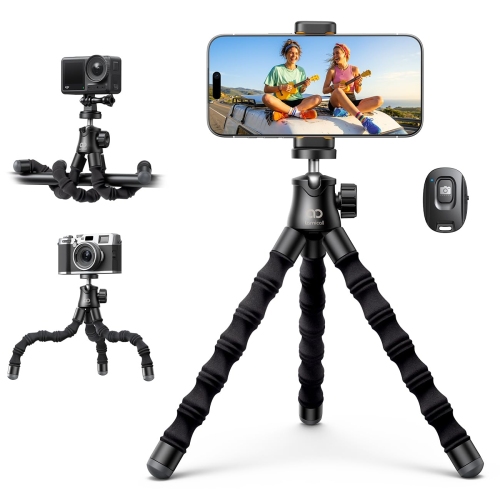
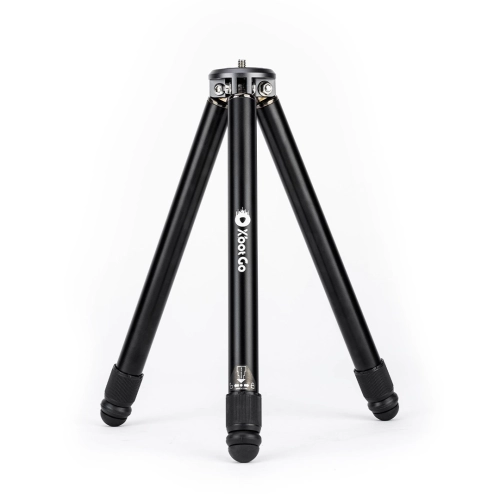
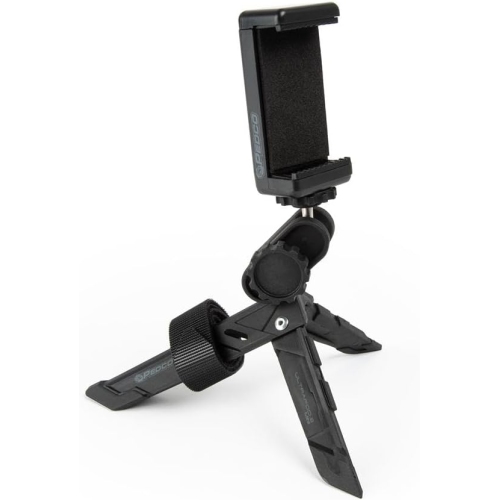
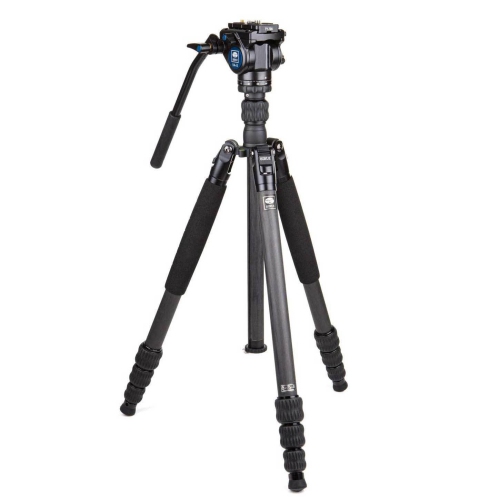
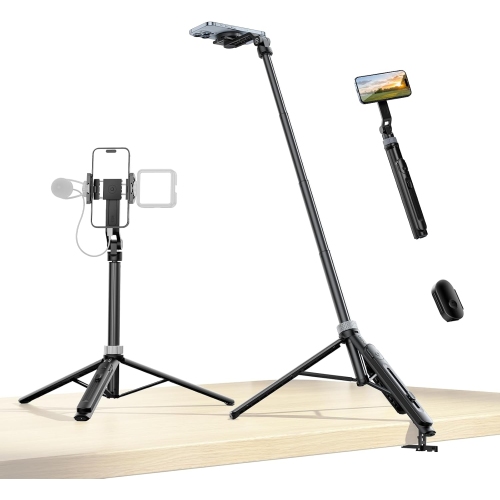
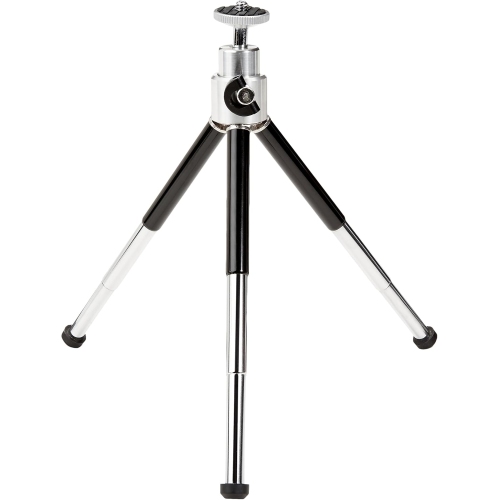
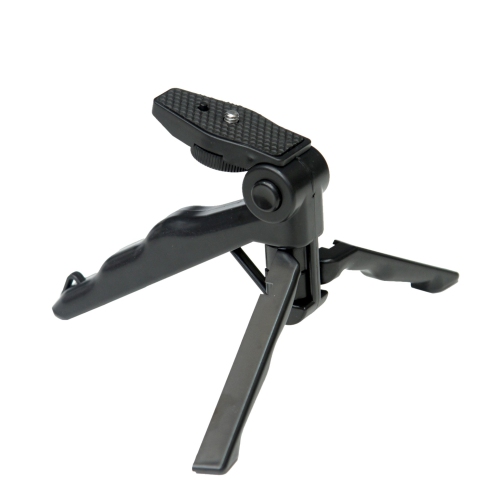
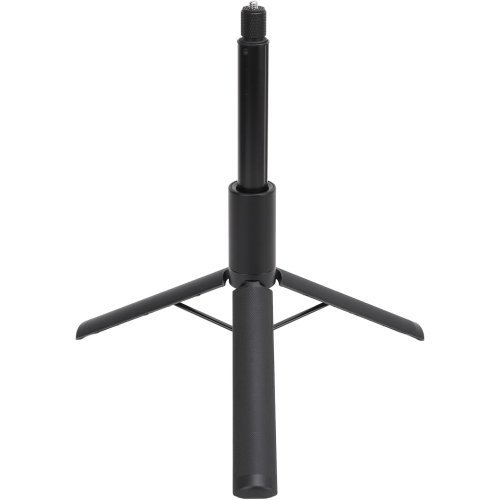
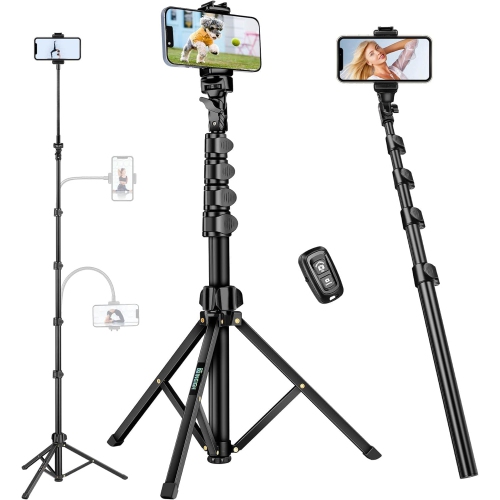
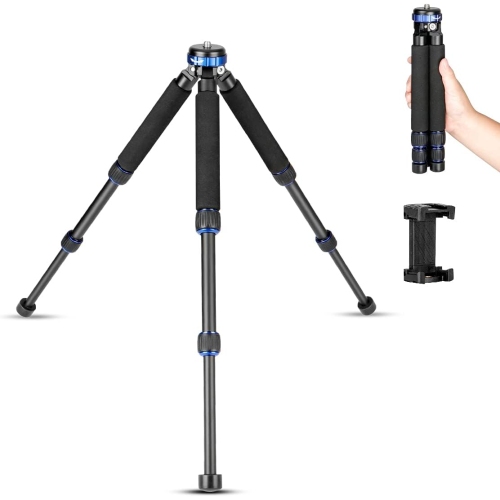
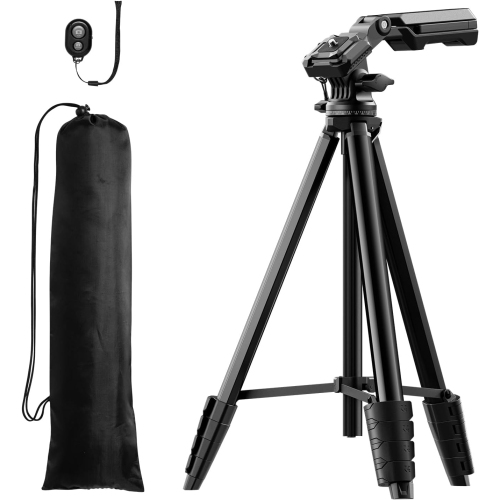
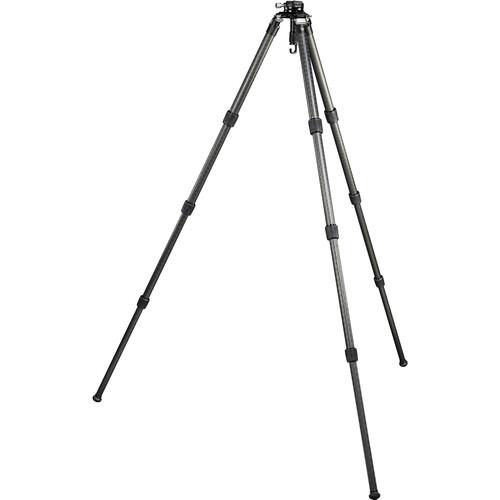
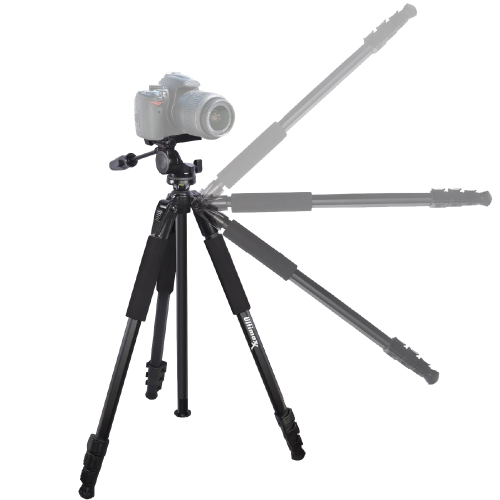


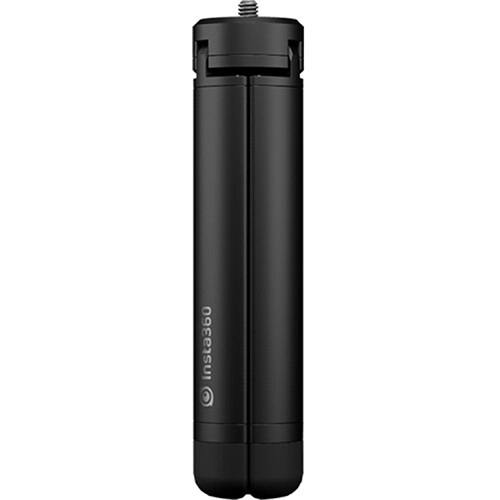
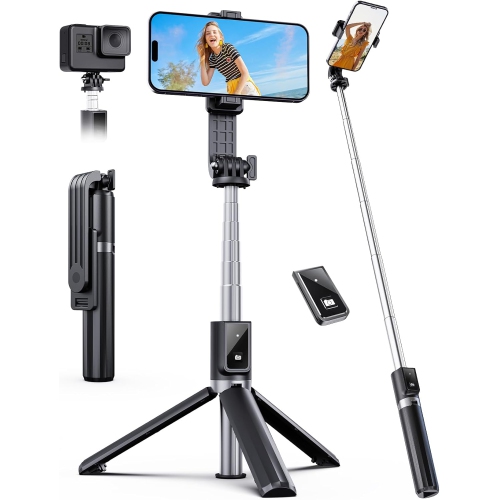
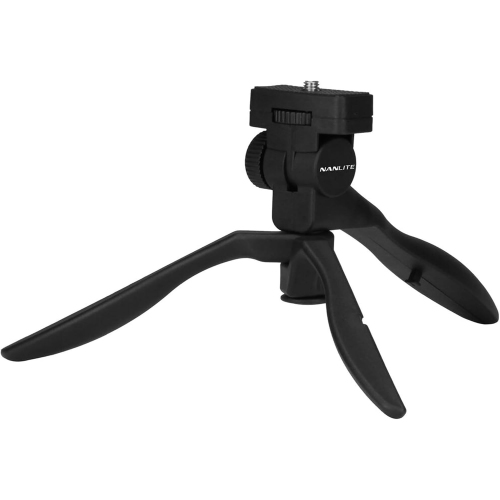
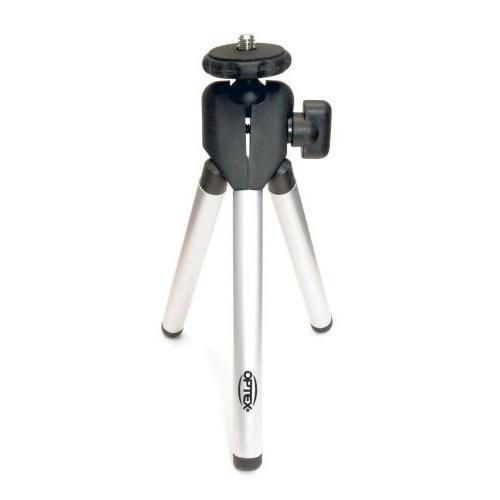

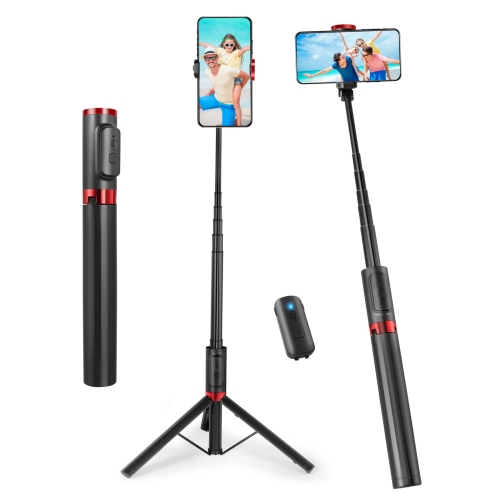

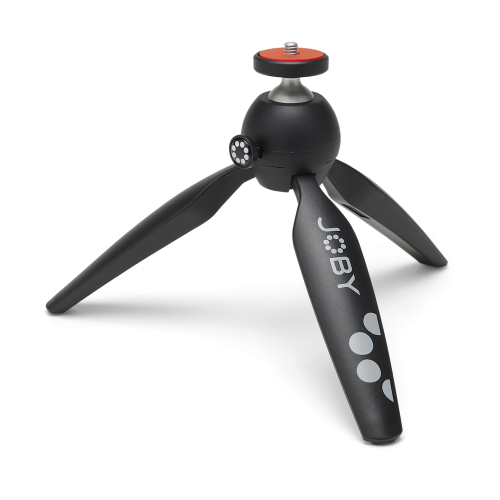

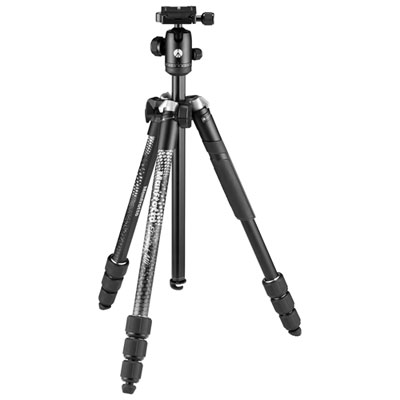
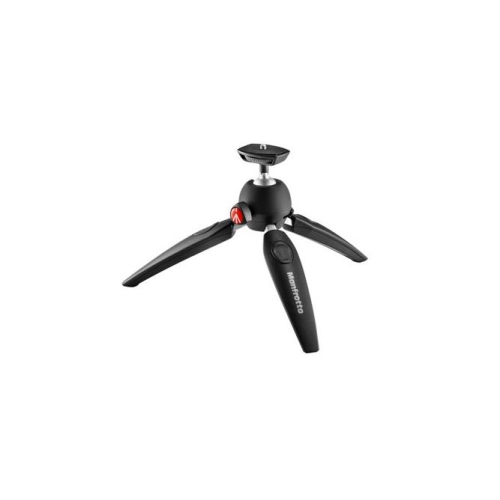

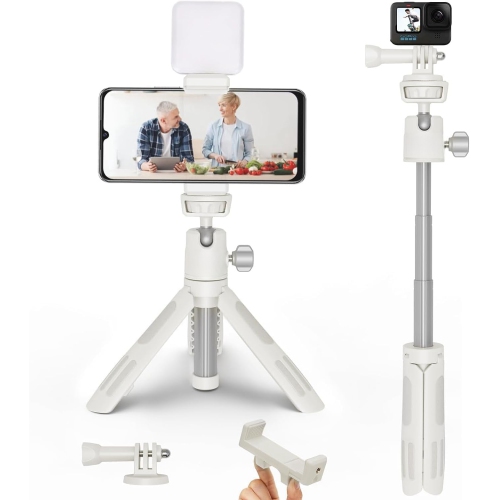
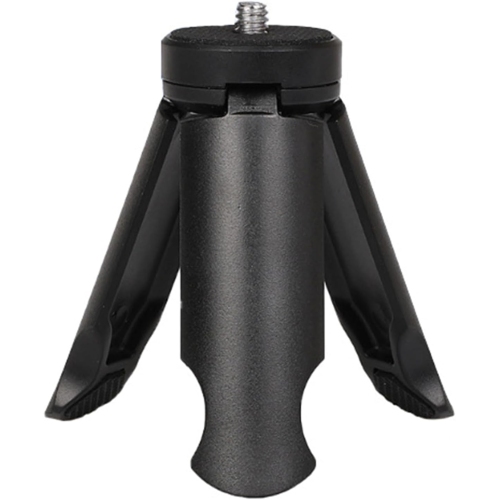
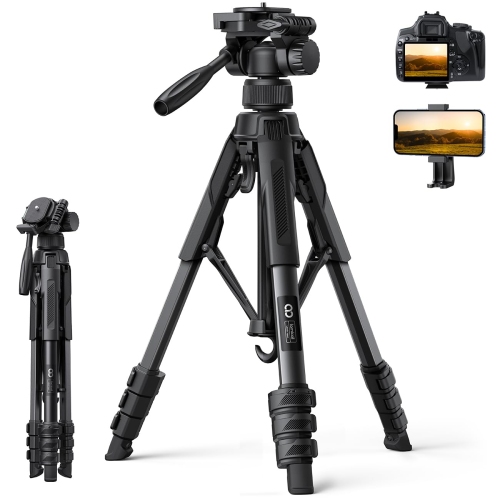
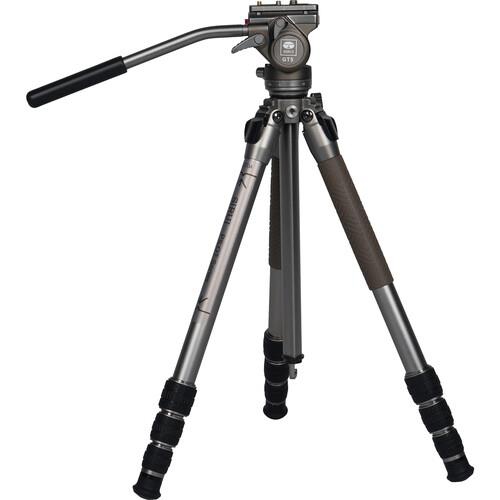
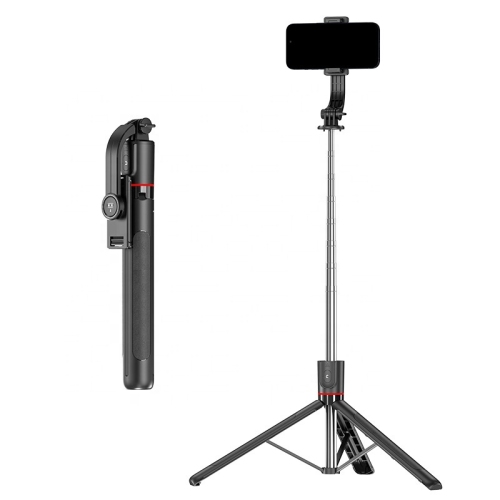
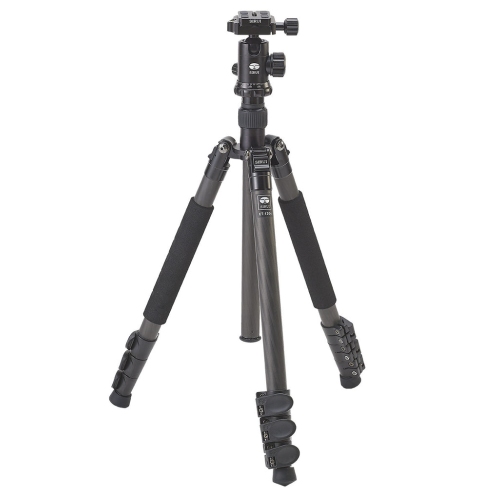

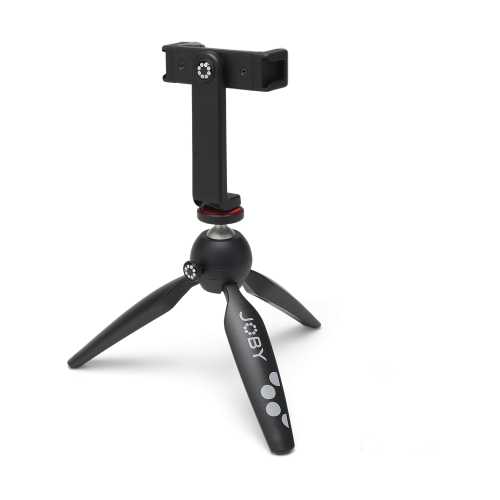
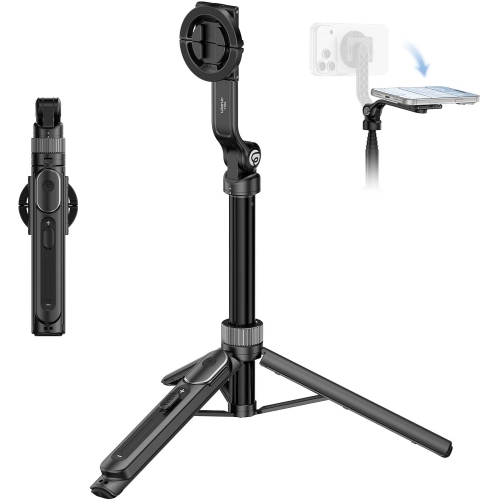
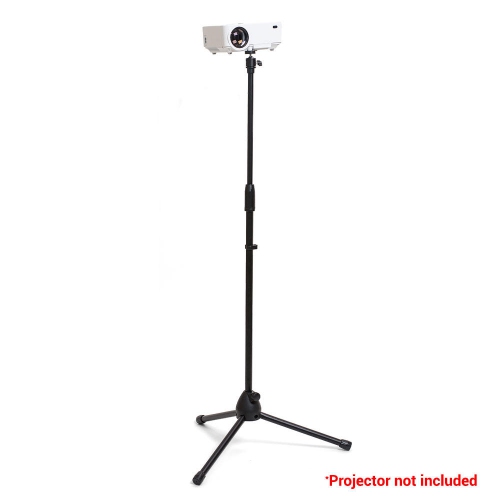
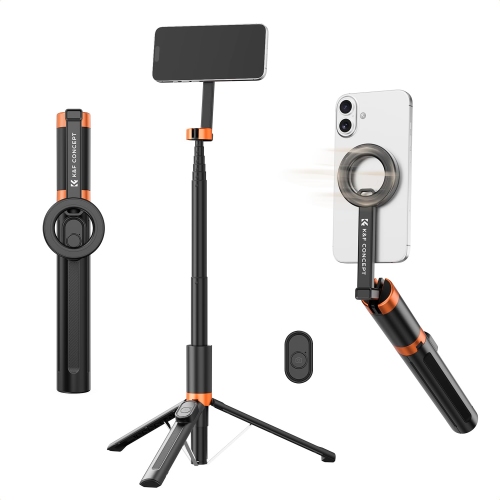
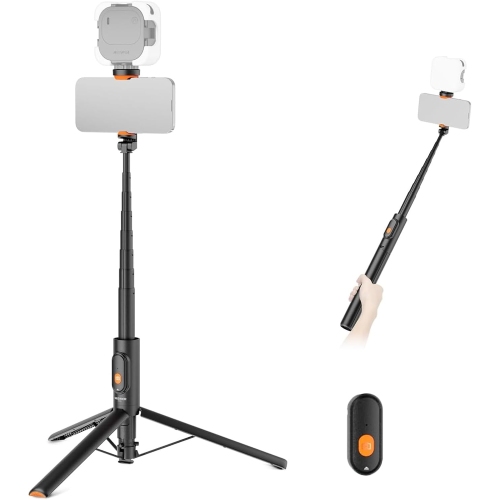
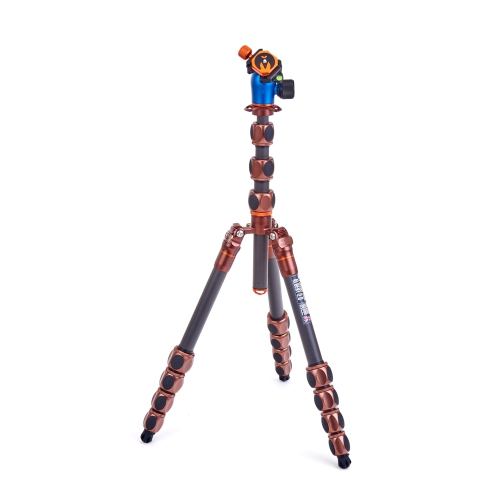
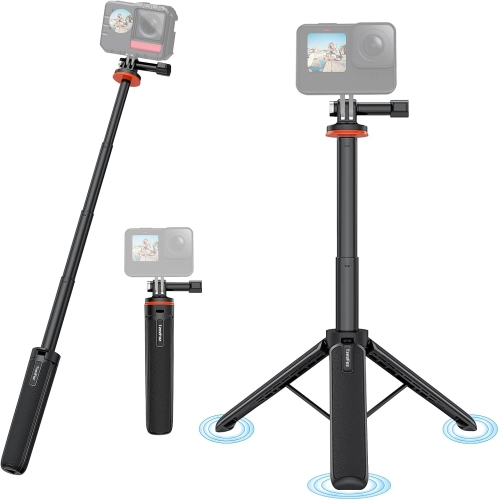
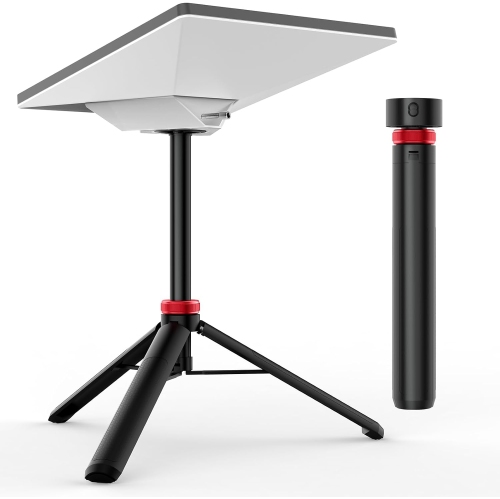
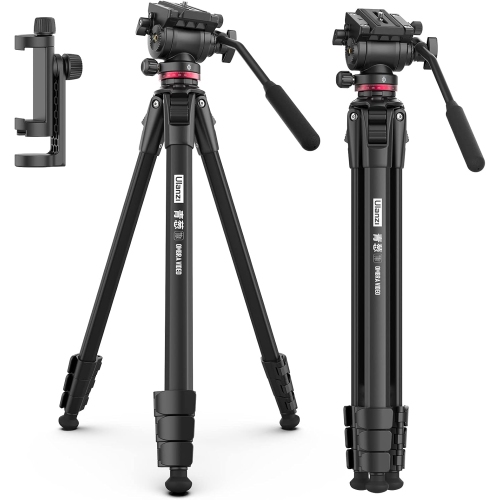
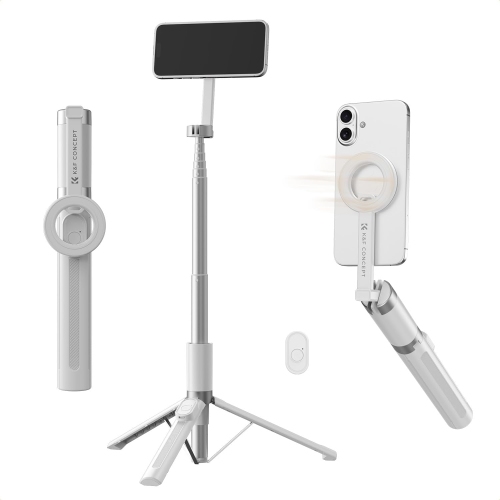
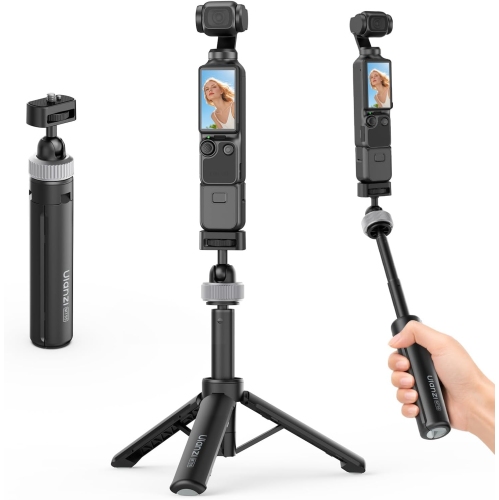
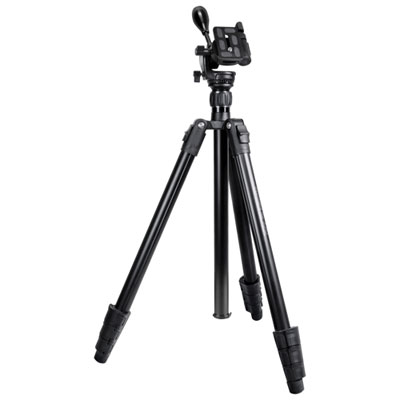
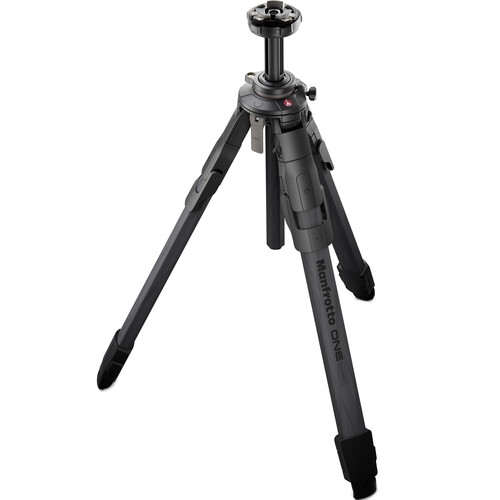
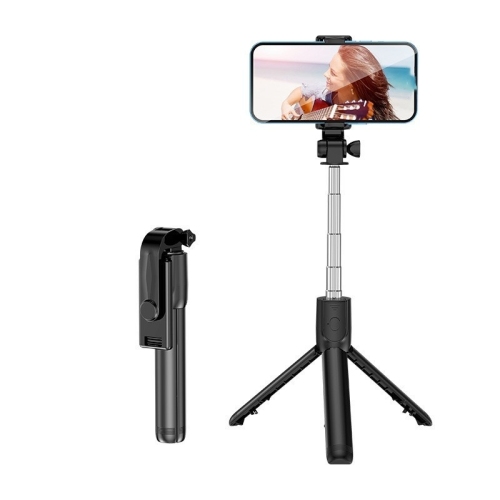
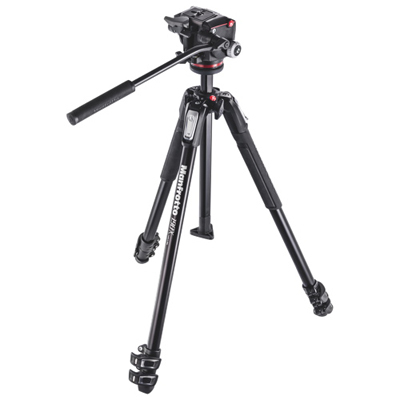
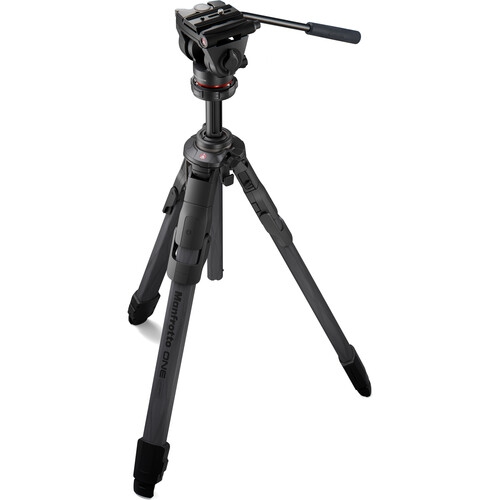
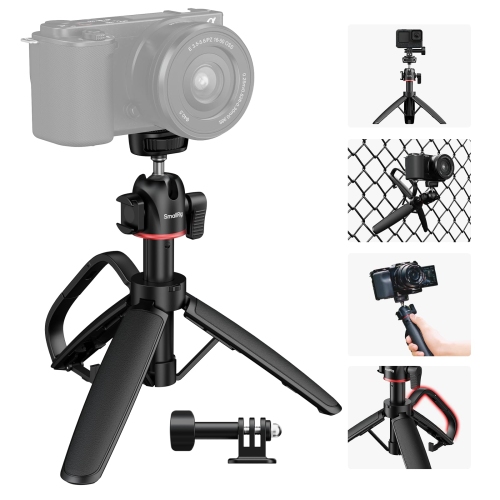
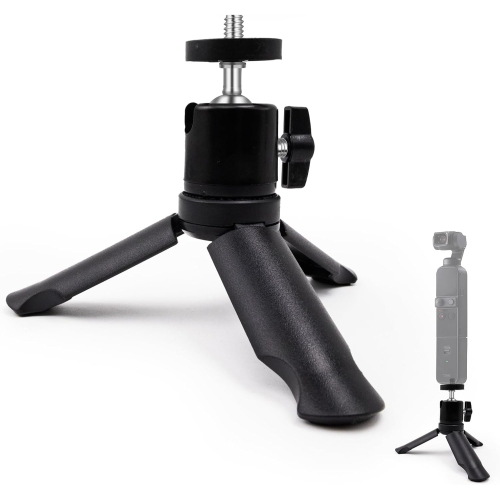
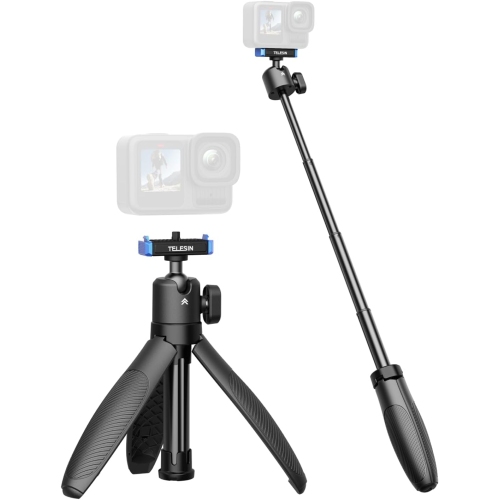
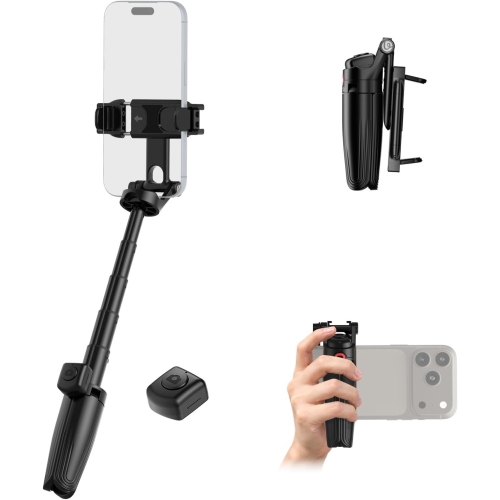
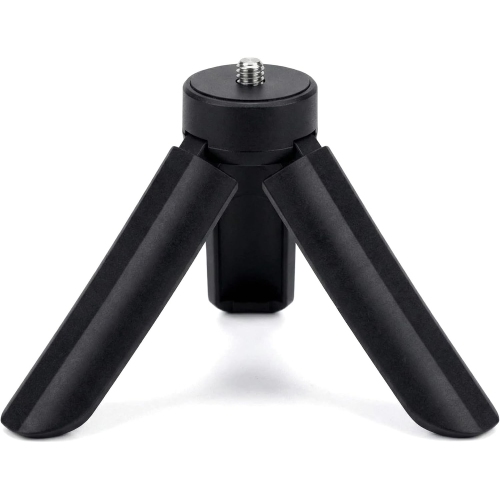
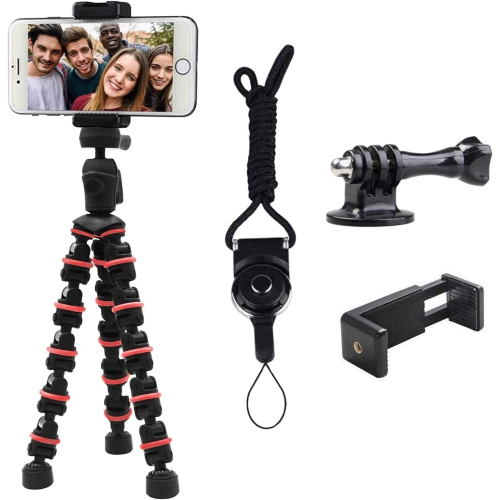
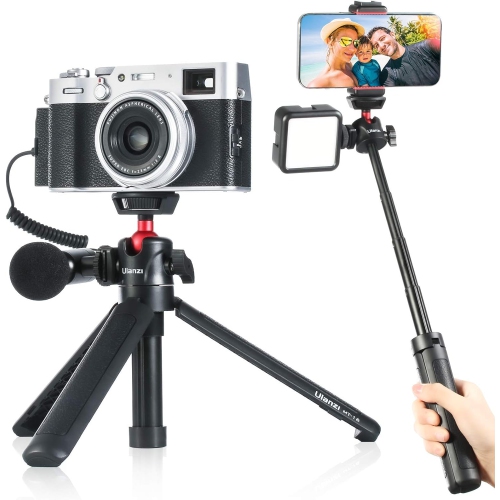

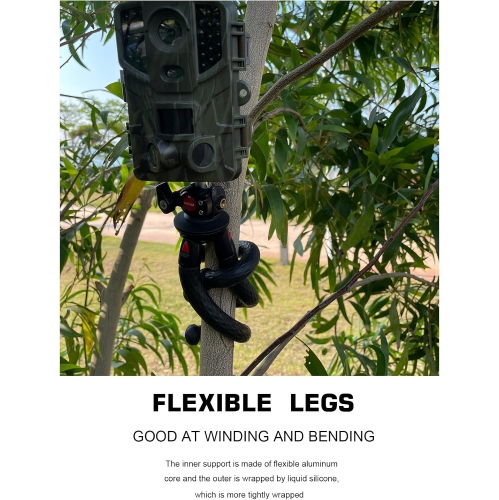
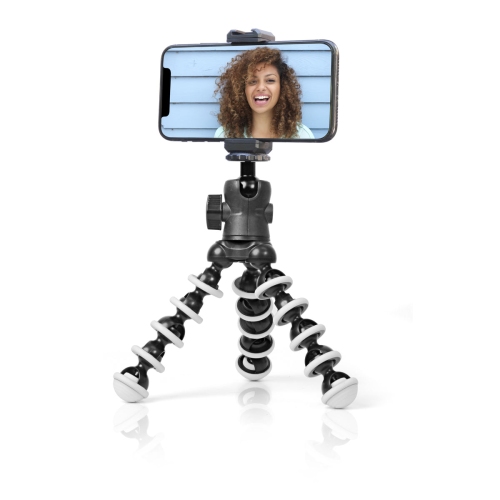
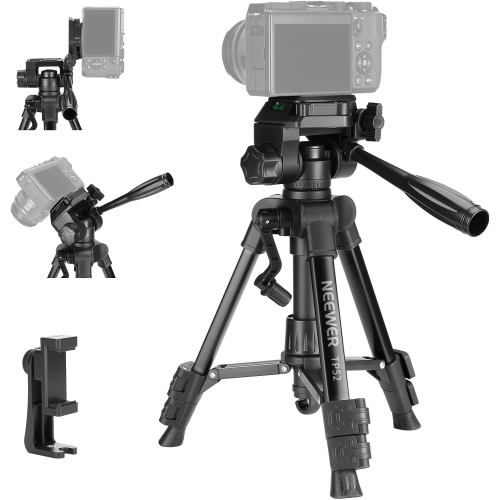
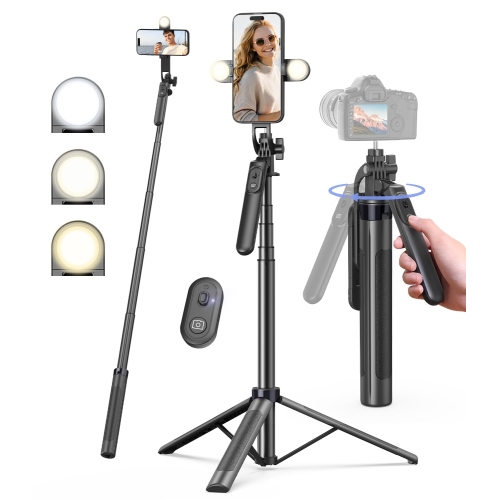
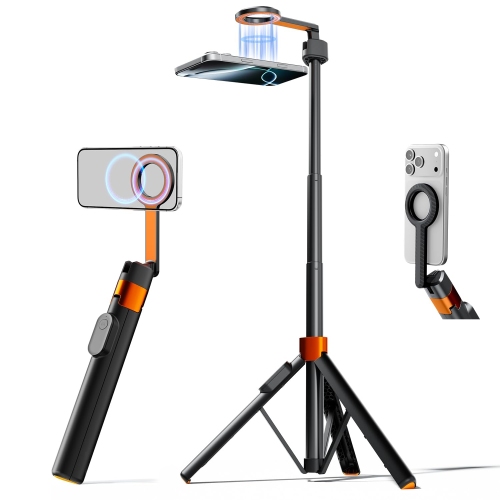
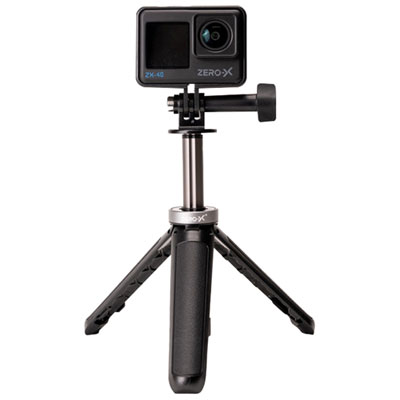
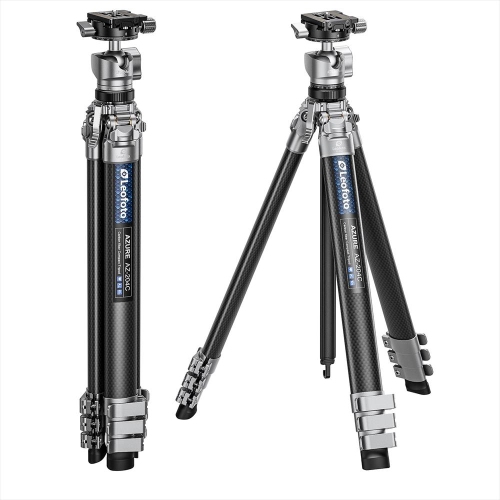
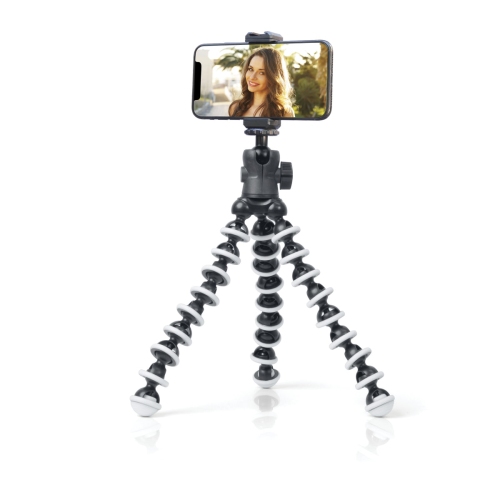

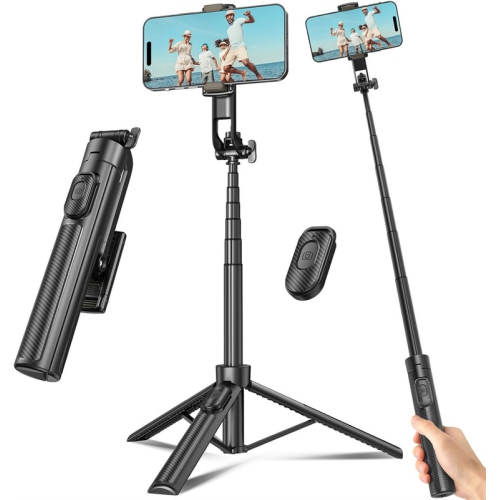

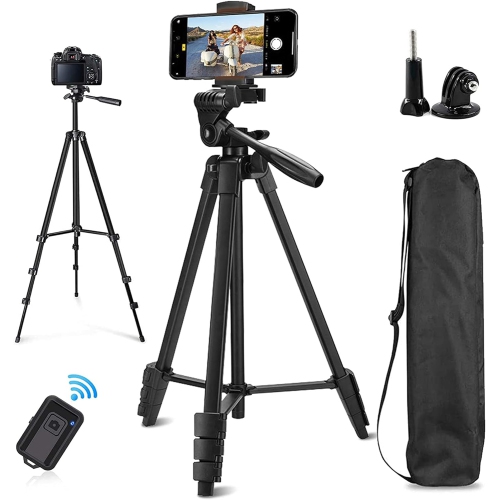
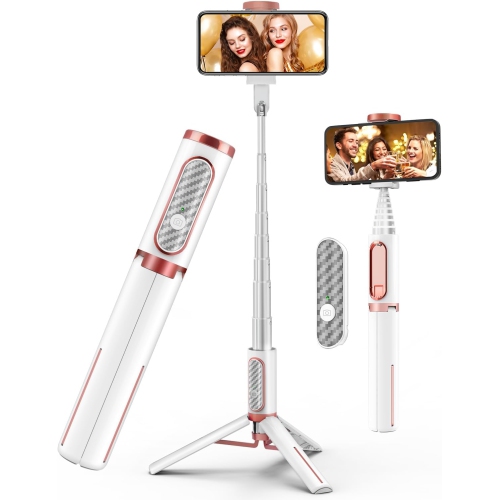
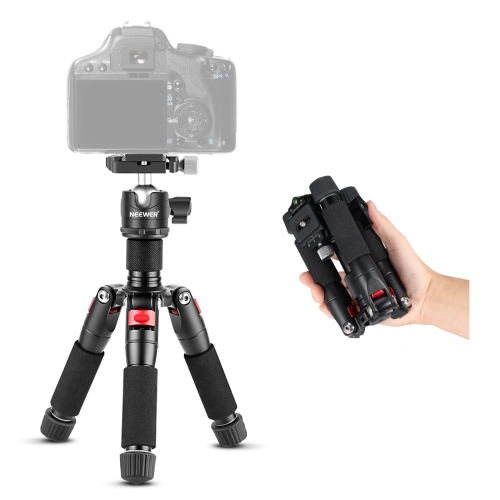
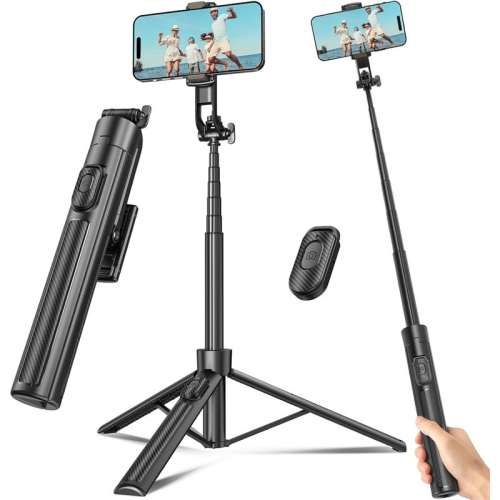
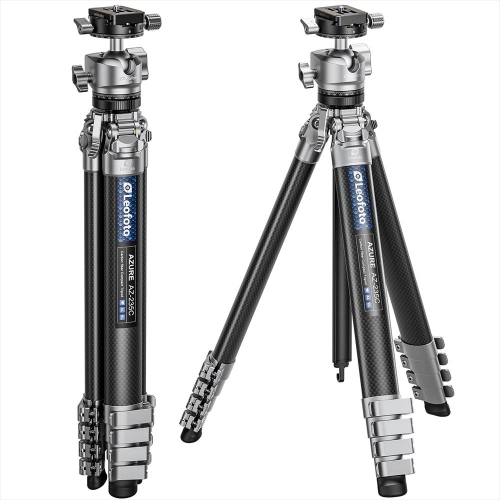
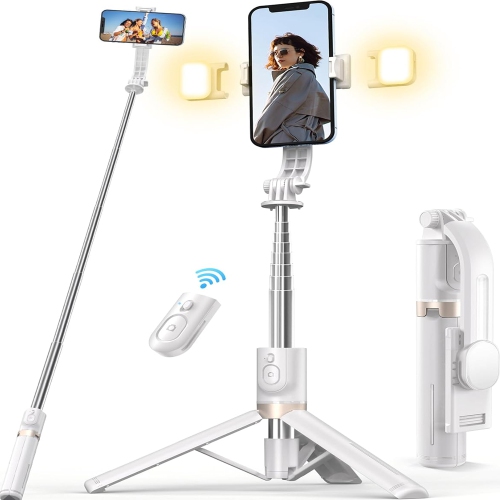
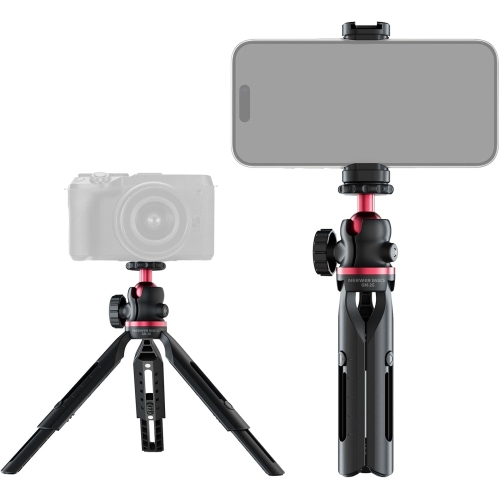

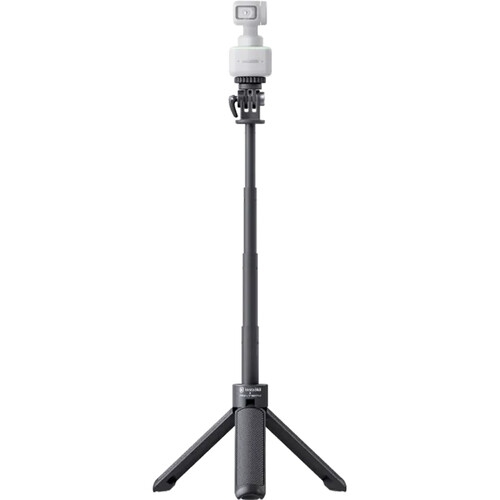
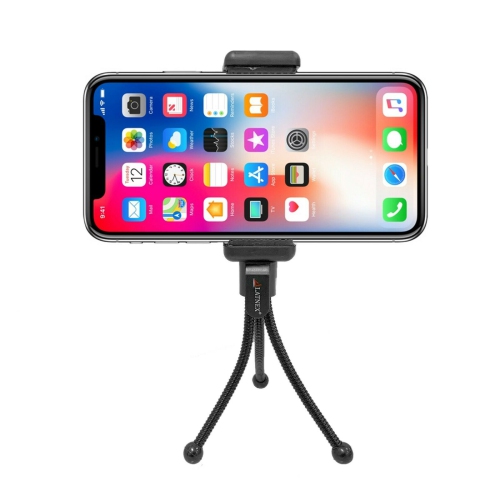
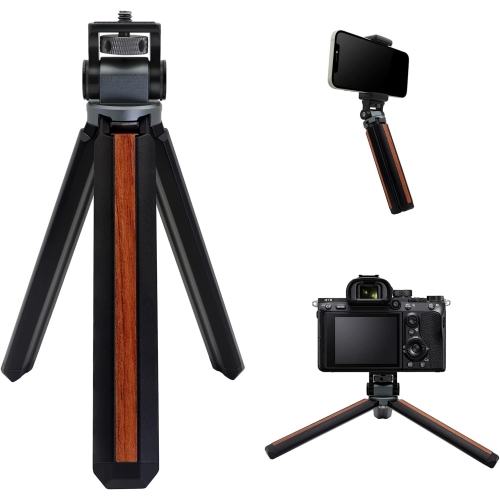
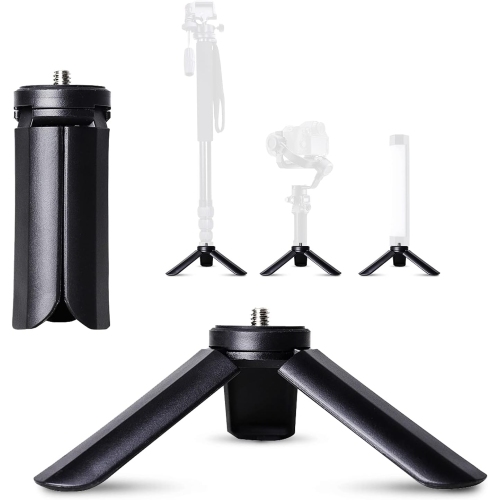
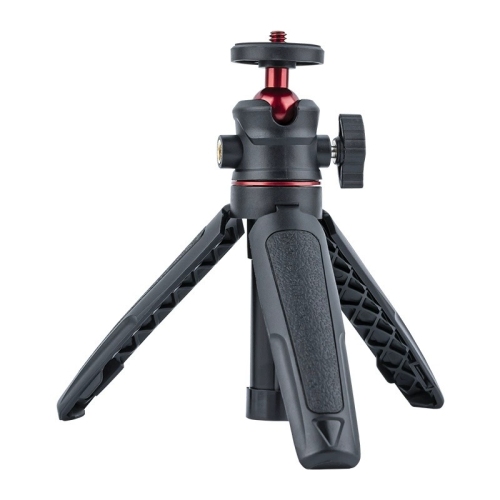
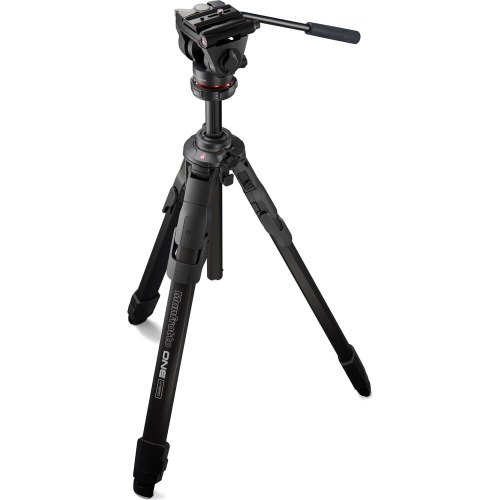
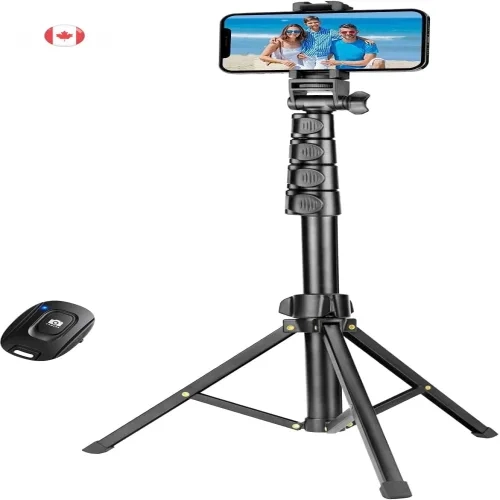
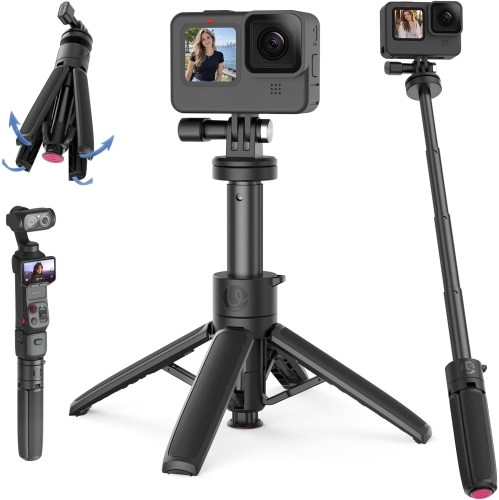
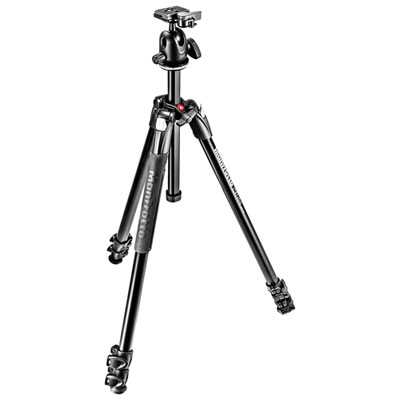
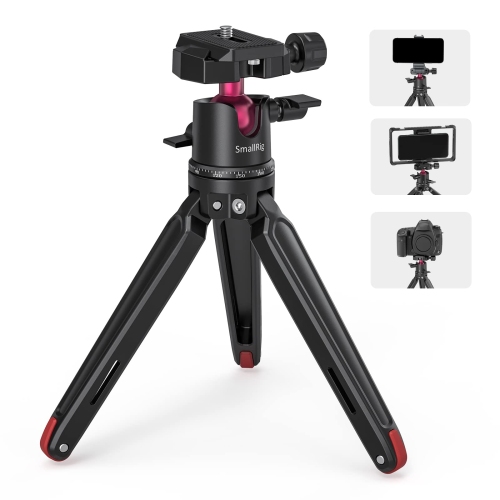
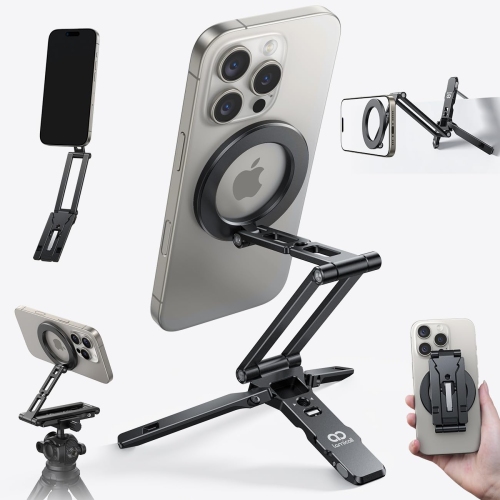
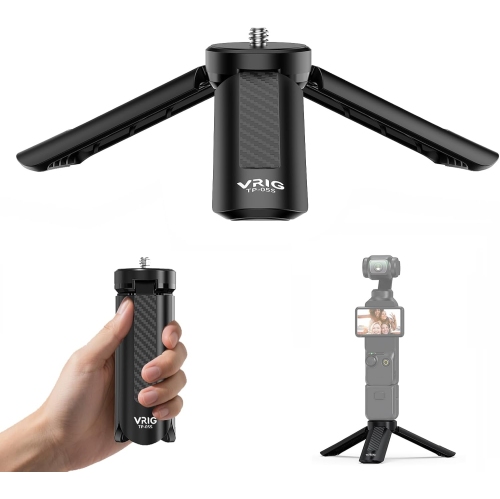
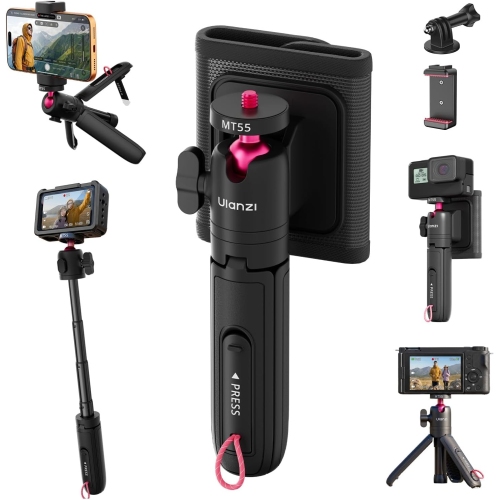
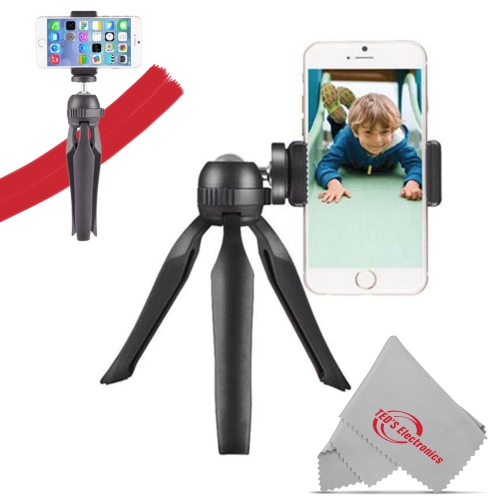
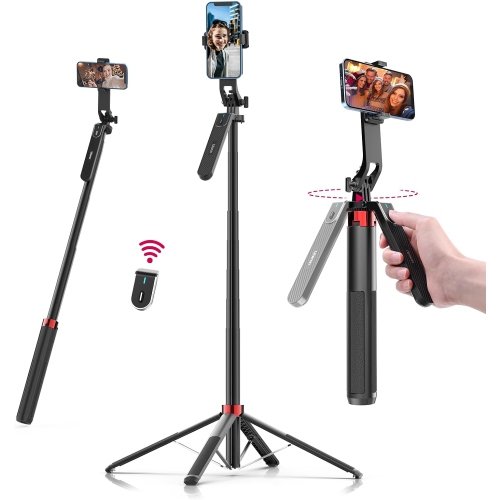
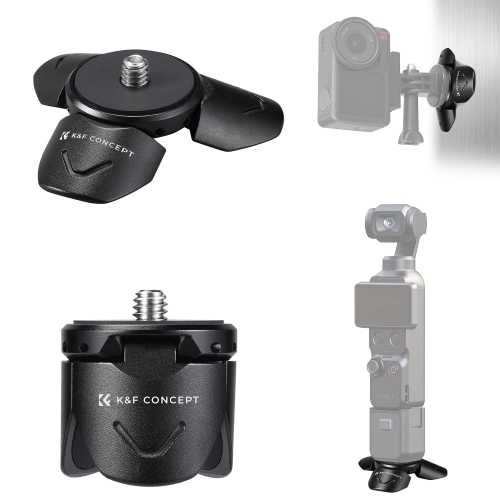
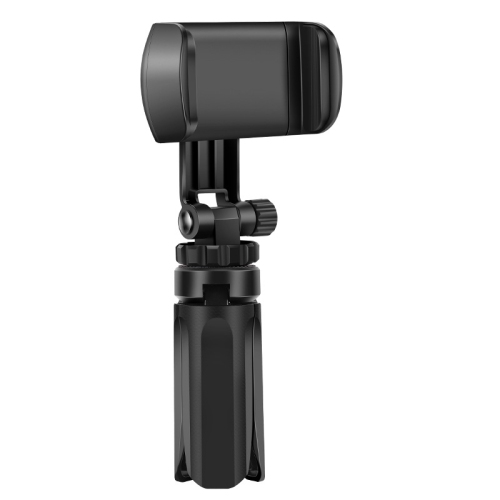


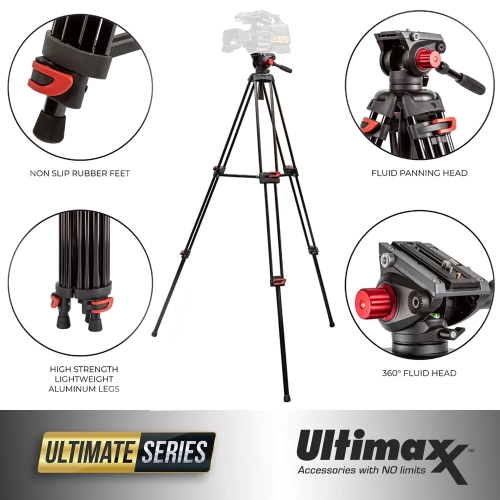

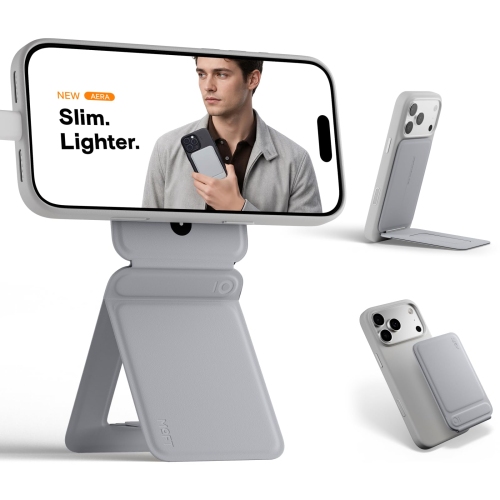
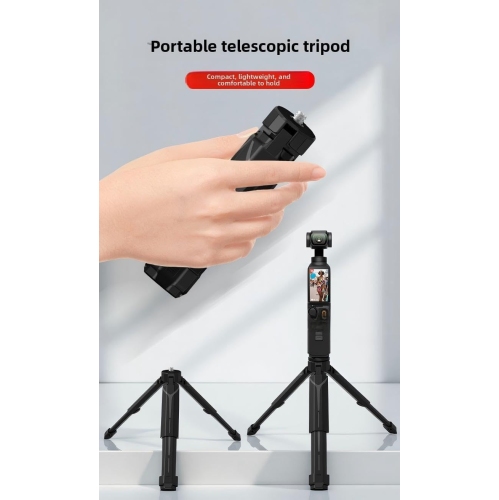
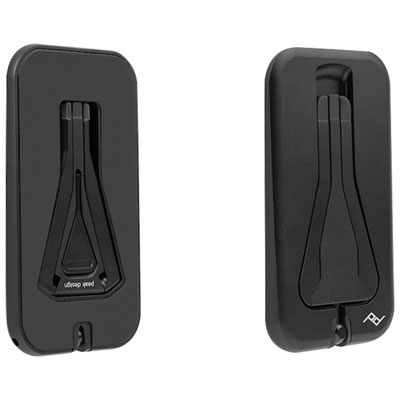
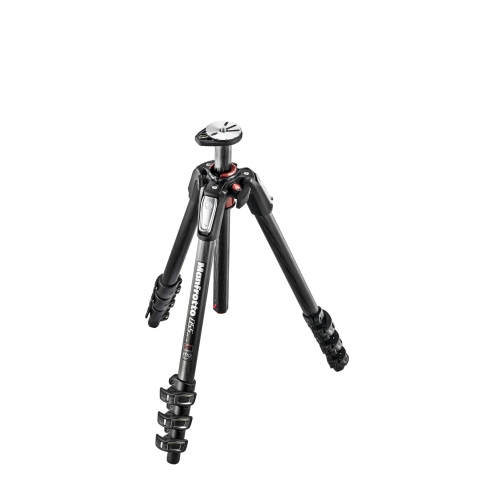
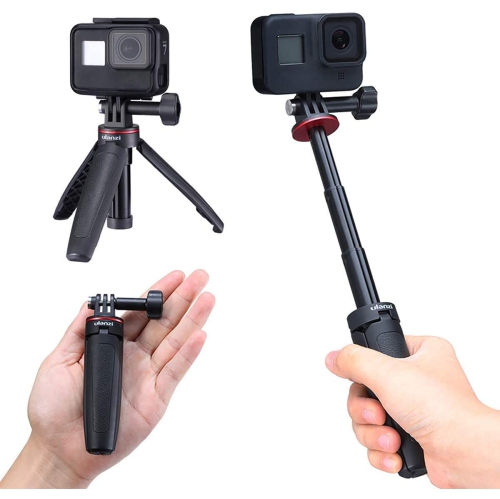
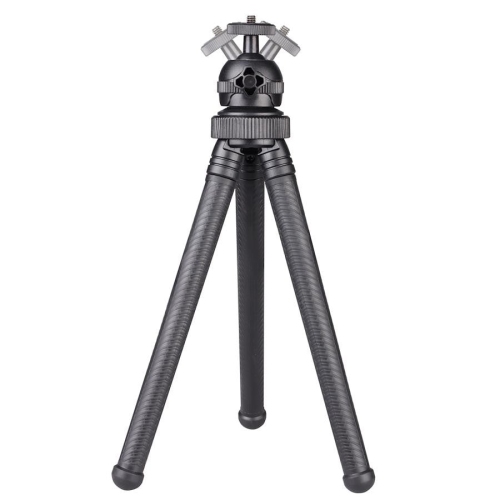
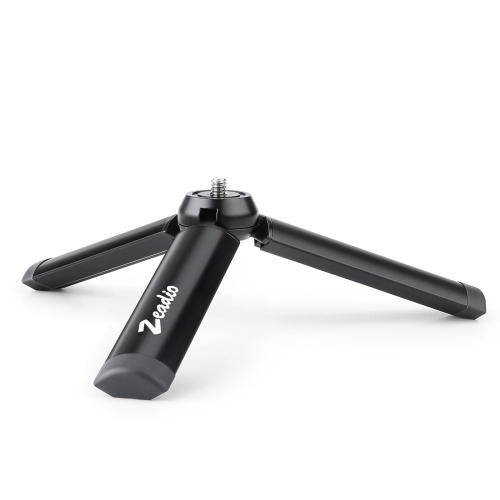
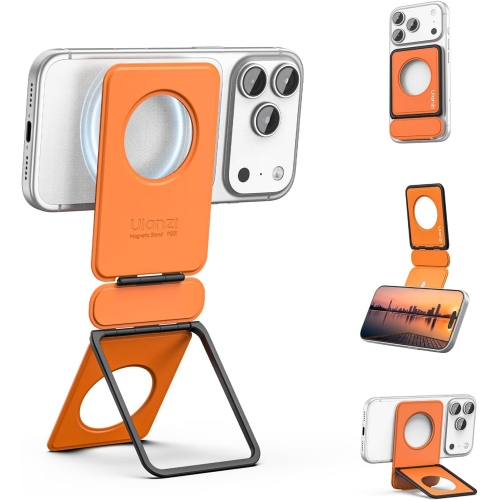
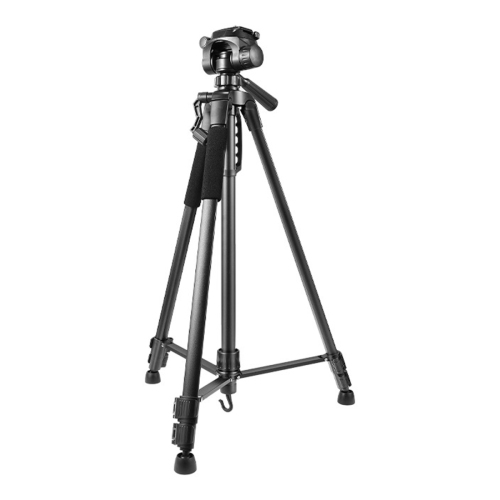
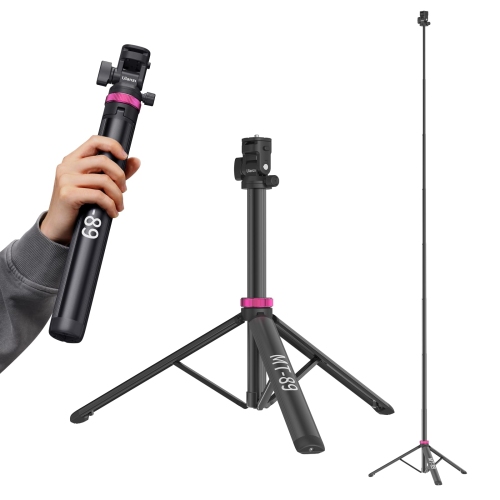
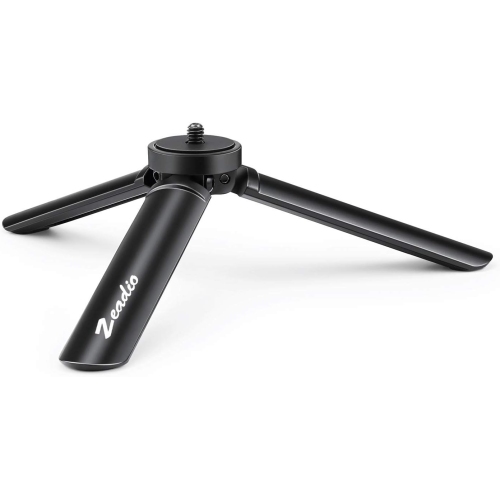
Steady shots without weighing down your travel bag
Lightweight travel tripods are compact camera supports designed to stabilize a camera or smartphone while remaining easy to carry in a backpack, camera bag, or suitcase. Their appeal is the balance between portability and dependable support: a tripod that fits comfortably beside everyday travel essentials is more likely to come along for a city walk, a scenic lookout, or an afternoon exploring architectural details. A stable platform helps with carefully composed landscapes, self-portraits, group photos, and long exposures that capture moving water or the trails of passing lights. It also lets a photographer keep the framing consistent while adjusting focus or waiting for a clear view of a busy scene. For travel, folded length matters just as much as total weight. A short folded tripod may fit inside a bag, while a longer model may need to be secured to an exterior attachment point. The head, mounting plate, and any projecting controls contribute to the packed size, so leg length alone does not tell the whole story. Aluminium and carbon fibre are common materials, each with practical advantages. Aluminium can provide dependable support in a straightforward construction, while carbon fibre often reduces carrying weight and can help dampen vibration. Neither material guarantees stability by itself; leg diameter, joint construction, extension height, and head quality also affect how securely a tripod holds equipment. Load capacity needs to account for the camera body, lens, and attached accessories rather than the body alone. A longer lens places different demands on the head than a compact camera, even when their total weights fall within the stated limit. Published capacity is therefore a starting point, not a complete measure of performance. Working height deserves similar attention. A tripod that reaches a comfortable viewing height without fully raising its centre column generally offers a more solid platform than one that relies on a tall column extension. The right balance depends on whether the priority is travelling light, framing comfortably while standing, or supporting a larger camera setup.
The head and mounting system shape how a lightweight travel tripod feels in use. A ball head allows quick changes in several directions and suits photographers who move between horizontal and vertical compositions. A pan-and-tilt head separates those adjustments, offering more deliberate control when levelling architectural lines or refining a still-life arrangement. For video, a head designed for smooth panning and tilting can make movement easier to control, although the complete setup may be heavier than a compact photography tripod. Quick-release plates simplify the transition between handheld shooting and tripod use, but plate systems are not universally interchangeable. The camera attachment, plate dimensions, and locking mechanism all need to work together, and an existing plate should not be assumed to fit a different head. Smartphones typically need a compatible holder with a secure grip, while cameras generally attach through a threaded mounting point. A holder should accommodate the phone and its case without pressing buttons or blocking the lens. Leg design also affects everyday handling. More leg sections can help reduce folded length, but they add locks and often leave thinner sections at the bottom. Twist locks and lever locks offer different handling preferences; either should engage securely without requiring excessive force. Independently adjustable leg angles help position a tripod on steps or uneven surfaces, and a low-angle setting can bring the camera closer to a subject without balancing it on an improvised support. Keeping the legs within a safe footprint matters in galleries, observation areas, and other shared spaces, where tripods may also be restricted. For a long exposure, extending only as much height as needed and allowing movement to settle before taking the photo can improve sharpness. A timer or compatible remote release can reduce disturbance from pressing the shutter. Camera stabilization settings may need adjustment for tripod use, depending on the equipment, so the manufacturer’s recommendations remain important. These details help turn a portable support into a reliable part of the shooting routine rather than simply another accessory to carry.
Travel needs vary, and the most useful tripod is one that suits both the equipment and the way it will be transported. A compact tabletop design can work well for a small camera or phone on a suitable stable surface, but it does not replace the height and placement flexibility of a full-size tripod. Some travel designs include a removable leg that can function as a monopod with compatible components, providing an alternative for situations where a three-legged support is impractical. That feature is not universal, and a monopod still requires active support from the user. For walking routes and longer outings, Lightweight Tripods for Hiking can place greater emphasis on carrying comfort, compact dimensions, and manageable setup; the Lightweight Tripods for Hiking collection reflects that more specific use. Packing a tripod securely keeps it from swinging against a bag or catching on narrow passageways. A padded compartment or protective sleeve can also prevent exposed controls and mounting parts from rubbing against other equipment. Durability depends on care as well as construction. Fine grit around leg locks, debris on mounting surfaces, and loose hardware can gradually affect operation, so routine inspection is worthwhile after an outing. Wiping accessible surfaces with a soft cloth and following the manufacturer’s cleaning instructions helps protect finishes and moving parts. Leg sections should be clean and dry before storage, and disassembly should be limited to procedures specifically supported by the manufacturer. Locks and adjustment knobs need firm engagement, not excessive tightening, which can strain components. Lightweight travel tripods can make thoughtful gifts for photography students, frequent travellers, hobbyists documenting family trips, or creators who record their own footage. Compatibility matters more than appearance: the recipient’s camera and lens, preferred shooting height, and usual bag size all influence whether the gift will be practical. For someone who likes to pause over a composition, a well-matched tripod provides the freedom to refine the frame, step into the picture, or capture a scene without relying on a convenient ledge.
Top selling and popular products
-
 Your price for this item is $144.99
-
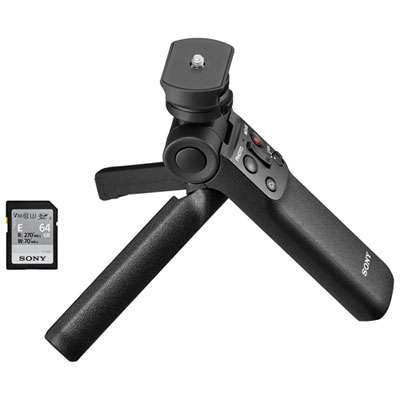 Your price for this item is $199.97
-
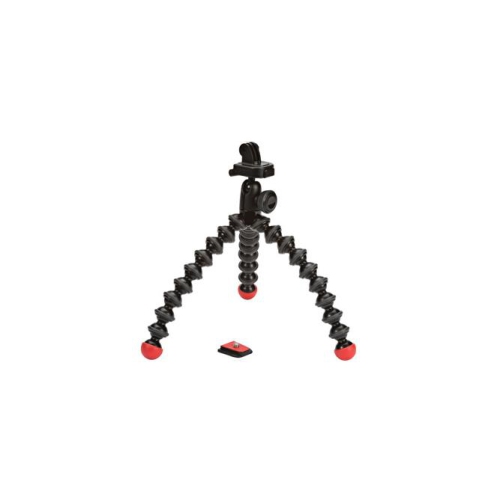 Your price for this item is $126.91
-
 Your price for this item is $139.99
-
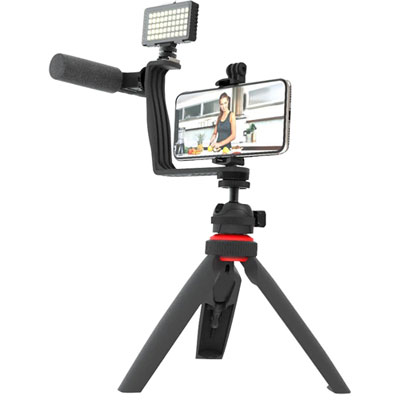 Your price for this item is $69.99
-
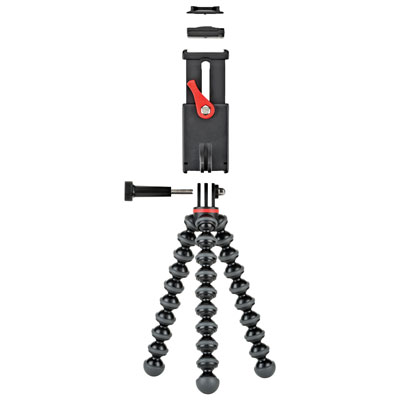 Your price for this item is $78.97
-
 Your price for this item is $259.99
-
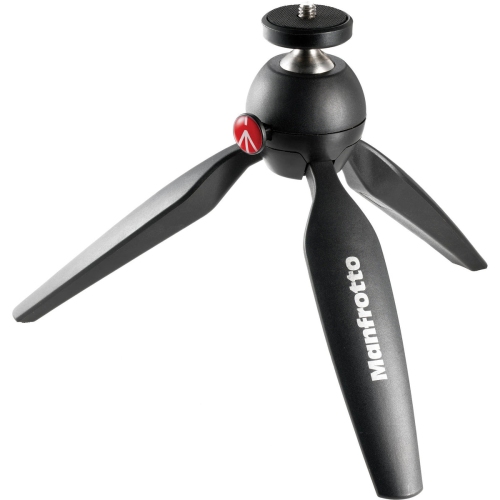 Your price for this item is $83.53
Discover more categories related to Lightweight Travel Tripods
Top Collections:
Best Black Friday Deals This Year, Best Black Friday Deals On Electronics, Kindle Devices, Pokemon Centers, Best Black Friday Deals On Apple Products, Best Cameras for Sports Photography, Dyson Airwrap, Pokémon 30th Celebration Cards, Apple iPhone 17 Pro, Canon G7X Cameras
Some products may be subject to Environmental Handling Fees
(EHF) depending on your province.
Learn more about EHFs.