Macro Lenses for Wildlife Photography
Capture the intricate details of nature with macro lenses for wildlife photography. Whether you're focusing on tiny insects or the delicate textures of plants and feathers, these specialized lenses help you get closer to your subject and highlight stunning close-up perspectives. Explore a range of options designed to enhance your wildlife photography experience, offering versatility and precision for every outdoor adventure. Find the right macro lens to bring out the beauty in every shot and elevate your portfolio with breathtaking detail.
Sort
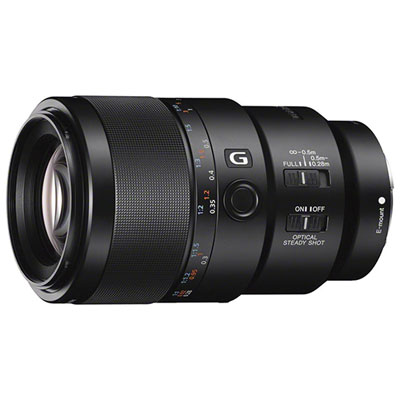
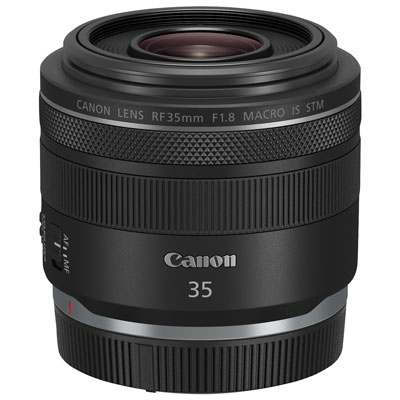
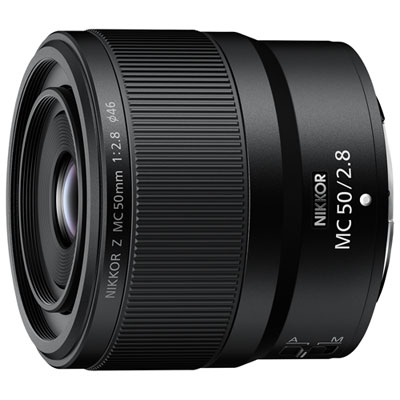
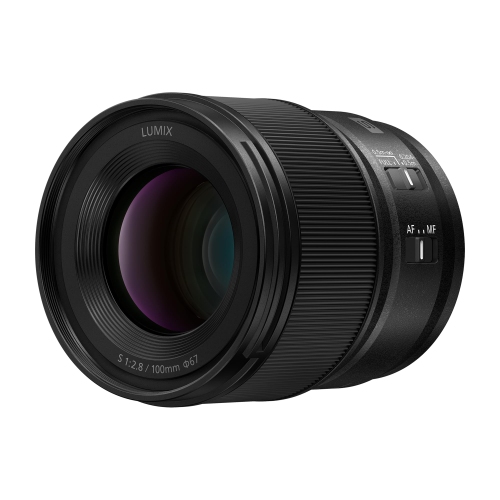
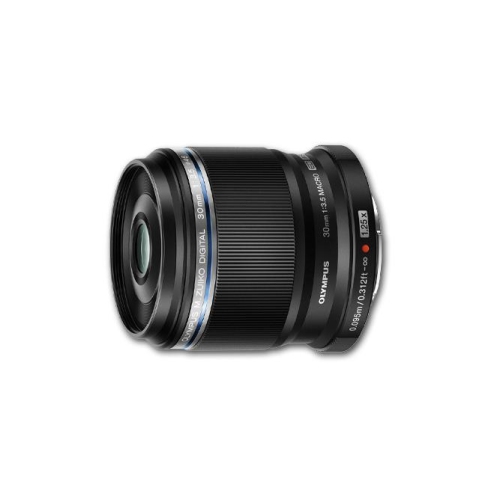
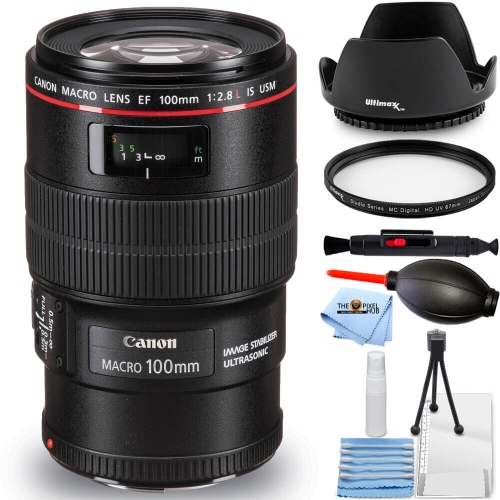
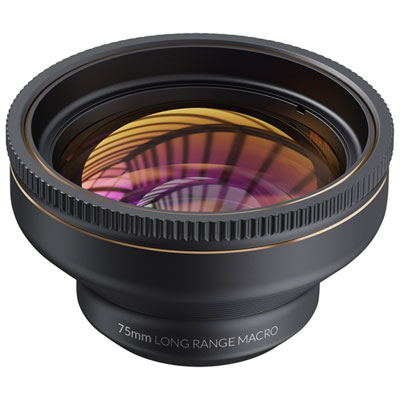
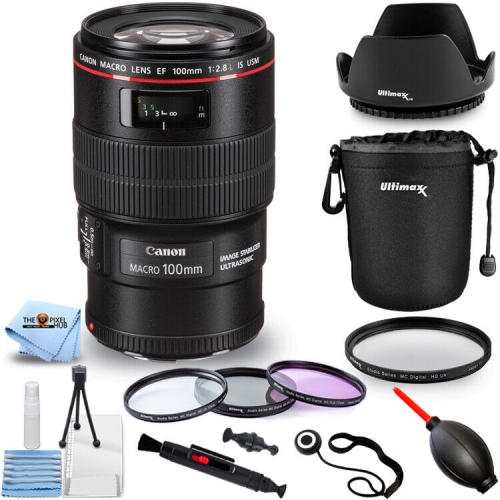
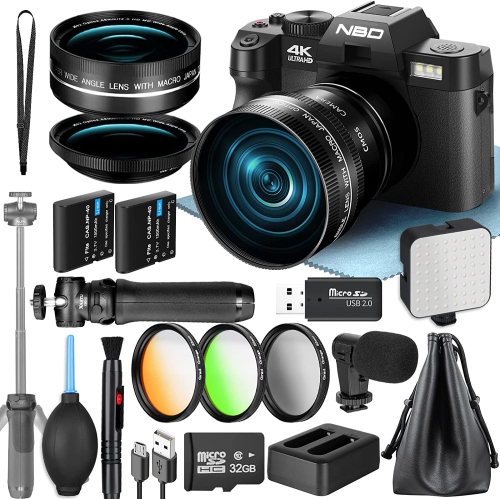
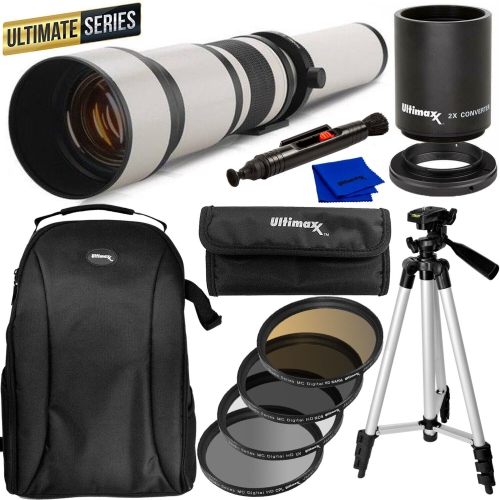
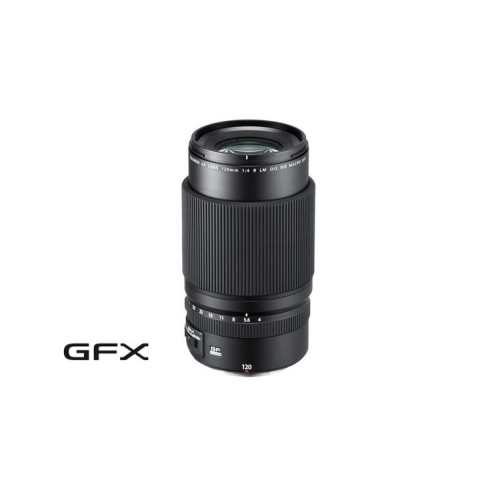
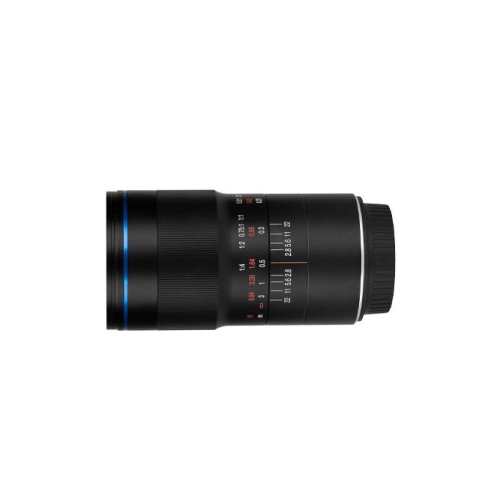
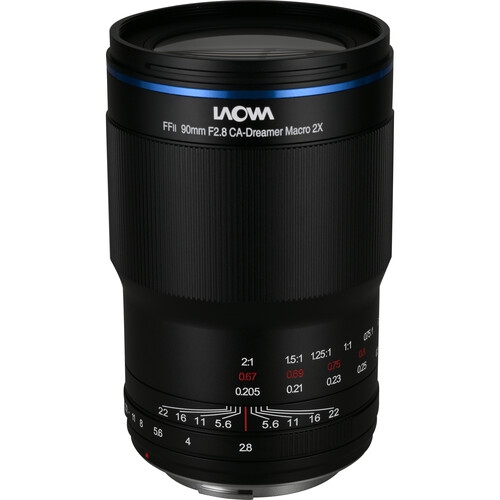
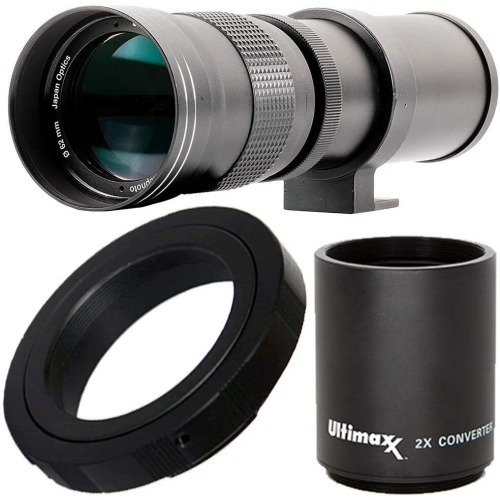
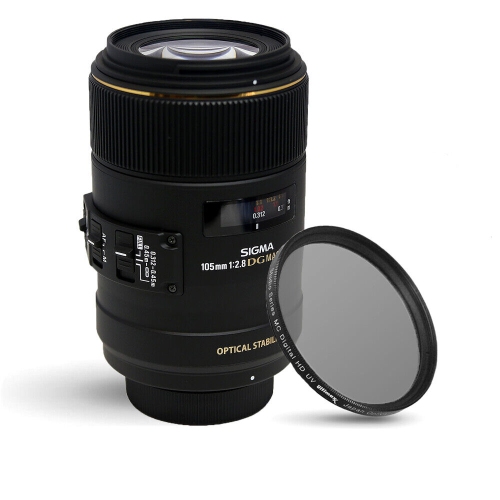
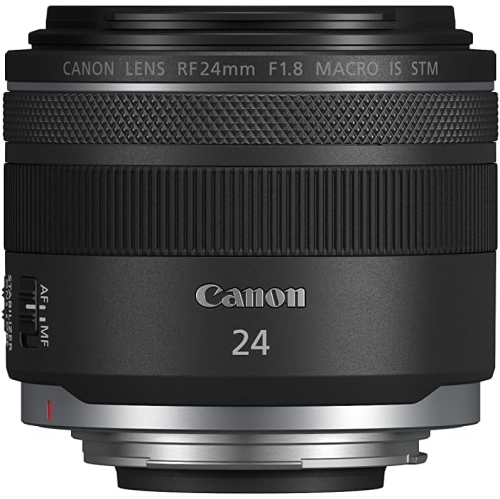
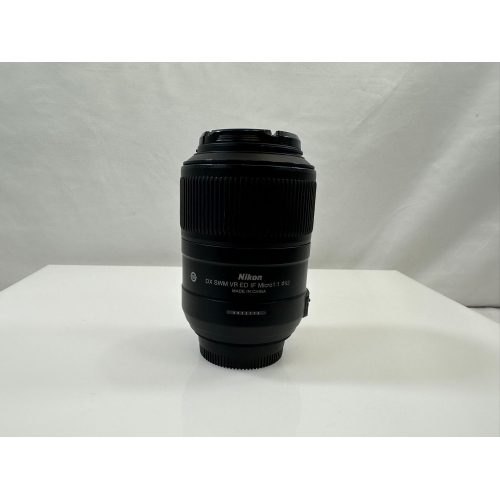
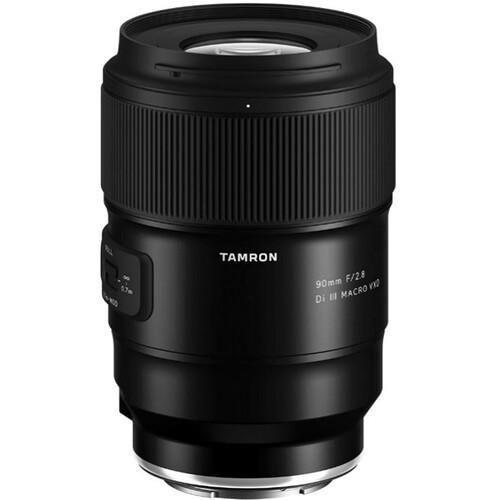
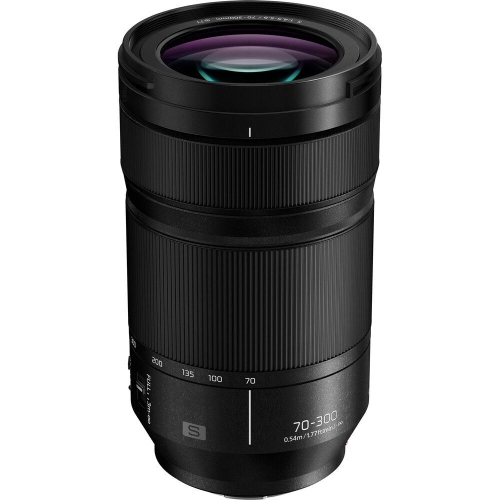
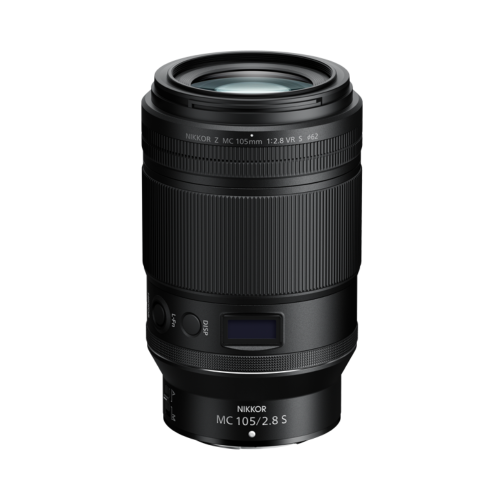
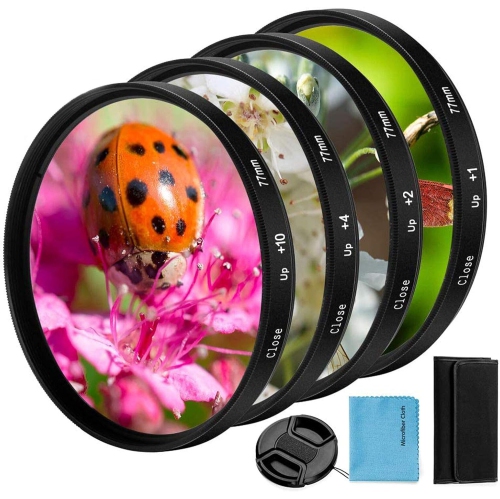
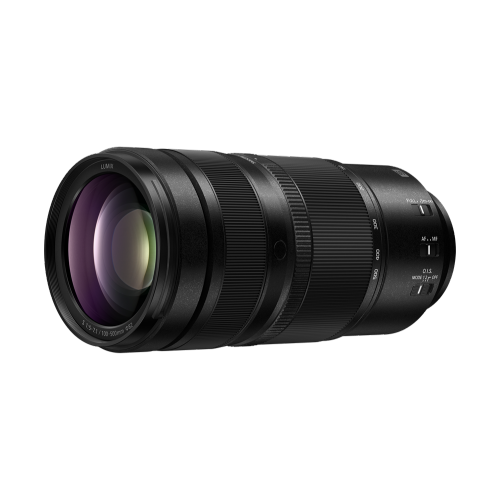
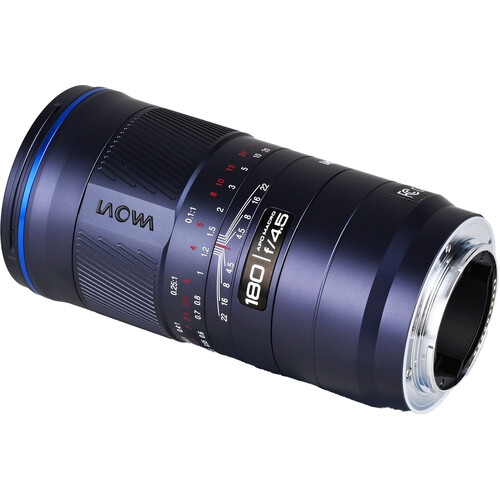
Small wildlife details captured in remarkable clarity
Capturing the intricate details of wildlife in their natural habitats calls for more than just a steady hand and a keen eye—it requires the right equipment, and macro lenses are an essential piece for any photographer seeking to reveal the smaller wonders of the animal kingdom. As the landscape transforms with the changing seasons, from the lush growth of early summer to the vibrant transitions into fall, opportunities abound for both seasoned professionals and passionate hobbyists to document the world of insects, amphibians, and other small creatures. Macro lenses open up a realm where every dew-covered wing, textured shell, and delicate antenna can be preserved with remarkable clarity. Whether you are crouching in the tall grass at sunrise, waiting for a dragonfly to settle on a reed, or exploring forest floors for the hidden lives of beetles and frogs, a dedicated macro lens provides the magnification and precision needed to bring these elusive subjects into sharp focus.
Choosing a macro lens for wildlife photography involves considering several factors to ensure it matches your creative ambitions and shooting style. Focal length, for instance, plays a crucial role—not only does it affect how close you can get to your subject, but it also determines your working distance, which is particularly important when photographing skittish or sensitive creatures. A longer focal length allows you to capture detailed images without disturbing the animal, while a shorter lens may be more suitable for subjects that are less likely to flee. Look for lenses with fast, silent autofocus and optical image stabilization, especially if you often shoot handheld or in low-light conditions common at dawn or dusk. Weather sealing can also be a valuable feature, providing peace of mind when venturing into damp forests or dewy meadows. Macro lenses make thoughtful gifts for nature lovers, aspiring biologists, or anyone who appreciates the beauty of the natural world—whether they’re just starting out or looking to expand their creative toolkit. For those who already own a compatible camera system, exploring specialized options like Nikon Lenses for Wildlife Photography can further enhance the ability to capture crisp, detailed images of wildlife in various environments.
Macro lenses are not just tools for documentation—they are gateways to a new perspective, revealing the hidden patterns and vibrant colours that often go unnoticed in the rush of daily life. From the shimmering wings of butterflies fluttering through summer gardens to the intricate textures of autumn leaves hosting tiny spiders, these lenses help photographers tell stories that celebrate the diversity and resilience of wildlife. Whether you’re building a portfolio, creating educational content, or simply enjoying the meditative process of observing nature up close, investing in a quality macro lens can transform your approach to wildlife photography. With the right lens, patience, and a bit of curiosity, you’ll find endless inspiration in the small wonders that thrive throughout the changing seasons.
Choosing a macro lens for wildlife photography involves considering several factors to ensure it matches your creative ambitions and shooting style. Focal length, for instance, plays a crucial role—not only does it affect how close you can get to your subject, but it also determines your working distance, which is particularly important when photographing skittish or sensitive creatures. A longer focal length allows you to capture detailed images without disturbing the animal, while a shorter lens may be more suitable for subjects that are less likely to flee. Look for lenses with fast, silent autofocus and optical image stabilization, especially if you often shoot handheld or in low-light conditions common at dawn or dusk. Weather sealing can also be a valuable feature, providing peace of mind when venturing into damp forests or dewy meadows. Macro lenses make thoughtful gifts for nature lovers, aspiring biologists, or anyone who appreciates the beauty of the natural world—whether they’re just starting out or looking to expand their creative toolkit. For those who already own a compatible camera system, exploring specialized options like Nikon Lenses for Wildlife Photography can further enhance the ability to capture crisp, detailed images of wildlife in various environments.
Macro lenses are not just tools for documentation—they are gateways to a new perspective, revealing the hidden patterns and vibrant colours that often go unnoticed in the rush of daily life. From the shimmering wings of butterflies fluttering through summer gardens to the intricate textures of autumn leaves hosting tiny spiders, these lenses help photographers tell stories that celebrate the diversity and resilience of wildlife. Whether you’re building a portfolio, creating educational content, or simply enjoying the meditative process of observing nature up close, investing in a quality macro lens can transform your approach to wildlife photography. With the right lens, patience, and a bit of curiosity, you’ll find endless inspiration in the small wonders that thrive throughout the changing seasons.
Top selling and popular products
-
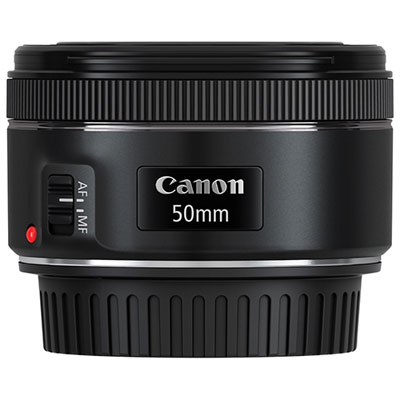 Your price for this item is $169.99
 -
 Your price for this item is $329.99
 -
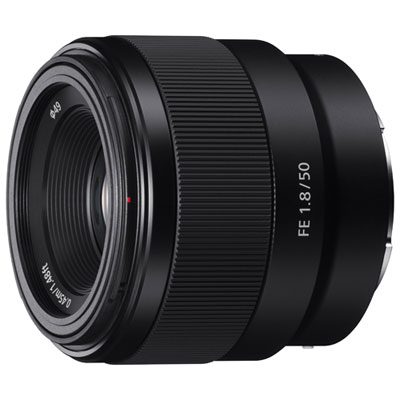 Your price for this item is $349.99
 -
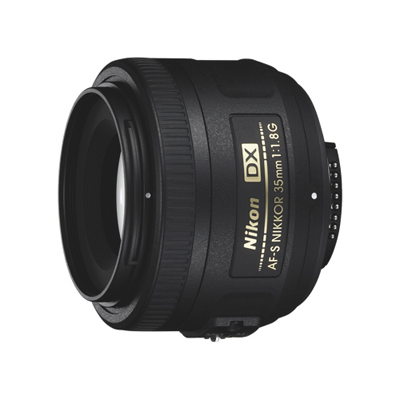 Your price for this item is $258.98
 -
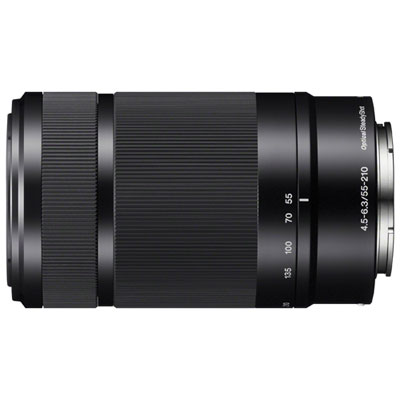 Your price for this item is $399.99
 -
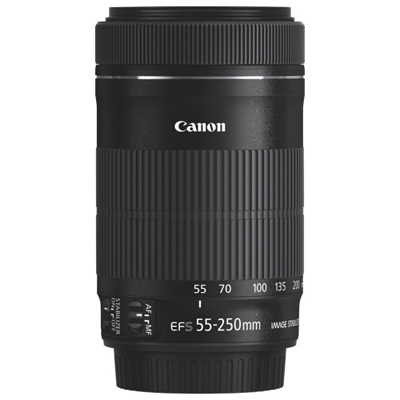 Your price for this item is $399.99
 -
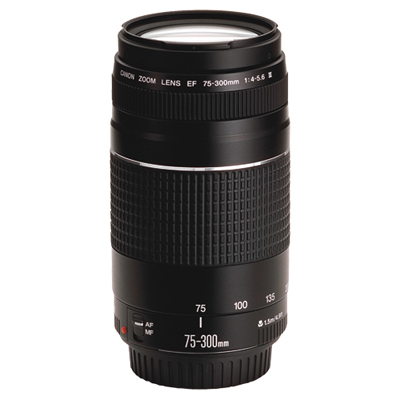 Your price for this item is $199.99
 -
 Your price for this item is $174.99
Discover more categories related to Macro Lenses for Wildlife Photography
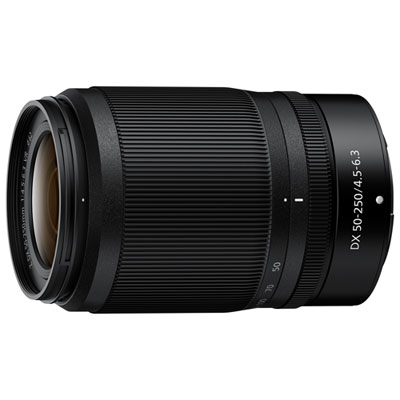

Top Collections:
Pokemon Centers, Kindle Devices, Best Cell Phones Under $500, Alarm Clock, Canon G7X Cameras, iPhone 15 Apple, Laptops for Students, Budget Smartphones, iPhone 14 256GB, Best Camera Tripods Under $100
Some products may be subject to Environmental Handling Fees
(EHF) depending on your province.
Learn more about EHFs.