Nikon Macro Lenses
Capture the intricate details and beauty of the world with our selection of macro lenses. Perfect for capturing stunning close-up shots with exceptional clarity and precision, these lenses are a must-have for any photography enthusiast looking to explore the fascinating world of macro photography. Whether you're a seasoned professional or a budding hobbyist, our range of macro lenses offers unparalleled quality and performance to help you unleash your creativity and capture every tiny detail with breathtaking sharpness.
Sort
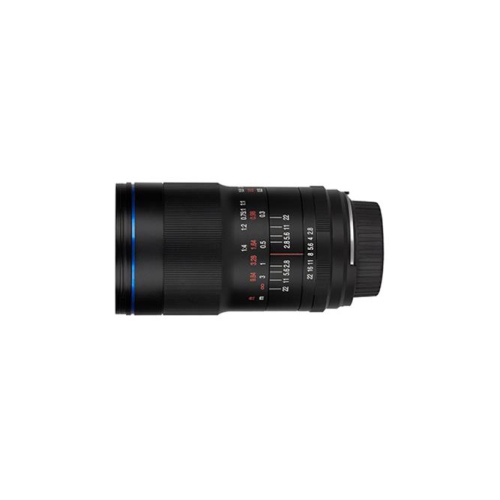

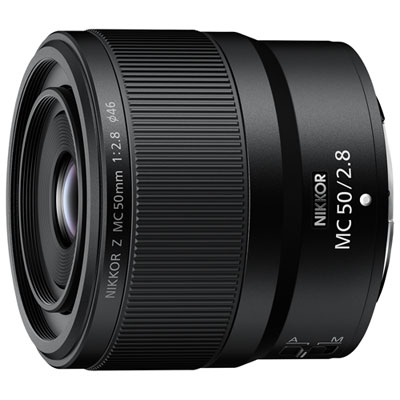
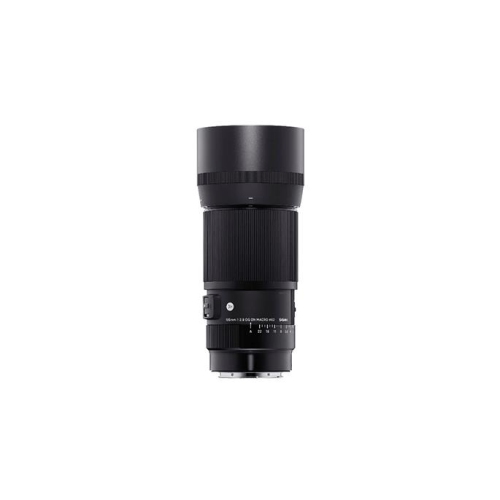
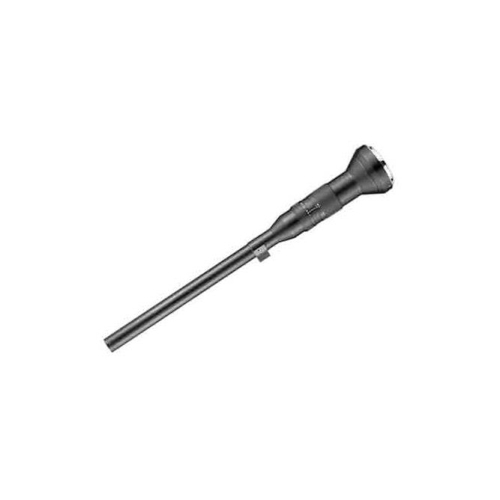
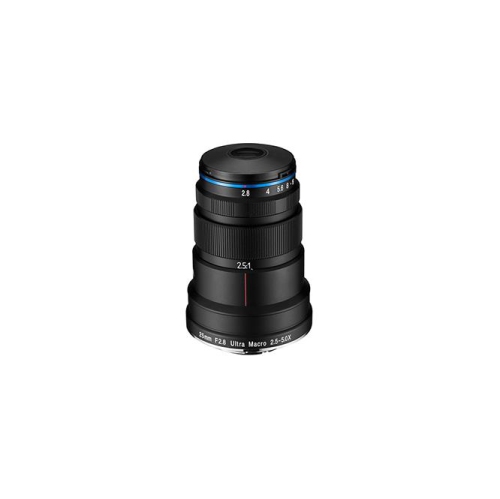
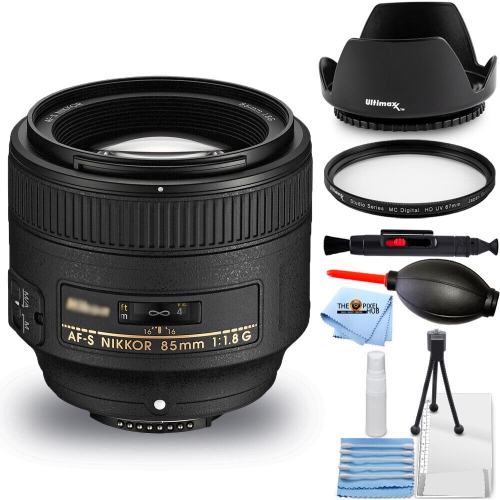
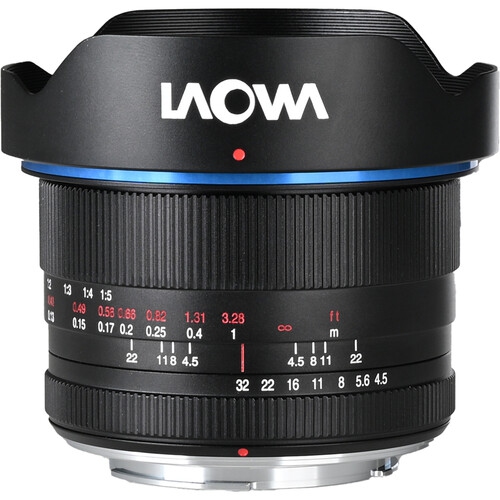
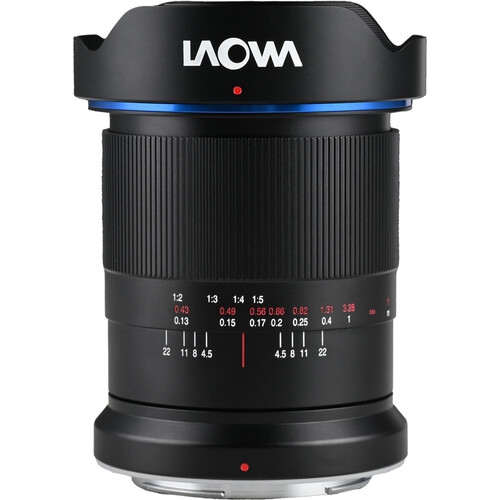
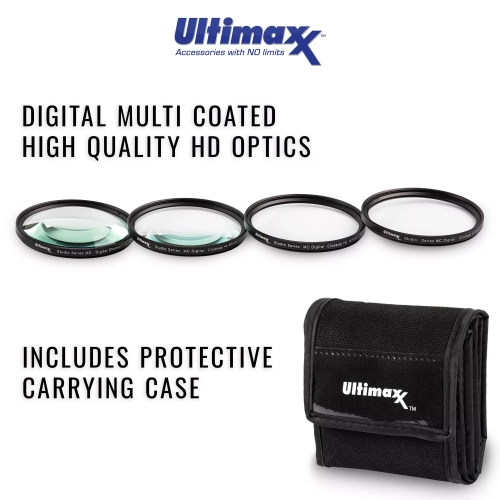

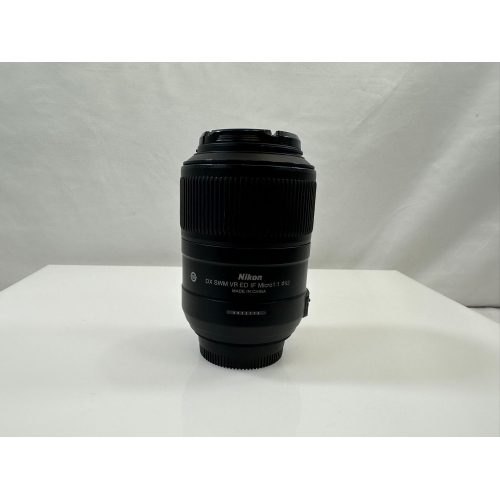
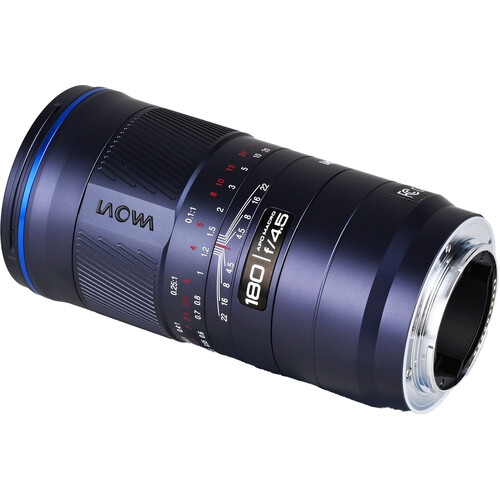
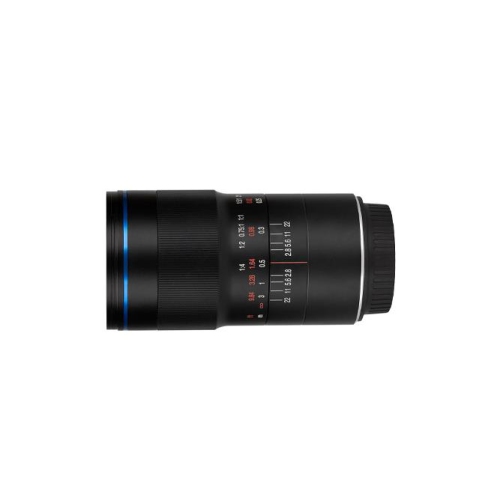
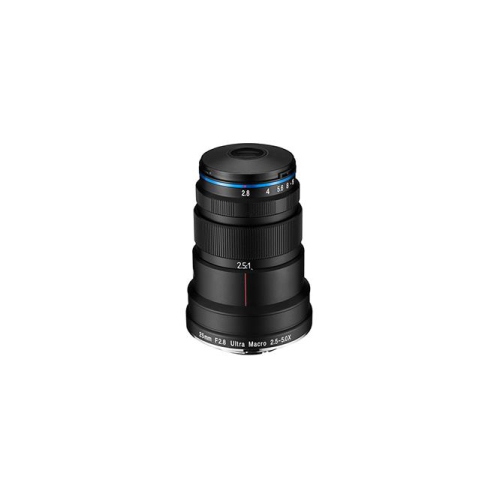
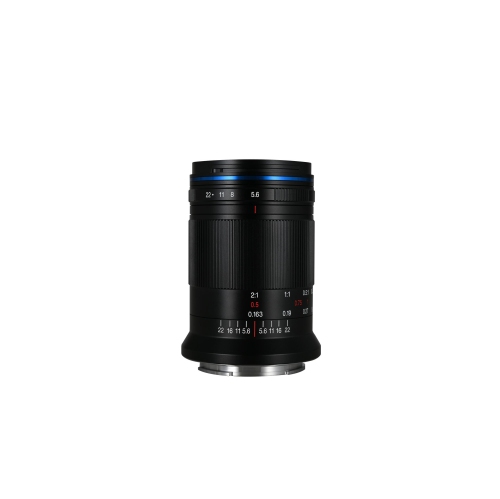
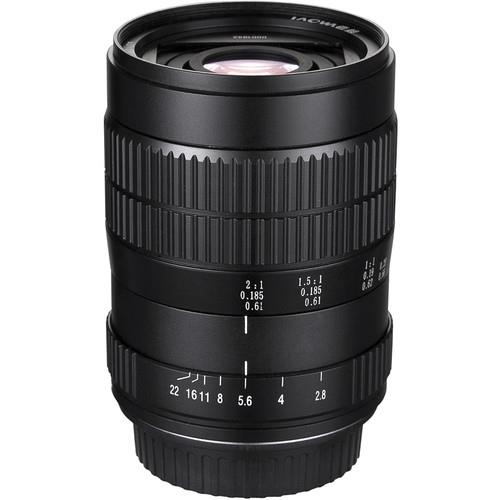
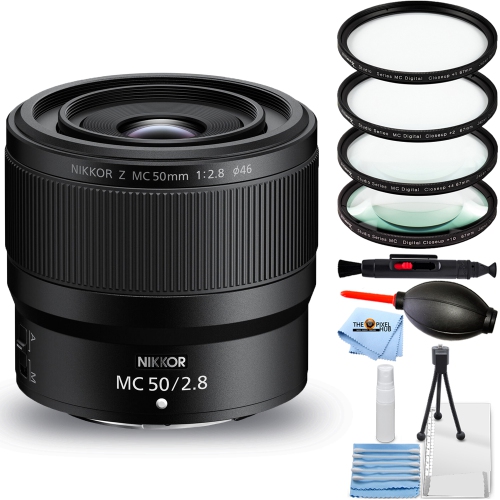
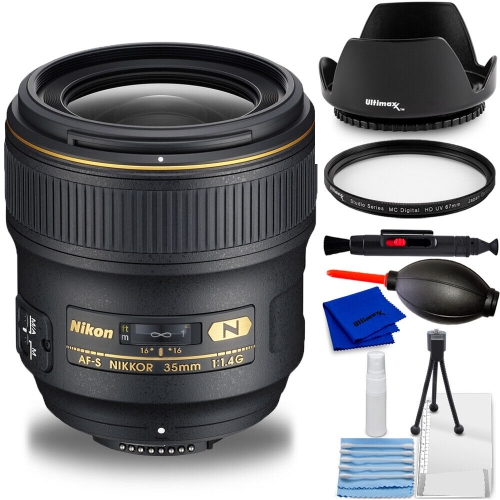
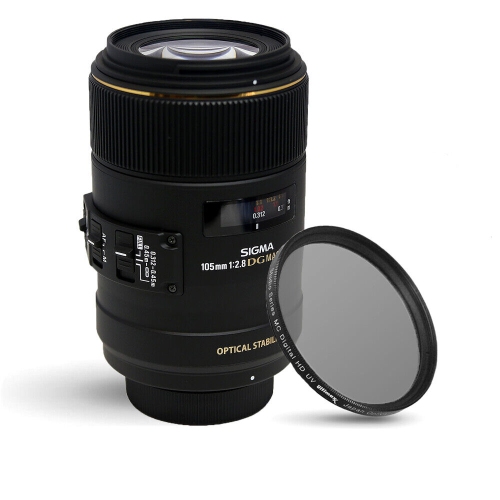
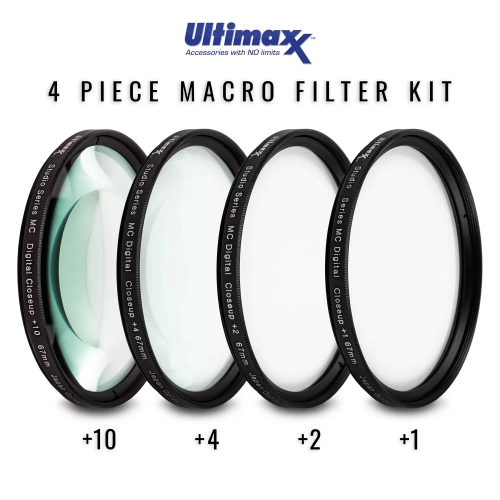

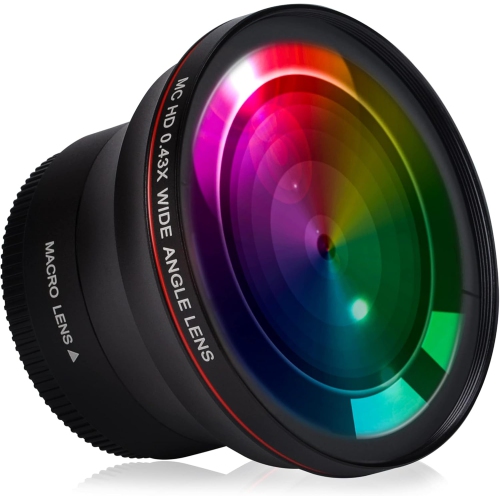

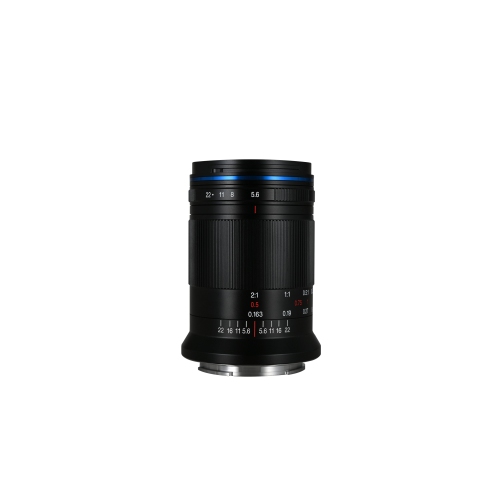
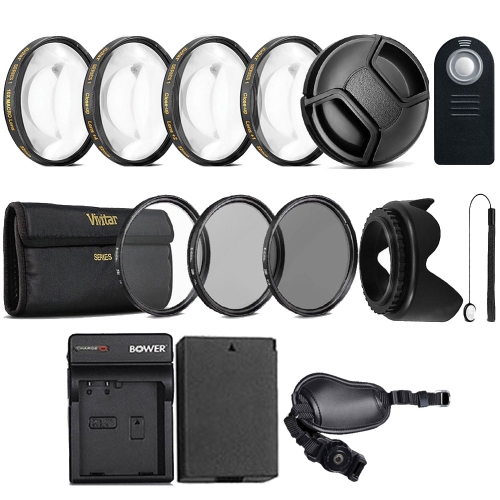
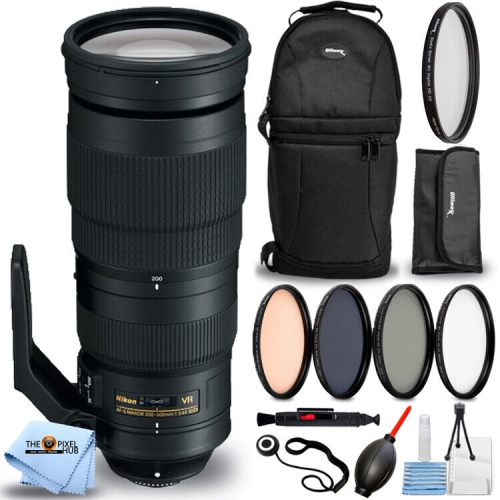
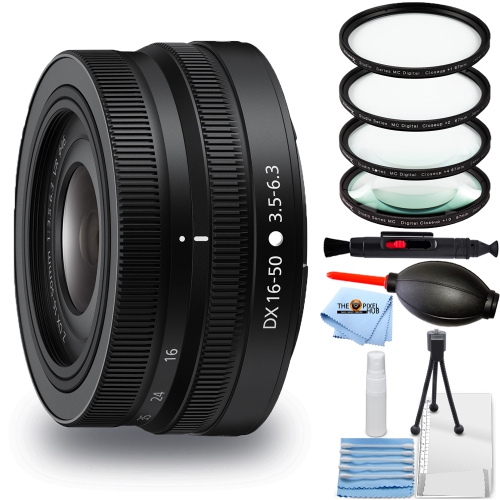
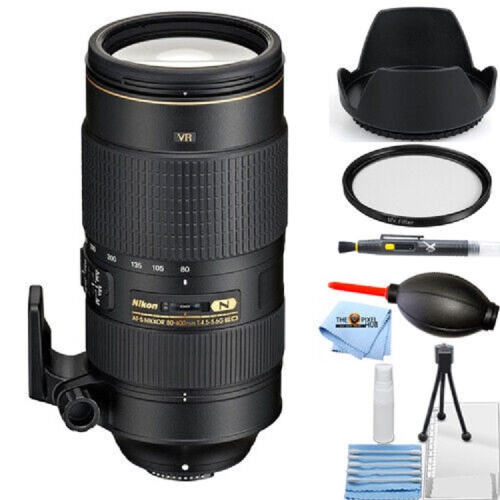
Tiny subjects take centre stage with life-size detail
Macro photography reveals a world that is easy to overlook: the fine texture of a leaf, the glint in an insect’s eye, the delicate grains of sugar on a pastry, or the intricate stitching in a handmade object. A dedicated macro lens is designed to focus at close distances while maintaining sharp, life-size detail, making it a valuable addition for photographers who want more than a standard lens can provide. When comparing Macro Lenses for Nikon, begin by confirming that the lens mount matches your camera body. Mirrorless cameras and DSLR cameras use different mounting systems, and compatibility can vary even within the same camera family. Some lenses are designed specifically for one mount, while others may work with an approved adapter. Checking the camera body and mount before purchasing helps ensure that autofocus, exposure communication, and other electronic functions operate as expected. It is also useful to consider the reproduction ratio. A true 1:1 macro lens can record a subject at life size on the camera sensor, allowing very small details to fill the frame. This is especially helpful for photographing jewellery, coins, stamps, flowers, insects, food, artwork, and small products. Lenses with a lower maximum reproduction ratio can still be useful for close-up photography, but they may not offer the same level of magnification. For shoppers who want to explore tiny subjects with precision, 1:1 capability is an important specification to look for.
Focal length has a noticeable effect on how a macro lens feels in use. A shorter focal length can be compact and convenient for tabletop photography, food images, crafts, and everyday close-ups, while a longer focal length generally provides more working distance between the front of the lens and the subject. That extra space can make it easier to photograph nervous insects without disturbing them, or to position a light source without casting a shadow across a flower or product. Longer focal lengths can also create a narrower field of view and attractive background blur, helping a detailed subject stand out against soft, uncluttered surroundings. A standard-length macro lens may be a practical choice for photographers who want one lens that handles close-ups, casual portraits, and ordinary walk-around photography. Look closely at the minimum focus distance, as this measurement indicates how near the lens can focus and is not always directly comparable to working distance. Image stabilization or vibration reduction can help reduce the effect of camera movement, particularly when shooting handheld in softer light, although it cannot freeze a moving insect or a flower moving in the breeze. Autofocus can be convenient for portraits, food, and general photography, while manual focus remains especially valuable for precise macro work. At close distances, even a tiny shift in the camera can move the sharp area away from a subject’s eye or the edge of a petal. Many photographers use a focus limiter, a sturdy tripod, or a small focusing rail when they need repeatable results. A quiet focusing motor can also be useful when photographing insects, recording video, or working in calm indoor settings. Aperture is another consideration: a wider maximum aperture can brighten the viewfinder and create a softer background, while stopping down to a narrower aperture can bring more of a three-dimensional subject into focus. Because macro scenes often have extremely shallow depth of field, changing the aperture, camera distance, and angle can make a meaningful difference to the final image.
Macro lenses can suit a wide range of photographers, from someone photographing garden discoveries during the warmer seasons to a small-business owner creating detailed images for an online shop. They are also useful for documenting model-building, baking, electronics projects, textiles, plant collections, and family keepsakes. A photographer may use one at home beside a window, outdoors on a quiet trail, or at a kitchen table covered with fruit, tools, and handmade objects waiting to be photographed. For insect and flower photography, a longer lens and comfortable working distance can make outdoor sessions more relaxed, while weather sealing can provide added reassurance when conditions are cool or damp; camera and lens protection should still follow the manufacturer’s care instructions. For product photography, even illumination is often more important than maximum magnification, so a compatible flash, continuous light, reflector, or simple diffuser may be worth considering. A macro lens can also be a thoughtful gift for a nature enthusiast, craft hobbyist, food photographer, student, or camera owner who enjoys experimenting with a new perspective. Before choosing, consider the recipient’s camera mount, preferred subjects, shooting locations, tolerance for carrying extra weight, and interest in handheld versus tripod-based photography. Compact designs are easier to pack for walks and travel, whereas larger lenses may offer longer reach, additional controls, or a more generous working distance. During the cooler months, close-up photography can move indoors, where tabletop scenes, household textures, recipes, collectibles, and creative projects offer plenty of subjects. As the weather warms, gardens, parks, and balconies provide fresh opportunities to practise composition and focus. Whichever style of photography is most appealing, a dedicated macro lens encourages patience: moving a few centimetres, changing the angle of light, or waiting for a moment of stillness can transform an ordinary detail into a striking image.
Focal length has a noticeable effect on how a macro lens feels in use. A shorter focal length can be compact and convenient for tabletop photography, food images, crafts, and everyday close-ups, while a longer focal length generally provides more working distance between the front of the lens and the subject. That extra space can make it easier to photograph nervous insects without disturbing them, or to position a light source without casting a shadow across a flower or product. Longer focal lengths can also create a narrower field of view and attractive background blur, helping a detailed subject stand out against soft, uncluttered surroundings. A standard-length macro lens may be a practical choice for photographers who want one lens that handles close-ups, casual portraits, and ordinary walk-around photography. Look closely at the minimum focus distance, as this measurement indicates how near the lens can focus and is not always directly comparable to working distance. Image stabilization or vibration reduction can help reduce the effect of camera movement, particularly when shooting handheld in softer light, although it cannot freeze a moving insect or a flower moving in the breeze. Autofocus can be convenient for portraits, food, and general photography, while manual focus remains especially valuable for precise macro work. At close distances, even a tiny shift in the camera can move the sharp area away from a subject’s eye or the edge of a petal. Many photographers use a focus limiter, a sturdy tripod, or a small focusing rail when they need repeatable results. A quiet focusing motor can also be useful when photographing insects, recording video, or working in calm indoor settings. Aperture is another consideration: a wider maximum aperture can brighten the viewfinder and create a softer background, while stopping down to a narrower aperture can bring more of a three-dimensional subject into focus. Because macro scenes often have extremely shallow depth of field, changing the aperture, camera distance, and angle can make a meaningful difference to the final image.
Macro lenses can suit a wide range of photographers, from someone photographing garden discoveries during the warmer seasons to a small-business owner creating detailed images for an online shop. They are also useful for documenting model-building, baking, electronics projects, textiles, plant collections, and family keepsakes. A photographer may use one at home beside a window, outdoors on a quiet trail, or at a kitchen table covered with fruit, tools, and handmade objects waiting to be photographed. For insect and flower photography, a longer lens and comfortable working distance can make outdoor sessions more relaxed, while weather sealing can provide added reassurance when conditions are cool or damp; camera and lens protection should still follow the manufacturer’s care instructions. For product photography, even illumination is often more important than maximum magnification, so a compatible flash, continuous light, reflector, or simple diffuser may be worth considering. A macro lens can also be a thoughtful gift for a nature enthusiast, craft hobbyist, food photographer, student, or camera owner who enjoys experimenting with a new perspective. Before choosing, consider the recipient’s camera mount, preferred subjects, shooting locations, tolerance for carrying extra weight, and interest in handheld versus tripod-based photography. Compact designs are easier to pack for walks and travel, whereas larger lenses may offer longer reach, additional controls, or a more generous working distance. During the cooler months, close-up photography can move indoors, where tabletop scenes, household textures, recipes, collectibles, and creative projects offer plenty of subjects. As the weather warms, gardens, parks, and balconies provide fresh opportunities to practise composition and focus. Whichever style of photography is most appealing, a dedicated macro lens encourages patience: moving a few centimetres, changing the angle of light, or waiting for a moment of stillness can transform an ordinary detail into a striking image.
Top selling and popular products
-
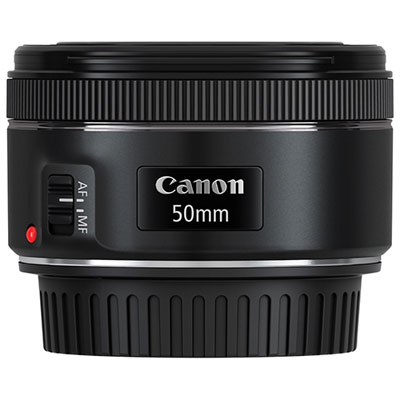 Your price for this item is $169.99
 -
 Your price for this item is $329.99
 -
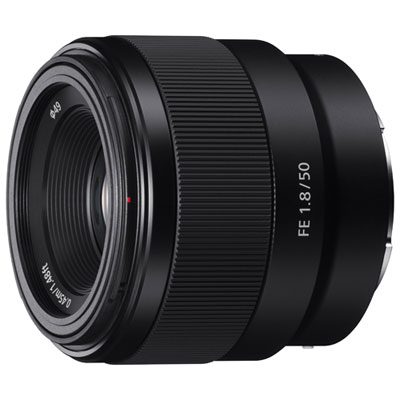 Your price for this item is $349.99
 -
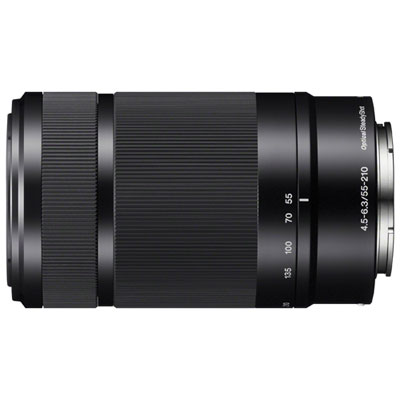 Your price for this item is $399.99
 -
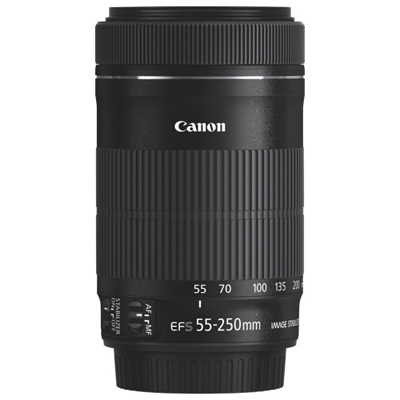 Your price for this item is $399.99
 -
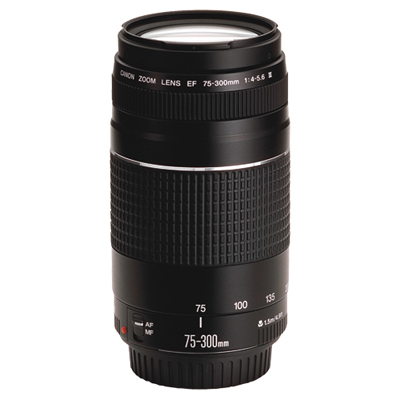 Your price for this item is $199.99
 -
 Your price for this item is $174.99
 -
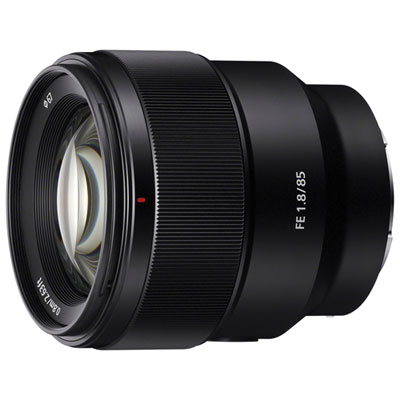 Your price for this item is $749.99
Discover more categories related to Nikon Macro Lenses
Top Collections:
Pokemon Centers, Kindle Devices, Best Budget Office Chairs, Apple iPhones 16, Best Laptops for Writers, iPhone 15 Apple, Canon G7X Cameras, Refurbished Apple Laptops, Alarm Clock, Motorola Razr Phones
Some products may be subject to Environmental Handling Fees
(EHF) depending on your province.
Learn more about EHFs.