Nikon Mirrorless Cameras
Explore a wide selection of Nikon mirrorless cameras designed to help you capture stunning photos and videos with ease. Whether you’re a beginner looking to upgrade your photography gear or a seasoned professional seeking advanced performance, Nikon mirrorless cameras offer versatile options to suit every skill level and shooting style. Discover models with various sensor sizes, resolutions, and connectivity features to find the perfect fit for your creative needs. Shop Nikon mirrorless cameras and enjoy the freedom to express your vision in every shot.
Sort
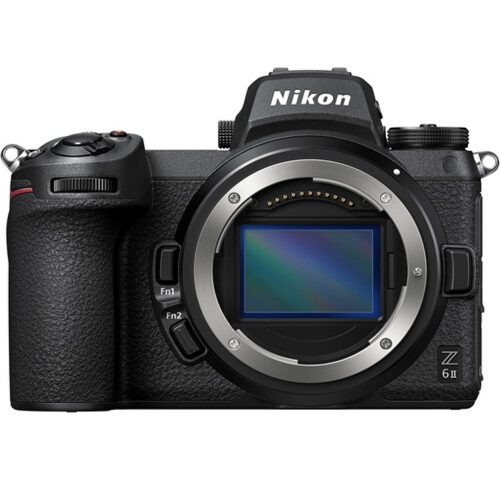
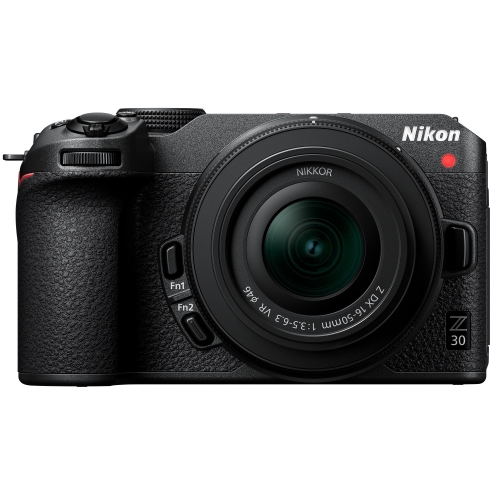

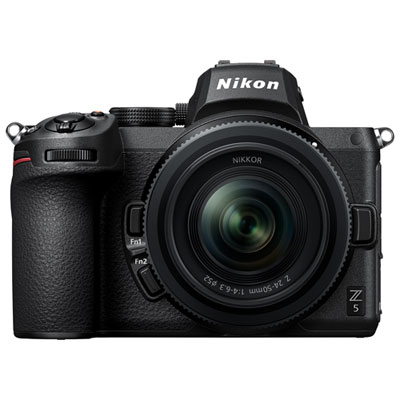
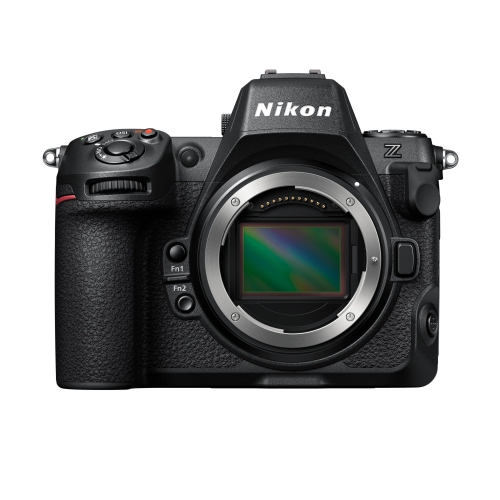

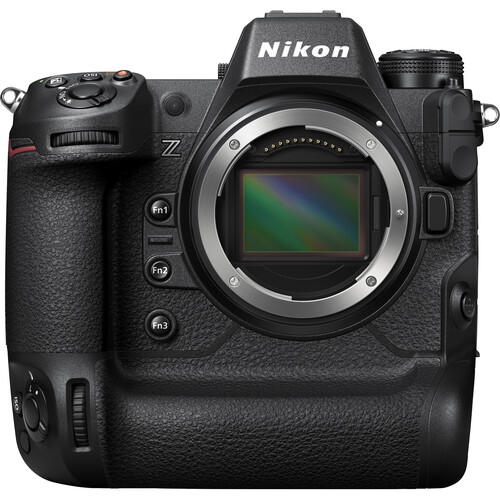
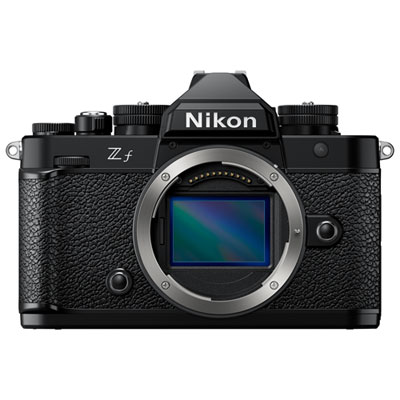
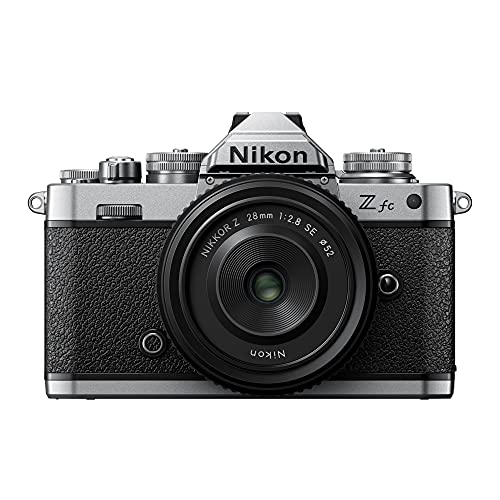

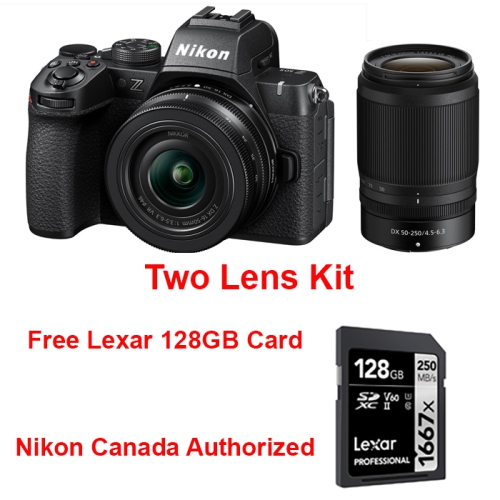
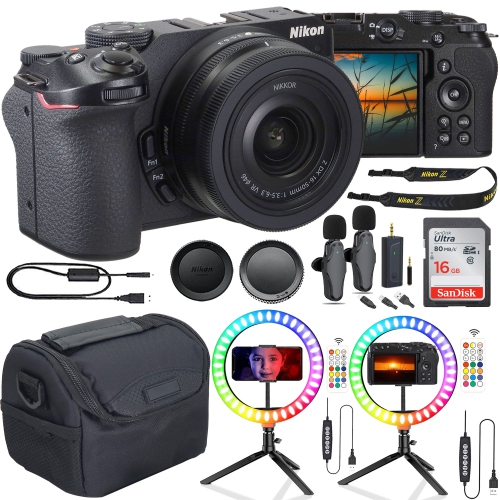
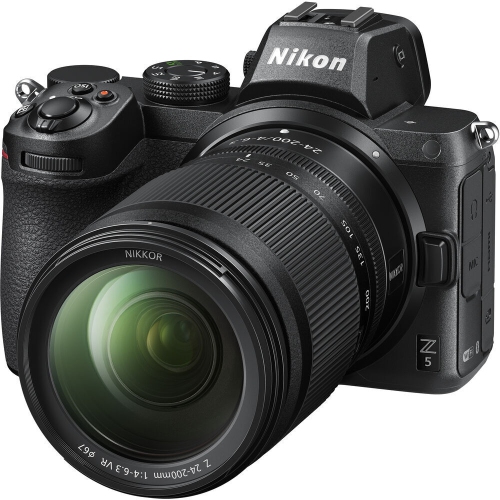
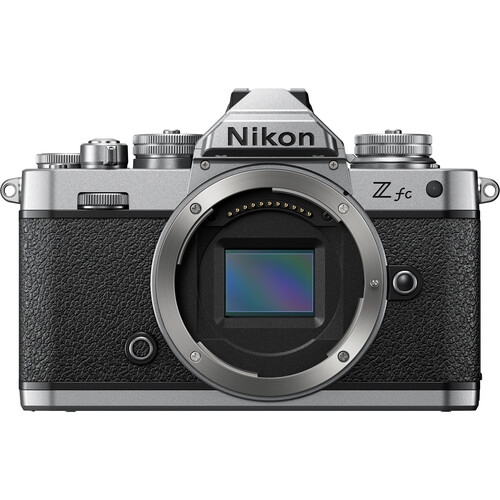
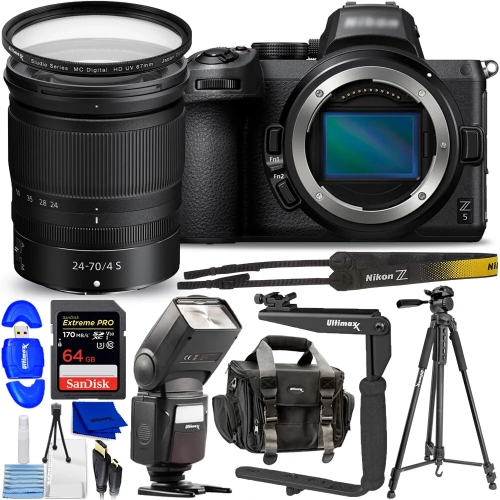
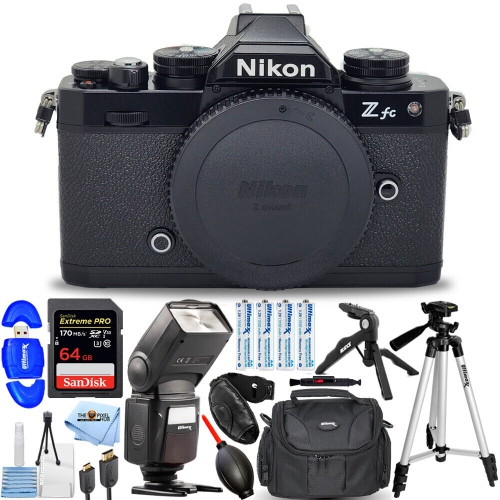
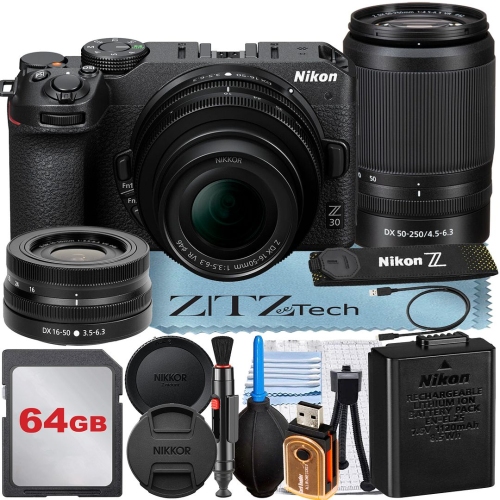
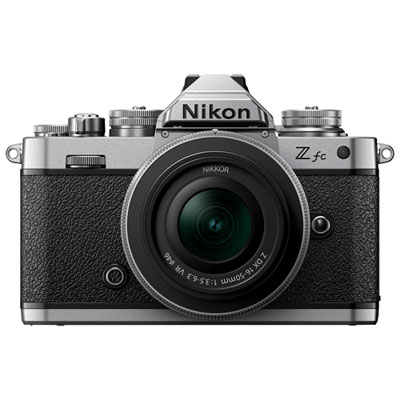
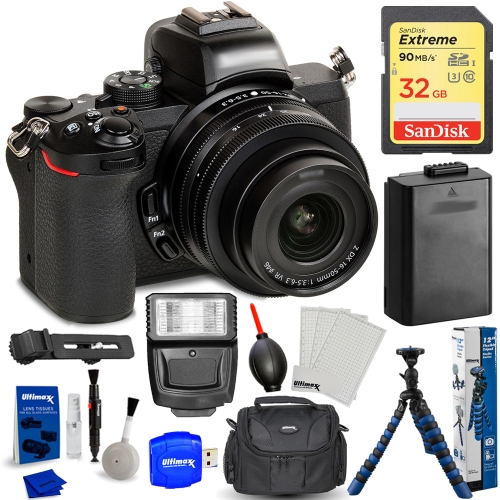
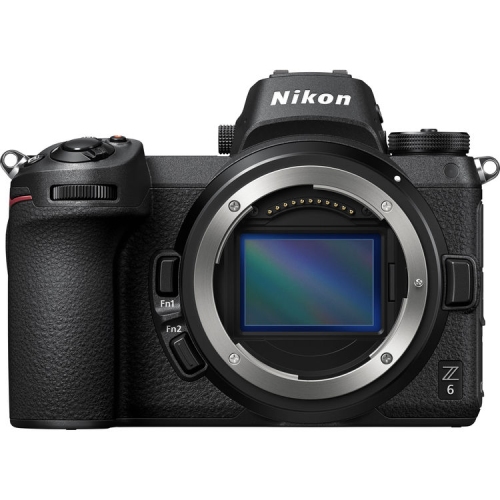
How sensor size and lens choice shape your photography
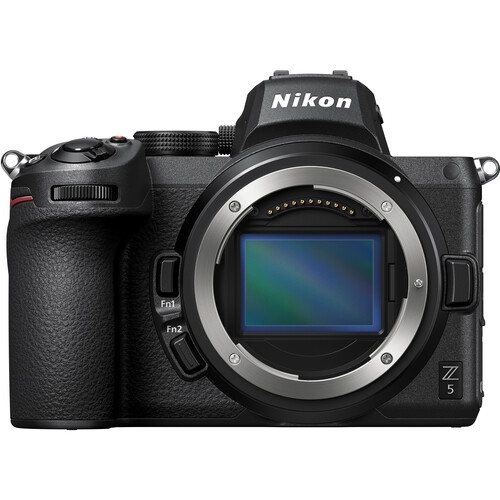
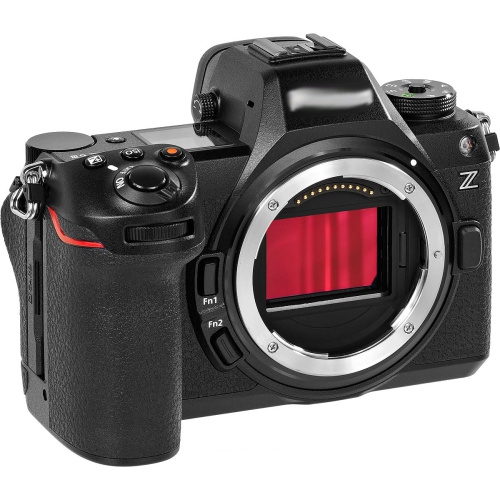
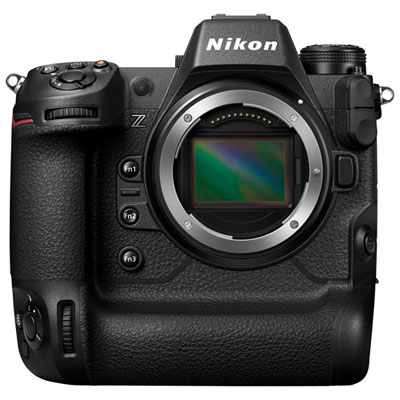
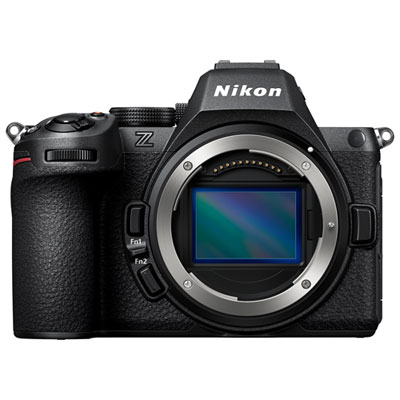
Mirrorless cameras combine interchangeable lenses with an electronic view of the scene, making them versatile tools for photography, video, and everyday storytelling. Instead of using a reflex mirror to direct light into an optical viewfinder, a mirrorless design sends light directly to the imaging sensor. The rear screen or electronic viewfinder, where fitted, can preview exposure and colour before the shutter is pressed, helping photographers see how their settings affect the finished image. Full-frame and DX-format bodies offer different balances of image quality, size, and lens choice. A full-frame sensor can provide greater flexibility for low-light photography and shallow depth of field, depending on the lens and settings. DX-format sensors are smaller and produce a narrower field of view with the same focal-length lens, which can be useful when framing distant subjects. Their crop factor is approximately 1.5 times relative to full frame; it changes framing rather than the lens’s actual focal length. Neither format determines the quality of a photograph on its own. Lens choice, lighting, focus accuracy, and timing all play important roles, whether the subject is a quiet street scene or a child crossing a stage. Resolution is another consideration, particularly for large prints or photographs that may need substantial cropping. Higher-resolution files also require more storage and can place greater demands on editing hardware. For family albums, online sharing, and smaller prints, a balanced combination of dependable autofocus, comfortable handling, and a suitable lens may matter more than the highest pixel count. RAW capture preserves considerable flexibility for adjusting exposure and white balance during editing, while JPEG files offer a simpler route from camera to sharing. These options suit different routines: an enthusiast may enjoy refining a portrait on a desktop, while a traveller may prefer photographs that need little adjustment before being sent to friends.
The lens attached to a mirrorless camera shapes both the image and the experience of carrying the system. A compact standard zoom covers a useful range for everyday subjects, from a group gathered around a table to architectural details across a street. A prime lens has a fixed focal length and may offer a wide maximum aperture, making it useful for portraits, indoor photography, or separating a subject from a softly blurred background. Telephoto lenses help fill the frame with distant action, while wide-angle lenses take in more of an interior or an expansive view. Physical mount compatibility is essential, but it is not the only consideration: sensor coverage, autofocus support, and any adapter requirements also affect how a lens works with a body. A lens designed for a smaller sensor may require a crop when used on a full-frame body, reducing the image area and available resolution. The complete setup matters just as much as the body alone. A small camera fitted with a long, heavy lens handles differently from the same camera with a lightweight prime, particularly during an extended performance or an afternoon of walking. Grip depth, viewfinder comfort, accessible controls, and a screen that tilts or rotates can make familiar shooting situations easier to manage. Photographing a pet near floor level, for example, is more comfortable when the screen remains visible without having to lie down. Autofocus tracking and subject detection can help maintain focus on moving people or animals, although supported subjects and performance vary between bodies. Image stabilization, when included in the body or lens, helps reduce blur from camera movement; it does not stop a moving subject, so shutter speed still matters. For video, useful distinctions include recording resolution, frame-rate options, autofocus behaviour, microphone connections, and headphone monitoring where supported. A clear view of the screen and dependable audio can be more valuable for an interview than a specification that rarely fits the intended use.
Materials, care, and everyday handling help determine how a camera fits into a photographer’s routine over time. Bodies may use reinforced composites, metal alloys, or a combination of materials, with differences in weight, rigidity, and grip texture. A sturdy build is useful, but a comfortable carrying setup and sensible storage remain important for any interchangeable-lens camera. A padded bag with adjustable dividers keeps the body and lenses from knocking together, while a properly attached strap provides security when moving between locations. Front and rear lens caps protect exposed surfaces during storage, and changing lenses in a clean space helps limit dust entering the camera. Lens coatings need gentle care: loose particles should be removed before using a suitable lens cloth, and stubborn marks are best addressed with cleaning supplies intended for optical surfaces. The sensor is particularly delicate, making the manufacturer’s cleaning guidance or professional servicing preferable to improvised methods. Battery life, charging arrangements, and memory-card compatibility also affect day-to-day convenience. Video capture and long photography sessions can use substantial power and storage, while higher-bitrate recording may require cards that meet specific speed ratings. Wireless connectivity can simplify image transfer or remote operation, though Wi-Fi, Bluetooth, and app functions differ by body and compatible device. When comparing Nikon Black Mirrorless Cameras, the finish is only one part of the choice; control layout, lens compatibility, and the weight of the complete setup have a more direct effect on regular use. A camera can make a thoughtful gift for a photography student, a family historian, or someone developing an interest in filmmaking, especially when it complements lenses and accessories they already own. For a first interchangeable-lens camera, approachable controls and a versatile lens support experimentation without making every outing feel like a production. For an experienced photographer, familiar handling, dependable focus, and the right connections can help a new body fit smoothly into an established workflow.
Top selling and popular products
-
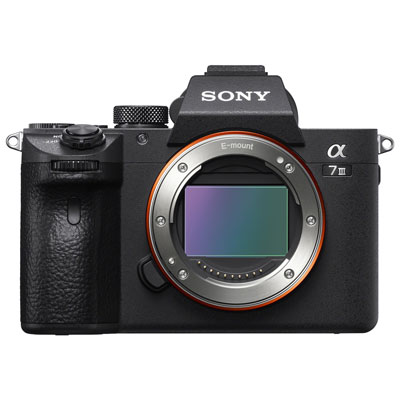 Your price for this item is $1799.99
-
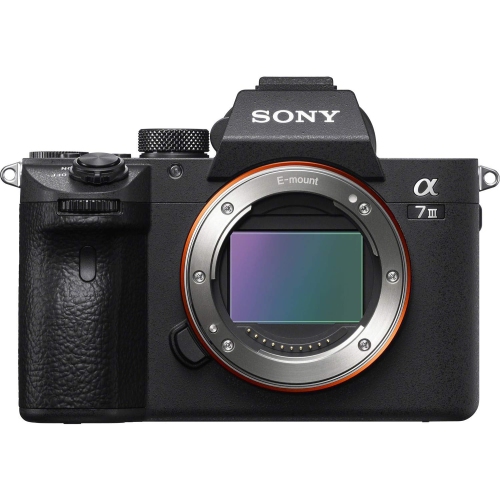 Your price for this item is $1899
-
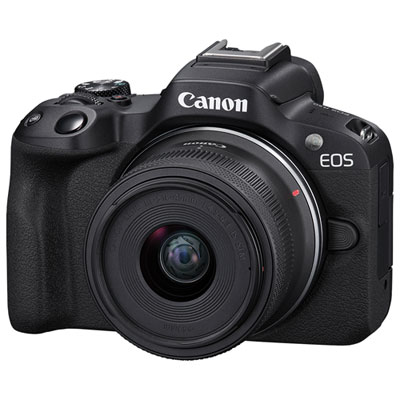 Your price for this item is $949.99
-
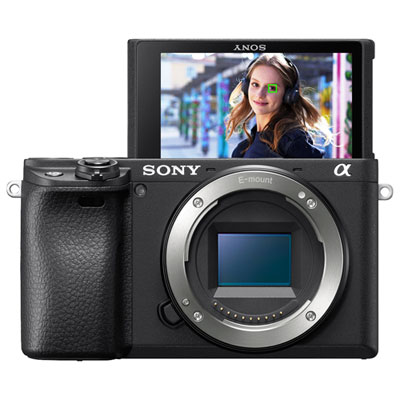 Your price for this item is $1049.99
-
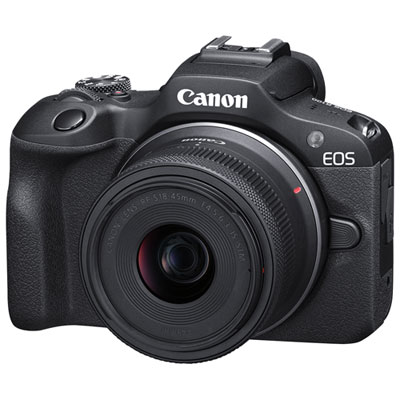 Your price for this item is $599.99
-
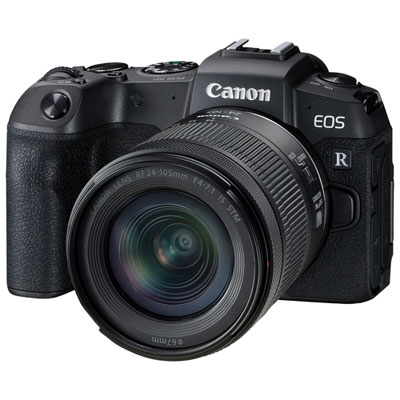 Your price for this item is $1299.99
-
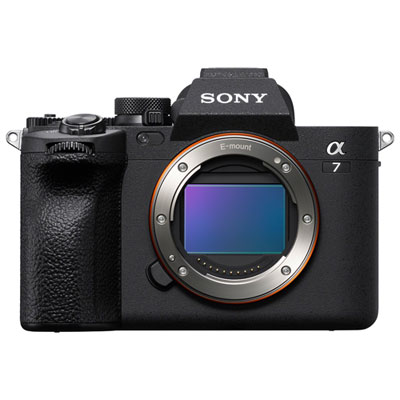 Your price for this item is $2699.99
-
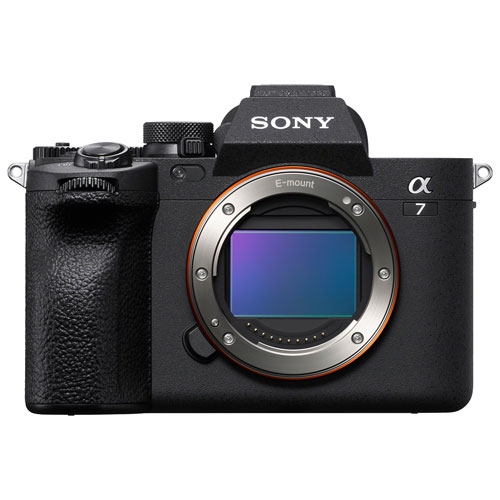 Your price for this item is $2469.99
Discover more categories related to Nikon Mirrorless Cameras

Top Collections:
Best Black Friday Deals This Year, Best Black Friday Deals On Electronics, Kindle Devices, Pokemon Centers, Best Black Friday Deals On Apple Products, Best Cameras for Sports Photography, Dyson Airwrap, Pokémon 30th Celebration Cards, Apple iPhone 17 Pro, Canon G7X Cameras
Some products may be subject to Environmental Handling Fees
(EHF) depending on your province.
Learn more about EHFs.