Nikon Photography Lenses
Capture the world through a new lens with our extensive collection of Nikon photography lenses. Whether you're a professional photographer or an avid hobbyist, these lenses are designed to take your shots to the next level. With a wide range of focal lengths and advanced optical technologies, you can achieve stunning clarity, sharpness, and depth in every image. From wide-angle lenses for capturing breathtaking landscapes to telephoto lenses for getting up close and personal with distant subjects, our Nikon photography lenses offer versatility and precision for any shooting situation. Explore our selection today and unlock your creative potential.
Sort
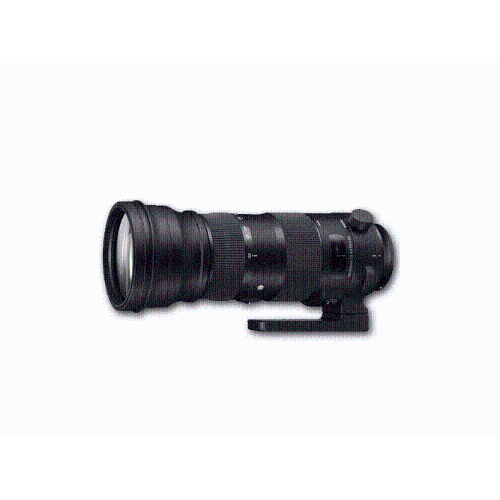
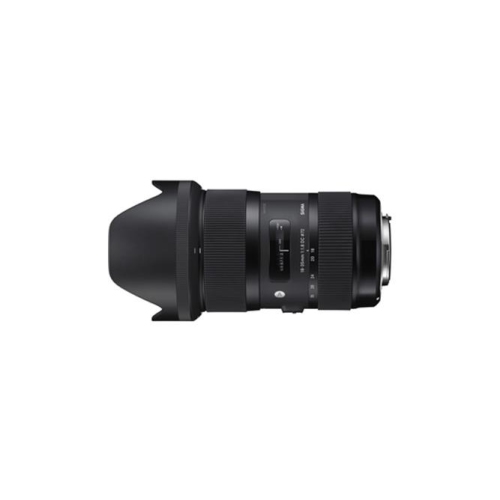
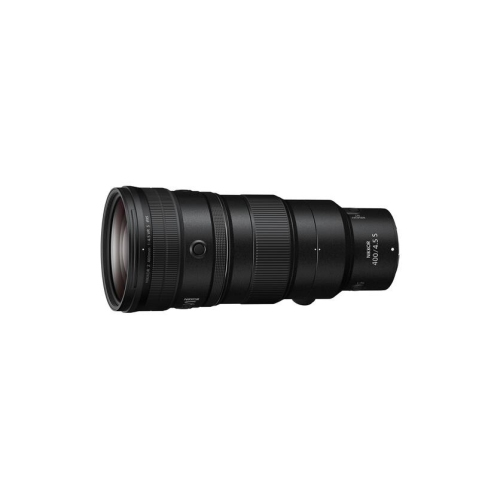
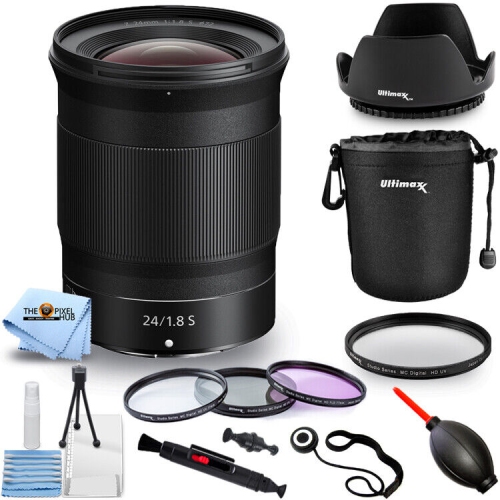
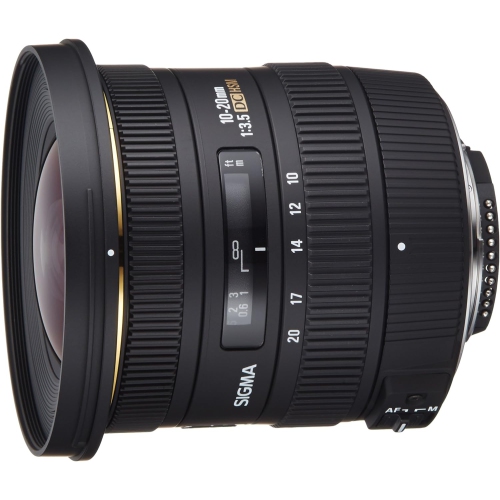
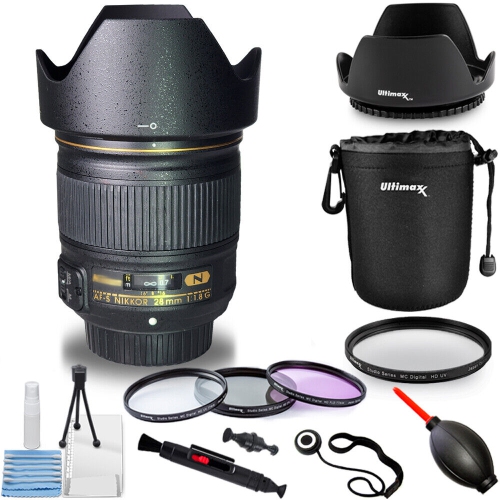
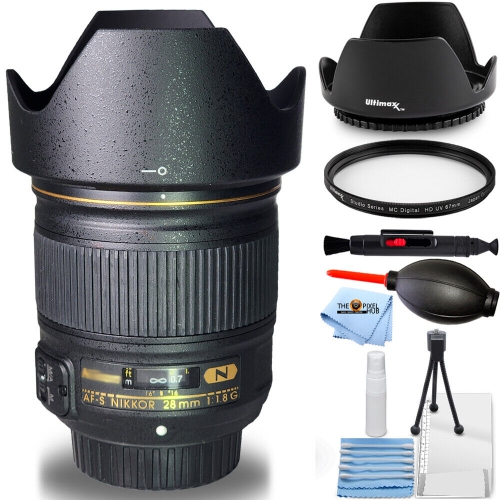
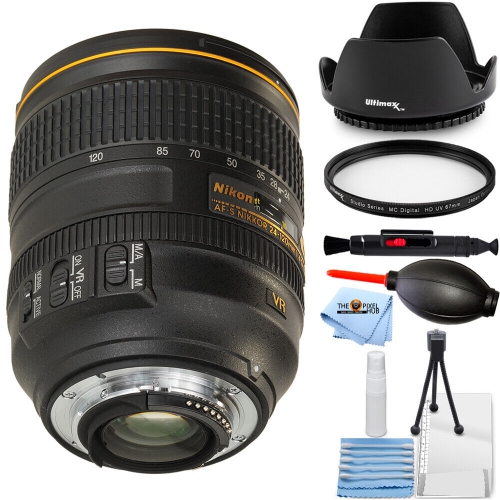
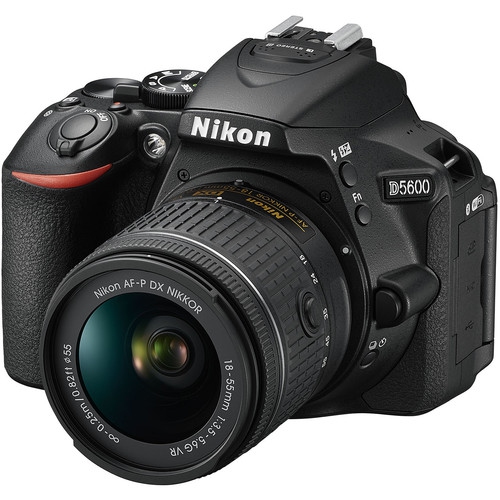
Lens choices shape light, perspective and photographic possibility
Nikon Photography Lenses can help a camera feel more capable, more personal and better suited to the way you see the world. The right lens influences much more than magnification: it affects the amount of light reaching the sensor, the perspective of a scene, the appearance of the background and the amount of detail captured in a moving subject. A prime lens uses one fixed focal length, which often makes it a strong choice for portraits, still life, food photography and everyday moments in lower light. Its wide aperture can create a softly blurred background that draws attention to a face, a flower or a carefully arranged subject, while the fixed viewpoint encourages the photographer to move closer or farther away and consider composition more deliberately. Zoom lenses cover a range of focal lengths in one unit, making them useful for travel, family gatherings, landscapes and general photography when changing lenses would be inconvenient. A wide-angle setting can include a sweeping shoreline, a tall building or a group of people in a confined room; a longer setting can frame a distant detail or create a more intimate composition without stepping into the scene. Telephoto and super-telephoto options are designed to bring faraway subjects closer, making them useful for wildlife, field sports, outdoor performances and candid photographs from a respectful distance. Macro-focused lenses reveal details that are easy to miss with the naked eye, from the texture of a leaf to the fine lines in a handmade object. With these different designs available, Nikon Photography Lenses can suit a first interchangeable-lens camera, a well-used DSLR kit or a mirrorless setup that is ready for more specialized work.
Compatibility is one of the most important details to check before choosing a lens. Nikon DSLR cameras traditionally use the F-mount, while Nikon mirrorless cameras use the Z-mount, and the mount must match the camera body directly or work with the appropriate adapter. Photographers moving from a DSLR to a mirrorless camera may be able to continue using selected F-mount lenses with an adapter, although it is wise to confirm autofocus, exposure control, stabilization and other supported functions for the specific camera and lens combination. Z-mount lenses are designed for Nikon mirrorless bodies and can offer a modern fit, while F-mount lenses remain relevant for compatible DSLR cameras and adapted systems. The camera’s sensor format also matters. FX lenses are made for full-frame cameras and may be selected by photographers who want broad compatibility or a particular field of view; you can explore the range of FX Nikon Lenses when comparing full-frame options. On a smaller DX-format sensor, the same focal length can appear more zoomed in than it would on a full-frame body, which may be helpful for distant subjects but less convenient in a tight interior. Before purchasing, review the mount, sensor coverage, focal-length range, maximum aperture, minimum focusing distance and physical size. Image stabilization can be valuable when photographing handheld during the cooler months or indoors, while weather-resistant construction may provide added confidence during a light drizzle or a breezy walk, provided the camera system is used within its stated limits. Weight is also worth considering: a lens that stays in the camera bag is usually more useful than one that is difficult to carry on a full day outdoors.
These lenses can be chosen around a particular photographic habit rather than a technical specification alone. Someone who enjoys portraits may appreciate a lens that creates flattering perspective and separates a subject from a softly rendered background. A landscape photographer may prefer a broad view for mountain paths, open water and dramatic skies, while a traveller may value one versatile zoom that handles changing scenes without frequent equipment changes. For family photography, quick autofocus and a useful everyday focal range can make it easier to capture a child running through a garden or a spontaneous expression before it disappears. Wildlife and sports photographers often look for reach, focusing speed and stabilization, since subjects rarely pause in ideal light. A close-focusing lens can be a thoughtful gift for someone who photographs baking, crafts, collectibles or the small details found during a walk as the weather warms. Lenses also make meaningful gifts for graduates, new camera owners and experienced photographers marking a new interest, because they can open up a different style of shooting without replacing the camera they already know. Consider the recipient’s camera mount, preferred subjects, comfort with carrying equipment and willingness to change lenses in the field. A compact prime may suit a photographer who enjoys simple, purposeful gear, while a flexible zoom may be better for someone documenting trips, celebrations and everyday life. The most rewarding choice is one that fits naturally into the photographer’s routine and encourages more time behind the camera, whether that means waiting quietly for birds at the edge of a trail, watching evening light settle across a city street or finding a fresh perspective in a familiar room.
Compatibility is one of the most important details to check before choosing a lens. Nikon DSLR cameras traditionally use the F-mount, while Nikon mirrorless cameras use the Z-mount, and the mount must match the camera body directly or work with the appropriate adapter. Photographers moving from a DSLR to a mirrorless camera may be able to continue using selected F-mount lenses with an adapter, although it is wise to confirm autofocus, exposure control, stabilization and other supported functions for the specific camera and lens combination. Z-mount lenses are designed for Nikon mirrorless bodies and can offer a modern fit, while F-mount lenses remain relevant for compatible DSLR cameras and adapted systems. The camera’s sensor format also matters. FX lenses are made for full-frame cameras and may be selected by photographers who want broad compatibility or a particular field of view; you can explore the range of FX Nikon Lenses when comparing full-frame options. On a smaller DX-format sensor, the same focal length can appear more zoomed in than it would on a full-frame body, which may be helpful for distant subjects but less convenient in a tight interior. Before purchasing, review the mount, sensor coverage, focal-length range, maximum aperture, minimum focusing distance and physical size. Image stabilization can be valuable when photographing handheld during the cooler months or indoors, while weather-resistant construction may provide added confidence during a light drizzle or a breezy walk, provided the camera system is used within its stated limits. Weight is also worth considering: a lens that stays in the camera bag is usually more useful than one that is difficult to carry on a full day outdoors.
These lenses can be chosen around a particular photographic habit rather than a technical specification alone. Someone who enjoys portraits may appreciate a lens that creates flattering perspective and separates a subject from a softly rendered background. A landscape photographer may prefer a broad view for mountain paths, open water and dramatic skies, while a traveller may value one versatile zoom that handles changing scenes without frequent equipment changes. For family photography, quick autofocus and a useful everyday focal range can make it easier to capture a child running through a garden or a spontaneous expression before it disappears. Wildlife and sports photographers often look for reach, focusing speed and stabilization, since subjects rarely pause in ideal light. A close-focusing lens can be a thoughtful gift for someone who photographs baking, crafts, collectibles or the small details found during a walk as the weather warms. Lenses also make meaningful gifts for graduates, new camera owners and experienced photographers marking a new interest, because they can open up a different style of shooting without replacing the camera they already know. Consider the recipient’s camera mount, preferred subjects, comfort with carrying equipment and willingness to change lenses in the field. A compact prime may suit a photographer who enjoys simple, purposeful gear, while a flexible zoom may be better for someone documenting trips, celebrations and everyday life. The most rewarding choice is one that fits naturally into the photographer’s routine and encourages more time behind the camera, whether that means waiting quietly for birds at the edge of a trail, watching evening light settle across a city street or finding a fresh perspective in a familiar room.
Top selling and popular products
-
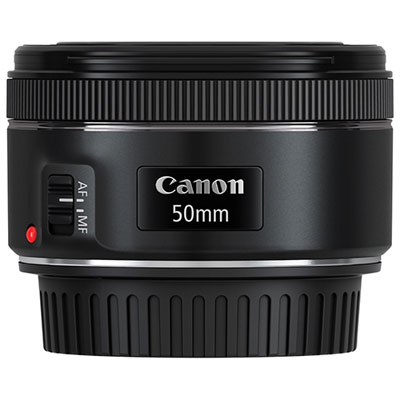 Your price for this item is $169.99
 -
 Your price for this item is $329.99
 -
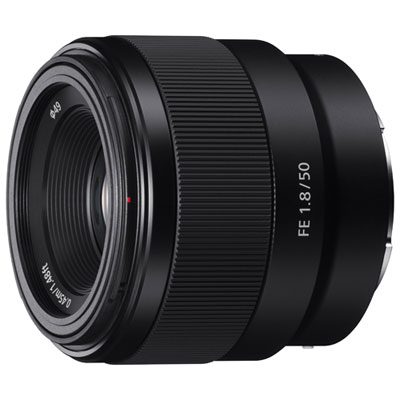 Your price for this item is $349.99
 -
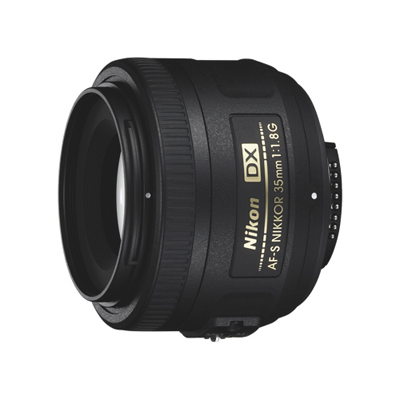 Your price for this item is $258.98
 -
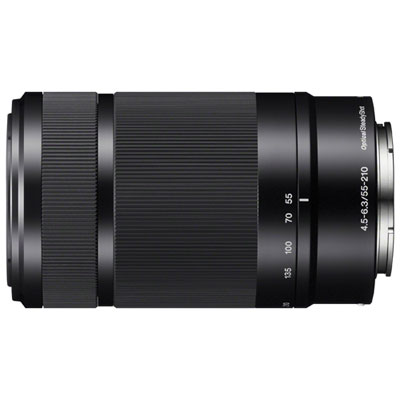 Your price for this item is $399.99
 -
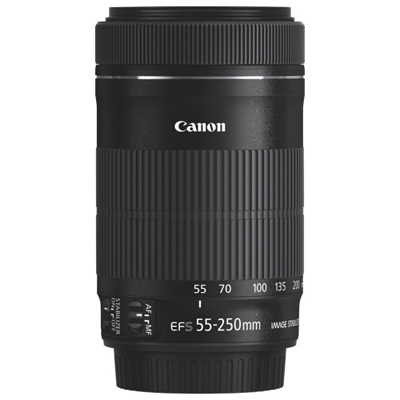 Your price for this item is $399.99
 -
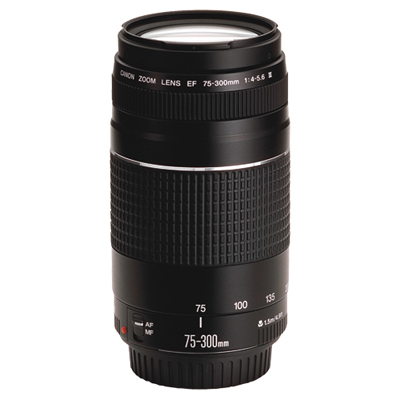 Your price for this item is $199.99
 -
 Your price for this item is $174.99
Discover more categories related to Nikon Photography Lenses
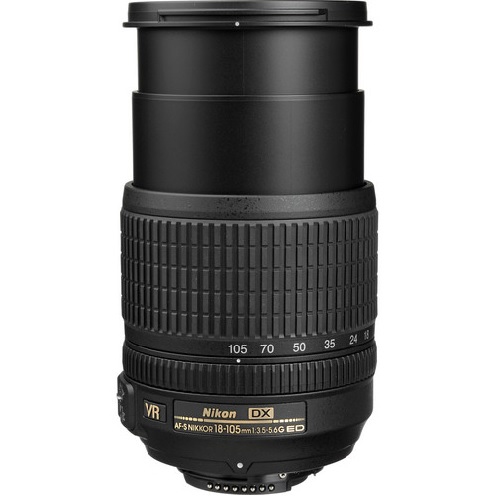
Top Collections:
Pokemon Centers, Kindle Devices, Best Cell Phones Under $500, Alarm Clock, Canon G7X Cameras, iPhone 15 Apple, Laptops for Students, Budget Smartphones, iPhone 14 256GB, Best Camera Tripods Under $100
Some products may be subject to Environmental Handling Fees
(EHF) depending on your province.
Learn more about EHFs.