Nikon Professional Camera Lenses
Capture your world with precision and clarity using Nikon professional camera lenses. Designed to meet the demands of both seasoned photographers and aspiring professionals, these lenses offer exceptional quality and performance for every shot. Whether you're capturing breathtaking landscapes, intimate portraits, or fast-paced action scenes, Nikon professional camera lenses provide the versatility and reliability you need to elevate your photography. Explore a range of options tailored to suit various styles and preferences, ensuring that you always have the perfect lens for any situation.
Sort
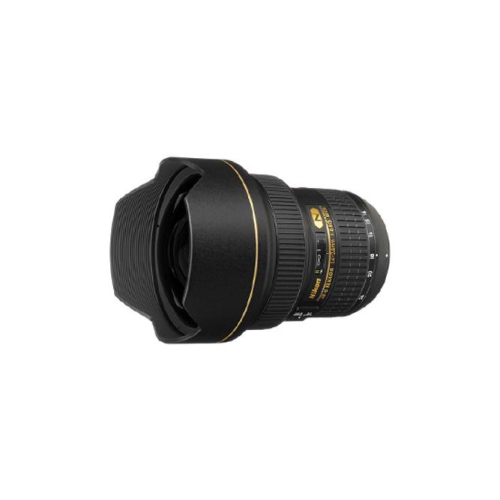
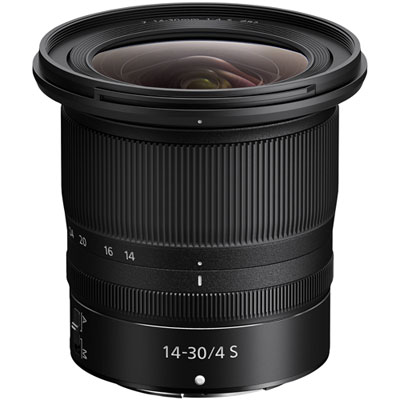
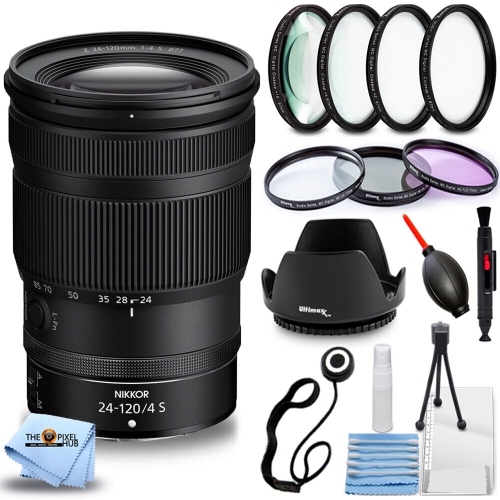
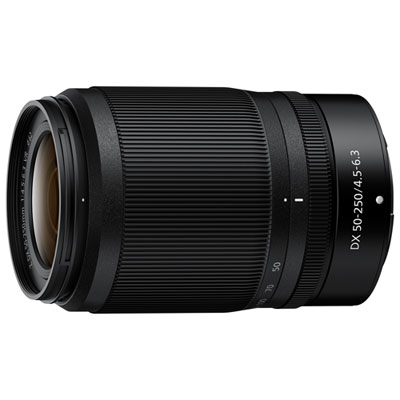
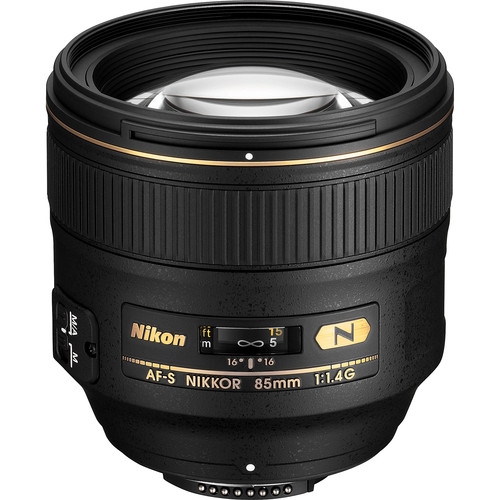
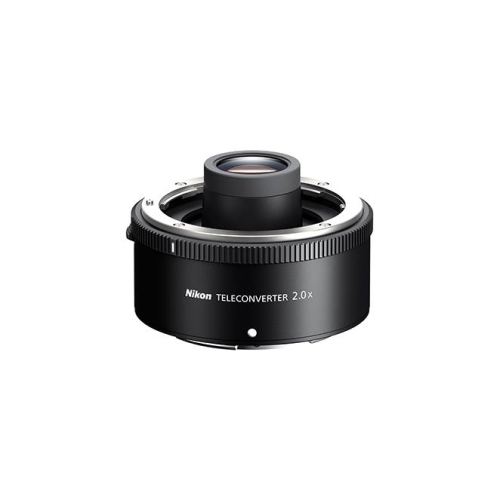
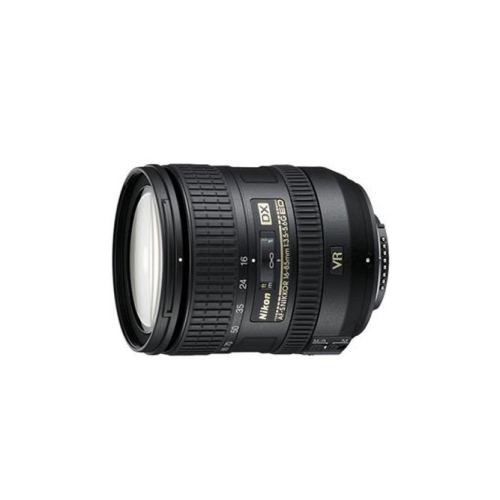
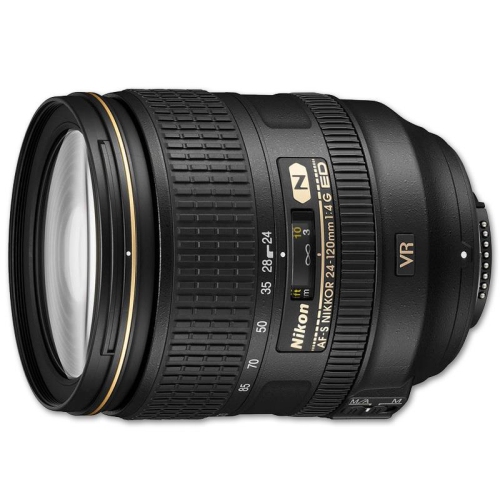
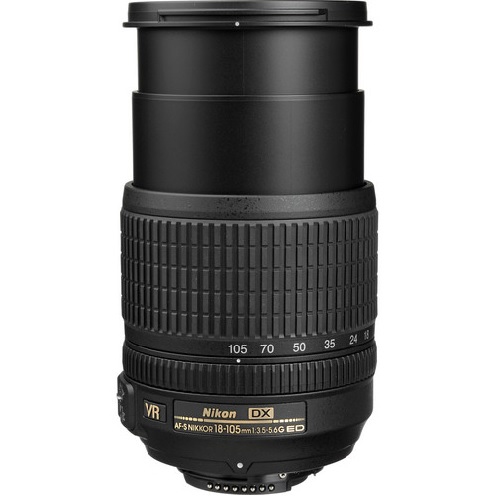
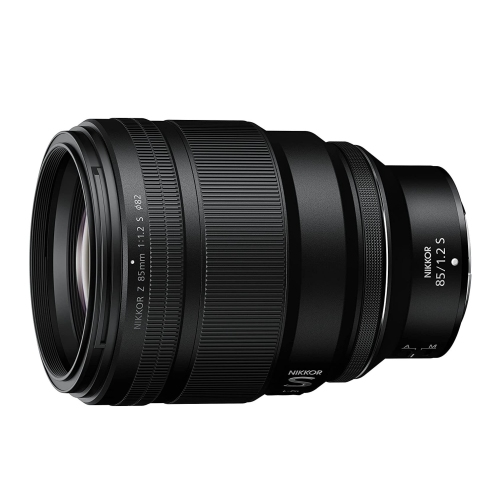
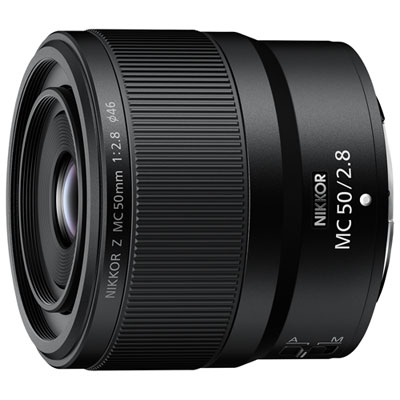
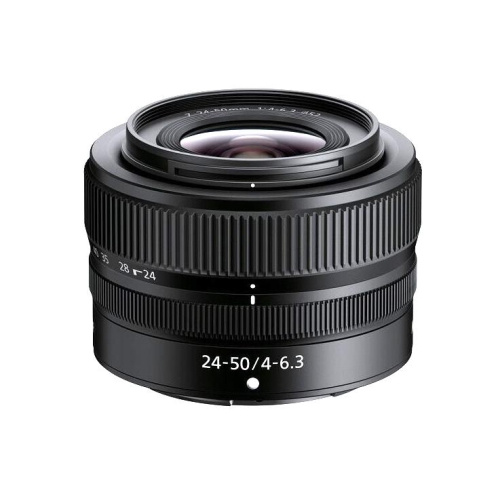
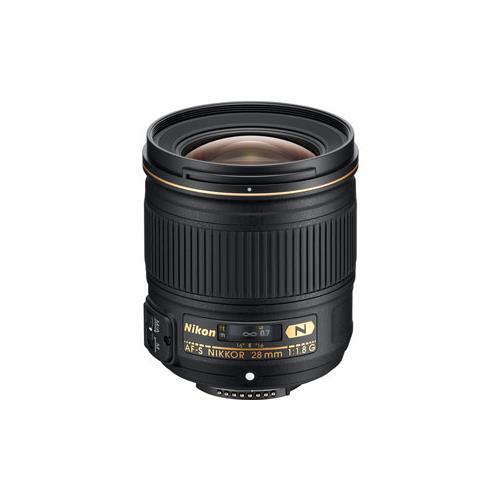
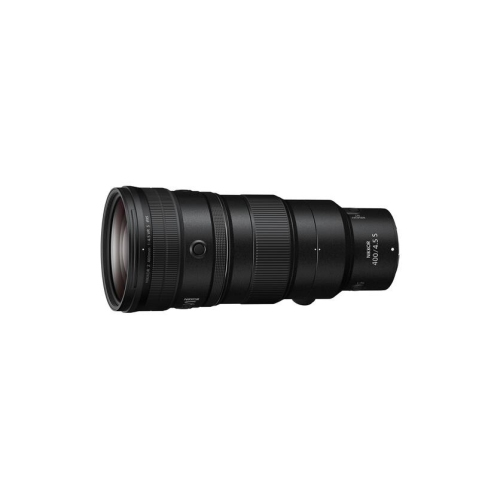
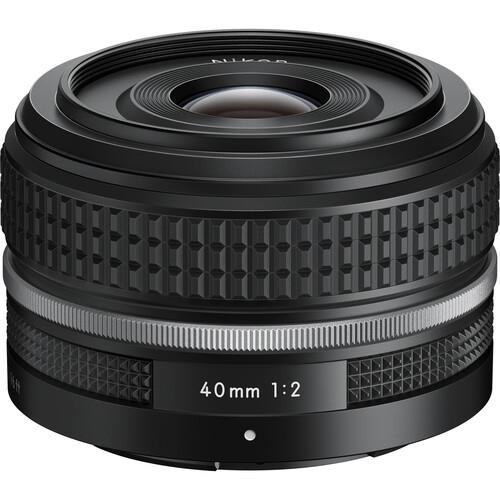
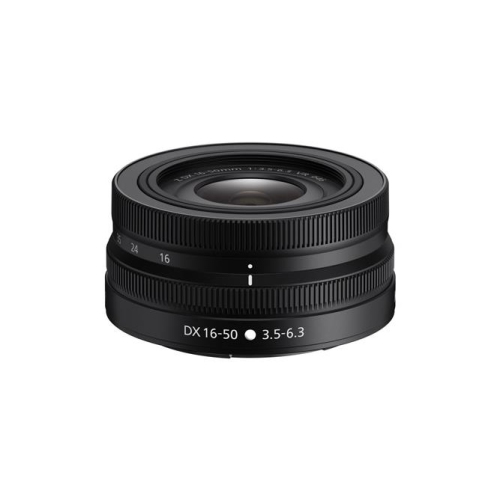

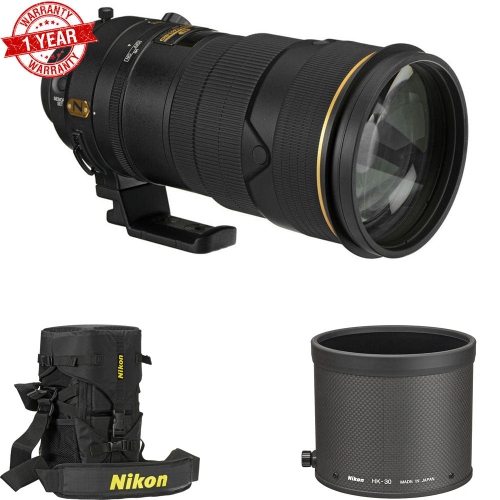
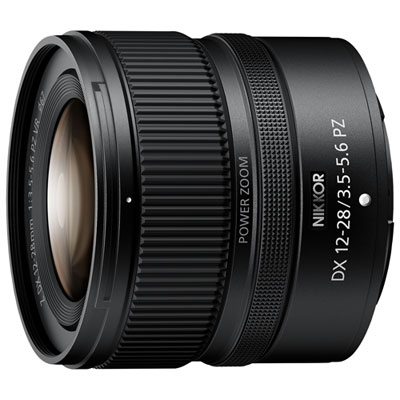
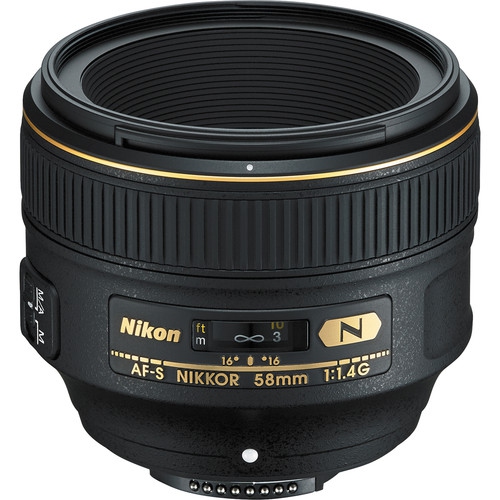
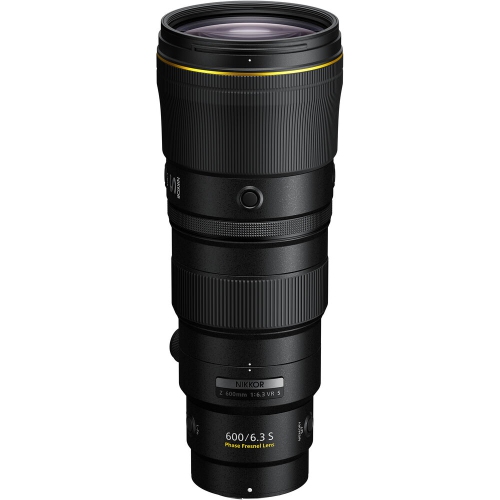
Why focal length and aperture matter for every assignment
Professional camera lenses are built for photographers who need dependable performance, precise control, and consistent results in demanding situations. Unlike an all-purpose kit lens, a professional lens is designed to make a noticeable difference in sharpness, contrast, focus response, low-light capability, or reach. A standard zoom in the 24–70mm range is often considered a dependable everyday workhorse because it covers wide environmental scenes, natural perspectives, group portraits, and tighter compositions without requiring a lens change. Constant wide apertures are especially useful for weddings, events, editorial assignments, and indoor photography, where lighting can shift quickly and subjects rarely pause for adjustments. A fast aperture also helps create pleasing background separation, allowing the main subject to stand out against softly blurred surroundings. Telephoto zooms in the 70–200mm range are popular with portrait, sports, concert, and event photographers because they provide flattering perspective and let you work from a comfortable distance. Longer zooms that reach 400mm, 500mm, or beyond are well suited to wildlife, birds, outdoor sports, and distant subjects, where moving closer may be impractical or disruptive. Wide-angle lenses, meanwhile, can bring architecture, landscapes, interiors, and dramatic foreground details into the frame, while macro-capable lenses reveal fine textures in flowers, food, jewellery, and other small subjects. Photographers building a flexible system may start with a professional standard zoom and add a telephoto or wide-angle lens as their assignments and interests develop. Those looking to compare additional options can also explore Nikon Photography Lenses.
Compatibility is one of the most important considerations when choosing a professional lens. Mirrorless and DSLR cameras use different mounting systems, and a lens must match the camera body directly or be compatible through an appropriate mount adapter. It is worth confirming the camera system, sensor format, autofocus support, and electronic communication before making a purchase. Full-frame bodies and crop-sensor bodies can both produce excellent results, but the effective field of view changes with sensor size, which can make a lens appear wider or more telephoto in use. Photographers who already own several lenses may also want to stay within the same system so that accessories, filters, flashes, and camera controls work together smoothly. Aperture is another key factor. A wider maximum aperture, represented by a smaller f-number, allows more light to reach the sensor and can help maintain faster shutter speeds in dim conditions. This is valuable for indoor ceremonies, evening portraits, sports played under artificial lighting, and candid moments during the cooler months when daylight fades earlier. Optical stabilisation, often referred to as Vibration Reduction or image stabilisation, can reduce the effect of hand movement when photographing static subjects at slower shutter speeds. It does not freeze a moving person or athlete, but it can make handheld landscape, travel, street, and low-light photography more reliable. Professional lenses may also use specialised optical elements and advanced coatings to control distortion, colour fringing, flare, and ghosting. These features become particularly helpful when working toward a bright window, photographing reflective surfaces, or composing scenes with the sun near the edge of the frame. Weather sealing, robust controls, and a durable barrel can provide added confidence for photographers who work outdoors, travel frequently, or spend long days moving between locations.
The right lens depends on the way it will be used, the subjects being photographed, and the balance between image quality, size, and portability. A portrait photographer may value a bright prime lens for its smooth background blur and expressive rendering, while an event photographer may prefer a fast zoom that avoids missed moments during a busy reception or ceremony. Wildlife photographers often prioritise focal length, autofocus speed, stabilisation, and manageable weight, since a long lens may be carried across trails or held in position for extended periods. Sports photographers may look for rapid focusing, a bright aperture, and a focal range that keeps athletes framed as they move closer or farther away. Landscape and travel photographers may favour wide or standard zooms that pack versatility into a single setup, especially when every item in a camera bag needs to earn its place. A professional lens can also make a thoughtful gift for a photography enthusiast moving beyond an entry-level kit, a student building a portfolio, or an experienced shooter preparing for a new type of assignment. Before choosing one, consider the recipient’s camera mount, preferred subjects, existing focal lengths, and willingness to carry additional weight. A lens that is technically impressive but rarely taken out of the bag may be less useful than a lighter option that is ready for a walk, a family gathering, a weekend road trip, or an afternoon spent photographing changing light. Pay attention to close-focusing ability, filter size, included accessories, autofocus and manual-focus controls, minimum focusing distance, and whether the lens accepts a tripod collar or other support when required. Professional optics are often a long-term purchase, so the most satisfying choice is usually the one that fits naturally into the photographer’s habits and helps them respond quickly when an expressive face, a fast-moving subject, or a fleeting beam of light appears in the viewfinder.
Compatibility is one of the most important considerations when choosing a professional lens. Mirrorless and DSLR cameras use different mounting systems, and a lens must match the camera body directly or be compatible through an appropriate mount adapter. It is worth confirming the camera system, sensor format, autofocus support, and electronic communication before making a purchase. Full-frame bodies and crop-sensor bodies can both produce excellent results, but the effective field of view changes with sensor size, which can make a lens appear wider or more telephoto in use. Photographers who already own several lenses may also want to stay within the same system so that accessories, filters, flashes, and camera controls work together smoothly. Aperture is another key factor. A wider maximum aperture, represented by a smaller f-number, allows more light to reach the sensor and can help maintain faster shutter speeds in dim conditions. This is valuable for indoor ceremonies, evening portraits, sports played under artificial lighting, and candid moments during the cooler months when daylight fades earlier. Optical stabilisation, often referred to as Vibration Reduction or image stabilisation, can reduce the effect of hand movement when photographing static subjects at slower shutter speeds. It does not freeze a moving person or athlete, but it can make handheld landscape, travel, street, and low-light photography more reliable. Professional lenses may also use specialised optical elements and advanced coatings to control distortion, colour fringing, flare, and ghosting. These features become particularly helpful when working toward a bright window, photographing reflective surfaces, or composing scenes with the sun near the edge of the frame. Weather sealing, robust controls, and a durable barrel can provide added confidence for photographers who work outdoors, travel frequently, or spend long days moving between locations.
The right lens depends on the way it will be used, the subjects being photographed, and the balance between image quality, size, and portability. A portrait photographer may value a bright prime lens for its smooth background blur and expressive rendering, while an event photographer may prefer a fast zoom that avoids missed moments during a busy reception or ceremony. Wildlife photographers often prioritise focal length, autofocus speed, stabilisation, and manageable weight, since a long lens may be carried across trails or held in position for extended periods. Sports photographers may look for rapid focusing, a bright aperture, and a focal range that keeps athletes framed as they move closer or farther away. Landscape and travel photographers may favour wide or standard zooms that pack versatility into a single setup, especially when every item in a camera bag needs to earn its place. A professional lens can also make a thoughtful gift for a photography enthusiast moving beyond an entry-level kit, a student building a portfolio, or an experienced shooter preparing for a new type of assignment. Before choosing one, consider the recipient’s camera mount, preferred subjects, existing focal lengths, and willingness to carry additional weight. A lens that is technically impressive but rarely taken out of the bag may be less useful than a lighter option that is ready for a walk, a family gathering, a weekend road trip, or an afternoon spent photographing changing light. Pay attention to close-focusing ability, filter size, included accessories, autofocus and manual-focus controls, minimum focusing distance, and whether the lens accepts a tripod collar or other support when required. Professional optics are often a long-term purchase, so the most satisfying choice is usually the one that fits naturally into the photographer’s habits and helps them respond quickly when an expressive face, a fast-moving subject, or a fleeting beam of light appears in the viewfinder.
Top selling and popular products
-
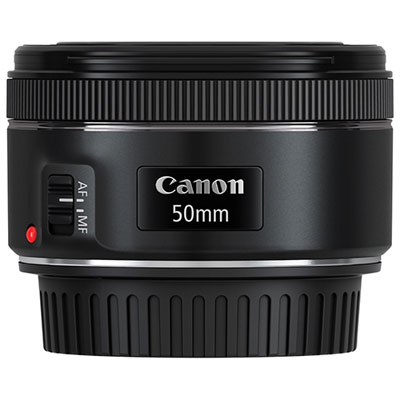 Your price for this item is $169.99
 -
 Your price for this item is $329.99
 -
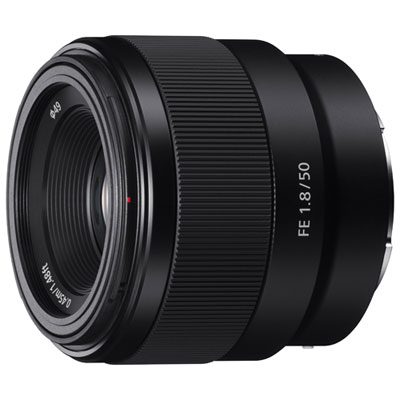 Your price for this item is $349.99
 -
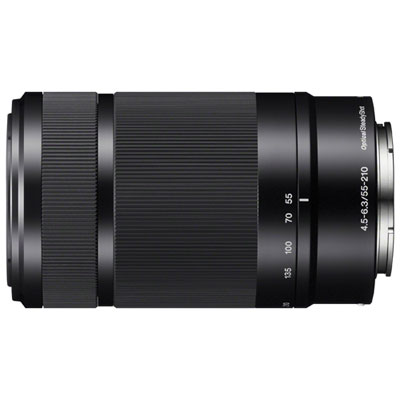 Your price for this item is $399.99
 -
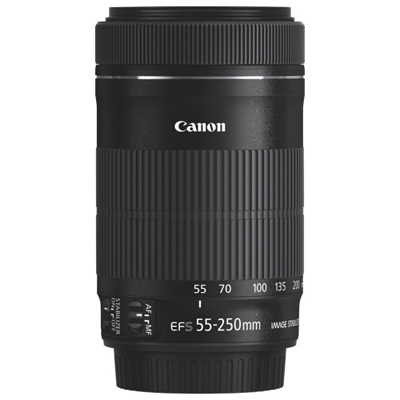 Your price for this item is $399.99
 -
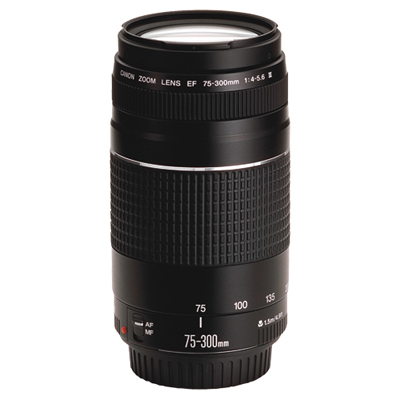 Your price for this item is $199.99
 -
 Your price for this item is $174.99
 -
 Your price for this item is $749.99
Discover more categories related to Nikon Professional Camera Lenses
Top Collections:
Pokemon Centers, Kindle Devices, Best Budget Office Chairs, Apple iPhones 16, Best Laptops for Writers, iPhone 15 Apple, Canon G7X Cameras, Refurbished Apple Laptops, Alarm Clock, Motorola Razr Phones
Some products may be subject to Environmental Handling Fees
(EHF) depending on your province.
Learn more about EHFs.