Nikon Wide Angle Lenses
Capture the full picture with our wide range of wide-angle lenses. Whether you're a professional photographer looking to expand your creative possibilities or an avid hobbyist wanting to capture stunning landscapes, our collection of wide-angle lenses is designed to bring your vision to life. With their ability to capture more of the scene in a single frame, these lenses are perfect for capturing breathtaking vistas, architectural marvels, and group shots that truly showcase the environment.
Sort
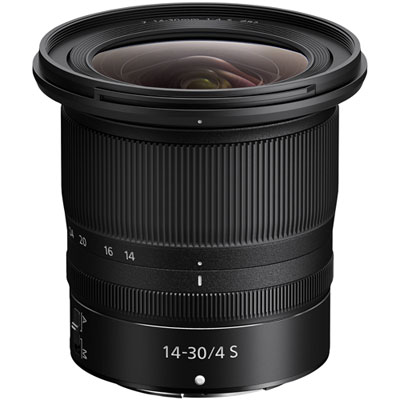
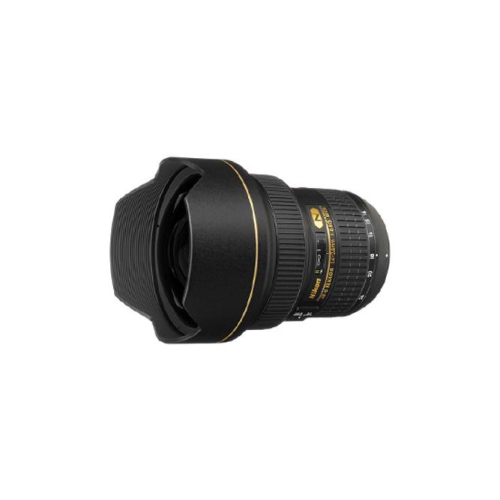
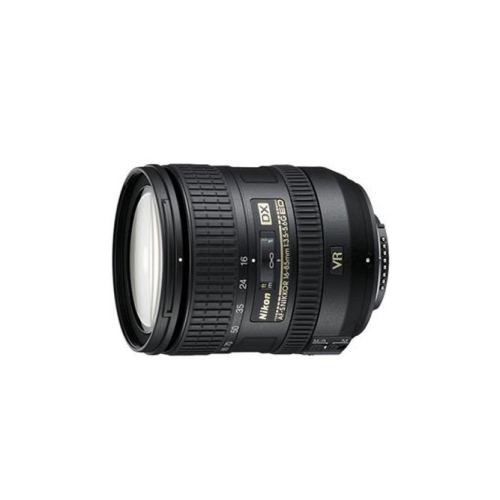
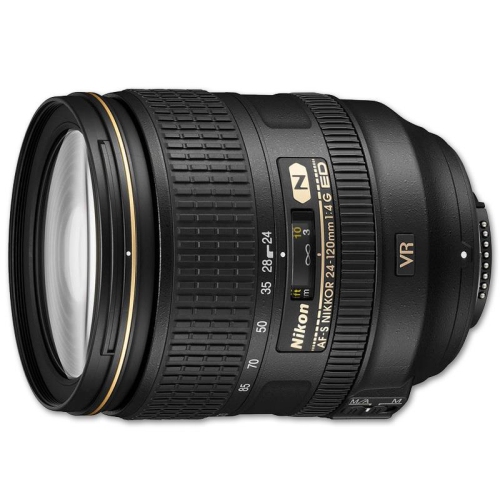
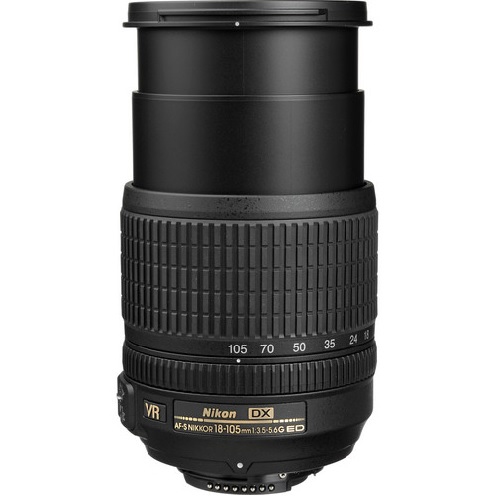
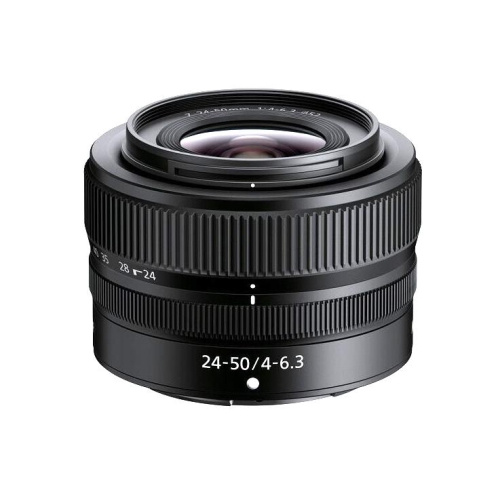
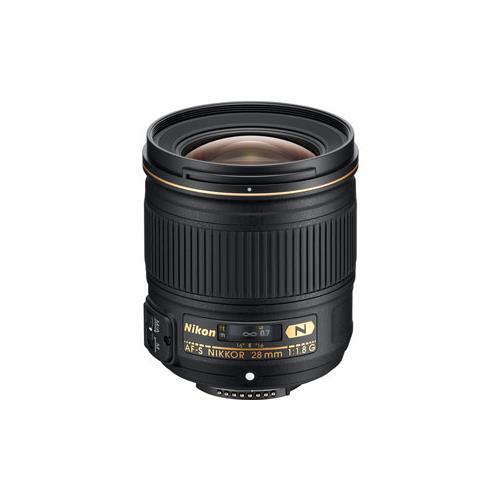
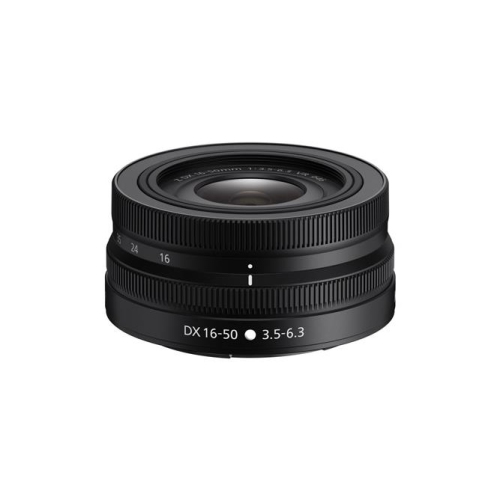
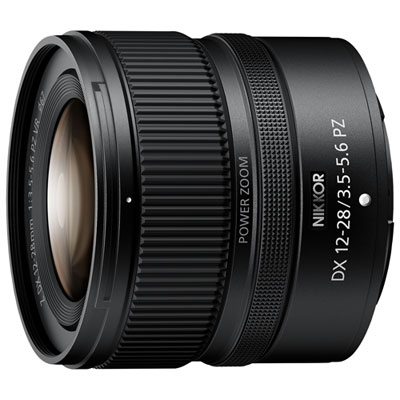
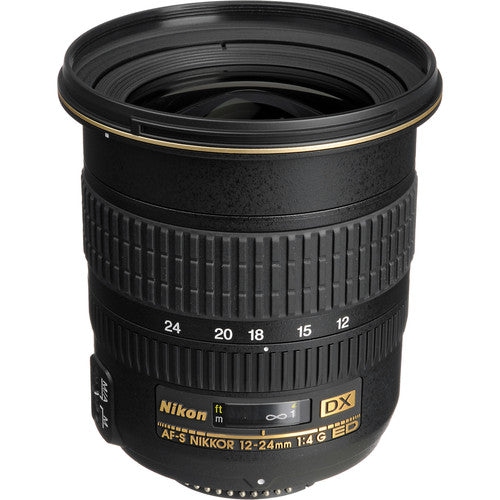
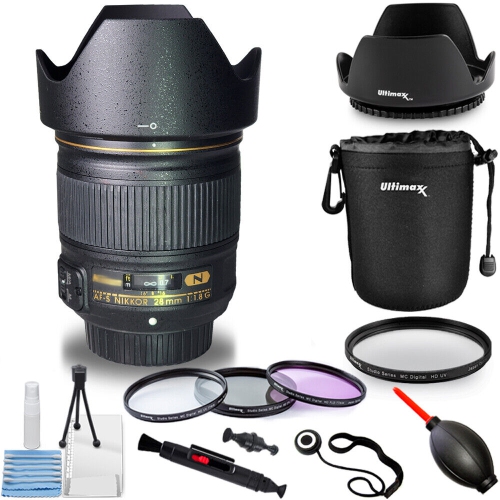
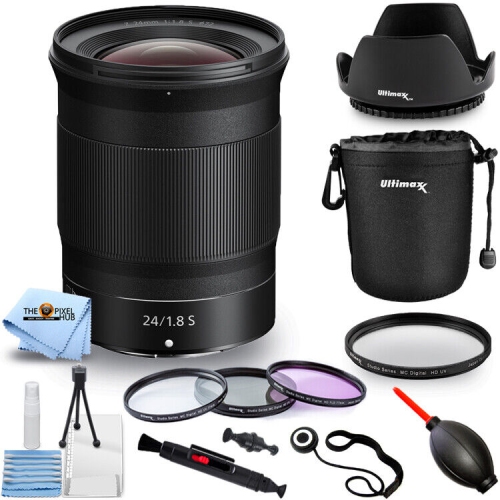
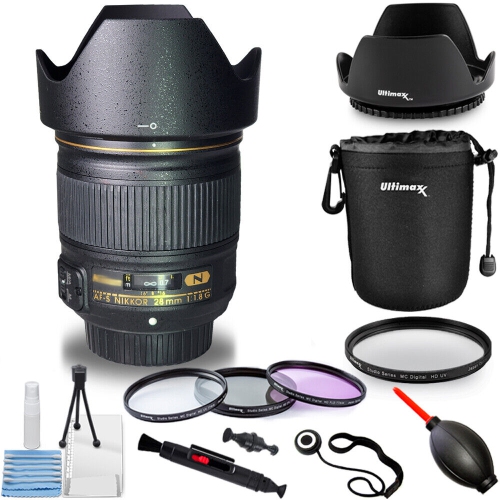
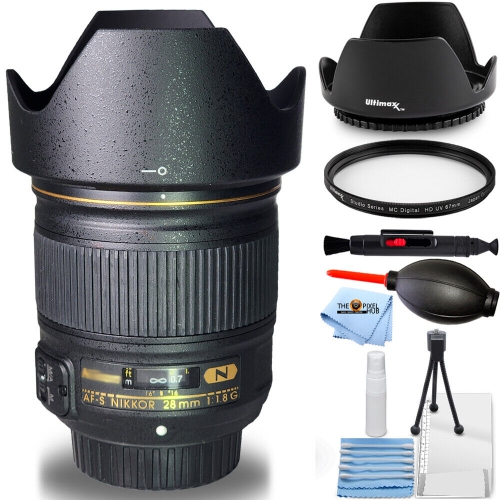
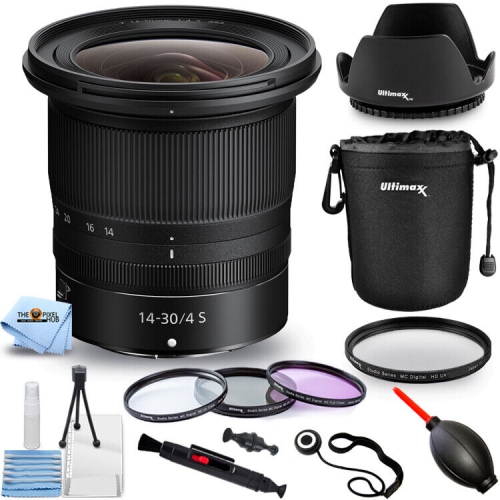
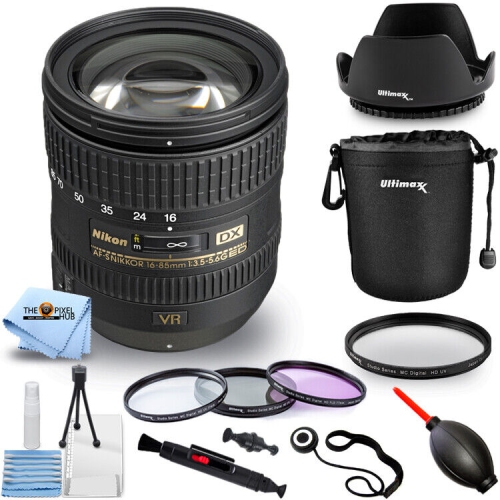
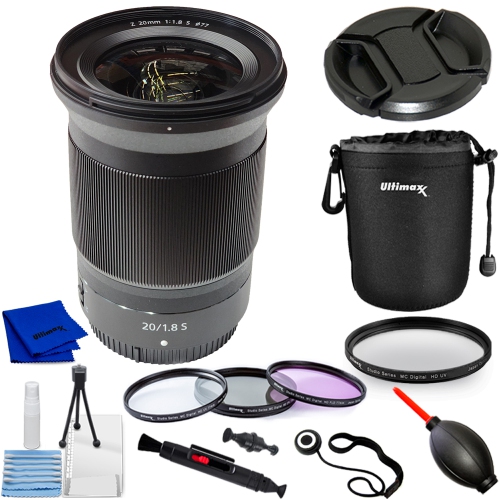
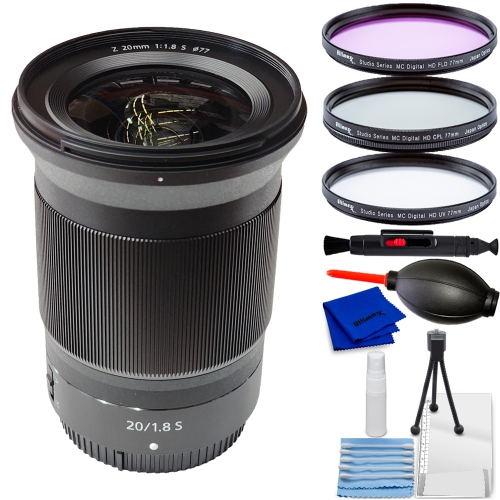

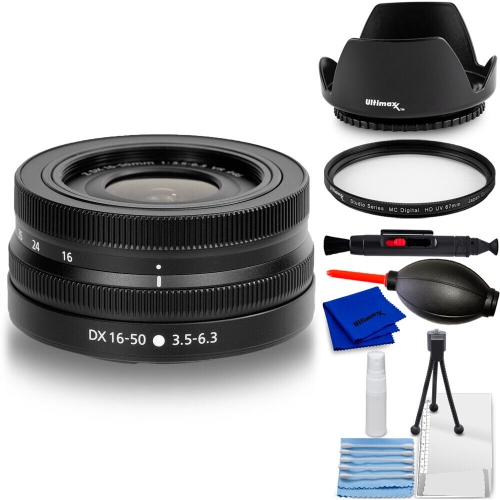
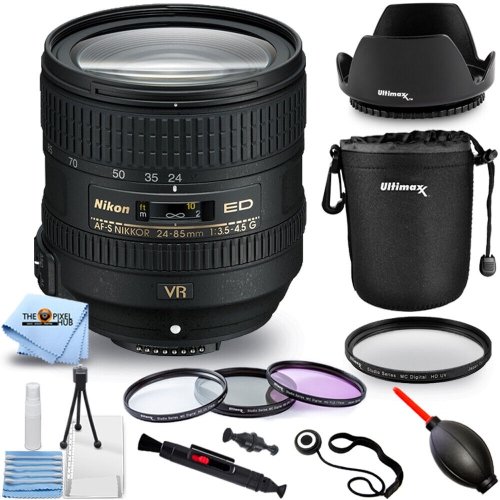
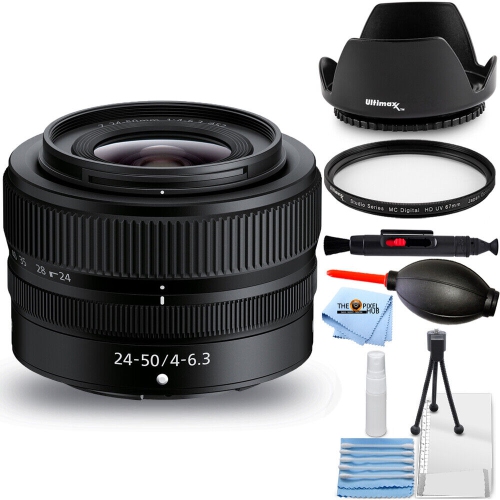
What wide perspectives reveal in everyday photography
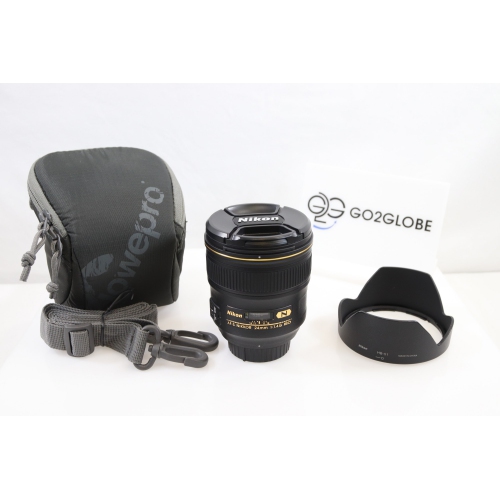
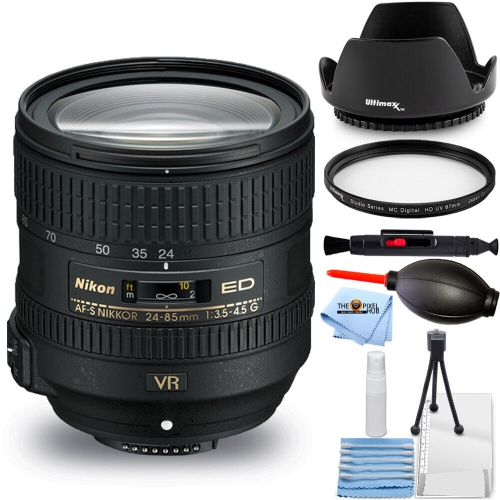
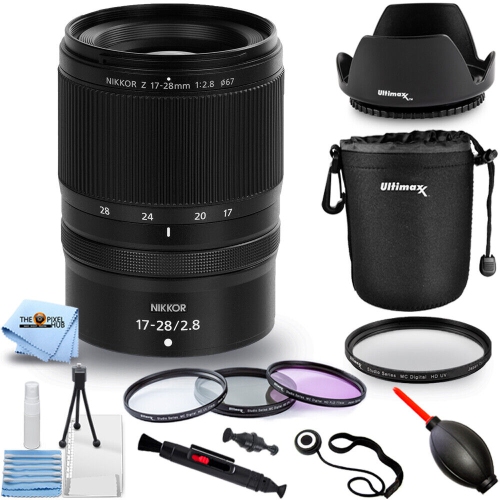
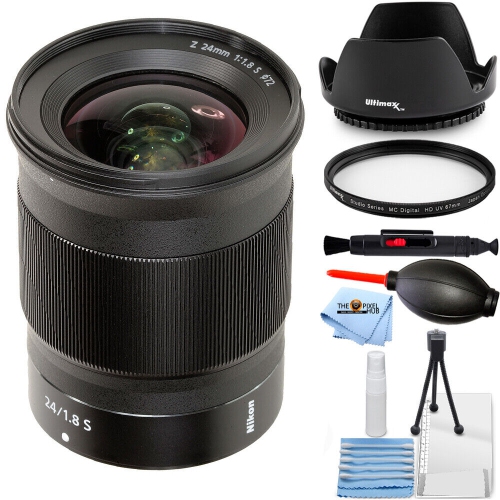
Wide angle lenses are a practical addition to a compatible camera kit when you want more of a scene to fit inside the frame without moving farther away. They are especially useful for sweeping landscapes, city streets, architecture, interiors, group photos, travel scenes and video where space is limited. A wide field of view can make a small room feel more open, place a person naturally within a dramatic setting or capture the full height of a building when standing close to its base. The effect is not limited to grand scenery, either. A moderately wide lens can be a dependable everyday choice for family gatherings, real estate photography, environmental portraits and creative street images, while an ultra-wide lens can exaggerate distance and make foreground details appear strikingly close. When choosing among wide angle lenses for a Nikon camera, start by confirming the camera system and mount. Mirrorless cameras use a different mount from traditional DSLR cameras, and a lens designed for one system may require an appropriate adapter—or may not be compatible at all. Sensor size matters as well. Full-frame cameras capture a wider portion of a lens’s intended view, while DX-format cameras produce a narrower angle of view from the same focal length. This means a lens that feels ultra-wide on a full-frame camera may behave more like a moderate wide angle on a crop-sensor body. Checking the camera manual, mount markings and manufacturer compatibility information before purchasing helps avoid surprises and ensures that autofocus, aperture control, image stabilisation and other electronic features work as expected. Photographers using DSLR bodies can also browse Nikon DSLR Lenses when comparing compatible options across different focal lengths and uses.
The choice between a prime lens and a zoom lens often comes down to shooting habits. A prime lens has one fixed focal length, which can encourage a more deliberate approach and often offers a bright maximum aperture for dim interiors, evening streets, concerts and star-filled skies. Its wide perspective can be excellent for astrophotography, where gathering more light helps reveal detail in the night sky, and for environmental portraits that show both the subject and the surrounding setting. A zoom lens covers a range of focal lengths, making it easier to move from a broad landscape to a more natural composition without changing lenses. This flexibility is valuable during travel, events and family photography, when a scene can change quickly and carrying fewer accessories is convenient. Aperture is another important consideration. A wider aperture, represented by a smaller f-number, can help in low light and provide greater control over background blur, although wide angle lenses naturally tend to keep more of a scene in focus than longer lenses. A constant maximum aperture is useful for video and changing light because exposure remains more consistent while zooming. Image stabilisation can help reduce blur caused by camera movement when photographing static subjects at slower shutter speeds, but it does not freeze a moving person, pet or vehicle. For handheld video, stabilisation can also make footage appear smoother, although technique still matters: keep movements steady, use both hands where possible and avoid relying on stabilisation to correct abrupt panning. If you plan to record yourself, create travel videos or photograph interiors, a compact wide angle lens with quiet focusing and smooth zoom or aperture operation may be more useful than a larger, brighter design intended primarily for professional low-light work.
Optical design and everyday handling deserve just as much attention as focal length. Wide angle lenses can make straight lines near the edges of the frame appear to lean or curve, particularly when the camera is tilted up or down. For architecture, keep the camera as level as possible and allow room around the subject so perspective can be corrected later without cutting away important details. For portraits, avoid placing faces too close to the edge of an ultra-wide frame, where features can look stretched. A strong foreground—such as a trail marker, a textured rock or a patterned floor—can add depth, while leading lines can guide the eye through an expansive composition. Close-focusing ability is helpful for photographing food, flowers, craft projects and small objects with a broad background still visible. Travellers and hikers may prefer a lightweight lens with weather-resistant construction, while photographers working in studios or interiors may prioritise edge-to-edge sharpness, low distortion and compatibility with filters. Filter use should be considered before buying: some ultra-wide designs have a prominent front element or an integrated hood, which can limit the use of standard screw-on filters and may require a specialised holder or larger filter system. Also review the size, weight and balance of the lens on your camera, particularly if you plan to carry it during long walks or mount it on a gimbal. A wide angle lens can be a thoughtful gift for a landscape enthusiast, a new camera owner, a traveller documenting architectural details or a creator building a compact video setup. The best choice will reflect the recipient’s camera mount, sensor format and preferred subjects, along with practical details such as autofocus, minimum focusing distance, stabilisation, filter compatibility and low-light performance. With the right match, a wide perspective becomes more than a way to fit extra scenery into a photograph; it becomes a tool for showing scale, atmosphere and the feeling of standing inside the moment.
The choice between a prime lens and a zoom lens often comes down to shooting habits. A prime lens has one fixed focal length, which can encourage a more deliberate approach and often offers a bright maximum aperture for dim interiors, evening streets, concerts and star-filled skies. Its wide perspective can be excellent for astrophotography, where gathering more light helps reveal detail in the night sky, and for environmental portraits that show both the subject and the surrounding setting. A zoom lens covers a range of focal lengths, making it easier to move from a broad landscape to a more natural composition without changing lenses. This flexibility is valuable during travel, events and family photography, when a scene can change quickly and carrying fewer accessories is convenient. Aperture is another important consideration. A wider aperture, represented by a smaller f-number, can help in low light and provide greater control over background blur, although wide angle lenses naturally tend to keep more of a scene in focus than longer lenses. A constant maximum aperture is useful for video and changing light because exposure remains more consistent while zooming. Image stabilisation can help reduce blur caused by camera movement when photographing static subjects at slower shutter speeds, but it does not freeze a moving person, pet or vehicle. For handheld video, stabilisation can also make footage appear smoother, although technique still matters: keep movements steady, use both hands where possible and avoid relying on stabilisation to correct abrupt panning. If you plan to record yourself, create travel videos or photograph interiors, a compact wide angle lens with quiet focusing and smooth zoom or aperture operation may be more useful than a larger, brighter design intended primarily for professional low-light work.
Optical design and everyday handling deserve just as much attention as focal length. Wide angle lenses can make straight lines near the edges of the frame appear to lean or curve, particularly when the camera is tilted up or down. For architecture, keep the camera as level as possible and allow room around the subject so perspective can be corrected later without cutting away important details. For portraits, avoid placing faces too close to the edge of an ultra-wide frame, where features can look stretched. A strong foreground—such as a trail marker, a textured rock or a patterned floor—can add depth, while leading lines can guide the eye through an expansive composition. Close-focusing ability is helpful for photographing food, flowers, craft projects and small objects with a broad background still visible. Travellers and hikers may prefer a lightweight lens with weather-resistant construction, while photographers working in studios or interiors may prioritise edge-to-edge sharpness, low distortion and compatibility with filters. Filter use should be considered before buying: some ultra-wide designs have a prominent front element or an integrated hood, which can limit the use of standard screw-on filters and may require a specialised holder or larger filter system. Also review the size, weight and balance of the lens on your camera, particularly if you plan to carry it during long walks or mount it on a gimbal. A wide angle lens can be a thoughtful gift for a landscape enthusiast, a new camera owner, a traveller documenting architectural details or a creator building a compact video setup. The best choice will reflect the recipient’s camera mount, sensor format and preferred subjects, along with practical details such as autofocus, minimum focusing distance, stabilisation, filter compatibility and low-light performance. With the right match, a wide perspective becomes more than a way to fit extra scenery into a photograph; it becomes a tool for showing scale, atmosphere and the feeling of standing inside the moment.
Top selling and popular products
-
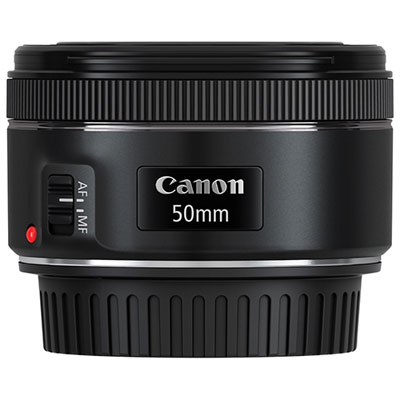 Your price for this item is $169.99
 -
 Your price for this item is $329.99
 -
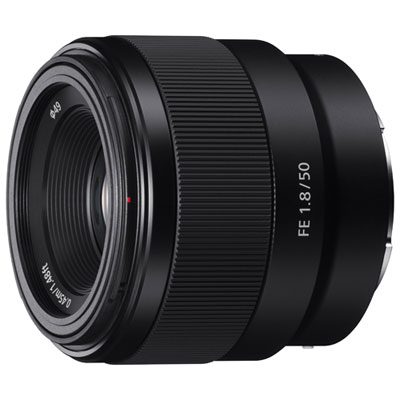 Your price for this item is $349.99
 -
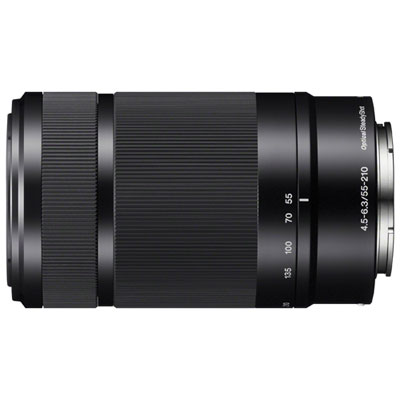 Your price for this item is $399.99
 -
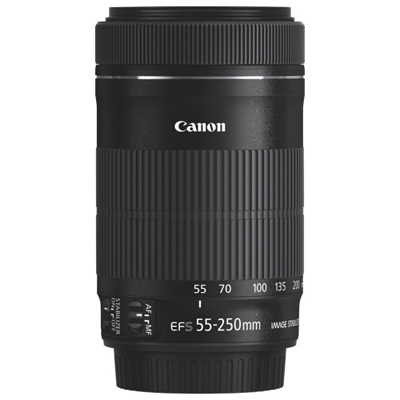 Your price for this item is $399.99
 -
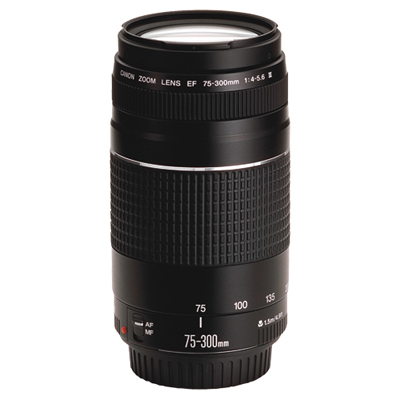 Your price for this item is $199.99
 -
 Your price for this item is $174.99
 -
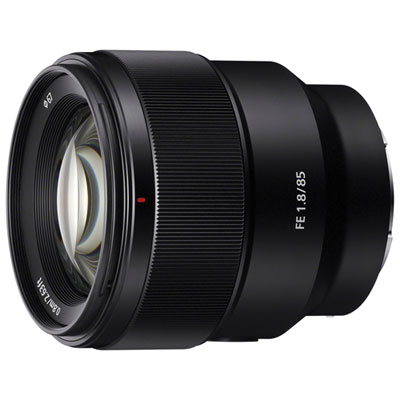 Your price for this item is $749.99
Discover more categories related to Nikon Wide Angle Lenses
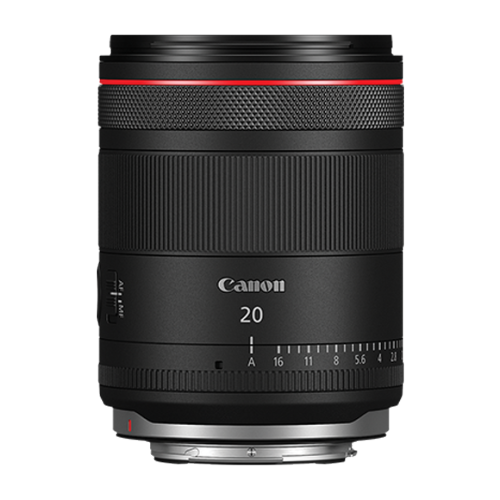
Top Collections:
Pokemon Centers, Kindle Devices, Best Budget Office Chairs, Apple iPhones 16, Best Laptops for Writers, iPhone 15 Apple, Canon G7X Cameras, Refurbished Apple Laptops, Alarm Clock, Motorola Razr Phones
Some products may be subject to Environmental Handling Fees
(EHF) depending on your province.
Learn more about EHFs.