Prime Lenses for Nikon
Capture stunning, high-quality images with these prime lenses for Nikon cameras. Designed to bring out the best in your photography, these lenses offer exceptional sharpness, clarity, and versatility. Whether you're a professional photographer or an avid hobbyist, this range of prime lenses is sure to elevate your creative vision.
Sort
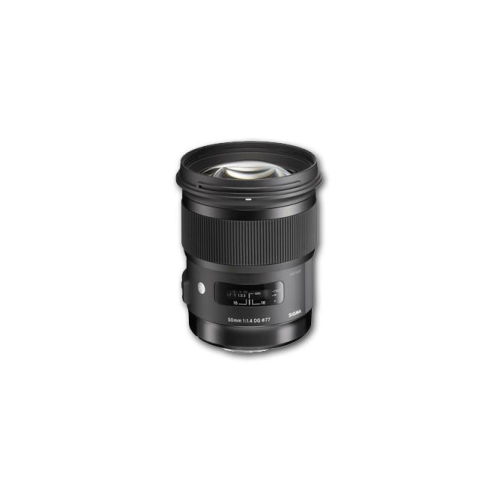
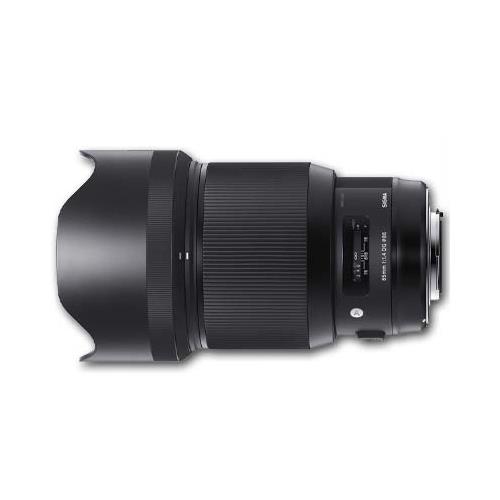

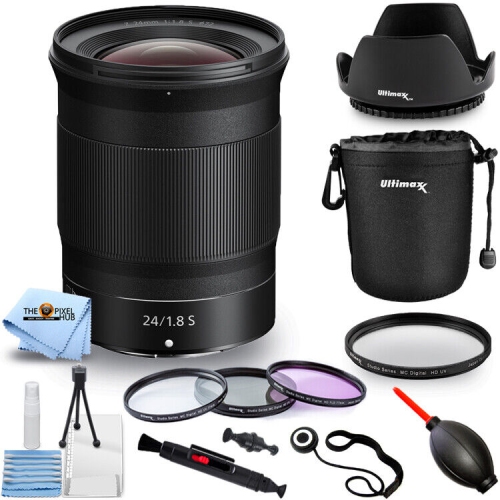
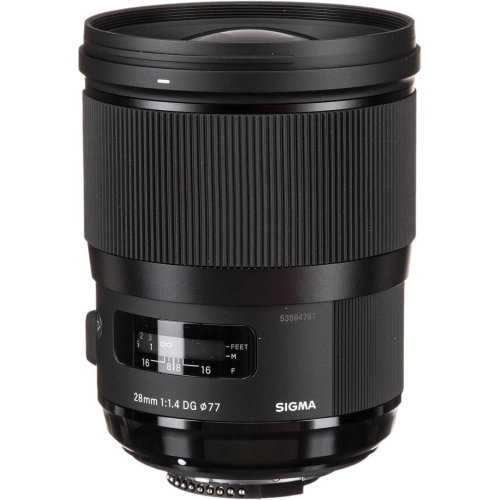
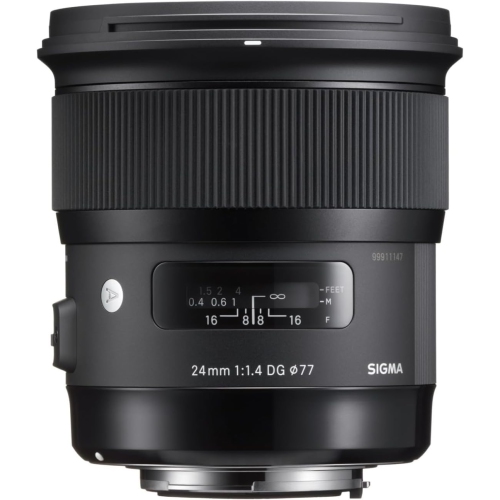
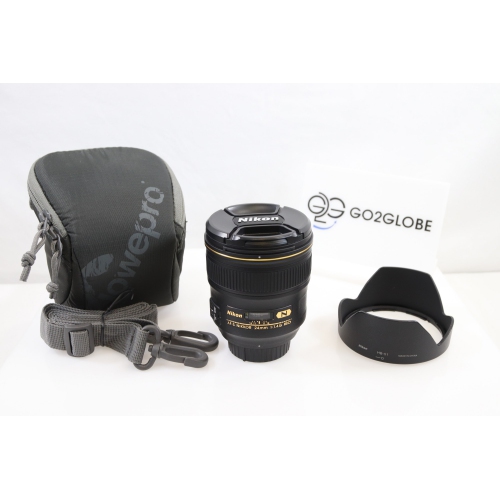
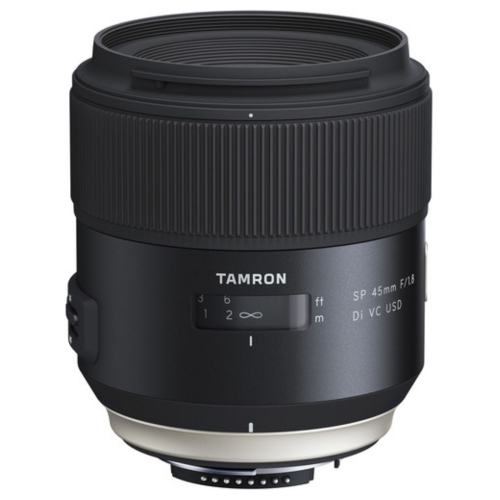
How focal length and mount compatibility shape Nikon photography
Prime lenses for Nikon cameras offer a focused approach to photography, with a fixed focal length that does not zoom in or out. Instead of turning a zoom ring, you move closer to your subject, step back, or adjust your composition from where you are standing. This simple limitation can make photography feel more deliberate, while often delivering a compact design, a bright maximum aperture, and crisp detail. A prime lens can be a practical choice for everyday photography, portraits, street scenes, travel, indoor gatherings, food photography, and close-up work, depending on its focal length and focusing capabilities. Many photographers appreciate how a bright aperture performs in available light, whether they are photographing a friend beside a window, capturing a child’s expression indoors, or recording the atmosphere of a late-summer evening without relying heavily on flash. The wide aperture can also create a softly blurred background that helps a subject stand out from busy surroundings. When browsing Nikon Prime Lenses, start by confirming the camera mount and sensor format. Nikon DSLR cameras commonly use the F-mount, while Nikon mirrorless cameras use the Z-mount. A lens designed for one mount is not automatically compatible with the other, although some camera and adapter combinations may provide a useful solution. It is also important to check whether a lens is intended for a DX crop-sensor camera or an FX full-frame camera. On a DX camera, the smaller sensor captures a narrower portion of the image projected by the lens, which changes the effective field of view. A focal length that feels natural for portraits on a full-frame camera may feel tighter on a DX body, while a shorter focal length can provide a more versatile everyday perspective.
Focal length is one of the most personal decisions when choosing a prime lens. A shorter focal length can be helpful for interiors, architecture, travel snapshots, groups, and environmental portraits where the setting is part of the story. It lets you include more of a room or landscape without standing far away, although getting too close to a person can exaggerate facial features. A standard focal length offers a natural perspective that suits walk-around photography, casual portraits, meals, pets, and family gatherings. It is often a comfortable starting point because it resembles the way a scene feels when viewed naturally, without appearing noticeably wide or compressed. A longer focal length can give portraits a more flattering look and help separate a subject from the background, making it useful for headshots, performances, outdoor celebrations, and candid moments from a respectful distance. The same background blur that makes a portrait feel polished can also turn a row of lights into soft circles or make a single autumn leaf stand out against a garden. Photographers interested in flowers, small objects, crafts, jewellery, or detailed textures may prefer a prime lens with close-focusing or macro capabilities. These lenses can reveal fine details that are easily missed by the naked eye, from the ridges in a seashell to the texture of fabric on a handmade item. For low-light work, look at the maximum aperture as well as image stabilization support from the camera or lens. A wider aperture can allow more light to reach the sensor and may help maintain faster shutter speeds, but it also creates a shallower depth of field. At a close portrait distance, one eye may be sharp while the other gradually softens, so careful focusing becomes important. Autofocus speed, focus noise, manual focus controls, minimum focusing distance, and the ability to use filters are also worth considering, particularly for video, close-up photography, or outdoor use during changing conditions.
A prime lens can be a thoughtful gift for someone who already owns a compatible Nikon camera, especially when their kit includes only a general-purpose zoom. It gives a new photographer an approachable way to learn composition, perspective, distance, and depth of field, while an experienced photographer may enjoy using a small, specialized lens that encourages a lighter setup. Consider the recipient’s habits before choosing a focal length. Someone who photographs birthdays, dinner parties, and everyday family life may value a standard perspective and bright aperture. A portrait enthusiast may prefer a longer option with attractive background separation, while a traveller or street photographer may appreciate a compact lens that fits easily in a small camera bag. For landscapes, buildings, and interiors, a wider view can be more practical, particularly when the photographer cannot move farther away. Those who enjoy photographing insects, plants, collectibles, or food may benefit from close-focusing performance and a design that maintains clarity at short distances. Weight and size matter as well: a lens that is comfortable to carry is more likely to be mounted and used, whether the camera is travelling through a busy city, resting on a picnic table during warmer weather, or accompanying a walk during the cooler months. Before purchasing, check the camera’s exact model, mount, sensor format, autofocus requirements, and compatibility with any existing adapter or accessory. Think about whether the lens will be used mainly indoors or outdoors, in bright daylight or dim rooms, for still photography or video, and whether a natural perspective or pronounced background blur is the higher priority. With the right match, a fixed focal length becomes less of a restriction and more of a creative habit: it encourages the photographer to notice light, anticipate movement, and find the strongest angle before pressing the shutter.
Focal length is one of the most personal decisions when choosing a prime lens. A shorter focal length can be helpful for interiors, architecture, travel snapshots, groups, and environmental portraits where the setting is part of the story. It lets you include more of a room or landscape without standing far away, although getting too close to a person can exaggerate facial features. A standard focal length offers a natural perspective that suits walk-around photography, casual portraits, meals, pets, and family gatherings. It is often a comfortable starting point because it resembles the way a scene feels when viewed naturally, without appearing noticeably wide or compressed. A longer focal length can give portraits a more flattering look and help separate a subject from the background, making it useful for headshots, performances, outdoor celebrations, and candid moments from a respectful distance. The same background blur that makes a portrait feel polished can also turn a row of lights into soft circles or make a single autumn leaf stand out against a garden. Photographers interested in flowers, small objects, crafts, jewellery, or detailed textures may prefer a prime lens with close-focusing or macro capabilities. These lenses can reveal fine details that are easily missed by the naked eye, from the ridges in a seashell to the texture of fabric on a handmade item. For low-light work, look at the maximum aperture as well as image stabilization support from the camera or lens. A wider aperture can allow more light to reach the sensor and may help maintain faster shutter speeds, but it also creates a shallower depth of field. At a close portrait distance, one eye may be sharp while the other gradually softens, so careful focusing becomes important. Autofocus speed, focus noise, manual focus controls, minimum focusing distance, and the ability to use filters are also worth considering, particularly for video, close-up photography, or outdoor use during changing conditions.
A prime lens can be a thoughtful gift for someone who already owns a compatible Nikon camera, especially when their kit includes only a general-purpose zoom. It gives a new photographer an approachable way to learn composition, perspective, distance, and depth of field, while an experienced photographer may enjoy using a small, specialized lens that encourages a lighter setup. Consider the recipient’s habits before choosing a focal length. Someone who photographs birthdays, dinner parties, and everyday family life may value a standard perspective and bright aperture. A portrait enthusiast may prefer a longer option with attractive background separation, while a traveller or street photographer may appreciate a compact lens that fits easily in a small camera bag. For landscapes, buildings, and interiors, a wider view can be more practical, particularly when the photographer cannot move farther away. Those who enjoy photographing insects, plants, collectibles, or food may benefit from close-focusing performance and a design that maintains clarity at short distances. Weight and size matter as well: a lens that is comfortable to carry is more likely to be mounted and used, whether the camera is travelling through a busy city, resting on a picnic table during warmer weather, or accompanying a walk during the cooler months. Before purchasing, check the camera’s exact model, mount, sensor format, autofocus requirements, and compatibility with any existing adapter or accessory. Think about whether the lens will be used mainly indoors or outdoors, in bright daylight or dim rooms, for still photography or video, and whether a natural perspective or pronounced background blur is the higher priority. With the right match, a fixed focal length becomes less of a restriction and more of a creative habit: it encourages the photographer to notice light, anticipate movement, and find the strongest angle before pressing the shutter.
Top selling and popular products
-
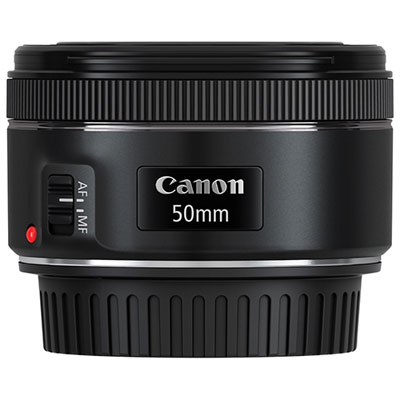 Your price for this item is $169.99
 -
 Your price for this item is $329.99
 -
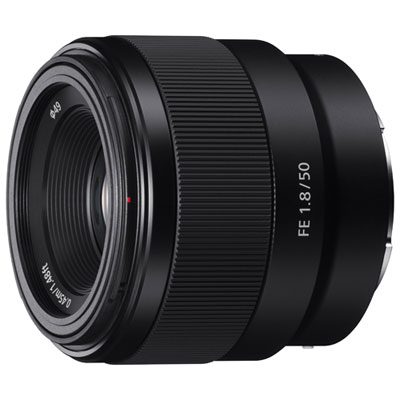 Your price for this item is $349.99
 -
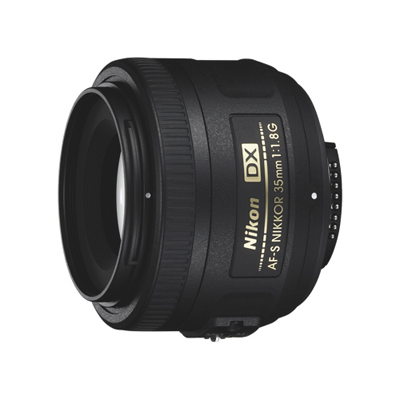 Your price for this item is $258.98
 -
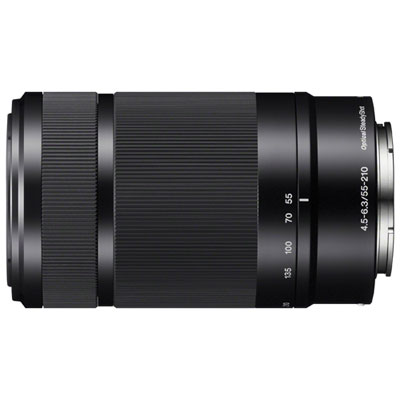 Your price for this item is $399.99
 -
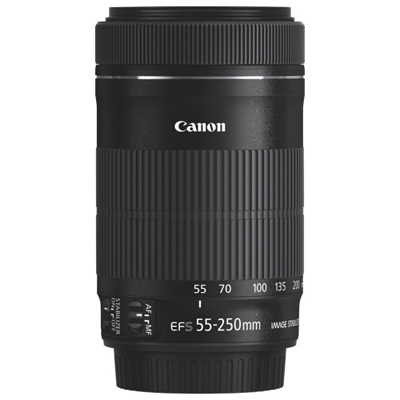 Your price for this item is $399.99
 -
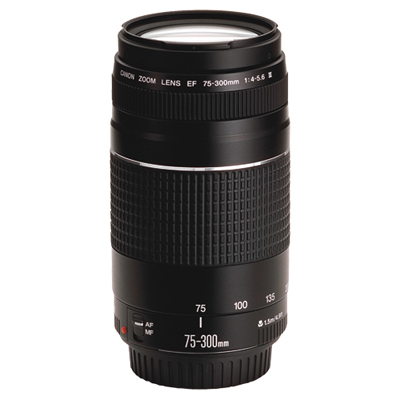 Your price for this item is $199.99
 -
 Your price for this item is $174.99
Discover more categories related to Prime Lenses for Nikon
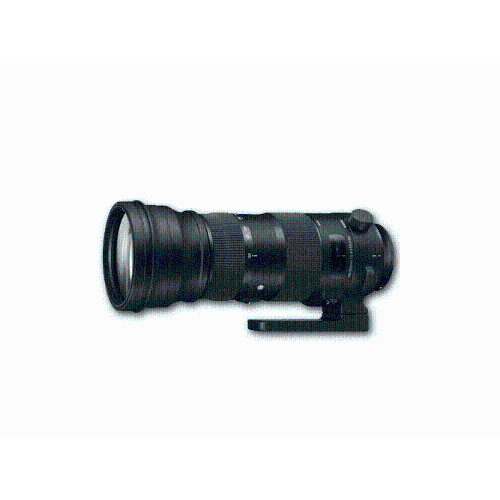
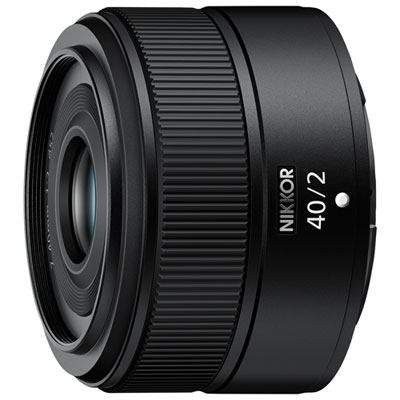
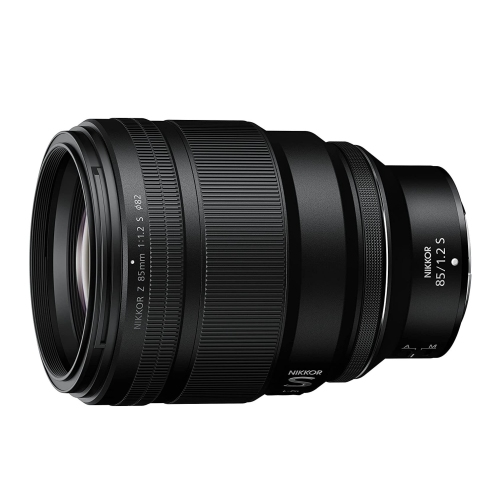
Top Collections:
Pokemon Centers, Kindle Devices, Best Cell Phones Under $500, Alarm Clock, Canon G7X Cameras, iPhone 15 Apple, Laptops for Students, Budget Smartphones, iPhone 14 256GB, Best Camera Tripods Under $100
Some products may be subject to Environmental Handling Fees
(EHF) depending on your province.
Learn more about EHFs.