Professional Grade Cameras
Professional Grade Cameras deliver the performance and reliability that photographers and videographers demand for capturing high-quality images and video. Whether you're working in a studio, shooting on location, or covering live events, these cameras are designed to meet the needs of professionals seeking precision and control. Explore a wide selection of Professional Grade Cameras to find the ideal equipment for your creative projects and elevate your photography to the next level.
Sort
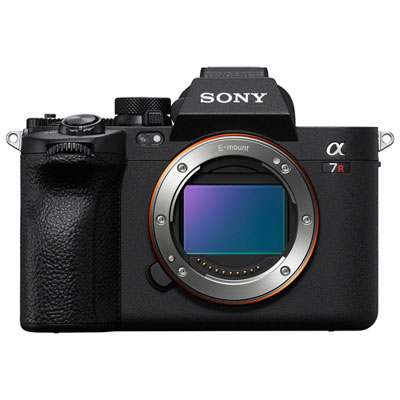
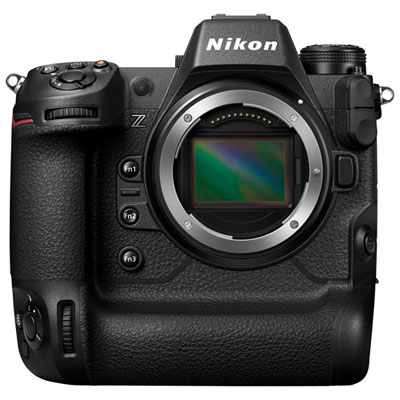
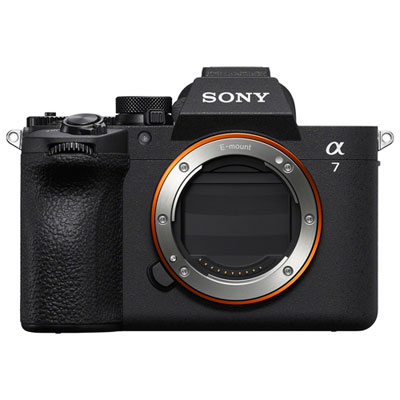
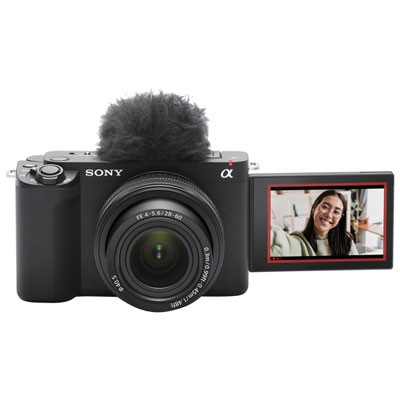





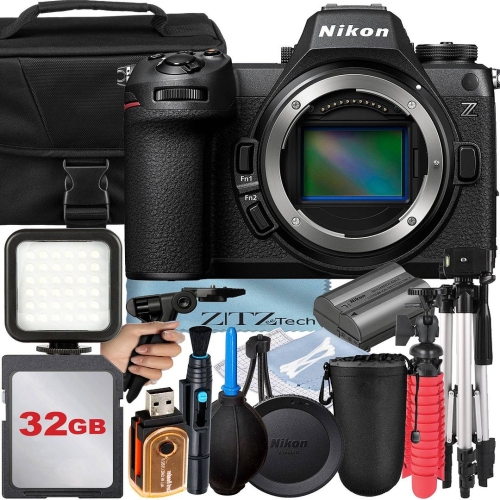
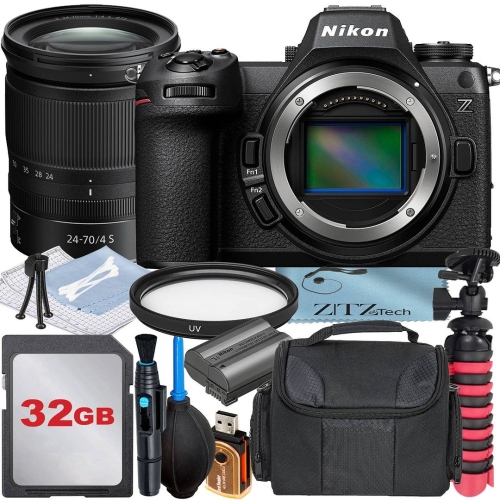
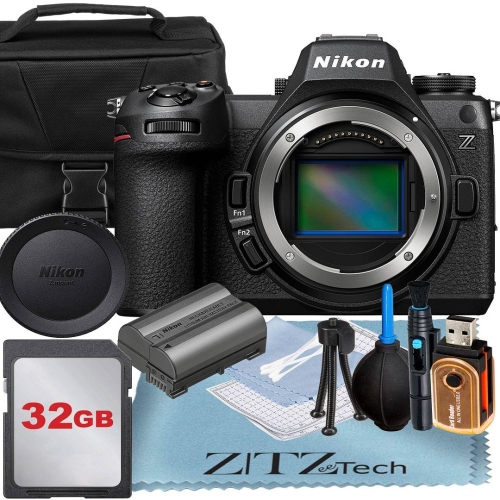
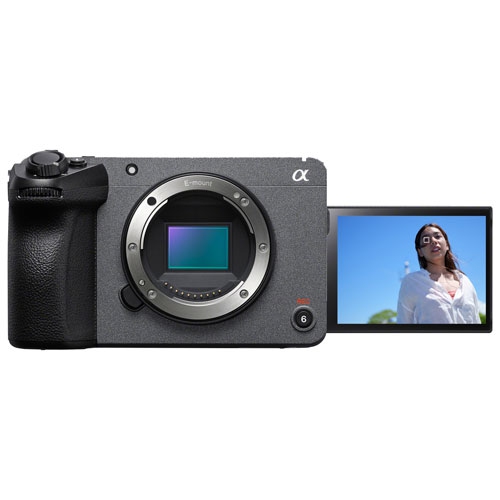
What makes a camera dependable for demanding assignments
Professional-grade cameras are high-performance imaging tools designed for demanding photography and video work, combining detailed image capture, responsive autofocus, durable construction and dependable controls. Many offer full-frame or medium-format sensors, advanced subject tracking and dual memory card slots, although the features that matter most depend on the assignment. Professional grade describes a combination of capability and reliability rather than one sensor size or megapixel count. A portrait photographer may value smooth tonal transitions and precise eye detection, while a sports photographer needs a camera that can follow fast movement and capture a sustained sequence of sharp frames. Commercial, wedding, documentary and fine-art photographers each have different working priorities. Sensor resolution affects the detail available for large prints and cropping, but image quality also depends on the lens, exposure, lighting and image processing. Dynamic range influences how much detail can be retained across bright and dark areas, such as a white shirt beside a dark suit in the same portrait. Larger sensors can offer advantages in noise control and depth-of-field flexibility, while some smaller-sensor systems provide a more compact kit or a narrower field of view with a given focal length. Lens choice is equally important: a wide-angle lens can help describe an interior, a portrait lens can separate a face from a busy background, and a telephoto lens can bring distant action into a tightly framed composition. Lens mount compatibility determines which lenses attach directly and which may require an adapter, sometimes with limitations. Mirrorless cameras provide an electronic view of the scene that can preview exposure and colour settings, while digital SLR cameras use an optical viewfinder for through-the-lens viewing. For either design, clear viewing, accurate focus and accessible controls help photographers concentrate on expression, timing and composition rather than searching through menus.
Responsiveness becomes especially important when a moment cannot be repeated. At a wedding ceremony, during a stage performance or beside a playing field, autofocus coverage and tracking consistency can matter more than the highest advertised burst rate. Face and eye detection can help maintain focus on a moving person, but performance varies with the subject, lens, lighting and camera settings. Continuous shooting speed also needs context: the buffer determines how many images the camera can capture before slowing, and memory card performance affects how quickly that buffer clears. Electronic shutters can enable quiet shooting, although some introduce distortion with fast movement or banding under certain artificial lights. Mechanical shutters remain useful where those limitations affect the result. Dual card slots can support simultaneous backup recording on compatible cameras, adding protection against a card failure without replacing a separate file backup after the shoot. Handling is another practical distinction. A substantial grip, well-positioned buttons and customizable controls can make it easier to change exposure while keeping attention on a subject. Body and lens weight should be considered together, particularly for handheld assignments that last several hours. Magnesium-alloy construction is used in some bodies to provide rigidity, while reinforced mounts and carefully fitted controls can support repeated professional use. Sealing against dust and moisture varies by camera and lens; it does not make equipment waterproof. A comfortable strap, supportive camera bag and suitable tripod or monopod can reduce strain and improve stability with heavier equipment. In-body or lens-based stabilization can help limit blur from camera movement, but it does not freeze a moving subject. Battery endurance, spare power options and access to card and battery compartments also influence how smoothly a camera fits into a working day. An articulating screen can make a low viewpoint less awkward, while a detailed viewfinder helps with framing and reviewing focus. These physical details become noticeable when the camera is used repeatedly, not just held briefly.
For hybrid creators, professional-grade cameras also need to fit a video workflow. Resolution is only part of that picture: frame rates, recording formats, autofocus behaviour, audio connections and recording limits all affect what a camera can deliver. Higher frame rates can support slow-motion footage, while 10-bit recording can provide more flexibility for colour grading when supported by the recording format. Log profiles preserve tonal information for a grading workflow, but they require appropriate exposure and post-production rather than delivering a finished look straight from the camera. Microphone inputs, headphone monitoring and dependable external connections are useful for interviews, presentations and event coverage. Stabilization can help with handheld footage, though walking shots may still benefit from additional support. Long recording sessions also place demands on power, storage and heat management, so continuous recording capabilities deserve attention alongside headline specifications. Photographers exploring Advanced Cameras also benefit from considering the complete path from capture to delivery. RAW files offer substantial editing flexibility, while JPEG files can support faster sharing with less processing. High-resolution photographs and high-bitrate video require suitable memory cards, storage capacity and a computer capable of handling the files comfortably. Tethered shooting can help a studio team review images on a larger screen, while wireless transfer can simplify selected sharing tasks where supported. Consistent care helps protect that working setup. Lens caps and a padded bag guard against scratches and knocks, and a clean lens cloth helps remove fingerprints without abrasive household materials. Dust around the lens mount deserves attention during lens changes, and sensor cleaning calls for manufacturer-approved methods or qualified service. A camera chosen as a gift is most useful when its lens mount, handling and intended applications match the recipient’s existing equipment and interests. Whether the goal is a carefully lit product photograph, a fleeting expression or a polished interview, a well-matched camera system supports repeatable results and leaves room to develop more demanding creative work.
Top selling and popular products
-
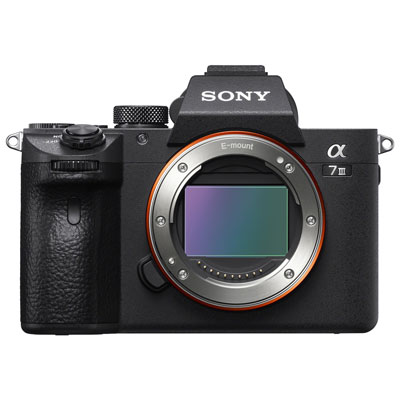 Your price for this item is $1799.99
-
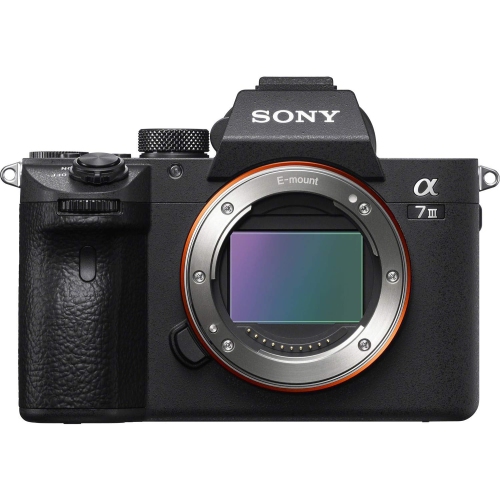 Your price for this item is $1899
-
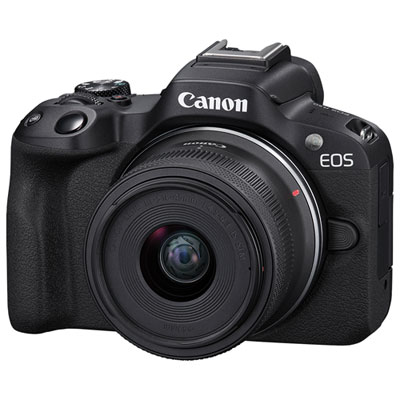 Your price for this item is $949.99
-
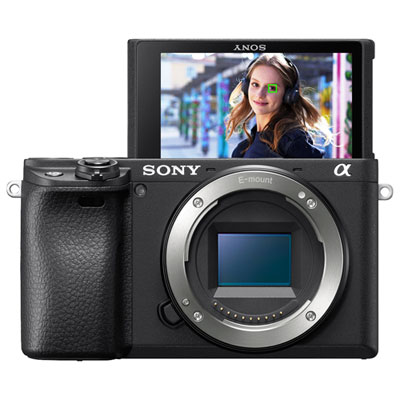 Your price for this item is $1049.99
-
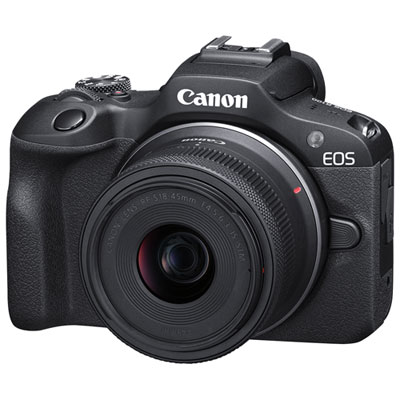 Your price for this item is $599.99
-
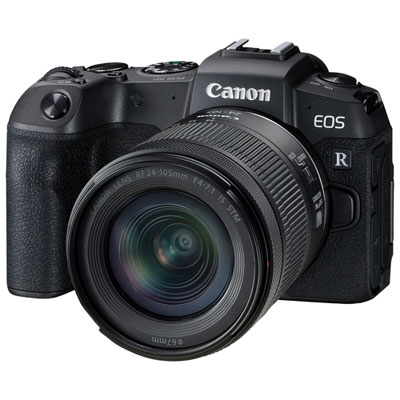 Your price for this item is $1299.99
-
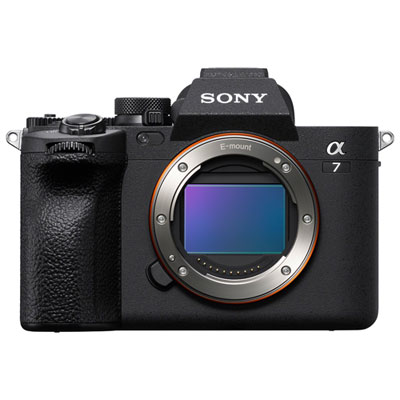 Your price for this item is $2699.99
-
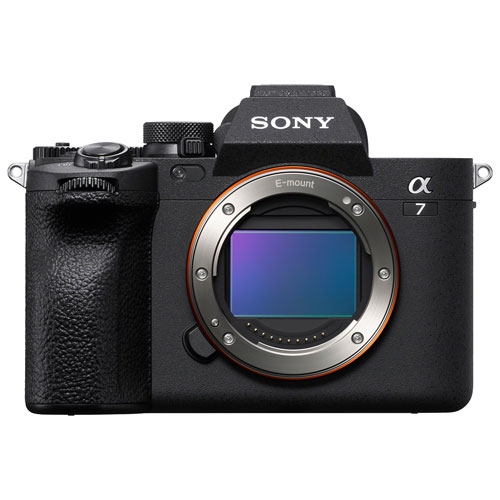 Your price for this item is $2469.99
Discover more categories related to Professional Grade Cameras
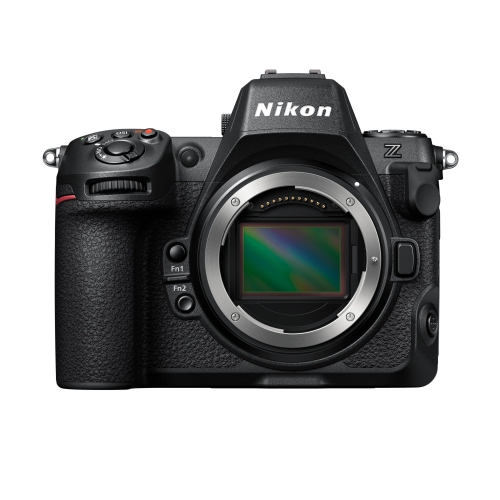
Top Collections:
Best Black Friday Deals This Year, Best Black Friday Deals On Electronics, Kindle Devices, Pokemon Centers, Best Black Friday Deals On Apple Products, Best Cameras for Sports Photography, Dyson Airwrap, Pokémon 30th Celebration Cards, Apple iPhone 17 Pro, Canon G7X Cameras
Some products may be subject to Environmental Handling Fees
(EHF) depending on your province.
Learn more about EHFs.