Tripod Quick Release Plate
Looking to enhance your photography or videography experience? Look no further than tripods with quick-release plates. These essential accessories are designed to provide convenience and flexibility when it comes to mounting and dismounting your camera from your tripod. Whether you're a professional photographer capturing stunning landscapes or a vlogger creating engaging content, tripods with quick-release plates allow for effortless transitions, ensuring that you never miss a moment.
Sort
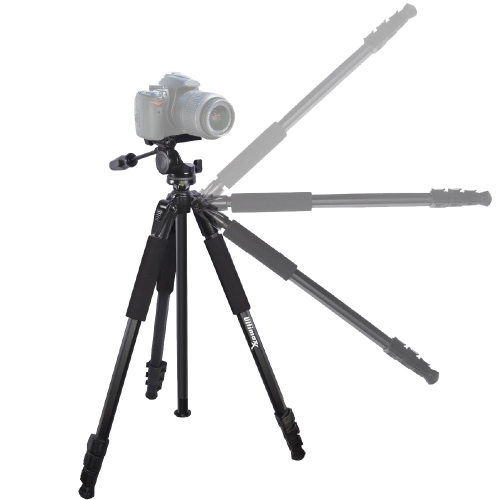

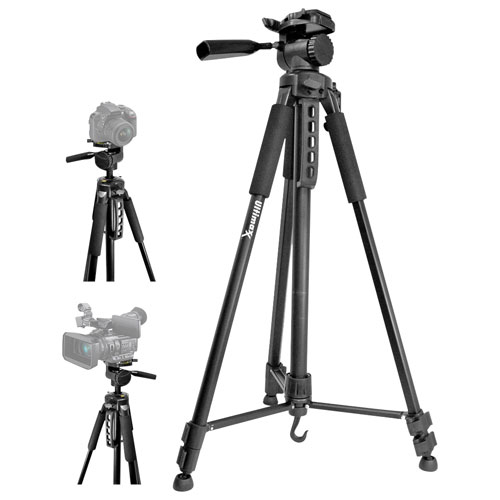
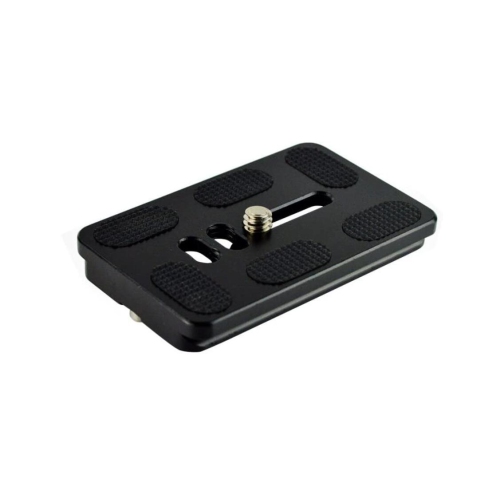
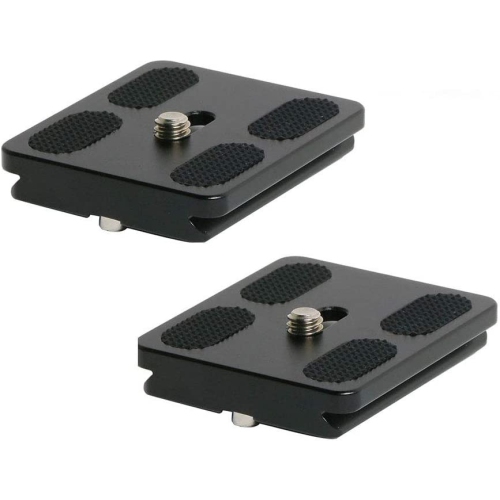
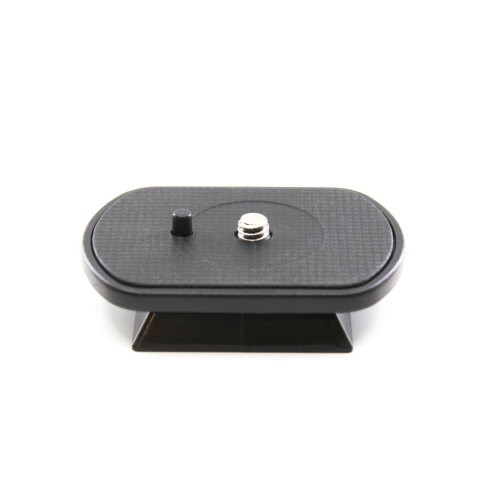
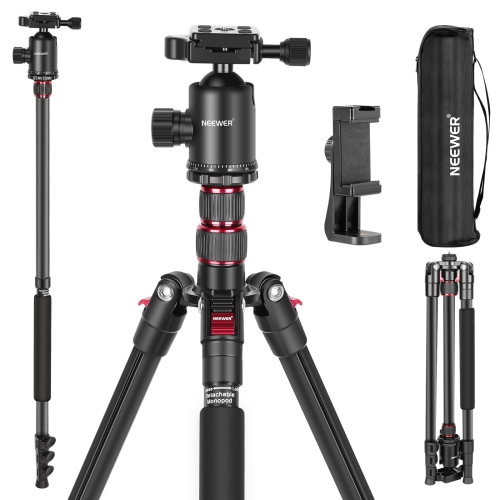
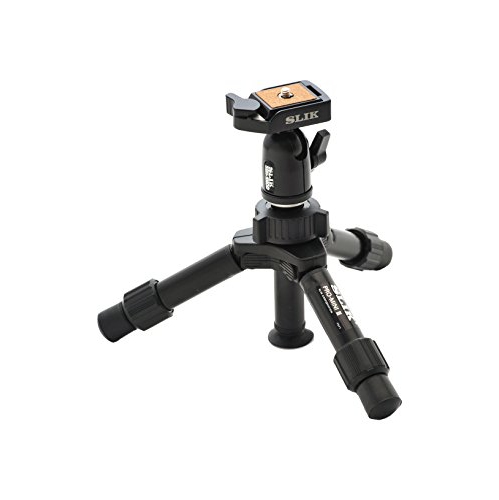
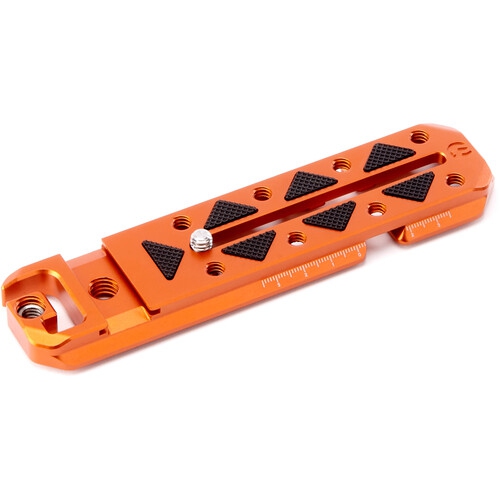
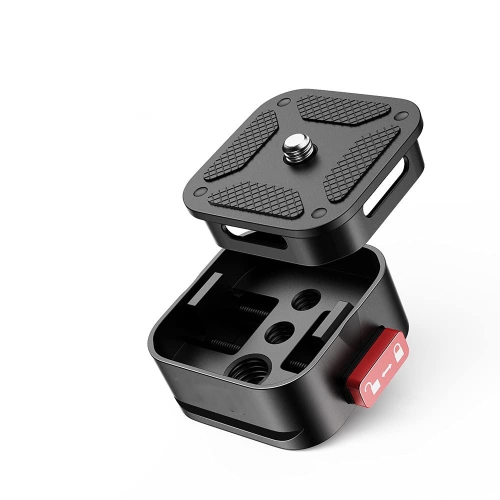
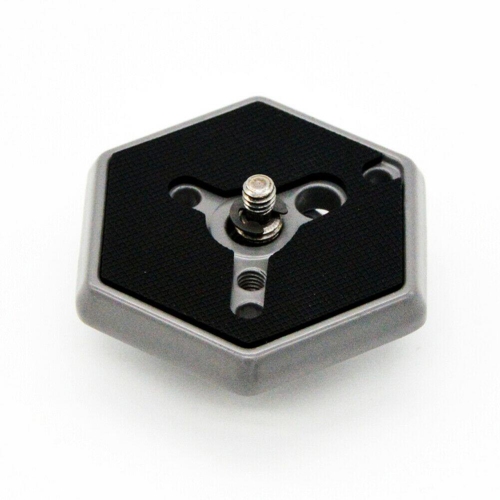

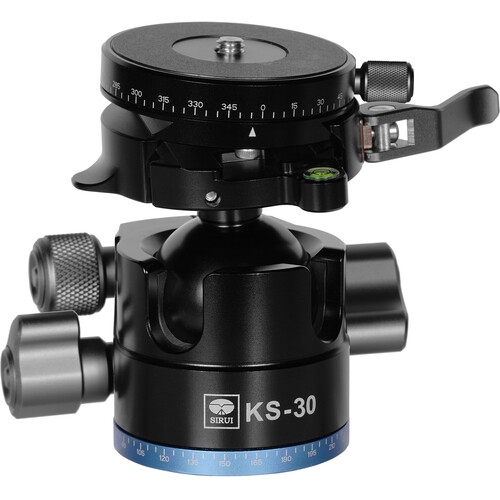

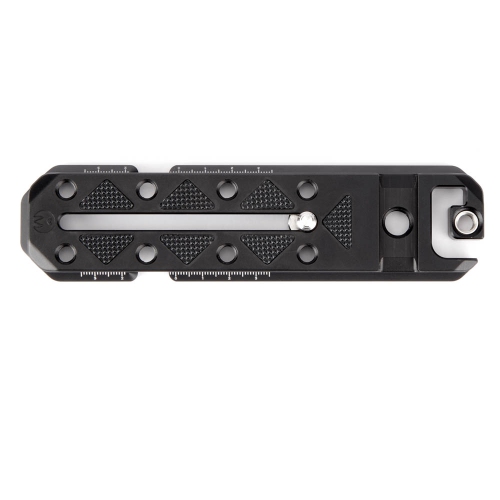
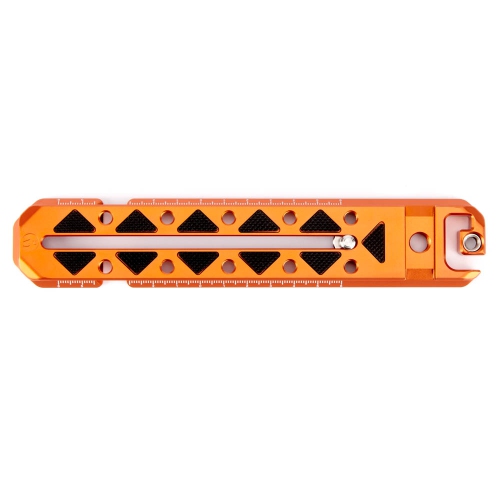
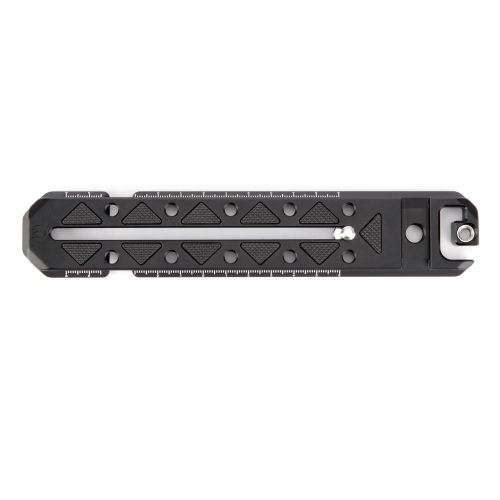
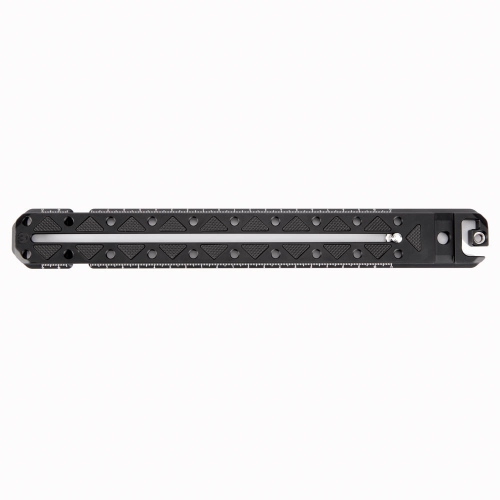
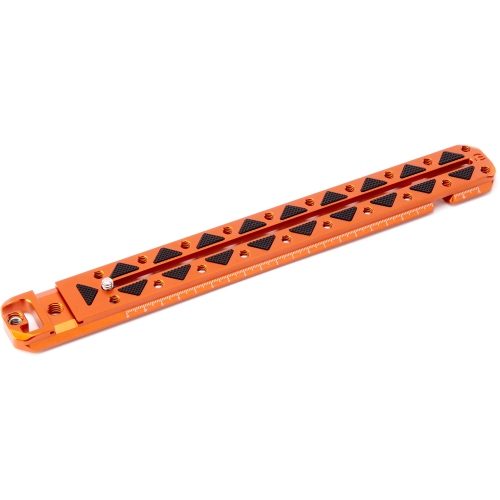
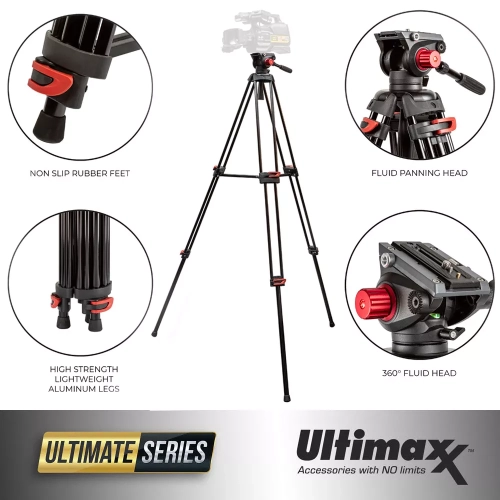
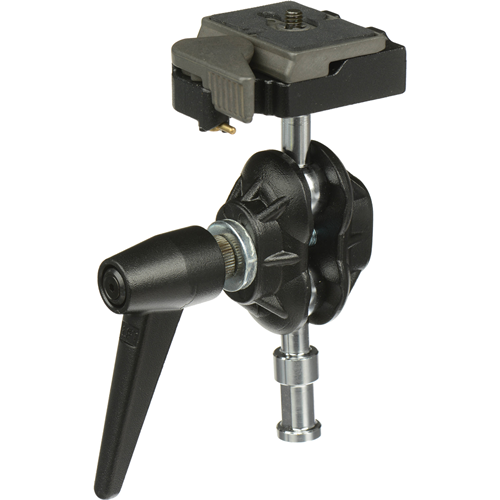
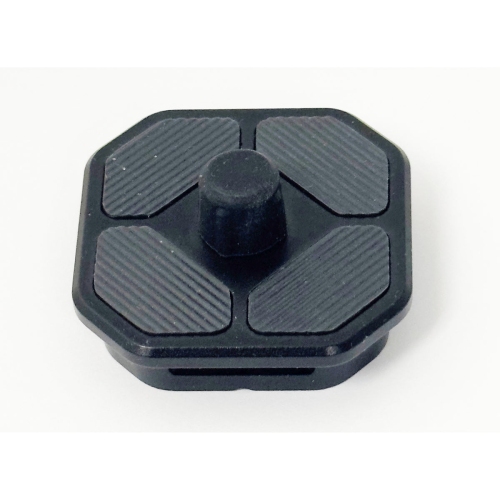
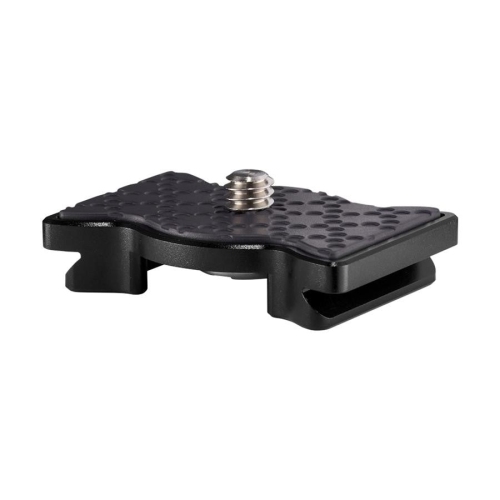
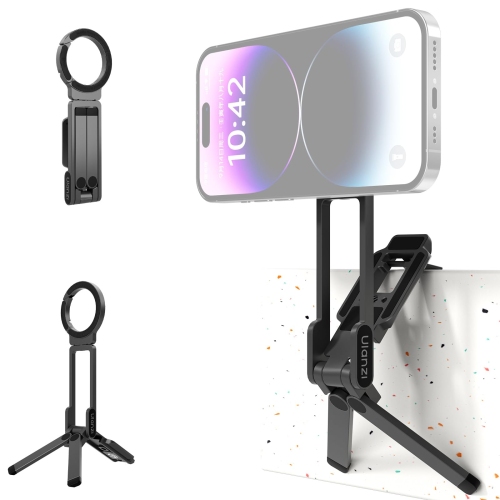
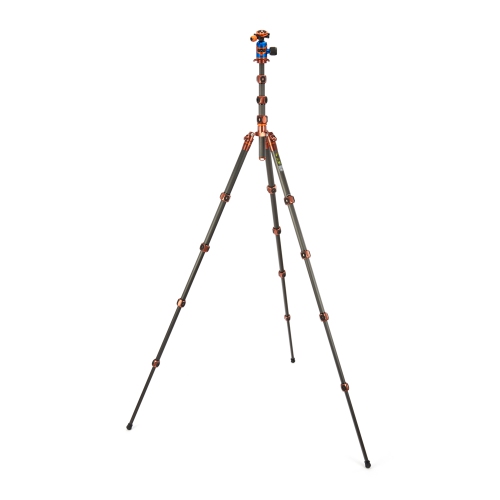
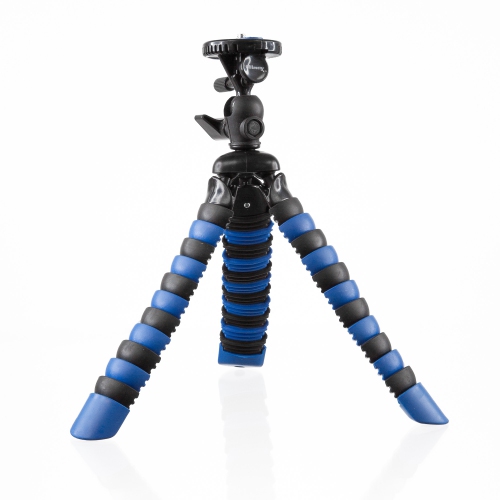
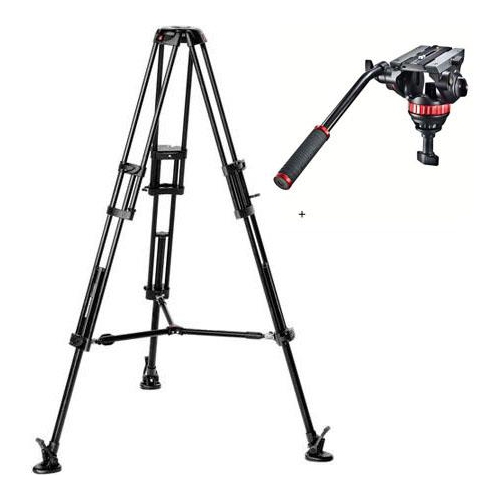

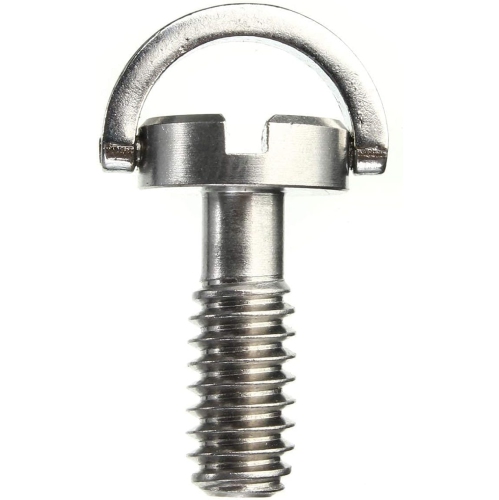
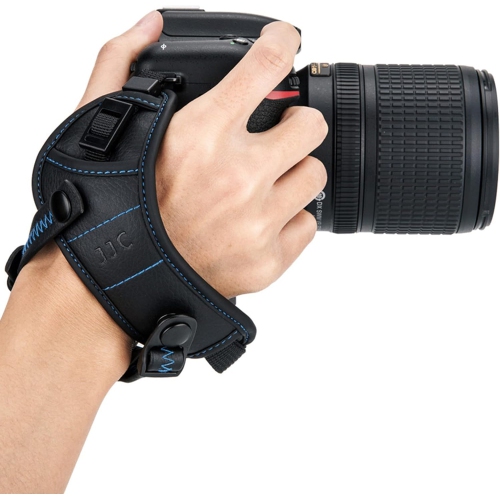
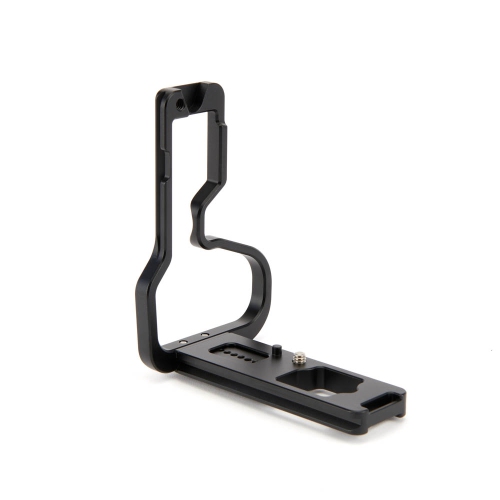
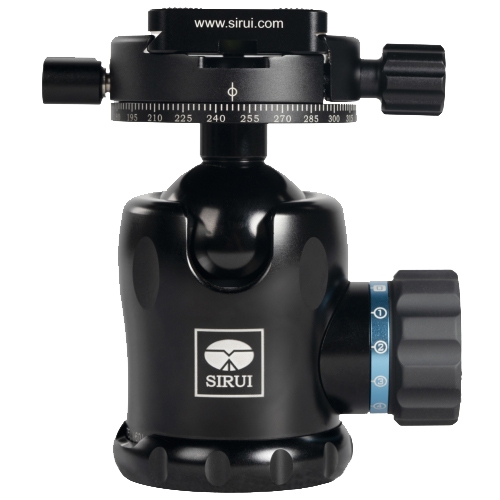
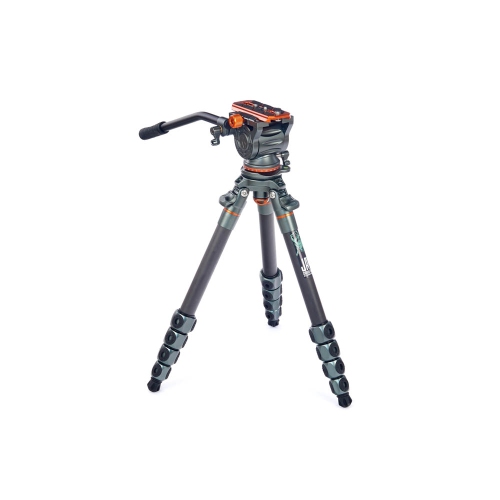

A compatible plate can simplify every camera change
A tripod quick release plate is a small but important camera accessory that makes it easier to move a camera between a tripod and handheld use. The plate attaches to the threaded mount on the bottom of a camera, camcorder, or compatible device, then locks into the tripod head with a release mechanism. Instead of twisting the entire camera onto a tripod every time, you can leave the plate attached and connect or remove the camera in seconds. This is especially useful when moving between a carefully composed tripod shot and a handheld angle, changing locations during an event, or packing up quickly as the weather changes. A spare plate can also save time when more than one camera is used with the same tripod head. Rather than repeatedly removing one plate and fastening it to another camera, each camera can be ready to mount when needed. Photographers working on landscapes, portraits, travel scenes, family gatherings, and indoor events often appreciate this simple improvement to their setup. Video creators, students learning photography, and anyone building a home studio may find a quick release plate equally useful. They are also practical gifts for new camera owners, especially when the recipient already has a tripod but wants a faster, more convenient workflow.
Compatibility should be the first consideration when choosing a tripod quick release plate. Plates are not universally interchangeable, even when they look similar, so check the tripod head or mounting system before making a purchase. Many modern systems use a popular dovetail-shaped design that slides into a matching clamp and locks securely in place. Other tripods use a rectangular snap-in style, while some plates are made for a particular tripod model or head. The plate must match the shape, dimensions, locking method, and safety features of the receiving mount. If the plate is intended for a camera that will be used with more than one tripod, consider whether the existing heads accept the same standard. A plate that fits one head may not lock into another without a compatible adapter or replacement head. For additional mounting options, explore Tripod Mount Adapters, which can help connect equipment with different thread sizes or mounting requirements. It is also worth checking the screw type. A common camera tripod thread is used on many devices, but some plates include reversible or adjustable screws to accommodate different equipment. Make sure the screw can reach the camera’s mounting socket without protruding too far, and look for a rubber or textured contact surface that helps prevent the camera from shifting or rotating. A plate should sit flat against the camera base, with controls remaining accessible and no interference with battery doors, screens, or other ports. For heavier cameras, long lenses, video rigs, or accessories such as microphones and lights, choose a plate with an appropriate load rating and a broad, rigid construction. A larger plate may provide extra stability, while a compact plate can be easier to leave attached when carrying a camera in a bag.
Before using a quick release plate, inspect both the plate and the tripod clamp for dirt, damage, or loose hardware. Small amounts of dust or grit can prevent a plate from sitting properly, particularly when shooting outdoors on a beach, trail, field, or busy street. Attach the plate to the camera firmly by hand, but avoid excessive force that could damage the camera’s mounting socket or the plate’s screw. After placing the camera in the tripod head, listen and feel for the locking mechanism to engage, then gently test the connection before lifting or tilting the equipment. A secure lock is essential when the camera is positioned above ground, near water, or at an awkward angle. Some plates include secondary safety stops, retaining pins, or anti-twist features that add confidence during movement, but these features still depend on a compatible clamp and correct installation. For video work, a longer plate may provide more room to balance the camera as lenses or accessories are changed. For still photography, a smaller plate may be preferable for travel and everyday carrying. Anyone photographing during the cooler months may also value a plate that is easy to operate while wearing gloves, particularly when setting up outdoors for wildlife, winter landscapes, sports, or evening scenes. Keep the plate attached to the camera when it is stored if it does not interfere with the camera bag, and periodically check that the screw remains tight. With the right fit and a few careful habits, a tripod quick release plate can make camera setup feel almost effortless, helping you move from a stable composition to the next shot without interrupting the moment.
Compatibility should be the first consideration when choosing a tripod quick release plate. Plates are not universally interchangeable, even when they look similar, so check the tripod head or mounting system before making a purchase. Many modern systems use a popular dovetail-shaped design that slides into a matching clamp and locks securely in place. Other tripods use a rectangular snap-in style, while some plates are made for a particular tripod model or head. The plate must match the shape, dimensions, locking method, and safety features of the receiving mount. If the plate is intended for a camera that will be used with more than one tripod, consider whether the existing heads accept the same standard. A plate that fits one head may not lock into another without a compatible adapter or replacement head. For additional mounting options, explore Tripod Mount Adapters, which can help connect equipment with different thread sizes or mounting requirements. It is also worth checking the screw type. A common camera tripod thread is used on many devices, but some plates include reversible or adjustable screws to accommodate different equipment. Make sure the screw can reach the camera’s mounting socket without protruding too far, and look for a rubber or textured contact surface that helps prevent the camera from shifting or rotating. A plate should sit flat against the camera base, with controls remaining accessible and no interference with battery doors, screens, or other ports. For heavier cameras, long lenses, video rigs, or accessories such as microphones and lights, choose a plate with an appropriate load rating and a broad, rigid construction. A larger plate may provide extra stability, while a compact plate can be easier to leave attached when carrying a camera in a bag.
Before using a quick release plate, inspect both the plate and the tripod clamp for dirt, damage, or loose hardware. Small amounts of dust or grit can prevent a plate from sitting properly, particularly when shooting outdoors on a beach, trail, field, or busy street. Attach the plate to the camera firmly by hand, but avoid excessive force that could damage the camera’s mounting socket or the plate’s screw. After placing the camera in the tripod head, listen and feel for the locking mechanism to engage, then gently test the connection before lifting or tilting the equipment. A secure lock is essential when the camera is positioned above ground, near water, or at an awkward angle. Some plates include secondary safety stops, retaining pins, or anti-twist features that add confidence during movement, but these features still depend on a compatible clamp and correct installation. For video work, a longer plate may provide more room to balance the camera as lenses or accessories are changed. For still photography, a smaller plate may be preferable for travel and everyday carrying. Anyone photographing during the cooler months may also value a plate that is easy to operate while wearing gloves, particularly when setting up outdoors for wildlife, winter landscapes, sports, or evening scenes. Keep the plate attached to the camera when it is stored if it does not interfere with the camera bag, and periodically check that the screw remains tight. With the right fit and a few careful habits, a tripod quick release plate can make camera setup feel almost effortless, helping you move from a stable composition to the next shot without interrupting the moment.
Top selling and popular products
-
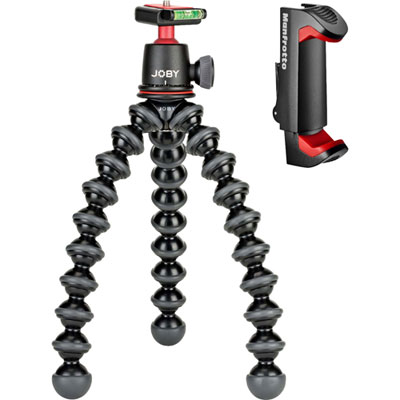 Your price for this item is $99.99
 -
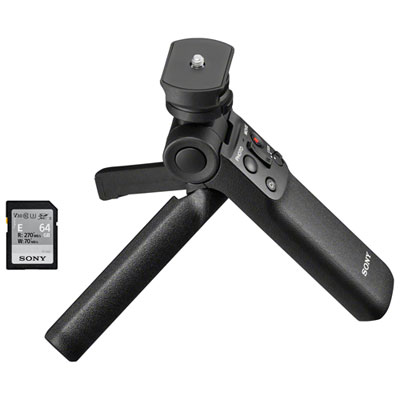 Your price for this item is $199.97
 -
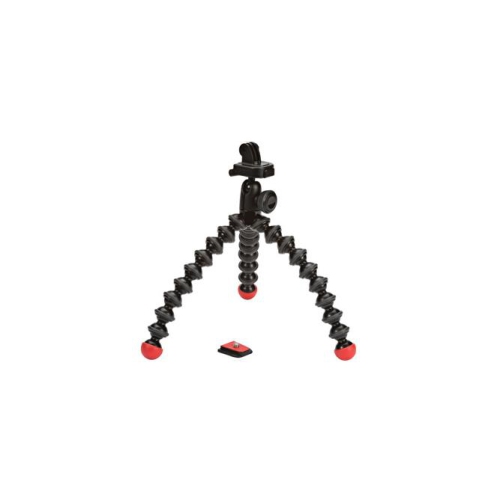 Your price for this item is $126.91
 -
 Your price for this item is $79.99
 -
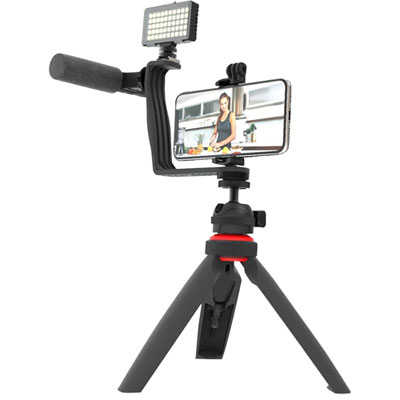 Your price for this item is $59.99
 -
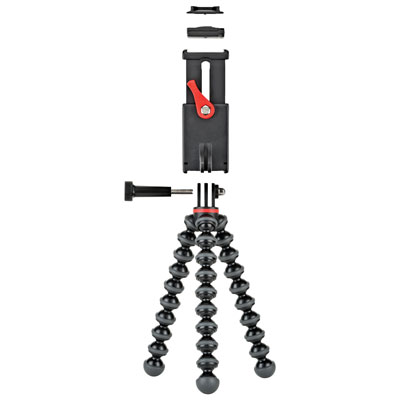 Your price for this item is $59.95
 -
 Your price for this item is $229.99
 -
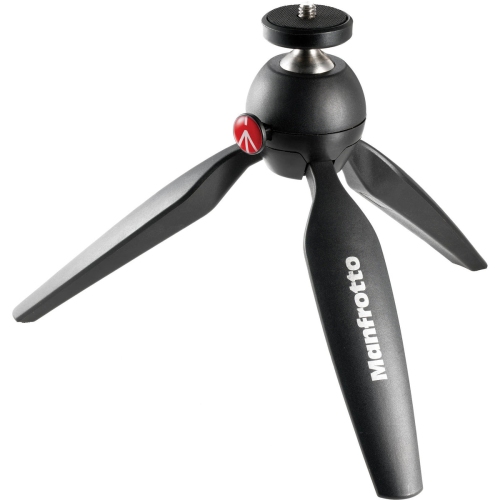 Your price for this item is $83.53
Discover more categories related to Tripod Quick Release Plate
Top Collections:
Pokemon Centers, Kindle Devices, Best Budget Office Chairs, Apple iPhones 16, Best Laptops for Writers, iPhone 15 Apple, Canon G7X Cameras, Refurbished Apple Laptops, Alarm Clock, Motorola Razr Phones
Some products may be subject to Environmental Handling Fees
(EHF) depending on your province.
Learn more about EHFs.