Thermal Imaging Devices
Enhance your vision with cutting-edge thermal imaging devices that provide a unique perspective on the world around you. Whether you're an outdoor enthusiast, a professional in need of advanced tools, or a homeowner looking to improve security measures, these devices offer unparalleled thermal detection capabilities. Explore our range of thermal imaging devices to uncover a new way of seeing and experiencing your surroundings.
Sort





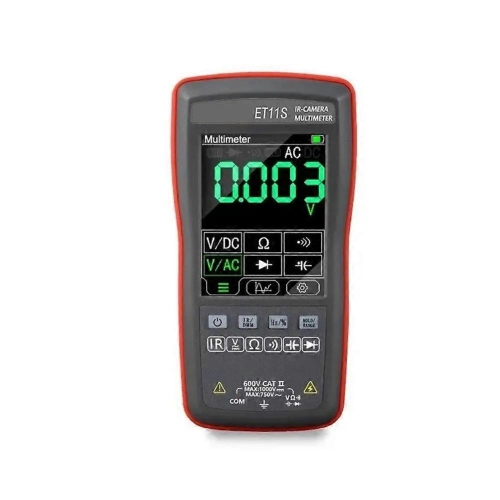

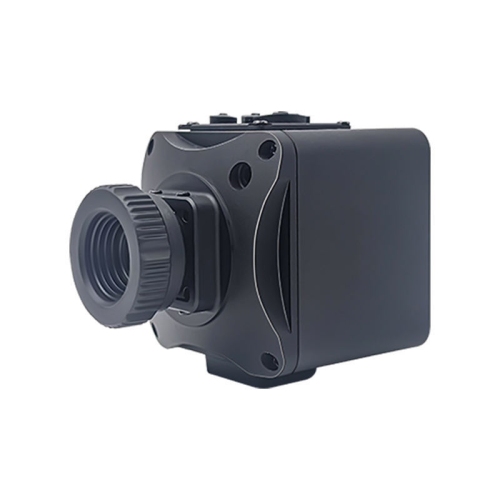
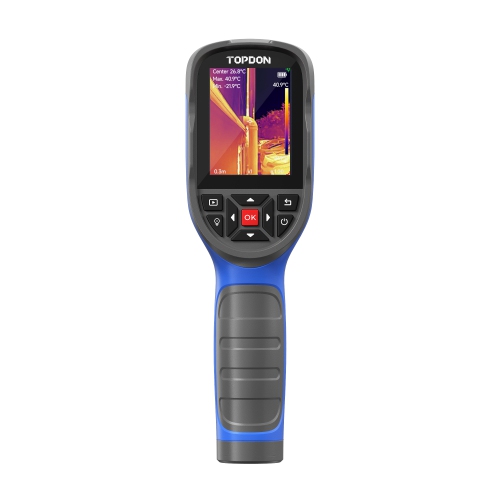
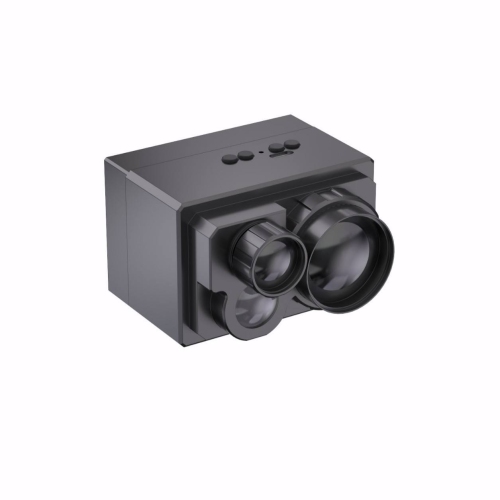


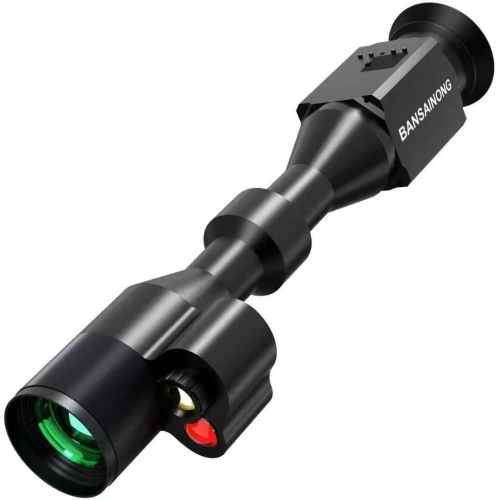
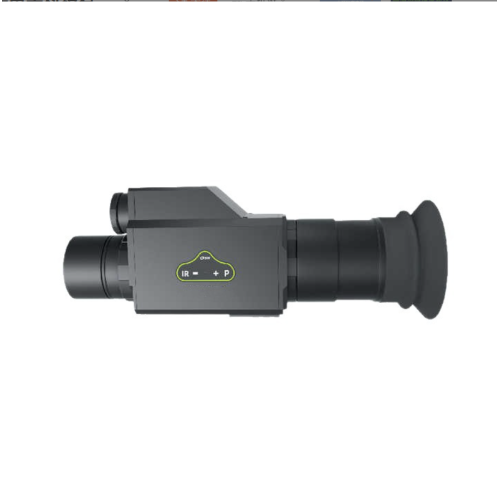


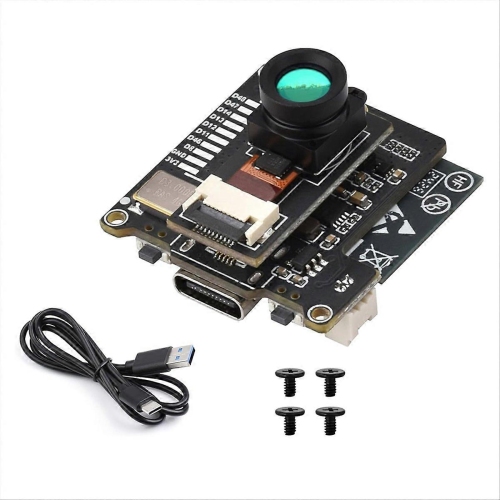
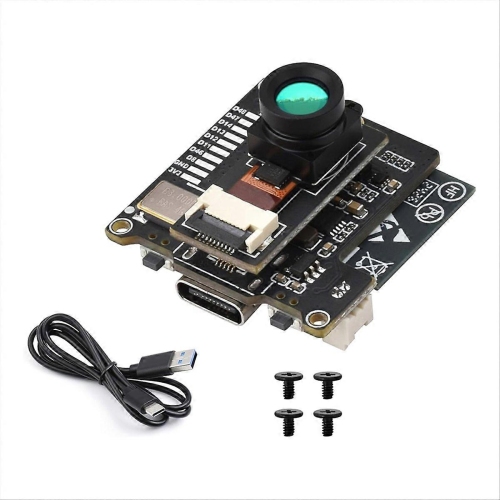


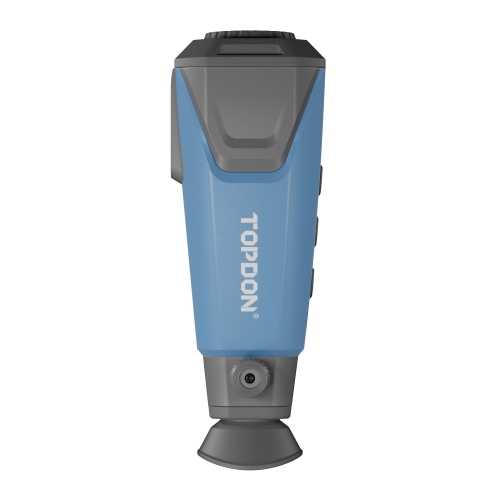

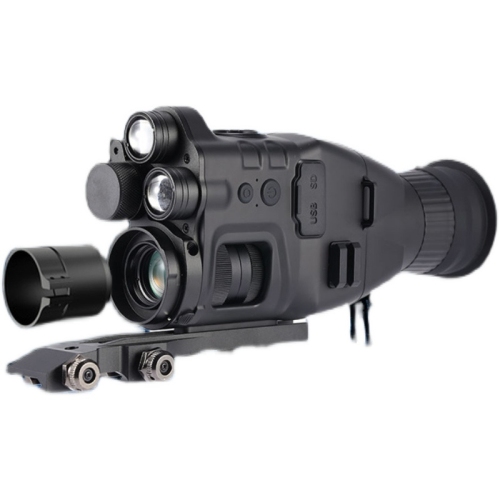

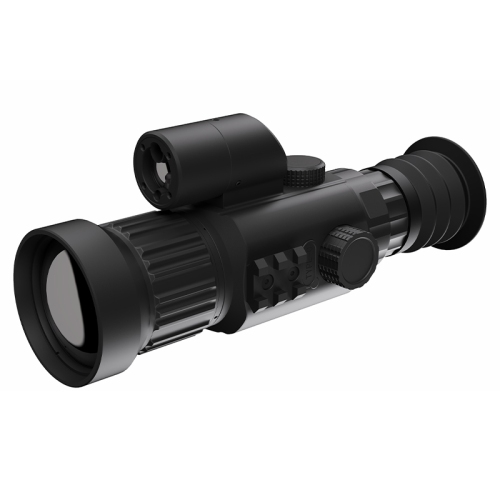
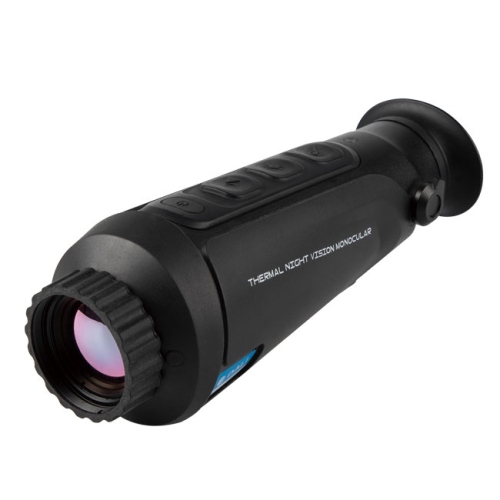





How heat patterns reveal what sight alone can miss
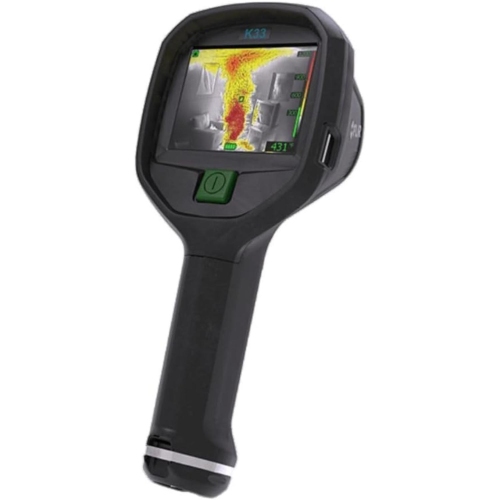
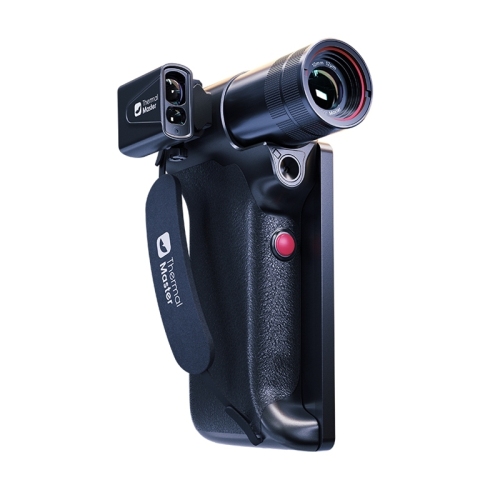
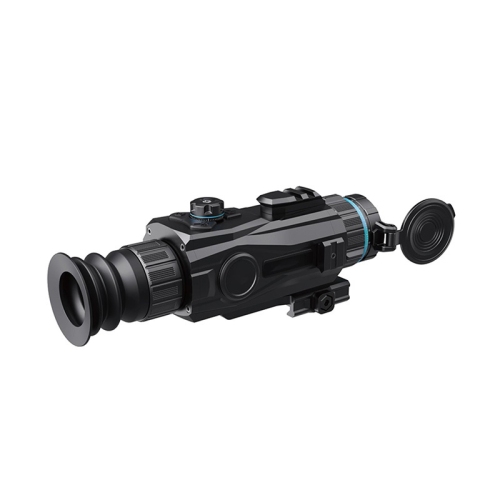
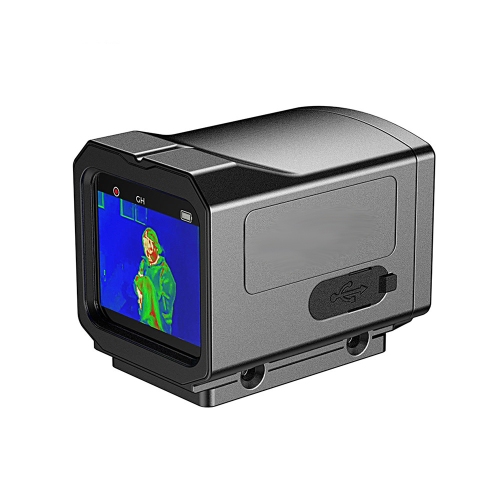
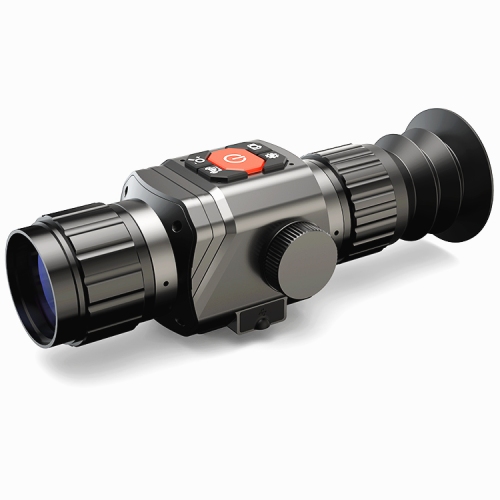
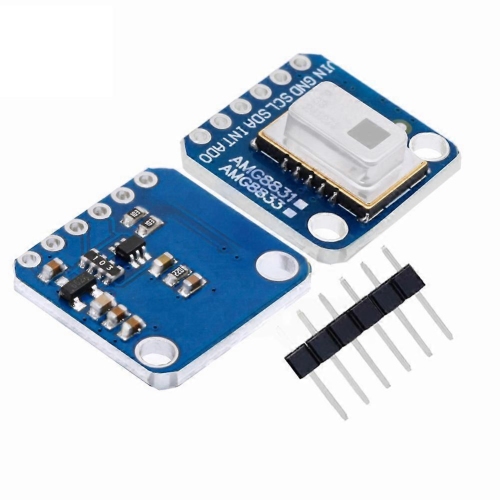
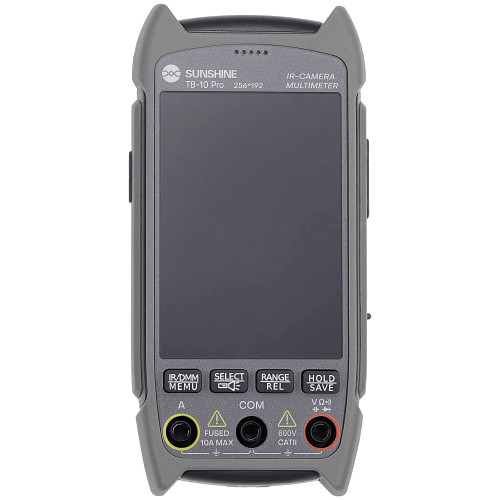
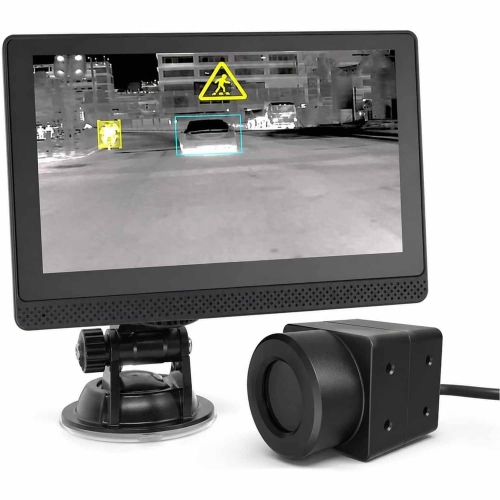
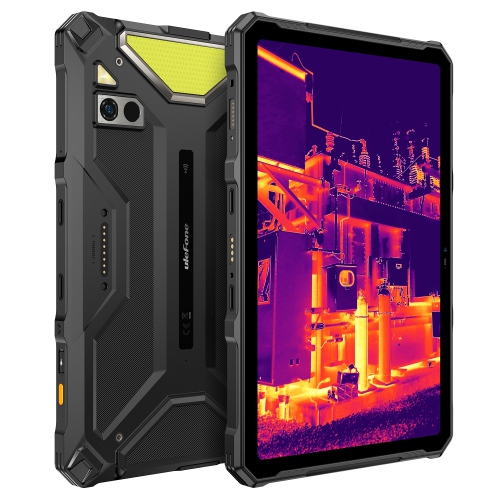
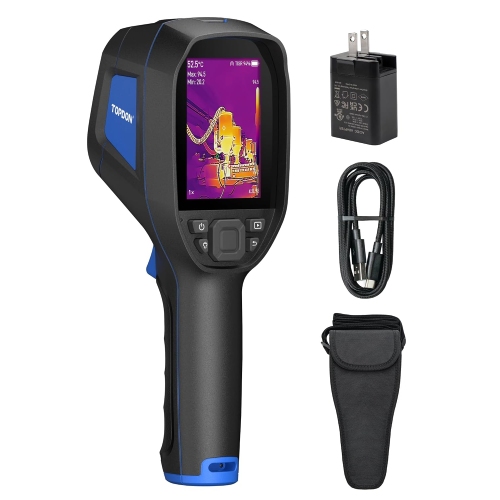
Thermal imaging devices turn infrared radiation into a visible picture of temperature differences, making patterns of heat easier to spot across surfaces, equipment, and outdoor scenes. Rather than relying on light reflected from an object, a thermal sensor detects infrared energy and converts it into electrical signals that the device processes into a thermal image, also called a thermogram. A colour palette or greyscale display then maps differences in detected radiation: warmer areas may appear yellow or orange and cooler areas blue or purple, although the colours depend on the selected palette. This lets a user notice a warm electrical connection, an unusually hot bearing, or a cooler strip along a window frame that might be difficult to identify by sight alone. Many handheld thermal cameras also provide surface temperature estimates, while some viewing devices focus on showing heat contrast rather than supplying precise measurements. Thermal imaging differs from conventional night vision, which generally amplifies available light or uses infrared illumination to make a scene visible. A thermal device can reveal heat patterns in complete darkness, provided there is enough contrast between the subject and its surroundings. For shoppers comparing related imaging technology, Infrared Cameras includes terminology worth checking carefully, since an infrared security camera with night illumination does not necessarily produce thermal images or measure temperature. Common thermal imaging formats include handheld inspection cameras, compact attachments for compatible phones, and monocular-style viewers for observing distant subjects. Each format suits a different routine, from checking accessible heating components to carrying a lightweight viewer along a dark trail. Importantly, thermal imaging does not let someone see through walls. It shows radiation reaching the sensor from visible surfaces, where a temperature pattern may suggest an issue that needs closer investigation. Ordinary window glass generally blocks the long-wave infrared radiation used by many thermal cameras, so a view through a pane is not equivalent to looking through an open window.
The most useful thermal imaging features depend on the size of the subject, the working distance, and whether the task calls for a temperature reading or simply a clearer heat pattern. Native thermal resolution describes how many detector pixels contribute to the image; a higher-resolution sensor can show finer details when other conditions are comparable. Display resolution is a separate specification, and a large screen cannot supply thermal detail that the sensor did not capture. Thermal sensitivity describes the ability to distinguish small temperature differences, which can matter when examining subtle patterns around trim, ceilings, or heating pipes. Temperature range and measurement accuracy are also distinct: a device capable of displaying very high temperatures is not automatically the best choice for comparing small differences near room temperature. Field of view influences how much of a scene fits into the image, while focus and minimum focusing distance affect whether a nearby component appears clearly defined. A broad view can be helpful across a wall, whereas distant observation may call for a narrower view that places more sensor pixels on the subject. Digital zoom enlarges the displayed image but does not add detector detail. For maintenance work, adjustable emissivity can improve temperature estimates when used correctly, because different surface materials emit infrared radiation differently. Shiny metal can reflect heat from nearby objects and give a misleading impression of its own temperature. Comparing similar materials under similar conditions is often more informative than comparing a reflective pipe with a painted wall. Homeowners might use thermal imaging to investigate a cool patch near a door during the cooler months, while heating and ventilation technicians may examine uneven surface temperatures along accessible ducts or radiators. Electricians and mechanical maintenance teams can use heat patterns to help locate components that merit testing. These images offer clues rather than a complete diagnosis: suspected moisture needs confirmation with suitable testing, and inspecting energized equipment or opening electrical panels belongs with qualified professionals using appropriate procedures and protective equipment.
Construction, handling, and everyday practicality matter just as much as image specifications when thermal imaging devices become part of a regular work kit or outdoor bag. A comfortable grip, balanced weight, and controls that remain manageable with work gloves can make repeated inspections less tiring. For a phone attachment, fit includes the connector type, operating system compatibility, app requirements, and clearance around a protective case; a physically matching connector alone does not guarantee compatibility. Handheld units with integrated screens offer a different balance of portability and independence from a phone, while an eyepiece-style viewer should feel comfortable to hold at eye level. Housings may combine rigid polymers with rubberized grip areas, but durability is better judged through stated drop-test conditions, operating temperature limits, and dust or water ingress ratings than appearance alone. Water resistance does not necessarily mean a device can be submerged, and cold weather can shorten battery runtime. Battery design, charging arrangements, storage capacity, and image export options all affect how smoothly a device fits into a day's work. Saved thermal images can help document a repair or compare the same area over time, especially when the distance, angle, surface conditions, and palette remain consistent. A visible-light image captured alongside the thermogram can make a small hot spot easier to locate later. For outdoor use, wildlife observers and property owners may value a portable viewer that makes warm subjects stand out after dark, though detection distance is not the same as the distance at which an animal or object can be identified confidently. Rain, fog, vegetation, and low temperature contrast can reduce useful detail. Care usually centres on protecting the lens, keeping connectors dry, and following the manufacturer's cleaning directions, since thermal optics can have specialized coatings that need gentle treatment. A fitted case helps prevent scratches and knocks during transport. As a gift, a thermal imaging device is most meaningful for a hands-on homeowner, technician, or outdoor enthusiast whose intended use is understood, with measurement capability, compatibility, and handling matched to the tasks they actually enjoy or perform.
Top selling and popular products
-
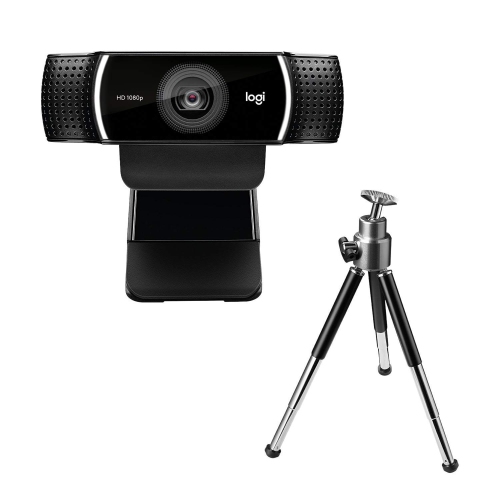 Your price for this item is $114.99
-
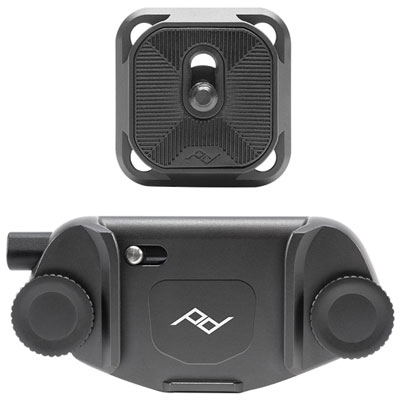 Your price for this item is $109.99
-
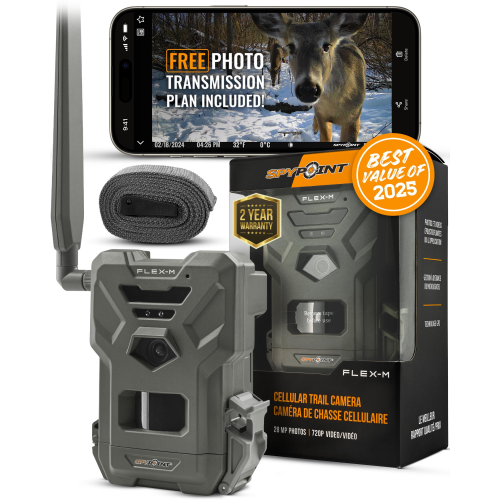 Your price for this item is $159.99
-
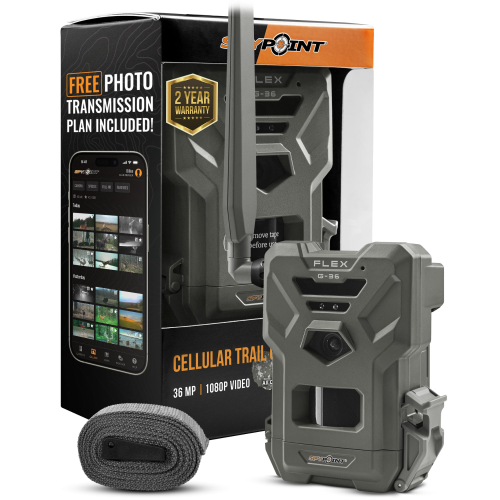 Your price for this item is $189.99
-
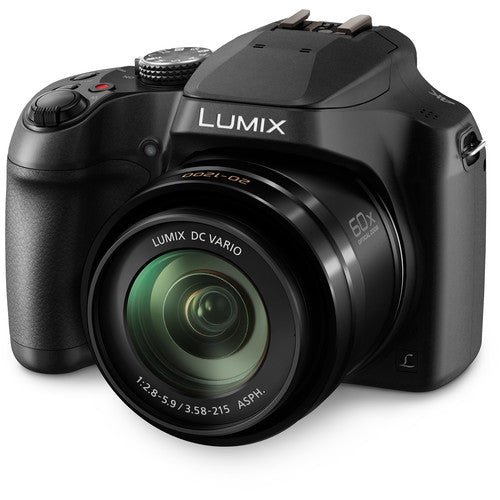 Your price for this item is $1710
-
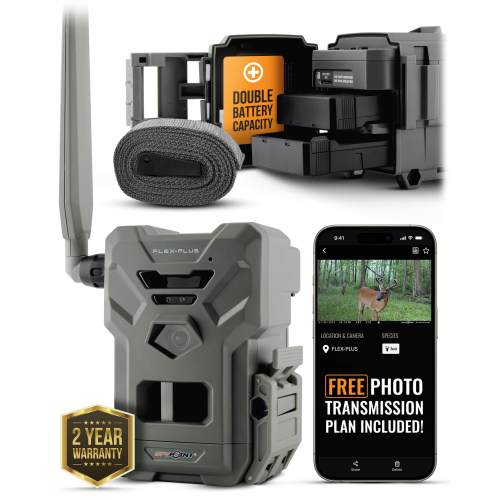 Your price for this item is $149.99
-
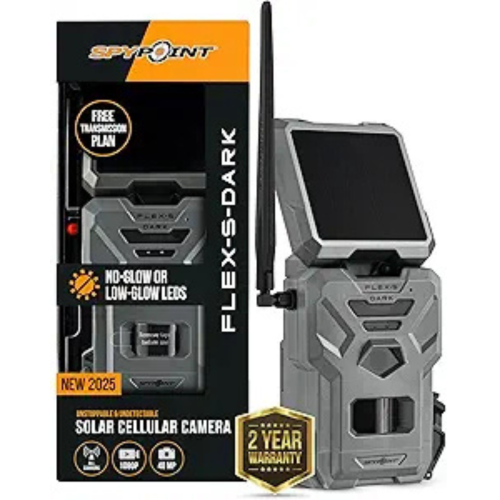 Your price for this item is $269.99
-
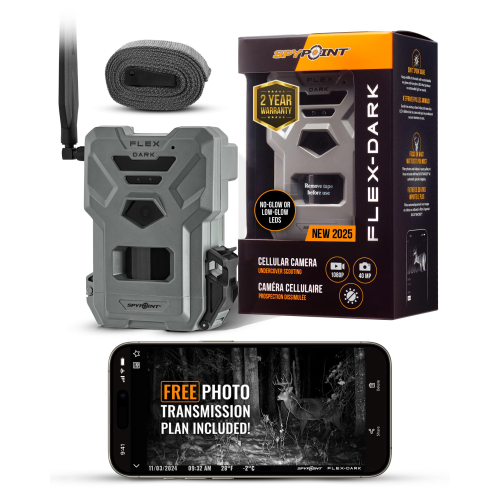 Your price for this item is $189.99
Discover more categories related to Thermal Imaging Devices

Top Collections:
Pokemon Centers, Kindle Devices, Best Cameras for Sports Photography, Pokémon 30th Celebration Cards, Apple iPhones 16, Canon G7X Cameras, iPhone 15 Apple, Flip Phones, Samsung Galaxy Phones, Alarm Clock
Some products may be subject to Environmental Handling Fees
(EHF) depending on your province.
Learn more about EHFs.