Top Rated Digital Cameras
Capture your most memorable moments with crystal-clear clarity using the top-rated digital cameras available at Best Buy. Whether you're a professional photographer or simply an enthusiastic hobbyist, our selection of cutting-edge cameras is sure to satisfy your photography needs. From high-resolution sensors to advanced autofocus systems, these top-rated digital cameras offer exceptional image quality and versatility. Explore our collection today and discover the perfect camera to unleash your creativity and capture stunning visuals with every click.
Sort
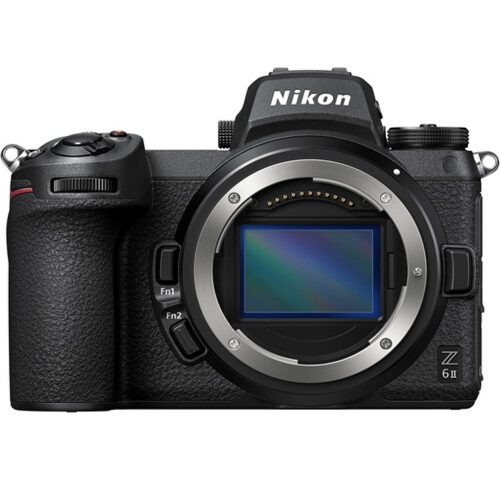
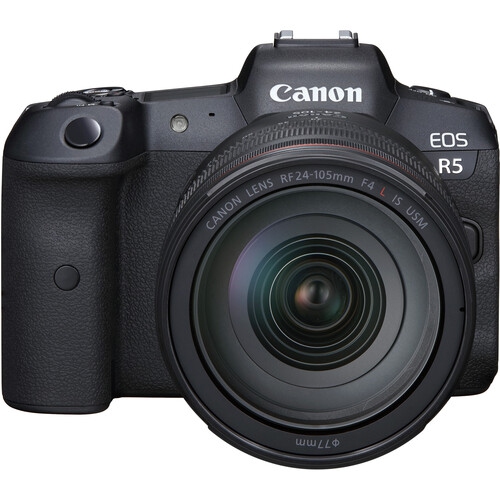
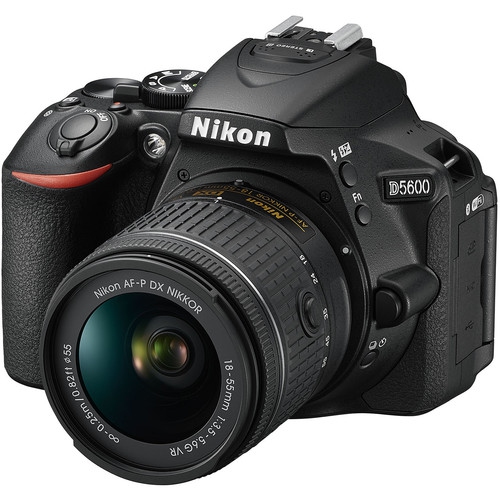

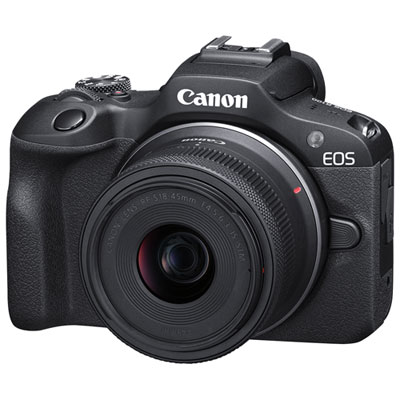


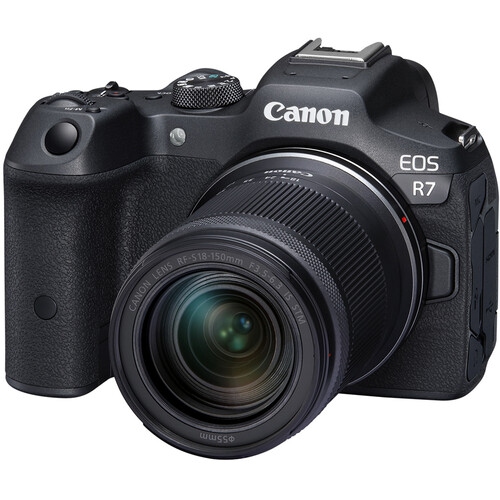
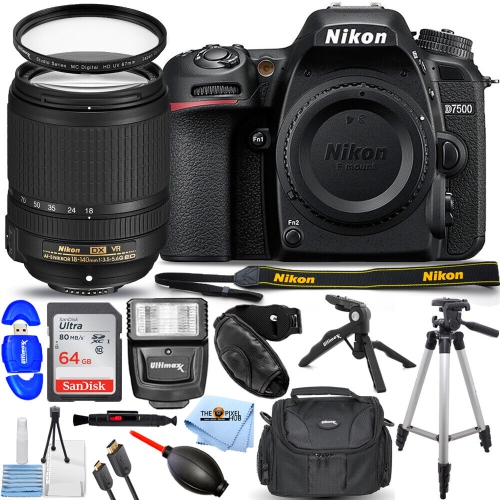
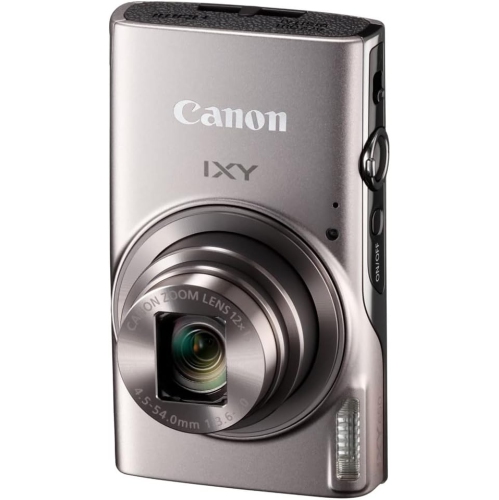
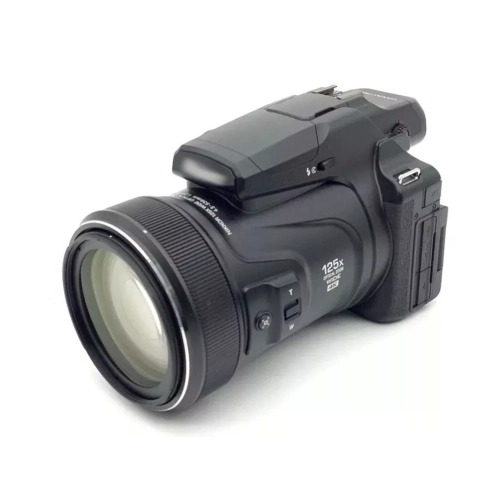
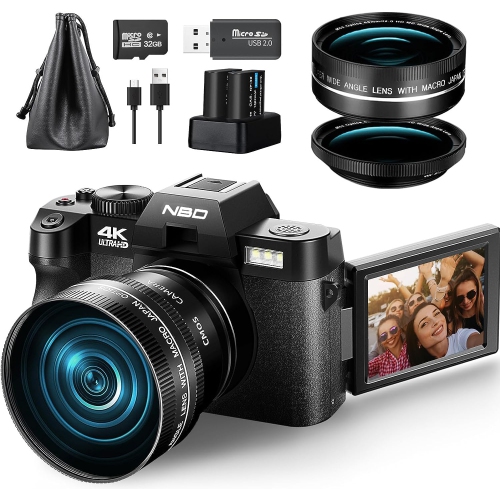
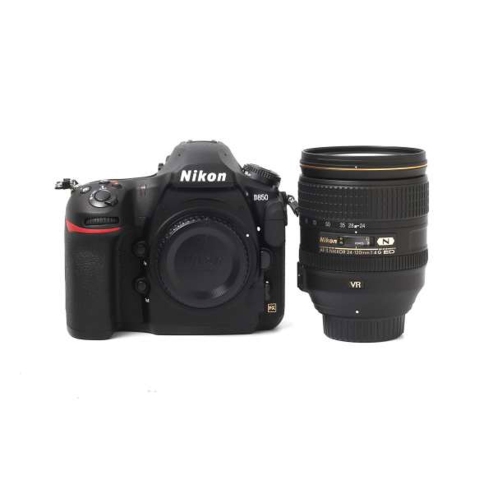
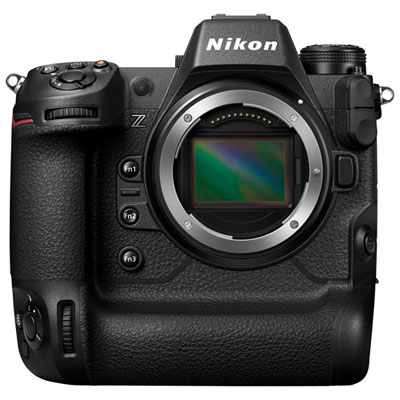
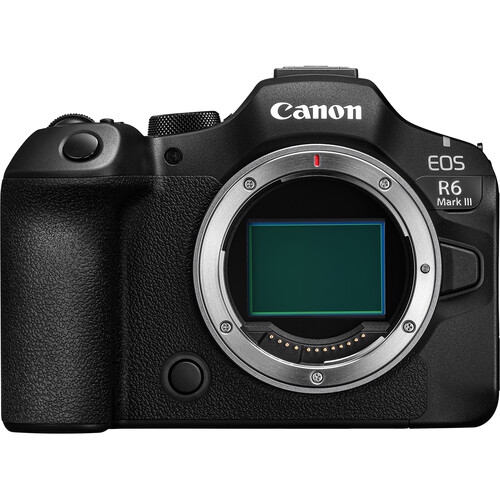
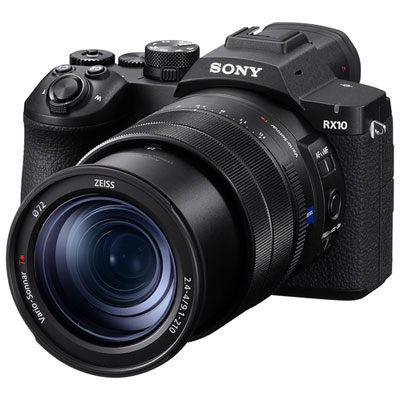
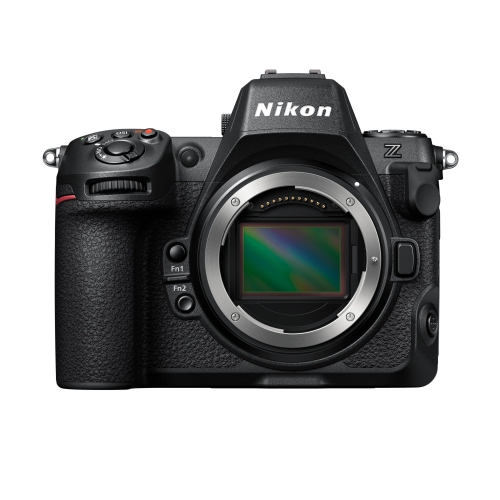

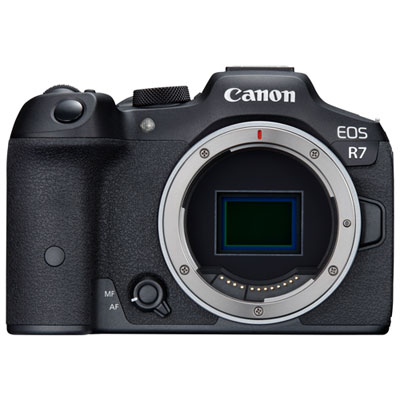
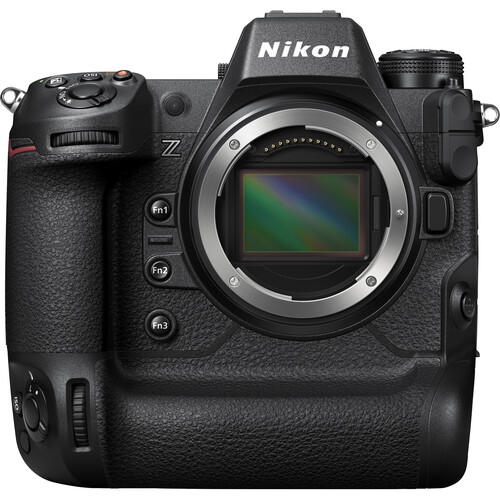



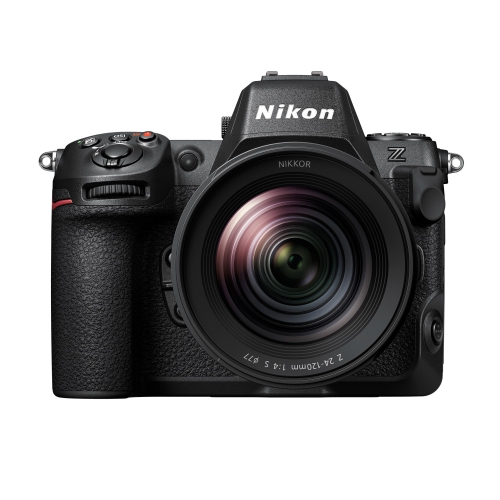
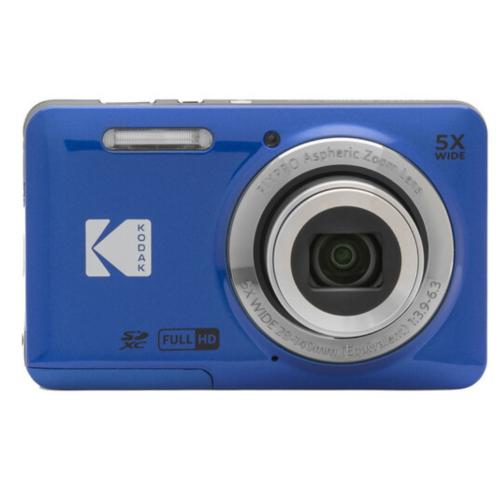
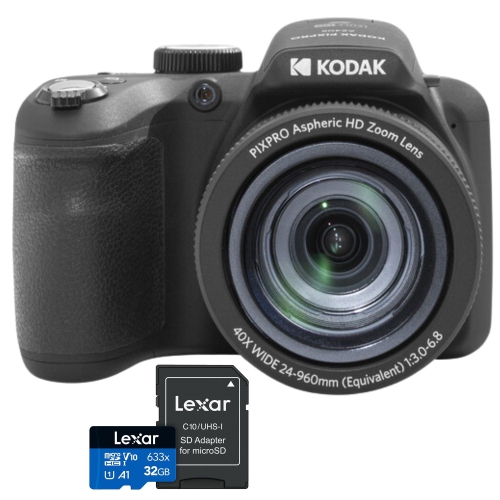
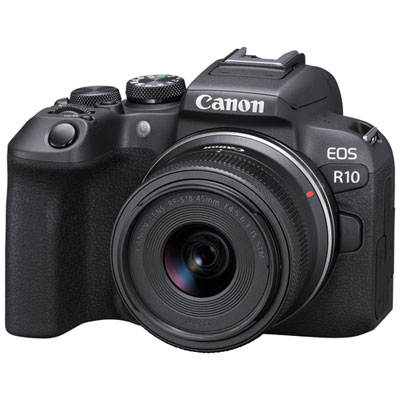


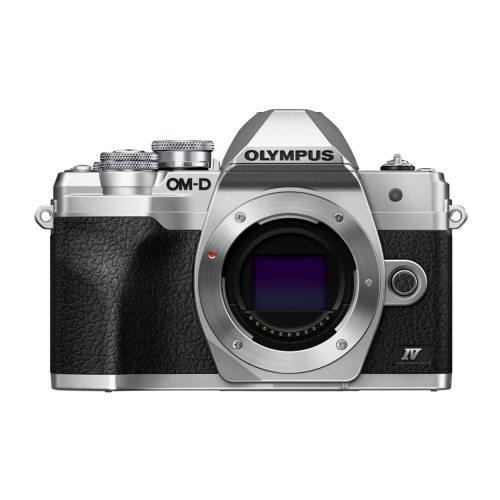
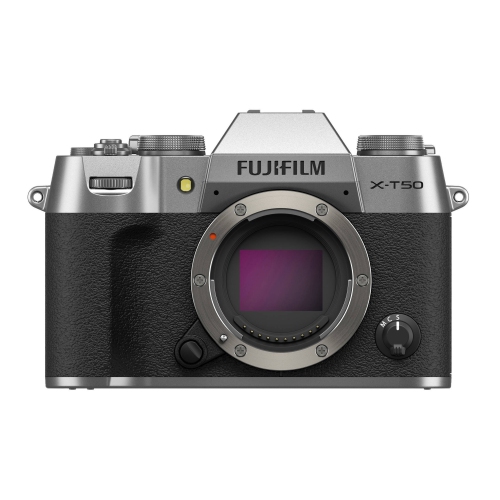
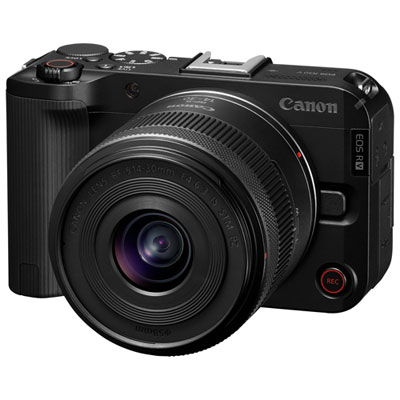
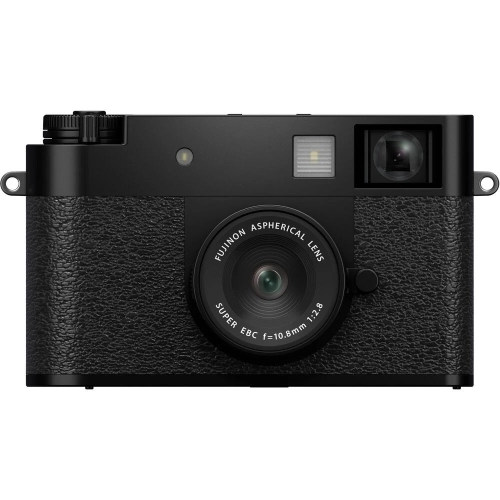

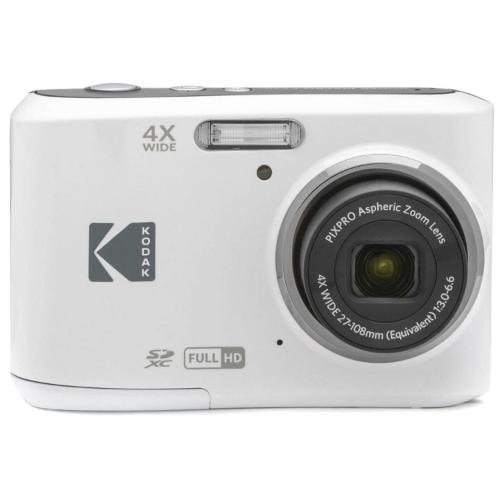
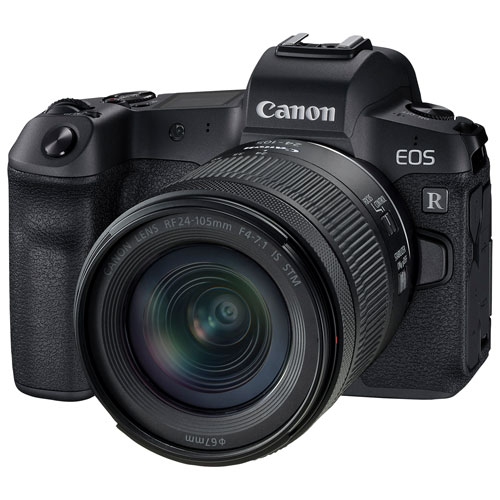

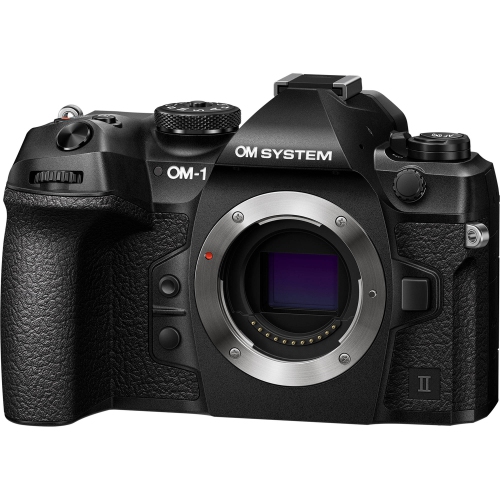
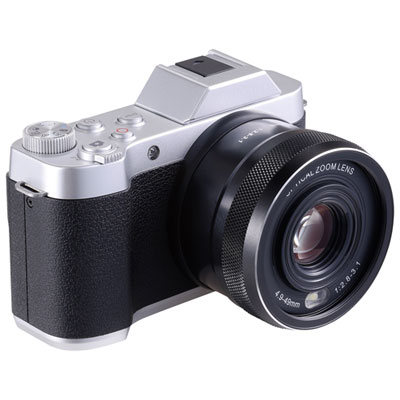

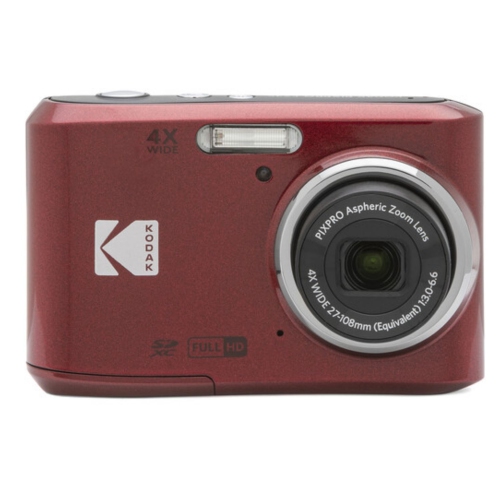
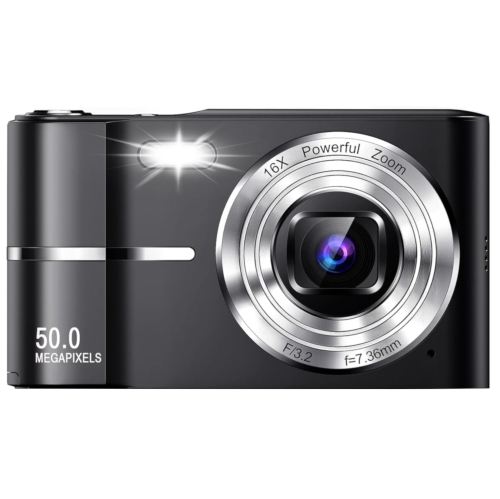
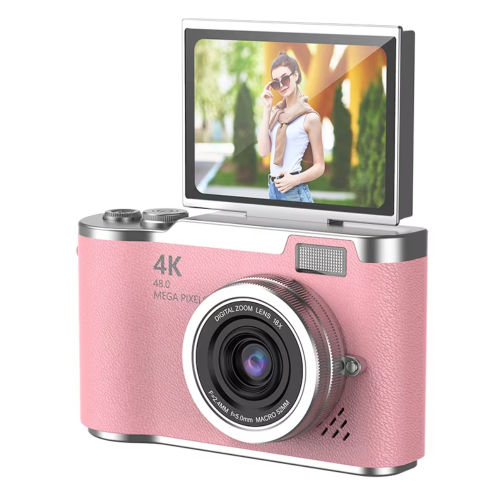
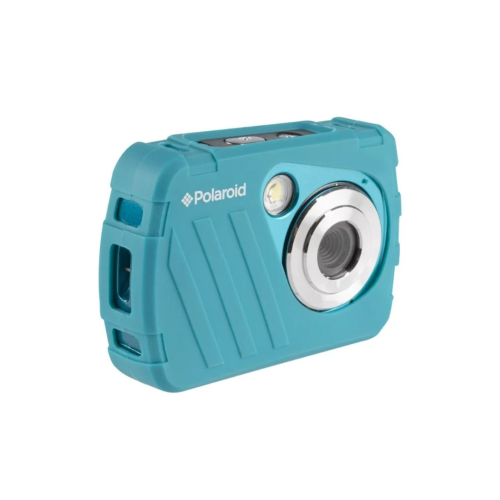
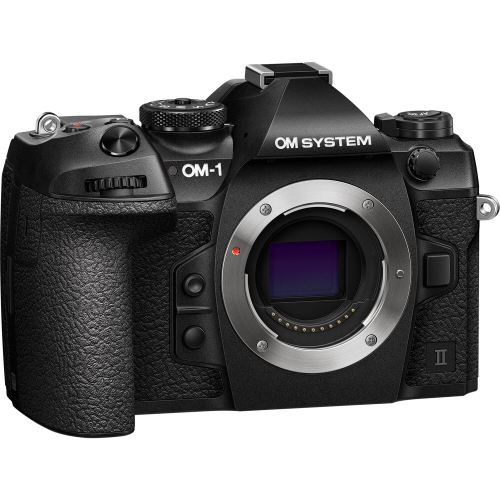
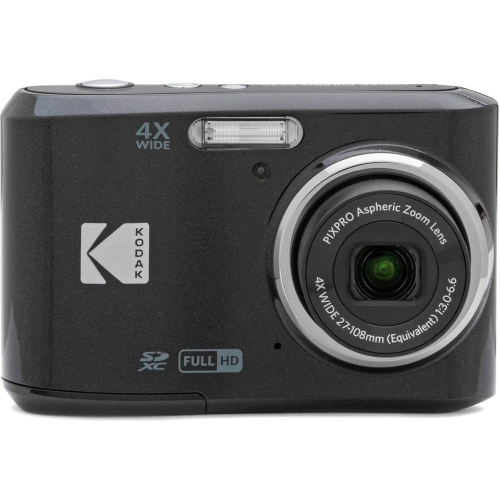
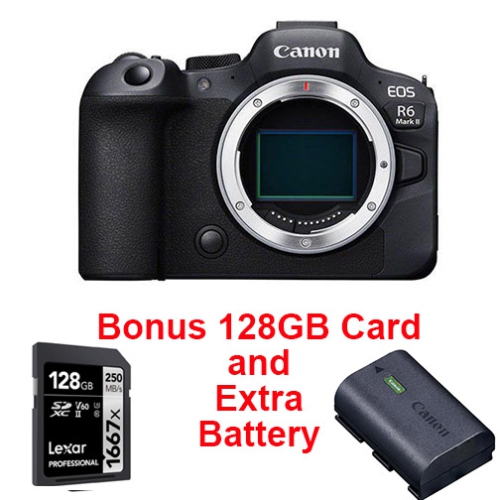
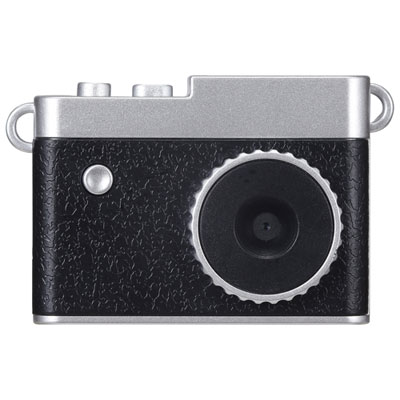





Why camera ratings need real-world context
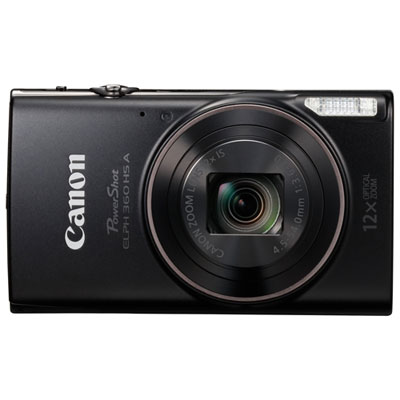
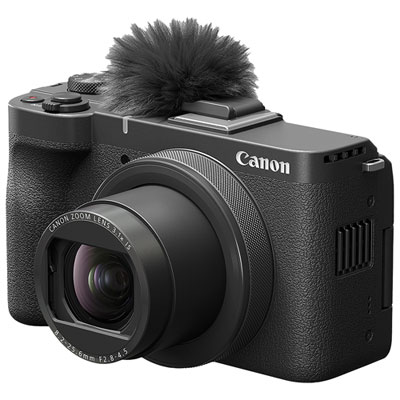
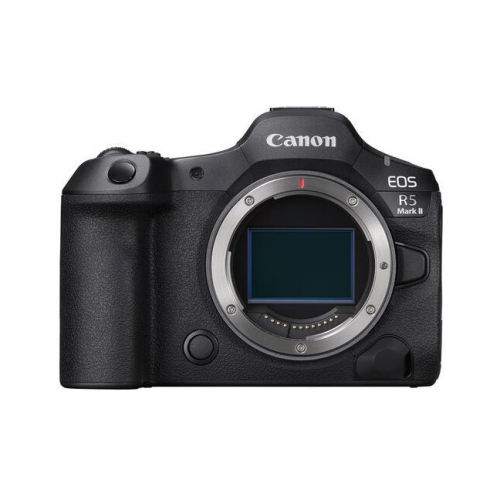
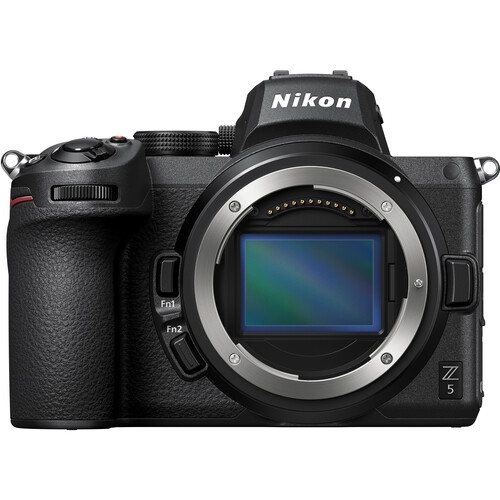
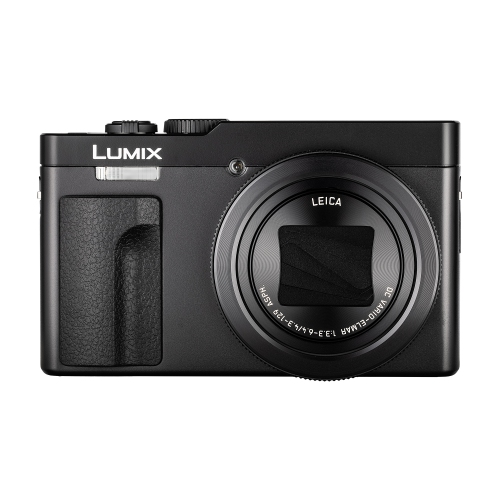
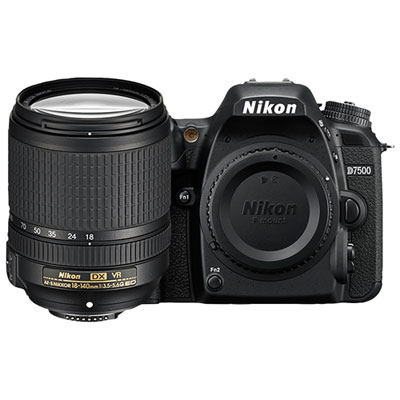
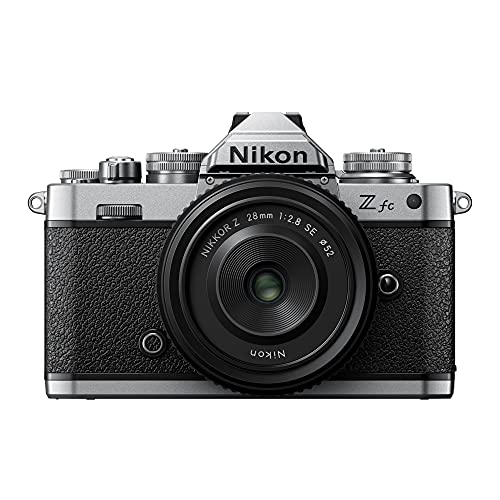
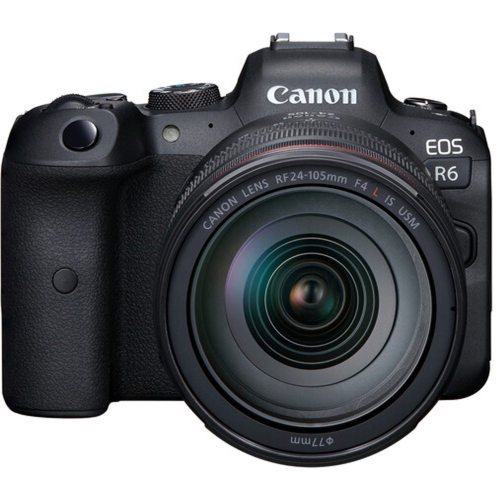
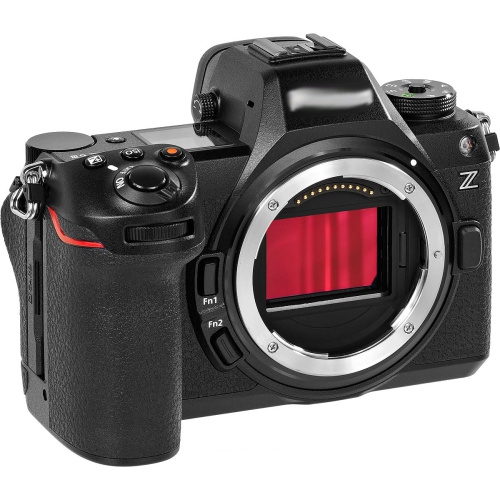
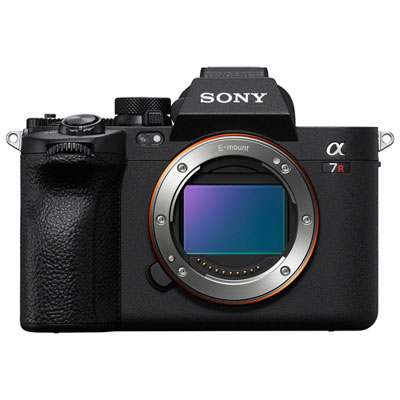
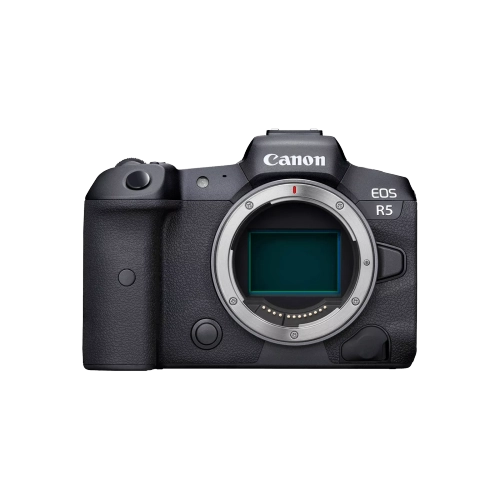
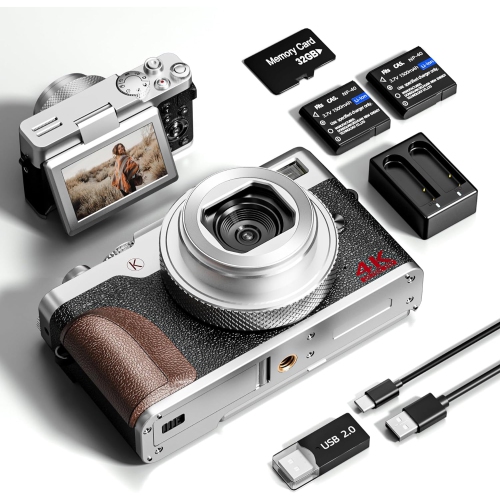
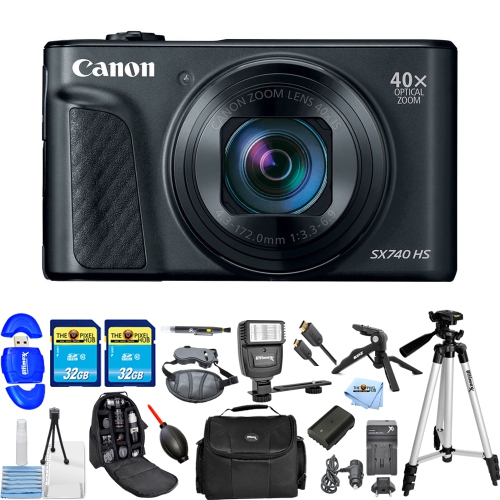
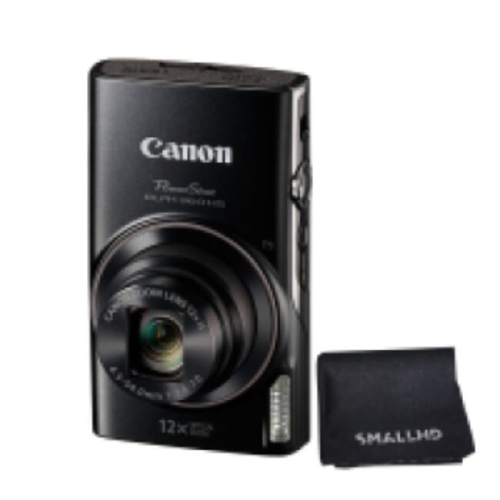
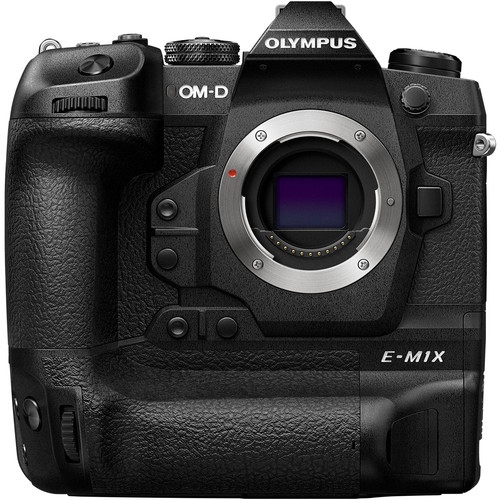
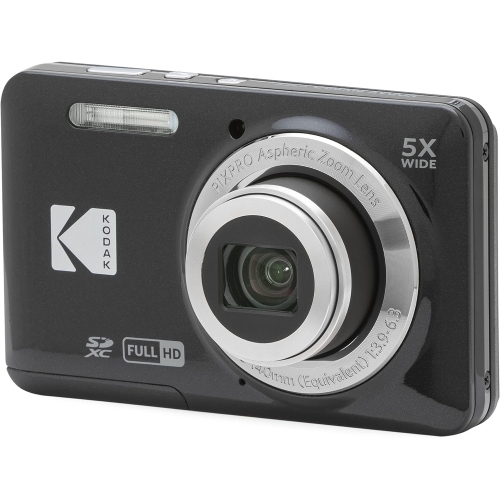
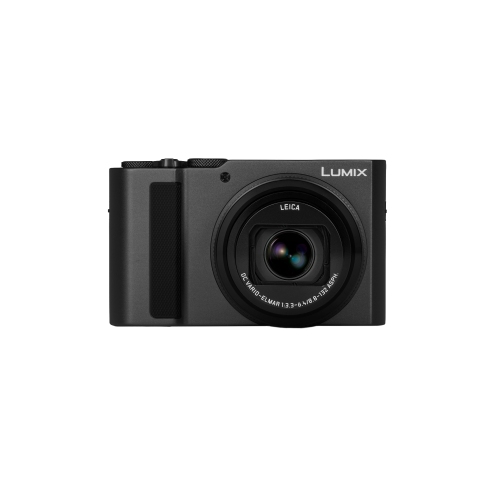
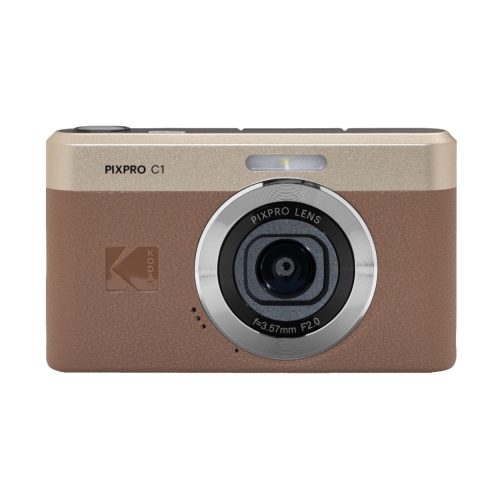
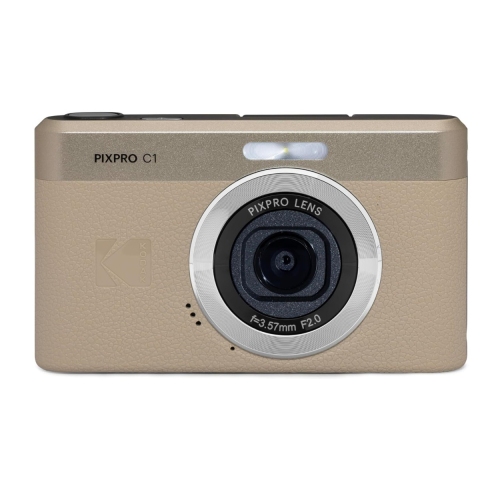
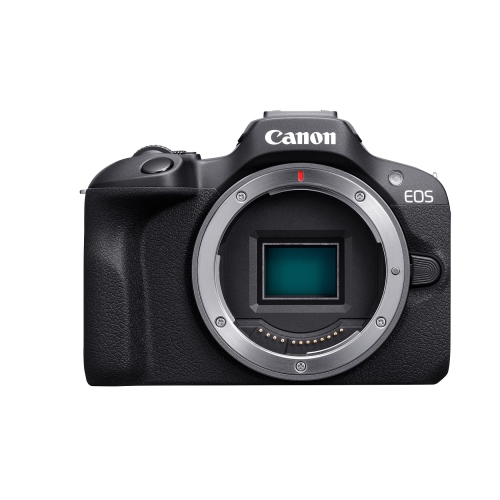
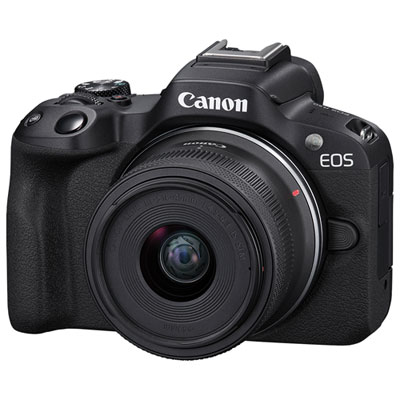
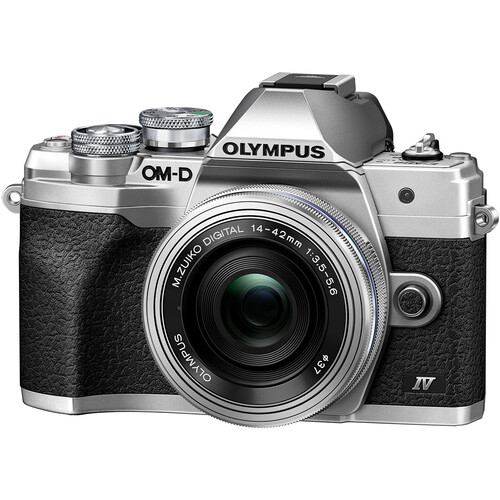
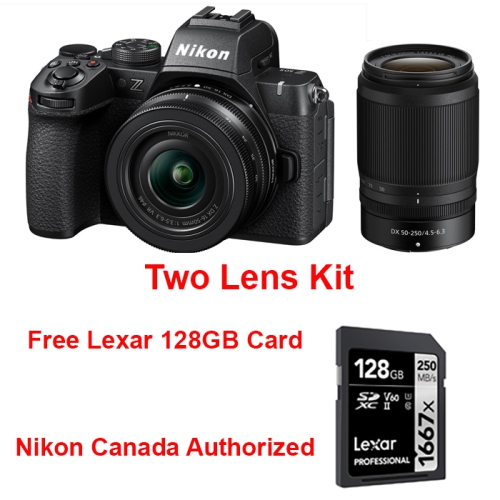
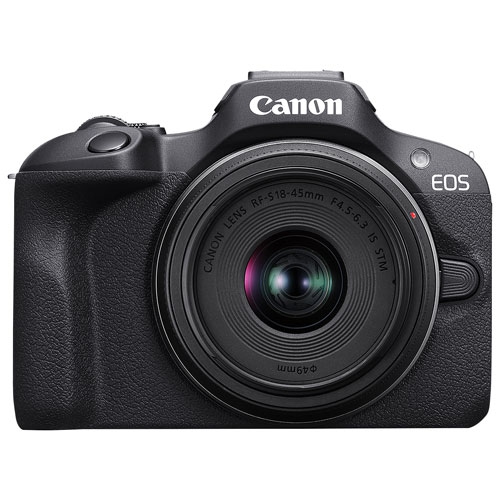
Top-rated digital cameras bring together image quality, reliable autofocus, comfortable handling, and features that suit the way people actually take pictures. For everyday photography, that might mean a compact camera that slips into a jacket pocket and starts quickly enough to catch a child’s grin across the dinner table. For wildlife, sports, or portraits, it may mean an interchangeable-lens camera with responsive controls and room to grow into different lenses. Compact digital cameras offer the convenience of an integrated lens, although some have a fixed focal length rather than a zoom. Mirrorless cameras combine interchangeable lenses with an electronic viewfinder or rear-screen preview, while digital SLR cameras use an optical viewfinder for through-the-lens framing. Neither body style alone determines picture quality: the sensor, lens, focusing system, and shooting conditions all contribute. Larger sensors can offer advantages in low light and greater control over background blur, but they may also mean carrying larger lenses. Higher resolution gives more flexibility for cropping and making large prints, although megapixels do not tell the whole story. A sharp lens, accurate focus, and well-managed image noise matter just as much when capturing fine details in a pet’s fur or the texture of a knitted scarf. Ratings are most useful when read alongside the reviewer’s intended use, since a camera praised for studio portraits may not be the easiest companion for a long walk. Comments about grip comfort, menu navigation, battery performance, and focusing consistency can reveal more about everyday ownership than a single overall score. The Best Digital Cameras page offers another way to explore cameras alongside this top-rated selection. For beginners, enthusiasts, and experienced photographers alike, a suitable camera balances capability with convenience, making it comfortable to carry and straightforward to operate when a fleeting moment appears. A camera that feels manageable with its lens attached is often a better everyday fit than one whose extra features add weight without serving a clear purpose.
The differences between digital cameras become especially noticeable in familiar shooting situations. Indoors during the cooler months, window light can fade quickly, so a lens with a wide maximum aperture and a camera that handles higher ISO settings well can help preserve detail without relying entirely on flash. Image stabilization reduces blur caused by camera movement, whether it is built into the body, the lens, or both, but it cannot freeze a moving subject; a faster shutter speed is still important for a running dog or a lively family gathering. For action, dependable continuous autofocus and subject tracking help keep moving faces or animals sharp, while burst shooting captures several frames during a brief sequence. Burst speed is only part of that experience, because the camera’s buffer and memory card performance affect how long shooting can continue before it slows. Travel and landscape photography place different demands on a camera. A wide-angle lens can take in a lakeside view or a small room, while a telephoto lens brings distant details closer without stepping into the scene. Optical zoom changes framing through the lens; digital zoom generally crops or enlarges the image and can reduce detail. A viewfinder is helpful in bright daylight, and a tilting or fully articulating screen makes it easier to frame low-angle photographs, overhead shots, or self-facing video. For cameras used for both photography and video, resolution matters alongside autofocus transitions, stabilization, microphone connections, and any limits on continuous capture. A sharp video image is only part of a useful setup when spoken sound is central to a school project or a family interview. Touch controls and automatic modes can make the first few outings less intimidating, while accessible aperture, shutter speed, and exposure compensation controls support more deliberate photography over time. RAW capture provides greater editing flexibility, whereas JPEG files are convenient for sharing with less processing. Wireless features such as Wi-Fi and Bluetooth can simplify transfers to compatible devices, though supported functions and setup requirements vary by camera.
Build quality, fit, and care influence how enjoyable a digital camera remains after the first outing. Camera bodies may use engineering plastics, metal alloys, or a combination of materials, with textured grips and shaped controls that affect how securely they sit in the hand. Metal construction can add rigidity, while well-designed plastic bodies can keep weight manageable; material alone is not a complete measure of durability. The size of the grip, placement of the shutter button, and balance of the attached lens deserve attention, particularly for anyone with smaller hands or anyone carrying a camera for hours. Clearly separated buttons and responsive dials can be easier to operate with light gloves during cooler weather. Weather sealing, where specified, offers added protection against dust and moisture, but it does not automatically make a camera waterproof, and protection may depend on a suitably sealed lens. A padded bag, secure strap, and lens cap help guard against bumps and scratches during everyday travel. Routine care is usually simple: remove loose dust with an appropriate blower, use a clean lens cloth and suitable cleaning solution when needed, and avoid touching the sensor when changing lenses. Moving from cold outdoor air into a warm room can cause condensation, so allowing equipment to warm gradually inside a closed bag can help reduce sudden exposure to humid air. Battery life can shorten in cold conditions, making a charged spare useful for longer outings. Storage also deserves attention, since high-resolution photographs and video can fill memory cards quickly; compatible cards and regular backups help keep a growing photo collection organised. As gifts, digital cameras can suit students exploring visual storytelling, travellers who enjoy making prints, parents documenting family milestones, or hobbyists ready for more creative control. For someone who already owns lenses, compatibility with the camera’s lens mount is particularly important. A smaller camera with approachable controls may invite more frequent use, while a larger system can support specialised interests over time. The lasting appeal comes from a combination of dependable results, comfortable handling, and features that match the photographs and videos its owner wants to create.
Top selling and popular products
-
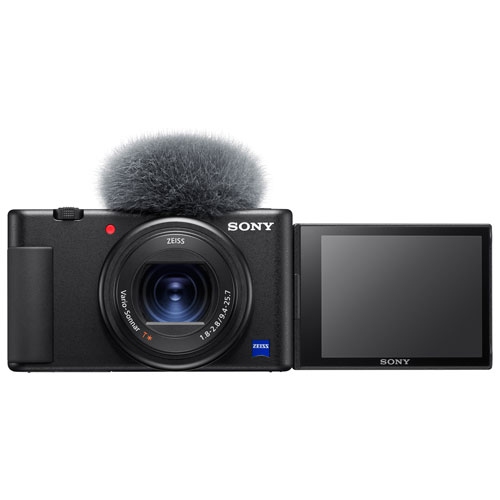 Your price for this item is $804.97
-
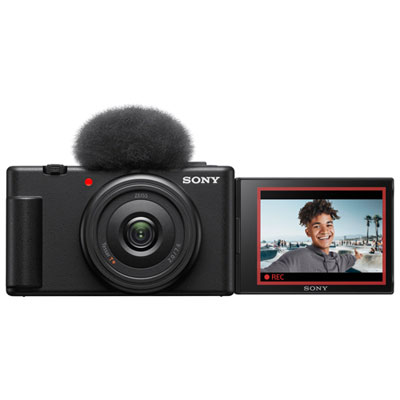 Your price for this item is $649.99
-
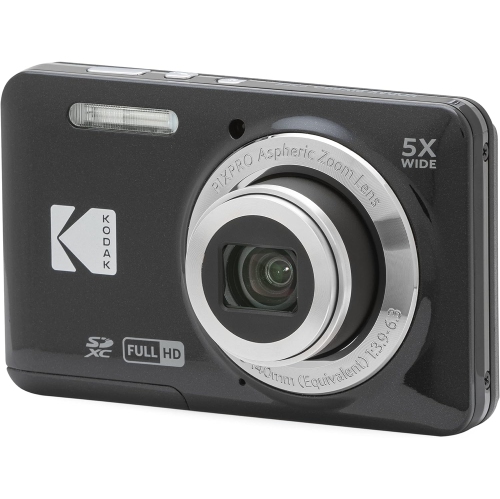 Your price for this item is $255
-
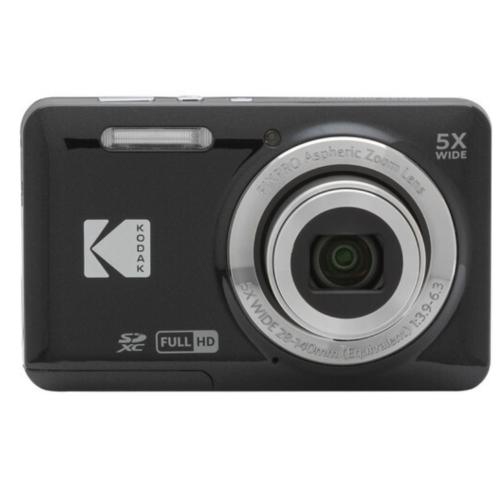 Your price for this item is $253
-
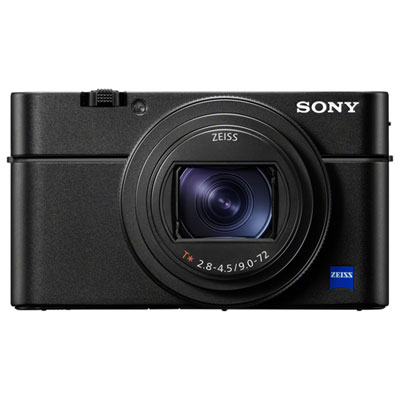 Your price for this item is $1999.99
-
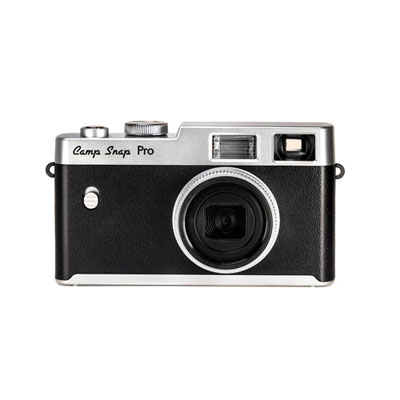 Your price for this item is $99.99
-
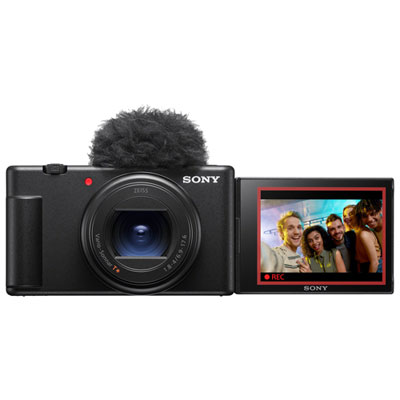 Your price for this item is $1199.99
-
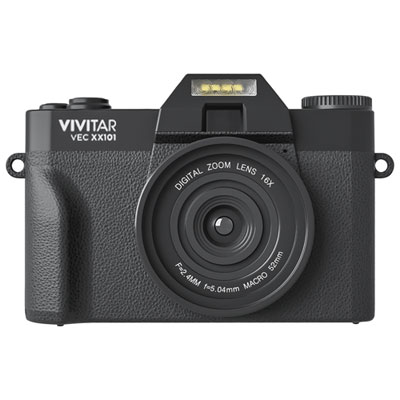 Your price for this item is $249.99
Discover more categories related to Top Rated Digital Cameras
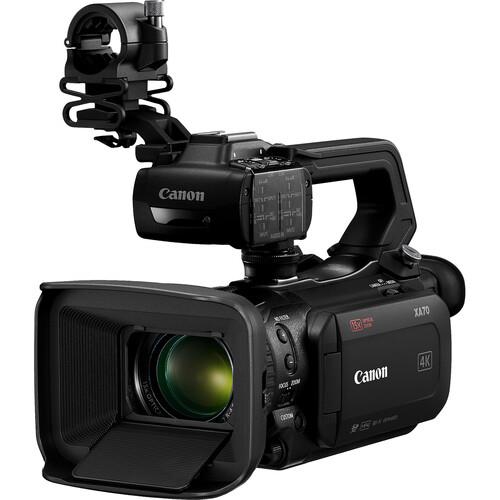
Top Collections:
Pokemon Centers, Kindle Devices, Best Cameras for Sports Photography, Best Budget Office Chairs, Pokémon 30th Celebration Cards, Apple iPhones 16, Canon G7X Cameras, iPhone 15 Apple, Flip Phones, Samsung Galaxy Phones
Some products may be subject to Environmental Handling Fees
(EHF) depending on your province.
Learn more about EHFs.