Toy Cameras
Capture the world through a child's eyes with toy cameras that inspire creativity and imagination. Perfect for budding photographers, these playful gadgets offer a fun and educational way to explore the art of photography. Whether your little one is snapping pictures of their favorite toys or documenting family adventures, toy cameras provide endless opportunities for learning and discovery. Designed with kid-friendly features and durable construction, these cameras are ideal for tiny hands ready to embark on big adventures. Dive into a realm where fun meets functionality, and watch as your child's passion for photography blossoms.
Sort


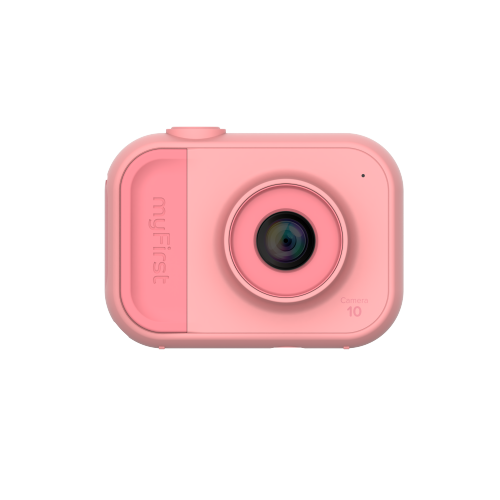

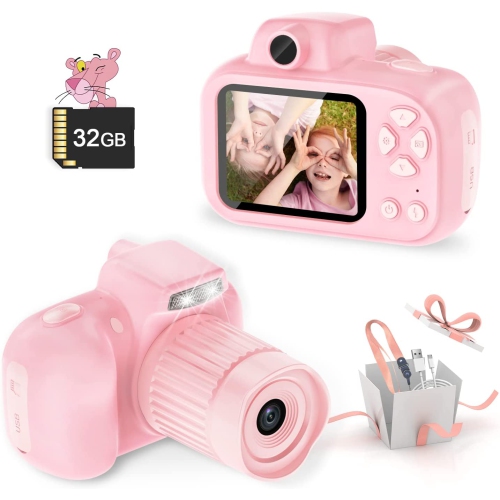

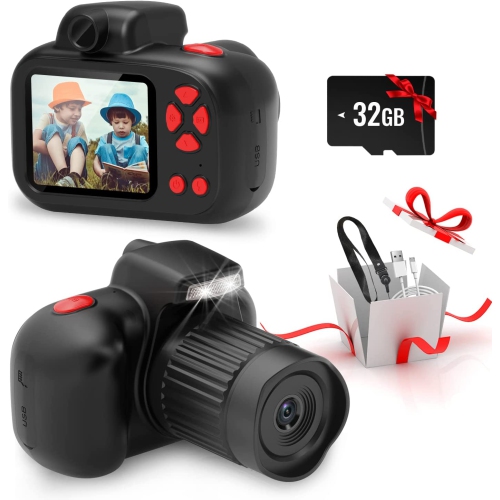


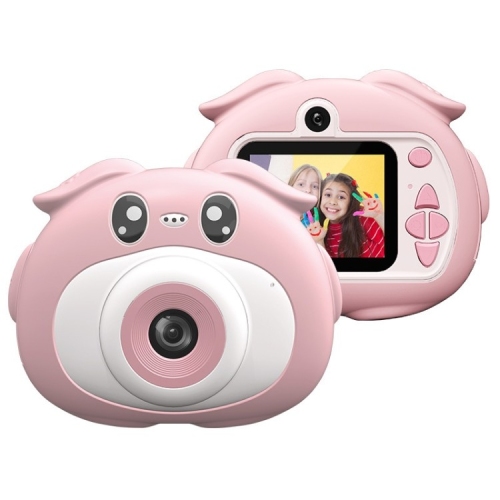



















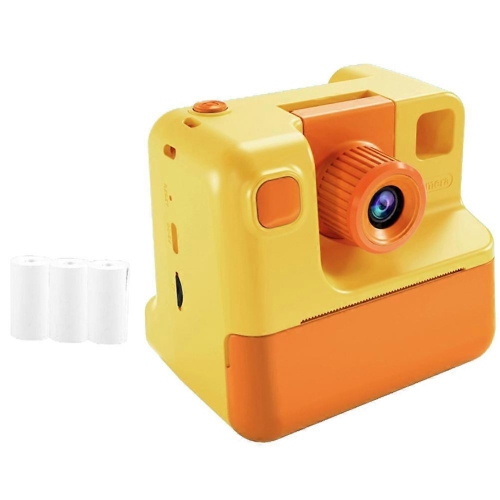

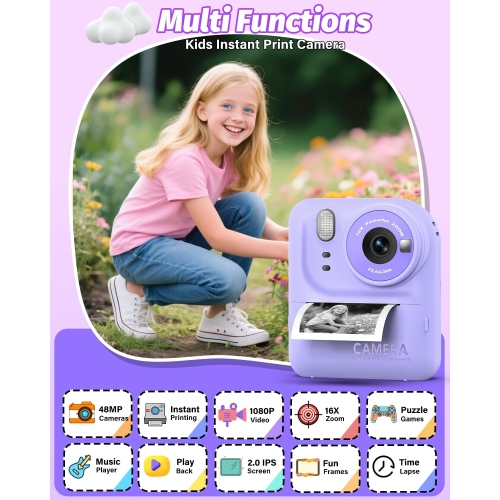

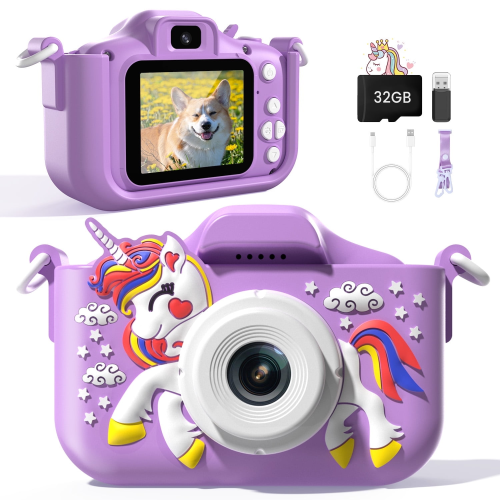
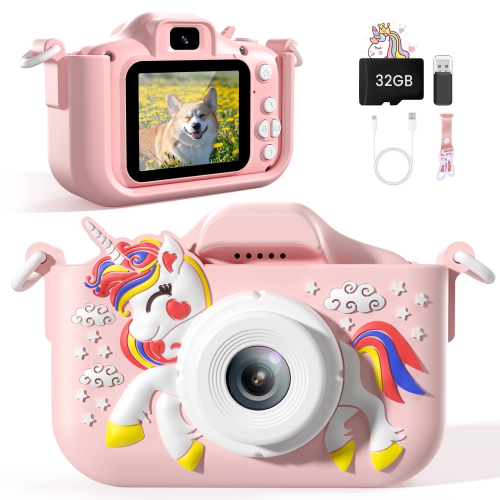
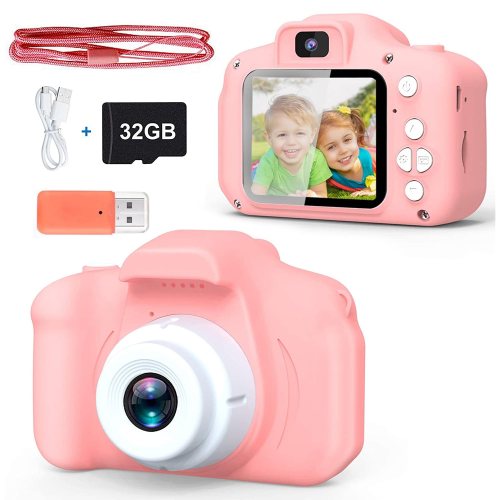
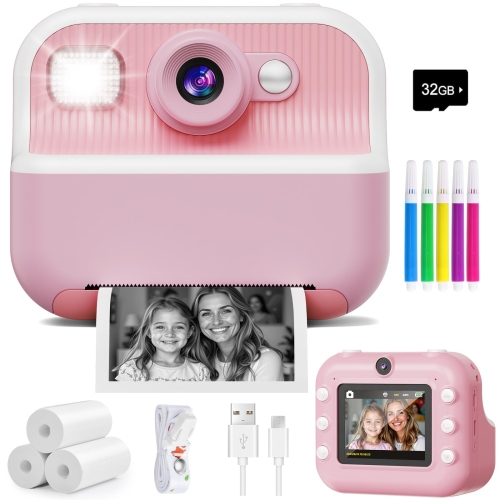
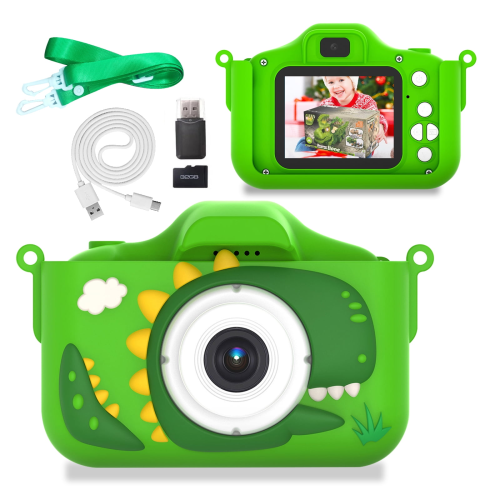
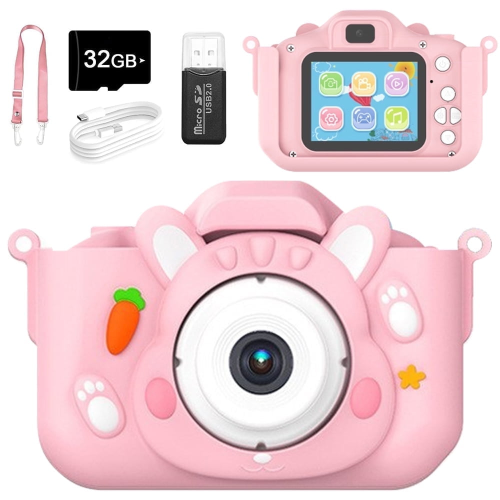


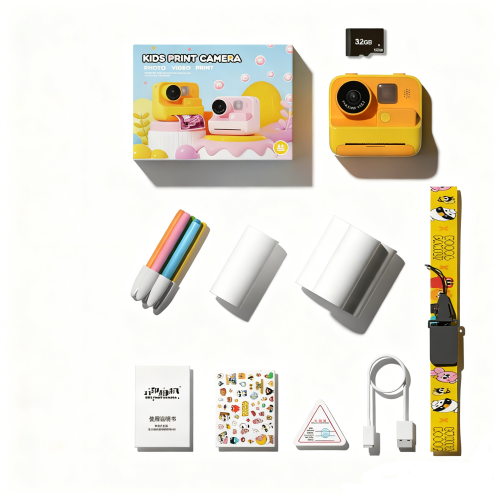
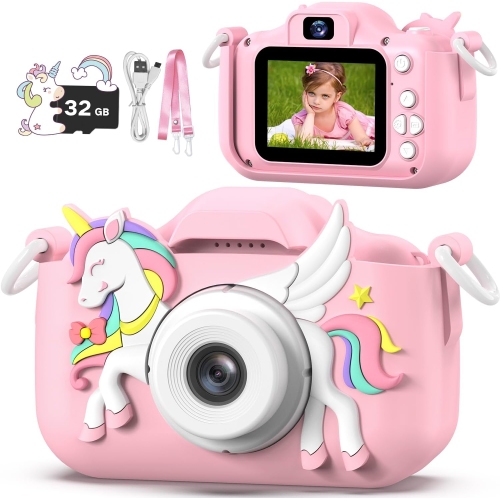
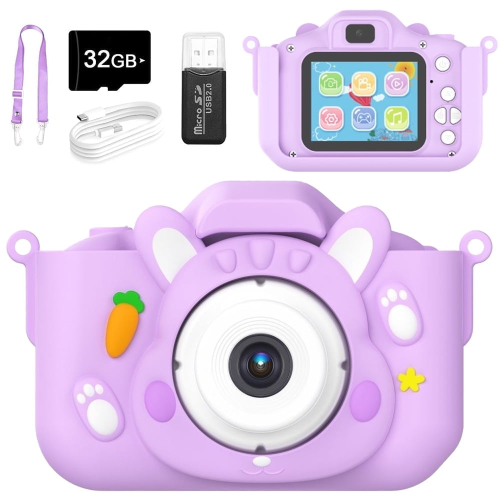


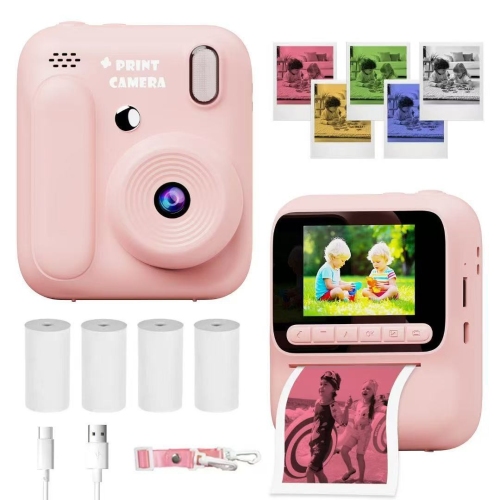




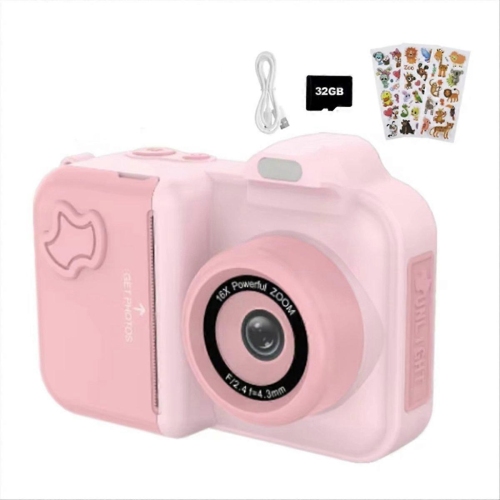


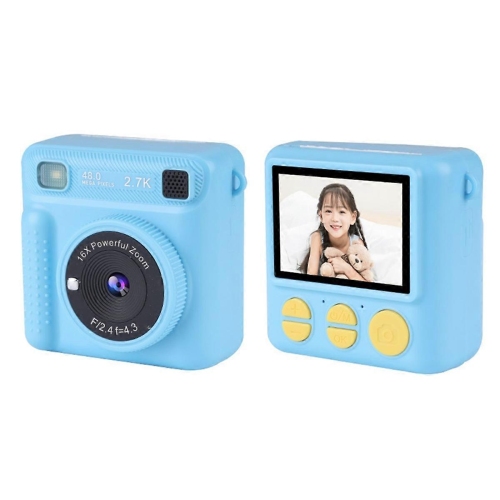
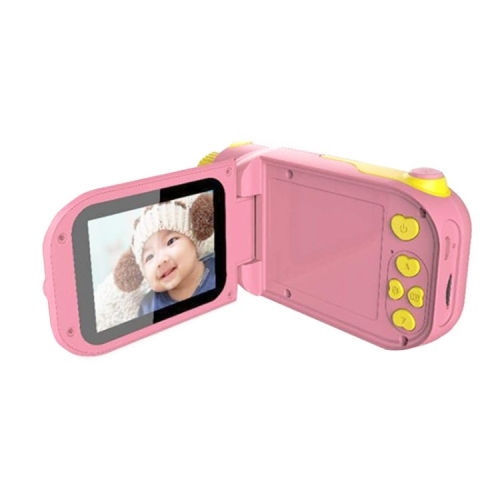
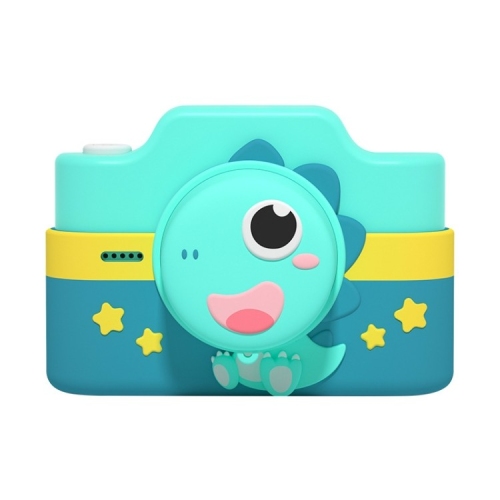







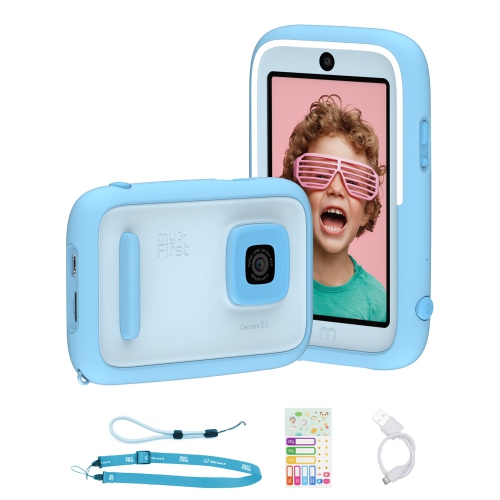


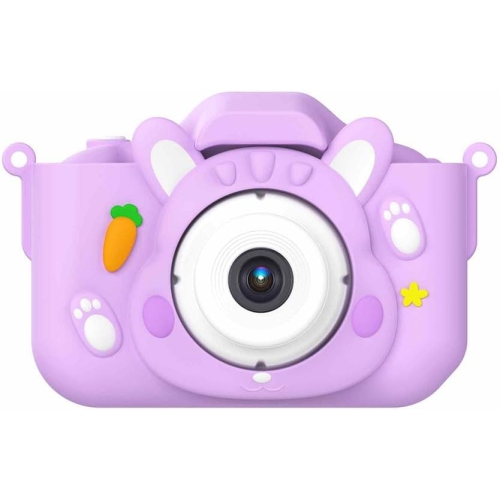
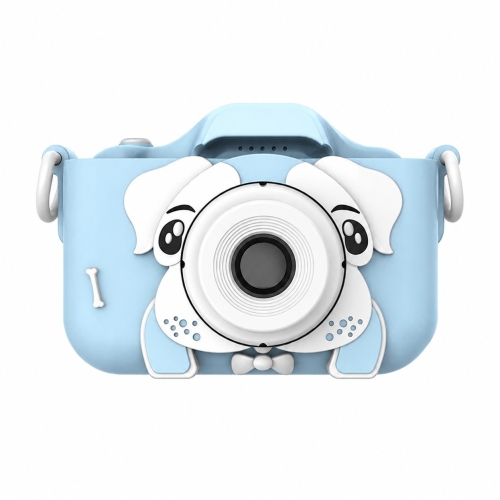

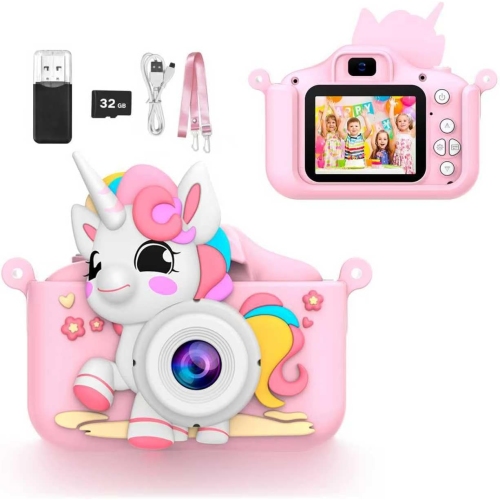

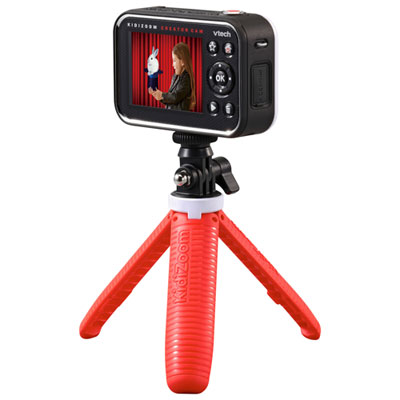
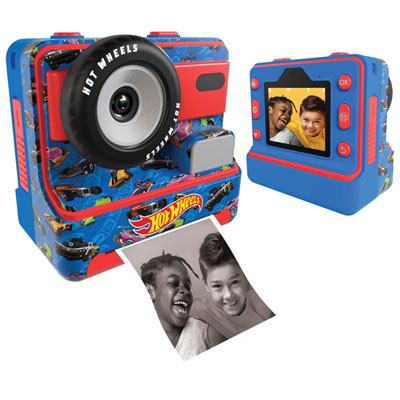
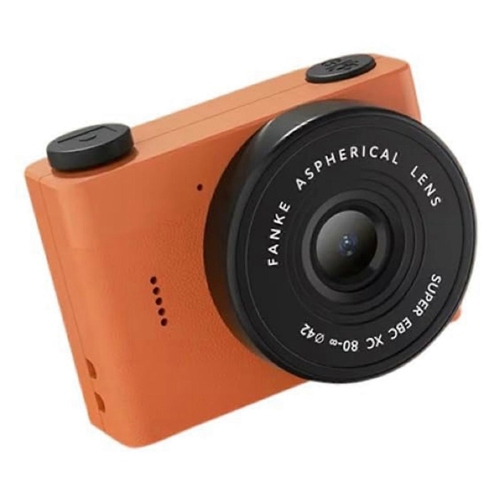


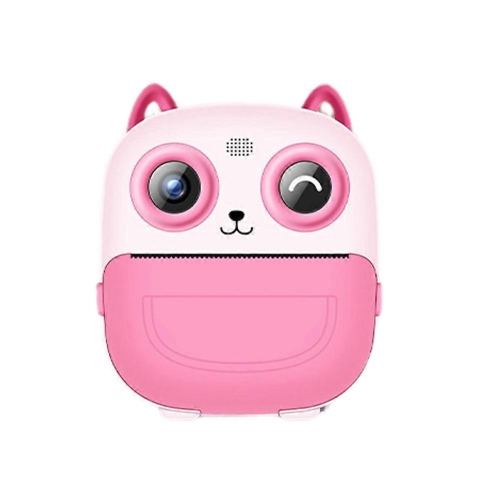


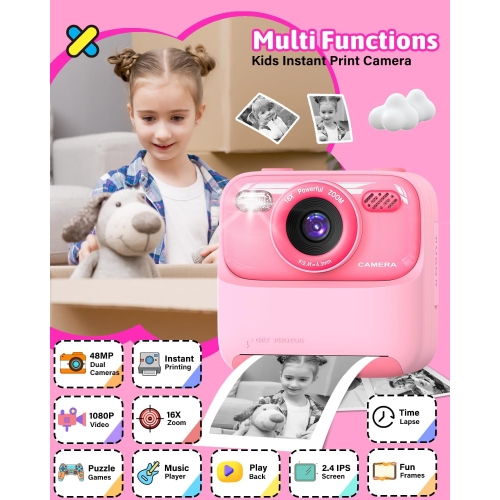

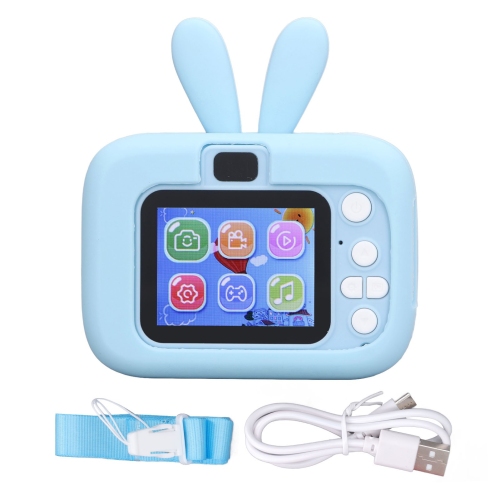
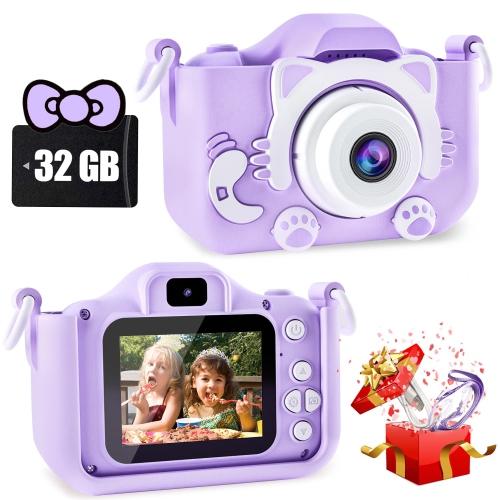
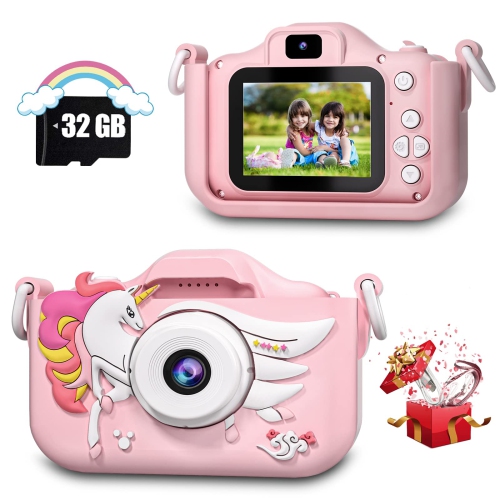
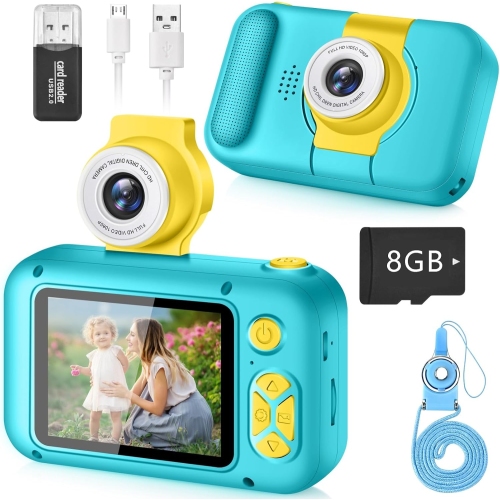

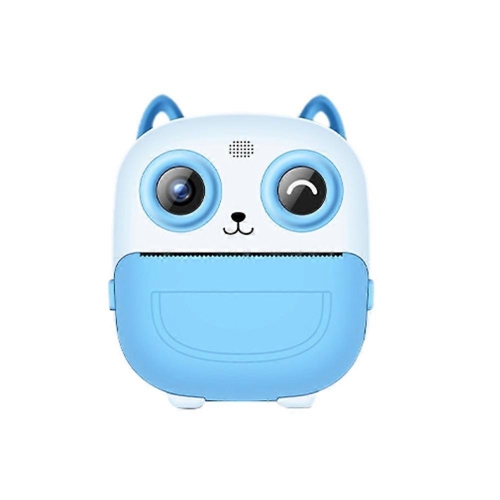
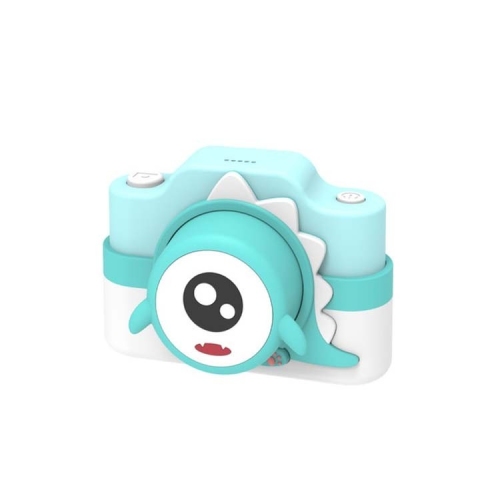
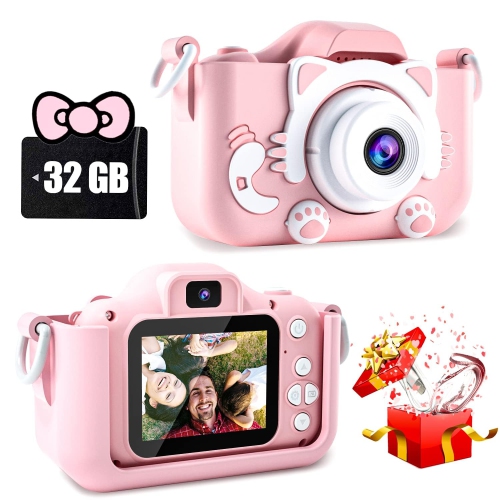



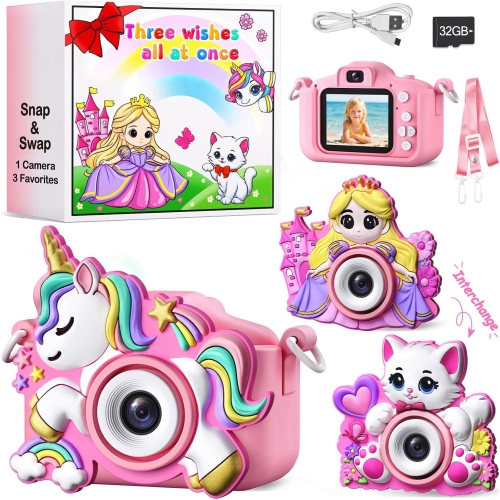
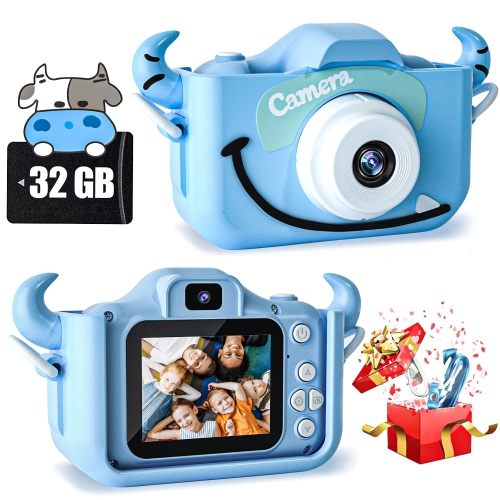
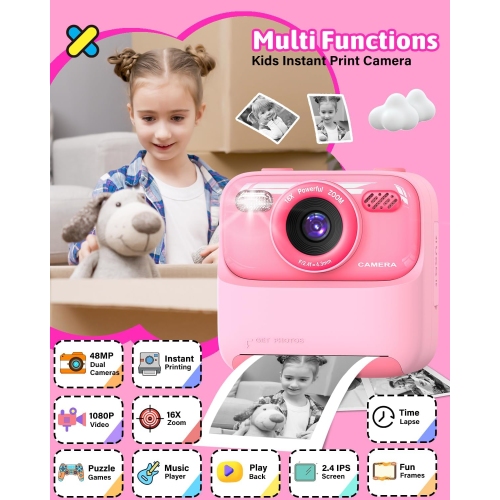
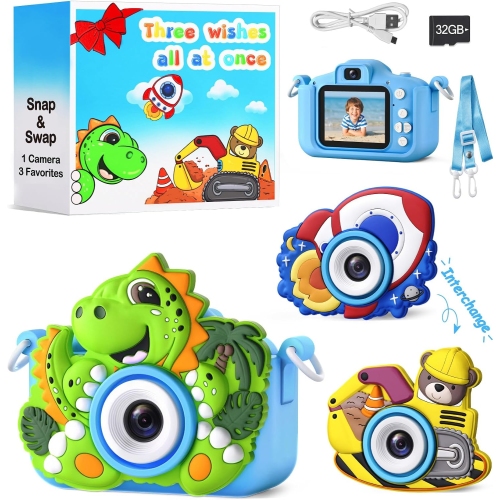


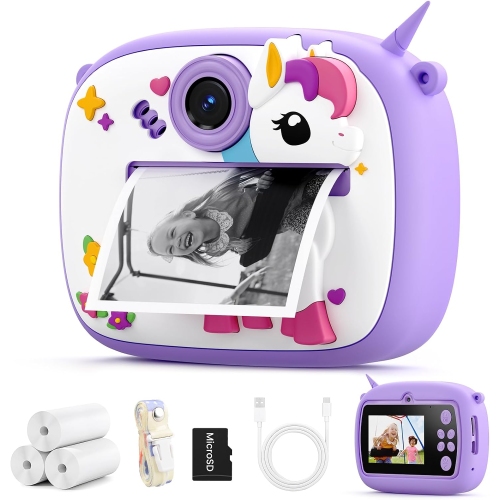

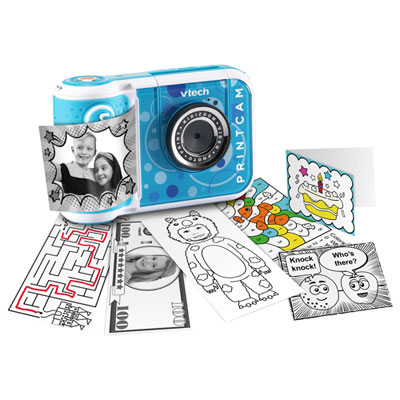


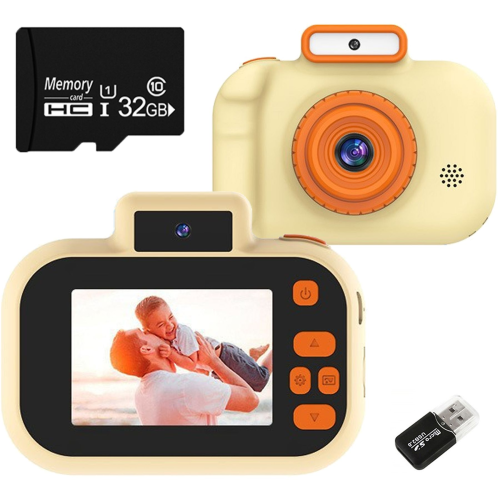


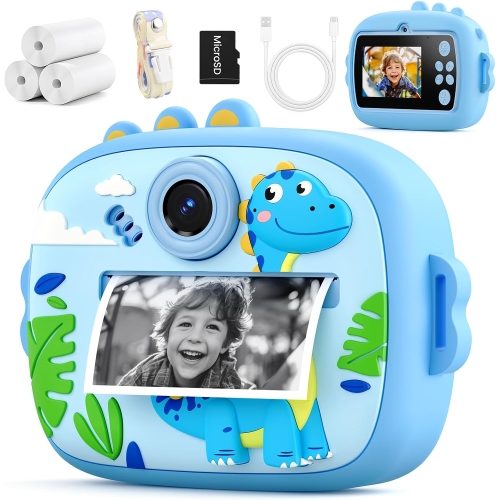






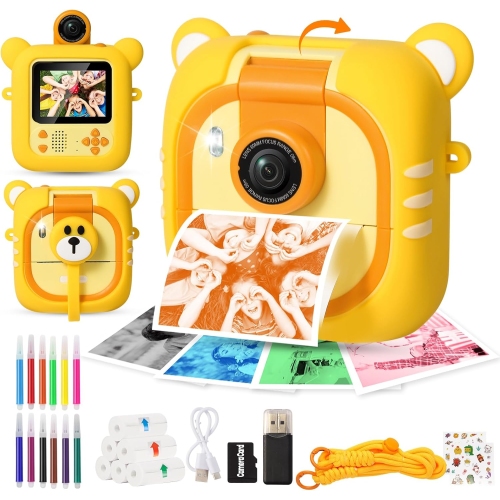
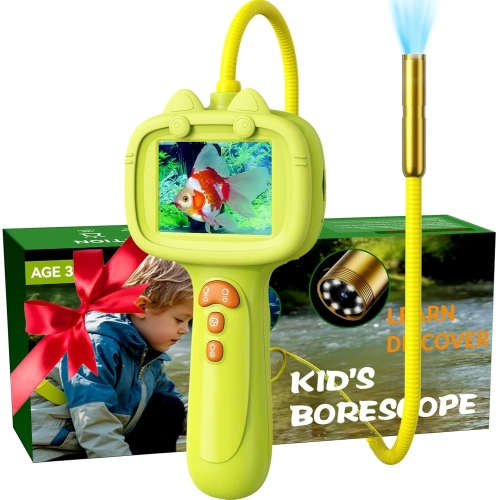
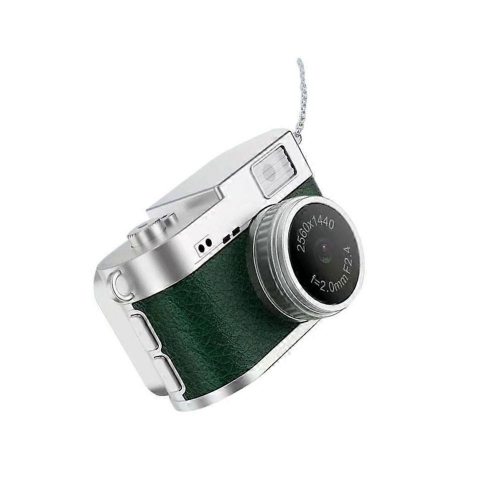

From pretend photo shoots to their first pictures
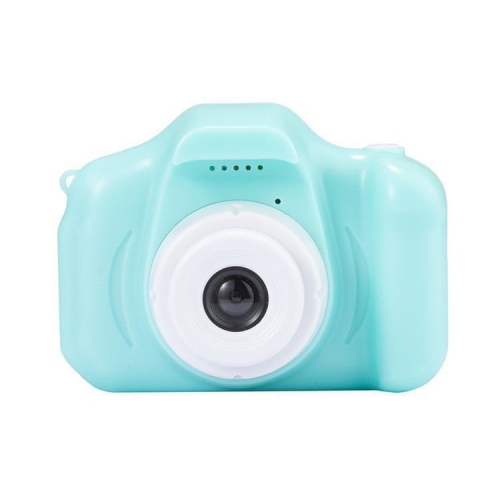
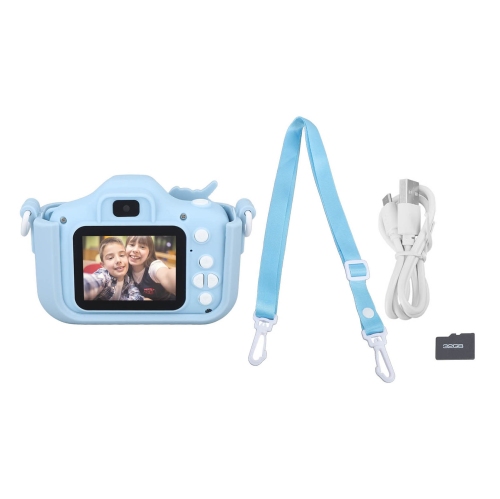
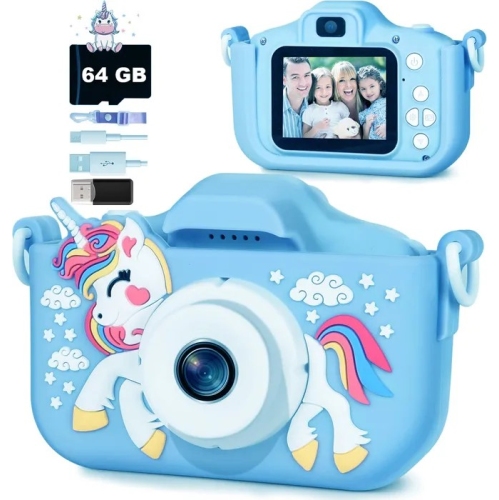
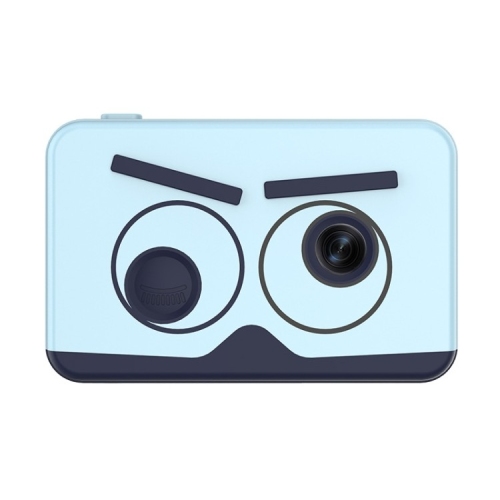
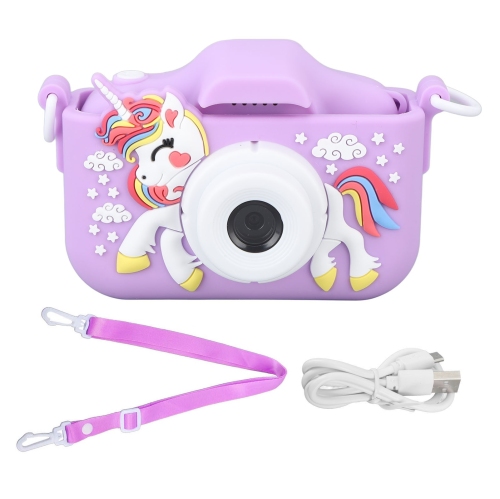
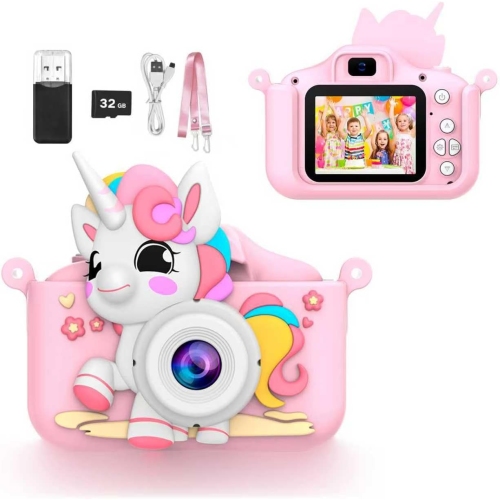
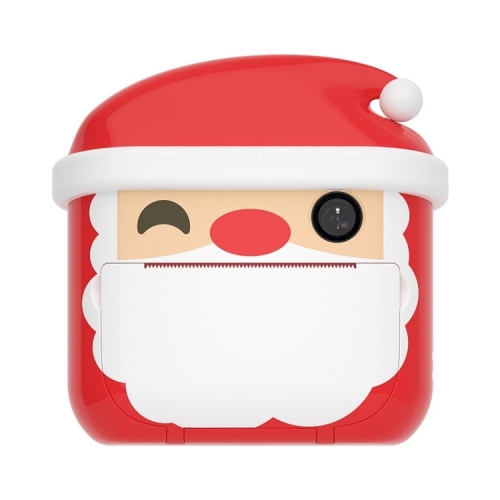
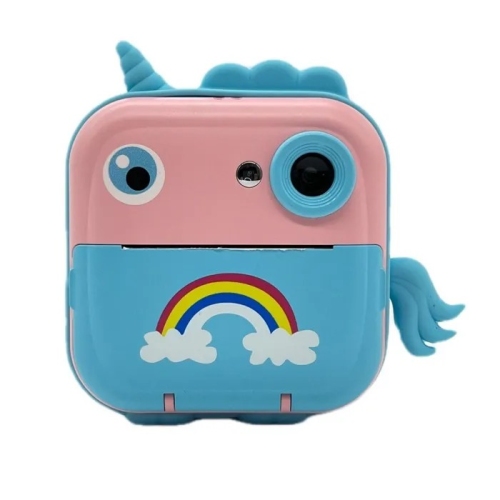
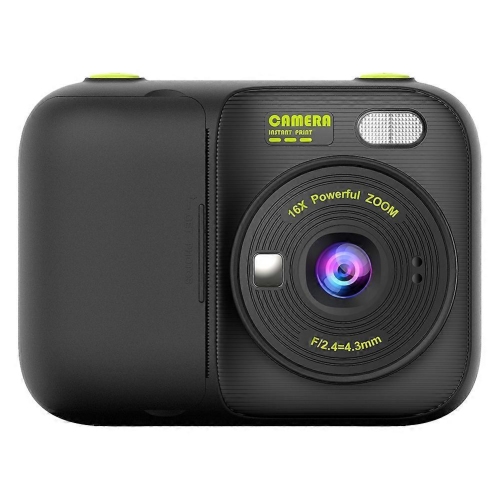
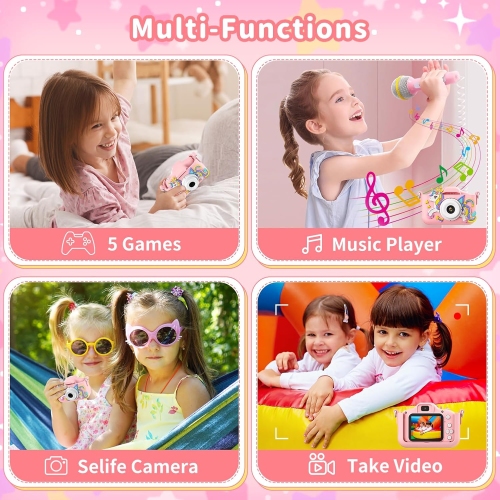
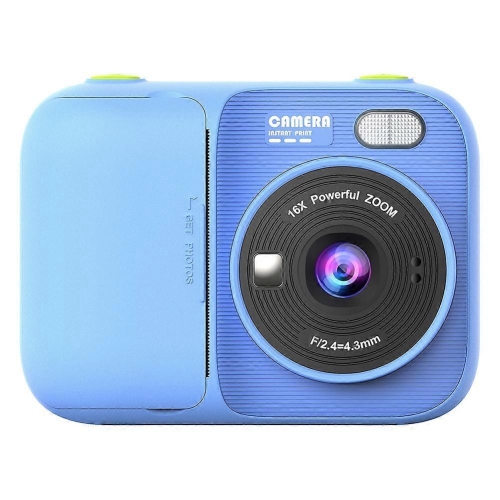
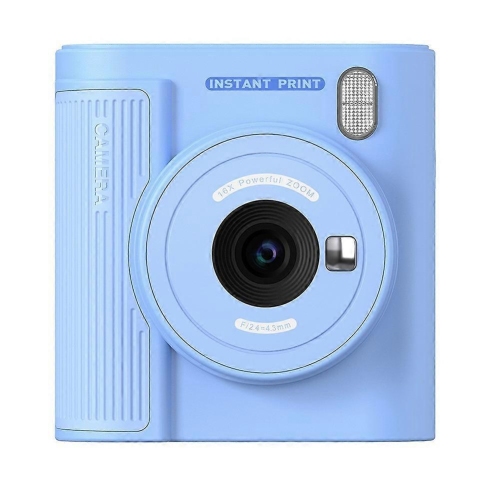
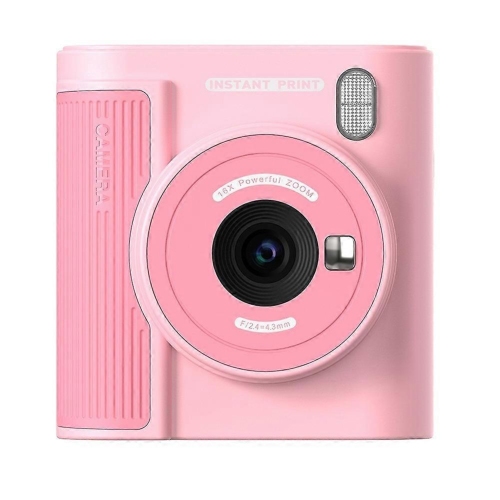
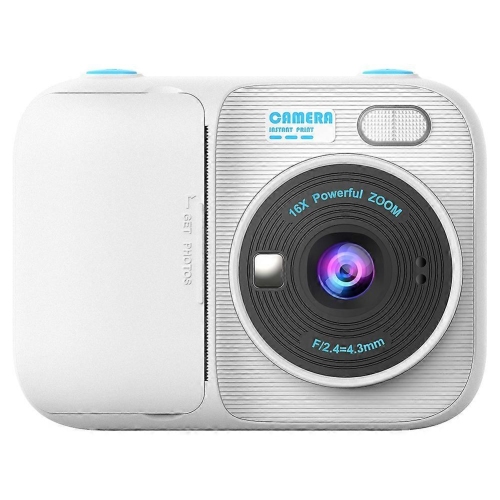
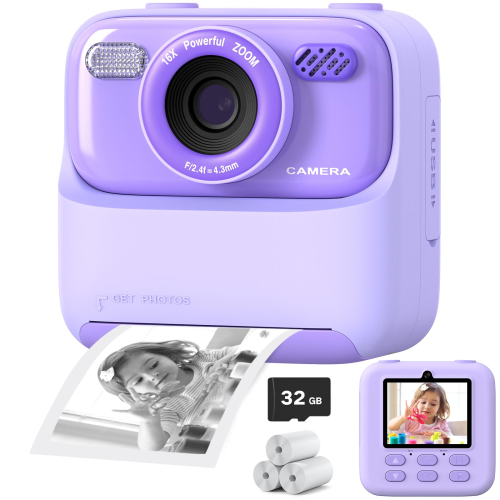
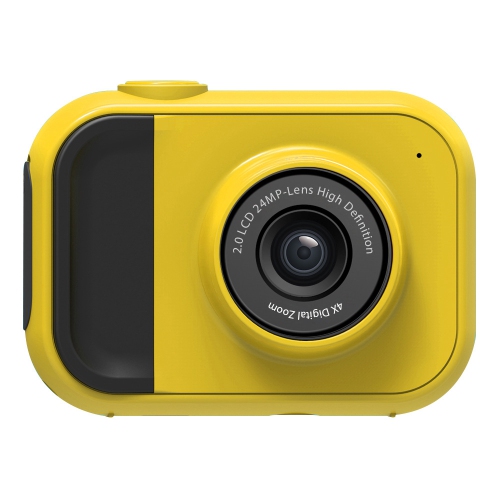
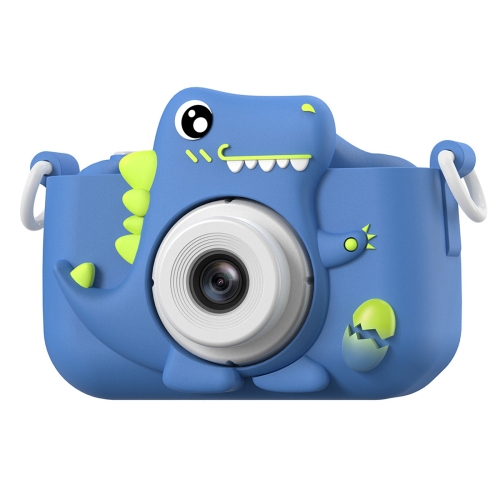
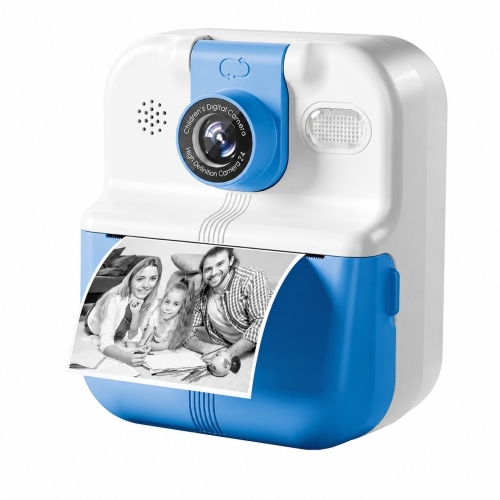
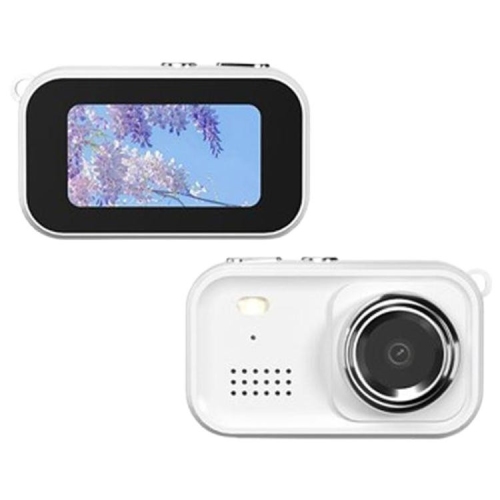
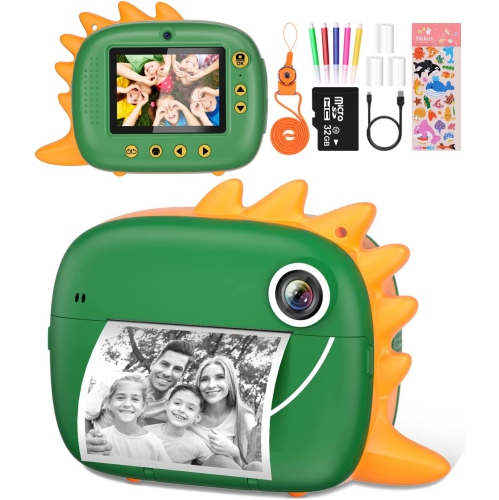
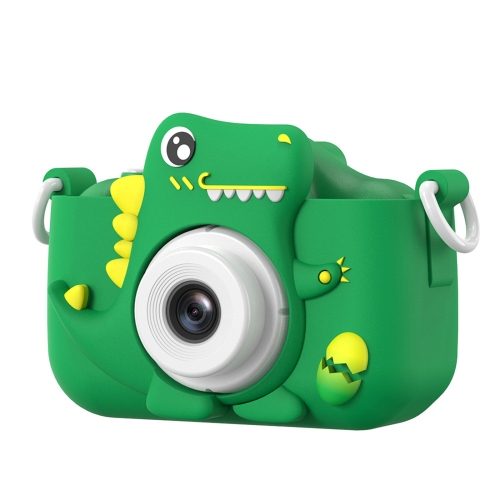
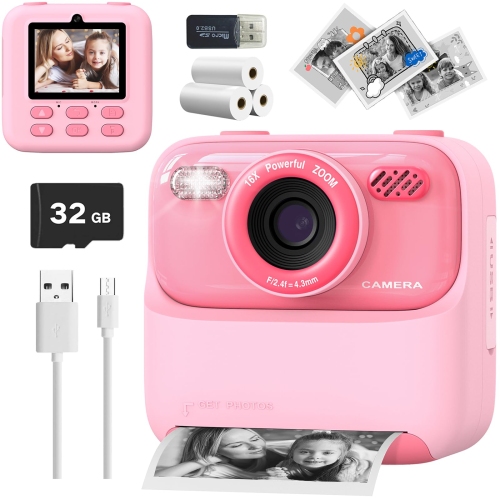
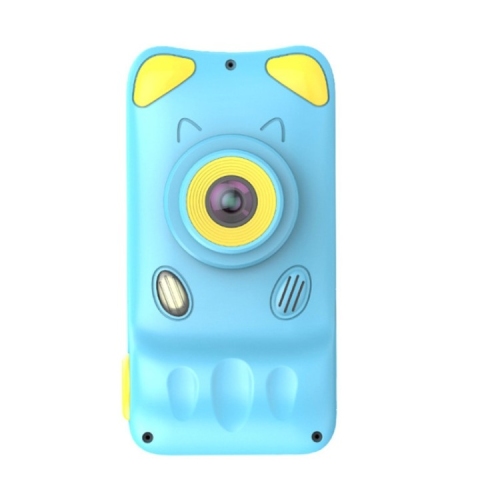
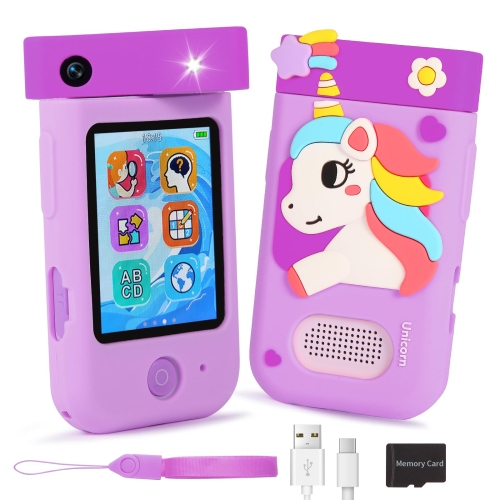
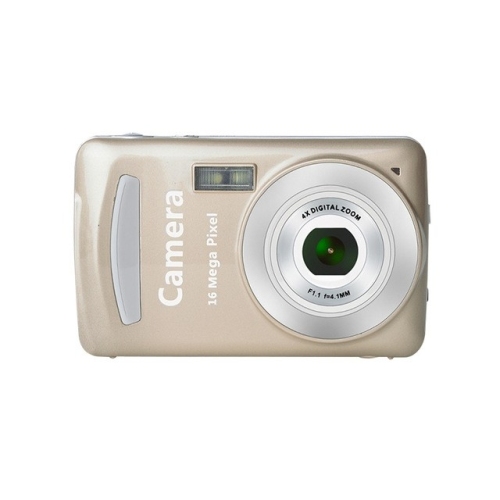
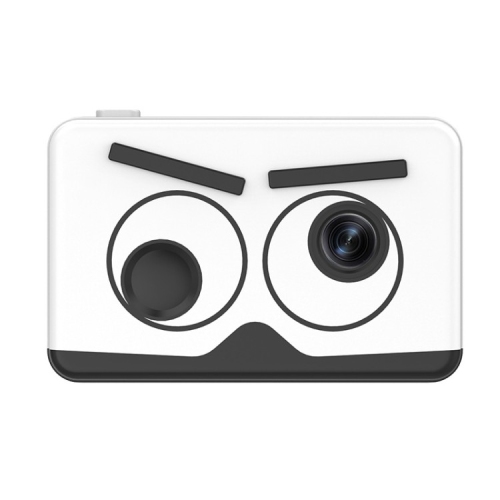
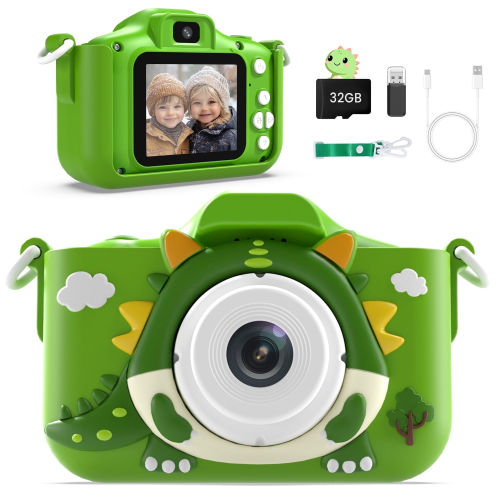
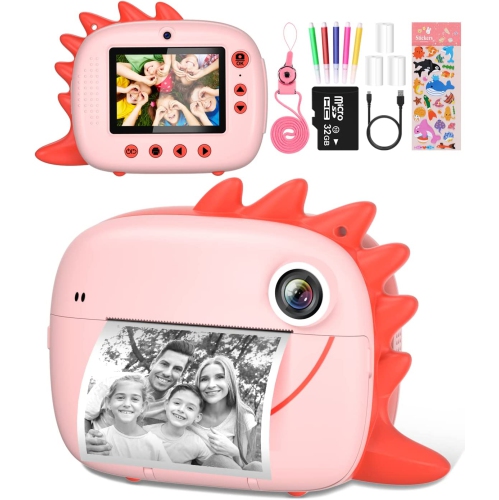
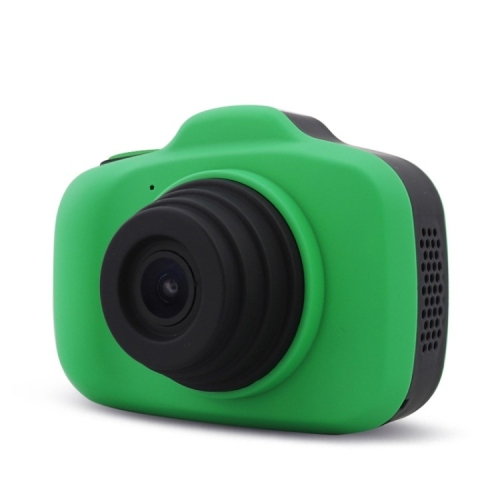
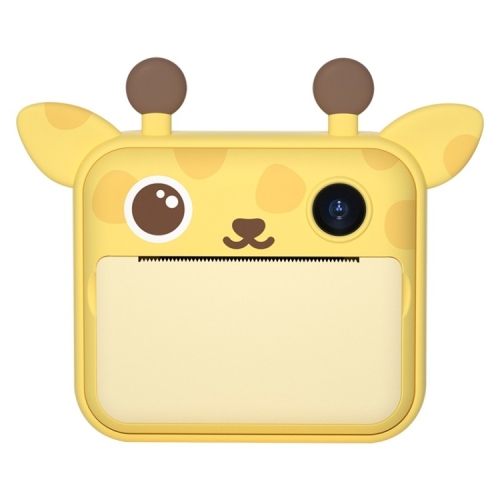
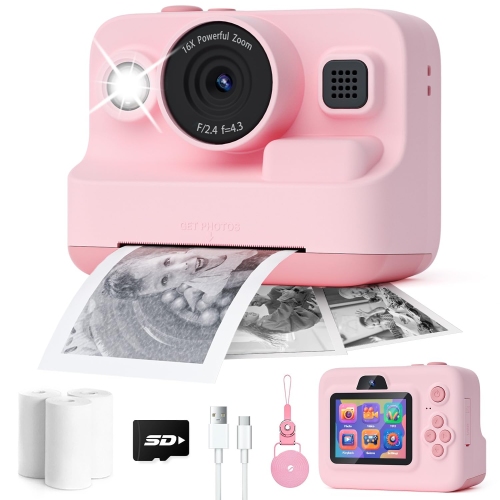
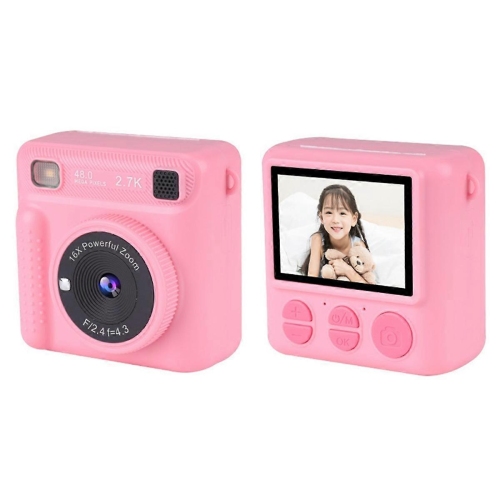
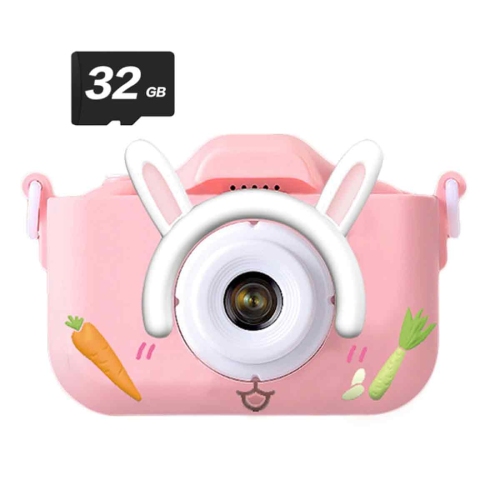
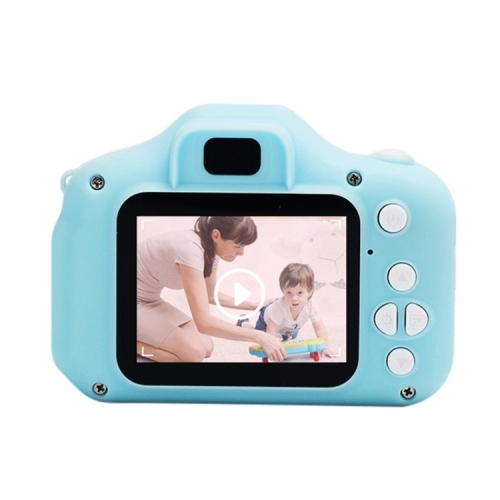
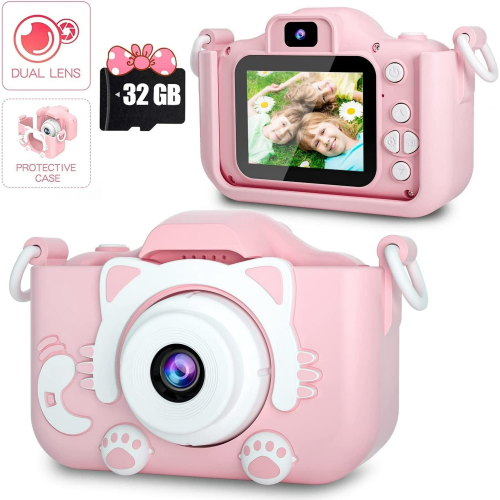
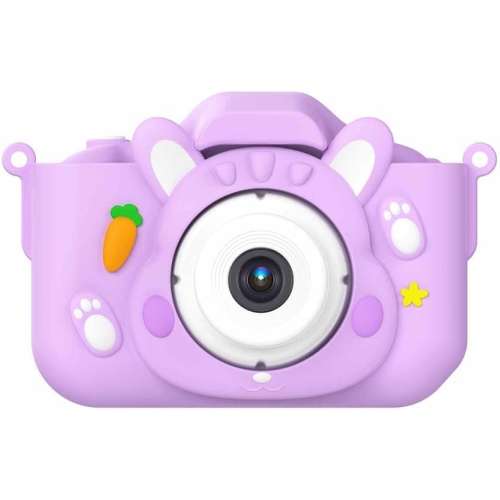
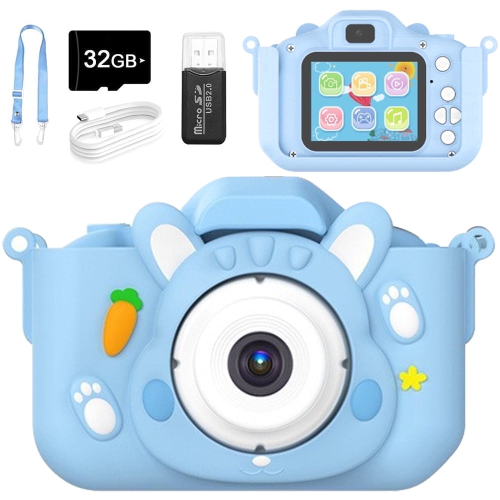
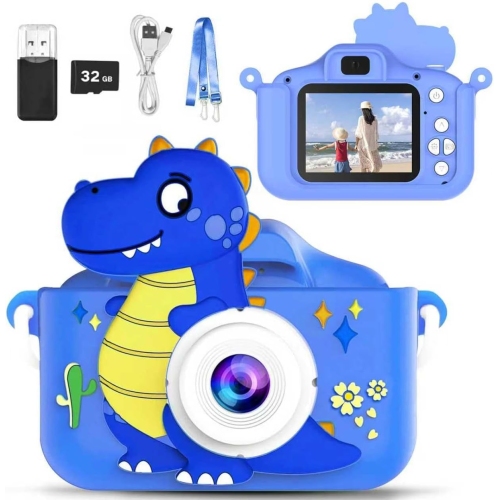
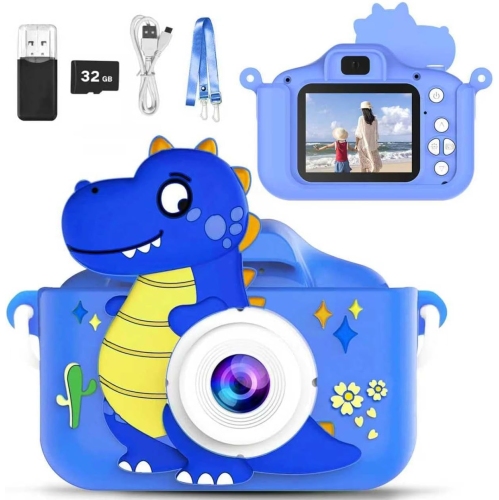
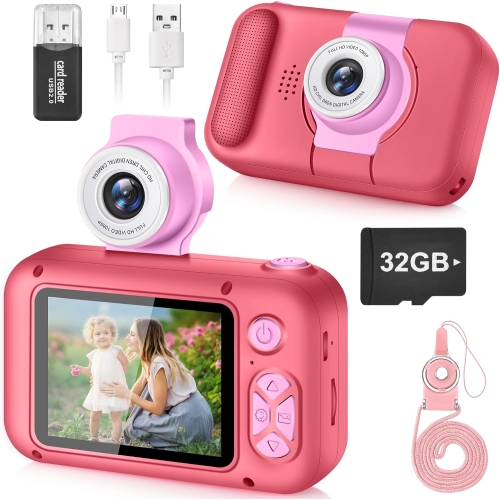
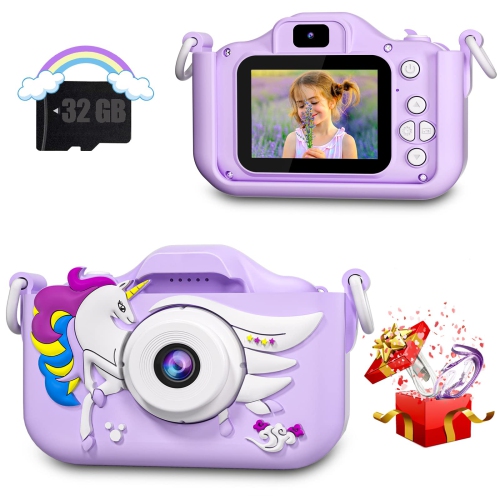
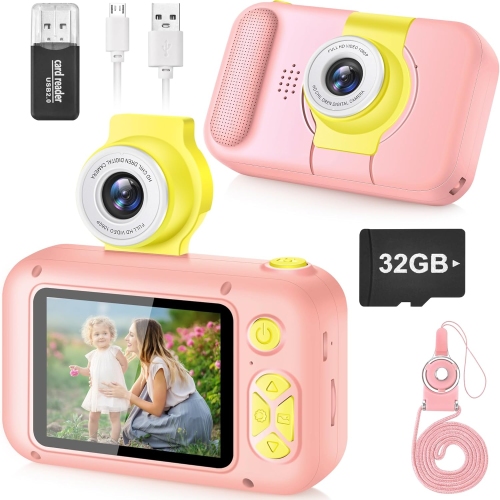
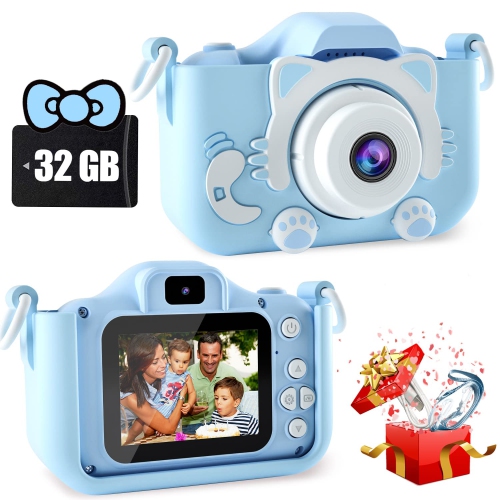
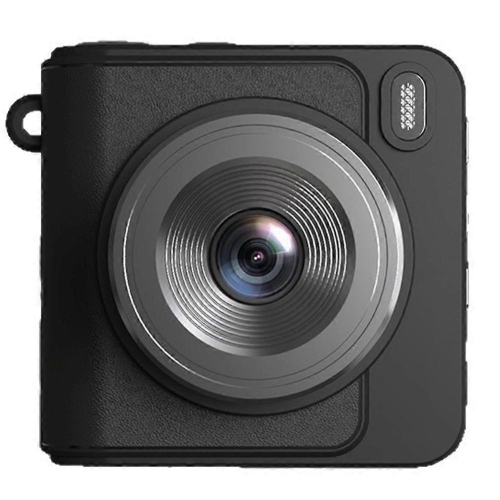
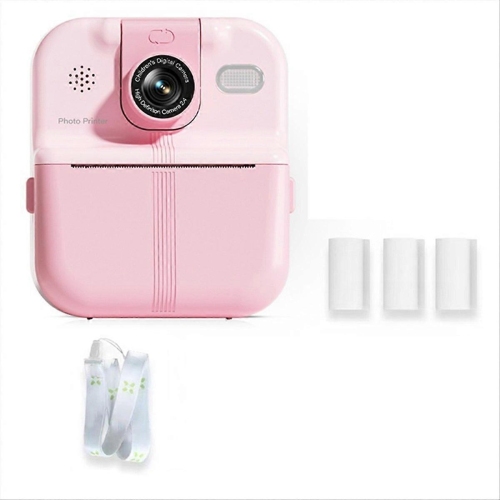
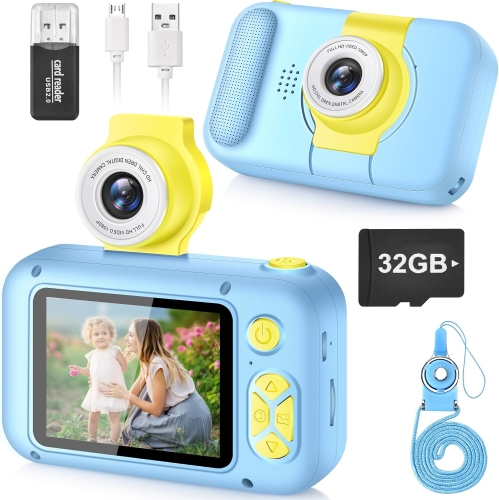
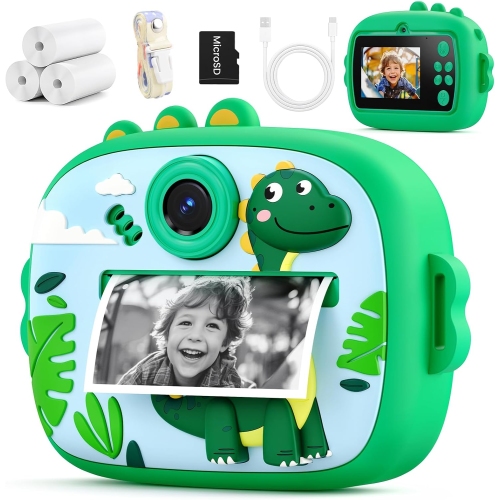
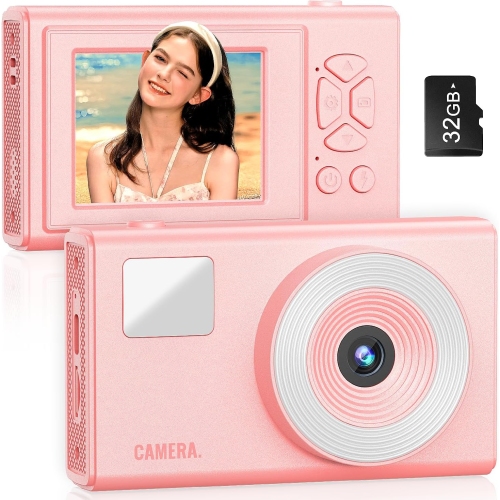
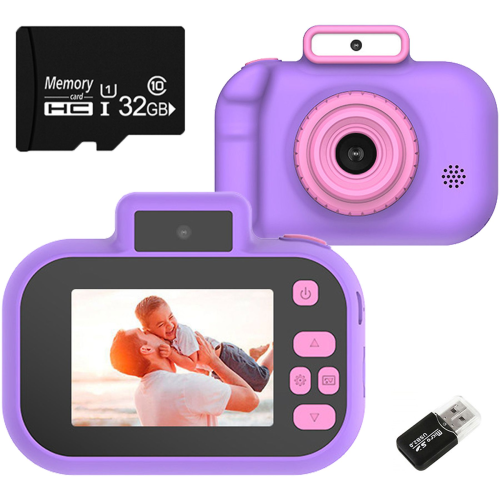
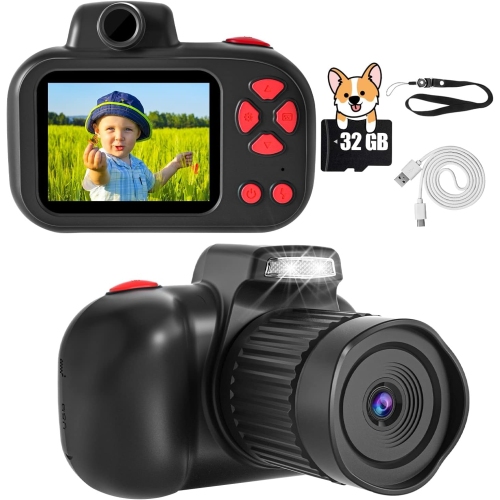
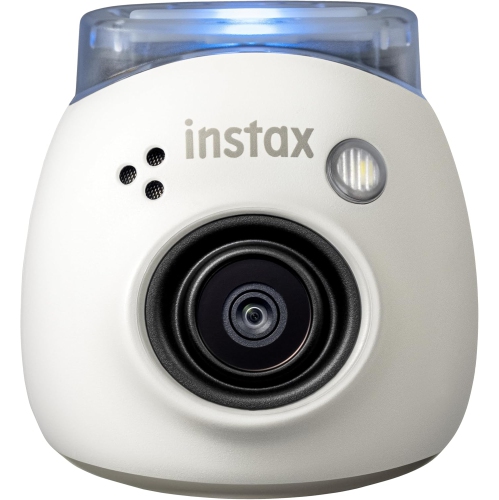
Toy cameras give children a way to join in when someone takes a family photo, turn a favourite stuffed animal into a portrait subject, or frame a familiar room from a completely different angle. The category includes pretend-play cameras with buttons, sounds, and simulated flashes, as well as working cameras designed to make taking pictures approachable for younger users. That distinction matters: a child who wants a camera for make-believe play may enjoy a simple toy that clicks, while a child hoping to see and save their own photographs needs a model that captures images. Pretend cameras can become props in an imaginary photo studio, on a living-room safari, or during a dress-up session. Working children’s cameras introduce the connection between what appears on a screen and what is happening in front of the lens. A close-up of a building-block tower, a slightly crooked pet portrait, or a photograph taken from beneath the kitchen table can be part of the fun rather than something to correct. Simple controls leave more room for experimenting with distance, viewpoint, and the moment a picture is taken. Large shutter buttons and clearly marked symbols can help children concentrate on the subject instead of navigating menus, although the level of assistance needed will vary by age and experience. Some designs include games, decorative frames, or video recording, so the balance between photography and other activities is worth considering. A camera intended mainly for taking pictures offers a different experience from a multifunction toy that also happens to have a lens. For a gift, the most useful starting point is the recipient’s interests: storytelling, dressing up, watching animals, documenting craft projects, or copying the grown-ups who photograph family gatherings. An age-appropriate camera can give those interests a new outlet without needing to imitate the complexity of adult photography equipment.
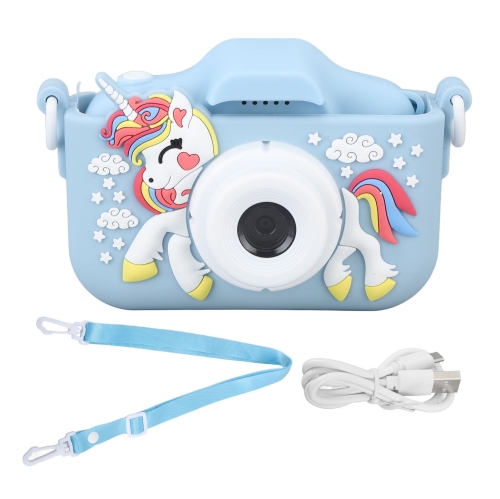
Size, grip, and construction influence how comfortable a toy camera feels in everyday play. A lightweight body with rounded edges may be easier for small hands to manage, while a textured surface or shaped handgrips can provide a more secure hold. Plastic bodies are common, and some designs add silicone covers or padded sections to soften everyday bumps. Those features do not automatically mean a camera is waterproof or able to withstand repeated drops; the stated care and durability information remains important, especially when a camera will be carried between home, visits, and outings. Buttons should be within comfortable reach, and a screen should be easy to see without requiring an awkward grip. For a working camera, usability often matters more than a large advertised resolution: the clarity of the preview, the responsiveness of the shutter, and the ease of reviewing pictures all affect the experience. Children photographing a pet that will not sit still may find a noticeable delay between pressing the button and capturing the image frustrating. Storage also deserves attention, since some cameras hold photographs internally while others require a compatible memory card. Image-transfer options determine whether pictures can be moved to a computer or another supported device for viewing and printing. Battery arrangements vary, too, with some cameras using replaceable batteries and others charging through a cable. Secure battery compartments, adult-managed charging, and adherence to the manufacturer’s age guidance are important considerations. Straps and detachable accessories should also be suitable for the child’s age and used as directed. Everyday care is generally straightforward: keep fingers away from the lens, use a soft cloth suitable for the camera’s surfaces, and protect openings from sand, crumbs, and moisture. A protective case can help keep the camera and its accessories together. Children may also find it easier to care for a camera when it has a familiar storage spot rather than being left loose at the bottom of a toy box.
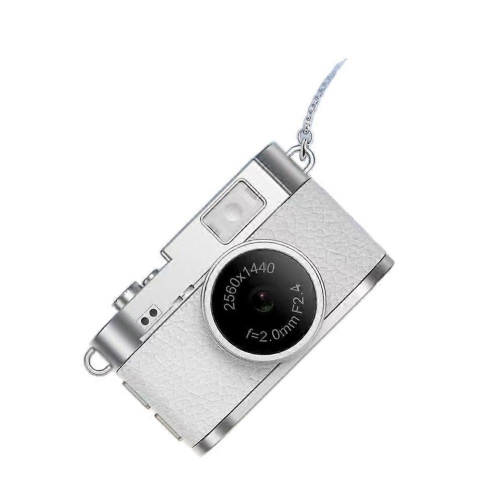
The most enjoyable uses for toy cameras are often small, repeatable activities rather than elaborate photography projects. A child might photograph the same houseplant from three different angles, arrange toy animals for a group portrait, or capture stages of a drawing as it takes shape. These activities offer concrete ways to explore composition and sequence without turning play into a lesson. Looking through the pictures together can be as engaging as taking them, particularly when a child explains why a blurry image or an unusual close-up matters to them. Keeping a few favourites and clearing unwanted photographs can make a simple camera easier to navigate, with adult help where needed. It is also useful to establish that people should be asked before being photographed and that sharing images is an adult-supported decision. For recipients who enjoy the look and feel of photography as much as the pictures themselves, appearance can be part of the appeal: bright colours, friendly shapes, or camera-like dials may encourage different kinds of imaginative play. The term “toy camera” can also describe simple plastic film cameras associated with deliberately imperfect photographs, rather than cameras intended for children. These may produce soft detail, uneven exposure, or other effects that appeal to older beginners and hobbyists, but they involve film handling and processing rather than an immediate screen preview. Shoppers drawn to that nostalgic side of photography may also enjoy exploring Retro Cameras, a related category with a different emphasis from children’s pretend-play toys. For a birthday gift, a family activity, or a child’s first experience taking pictures independently, the right fit comes down to what the recipient wants to do and how much support the camera requires. A playful design, manageable controls, and suitable construction can make the camera feel like something to use, carry, and explore with, rather than something too complicated to enjoy.
Top selling and popular products
-
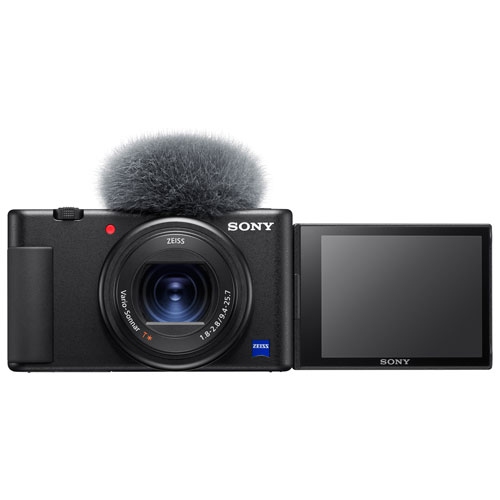 Your price for this item is $804.97
-
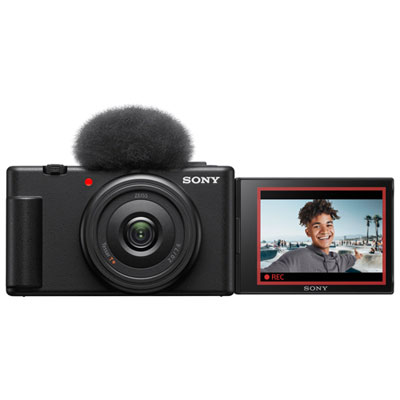 Your price for this item is $649.99
-
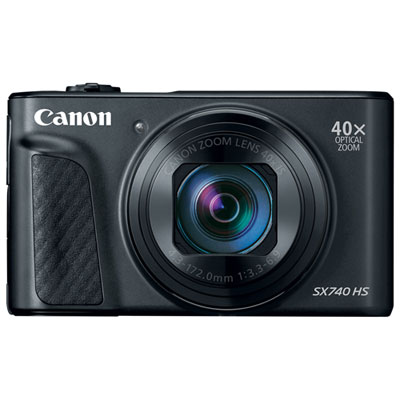 Your price for this item is $749.99
-
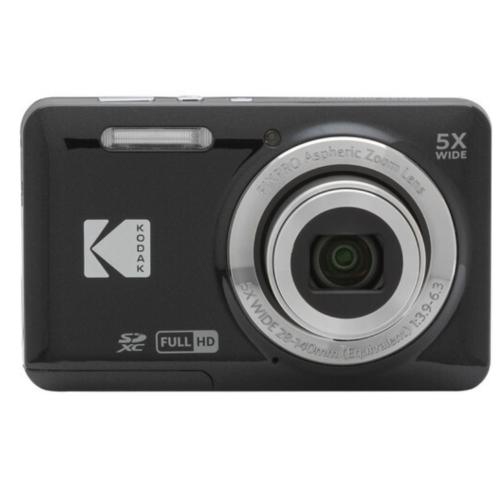 Your price for this item is $253
-
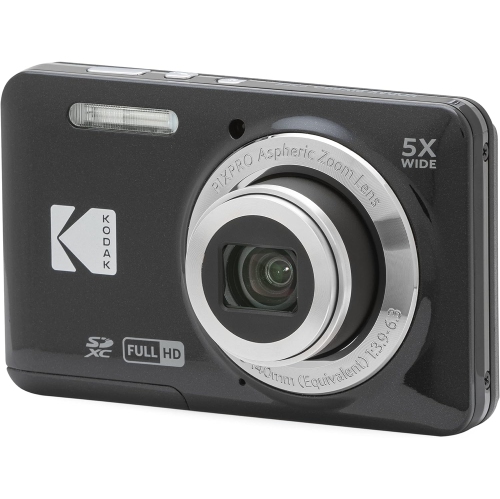 Your price for this item is $255
-
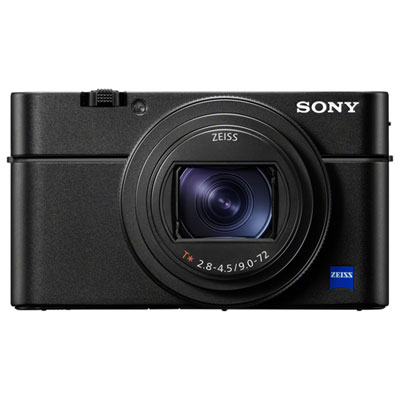 Your price for this item is $1999.99
-
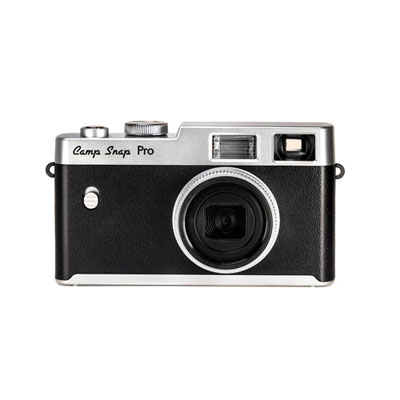 Your price for this item is $99.99
-
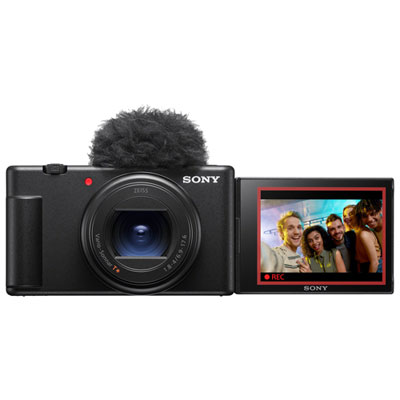 Your price for this item is $1199.99
Discover more categories related to Toy Cameras

Top Collections:
Pokemon Centers, Best Cameras for Sports Photography, Kindle Devices, Samsung Galaxy Phones, Canon G7X Cameras, Pokémon 30th Celebration Cards, Refurbished Apple Laptops, iPhone 15 Apple, Laptops for Students, Budget Smartphones
Some products may be subject to Environmental Handling Fees
(EHF) depending on your province.
Learn more about EHFs.