Travel Tripods
A tripod is a must-have accessory for almost any traveler. Whether you’re an amateur or professional photographer, a tripod can help you capture the perfect shot, even in almost any conditions. These tripods are designed to be lightweight and portable, so they can easily be taken along on almost any journey. Here are some of the best options available on the market today.
Sort

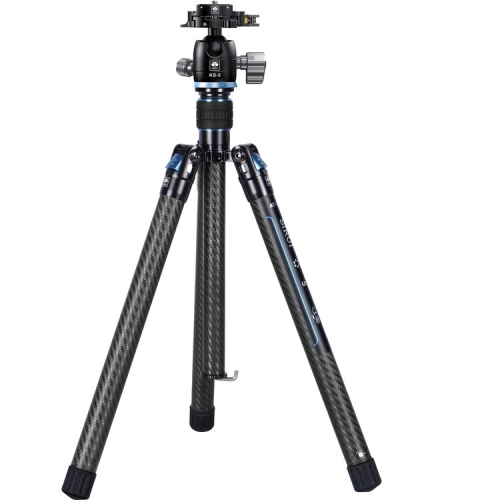
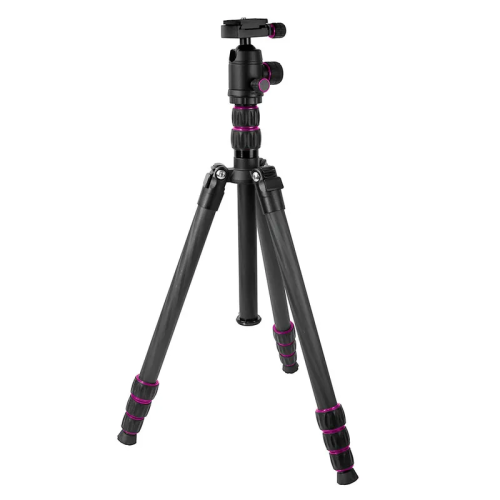
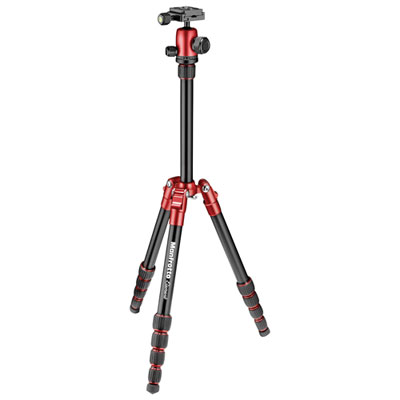

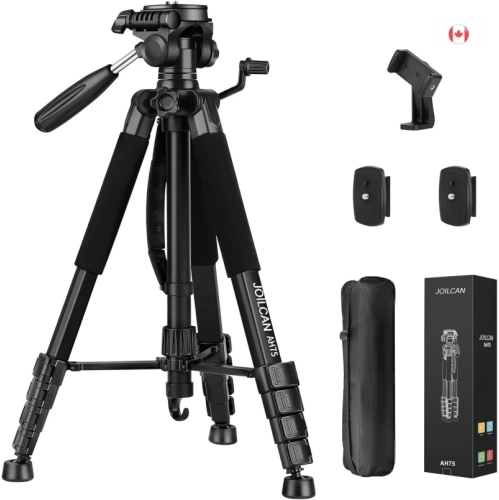
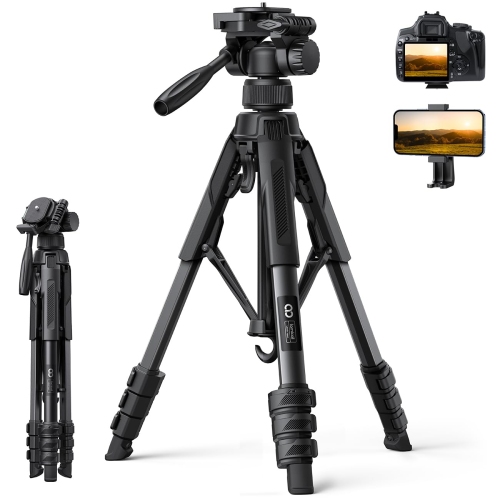
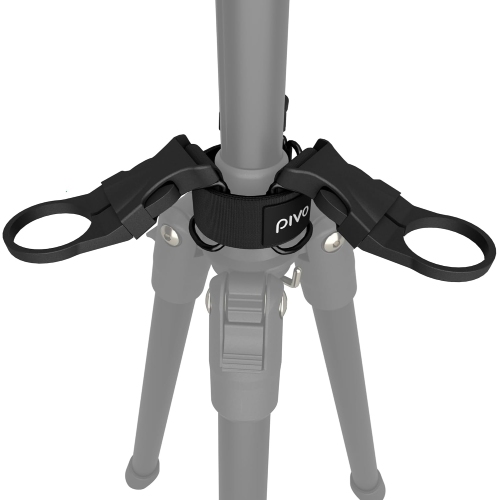
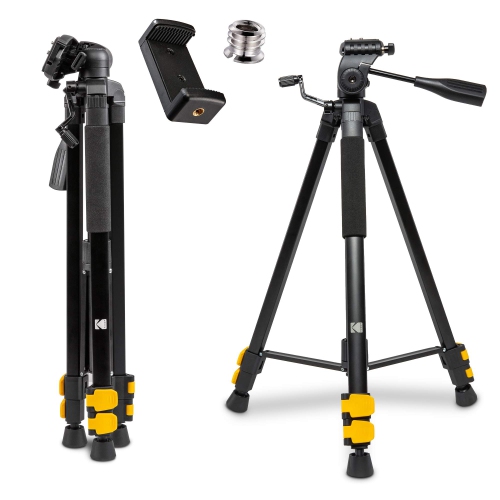
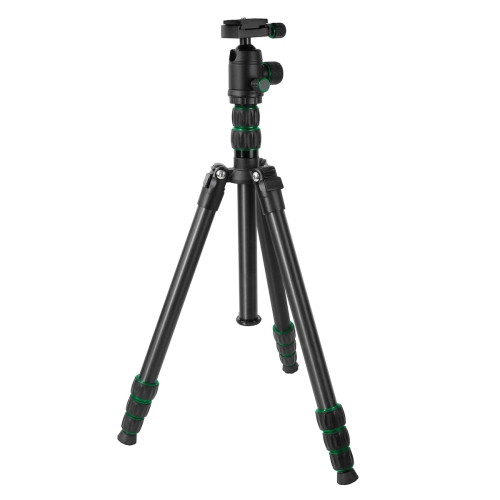
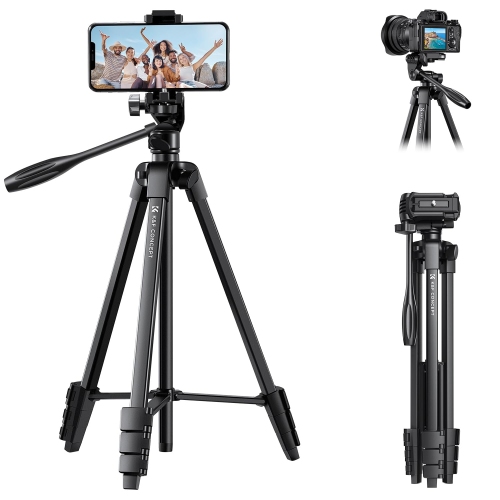
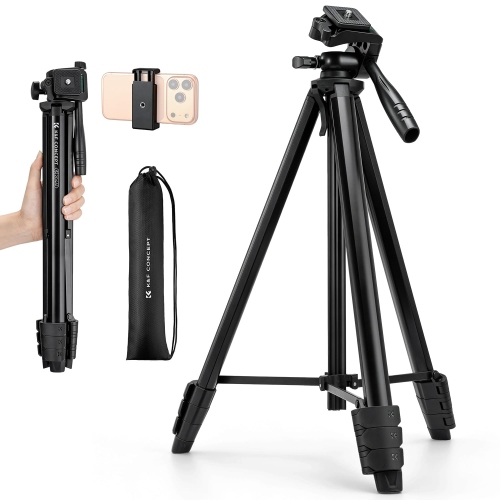
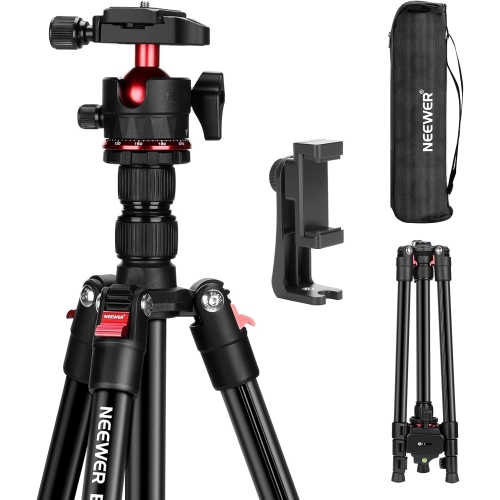
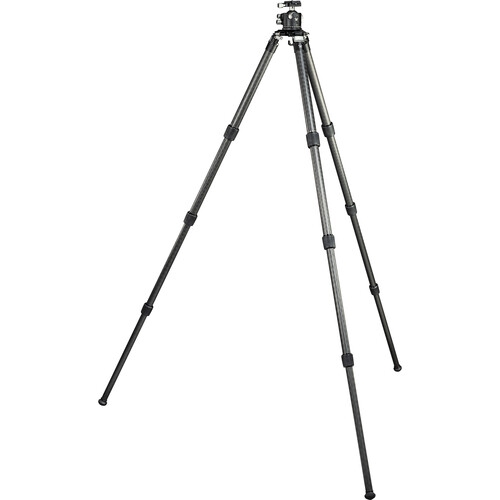
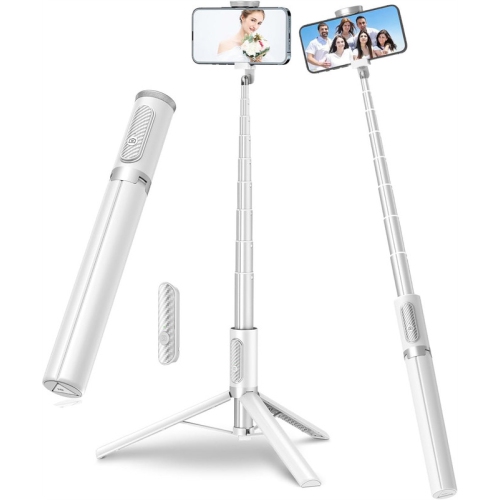
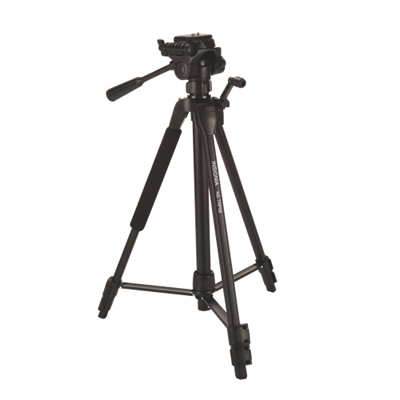
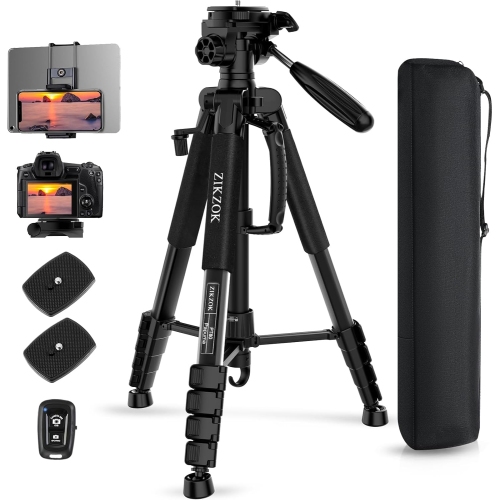
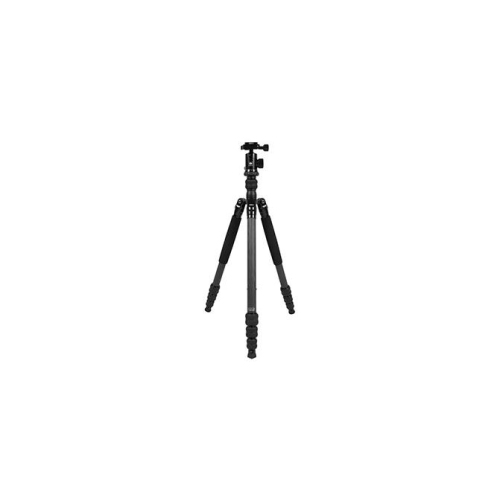
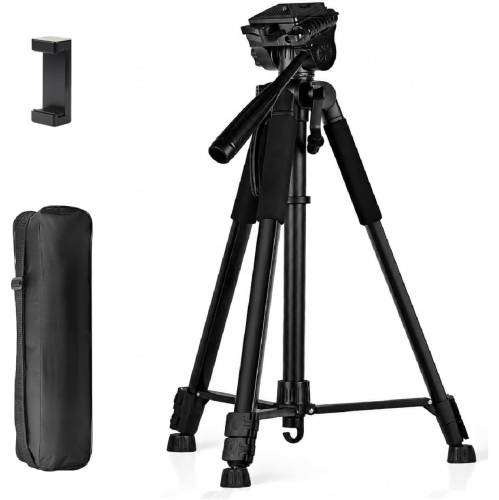
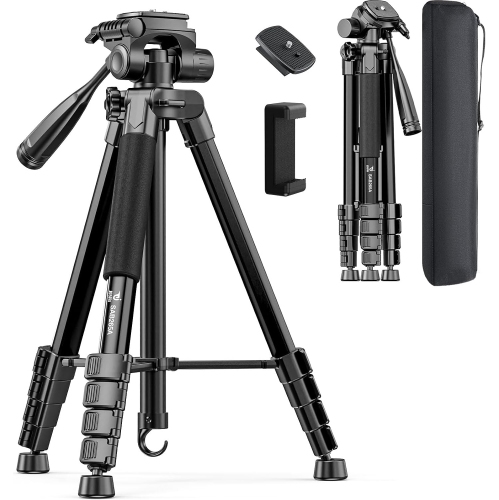
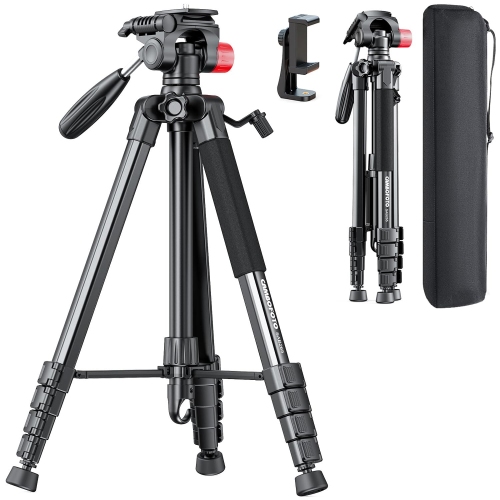
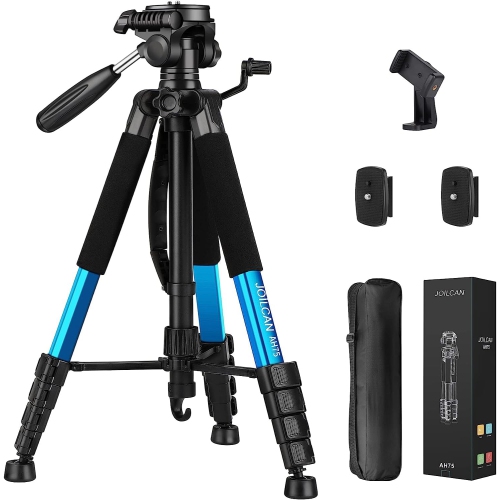
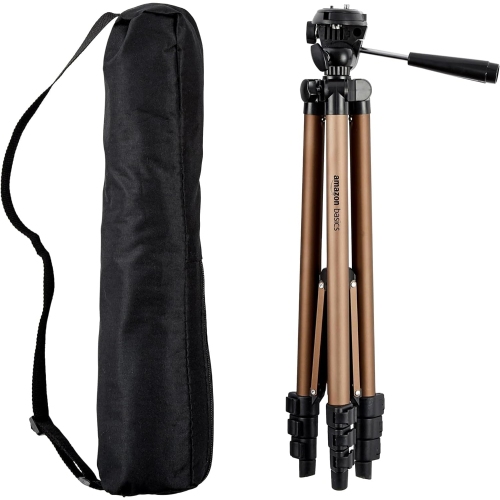
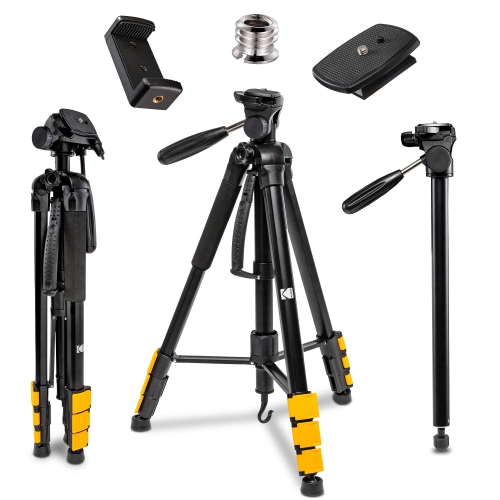

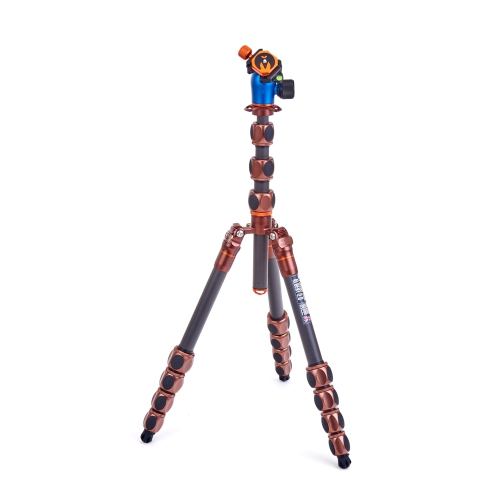
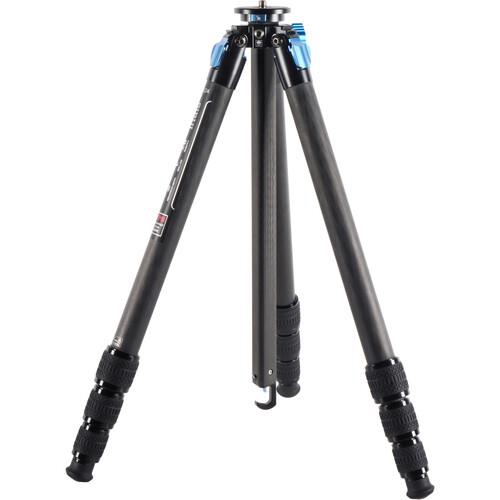
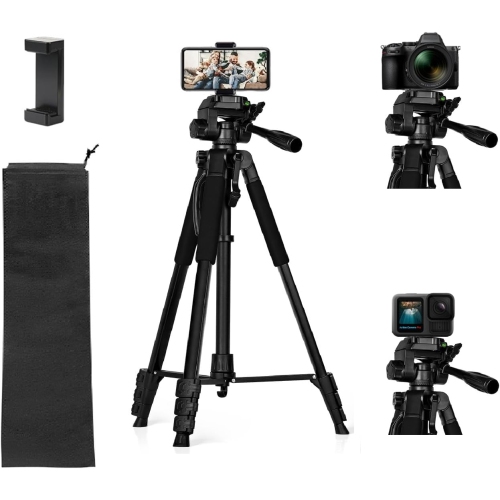
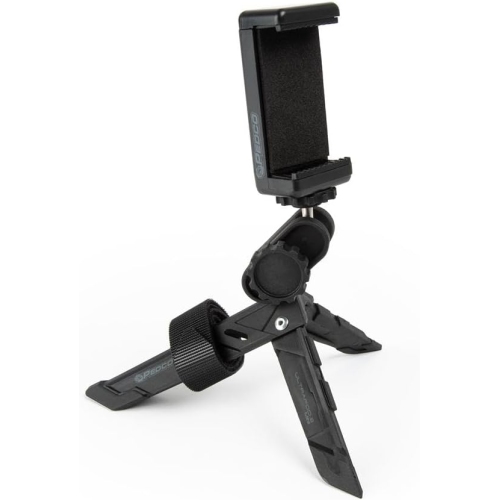
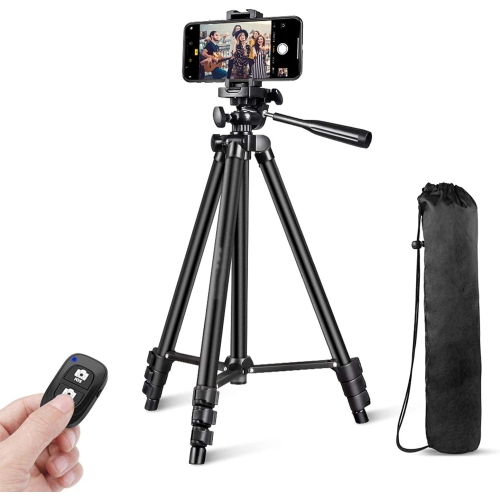
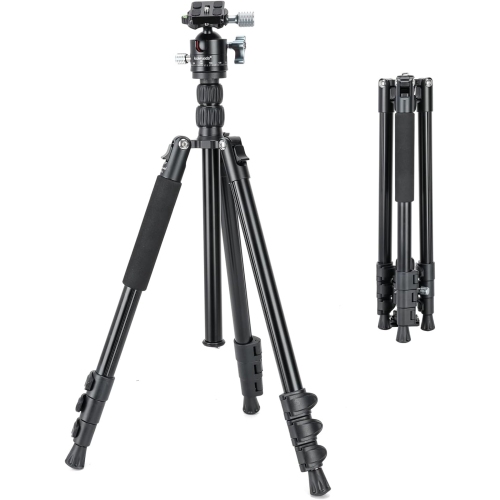
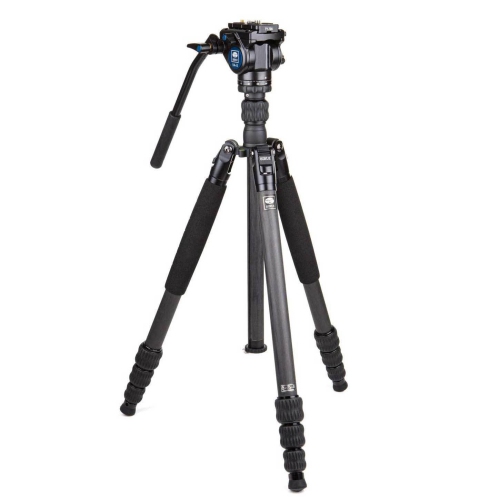
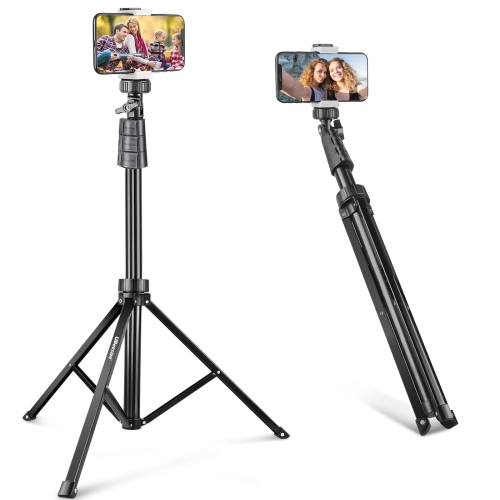
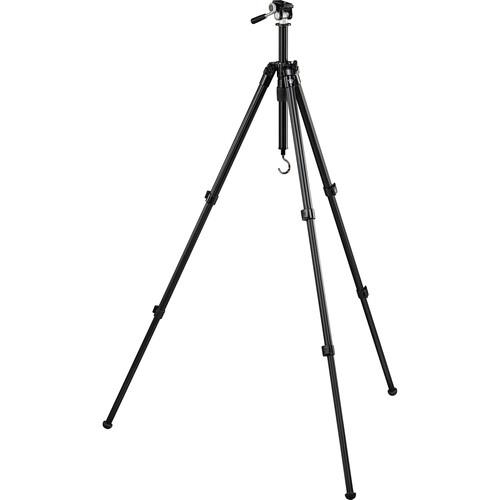
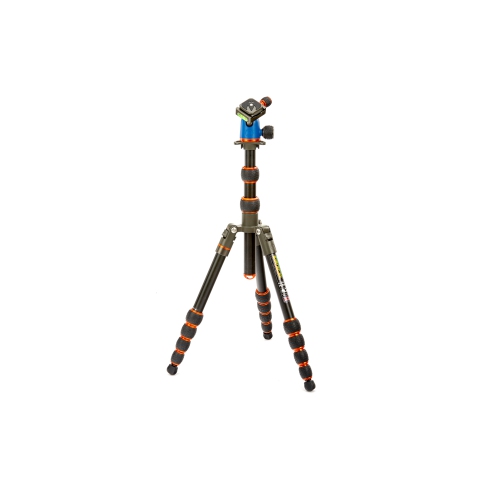
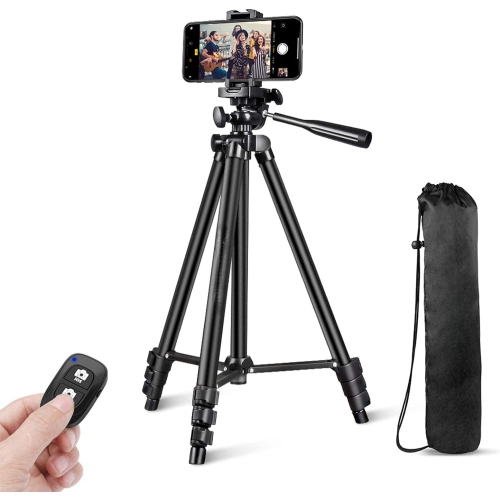
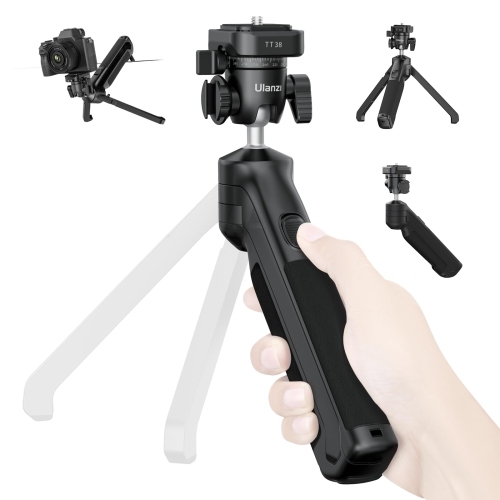
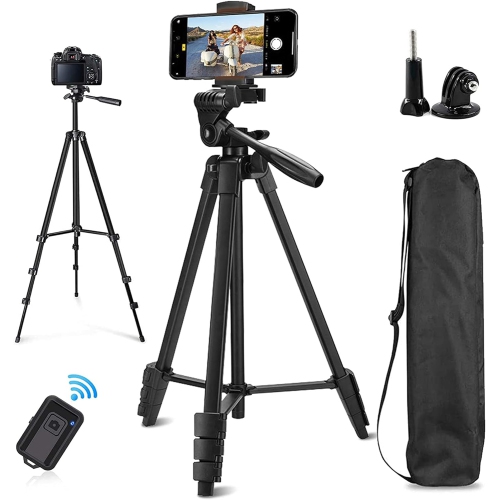
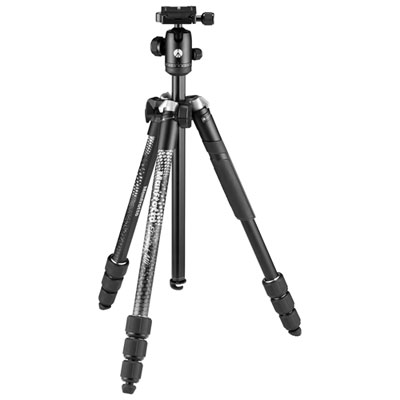
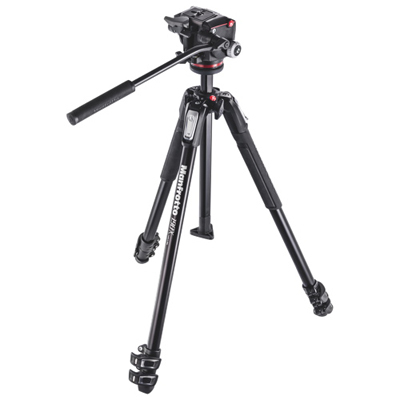
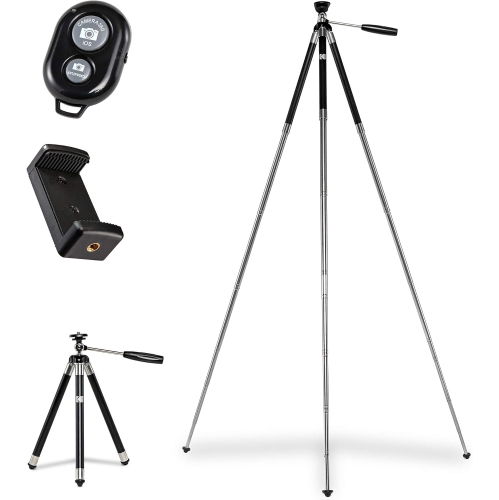


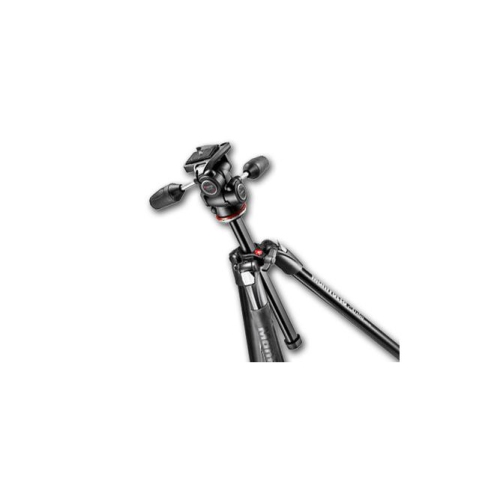
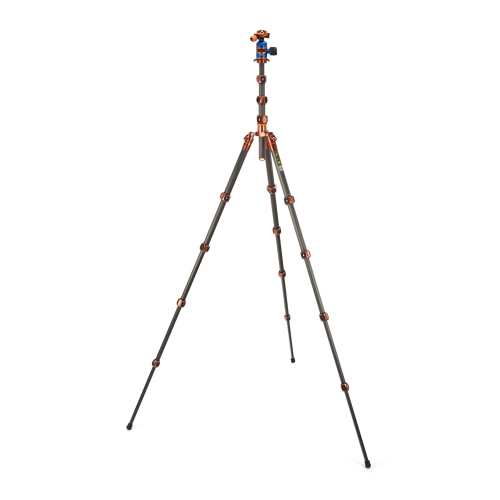
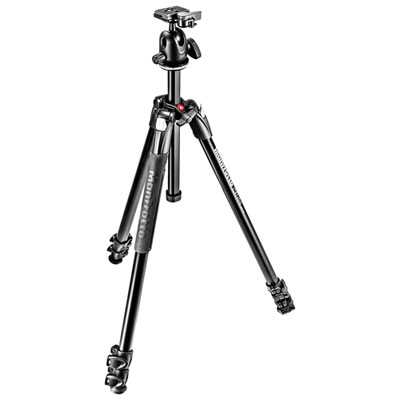
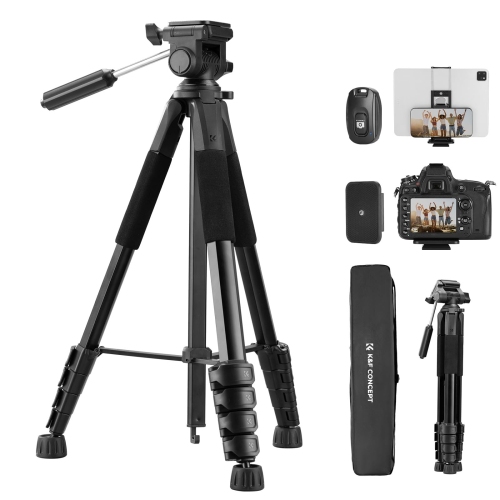
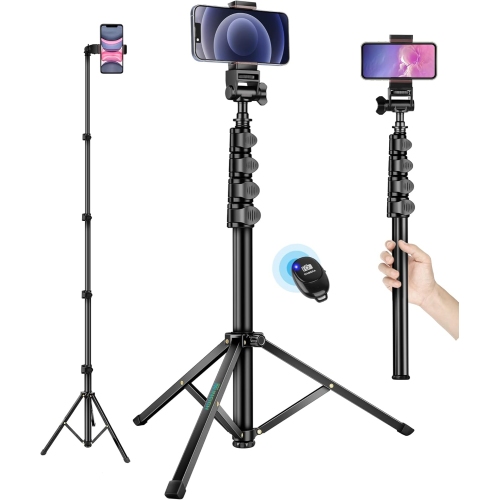
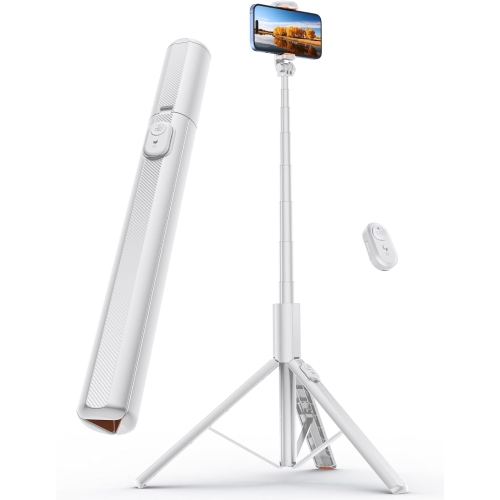

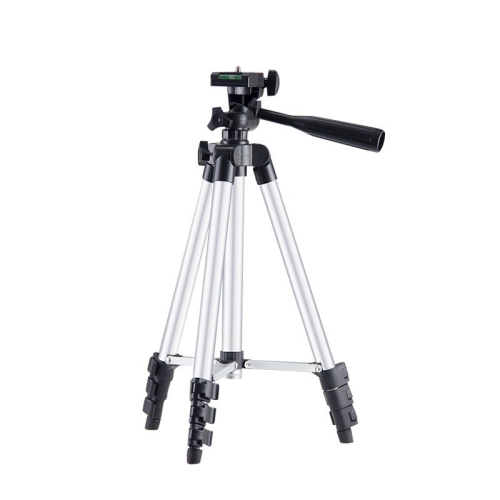

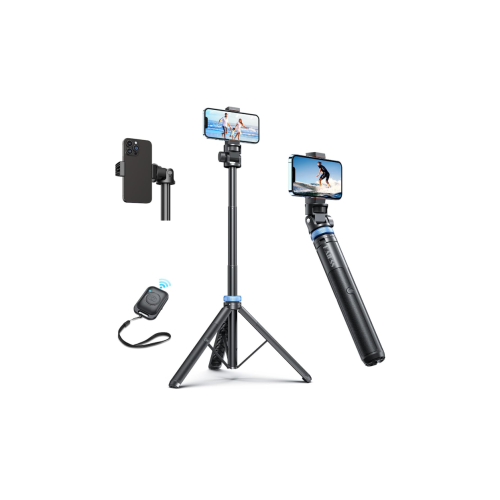
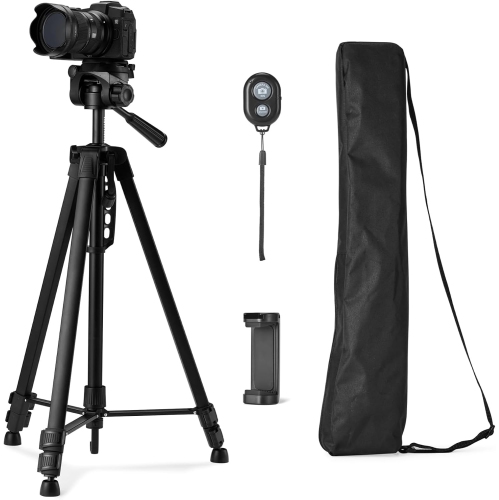
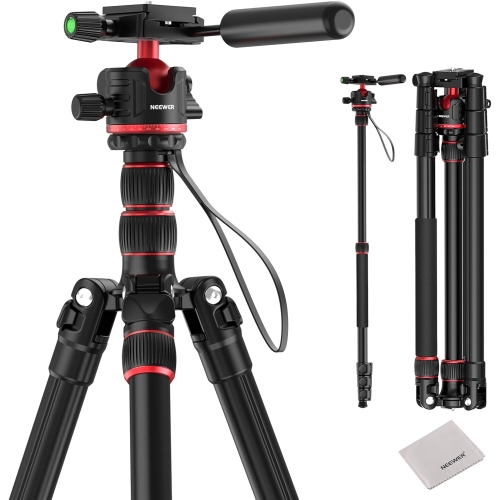
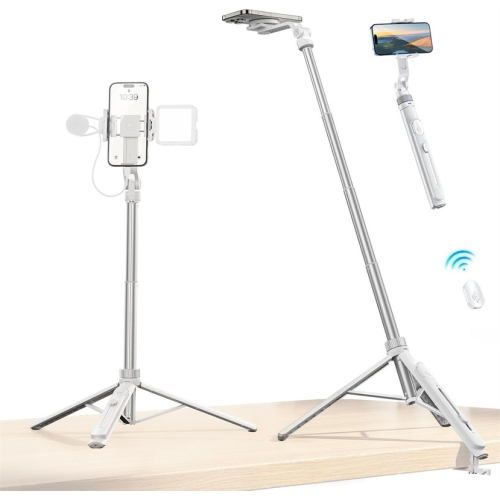

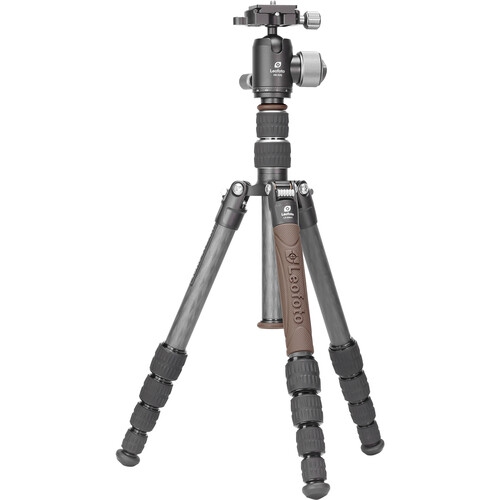
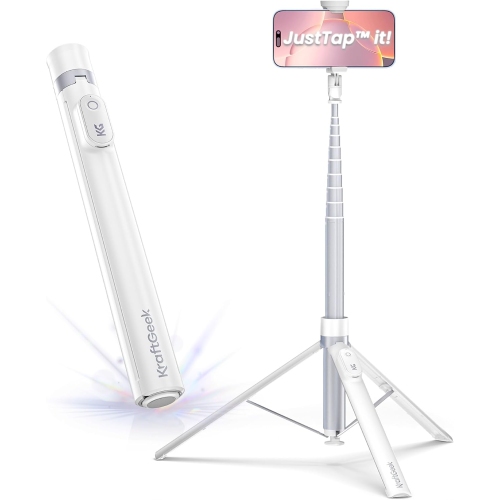
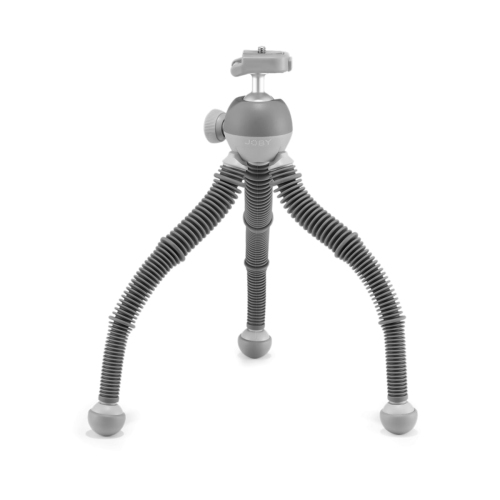
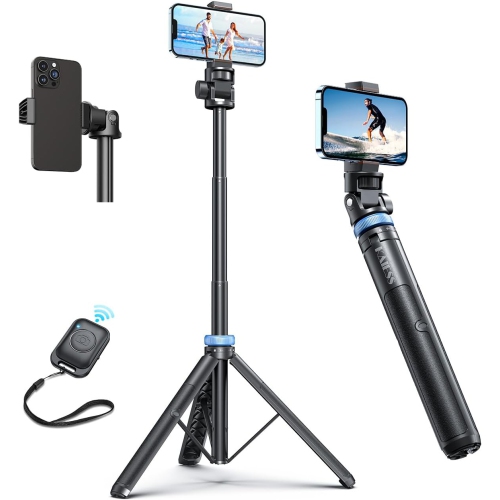

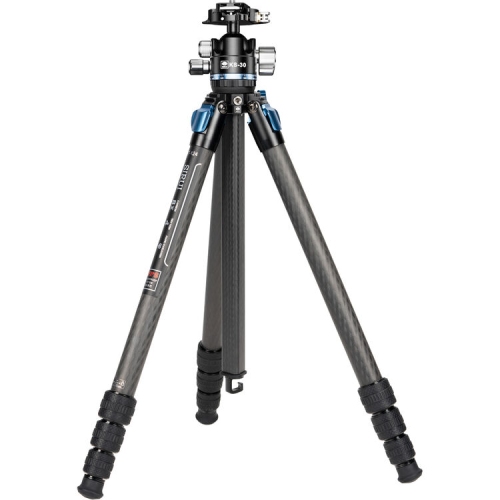
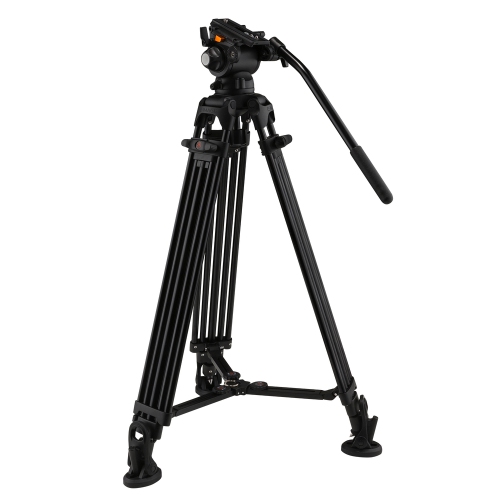
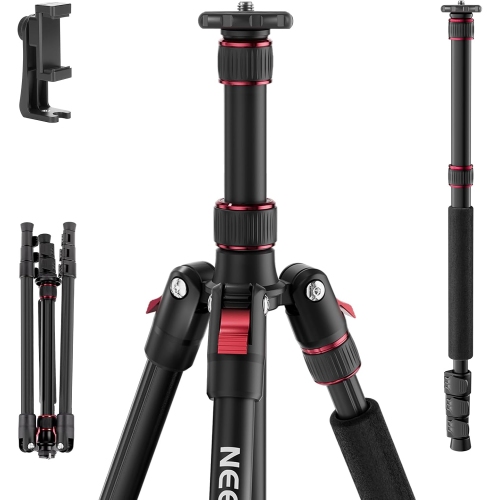
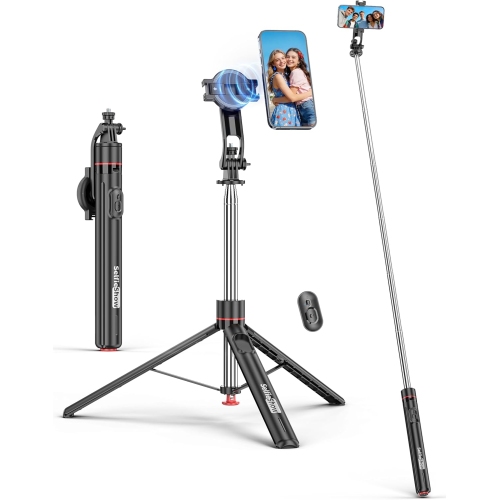
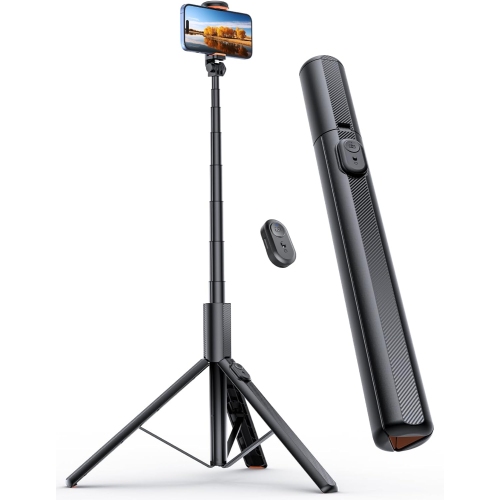
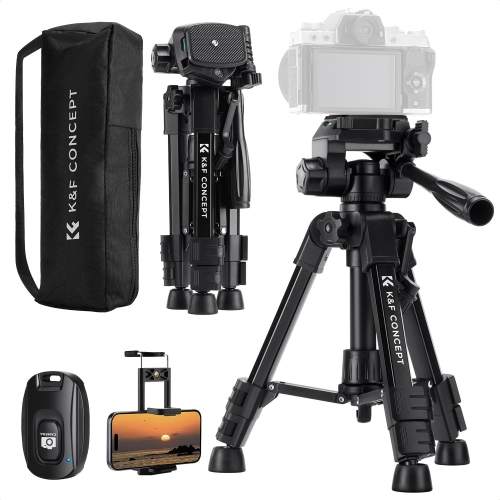
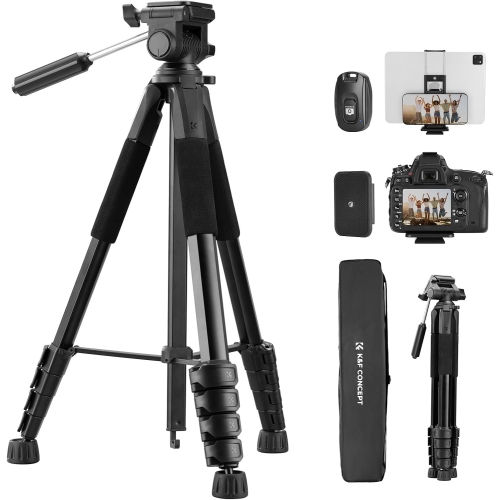
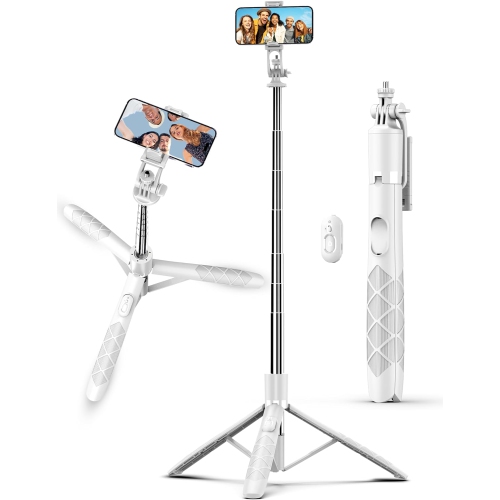

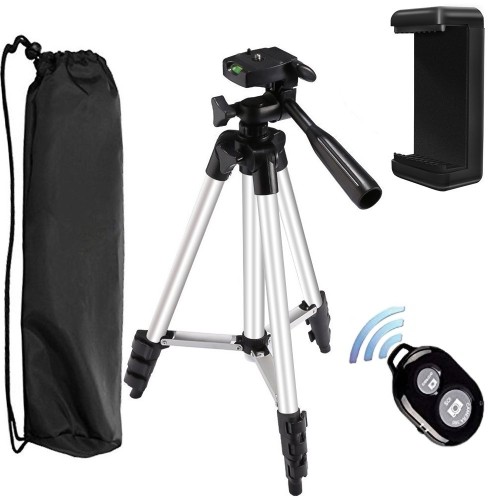
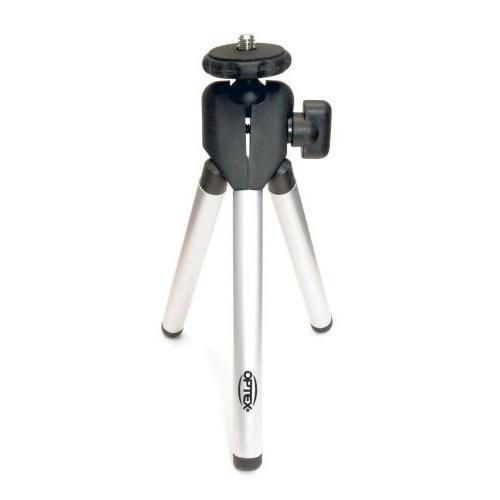
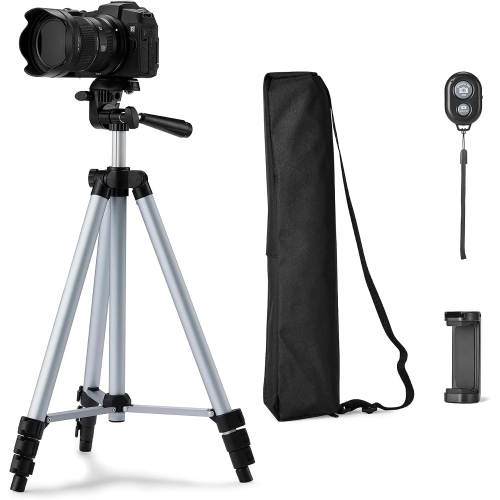
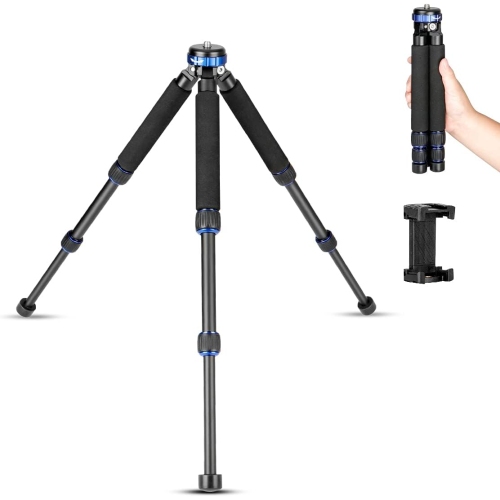
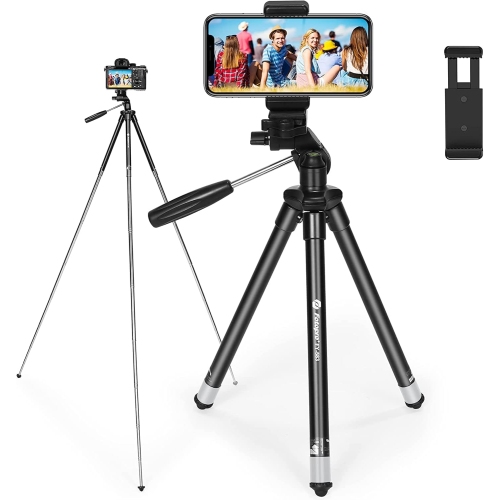
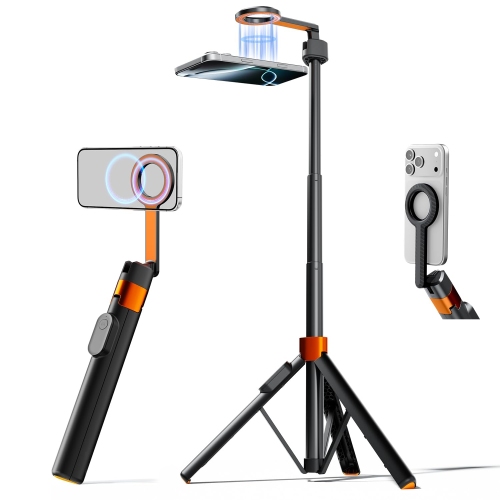
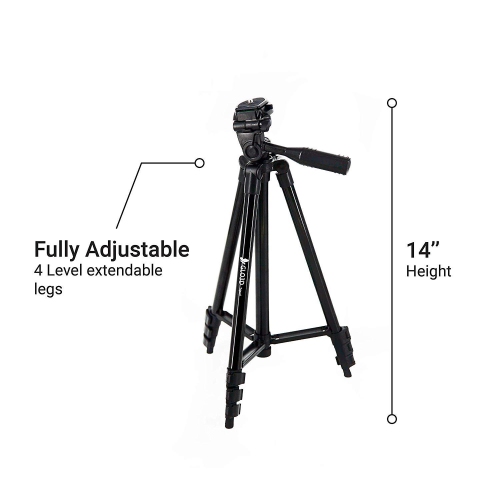
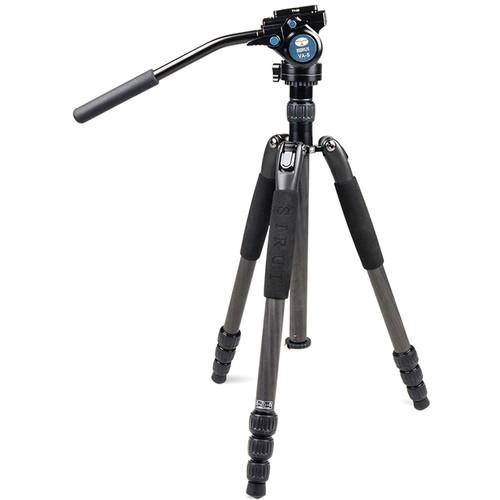
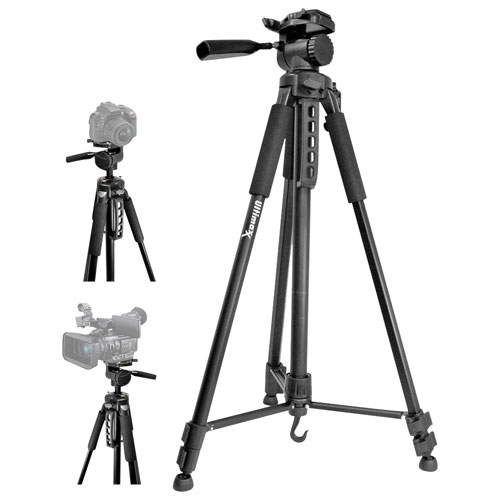
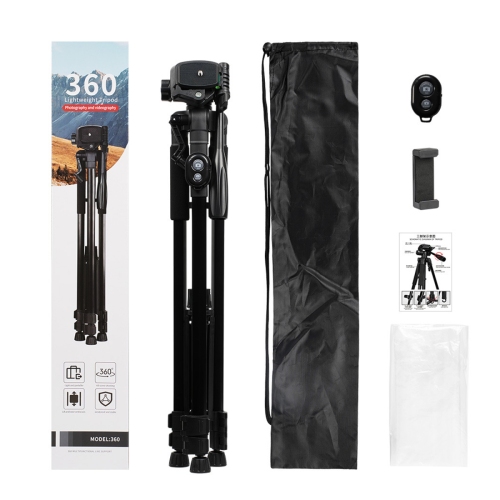
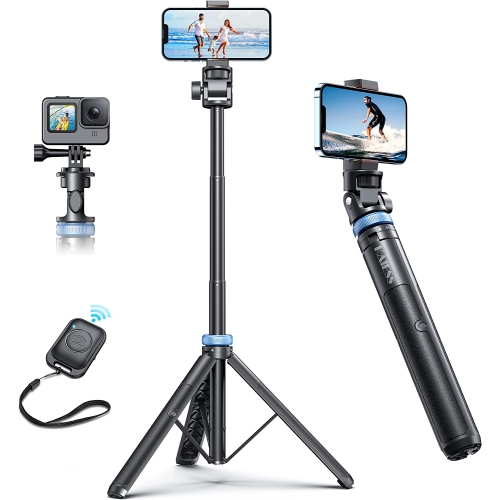
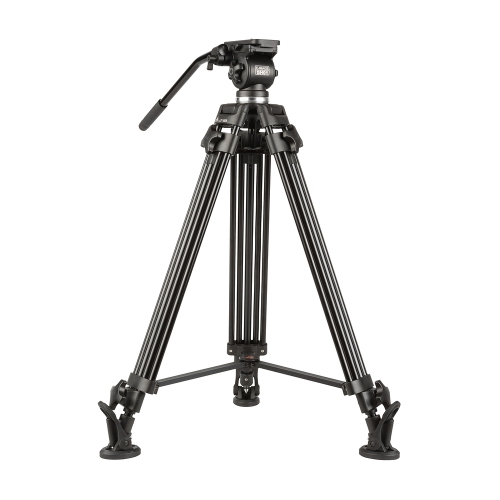
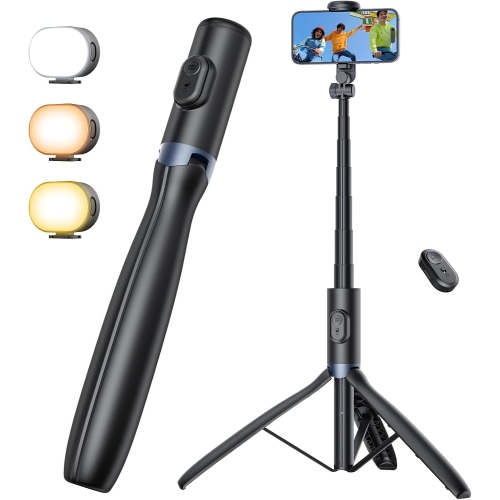
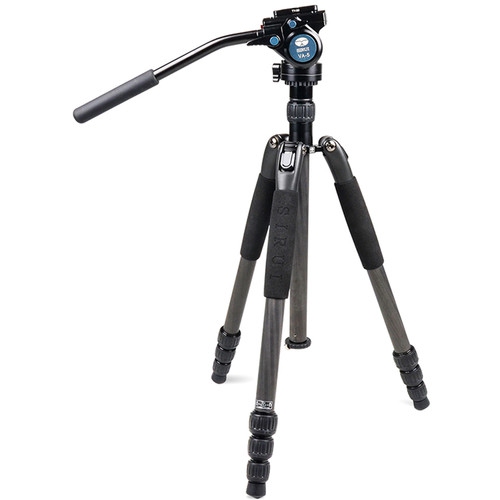
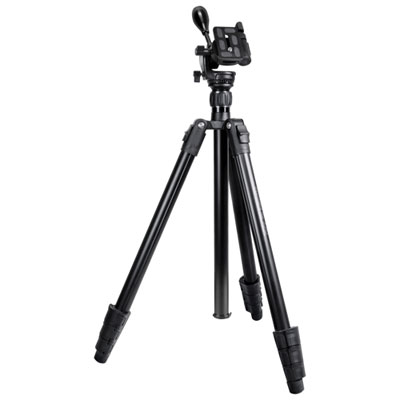
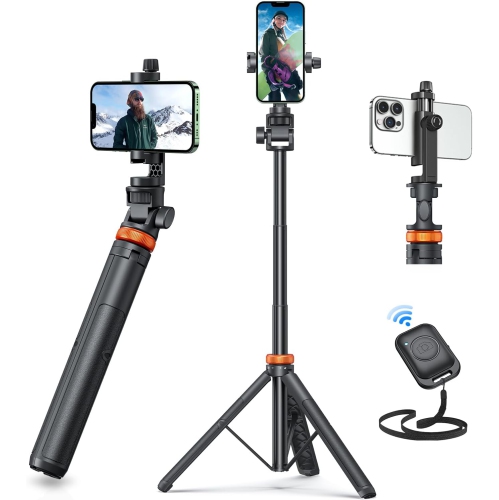
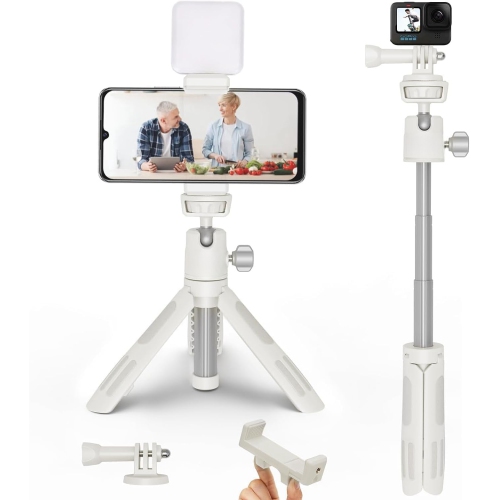
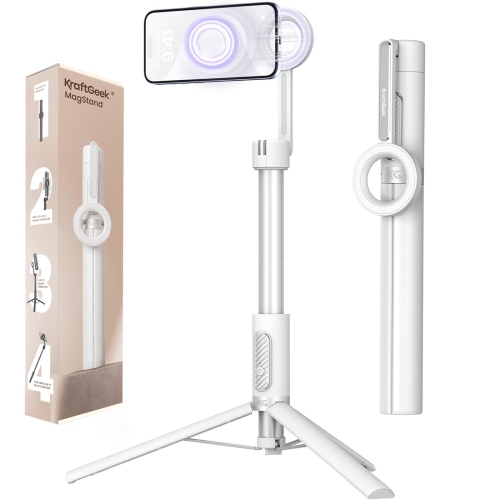
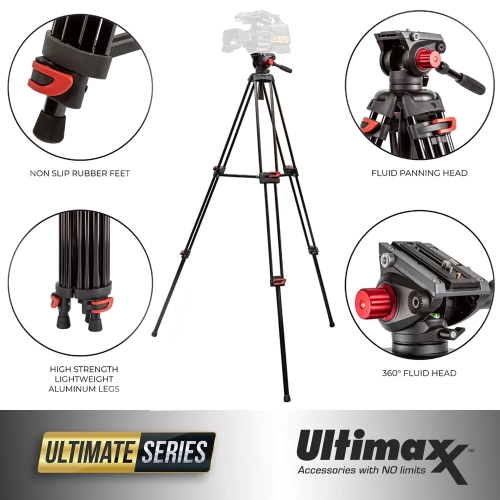
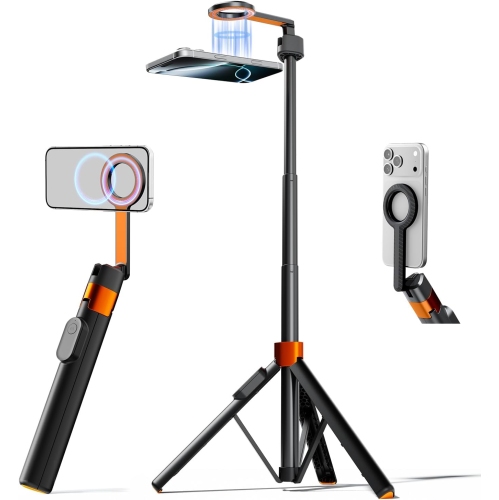
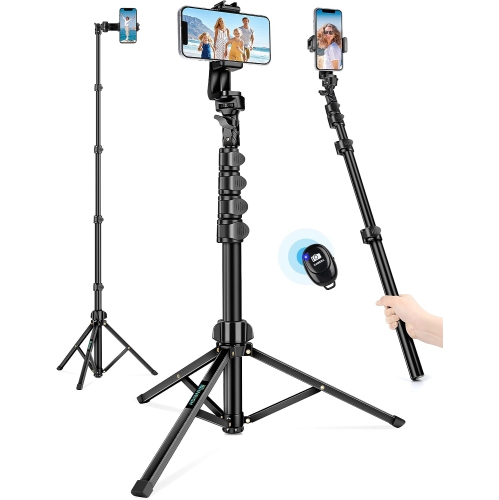
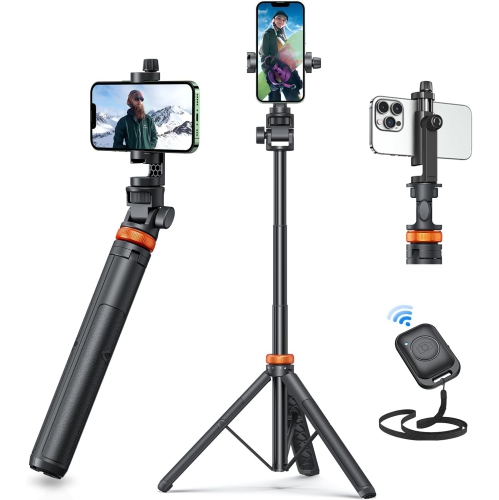
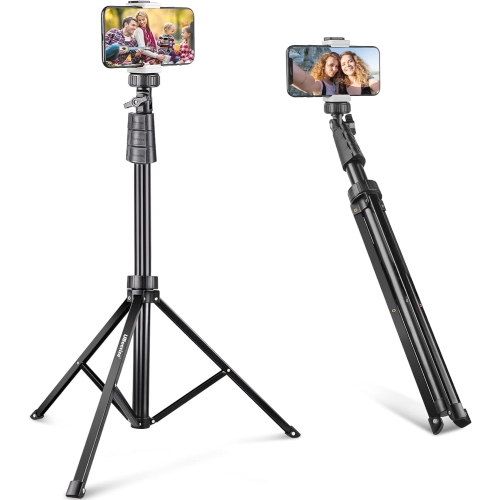
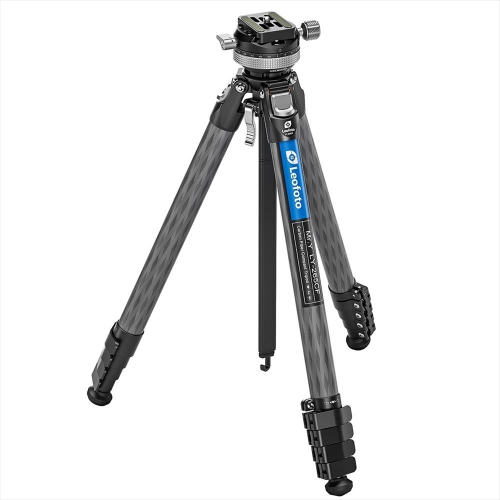
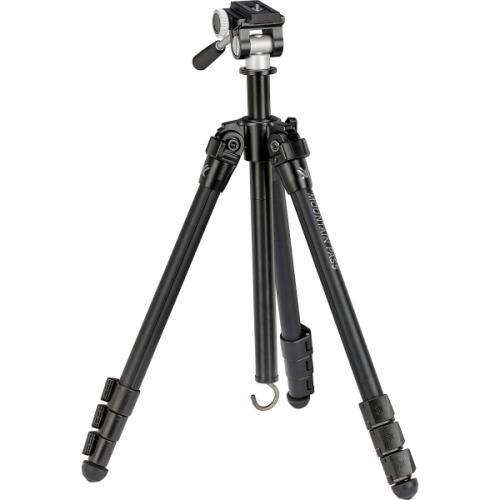

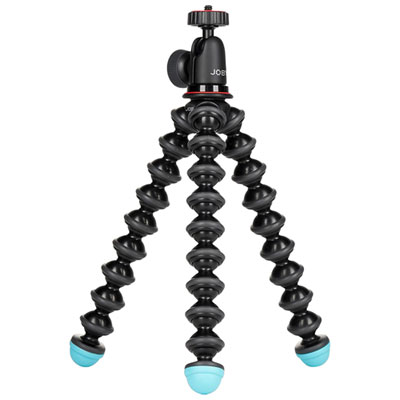
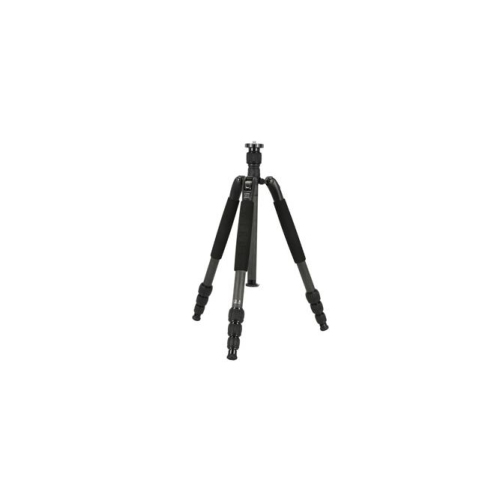
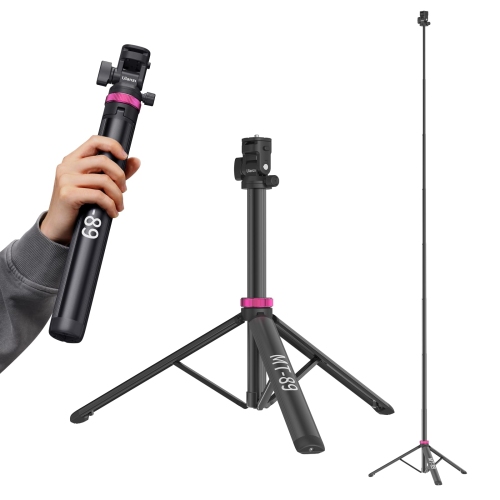
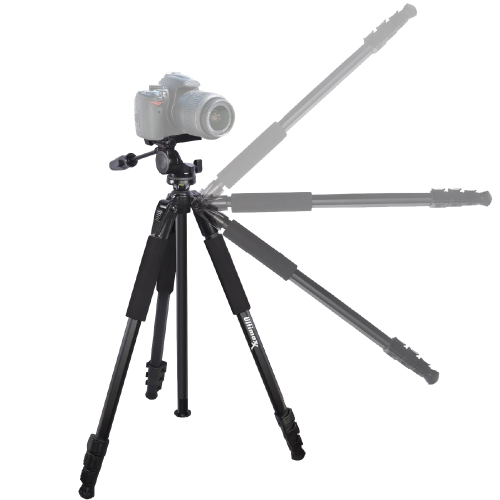
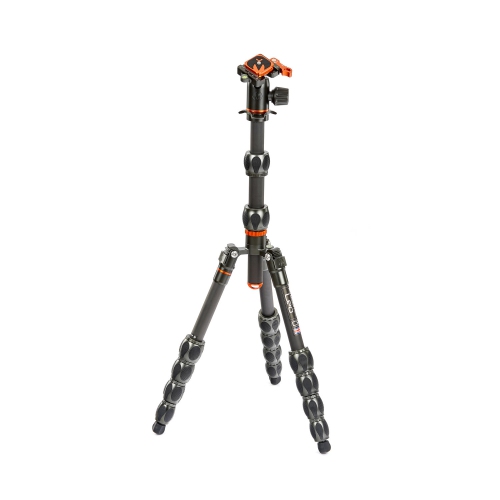
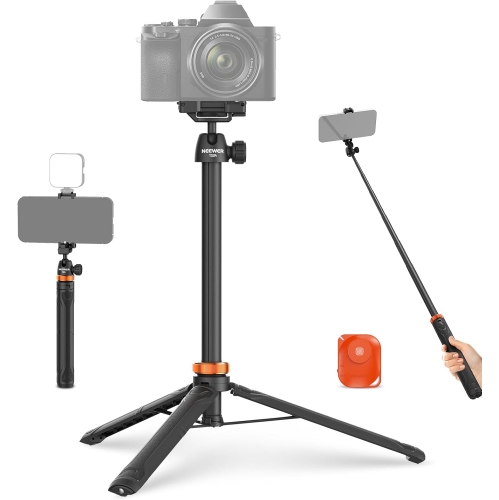
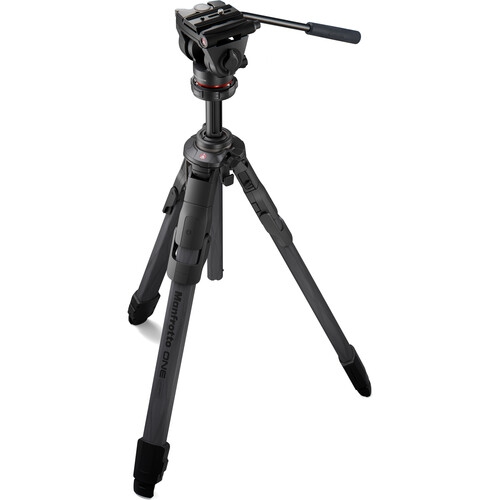
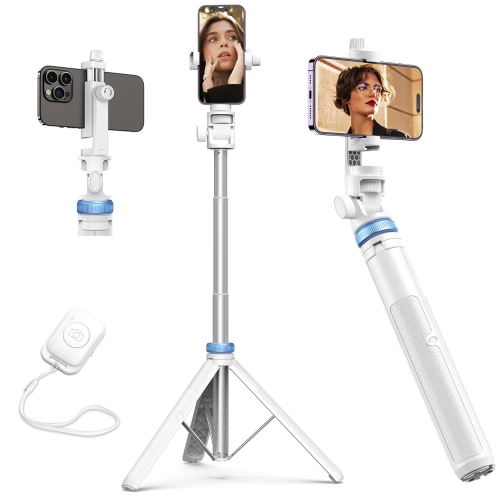
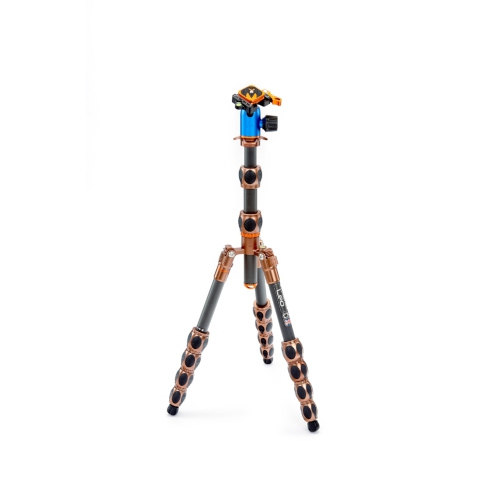
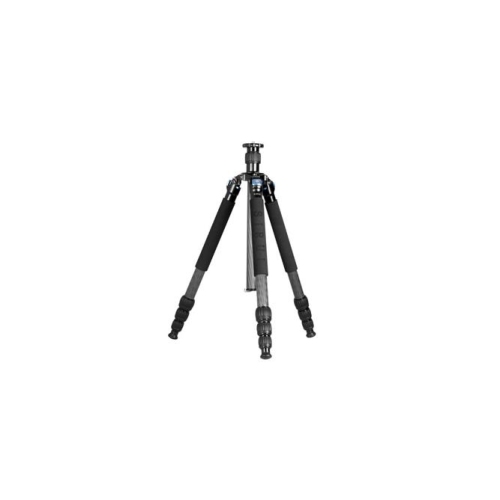
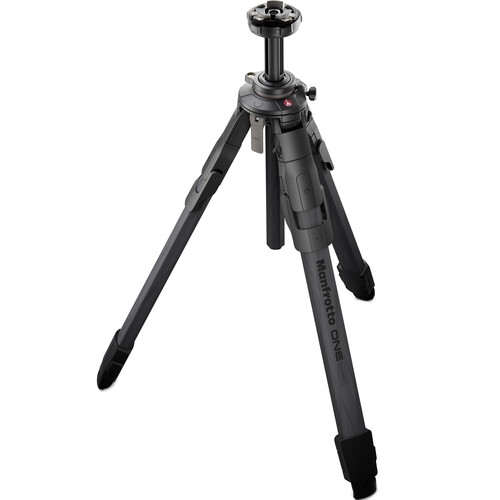
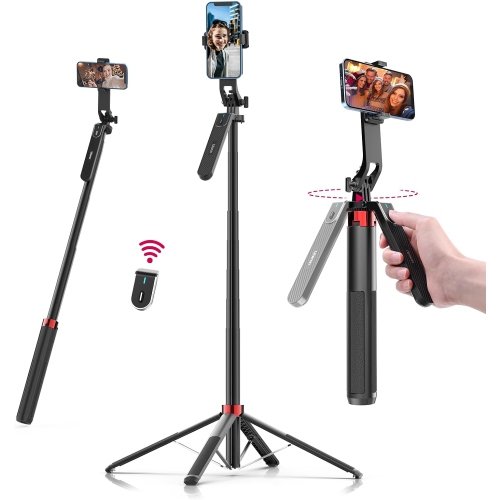

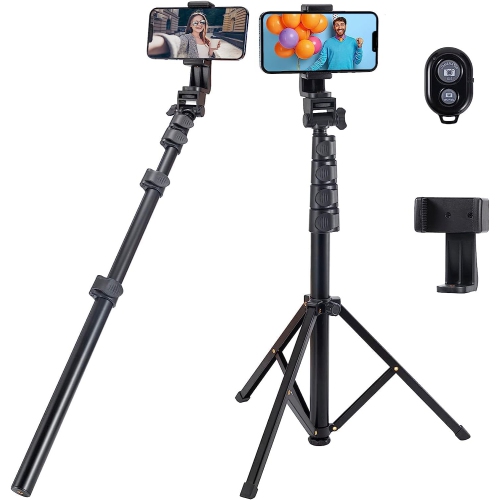
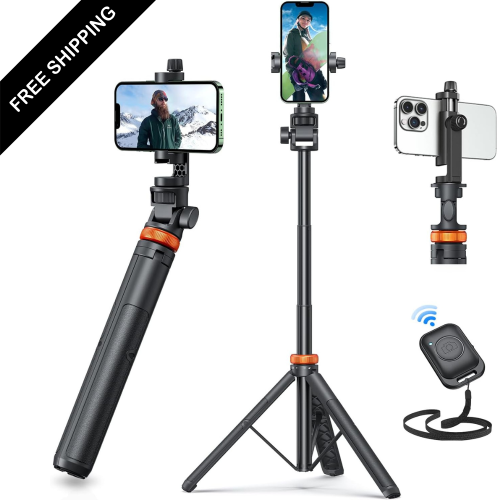
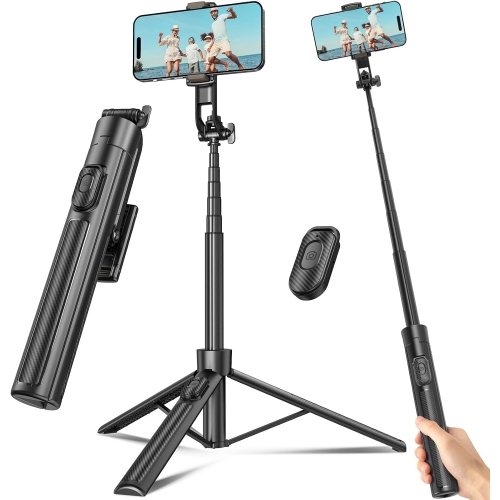
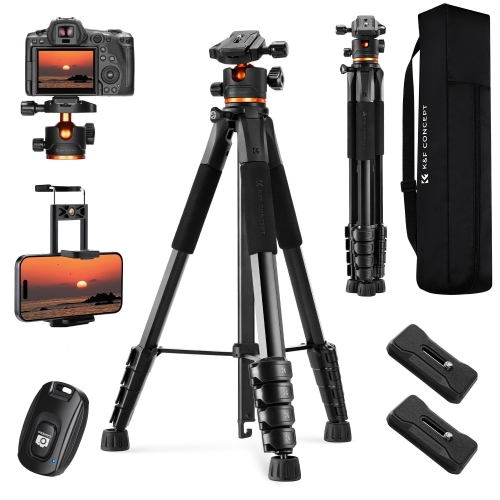
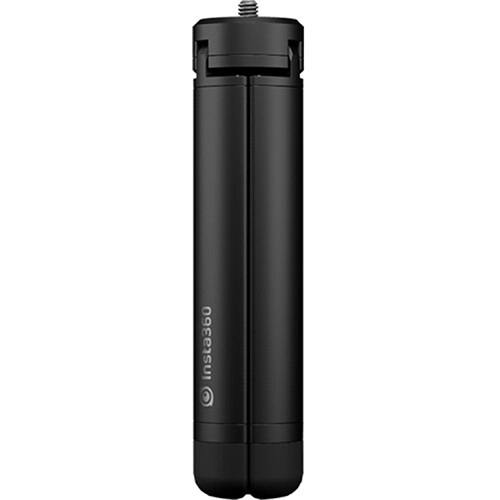
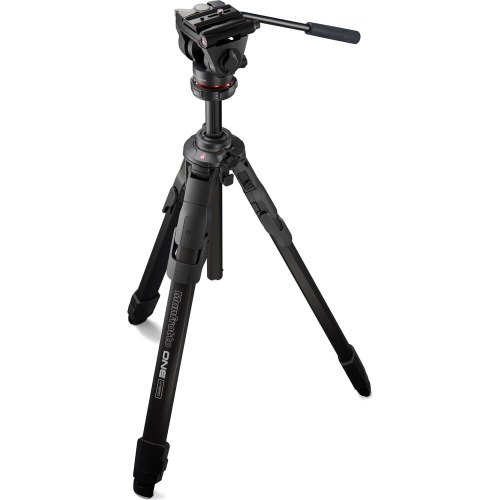

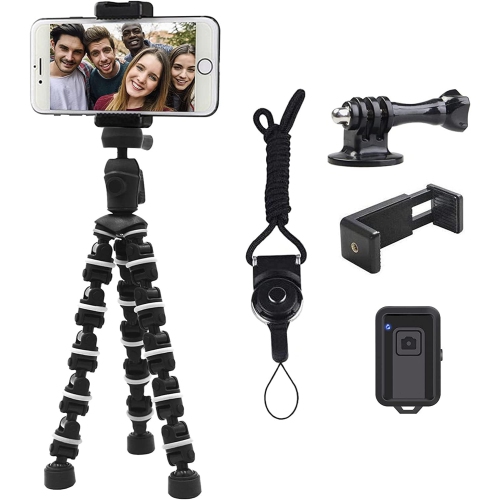
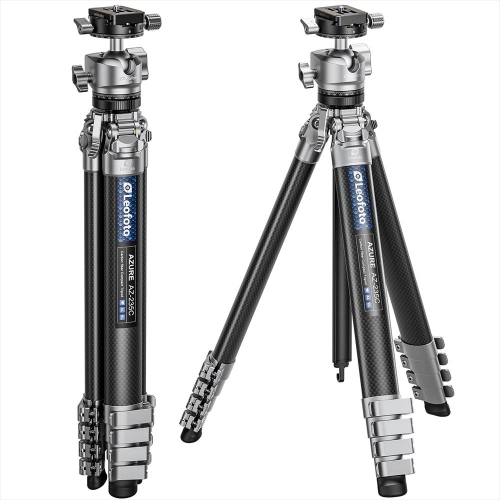
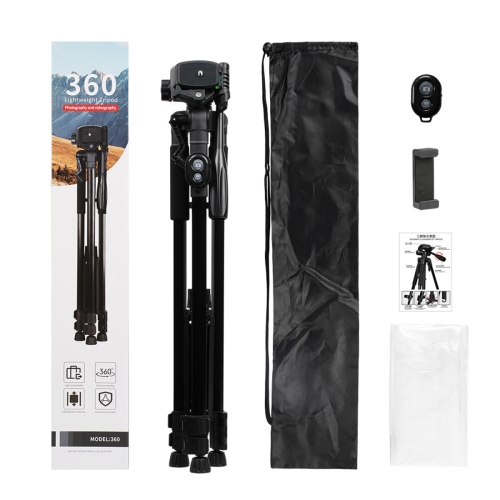
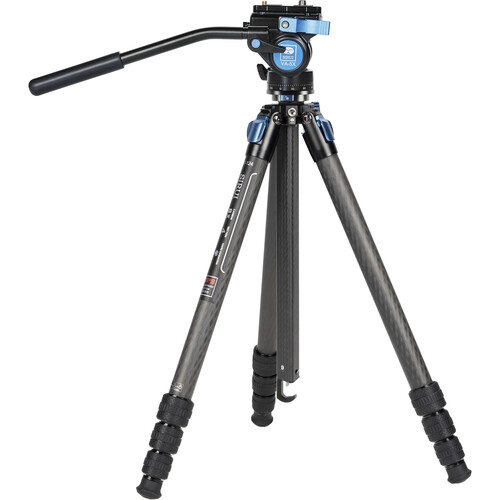
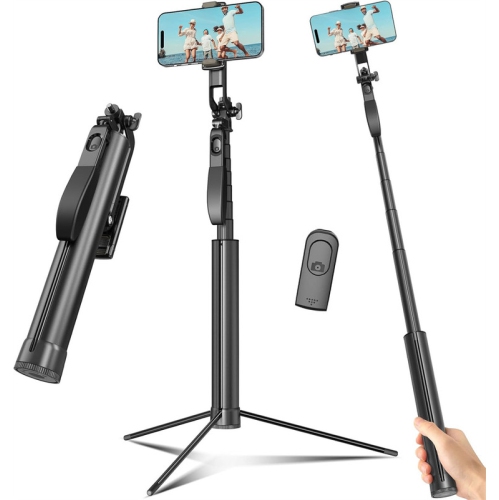
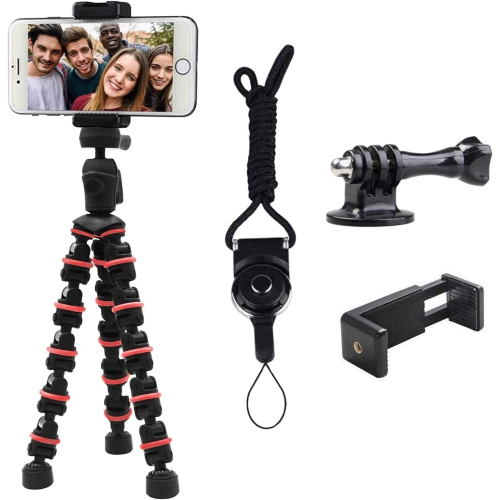
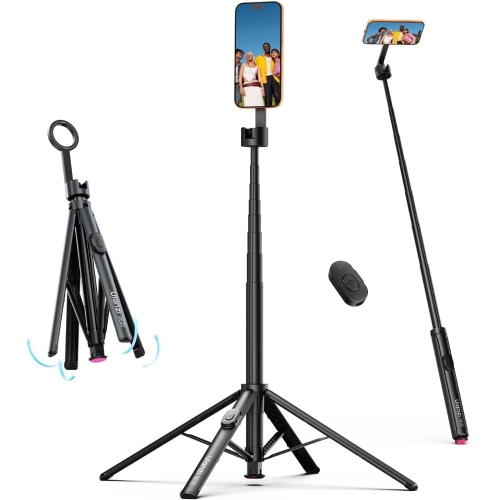
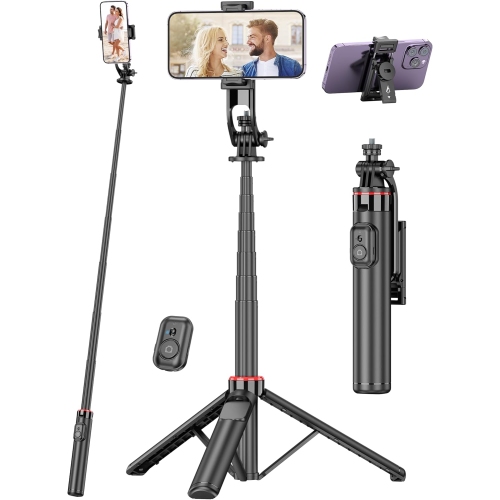
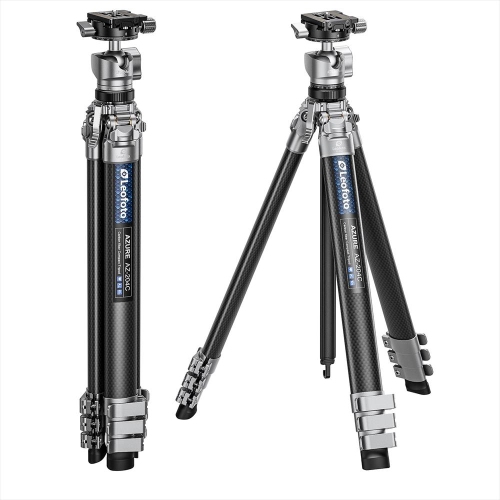

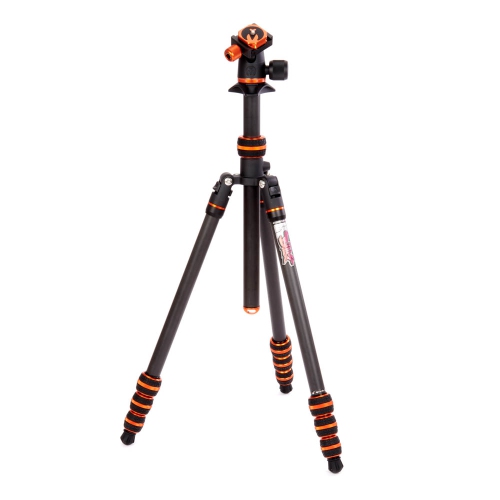
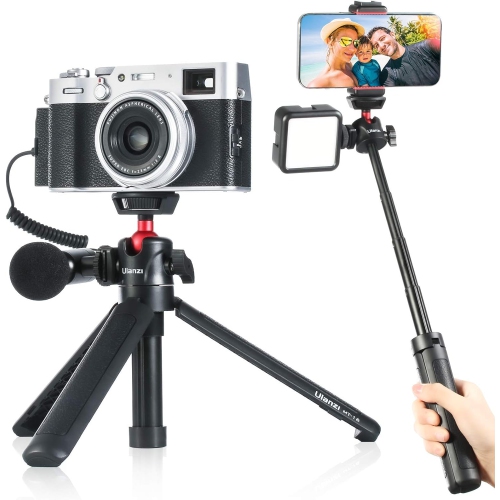
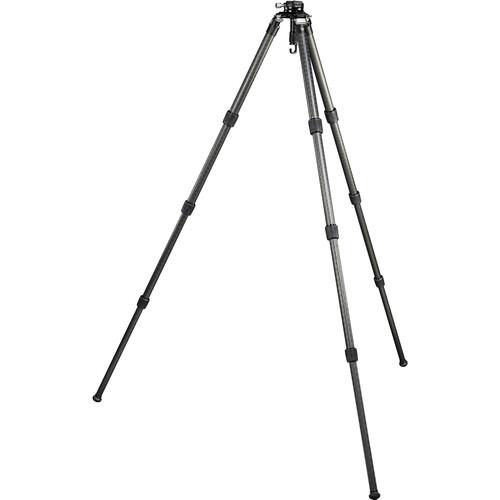
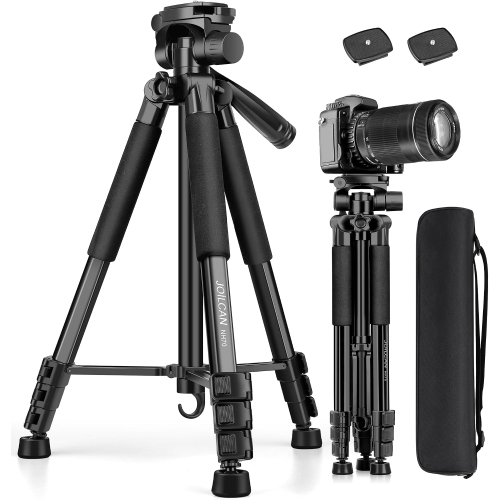
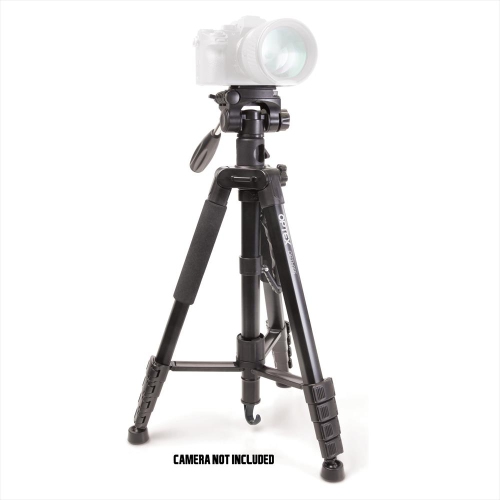
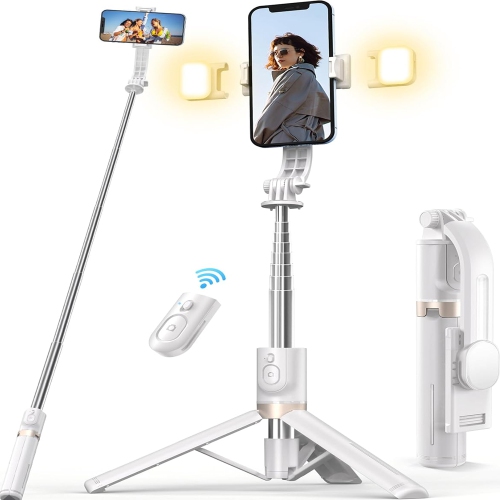
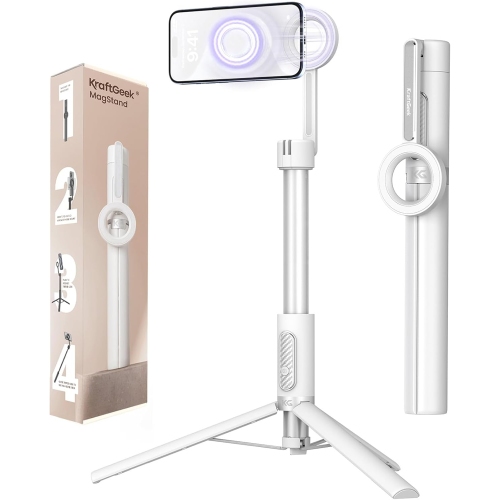
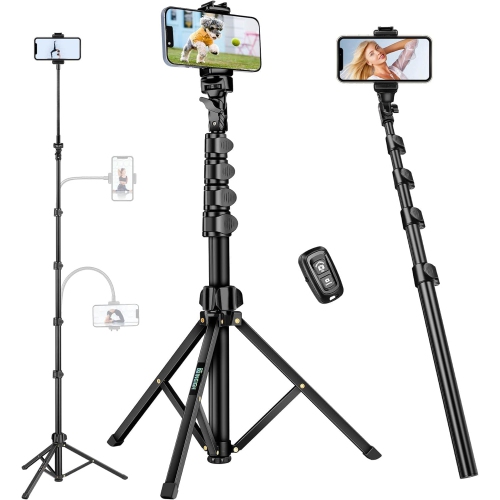
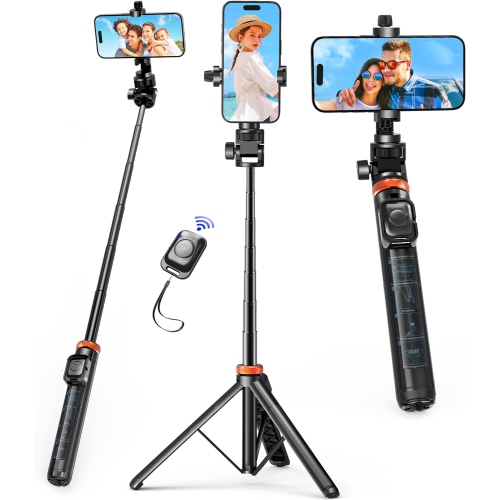
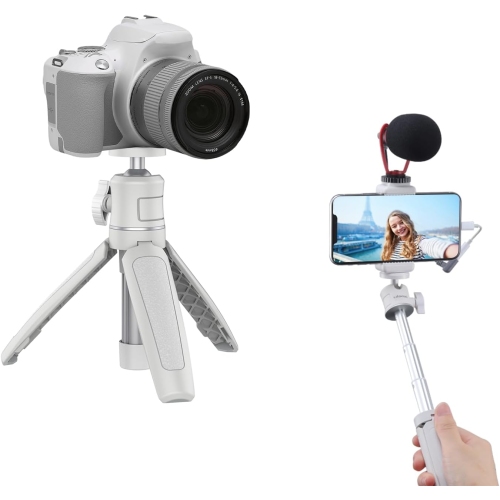
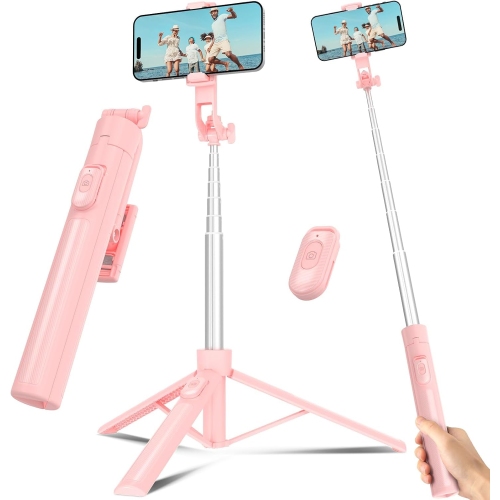

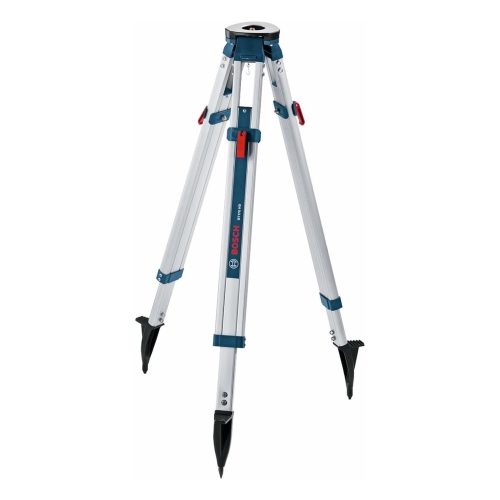
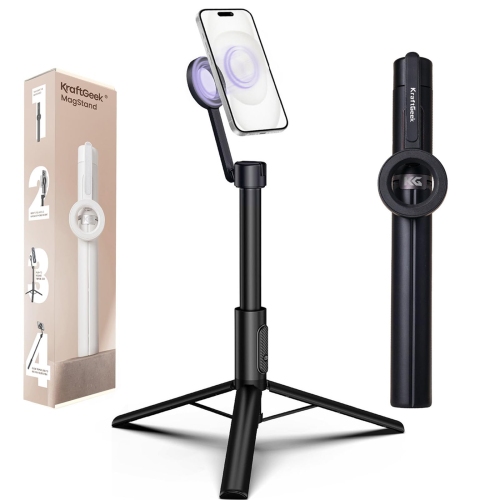

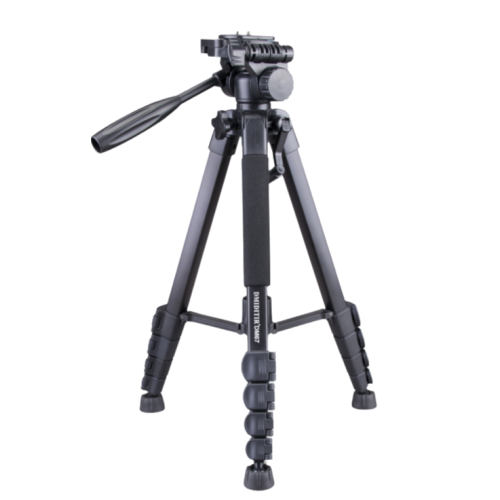
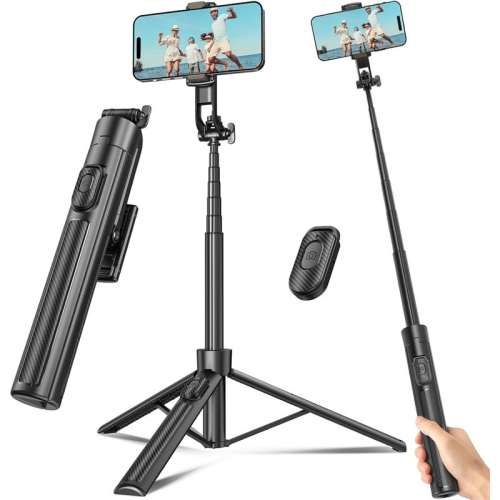
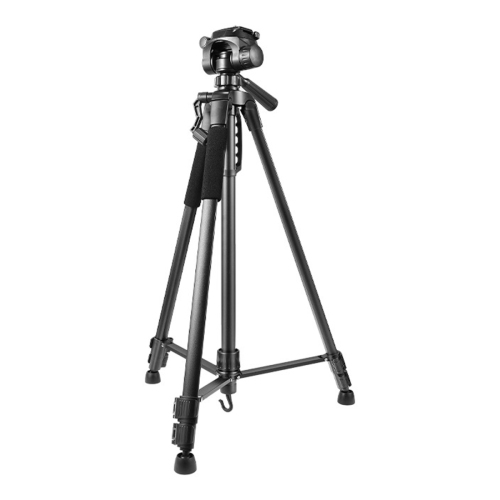

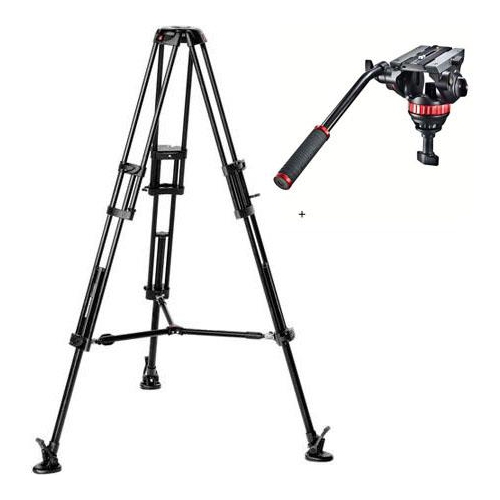
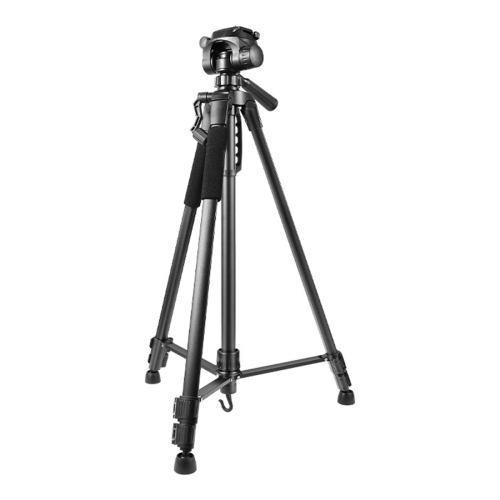
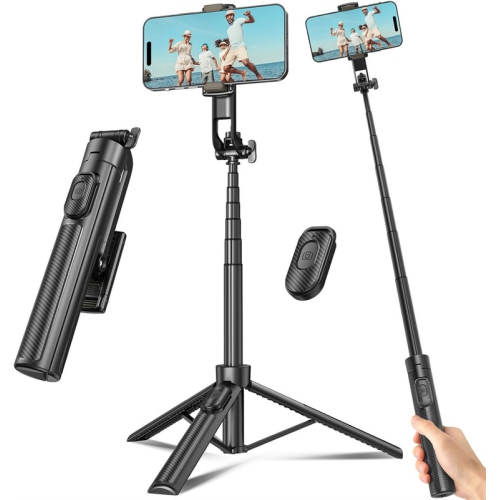
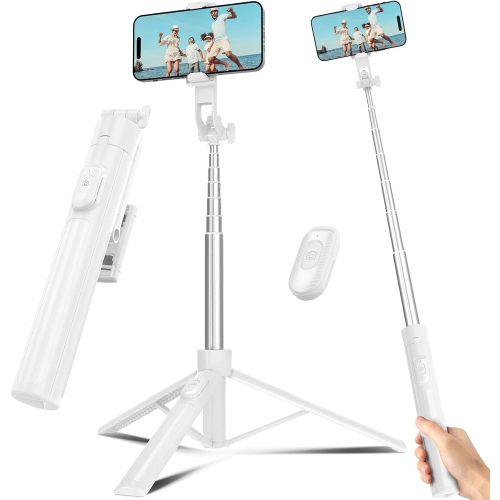
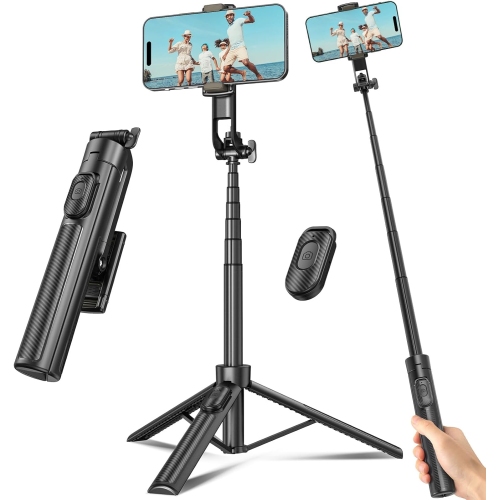
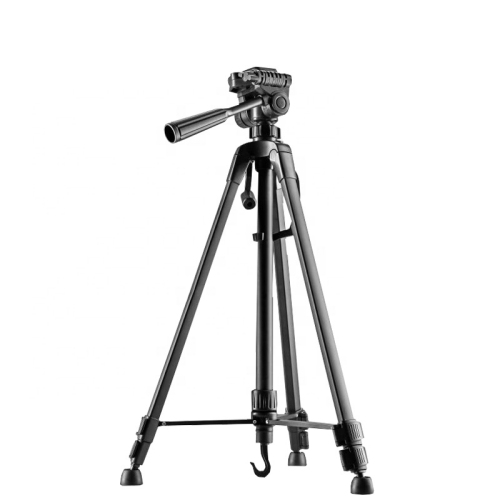

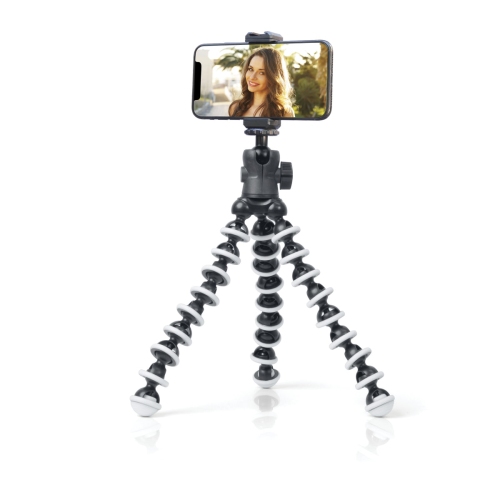
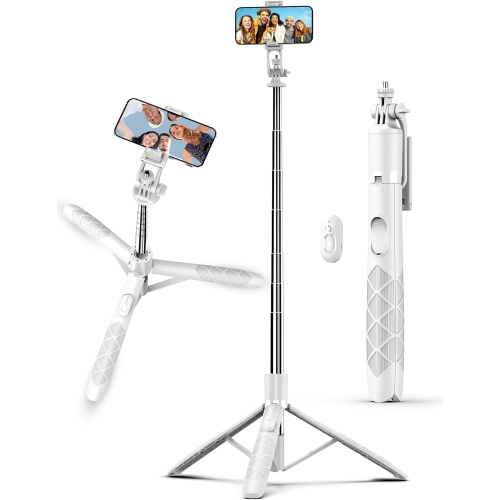
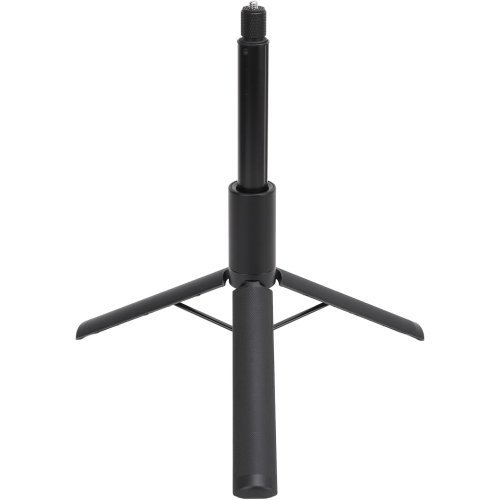
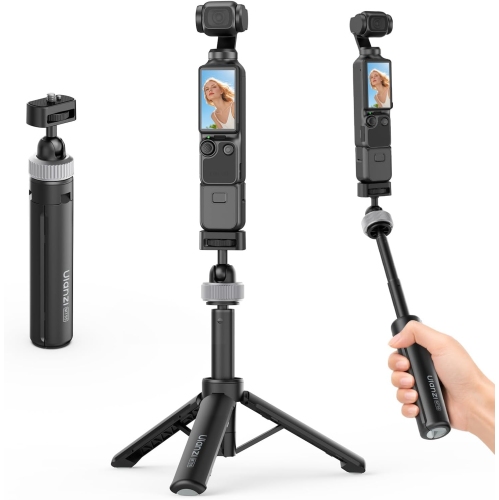
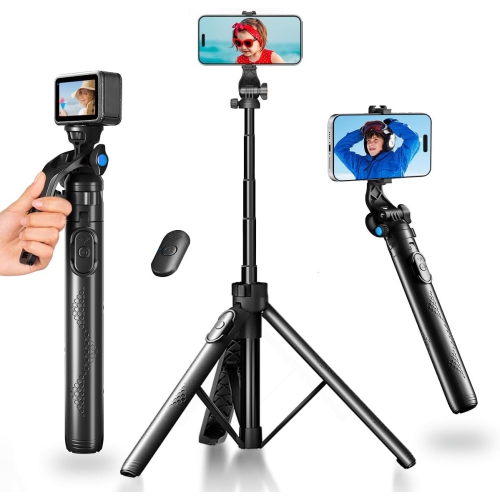
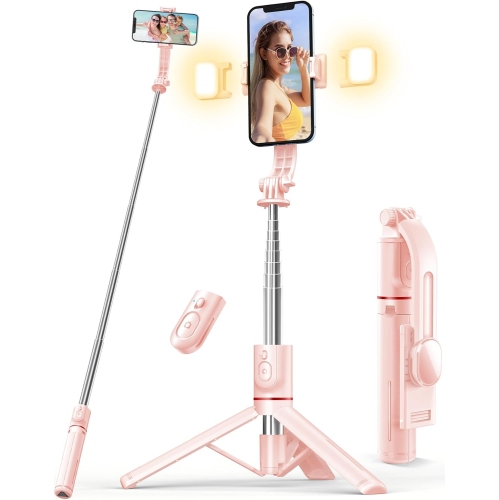
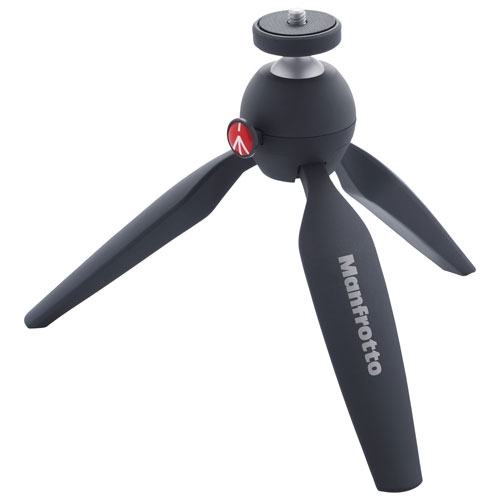
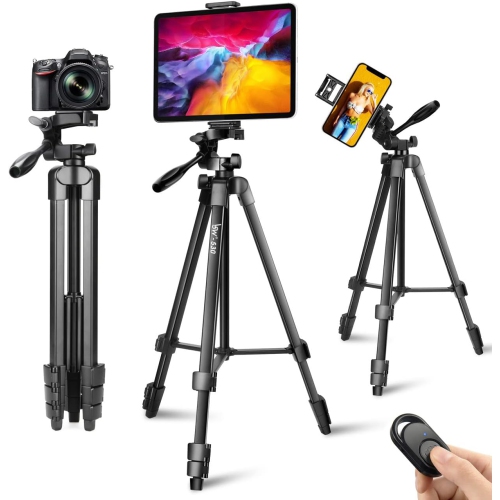
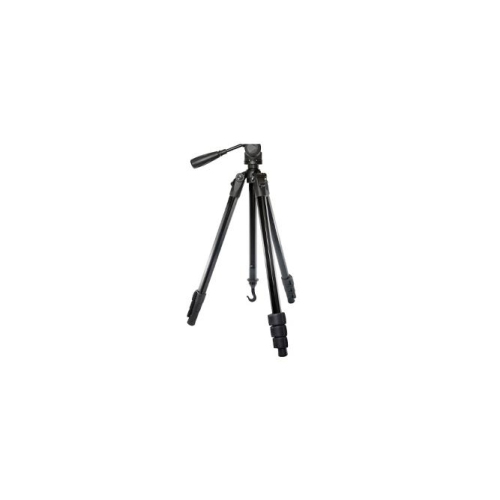
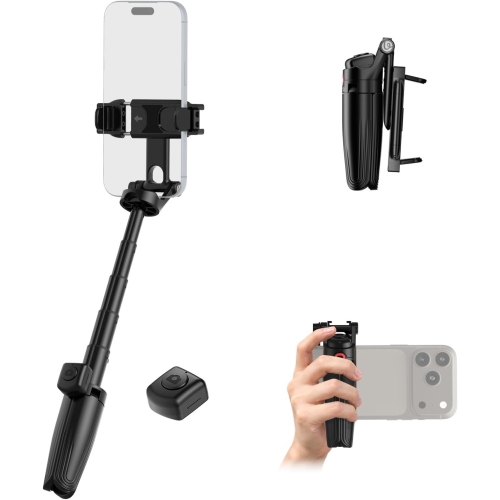
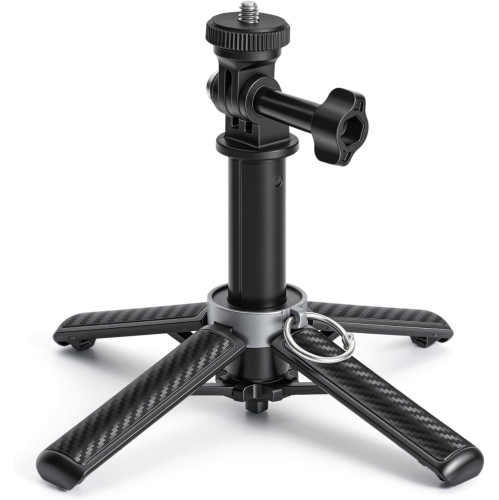
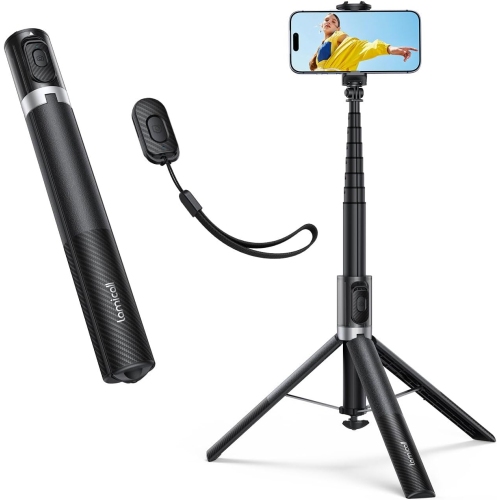
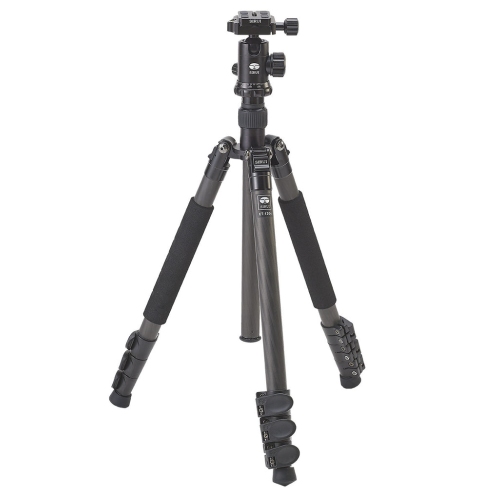
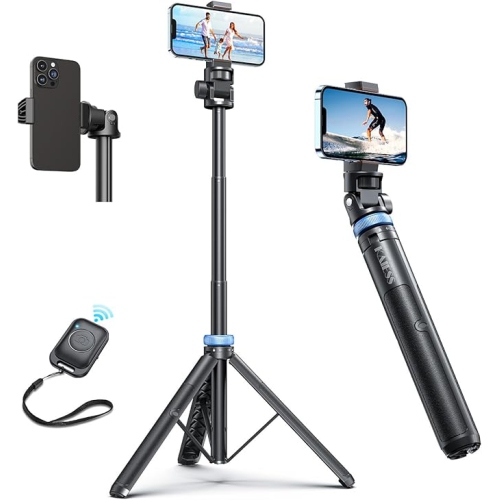
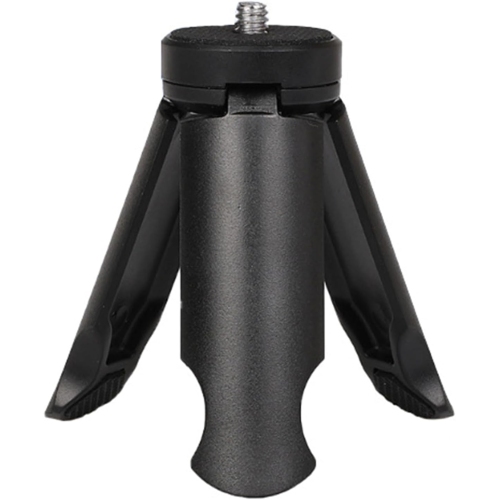
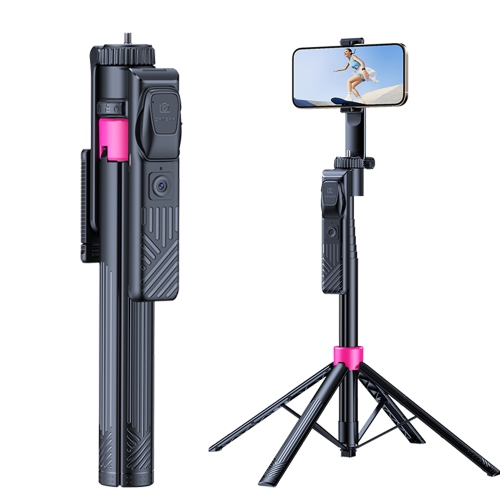
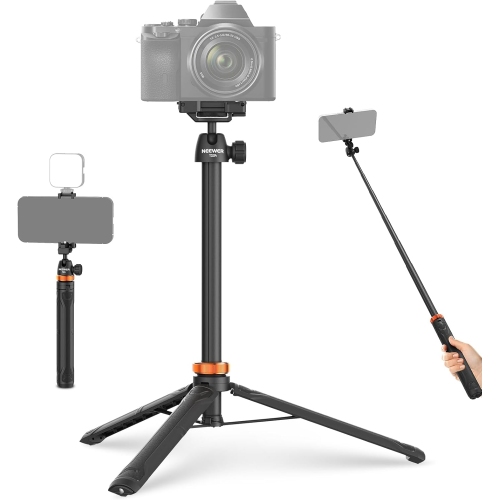
Steady shots start with support that fits your bag
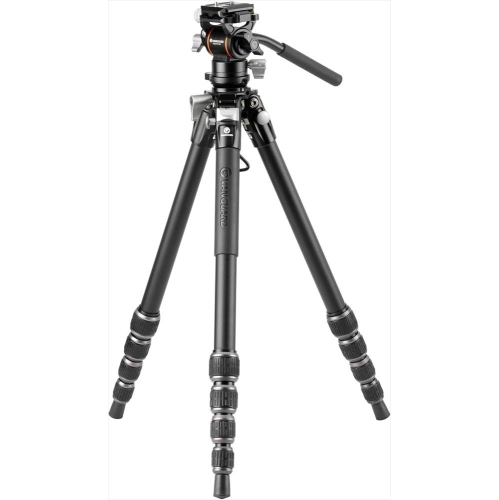
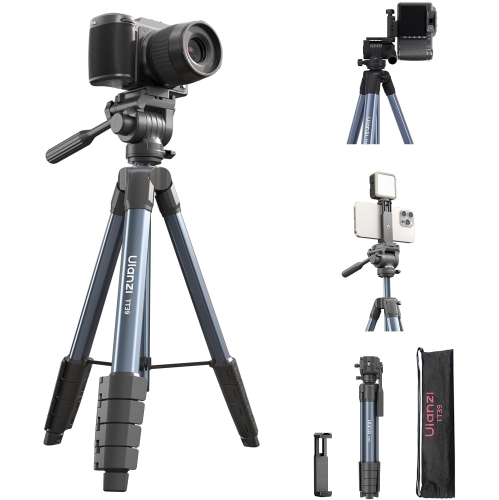
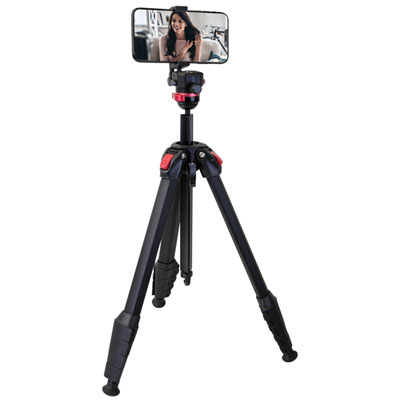
Travel tripods are portable camera supports designed to balance low weight, a compact folded size and enough stability for photography or video away from home. They make it easier to capture a sharply detailed skyline, frame a group portrait with everyone included, or keep a camera in the same position across several exposures. For travellers carrying photography gear alongside everyday essentials, the best fit depends on both the equipment being supported and the space available in a bag. Folded length, packed diameter and total weight all matter: a narrow tripod may slide neatly beside a camera insert, while a shorter design may fit across the bottom of a carry-on suitcase. A folded length of approximately 16 to 18 inches can be a useful comparison point for compact designs, but actual bag dimensions and any attached tripod head determine whether the combination fits comfortably. Some designs fold their legs back around the head to reduce packed length; others use a more compact leg arrangement. Working height deserves equal attention. Maximum height may include a fully raised centre column, whereas the height with that column lowered gives a better sense of the tripod’s more stable shooting position. A comfortable setup brings the camera close enough to eye level without requiring a prolonged crouch, although a tilting screen can make a shorter tripod practical. Low shooting positions also have their uses, from framing architectural details near ground level to photographing an object on a tabletop. Compact tabletop tripods offer a different balance of portability and reach than full-height models, making them useful where a suitable raised surface is available. A travel tripod should also suit the pace of the trip. Quick setup is helpful for a brief stop at a viewpoint, while precise adjustments matter when composing a carefully aligned interior or cityscape. The most useful portable support is one that fits the luggage, works with the intended camera and is manageable enough to bring along rather than leave behind.
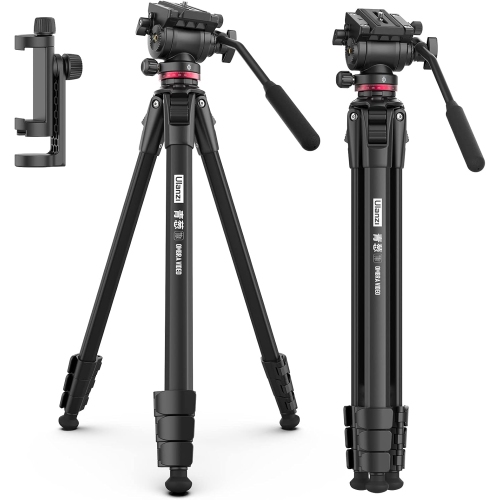
Materials and construction influence how a travel tripod feels in transit and how steadily it holds equipment once unfolded. Aluminum is a common choice for durable, practical legs, while carbon fibre generally reduces weight in comparable designs and can help damp vibration. Neither material alone guarantees stability; leg diameter, joint construction, the number of extending sections and the quality of the locks also contribute. More leg sections can produce a shorter folded package, but they introduce additional joints and often narrower lower sections. Thicker upper sections generally provide firmer support than the thinnest sections at full extension. This distinction becomes noticeable with a longer lens, where a small movement can affect framing or image sharpness. Load capacity needs to account for the complete mounted setup, including the camera body, lens and attached accessories, rather than the body alone. Both the legs and the head need suitable ratings, and a stated load limit does not necessarily describe how well a setup will resist vibration during a demanding exposure. Keeping the centre column low generally provides a steadier base than raising it fully. Adjustable leg angles help position the tripod on steps or uneven ground, while secure locks keep each section from slipping under load. Twist locks offer a streamlined profile, and lever locks make their open or closed position easy to see; either style should operate smoothly and hold firmly. Rubber feet are useful on many hard surfaces, while interchangeable feet are a feature of some designs rather than a universal inclusion. Care is largely about keeping moving parts clean and protecting the equipment during transport. Dust and grit around locks or joints can interfere with smooth operation, so cleaning methods should follow the manufacturer’s directions. Thorough drying before storage, occasional checks for loose fasteners and a protective carrying sleeve can help preserve reliable performance. Handles, straps and compact carrying cases also make a difference when the tripod moves repeatedly between luggage, a vehicle and a shooting location.
The tripod head and mounting system determine how easily a camera can be positioned and how securely it stays there. Ball heads are popular for travel photography because they allow fast adjustments in several directions with a compact mechanism. A separate panning control can be useful for changing horizontal framing without releasing the entire ball, while a three-way head provides independent adjustments for more deliberate composition. Video places different demands on the support: a fluid head is designed to add controlled resistance to pans and tilts, helping movement start and stop more smoothly. For an assortment focused on this style of shooting, Travel Video Tripods offers a related category to explore. Head movement, counterbalance where provided, and the position of the camera over the support all influence handling, particularly with longer lenses or added audio equipment. Quick-release plates simplify the transition between handheld shooting and tripod use, but plate systems are not all interchangeable. A common 1/4-inch camera screw is only one part of compatibility; the plate, clamp and mounting surface also need to work together. Access to the battery compartment and the ability to switch between landscape and portrait orientation can matter just as much during everyday use. Smartphone photography requires a suitable phone holder unless one is included, with enough adjustment for the phone’s width and any case that remains attached. Secure clamping is especially important when positioning a phone vertically for short videos or using a remote shutter for a group photo. A compatible remote or the camera’s self-timer can reduce movement caused by pressing the shutter button. These details make travel tripods useful to a wide range of people, including hobby photographers, creators filming away from a desk, families documenting shared trips and travellers who want to appear in their own photographs. As a gift, a travel tripod is most practical when its size, mounting options and load capacity match the recipient’s existing gear. A lightweight setup for a phone has different needs from a camera paired with a substantial lens, and a thoughtful match makes the support easier to pack, position and use repeatedly.
Top selling and popular products
-
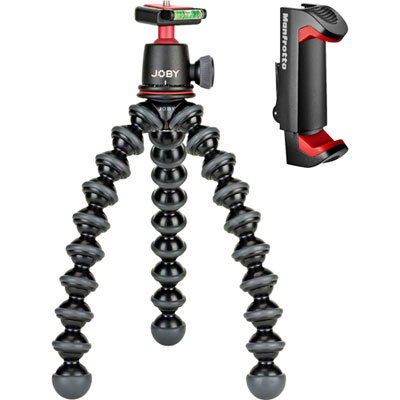 Your price for this item is $144.99
-
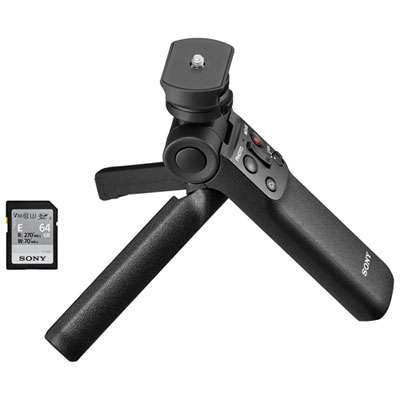 Your price for this item is $199.97
-
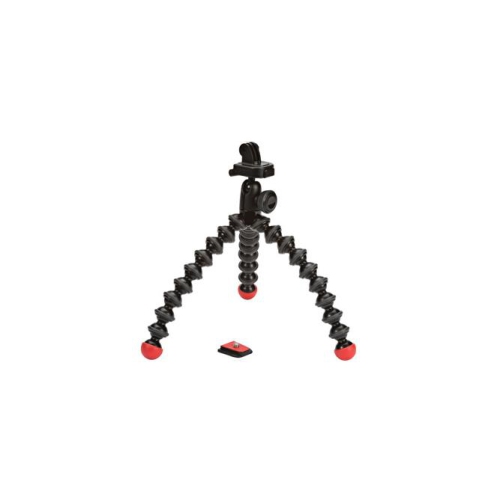 Your price for this item is $126.91
-
 Your price for this item is $139.99
-
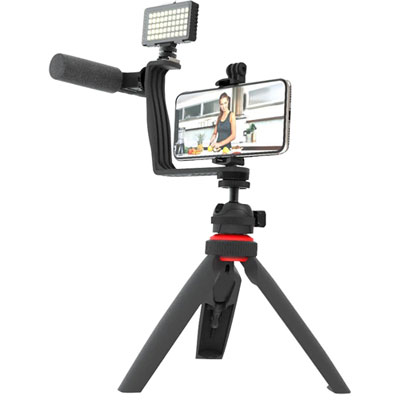 Your price for this item is $69.99
-
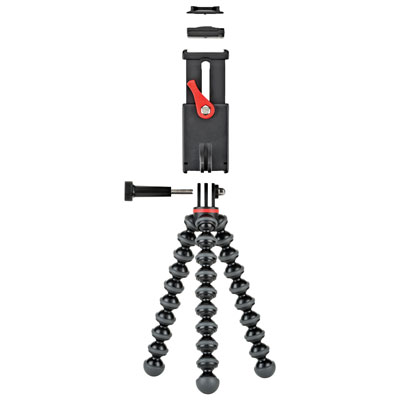 Your price for this item is $78.97
-
 Your price for this item is $259.99
-
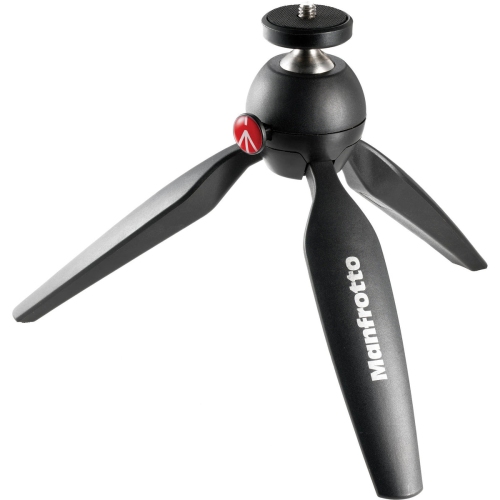 Your price for this item is $83.53
Discover more categories related to Travel Tripods
Top Collections:
Best Black Friday Deals This Year, Best Black Friday Deals On Electronics, Kindle Devices, Pokemon Centers, Best Black Friday Deals On Apple Products, Best Cameras for Sports Photography, Dyson Airwrap, Pokémon 30th Celebration Cards, Apple iPhone 17 Pro, Canon G7X Cameras
Some products may be subject to Environmental Handling Fees
(EHF) depending on your province.
Learn more about EHFs.