Underwater Cameras for Snorkeling
Capture every vibrant moment beneath the surface with Underwater Cameras for Snorkeling. Whether you're exploring colorful reefs or swimming alongside fascinating marine life, these cameras are designed to help you document your underwater adventures with ease. Browse a wide selection of options suited for both beginners and experienced snorkelers, and find the perfect camera to bring your aquatic memories to life. Discover how Underwater Cameras for Snorkeling can enhance your next trip below the waves.
Sort
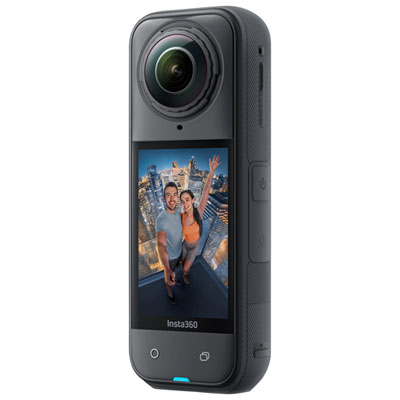
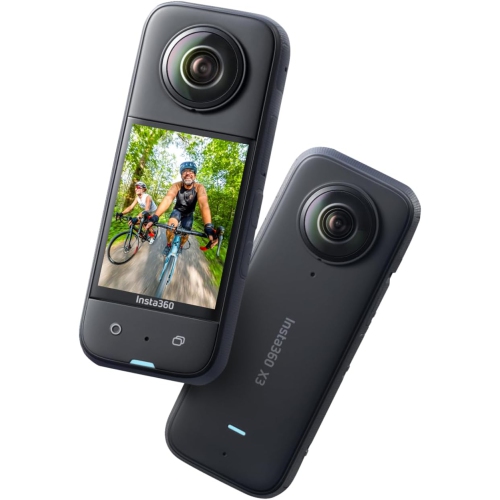
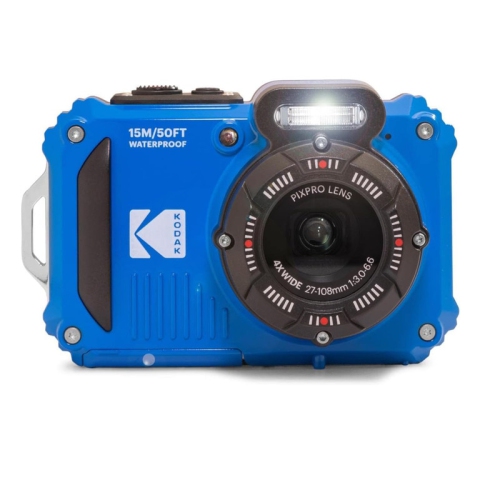
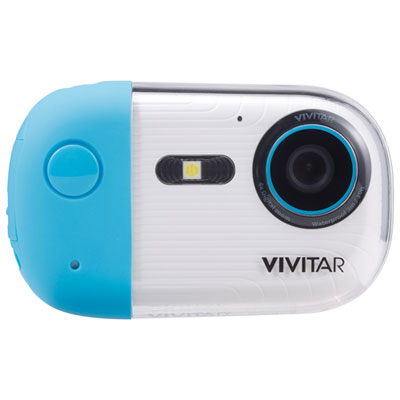
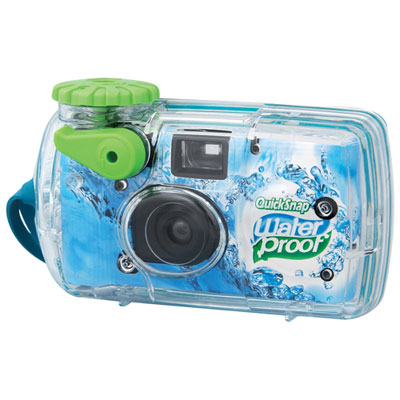
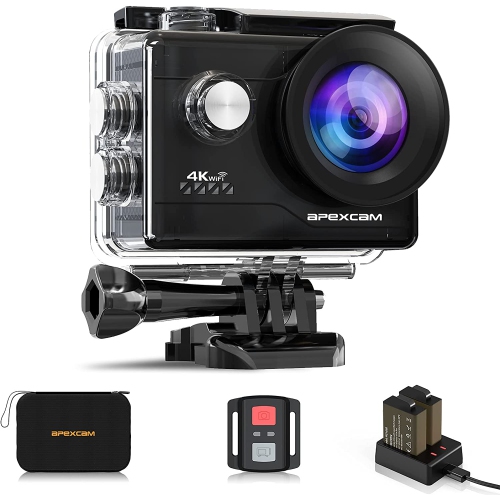

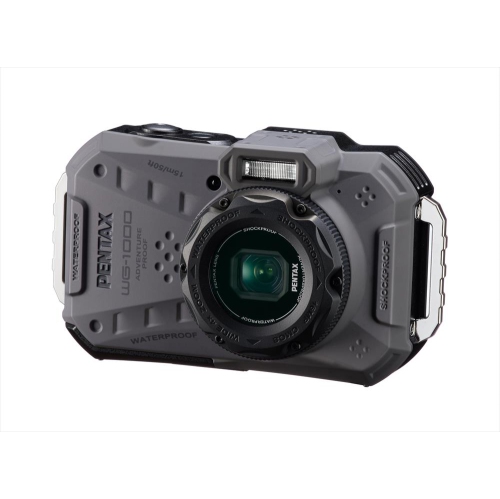
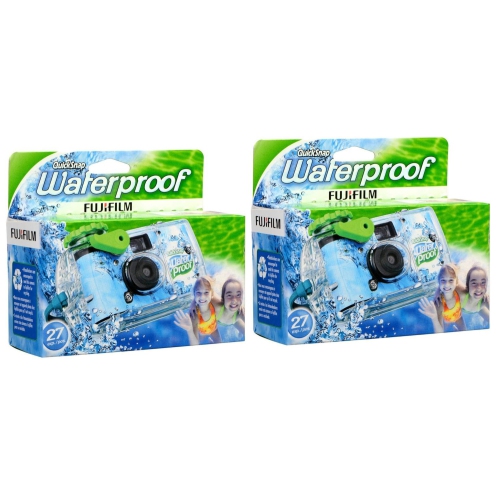
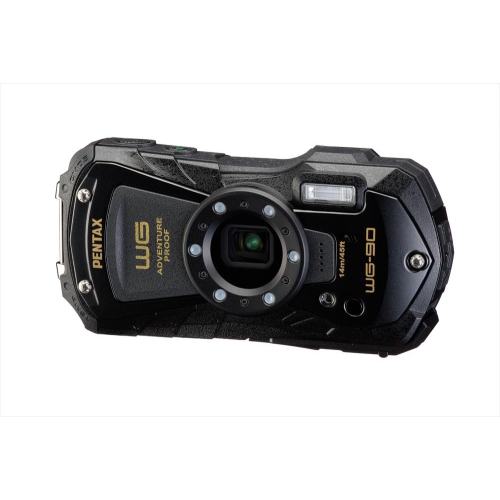

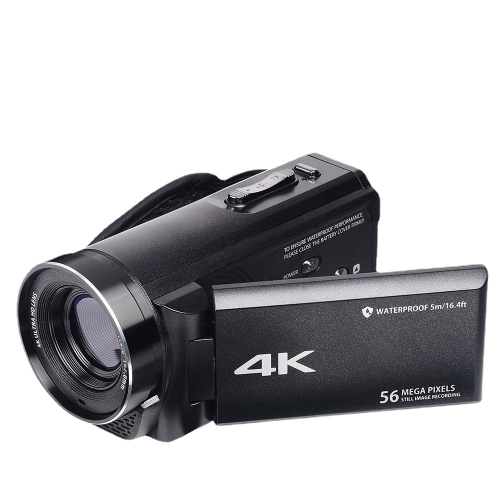
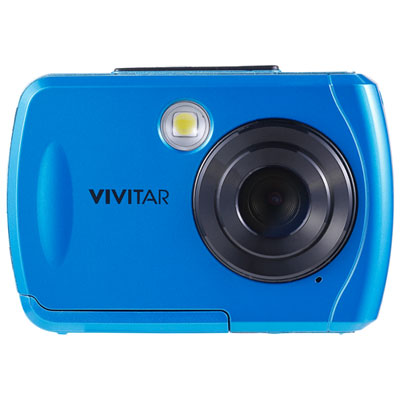
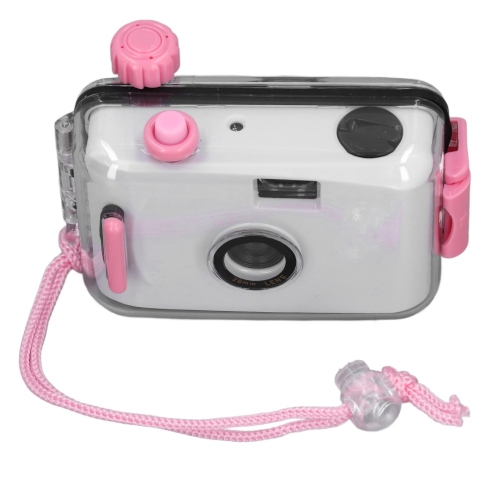
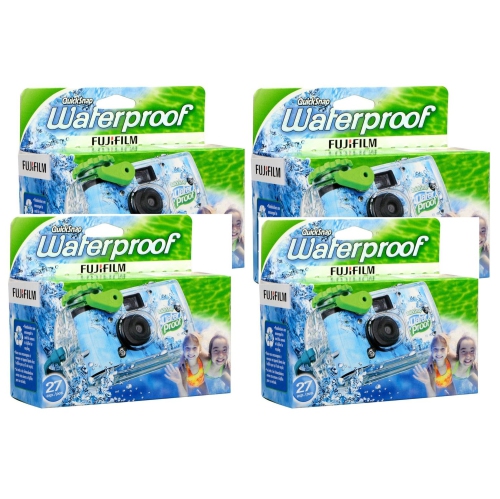
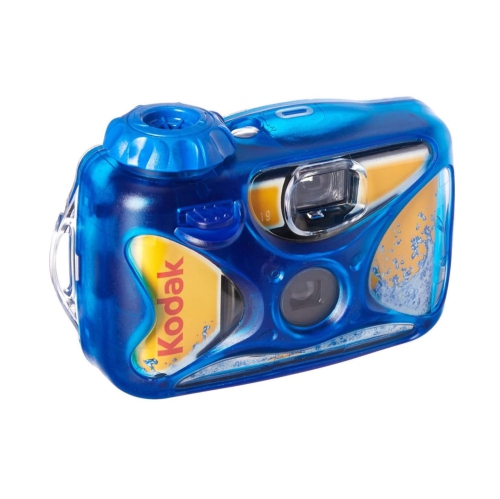
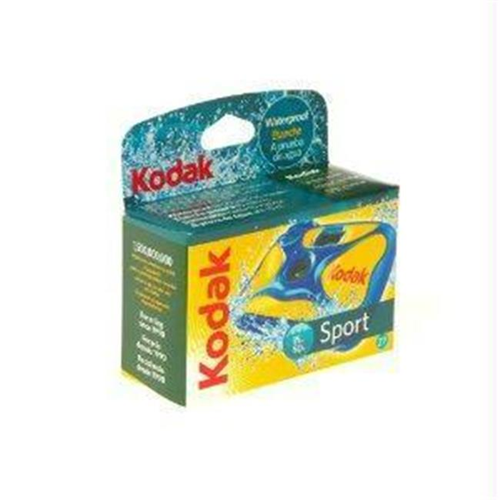
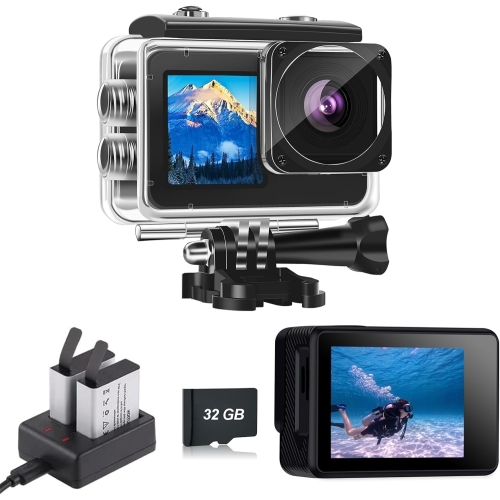
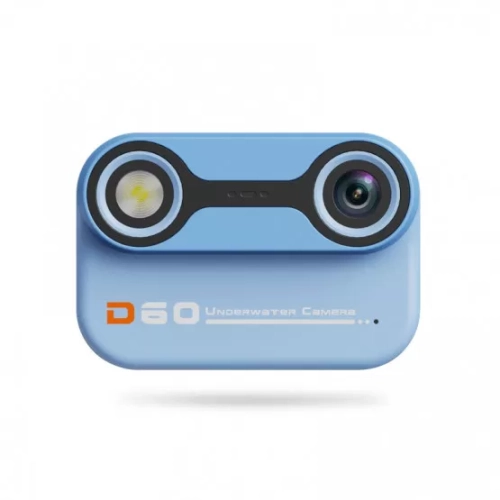
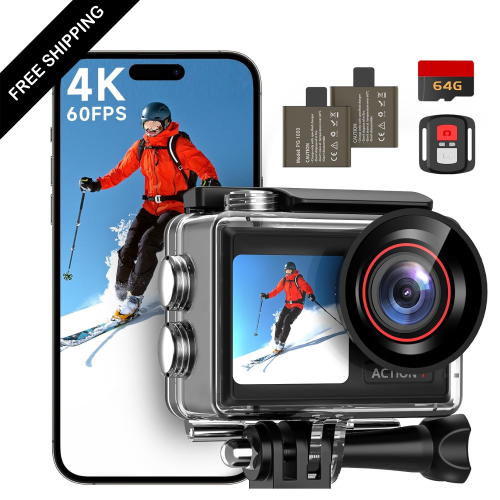
Why depth ratings and handling matter beneath the surface
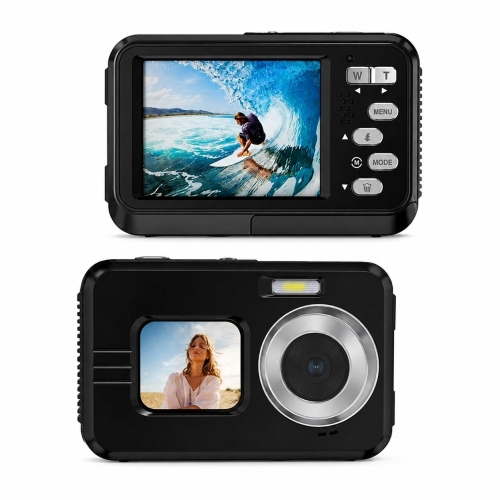
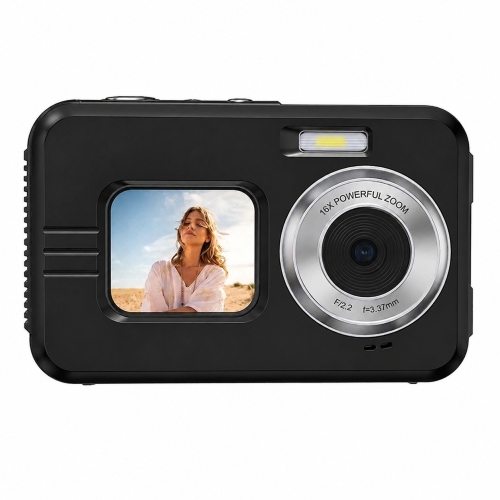
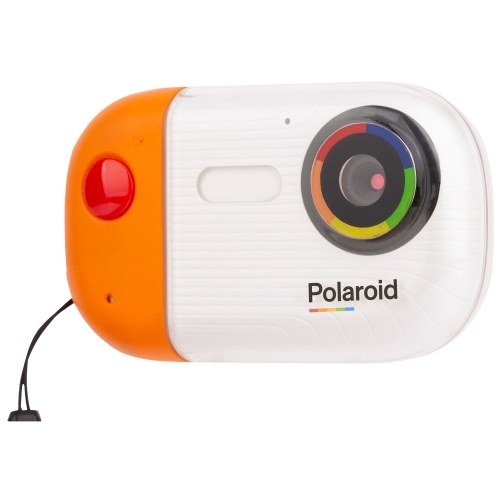
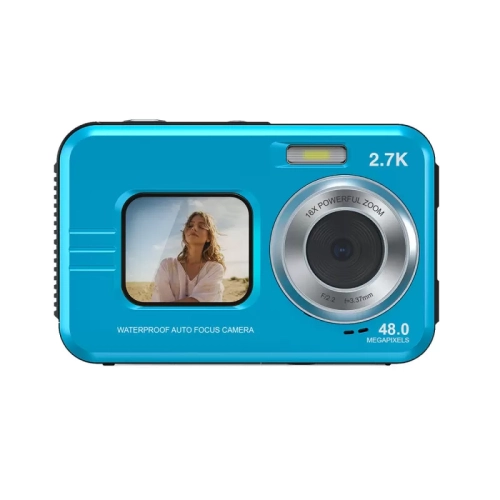
Underwater cameras for snorkelling capture still photos and video beneath the surface, with options ranging from waterproof compact cameras to action cameras and 360-degree cameras with suitable underwater housings. The right camera depends on how it will be carried, the depth at which it will be used, and whether photos or video matter most. A compact camera offers a familiar grip, a rear screen for framing, and dedicated controls that can feel reassuring when following a fish through a patch of seagrass. Some compact designs include optical zoom, although getting closer without disturbing marine life generally produces clearer underwater images than photographing a distant subject through more water. Action cameras emphasize small dimensions, wide-angle views, and mounting flexibility, making them useful for capturing a swimming companion or the sweep of a reef. Their broad field of view can fit more into the frame, but small subjects may look farther away than expected. A 360-degree camera captures a view around the camera and allows the viewing angle to be chosen later, which appeals to travellers who enjoy editing immersive footage. Underwater use requires particular attention to housing compatibility because water changes how light reaches the lenses and can affect the seams where images are joined. Across these categories, waterproofing is a feature with defined limits, not a promise that every camera can handle every water activity. A depth rating applies under the conditions stated by the manufacturer, and a camera that resists splashes is not necessarily designed for submersion. Some cameras are waterproof on their own; others depend on a correctly fitted housing. For surface snorkelling, a secure handhold, straightforward controls, and an appropriate waterproof rating often matter more than a long list of shooting modes. These practical differences help distinguish a camera intended for relaxed holiday photos from one better suited to hands-free video or more involved editing after the swim.
Image quality underwater depends on more than the resolution printed in a specification list. Water reduces contrast and absorbs colours unevenly, so a bright scene viewed through a mask may look noticeably different in a photograph. Underwater shooting modes and white balance adjustments can help produce more natural-looking colour, while support for RAW photos gives experienced photographers more flexibility when editing compatible files. Neither feature can fully restore detail that was never captured, especially when the subject is distant or the water contains suspended particles. For video, frame rate influences how smoothly movement appears, and image stabilization can reduce the distraction of a gently rolling camera. Stabilization may crop the image or perform differently in dim scenes, making the combination of lens coverage, sensor performance, and stabilization more useful to assess than any one specification alone. Close-focus capability is helpful for nearby details, while a responsive shutter makes it easier to catch a passing fish before it leaves the frame. A screen that remains readable near the surface and buttons that can be identified by touch simplify framing when attention is divided between the camera and the swim. Touchscreens may not respond normally underwater, so physical access to essential functions is particularly valuable. Housing design matters here: the shutter, mode controls, and mounting points need to remain usable once the camera is enclosed. A comfortable grip or adjustable wrist strap can make a small camera easier to manage, provided it fits securely without restricting movement. A compatible floating grip may add buoyancy, but its capacity must suit the combined weight of the camera, housing, and attached accessories. For longer outings, battery endurance and storage capacity also shape the experience. Higher-resolution video and faster frame rates generally require more storage and can shorten recording time, while wireless connections are mainly useful for transferring files once the camera is out of the water. Underwater sound is different from sound captured on land, and a sealed housing can further limit microphone performance, so clear spoken audio should not be assumed.
Materials, fit, and care contribute directly to how dependable an underwater camera feels over repeated trips. Many waterproof bodies and housings use moulded plastics, metal components, or a combination of both, with seals protecting doors, ports, and battery compartments. A clear housing makes it easier to inspect the enclosure, while a textured grip can improve handling with wet hands. Lens windows and protective covers deserve close attention because scratches, smudges, and water droplets can soften an otherwise well-framed image. Before submersion, sealing surfaces need to be clean and free of sand, hair, or other debris, and every latch must be fully secured according to the manufacturer’s directions. Housings should match the exact camera model and retain access to the controls needed underwater; a close physical fit alone does not establish compatibility. After saltwater use, a fresh-water rinse with the camera or housing properly closed helps remove salt from the exterior. Drying the outside thoroughly before opening a compartment reduces the chance of water reaching the battery or memory card. Seals need inspection and any maintenance specified by the manufacturer, rather than improvised cleaners or lubricants that could affect their material. A padded case and a protective lens cover are useful during travel, particularly when a camera shares a bag with masks, buckles, and other equipment that could mark its surface. For shoppers comparing related options, Waterproof Cameras for Snorkeling provides another relevant category to explore. These cameras can suit occasional snorkellers preserving a few favourite moments, frequent travellers building a collection of underwater photos, or enthusiastic video makers who enjoy shaping footage into a finished sequence. They can also make thoughtful gifts when the recipient’s swimming activities, preferred camera style, and existing accessories are known. Simple operation may be the best fit for someone who wants to share photos without much editing, while manual controls and flexible file formats may appeal to a more experienced photographer. In either case, the most satisfying choice is one that feels manageable in the water and supports the kind of memories its owner wants to capture.
Top selling and popular products
-
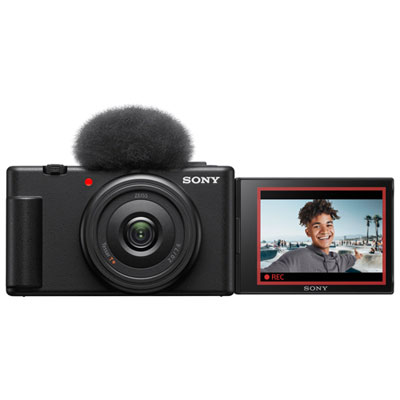 Your price for this item is $599.99
-
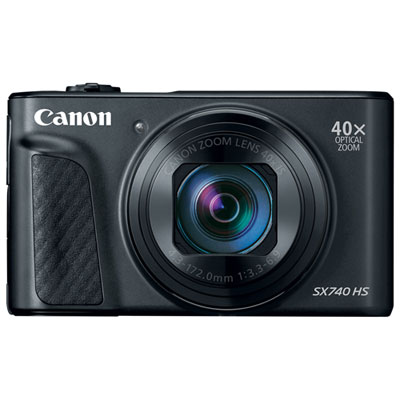 Your price for this item is $799.99
-
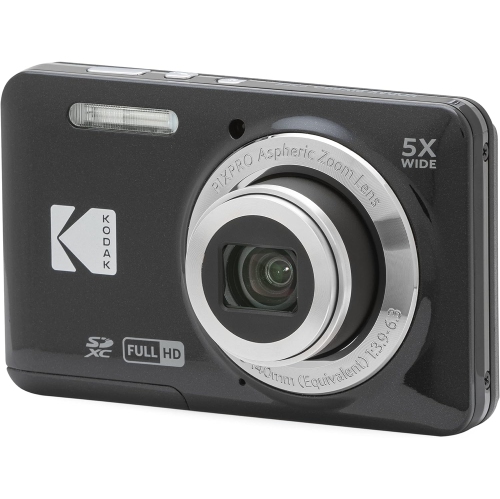 Your price for this item is $255
-
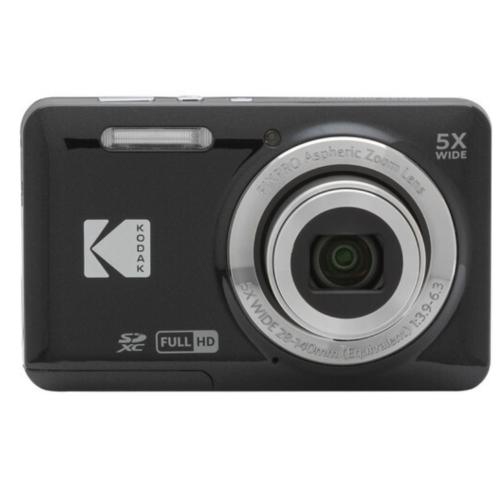 Your price for this item is $253
-
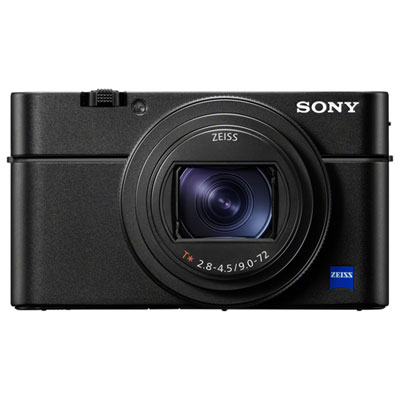 Your price for this item is $1799.99
-
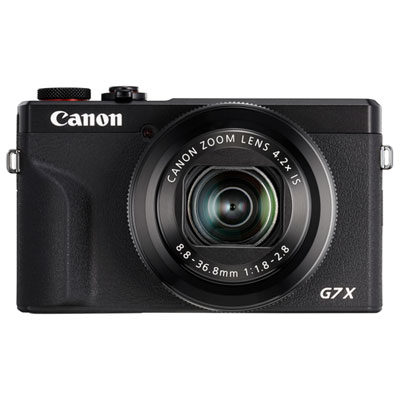 Your price for this item is $1999.99
-
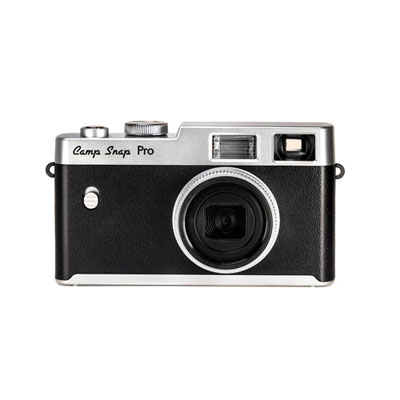 Your price for this item is $149.99
-
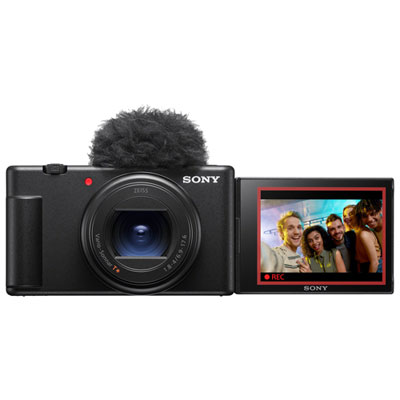 Your price for this item is $1099.99
Discover more categories related to Underwater Cameras for Snorkeling
Top Collections:
Best Black Friday Deals This Year, Best Black Friday Deals On Electronics, Kindle Devices, Pokemon Centers, Best Black Friday Deals On Apple Products, Best Cameras for Sports Photography, Dyson Airwrap, Pokémon 30th Celebration Cards, Apple iPhone 17 Pro, Canon G7X Cameras
Some products may be subject to Environmental Handling Fees
(EHF) depending on your province.
Learn more about EHFs.