Video Recorders
Looking to capture life's precious moments or create engaging video content? Our selection of video recorders offers a range of features to suit your needs, whether you're a budding filmmaker, a content creator, or simply looking to document special events. From compact camcorders to professional-grade video cameras, find the perfect device to bring your vision to life. Discover high-quality recording capabilities, advanced technology, and user-friendly designs that make capturing and sharing videos easier than ever.
Sort






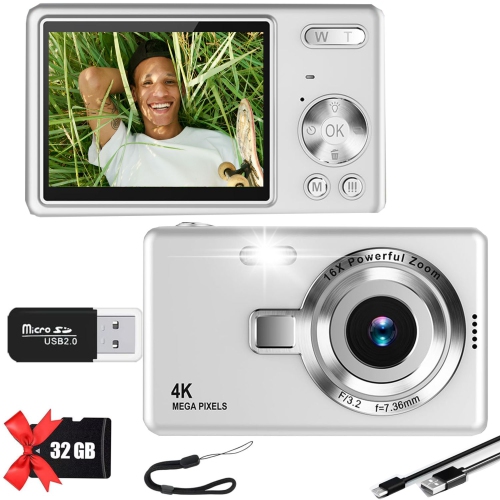
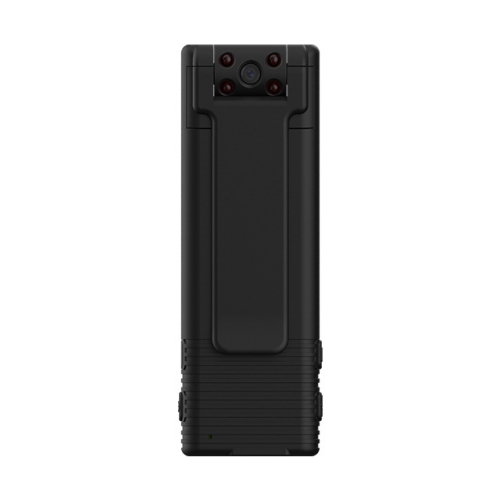
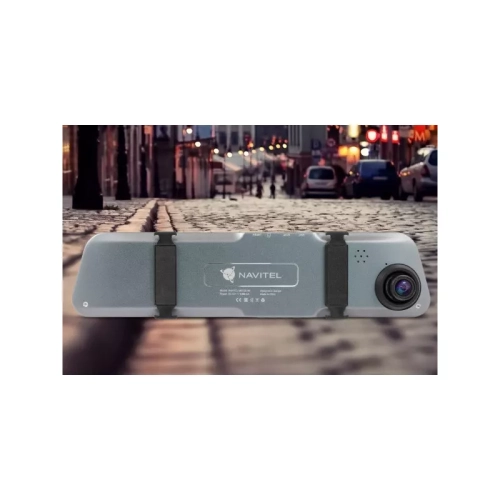
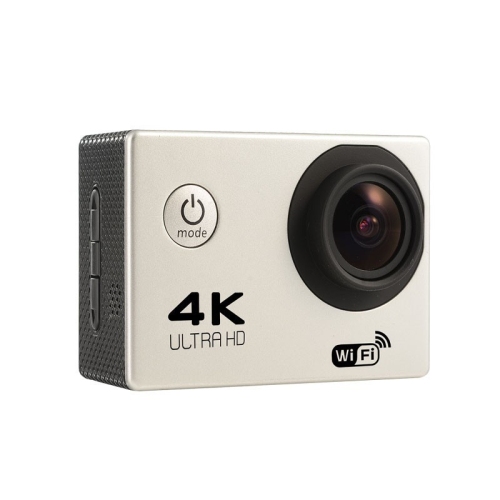

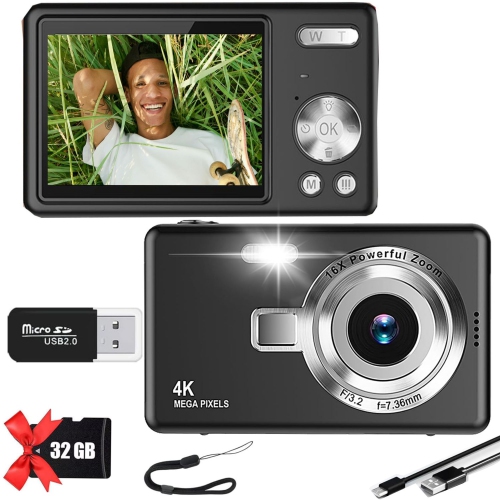
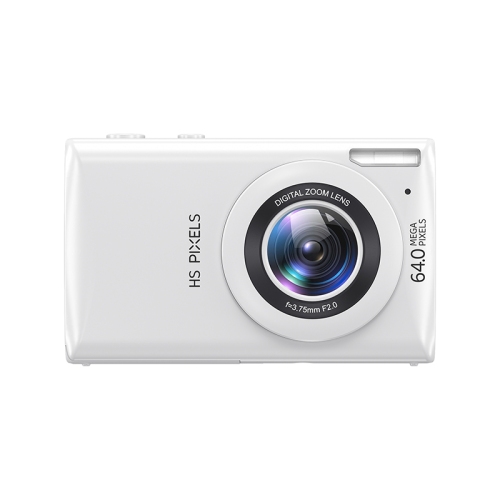
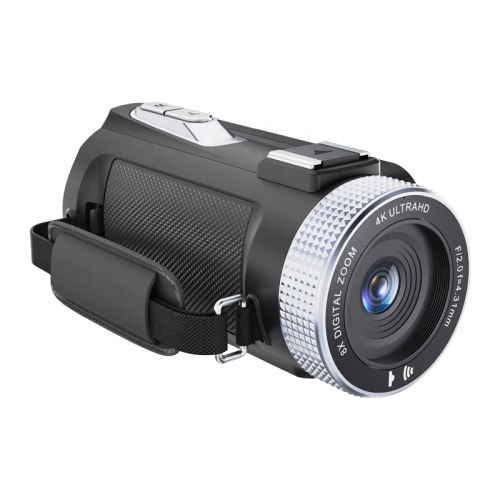
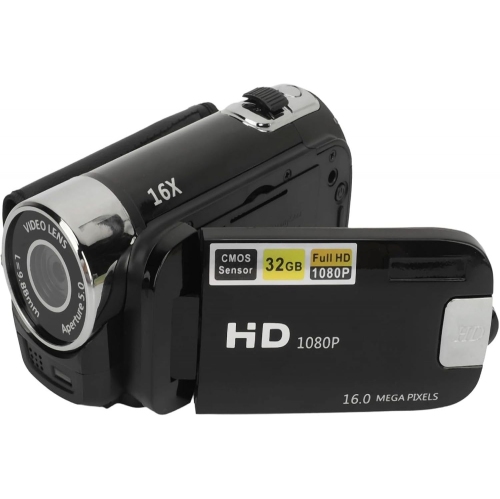


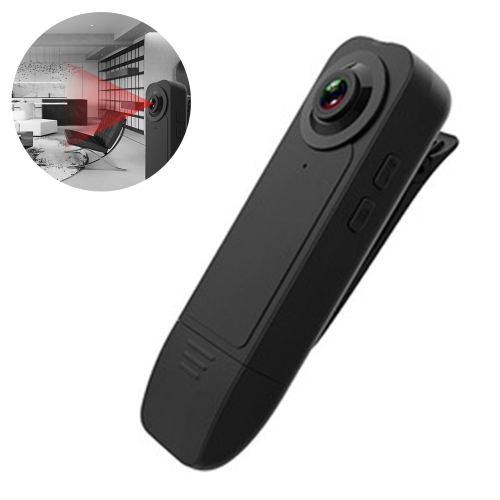
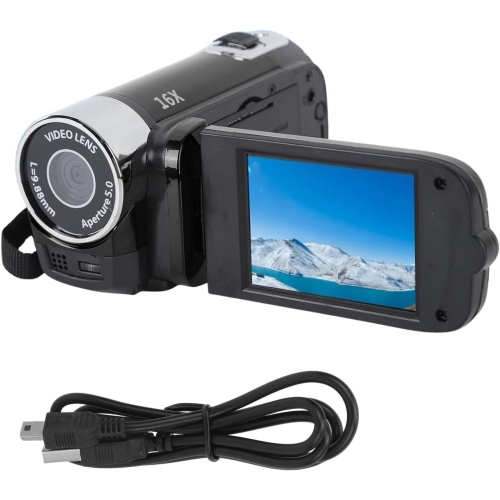
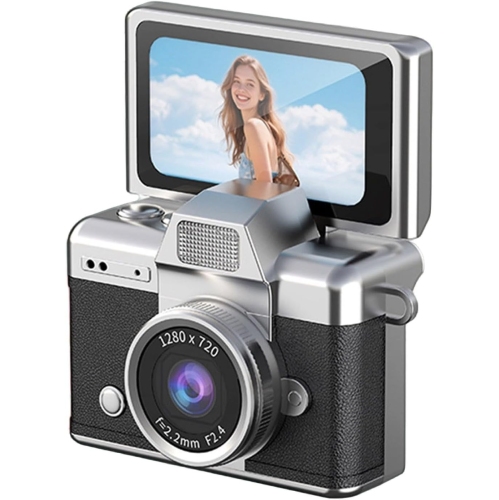
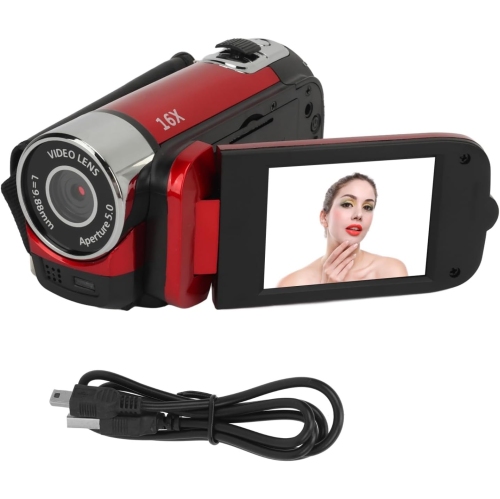



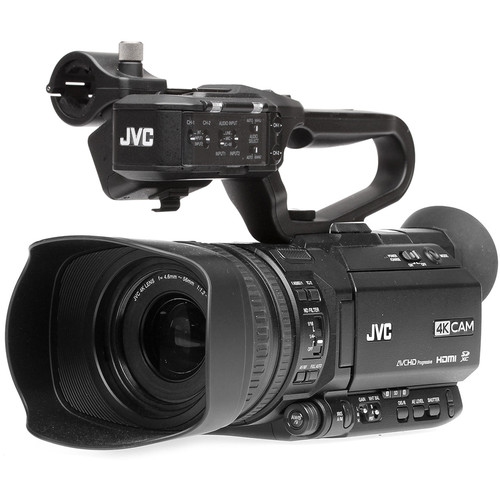
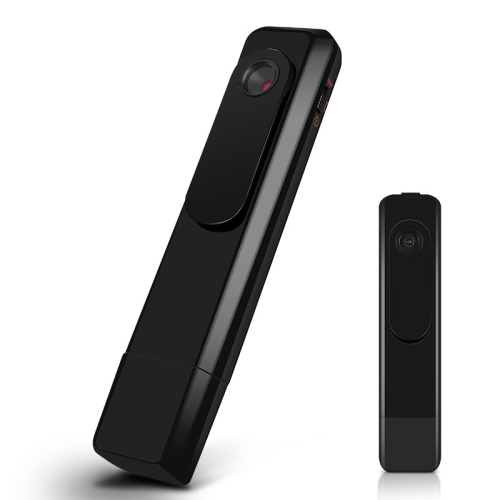
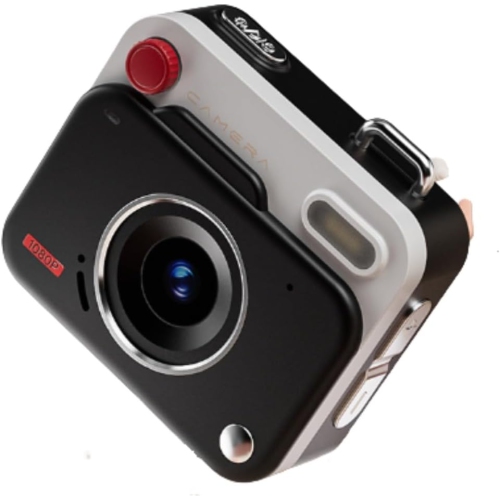
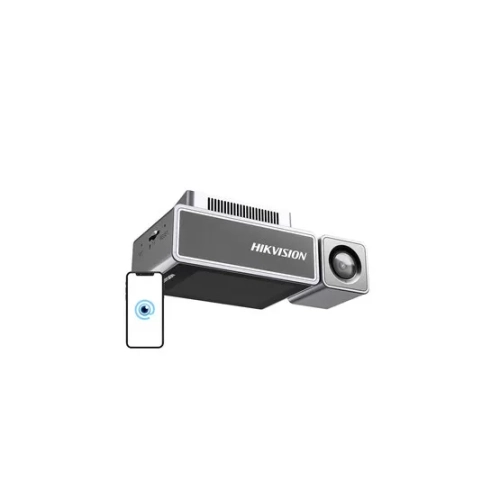

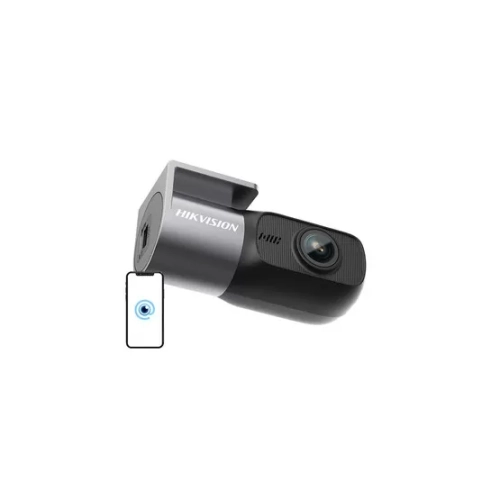
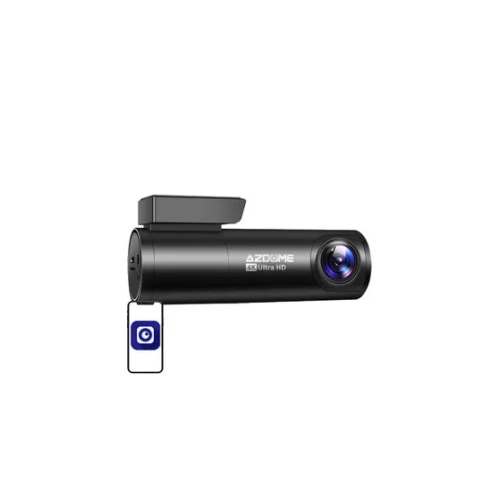
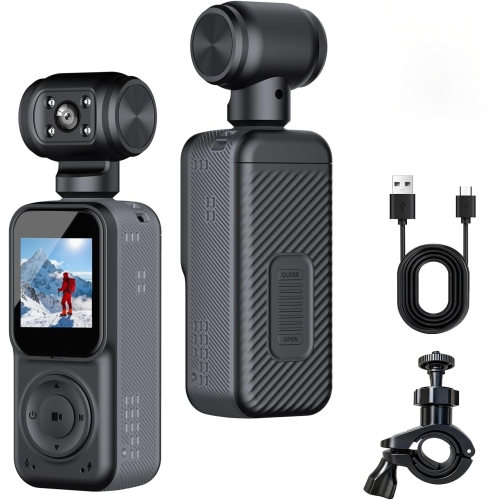
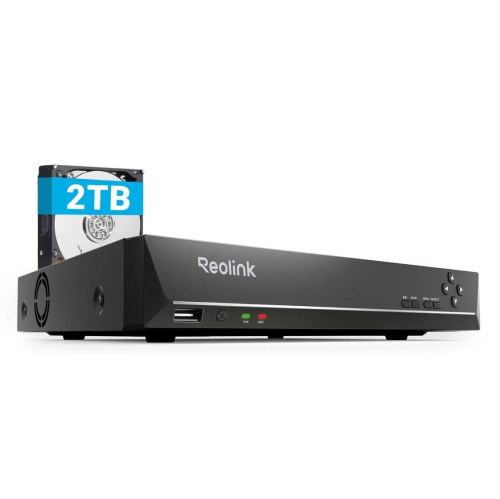



Why better recordings depend on more than resolution
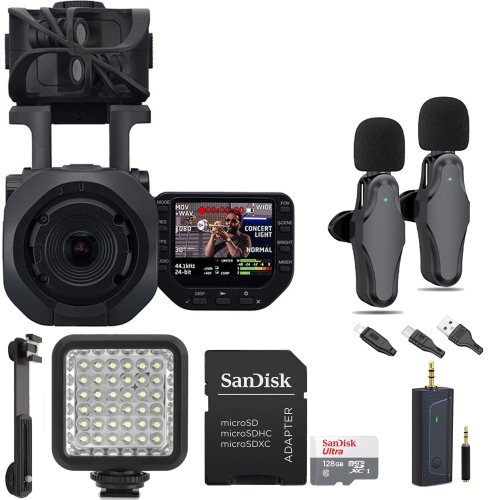
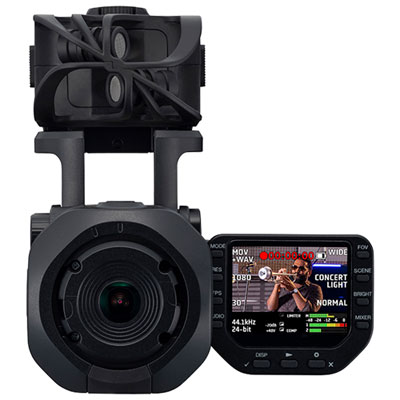
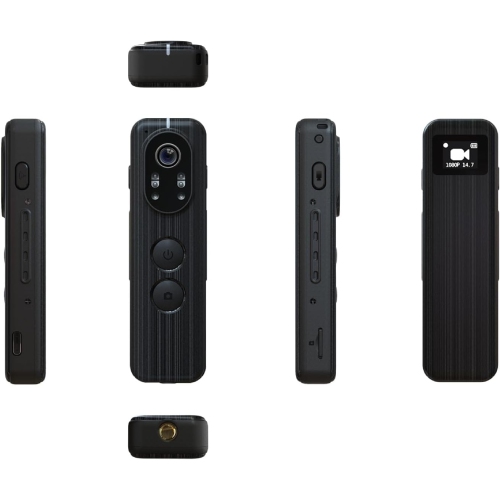
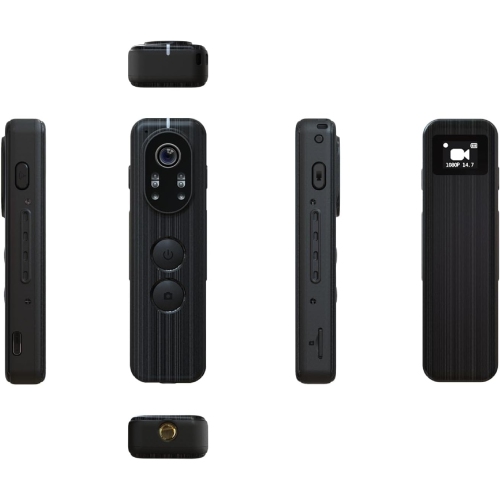
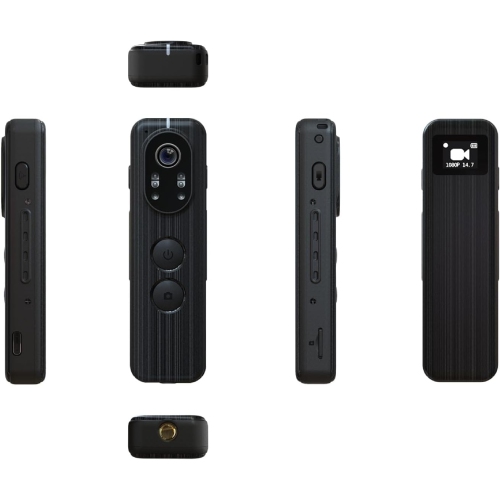
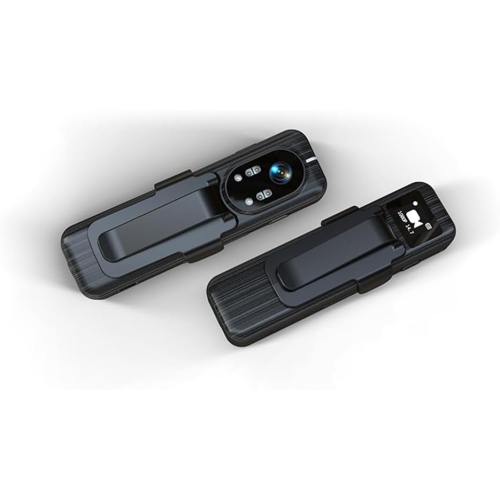
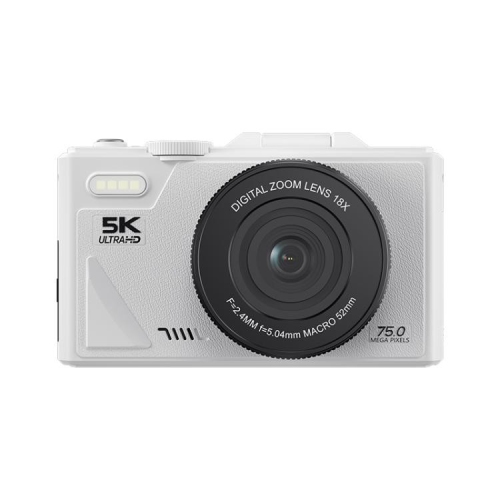
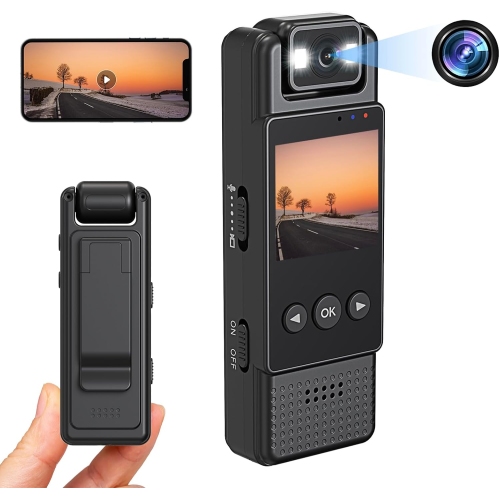
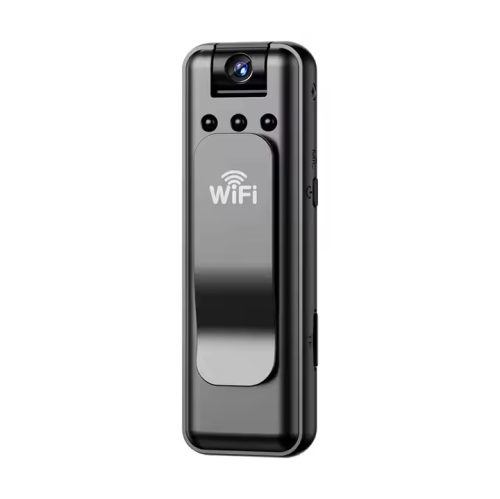
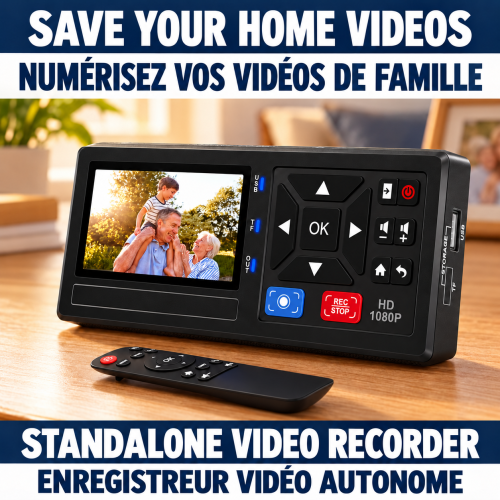
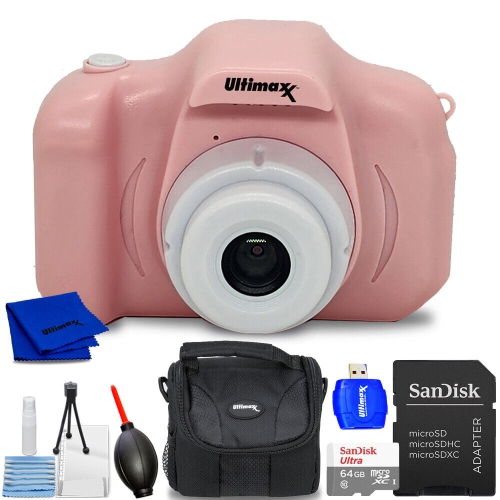
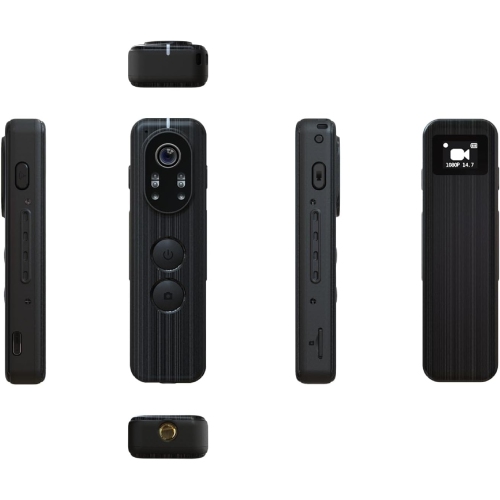
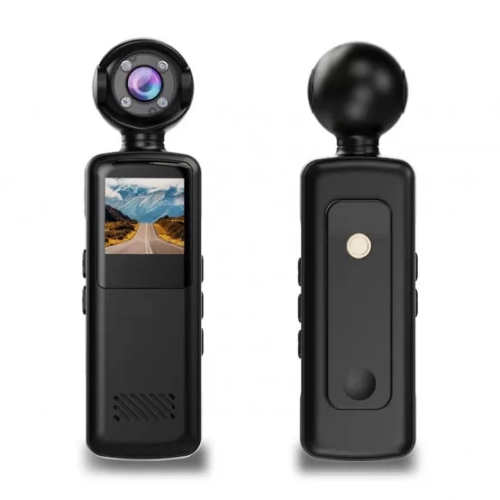
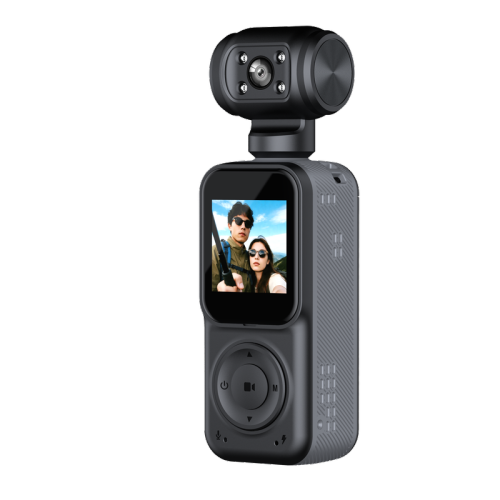
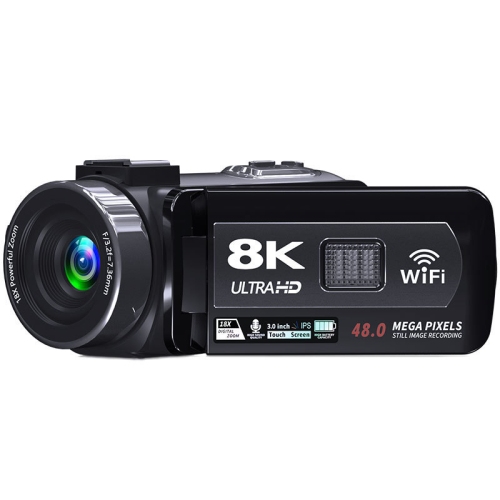
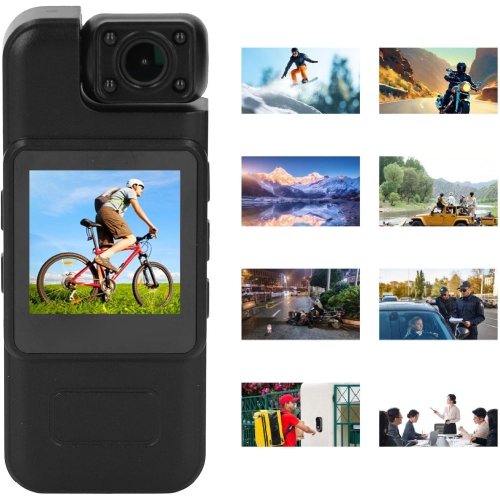
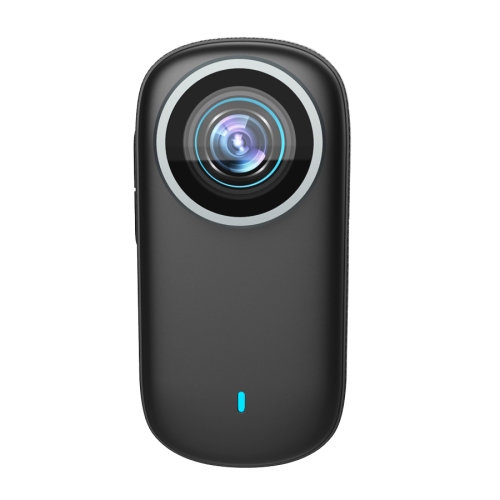
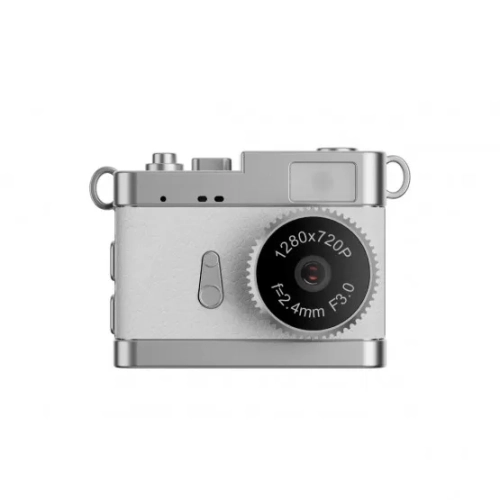
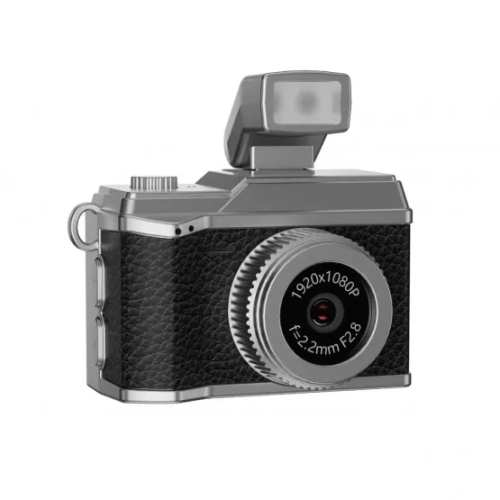
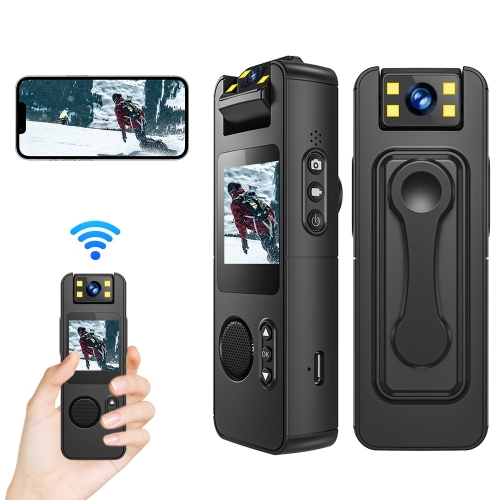
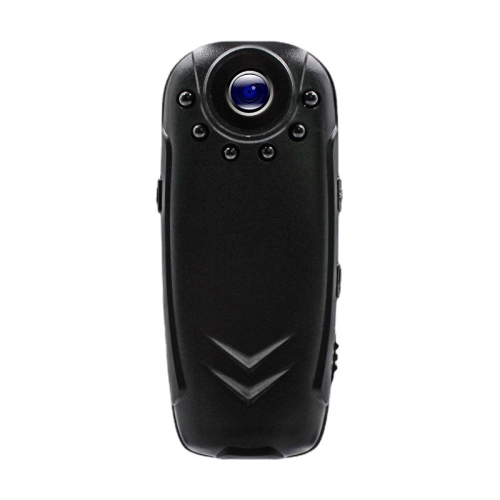
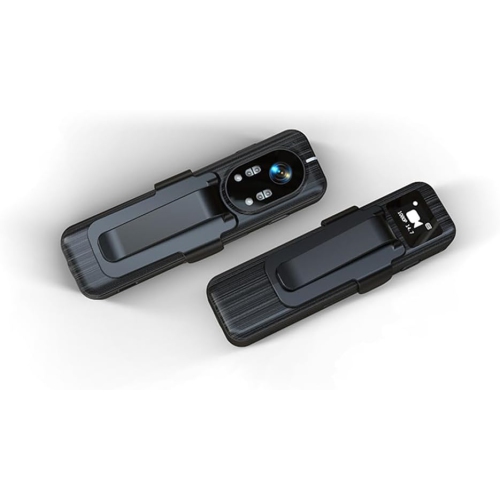
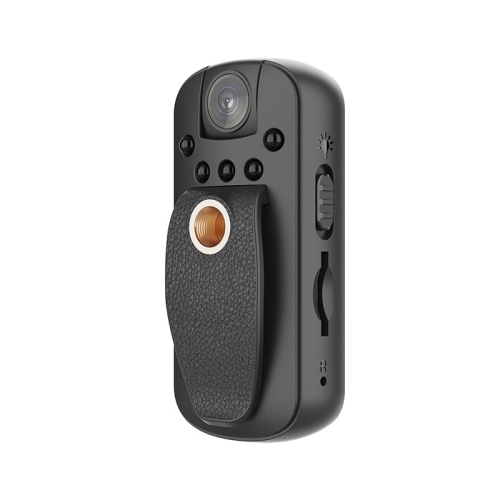
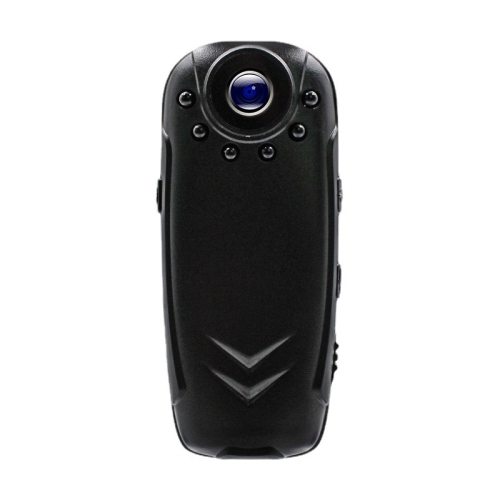
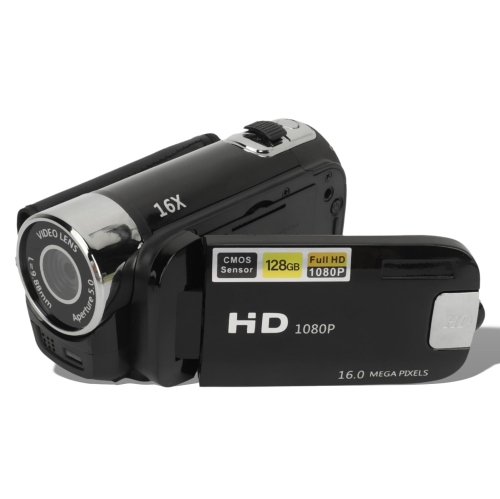
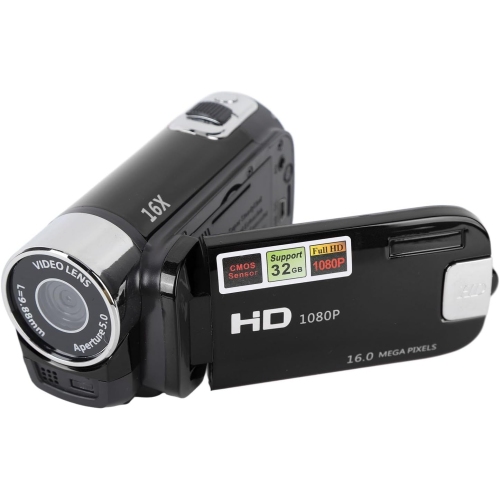
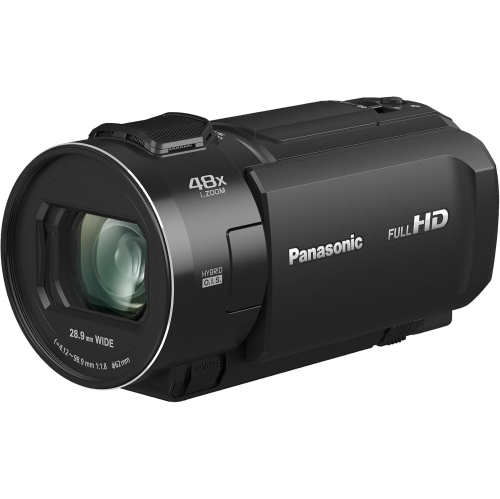
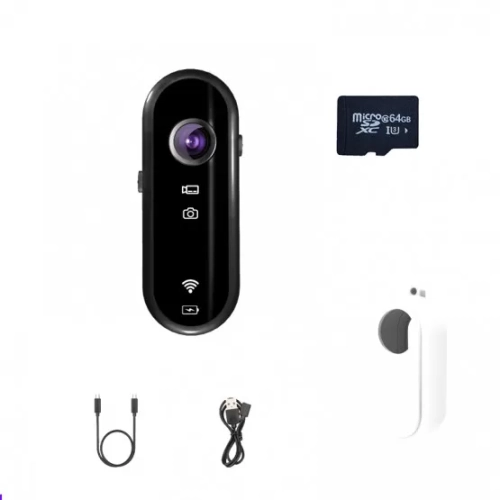
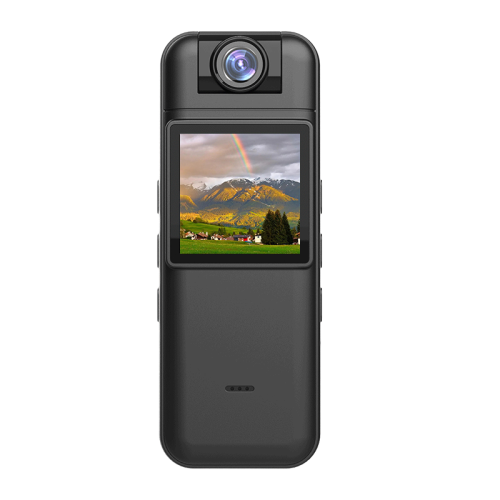
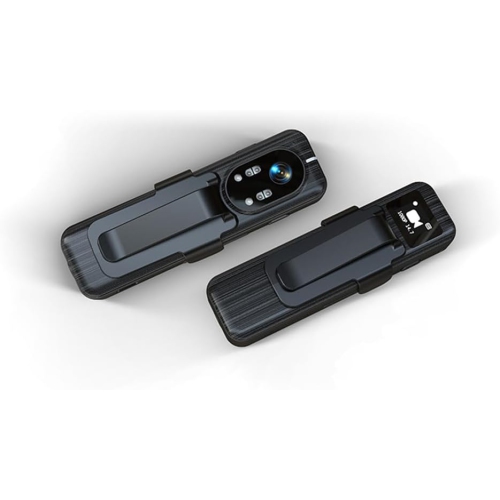
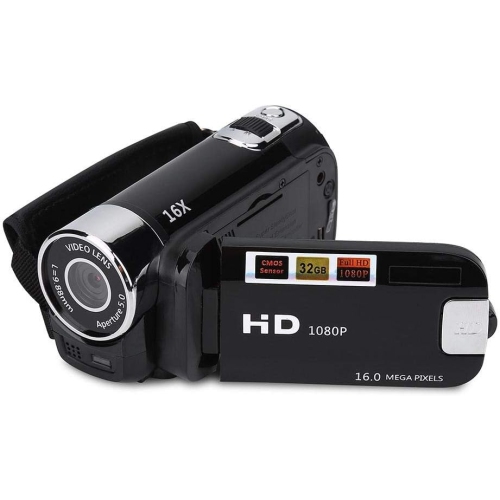
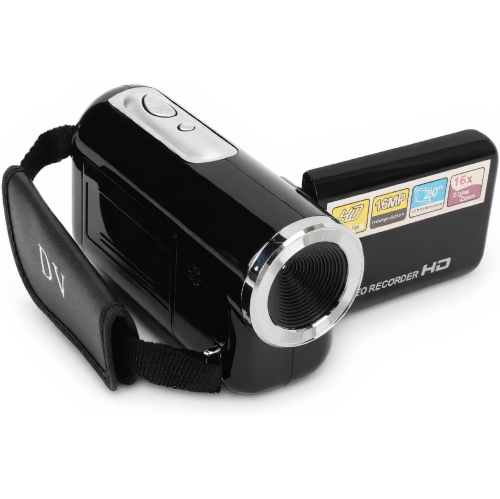
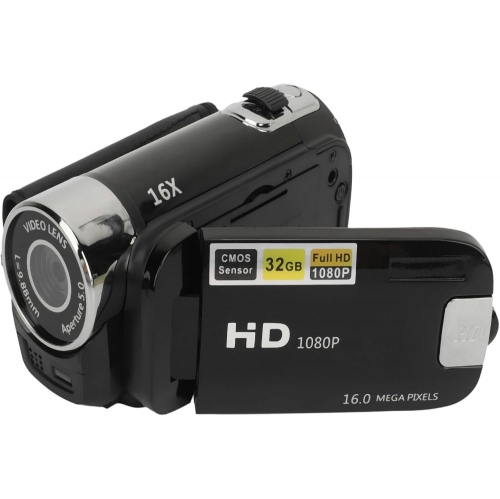
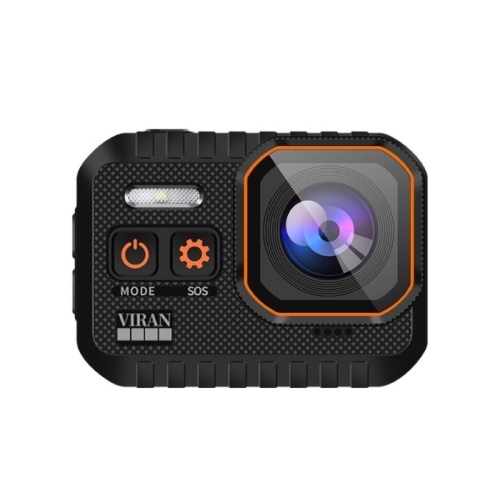
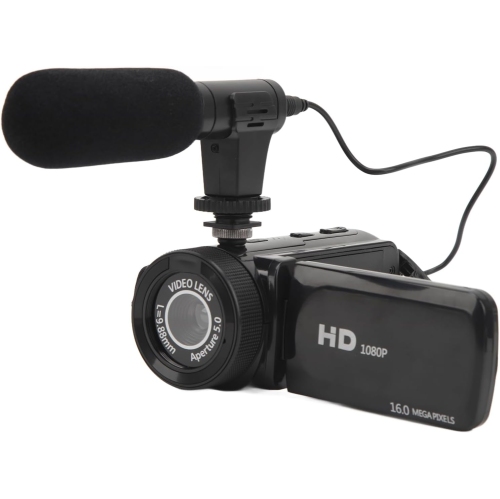
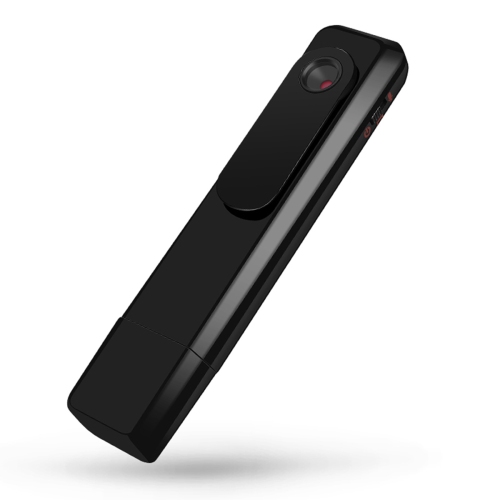
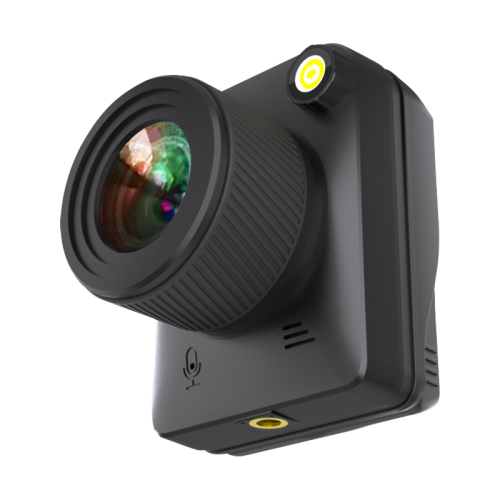
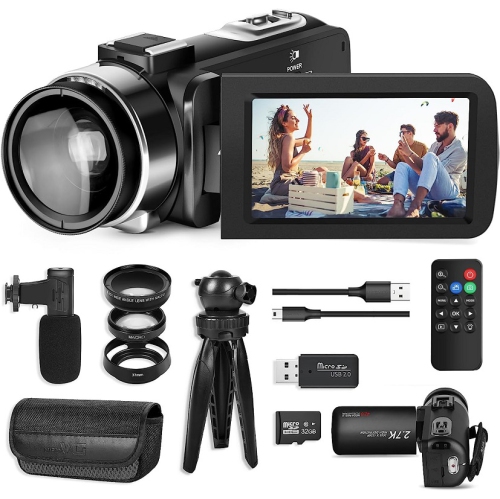
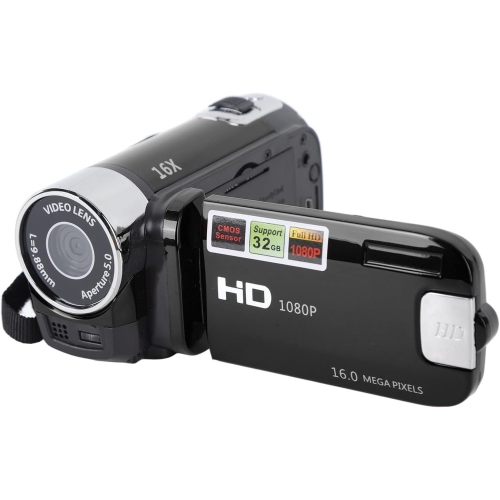
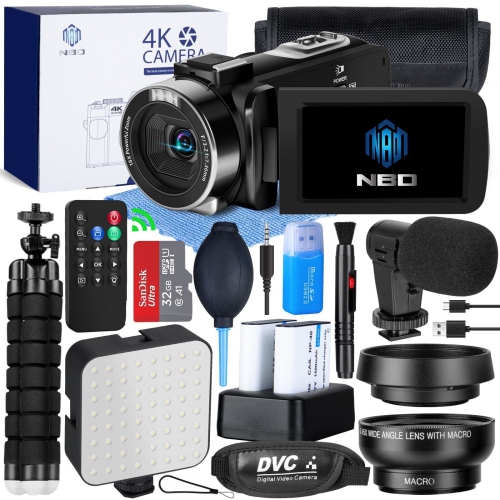
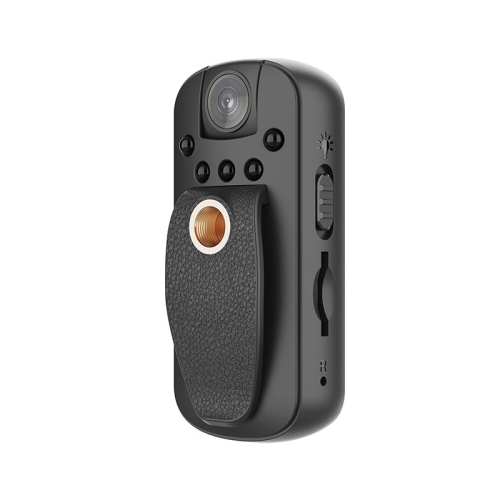
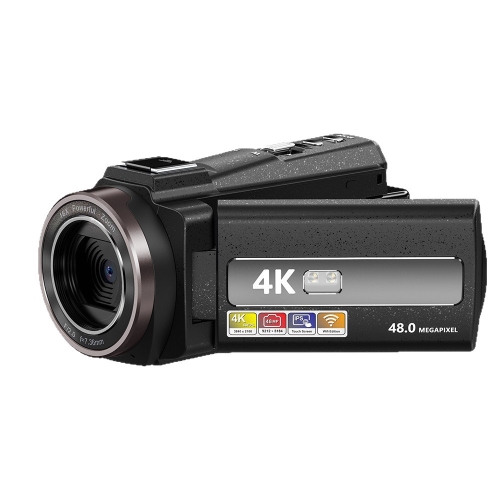
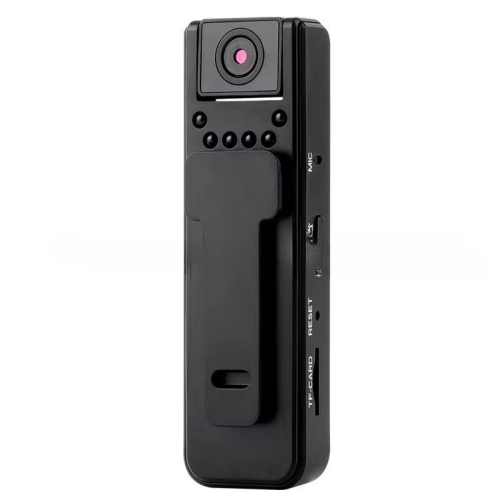
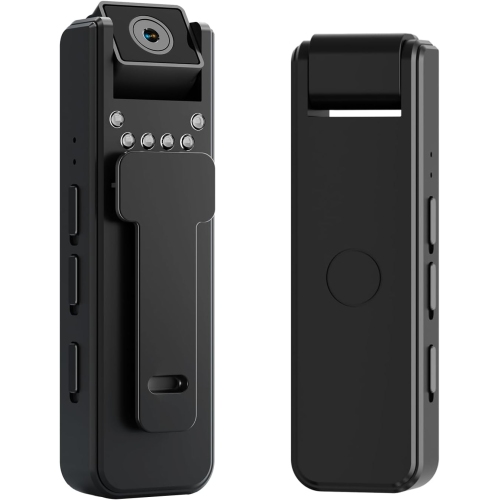
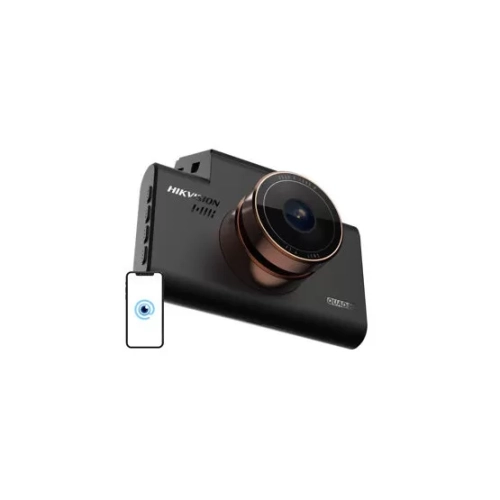
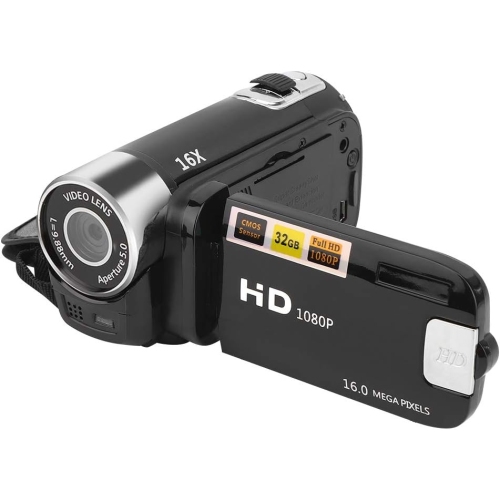
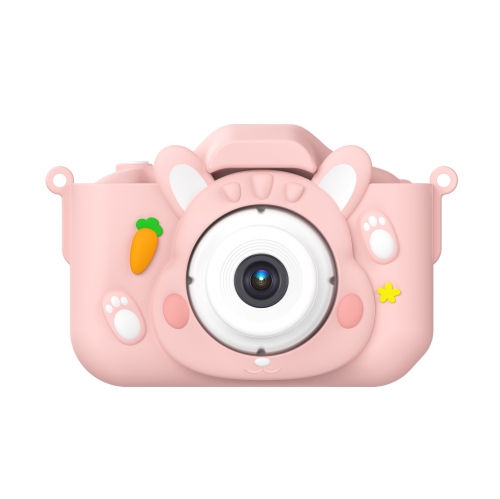
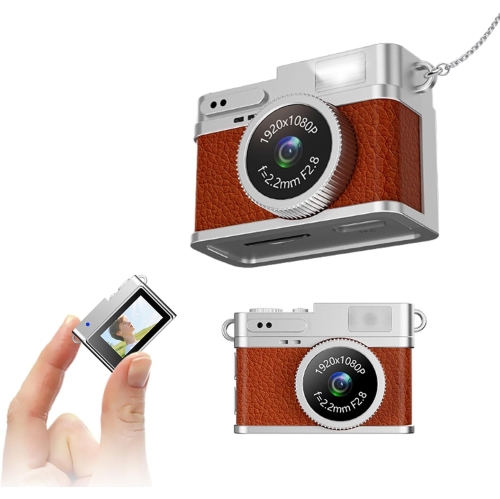
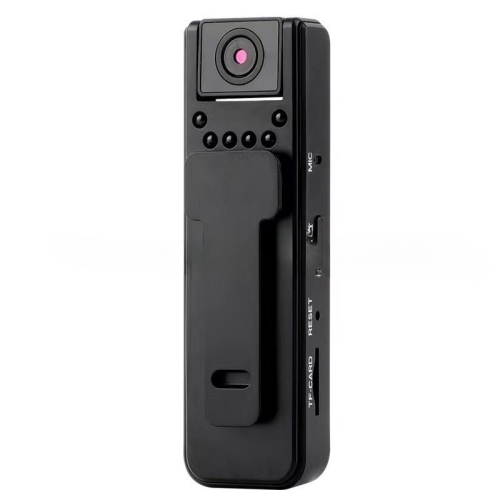
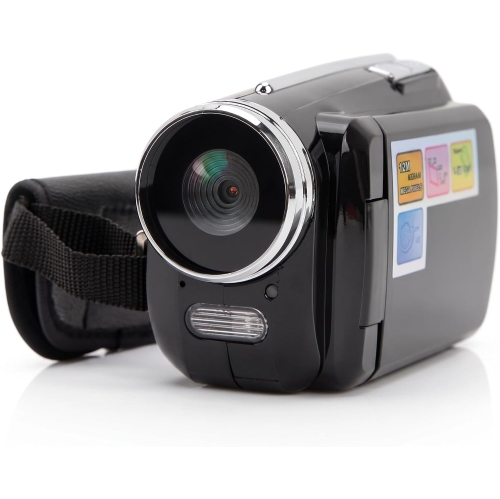
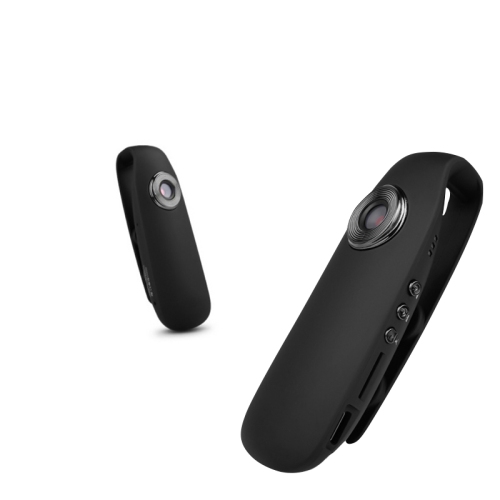
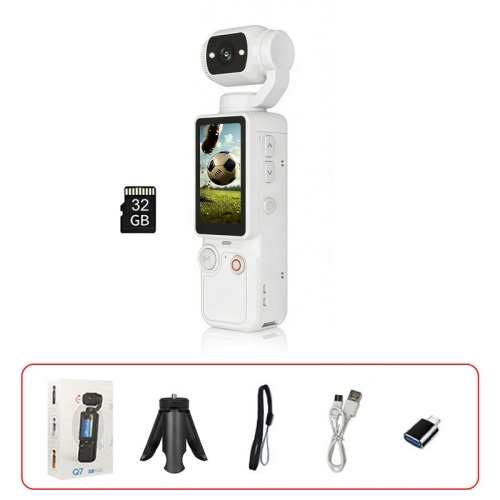
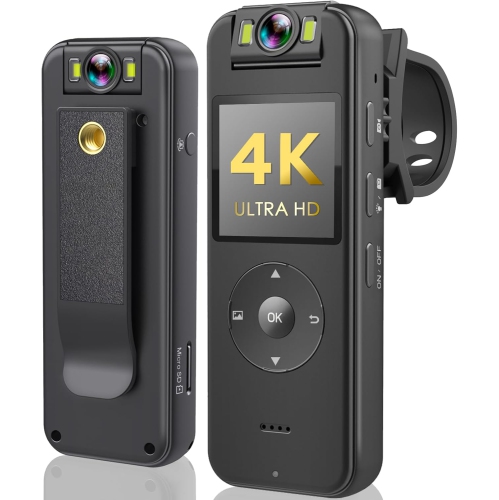
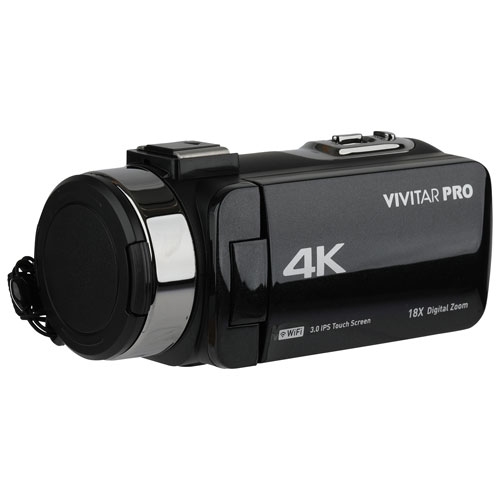
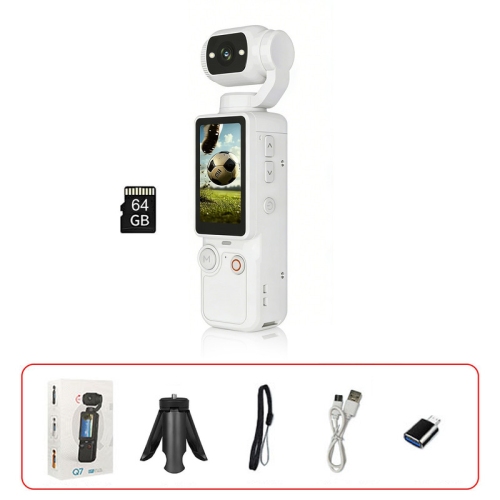
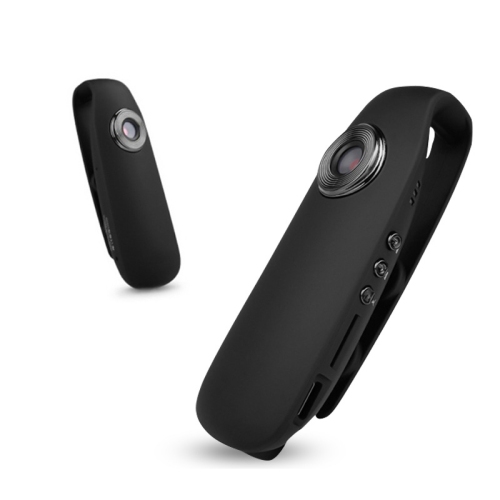
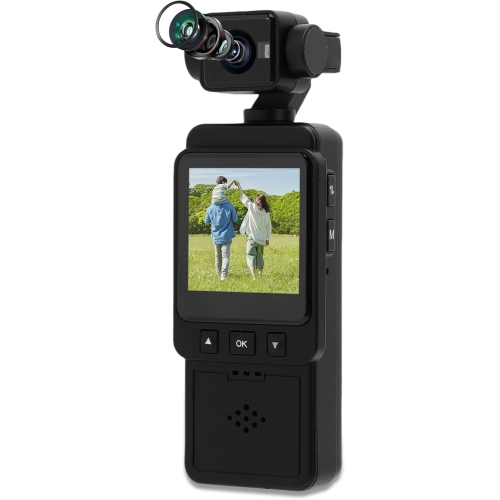
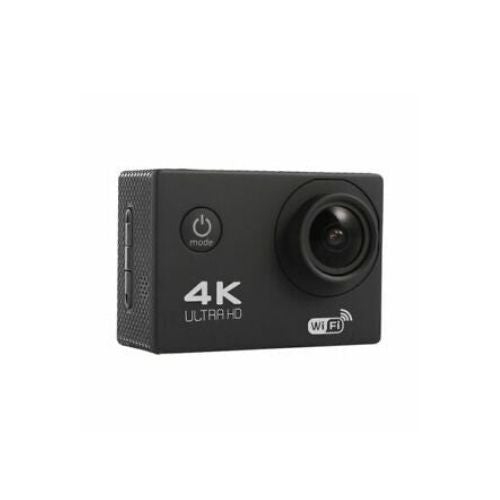
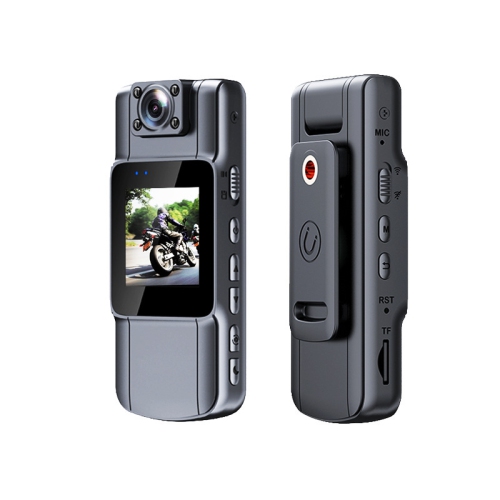
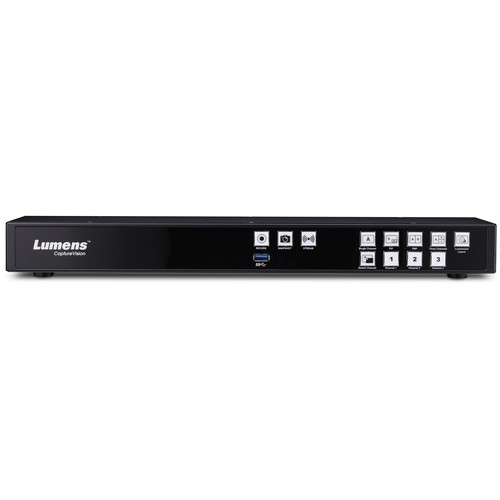
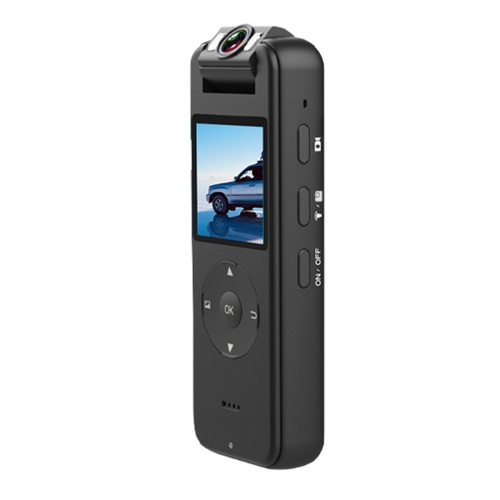
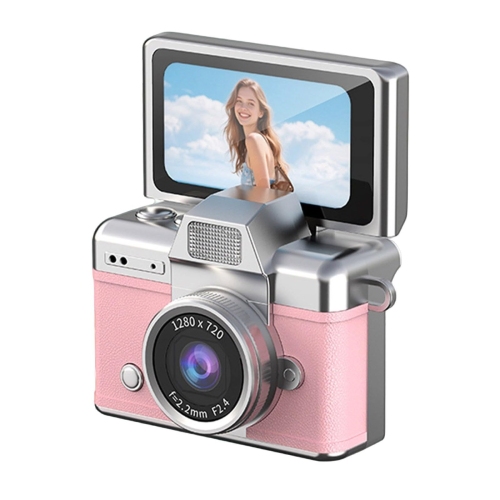
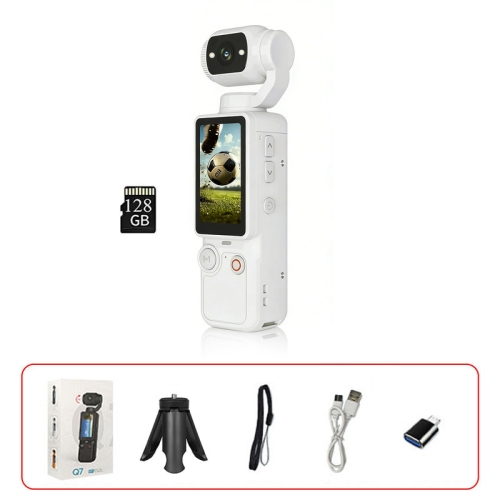
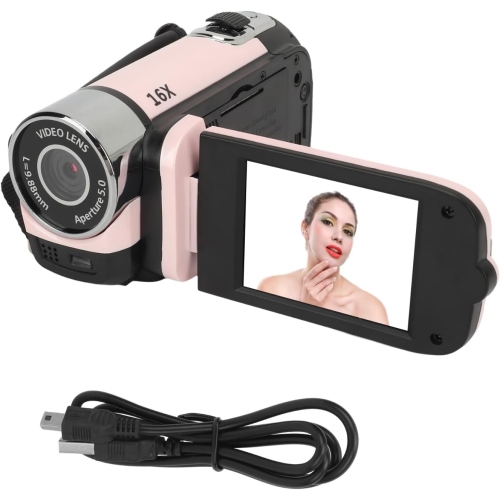
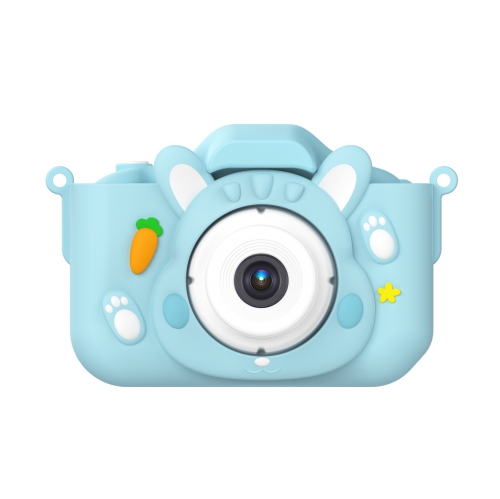
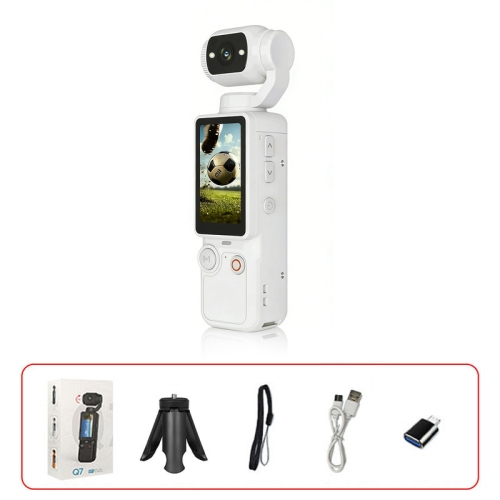
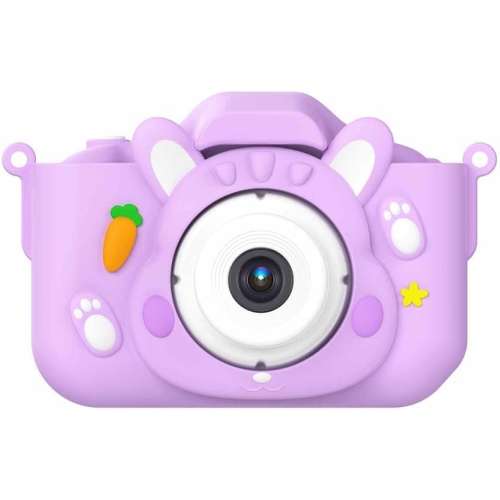
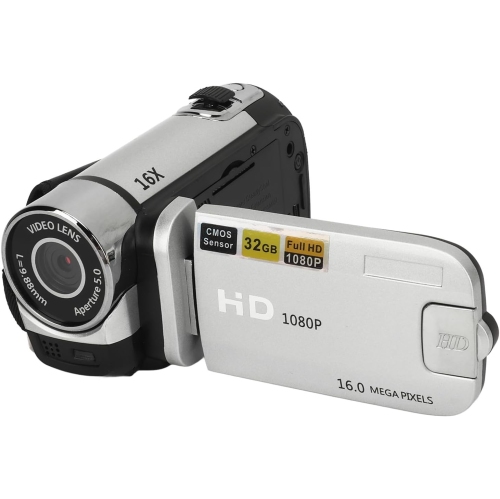
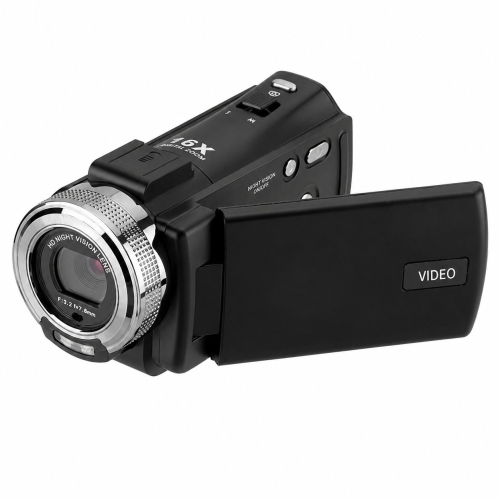
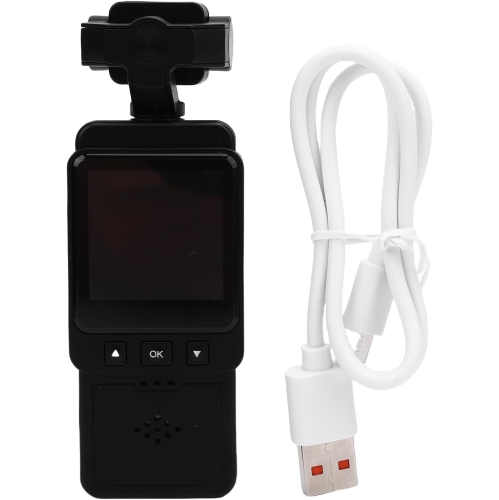
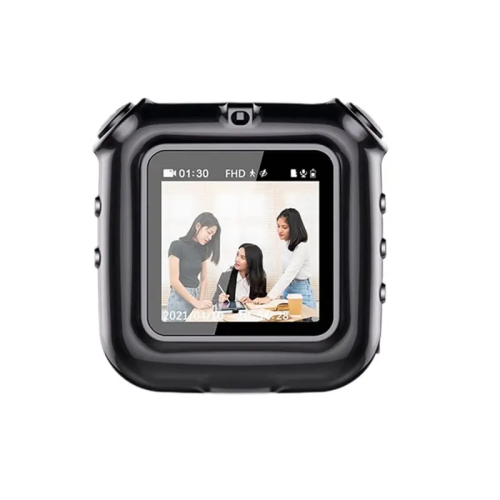
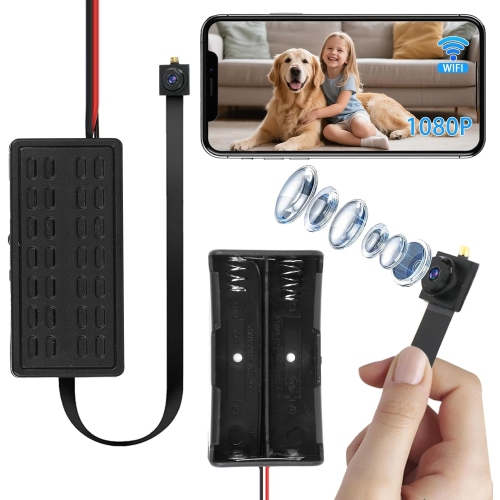
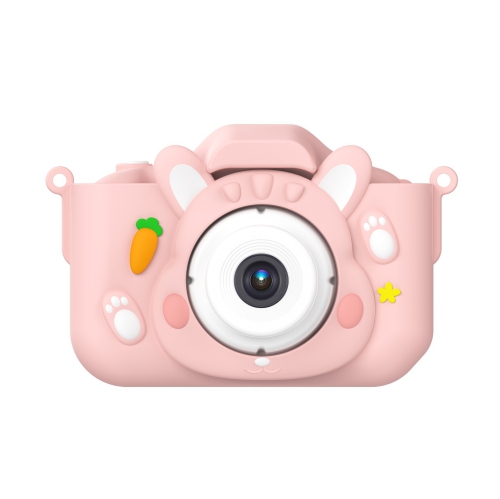
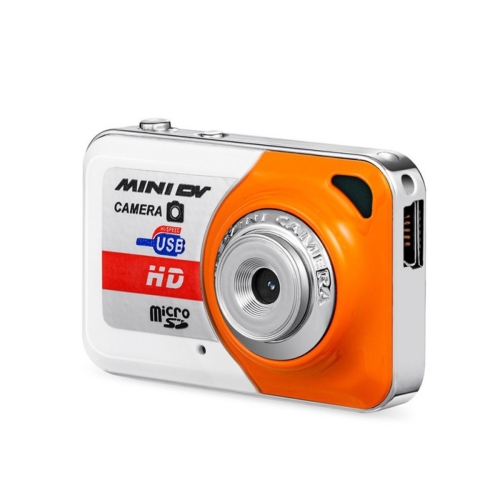
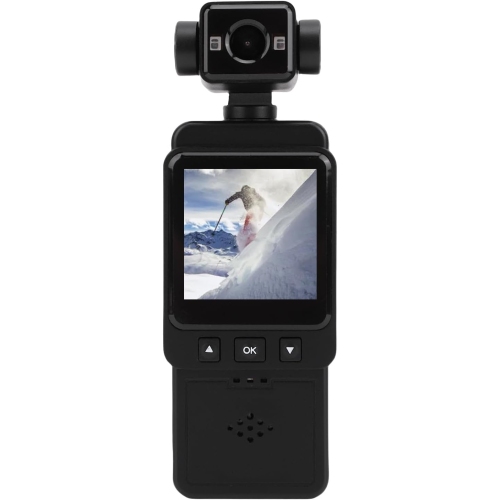
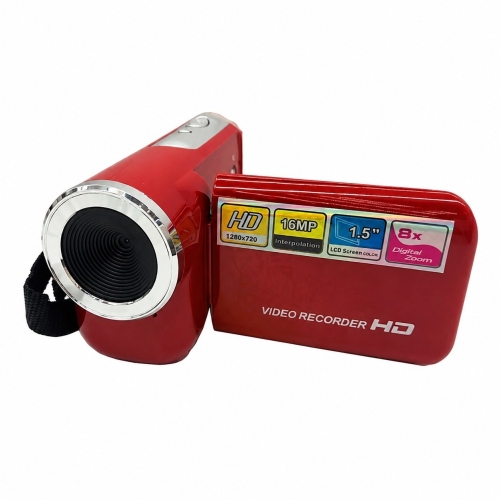
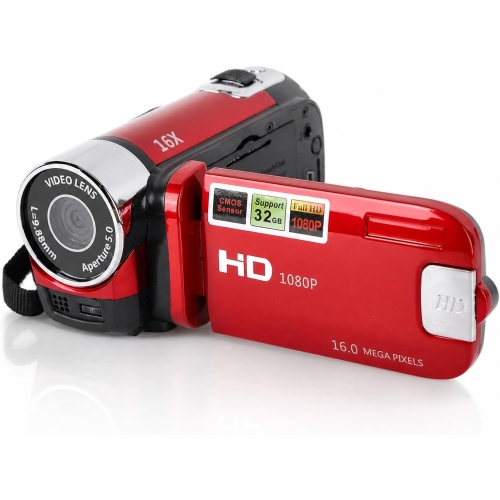
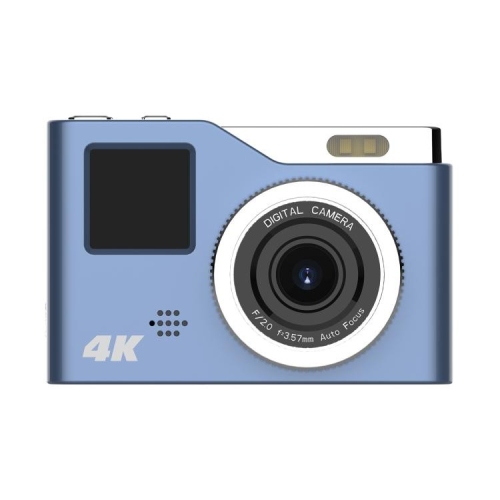
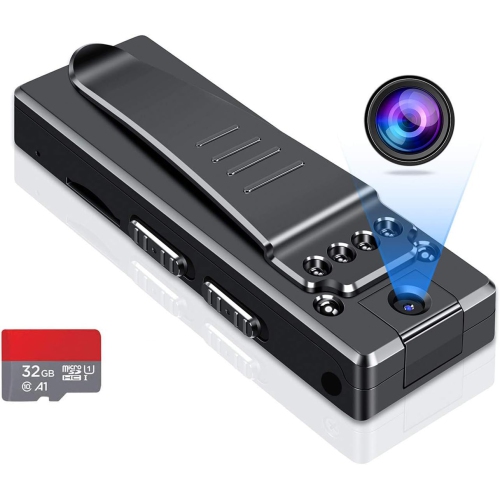
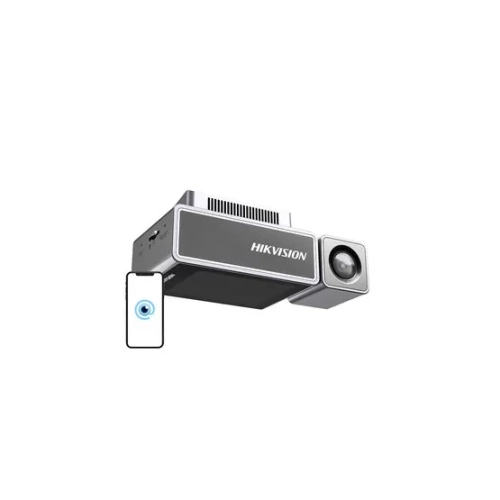
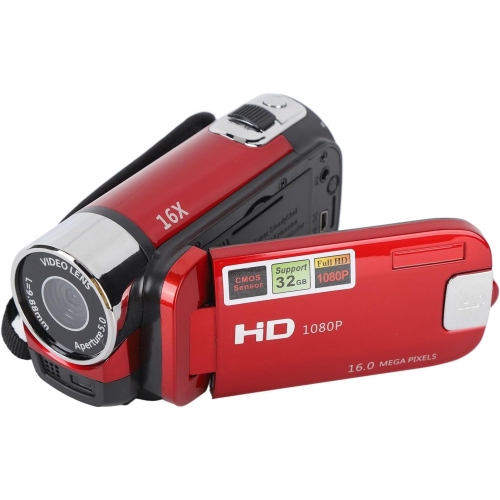
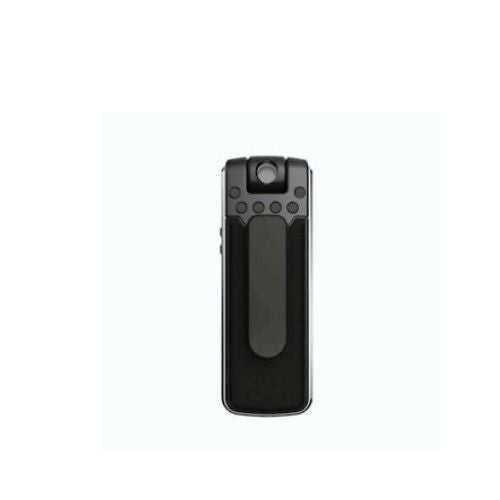
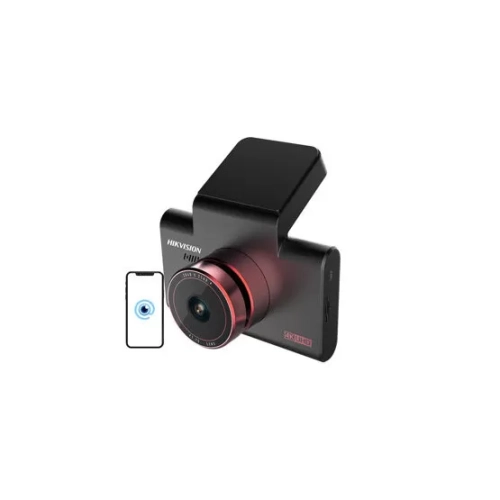
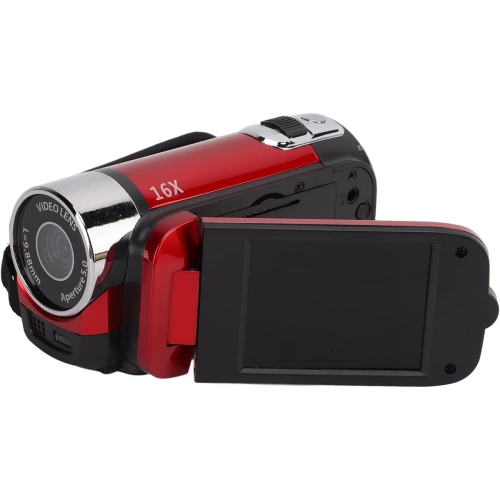
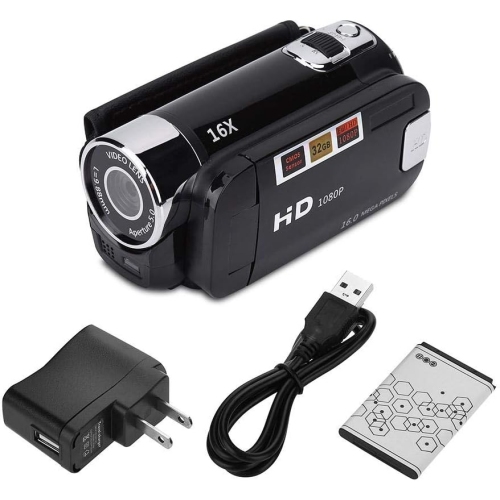
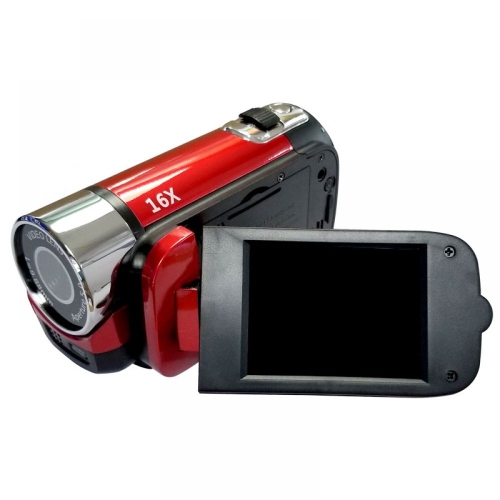
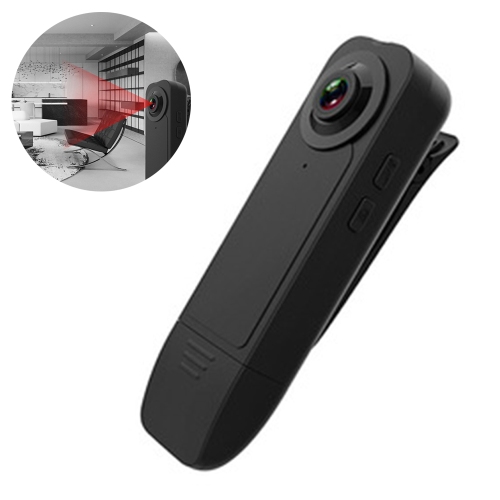
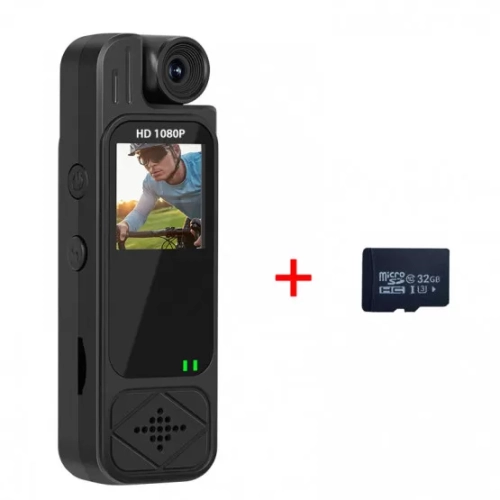
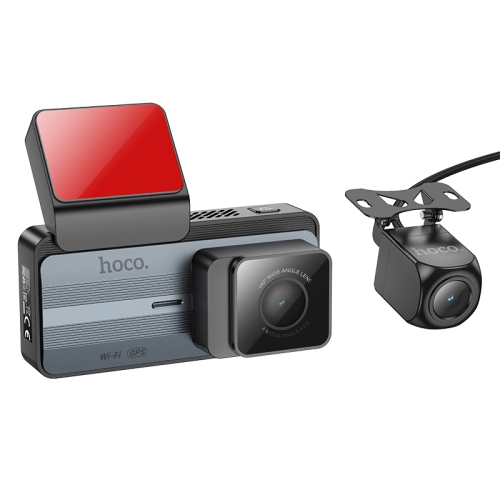
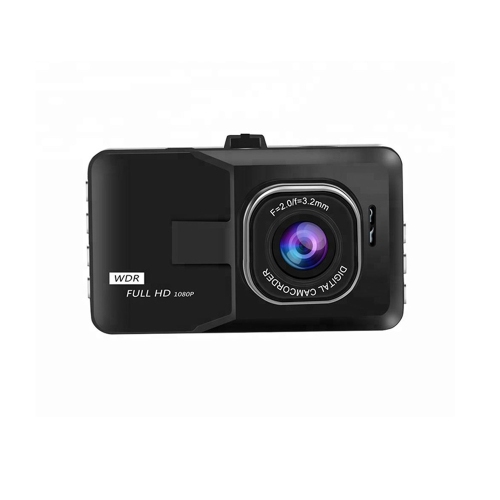
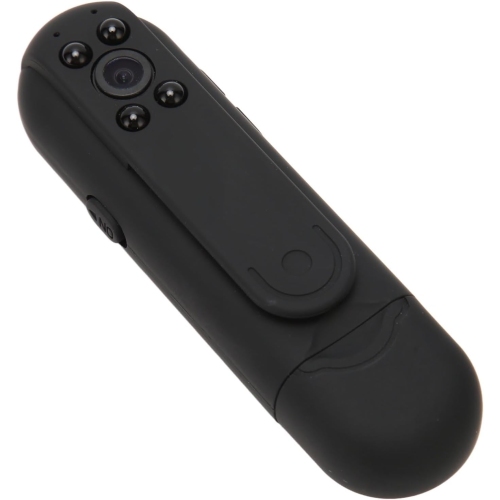
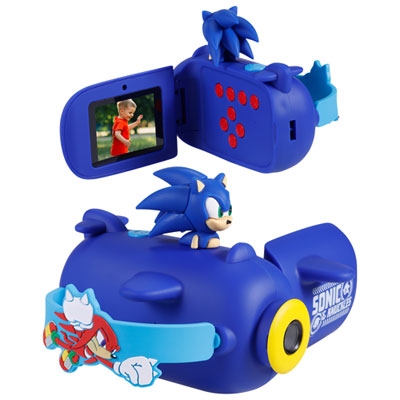
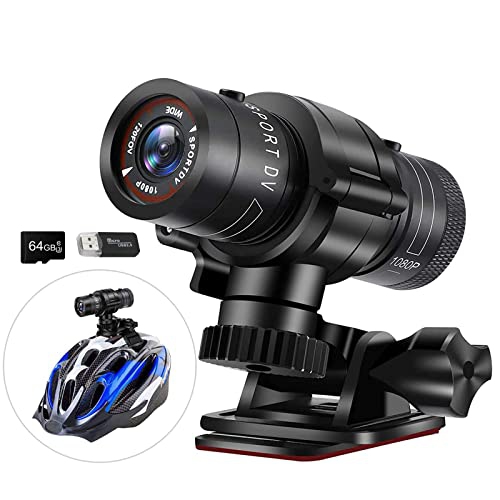
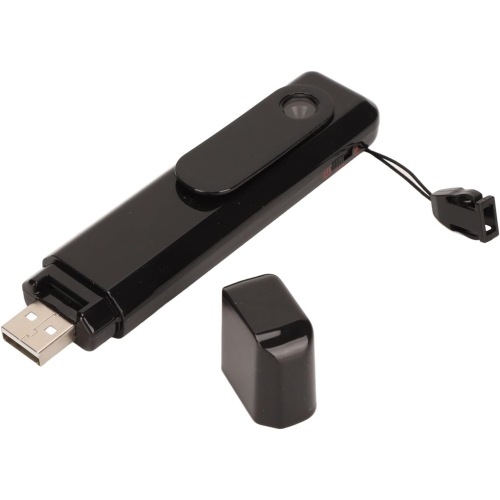
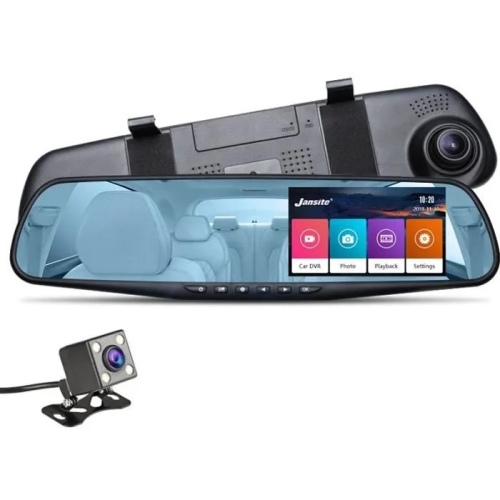
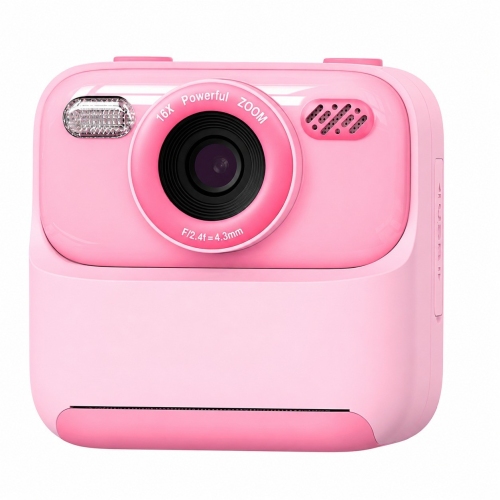
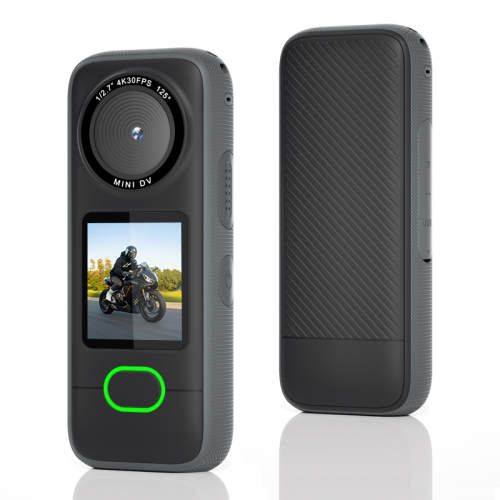
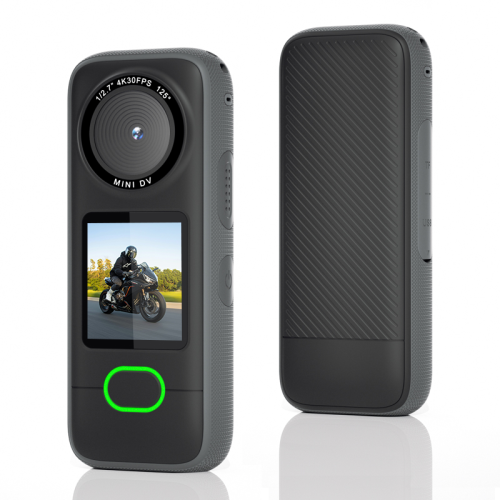
Video recorders are electronic devices that capture and store moving images and sound for later viewing, sharing, editing, or review. The category includes portable camcorders, compact audio/video recorders, security recording systems, and external recorders that receive a signal from a separate camera. Each serves a different purpose: a handheld camcorder can follow a child across a stage, a music-focused recorder can preserve the sound and picture of a rehearsal, and a security recorder can keep footage from several cameras organized in one place. For everyday recording, the experience depends on more than the resolution printed on the packaging. Full HD can suit casual viewing and manageable file sizes, while 4K captures additional detail and leaves more room to crop footage during editing. Actual image quality also depends on the lens, sensor, lighting, focus performance, and recording settings. Optical zoom changes the framing through the lens, making it useful for recording a speaker or performer from the back of a room without relying on digital enlargement. Image stabilization helps reduce visible shake during handheld use, though its effectiveness varies with the device and the amount of movement. Autofocus that follows a face or moving subject can make spontaneous moments easier to capture, while manual controls give experienced users more say over how a scene looks. A comfortable hand strap, accessible buttons, and a screen that tilts towards the person operating the camera can matter throughout a long presentation or family celebration. Size and weight are especially noticeable when recording away from a tripod. For travel journals, informal interviews, and footage captured between everyday activities, Small Video Recording Devices offer a more portable approach, with features and recording capabilities that vary by design. A dedicated video recorder can also make a thoughtful gift for someone documenting family stories, practising presentations, or developing an interest in filmmaking, particularly when its controls and file-transfer options match that person’s experience.
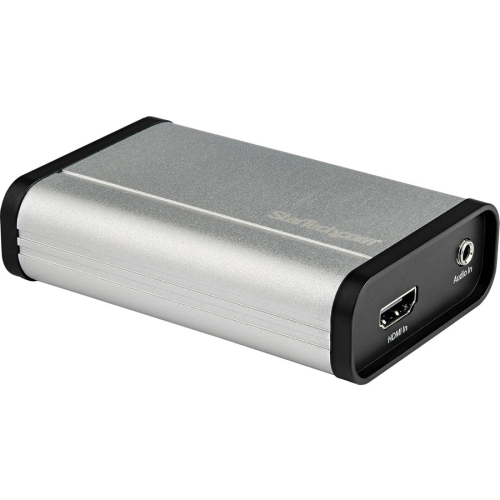
Sound often determines whether a video feels complete. A clear recording of a grandparent describing an old photograph has different demands from footage of a drum kit or a school concert. Built-in microphones provide a straightforward way to capture voices and surrounding sound, but their placement can also pick up handling noise or activity behind the camera. A microphone input allows a compatible external microphone to sit closer to the speaker, while a headphone output makes it possible to hear interference, distortion, or unwanted background noise during recording. Music-oriented audio/video recorders may offer stereo microphones, adjustable recording levels, and higher sound-pressure handling for louder performances. Professional audio connections, including XLR inputs on compatible equipment, support different microphones and more involved recording setups. For creators working with a separate camera, an external video recorder can combine a larger monitoring screen with recording formats suited to editing. Compatibility depends on the camera’s output connection, supported resolution and frame rate, and whether it can send a clean video signal without on-screen menus. Some combinations support additional colour information or less compressed formats, but those capabilities need to be supported throughout the recording setup. Storage requirements rise with higher bit rates, longer sessions, and certain recording formats, so media capacity and sustained write speed both matter. A card that fits the slot is not necessarily fast enough for every recording mode. Battery runtime, external power support, and any recording-duration limits are similarly important for uninterrupted interviews, ceremonies, or lessons. USB connections, memory card readers, and wireless transfer features provide different routes from recorder to computer or mobile device; Wi-Fi functions vary and may focus on remote control rather than full-quality file transfer. Common file formats can simplify playback, while editing software compatibility becomes more important when working with advanced settings. Keeping a separate copy of meaningful footage helps protect recordings from accidental deletion or a failed storage device.
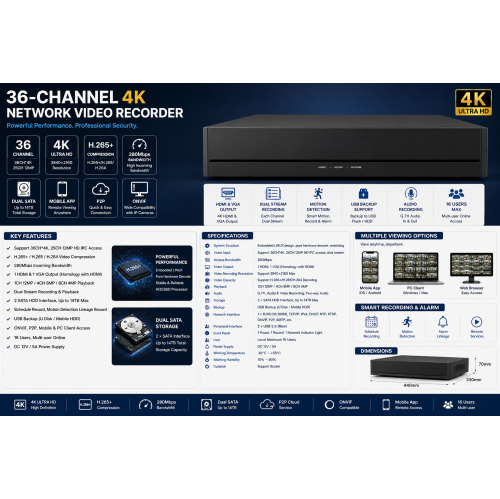
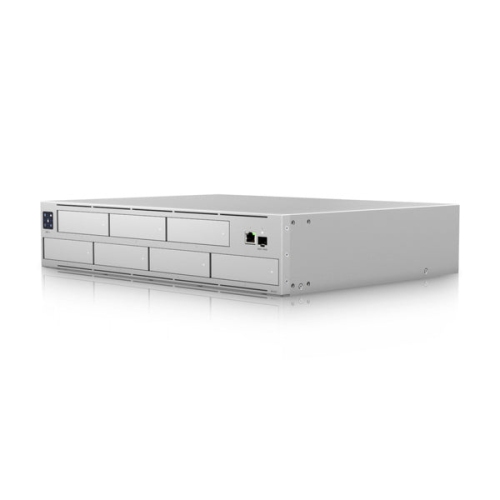
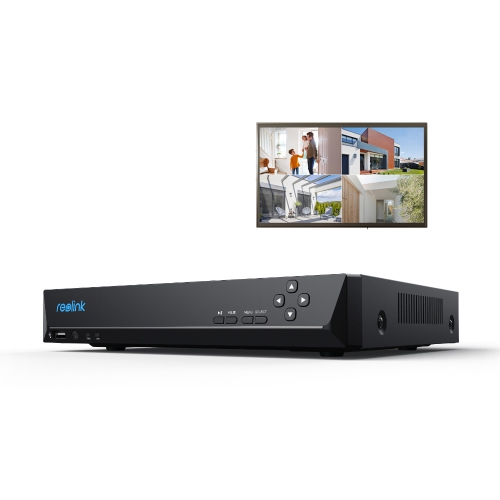
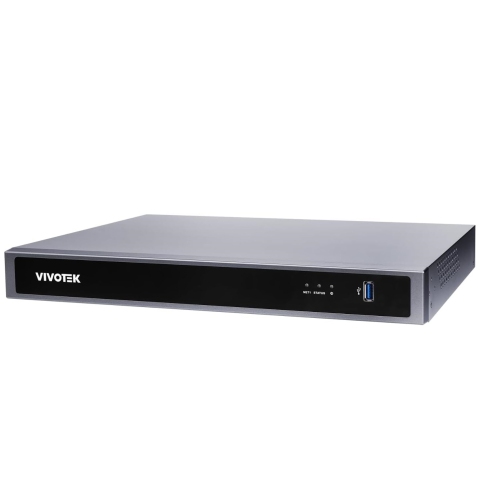
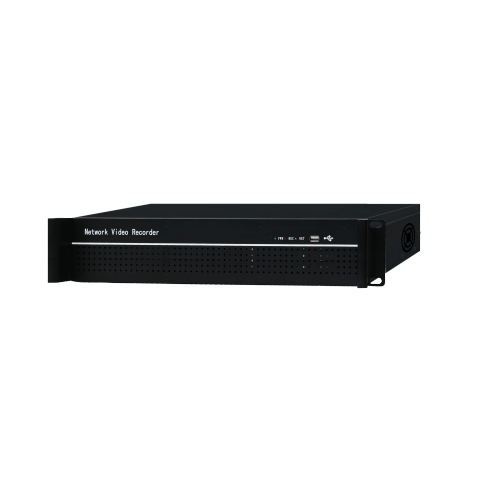
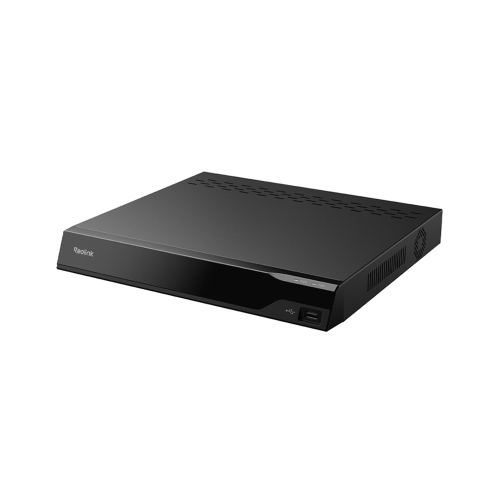
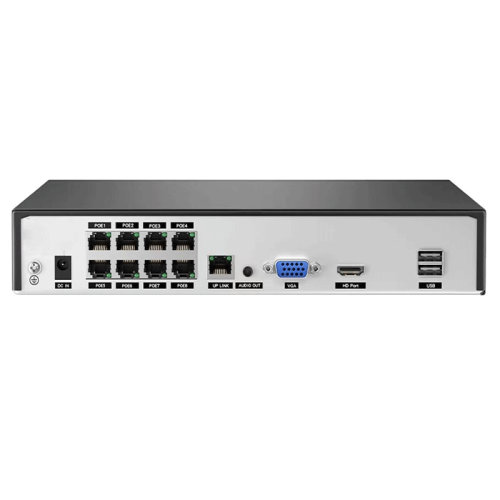
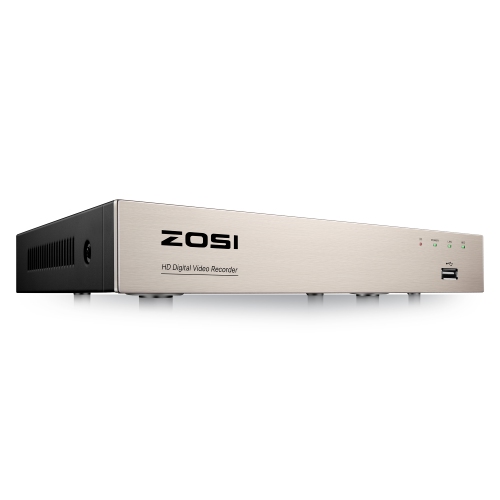
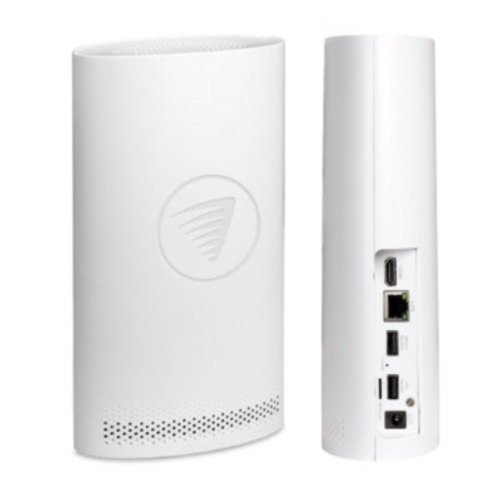
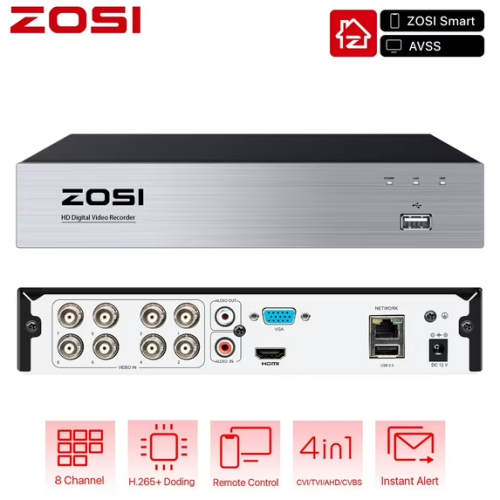
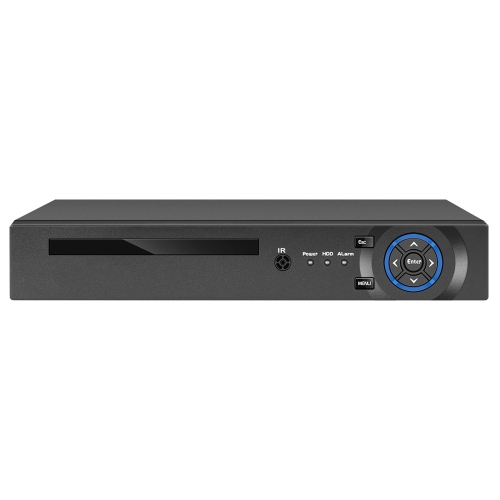
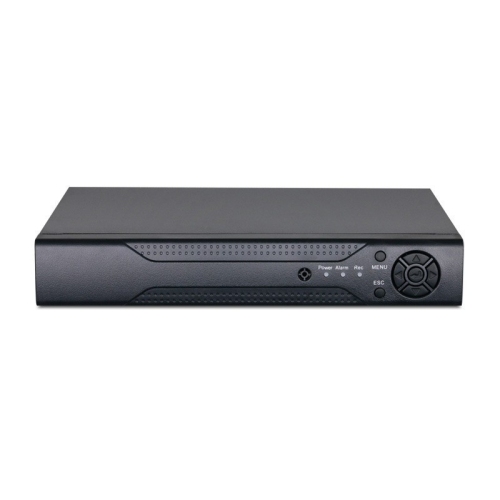
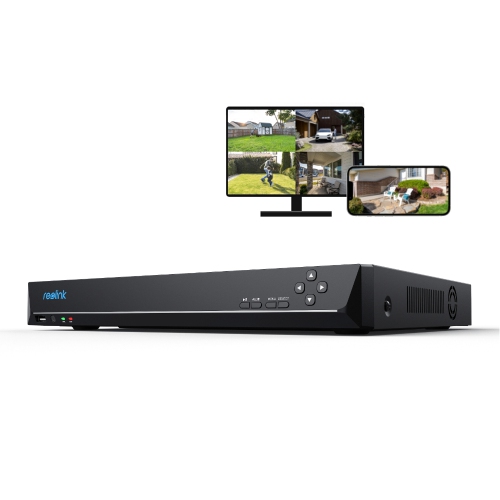
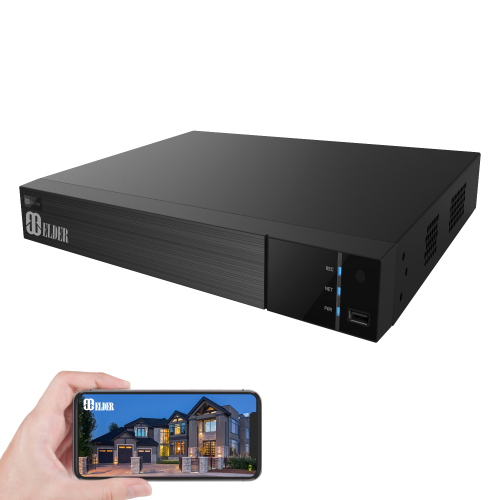
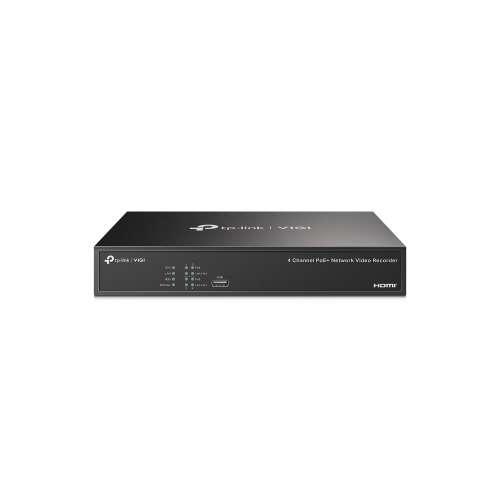
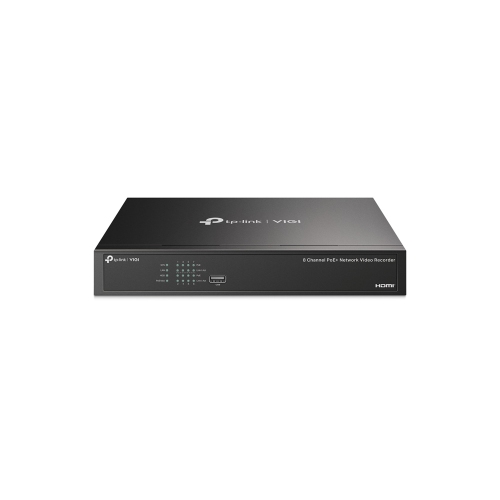
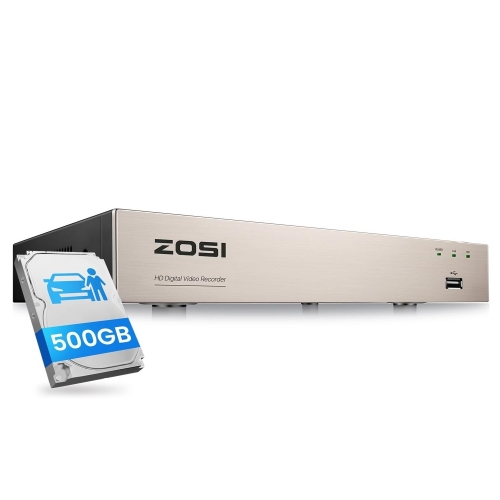
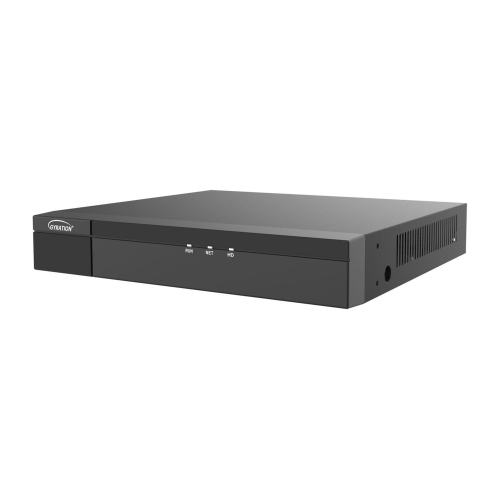
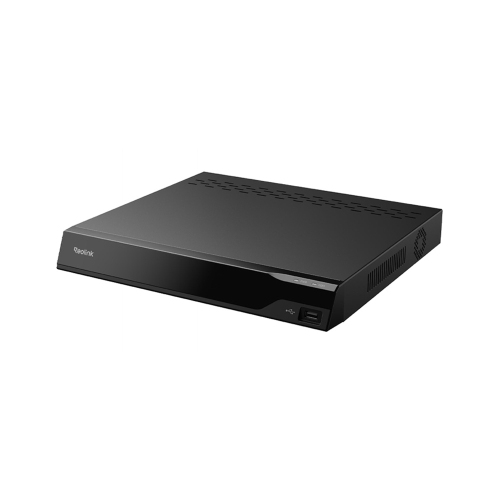
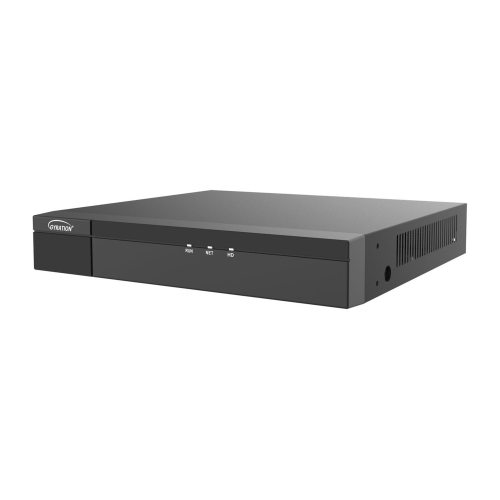
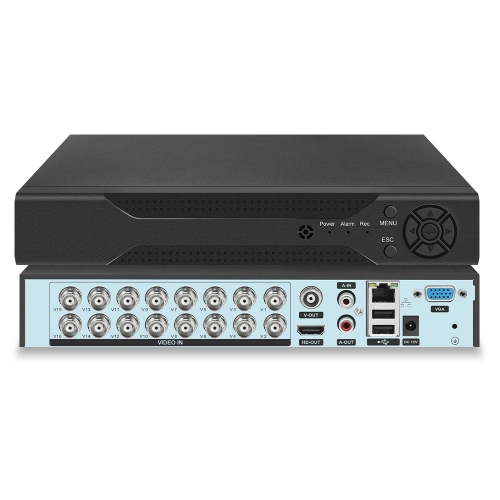
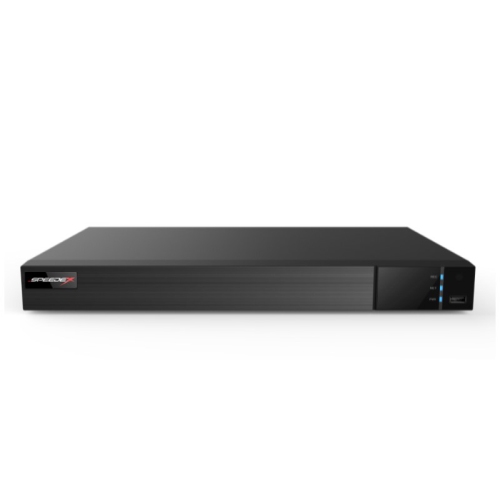
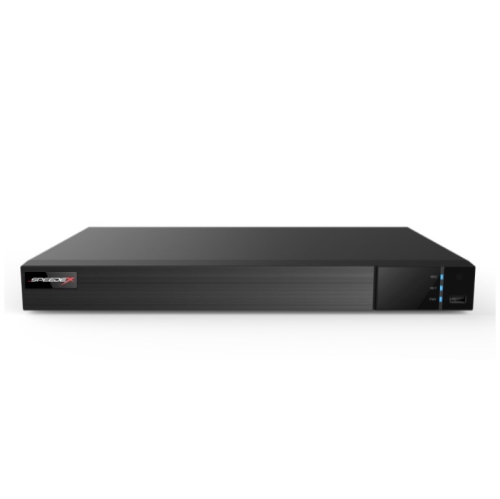
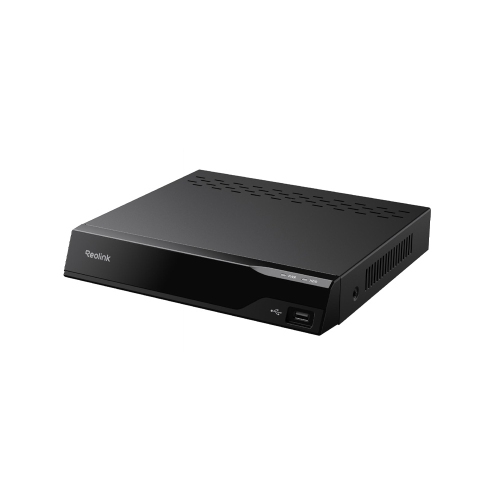
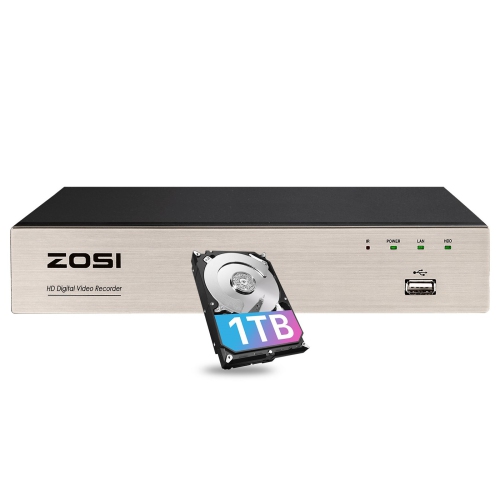
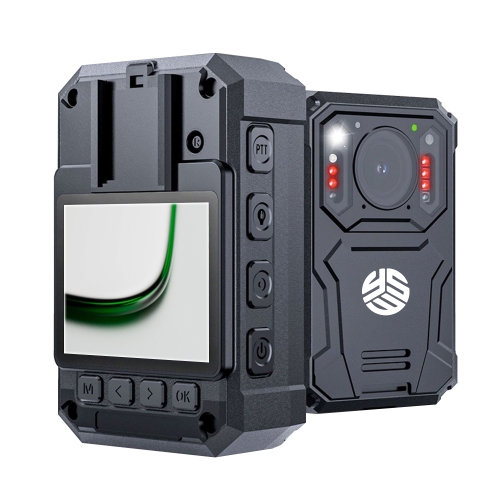
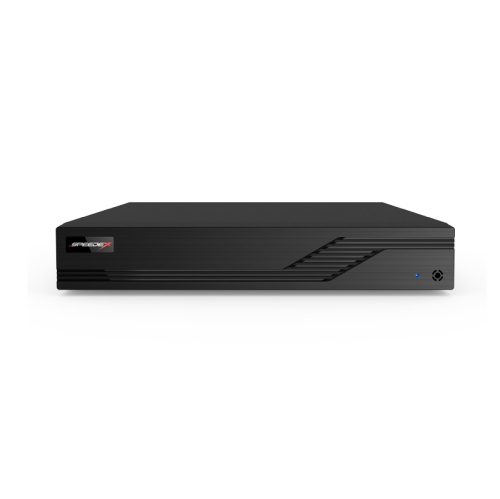
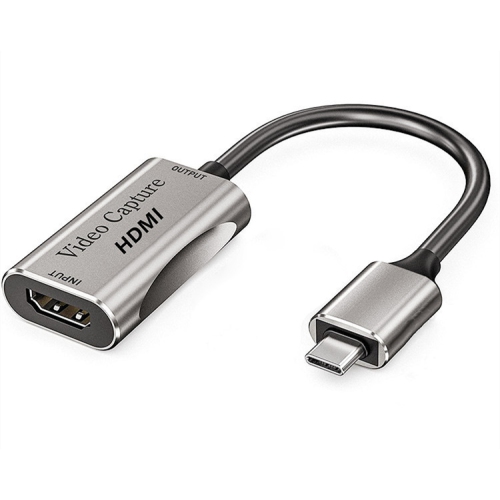
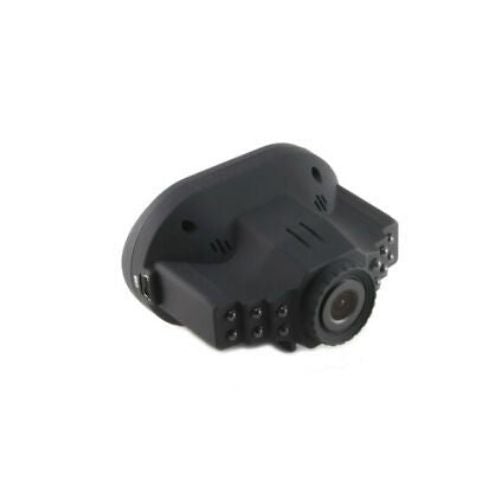
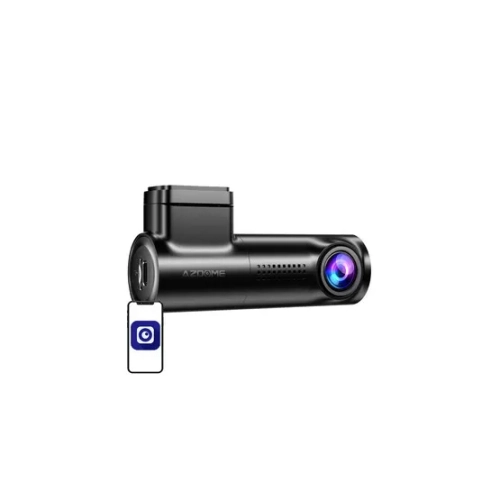
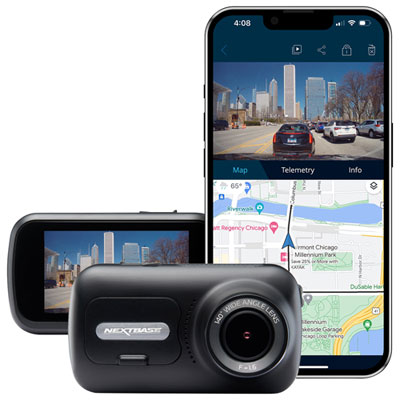
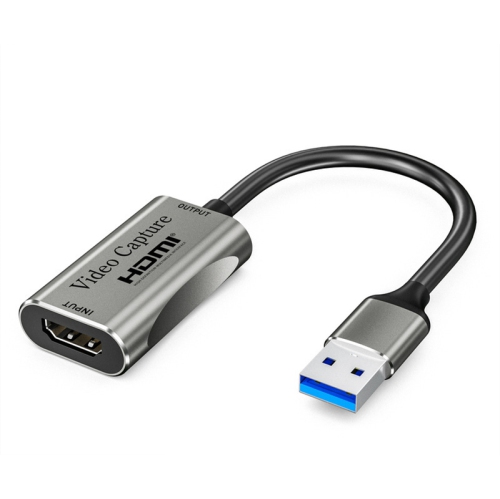
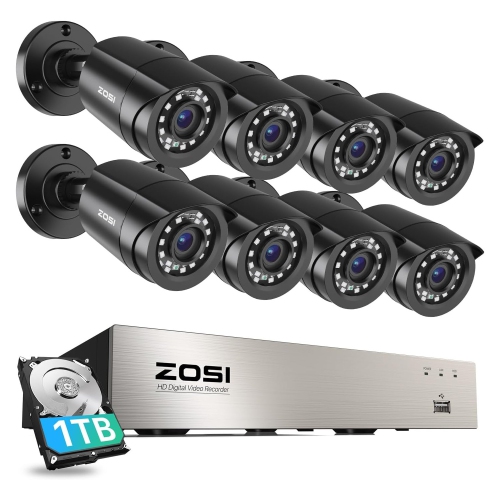
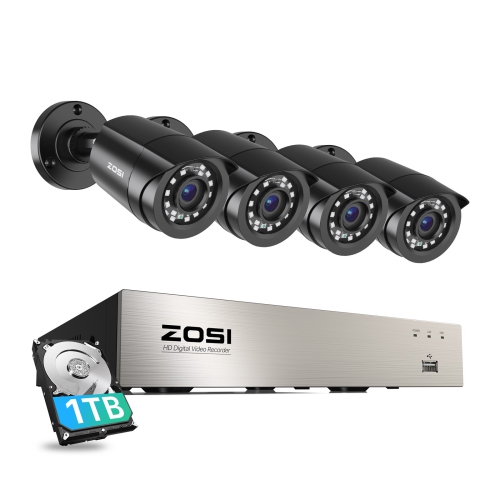
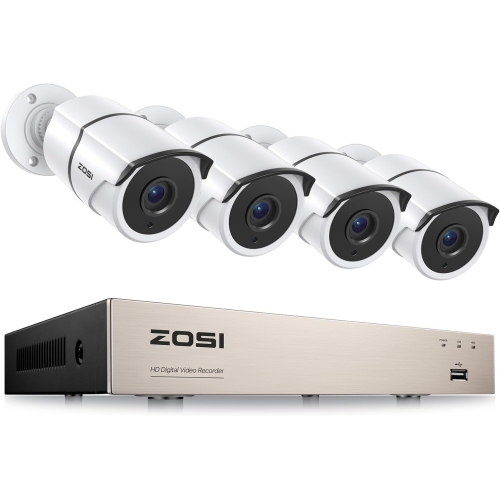
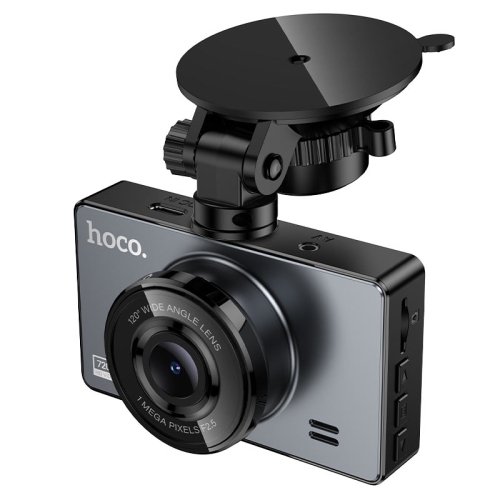
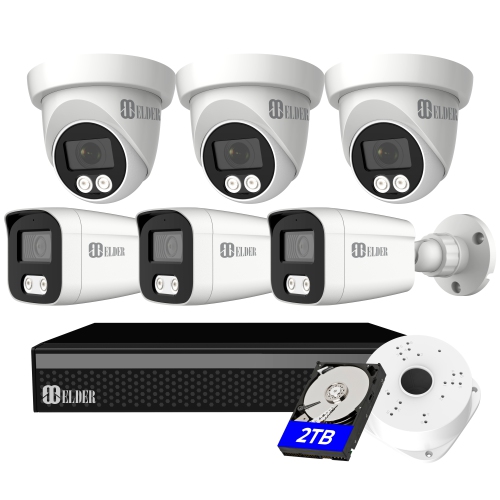
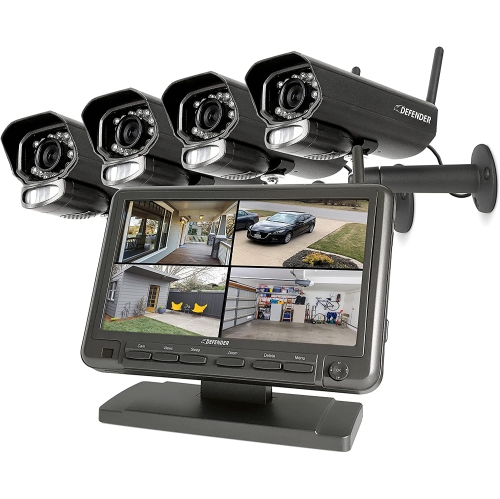
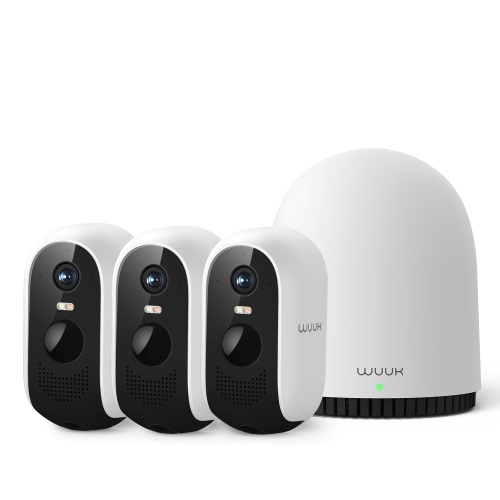
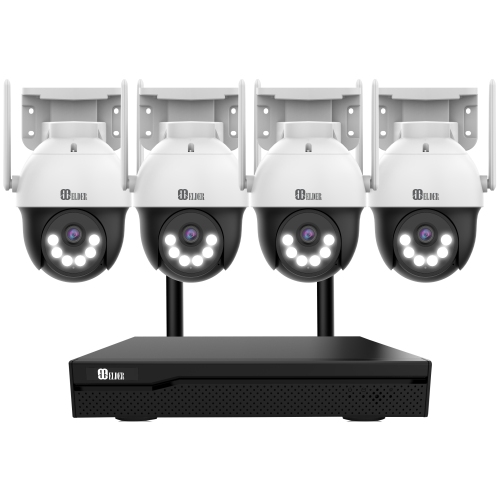
Security video recorders serve a different role from handheld cameras, bringing footage from installed cameras into a central system for live viewing and playback. A digital video recorder, or DVR, typically works with compatible cameras connected by coaxial cable, while a network video recorder, or NVR, receives video from compatible network cameras. Some systems support mixed configurations, so camera type, supported standards, resolution, and channel count all affect compatibility. Channel count determines how many camera feeds a recorder can handle, and storage capacity influences how much footage can be retained before older recordings are overwritten. Continuous recording captures an ongoing timeline; motion-triggered recording can reduce storage use, although its usefulness depends on detection settings and camera placement. Power over Ethernet support can simplify certain network-camera installations by carrying power and data through one cable, but it must be supported by the relevant equipment. Local recording and remote access are separate functions: viewing footage from a phone may require an internet connection, an account, and compatible software even when recordings are stored on a drive at the property. These systems can suit households monitoring entrances or businesses reviewing activity in shared areas, with placement that respects privacy and applicable requirements. Video capture devices also have a place in preserving older recordings. Transferring analogue tapes generally requires a working playback device, compatible audio and video connections, and a capture device or standalone recorder; a converter alone cannot play a tape or restore detail missing from the original. Across recording categories, construction and care influence long-term usability. Lightweight housings favour portability, while reinforced bodies and secure mounting points can better suit frequent setup and transport, without necessarily providing water or impact resistance. Padded storage, lens caps, gentle cleaning with suitable materials, and strain-free cable connections help protect delicate surfaces and ports. Stationary recorders need unobstructed ventilation and a stable location, while portable equipment benefits from a secure tripod fit and accessible battery and media compartments. The most useful setup fits both the recording task and the routine that follows, from carrying equipment and capturing clear sound to finding, watching, and saving footage afterwards.
Top selling and popular products
-
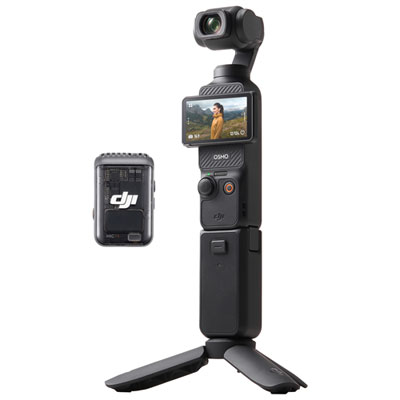 Your price for this item is $649.99
-
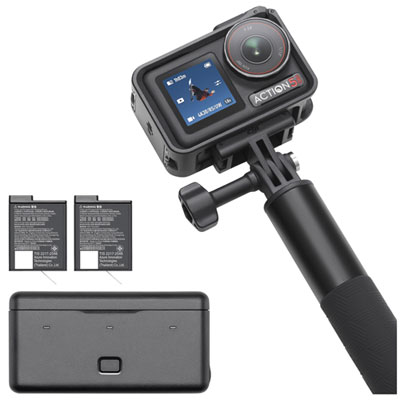 Your price for this item is $585.99
-
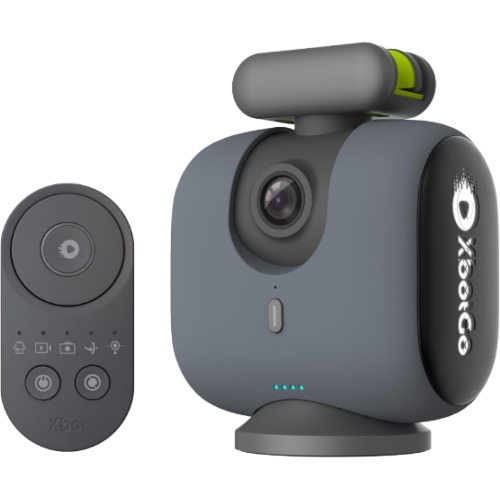 Your price for this item is $489.99
-
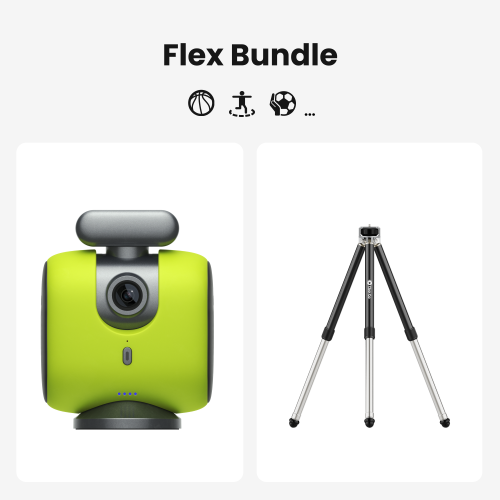 Your price for this item is $433.99
-
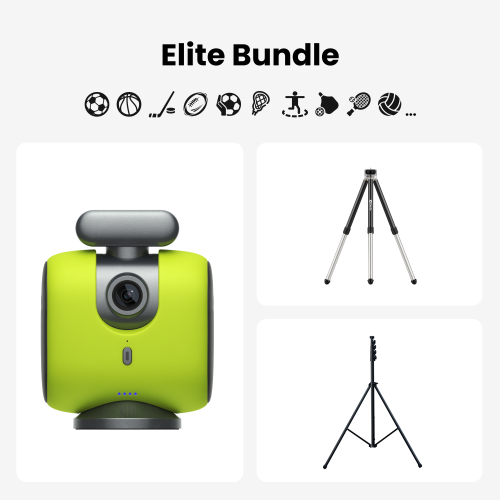 Your price for this item is $653.99
-
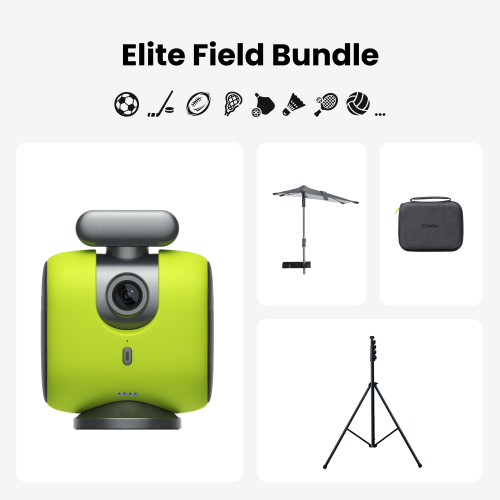 Your price for this item is $719.99
-
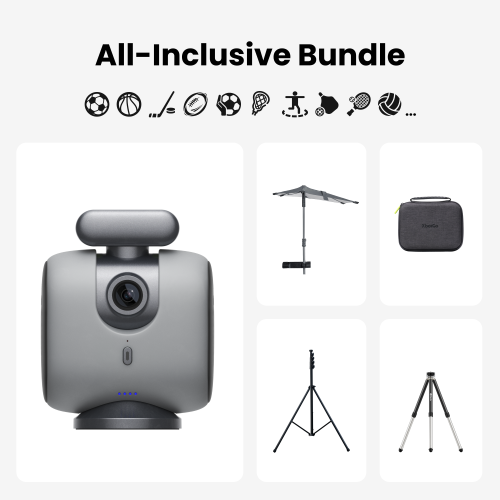 Your price for this item is $859.99
-
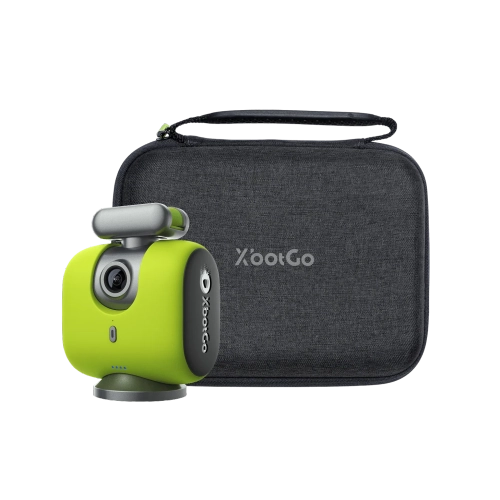 Your price for this item is $489.99
Discover more categories related to Video Recorders
Top Collections:
Best Black Friday Deals This Year, Best Black Friday Deals On Electronics, Kindle Devices, Pokemon Centers, Best Black Friday Deals On Apple Products, Best Cameras for Sports Photography, Dyson Airwrap, Pokémon 30th Celebration Cards, Apple iPhone 17 Pro, Canon G7X Cameras
Some products may be subject to Environmental Handling Fees
(EHF) depending on your province.
Learn more about EHFs.