Wide Angle Lenses for Canon
Capture the full picture with our wide-angle lenses for Canon cameras. Whether you're a professional photographer or an avid hobbyist, these lenses are designed to expand your creative possibilities and capture breathtaking landscapes, architecture, group shots, and more. With their wider field of view and enhanced perspective, you'll be able to add depth and dimension to your photographs, bringing your vision to life. Discover the world of wide-angle photography with our selection of high-quality lenses that are compatible with Canon cameras.
Sort

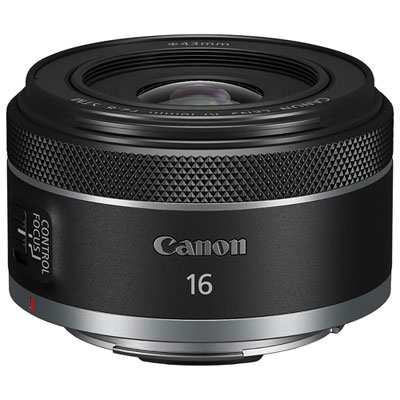
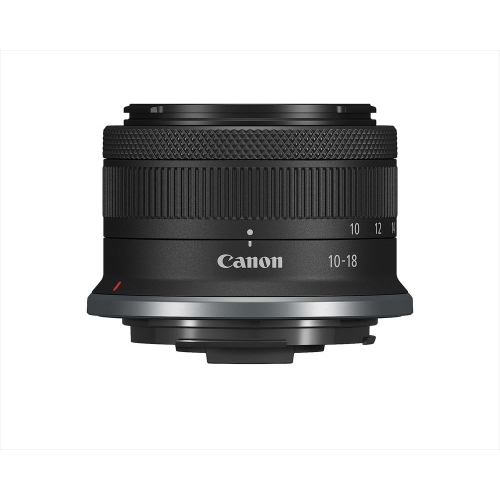
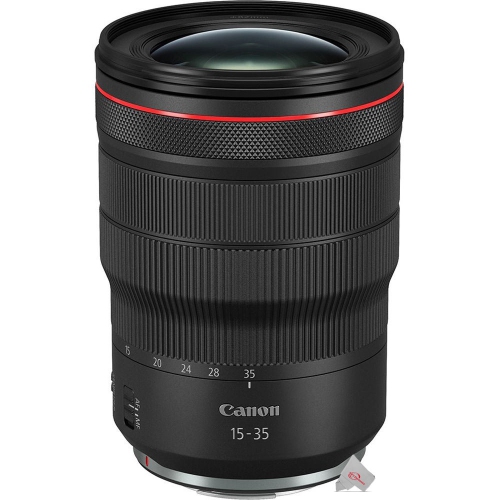
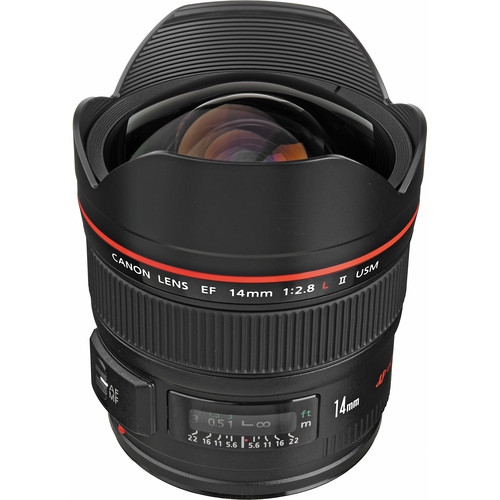
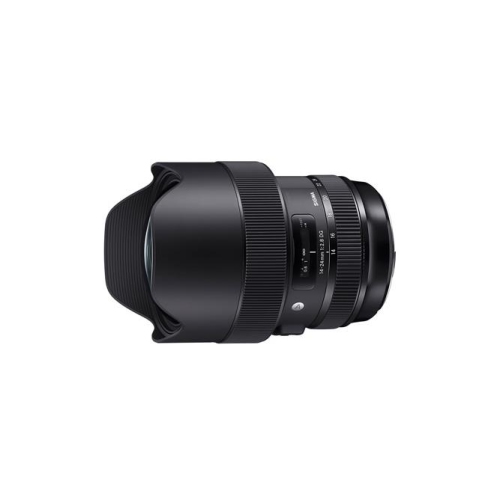
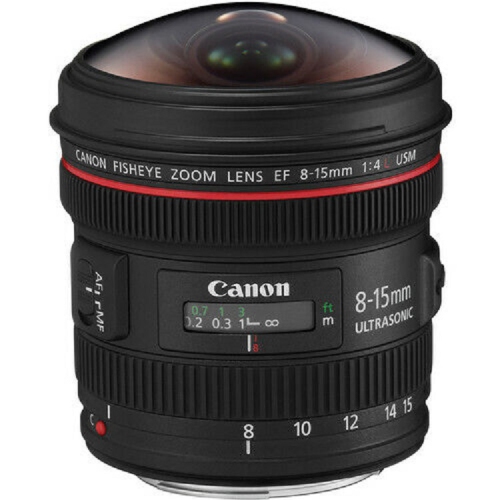
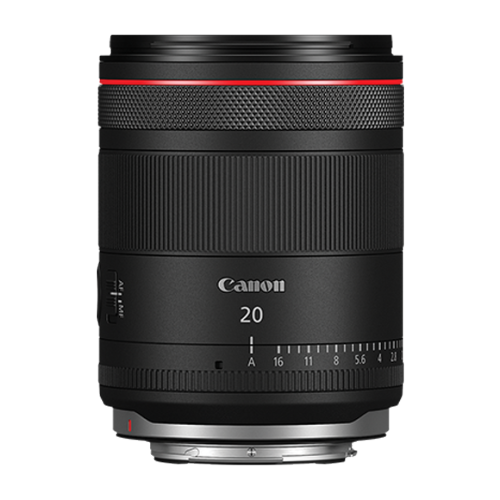
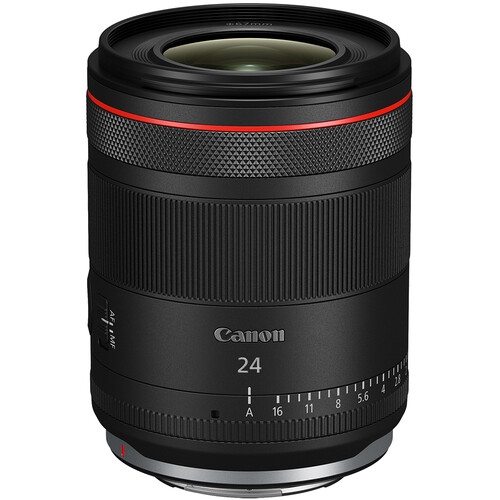
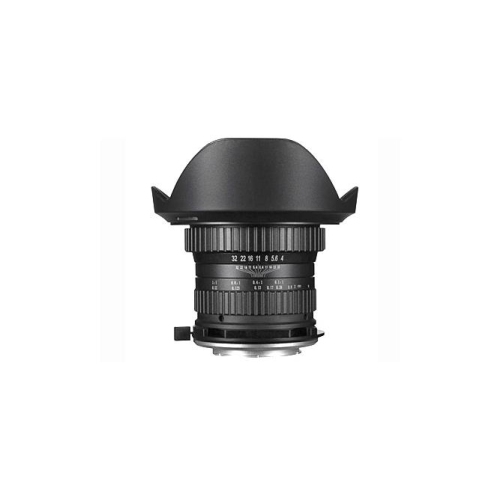
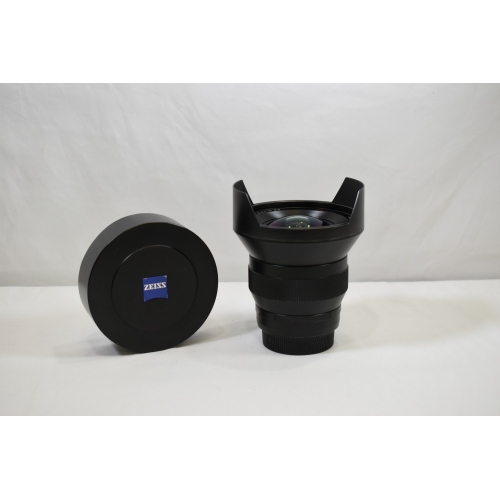
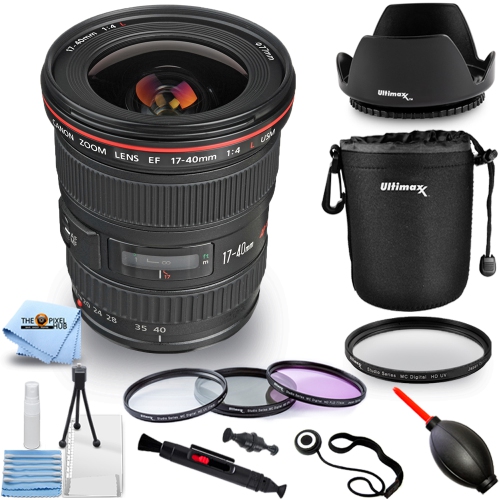
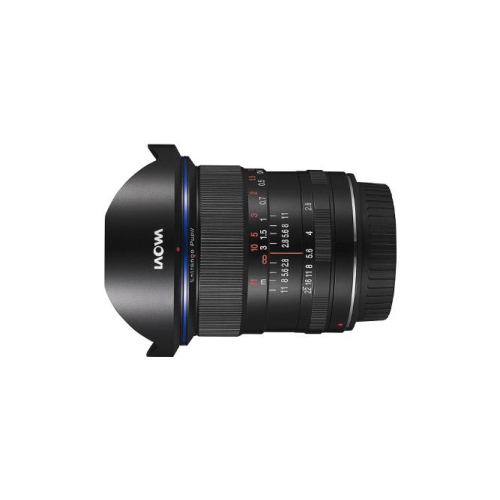
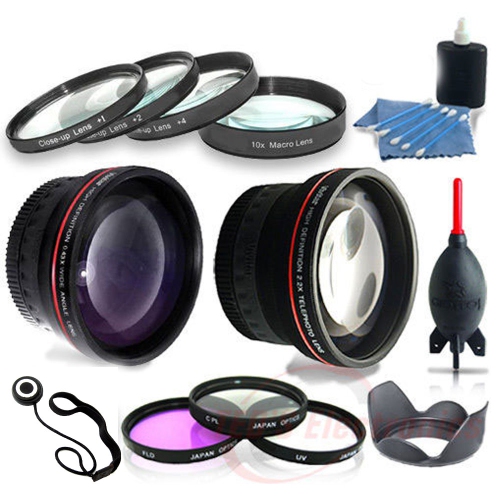
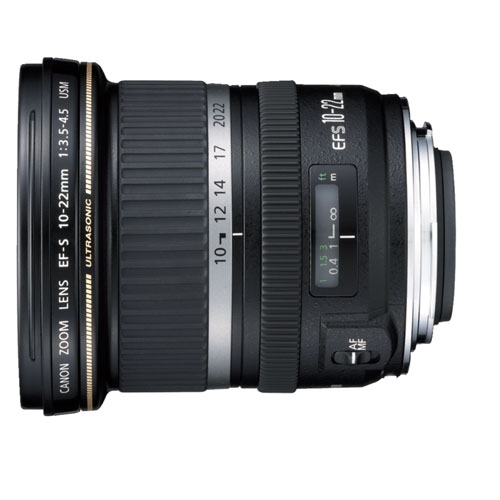
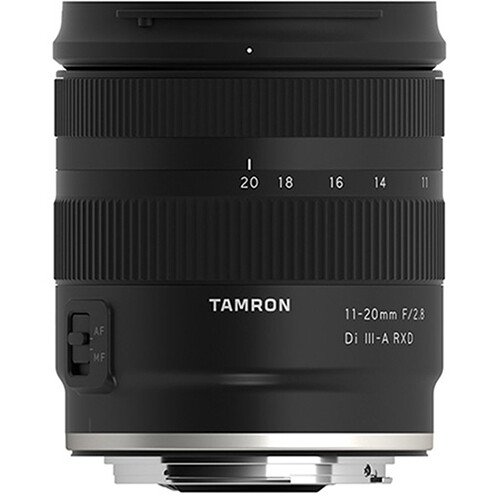
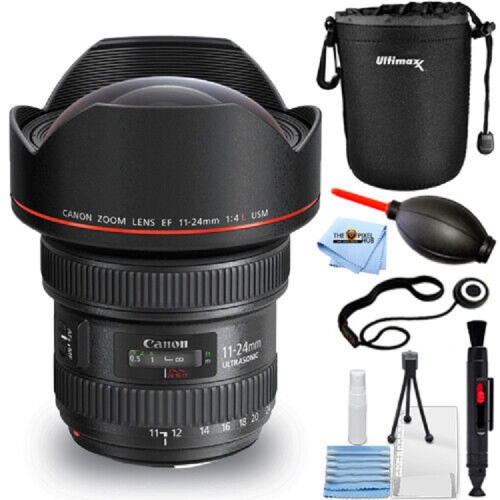
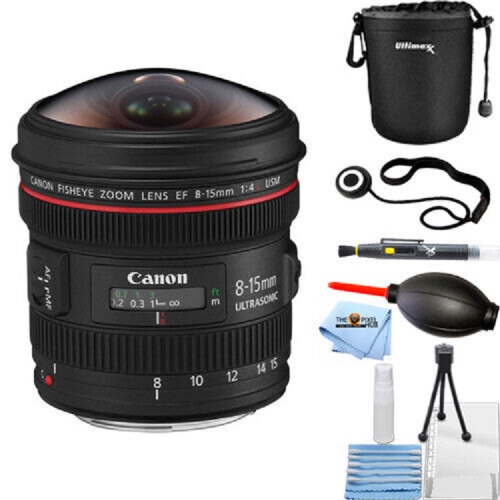
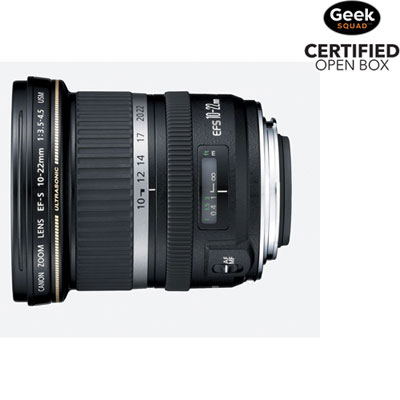
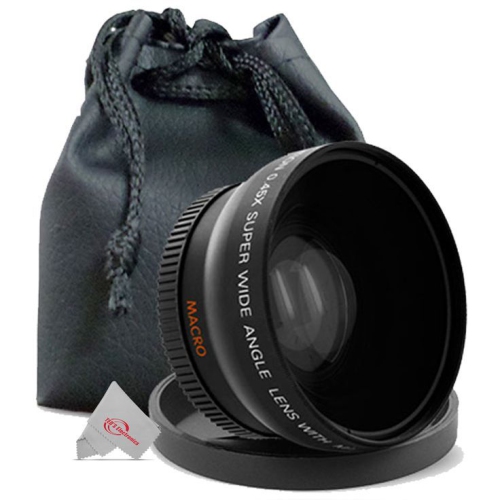
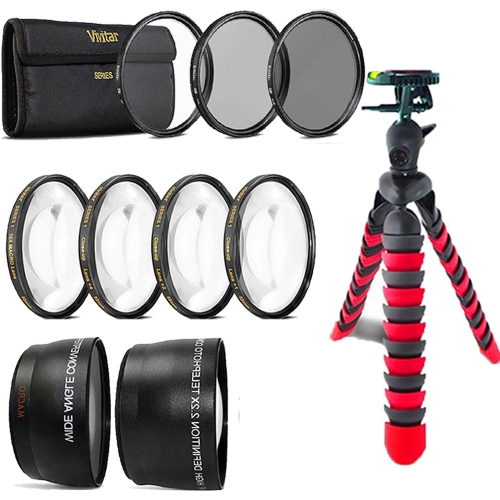
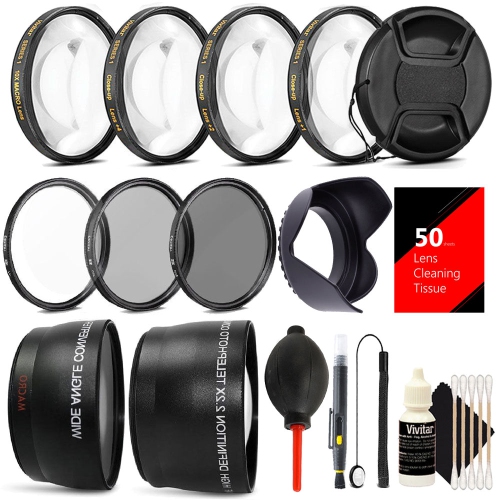
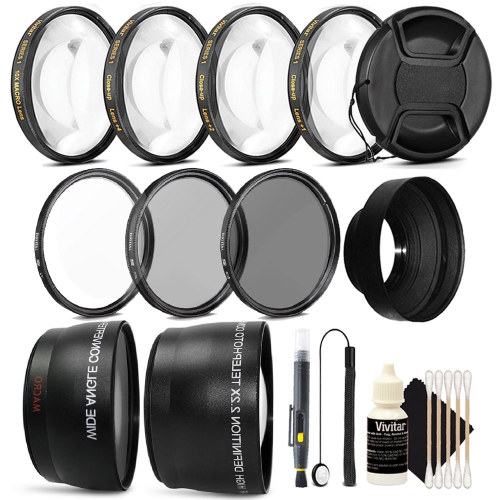
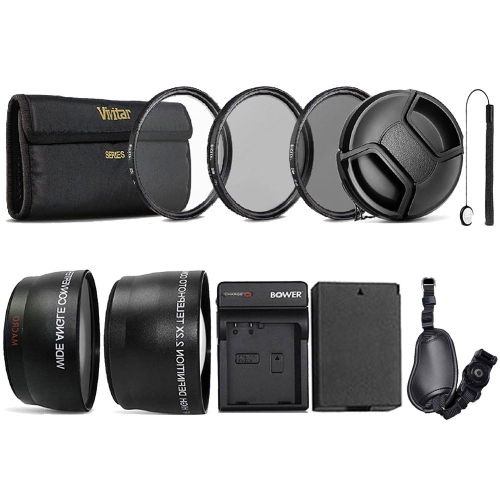
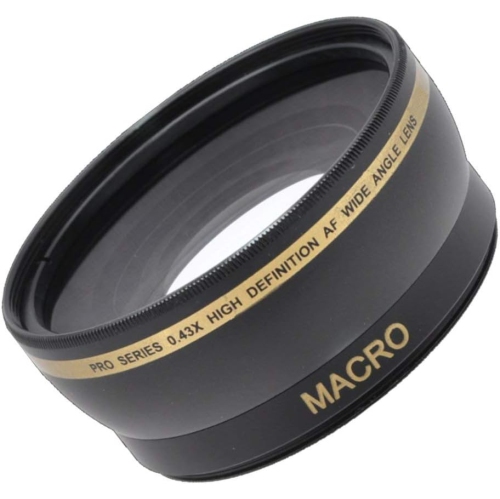
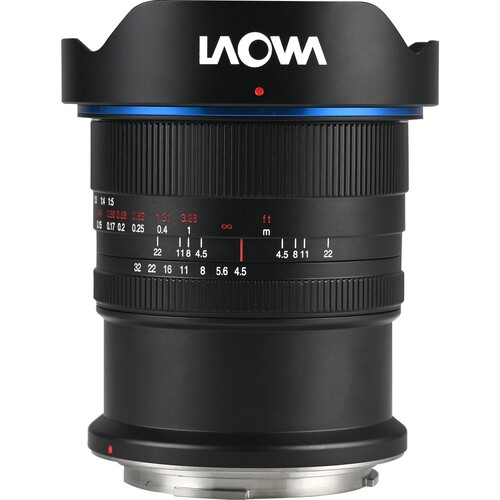
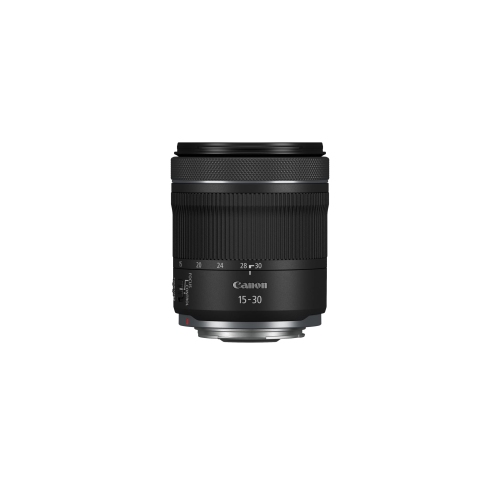
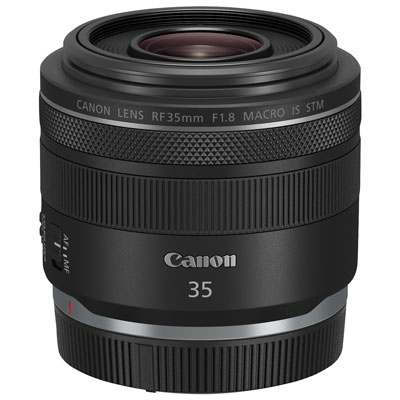
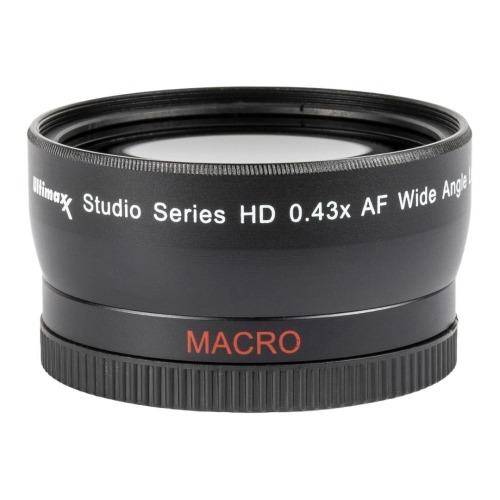
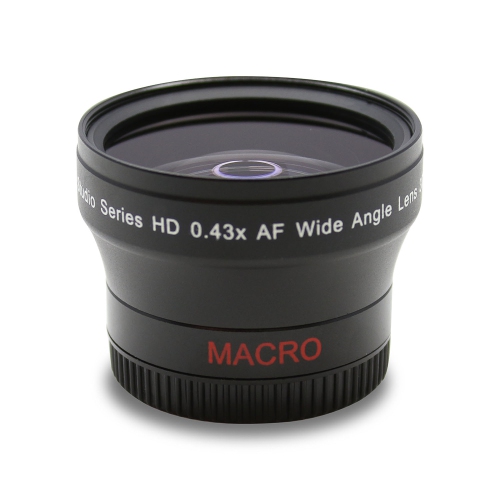
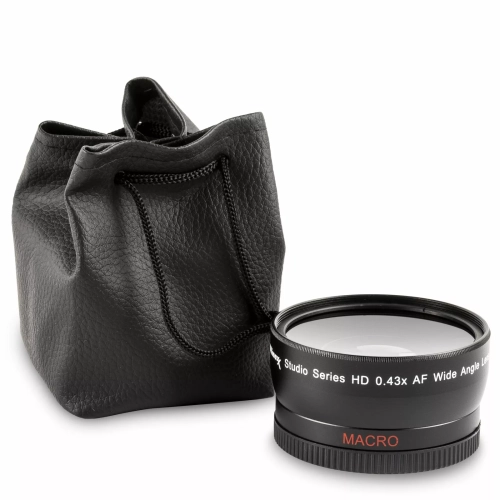
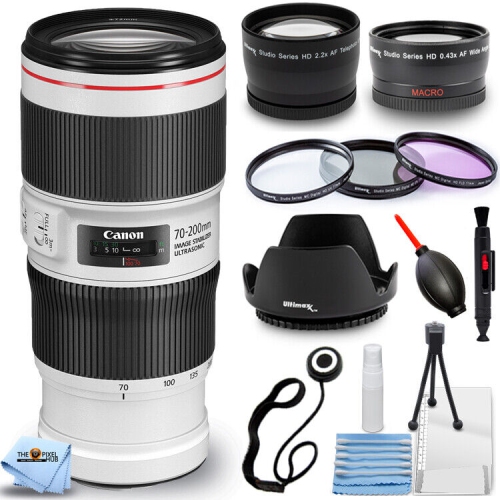
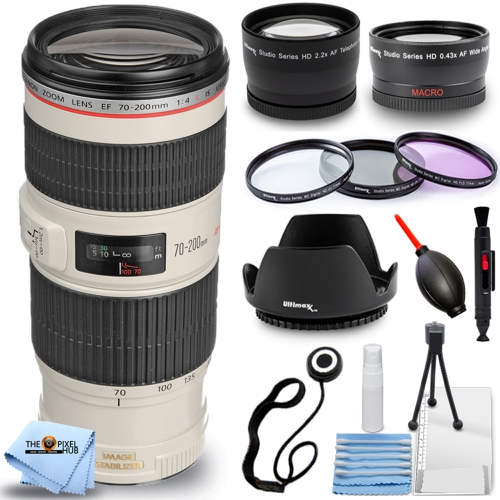
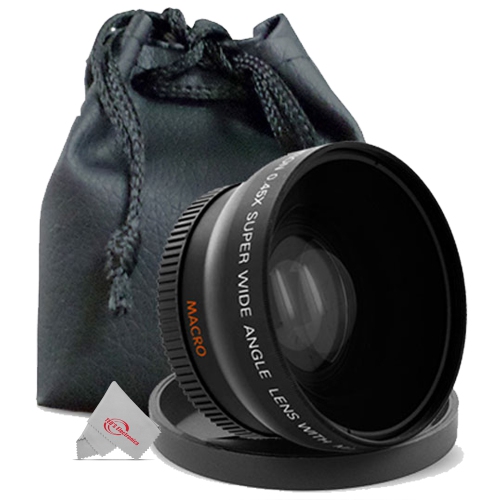
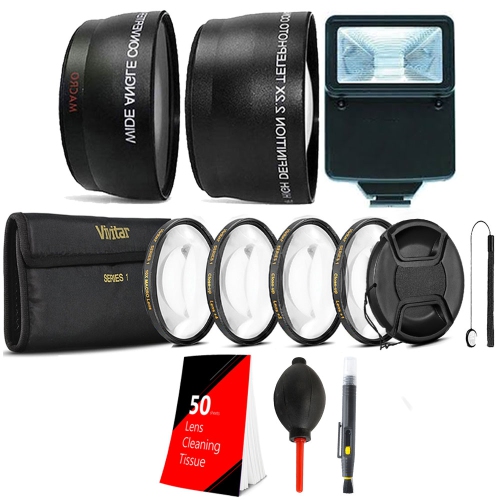
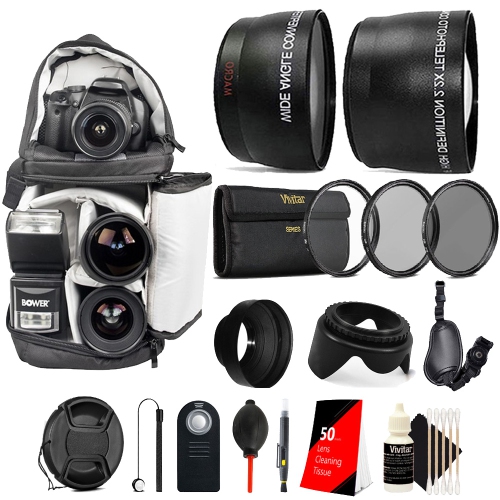
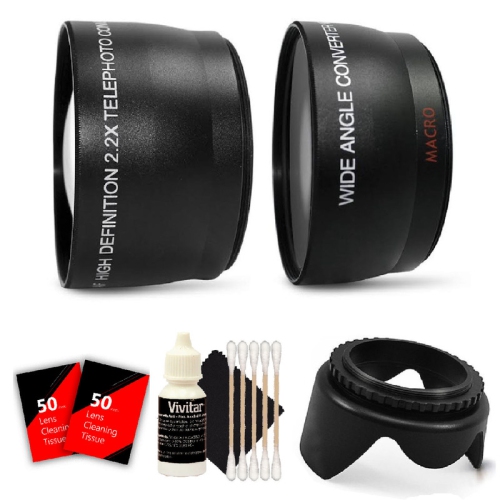
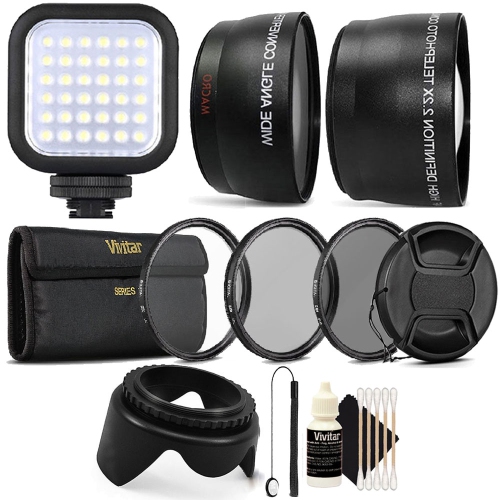
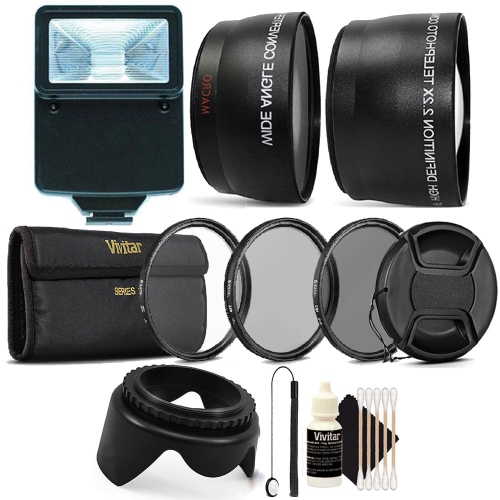
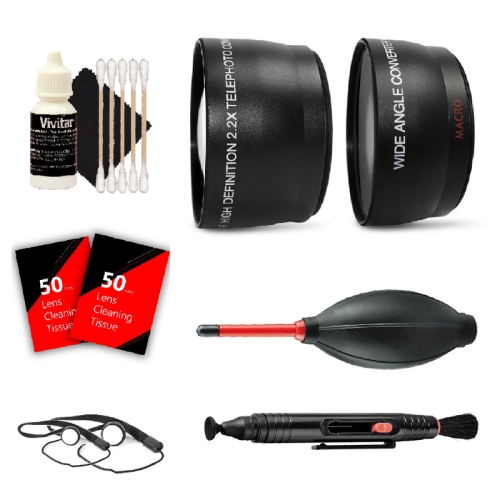
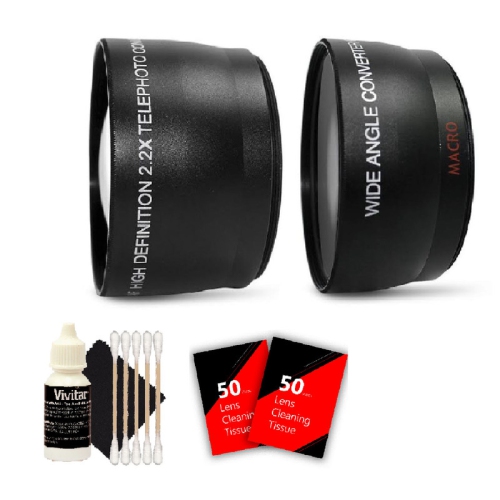
Broader perspectives for landscapes, interiors and creative video
Wide angle lenses for Canon cameras make it easier to fit more of a scene into the frame while adding a strong sense of space and depth. They are a natural choice for sweeping landscapes, city streets, architecture, interiors, travel photography, real estate, group portraits and video where the camera needs to stay close to the subject. A wide field of view can turn a narrow room into a more inviting space, show the full height of a building from a nearby sidewalk, or capture a broad shoreline with the sky, water and foreground all working together. These lenses are also useful for everyday photography when you want to tell more of the story around a person or object. A child playing in a park, a cook preparing food in a compact kitchen, or a performer surrounded by a lively crowd can all benefit from the extra context. The most important first step is confirming the camera mount and sensor format. Mirrorless cameras may use RF or RF-S mounts, while DSLR cameras may use EF or EF-S mounts. Full-frame and APS-C sensors also affect the effective field of view, so the same focal length can look noticeably wider or narrower depending on the camera body. An APS-C camera typically gives a narrower view than a full-frame camera, which means a lens that feels moderately wide on one body may feel ultra-wide on another. Checking the camera’s specifications before choosing a lens helps avoid compatibility problems and makes it easier to select the right focal-length range for the way you shoot. Browse the selection of Canon Wide Angle Lenses to compare options designed for different camera systems and creative needs.
Focal length is one of the clearest ways to decide which wide angle lens suits your photography. Ultra-wide options capture an especially broad view and are well suited to dramatic landscapes, tall buildings, large rooms and immersive video. They can make nearby foreground details appear prominent, which is useful for creating depth when photographing rocks, flowers, furniture or other objects close to the camera. Wider zoom ranges offer flexibility when you need to move quickly between a very expansive view and a more natural perspective. A zoom can be convenient for travel, events, interiors and content creation because framing can be adjusted without changing position. Prime lenses use one fixed focal length, which can encourage a more deliberate approach and may offer a compact design that is easy to carry. Aperture is another important consideration. A wider maximum aperture allows more light to reach the sensor, helping in dim interiors, evening streets and indoor gatherings while also providing greater control over background blur. A more modest aperture can still produce excellent results in daylight and may keep more of a landscape or architectural scene sharply focused. Image stabilization can be helpful when photographing handheld at slower shutter speeds, especially in museums, homes, streets or other low-light settings, although it does not freeze movement from people or animals. Autofocus performance, manual focus control, minimum focusing distance and weather-resistant construction may also influence the best choice. For video, look for smooth and quiet focusing, manageable weight and a focal range that allows you to speak to camera without holding the setup uncomfortably far away. A compact wide lens can be a practical companion for a small camera bag, while a larger lens may be preferable for demanding assignments where brightness, build quality or edge-to-edge sharpness is a priority.
Wide angle lenses can be rewarding for photographers at nearly every experience level. Beginners often appreciate how quickly these lenses make ordinary surroundings feel more dynamic, though it is worth remembering that placing a person too close to the edge of the frame can exaggerate facial features or body proportions. Keeping important subjects nearer the centre, or stepping back slightly and correcting the composition, usually produces a more natural result. Experienced photographers may use converging lines, reflections, foreground details and careful camera height to guide attention through the frame. For architecture and real estate, keeping the camera level helps reduce leaning walls, while software correction can further refine perspective when needed. Landscape photographers may find that an ultra-wide view looks strongest when the scene includes a clear foreground element rather than only distant scenery. Travellers can use a compact lens to photograph historic streets, mountain viewpoints and busy markets without constantly changing equipment. These lenses can also make thoughtful gifts for someone beginning photography, creating videos, documenting renovations or exploring a new city with a camera in hand. When comparing choices, consider the camera body, mount, sensor size, focal-length range, maximum aperture, stabilization, focusing system, size and intended subject matter rather than selecting solely by the widest number. A lens that is easy to carry and comfortable to use is more likely to come along on walks, road trips and family gatherings. With the right match, wide angle photography becomes a way to preserve not only the main subject but also the atmosphere around it: the texture of a stone path, the shape of a room, the glow of a city at dusk or the open feeling of a landscape stretching toward the horizon.
Focal length is one of the clearest ways to decide which wide angle lens suits your photography. Ultra-wide options capture an especially broad view and are well suited to dramatic landscapes, tall buildings, large rooms and immersive video. They can make nearby foreground details appear prominent, which is useful for creating depth when photographing rocks, flowers, furniture or other objects close to the camera. Wider zoom ranges offer flexibility when you need to move quickly between a very expansive view and a more natural perspective. A zoom can be convenient for travel, events, interiors and content creation because framing can be adjusted without changing position. Prime lenses use one fixed focal length, which can encourage a more deliberate approach and may offer a compact design that is easy to carry. Aperture is another important consideration. A wider maximum aperture allows more light to reach the sensor, helping in dim interiors, evening streets and indoor gatherings while also providing greater control over background blur. A more modest aperture can still produce excellent results in daylight and may keep more of a landscape or architectural scene sharply focused. Image stabilization can be helpful when photographing handheld at slower shutter speeds, especially in museums, homes, streets or other low-light settings, although it does not freeze movement from people or animals. Autofocus performance, manual focus control, minimum focusing distance and weather-resistant construction may also influence the best choice. For video, look for smooth and quiet focusing, manageable weight and a focal range that allows you to speak to camera without holding the setup uncomfortably far away. A compact wide lens can be a practical companion for a small camera bag, while a larger lens may be preferable for demanding assignments where brightness, build quality or edge-to-edge sharpness is a priority.
Wide angle lenses can be rewarding for photographers at nearly every experience level. Beginners often appreciate how quickly these lenses make ordinary surroundings feel more dynamic, though it is worth remembering that placing a person too close to the edge of the frame can exaggerate facial features or body proportions. Keeping important subjects nearer the centre, or stepping back slightly and correcting the composition, usually produces a more natural result. Experienced photographers may use converging lines, reflections, foreground details and careful camera height to guide attention through the frame. For architecture and real estate, keeping the camera level helps reduce leaning walls, while software correction can further refine perspective when needed. Landscape photographers may find that an ultra-wide view looks strongest when the scene includes a clear foreground element rather than only distant scenery. Travellers can use a compact lens to photograph historic streets, mountain viewpoints and busy markets without constantly changing equipment. These lenses can also make thoughtful gifts for someone beginning photography, creating videos, documenting renovations or exploring a new city with a camera in hand. When comparing choices, consider the camera body, mount, sensor size, focal-length range, maximum aperture, stabilization, focusing system, size and intended subject matter rather than selecting solely by the widest number. A lens that is easy to carry and comfortable to use is more likely to come along on walks, road trips and family gatherings. With the right match, wide angle photography becomes a way to preserve not only the main subject but also the atmosphere around it: the texture of a stone path, the shape of a room, the glow of a city at dusk or the open feeling of a landscape stretching toward the horizon.
Top selling and popular products
-
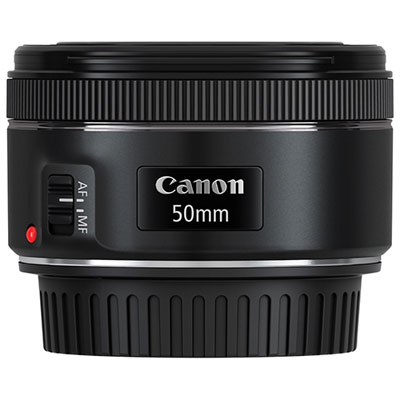 Your price for this item is $169.99
 -
 Your price for this item is $329.99
 -
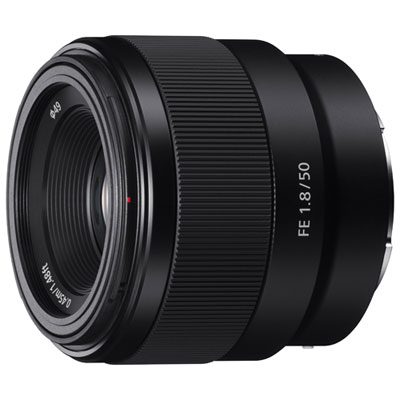 Your price for this item is $349.99
 -
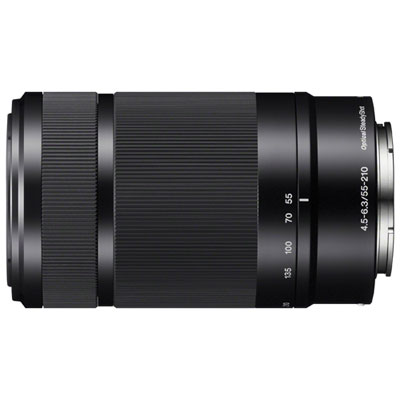 Your price for this item is $399.99
 -
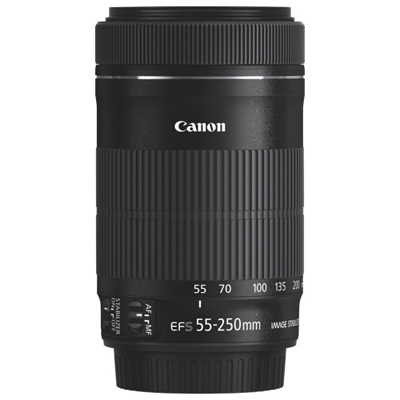 Your price for this item is $399.99
 -
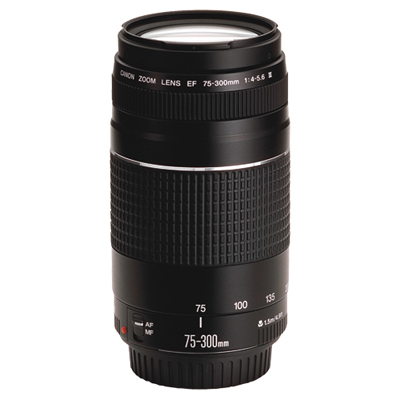 Your price for this item is $199.99
 -
 Your price for this item is $174.99
 -
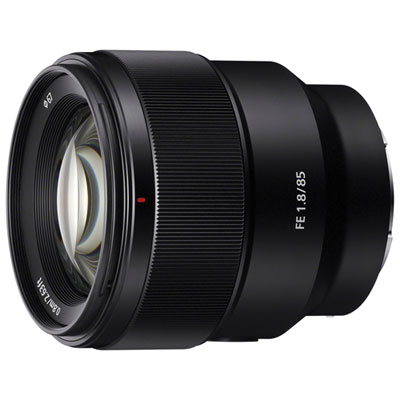 Your price for this item is $749.99
Discover more categories related to Wide Angle Lenses for Canon
Top Collections:
Pokemon Centers, Kindle Devices, Best Budget Office Chairs, Apple iPhones 16, Best Laptops for Writers, iPhone 15 Apple, Canon G7X Cameras, Refurbished Apple Laptops, Alarm Clock, Motorola Razr Phones
Some products may be subject to Environmental Handling Fees
(EHF) depending on your province.
Learn more about EHFs.