Emergency Car Tools
When unexpected situations arise on the road, having the right emergency car tools can make all the difference. These essential items are designed to help you handle a variety of roadside issues with ease and confidence. Whether you're dealing with a flat tire, a dead battery, or any other unforeseen car troubles, being prepared with reliable emergency car tools ensures that you can address these challenges efficiently and get back on your way safely. Explore our selection to find the perfect tools to keep in your vehicle for peace of mind during every journey.
Sort

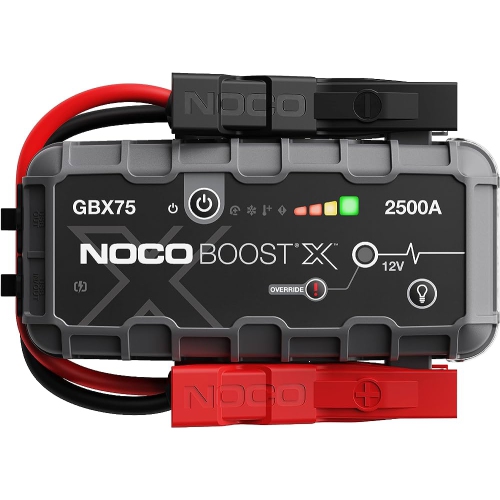
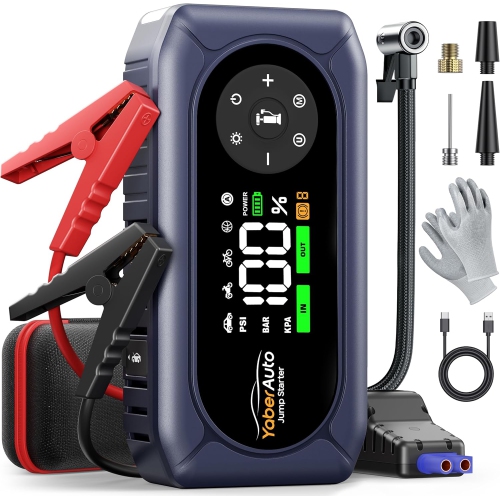
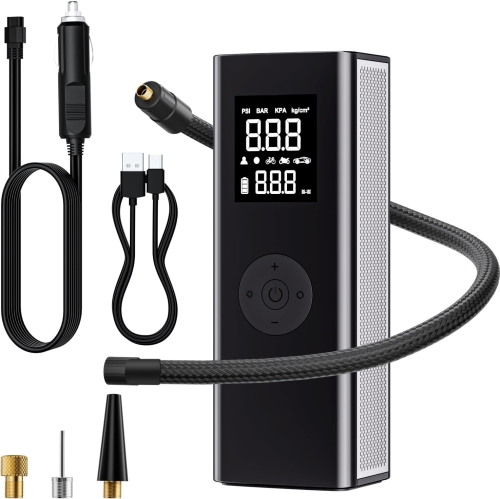
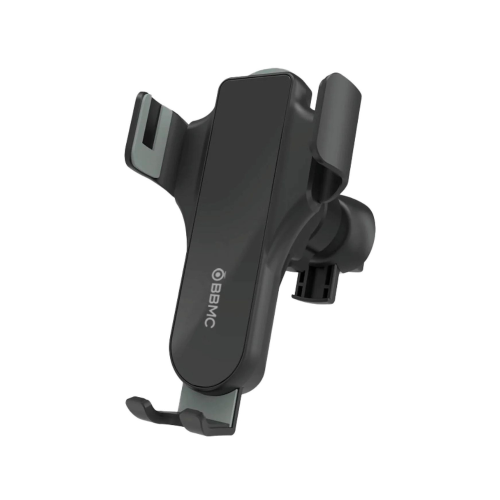
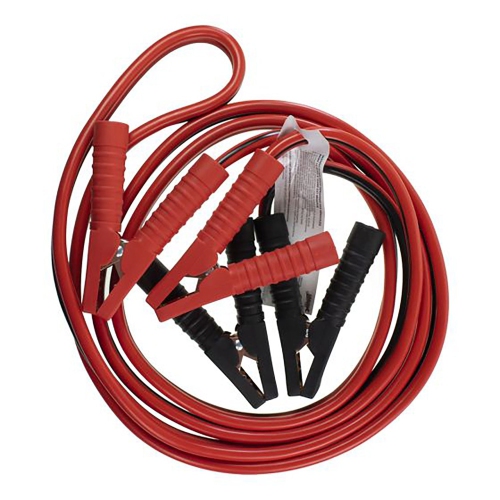

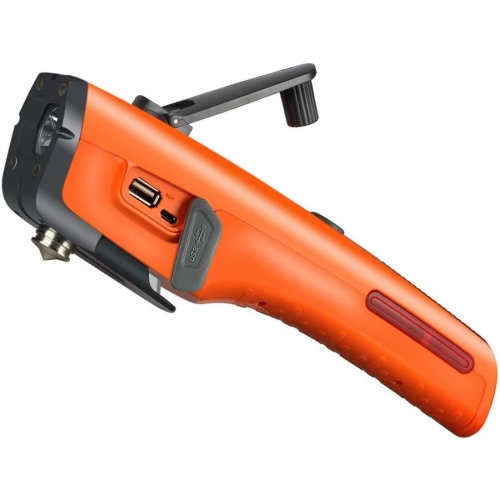

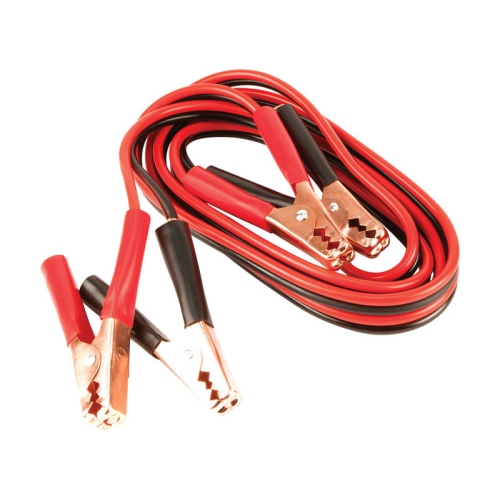
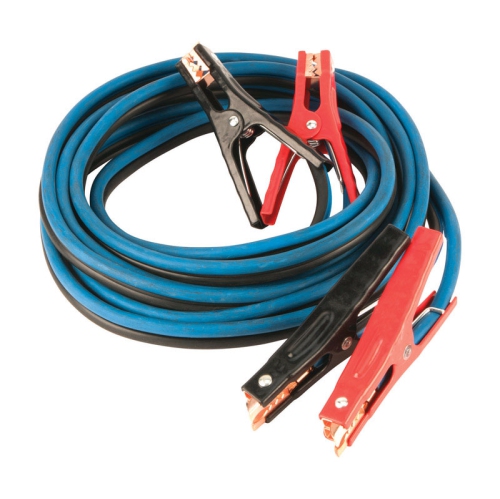



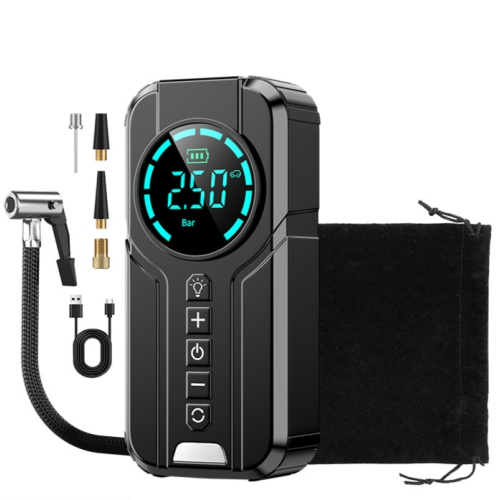
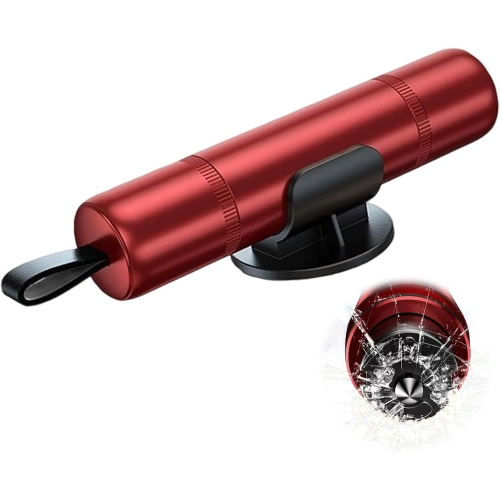
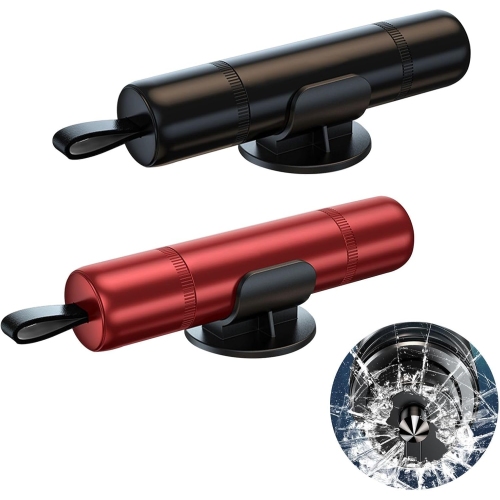
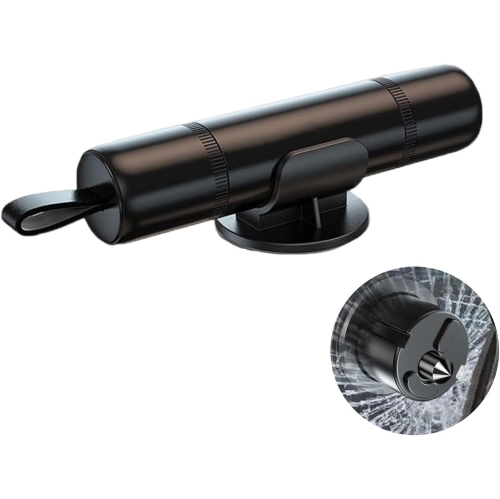
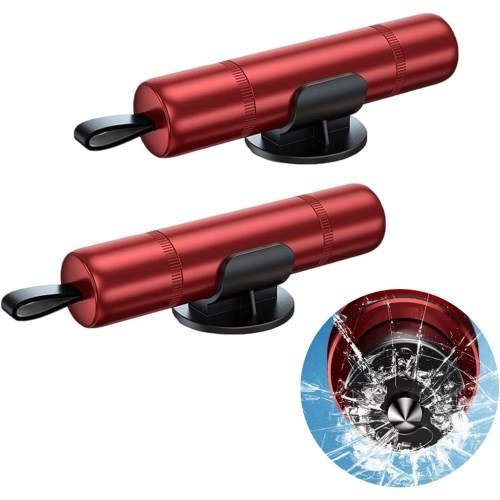
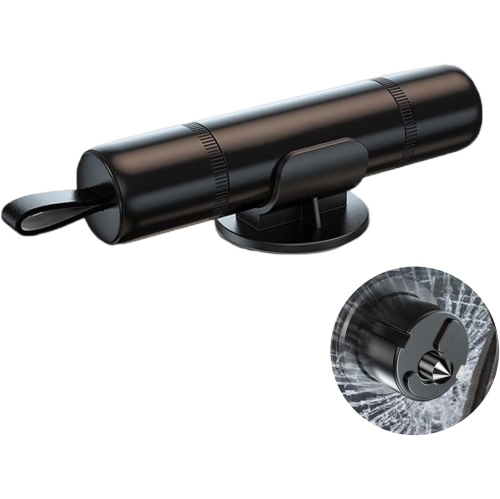
Practical tools for roadside delays, visibility, and minor problems
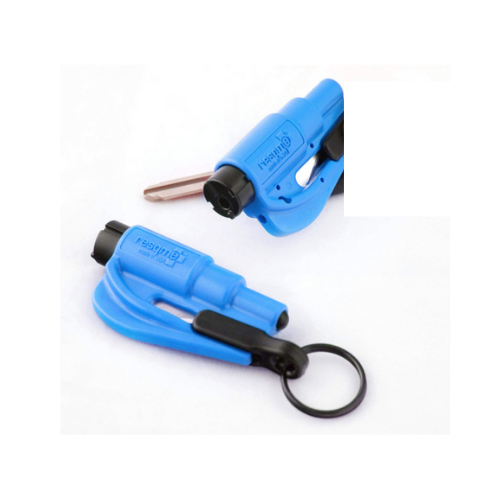
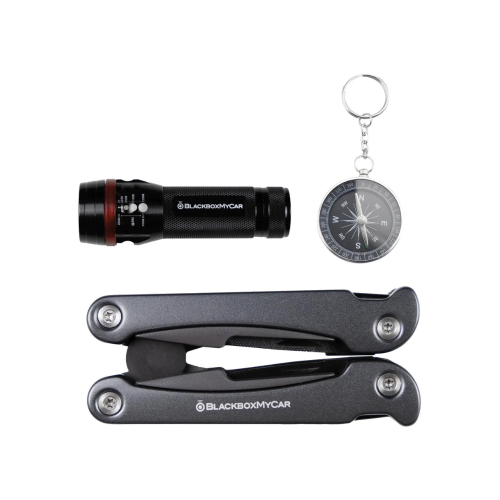
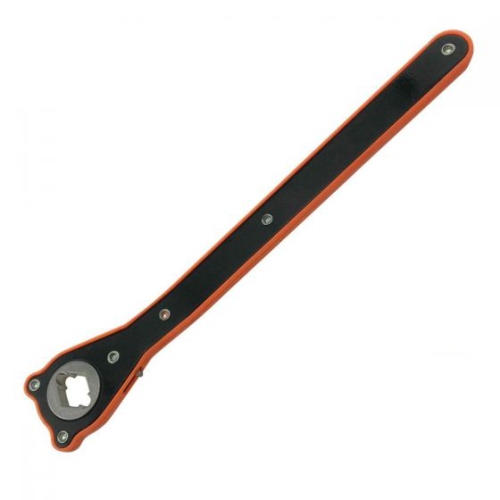
Emergency car tools are practical additions to a vehicle’s everyday safety setup, whether you drive across town, commute on rural roads, or spend long stretches travelling between communities. A compact escape tool can help provide access to a seatbelt cutter and a spring-loaded window breaker in a serious collision, while a roadside assistance kit can bring together useful supplies for minor problems, visibility, and getting help. Other helpful categories include flashlights, warning lights, reflective markers, booster cables, tire inflators, work gloves, towing straps, multi-tools, and basic first aid supplies. The right combination depends on the vehicle, the number of passengers, the type of driving you do, and how much storage space is available. A small tool clipped to a key ring or placed in a reachable compartment may suit a city driver who wants an extra layer of preparedness without filling the trunk. Drivers who regularly travel on highways, gravel roads, or less populated routes may prefer a more complete kit with tools for a flat tire, a low battery, or a vehicle that needs to be made visible at the roadside. For a broader look at related supplies and storage ideas, visit Emergency Car Kit Essentials. These products can also make thoughtful gifts for new drivers, university students taking a vehicle away from home, family members with a long commute, or anyone preparing a second vehicle for regular use. They are especially useful for households with more than one car, since a tool that is convenient in one vehicle may not be available when another car is being driven.
When choosing an emergency car tool, ease of access matters as much as the feature list. A device stored beneath luggage or buried in a deep trunk compartment may be difficult to reach when visibility is poor or the vehicle is stopped in an awkward location. Look for a secure, known storage spot inside the passenger area, such as a centre console, door pocket, glove compartment, or dedicated mounting location, while following the manufacturer’s instructions and keeping airbags, pedals, and other controls unobstructed. A tool should not be left loose where it could become a projectile during a sudden stop. For escape tools, check how the window breaker operates, whether the cutting edge is protected when not in use, and whether the design is comfortable to hold with cold or wet hands. Most window punches are intended for tempered side or rear glass and generally will not shatter laminated windshields, so understanding the glass used in your vehicle is important. A seatbelt cutter should be shielded when stored but easy to access, and it is worth becoming familiar with its position before an emergency occurs. Flashlights and warning beacons should offer controls that are simple to identify in the dark, with enough brightness for checking a tire, locating a dropped item, or signalling to other drivers. For kits with cables, inflators, towing equipment, or electrical accessories, compare cable length, connector design, power requirements, storage size, and the type of vehicle they are intended to support. Reading the included instructions before a roadside problem occurs can save valuable time, particularly when connecting booster cables or using a powered tool.
Cooler months can bring earlier darkness, slippery shoulders, reduced visibility, and longer waits for roadside assistance, making vehicle preparation feel more important during everyday trips. A flashlight with fresh batteries, a reflective warning device, and gloves can make a roadside stop more manageable when the temperature drops. A tire inflator may be useful for restoring pressure after a slow leak, although it is not a replacement for professional tire repair. Booster cables can help when a battery loses power, but they should be used only with compatible vehicles and according to the instructions provided. A compact kit can also be helpful for parents driving children, caregivers transporting passengers, and anyone who wants essential equipment organised in one place rather than scattered throughout the vehicle. Consider the number of people in the car, the amount of room available, and whether the kit can be secured so it stays in place while driving. It is also sensible to check batteries, charging cables, straps, gloves, and other components periodically, replacing anything damaged, expired, or missing. These tools are not a substitute for safe driving, regular vehicle maintenance, winter tires where appropriate, or professional assistance, but they can provide useful support during an unexpected delay. With the right equipment stored within reach, a driver can be better prepared to stay visible, assess a minor issue, contact help, and wait more comfortably until the journey can continue.
When choosing an emergency car tool, ease of access matters as much as the feature list. A device stored beneath luggage or buried in a deep trunk compartment may be difficult to reach when visibility is poor or the vehicle is stopped in an awkward location. Look for a secure, known storage spot inside the passenger area, such as a centre console, door pocket, glove compartment, or dedicated mounting location, while following the manufacturer’s instructions and keeping airbags, pedals, and other controls unobstructed. A tool should not be left loose where it could become a projectile during a sudden stop. For escape tools, check how the window breaker operates, whether the cutting edge is protected when not in use, and whether the design is comfortable to hold with cold or wet hands. Most window punches are intended for tempered side or rear glass and generally will not shatter laminated windshields, so understanding the glass used in your vehicle is important. A seatbelt cutter should be shielded when stored but easy to access, and it is worth becoming familiar with its position before an emergency occurs. Flashlights and warning beacons should offer controls that are simple to identify in the dark, with enough brightness for checking a tire, locating a dropped item, or signalling to other drivers. For kits with cables, inflators, towing equipment, or electrical accessories, compare cable length, connector design, power requirements, storage size, and the type of vehicle they are intended to support. Reading the included instructions before a roadside problem occurs can save valuable time, particularly when connecting booster cables or using a powered tool.
Cooler months can bring earlier darkness, slippery shoulders, reduced visibility, and longer waits for roadside assistance, making vehicle preparation feel more important during everyday trips. A flashlight with fresh batteries, a reflective warning device, and gloves can make a roadside stop more manageable when the temperature drops. A tire inflator may be useful for restoring pressure after a slow leak, although it is not a replacement for professional tire repair. Booster cables can help when a battery loses power, but they should be used only with compatible vehicles and according to the instructions provided. A compact kit can also be helpful for parents driving children, caregivers transporting passengers, and anyone who wants essential equipment organised in one place rather than scattered throughout the vehicle. Consider the number of people in the car, the amount of room available, and whether the kit can be secured so it stays in place while driving. It is also sensible to check batteries, charging cables, straps, gloves, and other components periodically, replacing anything damaged, expired, or missing. These tools are not a substitute for safe driving, regular vehicle maintenance, winter tires where appropriate, or professional assistance, but they can provide useful support during an unexpected delay. With the right equipment stored within reach, a driver can be better prepared to stay visible, assess a minor issue, contact help, and wait more comfortably until the journey can continue.
Top selling and popular products
-
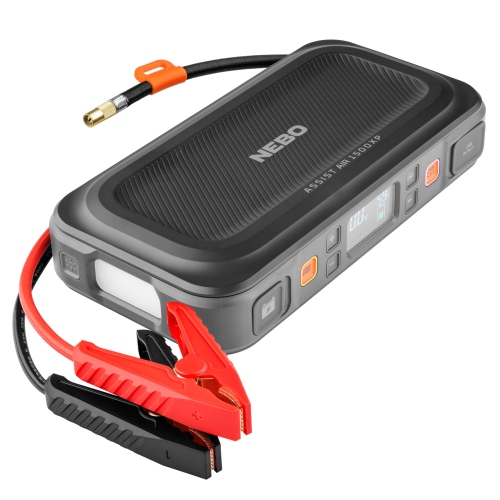 Your price for this item is $199.99
 -
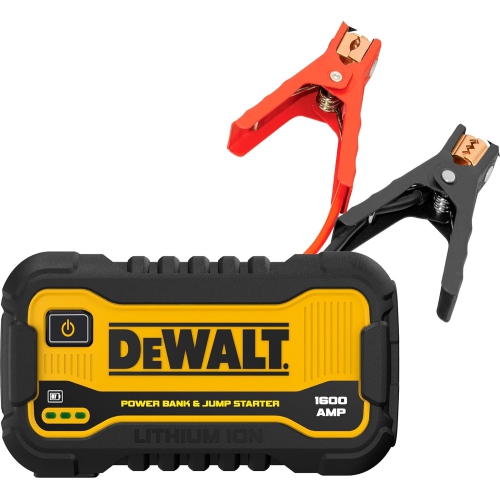 Your price for this item is $114.99
 -
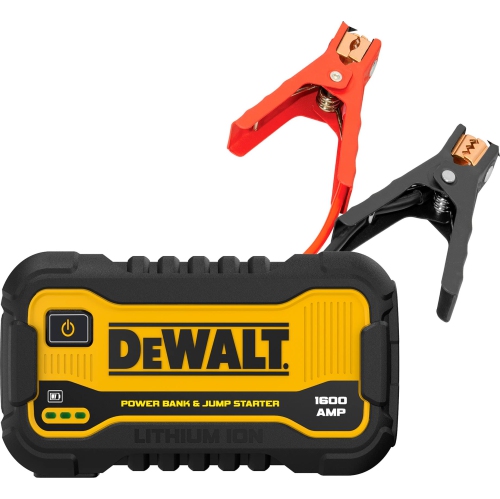 Your price for this item is $129.99
 -
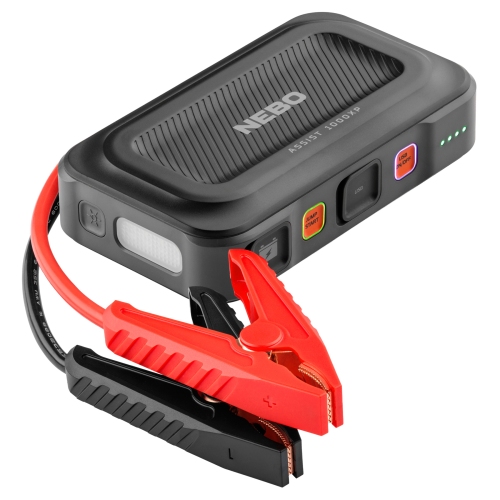 Your price for this item is $109.99
 -
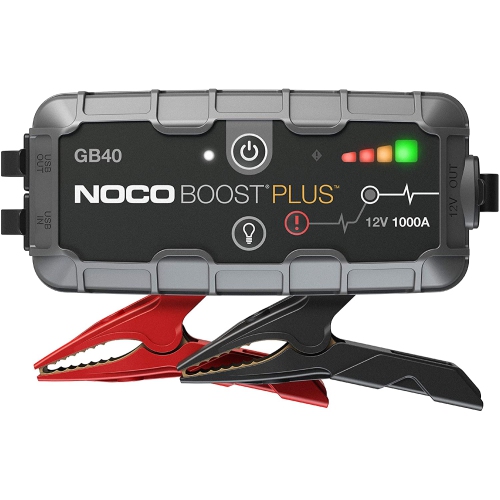 Your price for this item is $180.95
 -
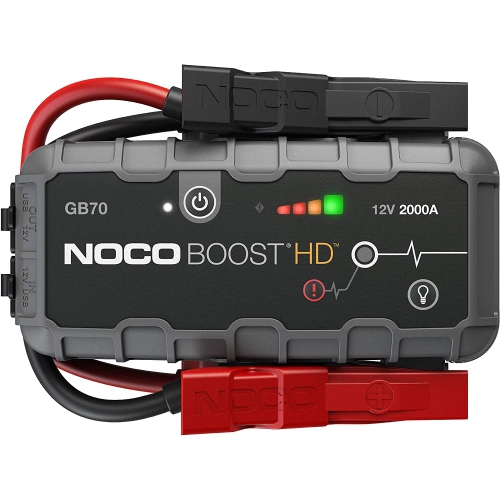 Your price for this item is $319.95
 -
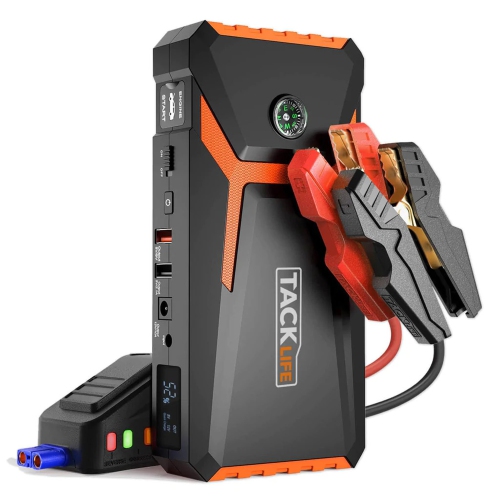 Your price for this item is $54
 -
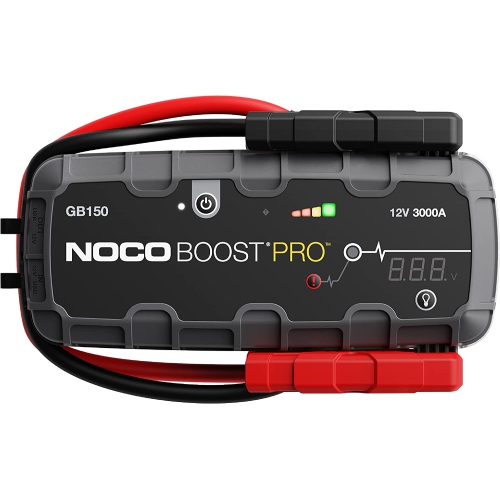 Your price for this item is $449.95
Discover more categories related to Emergency Car Tools

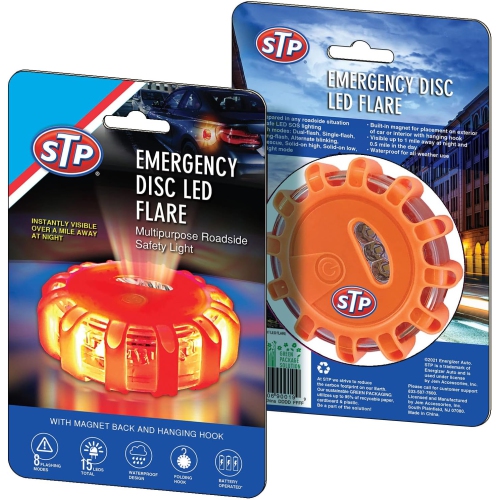

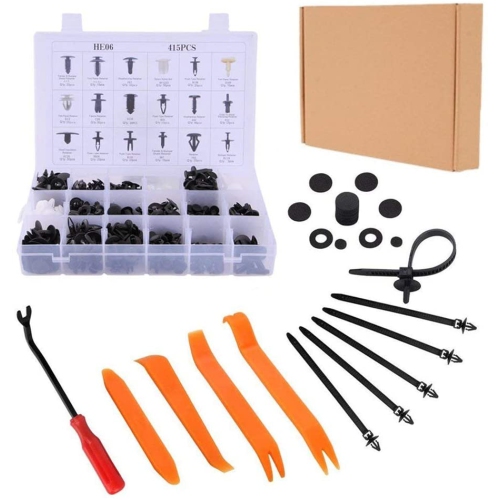
Top Collections:
Pokemon Centers, Kindle Devices, Best Budget Office Chairs, Apple iPhones 16, Best Laptops for Writers, iPhone 15 Apple, Canon G7X Cameras, Refurbished Apple Laptops, Alarm Clock, Motorola Razr Phones
Some products may be subject to Environmental Handling Fees
(EHF) depending on your province.
Learn more about EHFs.