Humidifiers for Baby
Humidifiers are a great way to help keep your baby's environment comfortable and healthy. These devices help regulate the humidity levels in your home, which can help reduce symptoms associated with colds, allergies, and other respiratory illnesses. Here are some great options available.
Sort


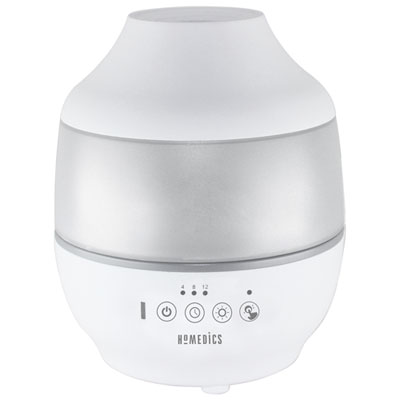
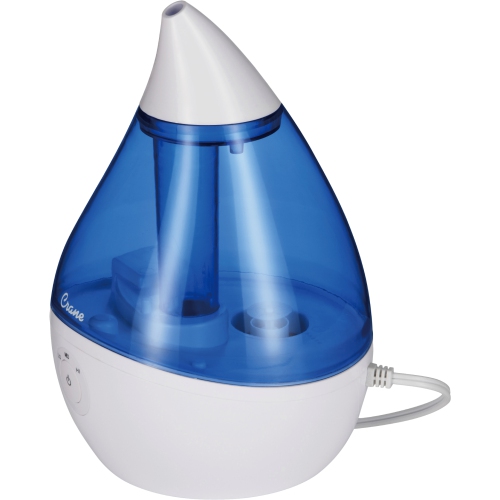

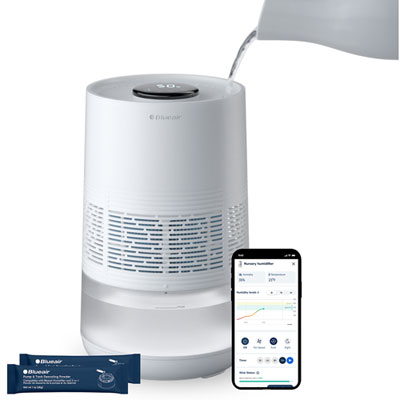
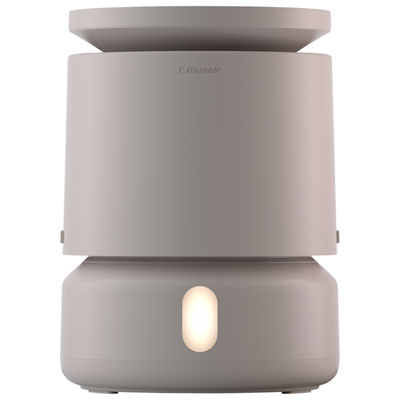
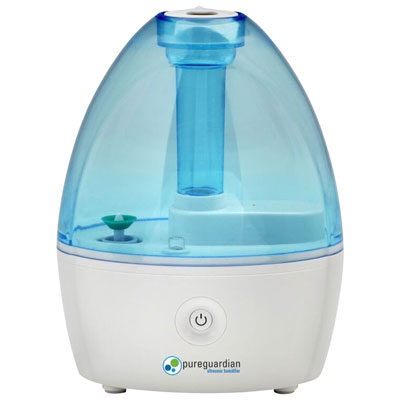
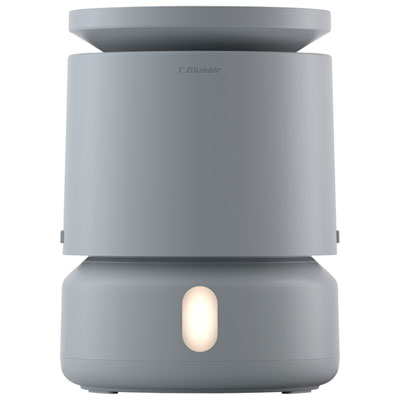
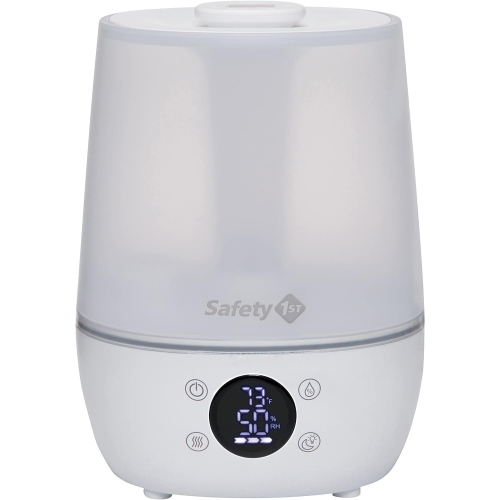
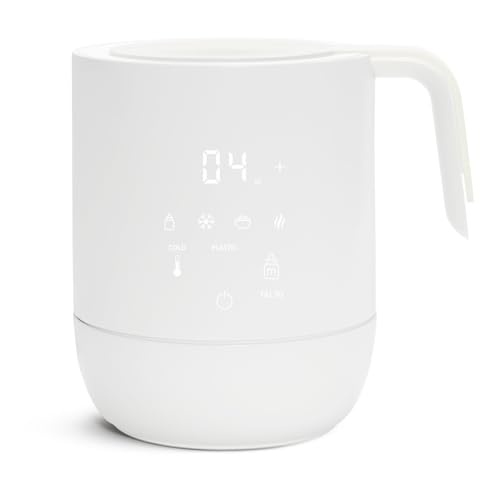
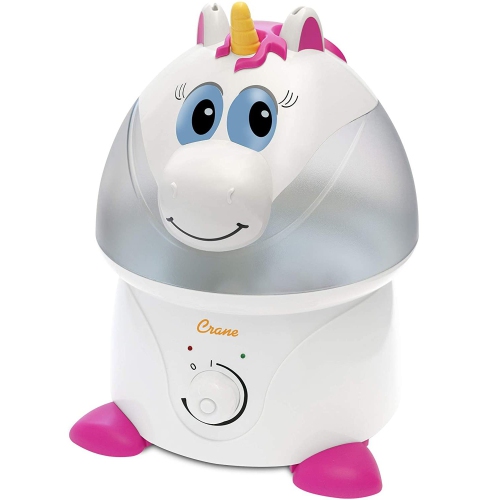
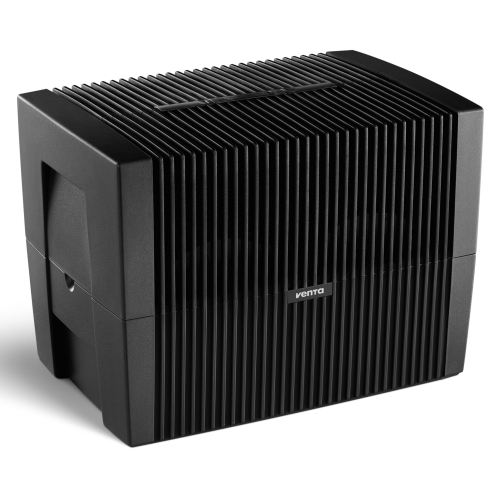
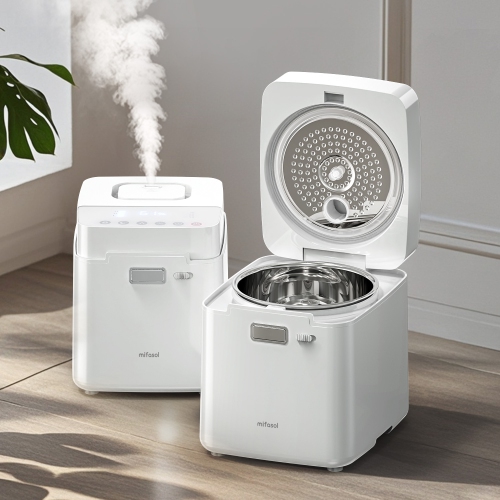
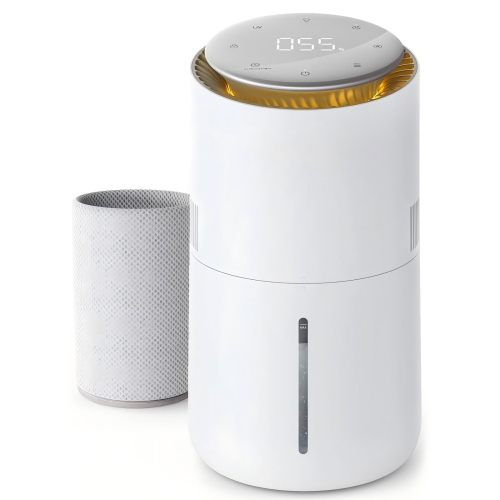
Cool-mist comfort and practical care for baby’s room
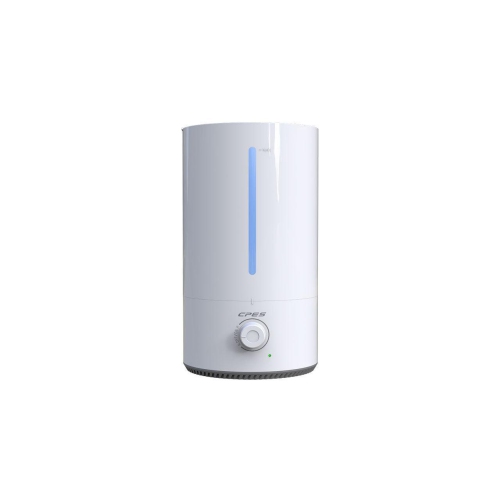
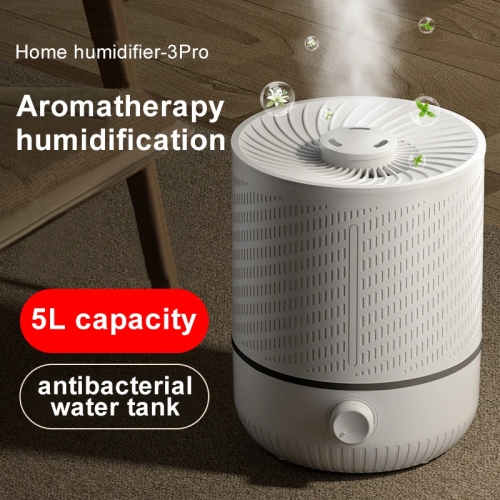
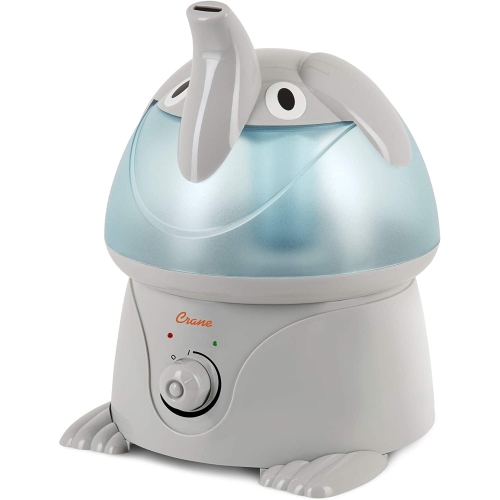
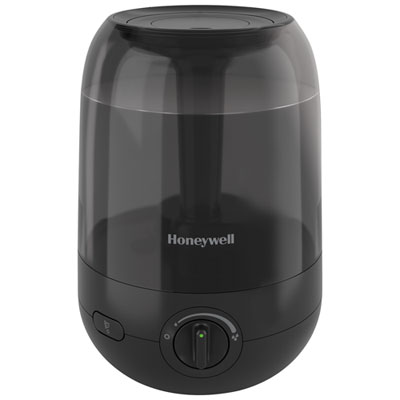
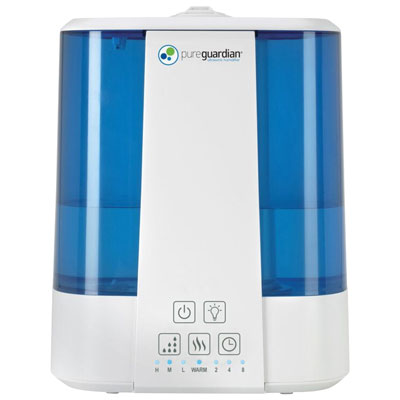
A humidifier for baby can add moisture to dry nursery air, helping create a more comfortable environment during the cooler months or whenever indoor heating leaves the air feeling parched. Dry air may contribute to a stuffy nose, dry cough, chapped lips, or irritated skin, and gentle moisture can make bedtime feel more comfortable for some babies. A cool-mist humidifier is generally the preferred choice for a child’s room because it does not use heated water or produce hot steam that could cause accidental burns. When choosing a humidifier for baby, consider the nursery’s size, the tank capacity, the operating time, and how easy the unit is to refill and clean. A compact model may suit a smaller room or a bedside table, while a larger tank can be helpful when you want longer operation between refills. Quiet performance is another practical consideration: a soft, steady hum may blend into the background, while loud bubbling, beeping, or frequent refilling can interrupt a baby’s sleep. Some designs include a built-in night light, adjustable mist settings, an automatic shut-off feature when the tank is empty, or a simple control dial that is easy to operate during a late-night wake-up. Others may offer digital controls, timers, humidity readings, or app-connected features for parents who appreciate more detailed monitoring. For a broader selection suited to children’s spaces, browse Kids' Humidifiers. A humidifier can also be a thoughtful baby shower, new-baby, or nursery gift, particularly when paired with practical essentials such as a room thermometer or replacement filter, if the chosen model uses one. Look for a design that fits naturally into the room without taking up valuable floor space, and choose controls and settings that match the way the caregiver expects to use it.
Safe placement and regular care are just as important as the humidifier’s features. Place the unit on a flat, stable, elevated surface where a baby or young child cannot reach it, with the mist directed away from the crib, bedding, walls, and furniture. Keeping it approximately 3 to 4 feet away from the crib can help prevent dampness from settling directly on the sleeping area. Keep cords well out of reach and position the power connection where it cannot be pulled, tugged, or knocked loose. Avoid placing a humidifier on an unstable stool, a soft surface, or the edge of a dresser. A separate hygrometer or built-in humidity sensor can help you keep the room within a comfortable range; many health and home-care recommendations suggest aiming for approximately 40% to 60% relative humidity. Excess moisture can encourage condensation and mould, especially around windows, corners, and other cool surfaces, so reduce the setting or pause operation if you notice wetness in the room. Empty the tank daily, rinse it as directed, and allow it to dry between uses when possible. Clean the reservoir and other removable parts according to the manufacturer’s instructions, paying close attention to seams, caps, nozzles, and small areas where mineral deposits or residue may collect. Use fresh water as recommended, and replace filters, cartridges, or wicking components at the intervals specified for the model. Even a quiet, attractive unit can become less suitable for a nursery if it is difficult to take apart or clean thoroughly, so an easy-to-clean tank and wide opening are valuable features for busy caregivers. Do not add essential oils, fragrance, medication, or other substances unless the manufacturer specifically states that the humidifier is designed for them and provides clear instructions. Fragrances and oils may irritate a baby’s sensitive airways, and some humidifiers can be damaged by products that are not intended for use in the tank.
The best humidifier for baby is one that fits comfortably into the family’s daily routine and can be maintained consistently. Parents may prefer a straightforward model with one control and an easy-to-lift tank, while grandparents, relatives, or friends shopping for a gift may appreciate a design with clear settings, an automatic shut-off, and a small footprint for a nursery. Consider how often the caregiver wants to refill the tank, whether the room has limited outlets, and whether the humidifier will be moved between a nursery, bedroom, or living area. A night light can provide a gentle glow for feeding and diaper changes without turning on bright overhead lighting, although it is helpful to choose a light with an option to turn it off if the baby sleeps better in darkness. A model with multiple mist levels can adapt as conditions change from warm, dry days to cooler nights with indoor heating, while a timer may be useful for running the unit during part of a sleep routine rather than continuously. Humidifiers are intended to improve room comfort, not to diagnose or treat an illness, and they should not replace advice from a health-care professional. If a baby has trouble breathing, persistent coughing, a high fever, signs of dehydration, or symptoms that concern a caregiver, seek medical guidance promptly. With sensible placement, humidity monitoring, and frequent cleaning, a baby humidifier can become a useful part of a calm nursery routine: a discreet stream of cool mist in the background, fresh water prepared before bedtime, and a comfortable room ready for naps and overnight sleep.
Safe placement and regular care are just as important as the humidifier’s features. Place the unit on a flat, stable, elevated surface where a baby or young child cannot reach it, with the mist directed away from the crib, bedding, walls, and furniture. Keeping it approximately 3 to 4 feet away from the crib can help prevent dampness from settling directly on the sleeping area. Keep cords well out of reach and position the power connection where it cannot be pulled, tugged, or knocked loose. Avoid placing a humidifier on an unstable stool, a soft surface, or the edge of a dresser. A separate hygrometer or built-in humidity sensor can help you keep the room within a comfortable range; many health and home-care recommendations suggest aiming for approximately 40% to 60% relative humidity. Excess moisture can encourage condensation and mould, especially around windows, corners, and other cool surfaces, so reduce the setting or pause operation if you notice wetness in the room. Empty the tank daily, rinse it as directed, and allow it to dry between uses when possible. Clean the reservoir and other removable parts according to the manufacturer’s instructions, paying close attention to seams, caps, nozzles, and small areas where mineral deposits or residue may collect. Use fresh water as recommended, and replace filters, cartridges, or wicking components at the intervals specified for the model. Even a quiet, attractive unit can become less suitable for a nursery if it is difficult to take apart or clean thoroughly, so an easy-to-clean tank and wide opening are valuable features for busy caregivers. Do not add essential oils, fragrance, medication, or other substances unless the manufacturer specifically states that the humidifier is designed for them and provides clear instructions. Fragrances and oils may irritate a baby’s sensitive airways, and some humidifiers can be damaged by products that are not intended for use in the tank.
The best humidifier for baby is one that fits comfortably into the family’s daily routine and can be maintained consistently. Parents may prefer a straightforward model with one control and an easy-to-lift tank, while grandparents, relatives, or friends shopping for a gift may appreciate a design with clear settings, an automatic shut-off, and a small footprint for a nursery. Consider how often the caregiver wants to refill the tank, whether the room has limited outlets, and whether the humidifier will be moved between a nursery, bedroom, or living area. A night light can provide a gentle glow for feeding and diaper changes without turning on bright overhead lighting, although it is helpful to choose a light with an option to turn it off if the baby sleeps better in darkness. A model with multiple mist levels can adapt as conditions change from warm, dry days to cooler nights with indoor heating, while a timer may be useful for running the unit during part of a sleep routine rather than continuously. Humidifiers are intended to improve room comfort, not to diagnose or treat an illness, and they should not replace advice from a health-care professional. If a baby has trouble breathing, persistent coughing, a high fever, signs of dehydration, or symptoms that concern a caregiver, seek medical guidance promptly. With sensible placement, humidity monitoring, and frequent cleaning, a baby humidifier can become a useful part of a calm nursery routine: a discreet stream of cool mist in the background, fresh water prepared before bedtime, and a comfortable room ready for naps and overnight sleep.
Top selling and popular products
-
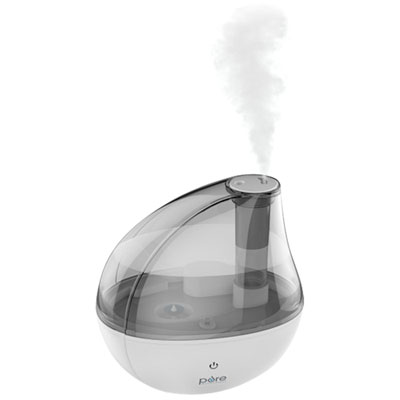 Your price for this item is $64.99
 -
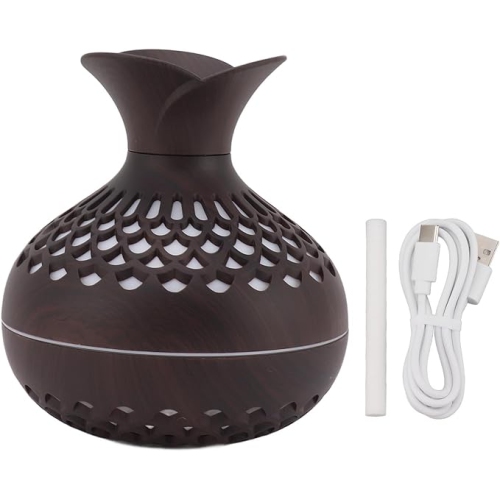 Your price for this item is $14.98
 -
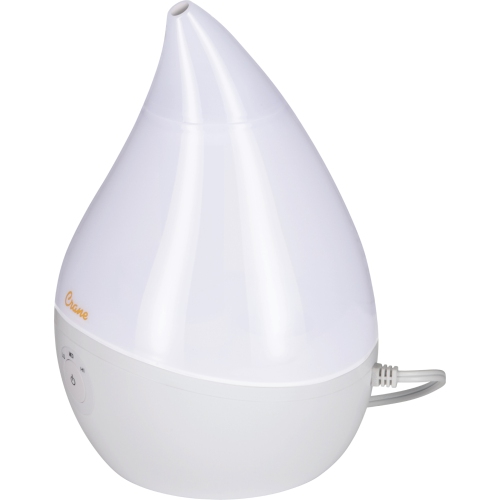 Your price for this item is $89.97
 -
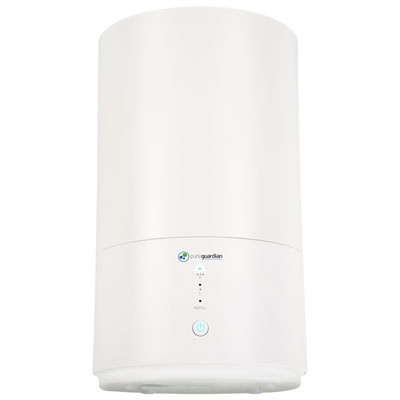 Your price for this item is $89.98
 -
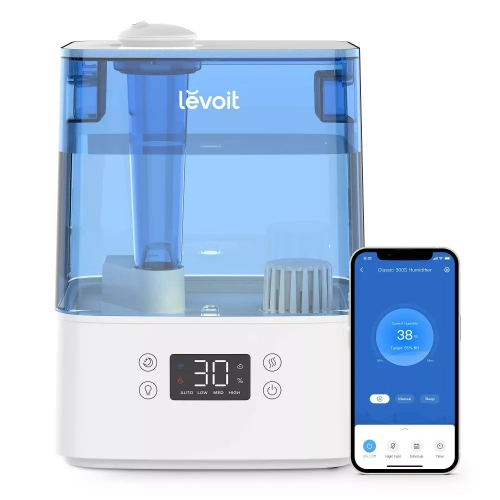 Your price for this item is $299.74
 -
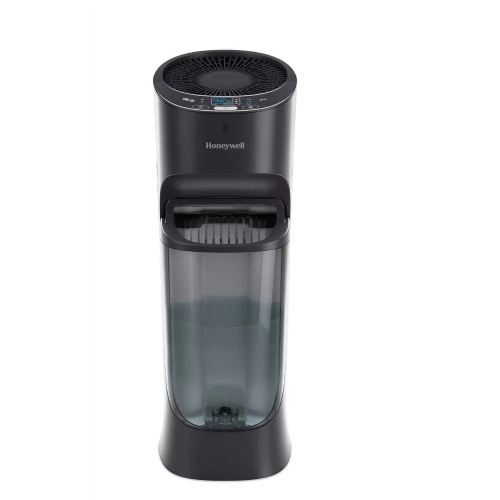 Your price for this item is $299.74
 -
 Your price for this item is $109.97
 -
 Your price for this item is $59.99
Discover more categories related to Humidifiers for Baby
Top Collections:
Pokemon Centers, Best Cameras for Sports Photography, Kindle Devices, Samsung Galaxy Phones, Canon G7X Cameras, Pokémon 30th Celebration Cards, Refurbished Apple Laptops, iPhone 15 Apple, Laptops for Students, Budget Smartphones
Some products may be subject to Environmental Handling Fees
(EHF) depending on your province.
Learn more about EHFs.