Humidifiers for Winter
The winter months can be dry and cold in many parts of the country, making it difficult to keep your home comfortable. A humidifier adds moisture to the air, which can help alleviate symptoms of dryness and coldness, such as a sore throat or cracked lips.
It can also help prevent static electricity and furniture damage.
There are many different types of humidifiers for Winter on the market, so it is important to choose one that is right for your home. Some factors to consider include the size of the unit, the type of humidifier, and the features that are important to you.
Sort
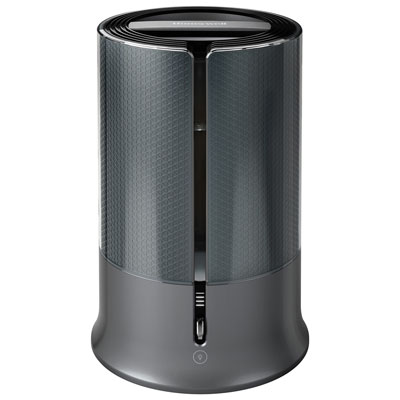
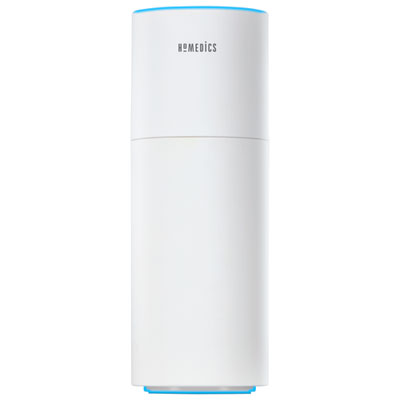
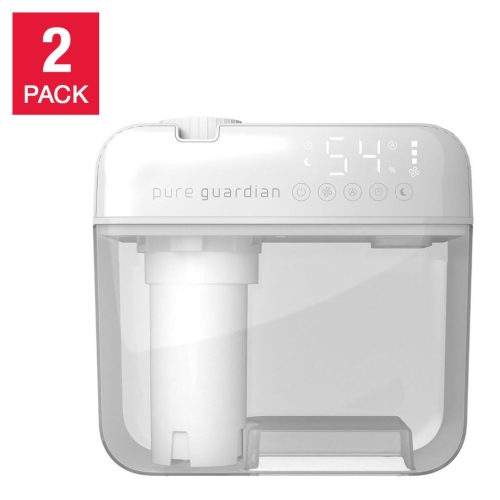
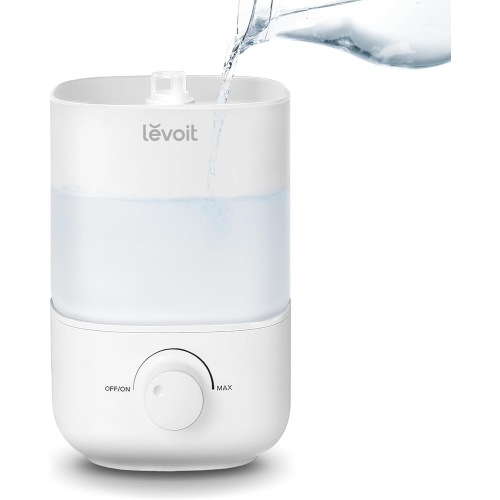
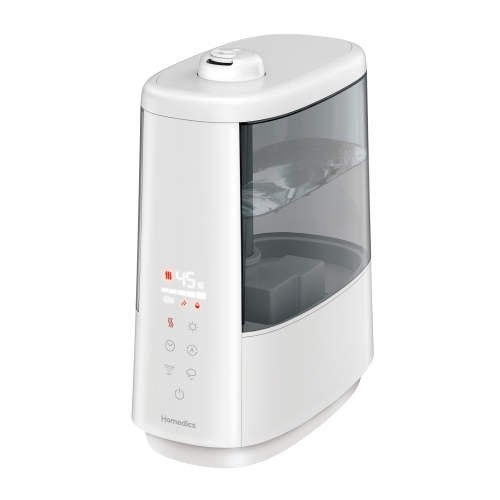
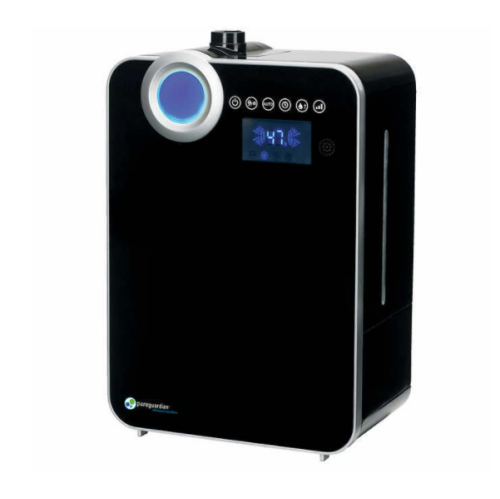
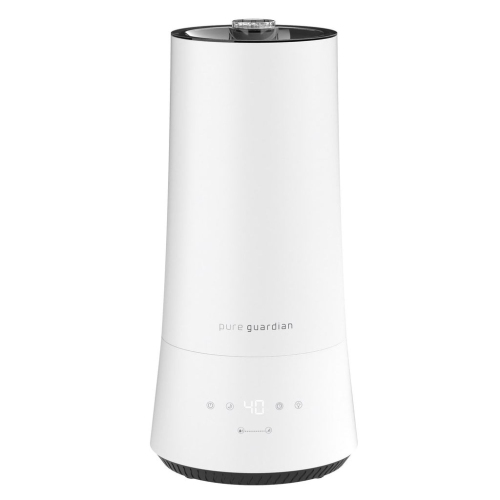
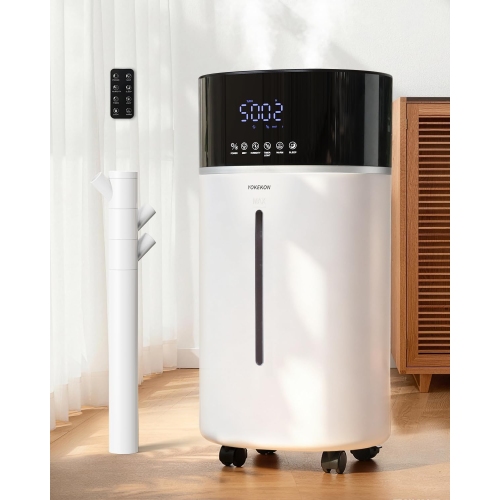
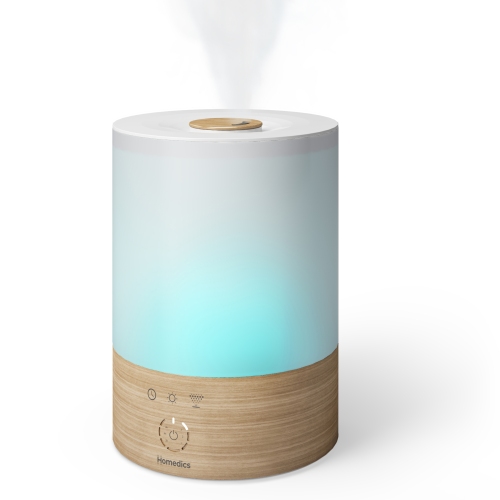
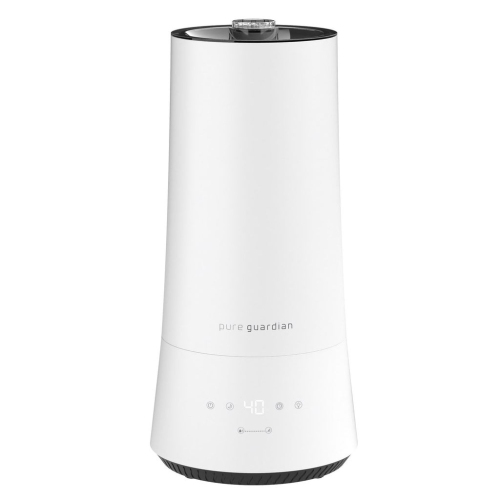
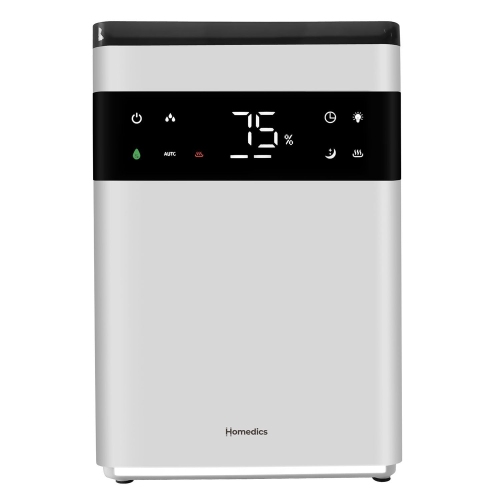

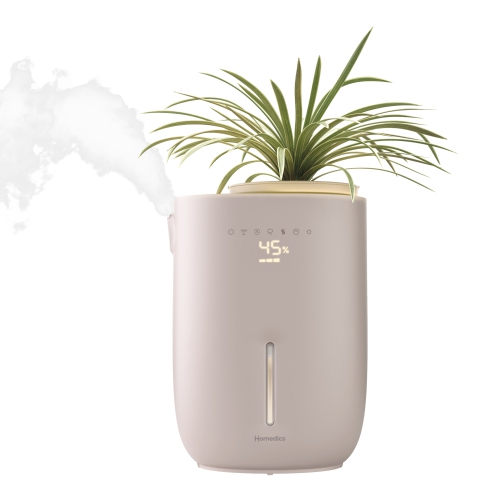


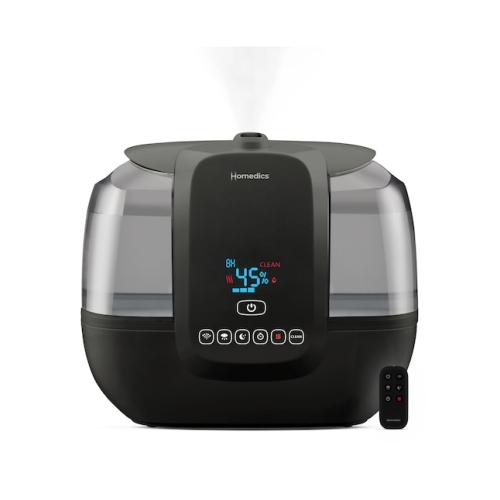
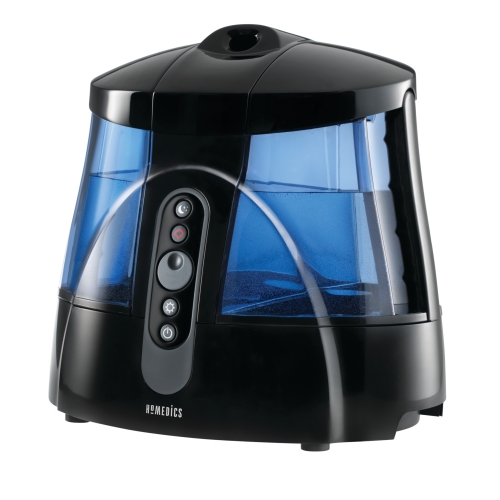
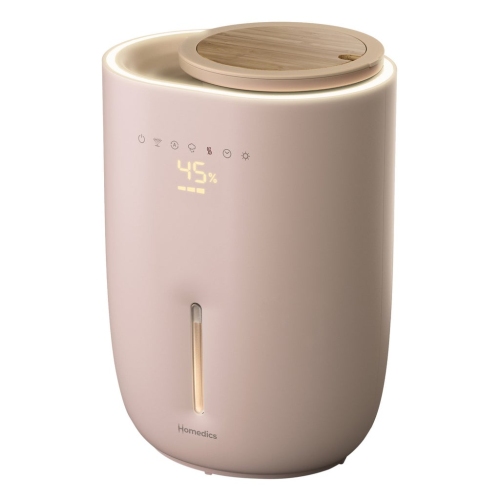
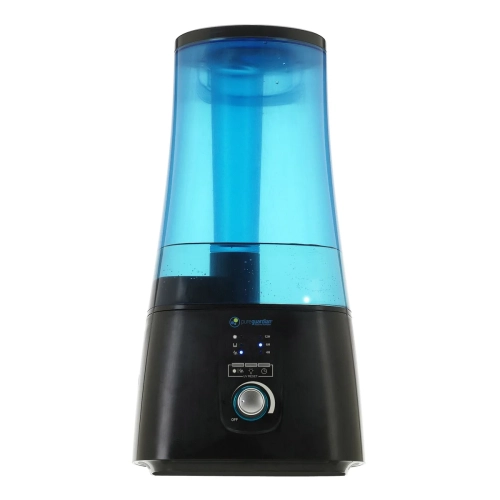
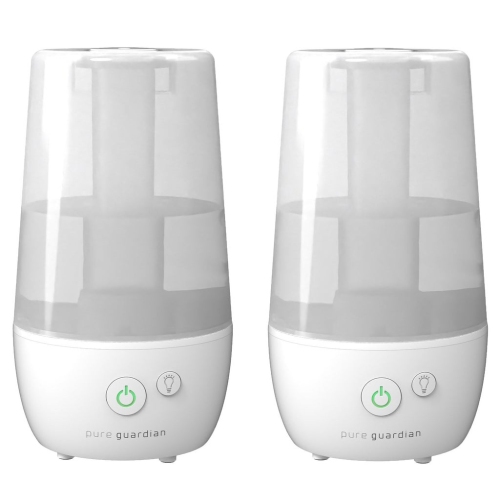
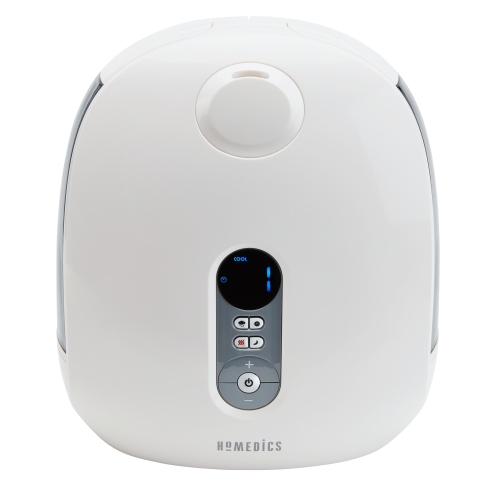
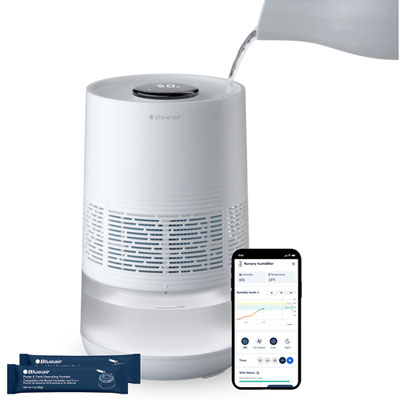



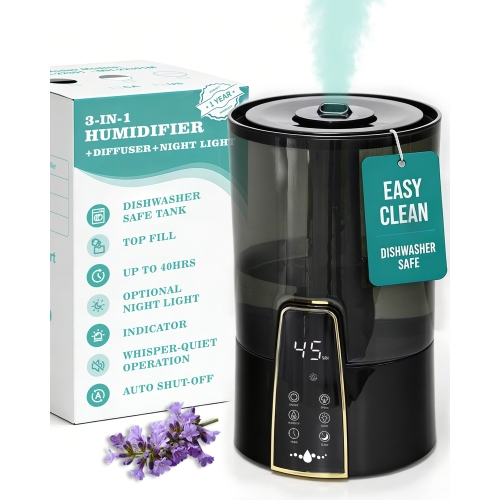
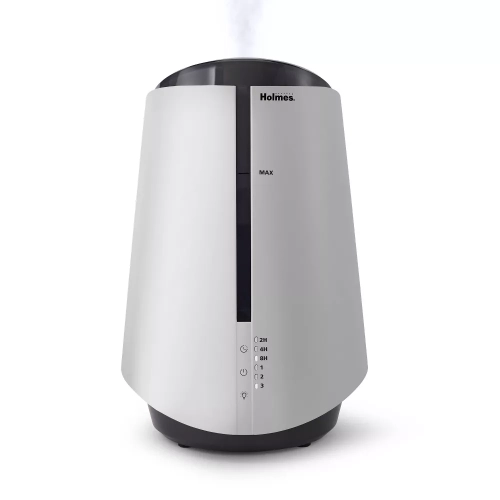

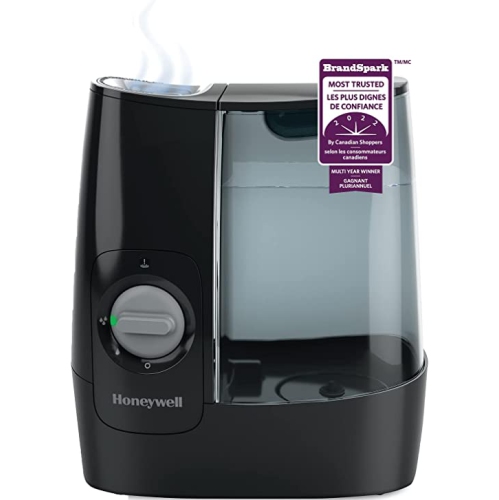
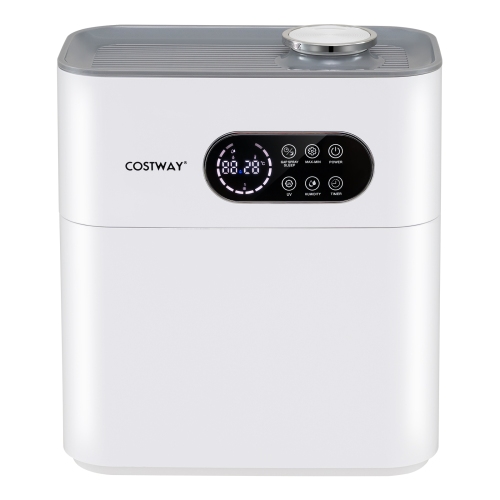
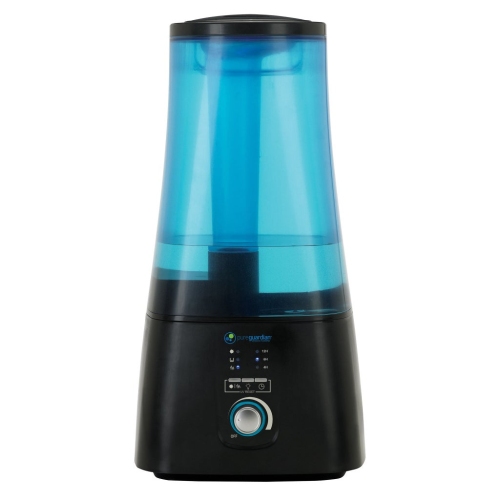
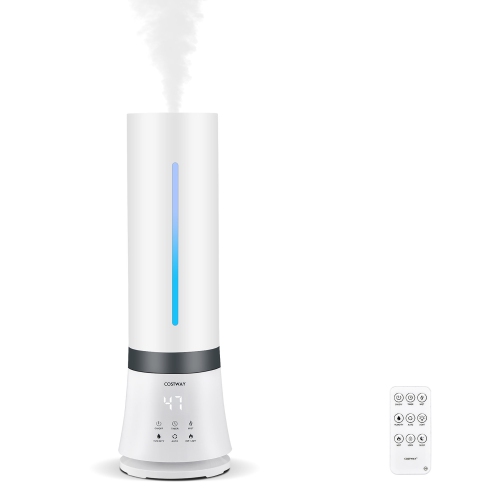
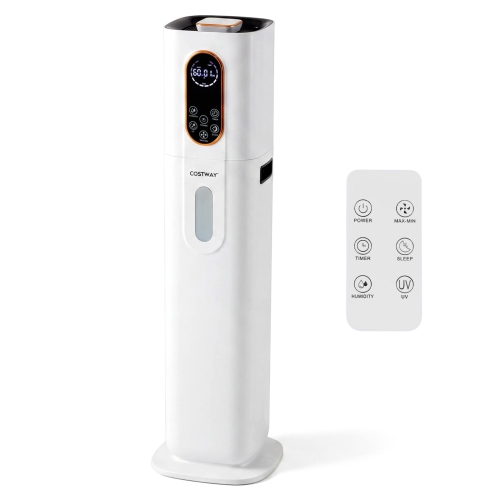
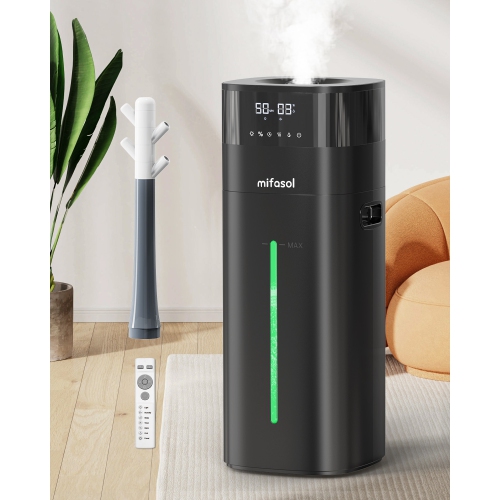
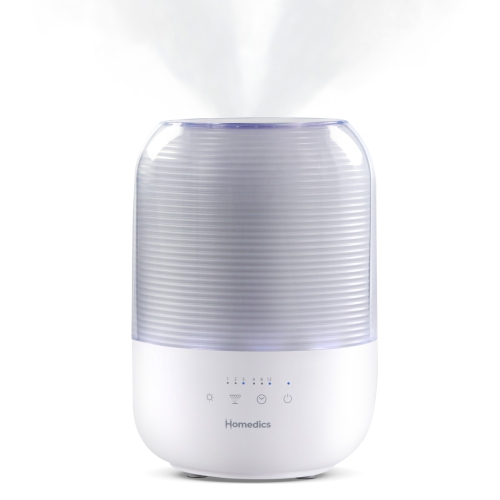

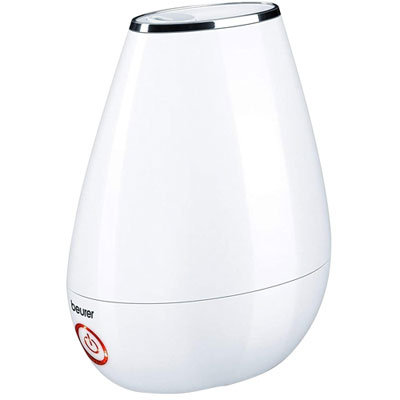
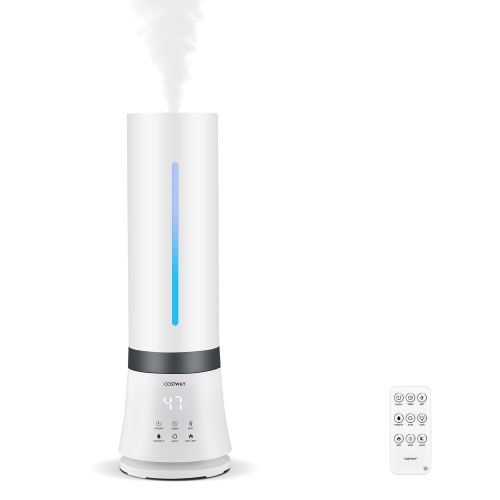
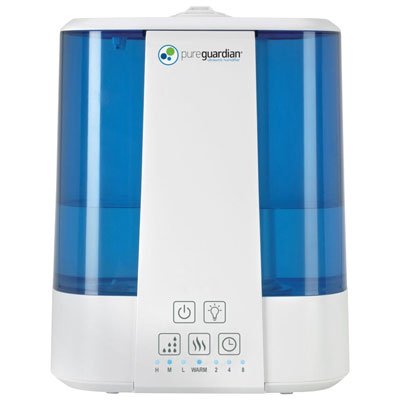
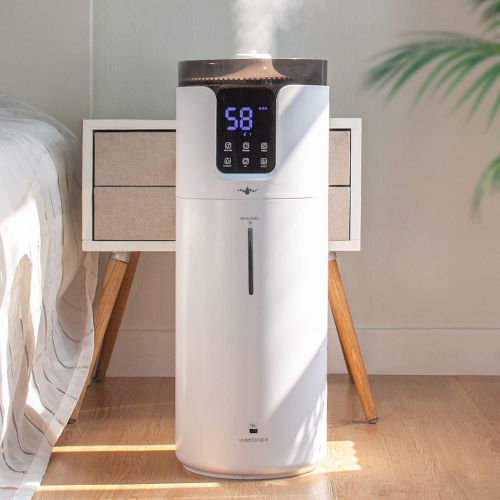
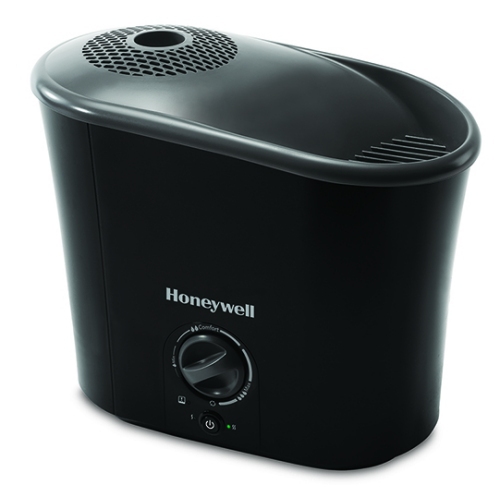
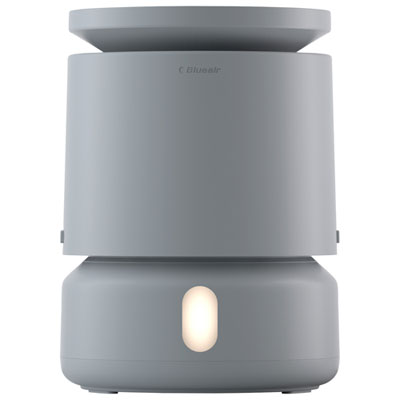

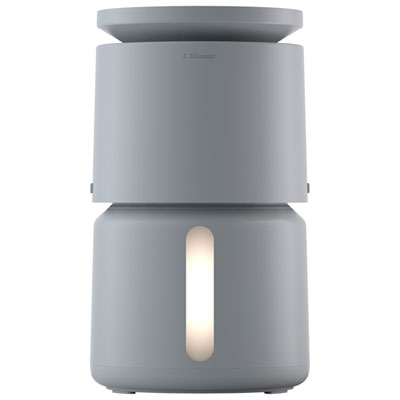
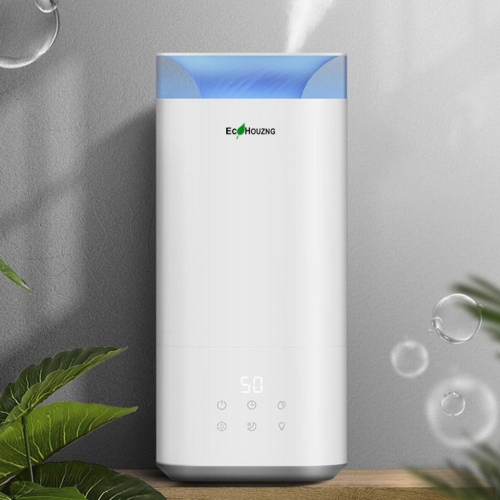
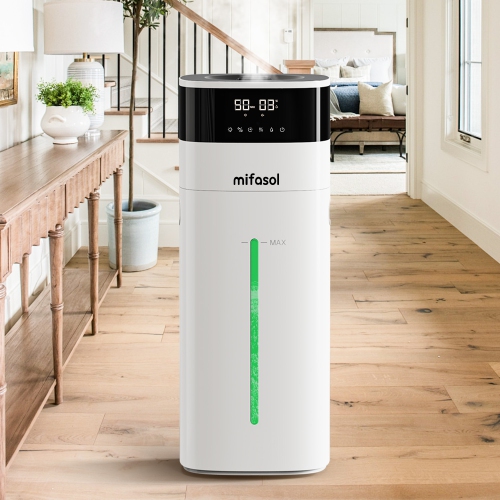
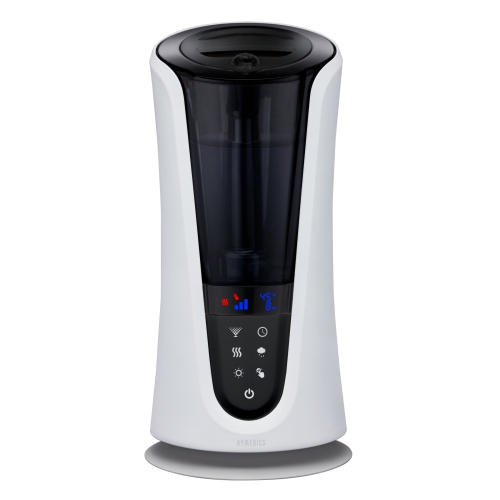
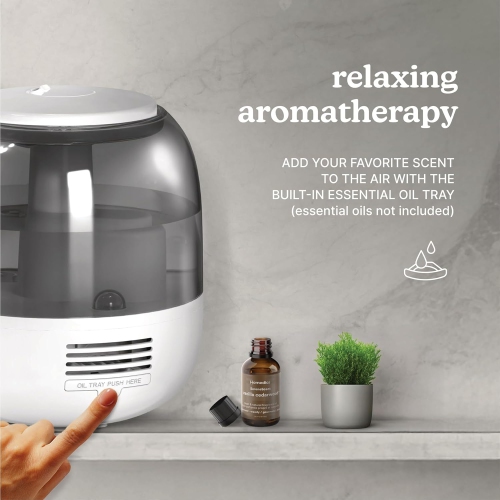
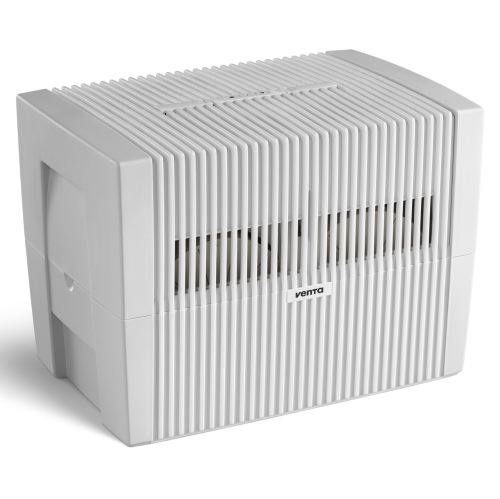
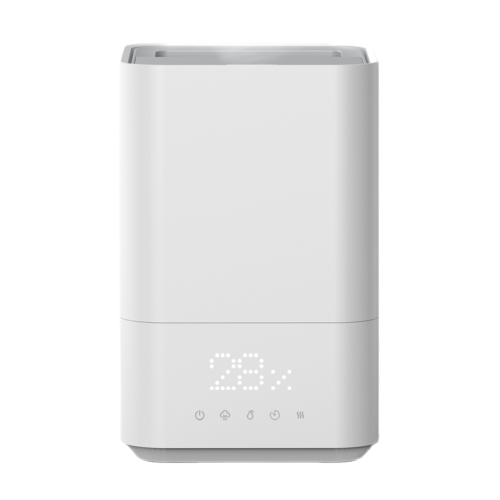
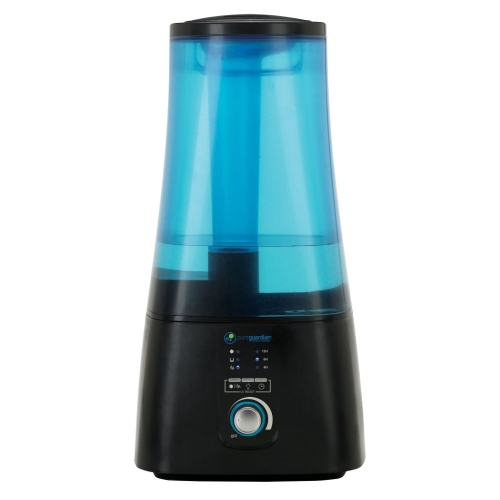
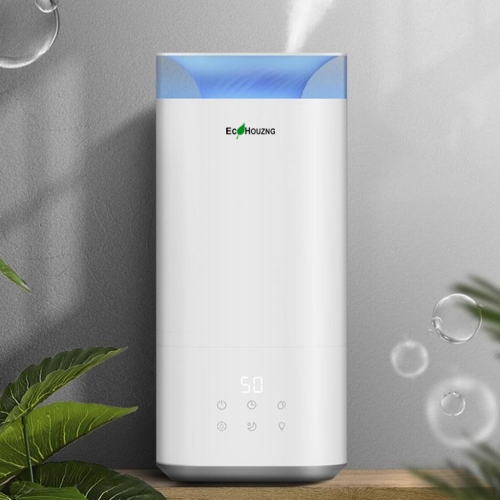
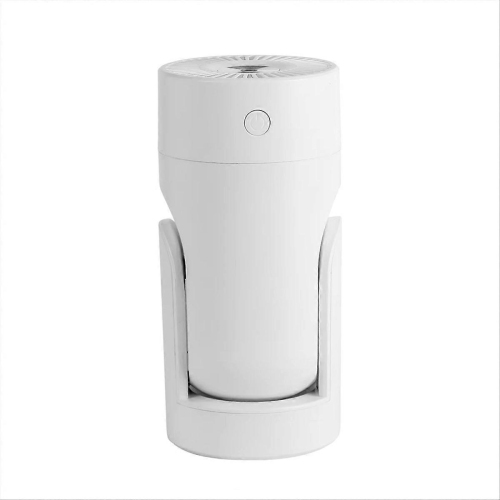
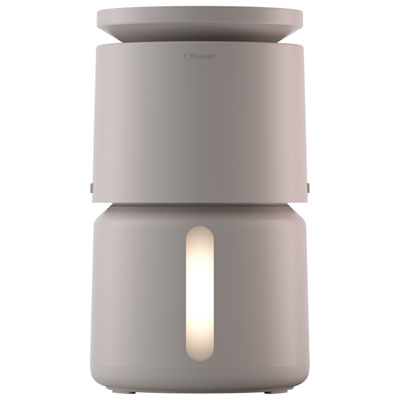
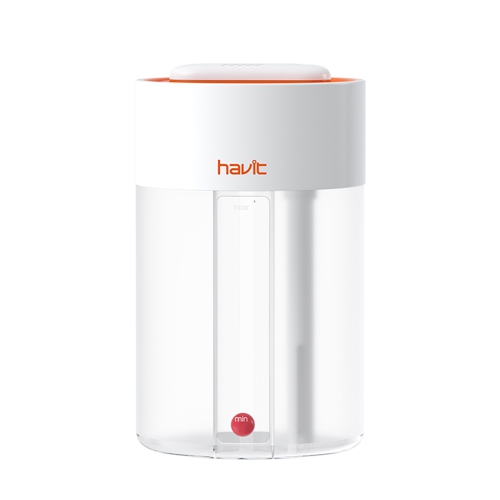
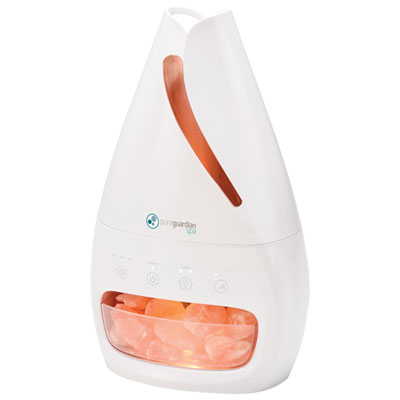
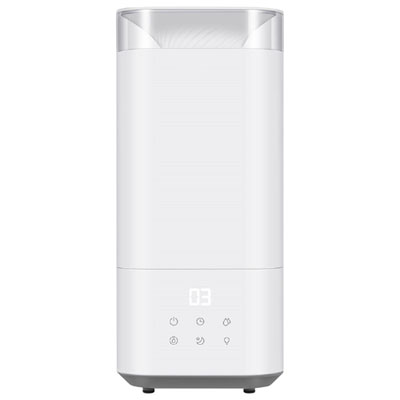

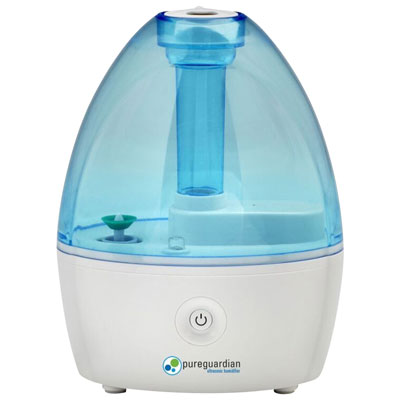

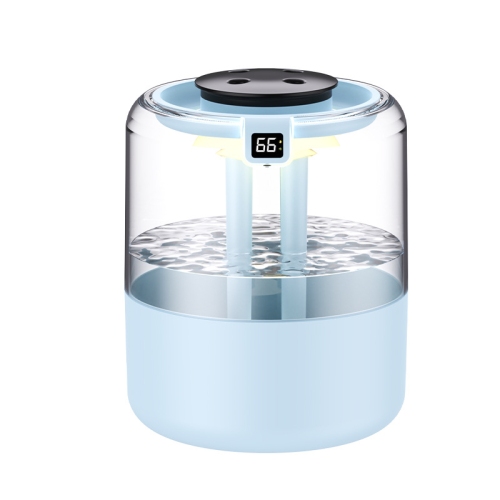
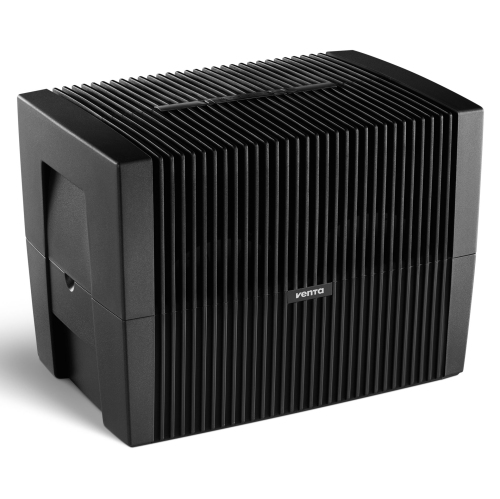
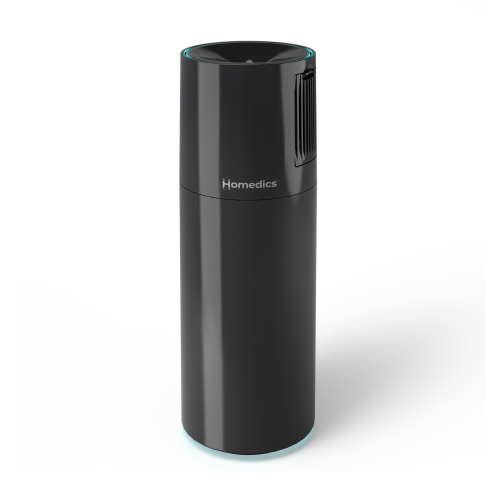
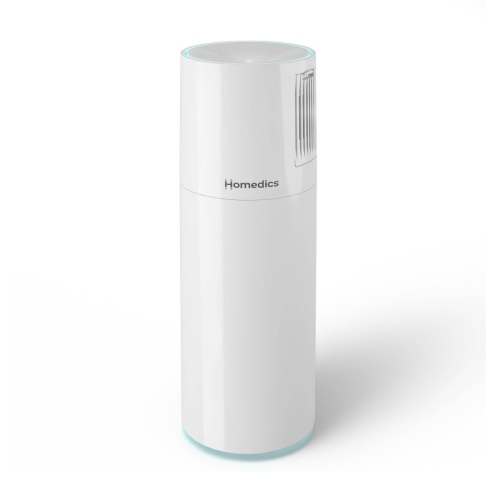
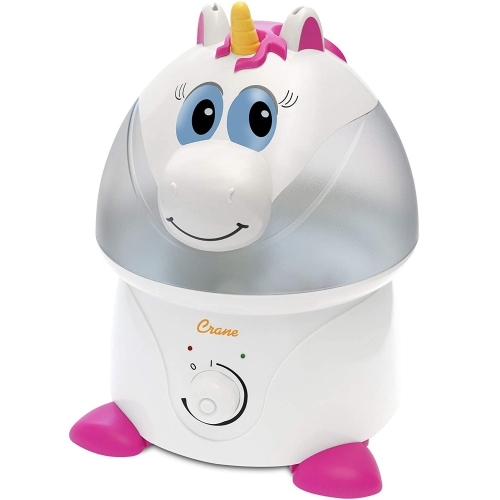

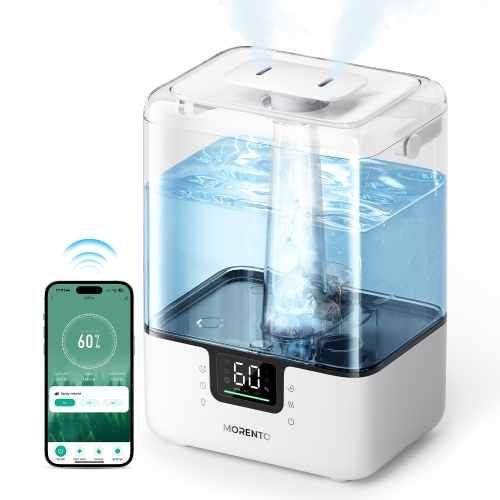
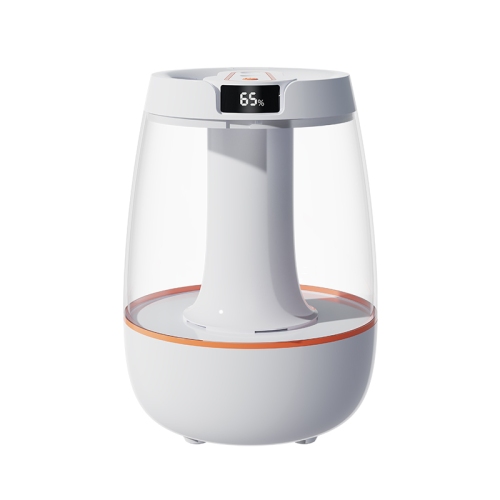
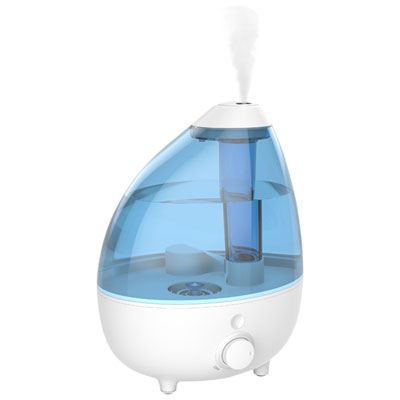
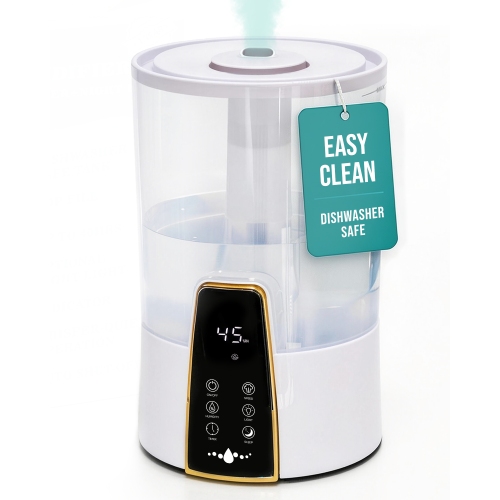
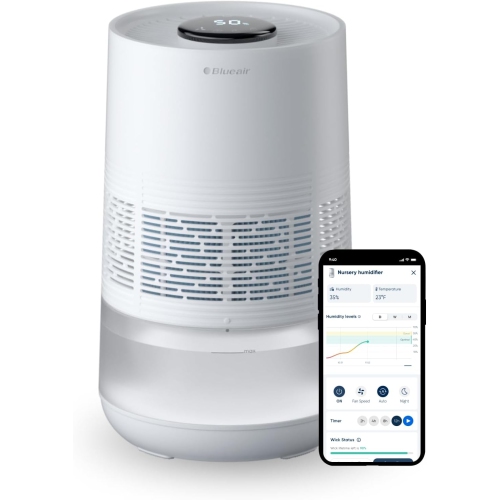
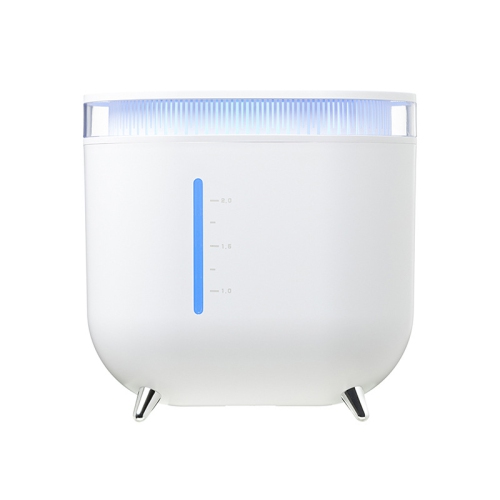

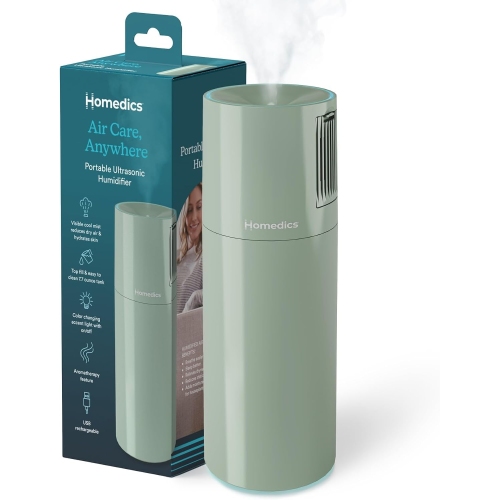
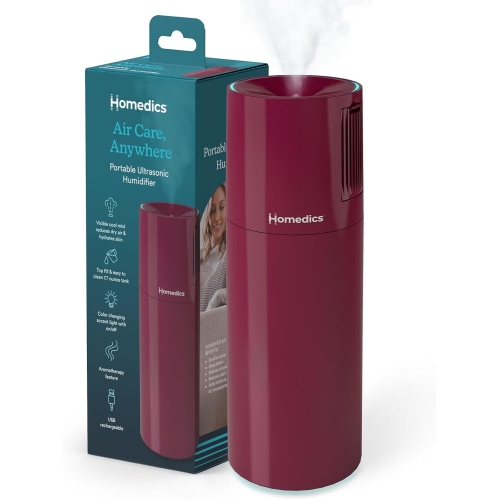

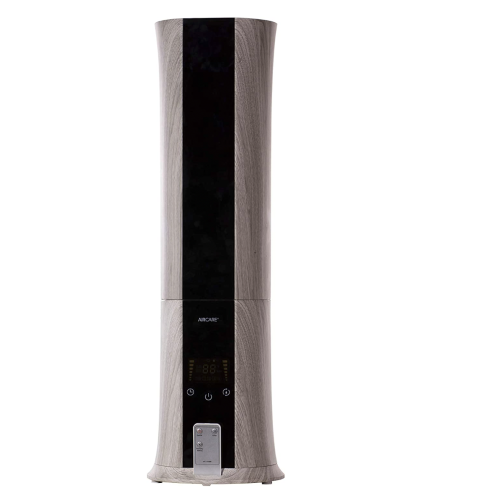
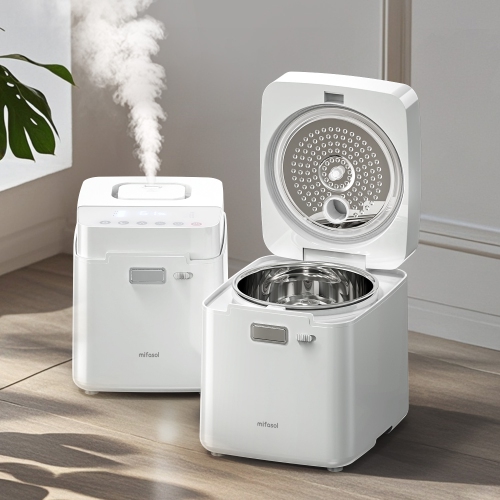

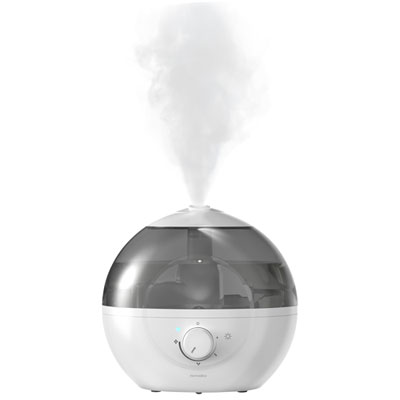

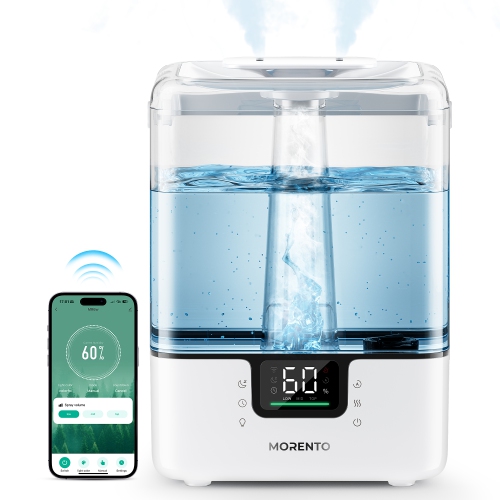
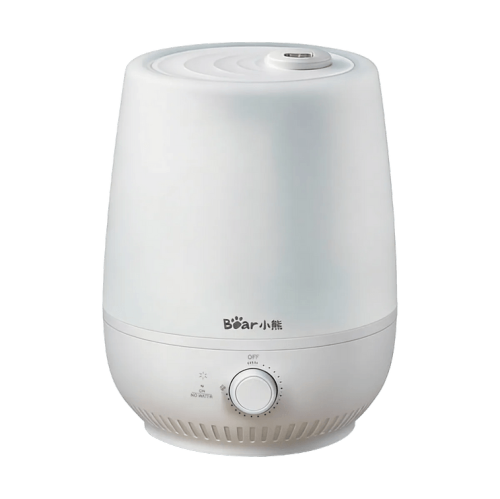
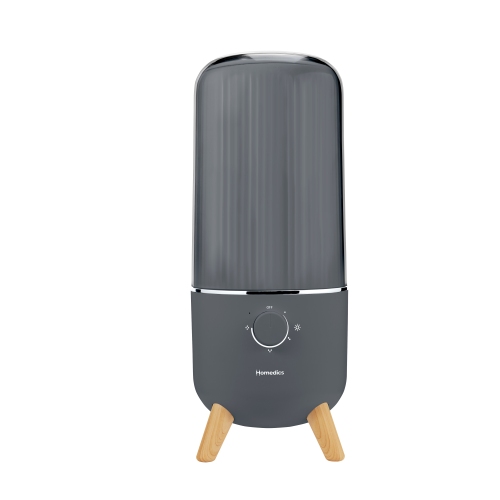

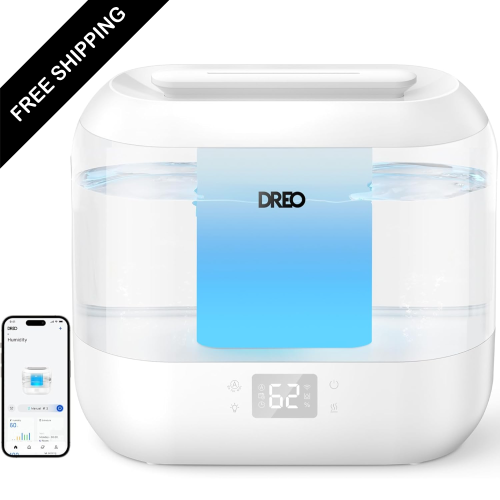

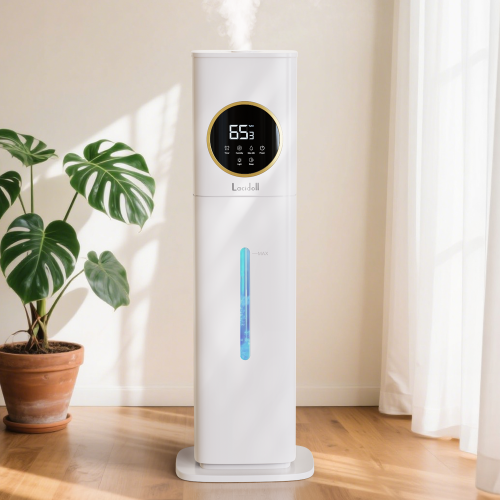
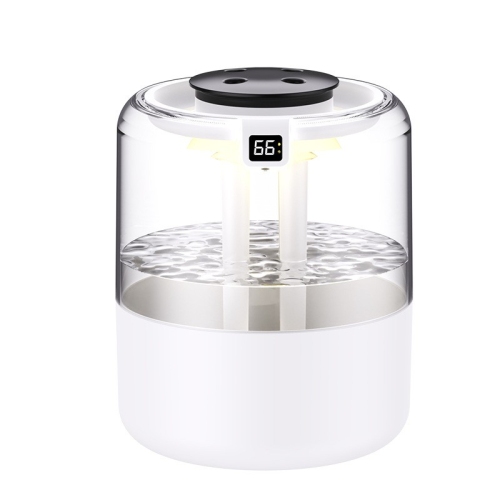
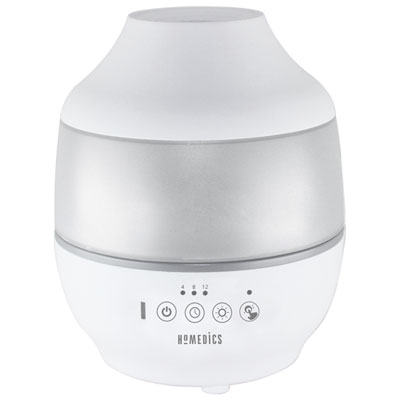
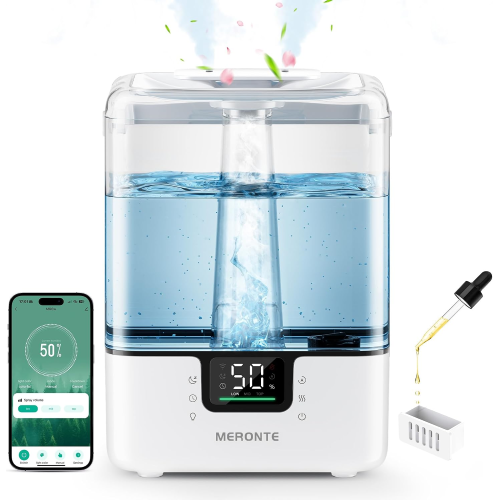
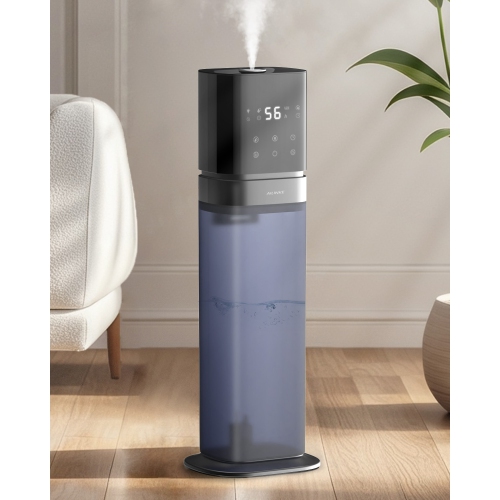
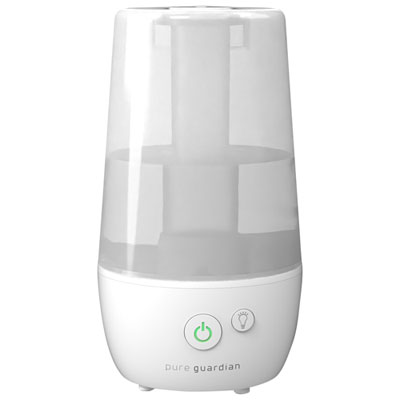
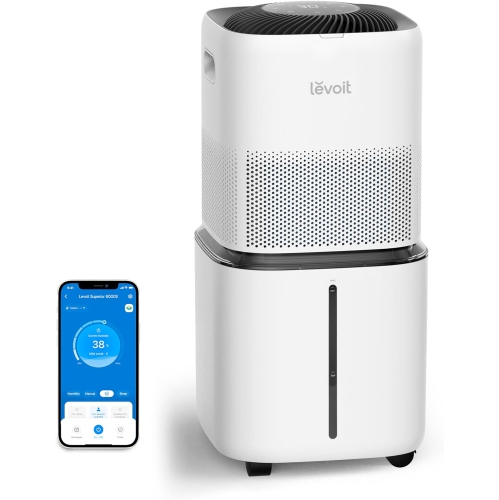
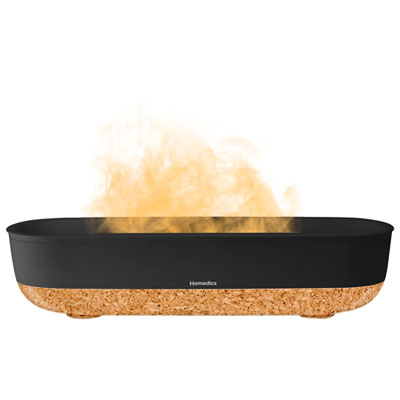
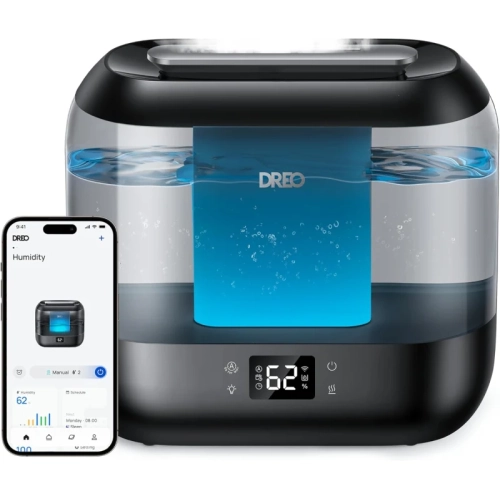

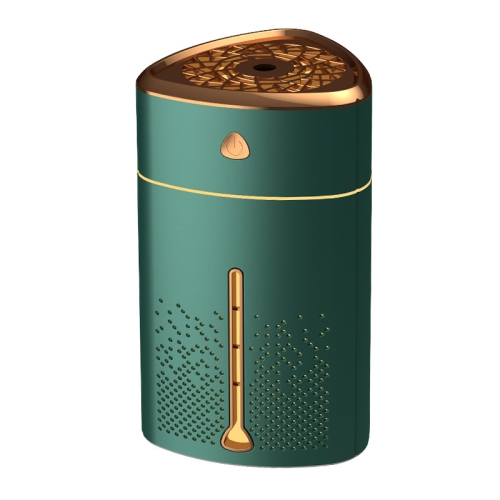
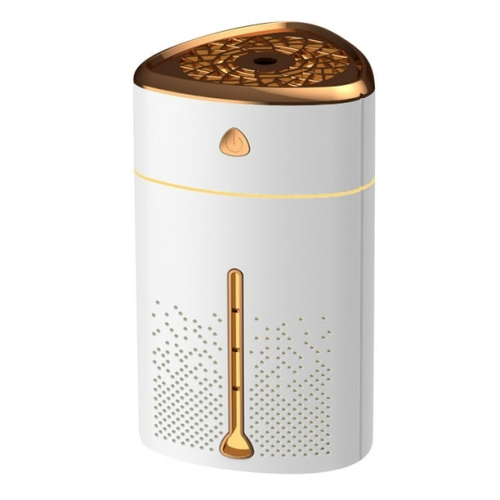

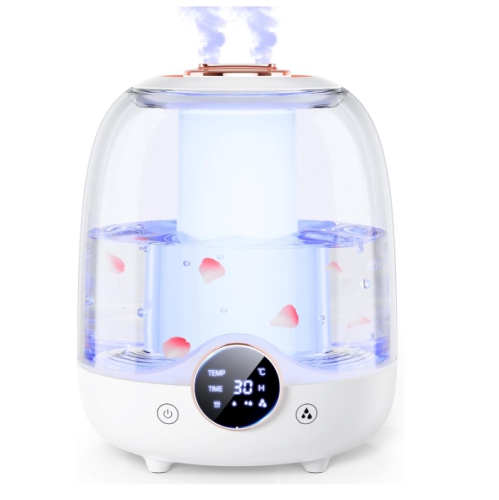
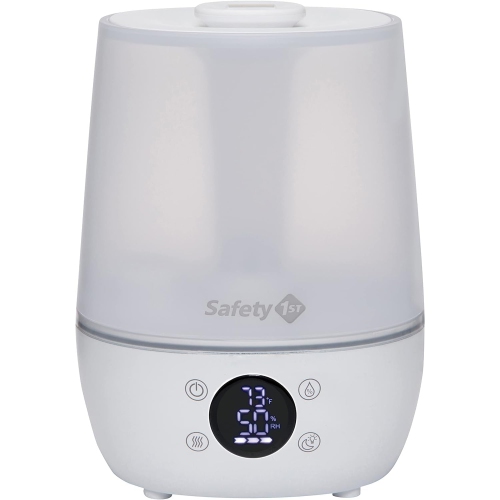
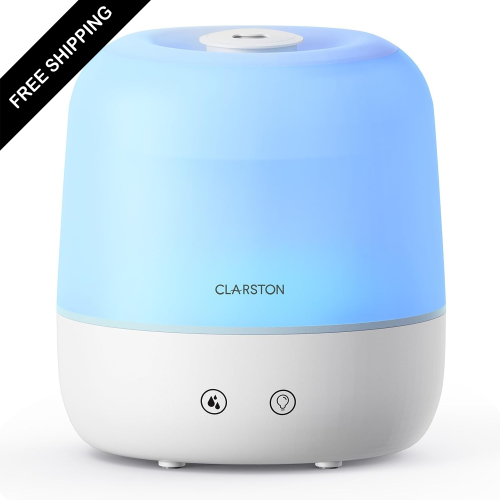
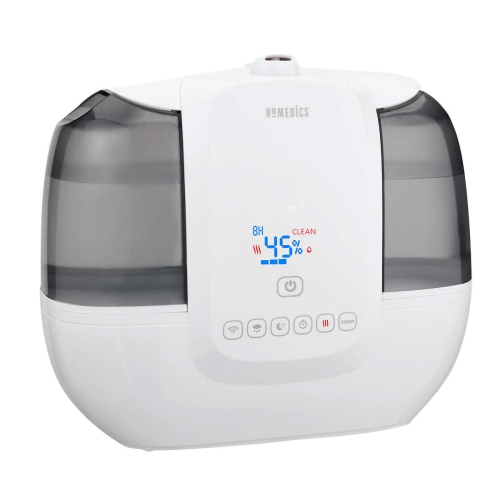

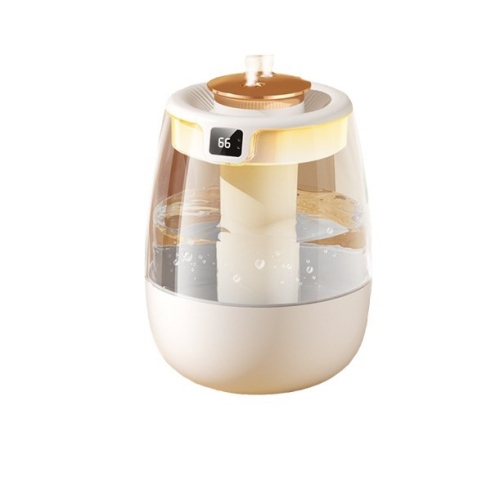
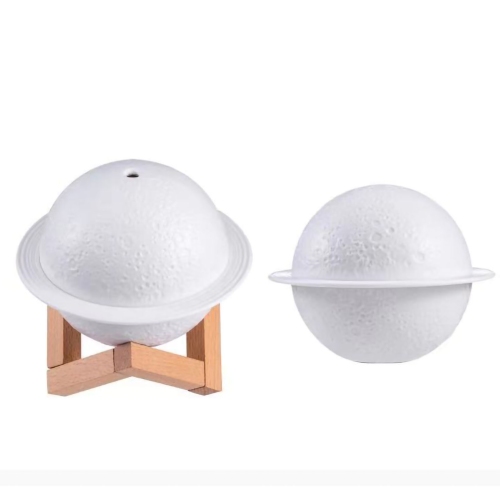
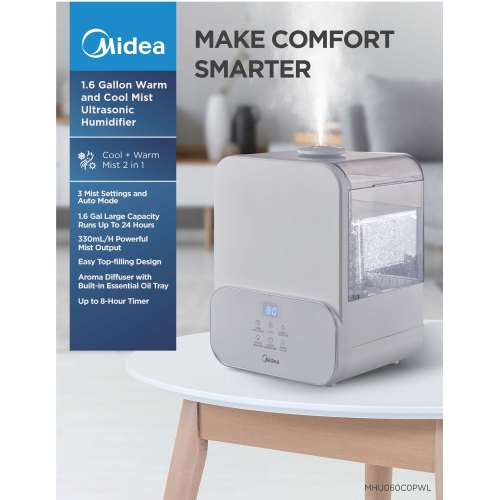
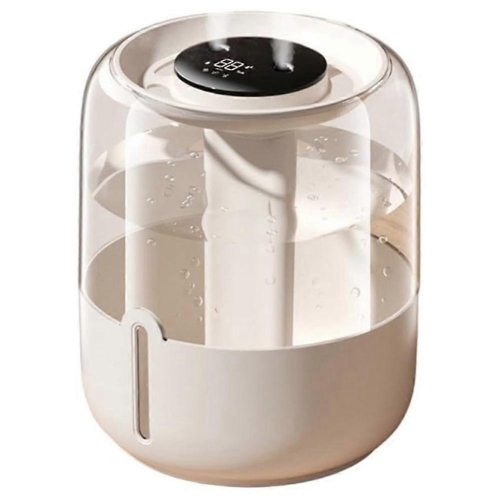
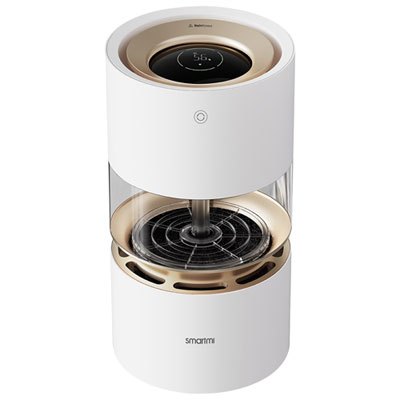
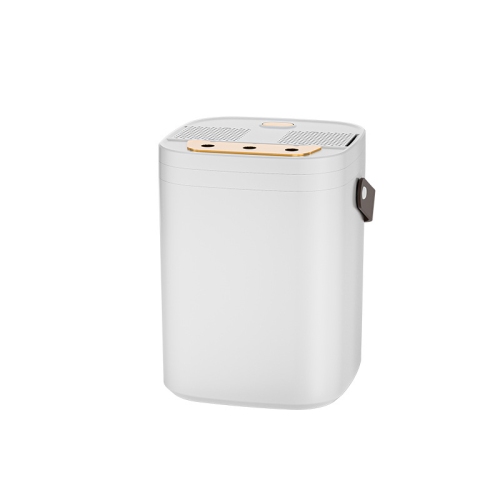

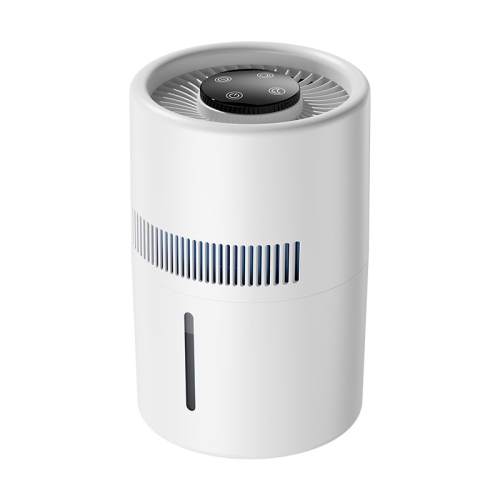
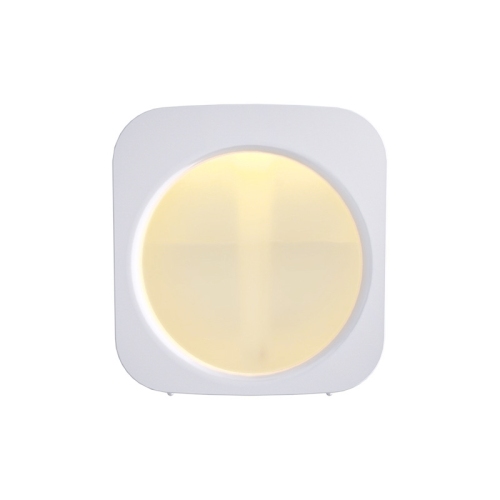
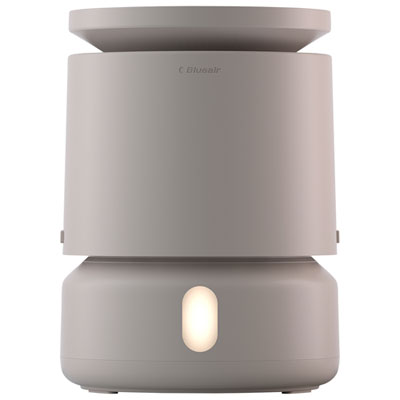
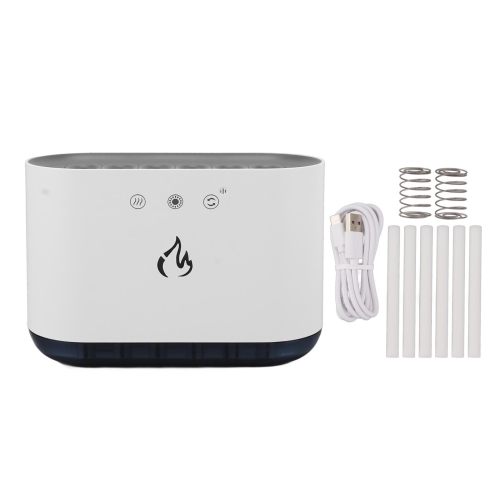

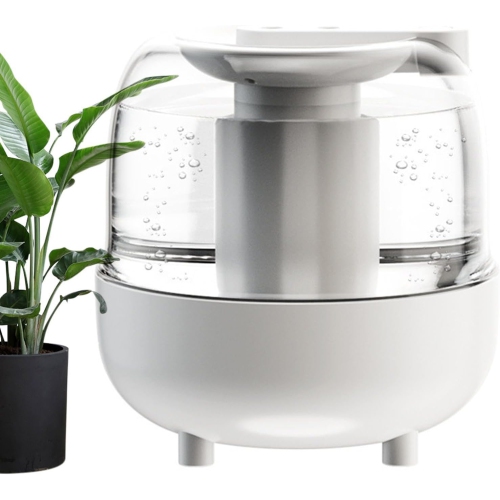
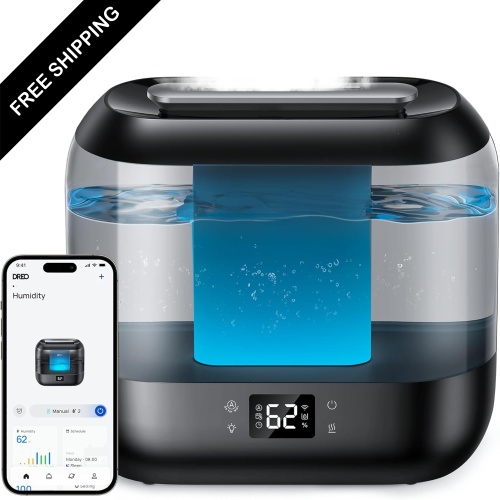
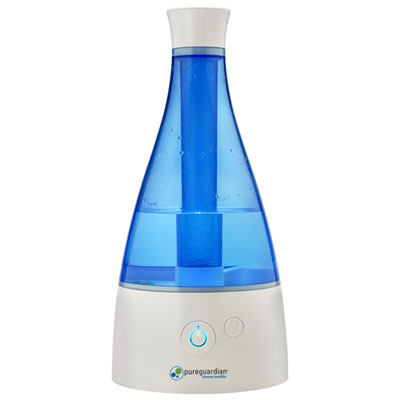
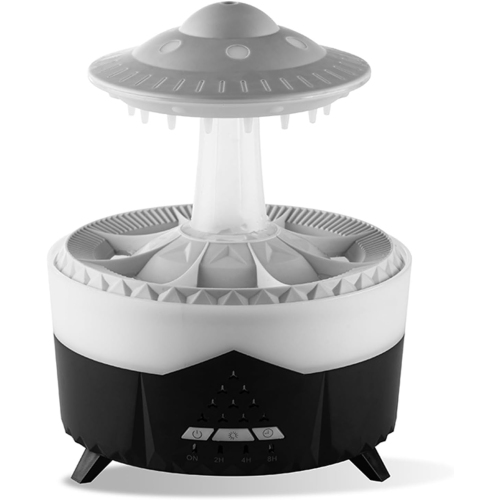
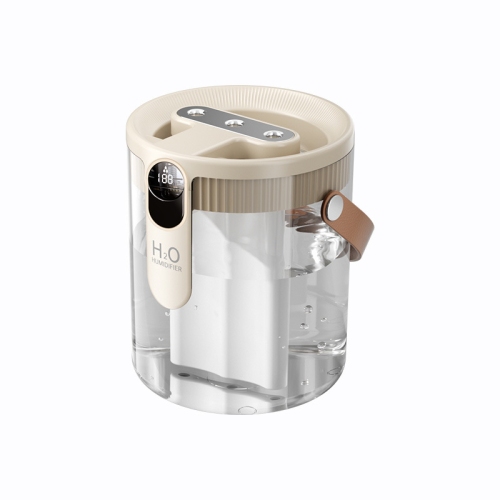

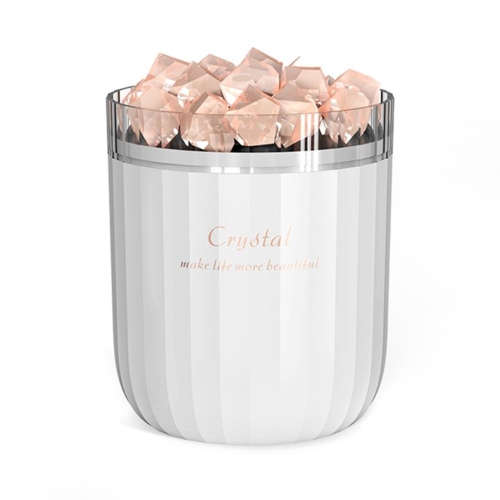
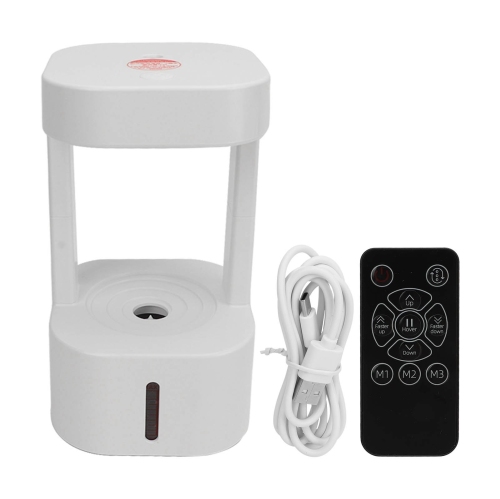
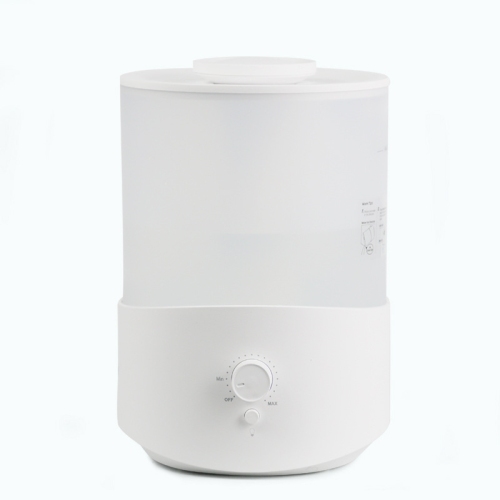
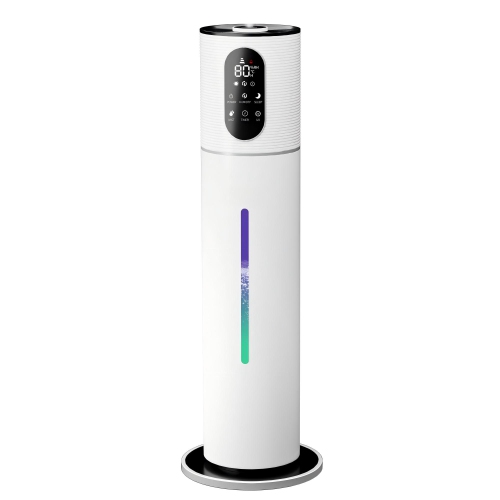

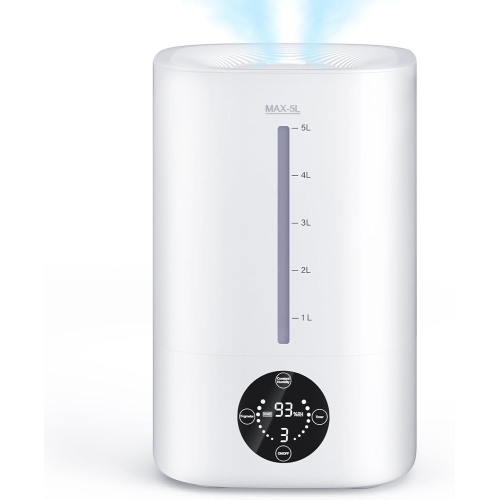
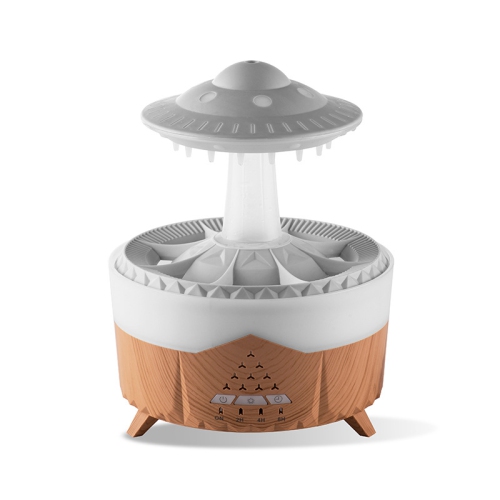

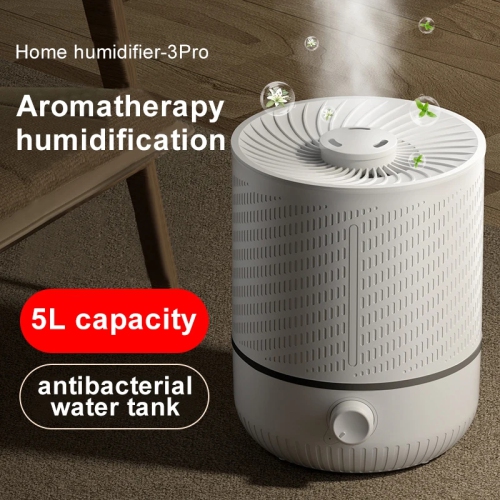
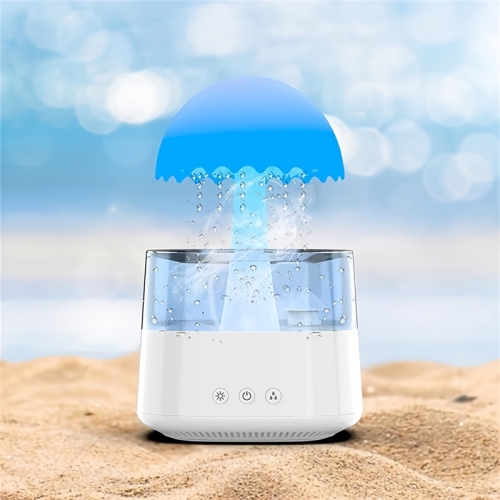

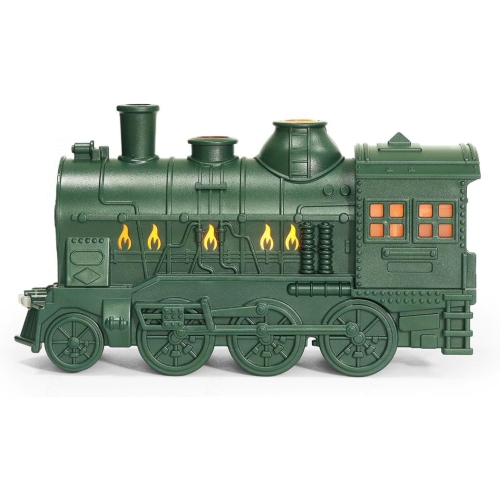

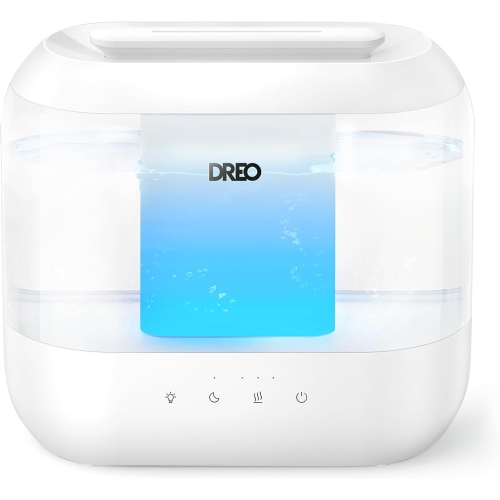



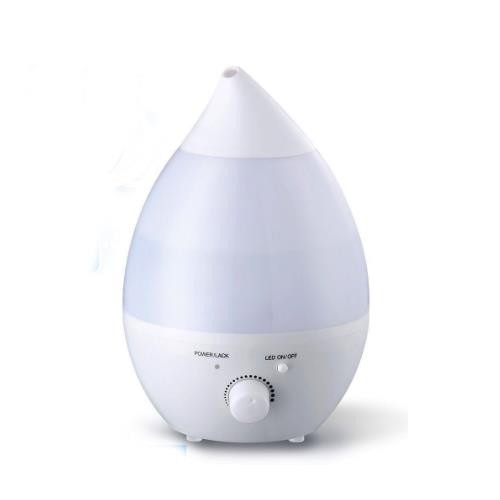
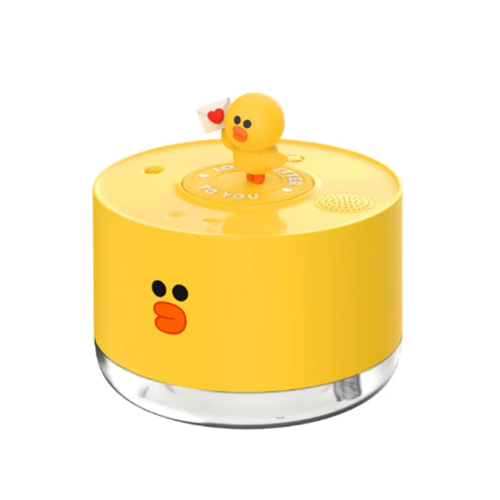
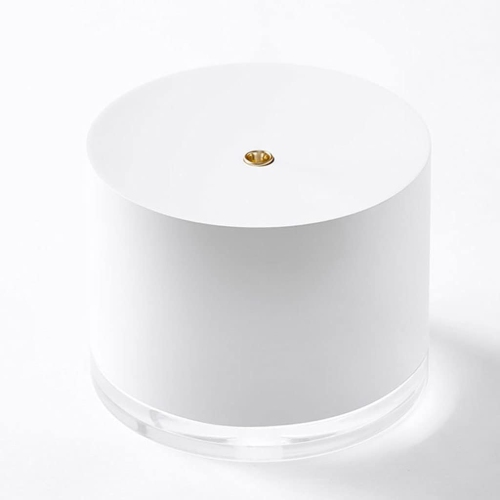
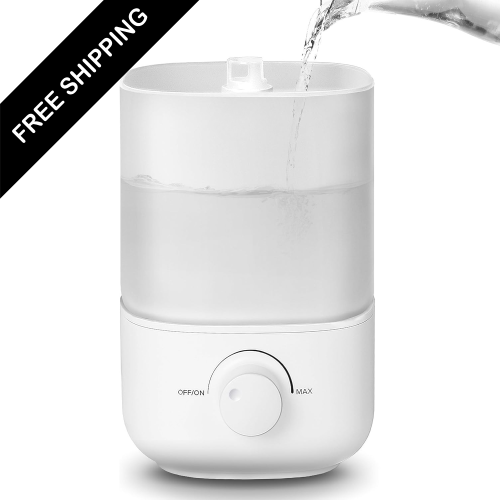


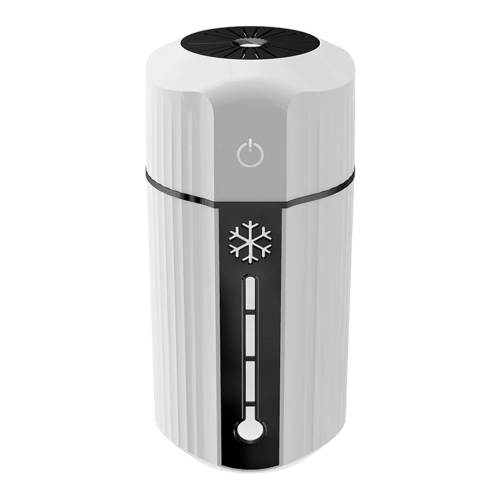
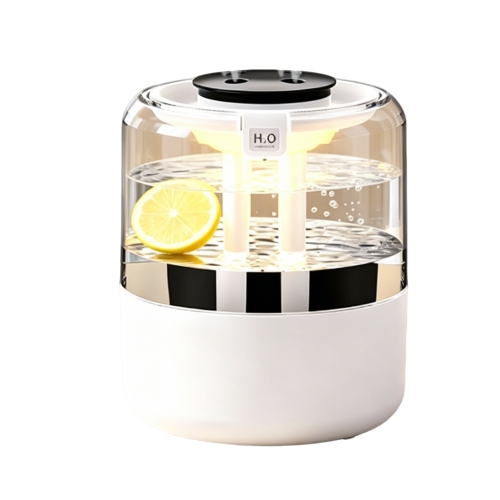
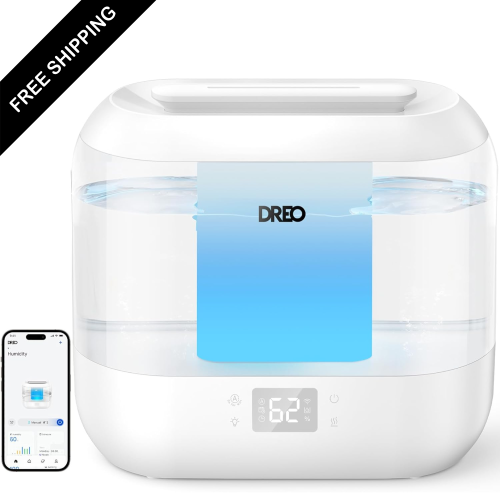
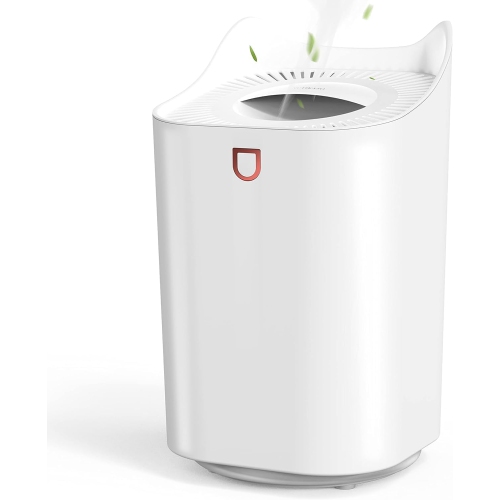
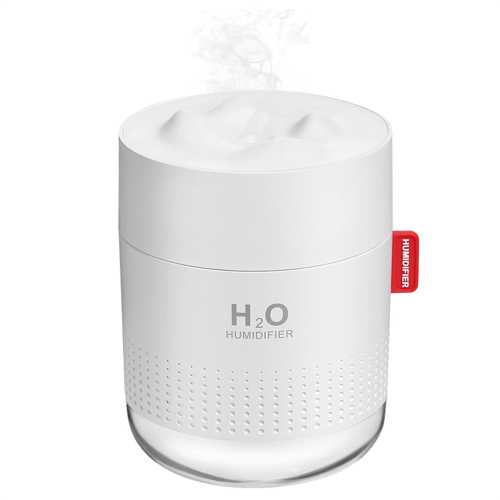
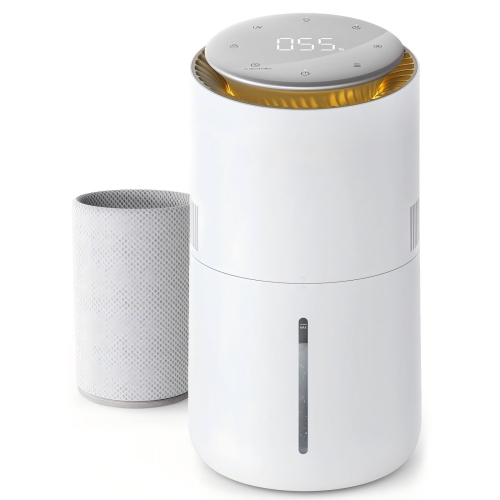

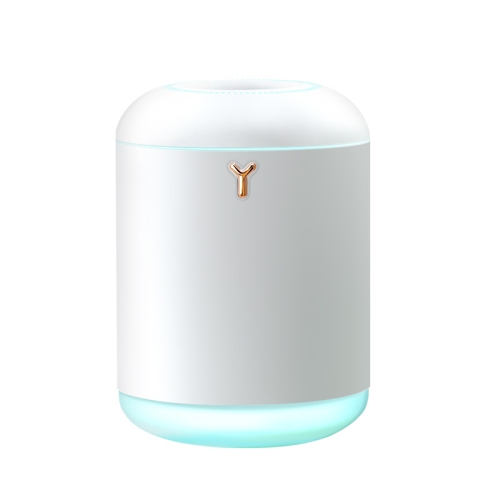
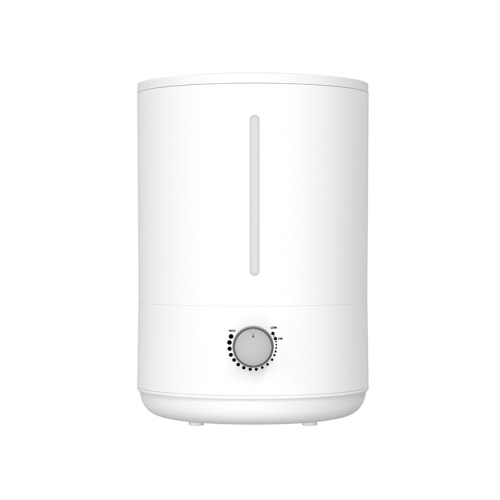

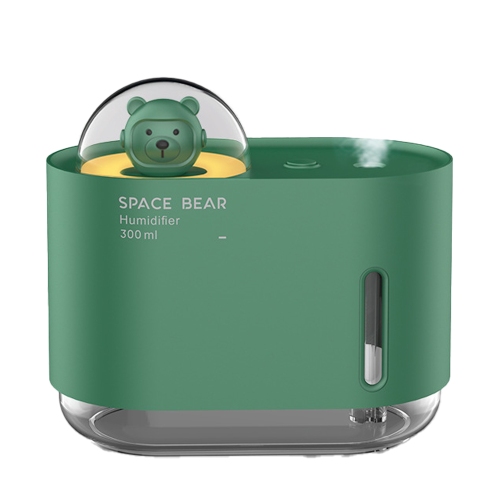
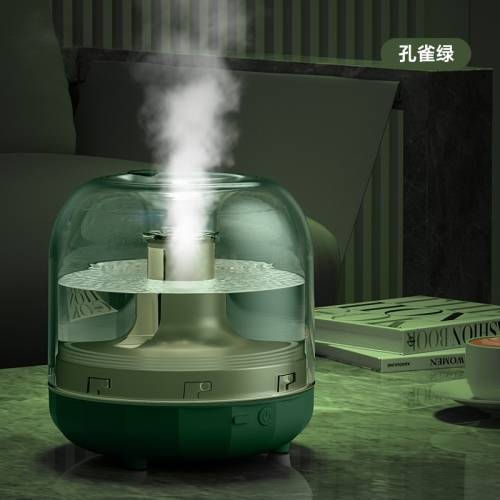
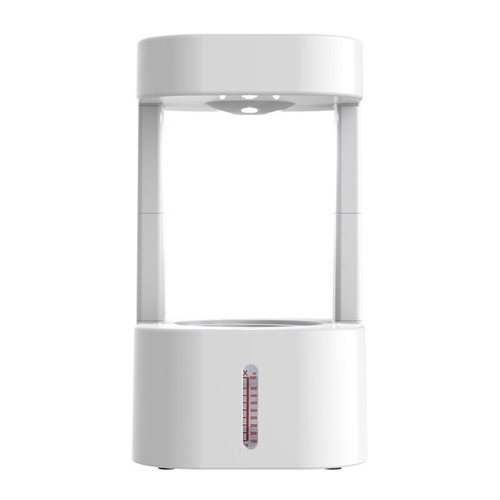
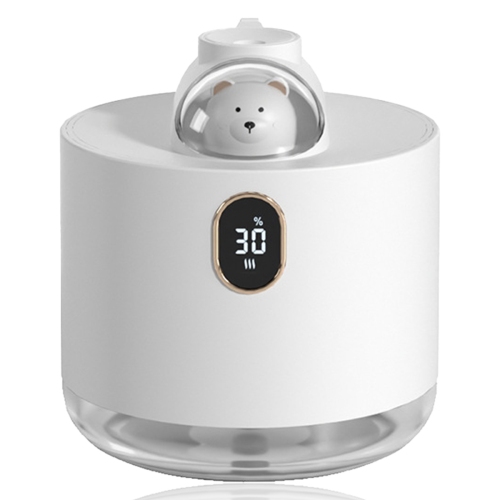
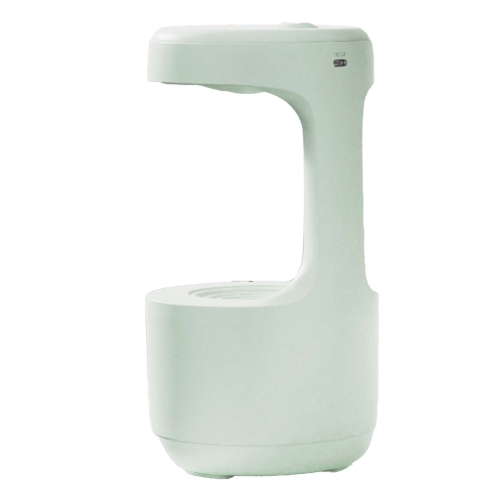
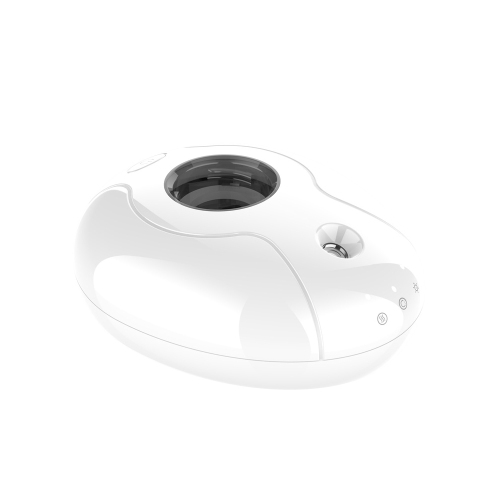

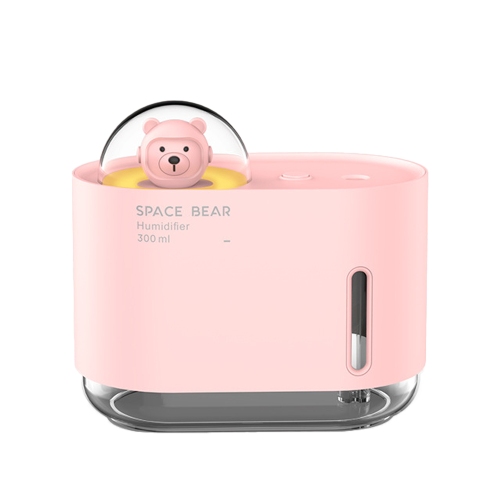
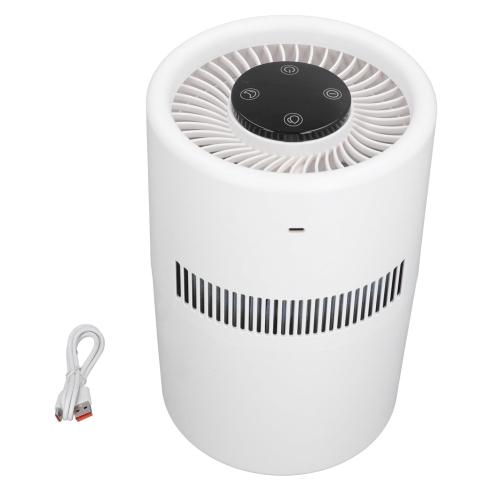
What to know about mist settings, room comfort, and care
When indoor air feels noticeably dry during the cooler months, a humidifier can add moisture to the room and make everyday spaces feel more comfortable. Heated air may leave skin feeling tight, lips chapped, sinuses irritated, and static electricity popping from sweaters, blankets, and doorknobs. A humidifier can be useful in bedrooms, nurseries, home offices, living rooms, and other areas where dry air is most noticeable. Some people run one overnight beside the bed, while others use one during the day in a family room or workspace. The right choice depends on the size of the room, how often it will be used, and whether you prefer warm mist, cool mist, or a combination of both. Browse our selection of Room Humidifiers to compare options for different spaces and routines. For a more comfortable balance, aim for relative humidity between 30% and 45% during the coldest part of the season. A separate hygrometer can help you monitor the room rather than relying on guesswork. If condensation begins collecting on windows, mirrors, or other cool surfaces, turn the humidifier down or use it for shorter periods. Too much moisture can create a damp feeling and may contribute to unwanted growth on surfaces, so moderation is just as important as adding moisture.
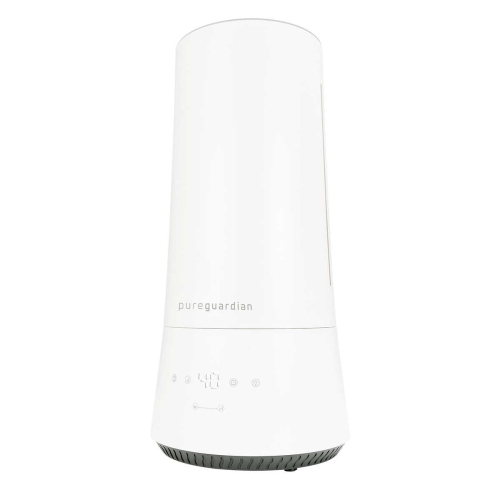
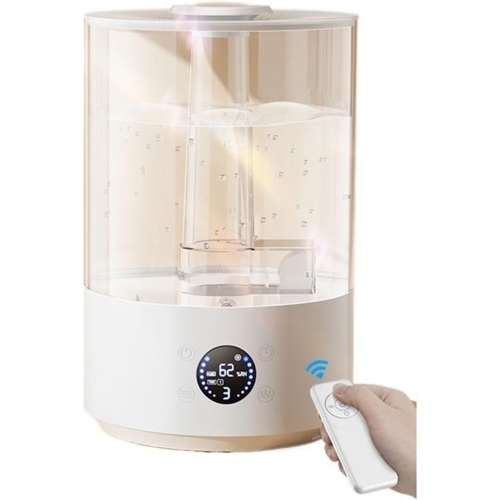
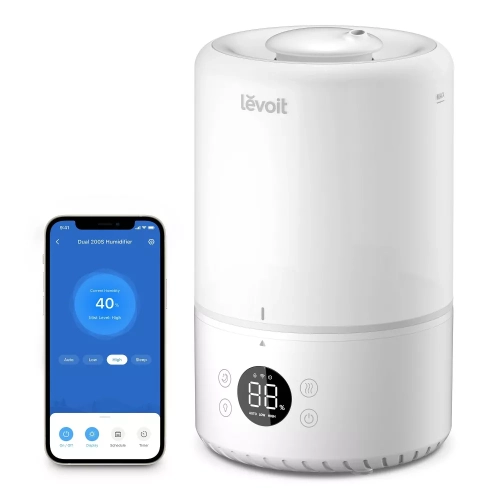
Humidifier technology affects the sound, mist, maintenance, and operating style of each unit. Ultrasonic humidifiers use high-frequency vibrations to create a fine mist and are often a good fit for bedrooms, nurseries, and quiet work areas. They tend to operate softly, though minerals in tap water can become airborne as a fine white dust. Using distilled or purified water can help reduce that buildup, particularly in areas with hard water, and regular wiping can keep nearby furniture looking clean. Warm-mist humidifiers heat water before releasing moisture, which can feel comforting beside a bed or in a chilly room. Because the water is heated, these models may use more electricity and should be positioned carefully away from children, pets, cords, and busy walkways. Evaporative humidifiers use a wick or filter and a fan to draw moisture into the air. They can be practical for larger rooms and are less likely to leave mineral dust on nearby surfaces, but the wick requires regular replacement and the fan may be more noticeable. Some models offer both warm- and cool-mist settings, allowing you to adjust the experience as indoor temperatures and personal preferences change. Capacity is another important consideration: a compact tank may be easy to carry and refill, while a larger tank can run for longer between refills but may be heavier when full. Look for a wide tank opening or removable components if simple cleaning matters to you, and check whether replacement filters, wicks, or cartridges are readily available. Features such as adjustable mist output, automatic shutoff, built-in humidity sensing, timers, and app controls can make a humidifier easier to fit into a bedtime routine. A quiet model with a dim display may suit light sleepers, while a larger-capacity unit with stronger output may be better for an open-concept living area.
Daily care has a direct effect on how pleasant and reliable a humidifier is to use. Empty the tank when it is not in use, refill it with fresh water, and clean the tank and other water-contact parts frequently; cleaning every three days is a useful starting point during regular operation. Follow the manufacturer’s instructions for descaling and disinfecting, since different materials and filters may require different methods. Never leave old water sitting in the tank for extended periods, and allow washed parts to dry fully before reassembling the unit. Keep the humidifier on a level, water-resistant surface with space around the mist outlet, and direct the mist away from walls, electronics, books, and wooden furniture. In a child’s room, place the unit well beyond reach and choose a cool-mist design if there is a risk of contact with heated water. For households managing dry skin or irritated nasal passages, a humidifier can become part of a broader comfort routine that includes drinking water, using moisturiser, and keeping bedding clean. It can also be a thoughtful gift for someone moving into a first apartment, setting up a nursery, working from home, or spending long evenings indoors during cooler weather. Before choosing, consider the room’s square footage, the distance to the nearest outlet, the sound level you can comfortably tolerate, and how often you are willing to refill and clean the tank. A well-matched humidifier should blend into the room, provide controllable moisture, and make dry indoor air easier to manage from early fall through the colder weeks ahead.
Top selling and popular products
-
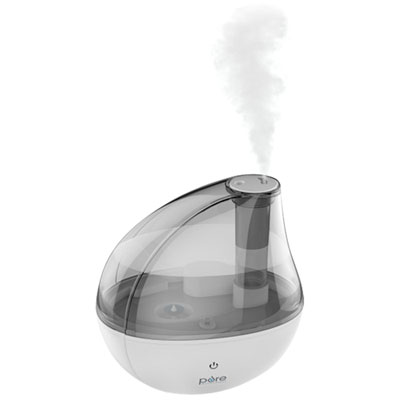 Your price for this item is $64.99
-
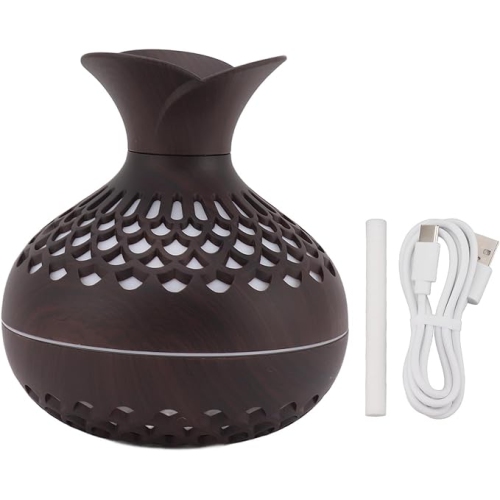 Your price for this item is $14.98
-
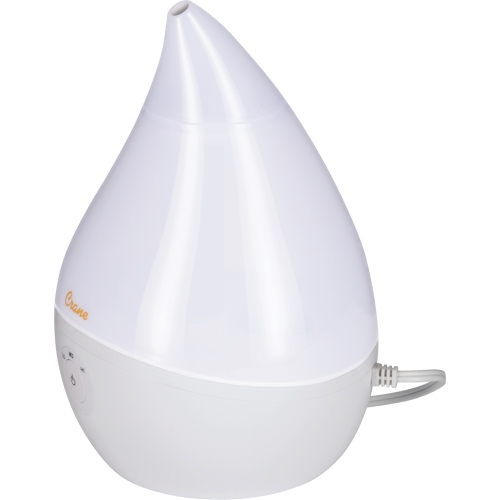 Your price for this item is $89.97
-
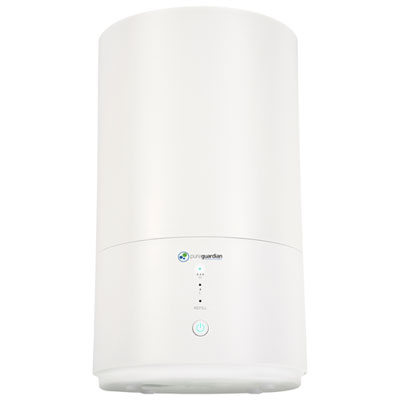 Your price for this item is $89.98
-
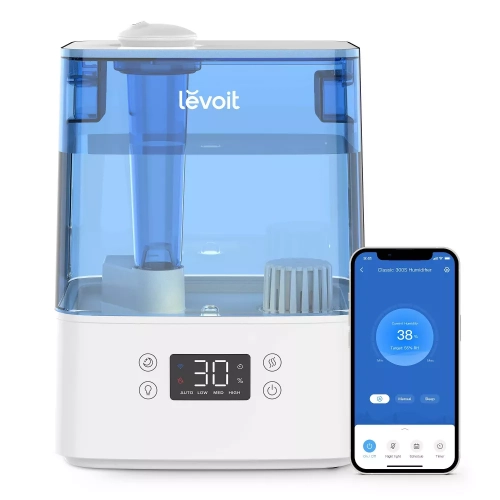 Your price for this item is $299.74
-
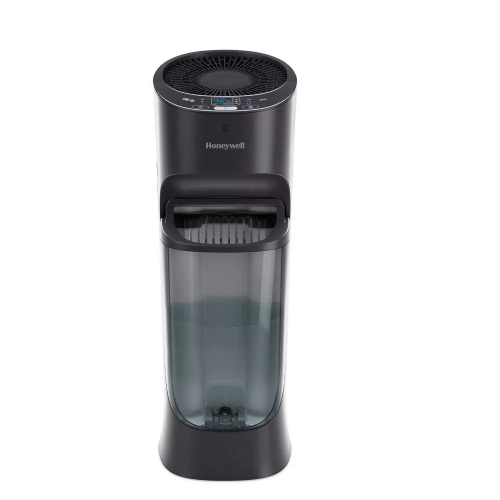 Your price for this item is $299.74
-
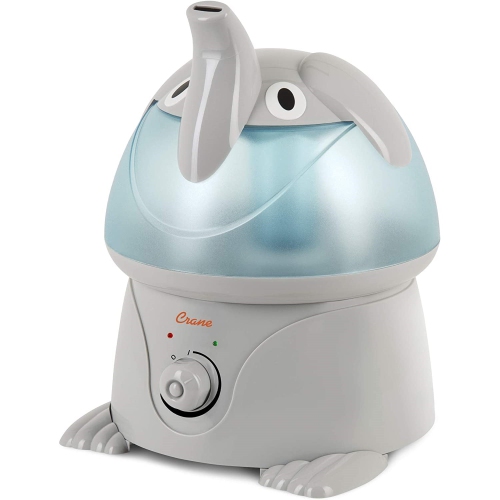 Your price for this item is $109.97
-
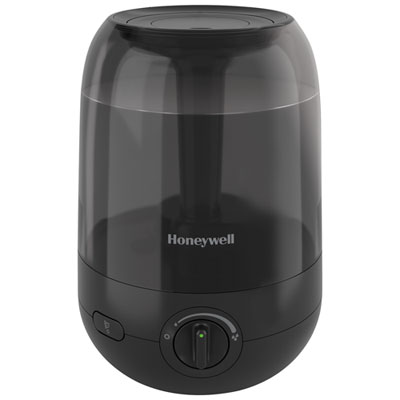 Your price for this item is $59.99
Discover more categories related to Humidifiers for Winter
Top Collections:
Pokemon Centers, Best Cameras for Sports Photography, Kindle Devices, Samsung Galaxy Phones, Canon G7X Cameras, Pokémon 30th Celebration Cards, Refurbished Apple Laptops, iPhone 15 Apple, Laptops for Students, Budget Smartphones
Some products may be subject to Environmental Handling Fees
(EHF) depending on your province.
Learn more about EHFs.